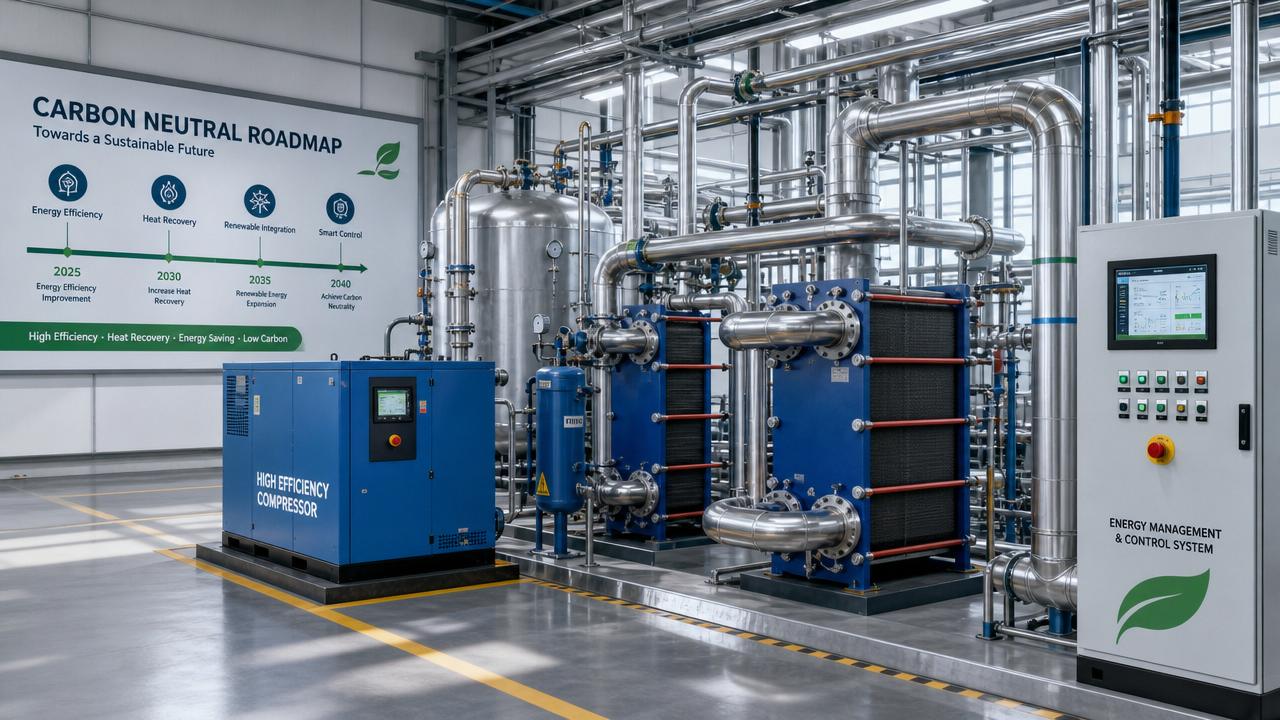
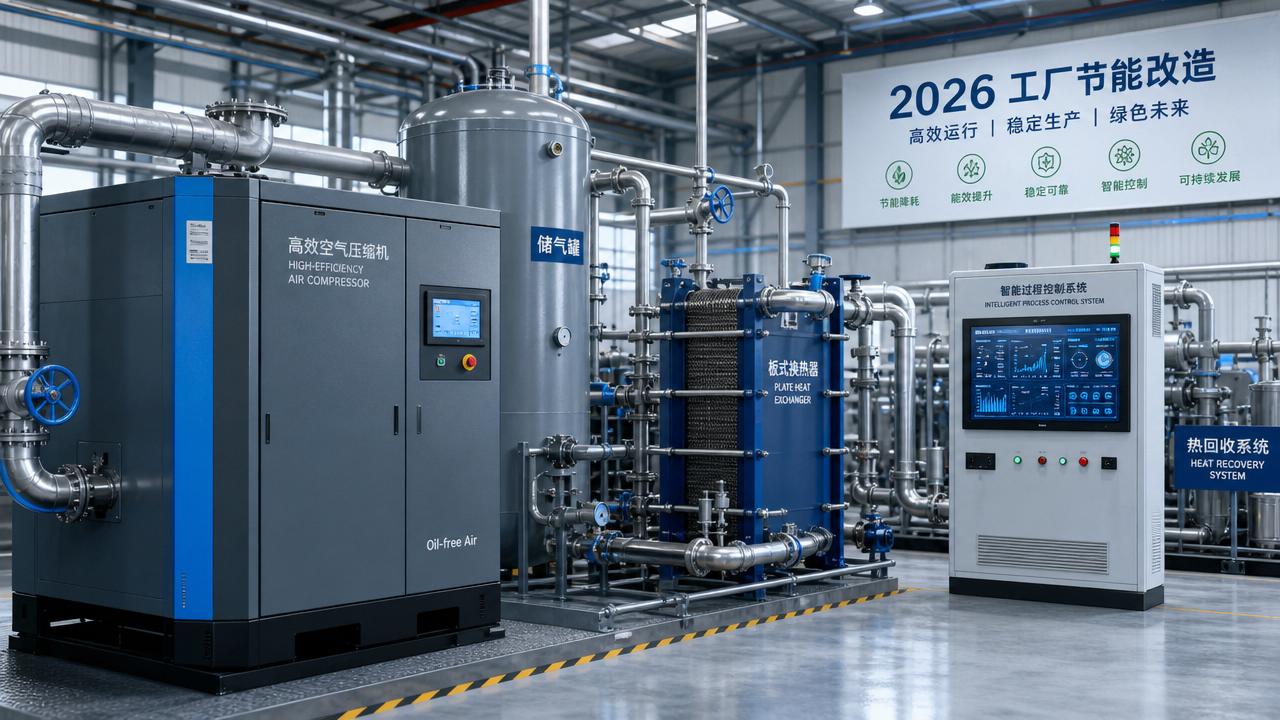
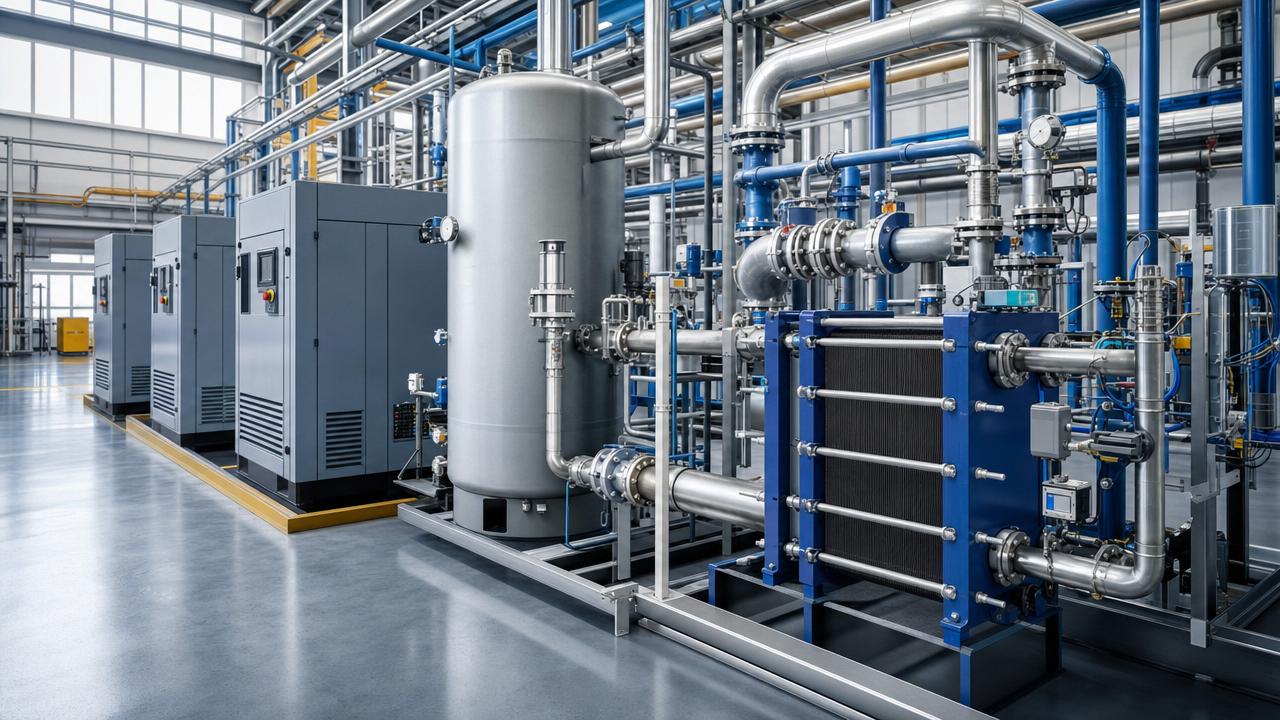
Smart Thermal Systems: When Upgrades Deliver Measurable Savings




For business evaluators, smart thermal systems are no longer experimental upgrades. They are practical tools for cutting energy waste, stabilizing output, and improving compliance outcomes.
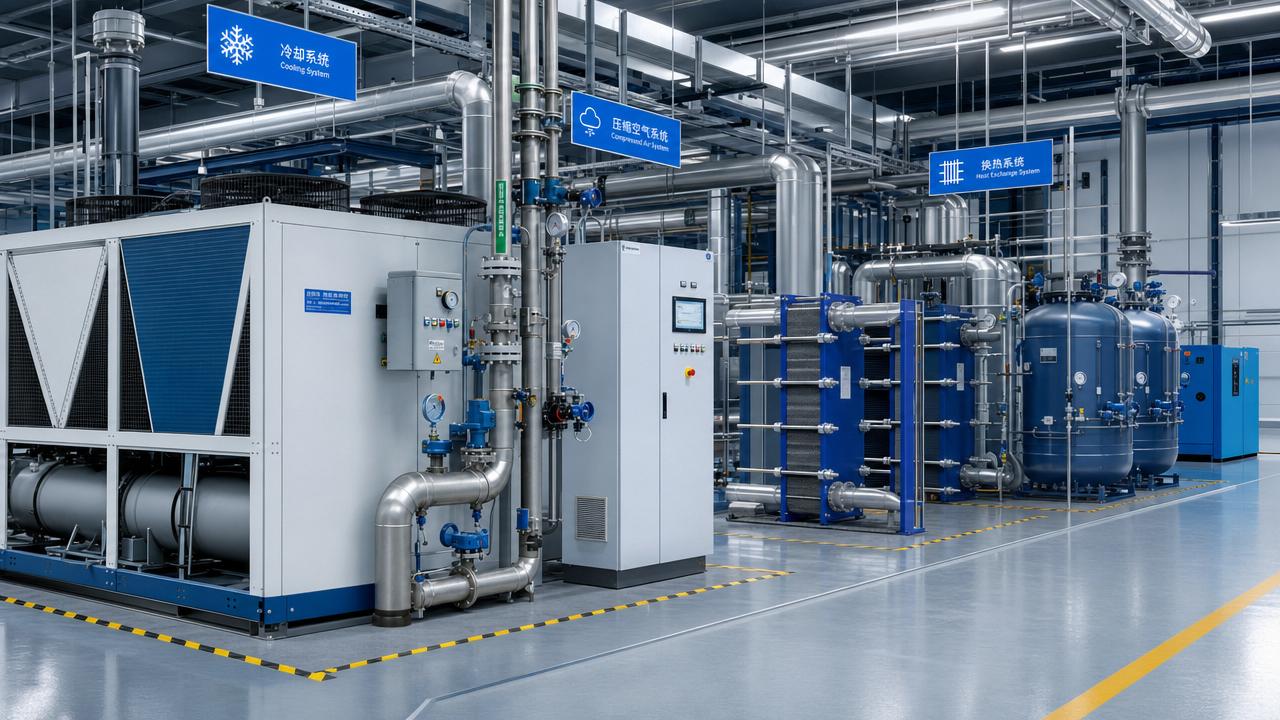
Across cooling, compressed air, vacuum, and heat exchange applications, data-led improvements now produce measurable savings. The key question is not whether upgrades matter, but when they pay back clearly.
This article explains how to judge value, compare options, avoid common mistakes, and identify the conditions where smart thermal systems create the strongest financial return.
What are smart thermal systems, and why do they matter now?
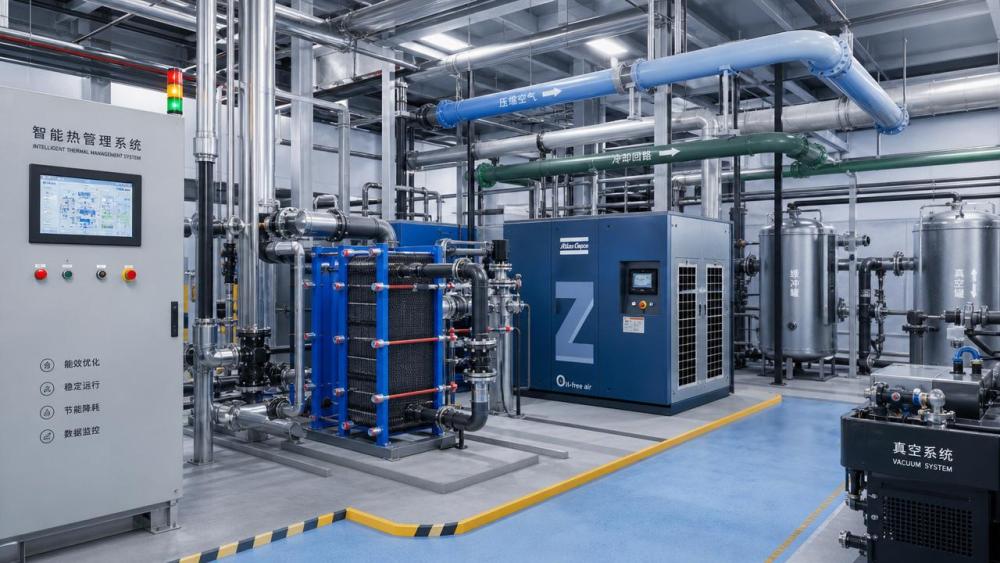
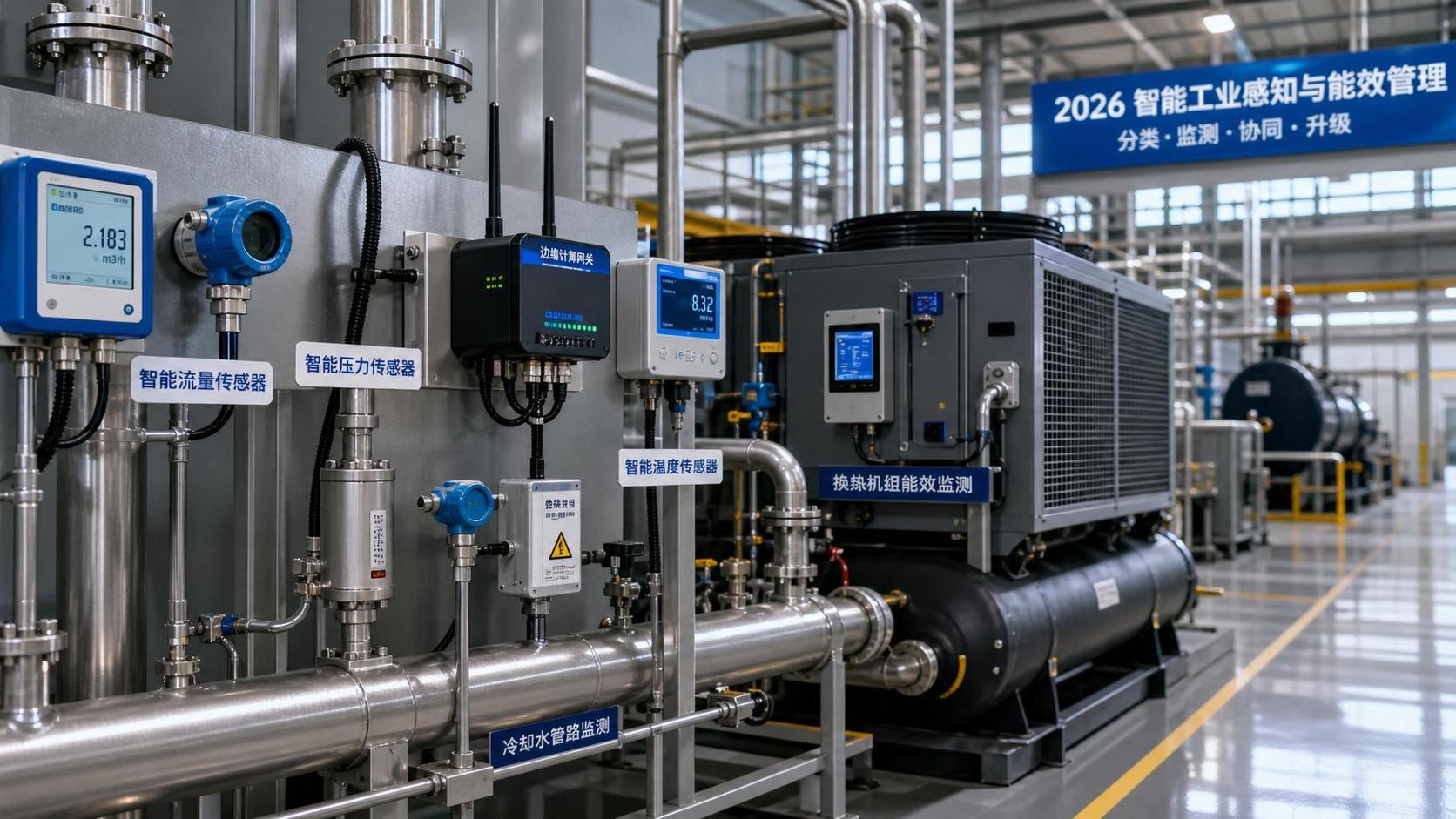
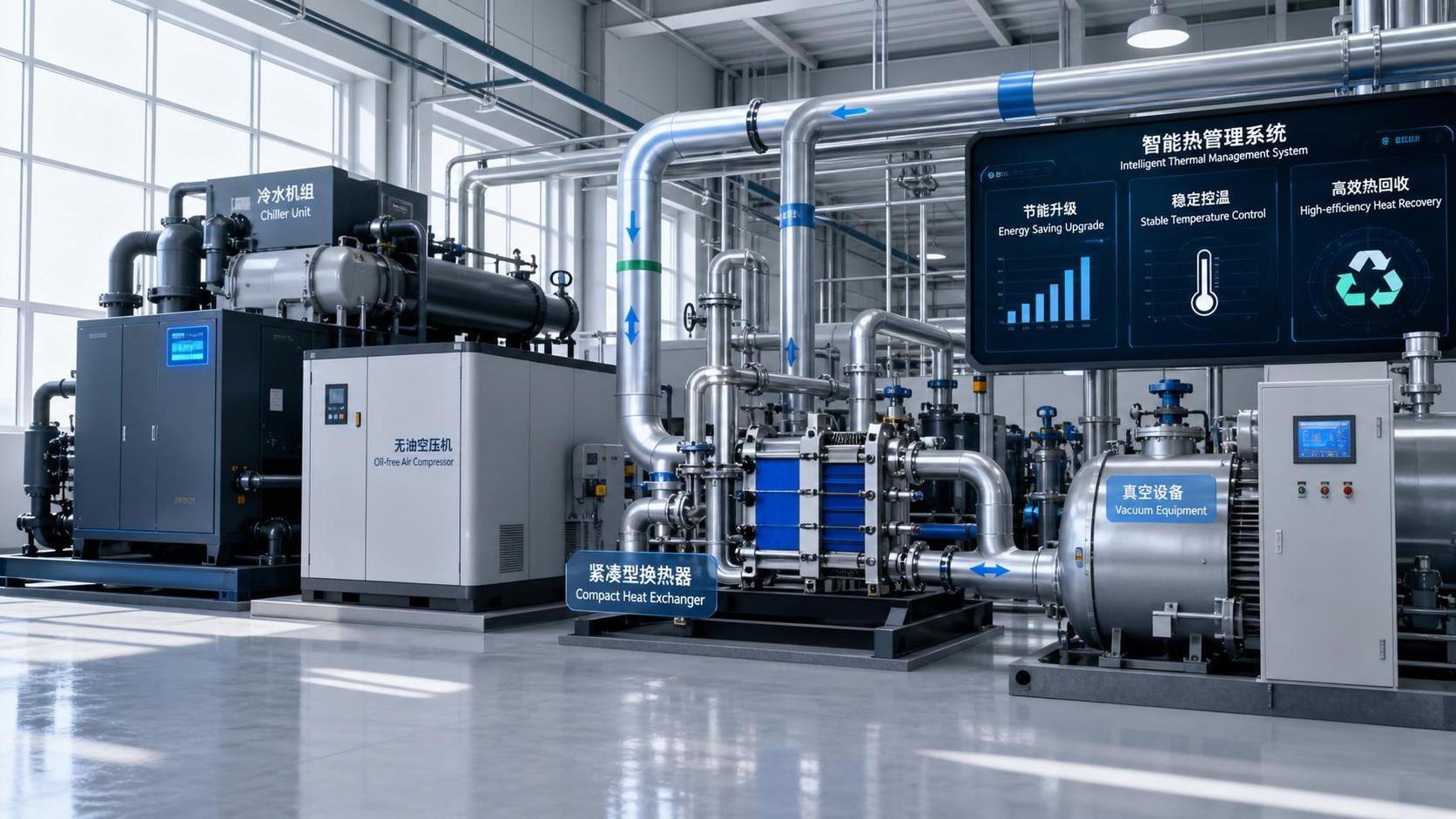
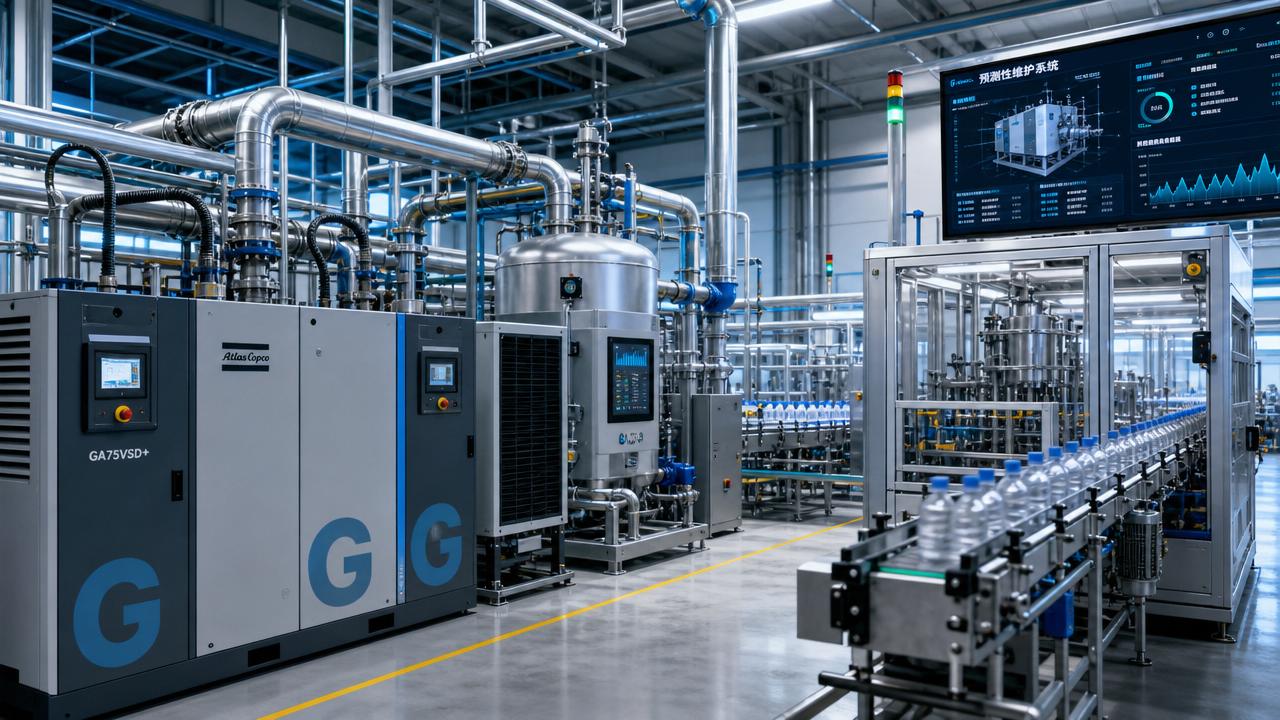
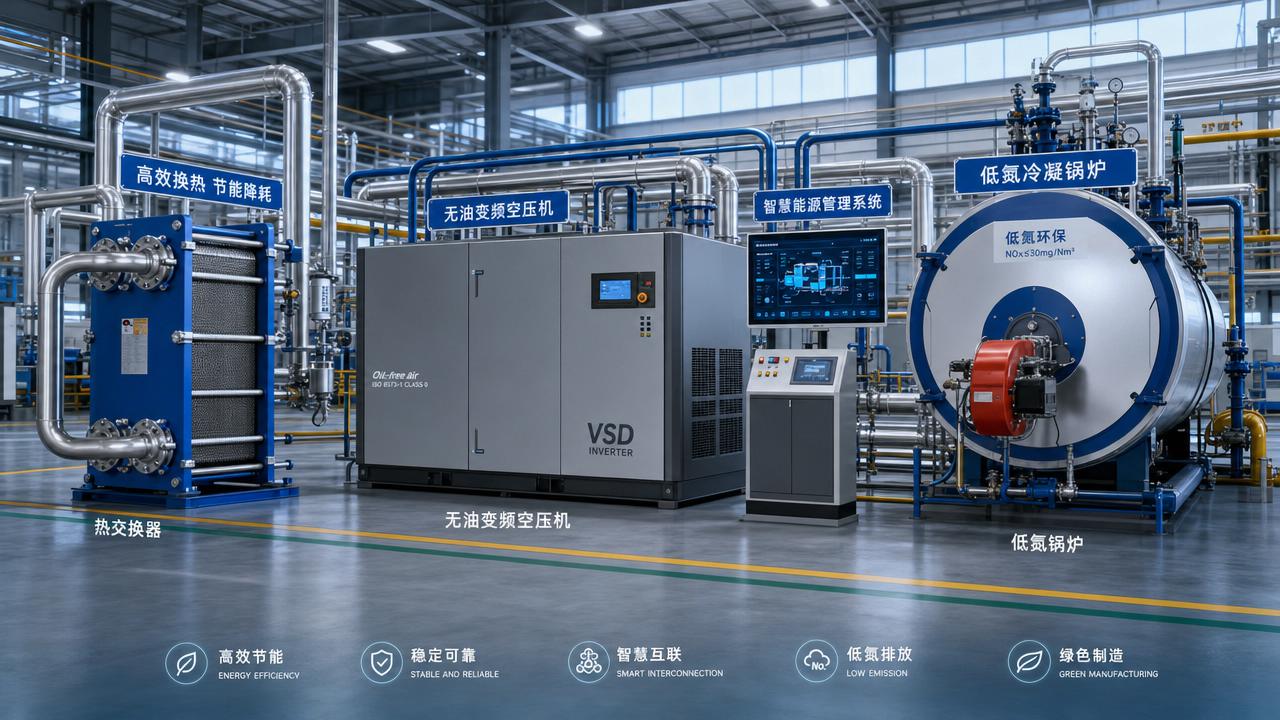
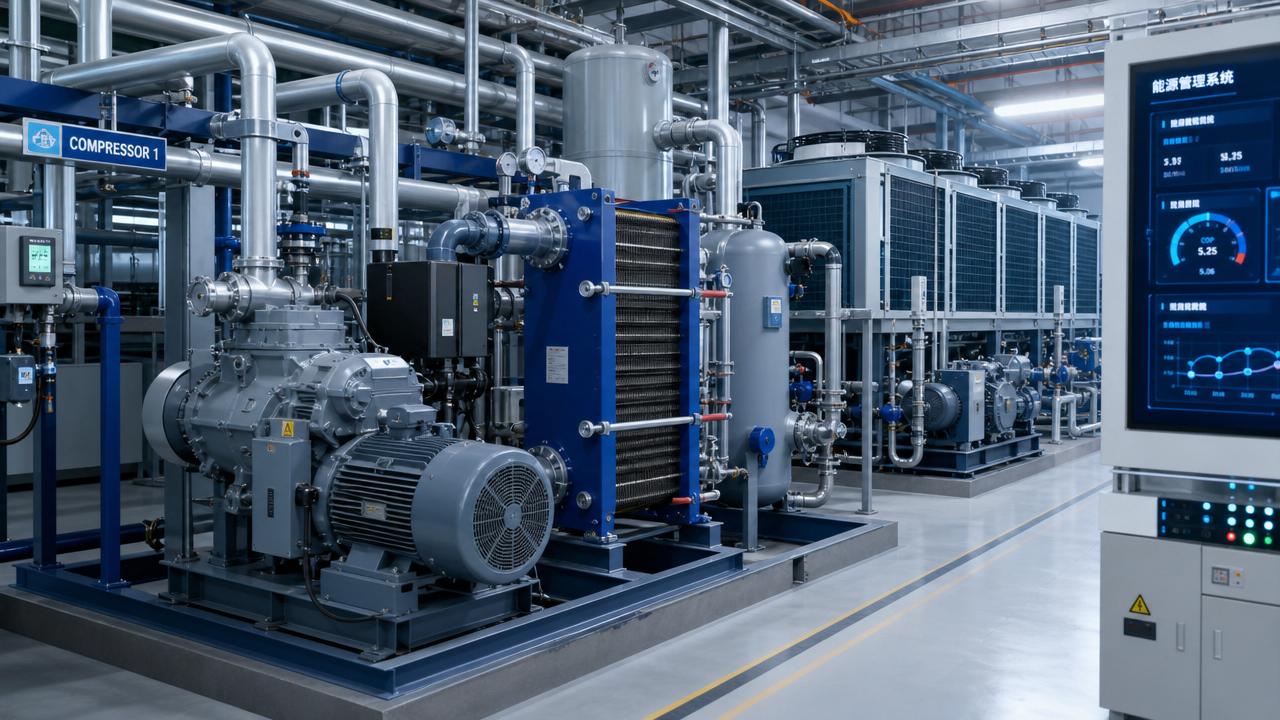
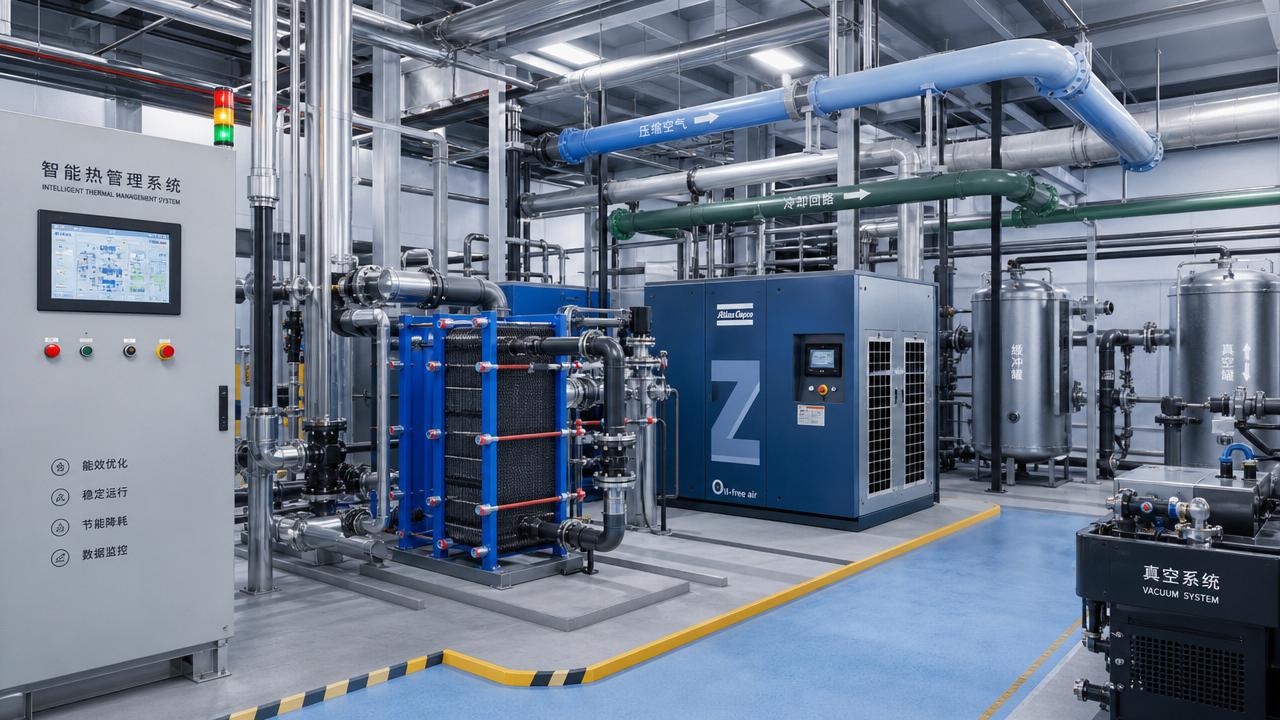
Smart thermal systems combine thermal equipment with sensing, controls, analytics, and performance optimization. They monitor heat transfer, pressure, airflow, temperature drift, and equipment loading in real time.
They matter because energy prices remain volatile, carbon reporting is expanding, and uptime expectations are rising. Inefficient thermal assets now create both direct cost and strategic risk.
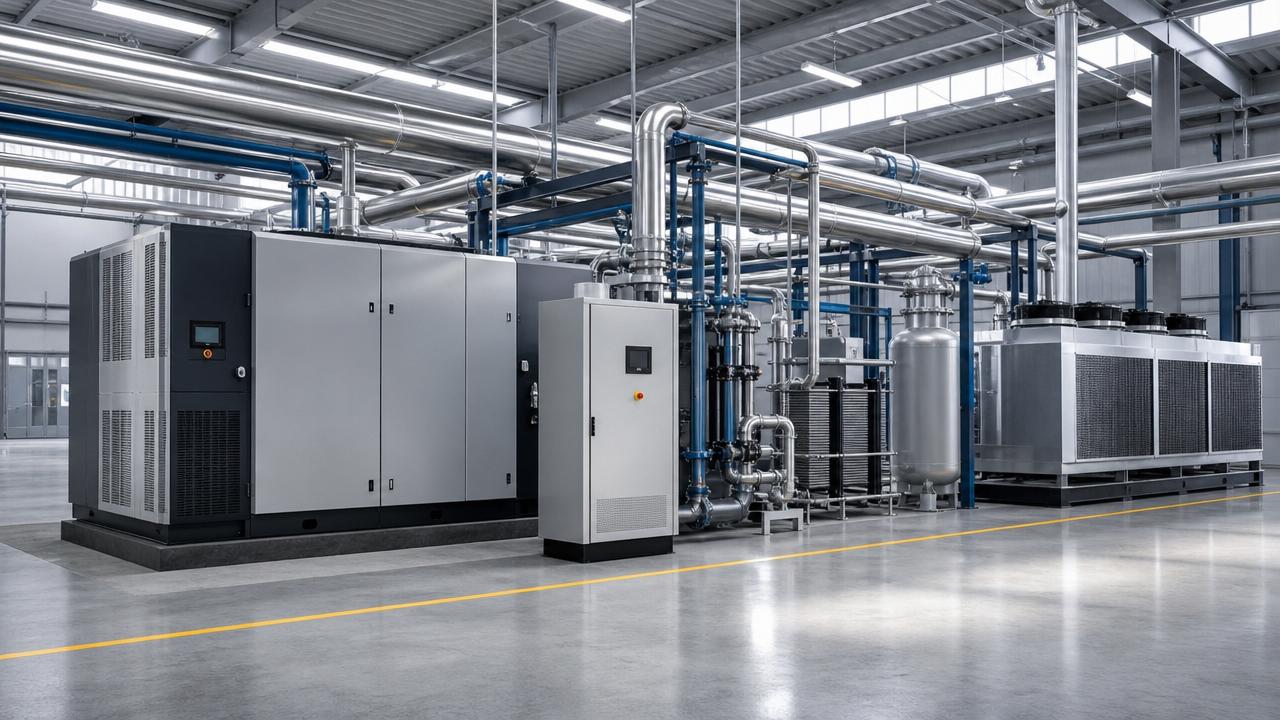
In broad industrial settings, these systems often include:
- compressor controls with variable response
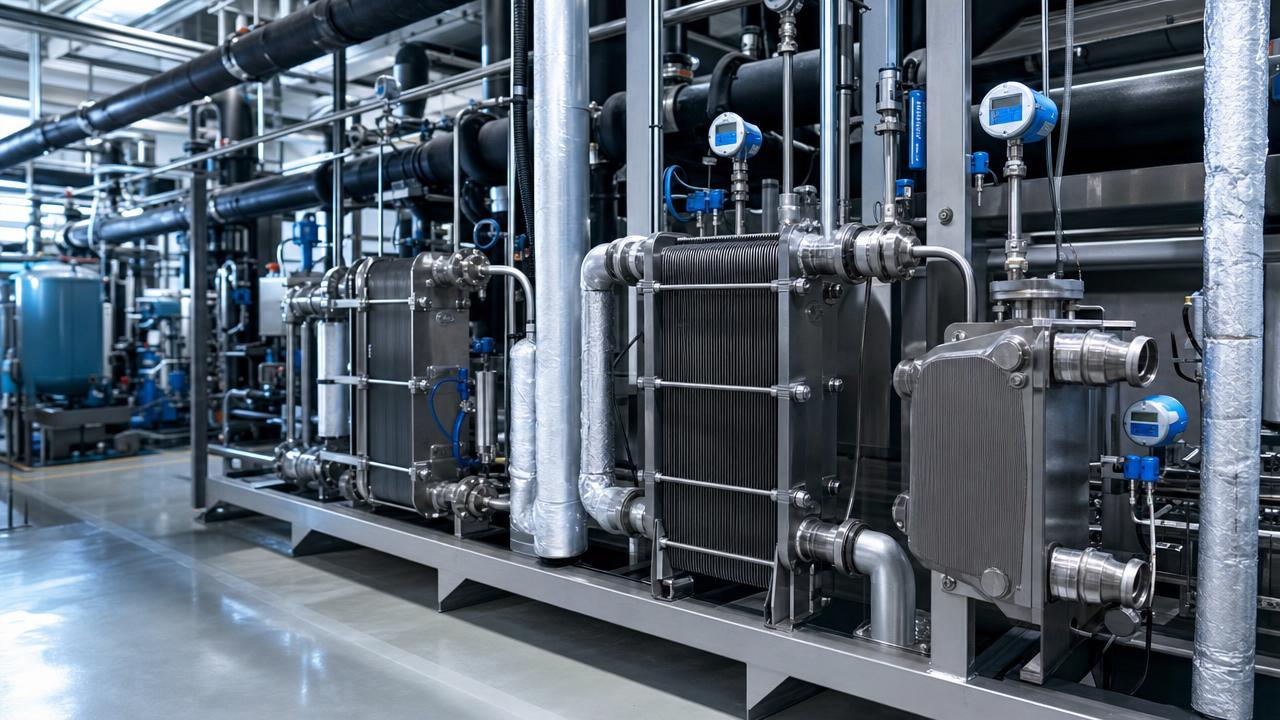
- heat exchanger monitoring and fouling alerts
- smart pumps and fan-speed optimization
- leak detection in compressed air networks
- predictive maintenance for vacuum and cooling assets
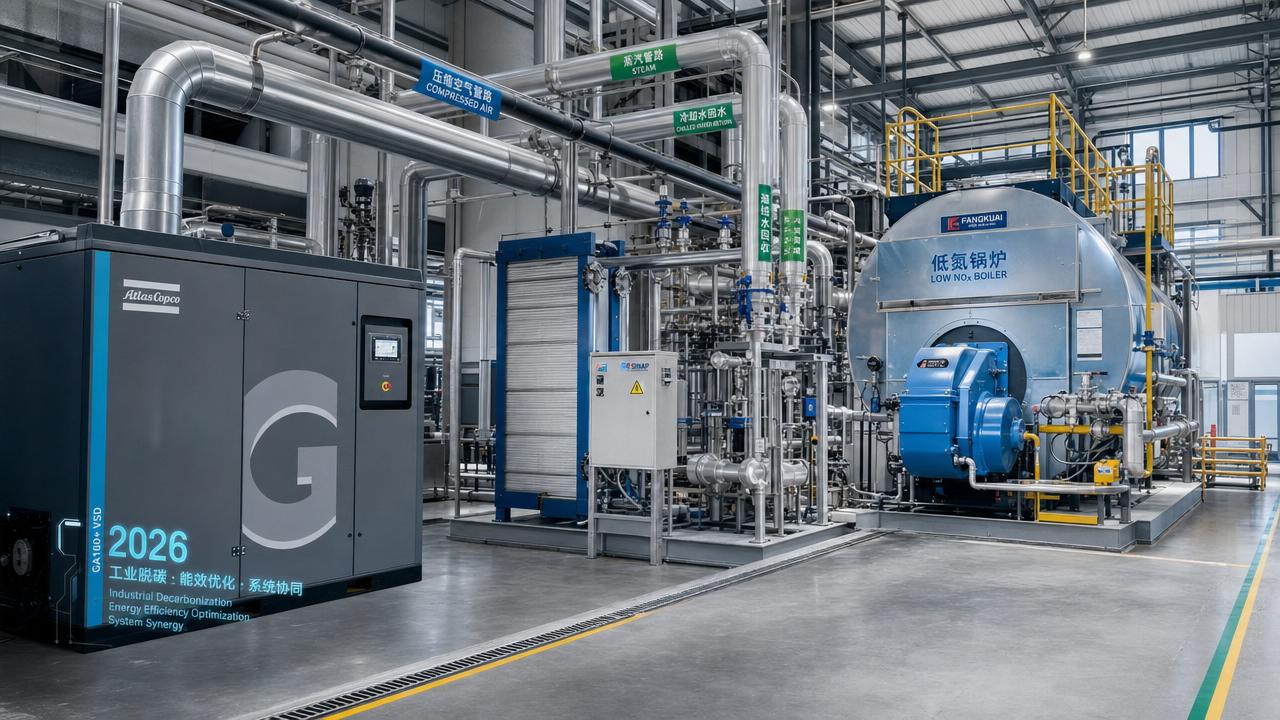
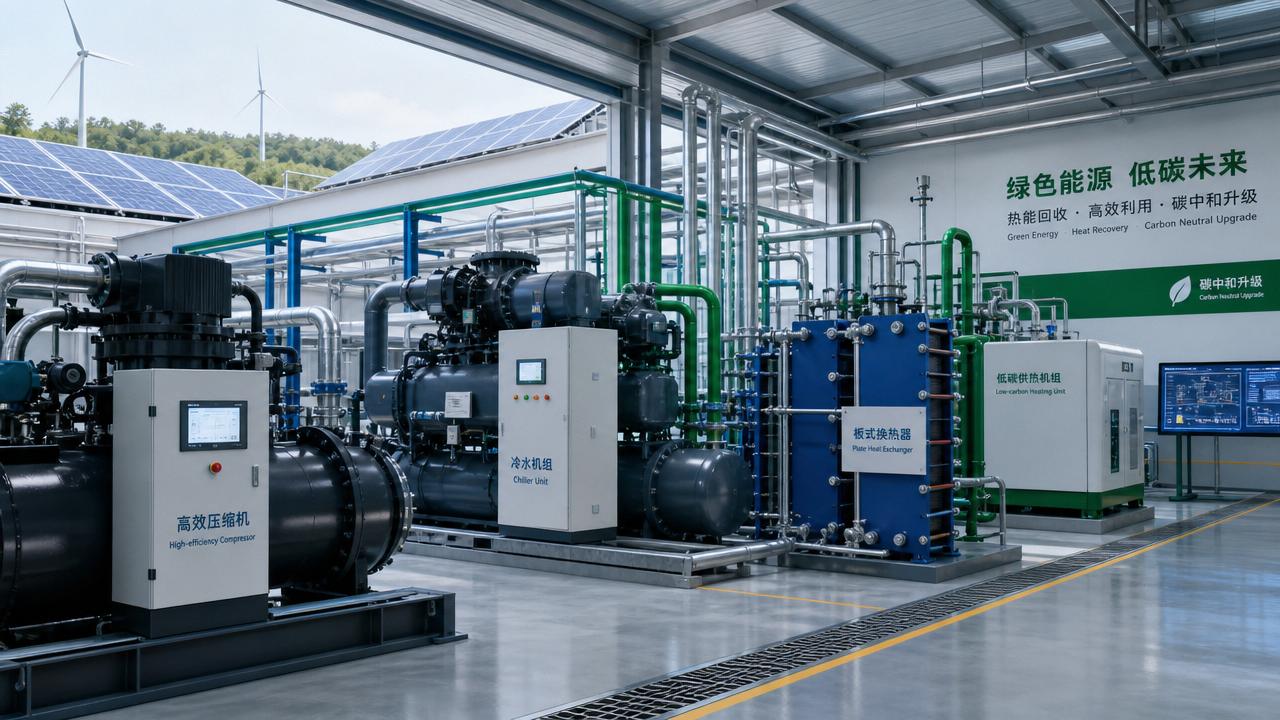
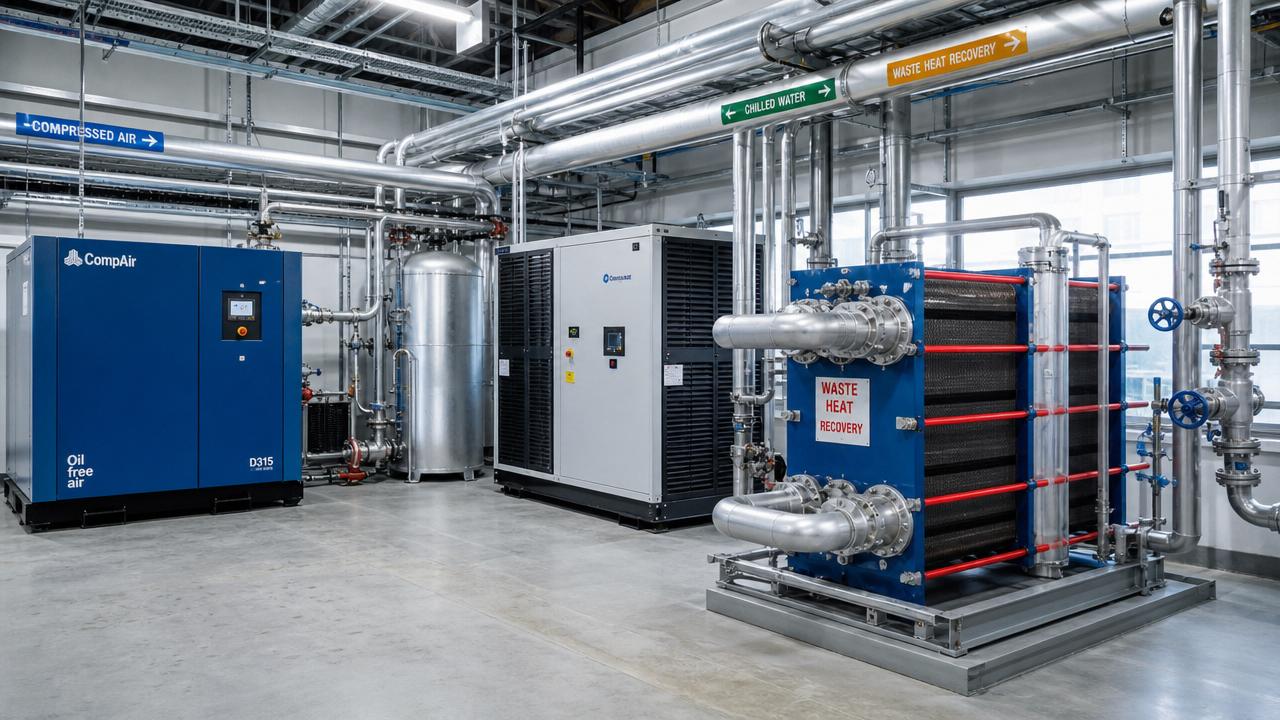
The value of smart thermal systems comes from coordination. A better compressor alone helps, but greater savings appear when controls, distribution, and demand conditions are optimized together.
When do upgrades deliver measurable savings instead of marginal gains?
Upgrades create measurable savings when there is a clear mismatch between current operation and actual load. Many systems were sized for peak demand and now run inefficiently most of the time.
The strongest cases usually involve one or more of these signals:
- high part-load operation
- frequent start-stop cycling
- unstable process temperatures
- recurring compressed air leaks
- heat exchanger fouling and pressure drop
- rising maintenance cost without output growth
Measurable returns also become more likely when sites operate continuously. Longer run hours amplify energy waste, making smart controls and efficiency upgrades easier to justify.
Facilities with strict quality requirements often benefit faster. Stable thermal conditions reduce rejects, protect sensitive products, and support compliance documentation.
Another strong trigger is expansion without thermal redesign. If production changed but utility systems did not, smart thermal systems often reveal hidden inefficiencies immediately.
How can savings from smart thermal systems be evaluated with confidence?
Confident evaluation starts with a baseline. Without accurate before-and-after data, savings claims remain assumptions rather than business evidence.
Useful baseline metrics include energy use, specific power, thermal stability, downtime, maintenance cost, and product loss. These indicators connect engineering performance with economic impact.
A practical evaluation method can follow five steps:
- Measure current load profiles across shifts and seasons.
- Identify waste sources such as leaks, oversizing, or poor control logic.
- Model savings under realistic operating conditions.
- Include maintenance, downtime, and compliance effects.
- Verify performance after implementation with interval data.
Payback should not rely only on electricity reduction. Better thermal balance can lower scrap, extend asset life, and reduce emergency service events.
It is also important to separate gross savings from net savings. New controls may increase visibility and output stability, but integration costs and training needs must be counted.
For many sites, the most reliable smart thermal systems business case combines three value streams: energy savings, avoided failures, and improved process consistency.
Which applications see the clearest return from smart thermal systems?
Return varies by process, but some applications repeatedly show strong results. These are usually systems with continuous operation, unstable demand, or expensive quality risks.
Compressed air networks
Compressed air is often one of the costliest utilities. Smart sequencing, pressure optimization, and leak analytics can reduce waste without disrupting production.
Industrial cooling loops
Cooling systems benefit from variable-speed fans, improved heat rejection control, and predictive cleaning schedules. These changes improve coefficient of performance and reduce instability.
Heat exchanger operations
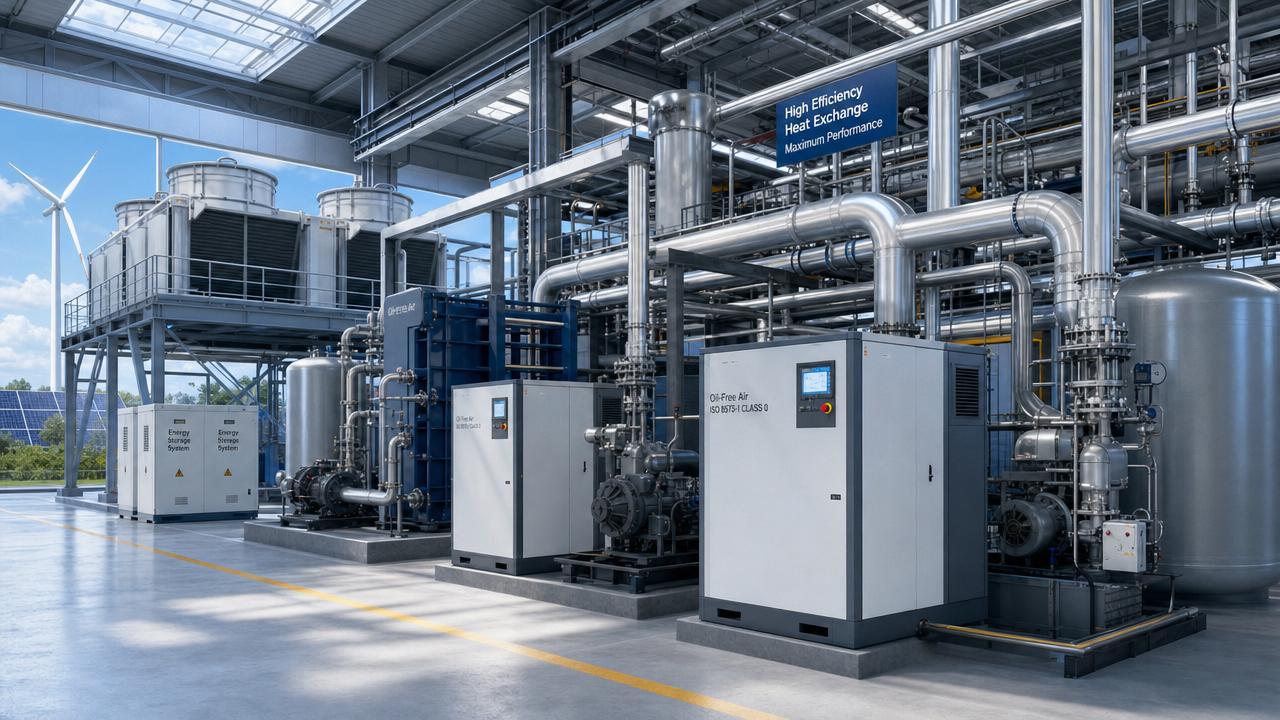
Smart monitoring detects fouling early. That allows cleaning based on performance loss instead of fixed intervals, saving both energy and maintenance hours.
Vacuum processes
Vacuum systems often run conservatively. Better controls and condition monitoring reduce overcapacity and help maintain process purity with lower power demand.
In each case, smart thermal systems work best where performance variability already exists. The more unmanaged variation, the larger the improvement opportunity.
What mistakes reduce returns or delay payback?
A common mistake is replacing hardware without fixing control logic. Efficient equipment can still perform poorly if sequencing, setpoints, or distribution losses remain unchanged.
Another error is treating all savings as energy savings. Some projects create stronger value through uptime protection, compliance support, or output quality stability.
Other frequent problems include:
- using vendor estimates without site-specific data
- ignoring seasonal operating variation
- underestimating installation downtime
- failing to train operators on new control strategies
- measuring success too soon after startup
Poor data governance can also weaken results. If sensors drift or dashboards are not reviewed regularly, even advanced smart thermal systems lose value over time.
How should an upgrade decision be prioritized across cost, risk, and timing?
Not every upgrade should happen immediately. Prioritization works best when energy impact, operational risk, and implementation complexity are reviewed together.
The table below offers a simple decision view for smart thermal systems investments.
Projects with high energy waste and low installation complexity usually move first. Projects with major compliance or reliability risk may justify action even with longer payback.
A phased roadmap often works better than a full replacement. Start with measurement, controls, and obvious losses. Then expand to major equipment where proven data supports the decision.
What is the most practical next step?
The smartest first move is not necessarily a full capital project. It is a structured assessment of where thermal waste, instability, and maintenance risk intersect.
That assessment should cover compressed air performance, cooling efficiency, heat exchange health, and control responsiveness. It should also connect engineering findings to financial outcomes.
For organizations following global efficiency trends, intelligence platforms such as GTC-Matrix can help interpret technology shifts, refrigerant policy changes, and evolving performance benchmarks.
In the end, smart thermal systems deliver measurable savings when decisions are grounded in real operating data, system interaction, and lifecycle economics. The strongest results come from targeted upgrades, not generic replacement.
Begin with a baseline, rank the losses, verify the business case, and implement in stages. That approach turns thermal modernization into a visible, defensible source of savings.
Ready when you are. Send us a message to get started.
Related News
- Why high-density thermal energy storage is gaining industry attentionAuthor :

- Smart Device Thermal Management Trends Shaping 2026 Product DesignAuthor :

- Industrial Cooling Technologies in Europe: 2026 Trends in Compliance and Energy UseAuthor :

- Industrial Electrification Trends in 2026: Where Projects Are Moving FirstAuthor :

- Industrial Solution Comparison Global: 2026 Trends Reshaping Equipment DecisionsAuthor :

- When Heat Recovery Systems Skid Mounted Designs Improve Project PaybackAuthor :

- How to Compare Industrial Decarbonization Solutions Providers in 2026Author :

- Industry Category Guides for Smart Devices: What to Track as 2026 Markets ShiftAuthor :

- Green Manufacturing Trends Reshaping Industrial InvestmentAuthor :

- 2026 Global Energy Costs: What Will Reshape Industrial PlanningAuthor :

- Industrial Decarbonization Solutions That Cut Fuel Costs in 2026Author :

- Smart Thermal Systems Trends Shaping Industrial Upgrades in 2026Author :

- Resource Circularity in Manufacturing: 5 Practical Gains Beyond ComplianceAuthor :

- Carbon Neutrality Roadmap: What Industrial Firms Need to Prioritize FirstAuthor :

- Energy Conversion Efficiency Trends Shaping Industrial UpgradesAuthor :

- Compression Technology Trends Shaping Efficient Plant UpgradesAuthor :

- Industrial Intelligence in Manufacturing: Where It Delivers Value FirstAuthor :

- How Intellectualization Improves Industrial Thermal ManagementAuthor :

- What Intellectualization Means for Smarter Plant Operations in 2026Author :

- Carbon Neutrality Goals: What Industrial Firms Should Prioritize in 2026Author :

- How Intellectualization Reduces Downtime in Modern Production LinesAuthor :

- Decarbonization Roadmap for Energy-Intensive Plants in 2026Author :

- Thermal Systems Trends in 2026: Efficiency, Control, and RiskAuthor :

- Industrial Decarbonization Priorities for Energy-Intensive FacilitiesAuthor :

- Thermal Systems in 2026: Efficiency Upgrades Shaping Industrial OperationsAuthor :

- Pure Power Sources: 5 Practical Paths to Carbon NeutralityAuthor :

- What Intellectualization Means for Industrial Equipment UpgradesAuthor :

- Thermal Optimization in 2026: Where Energy Savings Deliver the Fastest PaybackAuthor :

- Energy Efficiency Trends Reshaping Compressor Upgrades in 2026Author :

- 2026 Industrial Decarbonization Trends Reshaping Plant UpgradesAuthor :
![]()
- Heat Exchanger Technology Trends for 2026 Efficiency TargetsAuthor :

- Resource Circularity Risks in 2026 Supply ChainsAuthor :

- Smart Thermal Systems: When Upgrades Deliver Measurable SavingsAuthor :

- Carbon Neutrality: Practical Steps for Factory RoadmapsAuthor :

- 2026 Industrial Energy Efficiency Priorities for Plant UpgradesAuthor :

- Industrial Intellectualization Trends Reshaping Equipment UpgradesAuthor :