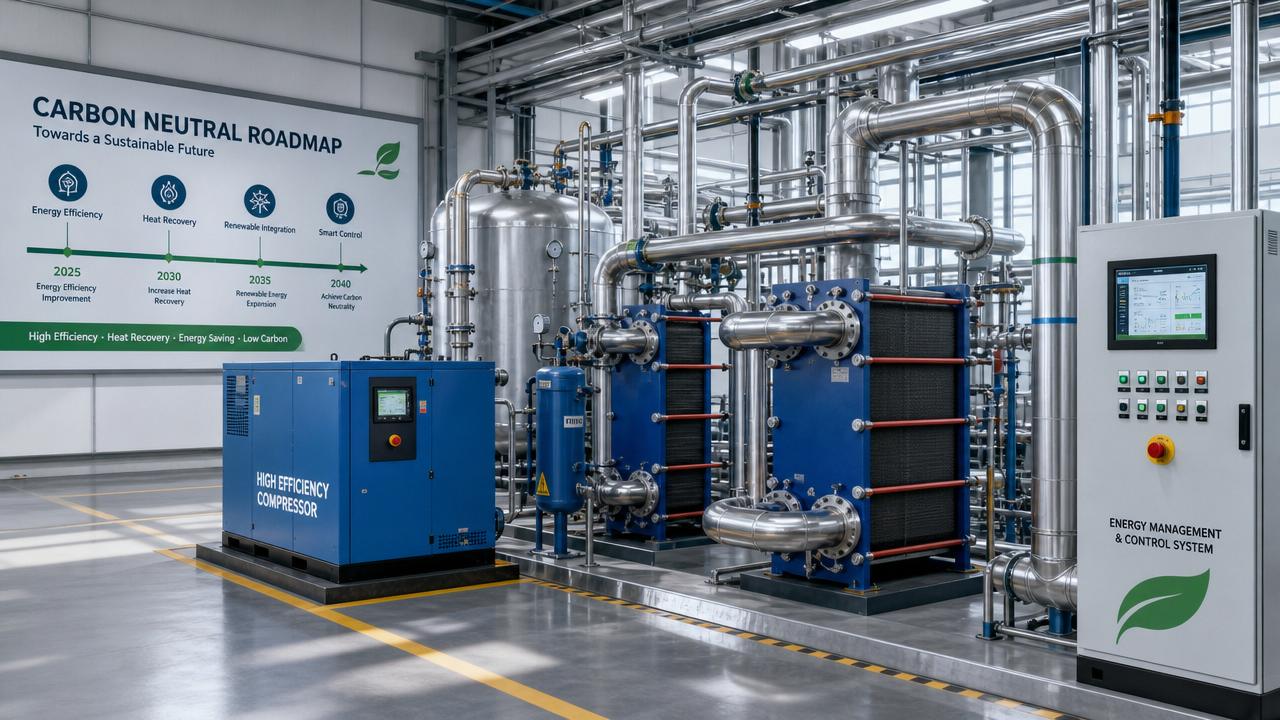
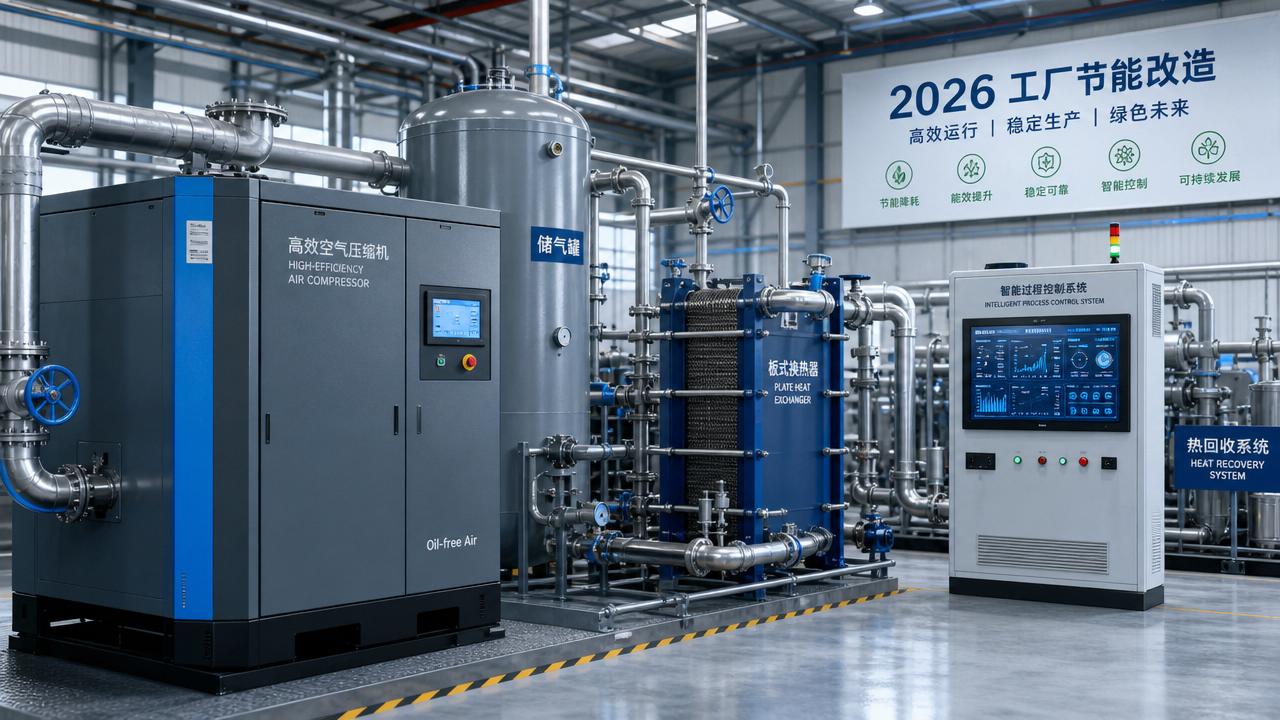
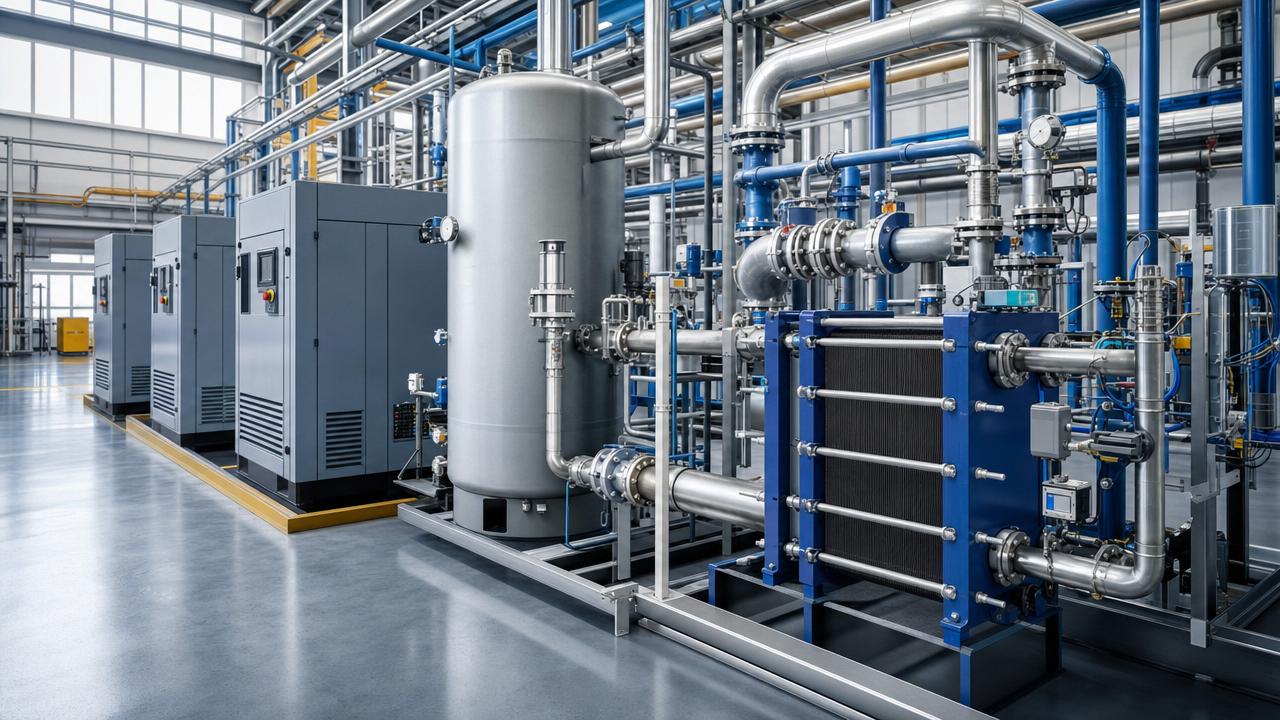
Green Manufacturing Trends Reshaping Industrial Investment




Green manufacturing is no longer a narrow environmental theme. It is becoming a capital allocation framework that connects energy cost, supply resilience, compliance pressure, and technology competitiveness across industrial systems.
That shift matters because investment decisions now reach far beyond visible production equipment. Cooling networks, compressed air systems, vacuum processes, and heat exchange assets are moving closer to the center of strategy.
In many sectors, the fastest route to lower emissions is not a dramatic plant rebuild. It is a better understanding of thermal loads, compression efficiency, refrigerant choices, and resource circularity inside core operations.
This is where industrial intelligence platforms such as GTC-Matrix become relevant. They connect thermodynamic analysis, market signals, and equipment evolution, helping investment decisions reflect real operating conditions rather than broad sustainability slogans.
Why Green Manufacturing Is Redirecting Industrial Capital
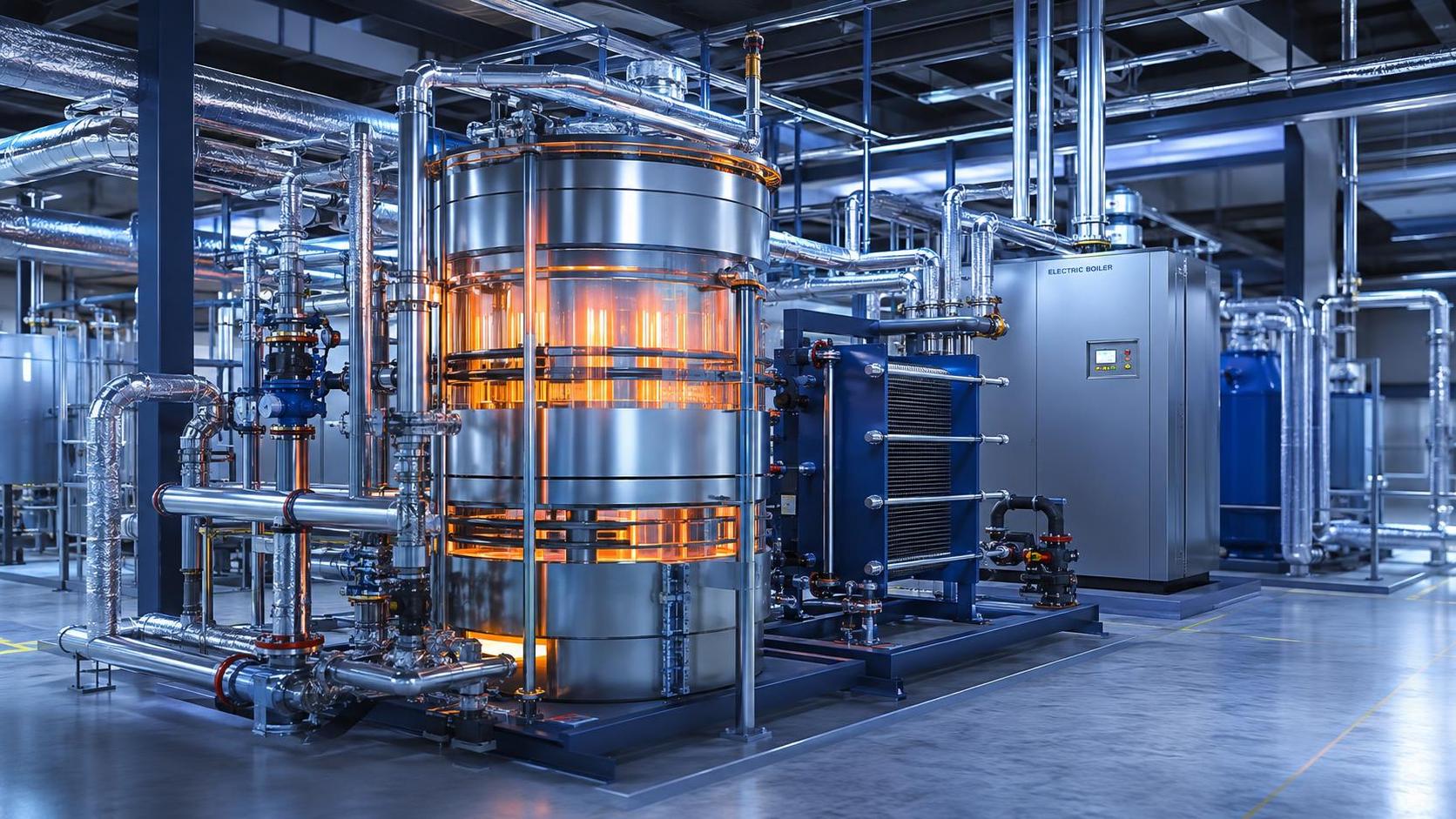
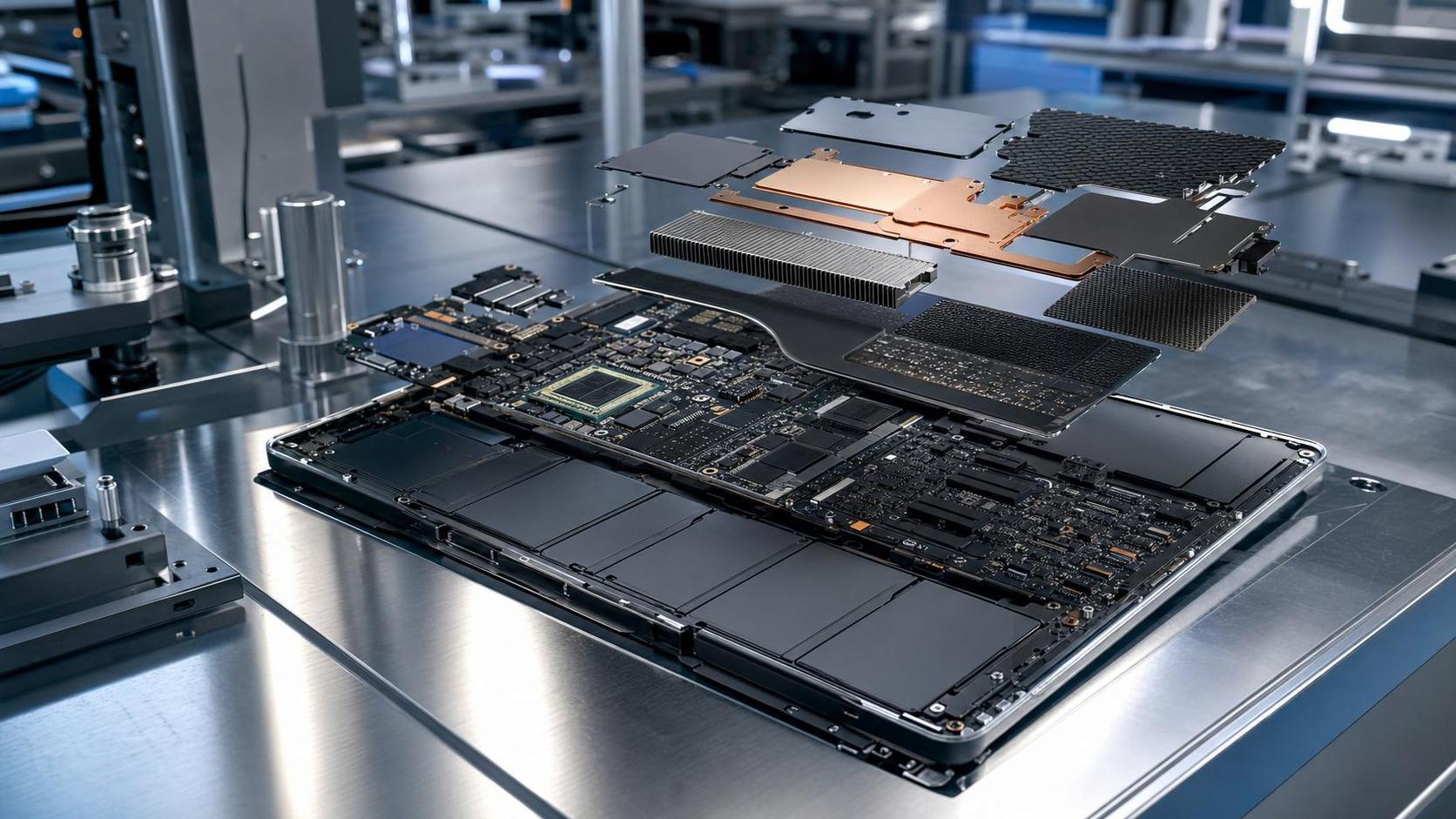
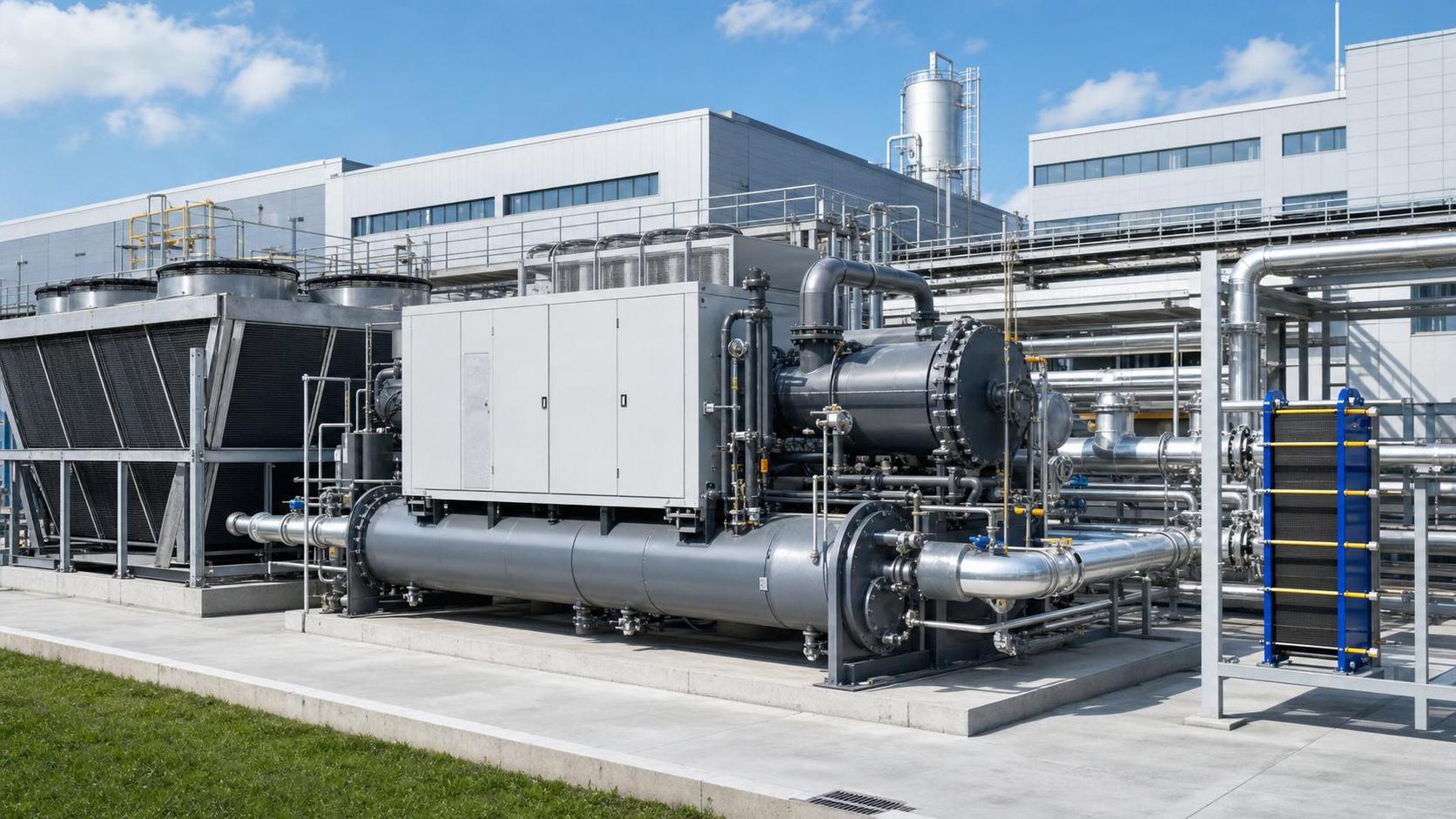
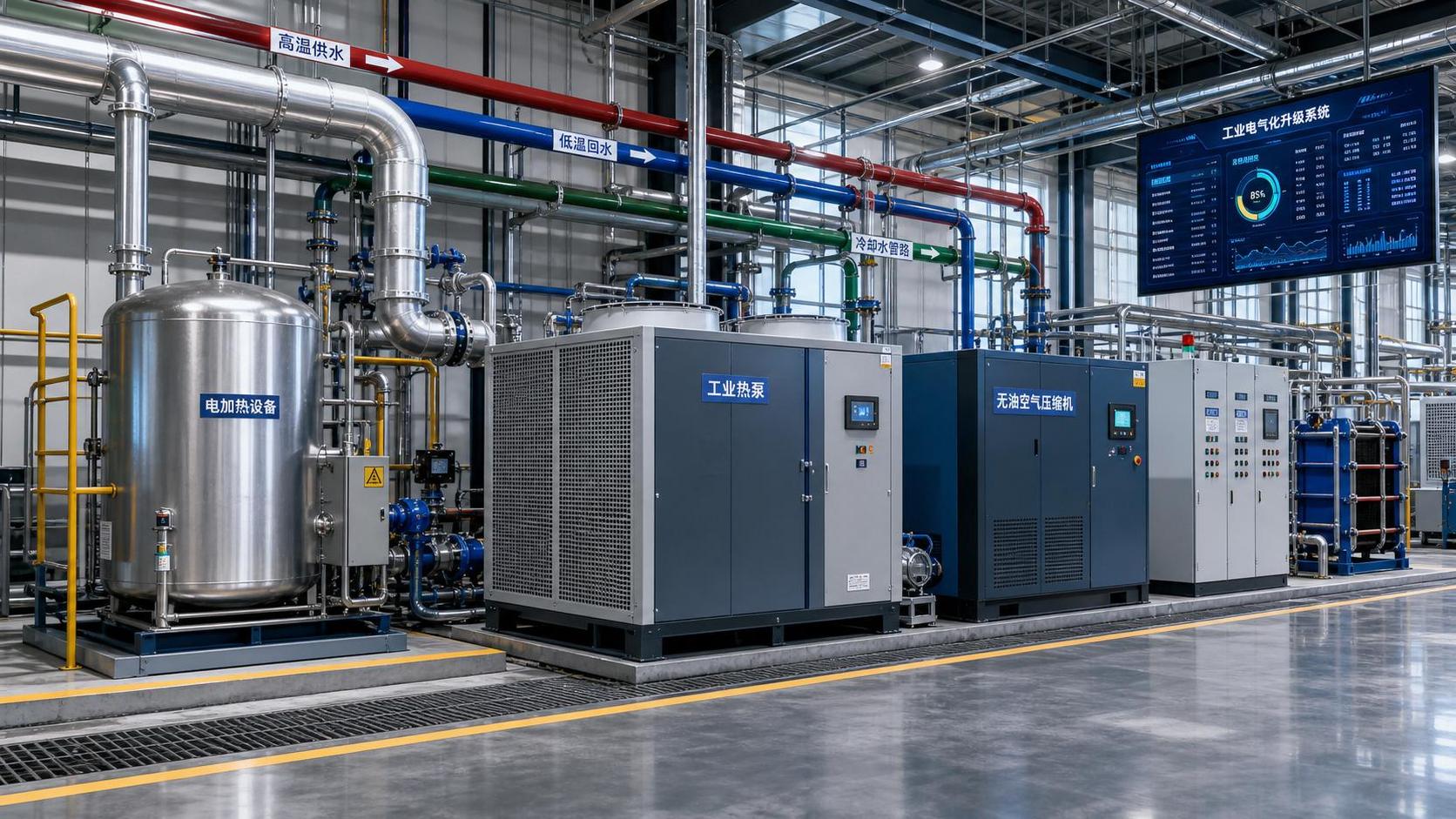
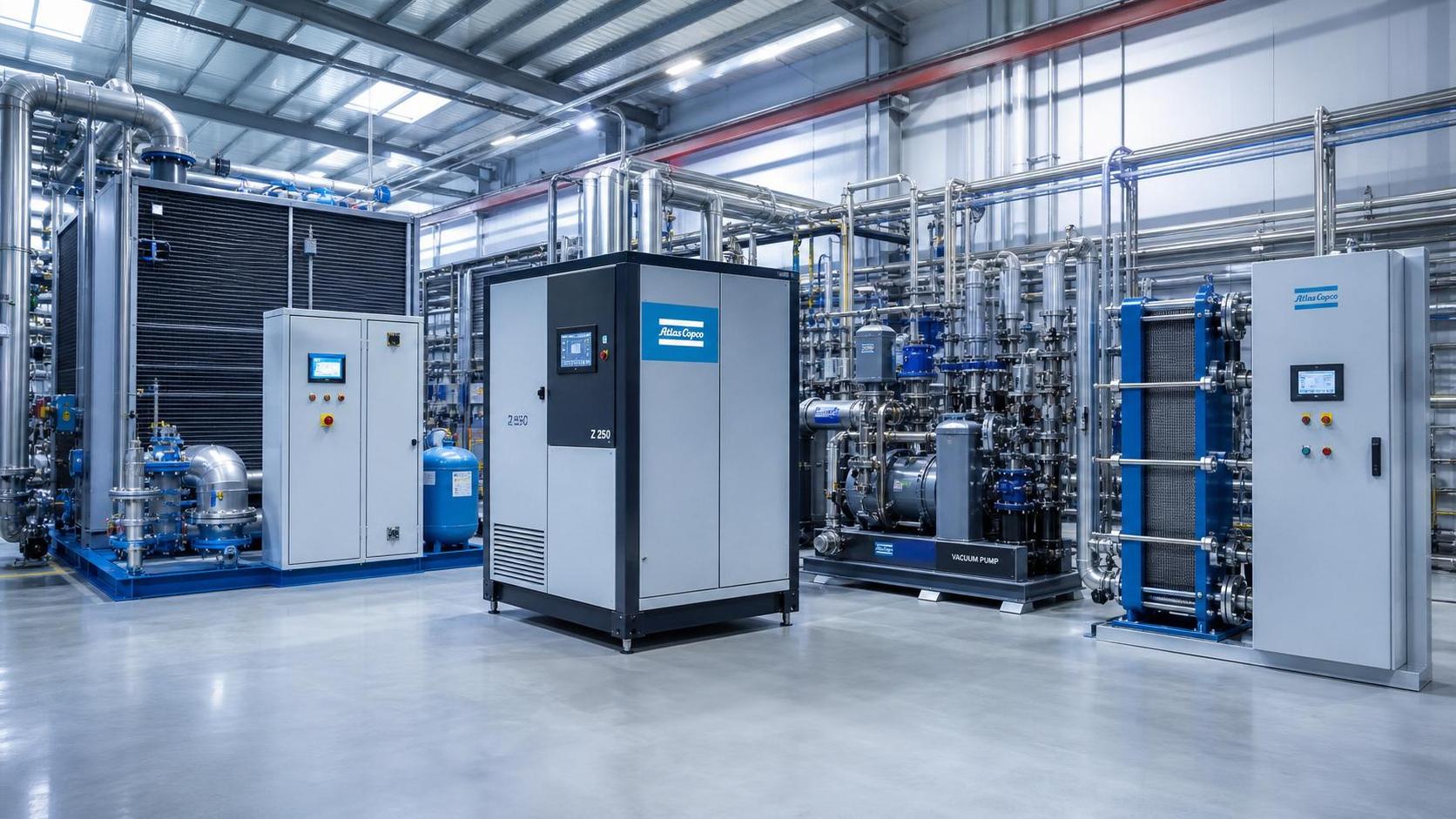
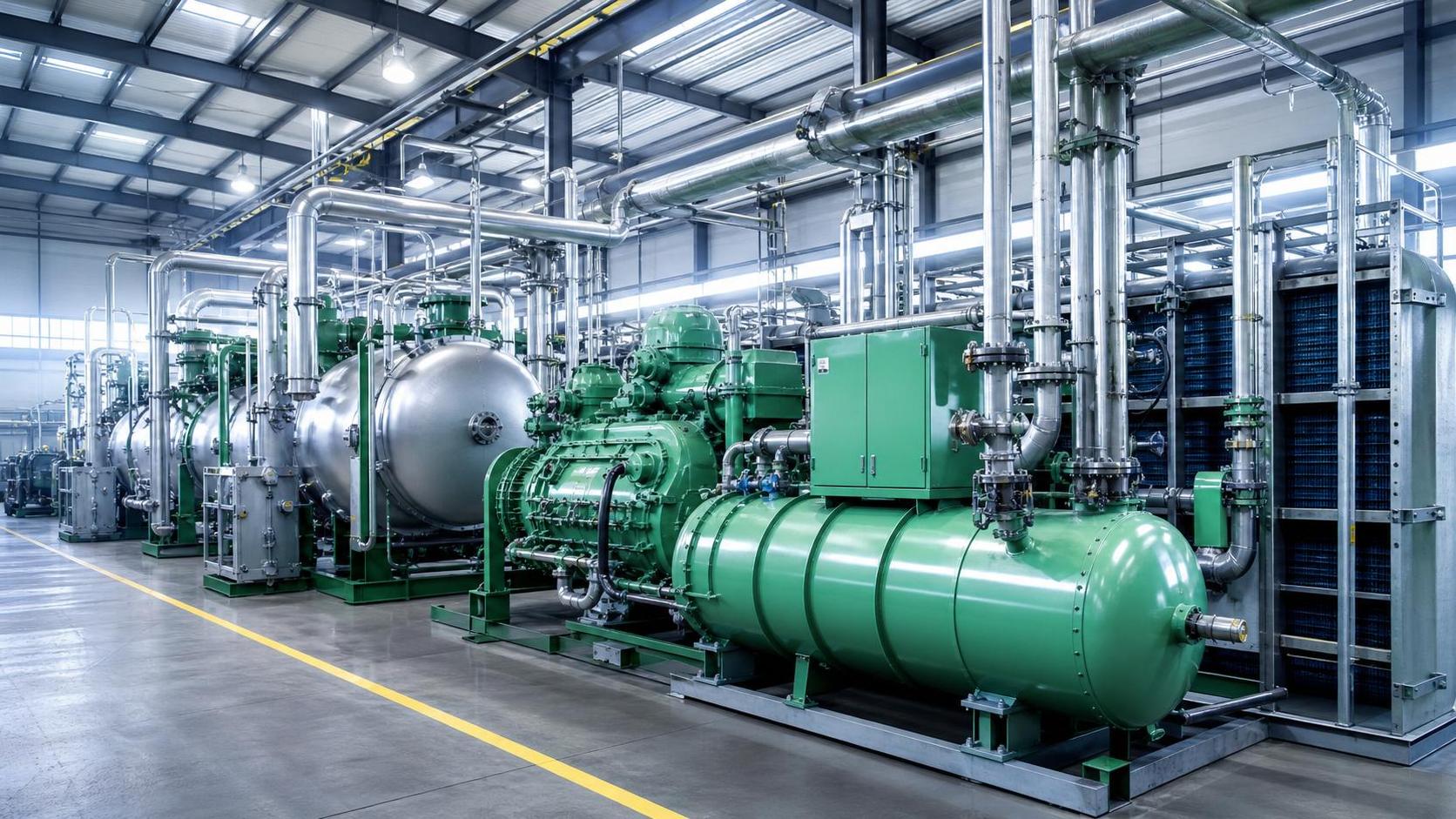
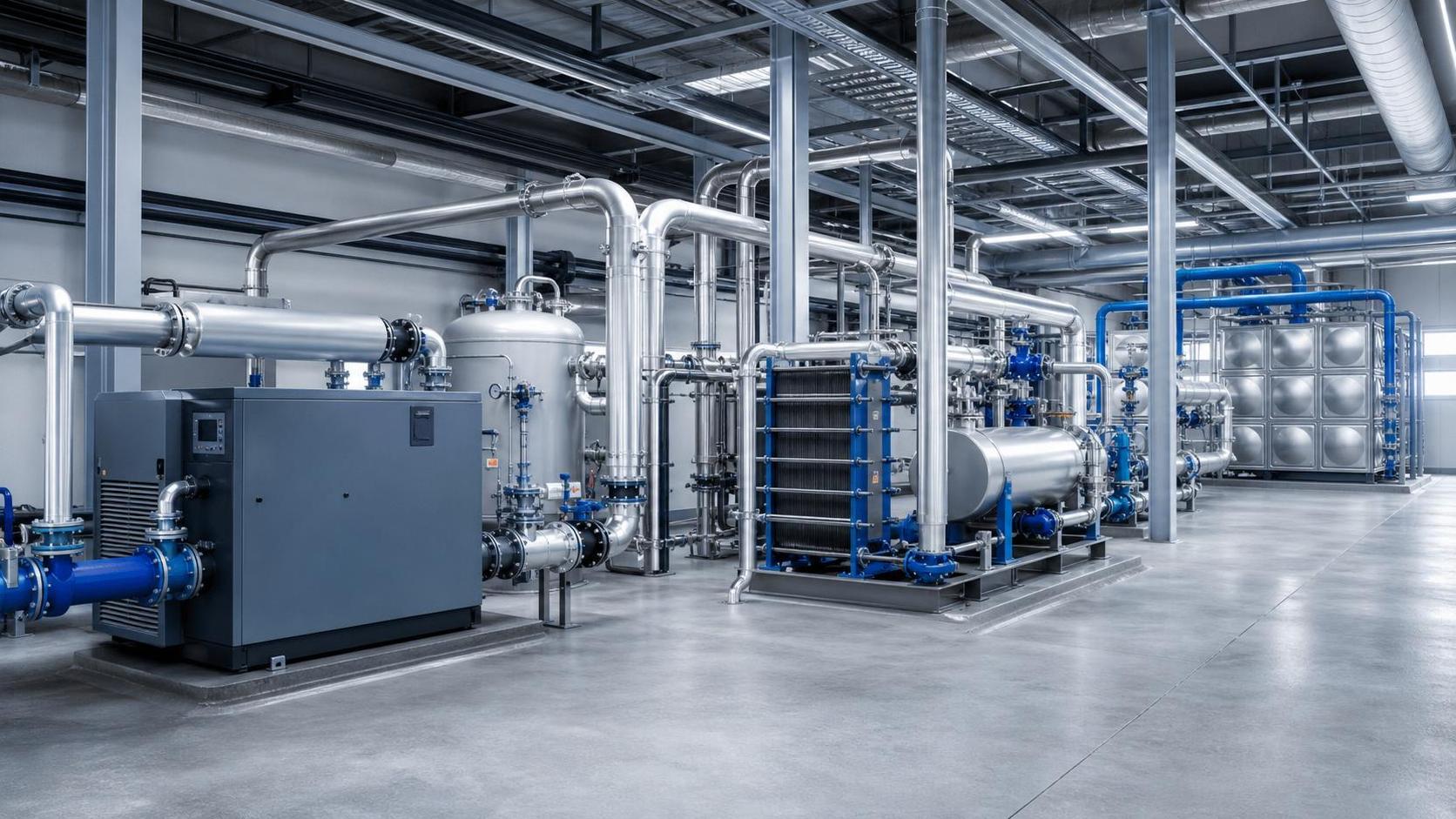
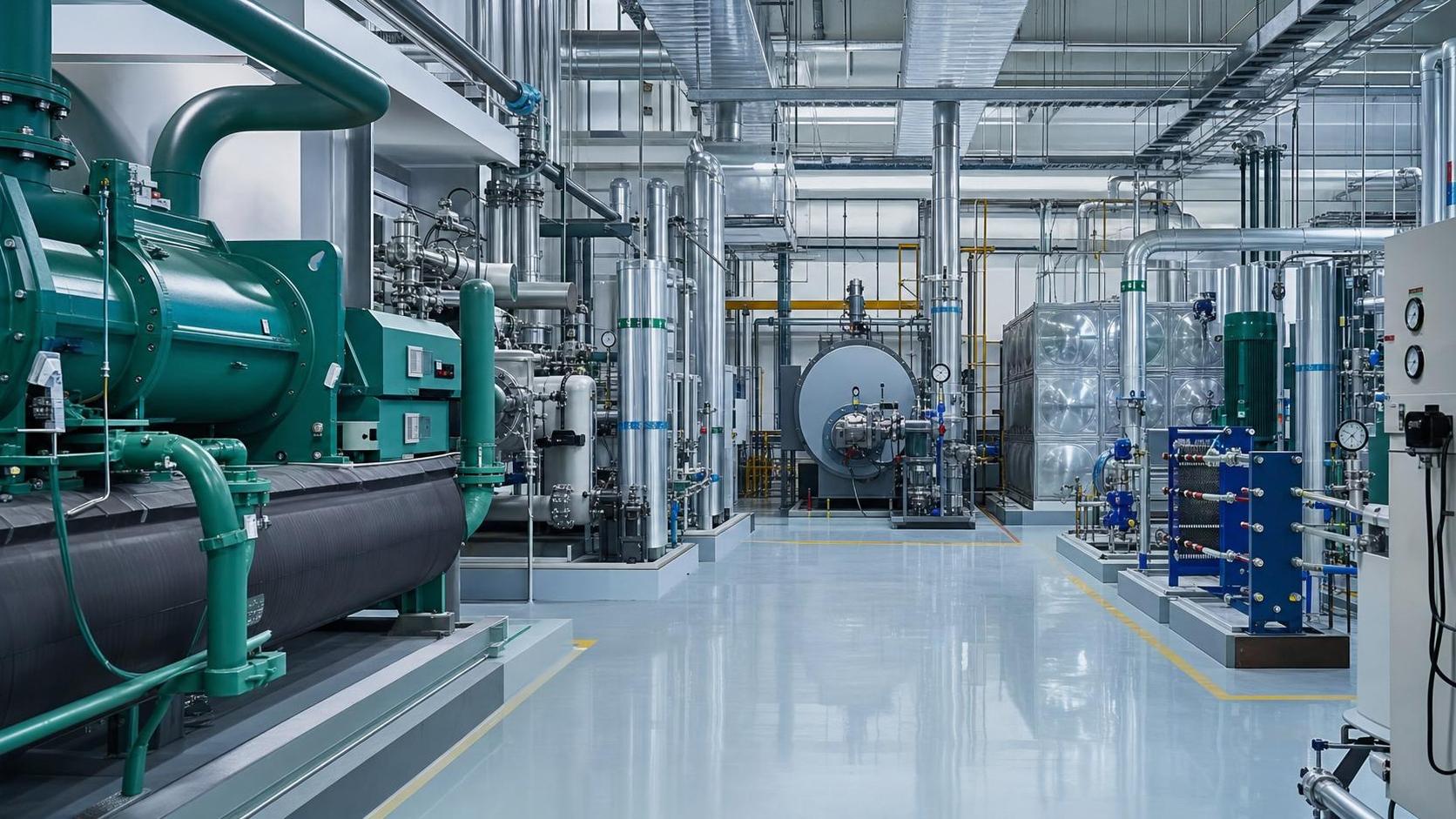
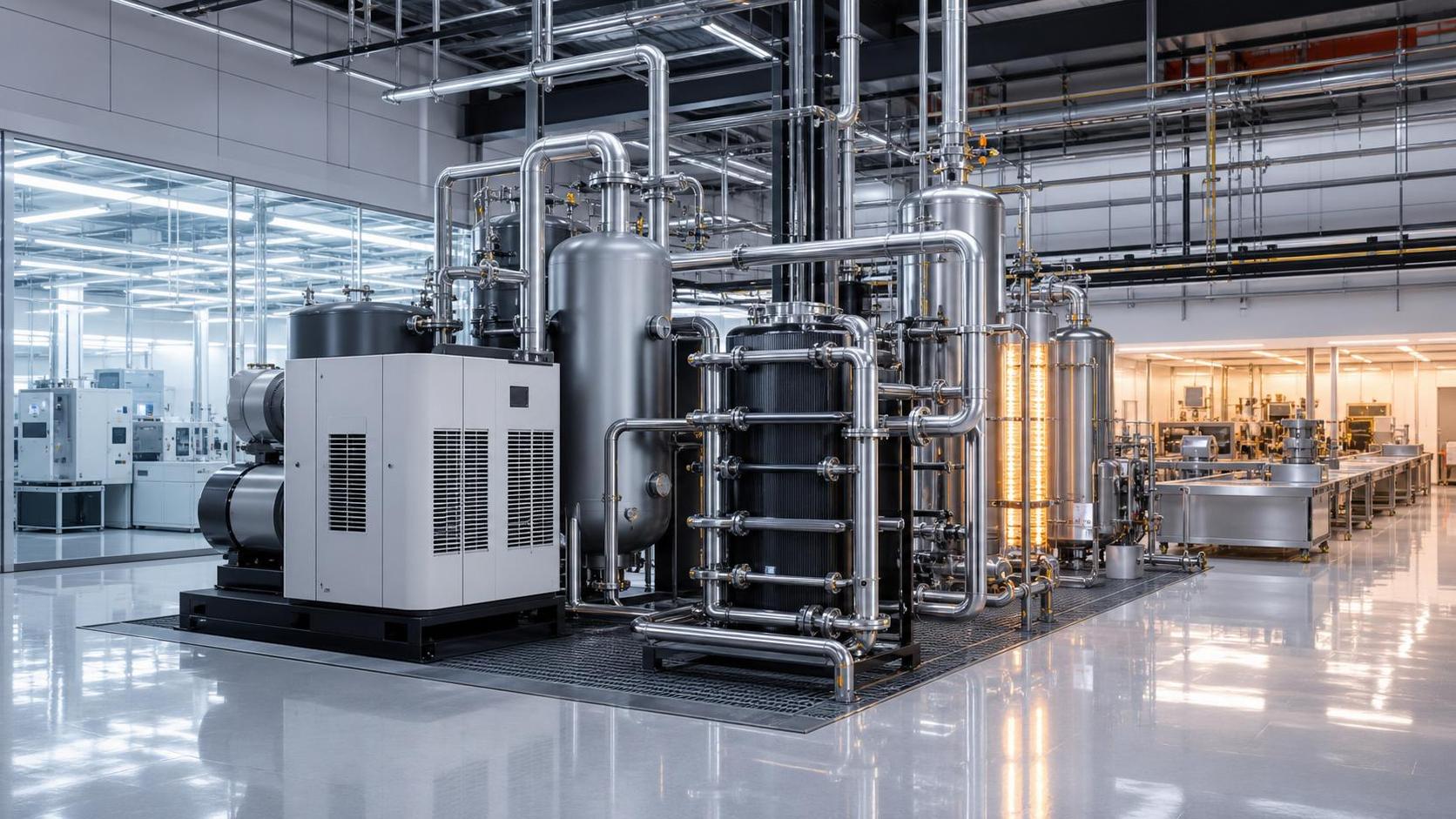
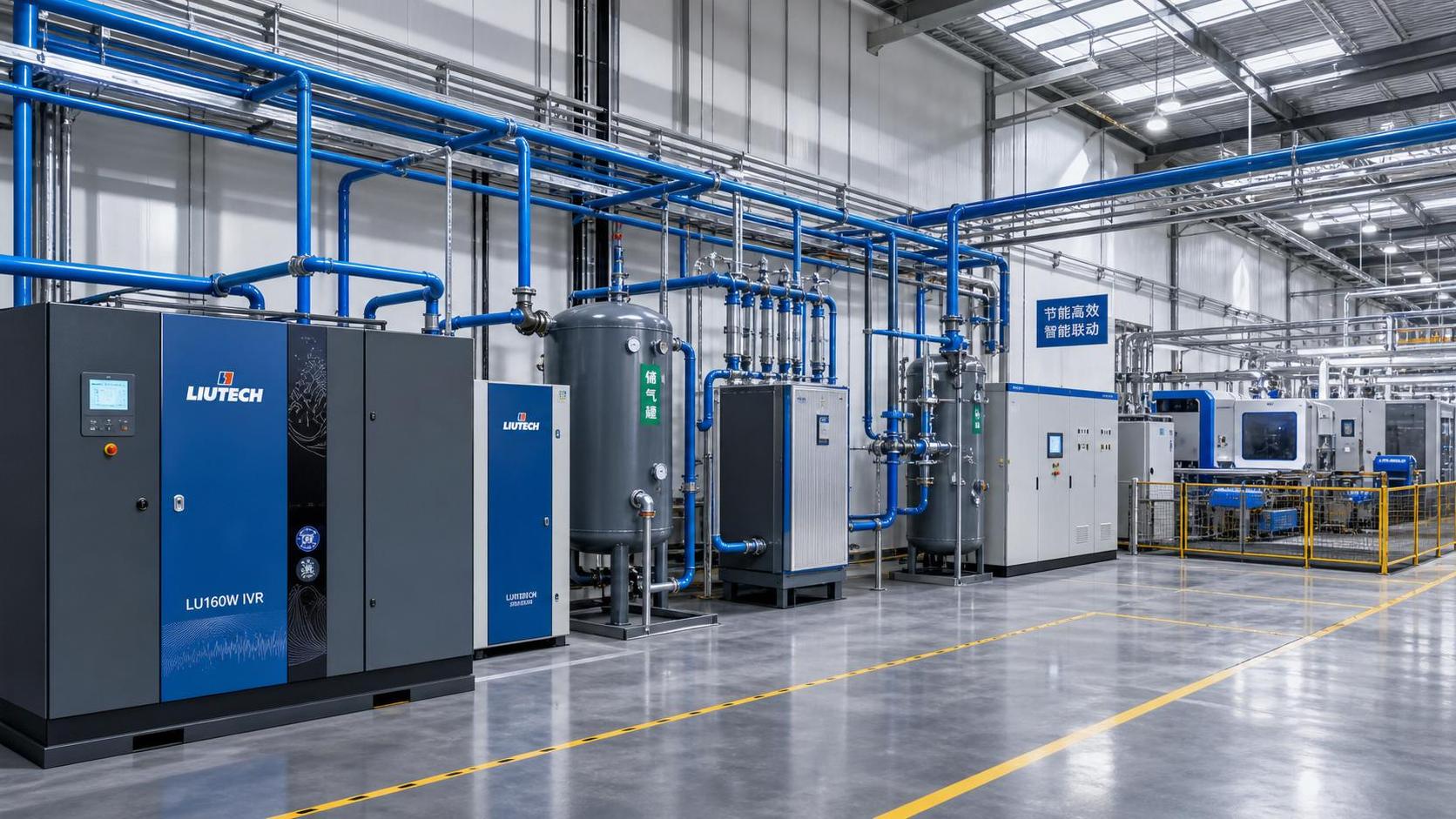
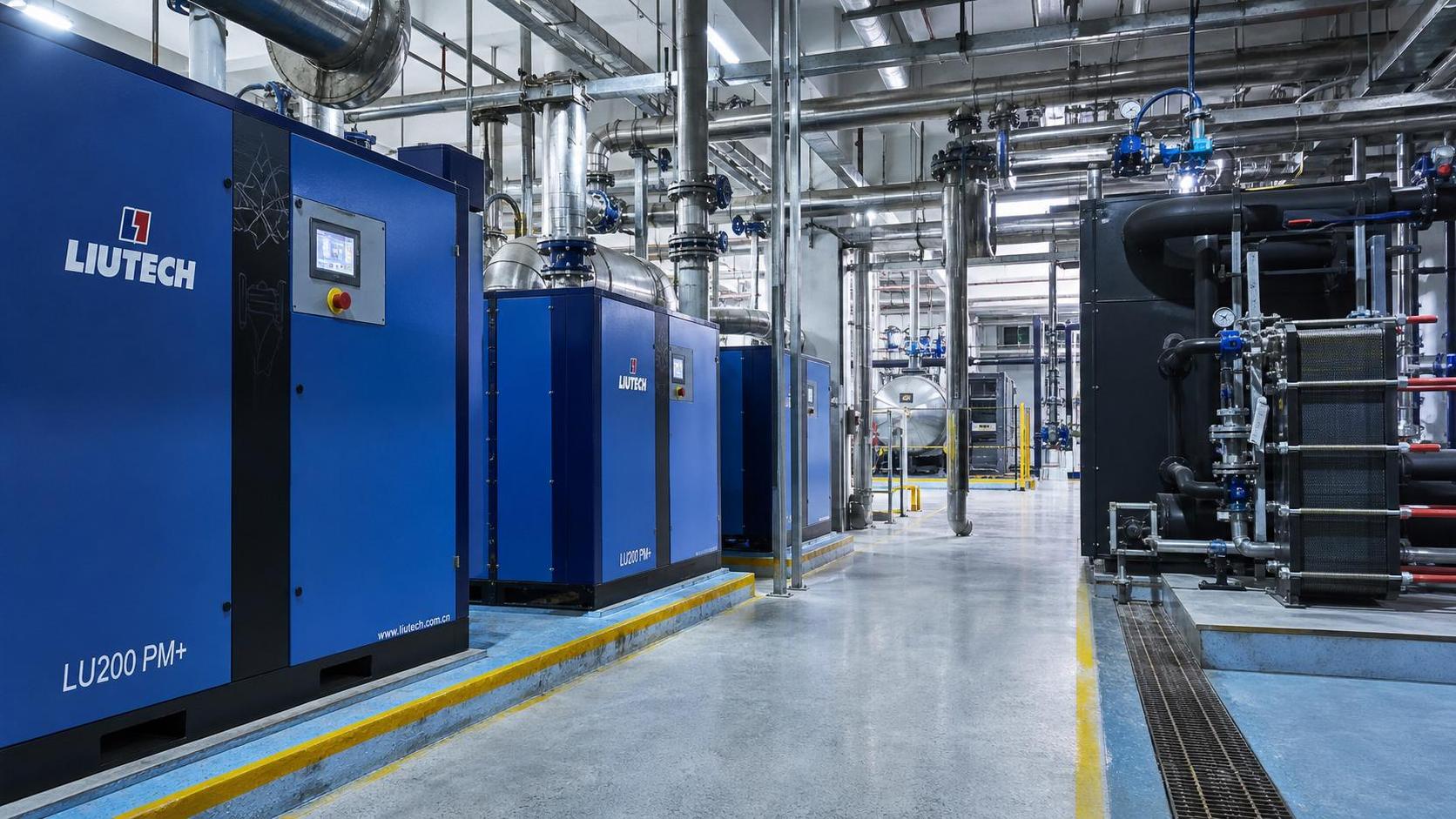
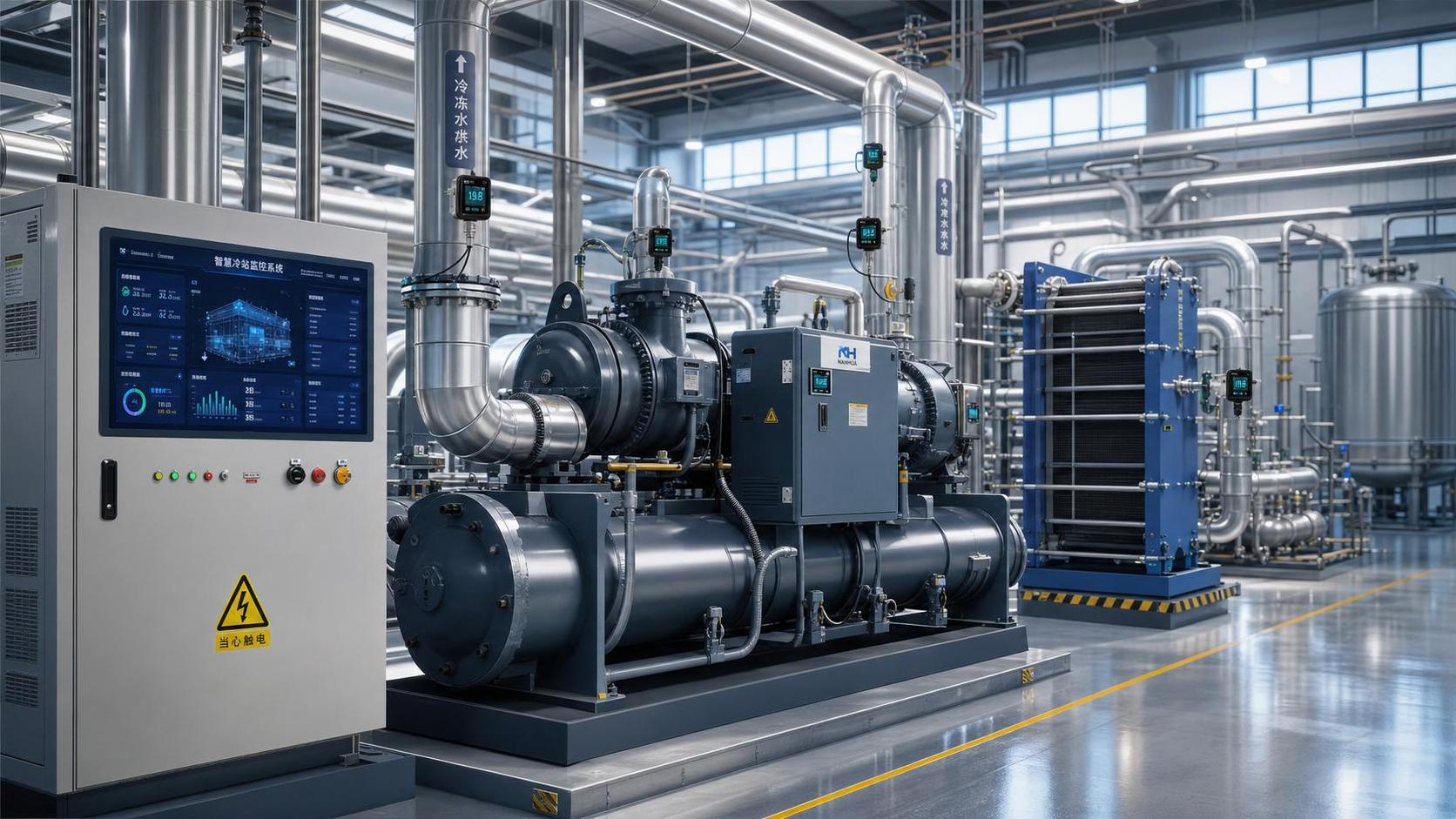
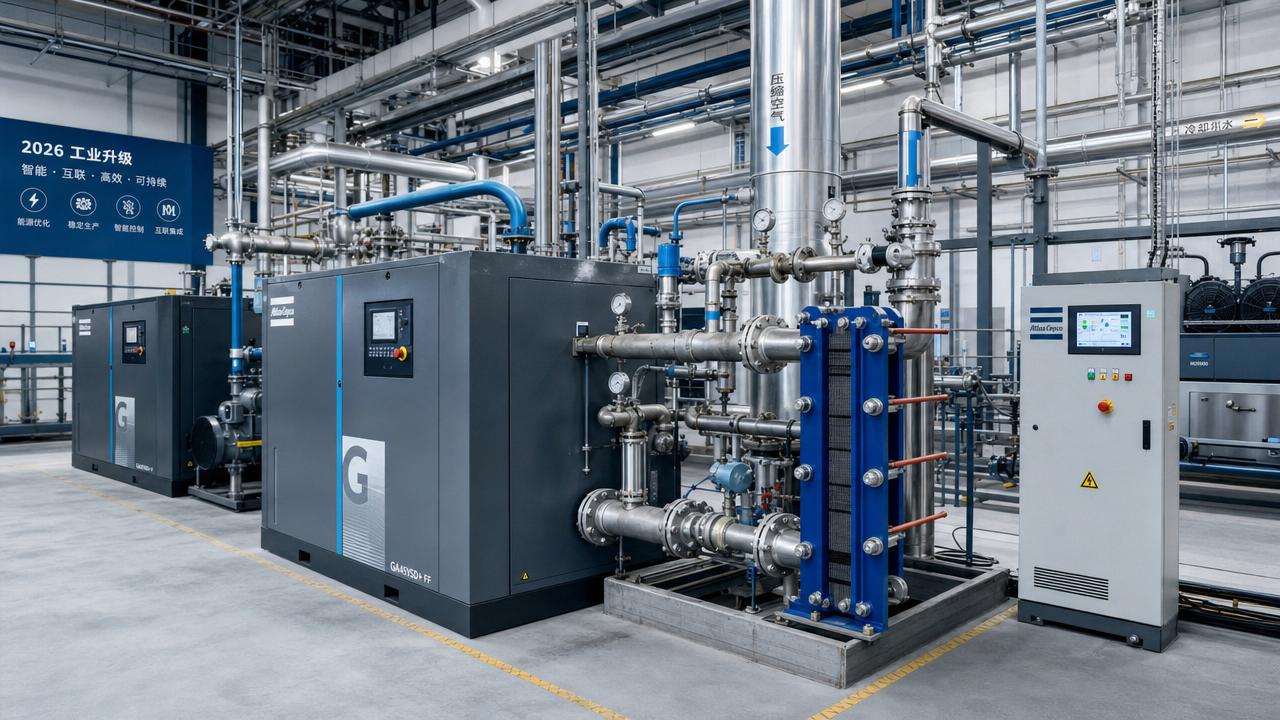
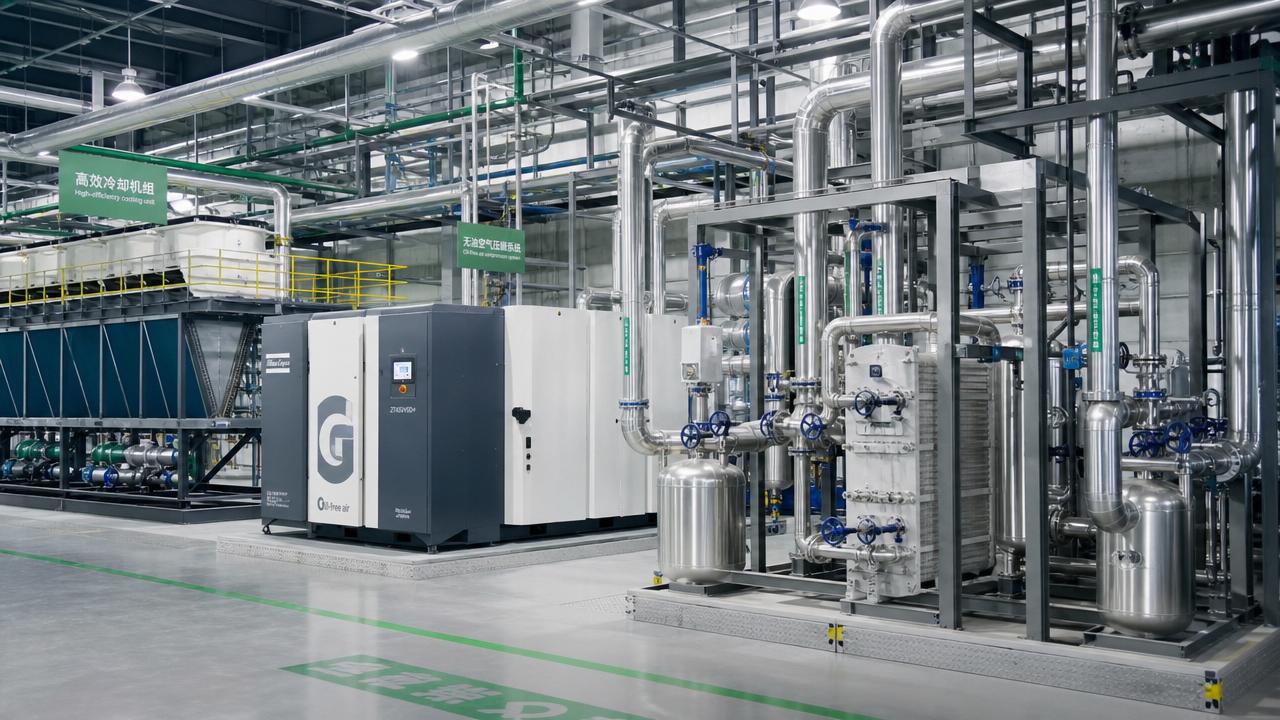
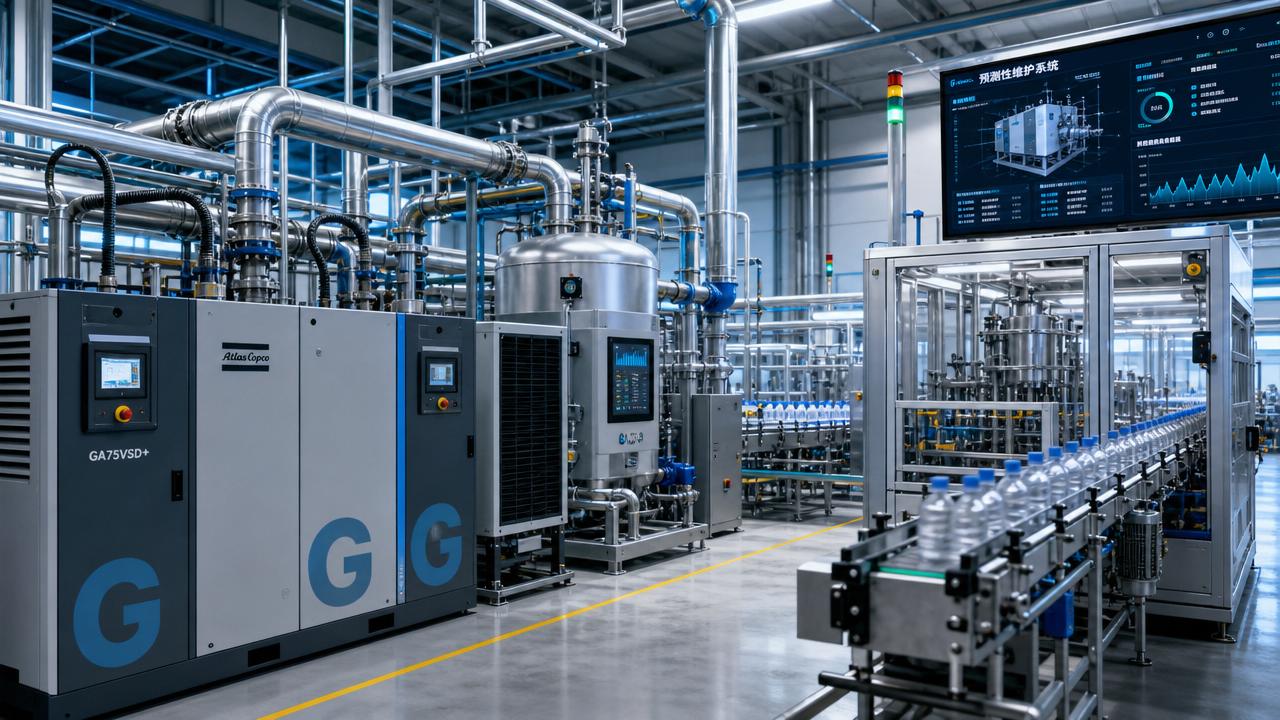
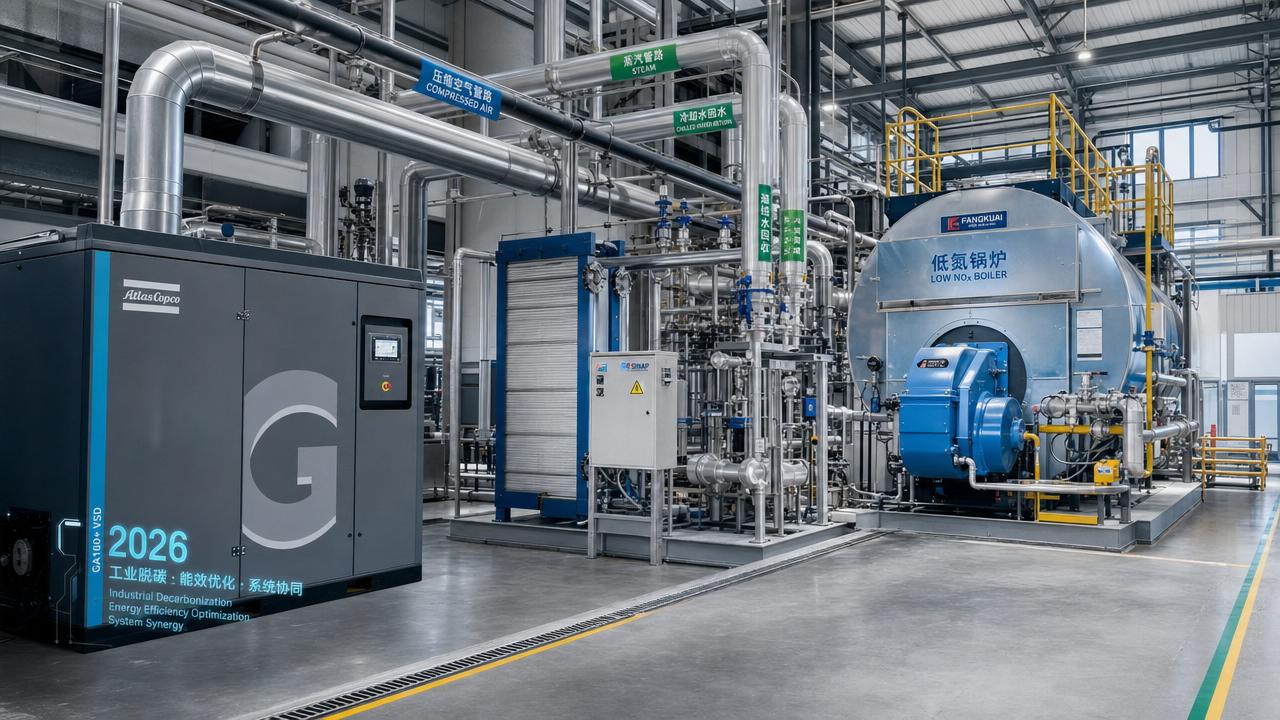
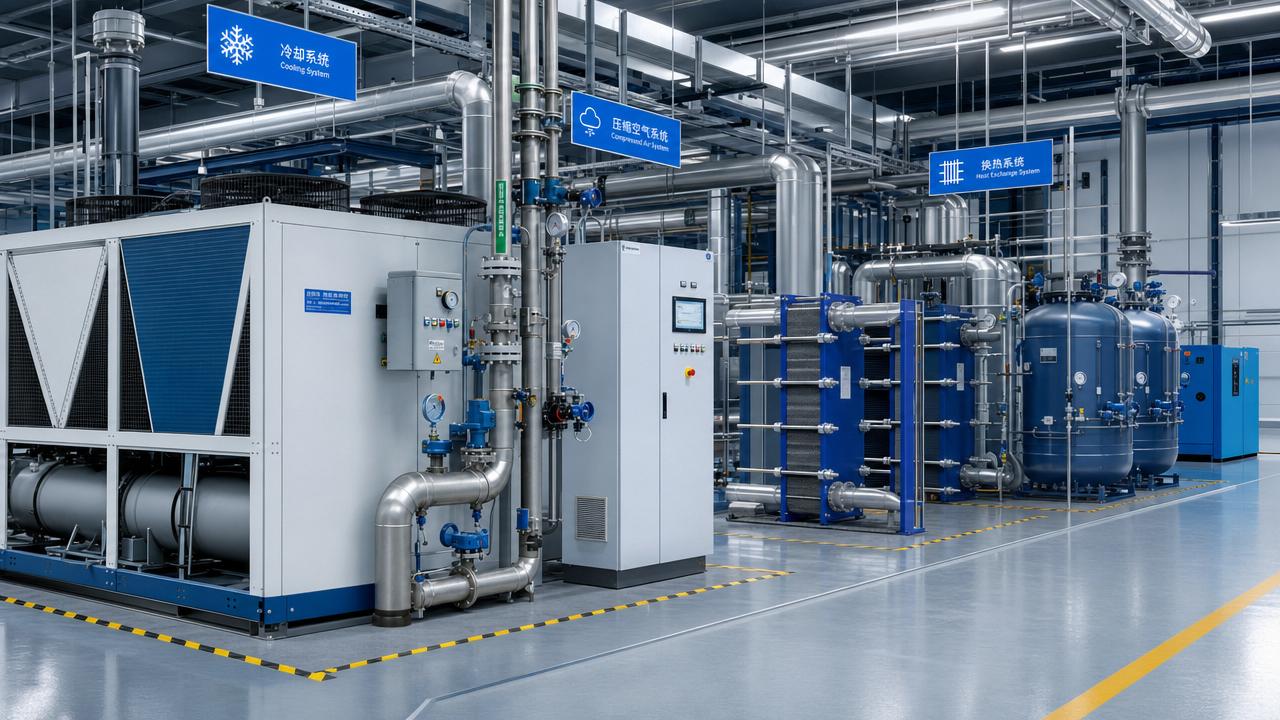
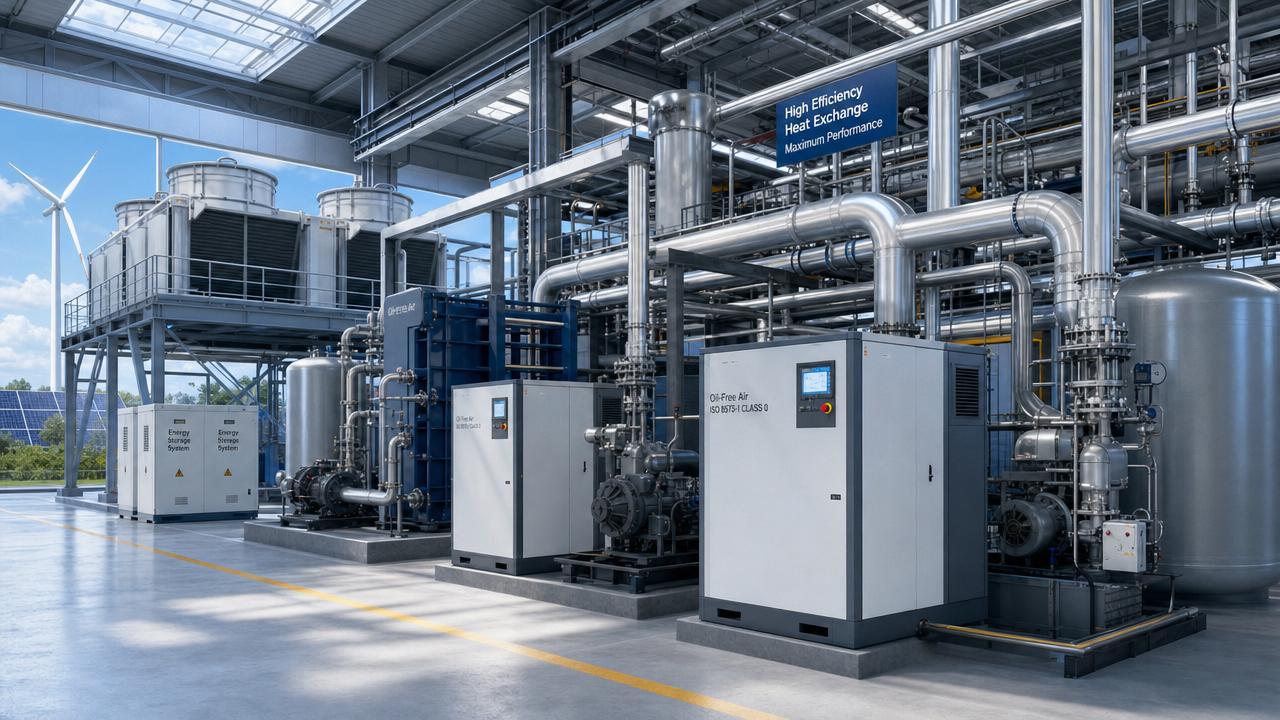
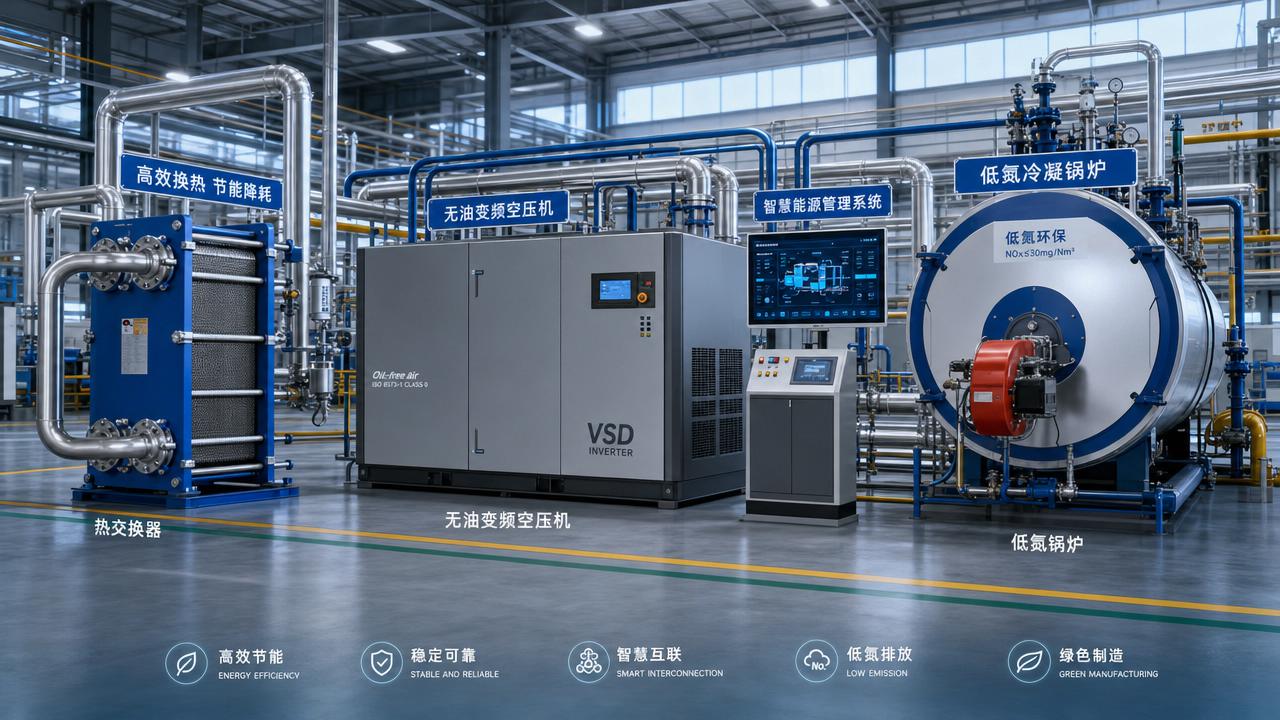
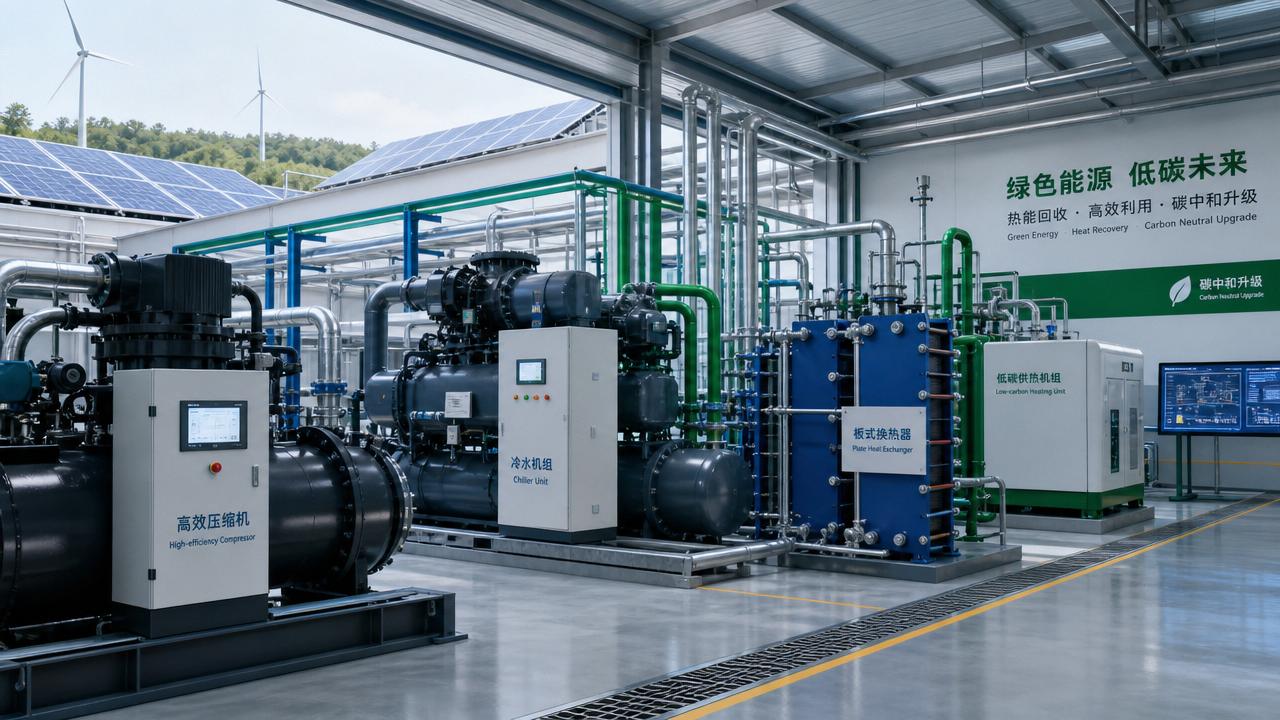
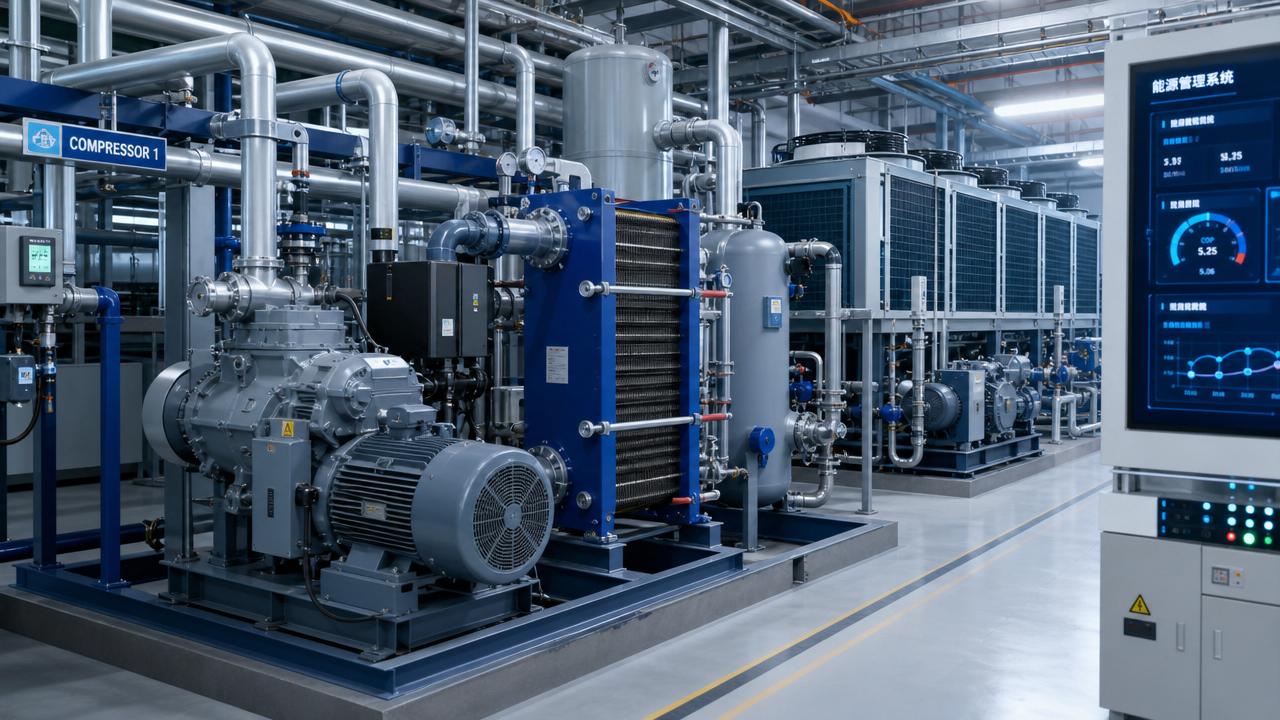
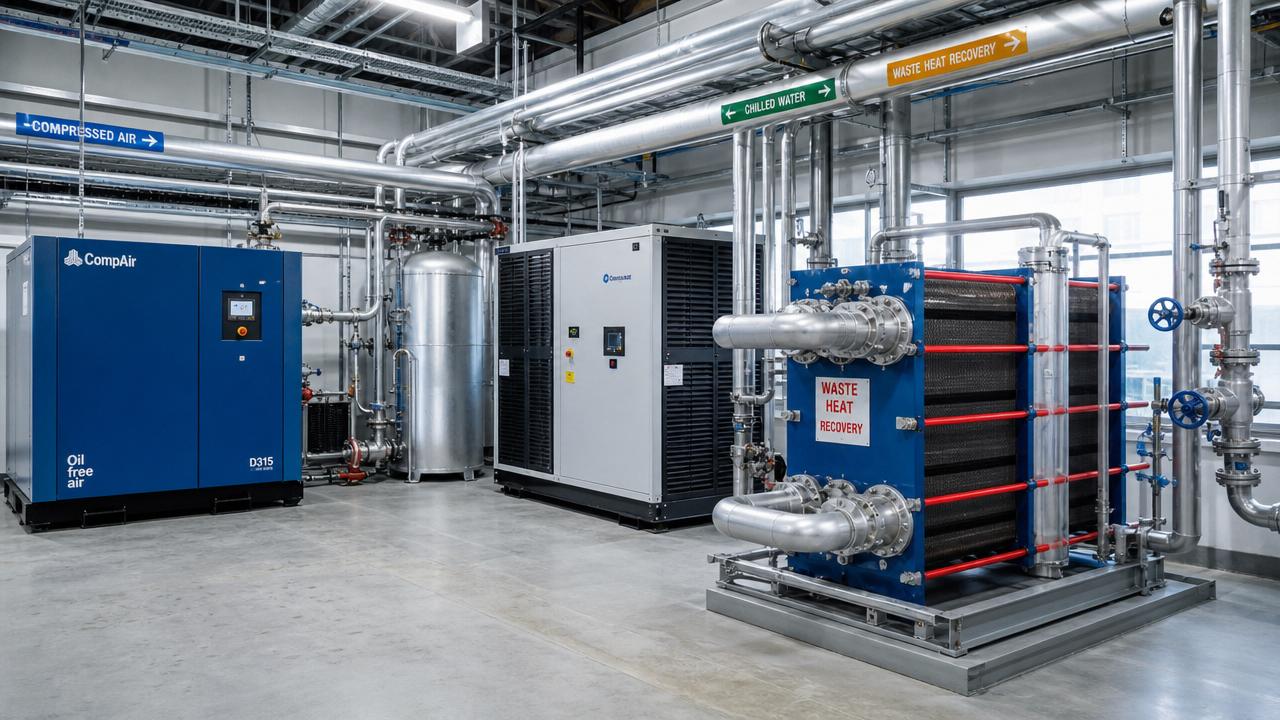
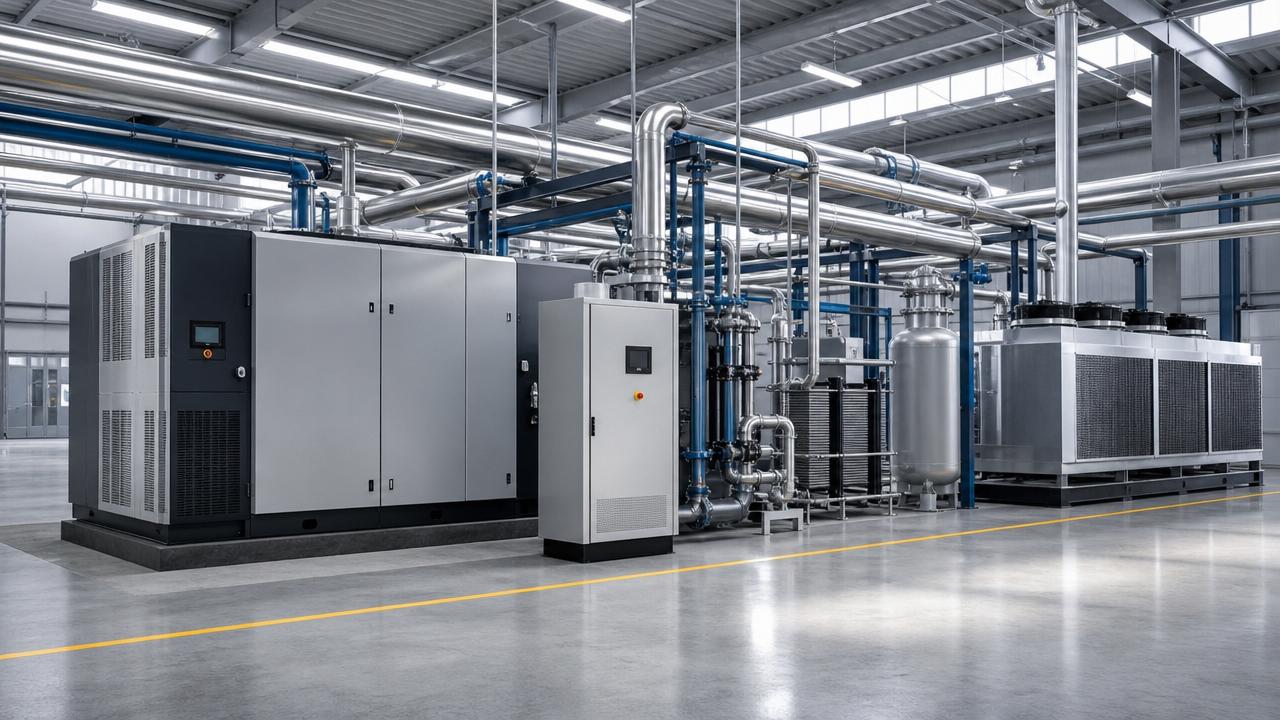
A closer view of industrial assets makes the trend visible.
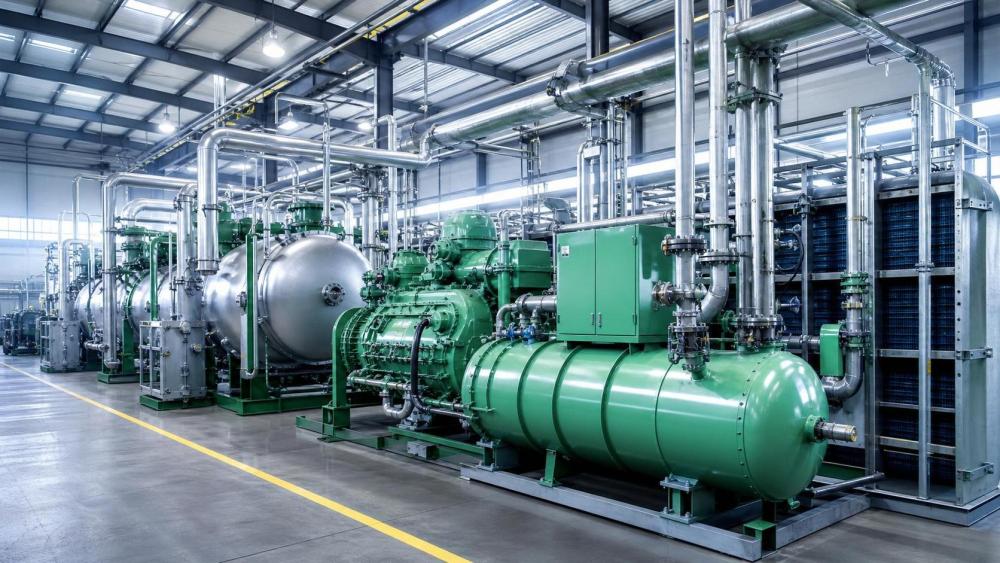
Green manufacturing changes how projects are valued. Returns are no longer judged only by output expansion, labor savings, or maintenance reduction.
Energy intensity, carbon exposure, water use, process stability, and upgrade flexibility now shape the same investment case. A system with slightly higher upfront cost may produce a stronger lifecycle outcome.
This is especially true in facilities where thermal balance drives product quality. Pharmaceuticals, semiconductors, food processing, chemicals, and precision manufacturing all rely on stable temperature control and clean power delivery.
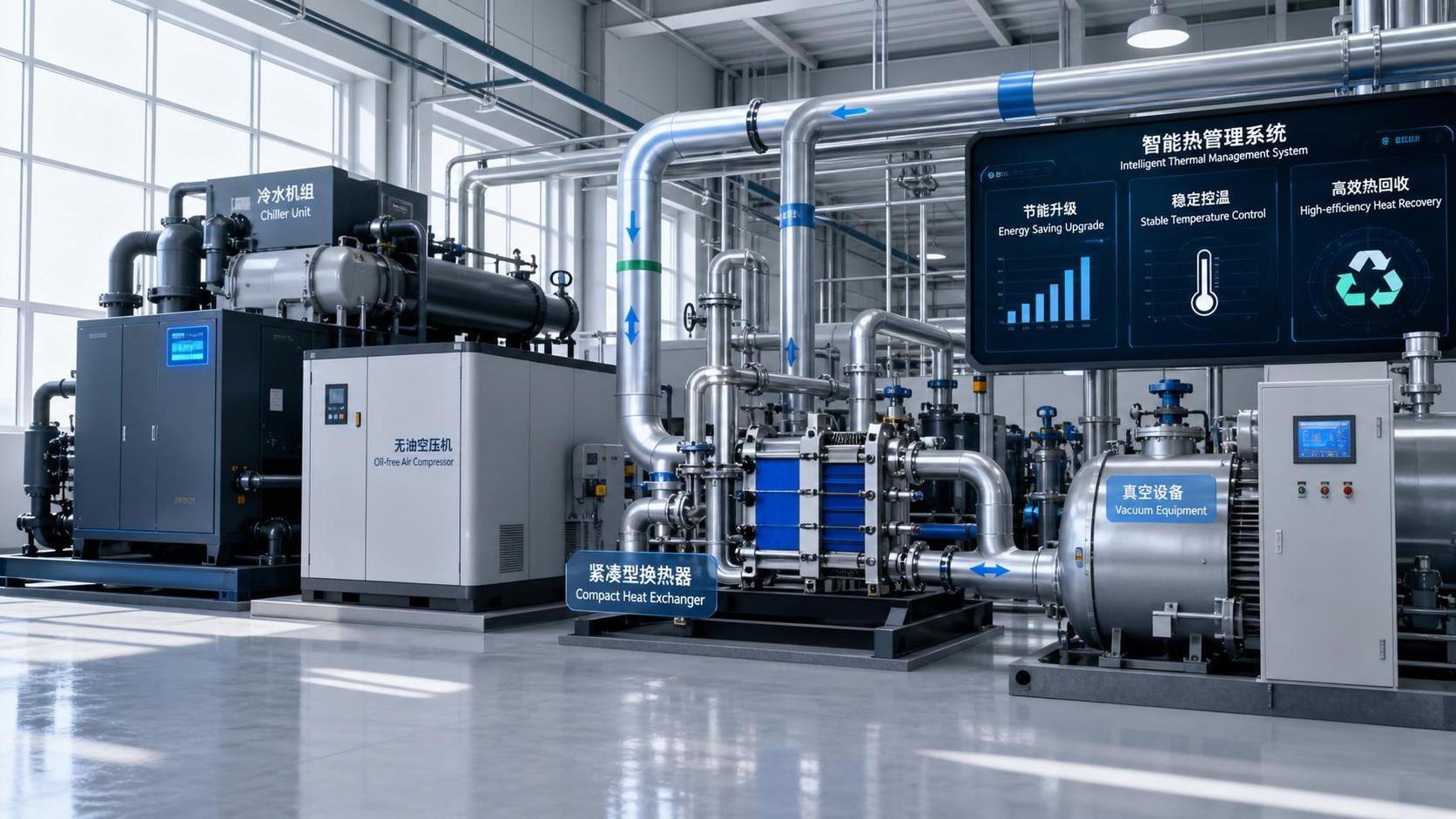
As a result, green manufacturing is not just about replacing fuels or buying offsets. It is about redesigning industrial efficiency from the inside, where compressors, chillers, boilers, vacuum systems, and heat exchangers actually determine performance.
The Technologies Drawing the Most Attention
Several technology areas are absorbing new attention because they offer measurable efficiency gains without waiting for distant infrastructure change.
High-efficiency compression systems
Compressed air remains one of the most expensive utilities in many plants. Losses from leakage, oversizing, poor controls, and oil contamination can quietly erode margins for years.
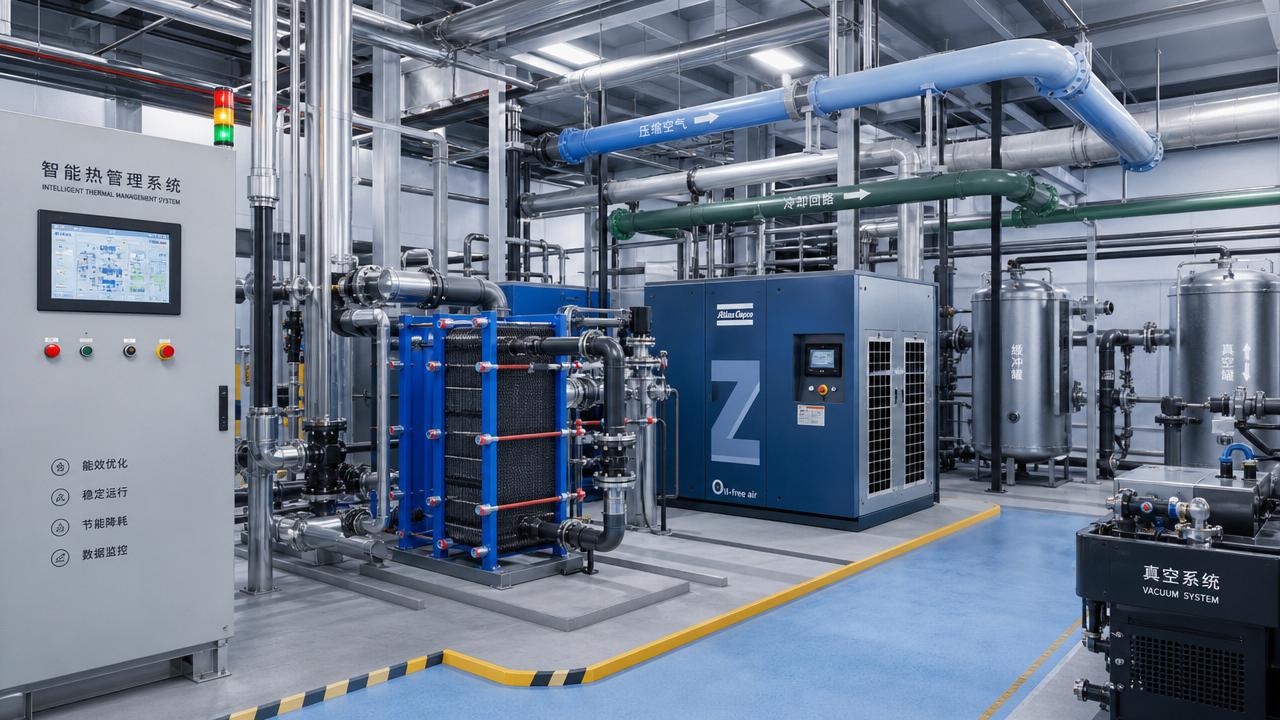
Oil-free compression, variable speed control, and smarter load matching are therefore central to green manufacturing programs. They reduce waste while improving process cleanliness in regulated production environments.
Advanced heat exchange
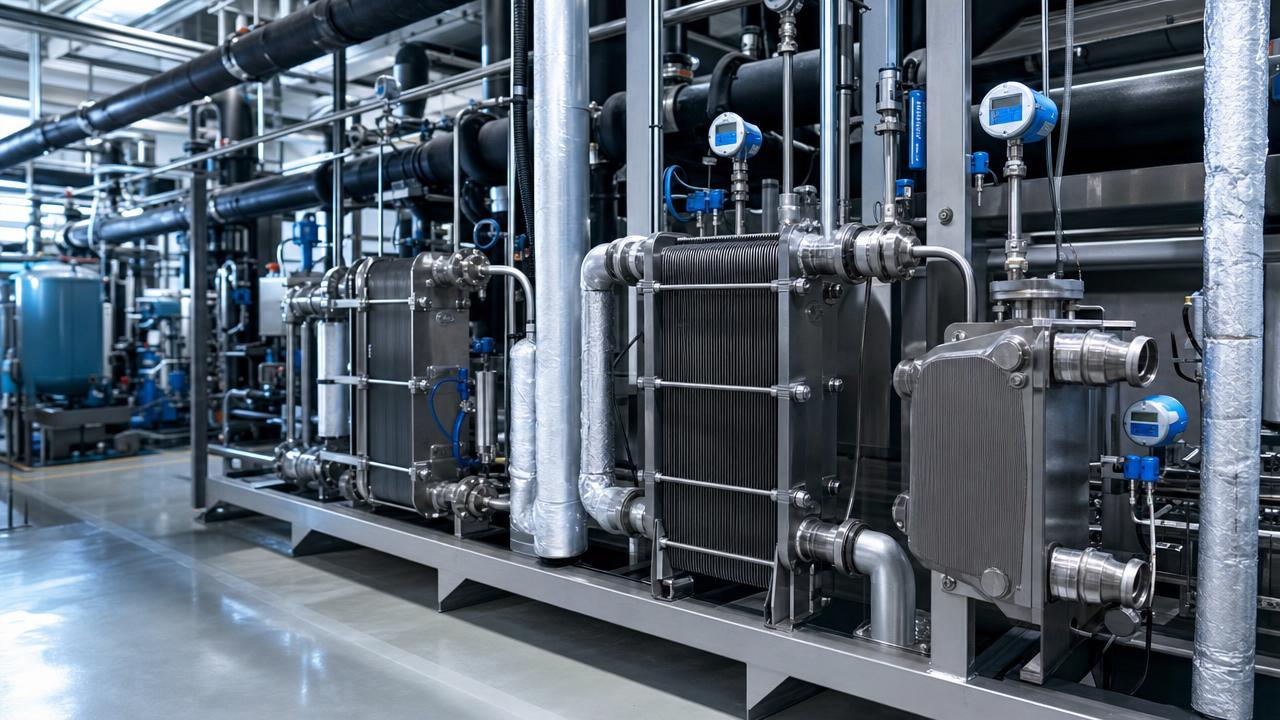
Heat exchange is becoming a strategic asset rather than a background utility. Microchannel designs, higher heat transfer efficiency, and more compact system layouts support better thermal management with less energy input.
In practical terms, that means lower operating cost, tighter process control, and more room for future electrification or heat recovery integration.
Low-emission thermal systems
Low-NOx boilers and cleaner combustion strategies are attracting capital where direct electrification is still limited. They help reduce regulatory exposure while preserving thermal reliability in energy-intensive operations.
Refrigerant transition and system intelligence
Policy shifts around environmentally friendly refrigerants are forcing earlier planning cycles. Equipment decisions now need to account for future quota pressure, service compatibility, and retrofit complexity.
That is why green manufacturing increasingly depends on intelligence layers, not only hardware replacement. Better data helps firms avoid stranded assets created by short policy windows or incomplete technical assumptions.
What Makes This Trend Different From Earlier Efficiency Campaigns
Earlier industrial efficiency projects often focused on isolated savings. A motor was upgraded, a line was optimized, or a utility contract was renegotiated.
Green manufacturing is broader. It links equipment performance with policy risk, customer requirements, financing conditions, and brand positioning in global supply chains.
This matters when suppliers serve export markets or highly regulated sectors. Buyers increasingly ask how products are cooled, compressed, sterilized, stored, and manufactured, not only what they cost.
The GTC-Matrix view is useful here because industrial investment is often constrained by fragmented information. Energy analysts, equipment teams, and finance functions may all be using different assumptions.
A structured intelligence center that tracks energy prices, refrigerant policy, and technology evolution can reduce that fragmentation. It turns green manufacturing from a reporting topic into an operational decision discipline.
Where the Business Value Actually Appears
The strongest business case usually appears in four places at once: cost structure, process continuity, compliance resilience, and market access.
These value areas reinforce one another. A plant that controls thermal efficiency well often sees gains in product consistency, utility planning, and future audit readiness at the same time.
How to Read Green Manufacturing Across Different Industrial Settings
The term can sound broad, but its meaning changes by production context.
Process-intensive sectors
In chemicals, food, and thermal processing, green manufacturing often starts with heat recovery, boiler efficiency, and stable cooling loops. Small thermal losses can scale into major energy waste.
Clean and precision sectors
In pharmaceuticals and semiconductors, the focus shifts toward oil-free air, vacuum integrity, ultra-stable temperatures, and contamination control. Efficiency matters, but product purity matters just as much.
General manufacturing and assembly
Here, compressed air optimization, leak management, chiller modernization, and digital monitoring usually deliver the fastest gains. Many sites still run utility systems designed for old load profiles.
Across all of these settings, green manufacturing works best when thermal and power systems are treated as production infrastructure, not only as support equipment.
Practical Signals That Deserve Closer Review
Some investment signals are easy to miss because they sit between engineering data and commercial risk.
- Energy cost volatility is changing project economics faster than old payback models assume.
- Refrigerant policy updates can shorten the useful planning horizon for cooling assets.
- Customer standards are increasingly tied to verifiable production efficiency and emissions data.
- Aging utility systems often hide more carbon and cost than frontline equipment upgrades would remove.
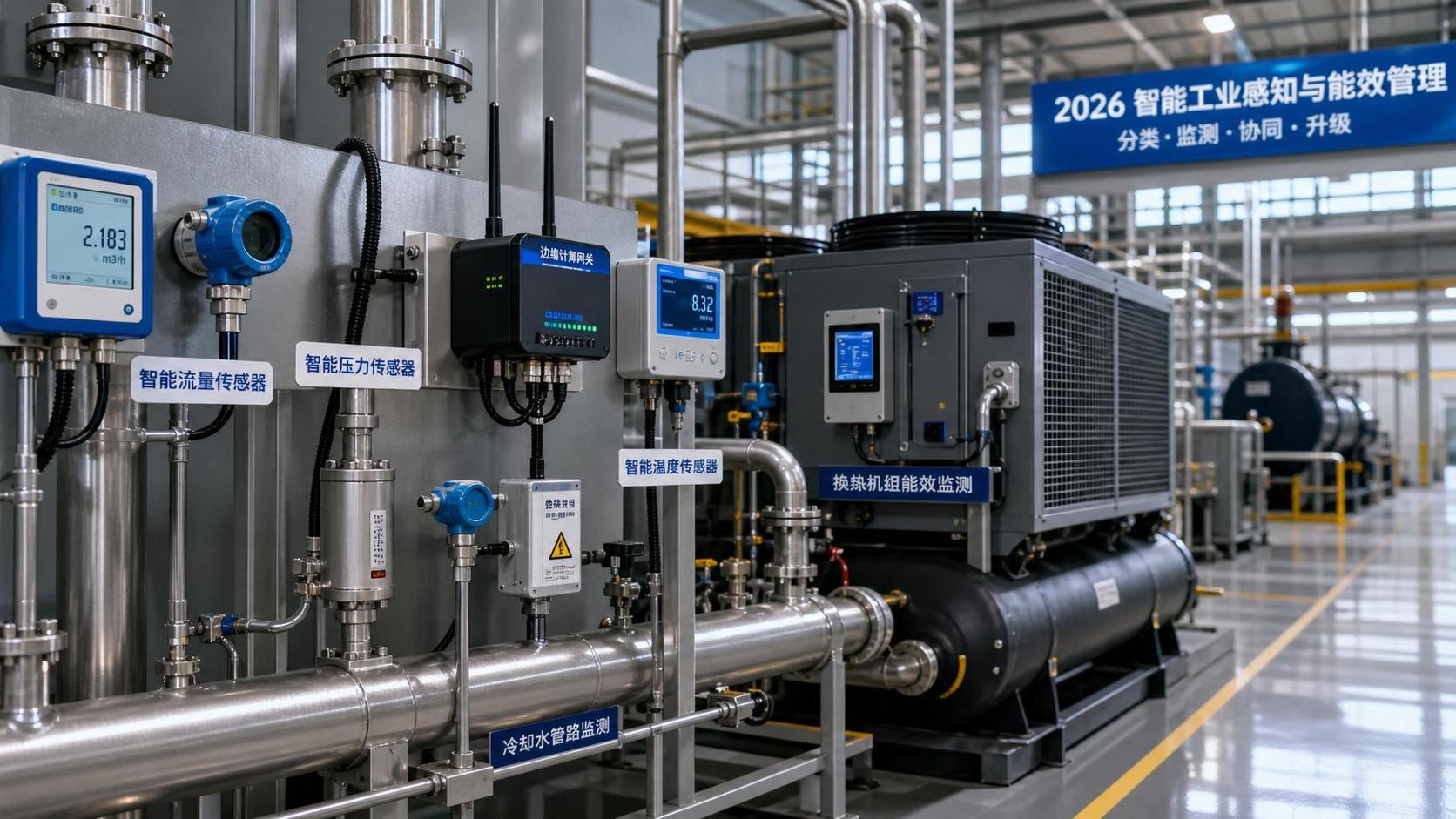
- Digital monitoring has become important because efficiency losses are rarely constant across shifts and seasons.
These signals explain why intelligence matters. GTC-Matrix positions this as a decision problem, combining sector news, evolutionary trend analysis, and commercial insights around thermal and compression technologies.
That approach is useful because green manufacturing decisions often fail when firms compare equipment names instead of system behavior, regulation timing, and demand structure.
A Better Way to Frame the Next Investment Cycle
The next round of industrial investment should begin with a clearer set of questions.
- Which thermal and compression assets consume the most energy per unit of output?
- Where do compliance, refrigerant, or emissions rules create hidden replacement risk?
- Which upgrades improve both operating efficiency and process resilience?
- How well do current systems support future electrification, heat recovery, or digital control?
- What market segments now reward low-carbon, high-stability production capabilities?
Green manufacturing is reshaping industrial investment because it changes what counts as a strategic asset. The most durable returns increasingly come from systems that optimize thermal performance, compression efficiency, and regulatory readiness together.
A sensible next step is to map utility-intensive equipment against energy exposure, product sensitivity, and policy risk. From there, it becomes easier to compare technologies, set priorities, and build an investment case grounded in operational reality.
Related News
- Why high-density thermal energy storage is gaining industry attentionAuthor :

- Smart Device Thermal Management Trends Shaping 2026 Product DesignAuthor :

- Industrial Cooling Technologies in Europe: 2026 Trends in Compliance and Energy UseAuthor :

- Industrial Electrification Trends in 2026: Where Projects Are Moving FirstAuthor :

- Industrial Solution Comparison Global: 2026 Trends Reshaping Equipment DecisionsAuthor :

- When Heat Recovery Systems Skid Mounted Designs Improve Project PaybackAuthor :

- How to Compare Industrial Decarbonization Solutions Providers in 2026Author :

- Industry Category Guides for Smart Devices: What to Track as 2026 Markets ShiftAuthor :

- Green Manufacturing Trends Reshaping Industrial InvestmentAuthor :

- 2026 Global Energy Costs: What Will Reshape Industrial PlanningAuthor :

- Industrial Decarbonization Solutions That Cut Fuel Costs in 2026Author :

- Smart Thermal Systems Trends Shaping Industrial Upgrades in 2026Author :

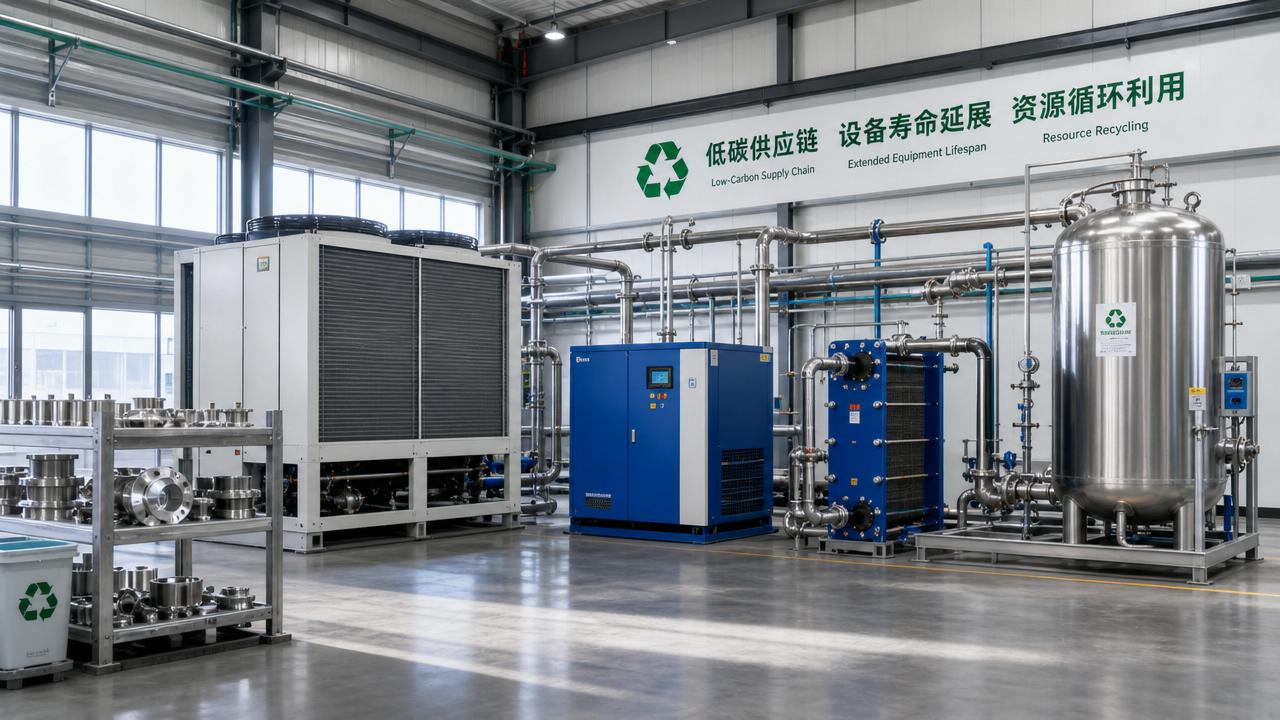
- Resource Circularity in Manufacturing: 5 Practical Gains Beyond ComplianceAuthor :

- Carbon Neutrality Roadmap: What Industrial Firms Need to Prioritize FirstAuthor :

- Energy Conversion Efficiency Trends Shaping Industrial UpgradesAuthor :

- Compression Technology Trends Shaping Efficient Plant UpgradesAuthor :

- Industrial Intelligence in Manufacturing: Where It Delivers Value FirstAuthor :

- How Intellectualization Improves Industrial Thermal ManagementAuthor :

- What Intellectualization Means for Smarter Plant Operations in 2026Author :

- Carbon Neutrality Goals: What Industrial Firms Should Prioritize in 2026Author :

- How Intellectualization Reduces Downtime in Modern Production LinesAuthor :

- Decarbonization Roadmap for Energy-Intensive Plants in 2026Author :

- Thermal Systems Trends in 2026: Efficiency, Control, and RiskAuthor :

- Industrial Decarbonization Priorities for Energy-Intensive FacilitiesAuthor :

- Thermal Systems in 2026: Efficiency Upgrades Shaping Industrial OperationsAuthor :

- Pure Power Sources: 5 Practical Paths to Carbon NeutralityAuthor :

- What Intellectualization Means for Industrial Equipment UpgradesAuthor :

- Thermal Optimization in 2026: Where Energy Savings Deliver the Fastest PaybackAuthor :

- Energy Efficiency Trends Reshaping Compressor Upgrades in 2026Author :

- 2026 Industrial Decarbonization Trends Reshaping Plant UpgradesAuthor :
![]()
- Heat Exchanger Technology Trends for 2026 Efficiency TargetsAuthor :

- Resource Circularity Risks in 2026 Supply ChainsAuthor :

- Smart Thermal Systems: When Upgrades Deliver Measurable SavingsAuthor :

- Carbon Neutrality: Practical Steps for Factory RoadmapsAuthor :

- 2026 Industrial Energy Efficiency Priorities for Plant UpgradesAuthor :

- Industrial Intellectualization Trends Reshaping Equipment UpgradesAuthor :