What Intellectualization Means for Industrial Equipment Upgrades




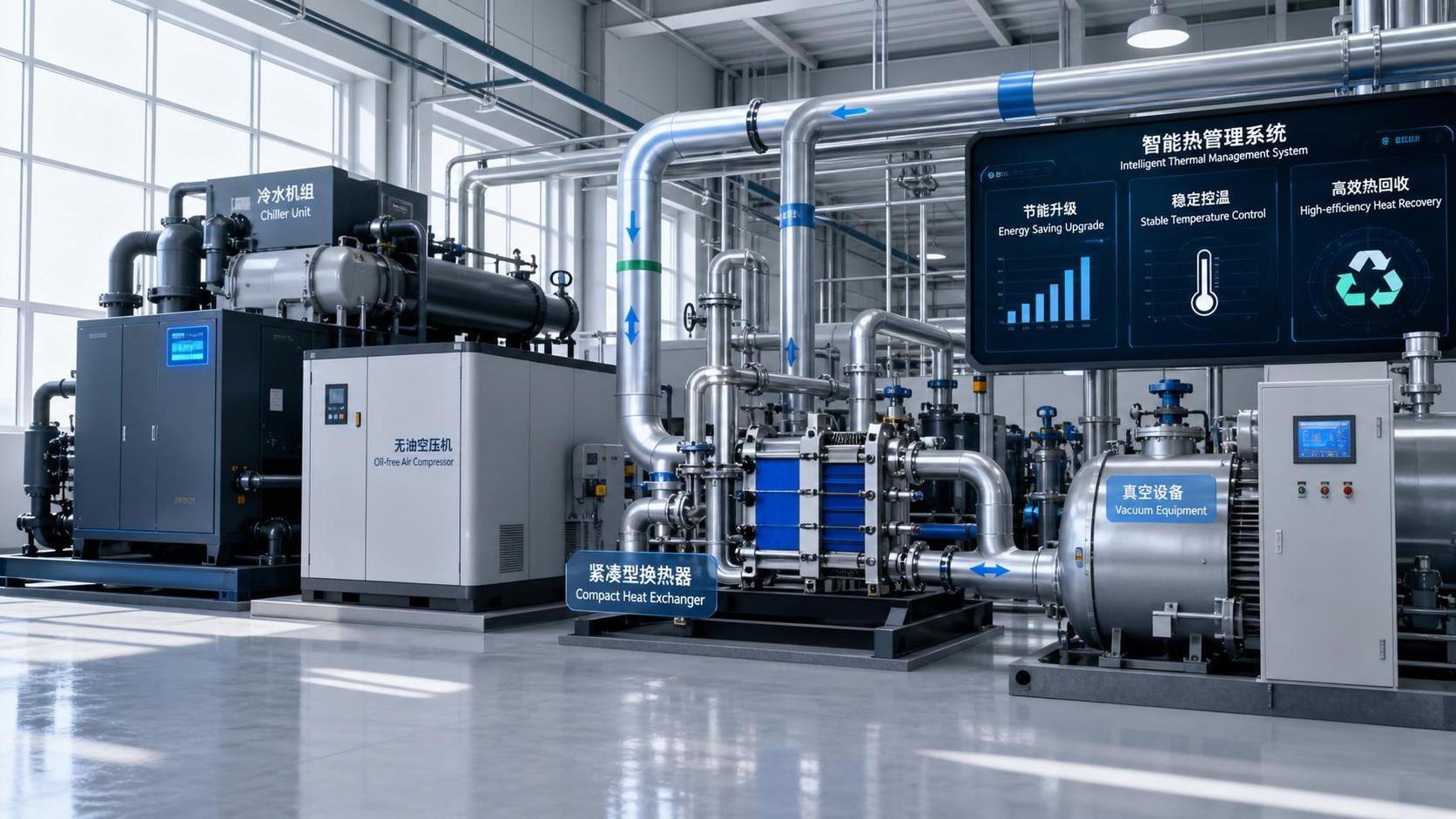
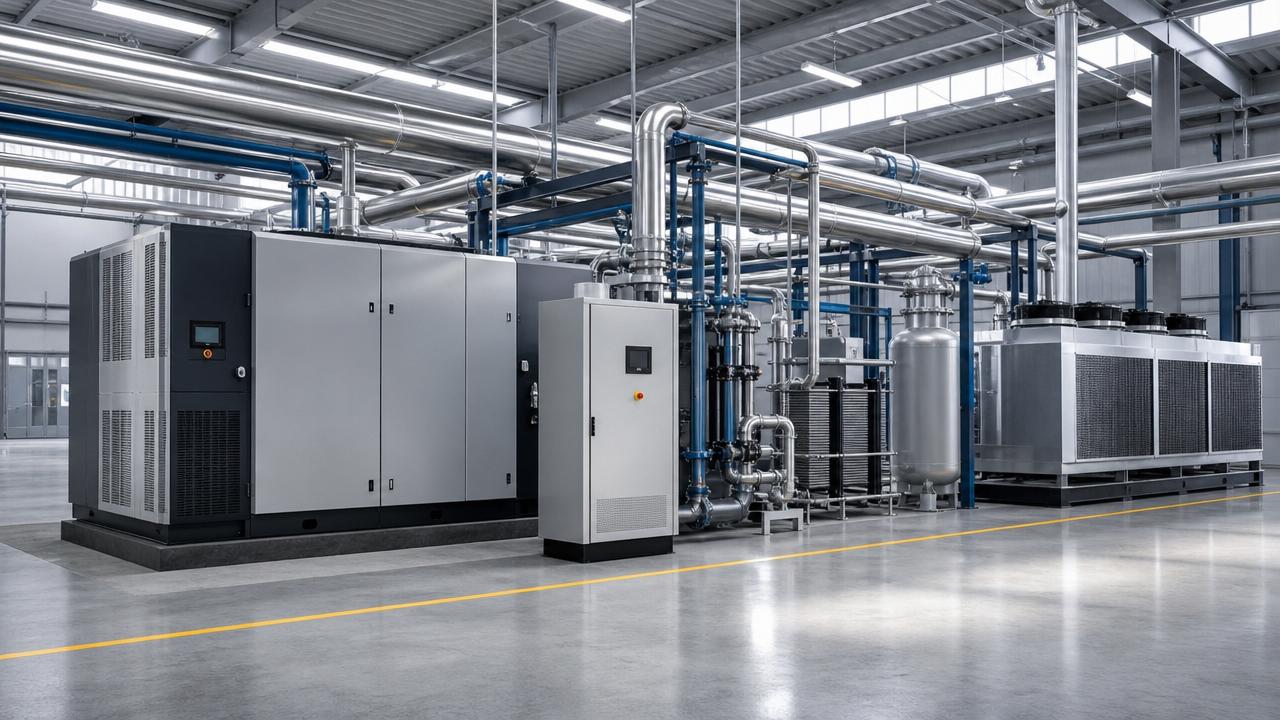
Industrial equipment upgrades are no longer judged only by capacity, durability, or unit price. Intellectualization has become a practical standard for evaluating whether compressors, cooling systems, vacuum units, and heat exchangers can support efficient, resilient, and low-carbon operations over time.
In simple terms, intellectualization means equipment can sense, analyze, communicate, and respond. That shift matters because industrial performance now depends as much on data quality and adaptive control as on mechanical strength.
For upgrade decisions, this changes the conversation. The focus moves from isolated hardware replacement to lifecycle value, energy optimization, maintenance visibility, and the ability to align with automation and decarbonization targets.
Why intellectualization now shapes upgrade priorities
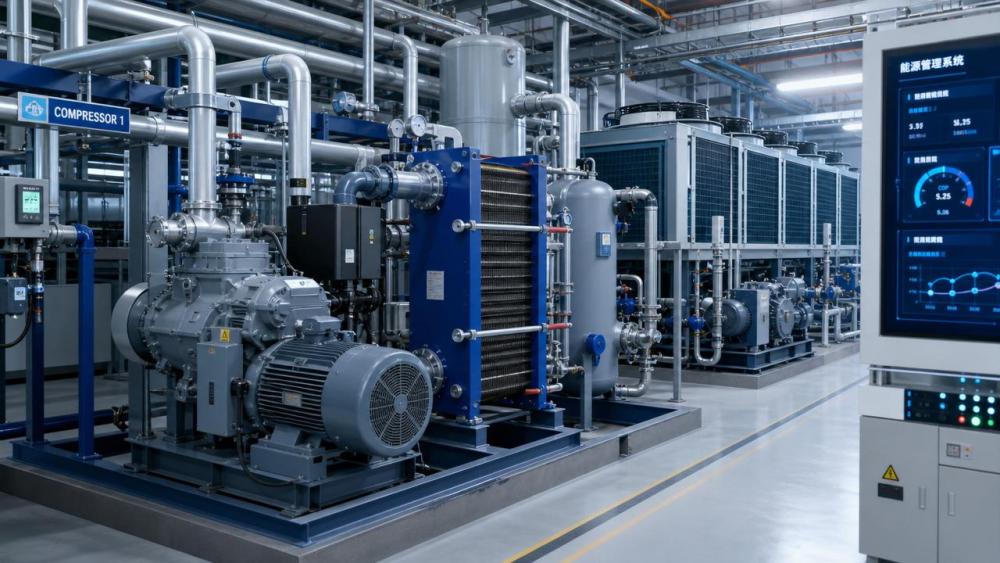
Industrial systems face tighter cost control, emissions pressure, and rising reliability expectations. Energy prices fluctuate, refrigerant policies evolve, and production environments demand more stable thermal and power performance.
Under these conditions, conventional upgrades often fall short. A new machine may improve efficiency on paper, yet still operate below its potential if control logic, monitoring depth, and system coordination remain weak.
That is where intellectualization becomes more than a trend word. It describes a capability layer that helps equipment adapt to variable loads, identify losses early, and make operational behavior visible across the asset lifecycle.
This is especially relevant in thermal and compression systems. Their performance depends on interaction between pressure, temperature, flow, load profile, ambient conditions, and downstream demand.
A platform such as GTC-Matrix reflects this industry shift clearly. Its intelligence focus on cooling, compressed air, vacuum processes, and heat exchange shows that upgrade value increasingly comes from connecting thermodynamic insight with operational decision-making.
What intellectualization actually means in equipment terms
Intellectualization is often misunderstood as simple automation. Automation executes preset logic. Intellectualization goes further by combining sensing, connectivity, analytics, and optimization into a system that improves decisions continuously.
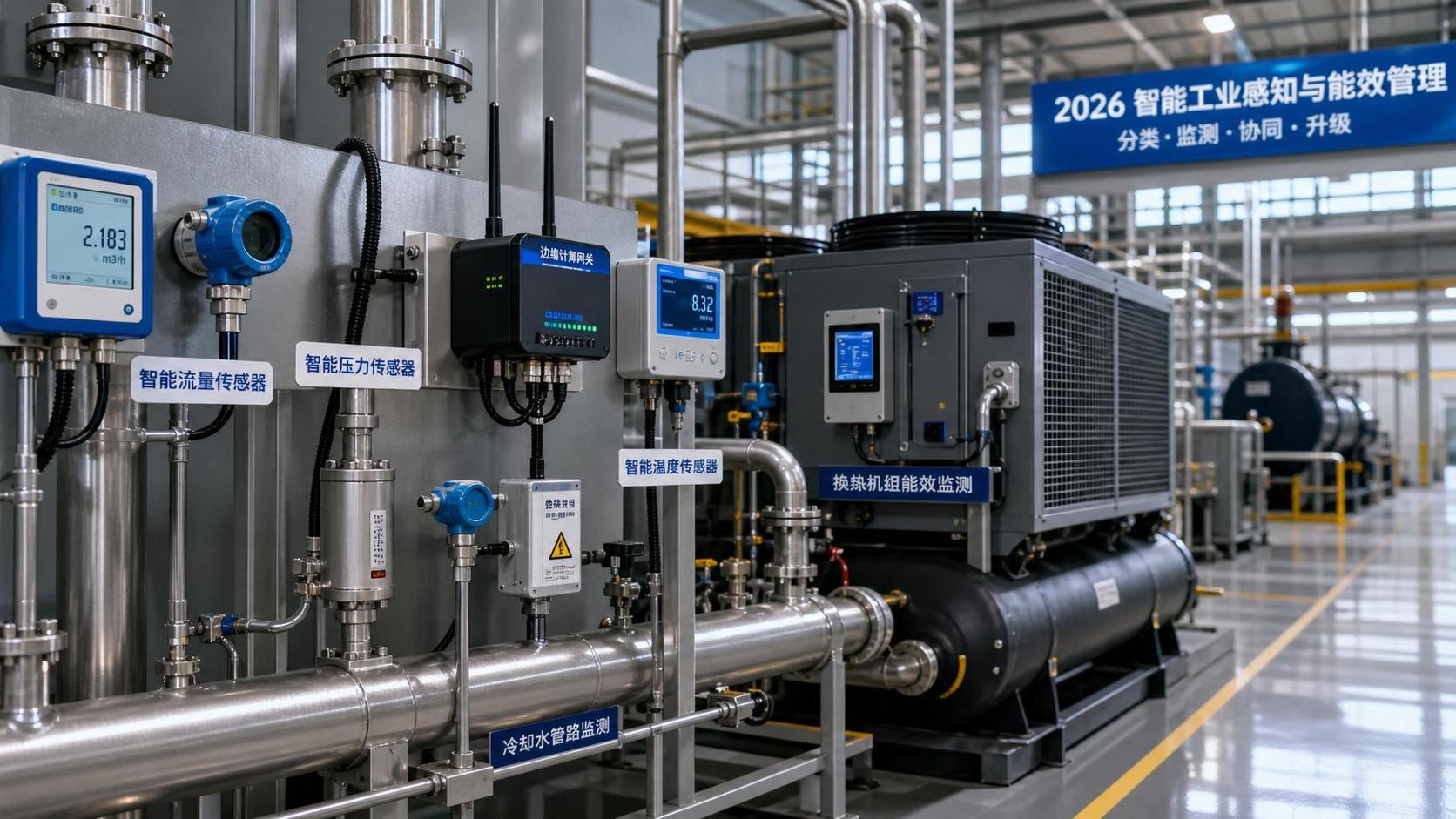
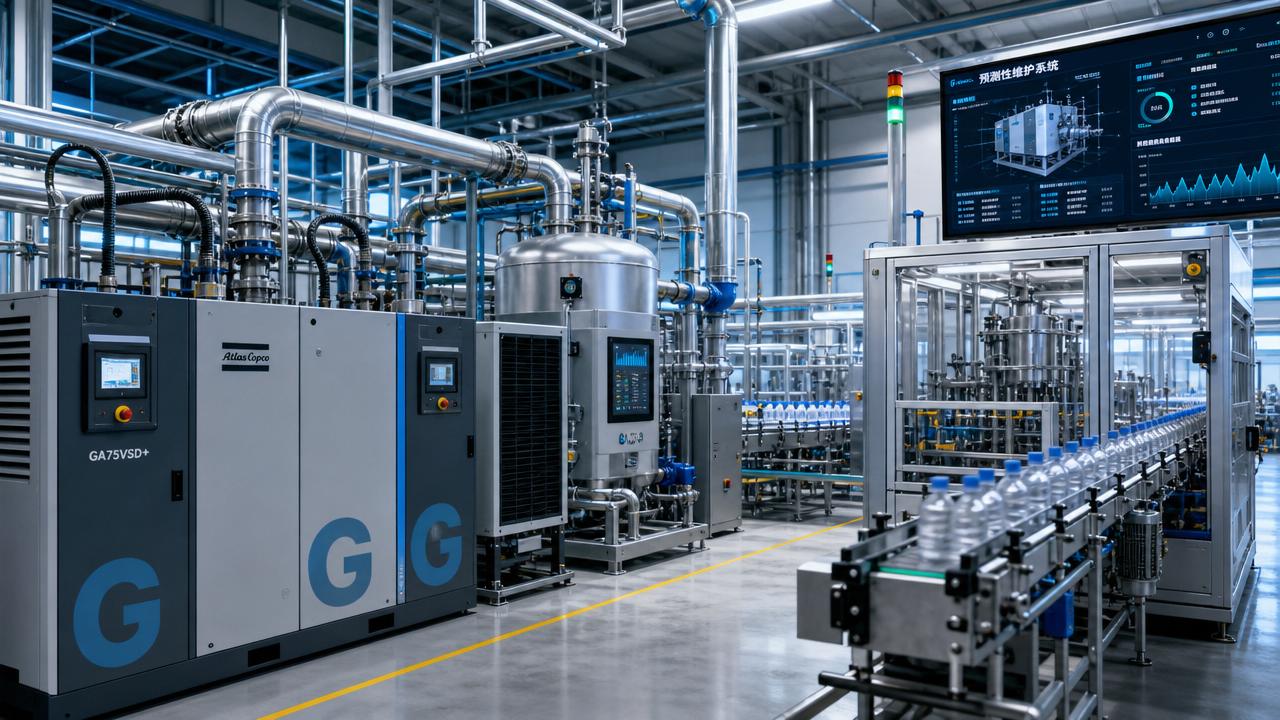
In industrial equipment upgrades, that usually includes digital sensors, edge or cloud connectivity, real-time dashboards, alarm prioritization, predictive maintenance models, and control strategies that adapt to operating conditions.
It also includes contextual intelligence. A compressor should not only report pressure. It should show whether energy is being wasted during partial load operation or whether a leak pattern is increasing power consumption.
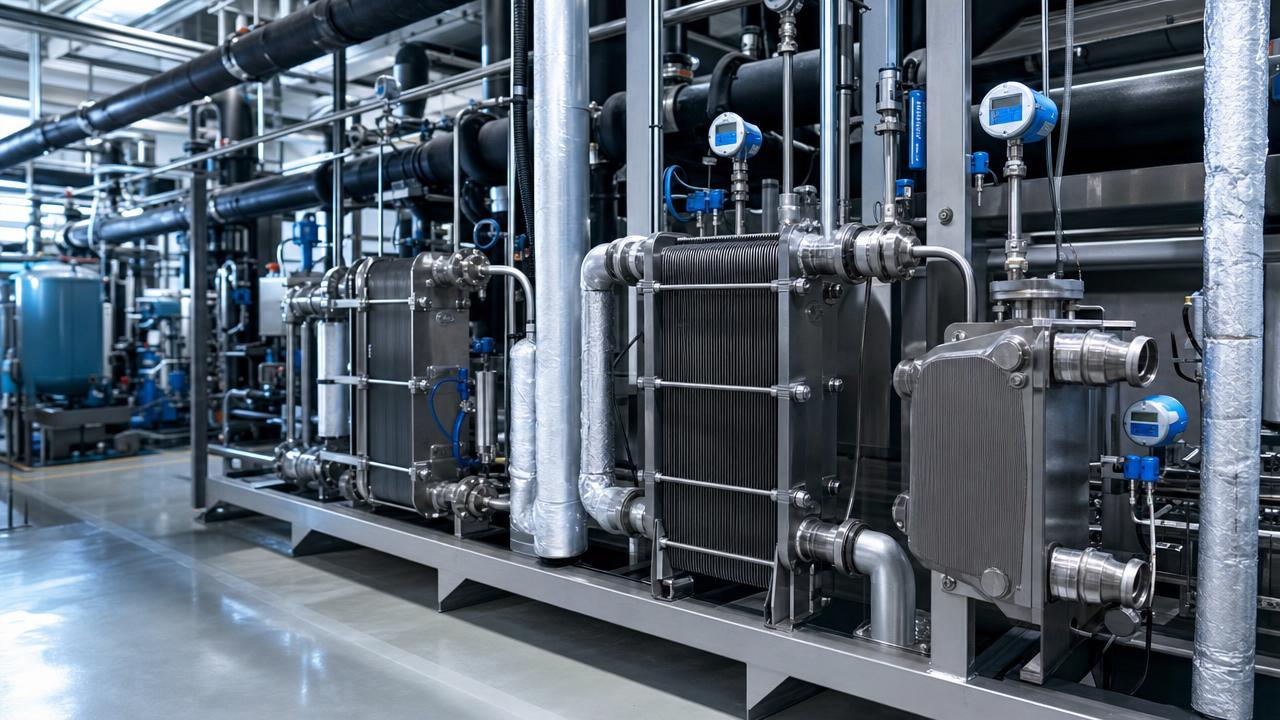
A heat exchanger should not only record temperature difference. It should help reveal fouling trends, unstable duty cycles, or performance degradation that affects product quality and utility costs.
Core dimensions of an intellectualized upgrade
- Operational visibility that turns hidden losses into measurable indicators.
- Adaptive control that responds to changing load, pressure, or thermal demand.
- Predictive insight that identifies likely failure before unplanned downtime.
- Cross-system coordination between equipment, utilities, and production lines.
- Traceable data that supports audits, benchmarking, and capital planning.
Where the business value becomes visible
The value of intellectualization appears most clearly when equipment is evaluated as part of a system rather than a standalone asset. Industrial cooling, compressed air, and vacuum networks rarely fail because of one component alone.
More often, losses come from poor matching between supply and demand, oversizing, unstable controls, inadequate maintenance timing, or limited understanding of actual operating conditions.
An intellectualized upgrade helps reduce those blind spots. It improves not only technical performance but also financial clarity, because energy use, maintenance burden, and utilization become easier to quantify.
This broader view matters in sectors with strict process control. Pharmaceutical, semiconductor, and food operations all depend on stable thermal behavior and clean, reliable utility support.
When process quality relies on precise temperature control or pure compressed air, intellectualization supports both operational stability and risk reduction. That is a stronger investment argument than efficiency claims alone.
Typical upgrade scenarios across thermal and compression systems
The meaning of intellectualization changes slightly by application. The common thread is better decisions through better visibility and control.
Compressed air systems
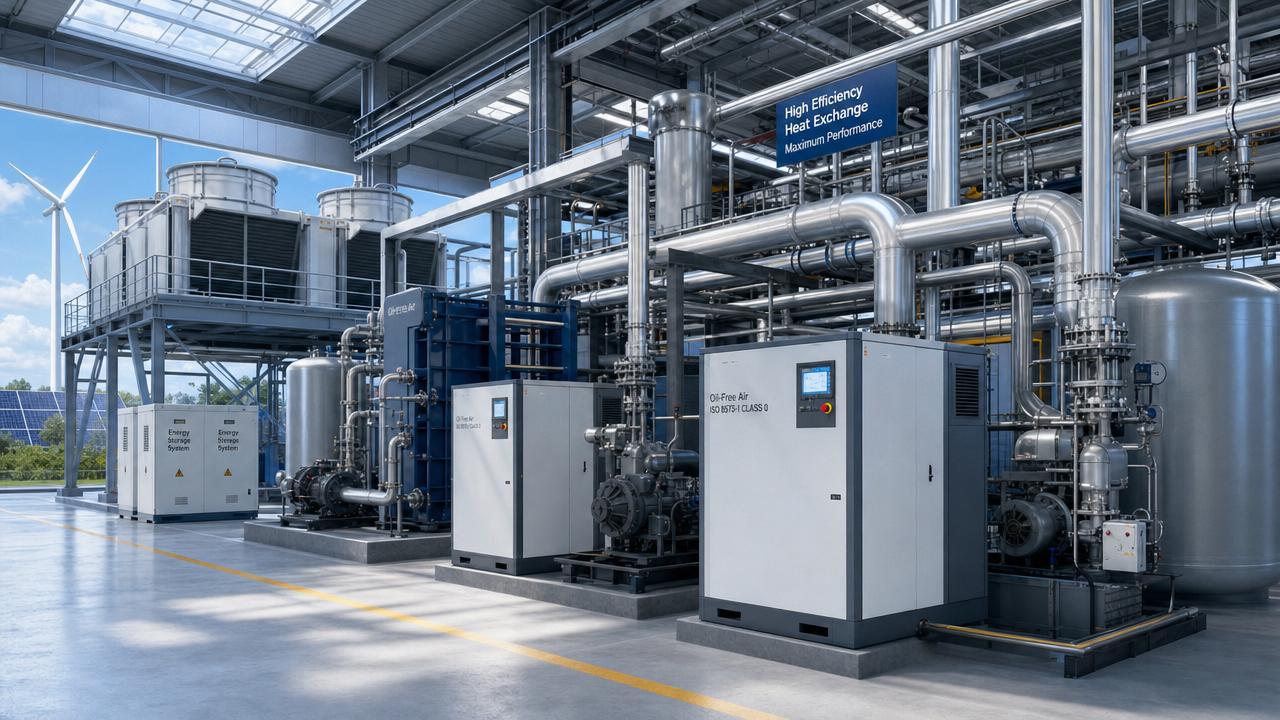
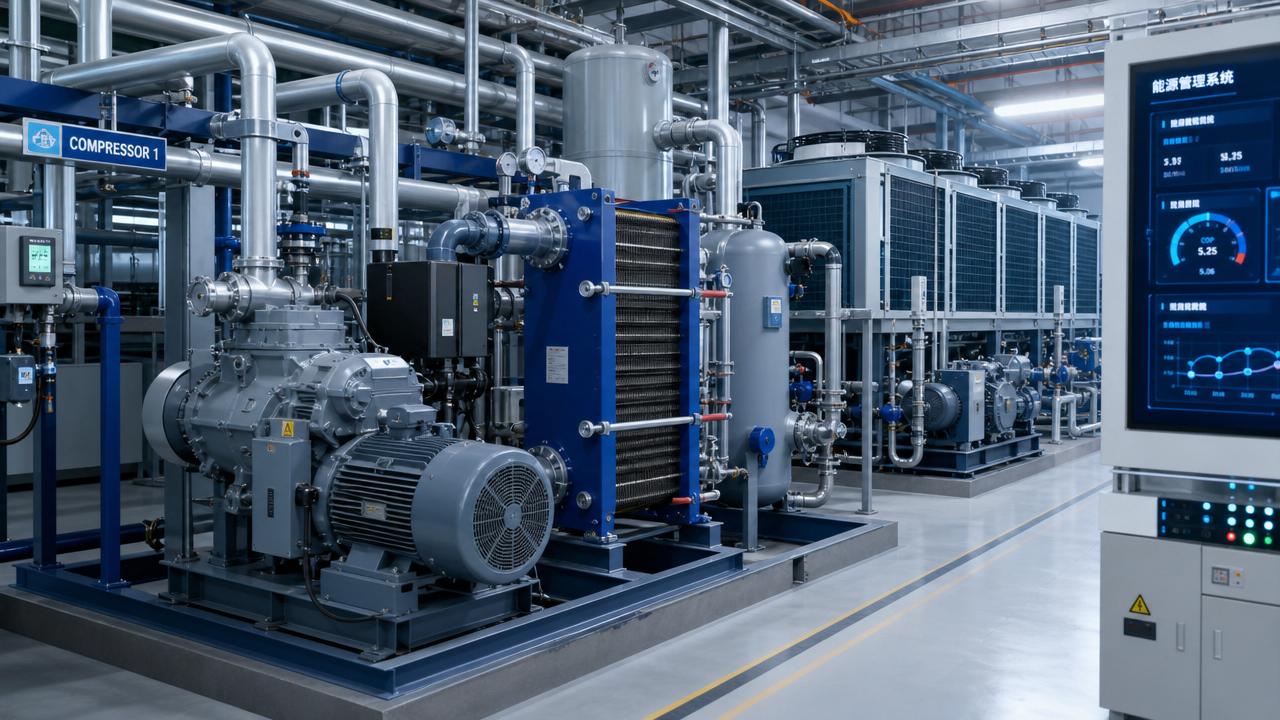
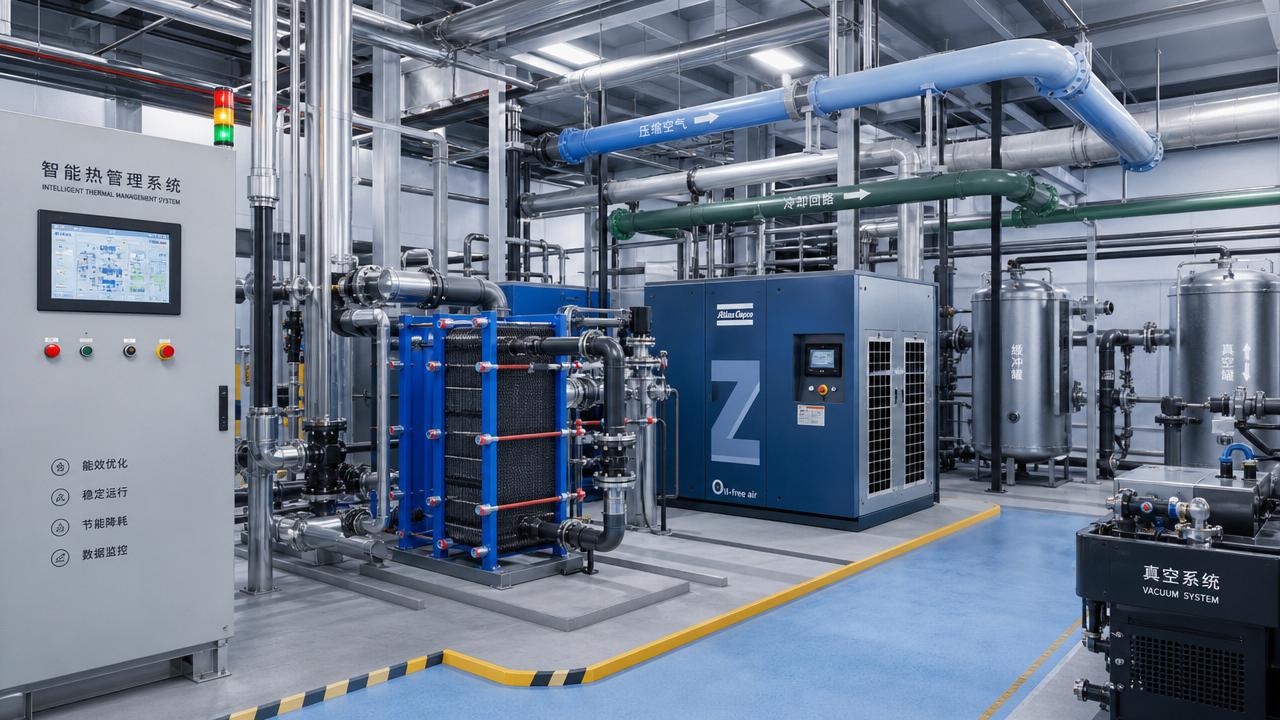
In compressed air, intellectualization often focuses on load sequencing, leak detection, pressure stability, and energy intensity per unit of output. Oil-free compression trends have made data quality even more important.
Cooling and heat exchange networks
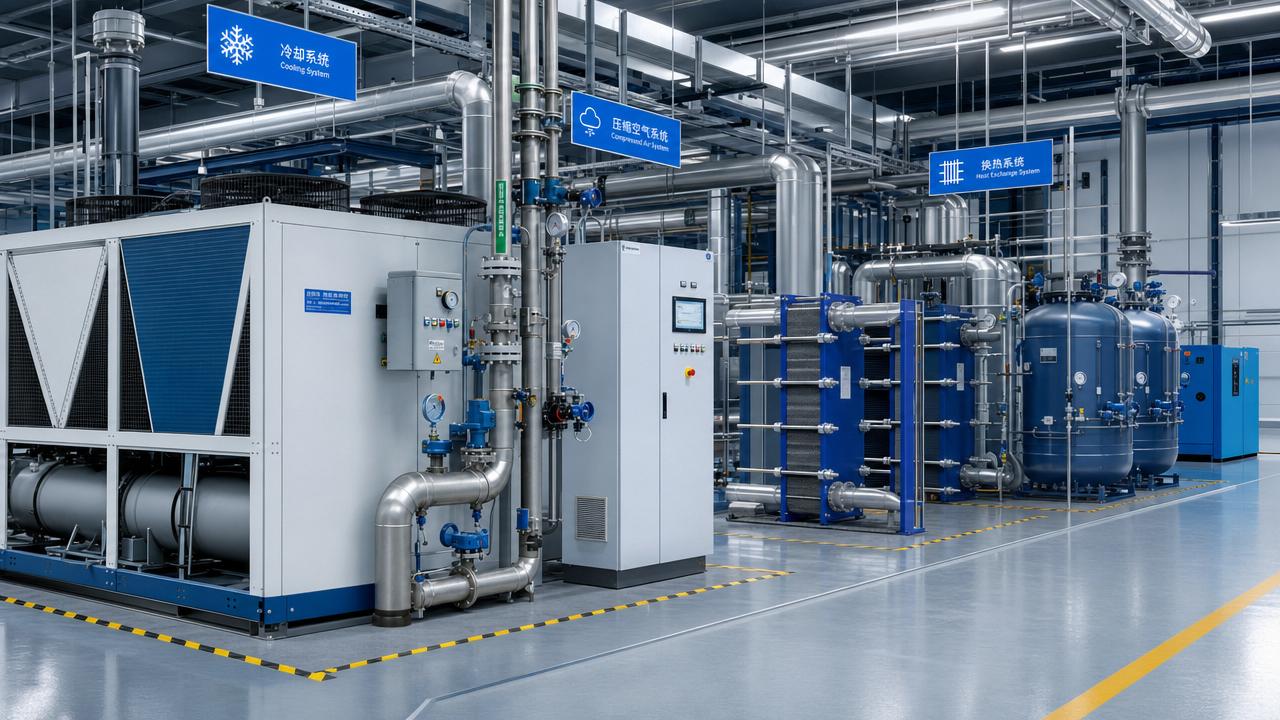
For cooling circuits and heat exchangers, intellectualization helps identify fouling, low approach temperature drift, imbalance across loops, and wasted pumping or fan power caused by poor control coordination.
Vacuum processes
In vacuum applications, equipment upgrades benefit from monitoring pump behavior, contamination risk, and actual demand patterns. This avoids overdesign and improves process consistency.
Boilers and combustion-related thermal assets
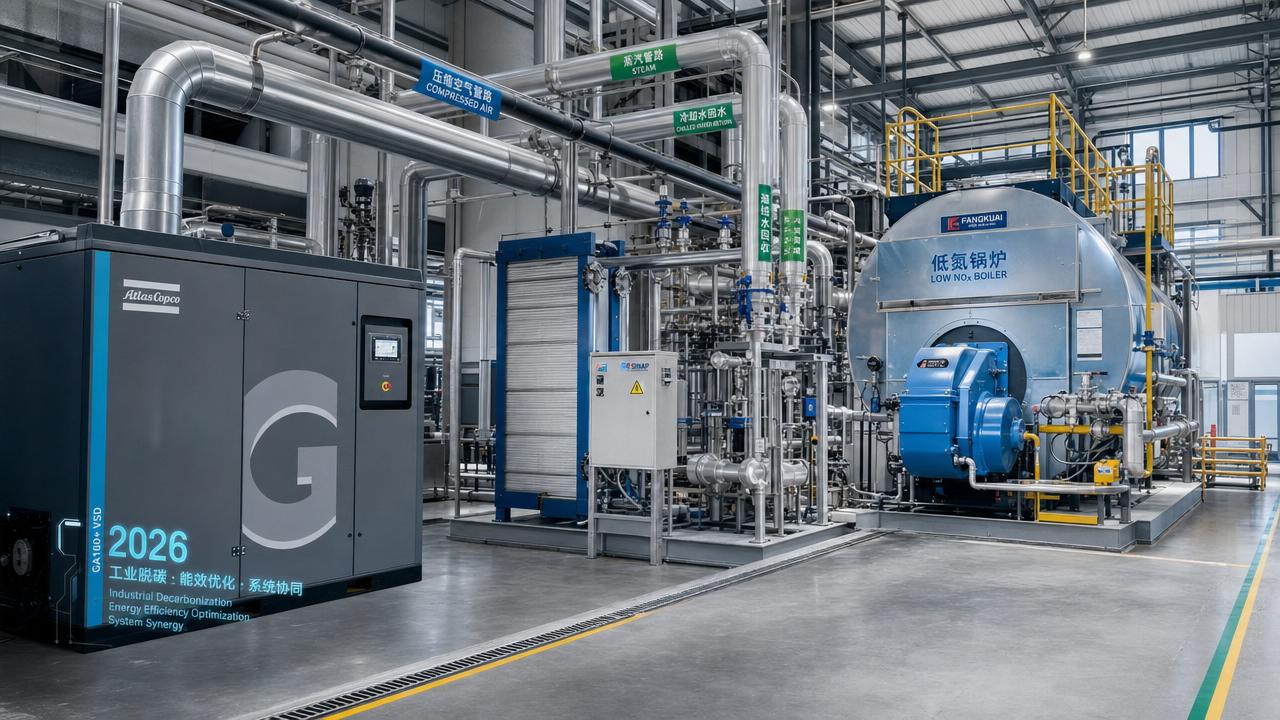
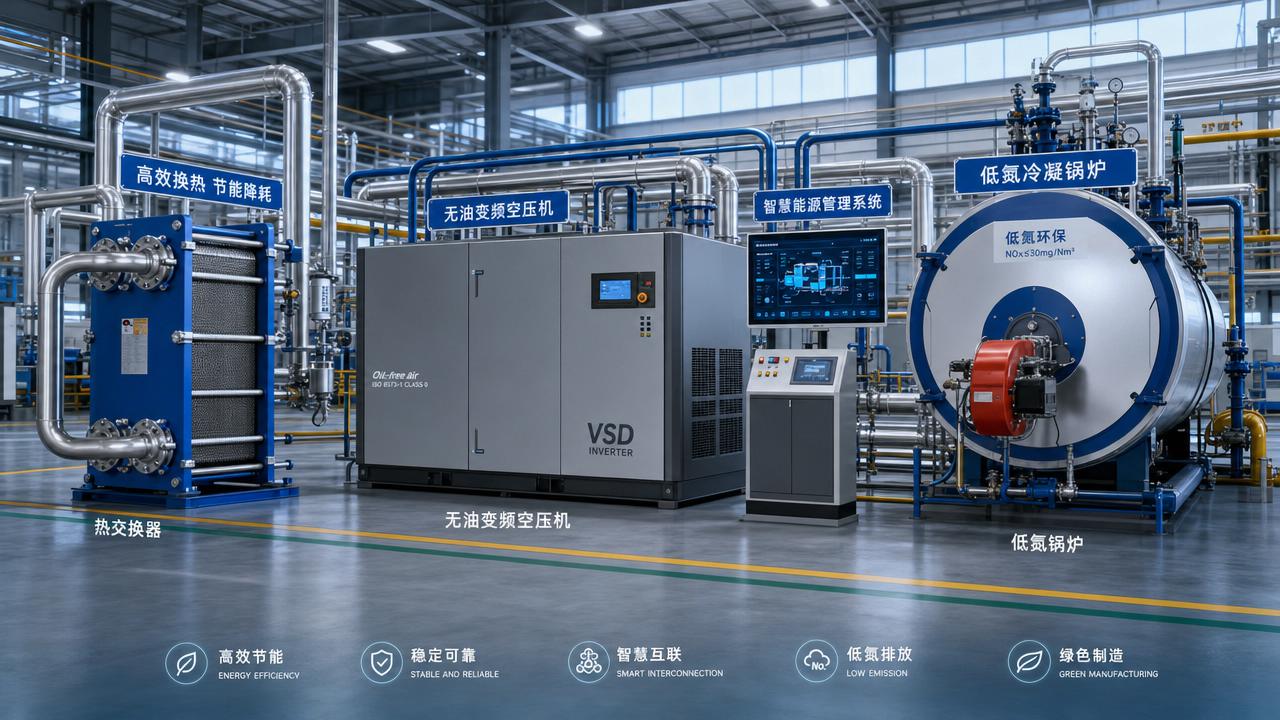
Low-NOx and high-efficiency boiler transitions increasingly depend on intelligent combustion tuning, emissions tracking, and heat recovery analysis rather than static operating assumptions.
How to judge whether an upgrade is truly intellectualized
Not every connected machine represents meaningful intellectualization. Some upgrades only add dashboards without improving decisions, controls, or economic performance.
A more useful test is whether the upgrade changes how performance is understood and managed in daily operation.
- Does the system provide actionable data, not just raw signals?
- Can it reveal causes of energy drift, instability, or abnormal maintenance demand?
- Does it improve decisions at both equipment and plant-system level?
- Can performance be benchmarked over time and across operating modes?
- Will the data remain useful for compliance, decarbonization, and future expansion?
This is where structured market intelligence becomes valuable. GTC-Matrix, through its Strategic Intelligence Center, highlights how sector news, policy shifts, and technology evolution influence upgrade timing and selection criteria.
That perspective is important because intellectualization is not only a technical feature. It is also a response to changing economics, stricter sustainability expectations, and more competitive manufacturing requirements.
Common mistakes in evaluation
Several mistakes can weaken the value of an upgrade even when the equipment itself is advanced.
- Treating software features as proof of value without linking them to measurable operating outcomes.
- Reviewing each asset separately while ignoring plant-wide thermal and compression interactions.
- Focusing on best-case efficiency instead of actual part-load behavior.
- Underestimating data integration, alarm quality, and operator usability.
- Ignoring future policy exposure, especially around energy, refrigerants, and emissions reporting.
A useful evaluation process keeps technical detail connected to business consequences. If intellectualization cannot clarify lifecycle cost, operational risk, or strategic flexibility, its upgrade value is incomplete.
What to examine next
A practical next step is to map critical equipment by energy intensity, downtime sensitivity, and process dependence. That quickly shows where intellectualization can create the strongest return.
It also helps to compare upgrades using a shared framework: sensing depth, controllability, integration readiness, predictive capability, and lifecycle transparency. Those factors often reveal more than headline efficiency figures.
For thermal and compression assets, ongoing intelligence is equally important. Technology shifts in oil-free systems, microchannel heat exchangers, or cleaner combustion can change the attractiveness of an upgrade path quickly.
The strongest decisions usually come from combining equipment analysis with market and policy insight. Intellectualization, in that sense, is not just built into machines. It also belongs in the way upgrade choices are evaluated.
When the goal is long-term efficiency, operational resilience, and better alignment with high-efficiency manufacturing, the next move is not simply to replace aging assets. It is to define which intelligence capabilities genuinely improve performance, then assess every upgrade against that standard.
Ready when you are. Send us a message to get started.
Related News
- Why high-density thermal energy storage is gaining industry attentionAuthor :

- Smart Device Thermal Management Trends Shaping 2026 Product DesignAuthor :

- Industrial Cooling Technologies in Europe: 2026 Trends in Compliance and Energy UseAuthor :

- Industrial Electrification Trends in 2026: Where Projects Are Moving FirstAuthor :

- Industrial Solution Comparison Global: 2026 Trends Reshaping Equipment DecisionsAuthor :

- When Heat Recovery Systems Skid Mounted Designs Improve Project PaybackAuthor :

- How to Compare Industrial Decarbonization Solutions Providers in 2026Author :

- Industry Category Guides for Smart Devices: What to Track as 2026 Markets ShiftAuthor :

- Green Manufacturing Trends Reshaping Industrial InvestmentAuthor :

- 2026 Global Energy Costs: What Will Reshape Industrial PlanningAuthor :

- Industrial Decarbonization Solutions That Cut Fuel Costs in 2026Author :

- Smart Thermal Systems Trends Shaping Industrial Upgrades in 2026Author :

- Resource Circularity in Manufacturing: 5 Practical Gains Beyond ComplianceAuthor :

- Carbon Neutrality Roadmap: What Industrial Firms Need to Prioritize FirstAuthor :

- Energy Conversion Efficiency Trends Shaping Industrial UpgradesAuthor :

- Compression Technology Trends Shaping Efficient Plant UpgradesAuthor :

- Industrial Intelligence in Manufacturing: Where It Delivers Value FirstAuthor :

- How Intellectualization Improves Industrial Thermal ManagementAuthor :

- What Intellectualization Means for Smarter Plant Operations in 2026Author :

- Carbon Neutrality Goals: What Industrial Firms Should Prioritize in 2026Author :

- How Intellectualization Reduces Downtime in Modern Production LinesAuthor :

- Decarbonization Roadmap for Energy-Intensive Plants in 2026Author :

- Thermal Systems Trends in 2026: Efficiency, Control, and RiskAuthor :

- Industrial Decarbonization Priorities for Energy-Intensive FacilitiesAuthor :

- Thermal Systems in 2026: Efficiency Upgrades Shaping Industrial OperationsAuthor :

- Pure Power Sources: 5 Practical Paths to Carbon NeutralityAuthor :

- What Intellectualization Means for Industrial Equipment UpgradesAuthor :

- Thermal Optimization in 2026: Where Energy Savings Deliver the Fastest PaybackAuthor :

- Energy Efficiency Trends Reshaping Compressor Upgrades in 2026Author :

- 2026 Industrial Decarbonization Trends Reshaping Plant UpgradesAuthor :
![]()
- Heat Exchanger Technology Trends for 2026 Efficiency TargetsAuthor :

- Resource Circularity Risks in 2026 Supply ChainsAuthor :

- Smart Thermal Systems: When Upgrades Deliver Measurable SavingsAuthor :

- Carbon Neutrality: Practical Steps for Factory RoadmapsAuthor :

- 2026 Industrial Energy Efficiency Priorities for Plant UpgradesAuthor :

- Industrial Intellectualization Trends Reshaping Equipment UpgradesAuthor :