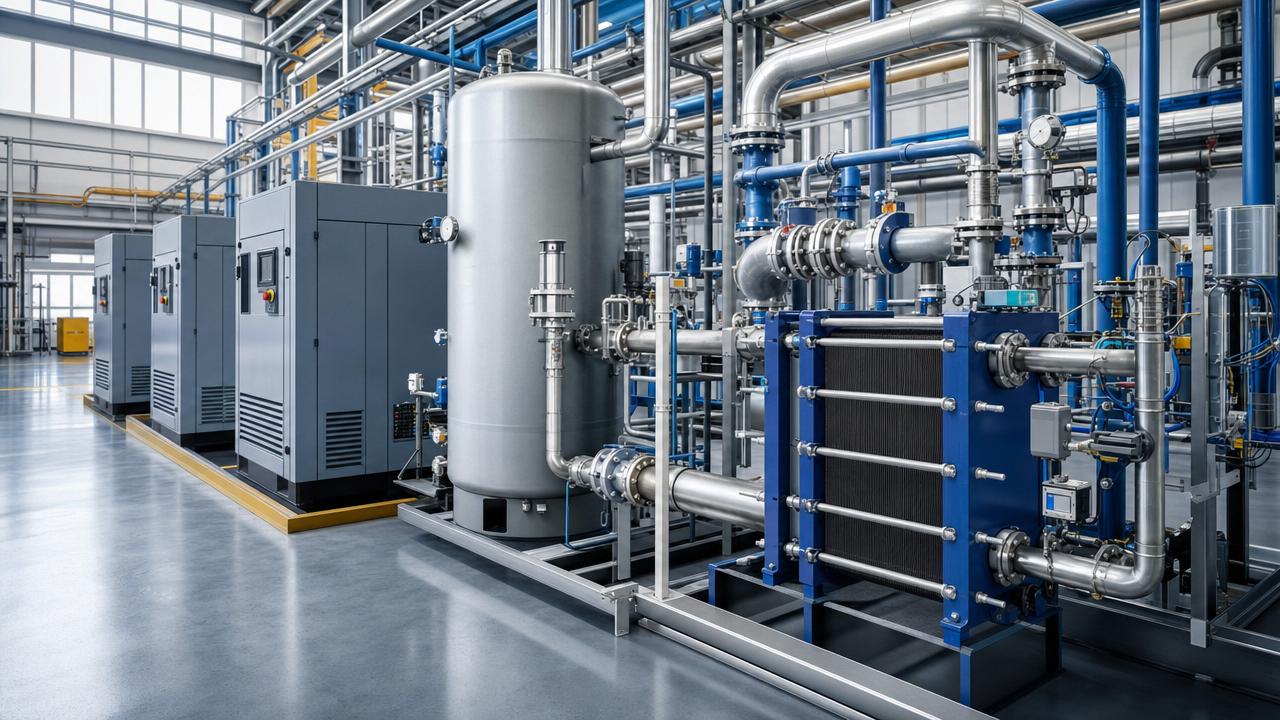
Resource Circularity Risks in 2026 Supply Chains




In 2026, resource circularity will become a board-level supply chain risk, not just a sustainability ambition. As energy volatility, material shortages, carbon rules, and equipment lifecycle pressures converge, enterprise decision-makers must reassess how industrial cooling, compressed air, vacuum, and heat exchange assets are sourced, operated, recovered, and redeployed. For manufacturers competing in high-efficiency and low-carbon markets, the ability to convert waste streams, extend component life, and secure circular inputs will increasingly define resilience, compliance, and long-term cost advantage.
Why Resource Circularity Is Moving From ESG Language to Supply Chain Control
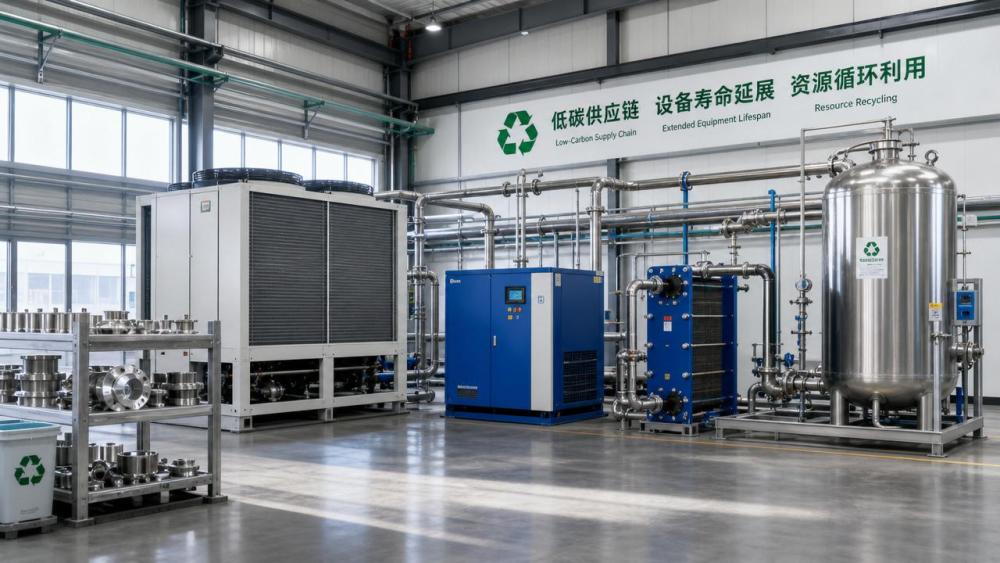
For enterprise decision-makers, resource circularity is no longer limited to recycling claims or annual sustainability reporting. It is becoming a practical operating discipline for protecting production continuity.
Industrial systems depend on refrigerants, metals, lubricants, spare parts, electrical components, process water, and energy-intensive equipment. When these resources become scarce or expensive, procurement teams face delayed projects and unstable margins.
The risk is sharper in thermal and compression systems because they sit at the power heart of factories. A compressor outage, chiller bottleneck, or heat exchanger fouling event can interrupt entire production lines.
The 2026 risk profile is different
- Material dependency is becoming more visible as copper, aluminum, specialty alloys, electronics, and low-GWP refrigerants face tighter supply planning.
- Carbon accounting is expanding from direct emissions toward equipment lifecycle data, embodied carbon, repairability, and end-of-life treatment.
- Capital budgets are under pressure, making asset life extension and component recovery more attractive than full replacement.
- Customers increasingly ask suppliers to prove circular procurement, responsible disposal, and measurable energy performance.
In this context, resource circularity becomes a decision framework. It helps leaders decide what to buy, what to refurbish, what to recover, and what to redesign.
Where Circularity Risks Hide in Thermal and Compression Assets
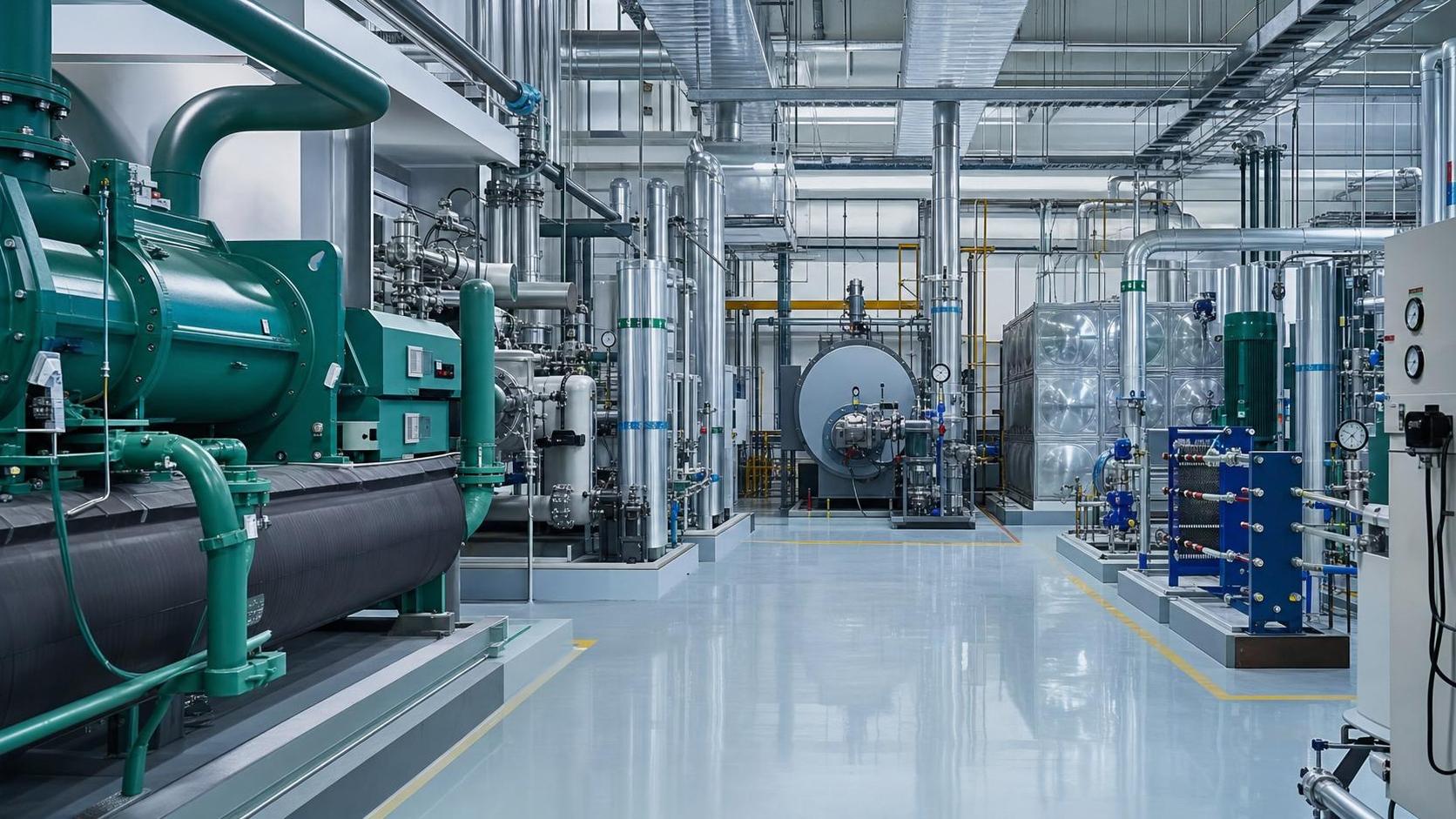
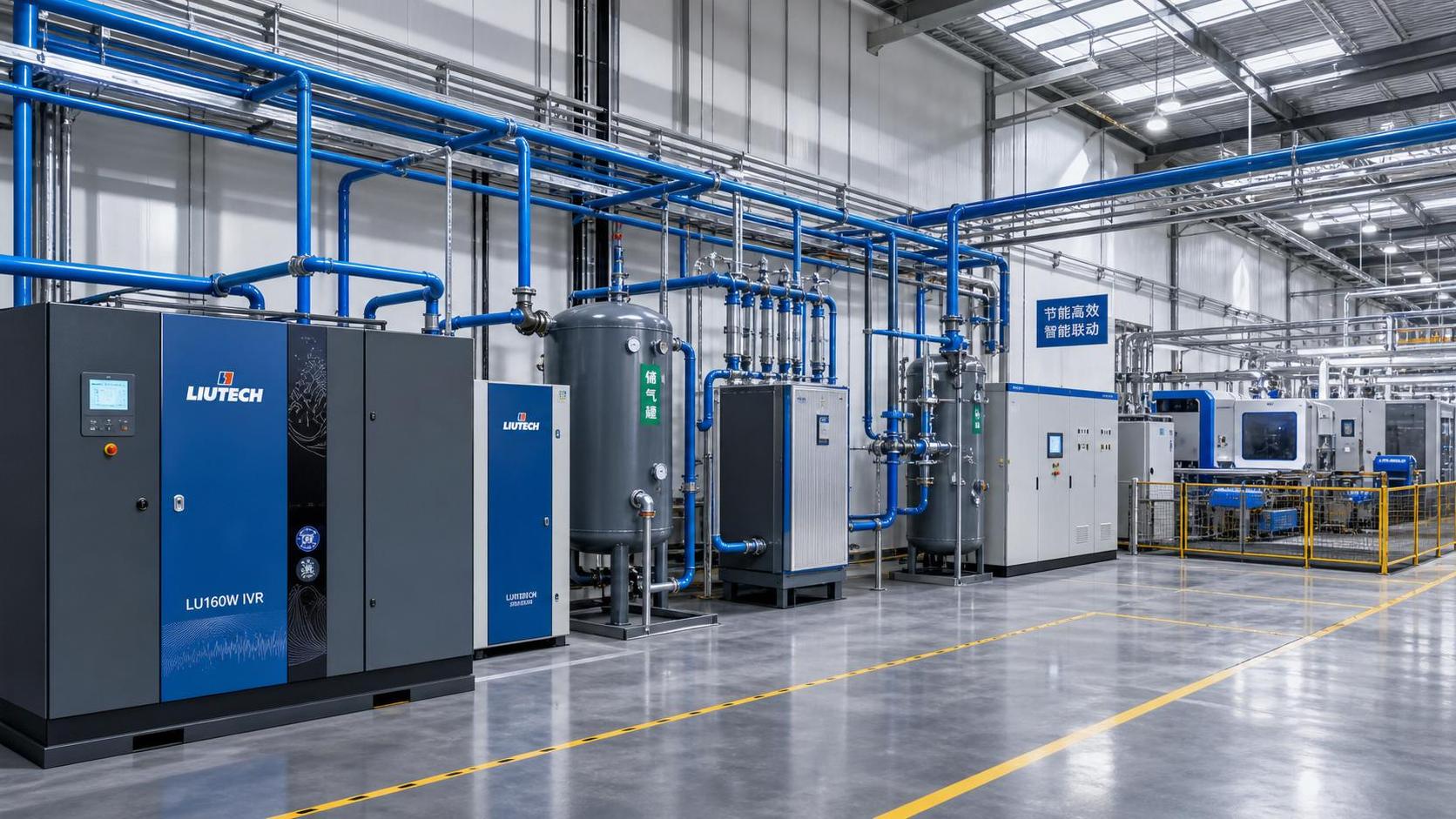
The most expensive resource circularity failures are often hidden in technical assets that purchasing teams treat as routine equipment. Cooling, compressed air, vacuum, and heat exchange systems deserve closer review.
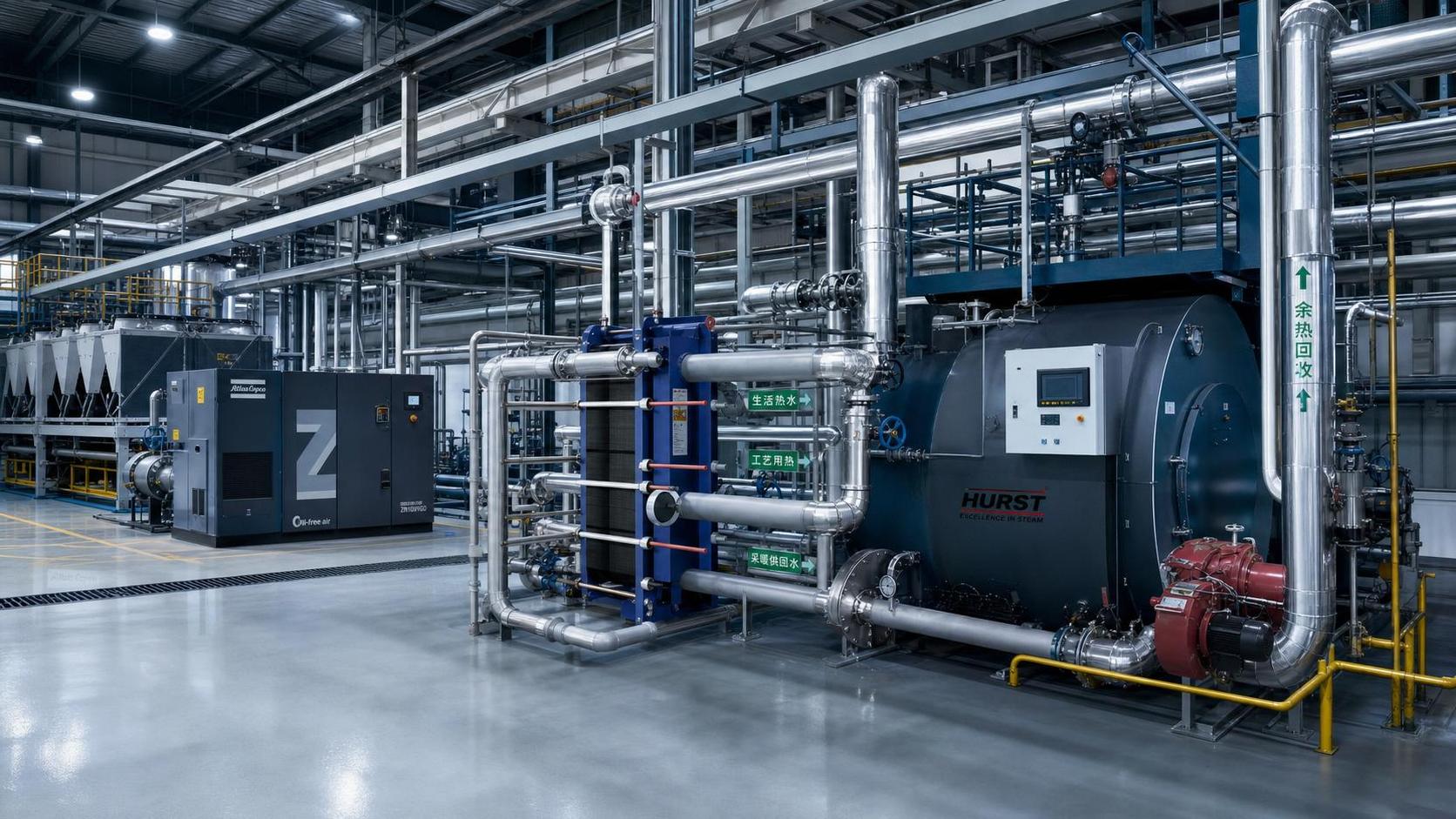
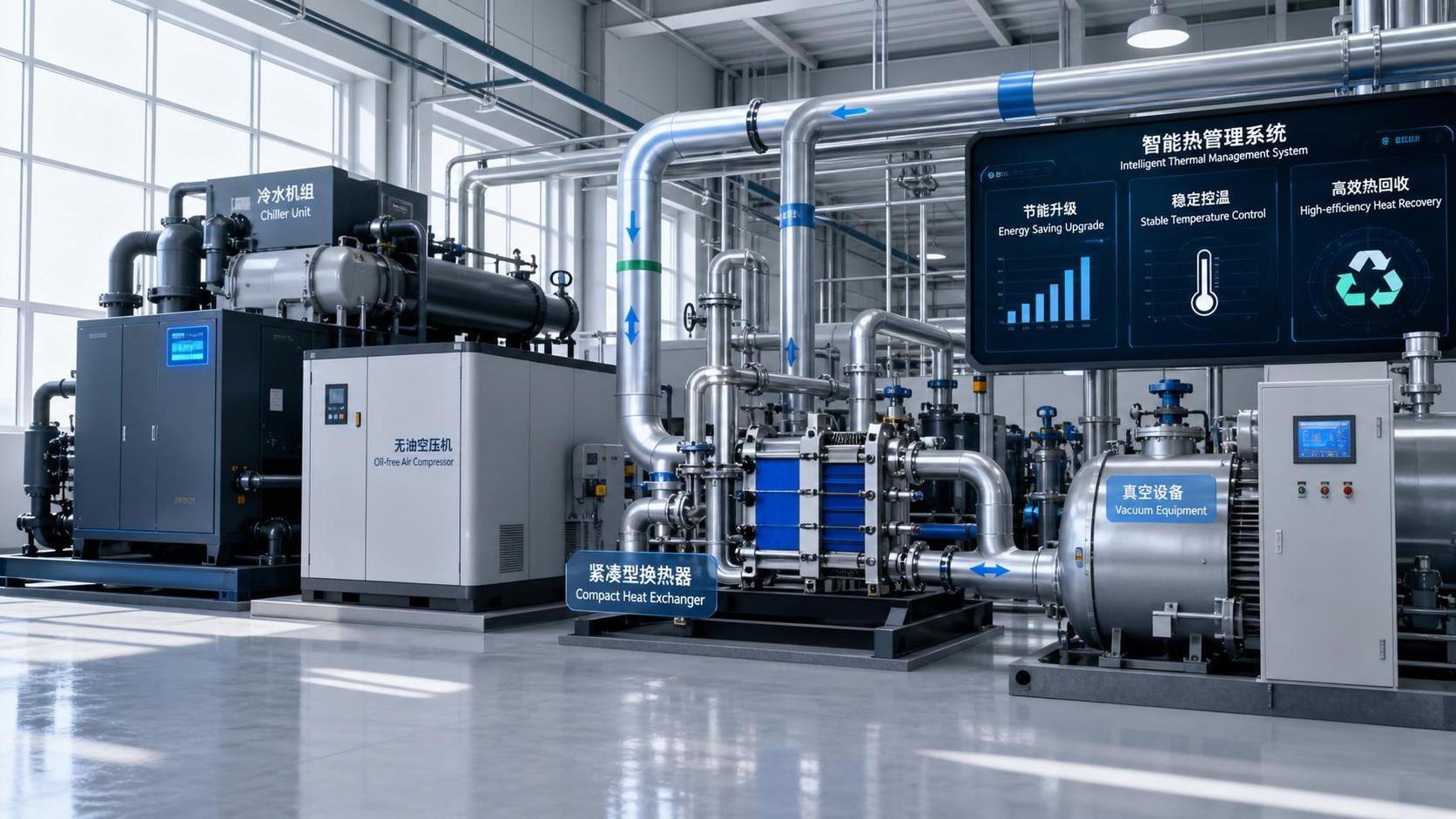
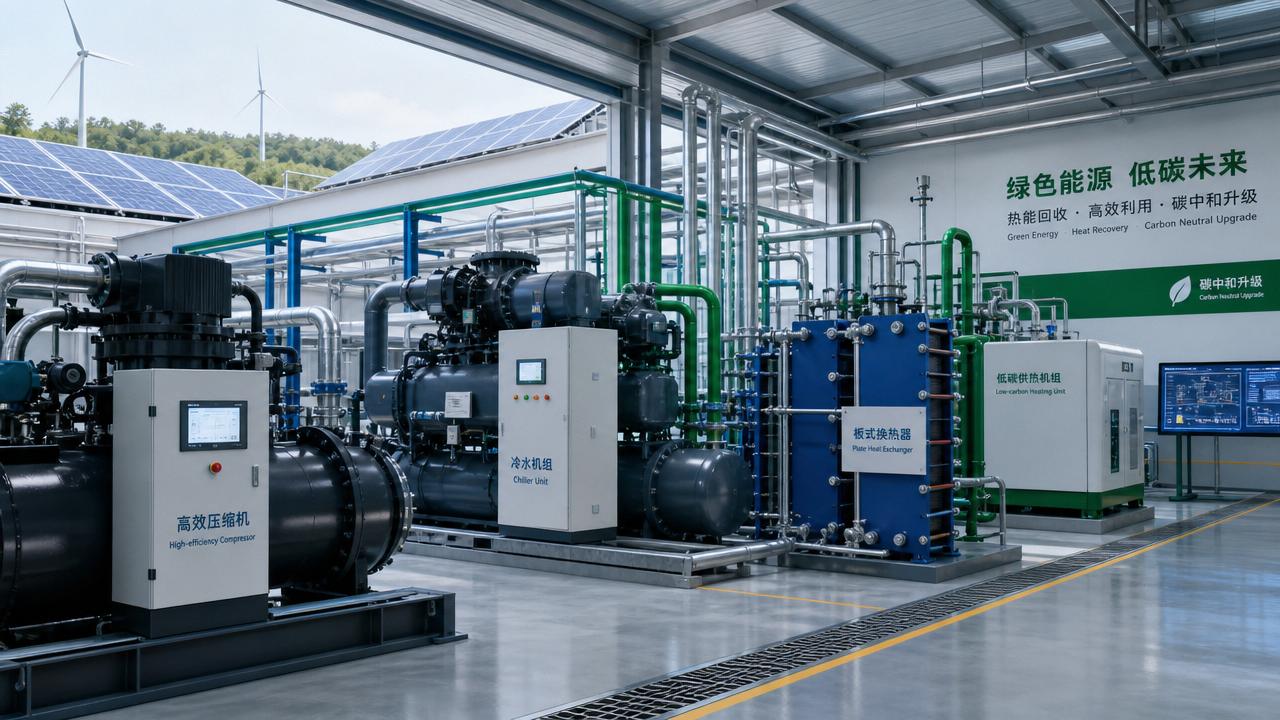
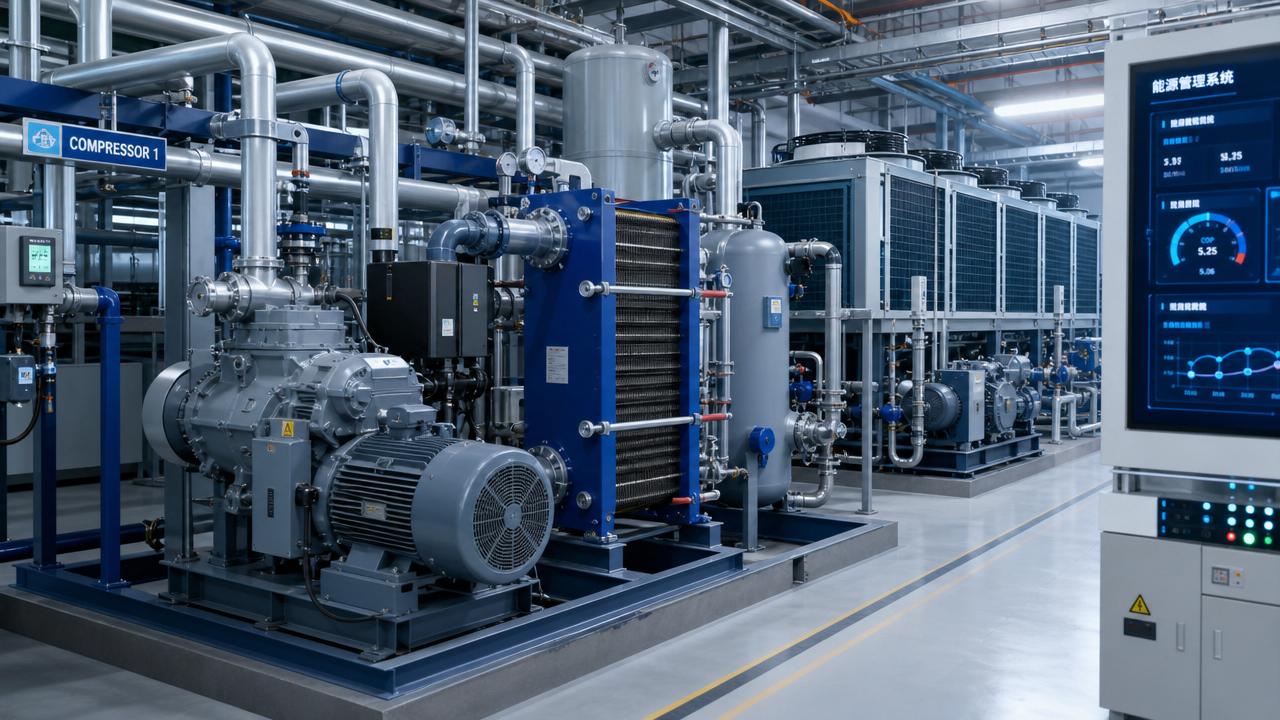
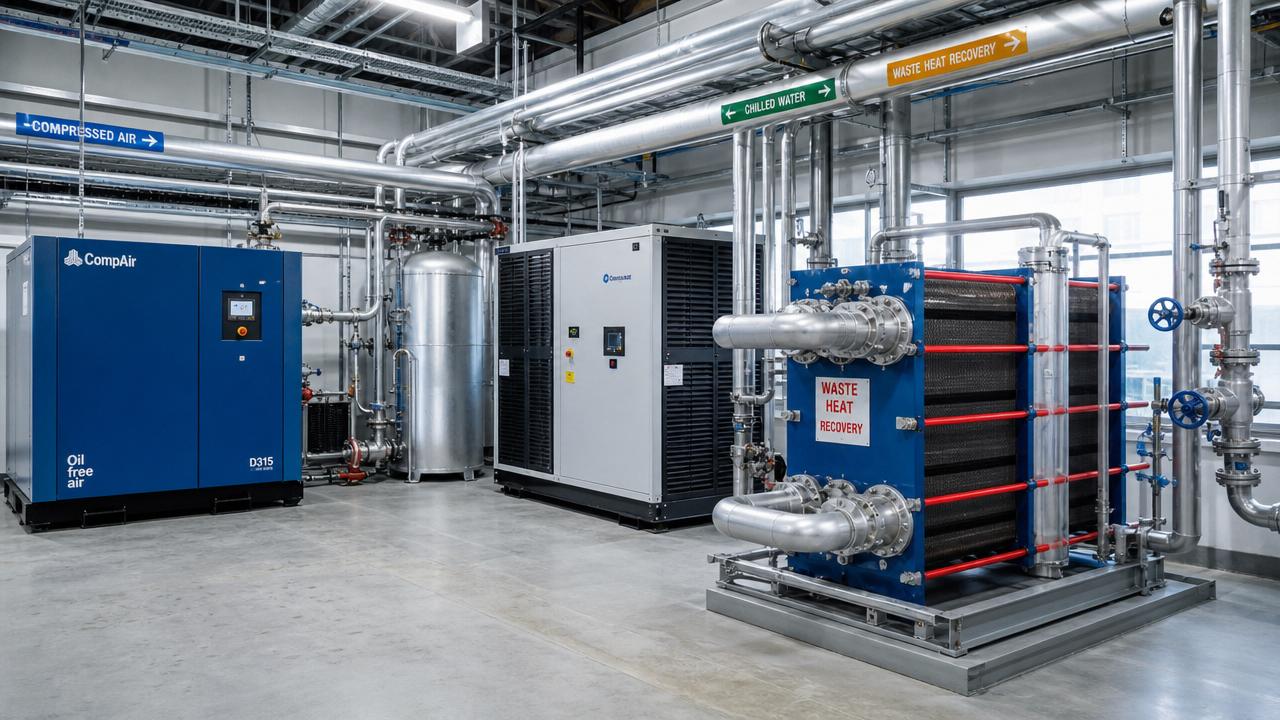
GTC-Matrix observes these systems through thermodynamic logic, pneumatic power engineering, and industrial economics. That combined view helps decision-makers identify circularity risk before it becomes downtime.
The following table shows where resource circularity exposure commonly appears across industrial operating environments.
The table makes one point clear: resource circularity is not a single recycling project. It connects specification, operation, maintenance, compliance, and end-of-life recovery.
How Decision-Makers Should Compare Linear and Circular Supply Models
Many procurement teams still buy thermal and compression equipment through a linear model: specify, purchase, operate, repair, discard. That approach is familiar but increasingly exposed.
A resource circularity model changes the evaluation logic. It asks whether equipment can be maintained longer, upgraded efficiently, disassembled safely, and reintegrated into future supply.
Before approving a new system, executives should compare not only purchase price but also serviceability, energy conversion efficiency, material recovery, and regulatory exposure.
A circular model does not automatically mean higher upfront cost. In many facilities, the business case appears through fewer unplanned purchases, lower energy waste, and better component reuse.
When the linear model becomes too risky
The linear model becomes risky when equipment depends on constrained materials, regulated fluids, long lead-time electronics, or frequent maintenance consumables. These conditions are common in advanced manufacturing.
Semiconductor plants, pharmaceutical sites, food processing operations, chemical facilities, and precision manufacturing workshops all require stable cooling, clean air, reliable vacuum, and controlled heat transfer.
Procurement Criteria for Resource Circularity in 2026 Projects
Procurement teams often struggle because sustainability, engineering, finance, and operations use different language. Resource circularity gives them a shared evaluation structure.
For 2026 projects, the purchasing decision should balance technical performance with lifecycle resilience. The cheapest machine may become expensive if parts, fluids, or service access are weak.
A practical circular procurement checklist
- Confirm the actual load profile instead of buying only for peak demand, especially for compressors and chillers with variable operating conditions.
- Ask whether key modules, drives, controls, seals, fans, tubes, or pumps can be replaced without discarding the entire system.
- Evaluate energy efficiency under real duty cycles, not only under laboratory or catalogue conditions.
- Check refrigerant, lubricant, filter, and consumable availability under expected environmental regulations and supplier constraints.
- Request documentation for maintenance access, repair intervals, recommended inspection points, and end-of-life handling.
This checklist turns resource circularity into a measurable procurement conversation. It also prevents budget teams from separating equipment price from total lifecycle exposure.
Key parameters to review before approval
Executives do not need to review every engineering detail, but they should demand a short parameter brief for assets that affect energy conversion efficiency and circular recovery.
These parameters help transform circularity from a vague aspiration into a purchasing gate. They are especially important for sites with strict uptime, hygiene, or temperature control requirements.
Compliance, Standards, and Reporting Pressures to Watch
Resource circularity risk is also a compliance risk. Regulations and customer requirements increasingly ask how industrial assets are designed, used, serviced, and retired.
Decision-makers should avoid treating compliance as a documentation exercise after installation. It should influence system architecture, supplier selection, and maintenance planning from the beginning.
Common reference areas for industrial buyers
- Energy management principles associated with ISO 50001 can support disciplined monitoring of compressors, chillers, pumps, and heat recovery systems.
- Environmental management practices associated with ISO 14001 can guide waste handling, refrigerant controls, and material recovery programs.
- Pressure equipment, electrical safety, and regional refrigerant rules should be reviewed for each target market and installation location.
- Product carbon footprint and lifecycle assessment methods may influence supplier reporting expectations, especially in export-oriented industries.
GTC-Matrix tracks policy changes, energy cost movements, and technology evolution because these signals shape the real cost of resource circularity decisions.
Implementation Roadmap: From Asset Audit to Circular Operating Model
A successful resource circularity program does not begin with a broad corporate slogan. It begins with a detailed view of assets, flows, risks, and value recovery points.
The best approach is phased. This reduces disruption, helps finance teams validate savings, and gives engineering teams time to build reliable data.
Recommended execution sequence
- Map critical equipment, including compressors, chillers, vacuum pumps, cooling towers, heat exchangers, boilers, dryers, and major controls.
- Identify resource flows such as electricity, water, compressed air losses, rejected heat, refrigerants, lubricants, filters, and replacement parts.
- Rank risks by production impact, replacement lead time, compliance exposure, energy cost, and recoverable material value.
- Create asset-specific action plans covering repair, retrofit, heat recovery, supplier renegotiation, refurbishment, or planned replacement.
- Build reporting dashboards that link resource circularity actions with downtime reduction, cost avoidance, and carbon-related indicators.
This sequence is practical for multi-site manufacturers because it starts with visibility. Once asset data is structured, procurement and operations can make faster trade-offs.
Cost and Alternatives: When to Repair, Retrofit, or Replace
The hardest circularity decision is not whether to avoid waste. It is deciding when old equipment should be repaired, upgraded, redeployed, or replaced.
A narrow repair-first policy can preserve inefficient assets too long. A replace-first policy can destroy residual value and expose the business to supply shortages.
Decision logic for asset intervention
- Repair is suitable when the core system is efficient, spare parts are available, and failure modes are isolated to replaceable components.
- Retrofit is suitable when controls, drives, heat recovery integration, or monitoring upgrades can materially improve resource circularity.
- Replacement is suitable when energy losses, refrigerant issues, corrosion, safety concerns, or obsolete parts create compounding risk.
- Redeployment is suitable when equipment no longer fits a primary process but can serve a lower-duty application within the organization.
The decision should consider total cost of ownership, not only payback period. Downtime, compliance, and material availability can outweigh simple capital comparisons.
FAQ: Practical Questions About Resource Circularity in Industrial Supply Chains
How should enterprises start resource circularity if asset data is incomplete?
Start with critical equipment rather than the entire factory. Compressors, chillers, heat exchangers, and vacuum systems usually provide fast insight because they link energy, uptime, and maintenance.
Create a basic asset register, then add load profile, service history, fluid type, spare part risk, and energy consumption. This is enough for first-stage prioritization.
Is resource circularity mainly relevant to large manufacturers?
No. Smaller manufacturers may face even greater exposure because they have less spare capacity, fewer backup suppliers, and tighter capital budgets.
For them, resource circularity can begin with leakage reduction, scheduled maintenance, recoverable heat use, and better supplier documentation before larger retrofits are considered.
What is the biggest mistake in circular procurement?
The most common mistake is evaluating purchase price without checking repairability, energy behavior, fluid compliance, and end-of-life options.
A low-cost asset can become expensive if a key control board, seal kit, refrigerant, or alloy component becomes difficult to source.
Can resource circularity support decarbonization goals?
Yes, especially when it improves energy efficiency, reduces waste heat, extends equipment life, and avoids unnecessary manufacturing of replacement assets.
However, circularity should be measured carefully. Extending the life of a severely inefficient system may conflict with long-term decarbonization objectives.
Why Choose GTC-Matrix for Circular Supply Chain Intelligence
GTC-Matrix supports enterprise decision-makers who need clearer judgment across industrial cooling, compressed air, vacuum processes, and heat exchange technologies.
Our Strategic Intelligence Center connects thermodynamics analysts, pneumatic power engineers, and industrial economists to interpret technology evolution, energy volatility, and circular procurement pressure.
This intelligence helps leaders compare equipment strategies, clarify resource circularity risks, and identify where lifecycle efficiency can protect margins and operational resilience.
Consult us when decisions involve multiple technical and commercial variables
- Parameter confirmation for compressors, cooling systems, vacuum processes, heat exchangers, and heat recovery opportunities.
- Product selection support when energy efficiency, repairability, refrigerant strategy, or modular design affects lifecycle cost.
- Delivery cycle and supply risk review for critical components, spare parts, and regulated industrial materials.
- Customized circularity assessment for multi-site manufacturers, equipment suppliers, and industrial project teams.
- Certification and compliance discussion covering energy management, environmental reporting, safety requirements, and export market expectations.
- Quotation communication and sample support planning where project feasibility depends on technical validation and procurement timing.
Resource circularity will shape 2026 supply chain competitiveness because it links resilience, compliance, efficiency, and capital discipline. GTC-Matrix helps turn that complexity into actionable industrial intelligence.
Thermal Driving Industry, Intelligence Connecting Power: this is the operating principle behind our support for enterprises building circular, efficient, and future-ready industrial systems.
Ready when you are. Send us a message to get started.
Related News
- Why high-density thermal energy storage is gaining industry attentionAuthor :

- Smart Device Thermal Management Trends Shaping 2026 Product DesignAuthor :

- Industrial Cooling Technologies in Europe: 2026 Trends in Compliance and Energy UseAuthor :

- Industrial Electrification Trends in 2026: Where Projects Are Moving FirstAuthor :

- Industrial Solution Comparison Global: 2026 Trends Reshaping Equipment DecisionsAuthor :

- When Heat Recovery Systems Skid Mounted Designs Improve Project PaybackAuthor :

- How to Compare Industrial Decarbonization Solutions Providers in 2026Author :

- Industry Category Guides for Smart Devices: What to Track as 2026 Markets ShiftAuthor :

- Green Manufacturing Trends Reshaping Industrial InvestmentAuthor :

- 2026 Global Energy Costs: What Will Reshape Industrial PlanningAuthor :

- Industrial Decarbonization Solutions That Cut Fuel Costs in 2026Author :

- Smart Thermal Systems Trends Shaping Industrial Upgrades in 2026Author :

- Resource Circularity in Manufacturing: 5 Practical Gains Beyond ComplianceAuthor :

- Carbon Neutrality Roadmap: What Industrial Firms Need to Prioritize FirstAuthor :

- Energy Conversion Efficiency Trends Shaping Industrial UpgradesAuthor :

- Compression Technology Trends Shaping Efficient Plant UpgradesAuthor :

- Industrial Intelligence in Manufacturing: Where It Delivers Value FirstAuthor :

- How Intellectualization Improves Industrial Thermal ManagementAuthor :

- What Intellectualization Means for Smarter Plant Operations in 2026Author :

- Carbon Neutrality Goals: What Industrial Firms Should Prioritize in 2026Author :

- How Intellectualization Reduces Downtime in Modern Production LinesAuthor :

- Decarbonization Roadmap for Energy-Intensive Plants in 2026Author :

- Thermal Systems Trends in 2026: Efficiency, Control, and RiskAuthor :

- Industrial Decarbonization Priorities for Energy-Intensive FacilitiesAuthor :

- Thermal Systems in 2026: Efficiency Upgrades Shaping Industrial OperationsAuthor :

- Pure Power Sources: 5 Practical Paths to Carbon NeutralityAuthor :

- What Intellectualization Means for Industrial Equipment UpgradesAuthor :

- Thermal Optimization in 2026: Where Energy Savings Deliver the Fastest PaybackAuthor :

- Energy Efficiency Trends Reshaping Compressor Upgrades in 2026Author :

- 2026 Industrial Decarbonization Trends Reshaping Plant UpgradesAuthor :
![]()
- Heat Exchanger Technology Trends for 2026 Efficiency TargetsAuthor :

- Resource Circularity Risks in 2026 Supply ChainsAuthor :

- Smart Thermal Systems: When Upgrades Deliver Measurable SavingsAuthor :

- Carbon Neutrality: Practical Steps for Factory RoadmapsAuthor :

- 2026 Industrial Energy Efficiency Priorities for Plant UpgradesAuthor :

- Industrial Intellectualization Trends Reshaping Equipment UpgradesAuthor :