When Heat Recovery Systems Skid Mounted Designs Improve Project Payback




When Heat Recovery Systems Skid Mounted Designs Improve Project Payback
For many industrial projects, timing shapes returns as much as technology does.
That is why heat recovery systems skid mounted designs are gaining attention across energy-intensive operations.
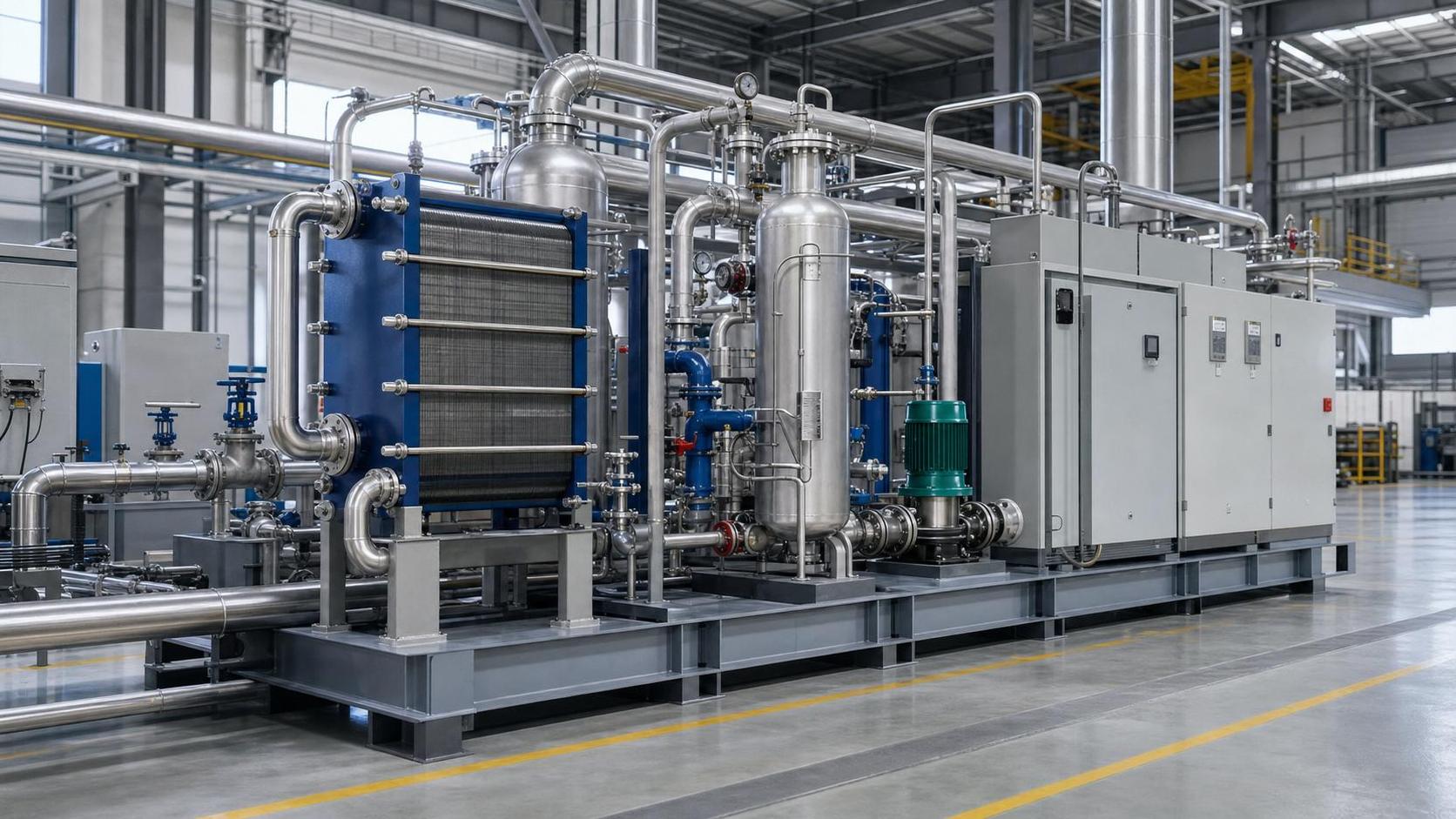
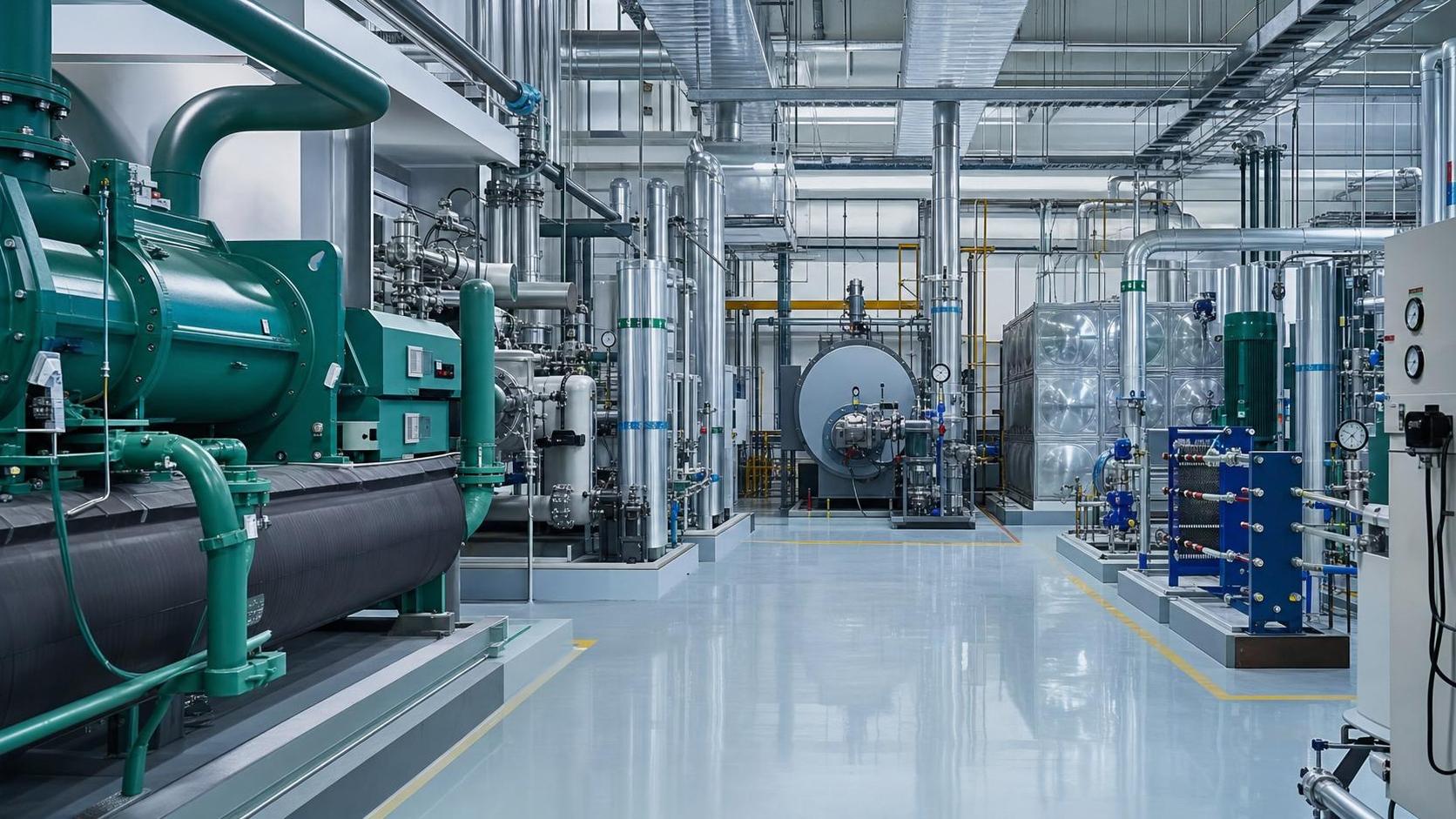
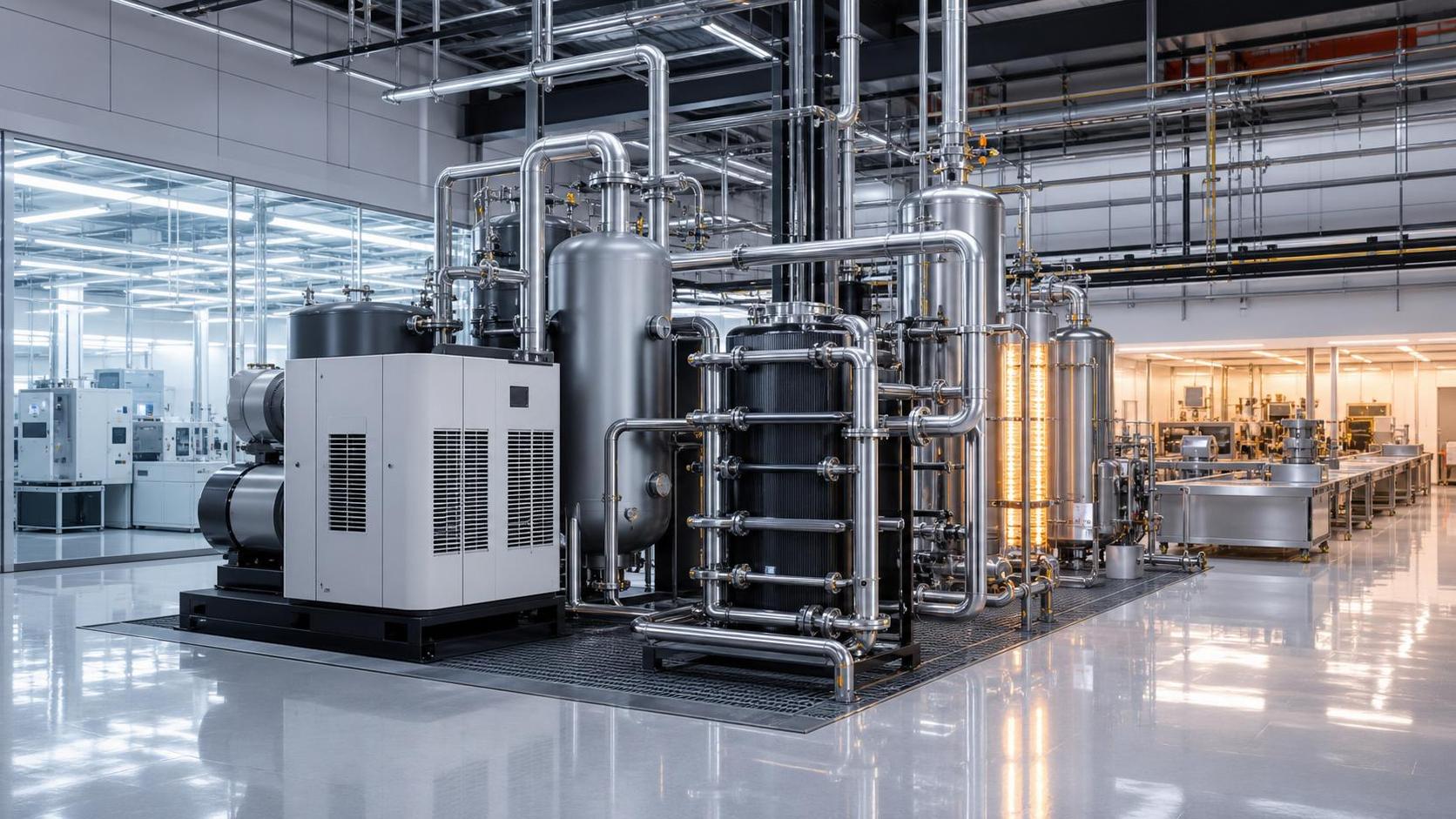
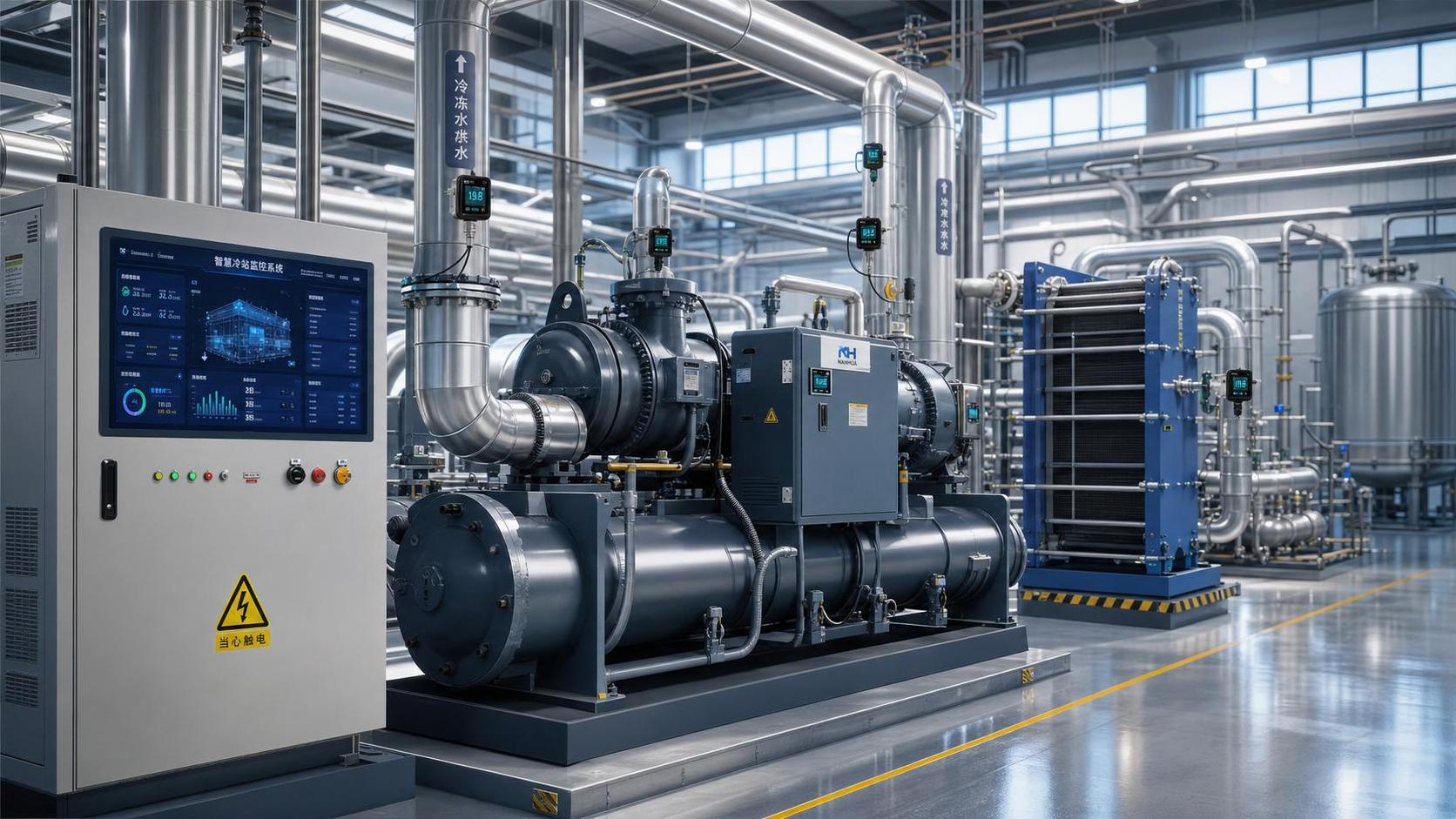
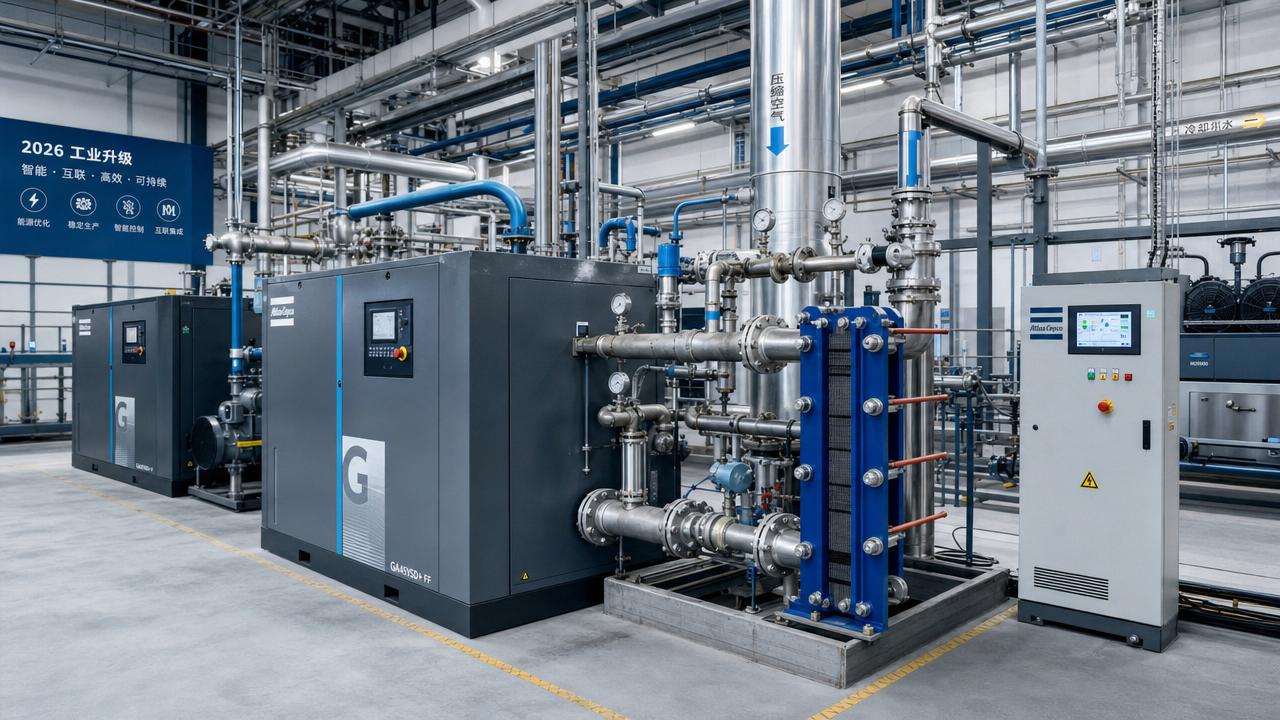
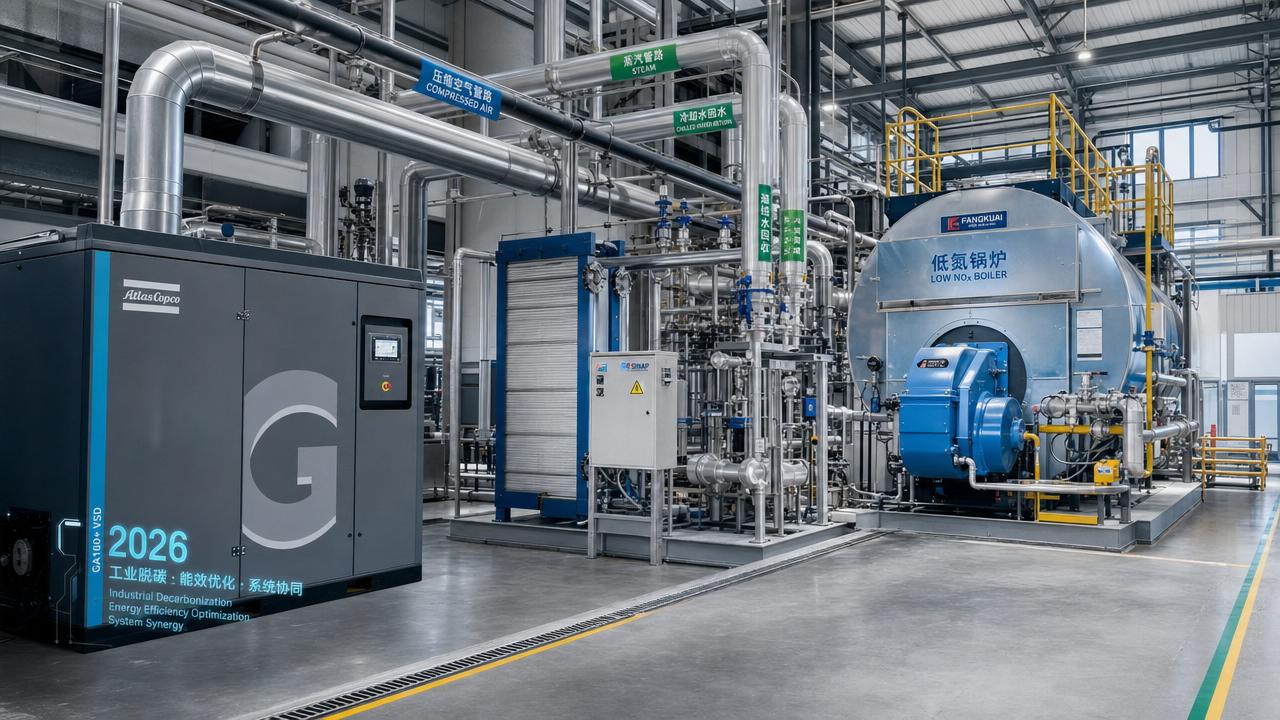
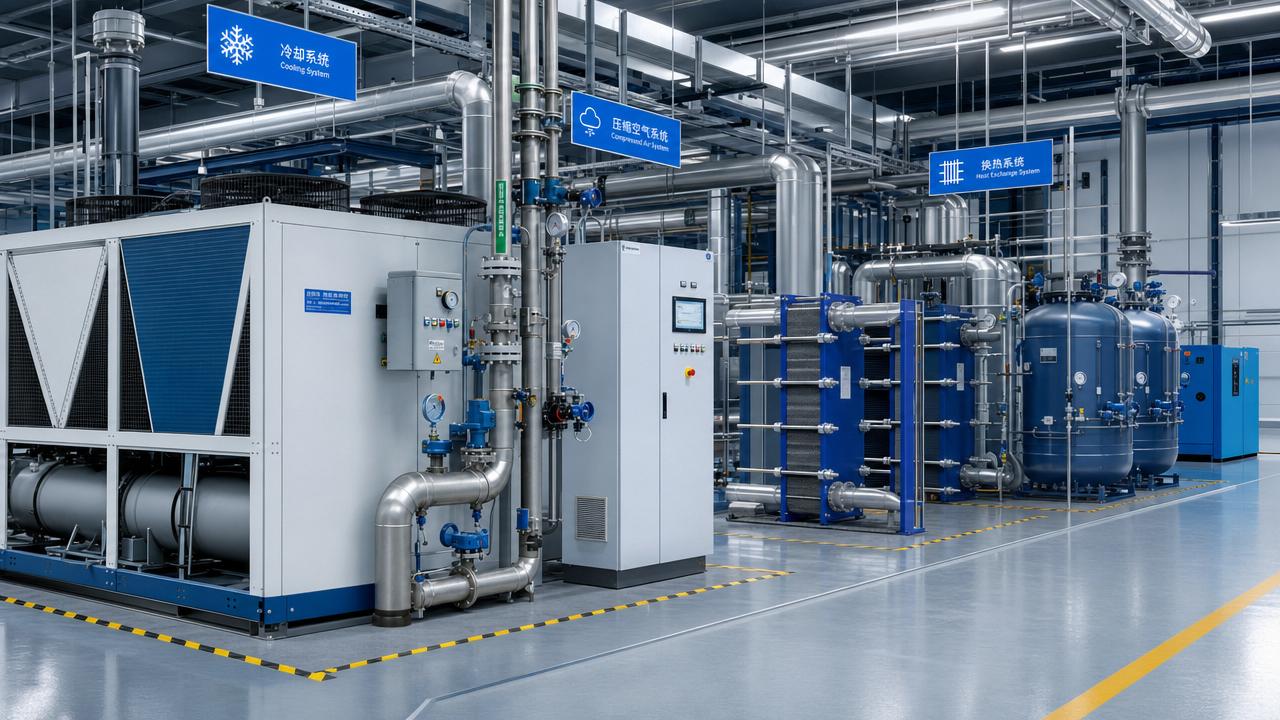
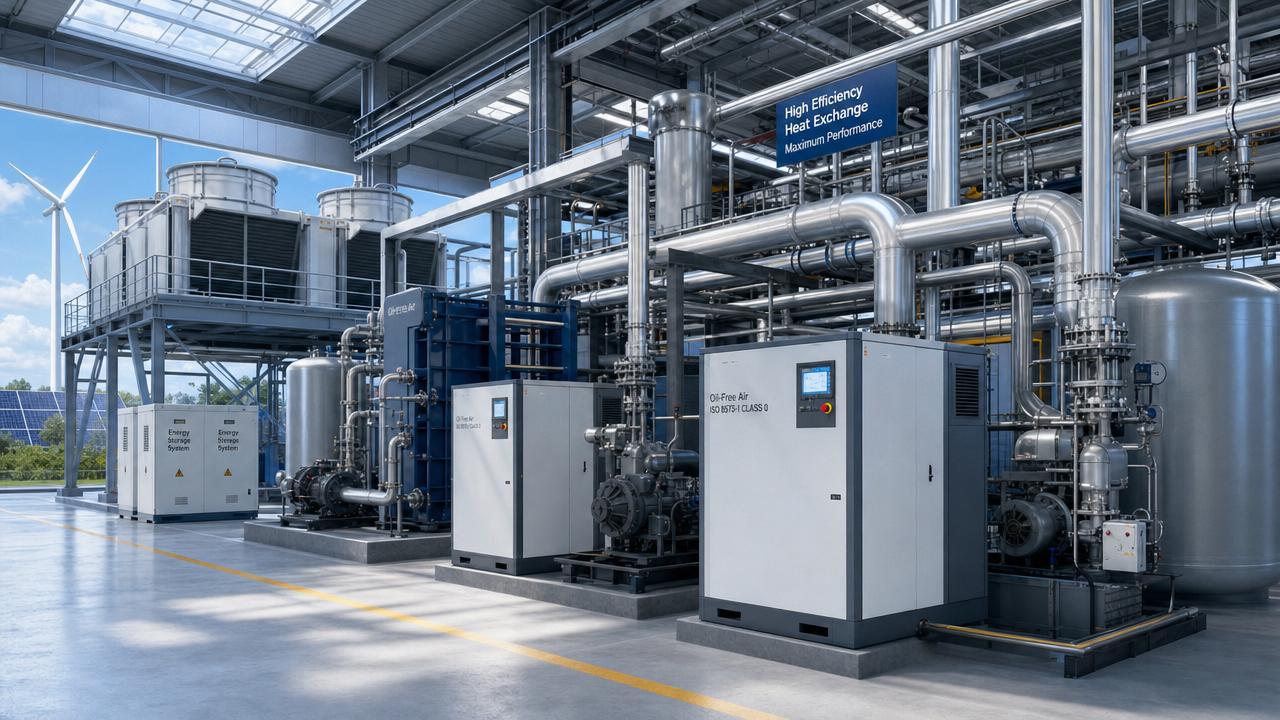
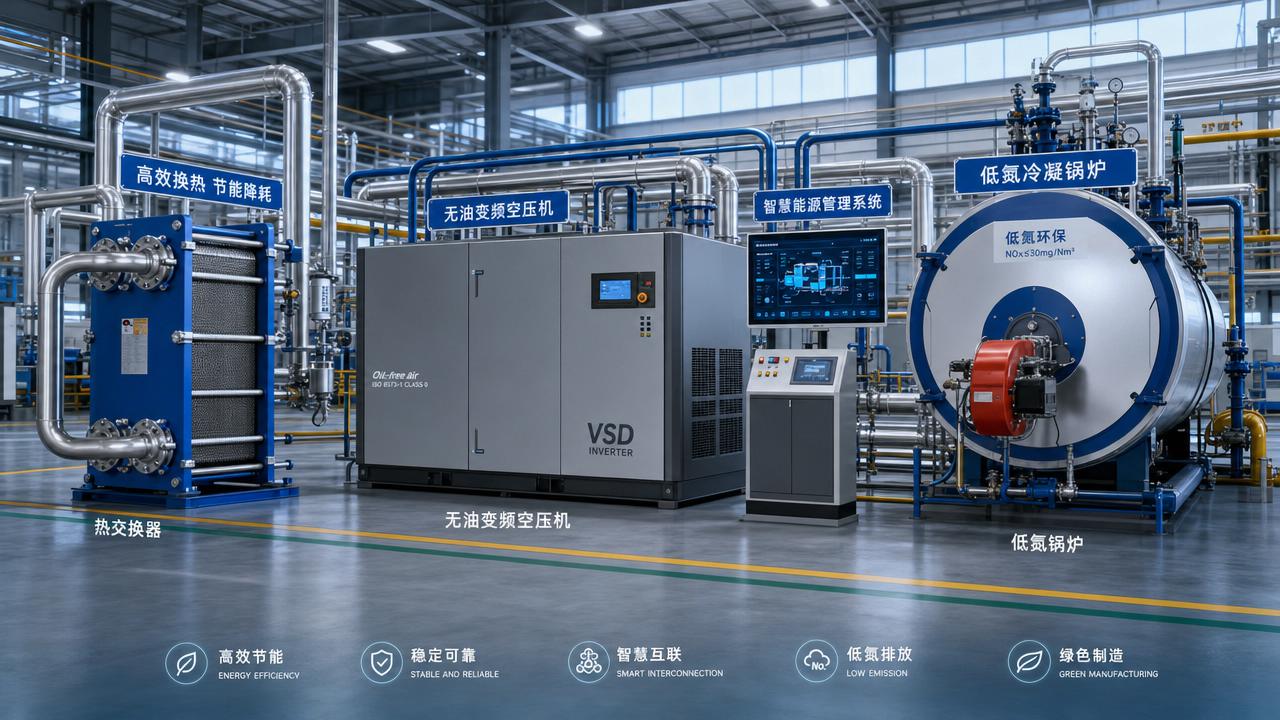
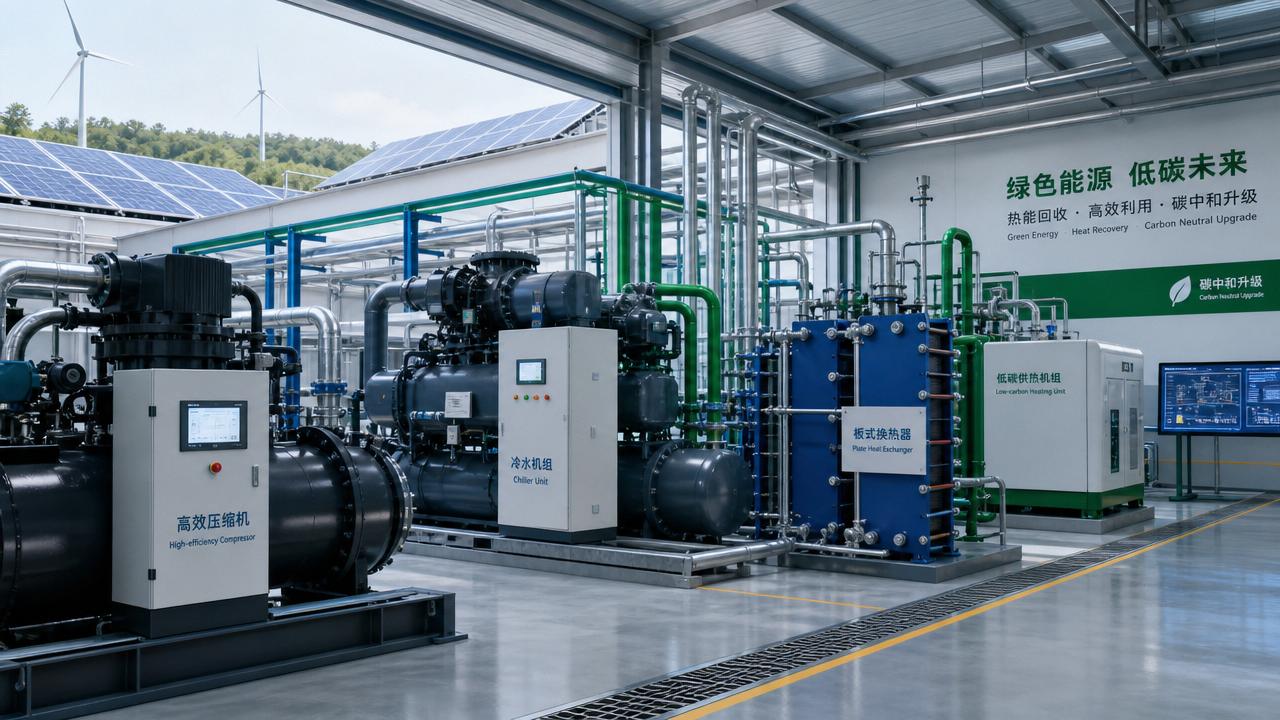
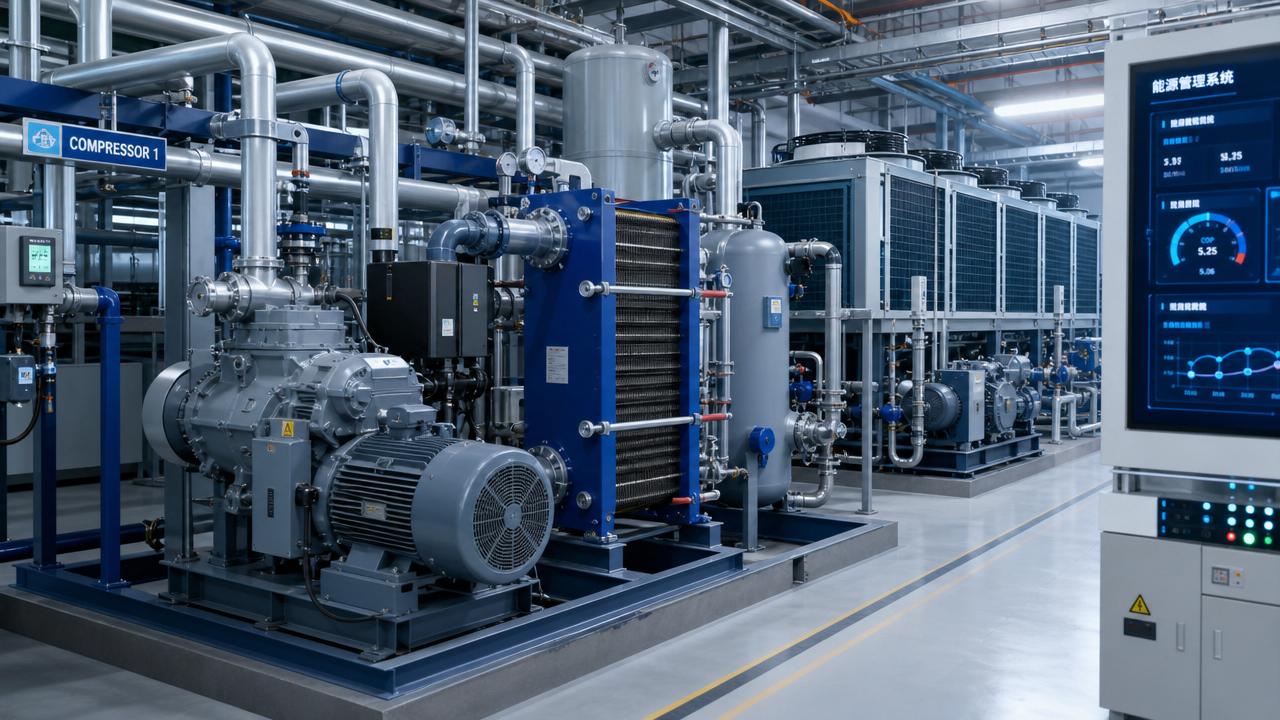
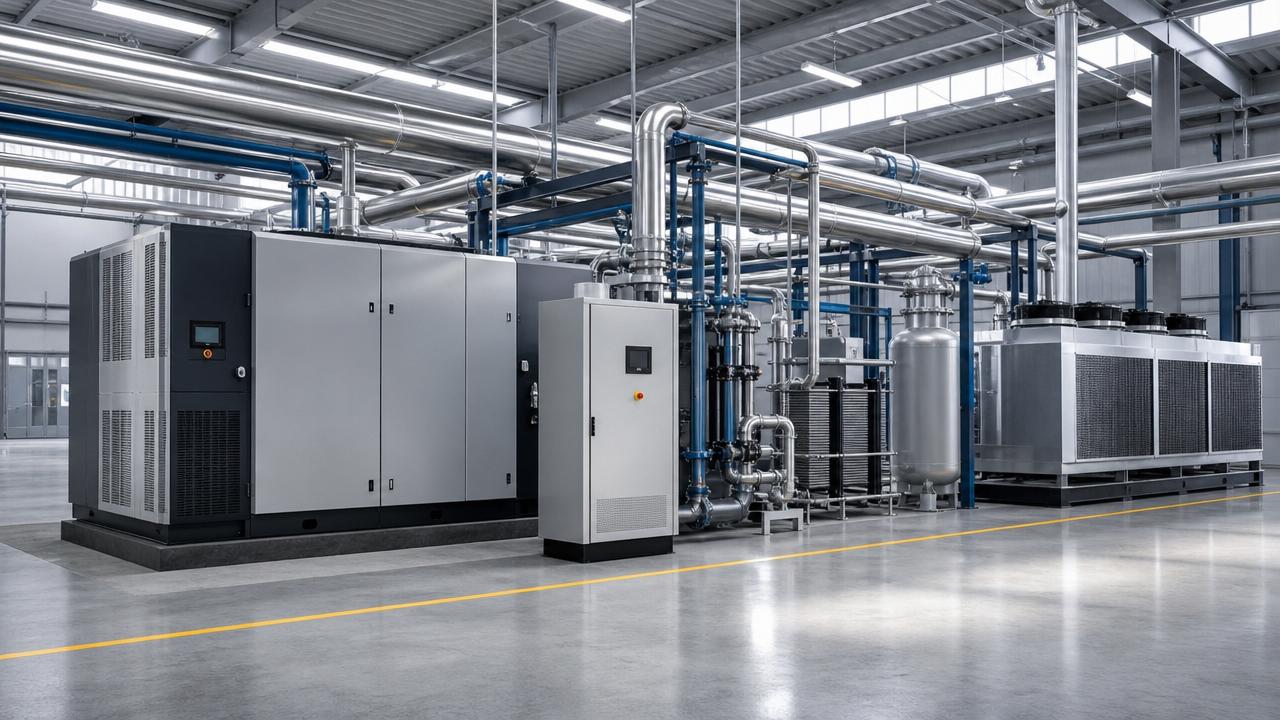
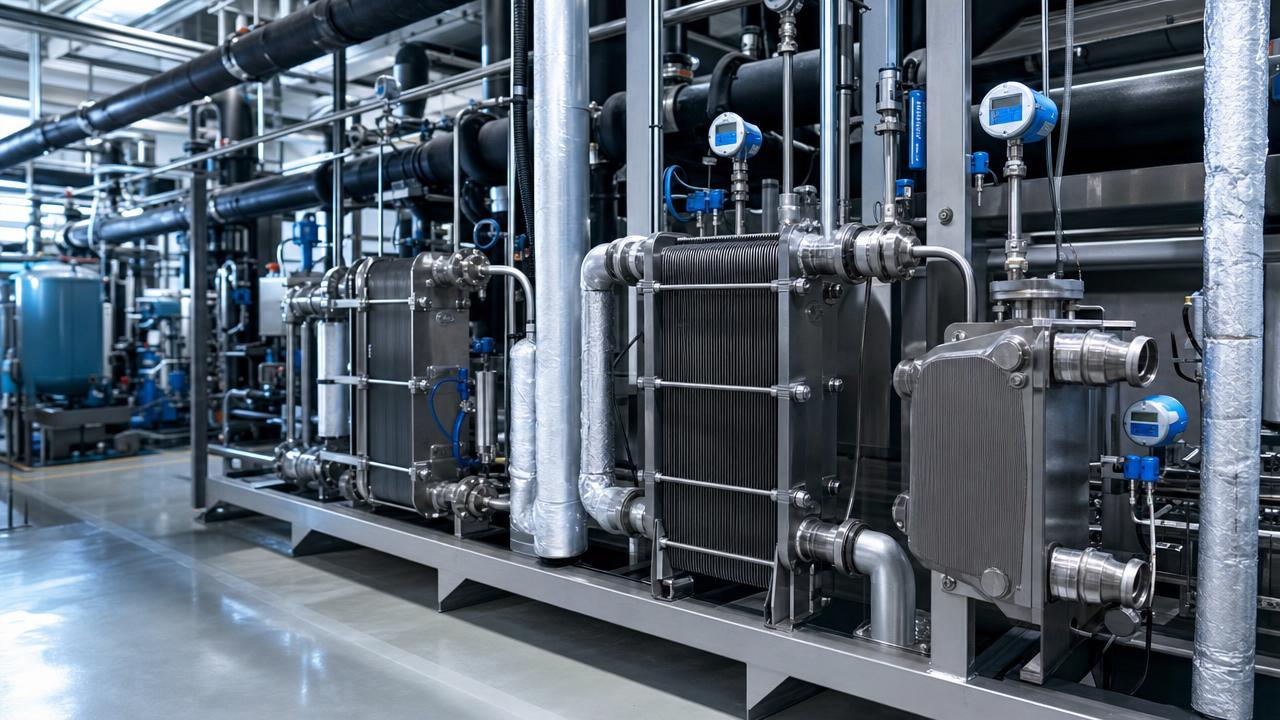
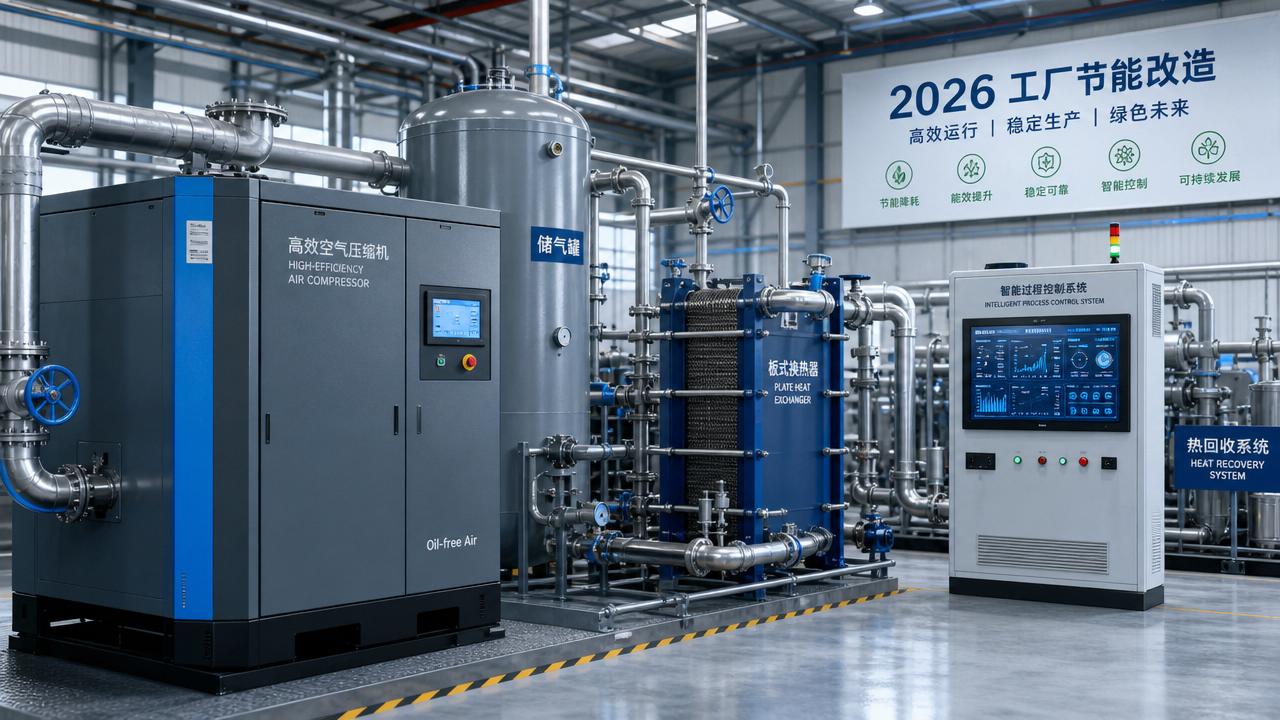
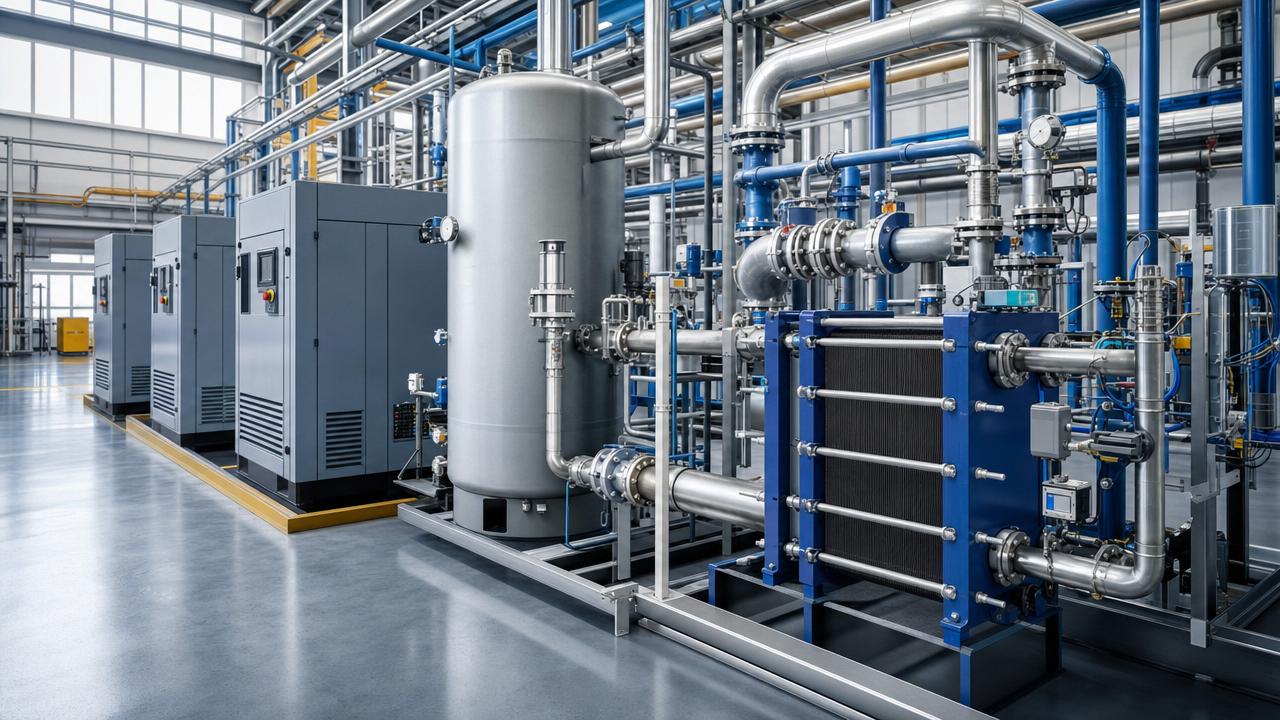
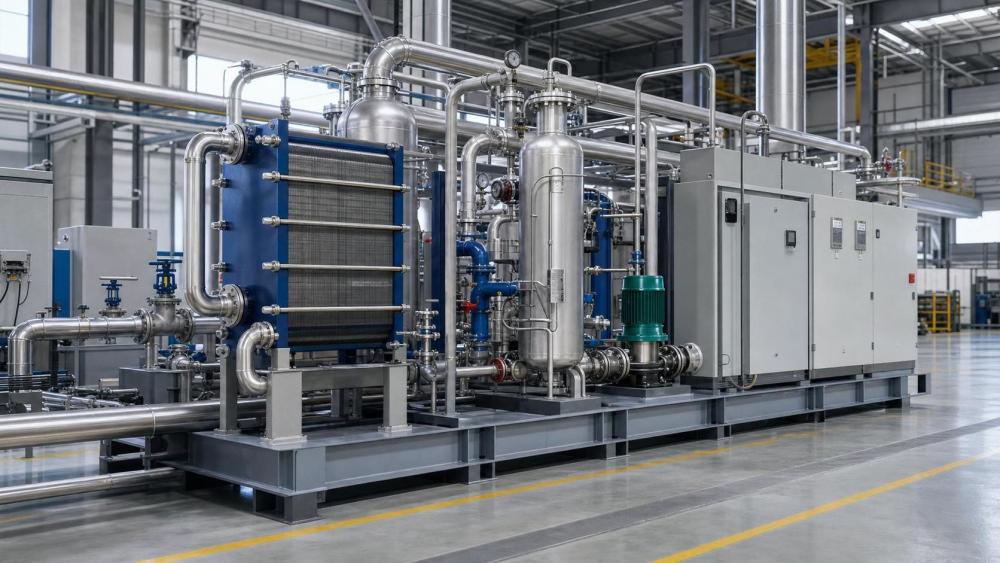
They combine core equipment, controls, piping, and safety functions into a pre-engineered package.
The result is a faster path from capital approval to measurable savings.
In practical terms, that can improve project payback by reducing site labor, limiting commissioning delays, and capturing waste heat earlier.
From recent market shifts, the stronger signal is clear.
Higher energy prices, stricter carbon targets, and tighter production schedules are pushing companies toward modular efficiency upgrades.
In that context, heat recovery systems skid mounted solutions are no longer just an engineering preference.
They are becoming a financial and operational decision.
Why Modular Heat Recovery Changes the Payback Equation
Traditional site-built systems often look flexible on paper.
Yet they frequently absorb hidden time and cost once real installation begins.
Engineering interfaces multiply.
Pipe routing changes.
Control integration becomes slower than expected.
Heat recovery systems skid mounted packages address these issues upfront.
Most fabrication and functional testing happen before delivery.
That lowers uncertainty during the most expensive project phase: on-site execution.
This also means energy recovery starts sooner.
If a plant delays startup by three months, the lost thermal value is real.
That lost value should be counted when comparing project options.
A shorter installation window often matters as much as a lower equipment quote.
Where the Financial Gains Usually Come From
- Lower field labor because assembly is largely completed off-site.
- Less downtime during retrofit projects and production transitions.
- Fewer interface errors between heat exchangers, pumps, controls, and utilities.
- Earlier recovery of waste heat from compressors, boilers, engines, or process exhaust.
- More predictable commissioning and easier performance verification.
Best-Fit Applications for Heat Recovery Systems Skid Mounted Solutions
Not every facility has the same heat profile.
Still, several operating environments consistently benefit from heat recovery systems skid mounted deployment.
The strongest cases appear where waste heat is stable and heat demand is continuous.
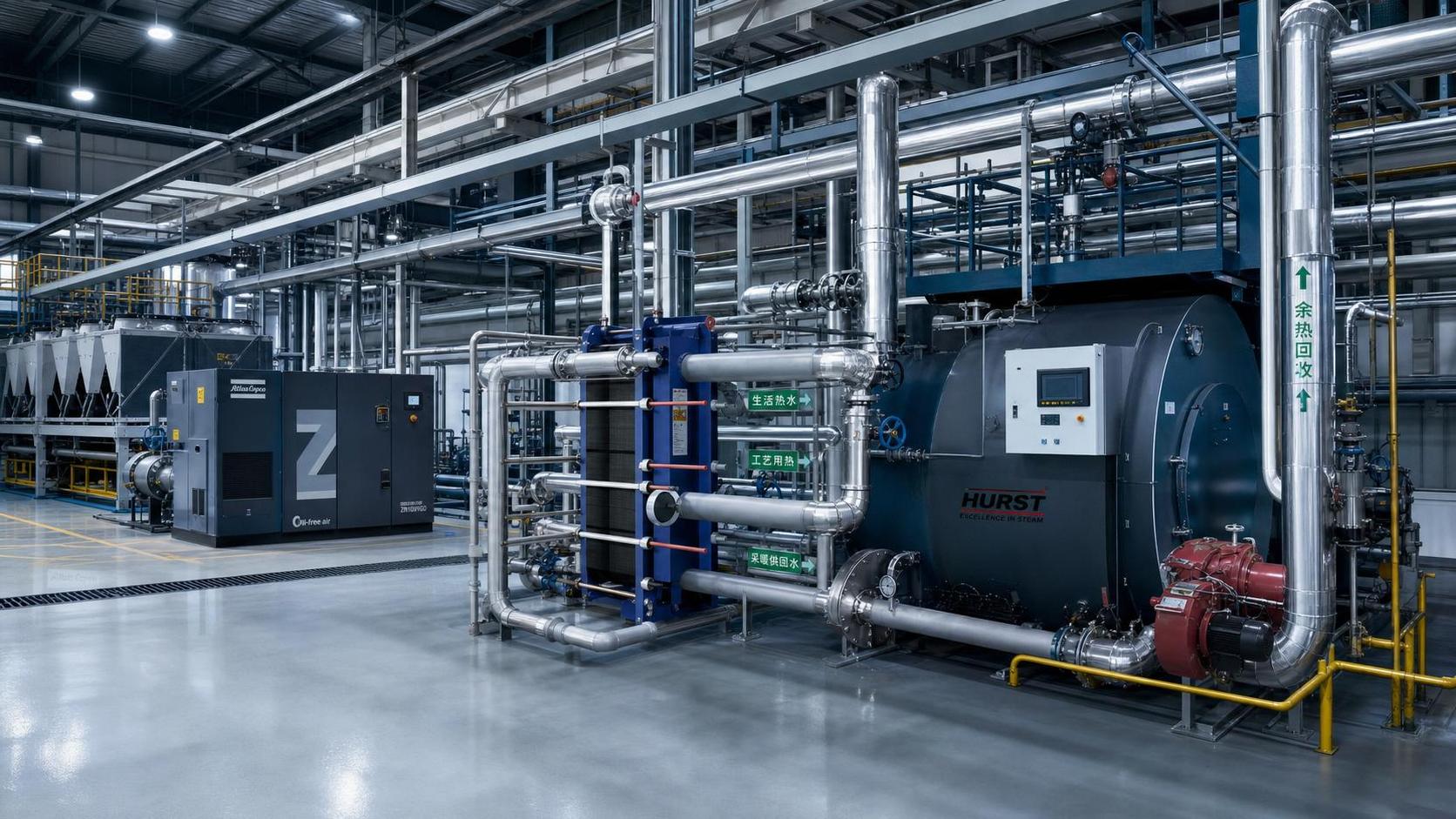
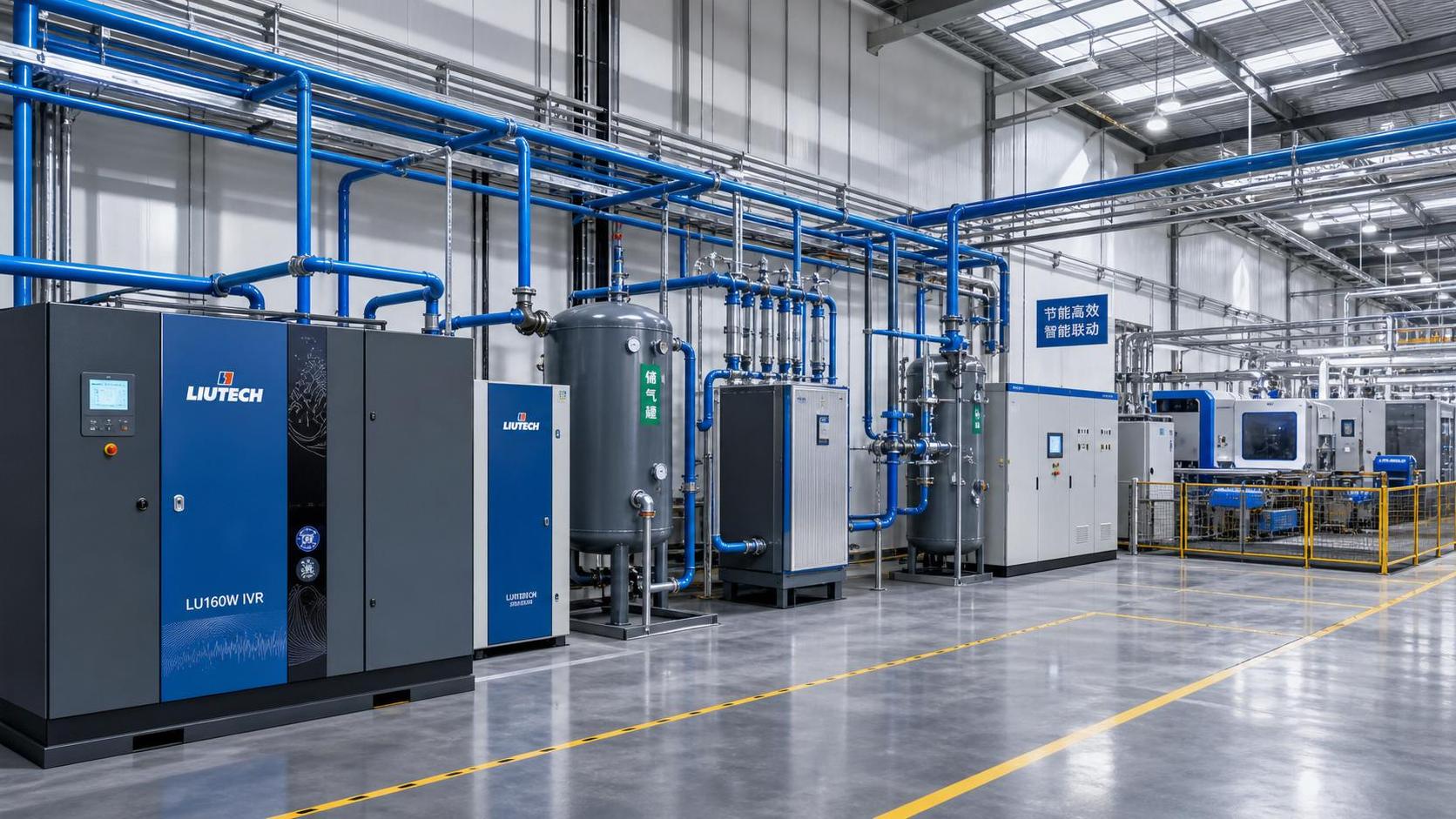
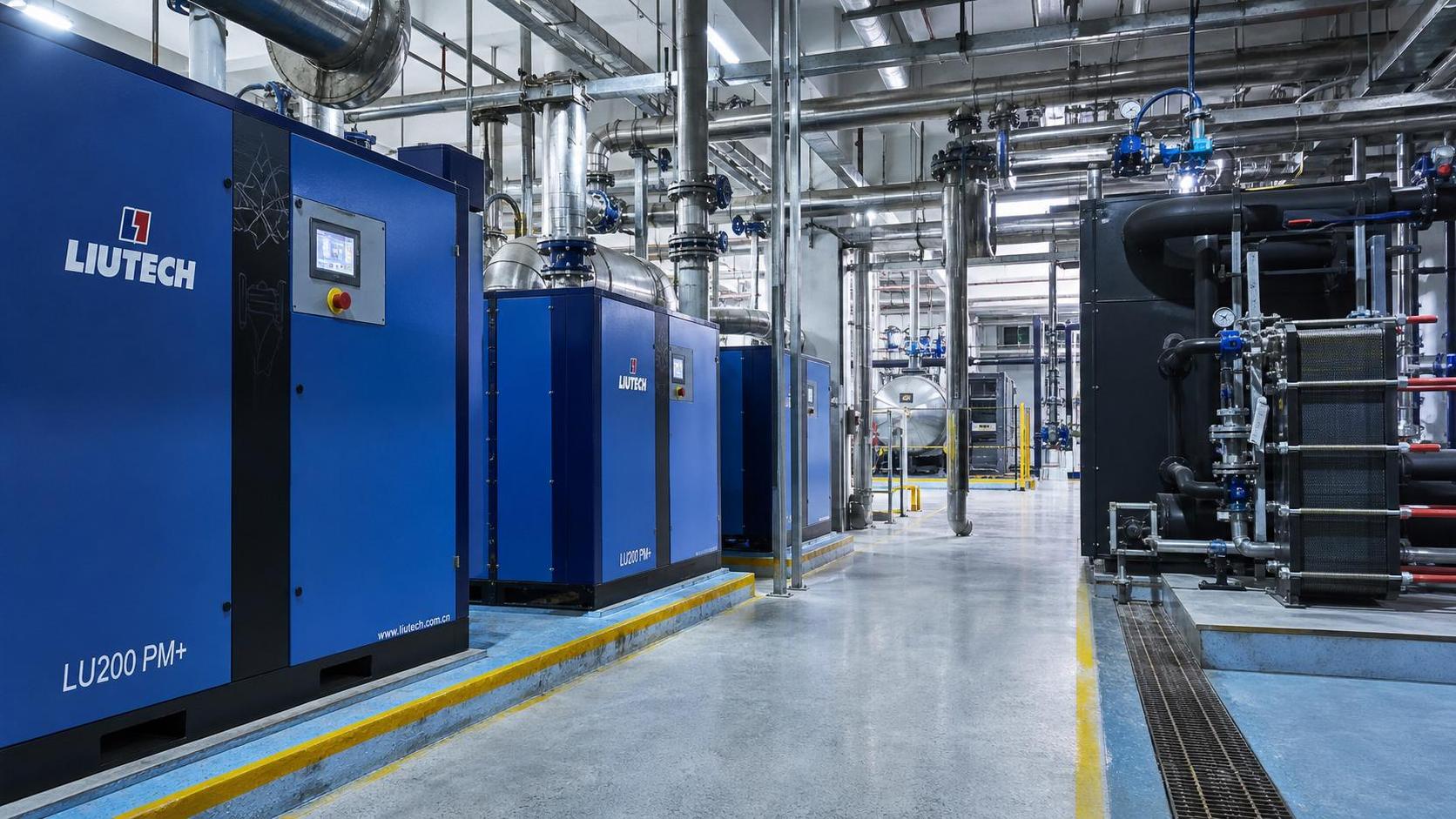
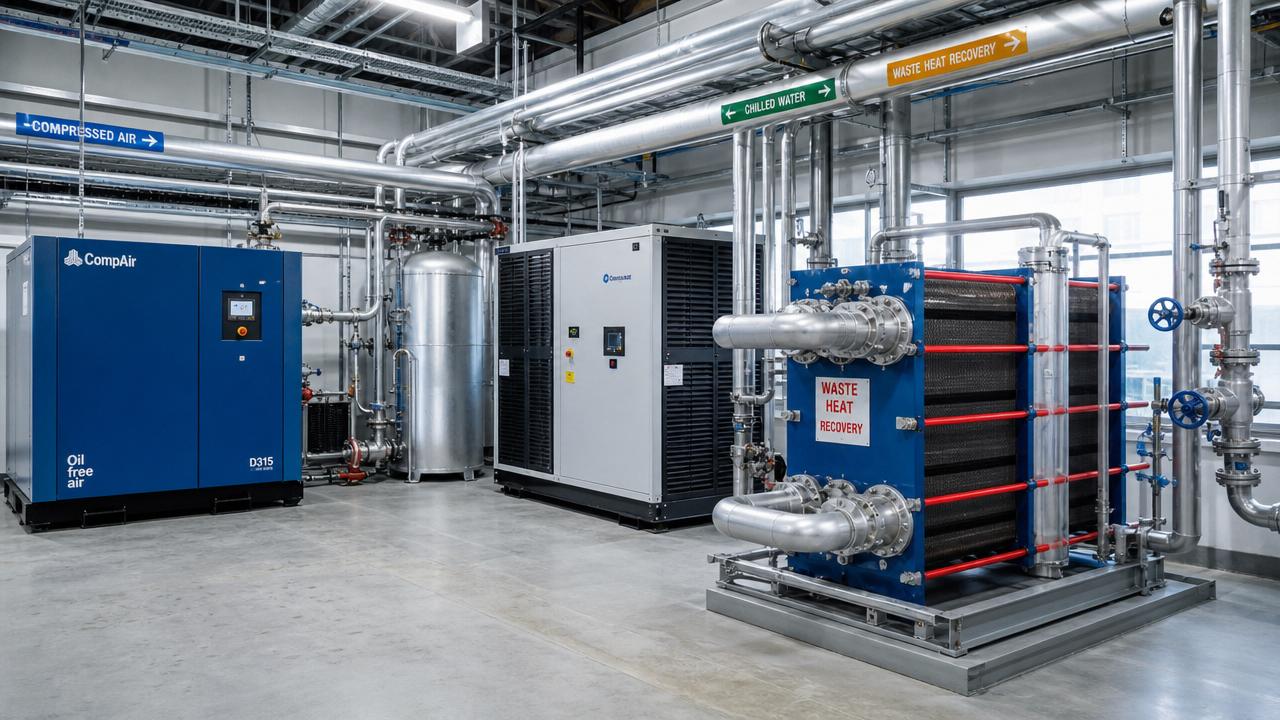
Compressed Air Systems
Compressed air is often called one of the most expensive utilities in manufacturing.
A large share of compressor input energy leaves as heat.
That heat can support space heating, hot water, preheating, or process temperature maintenance.
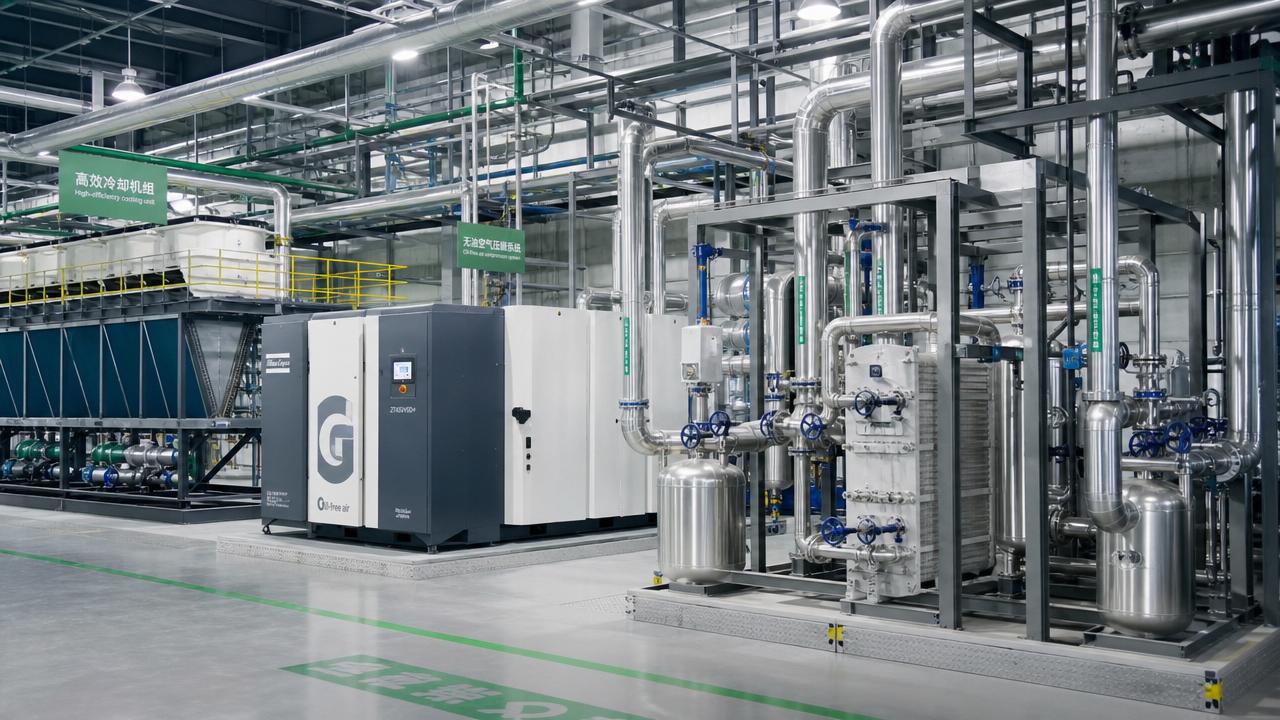
For facilities with multiple compressor rooms, skid mounted heat recovery systems simplify phased rollout.
Food and Beverage Processing
These plants often need both cooling and heating in parallel.
That creates a strong match for packaged heat recovery.
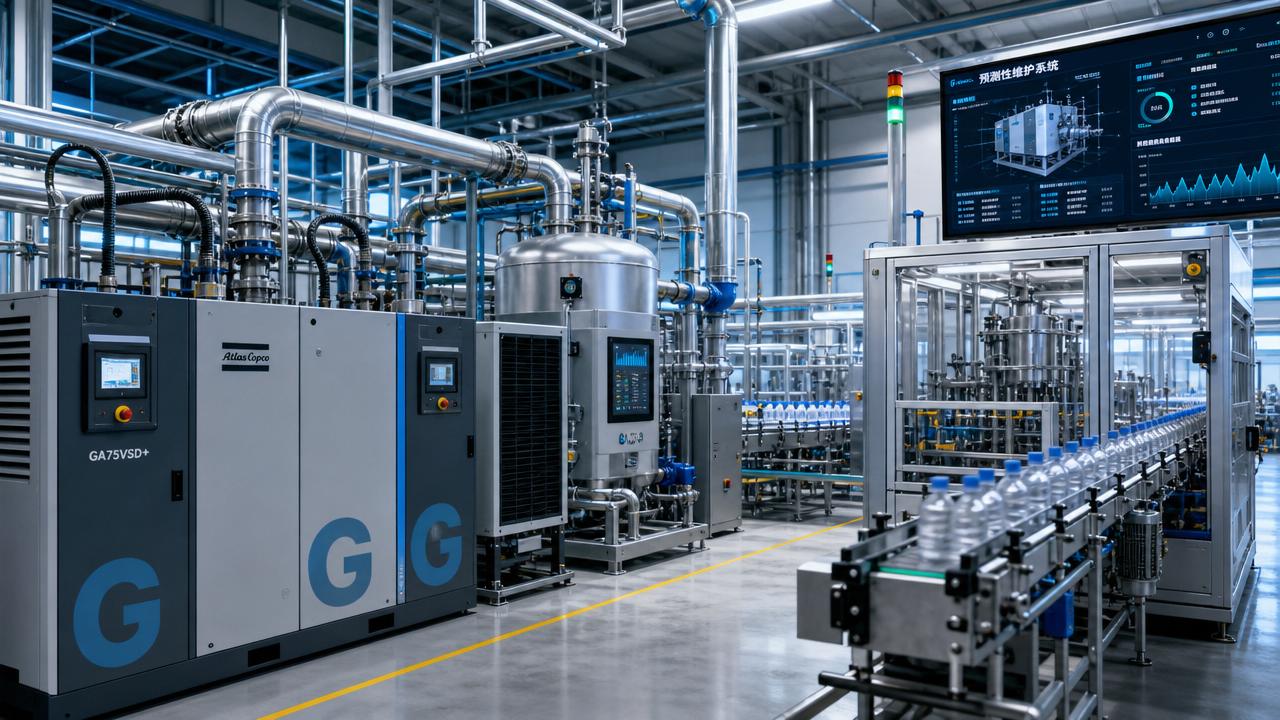
Skid-based systems can recover thermal energy for cleaning water, washdown support, and low-temperature process duties.
Pharmaceutical and Semiconductor Facilities
These operations value reliability, documentation, and stable environmental control.
Heat recovery systems skid mounted assemblies support cleaner interfaces and more controlled validation than fragmented field-built work.
District Energy and Multi-Utility Plants
Where facilities manage steam, hot water, chilled water, and compressed air together, modular thermal recovery adds flexibility.
That flexibility supports future expansion without fully redesigning the plant utility backbone.
What Decision-Makers Should Evaluate Before Approval
A modular package can accelerate returns, but only if the underlying energy logic is sound.
In actual projects, the best results come from disciplined screening before procurement.
1. Match Heat Source and Heat Demand
This sounds obvious, yet many projects miss it.
Recovered heat only creates value when there is steady demand at the right temperature level.
If the demand is seasonal, storage or hybrid controls may be needed.
2. Verify Operating Hours
Payback depends heavily on runtime.
A plant running around the clock can justify a different design than one with intermittent production.
3. Check Integration Boundaries
Even with heat recovery systems skid mounted packages, site connections still matter.
Utility tie-ins, control handshakes, water quality, and maintenance access should be confirmed early.
4. Model Total Value, Not Just Energy Savings
A narrow savings model can understate the business case.
Include avoided downtime, reduced project risk, lower emissions exposure, and improved utility resilience.
Those factors often explain why skid mounted heat recovery systems outperform expectations after startup.
Common Risks That Can Weaken Payback
The case for heat recovery systems skid mounted projects is strong, but not automatic.
Several avoidable mistakes can stretch the return period.
- Oversizing equipment for future demand that may never arrive.
- Ignoring fouling risk, especially where water quality is inconsistent.
- Treating controls as secondary, even though recovery value depends on operating logic.
- Assuming all waste heat is equally useful, regardless of temperature grade.
- Underestimating shutdown planning during retrofits in live production facilities.
A better approach is to qualify the project in stages.
Start with thermal mapping.
Then confirm utility integration.
Finally, validate the commercial model using realistic operating assumptions.
That sequence reduces surprises after capital is committed.
A Simple Framework for Faster, Better Decisions
For teams comparing modular options, a clear framework helps keep decisions grounded.
This is where market intelligence also matters.
At GTC-Matrix, thermal and compression analysis is most useful when it connects engineering facts to business timing.
That includes energy price exposure, decarbonization pressure, and sector-specific utility demand.
For many operators, those external signals now shape project urgency as much as internal maintenance plans.
When Skid Mounted Heat Recovery Makes the Most Sense
The strongest case appears when three conditions align.
- Waste heat is available from a stable source.
- Useful heat demand exists near the point of recovery.
- Project speed, installation certainty, and low disruption matter financially.
When those conditions are present, heat recovery systems skid mounted designs can outperform conventional builds on both speed and economics.
They support cleaner execution, faster thermal capture, and a more predictable path to savings.
That matters in industries where utility costs move quickly and downtime is expensive.
It also matters where sustainability targets are now tied to capital planning.
The practical takeaway is straightforward.
Do not evaluate heat recovery systems skid mounted options only as equipment purchases.
Evaluate them as business tools for accelerating efficiency returns.
When the thermal match is right, the payback improvement is often substantial.
A focused assessment of heat source, demand profile, controls, and installation scope is the right next step for any serious project review.
Ready when you are. Send us a message to get started.
Related News
- Why high-density thermal energy storage is gaining industry attentionAuthor :

- Smart Device Thermal Management Trends Shaping 2026 Product DesignAuthor :

- Industrial Cooling Technologies in Europe: 2026 Trends in Compliance and Energy UseAuthor :

- Industrial Electrification Trends in 2026: Where Projects Are Moving FirstAuthor :

- Industrial Solution Comparison Global: 2026 Trends Reshaping Equipment DecisionsAuthor :

- When Heat Recovery Systems Skid Mounted Designs Improve Project PaybackAuthor :

- How to Compare Industrial Decarbonization Solutions Providers in 2026Author :

- Industry Category Guides for Smart Devices: What to Track as 2026 Markets ShiftAuthor :

- Green Manufacturing Trends Reshaping Industrial InvestmentAuthor :

- 2026 Global Energy Costs: What Will Reshape Industrial PlanningAuthor :

- Industrial Decarbonization Solutions That Cut Fuel Costs in 2026Author :

- Smart Thermal Systems Trends Shaping Industrial Upgrades in 2026Author :

- Resource Circularity in Manufacturing: 5 Practical Gains Beyond ComplianceAuthor :

- Carbon Neutrality Roadmap: What Industrial Firms Need to Prioritize FirstAuthor :

- Energy Conversion Efficiency Trends Shaping Industrial UpgradesAuthor :

- Compression Technology Trends Shaping Efficient Plant UpgradesAuthor :

- Industrial Intelligence in Manufacturing: Where It Delivers Value FirstAuthor :

- How Intellectualization Improves Industrial Thermal ManagementAuthor :

- What Intellectualization Means for Smarter Plant Operations in 2026Author :

- Carbon Neutrality Goals: What Industrial Firms Should Prioritize in 2026Author :

- How Intellectualization Reduces Downtime in Modern Production LinesAuthor :

- Decarbonization Roadmap for Energy-Intensive Plants in 2026Author :

- Thermal Systems Trends in 2026: Efficiency, Control, and RiskAuthor :

- Industrial Decarbonization Priorities for Energy-Intensive FacilitiesAuthor :

- Thermal Systems in 2026: Efficiency Upgrades Shaping Industrial OperationsAuthor :

- Pure Power Sources: 5 Practical Paths to Carbon NeutralityAuthor :

- What Intellectualization Means for Industrial Equipment UpgradesAuthor :

- Thermal Optimization in 2026: Where Energy Savings Deliver the Fastest PaybackAuthor :

- Energy Efficiency Trends Reshaping Compressor Upgrades in 2026Author :

- 2026 Industrial Decarbonization Trends Reshaping Plant UpgradesAuthor :
![]()
- Heat Exchanger Technology Trends for 2026 Efficiency TargetsAuthor :

- Resource Circularity Risks in 2026 Supply ChainsAuthor :

- Smart Thermal Systems: When Upgrades Deliver Measurable SavingsAuthor :

- Carbon Neutrality: Practical Steps for Factory RoadmapsAuthor :

- 2026 Industrial Energy Efficiency Priorities for Plant UpgradesAuthor :

- Industrial Intellectualization Trends Reshaping Equipment UpgradesAuthor :