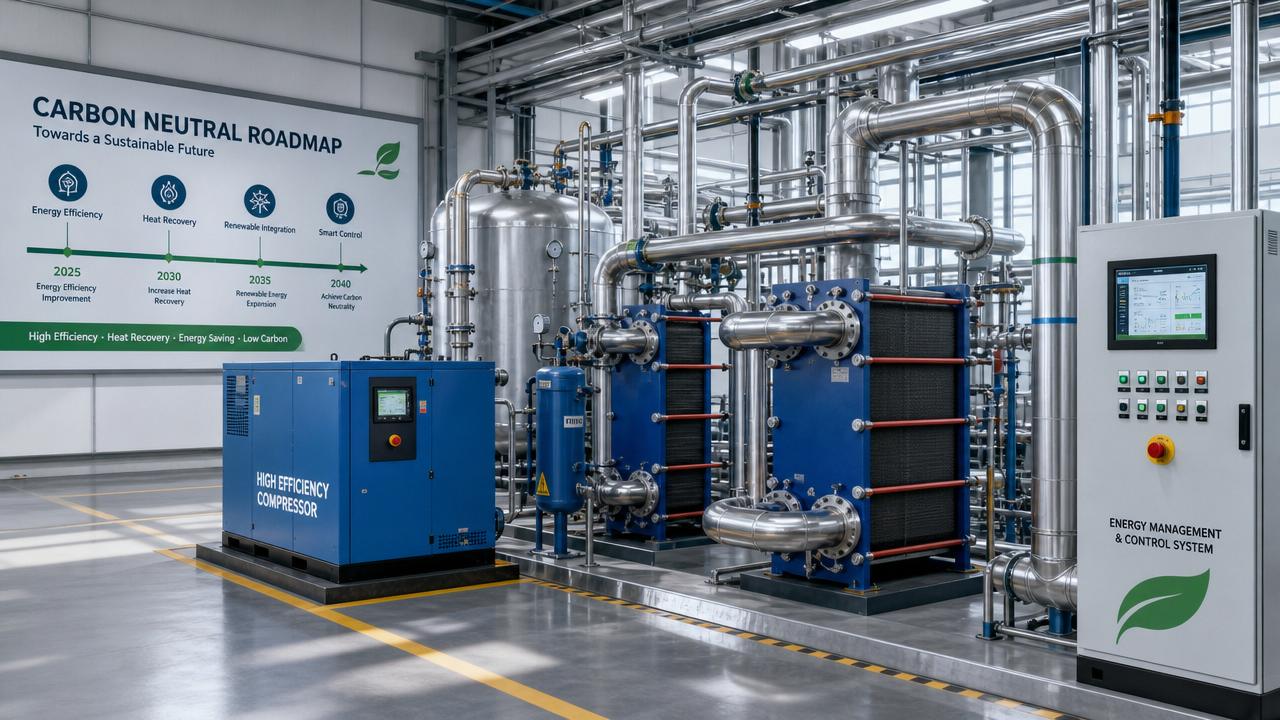
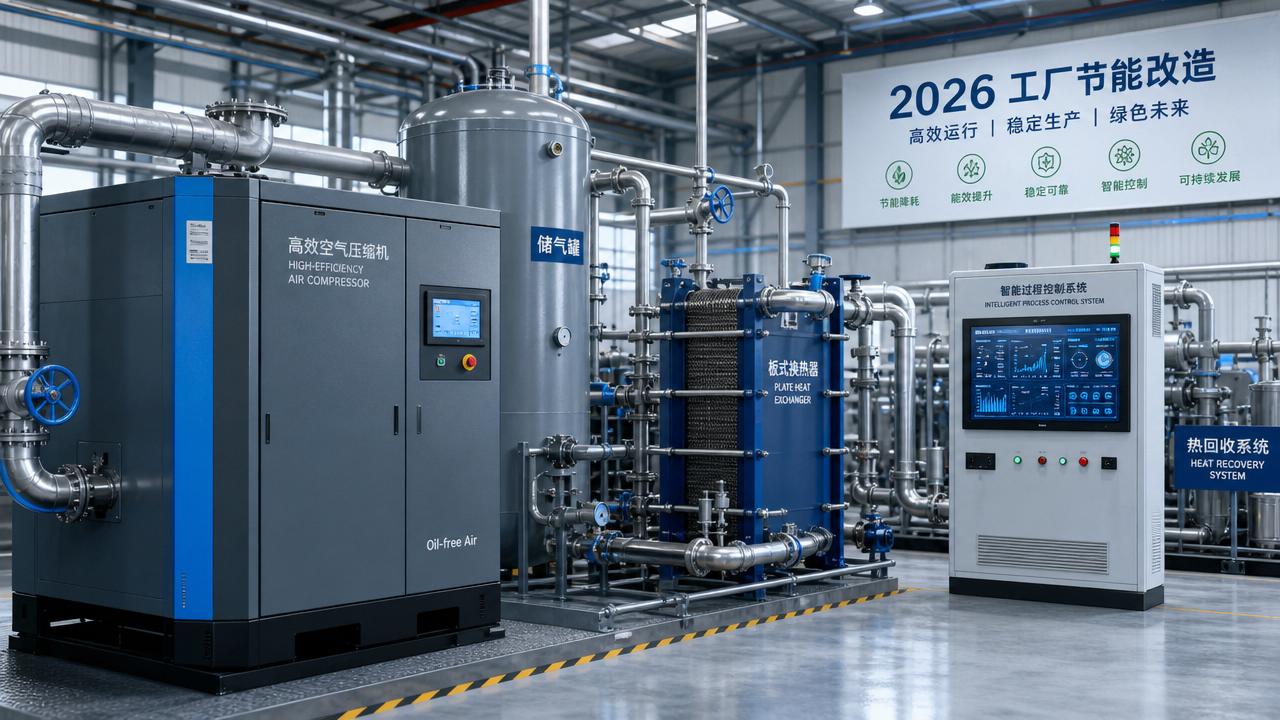
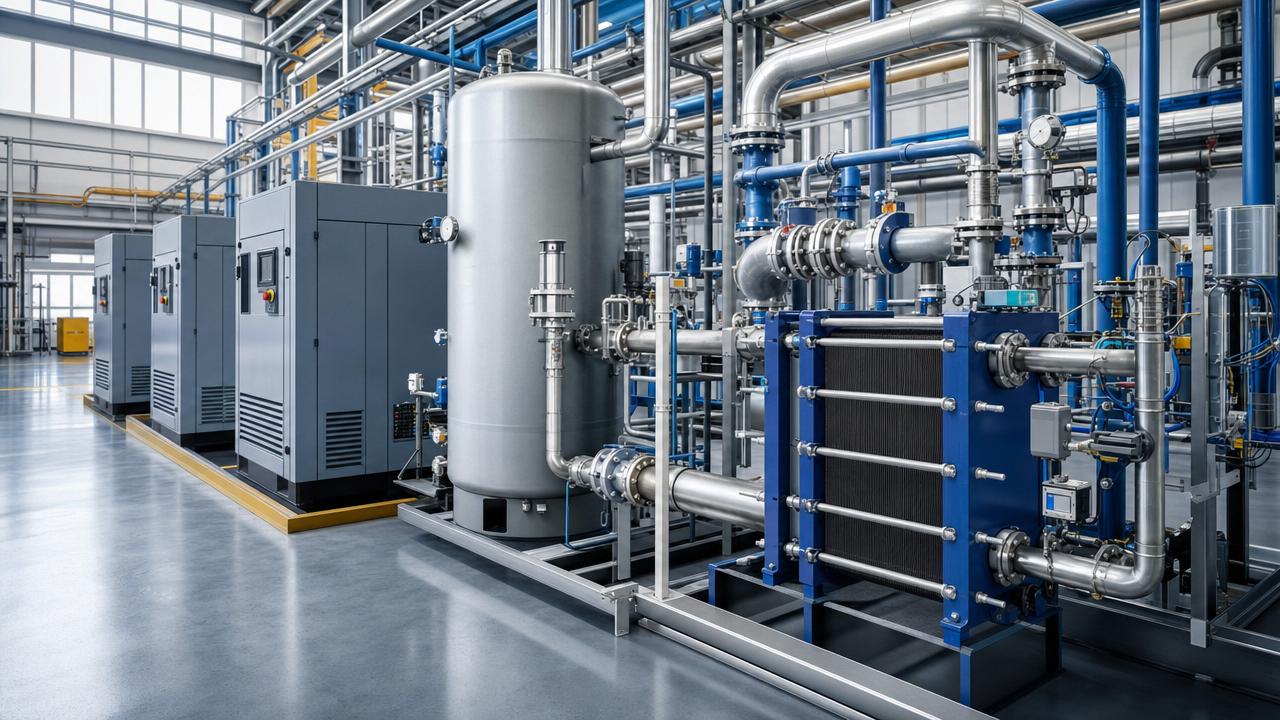
Smart Thermal Systems Trends Shaping Industrial Upgrades in 2026




Industrial upgrades in 2026 are being shaped by a tighter equation: higher energy prices, stricter carbon rules, and stronger expectations for digital control.
In that environment, smart thermal systems have moved from an engineering upgrade to a board-level operating issue.
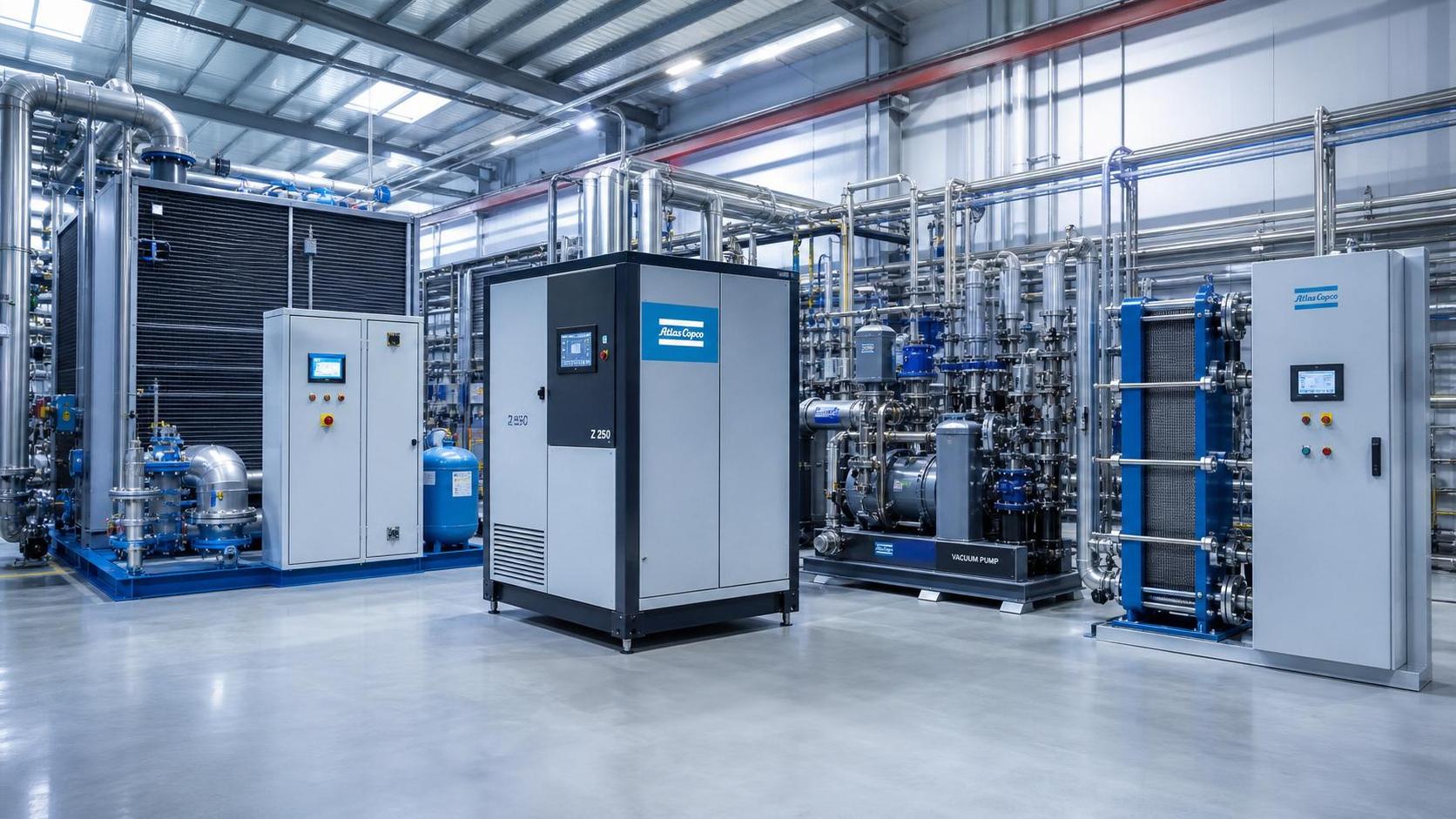
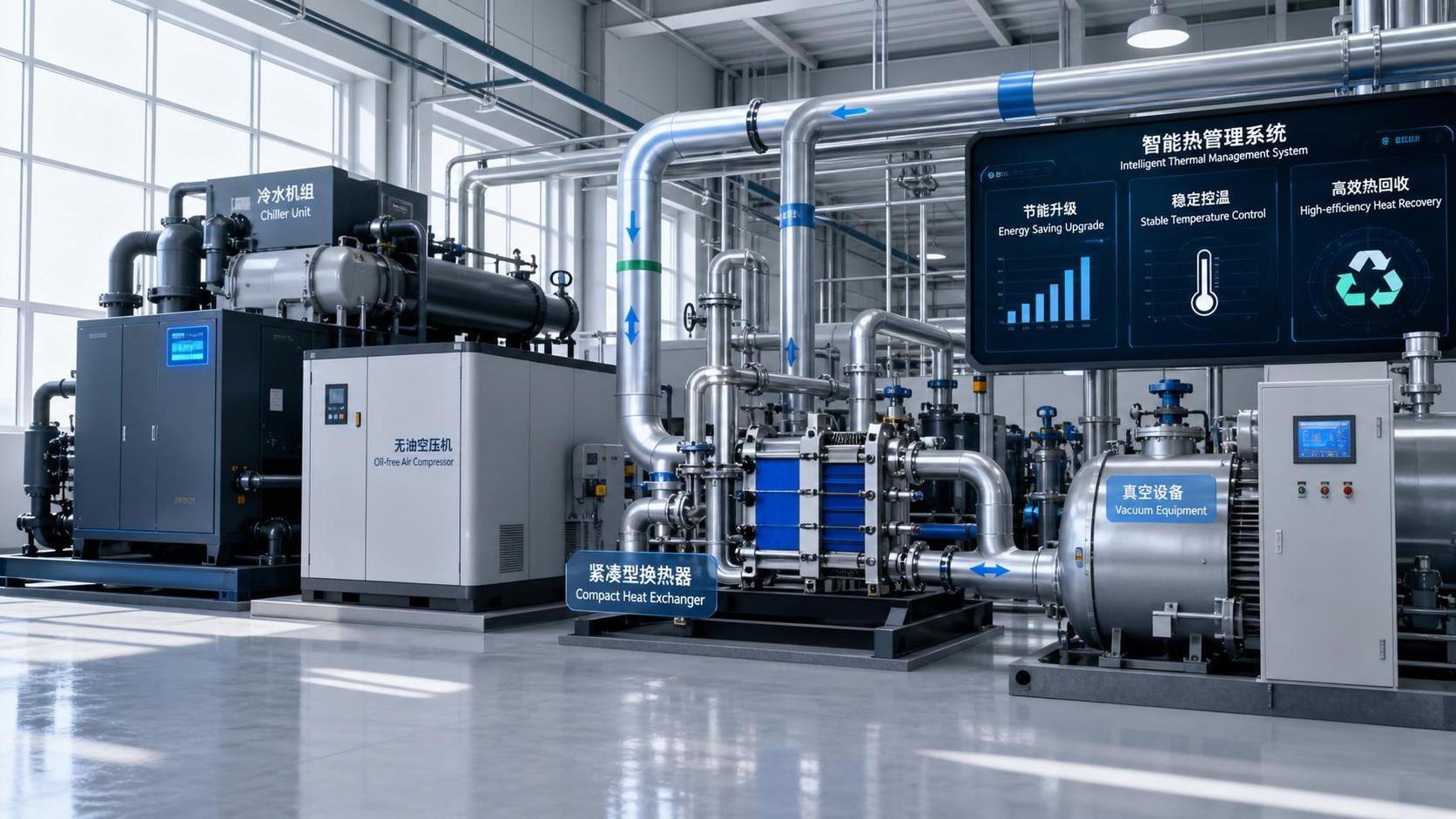
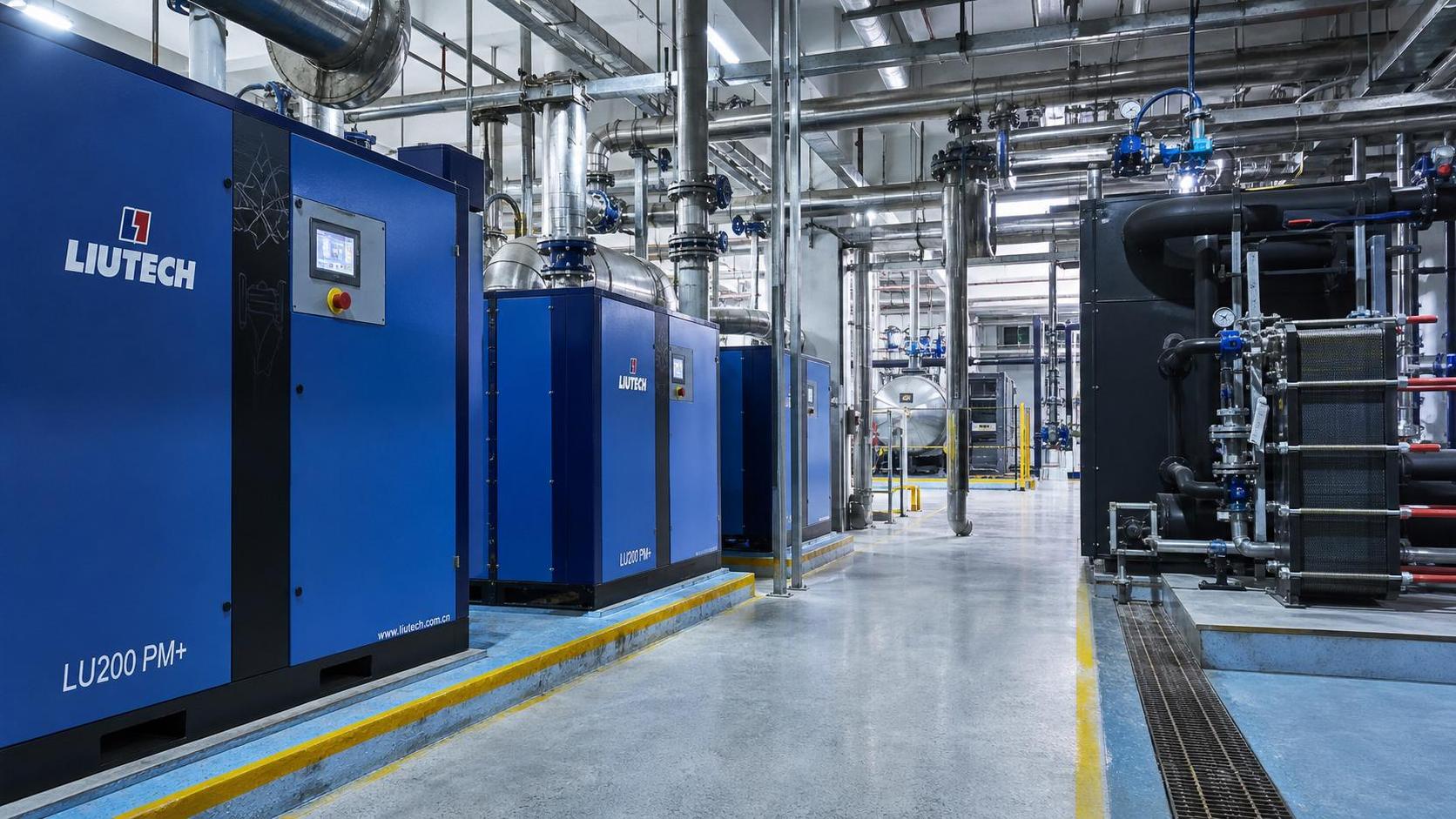
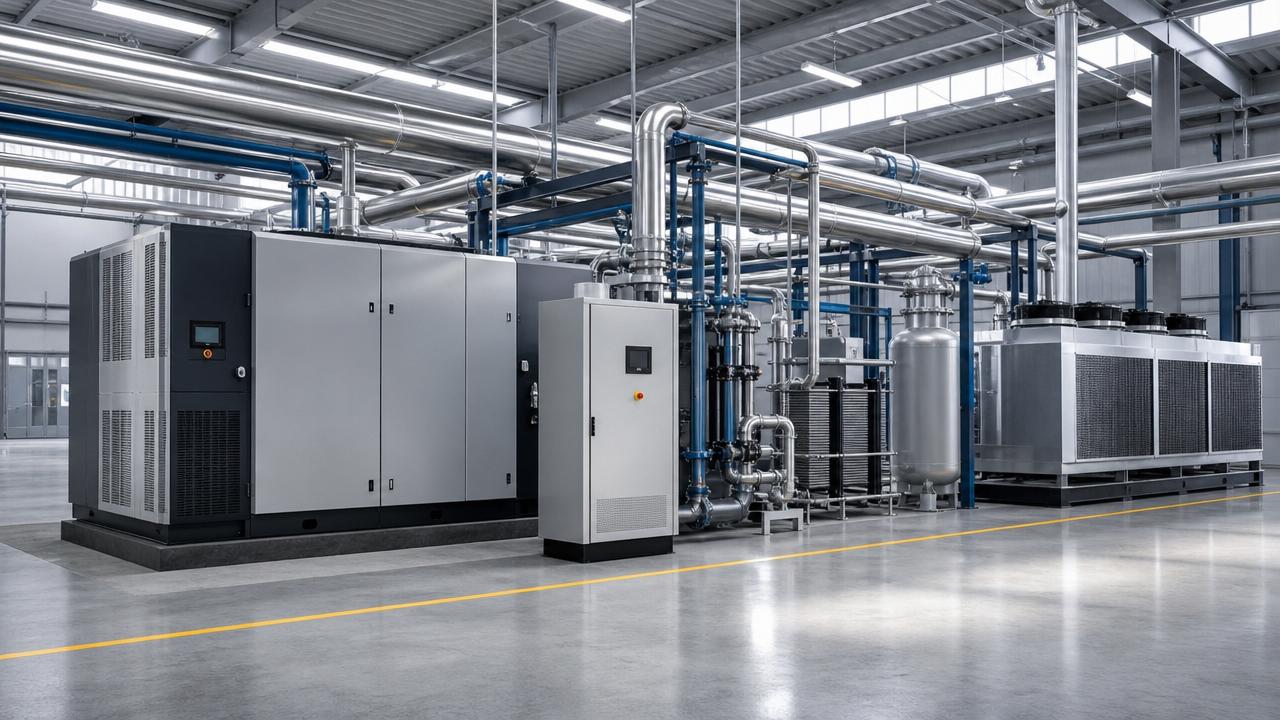
They influence cooling stability, compressed air performance, vacuum reliability, heat recovery, and ultimately the cost of production continuity.
For companies navigating capacity expansion, compliance pressure, or efficiency targets, the real advantage comes from understanding how thermal intelligence connects equipment decisions with business outcomes.
Why smart thermal systems matter more in 2026
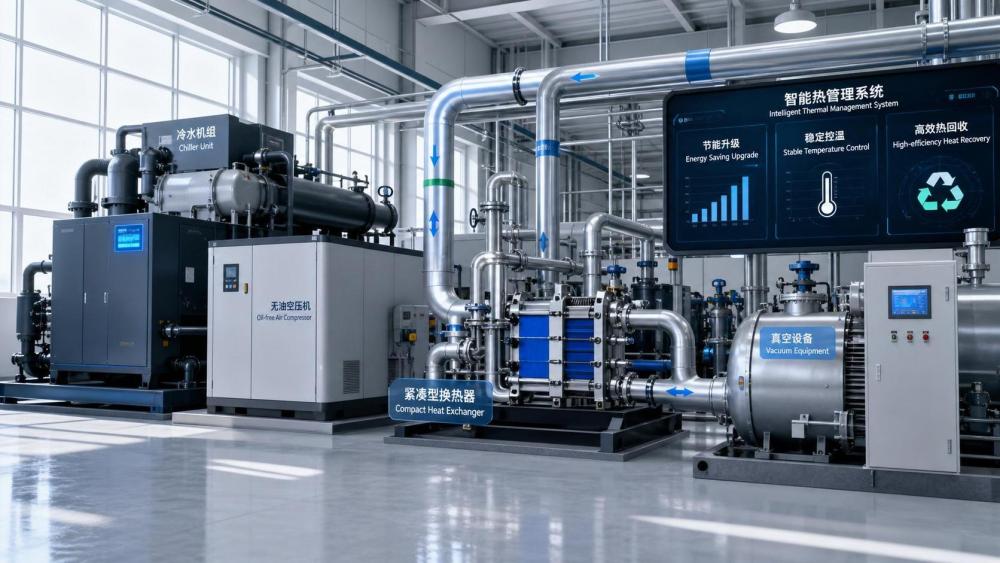
The phrase smart thermal systems refers to more than automated temperature control.
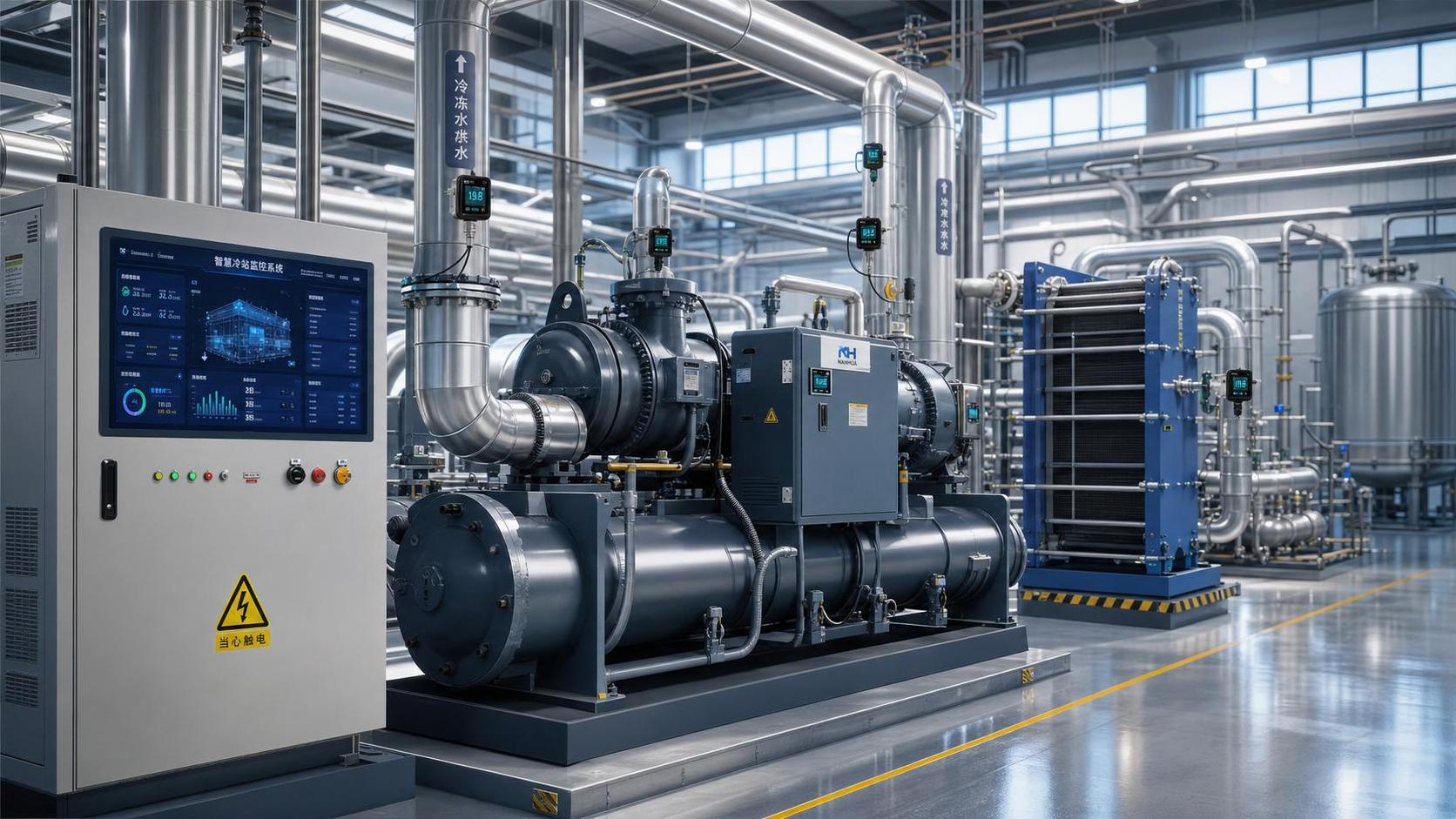
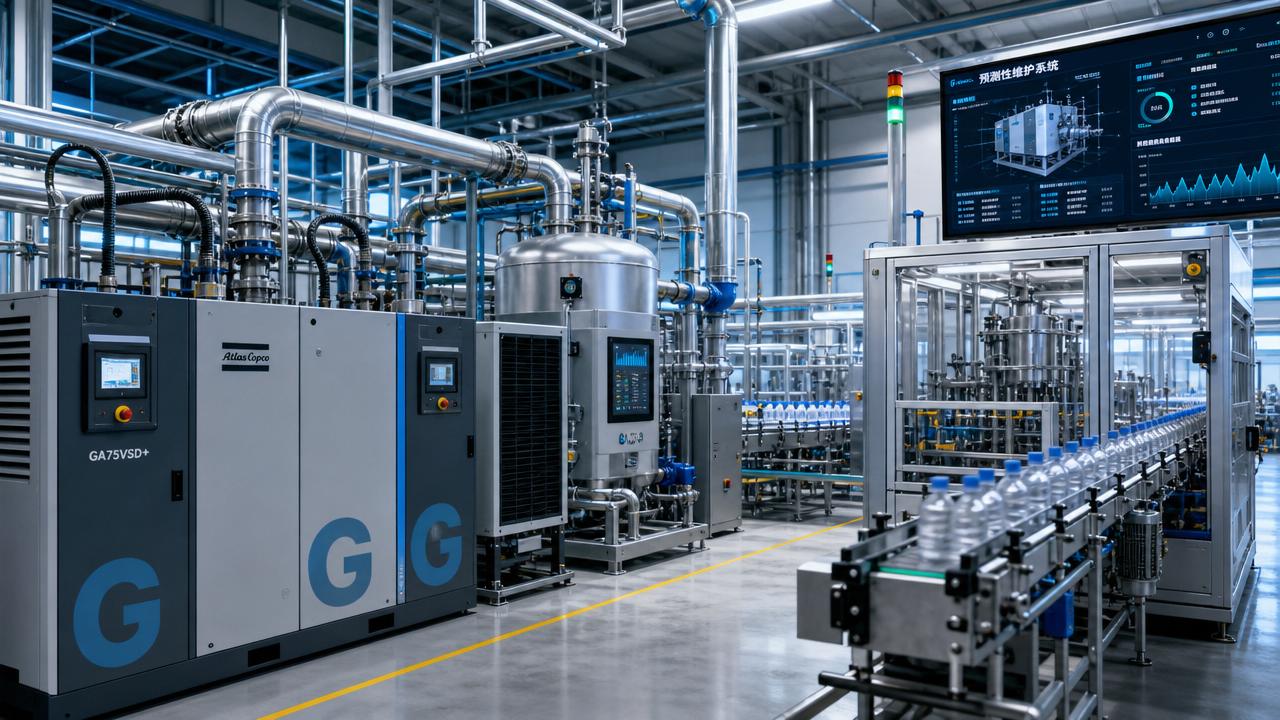
It describes connected cooling, compression, vacuum, and heat exchange assets that respond to load, energy pricing, maintenance signals, and process quality requirements.
This matters because thermal performance sits near the center of industrial energy consumption.
A small improvement in compressor efficiency, condenser cleanliness, or waste heat reuse can change unit economics across an entire site.
What has changed is the decision context.
In previous upgrade cycles, thermal equipment was often judged by upfront cost and rated efficiency alone.
Now, operators need systems that perform under volatile power tariffs, refrigerant policy shifts, and tighter product quality windows.
That is why smart thermal systems are increasingly tied to resilience, not only savings.
The shift from isolated equipment to thermal intelligence
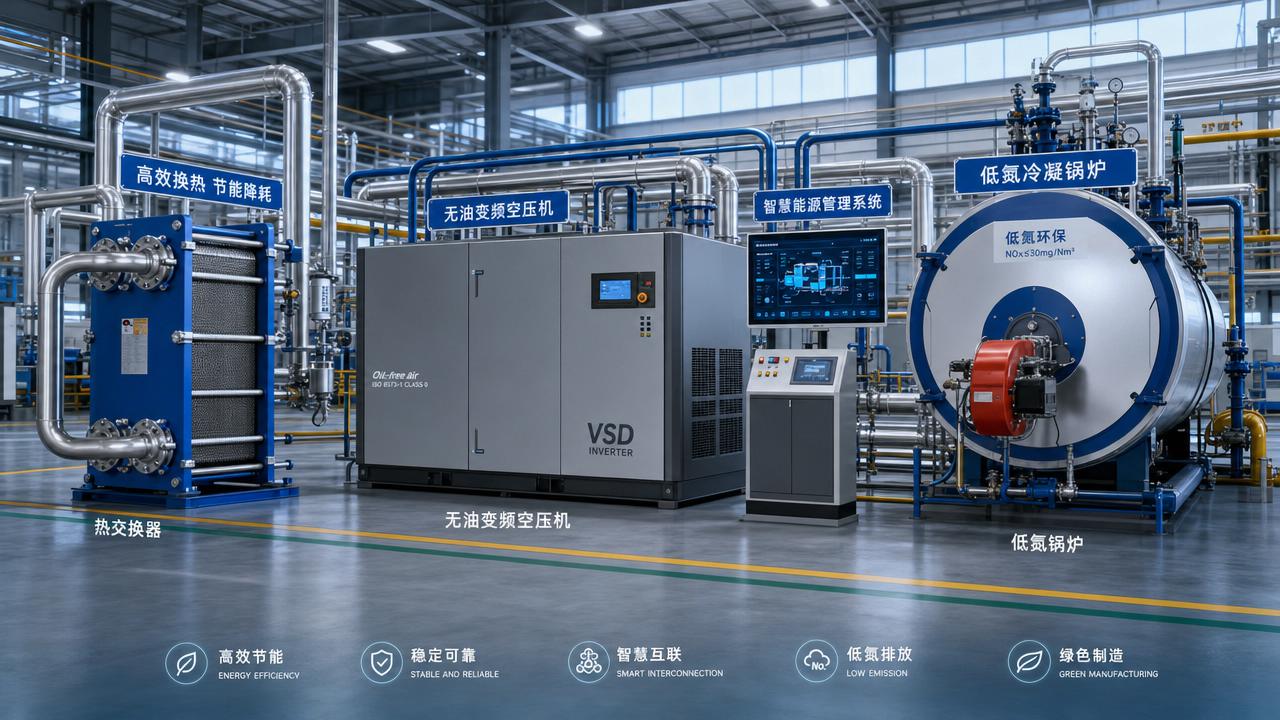
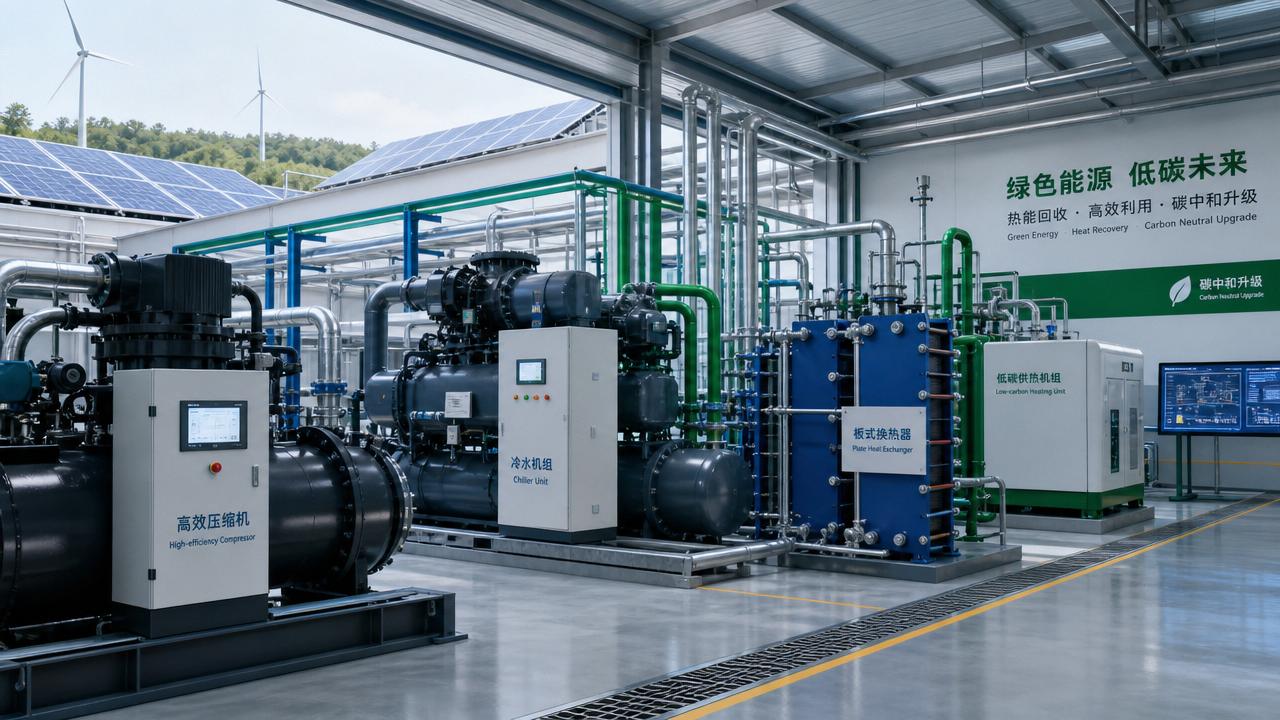
A useful way to understand the market is to stop viewing chillers, air compressors, vacuum pumps, boilers, and heat exchangers as separate purchases.
The stronger trend is system orchestration.
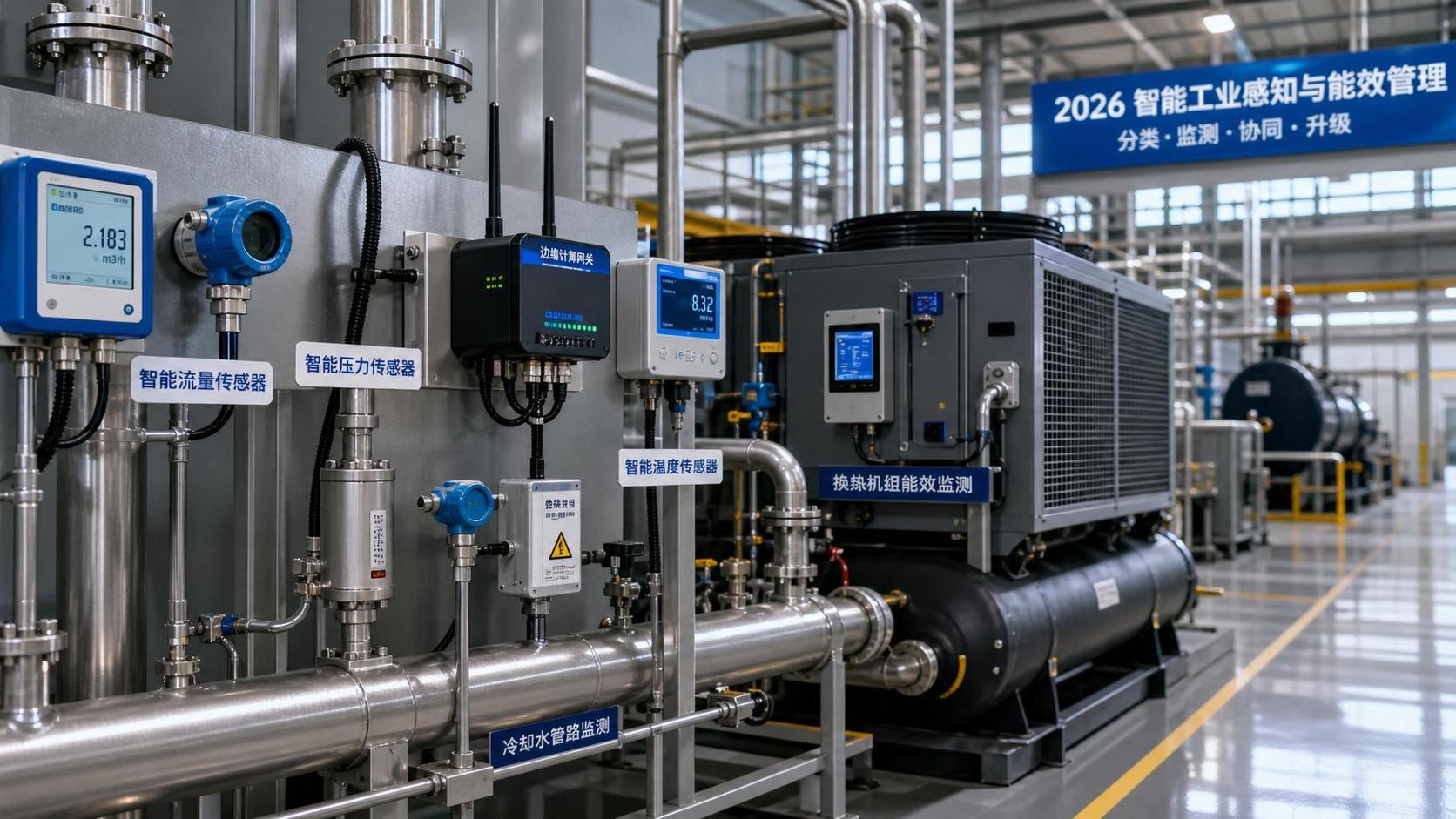
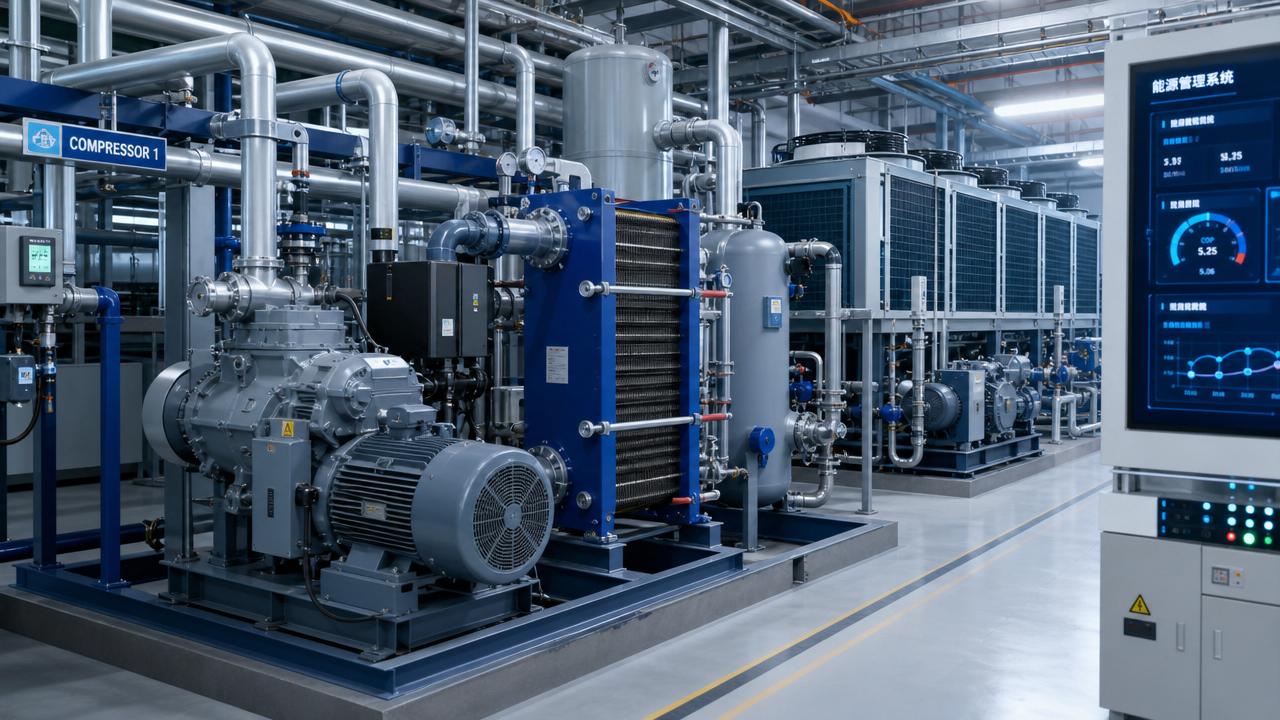
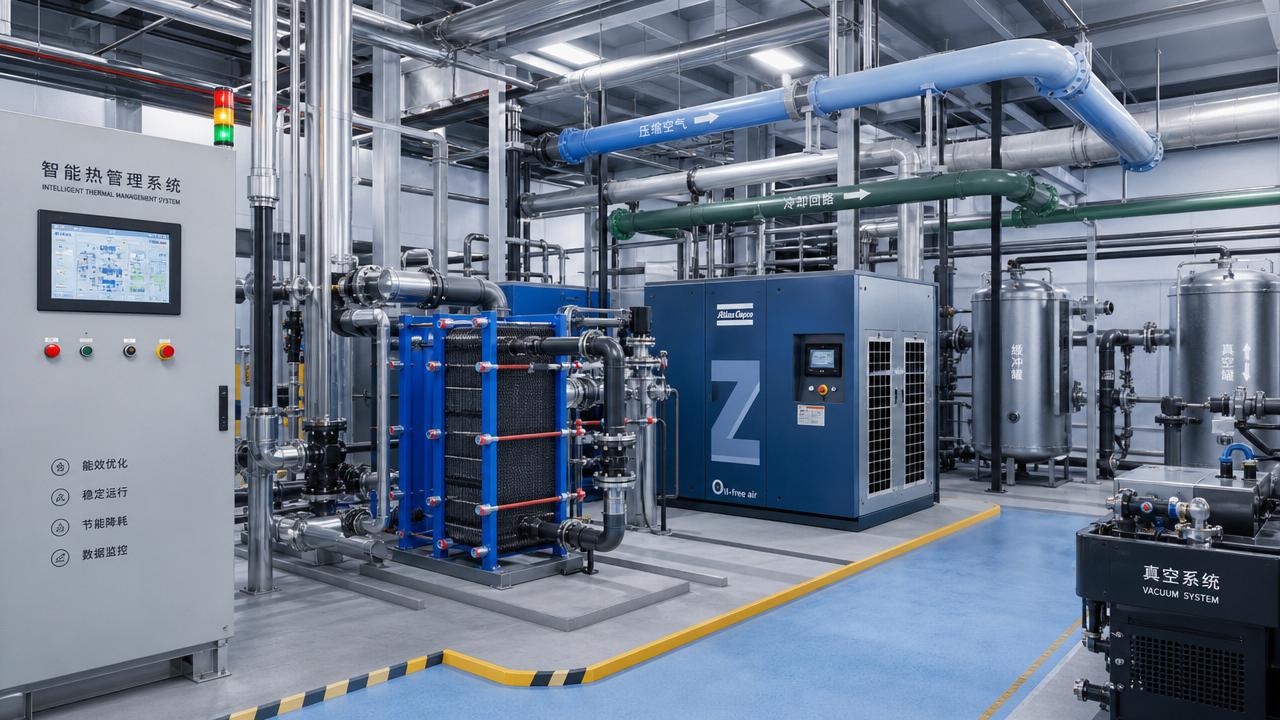
Sensors, edge controls, and analytics now allow thermal assets to act as an integrated energy network.
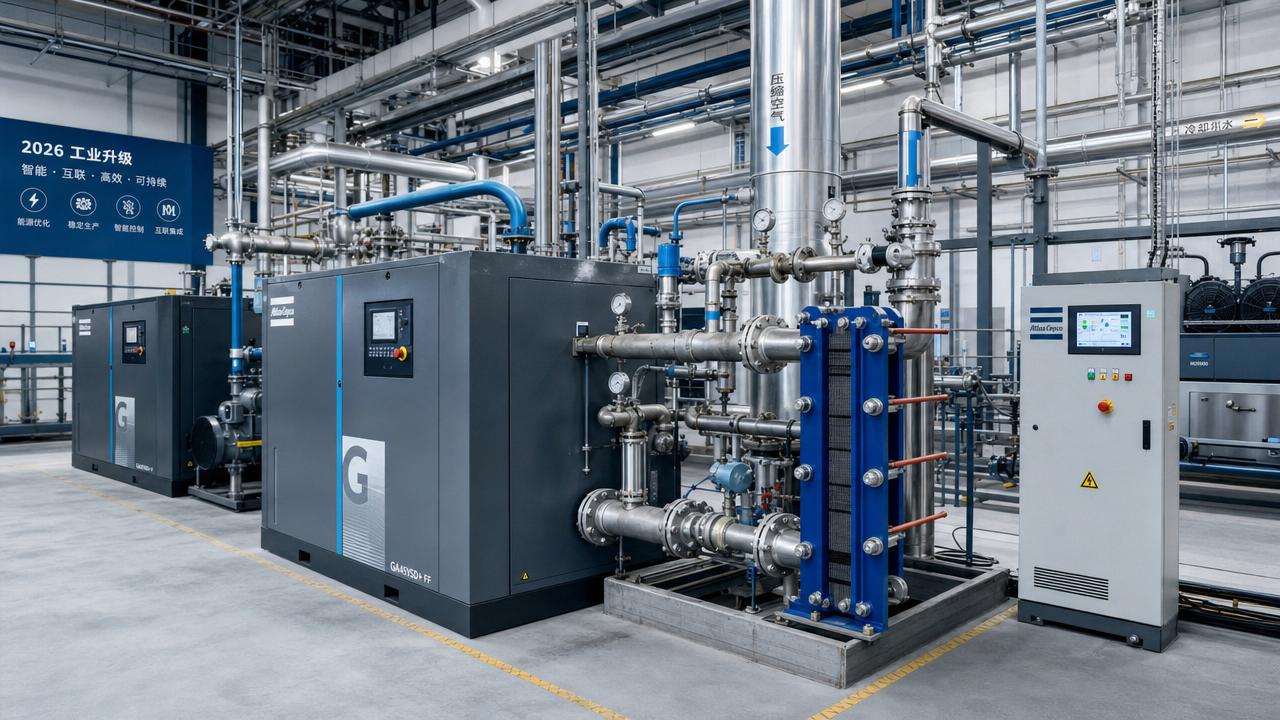
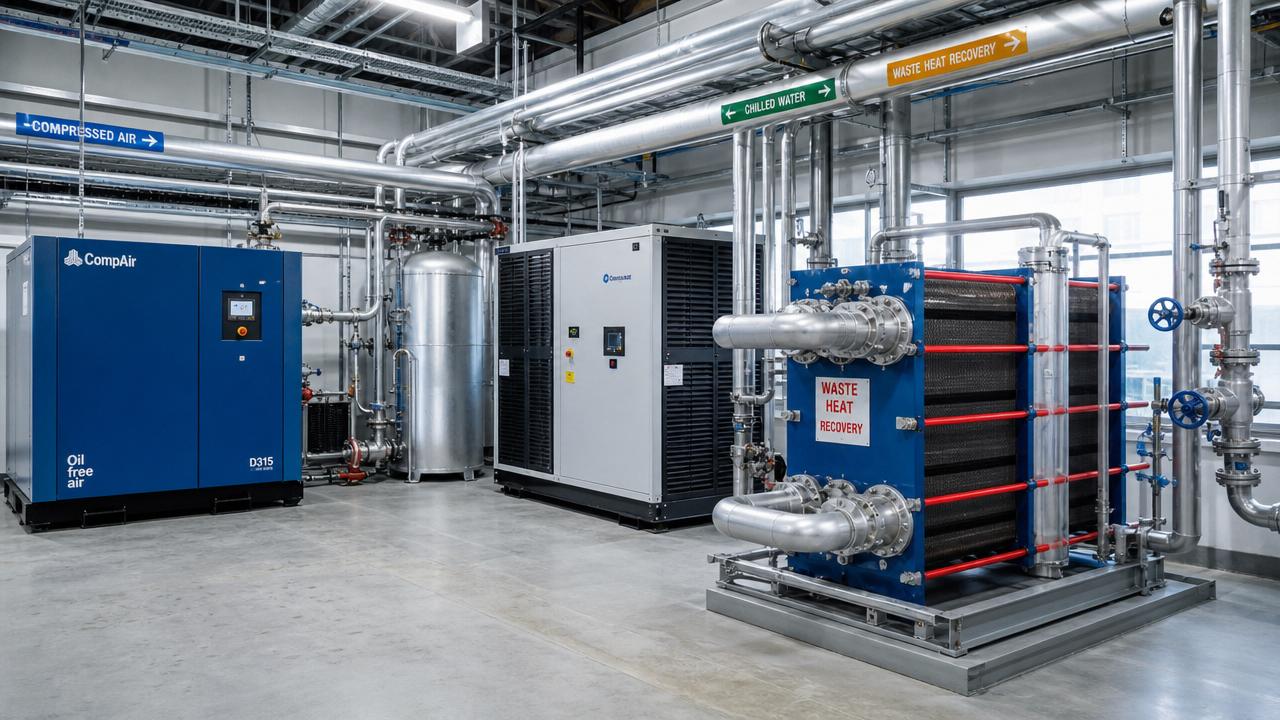
For example, compression loads can be balanced with process cooling demand.
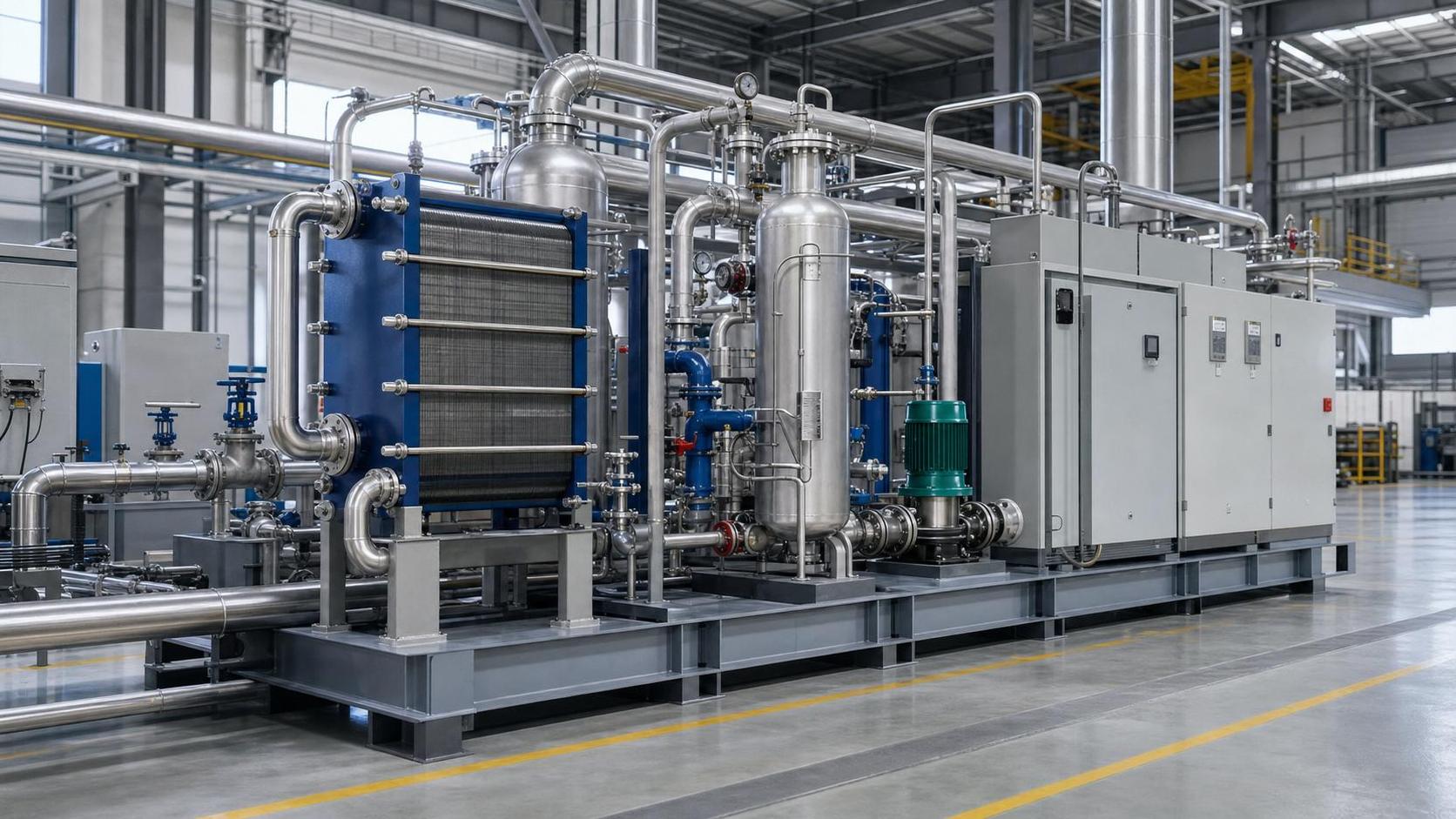
Recovered heat can support water preheating or low-temperature process loops.
Vacuum stability can be managed alongside ambient conditions and contamination risks.
This system view is central to the way GTC-Matrix interprets the sector.
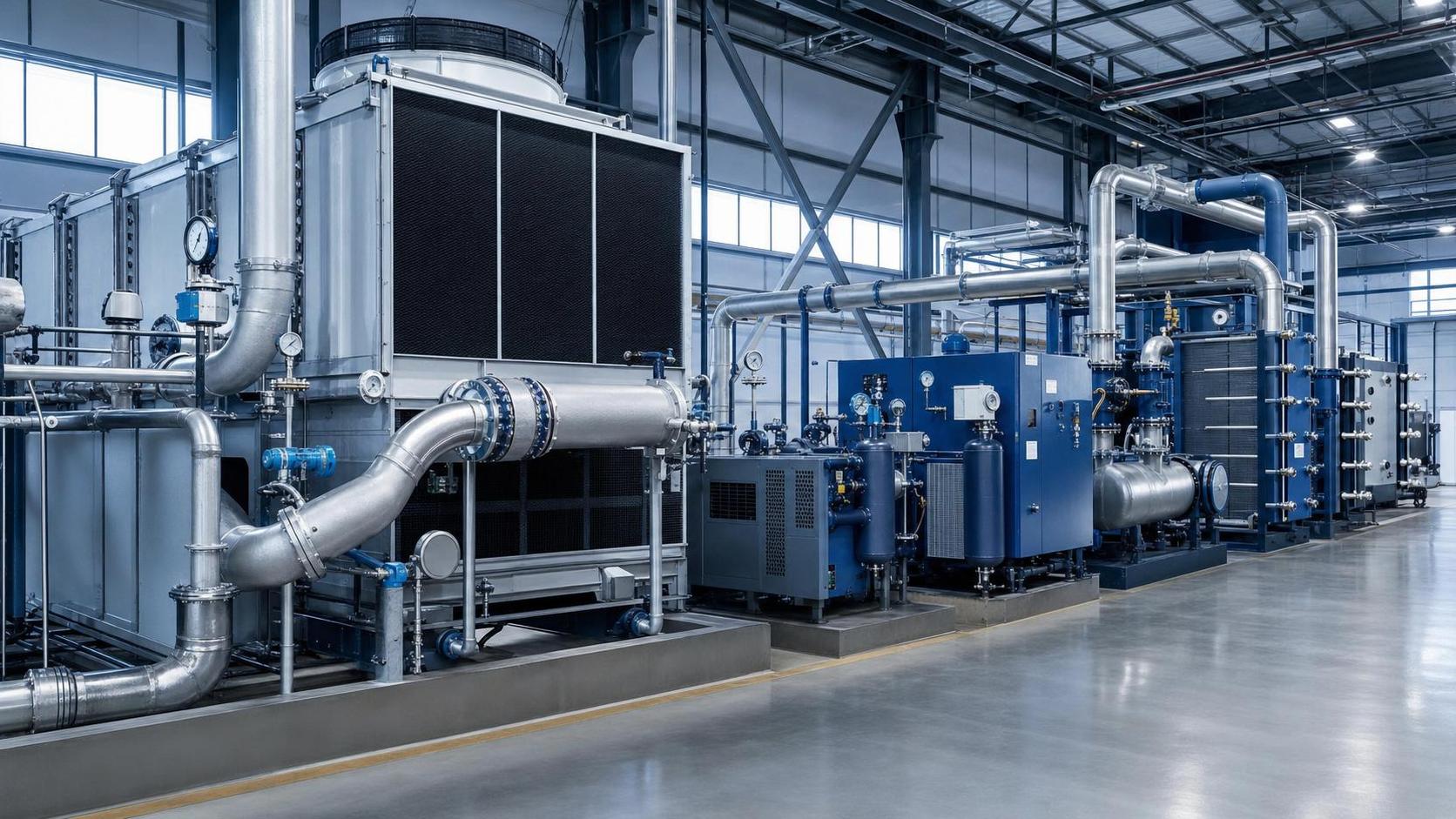
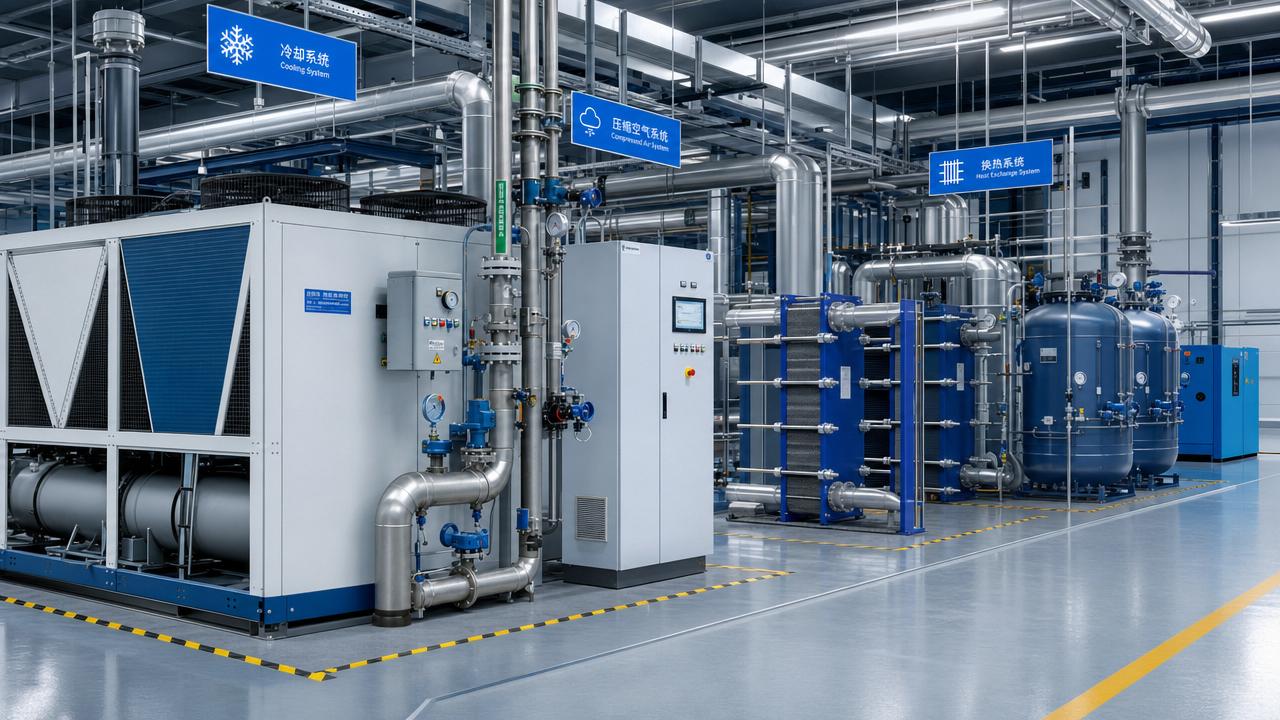
Its coverage of industrial cooling, compressed air, vacuum processes, and heat exchange technologies reflects an important reality: thermal efficiency is rarely created by one machine alone.
It is created by how assets interact under real operating conditions.
Technology signals now influencing upgrade decisions
Several technology signals are shaping smart thermal systems in 2026.
None of them is entirely new, but their business importance has clearly risen.
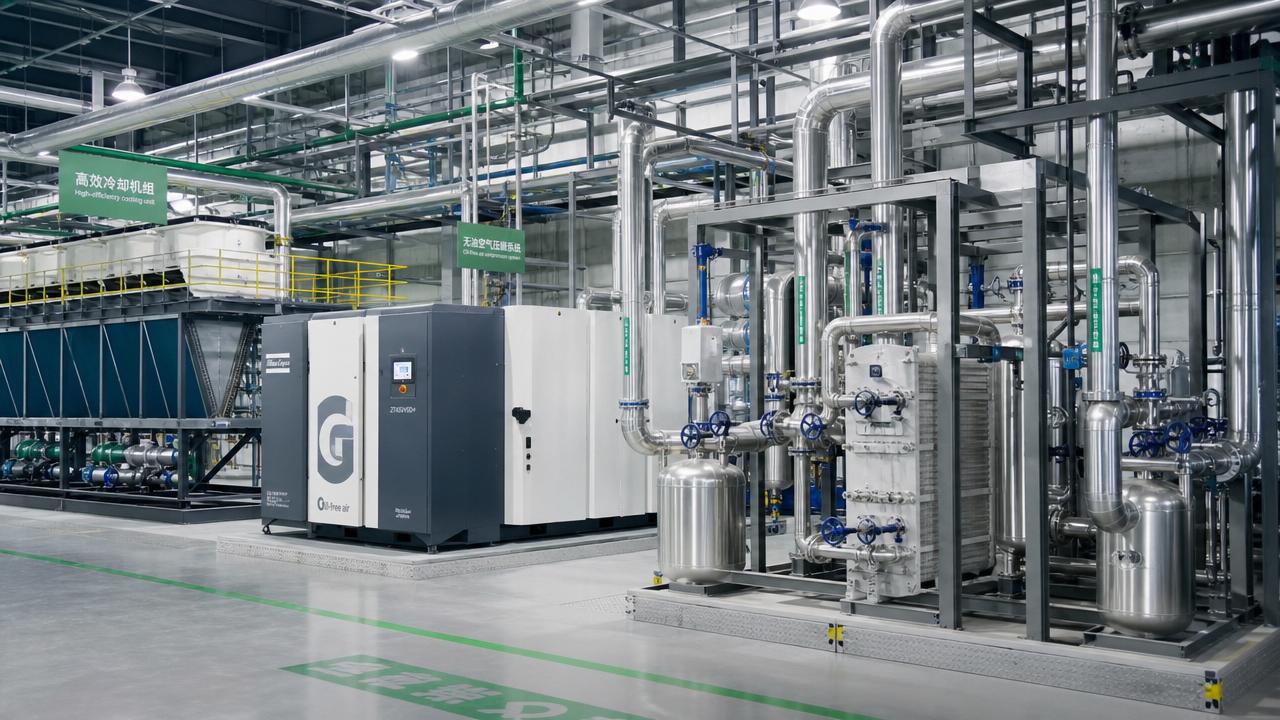
Oil-free and purity-focused compression
Demand is expanding where contamination risk directly affects yield, certification, or brand exposure.
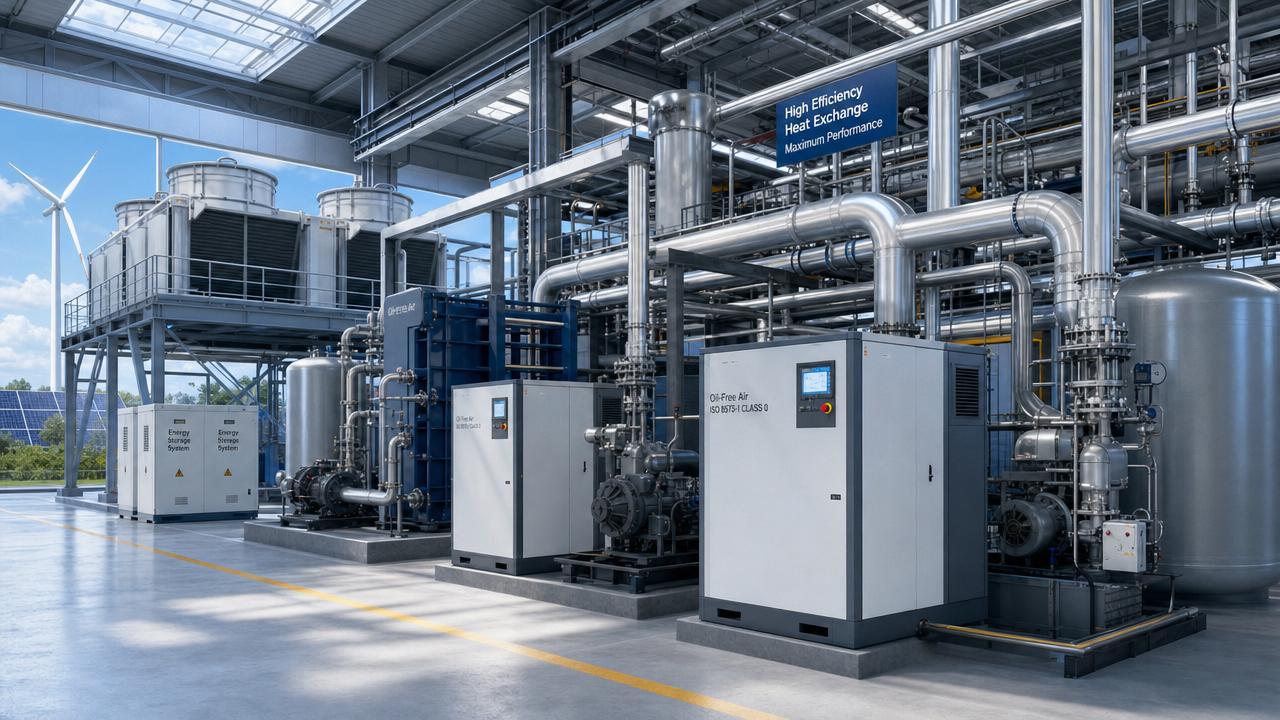
That makes oil-free compression relevant well beyond premium applications.
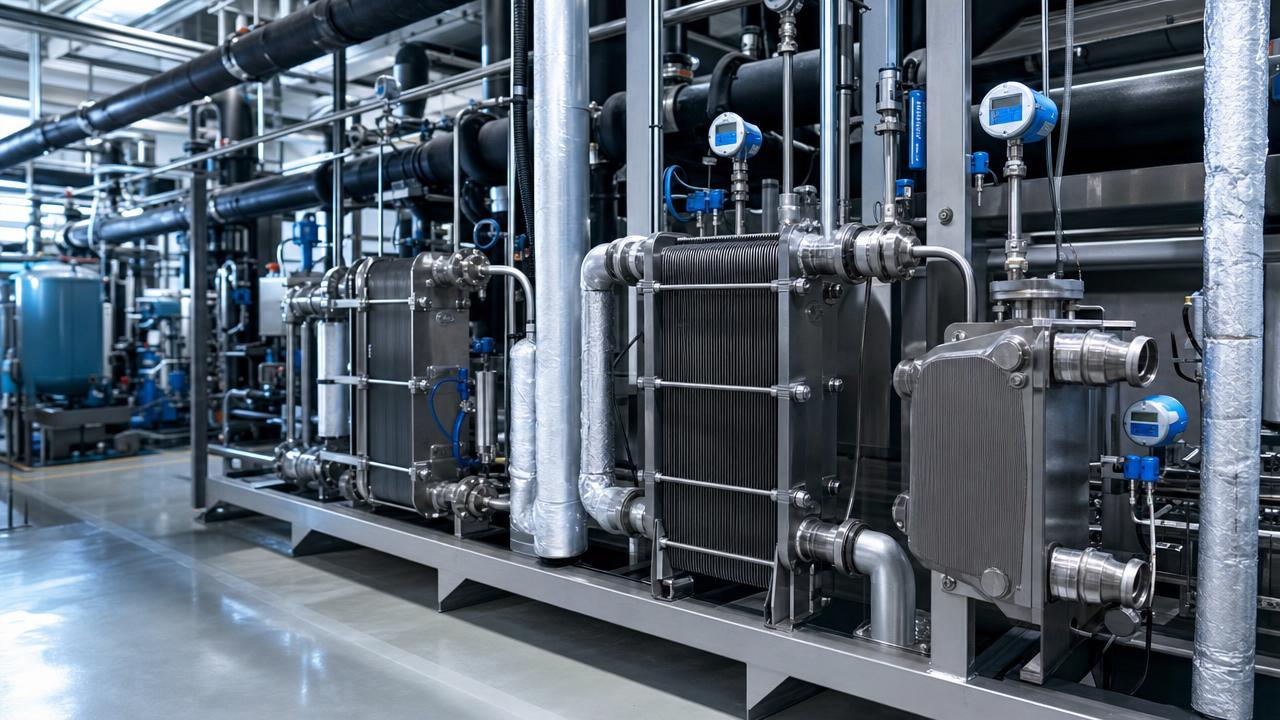
Microchannel and compact heat exchange
Facilities want better thermal transfer with lower refrigerant charge, smaller footprints, and easier integration into modular lines.
Compact heat exchange design supports all three.
Lower-emission combustion and hybrid heating
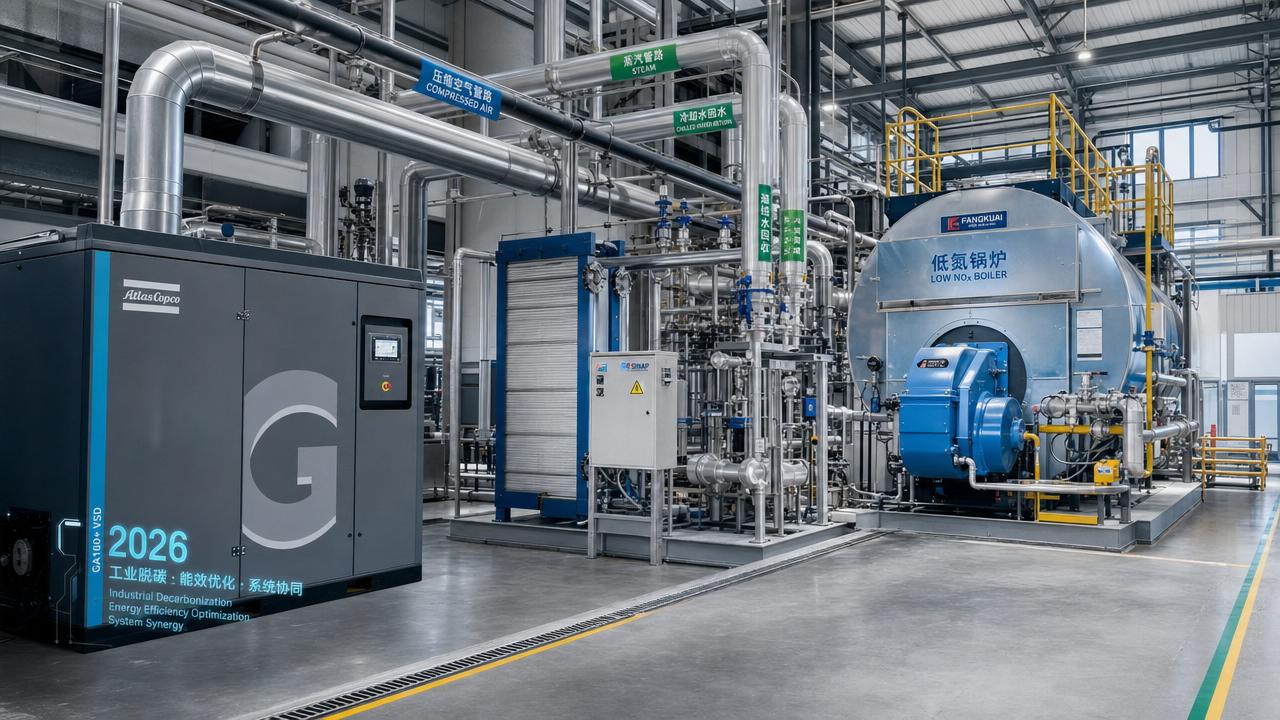
Low-NOx boilers remain relevant, but they are increasingly judged alongside electrified heat recovery and hybrid thermal architectures.
The question is no longer fuel choice alone.
It is how heating strategy fits site-wide decarbonization pathways.
Data-led optimization
The most mature smart thermal systems do not just report alarms.
They identify drift, compare actual and expected performance, and reveal where control logic is wasting energy or risking downtime.
Where the business value becomes visible
The value of smart thermal systems is easiest to see when thermal instability creates hidden costs.
Those costs often appear outside the utility bill.
In practical terms, smart thermal systems can improve margin protection as much as energy efficiency.
That distinction matters in sectors where one hour of interruption costs more than a month of electricity savings.
Applications across high-demand industrial environments
The upgrade logic varies by industry, yet the thermal questions are surprisingly consistent.
GTC-Matrix has highlighted this through commercial insight work across pharmaceuticals, semiconductors, and food processing.
- Pharmaceutical operations need precise thermal stability, clean compressed air, and validated process consistency.
- Semiconductor environments depend on purity, narrow control tolerance, and dependable vacuum performance.
- Food processing balances hygiene, refrigeration efficiency, and flexible production scheduling.
- General manufacturing uses smart thermal systems to support uptime, worker safety, and cost control across mixed loads.
Across these settings, the upgrade target is not simply hotter, colder, or faster.
It is more stable output with less wasted energy and fewer operational surprises.
What to evaluate before committing capital
Not every digital thermal upgrade delivers the same return.
A stronger decision process looks beyond product brochures and rated performance tables.
Start with load reality
Measure seasonal variation, partial-load behavior, and process criticality.
Many systems fail economically because they were sized for rare peaks.
Map thermal links across the site
The best opportunities often sit between systems.
Waste heat, cooling demand, compressed air leakage, and ventilation loads should be reviewed together.
Check policy-sensitive components
Refrigerant quotas, emissions limits, and energy reporting rules can change total project value.
A technically sound asset may become commercially weak under new compliance conditions.
Demand usable data
Smart thermal systems should produce decisions, not dashboards alone.
Ask whether the data will support maintenance timing, efficiency benchmarking, and investment planning.
Why intelligence platforms are gaining influence
Industrial teams are no longer choosing technology in a stable market.
Equipment economics are shaped by energy markets, refrigerant transitions, green manufacturing pressure, and fast-moving application demand.
That is why sector intelligence has become part of thermal strategy.
GTC-Matrix positions this as a stitching function between thermodynamic logic and compression power systems.
Its Strategic Intelligence Center reflects a broader market need: decisions require technical depth, policy awareness, and commercial interpretation at the same time.
When smart thermal systems are reviewed through that lens, upgrades become easier to prioritize.
The discussion shifts from isolated efficiency claims to strategic fit, risk exposure, and long-term competitiveness.
A practical next step for 2026 planning
A useful next move is to build a thermal decision map before approving major upgrades.
List critical cooling, compression, vacuum, and heat exchange assets.
Then compare them across four questions: where energy is lost, where control is weak, where compliance may tighten, and where production value is most exposed.
That process usually reveals whether smart thermal systems should be introduced as a retrofit layer, a phased replacement plan, or a broader site optimization program.
In 2026, the strongest industrial upgrades will not come from adding intelligence everywhere.
They will come from applying thermal intelligence where energy, reliability, and process value intersect most clearly.
Related News
- Why high-density thermal energy storage is gaining industry attentionAuthor :

- Smart Device Thermal Management Trends Shaping 2026 Product DesignAuthor :

- Industrial Cooling Technologies in Europe: 2026 Trends in Compliance and Energy UseAuthor :

- Industrial Electrification Trends in 2026: Where Projects Are Moving FirstAuthor :

- Industrial Solution Comparison Global: 2026 Trends Reshaping Equipment DecisionsAuthor :

- When Heat Recovery Systems Skid Mounted Designs Improve Project PaybackAuthor :

- How to Compare Industrial Decarbonization Solutions Providers in 2026Author :

- Industry Category Guides for Smart Devices: What to Track as 2026 Markets ShiftAuthor :

- Green Manufacturing Trends Reshaping Industrial InvestmentAuthor :

- 2026 Global Energy Costs: What Will Reshape Industrial PlanningAuthor :

- Industrial Decarbonization Solutions That Cut Fuel Costs in 2026Author :

- Smart Thermal Systems Trends Shaping Industrial Upgrades in 2026Author :

- Resource Circularity in Manufacturing: 5 Practical Gains Beyond ComplianceAuthor :

- Carbon Neutrality Roadmap: What Industrial Firms Need to Prioritize FirstAuthor :

- Energy Conversion Efficiency Trends Shaping Industrial UpgradesAuthor :

- Compression Technology Trends Shaping Efficient Plant UpgradesAuthor :

- Industrial Intelligence in Manufacturing: Where It Delivers Value FirstAuthor :

- How Intellectualization Improves Industrial Thermal ManagementAuthor :

- What Intellectualization Means for Smarter Plant Operations in 2026Author :

- Carbon Neutrality Goals: What Industrial Firms Should Prioritize in 2026Author :

- How Intellectualization Reduces Downtime in Modern Production LinesAuthor :

- Decarbonization Roadmap for Energy-Intensive Plants in 2026Author :

- Thermal Systems Trends in 2026: Efficiency, Control, and RiskAuthor :

- Industrial Decarbonization Priorities for Energy-Intensive FacilitiesAuthor :

- Thermal Systems in 2026: Efficiency Upgrades Shaping Industrial OperationsAuthor :

- Pure Power Sources: 5 Practical Paths to Carbon NeutralityAuthor :

- What Intellectualization Means for Industrial Equipment UpgradesAuthor :

- Thermal Optimization in 2026: Where Energy Savings Deliver the Fastest PaybackAuthor :

- Energy Efficiency Trends Reshaping Compressor Upgrades in 2026Author :

- 2026 Industrial Decarbonization Trends Reshaping Plant UpgradesAuthor :
![]()
- Heat Exchanger Technology Trends for 2026 Efficiency TargetsAuthor :

- Resource Circularity Risks in 2026 Supply ChainsAuthor :

- Smart Thermal Systems: When Upgrades Deliver Measurable SavingsAuthor :

- Carbon Neutrality: Practical Steps for Factory RoadmapsAuthor :

- 2026 Industrial Energy Efficiency Priorities for Plant UpgradesAuthor :

- Industrial Intellectualization Trends Reshaping Equipment UpgradesAuthor :