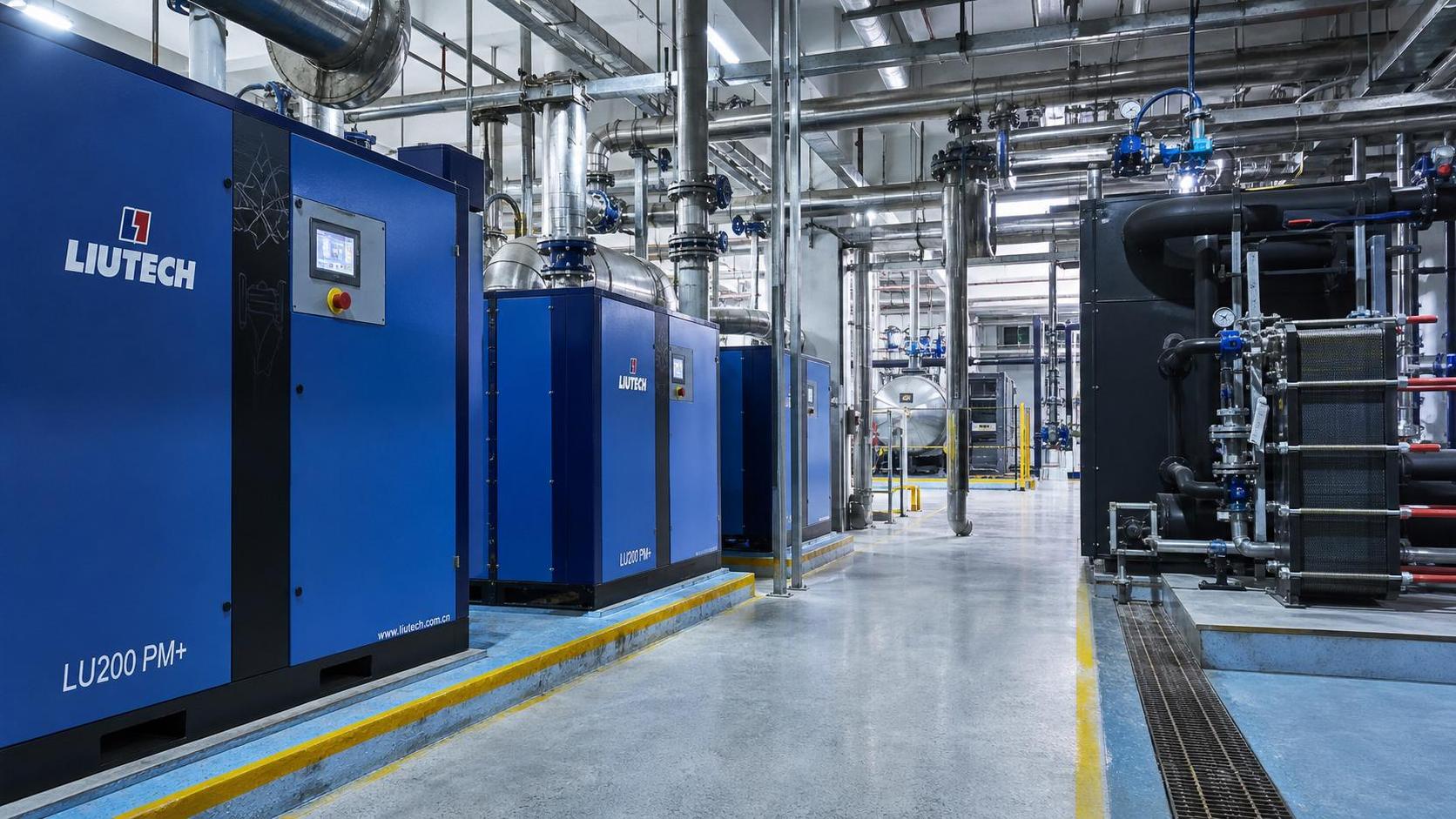
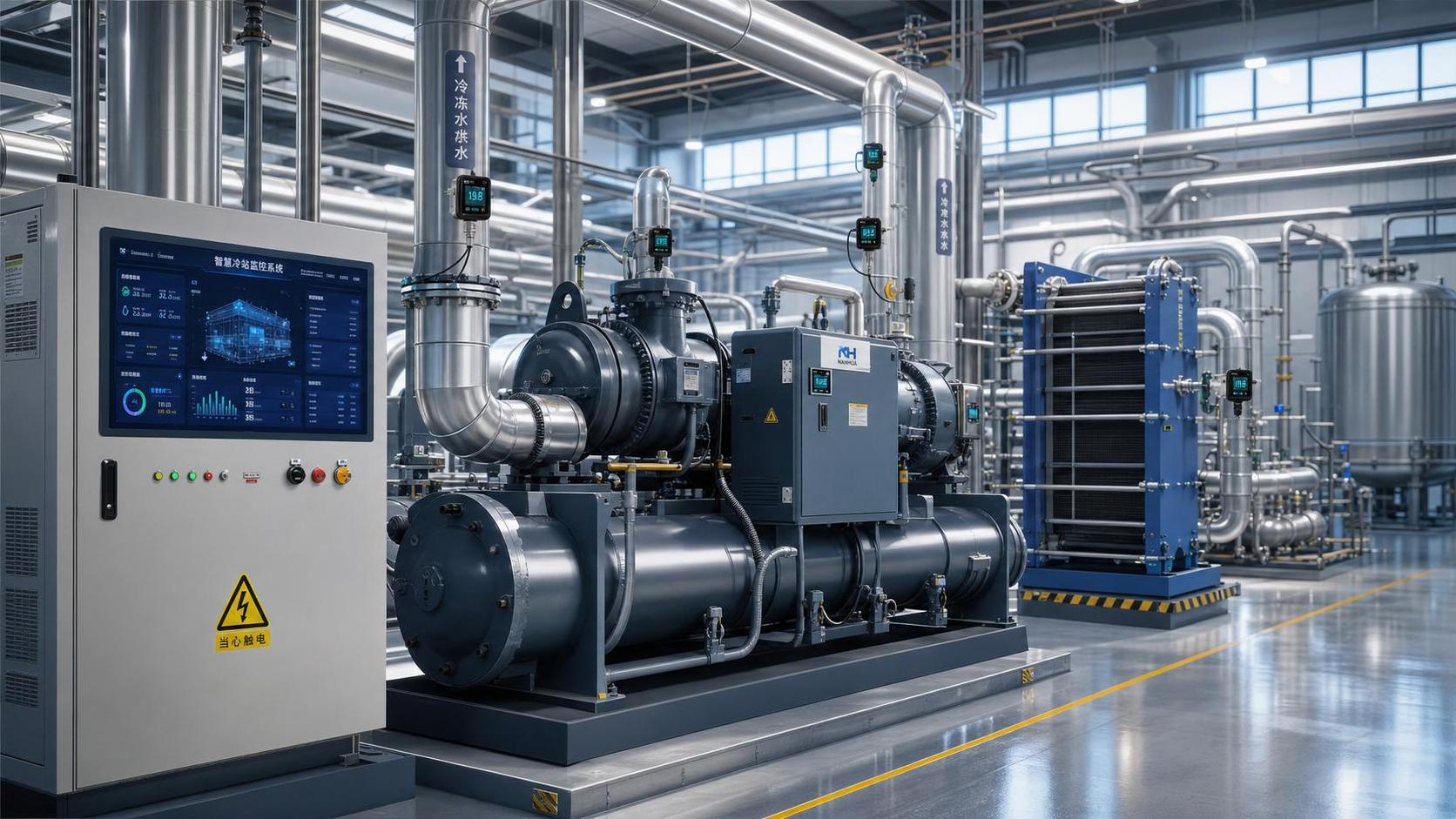
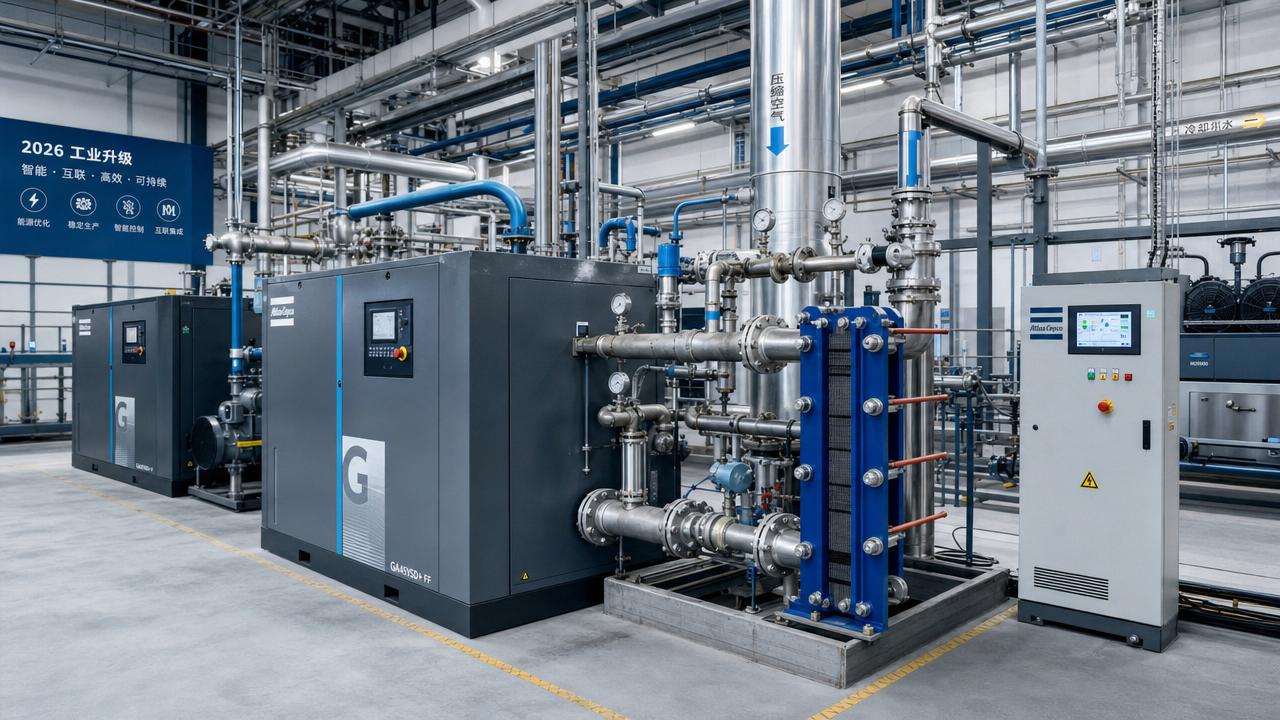
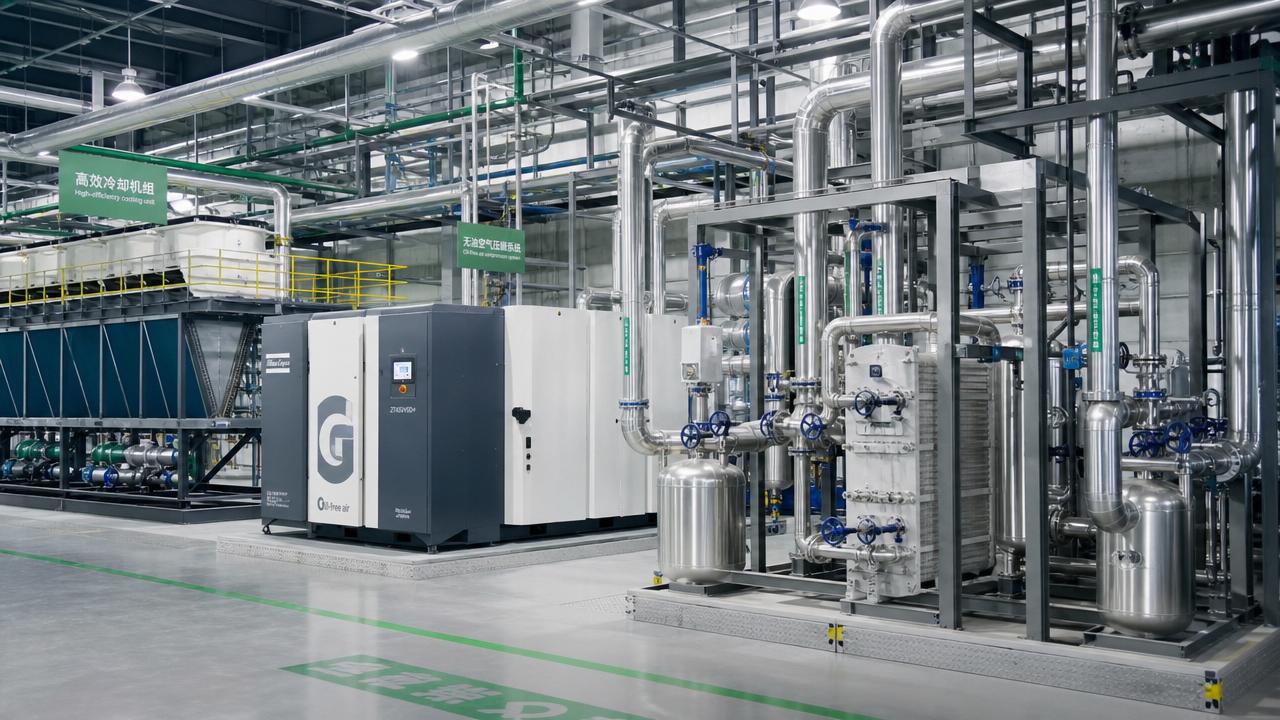
Thermal Systems Trends in 2026: Efficiency, Control, and Risk




Thermal systems in 2026 are being judged by a tougher standard
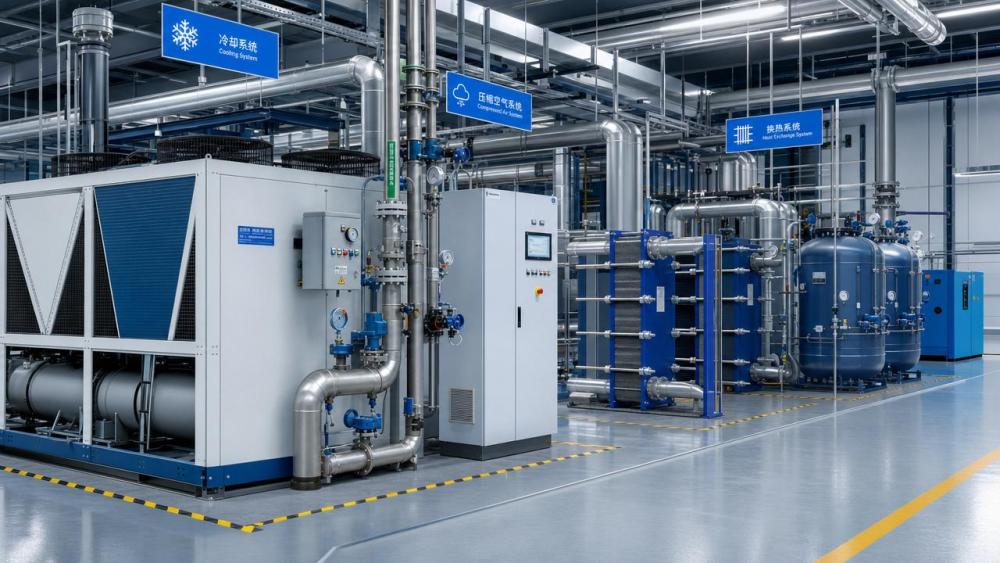
In 2026, thermal systems sit closer to board-level decisions than many expected only a few years ago.
Output still matters, but it no longer closes the discussion.
What matters now is whether a system stays efficient under volatile energy pricing, remains controllable under changing loads, and absorbs operational risk without costly downtime.
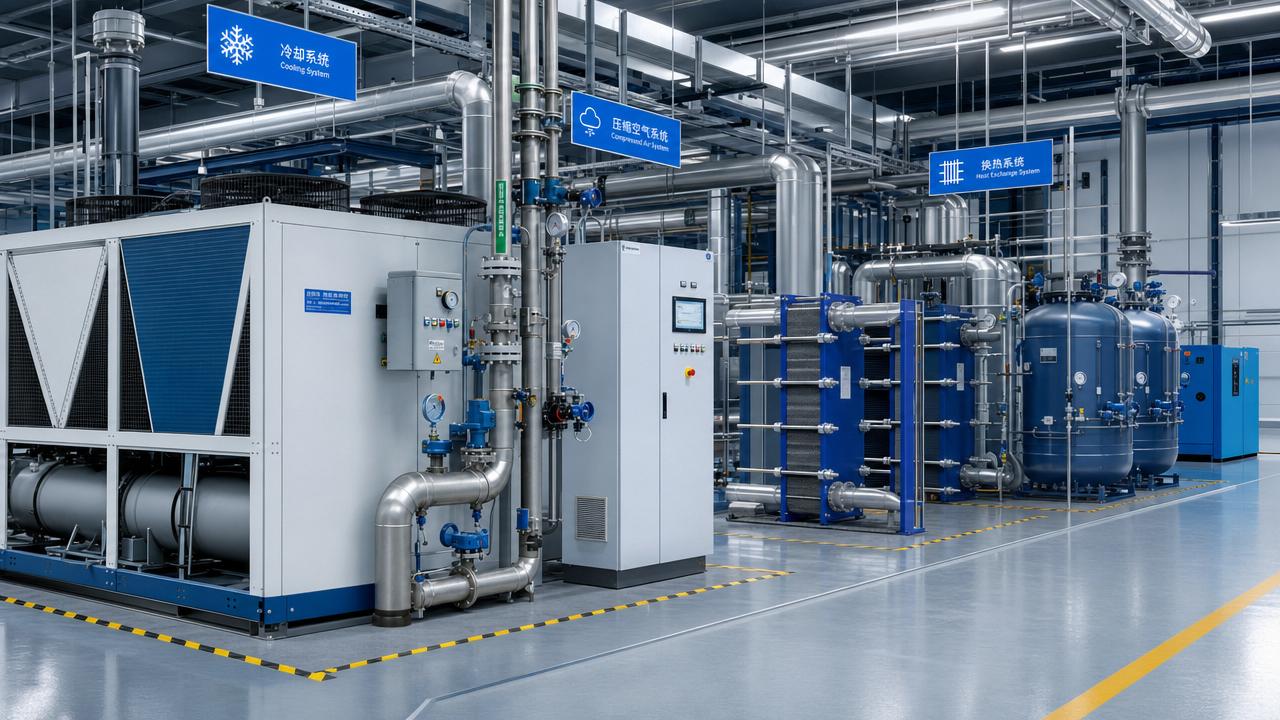
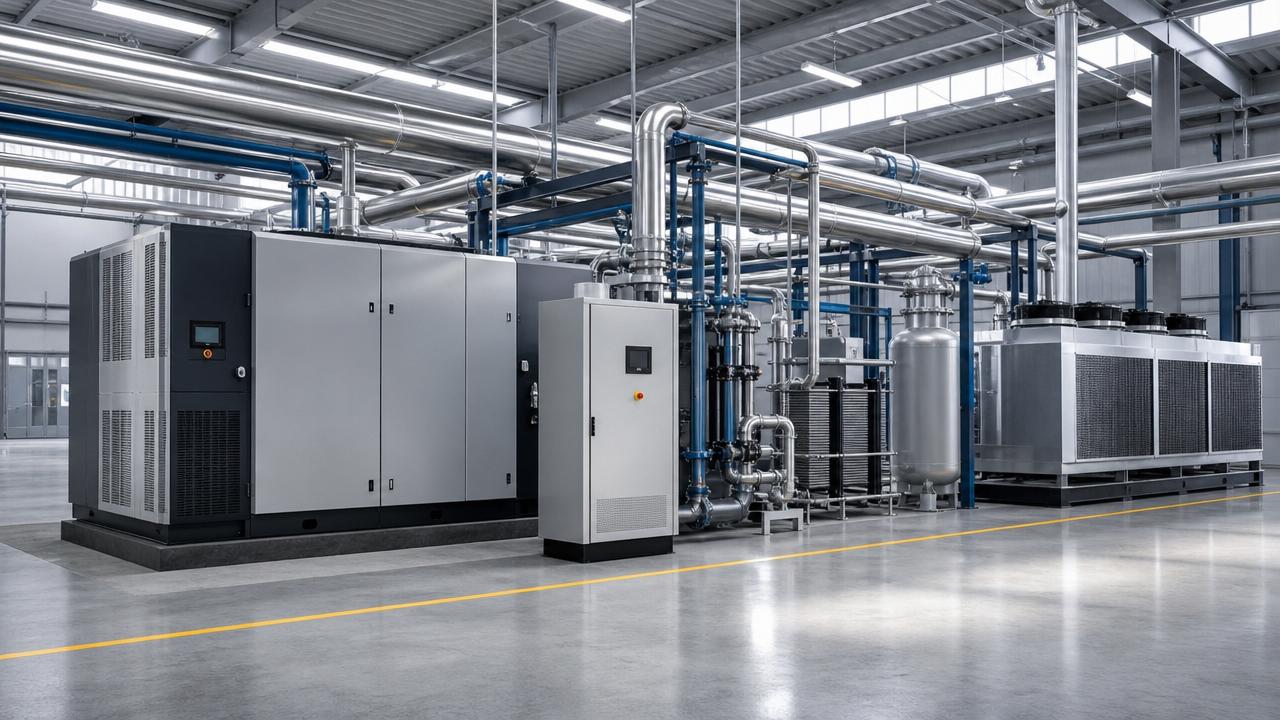
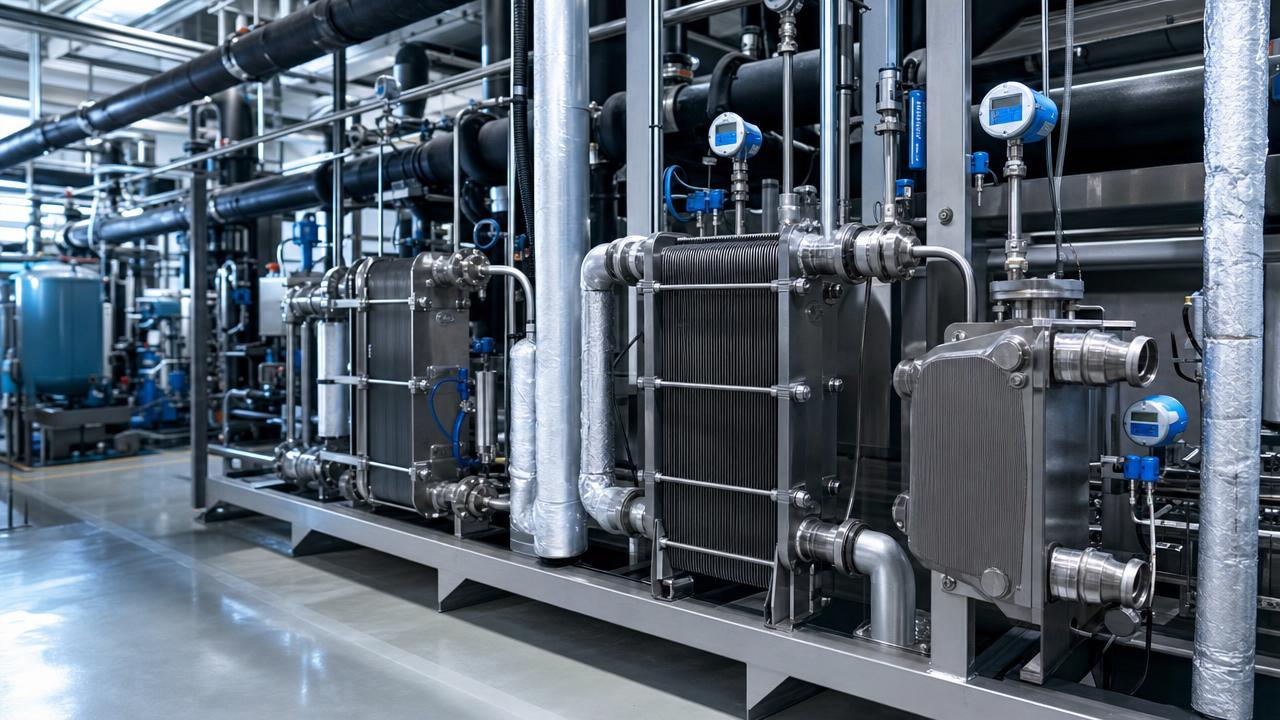
That shift is visible across industrial cooling, compressed air, vacuum processes, and heat exchange applications.
The pressure is not coming from one direction.
Energy markets remain uneven, refrigerant rules are moving, and production environments are becoming less forgiving of thermal drift.
As a result, thermal systems are increasingly evaluated as strategic infrastructure rather than utility support.
This is also why intelligence-led platforms such as GTC-Matrix have gained relevance.
The value is not only in tracking equipment updates.
It is in connecting thermodynamic performance, compression efficiency, policy change, and sector demand into one operational picture.
Why the market is moving from capacity thinking to performance thinking
From recent market signals, one clear change stands out.
Buy-side discussions now ask fewer questions about nominal rating alone and more about partial-load behavior, control logic, and lifecycle exposure.
This is especially visible where thermal systems support sensitive processes.
Semiconductor facilities, pharmaceutical lines, food processing plants, and precision manufacturing all depend on tighter temperature discipline than before.
The change has several drivers.
This explains why thermal systems are being redesigned as dynamic assets.
The market is rewarding systems that can react, not just operate.
Control is becoming the real efficiency multiplier
A notable trend in 2026 is that efficiency gains increasingly come from control quality rather than hardware change alone.
That does not reduce the value of better compressors, heat exchangers, or boilers.
It changes where the next margin of improvement is found.
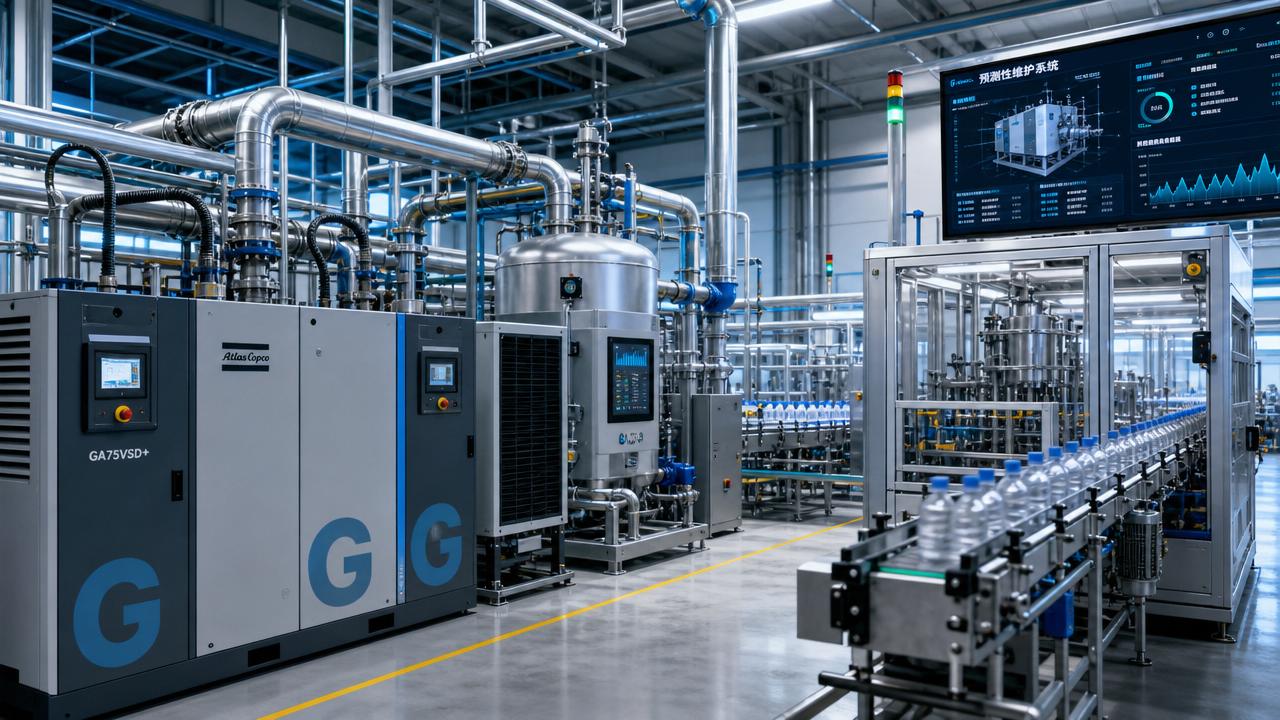
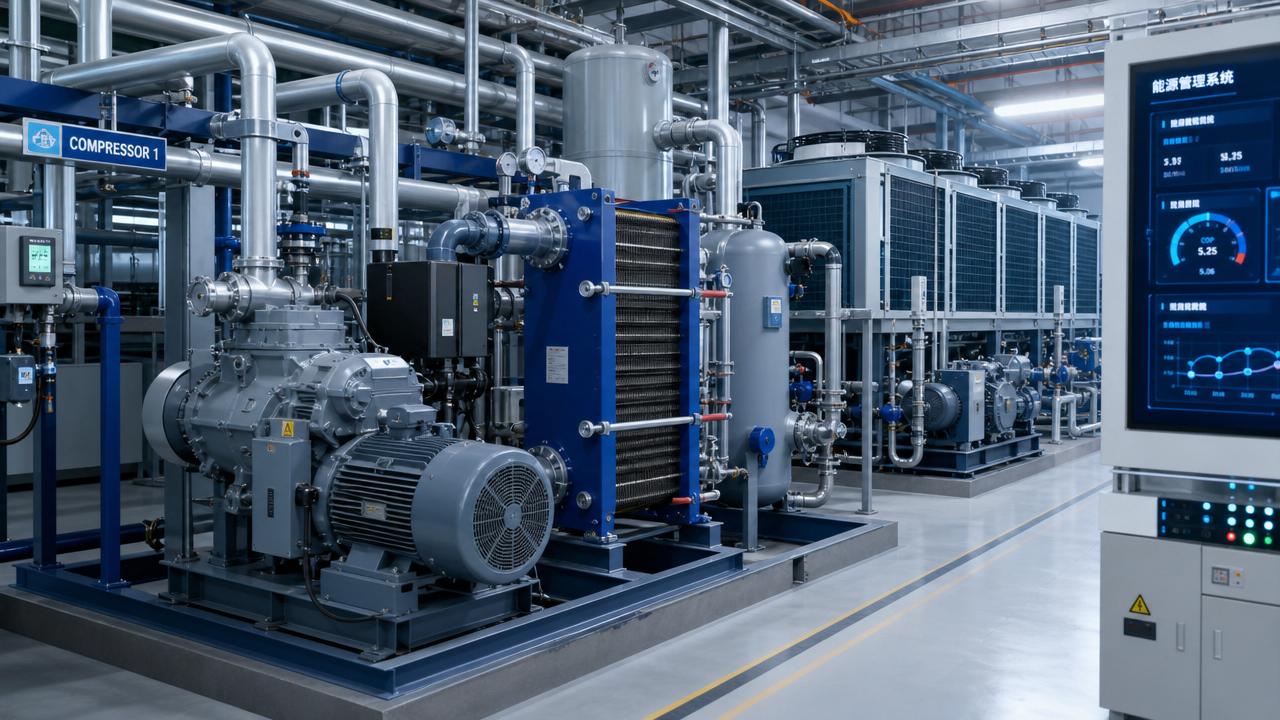
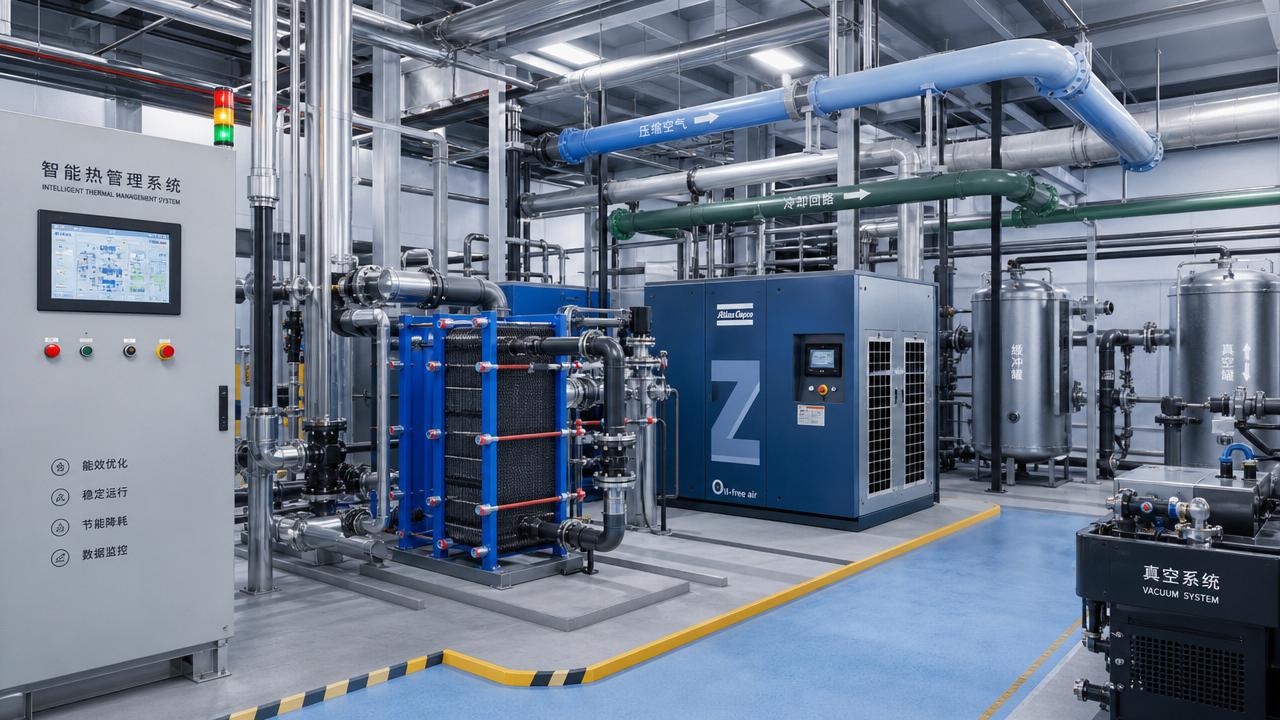
Variable-speed compression, smarter sequencing, predictive setpoint adjustment, and tighter feedback loops are now central to thermal systems performance.
In actual deployment, the most common waste is not dramatic failure.
It is quiet mismatch between thermal demand and system response.
Oversized cycling, delayed valve response, poor sensor placement, and fragmented control platforms all erode usable efficiency.
This is where the cross-disciplinary perspective of GTC-Matrix mirrors market reality.
Industrial cooling cannot be viewed apart from compression behavior.
Heat exchange efficiency cannot be judged without process rhythm, refrigerant strategy, and maintenance conditions.
For thermal systems, intelligence and equipment are no longer separate conversations.
Where better control is changing investment logic
- Digital controls now influence payback periods as much as component efficiency ratings.
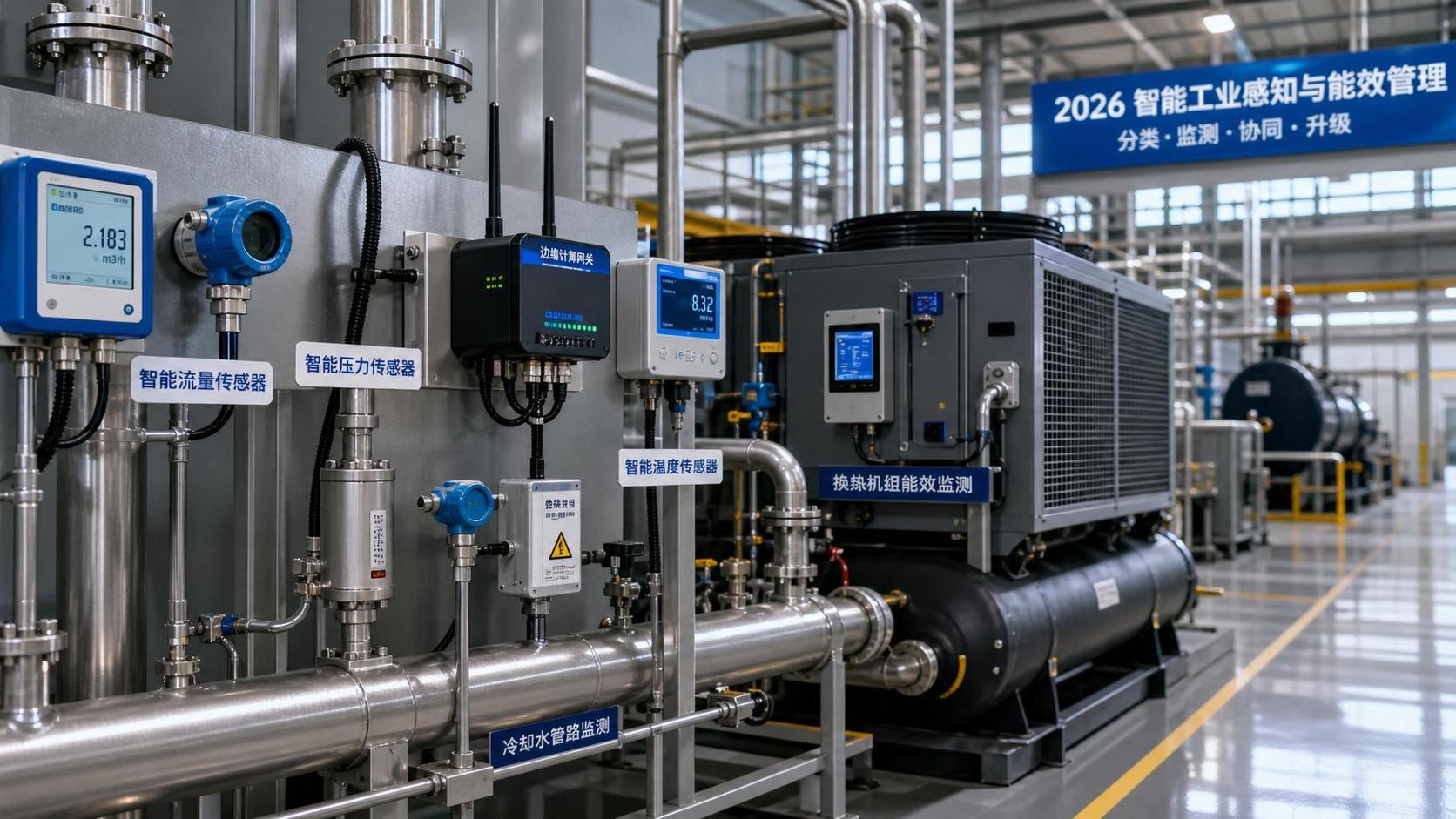
- Sensor architecture is treated as a reliability issue, not a minor instrumentation choice.
- Integrated dashboards are replacing isolated subsystem views in larger thermal systems.
- Commissioning quality is gaining weight because advanced control fails without proper tuning.
Risk is no longer external to thermal systems
Another strong signal is that risk management has moved inside thermal systems planning.
Previously, risk often meant upstream fuel price or downstream production interruption.
In 2026, risk also includes refrigerant availability, compliance timing, cybersecurity exposure in control layers, and spare-part concentration.
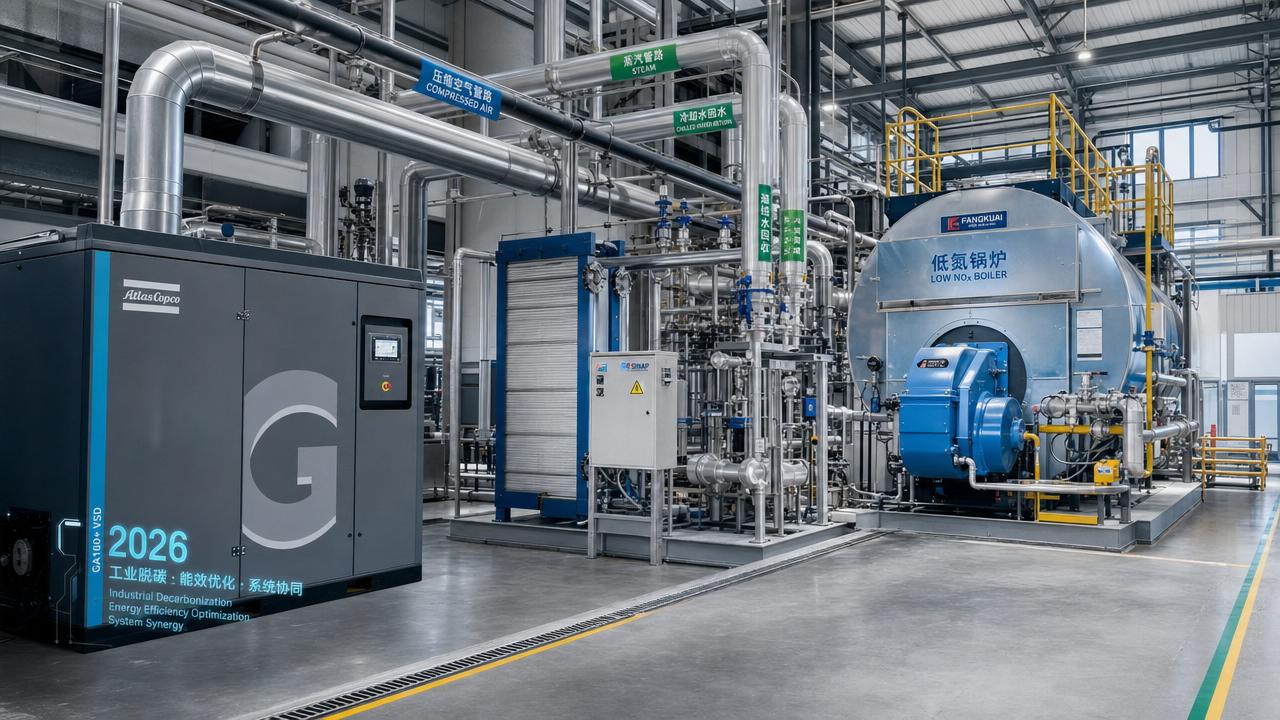
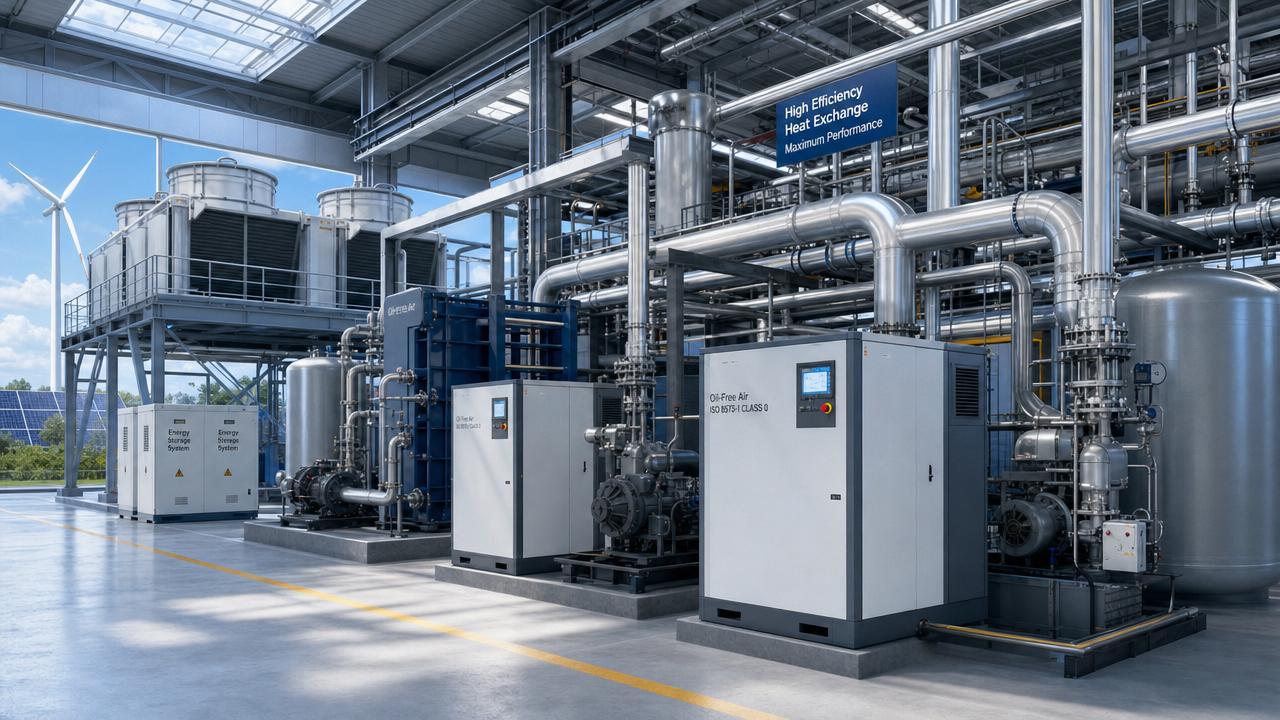
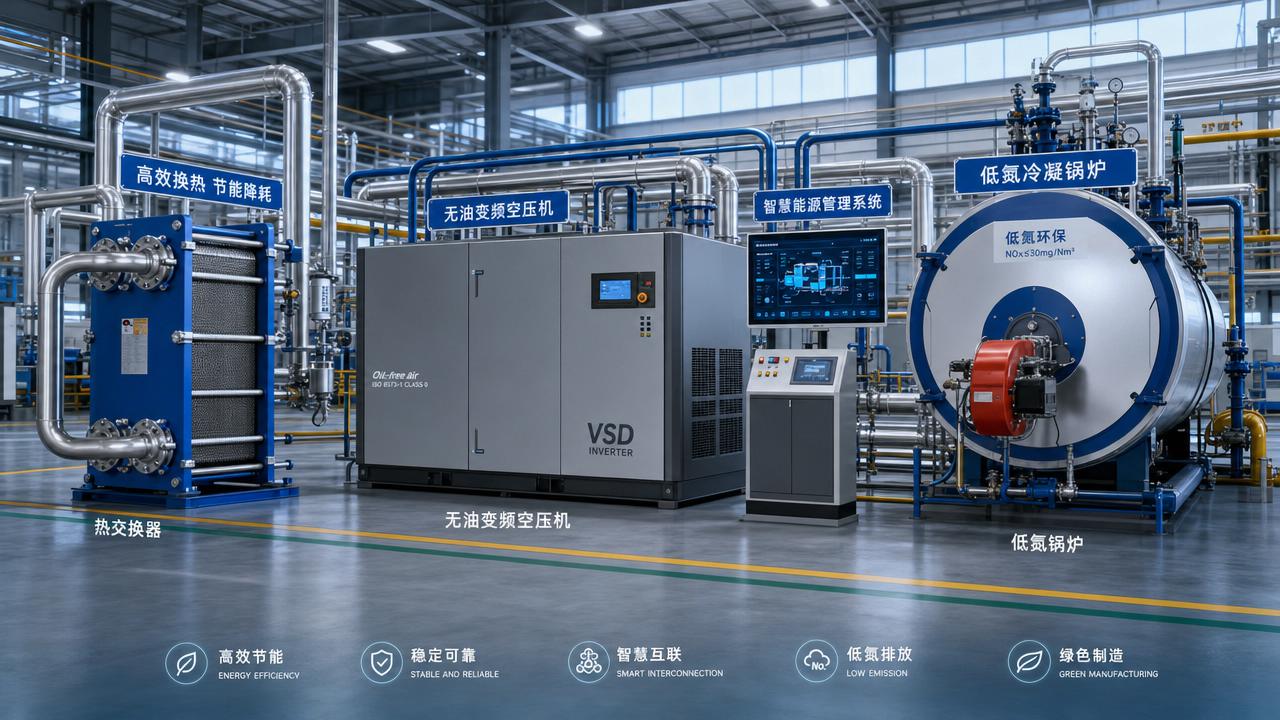
Oil-free compression, microchannel heat exchangers, and low-NOx combustion boilers remain attractive.
Yet each technology introduces new dependencies in service models, technical skills, or operating windows.
This does not weaken adoption.
It means thermal systems should be evaluated for resilience, not only peak performance.
More careful operators now ask practical questions.
- How stable is efficiency after twelve months of real operating conditions?
- What happens when refrigerant policy changes faster than retrofit budgets?
- Can the control platform keep running during network or sensor faults?
- Is maintenance capability available locally for specialized thermal systems?
These questions matter because thermal systems are tied to continuity, not just efficiency optics.
The impact is spreading across applications, not staying in utility rooms
The effect of these changes is broader than plant engineering teams alone.
Thermal systems now influence product consistency, compliance confidence, energy budgeting, and even market responsiveness.
In pharmaceuticals, tighter thermal control reduces deviation risk during validated production.
In semiconductors, stable cooling and vacuum support protect process integrity at very narrow tolerances.
In food processing, thermal systems increasingly determine sanitation rhythm, cold-chain reliability, and batch repeatability.
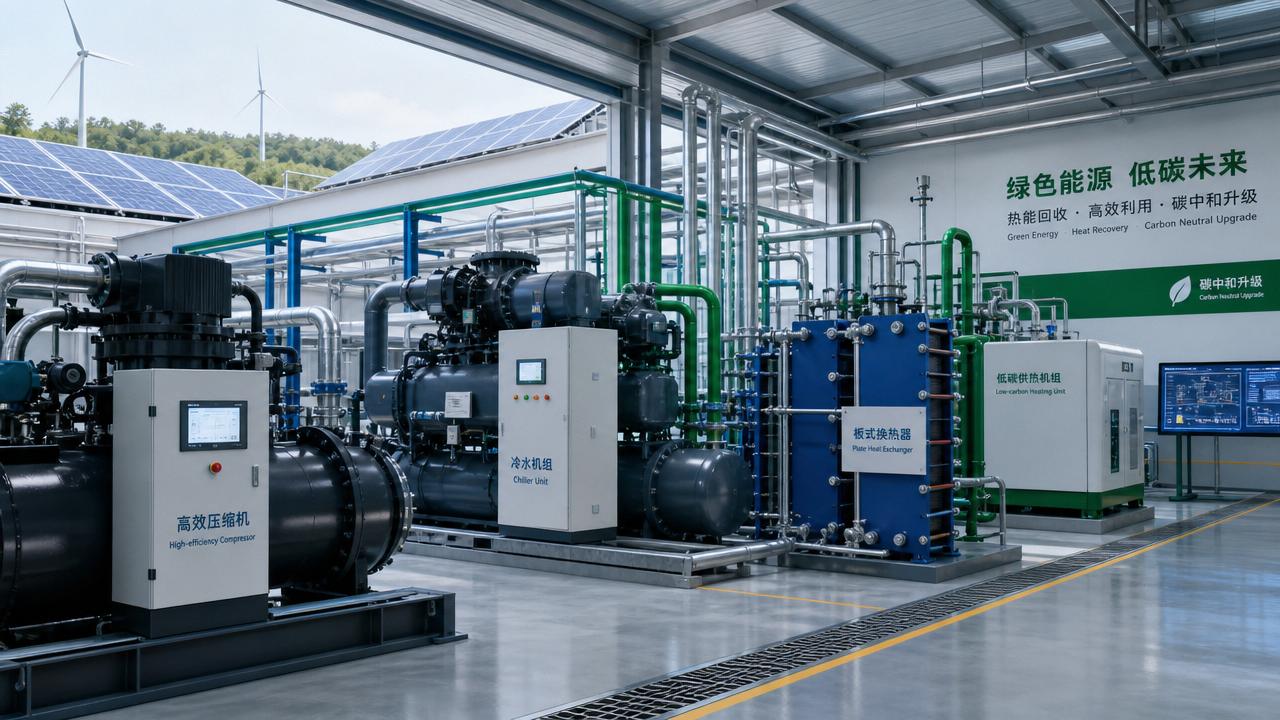
Even mixed-use industrial sites are treating heat recovery, compressed air efficiency, and cooling coordination as one linked economic problem.
That linkage is important.
It means underperforming thermal systems can create hidden friction across scheduling, quality assurance, and carbon reporting.
The reverse is also true.
Well-managed thermal systems create flexibility when demand, regulation, or product mix changes unexpectedly.
What deserves closer attention in the next planning cycle
The next phase is less about chasing every emerging technology and more about sharpening selection criteria.
For thermal systems, several decision points now carry more weight than before.
- Load profile realism: design around actual demand curves, not idealized full-load assumptions.
- Control interoperability: confirm whether thermal systems can exchange usable data across platforms.
- Compliance pathway: assess refrigerant, emissions, and reporting exposure before equipment lock-in.
- Service resilience: map spare parts, software support, and commissioning capability early.
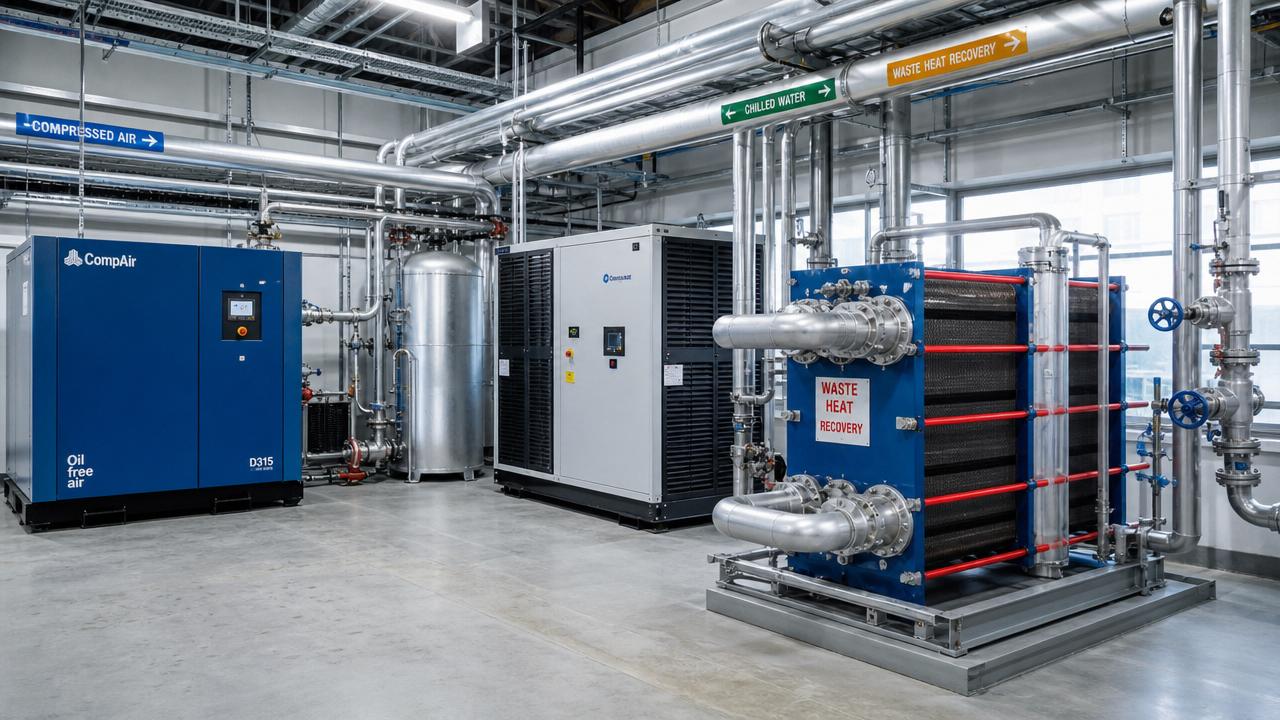
- Recovery potential: evaluate whether waste heat or compression losses can be captured economically.
More advanced operators are also revisiting baseline assumptions.
Instead of asking which thermal systems are most efficient on paper, they ask which remain efficient as conditions drift.
That is a more useful question for 2026.
A practical reading of where thermal systems are headed
The direction of travel is becoming easier to read.
Thermal systems are moving toward lower waste, finer control, stronger integration, and more visible risk governance.
The organizations that respond well are rarely the ones making the loudest technology claims.
They are usually the ones combining market intelligence, operational data, and staged technical decisions.
That is why sector observation matters.
A platform like GTC-Matrix is useful not because it simplifies thermal systems into one answer.
It is useful because it helps connect energy shifts, equipment evolution, and application demand before those signals become costly surprises.
The next sensible move is to review thermal systems against current operating data, compare control readiness across sites, and track policy-sensitive components more closely.
In a market shaped by efficiency, control, and risk, better judgment now creates the strongest technical advantage later.
Ready when you are. Send us a message to get started.
Related News
- Why high-density thermal energy storage is gaining industry attentionAuthor :

- Smart Device Thermal Management Trends Shaping 2026 Product DesignAuthor :

- Industrial Cooling Technologies in Europe: 2026 Trends in Compliance and Energy UseAuthor :

- Industrial Electrification Trends in 2026: Where Projects Are Moving FirstAuthor :

- Industrial Solution Comparison Global: 2026 Trends Reshaping Equipment DecisionsAuthor :

- When Heat Recovery Systems Skid Mounted Designs Improve Project PaybackAuthor :

- How to Compare Industrial Decarbonization Solutions Providers in 2026Author :

- Industry Category Guides for Smart Devices: What to Track as 2026 Markets ShiftAuthor :

- Green Manufacturing Trends Reshaping Industrial InvestmentAuthor :

- 2026 Global Energy Costs: What Will Reshape Industrial PlanningAuthor :

- Industrial Decarbonization Solutions That Cut Fuel Costs in 2026Author :

- Smart Thermal Systems Trends Shaping Industrial Upgrades in 2026Author :

- Resource Circularity in Manufacturing: 5 Practical Gains Beyond ComplianceAuthor :

- Carbon Neutrality Roadmap: What Industrial Firms Need to Prioritize FirstAuthor :

- Energy Conversion Efficiency Trends Shaping Industrial UpgradesAuthor :

- Compression Technology Trends Shaping Efficient Plant UpgradesAuthor :

- Industrial Intelligence in Manufacturing: Where It Delivers Value FirstAuthor :

- How Intellectualization Improves Industrial Thermal ManagementAuthor :

- What Intellectualization Means for Smarter Plant Operations in 2026Author :

- Carbon Neutrality Goals: What Industrial Firms Should Prioritize in 2026Author :

- How Intellectualization Reduces Downtime in Modern Production LinesAuthor :

- Decarbonization Roadmap for Energy-Intensive Plants in 2026Author :

- Thermal Systems Trends in 2026: Efficiency, Control, and RiskAuthor :

- Industrial Decarbonization Priorities for Energy-Intensive FacilitiesAuthor :

- Thermal Systems in 2026: Efficiency Upgrades Shaping Industrial OperationsAuthor :

- Pure Power Sources: 5 Practical Paths to Carbon NeutralityAuthor :

- What Intellectualization Means for Industrial Equipment UpgradesAuthor :

- Thermal Optimization in 2026: Where Energy Savings Deliver the Fastest PaybackAuthor :

- Energy Efficiency Trends Reshaping Compressor Upgrades in 2026Author :

- 2026 Industrial Decarbonization Trends Reshaping Plant UpgradesAuthor :
![]()
- Heat Exchanger Technology Trends for 2026 Efficiency TargetsAuthor :

- Resource Circularity Risks in 2026 Supply ChainsAuthor :

- Smart Thermal Systems: When Upgrades Deliver Measurable SavingsAuthor :

- Carbon Neutrality: Practical Steps for Factory RoadmapsAuthor :

- 2026 Industrial Energy Efficiency Priorities for Plant UpgradesAuthor :

- Industrial Intellectualization Trends Reshaping Equipment UpgradesAuthor :