2026 Industrial Decarbonization Trends Reshaping Plant Upgrades




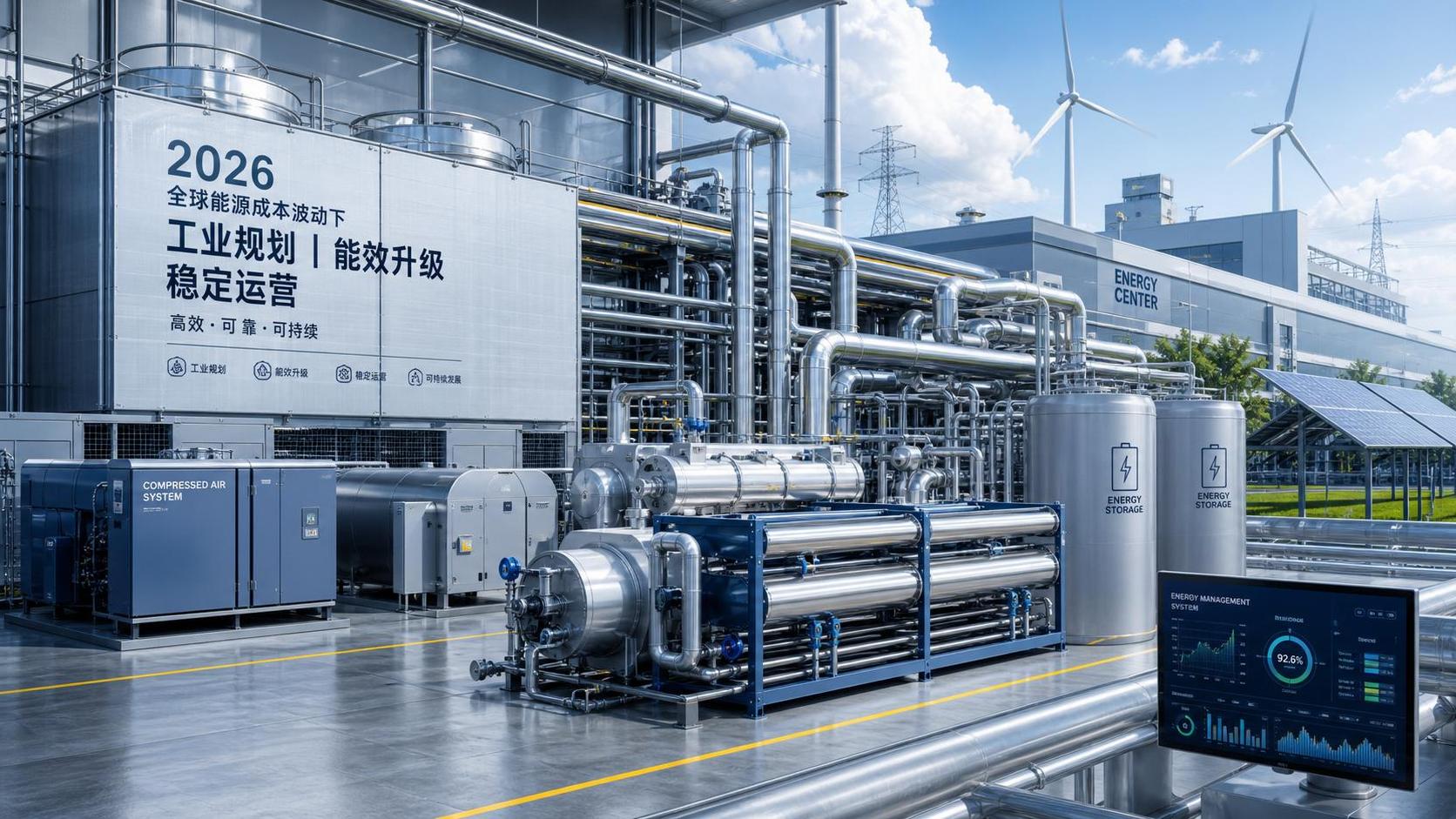
Industrial decarbonization is moving from strategy decks into the plant budget. In 2026, upgrade decisions are increasingly shaped by energy volatility, carbon disclosure pressure, refrigerant policy shifts, and the need for more resilient thermal operations.
That shift matters across sectors because most industrial sites still carry hidden losses in cooling, compressed air, steam, process heat, and heat recovery. The result is simple: decarbonization now overlaps directly with uptime, operating cost, and capital efficiency.
For plants evaluating modernization, the important question is no longer whether industrial decarbonization matters. The real question is which technologies, metrics, and upgrade pathways will produce measurable value first.
Why 2026 looks different from earlier decarbonization cycles
Earlier programs often focused on broad pledges or isolated energy-saving projects. In 2026, industrial decarbonization is becoming more operational, more data-driven, and more tightly connected to plant upgrade timing.
Three forces are converging. Energy pricing remains unstable. Regulations are becoming more specific. Equipment replacement cycles are exposing old inefficiencies that were previously tolerated.
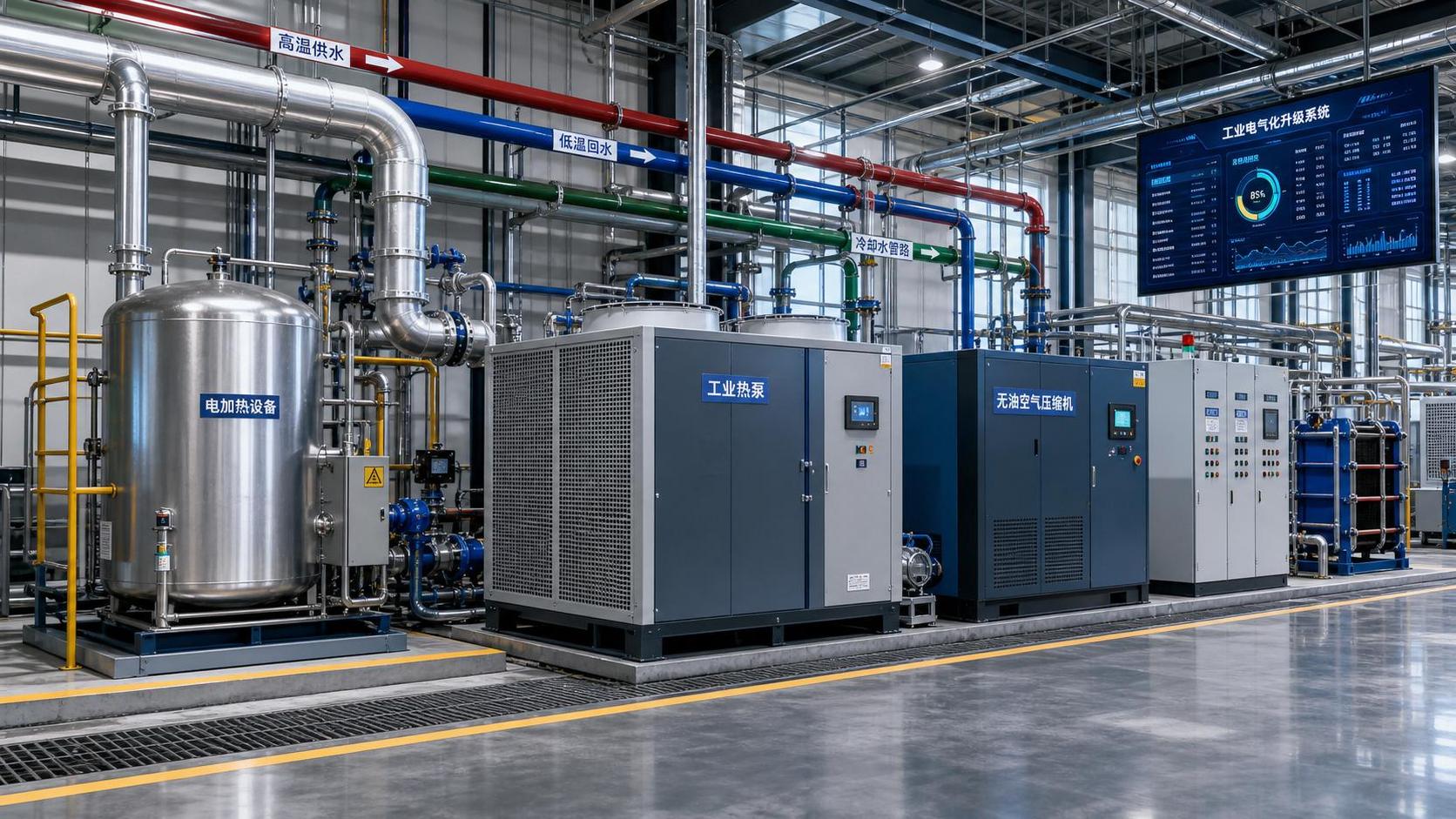
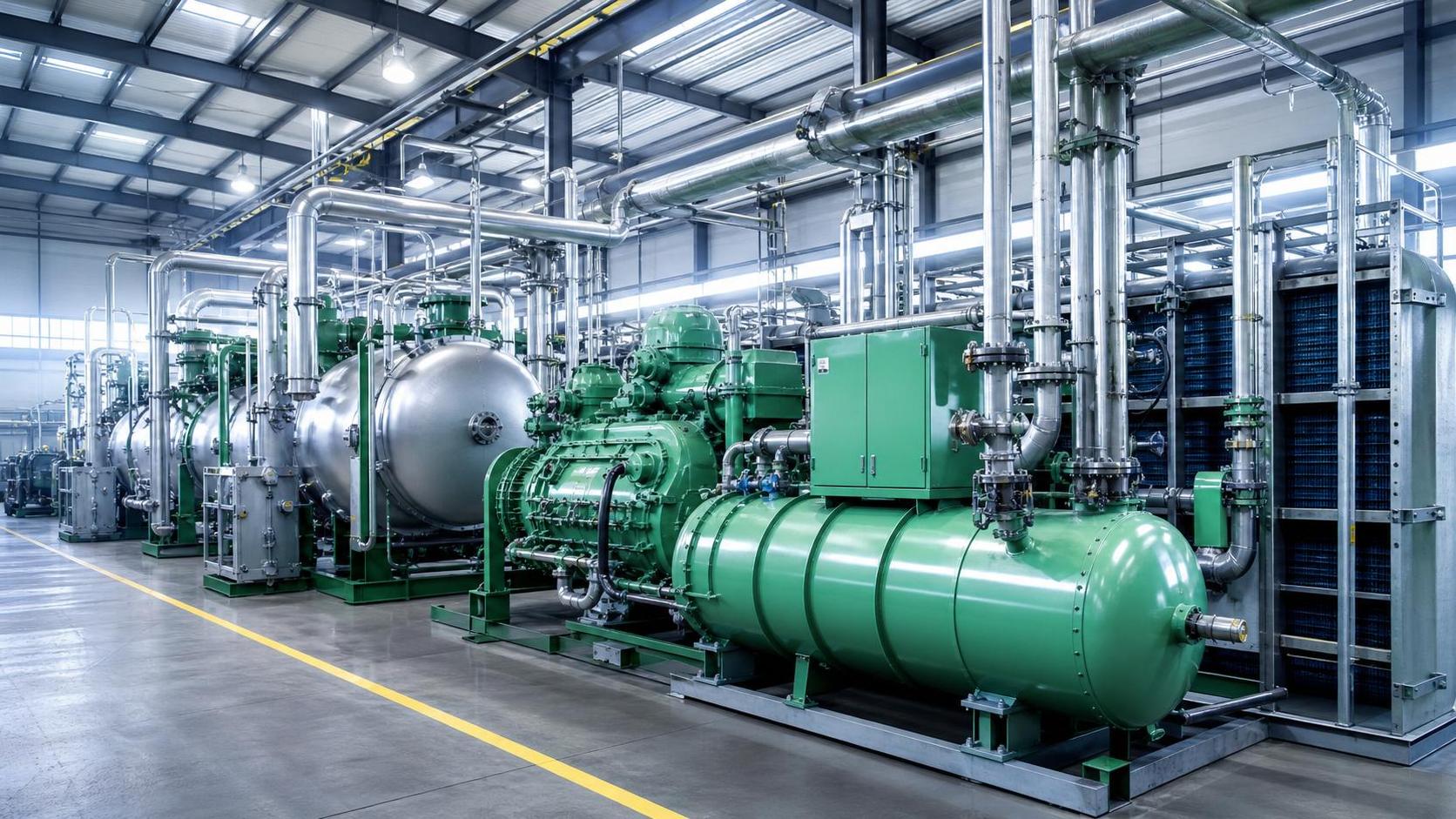
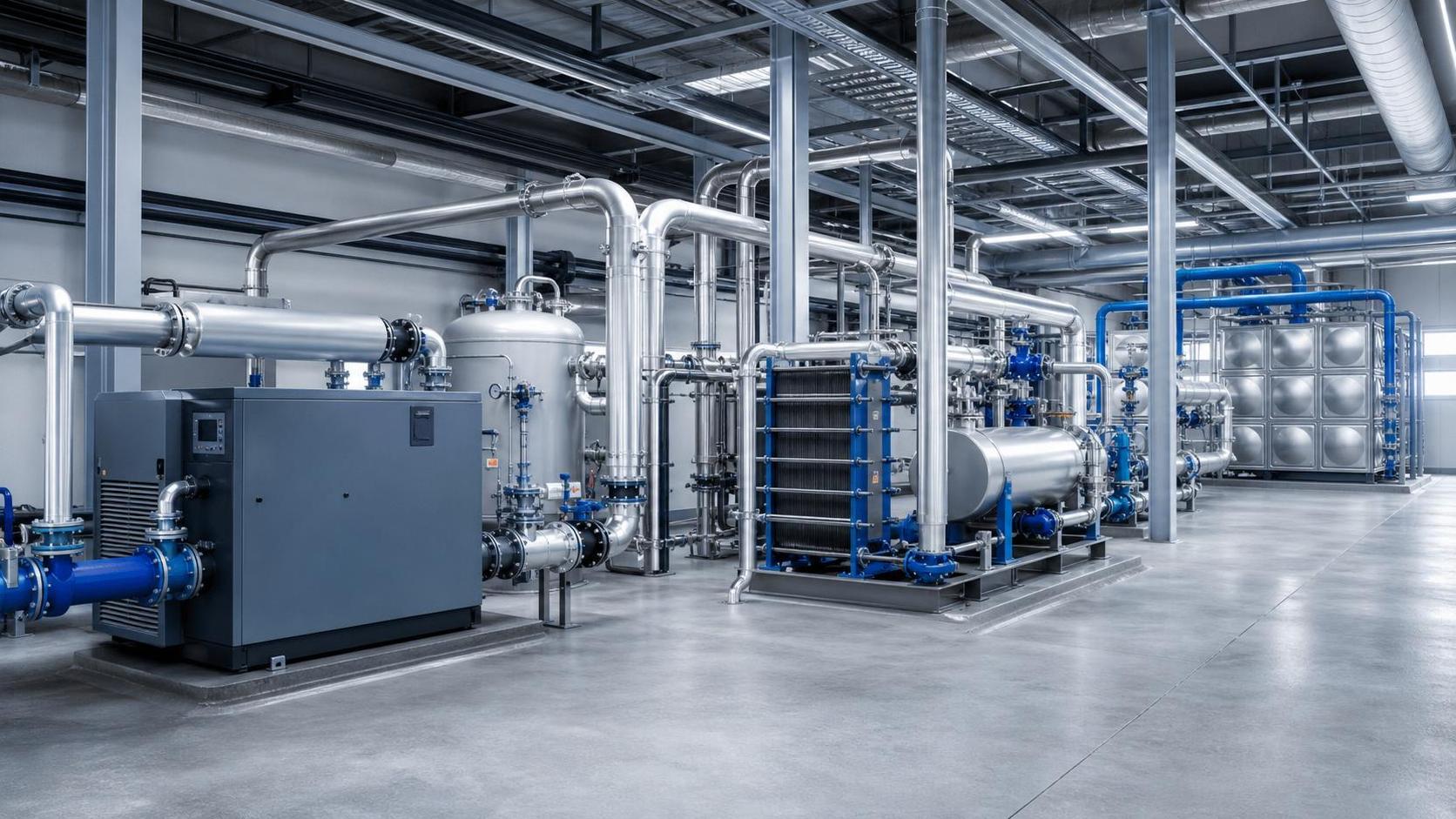
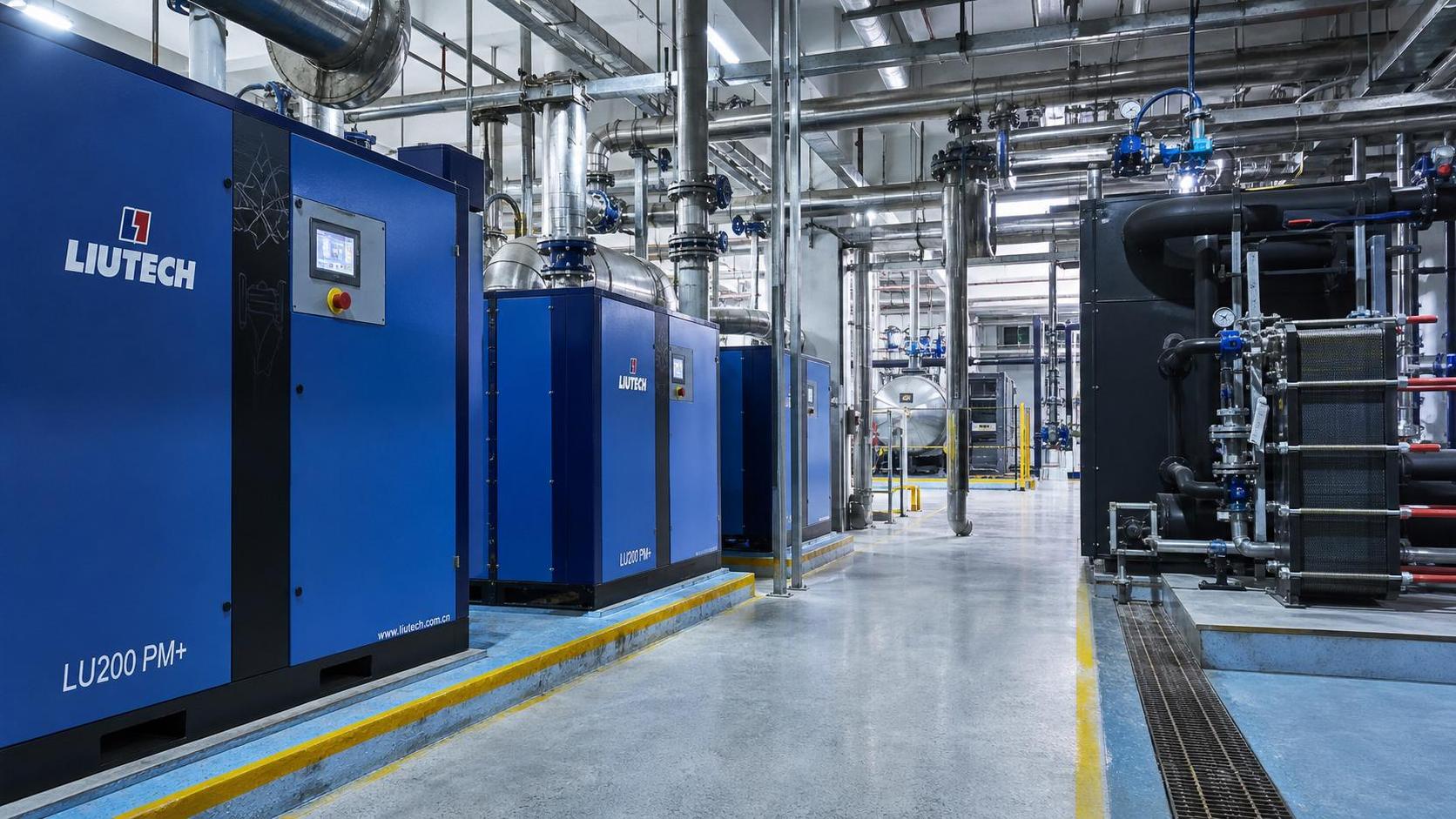
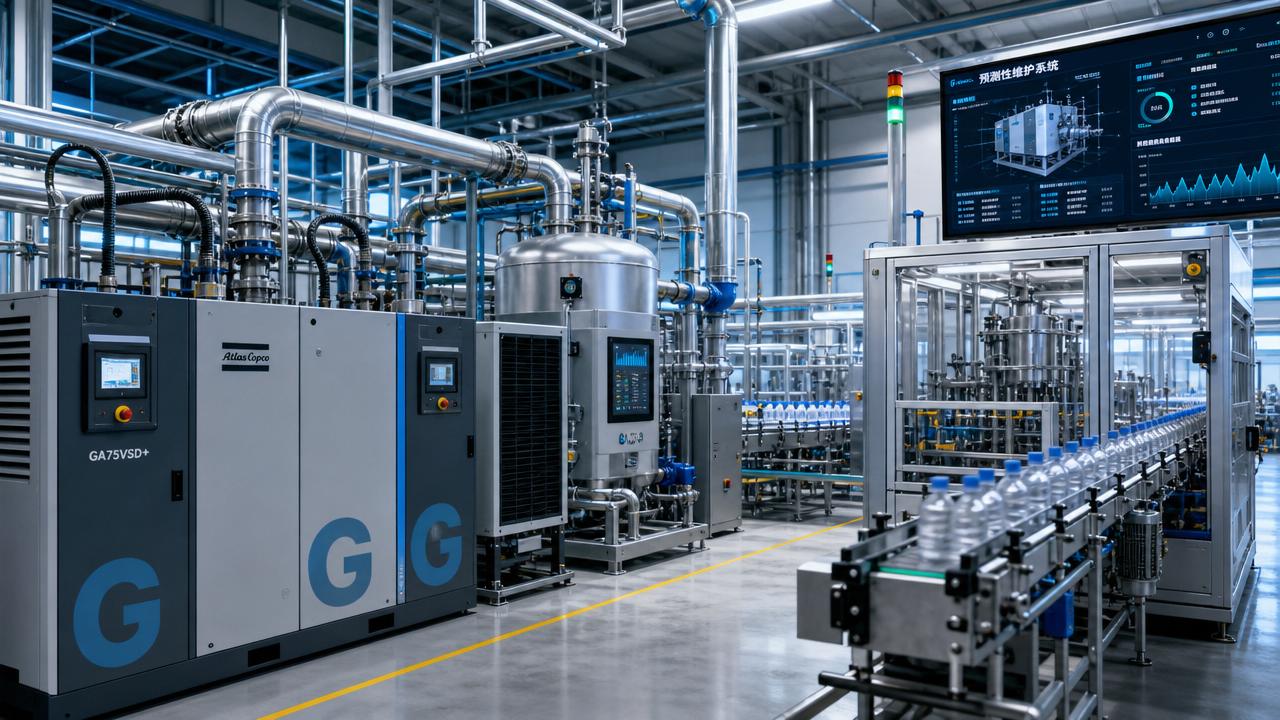
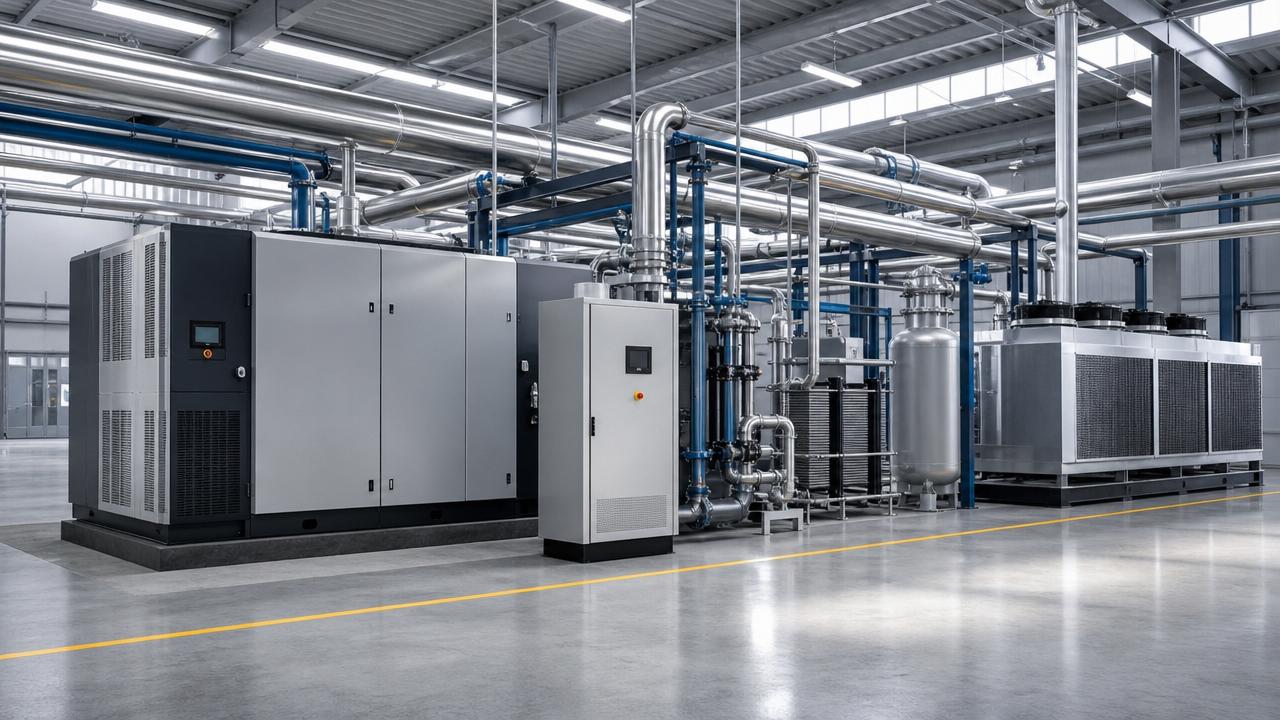
Thermal and compression systems sit at the center of this change. They are often the “Power Heart” and “Thermal Center” of the site, consuming large shares of electricity and fuel while shaping process consistency.
This is also why intelligence platforms such as GTC-Matrix have become more relevant. Upgrade planning now depends on reading technical evolution, policy signals, and sector demand at the same time.
Industrial decarbonization is no longer only about emissions
A narrow carbon view can distort investment decisions. In practice, industrial decarbonization is about redesigning energy conversion so a plant uses less fuel, less power, less refrigerant loss, and less wasted heat.
That broader view changes how projects are screened. A boiler upgrade, oil-free compressor replacement, or microchannel heat exchanger retrofit may be justified not just by carbon reduction, but by production stability and lifecycle economics.
This matters especially in facilities with strict temperature control, contamination limits, or energy-intensive utilities. In those environments, industrial decarbonization and process quality increasingly support each other.
The plant systems receiving the most attention
Capital is not flowing evenly across all assets. The strongest activity is concentrated in systems where efficiency gaps are visible, retrofit options are mature, and data can verify outcomes.
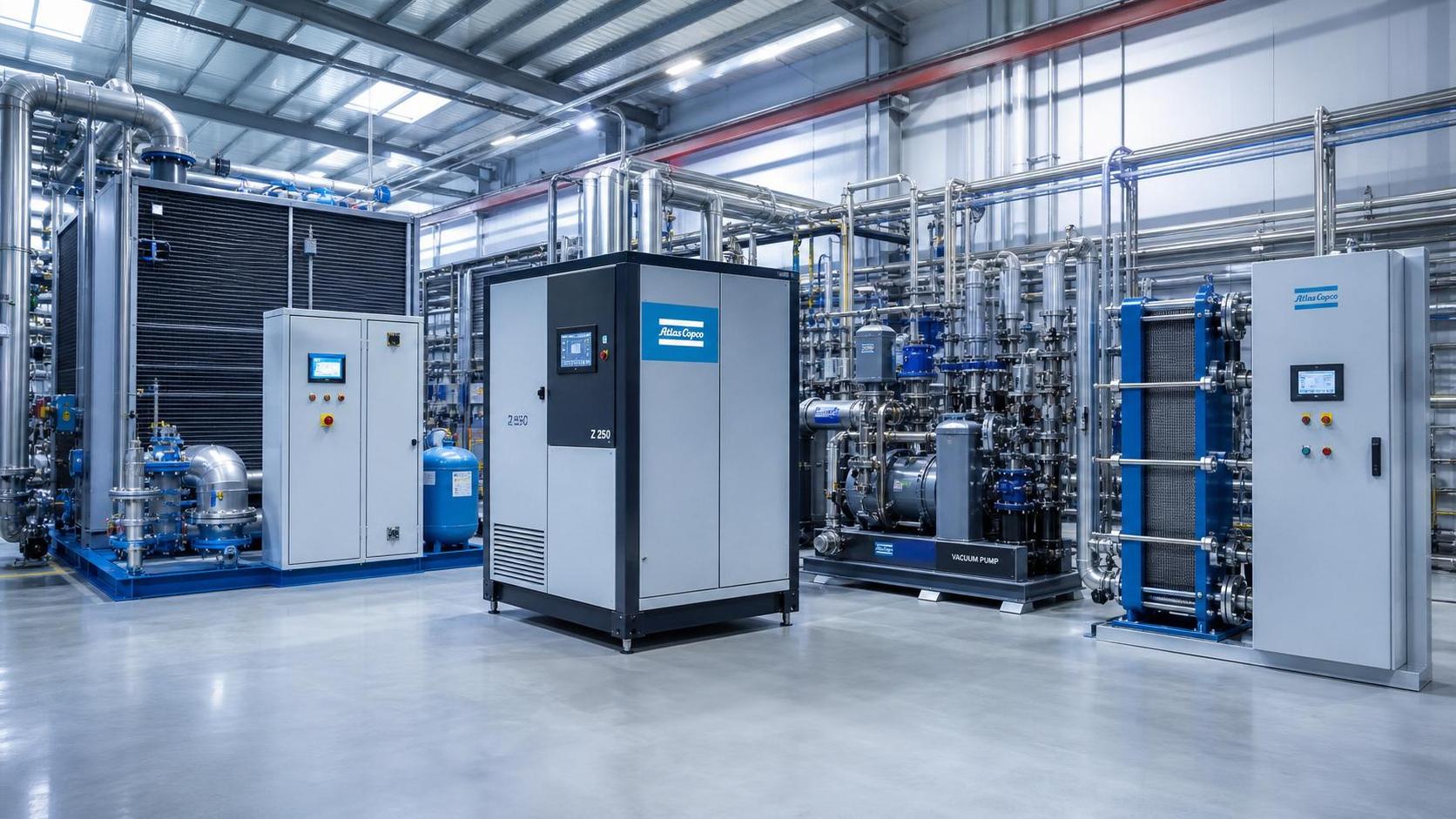
Compressed air and vacuum networks
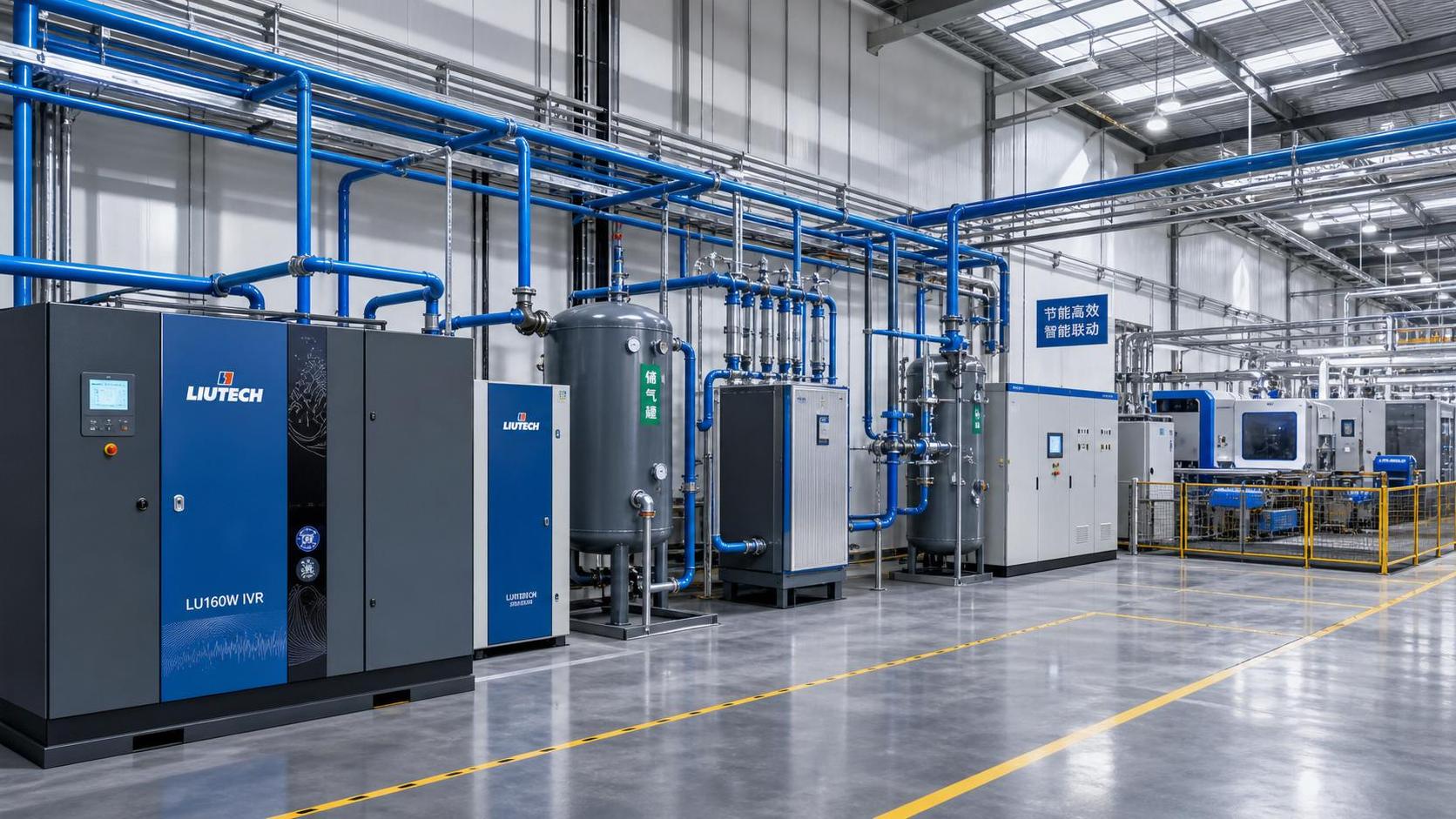
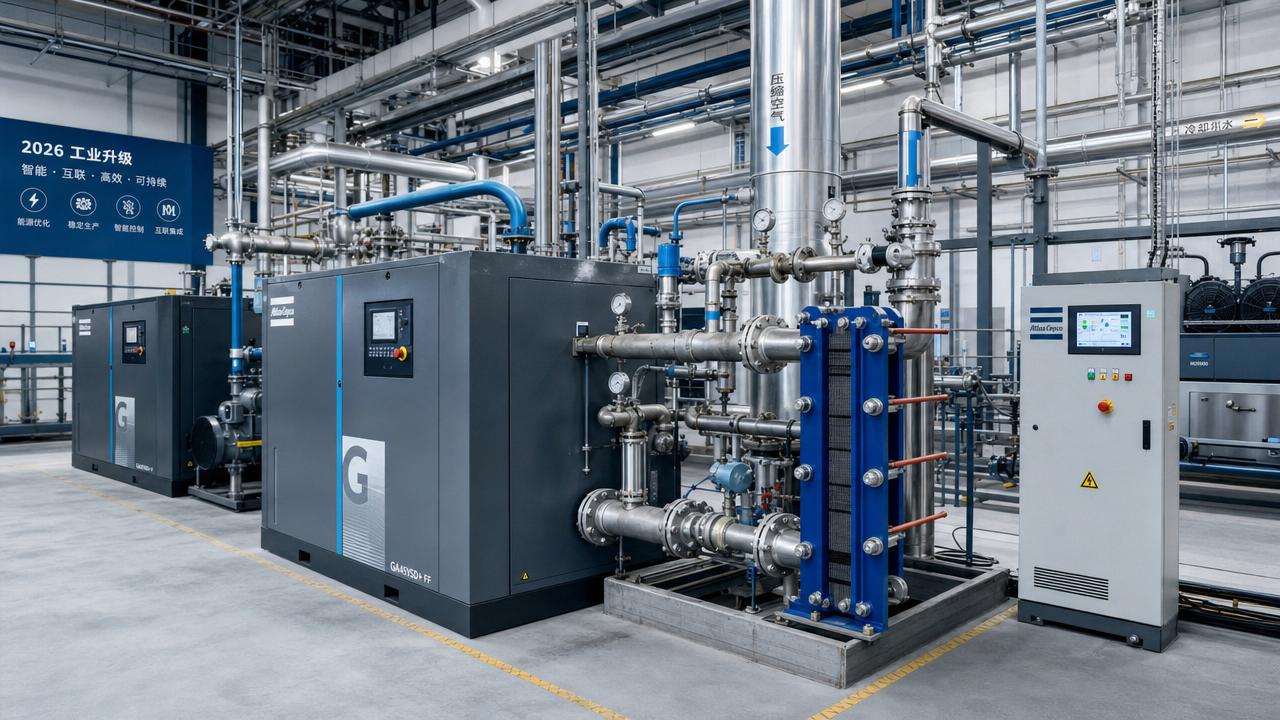
Compressed air remains one of the most expensive utilities in many plants. Leaks, poor controls, oversized machines, and heat losses make it a priority area for industrial decarbonization.
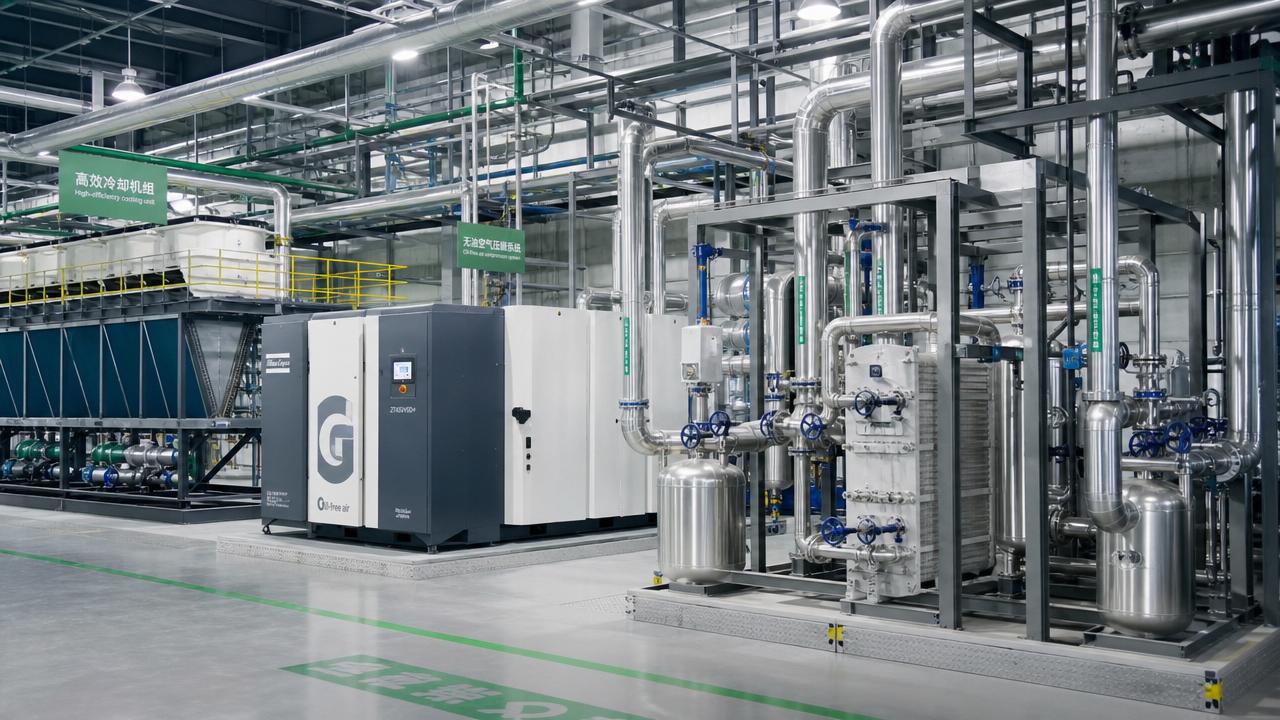
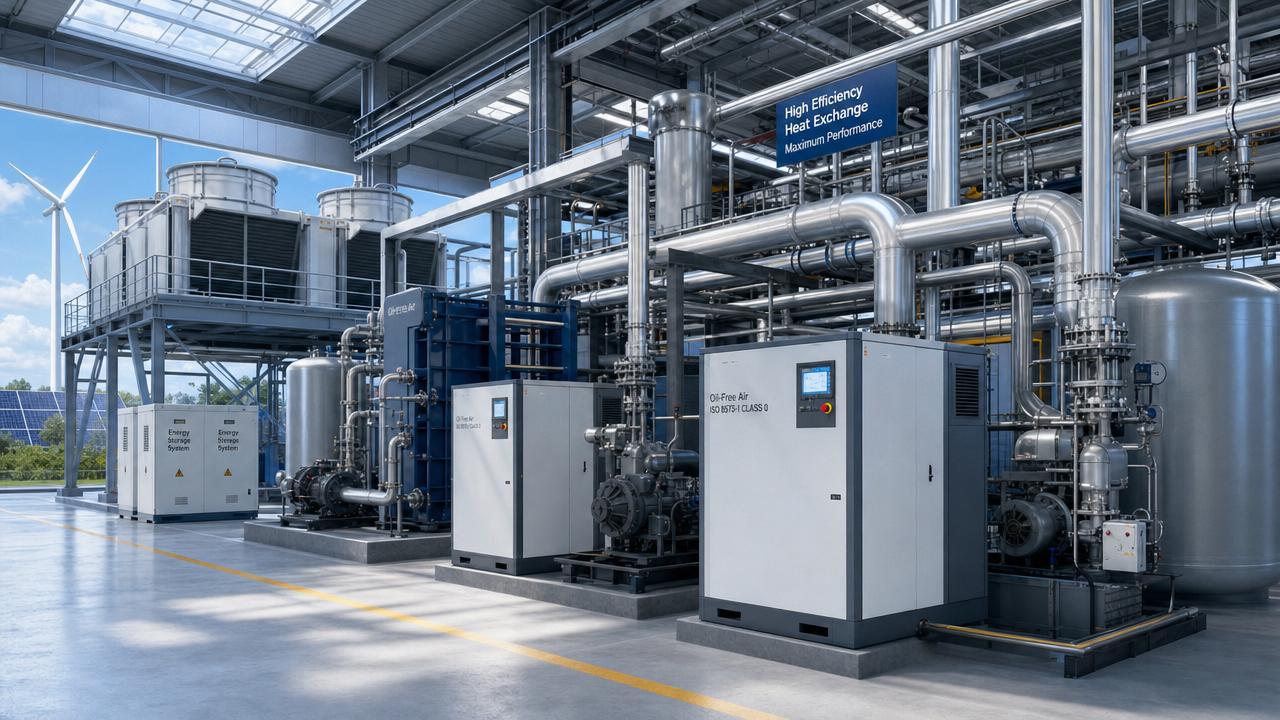
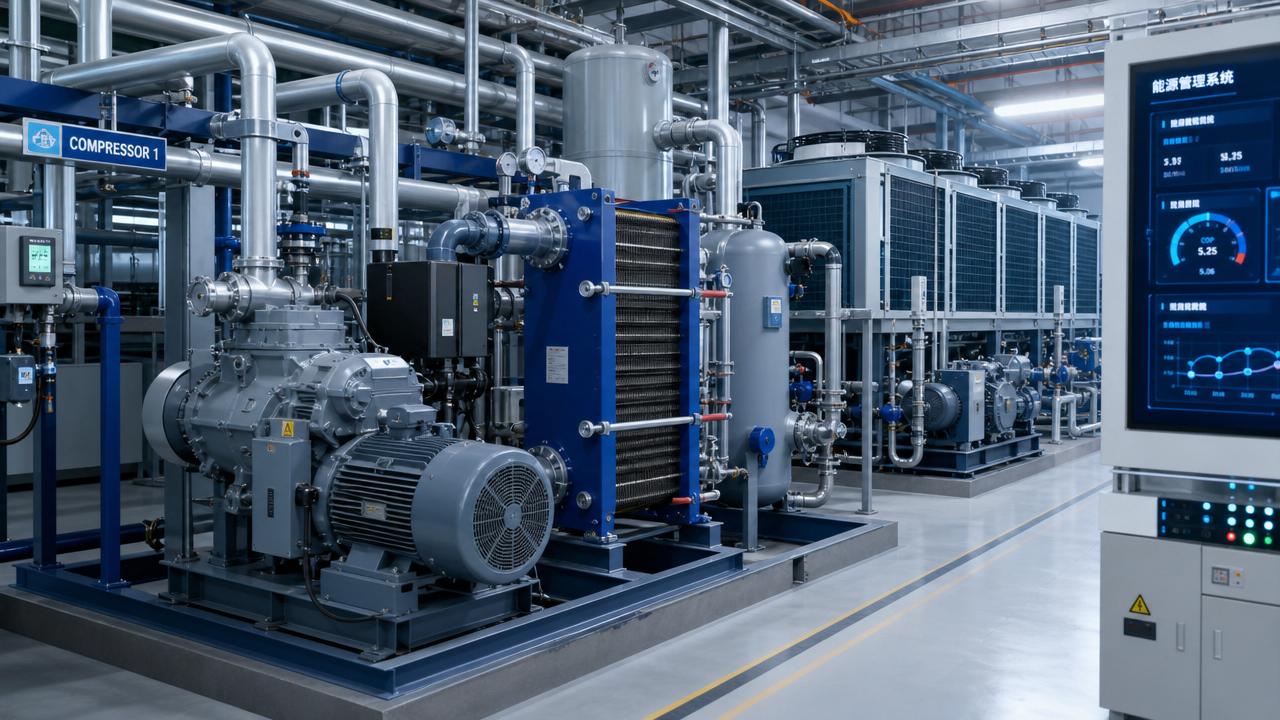
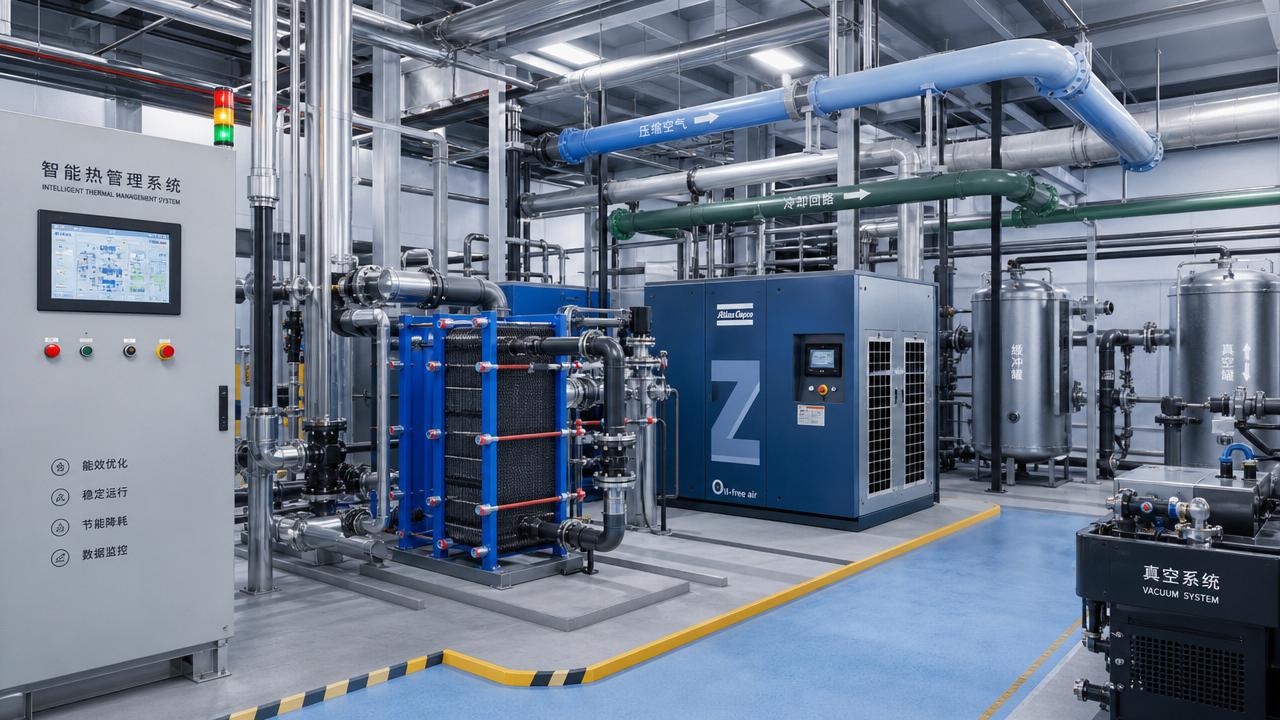
Oil-free compression is gaining attention where air purity, maintenance reduction, and efficiency alignment matter. Vacuum systems are following a similar path through smarter staging and variable demand control.
Cooling and heat exchange
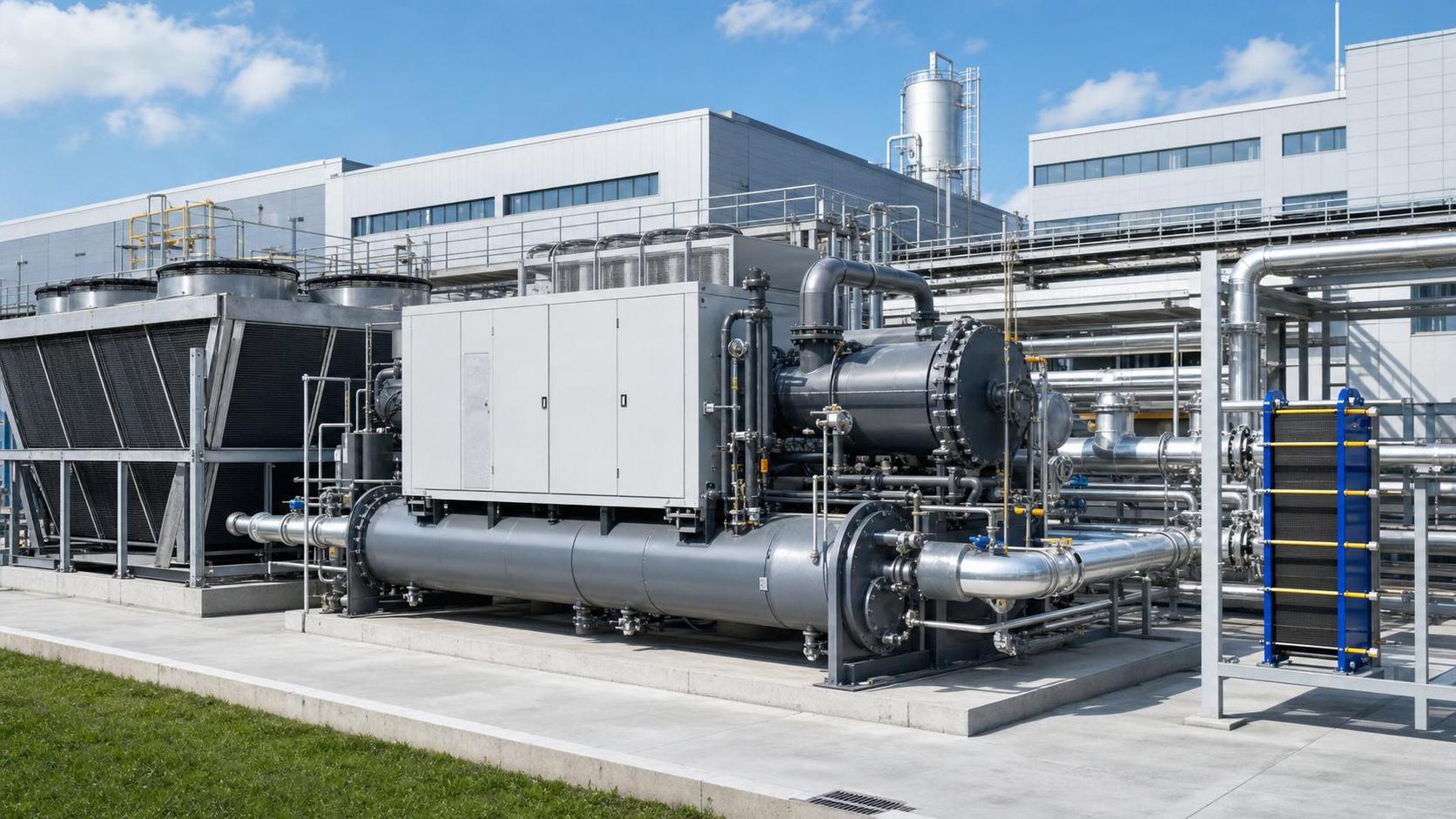
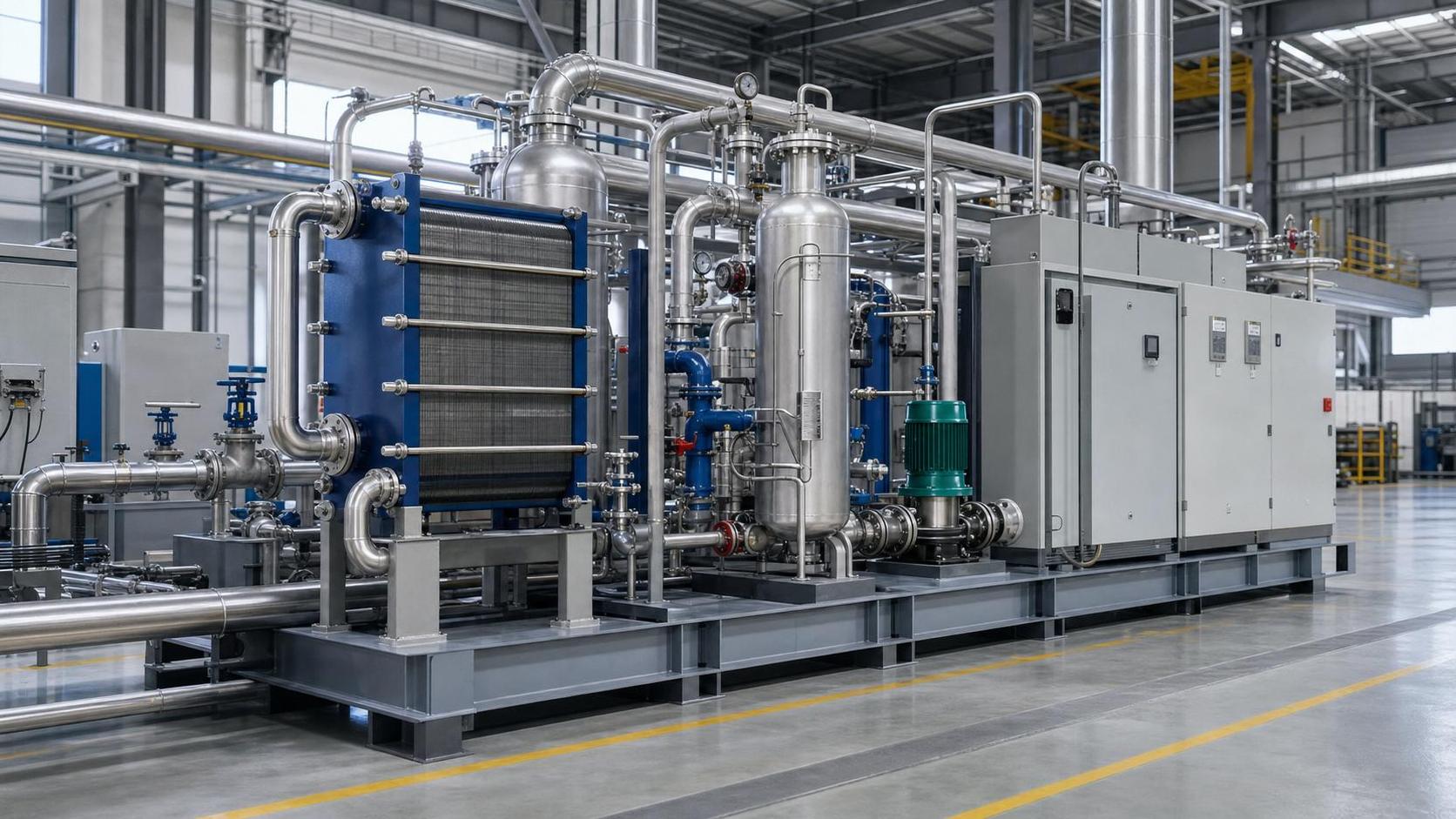
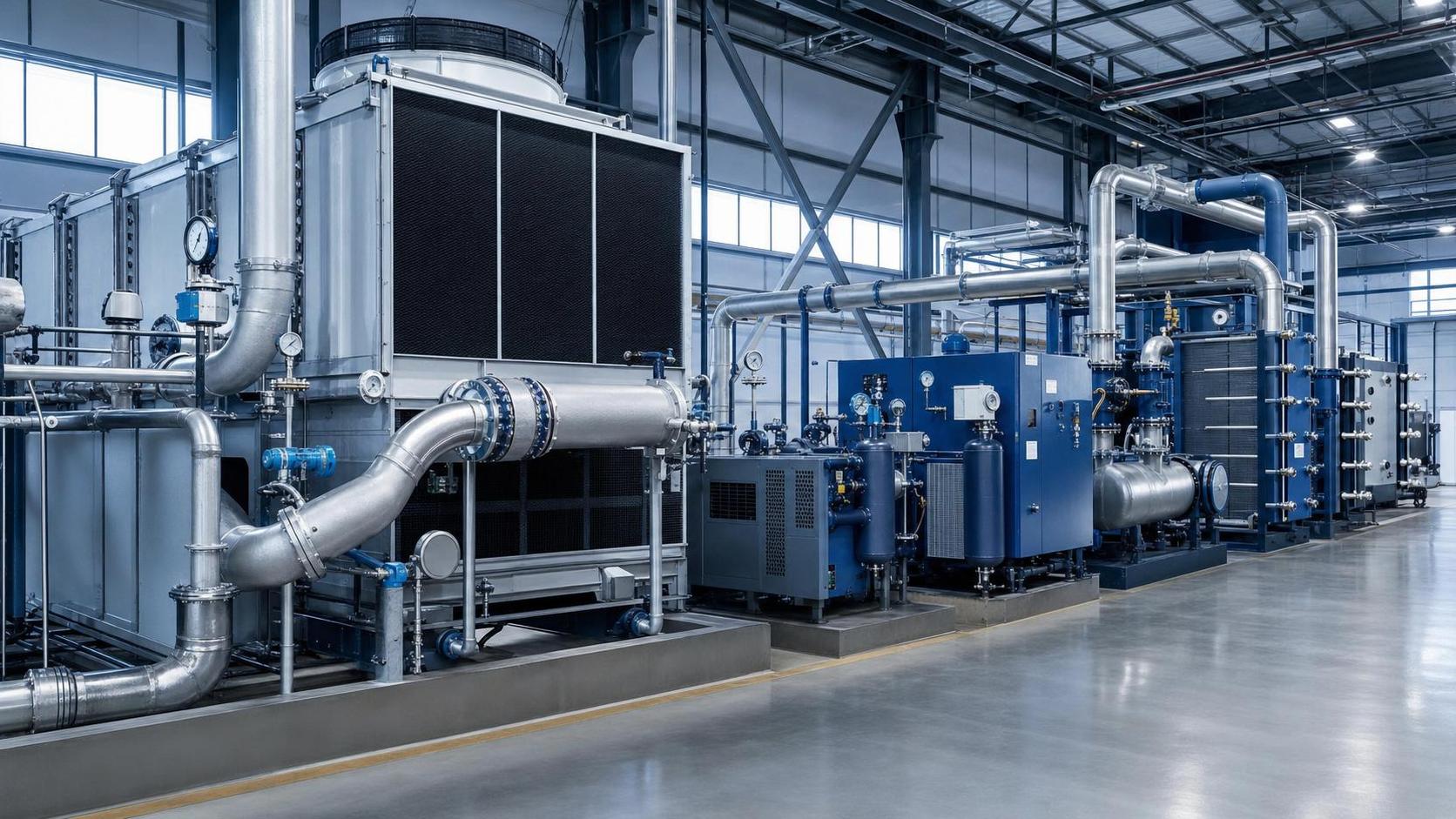
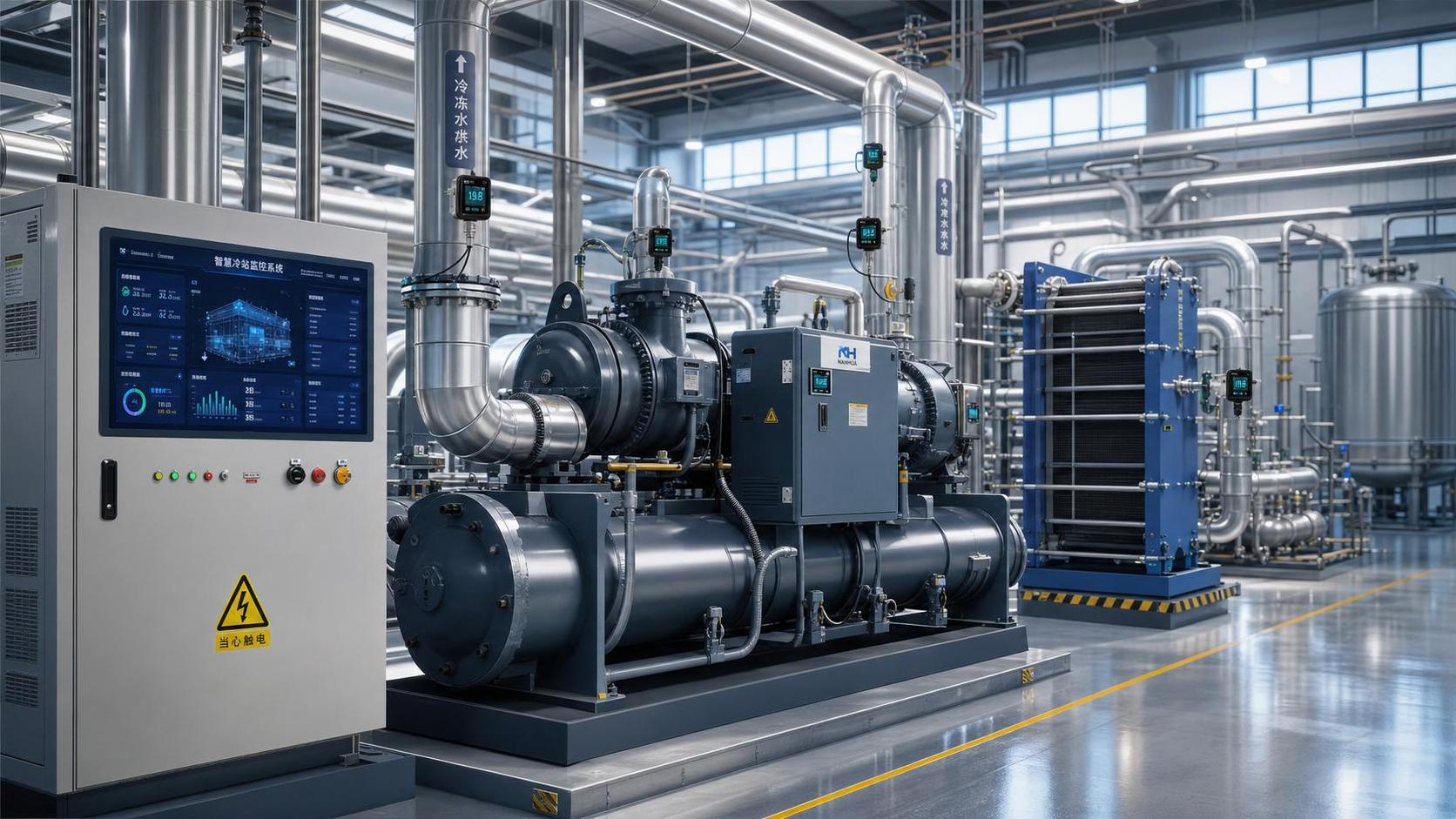
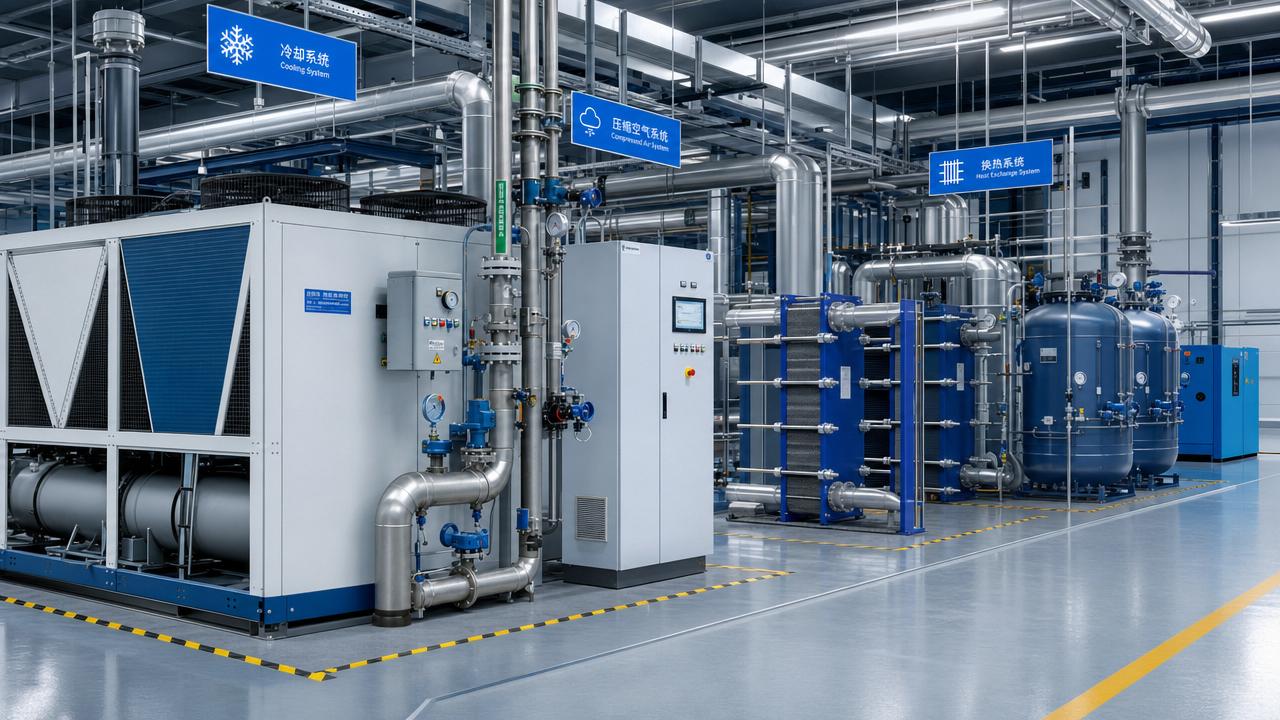
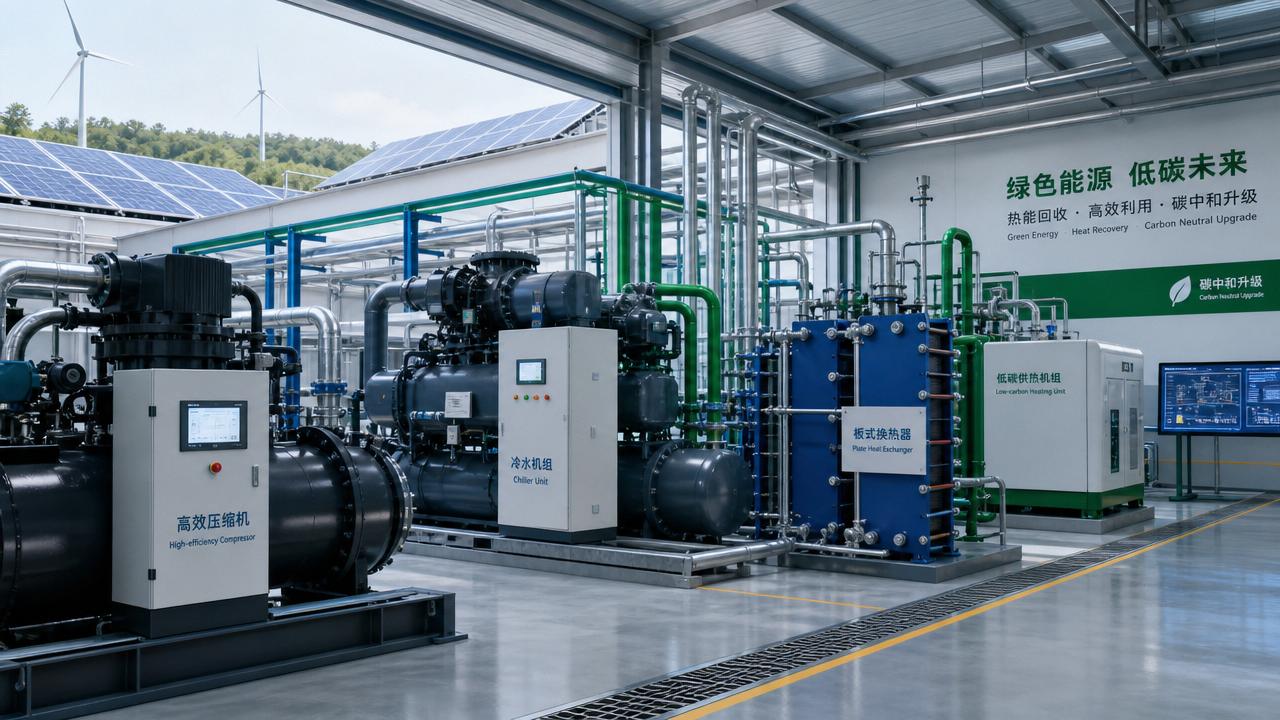
Cooling is under pressure from two directions: rising electricity costs and changing refrigerant frameworks. Plants are upgrading chillers, condensers, and distribution systems with closer attention to refrigerant choice and thermal efficiency.
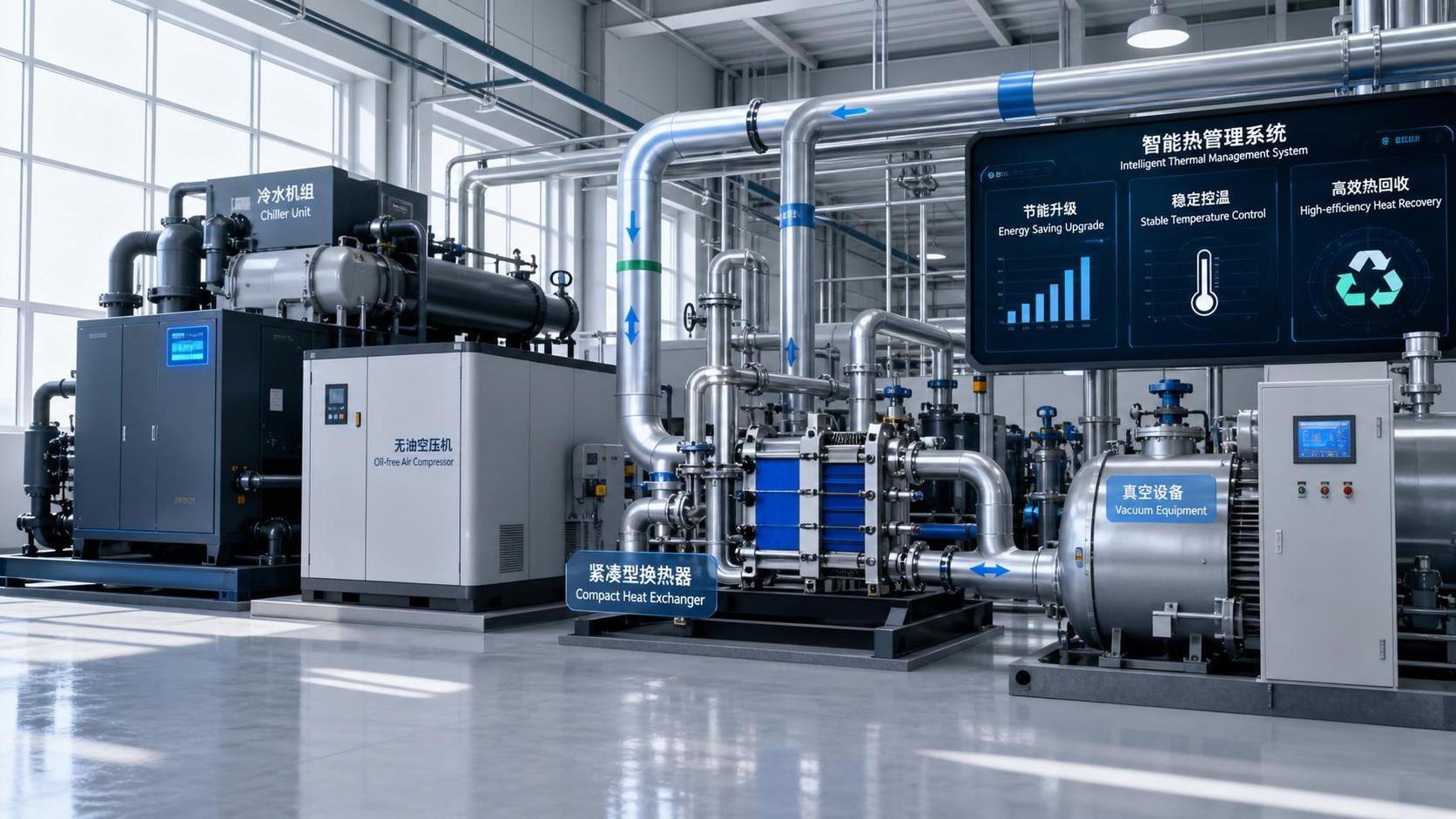
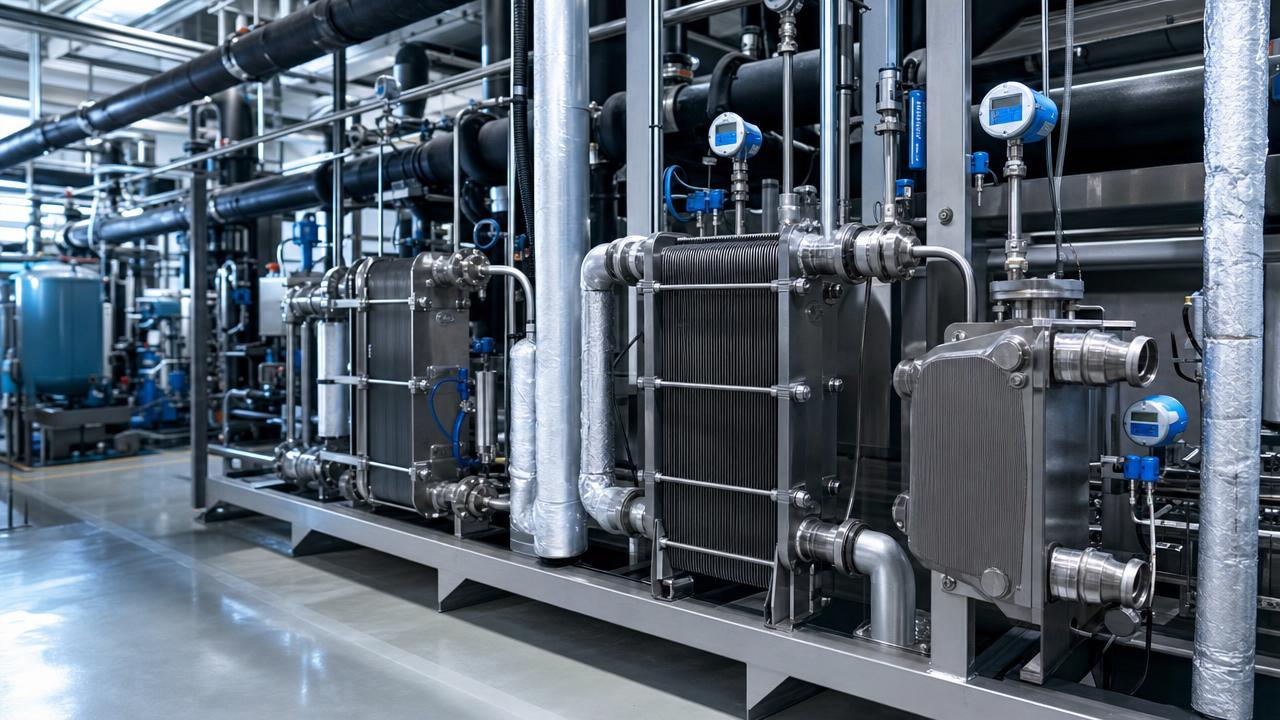
Microchannel heat exchangers are drawing interest because they can reduce charge volumes, improve heat transfer, and support compact retrofit strategies where space is limited.
Combustion and process heat
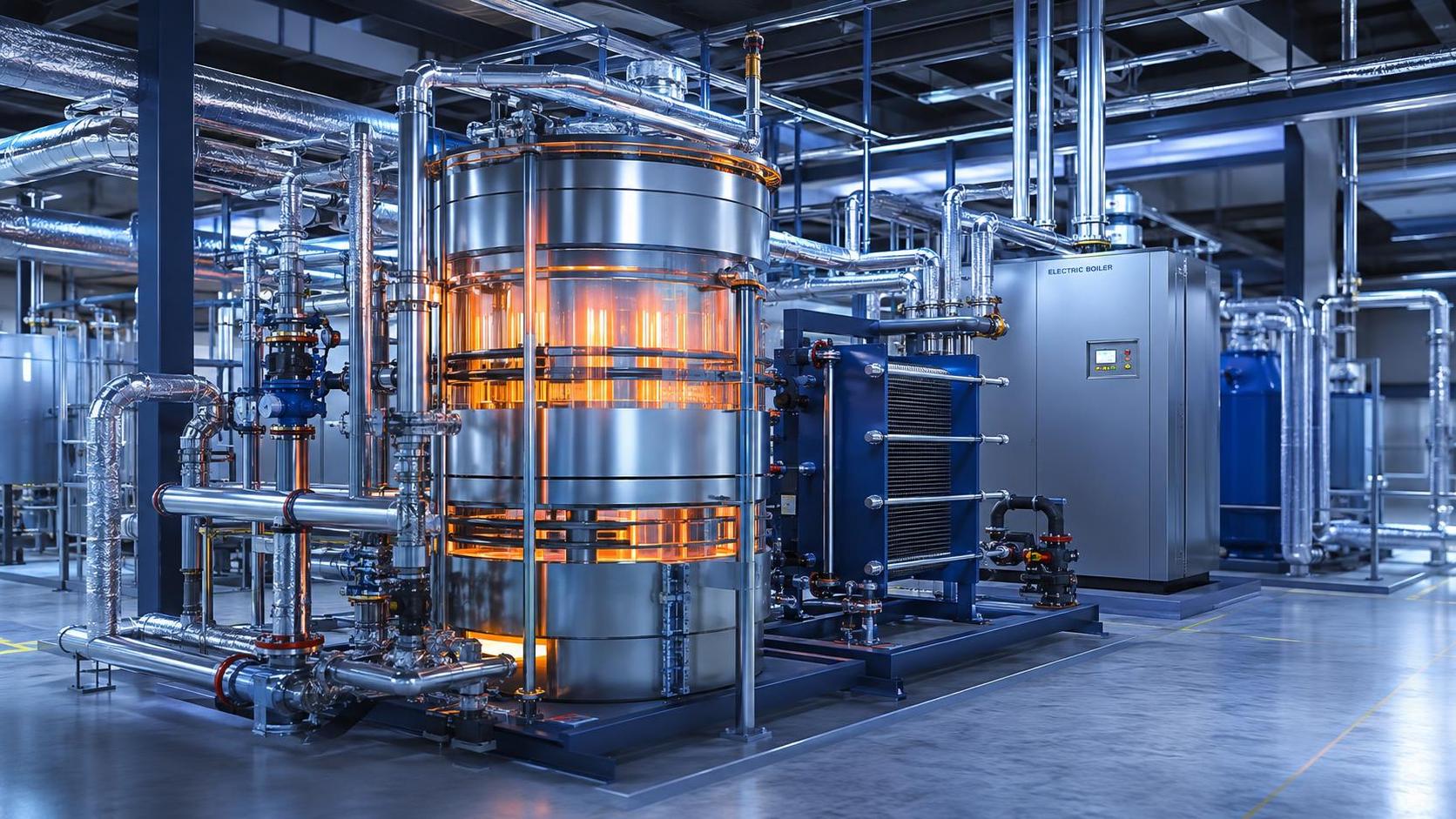
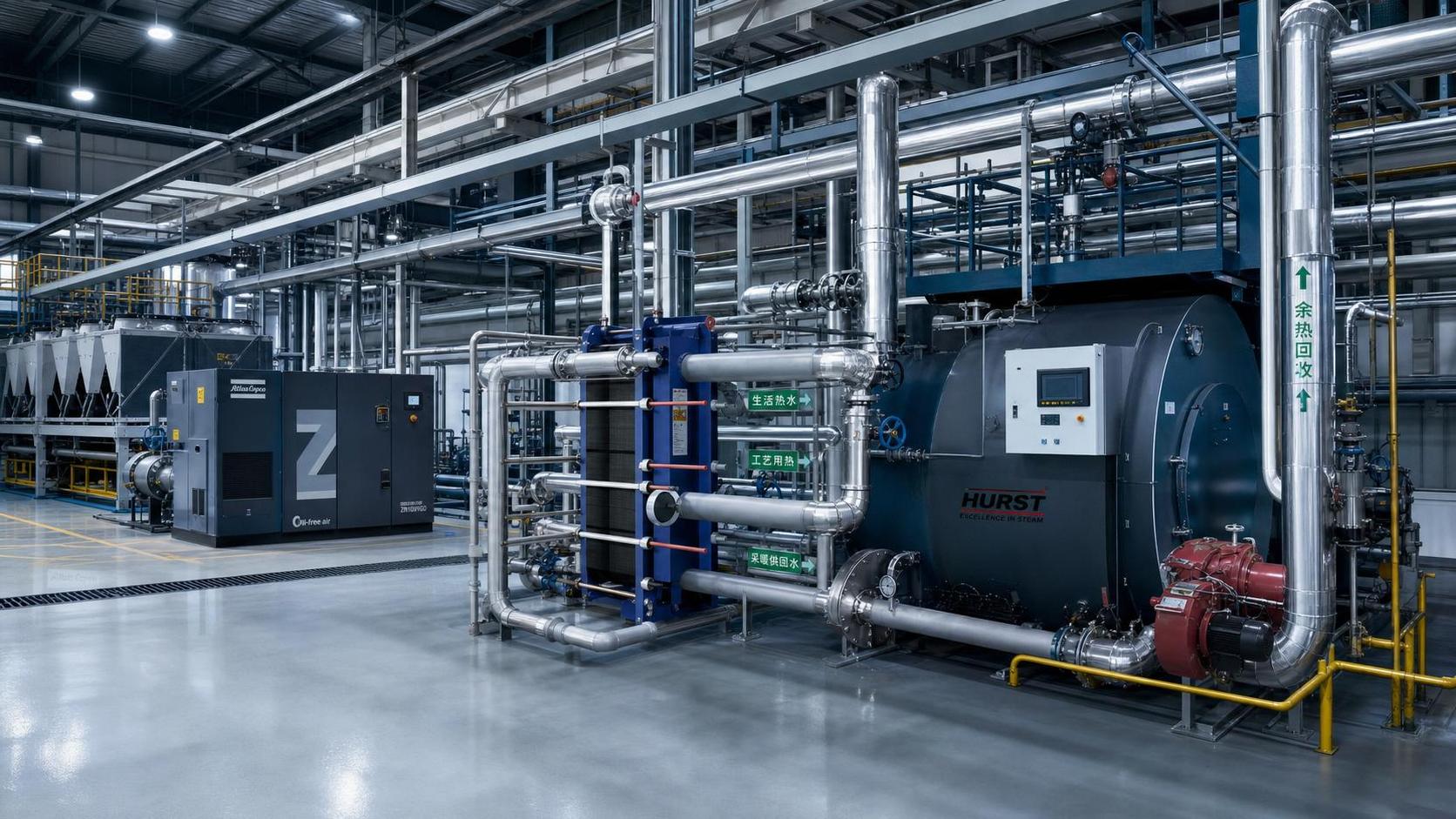
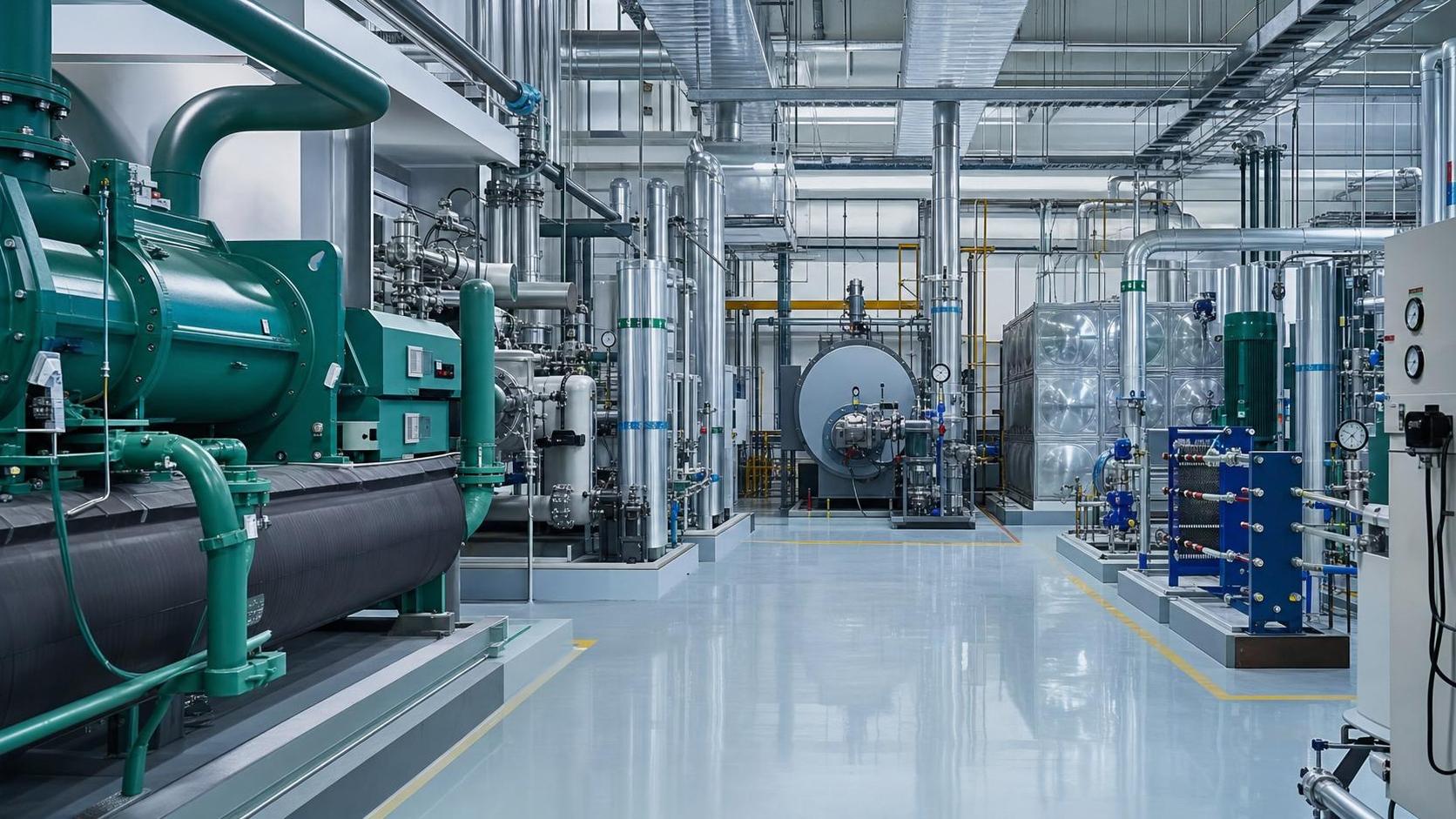
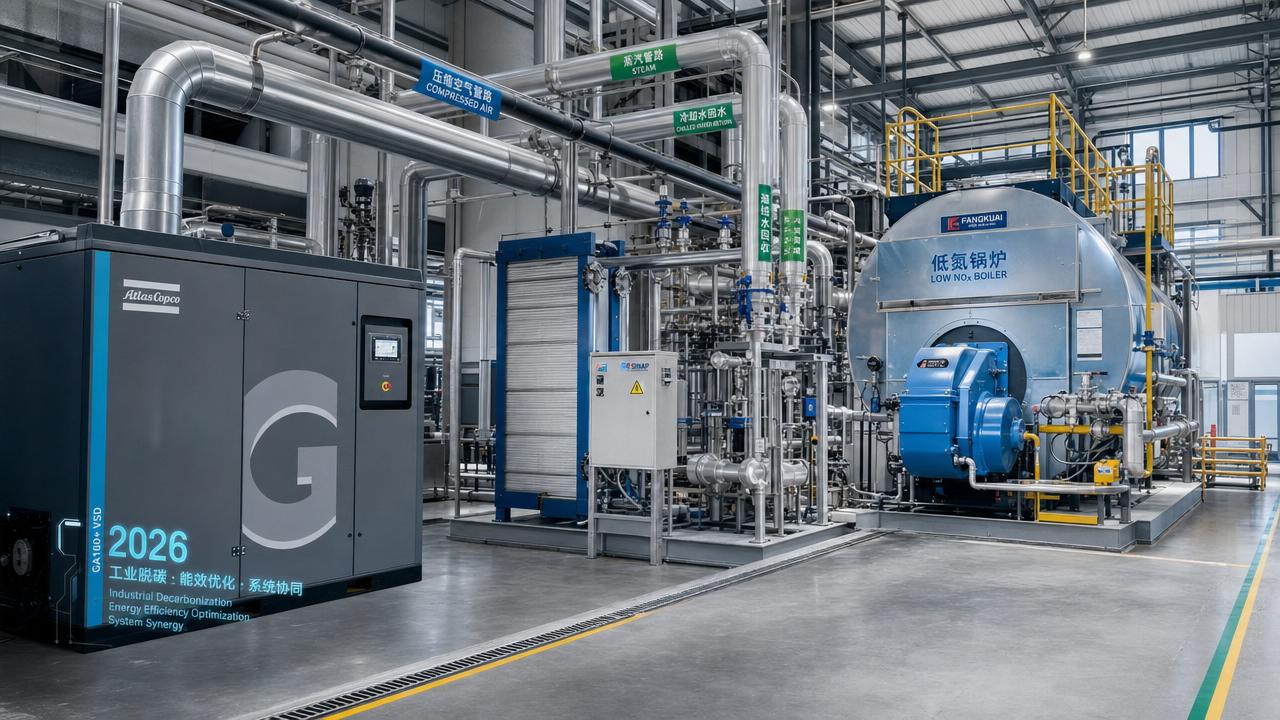
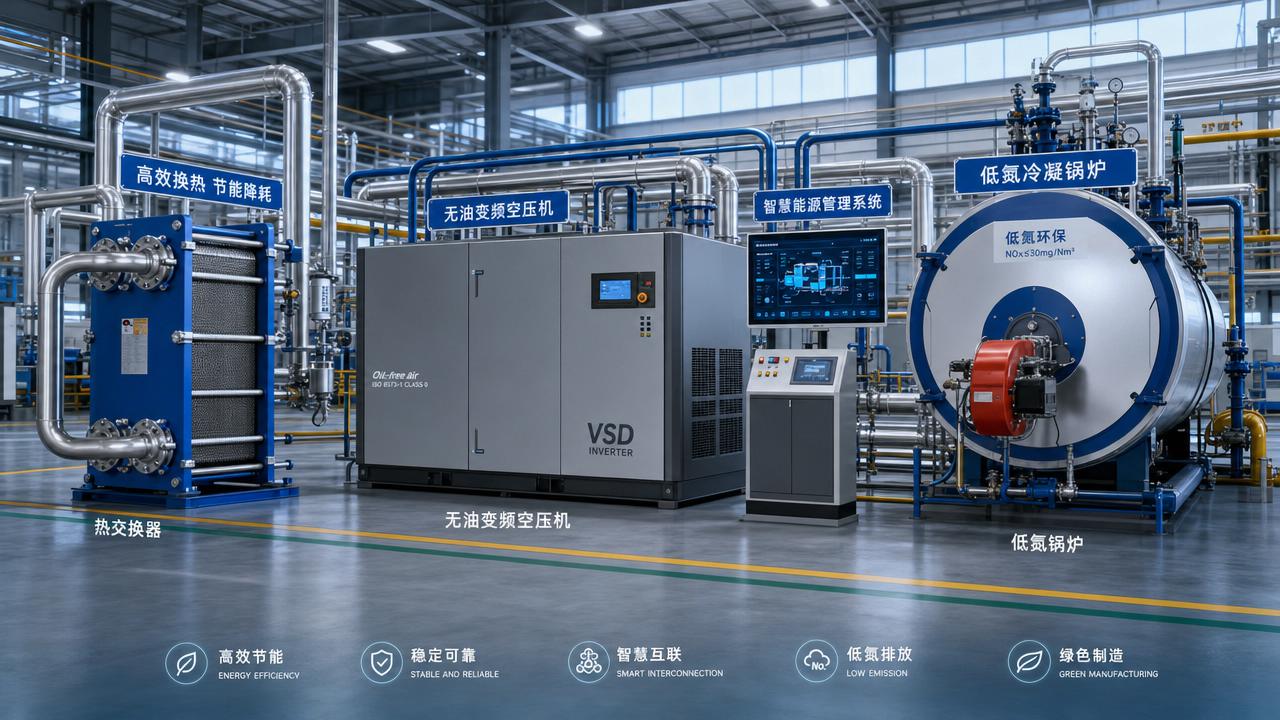
Low-NOx boilers, burner optimization, and heat recovery loops are moving higher on upgrade lists. In many plants, combustion systems still carry major decarbonization potential without requiring a full process redesign.
The key is not only fuel efficiency. It is also controllability, maintenance burden, and compatibility with future electrification or hybrid heating pathways.
What industry leaders are watching more closely
One clear trend in 2026 is the move from equipment-level evaluation to system-level judgment. A high-efficiency asset can still underperform if the surrounding controls, piping, heat loads, or recovery design remain outdated.
This is where strategic intelligence becomes useful. GTC-Matrix, for example, tracks not only latest sector news but also the evolutionary trends shaping thermal and pneumatic technologies.
That combined view helps explain why some upgrades create lasting advantage while others only deliver short-lived savings. Timing, policy exposure, and application fit matter as much as nameplate efficiency.
Sector-specific pressure is reshaping upgrade logic
Not every industry decarbonizes in the same way. Pharmaceuticals, semiconductors, and food processing each place different value on thermal precision, clean utilities, and operational continuity.
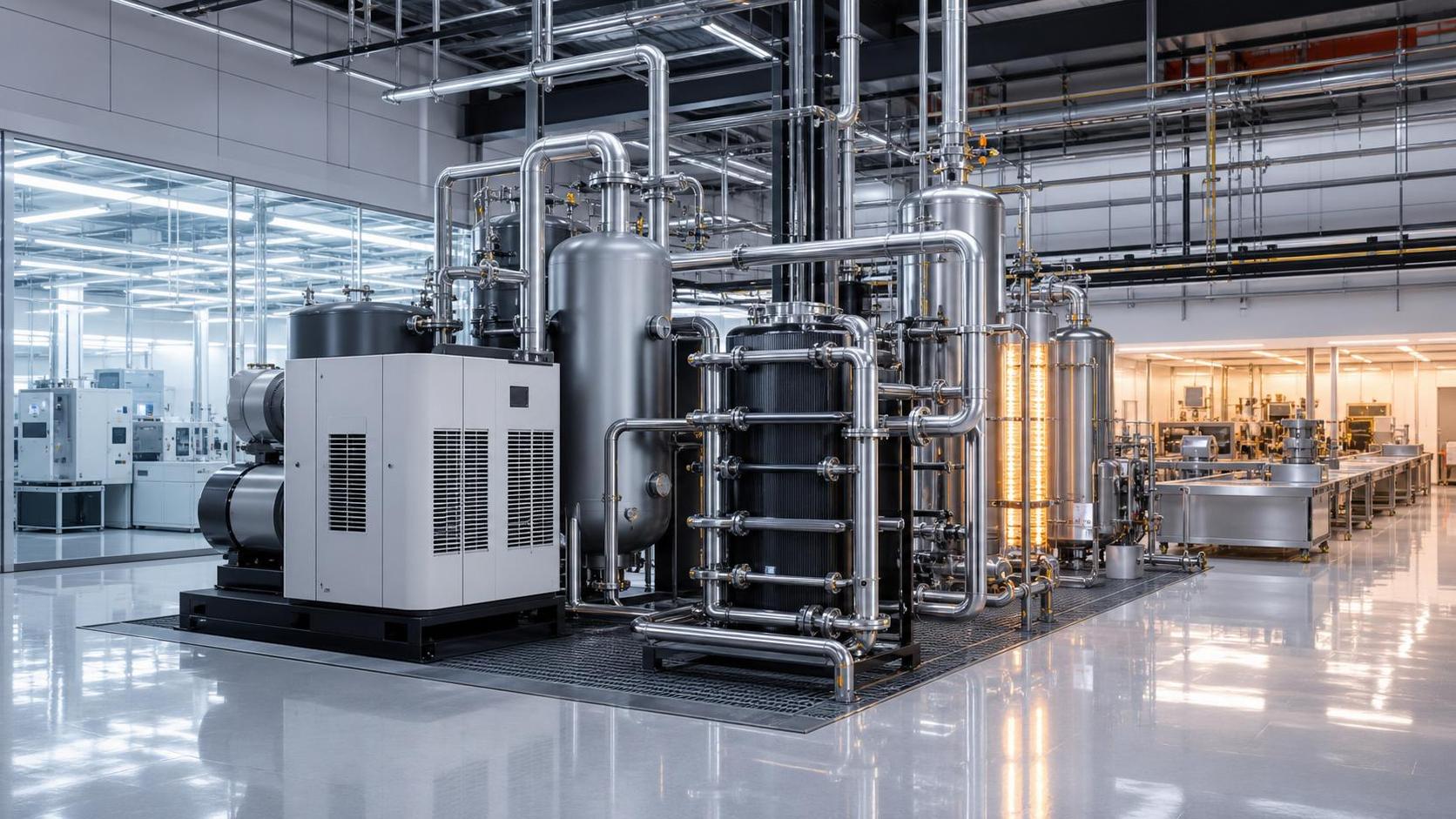
In pharmaceutical production, stable cooling and pure compressed air often outweigh simple energy metrics. In semiconductors, utility reliability and contamination control can determine the economics of every upgrade decision.
Food operations may prioritize refrigeration efficiency, heat recovery, and washdown-compatible system design. Across all three, industrial decarbonization succeeds when utility upgrades support product integrity rather than disrupt it.
This is why structural demand modeling matters. Technology selection should reflect process sensitivity, production rhythm, and market expectations, not just generic carbon targets.
How to evaluate plant upgrades without overcommitting capital
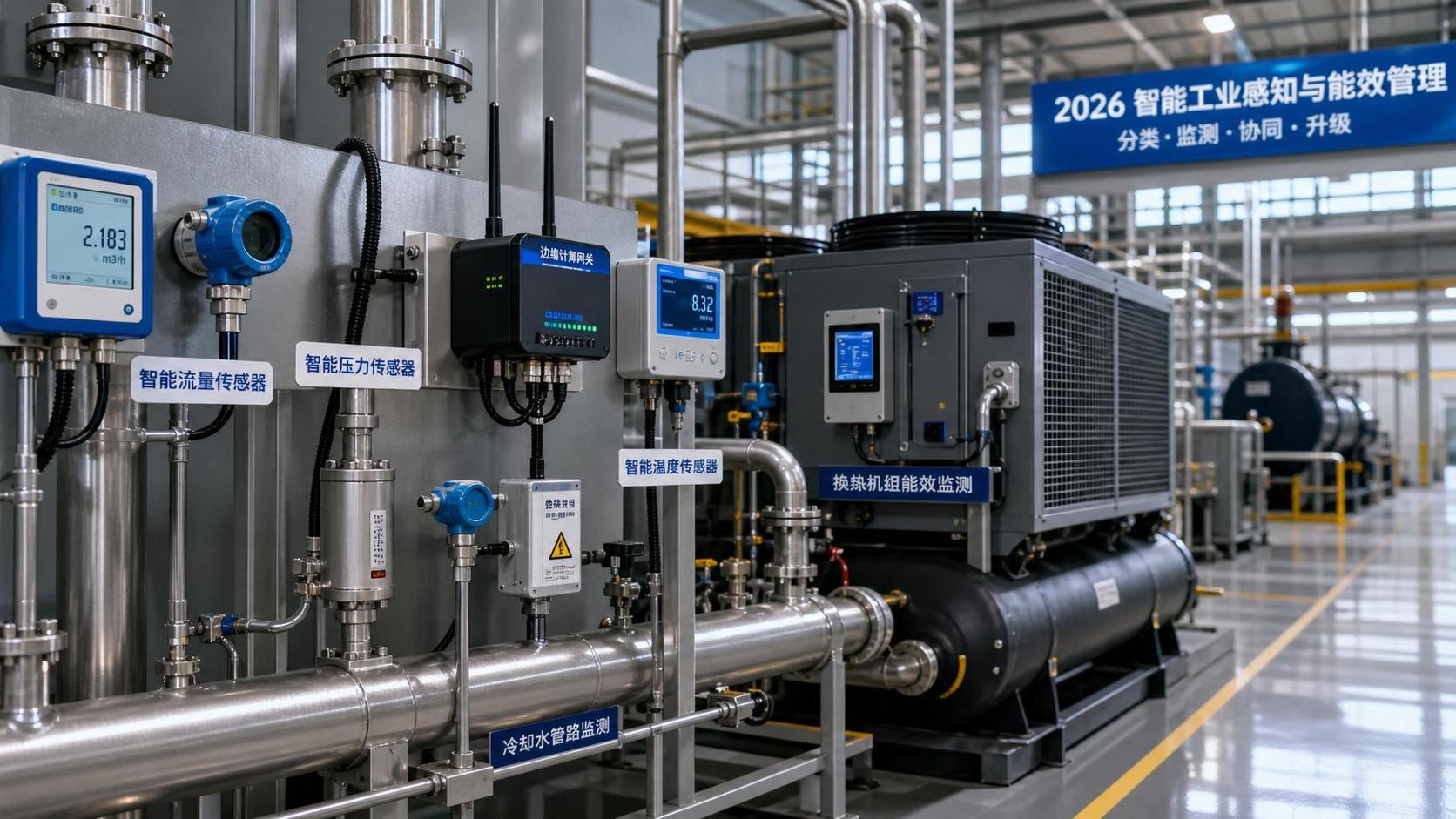
A common mistake is pursuing headline technologies before understanding the current utility baseline. Industrial decarbonization projects perform best when the plant first identifies avoidable losses and unstable load patterns.
Useful evaluation points include the following:
- Map energy use by system, not only by building or meter.
- Check whether controls, sequencing, and recovery loops are limiting asset performance.
- Review policy exposure, especially refrigerants, emissions thresholds, and reporting obligations.
- Compare retrofit practicality against full replacement over total lifecycle cost.
- Test whether decarbonization measures also improve uptime, quality, or maintenance intervals.
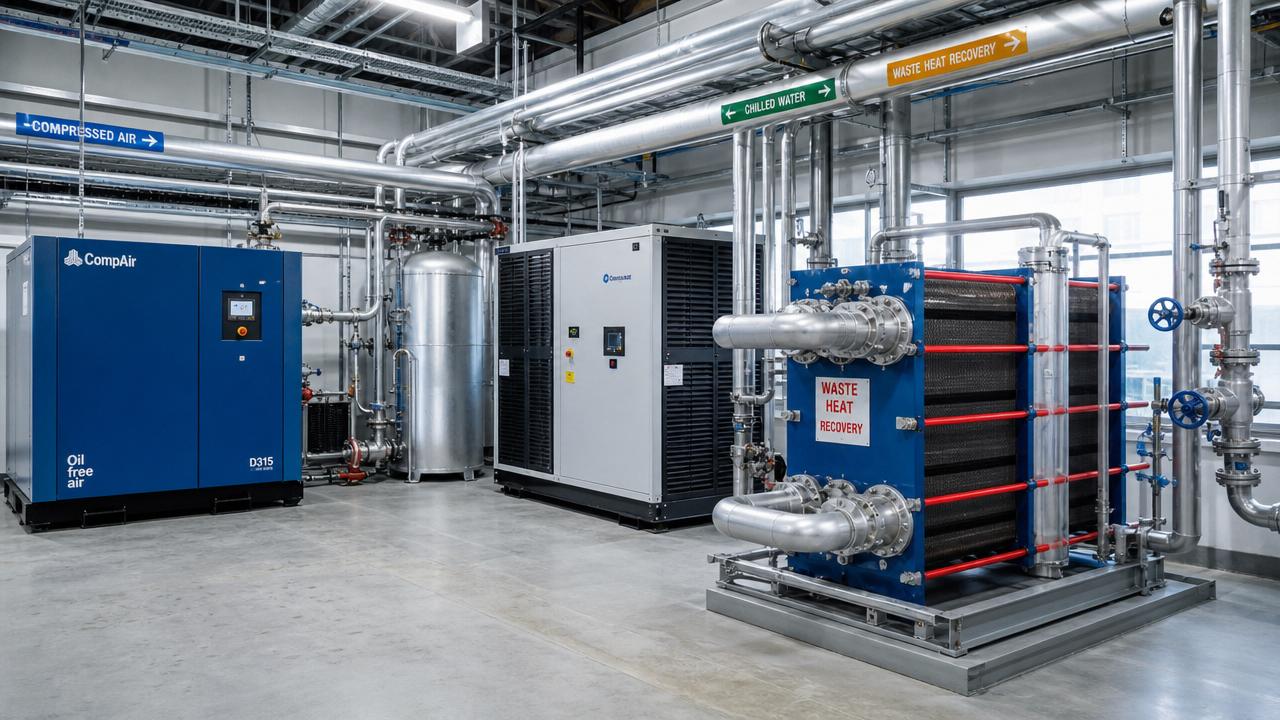
In many cases, the best sequence is not the most visible one. A leak program, control redesign, or heat recovery improvement may unlock better results than a large single-asset purchase.
The growing role of intelligence in industrial decarbonization
By 2026, plant upgrades are less about isolated engineering choices and more about informed timing. Energy conversion efficiency now depends on a mix of thermodynamic performance, market conditions, and policy direction.
That is where a platform like GTC-Matrix fits naturally into the decision process. Its coverage of cooling, compressed air, vacuum processes, and heat exchange helps connect technical options with commercial reality.
The value is not promotional. It is analytical. When decision-making is supported by sector news, trend tracking, and application-specific insight, industrial decarbonization becomes easier to prioritize and harder to misread.
What to do next as 2026 plans take shape
The strongest plant upgrade programs begin with a clear view of where thermal and compression losses are creating business risk. From there, compare projects by operational relevance, policy urgency, and measurable energy impact.
It also helps to watch technologies that are evolving quickly, including oil-free compression, microchannel heat exchangers, and low-NOx combustion systems. Their value depends on fit, not trend momentum alone.
Industrial decarbonization will continue to reshape plant upgrades because it now sits at the intersection of efficiency, compliance, resilience, and competitiveness. The next step is to build a decision framework before replacement cycles force reactive spending.
A practical starting point is to review utility baselines, rank thermal and compression assets by risk, and track external signals with the same discipline used for core production planning.
Ready when you are. Send us a message to get started.
Related News
- Why high-density thermal energy storage is gaining industry attentionAuthor :

- Smart Device Thermal Management Trends Shaping 2026 Product DesignAuthor :

- Industrial Cooling Technologies in Europe: 2026 Trends in Compliance and Energy UseAuthor :

- Industrial Electrification Trends in 2026: Where Projects Are Moving FirstAuthor :

- Industrial Solution Comparison Global: 2026 Trends Reshaping Equipment DecisionsAuthor :

- When Heat Recovery Systems Skid Mounted Designs Improve Project PaybackAuthor :

- How to Compare Industrial Decarbonization Solutions Providers in 2026Author :

- Industry Category Guides for Smart Devices: What to Track as 2026 Markets ShiftAuthor :

- Green Manufacturing Trends Reshaping Industrial InvestmentAuthor :

- 2026 Global Energy Costs: What Will Reshape Industrial PlanningAuthor :

- Industrial Decarbonization Solutions That Cut Fuel Costs in 2026Author :

- Smart Thermal Systems Trends Shaping Industrial Upgrades in 2026Author :

- Resource Circularity in Manufacturing: 5 Practical Gains Beyond ComplianceAuthor :

- Carbon Neutrality Roadmap: What Industrial Firms Need to Prioritize FirstAuthor :

- Energy Conversion Efficiency Trends Shaping Industrial UpgradesAuthor :

- Compression Technology Trends Shaping Efficient Plant UpgradesAuthor :

- Industrial Intelligence in Manufacturing: Where It Delivers Value FirstAuthor :

- How Intellectualization Improves Industrial Thermal ManagementAuthor :

- What Intellectualization Means for Smarter Plant Operations in 2026Author :

- Carbon Neutrality Goals: What Industrial Firms Should Prioritize in 2026Author :

- How Intellectualization Reduces Downtime in Modern Production LinesAuthor :

- Decarbonization Roadmap for Energy-Intensive Plants in 2026Author :

- Thermal Systems Trends in 2026: Efficiency, Control, and RiskAuthor :

- Industrial Decarbonization Priorities for Energy-Intensive FacilitiesAuthor :

- Thermal Systems in 2026: Efficiency Upgrades Shaping Industrial OperationsAuthor :

- Pure Power Sources: 5 Practical Paths to Carbon NeutralityAuthor :

- What Intellectualization Means for Industrial Equipment UpgradesAuthor :

- Thermal Optimization in 2026: Where Energy Savings Deliver the Fastest PaybackAuthor :

- Energy Efficiency Trends Reshaping Compressor Upgrades in 2026Author :

- 2026 Industrial Decarbonization Trends Reshaping Plant UpgradesAuthor :
![]()
- Heat Exchanger Technology Trends for 2026 Efficiency TargetsAuthor :

- Resource Circularity Risks in 2026 Supply ChainsAuthor :

- Smart Thermal Systems: When Upgrades Deliver Measurable SavingsAuthor :

- Carbon Neutrality: Practical Steps for Factory RoadmapsAuthor :

- 2026 Industrial Energy Efficiency Priorities for Plant UpgradesAuthor :

- Industrial Intellectualization Trends Reshaping Equipment UpgradesAuthor :