Carbon Neutrality Roadmap: What Industrial Firms Need to Prioritize First




Carbon neutrality has moved from corporate aspiration to operating reality for industrial businesses. The pressure now comes from energy prices, disclosure rules, customer expectations, and the growing cost of inefficient thermal and power systems.
What makes the transition difficult is not the lack of ambition. It is the lack of sequence. In most facilities, emissions sit inside compressed air, cooling, heating, vacuum, steam, and process loads that have evolved over years.
A useful carbon neutrality roadmap starts by finding where energy conversion is weakest, where waste heat is ignored, and where operating data is too thin to support investment decisions.
That is why industrial intelligence matters. Platforms such as GTC-Matrix track the technologies and market signals shaping industrial cooling, heat exchange, compression, and thermal efficiency, helping firms connect decarbonization goals with practical system priorities.
Where carbon neutrality begins in industrial operations
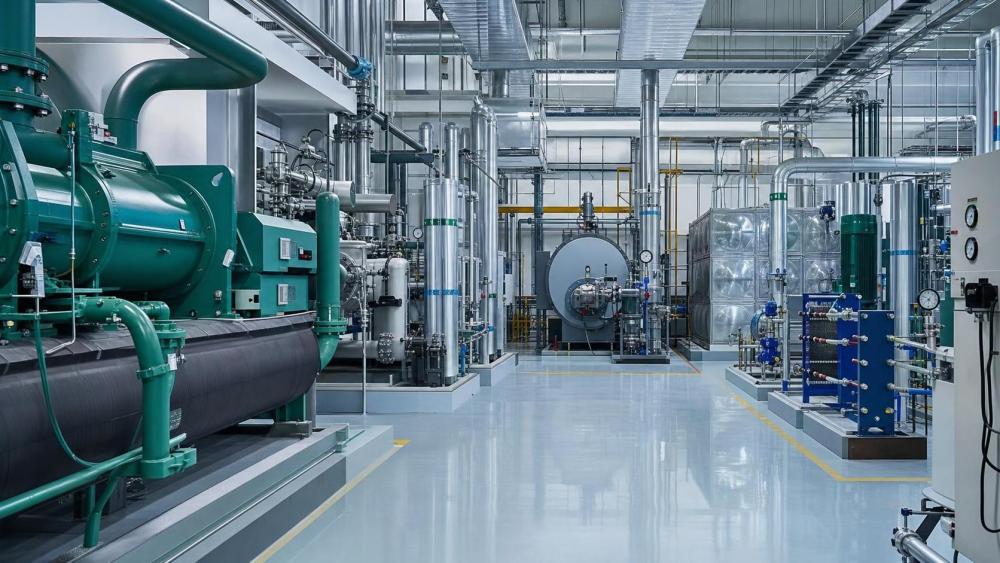
Carbon neutrality in industry does not begin with offsets or broad pledges. It begins with understanding how electricity, fuel, pressure, airflow, refrigeration, and heat actually move through a site.
For many businesses, the largest gains come from systems that rarely receive board-level attention. Compressed air leaks, oversized chillers, unstable temperature control, poor heat recovery, and low-load boiler operation quietly raise both emissions and cost.
This is especially relevant across mixed industrial sectors. Food processing, pharmaceuticals, electronics, chemicals, packaging, and general manufacturing may differ in output, yet they often share the same hidden carbon drivers.
In that sense, carbon neutrality is less about a single project and more about improving the energy behavior of the plant’s thermal center and power heart. When those systems improve, financial and environmental performance usually move together.
Why priority setting matters more than broad ambition
Industrial firms often know their emissions are high, but they struggle to decide what to tackle first. A weak roadmap spreads resources too widely and turns carbon neutrality into a reporting exercise instead of an operational strategy.
Priority setting matters because not all decarbonization actions have the same payback, risk, or implementation complexity. Some changes reduce emissions immediately. Others require major redesign, supplier alignment, or utility infrastructure support.
The most effective starting points usually share three traits. They are measurable, energy intensive, and closely linked to production continuity.
- High electricity demand from compressors, chillers, and fans
- Large thermal losses in boilers, heat exchangers, and recovery loops
- Process instability that forces overcooling, overpressurizing, or oversizing
A carbon neutrality roadmap becomes credible when it links emissions reduction to uptime, energy intensity, maintenance burden, and capital efficiency. That is the language internal decision processes respond to.
The first systems that deserve closer attention
In practice, the best early targets are usually not abstract categories. They are physical systems with visible energy signatures and repeatable operating patterns.
Compressed air and vacuum
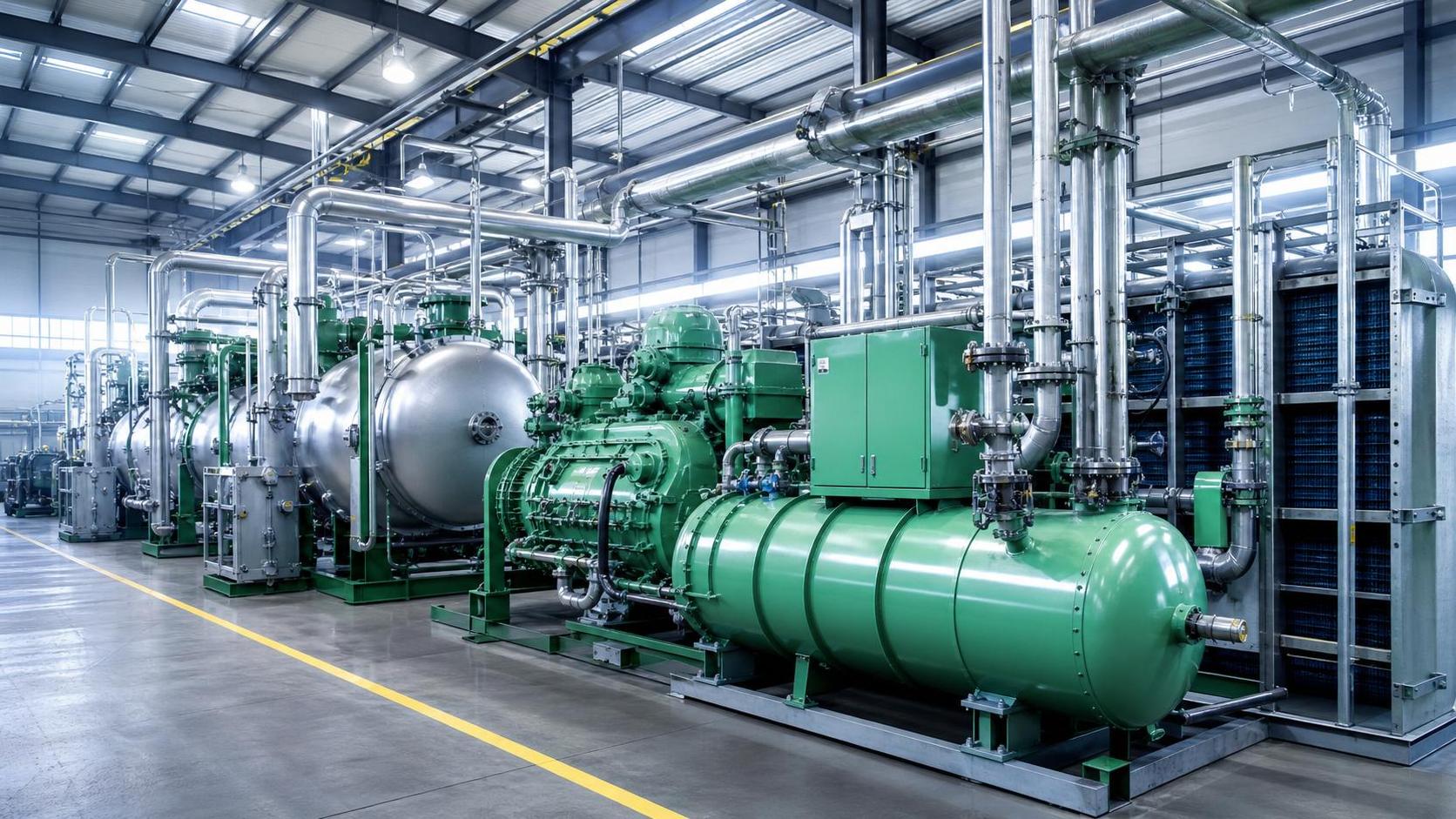
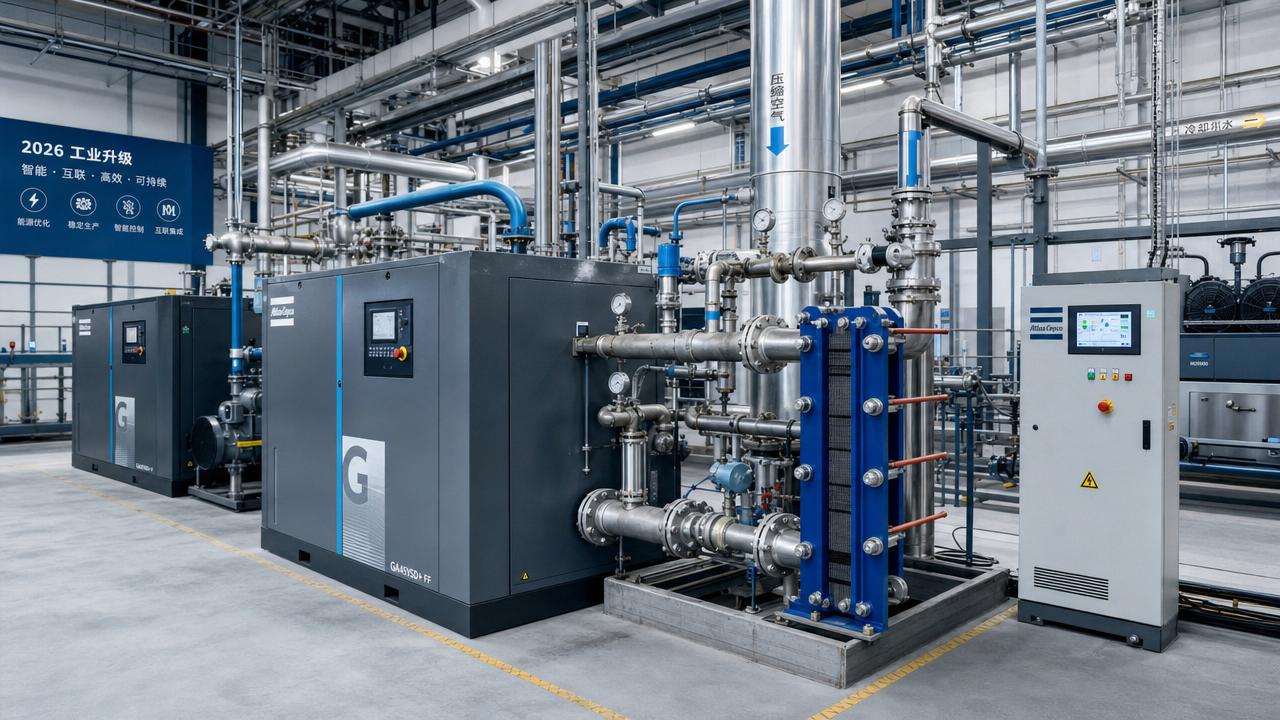
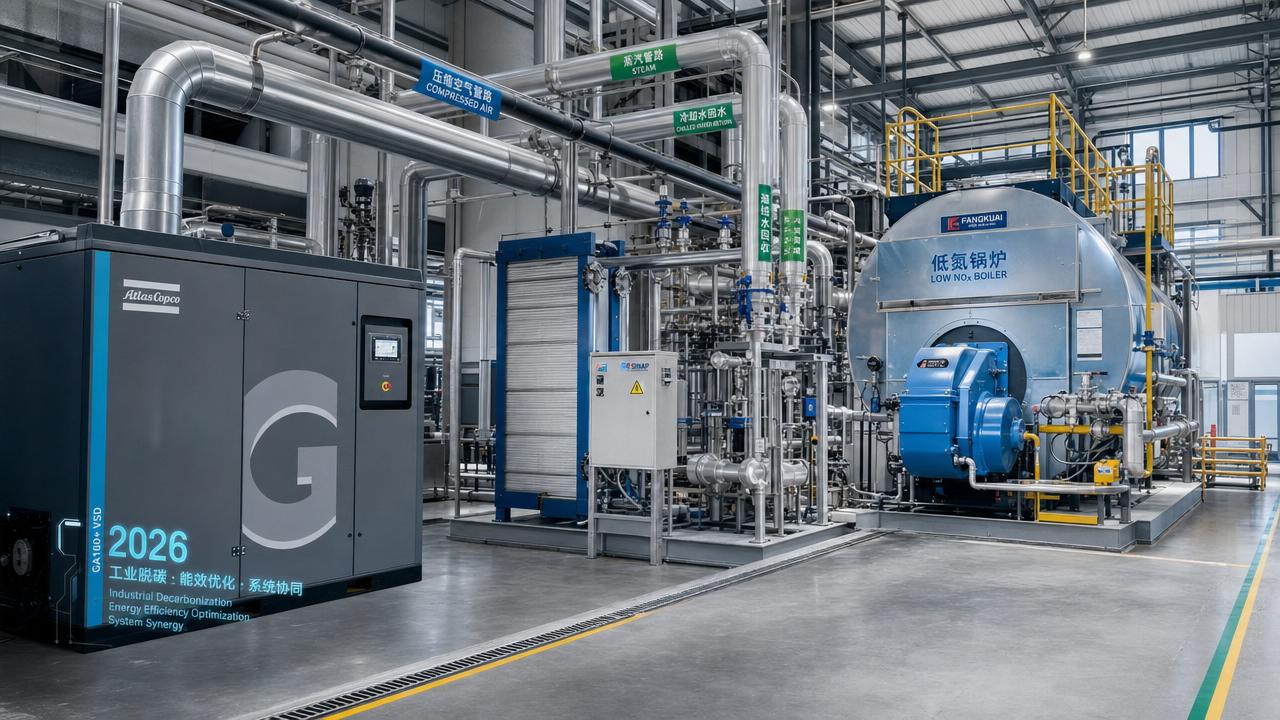
Compressed air is one of the costliest utilities in industry. Yet many plants still run with leaks, unnecessary pressure margins, poor sequencing, or outdated oil-injected equipment.
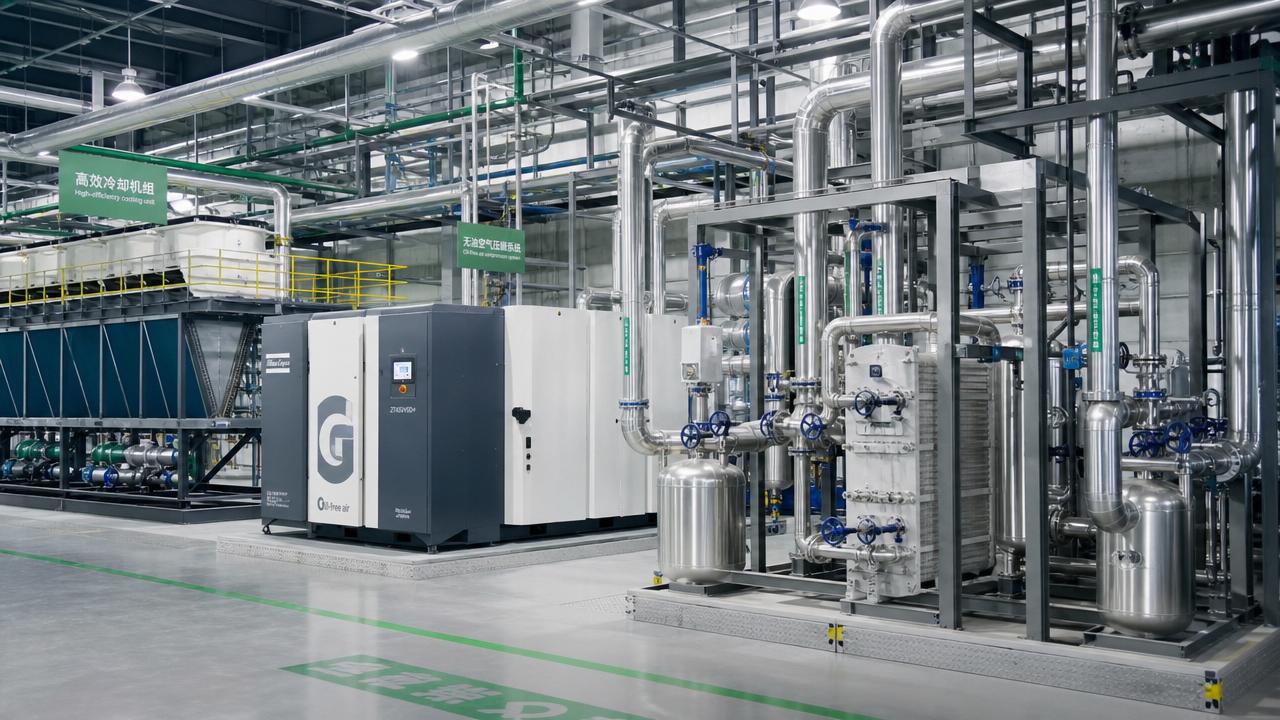
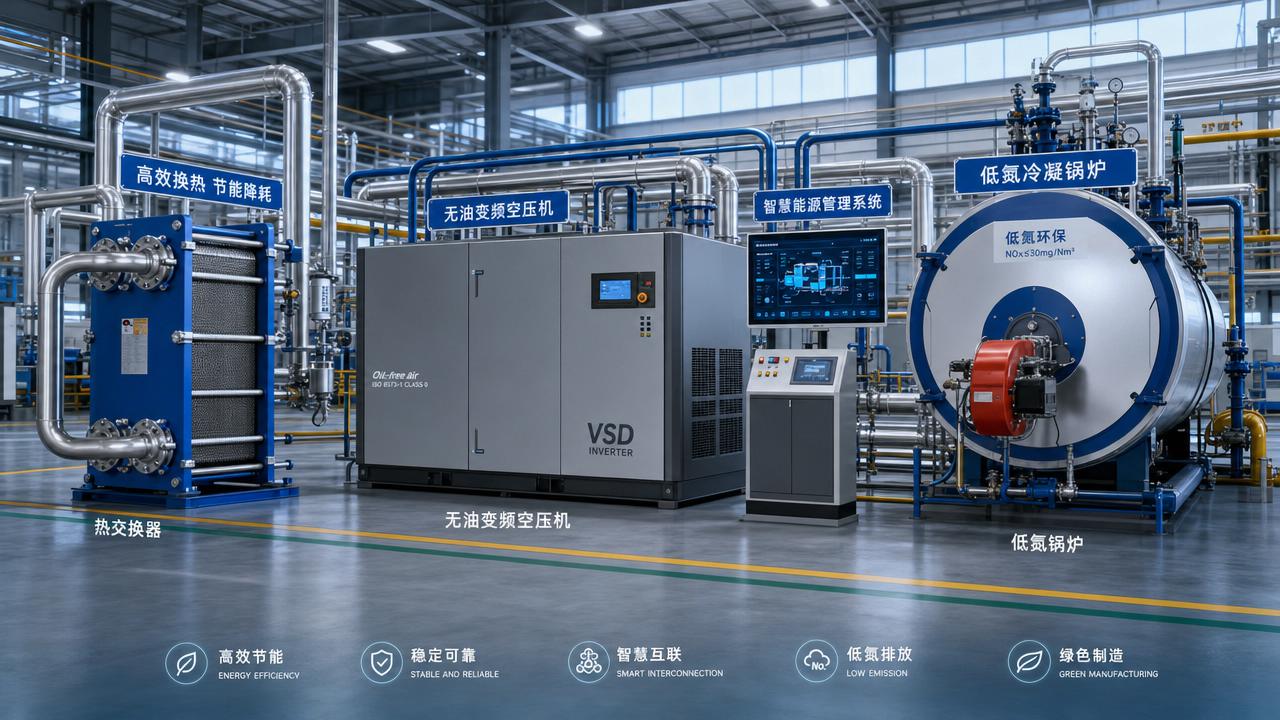
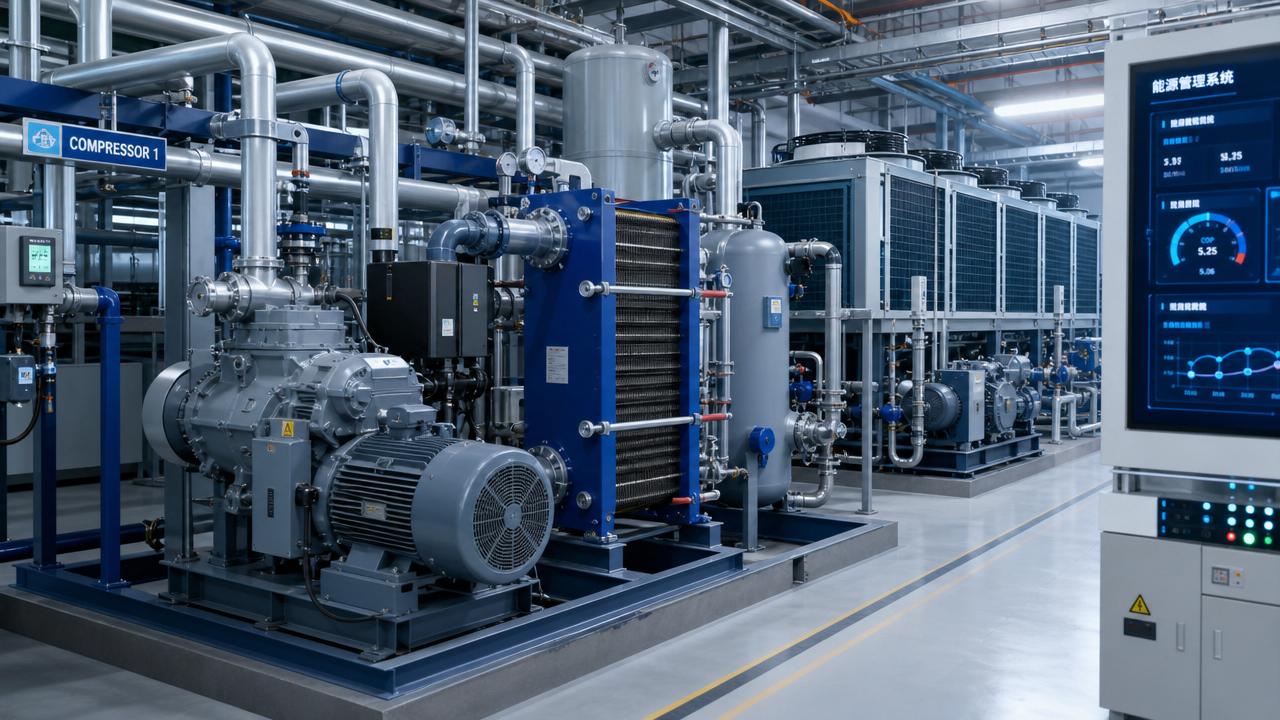
Carbon neutrality efforts often find quick returns here through leak programs, variable-speed optimization, oil-free compression where purity matters, and better demand-side controls.
Cooling and refrigeration
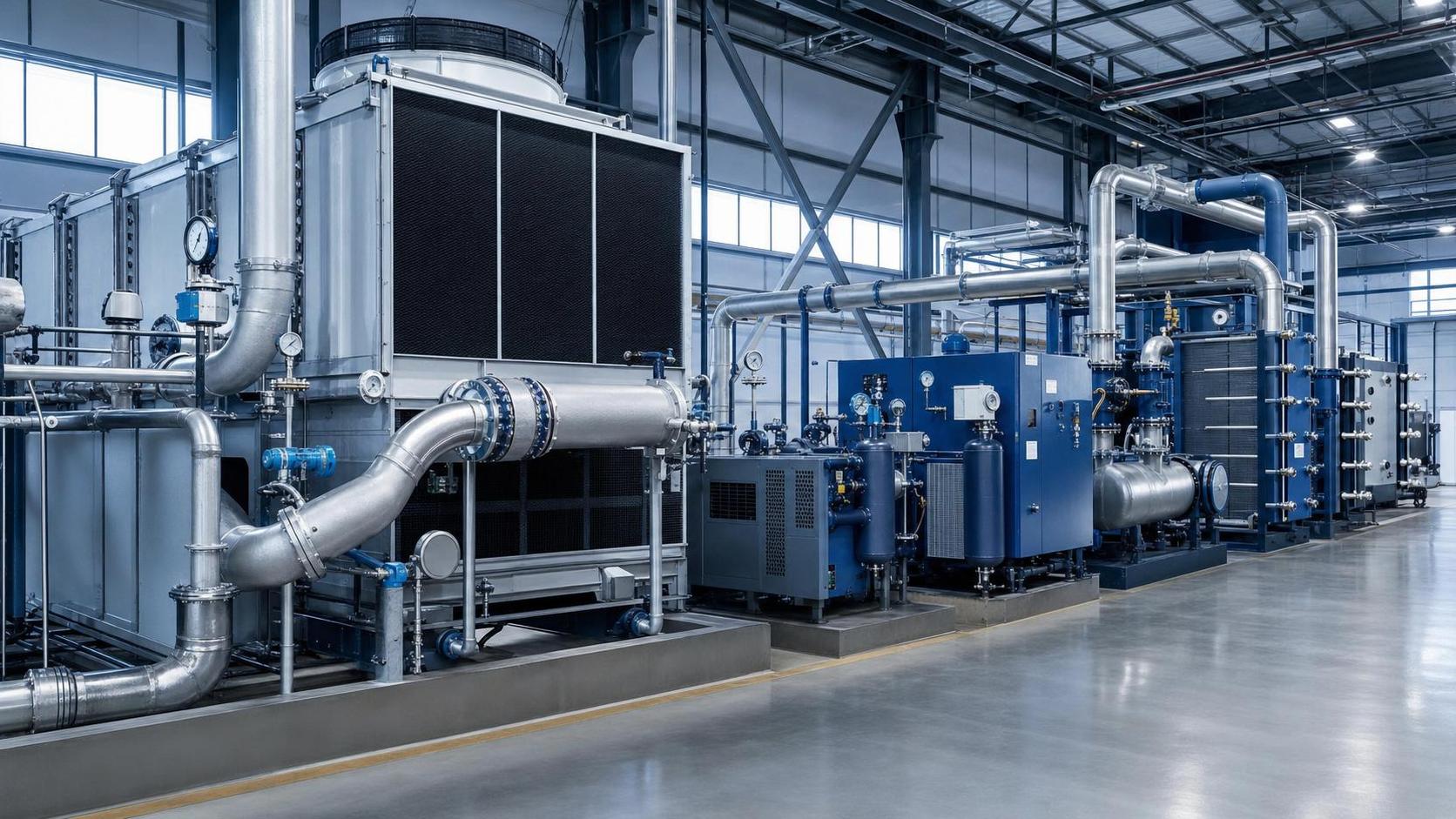
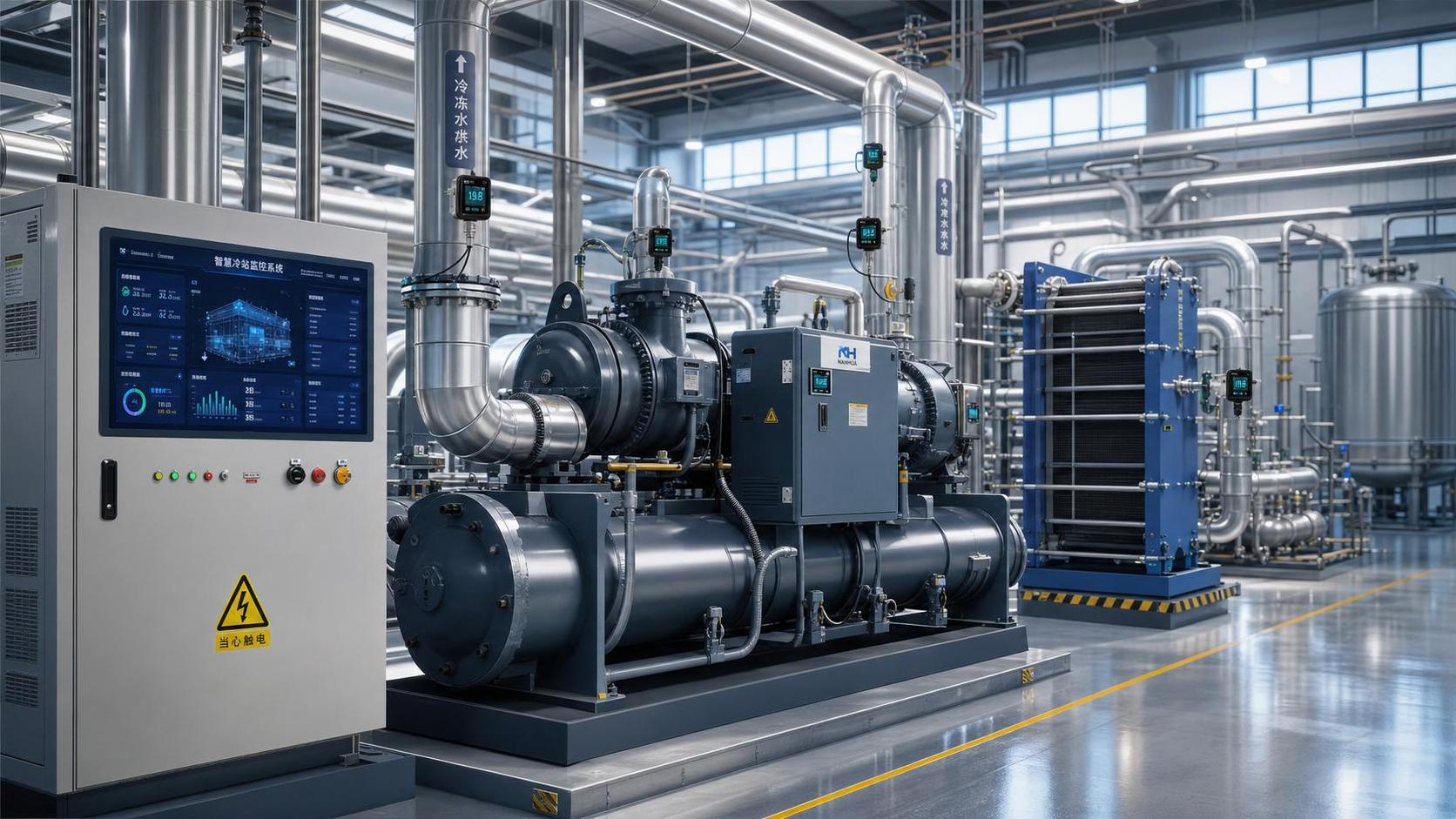
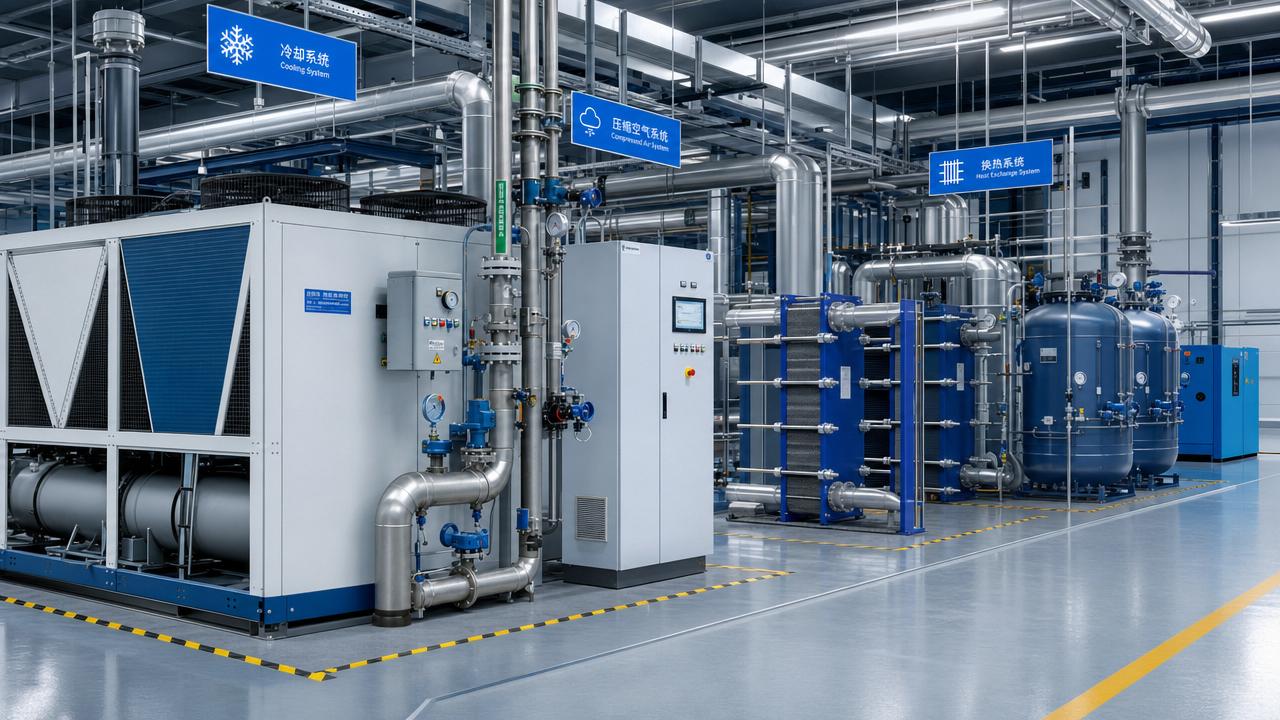
Cooling systems carry major carbon exposure through electricity consumption, refrigerant choices, and process dependence. Inefficient controls can force chillers to work harder than production really requires.
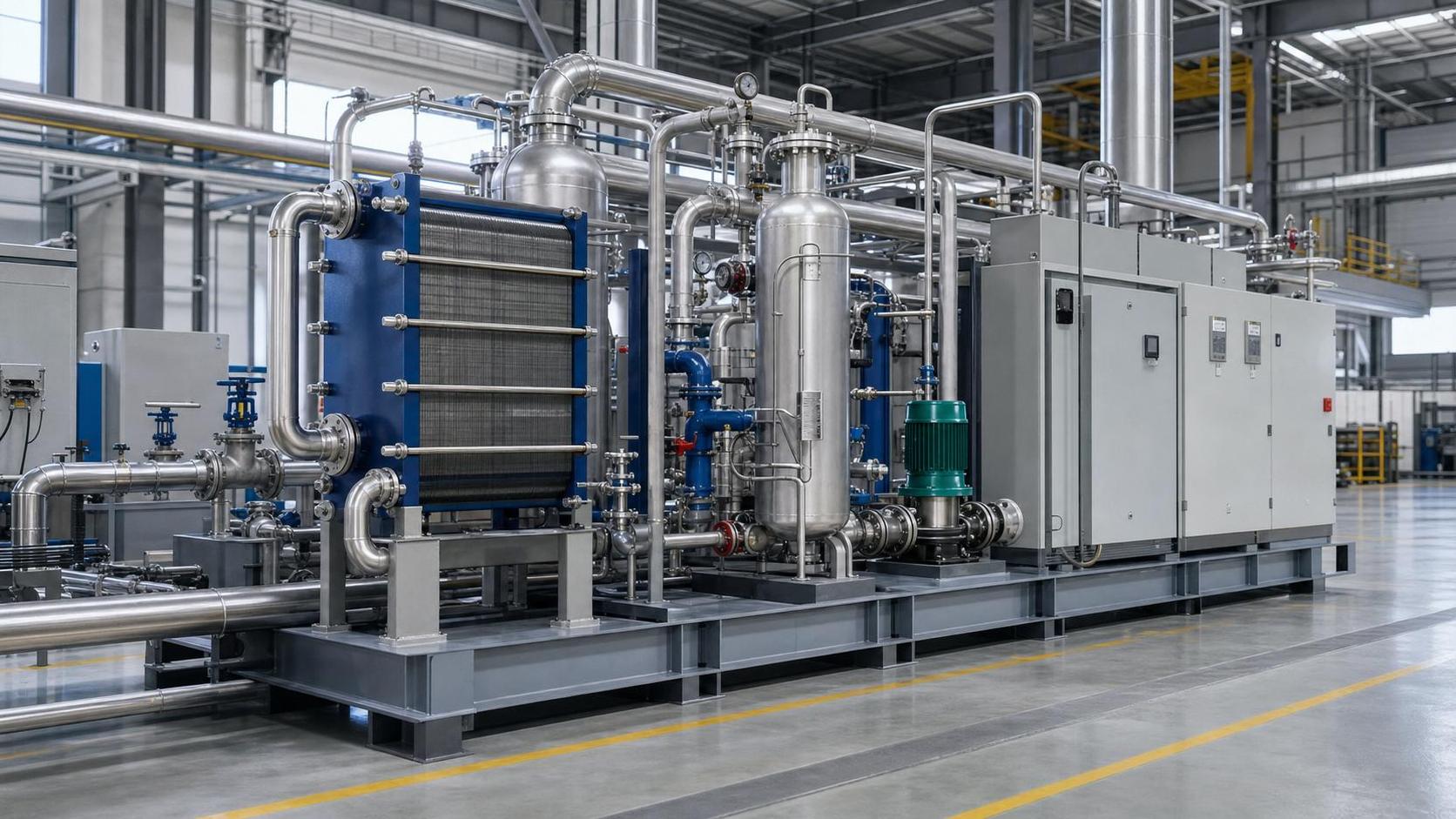
Attention should go to load matching, refrigerant transition risks, condenser performance, and microchannel heat exchanger options where footprint and transfer efficiency matter.
Boilers, burners, and thermal loops
Combustion-based heating remains central in many sectors. Low-NOx boiler upgrades, stack loss control, condensate recovery, and heat cascade design can materially improve the carbon neutrality pathway.
Heat exchange and waste heat recovery
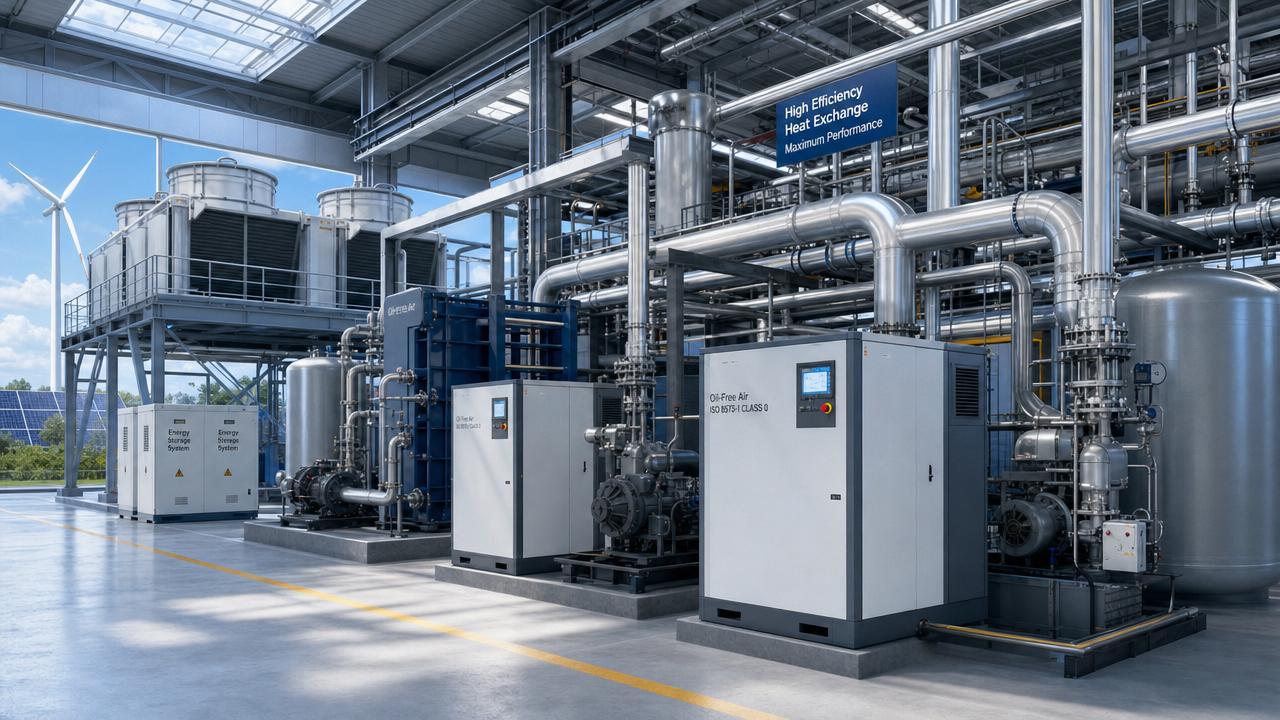
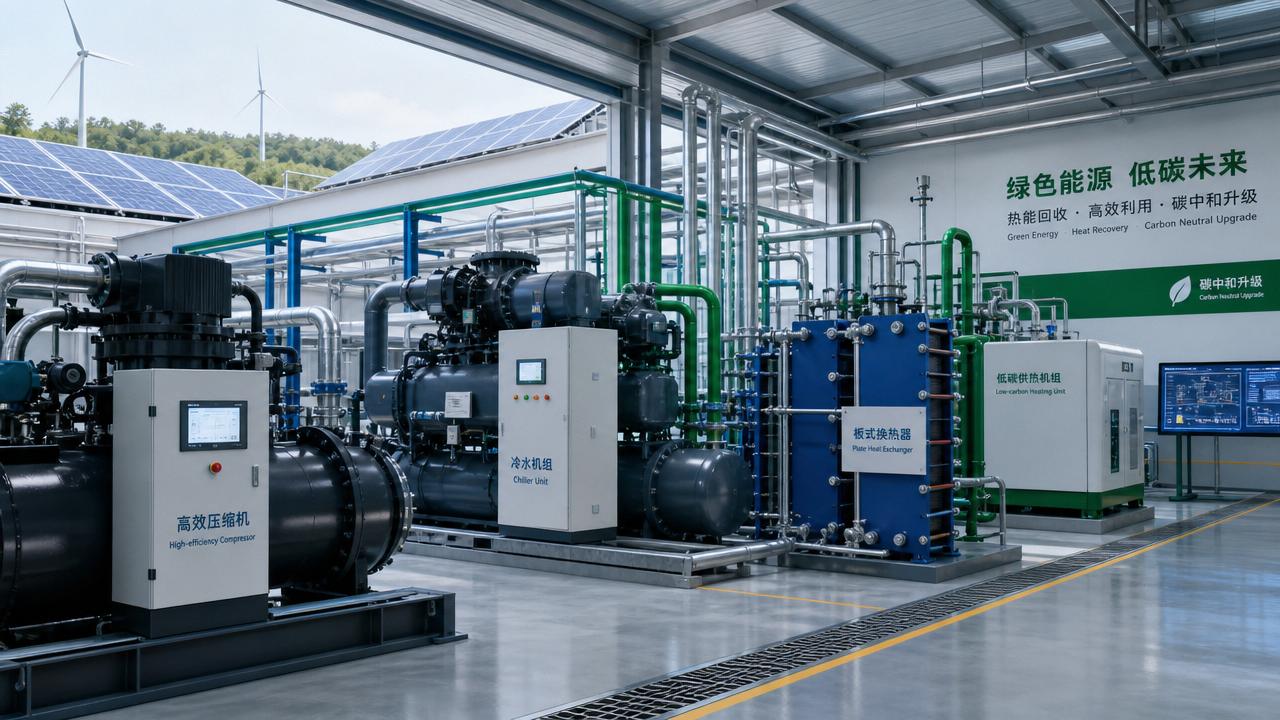
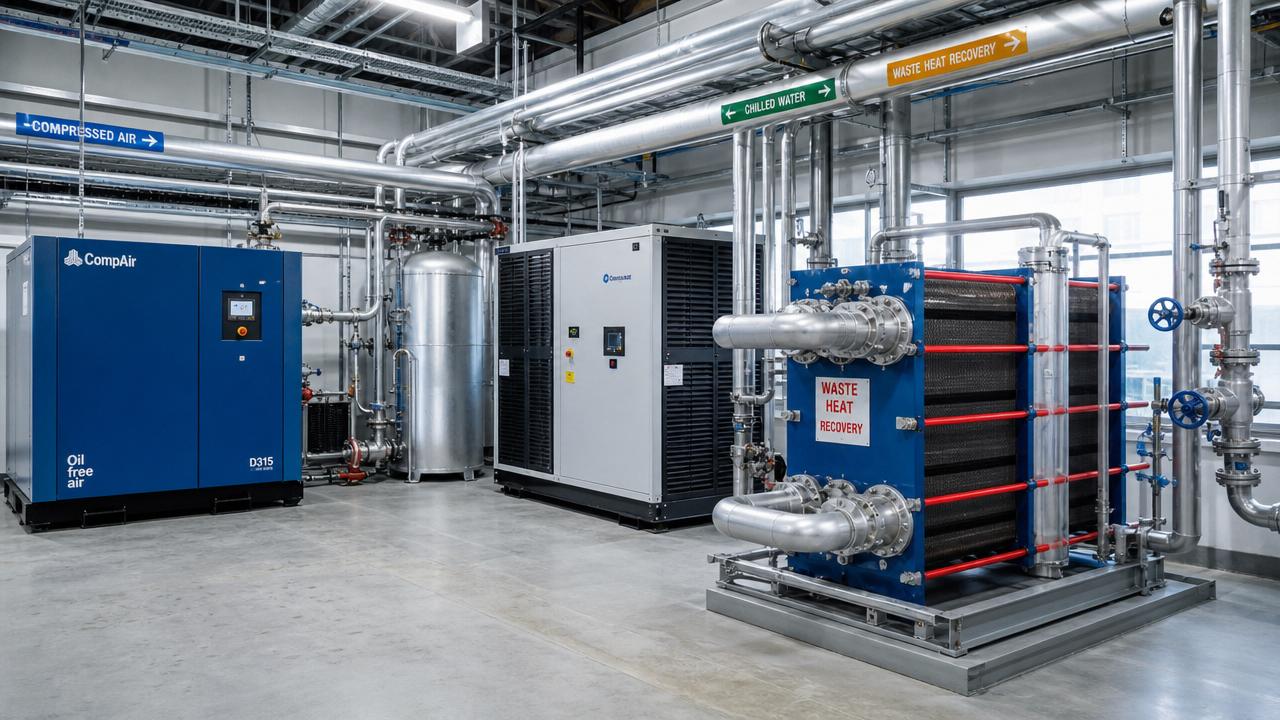
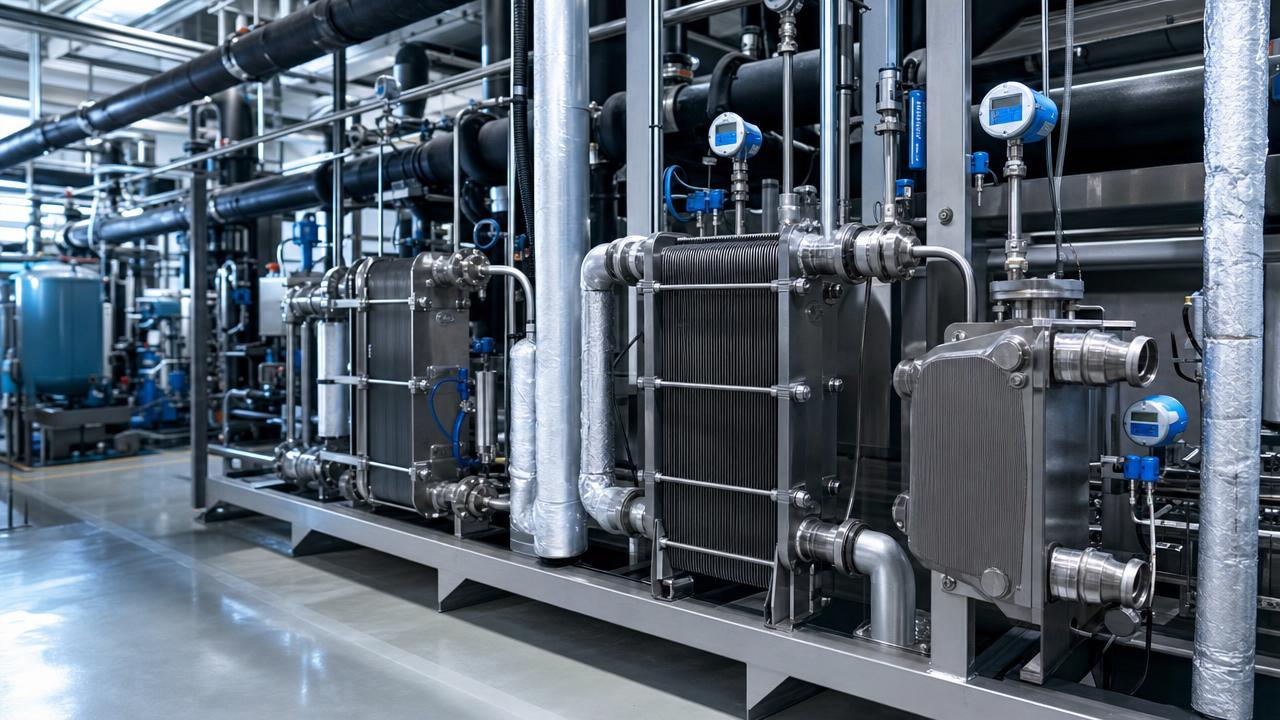
A surprising amount of decarbonization value sits between processes. Waste heat from compressors, ovens, cooling loops, or exhaust streams can often support preheating, hot water generation, or adjacent thermal loads.
How to judge what should come first
A practical roadmap needs a filter, not just a wishlist. The question is not which asset is oldest. The question is which intervention moves emissions, economics, and resilience at the same time.
This type of evaluation helps separate symbolic action from structural progress. It also creates a stronger basis for capital planning and external reporting.
Why market intelligence changes the quality of the roadmap
Carbon neutrality decisions are no longer made inside the fence line alone. Energy cost volatility, refrigerant quotas, technology maturity, and sector demand shifts increasingly shape the economics of each project.
That is where specialized intelligence becomes useful. GTC-Matrix focuses on the industrial systems that most directly affect thermal efficiency and compression power, translating technical change into strategic signals.
Its coverage of oil-free compression, microchannel heat exchangers, low-NOx combustion, and end-market demand patterns offers more than product awareness. It supports better timing, better benchmarking, and better risk judgment.
For businesses operating across regulated or energy-sensitive sectors, that perspective helps prevent two common mistakes: delaying necessary upgrades and investing in technologies that do not match future operating conditions.
Typical carbon neutrality scenarios across industrial settings
The pathway changes by process, but several recurring scenarios appear across industry.
- Clean production environments need stable, efficient cooling and pure compressed air with minimal contamination risk.
- Heat-intensive plants benefit from combustion tuning, exchanger redesign, and stronger heat recovery integration.
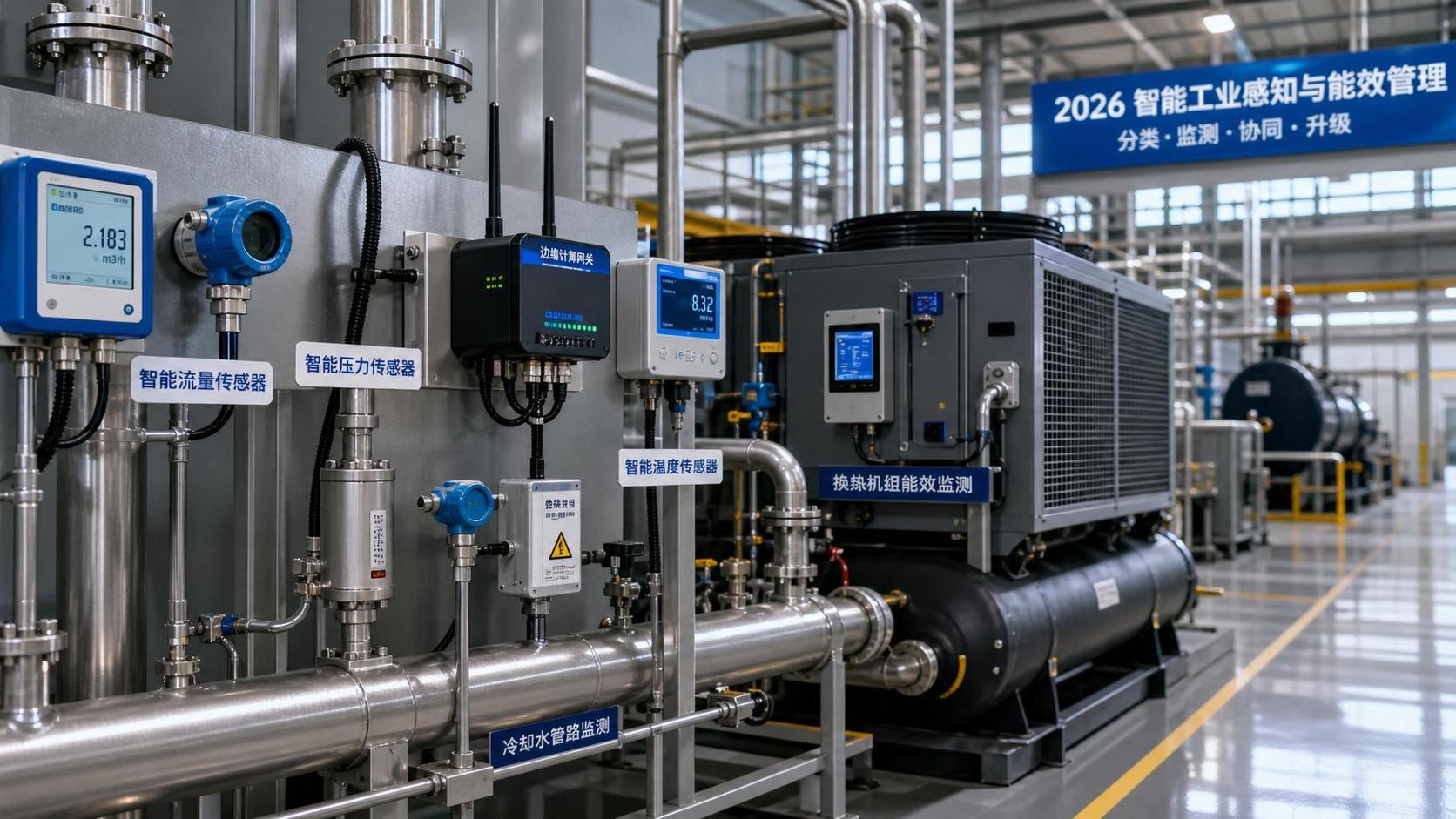
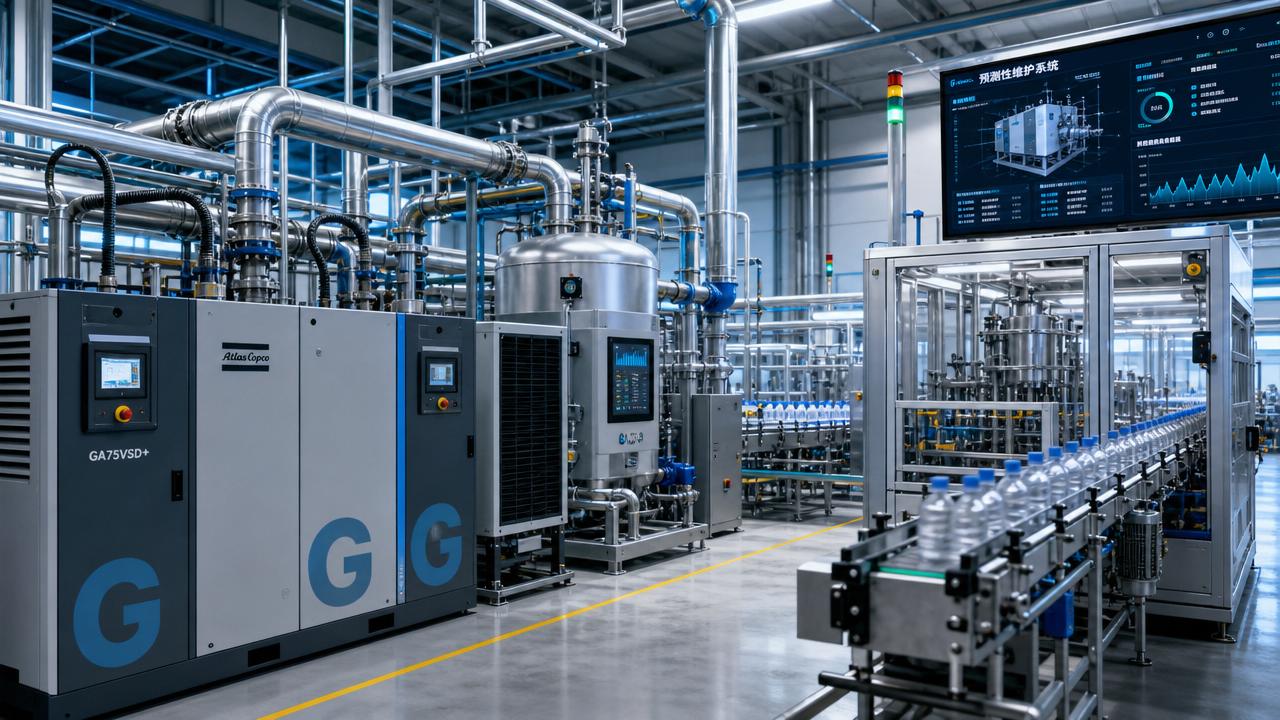
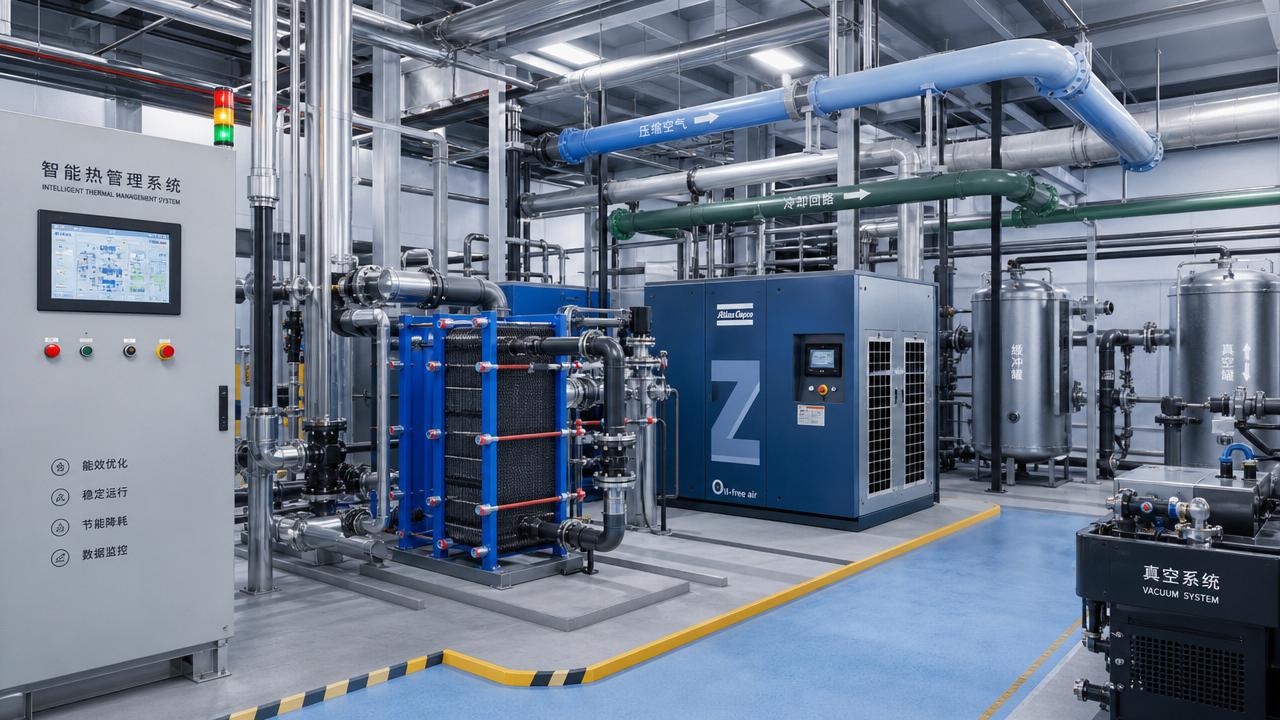
- Multi-utility sites often gain from central monitoring that reveals how cooling, pressure, and thermal loads interact.
- Older facilities usually find early carbon neutrality gains through controls, maintenance discipline, and utility balancing before major asset replacement.
These scenarios show why decarbonization should be treated as a system question. A single upgrade can underperform if surrounding loads, controls, or recovery links remain unchanged.
What a credible next step looks like
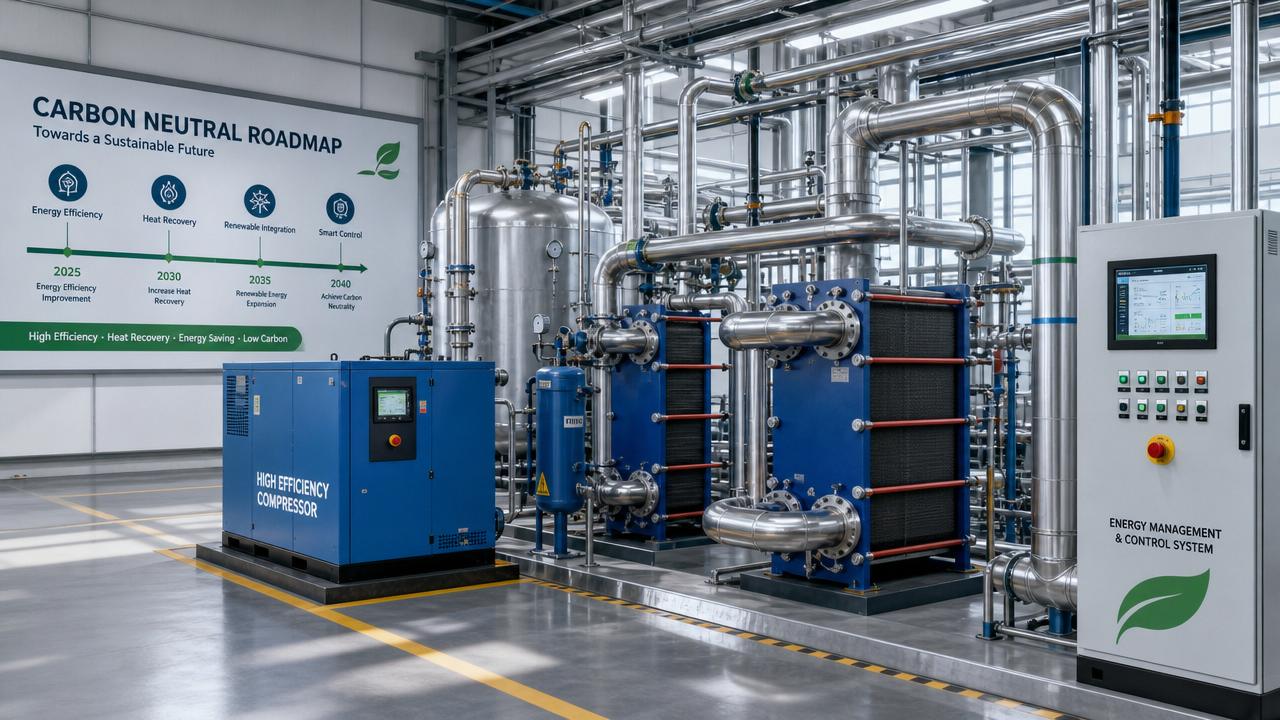
The strongest carbon neutrality roadmap usually starts with a focused baseline. That means mapping the largest thermal and compressed utility loads, validating metering quality, and ranking improvement opportunities by emission impact and operational value.
From there, it becomes easier to compare fast efficiency wins with longer-horizon investments such as refrigerant transition, boiler modernization, waste heat recovery, or process redesign.
The goal is not to solve everything in one budget cycle. It is to create a sequence that improves efficiency now, protects future flexibility, and keeps carbon neutrality tied to real industrial performance.
A sensible next move is to review the systems where thermal loss, pressure instability, and high energy conversion costs already show up in operating data. That is usually where the roadmap stops being theoretical and starts becoming investable.
Related News
- Why high-density thermal energy storage is gaining industry attentionAuthor :

- Smart Device Thermal Management Trends Shaping 2026 Product DesignAuthor :

- Industrial Cooling Technologies in Europe: 2026 Trends in Compliance and Energy UseAuthor :

- Industrial Electrification Trends in 2026: Where Projects Are Moving FirstAuthor :

- Industrial Solution Comparison Global: 2026 Trends Reshaping Equipment DecisionsAuthor :

- When Heat Recovery Systems Skid Mounted Designs Improve Project PaybackAuthor :

- How to Compare Industrial Decarbonization Solutions Providers in 2026Author :

- Industry Category Guides for Smart Devices: What to Track as 2026 Markets ShiftAuthor :

- Green Manufacturing Trends Reshaping Industrial InvestmentAuthor :

- 2026 Global Energy Costs: What Will Reshape Industrial PlanningAuthor :

- Industrial Decarbonization Solutions That Cut Fuel Costs in 2026Author :

- Smart Thermal Systems Trends Shaping Industrial Upgrades in 2026Author :

- Resource Circularity in Manufacturing: 5 Practical Gains Beyond ComplianceAuthor :

- Carbon Neutrality Roadmap: What Industrial Firms Need to Prioritize FirstAuthor :

- Energy Conversion Efficiency Trends Shaping Industrial UpgradesAuthor :

- Compression Technology Trends Shaping Efficient Plant UpgradesAuthor :

- Industrial Intelligence in Manufacturing: Where It Delivers Value FirstAuthor :

- How Intellectualization Improves Industrial Thermal ManagementAuthor :

- What Intellectualization Means for Smarter Plant Operations in 2026Author :

- Carbon Neutrality Goals: What Industrial Firms Should Prioritize in 2026Author :

- How Intellectualization Reduces Downtime in Modern Production LinesAuthor :

- Decarbonization Roadmap for Energy-Intensive Plants in 2026Author :

- Thermal Systems Trends in 2026: Efficiency, Control, and RiskAuthor :

- Industrial Decarbonization Priorities for Energy-Intensive FacilitiesAuthor :

- Thermal Systems in 2026: Efficiency Upgrades Shaping Industrial OperationsAuthor :

- Pure Power Sources: 5 Practical Paths to Carbon NeutralityAuthor :

- What Intellectualization Means for Industrial Equipment UpgradesAuthor :

- Thermal Optimization in 2026: Where Energy Savings Deliver the Fastest PaybackAuthor :

- Energy Efficiency Trends Reshaping Compressor Upgrades in 2026Author :

- 2026 Industrial Decarbonization Trends Reshaping Plant UpgradesAuthor :
![]()
- Heat Exchanger Technology Trends for 2026 Efficiency TargetsAuthor :

- Resource Circularity Risks in 2026 Supply ChainsAuthor :

- Smart Thermal Systems: When Upgrades Deliver Measurable SavingsAuthor :

- Carbon Neutrality: Practical Steps for Factory RoadmapsAuthor :

- 2026 Industrial Energy Efficiency Priorities for Plant UpgradesAuthor :

- Industrial Intellectualization Trends Reshaping Equipment UpgradesAuthor :