Industrial Intelligence in Manufacturing: Where It Delivers Value First




Industrial intelligence is proving its value first where thermodynamics shape margin
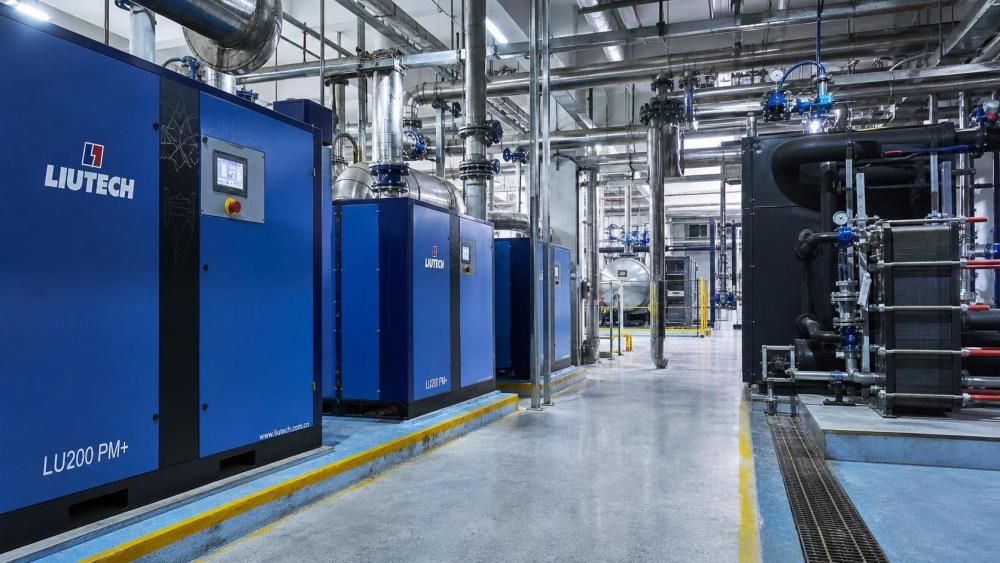
Manufacturing has entered a phase where efficiency gains are no longer found only on production lines.
They are increasingly found in the systems that keep plants stable, cool, pressurized, and energy balanced.
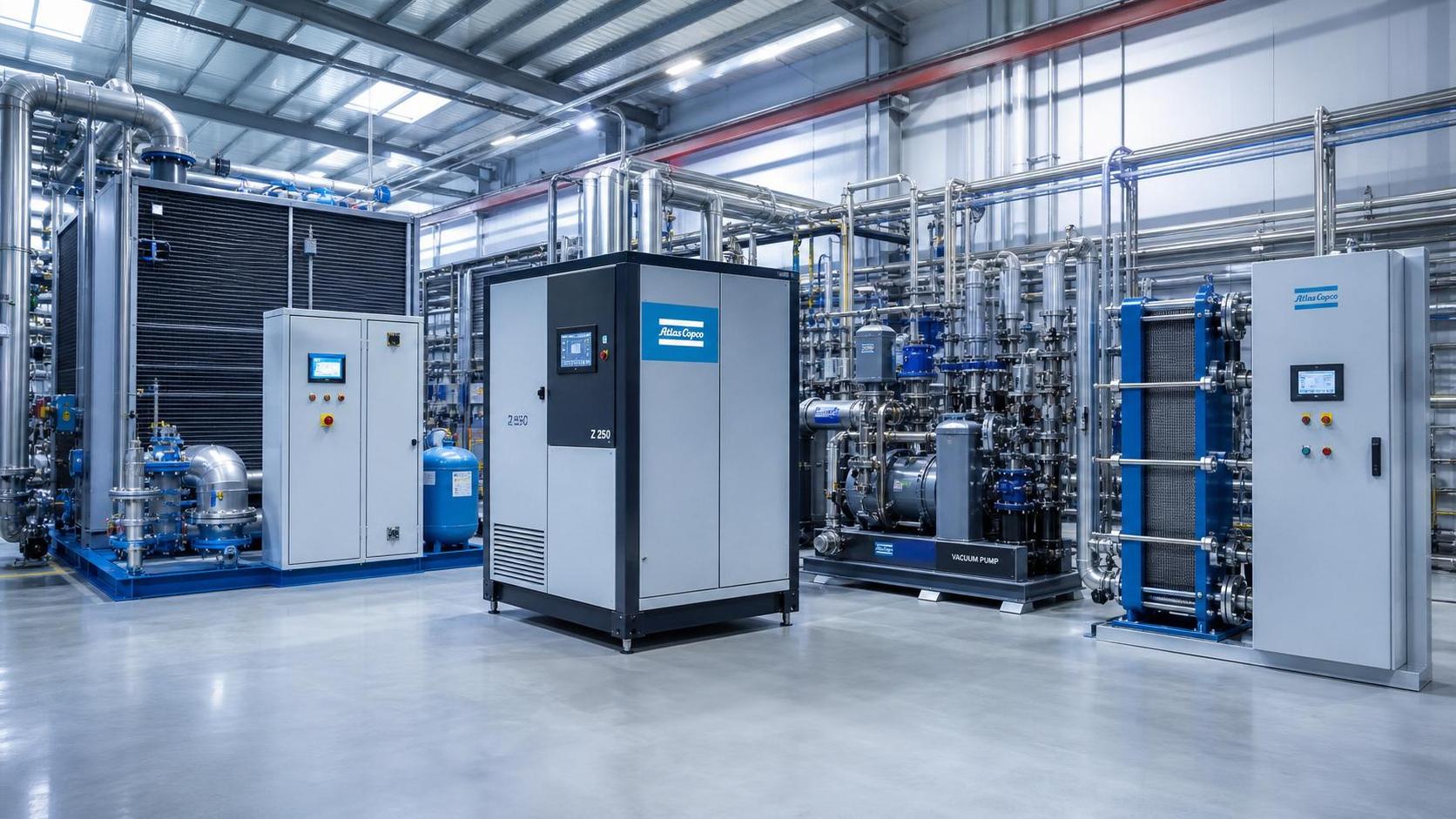
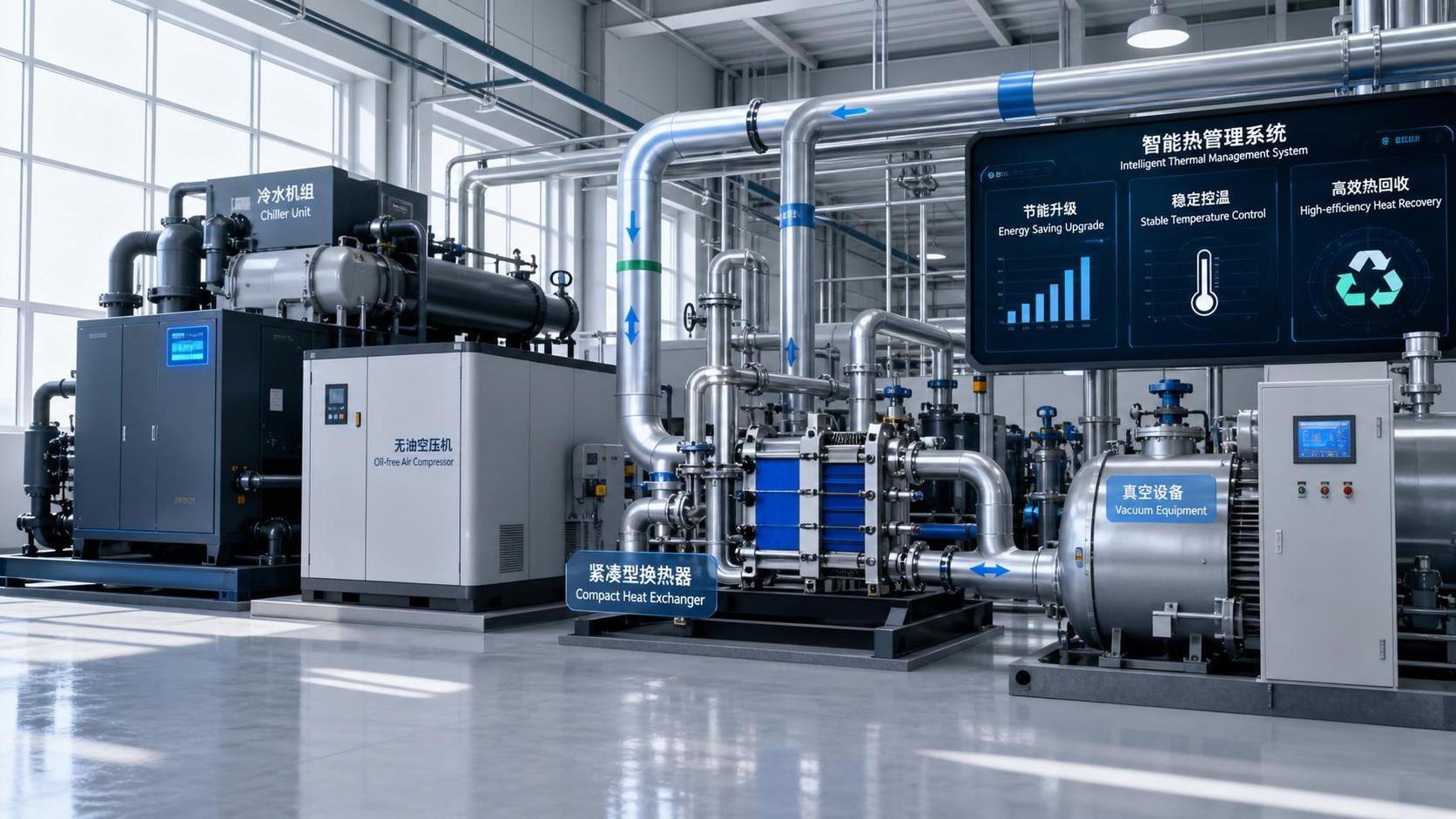
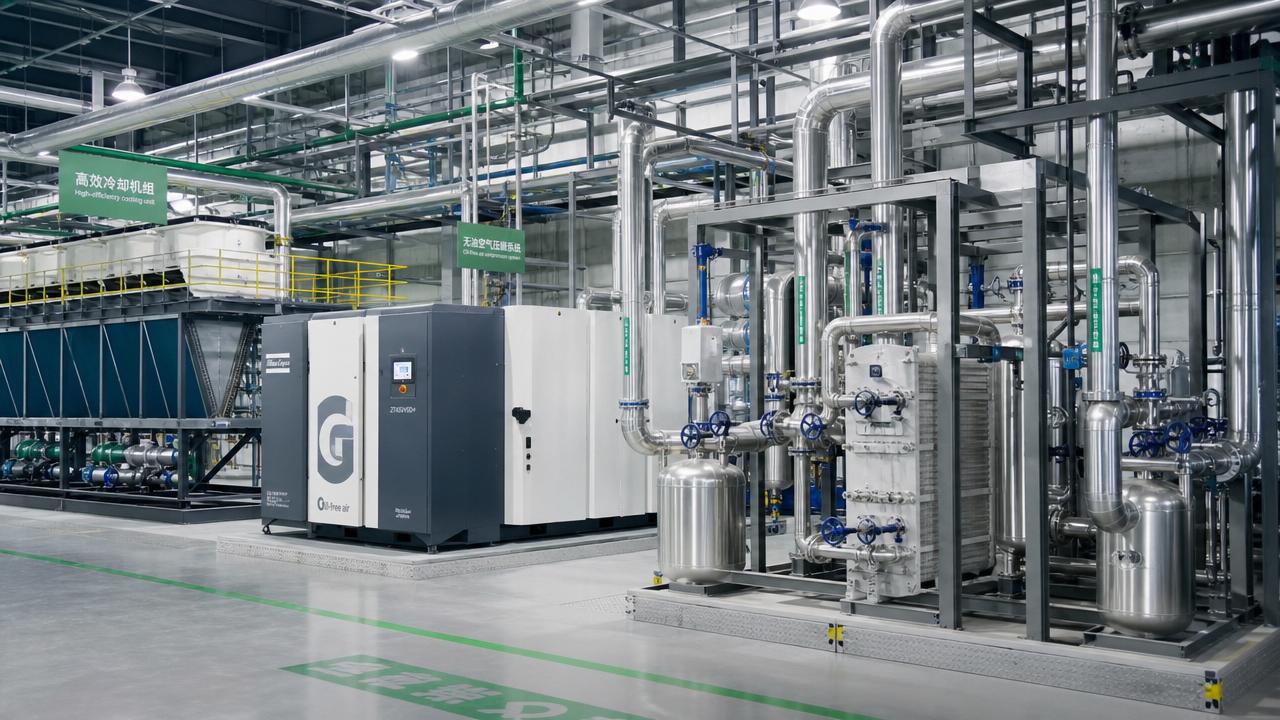
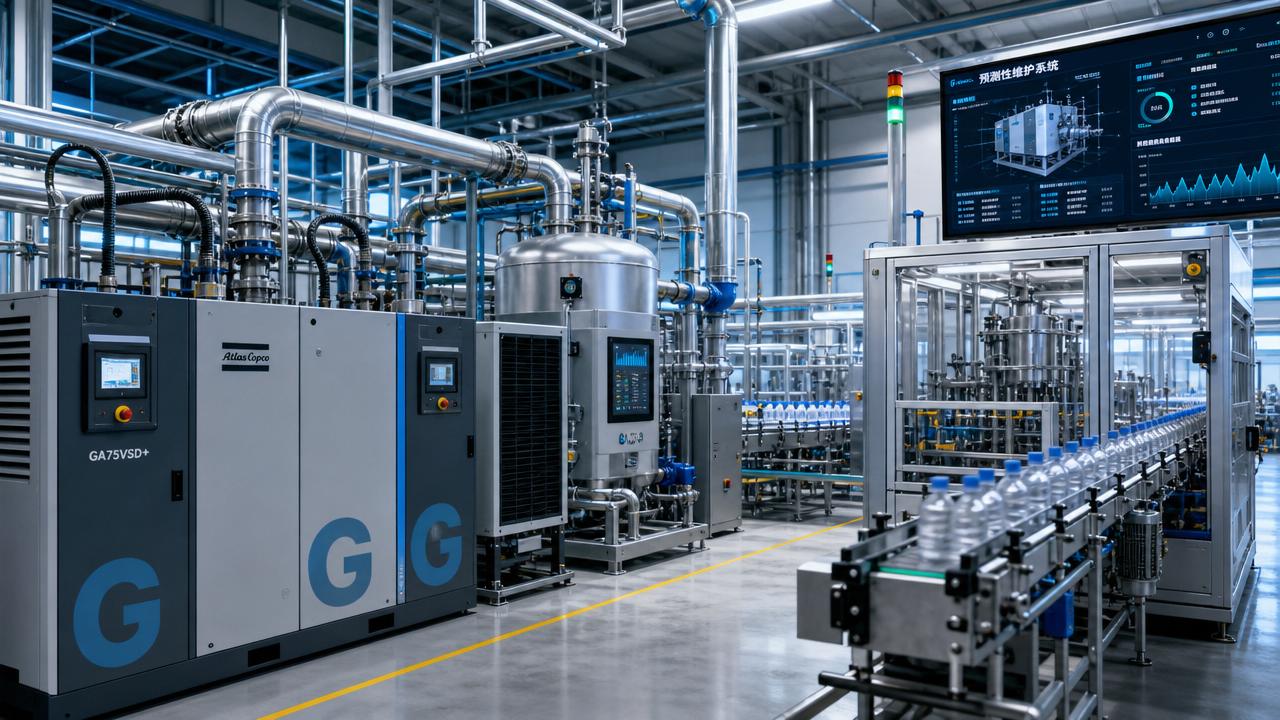
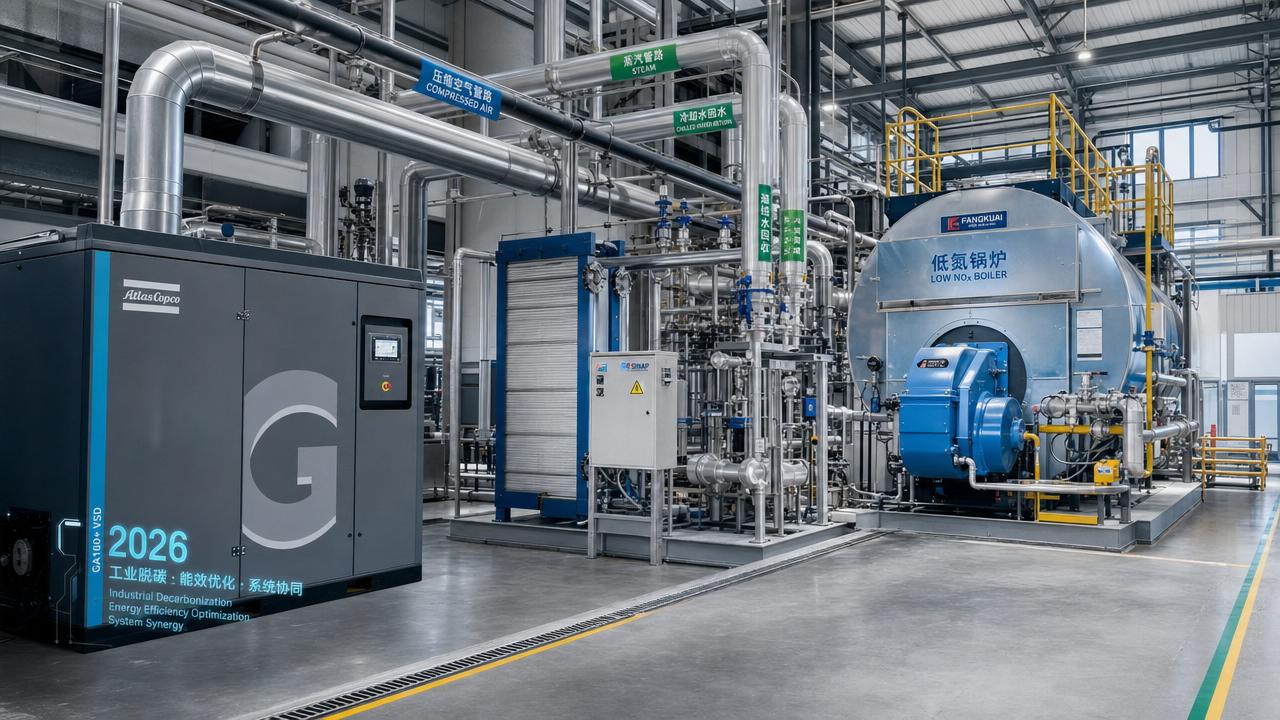
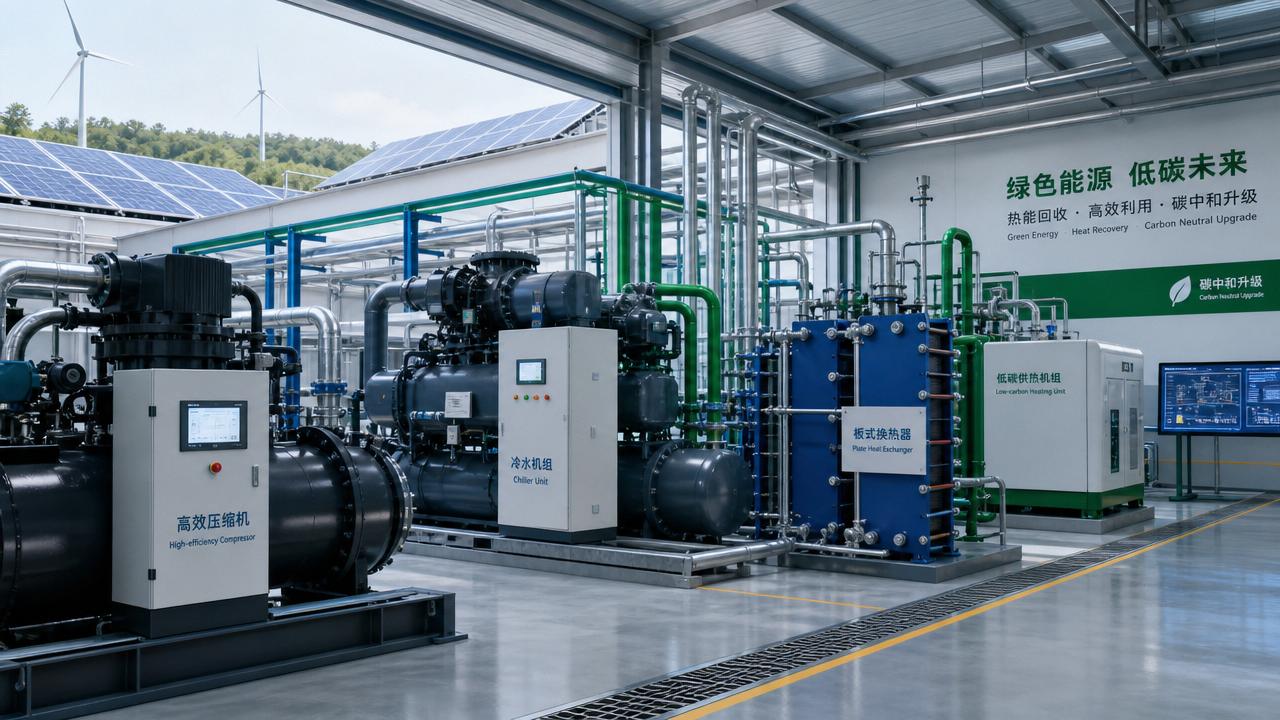
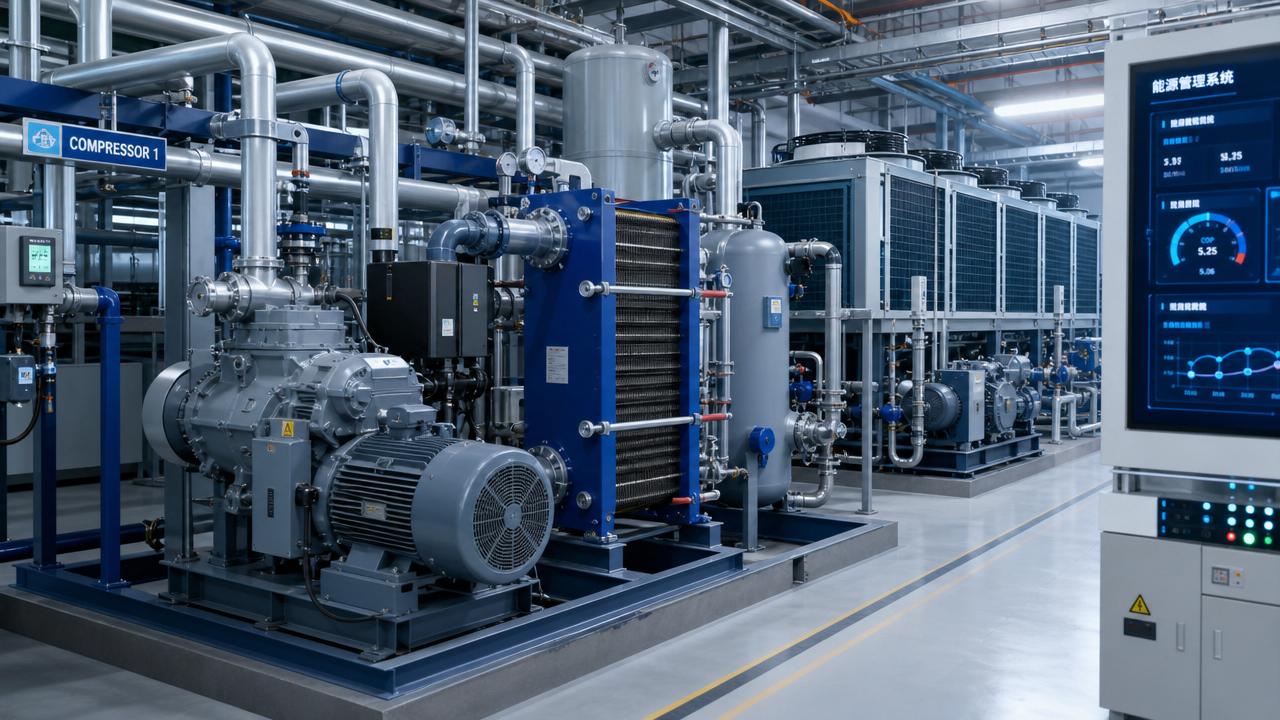
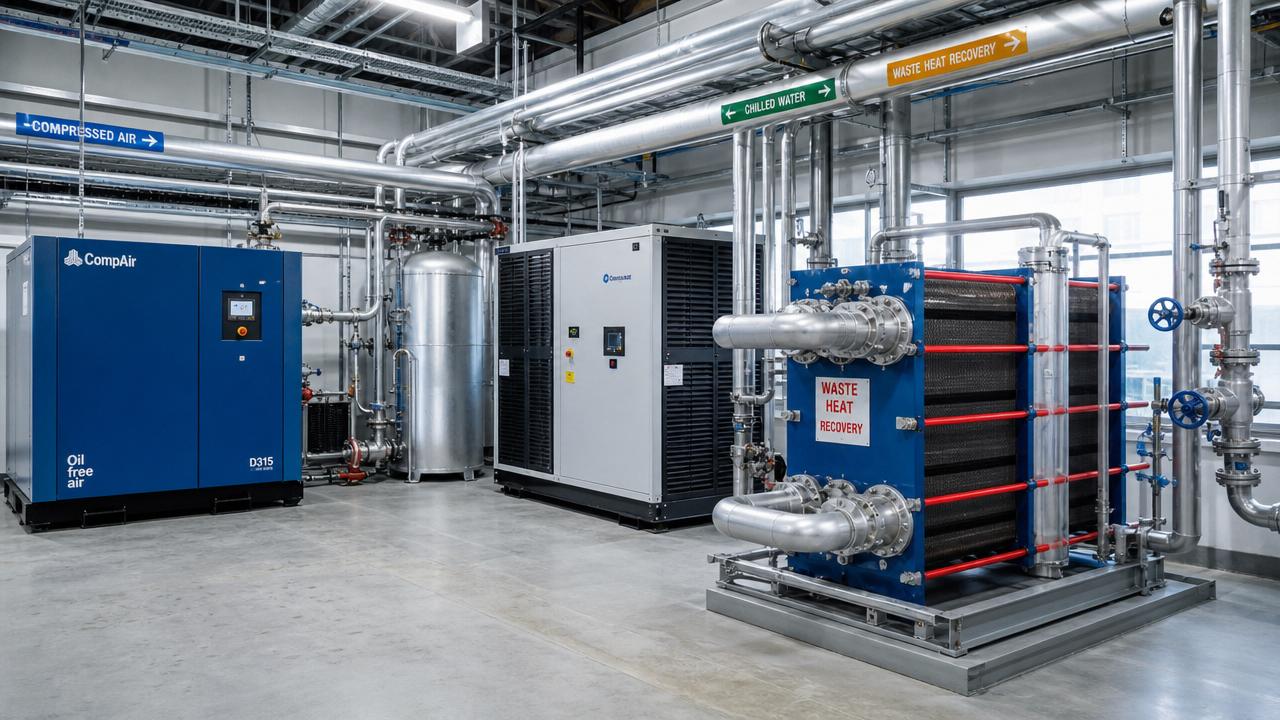
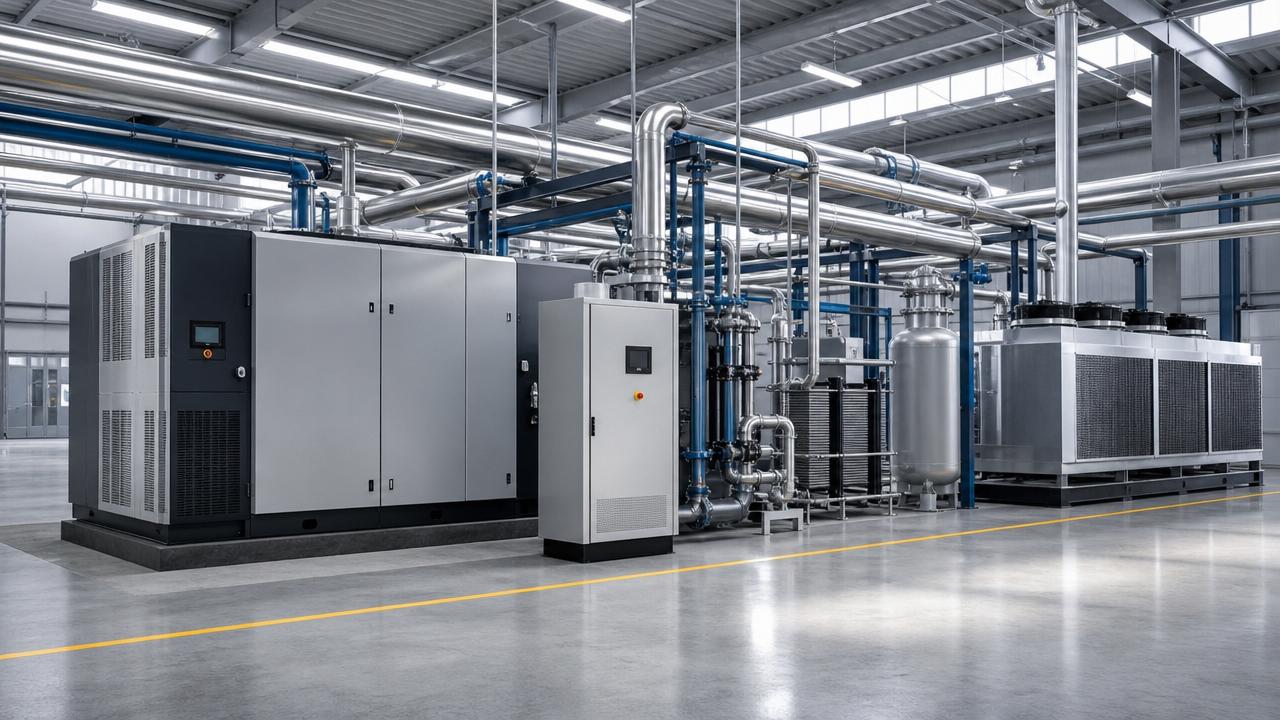
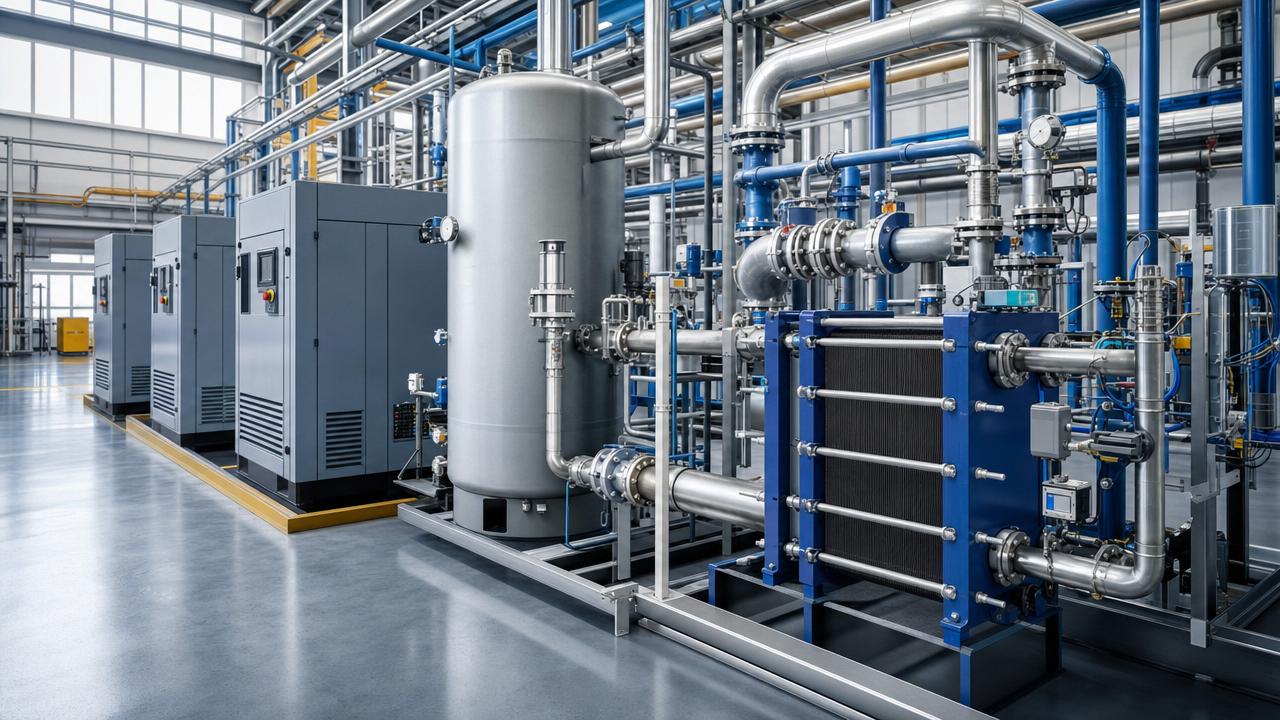
That is why industrial intelligence is delivering early returns in compressed air, industrial cooling, vacuum processes, and heat exchange networks.
These assets consume significant energy, influence product quality, and often operate with hidden losses that traditional reporting misses.
From recent market signals, the shift is becoming easier to see.
Rising electricity volatility, refrigerant policy pressure, stricter uptime expectations, and capital discipline are forcing industrial intelligence into core operations.
The first question is no longer whether to digitize.
It is where industrial intelligence can show measurable value before broader transformation programs mature.
In practice, the answer often sits inside the thermal center and power heart of a factory.
Why the signal is getting stronger now
This change is not driven by digital enthusiasm alone.
It is driven by the economics of energy conversion and the cost of process instability.
A compressor running off its best efficiency point, or a fouled heat exchanger, can quietly erode margin every hour.
When energy prices fluctuate, those hidden losses become visible much faster.
At the same time, decarbonization targets are moving from public commitments into plant-level operating decisions.
That puts pressure on thermal systems that were once treated as background infrastructure.
Another reason is data maturity.
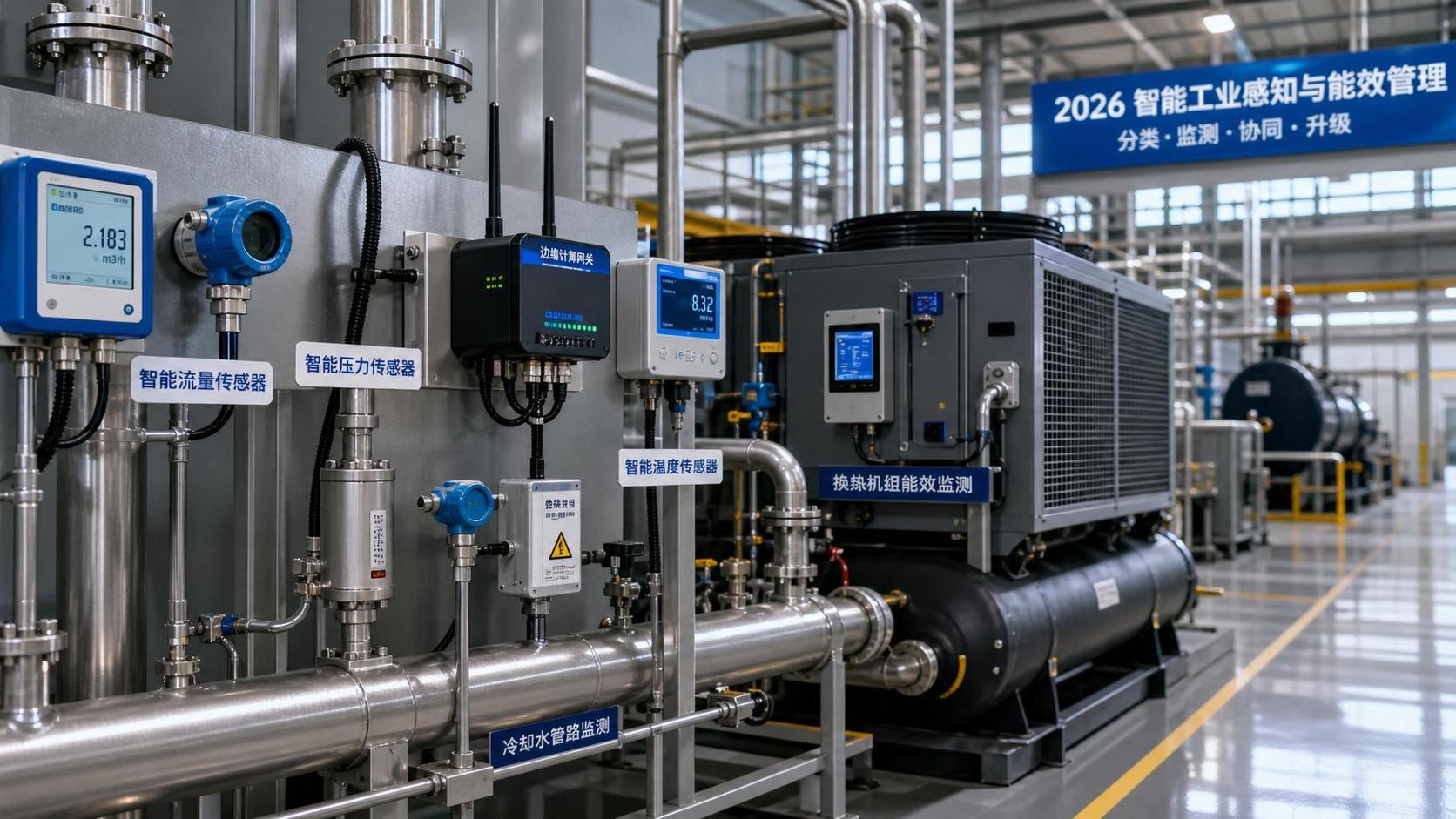
Sensors, controls, and service platforms now generate enough operational data to support useful decisions, not just dashboards.
Industrial intelligence becomes valuable when it connects load patterns, maintenance events, ambient conditions, and production outcomes.
That linkage is especially powerful in systems governed by thermodynamic relationships.
The first wins usually appear in utility-intensive systems
Industrial intelligence creates fast value where energy use is continuous and control gaps are common.
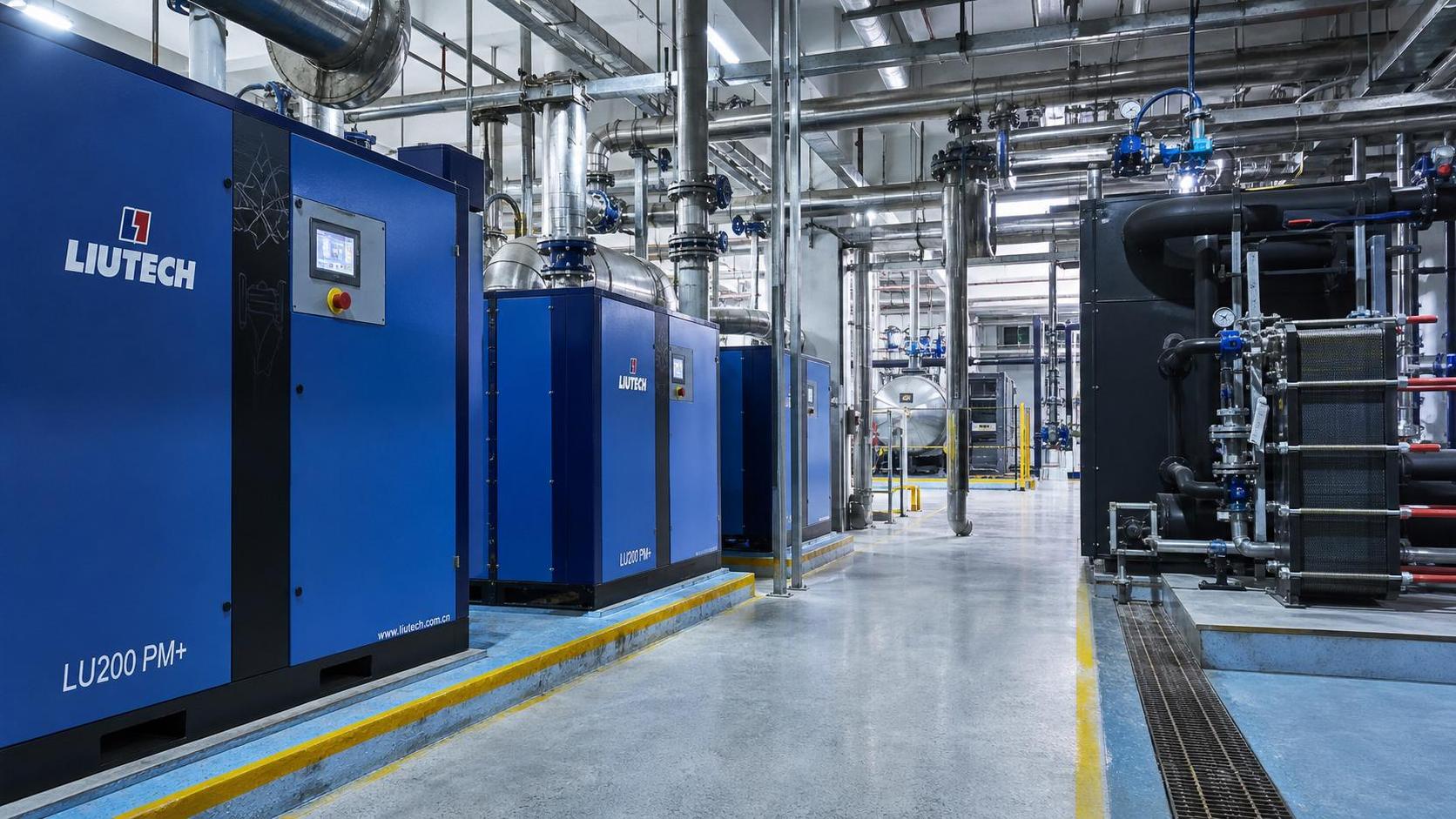
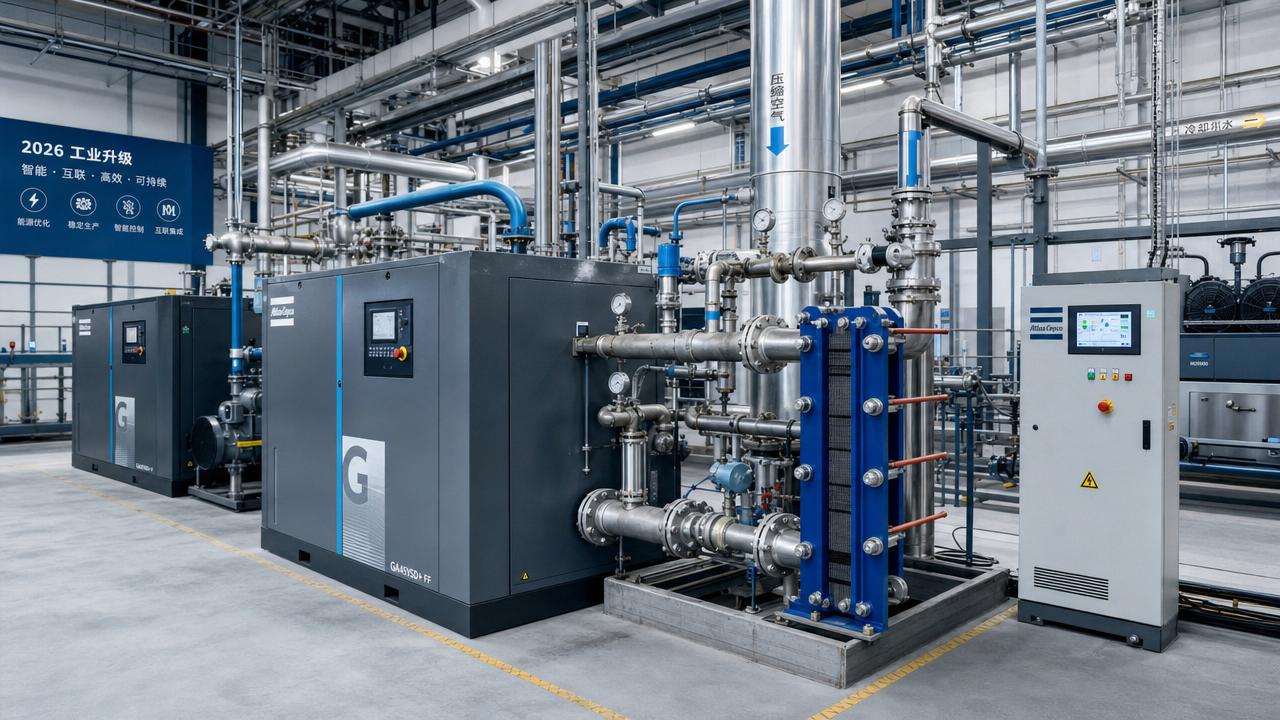
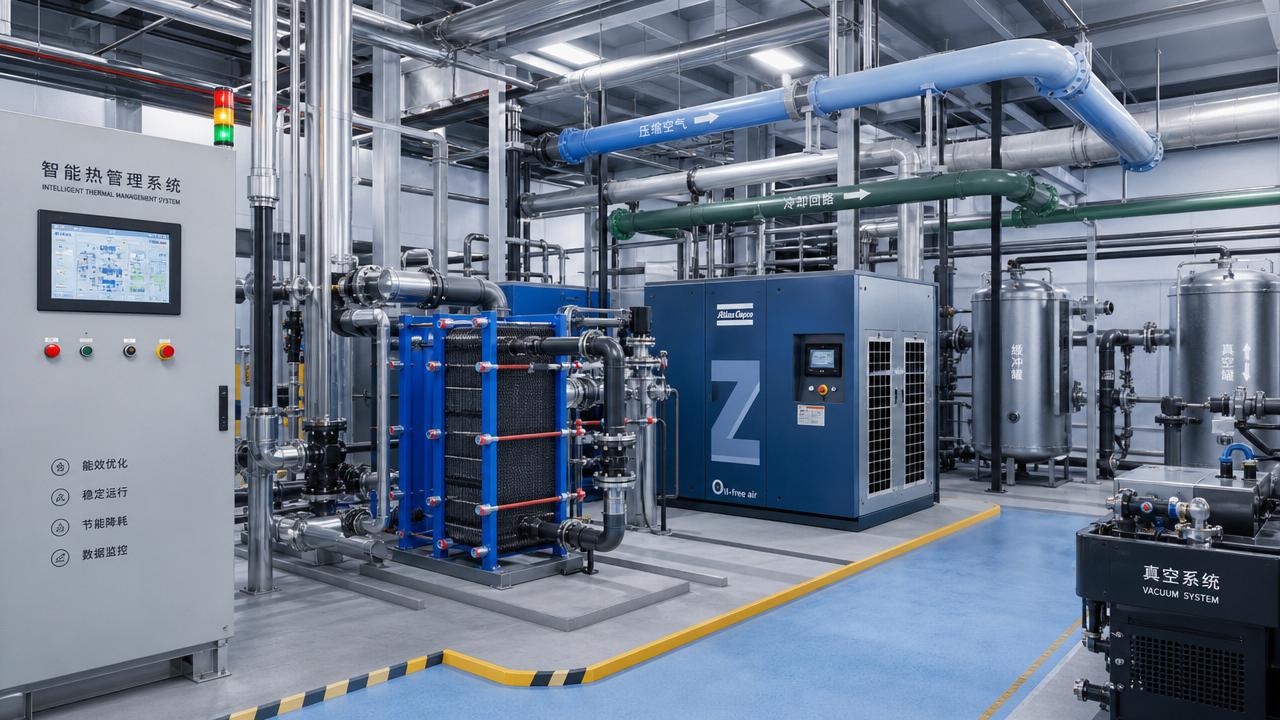
Compressed air is a clear example.
Many plants still carry avoidable leakage, poor sequencing, pressure oversupply, and maintenance based on calendar intervals.
Industrial intelligence can expose pressure drift against demand patterns and reveal whether installed capacity is being used efficiently.
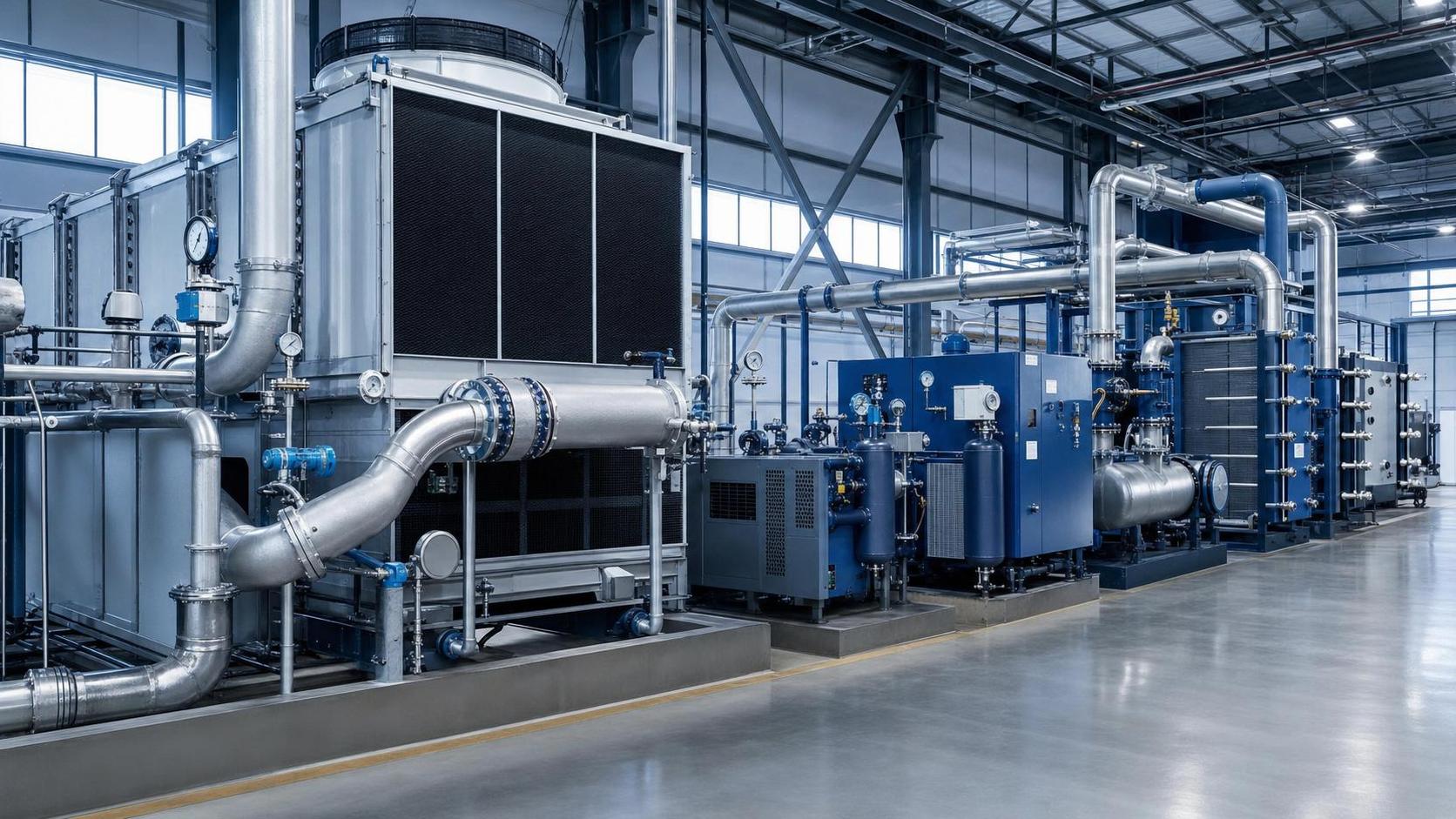
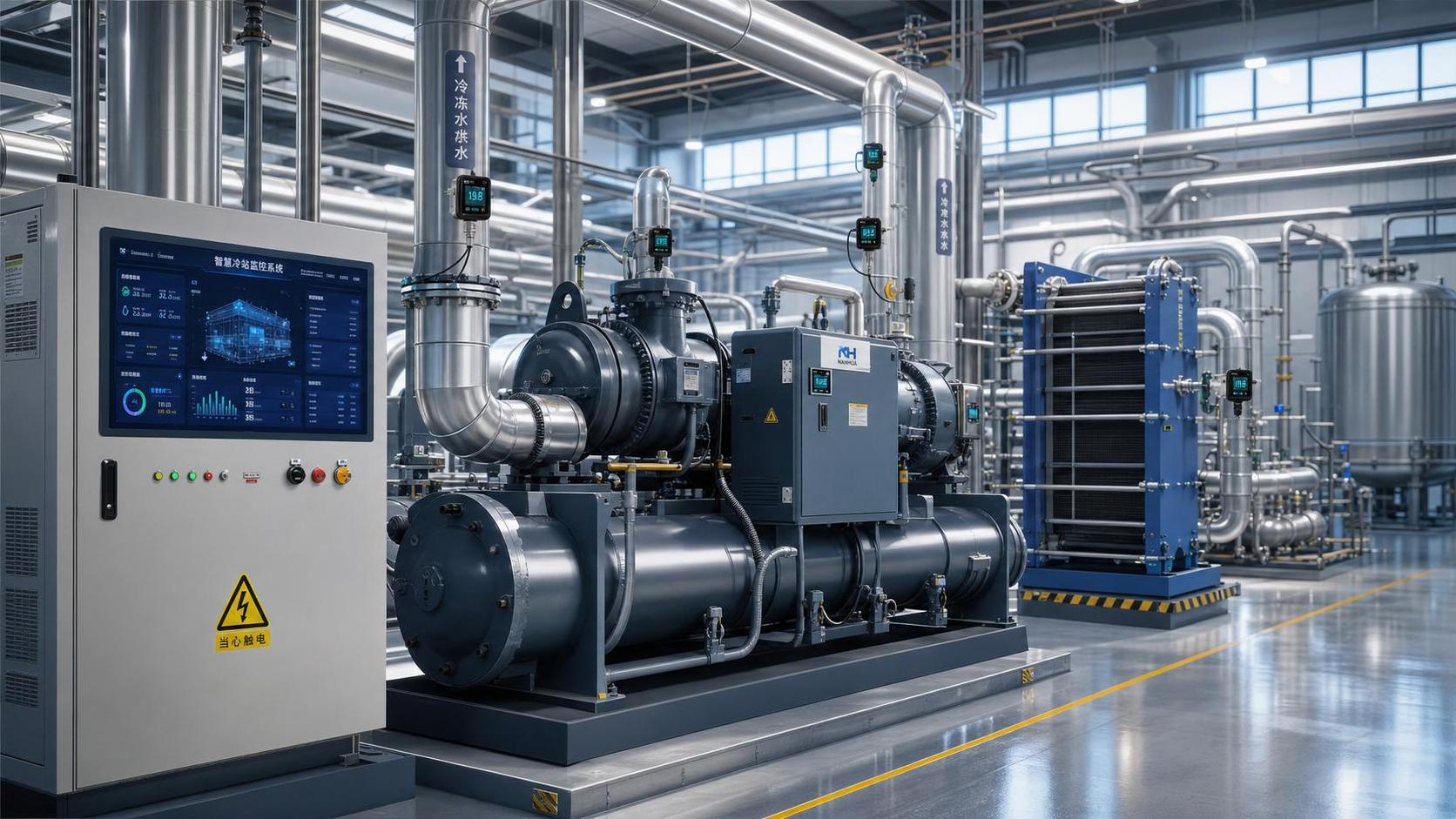
Cooling systems show similar potential.
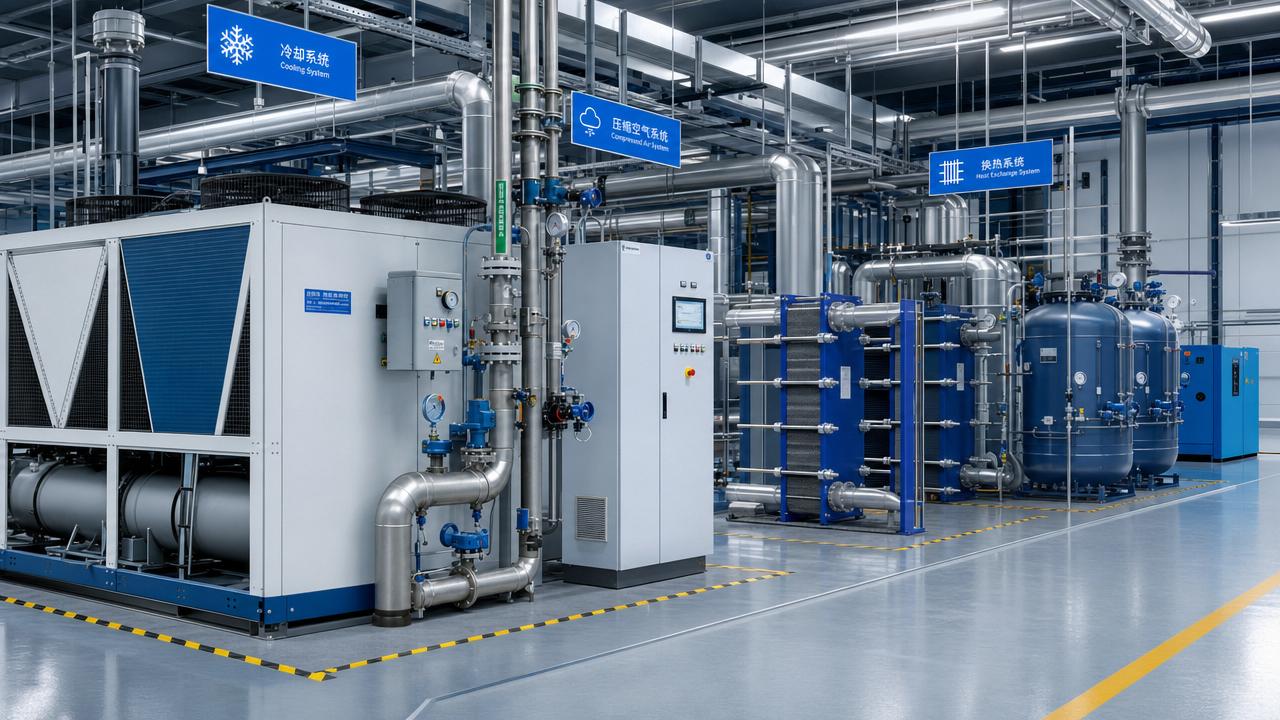
Chillers, cooling towers, pumps, and microchannel heat exchangers often perform below design because conditions changed while control logic stayed static.
In these environments, industrial intelligence helps correlate weather, process load, fouling, and setpoint behavior.
That supports lower energy intensity without sacrificing process safety.
Vacuum systems matter for similar reasons, especially in electronics, packaging, pharmaceuticals, and materials processing.
Small deviations in vacuum stability can affect yield, contamination risk, and cycle consistency.
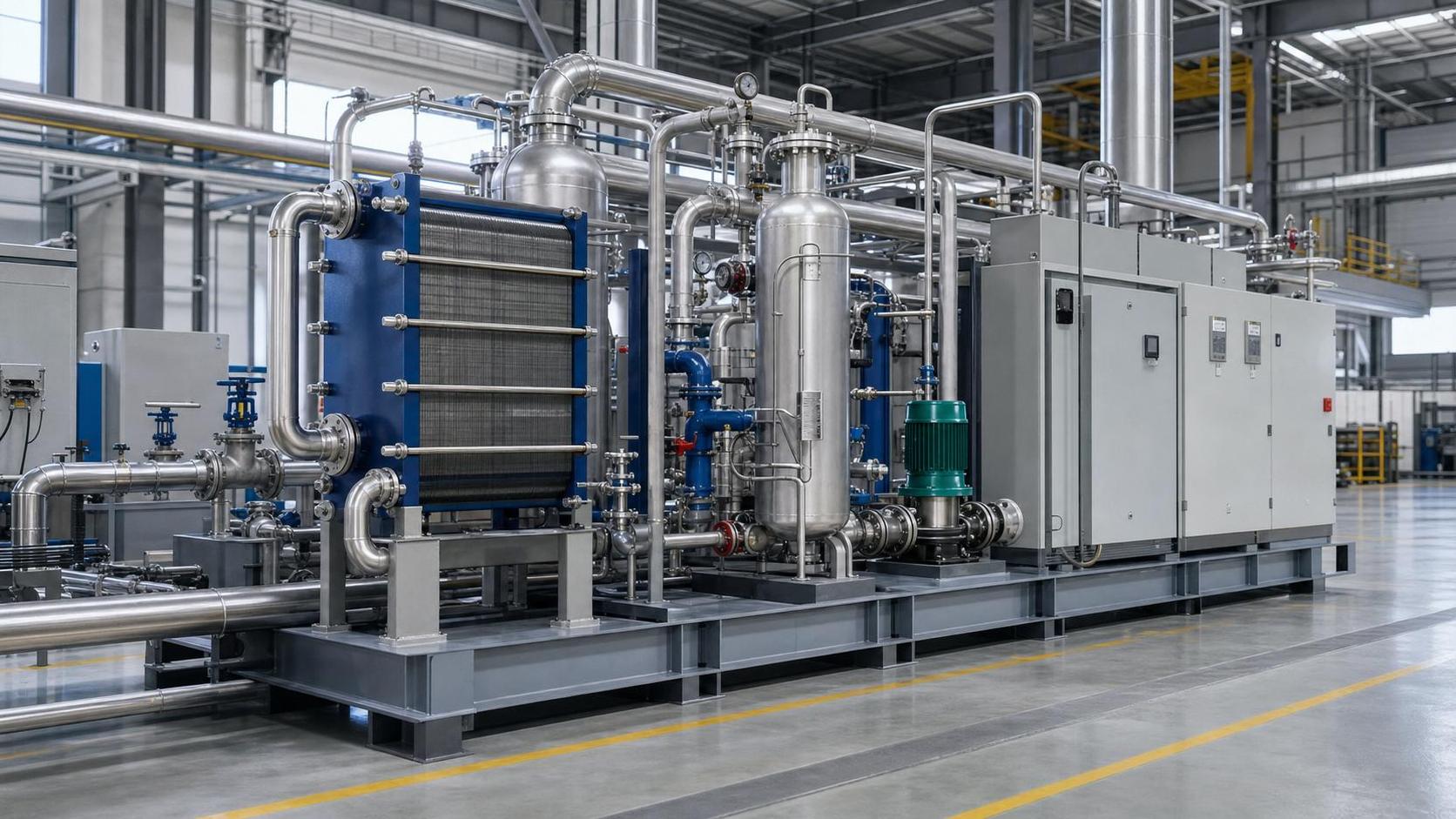
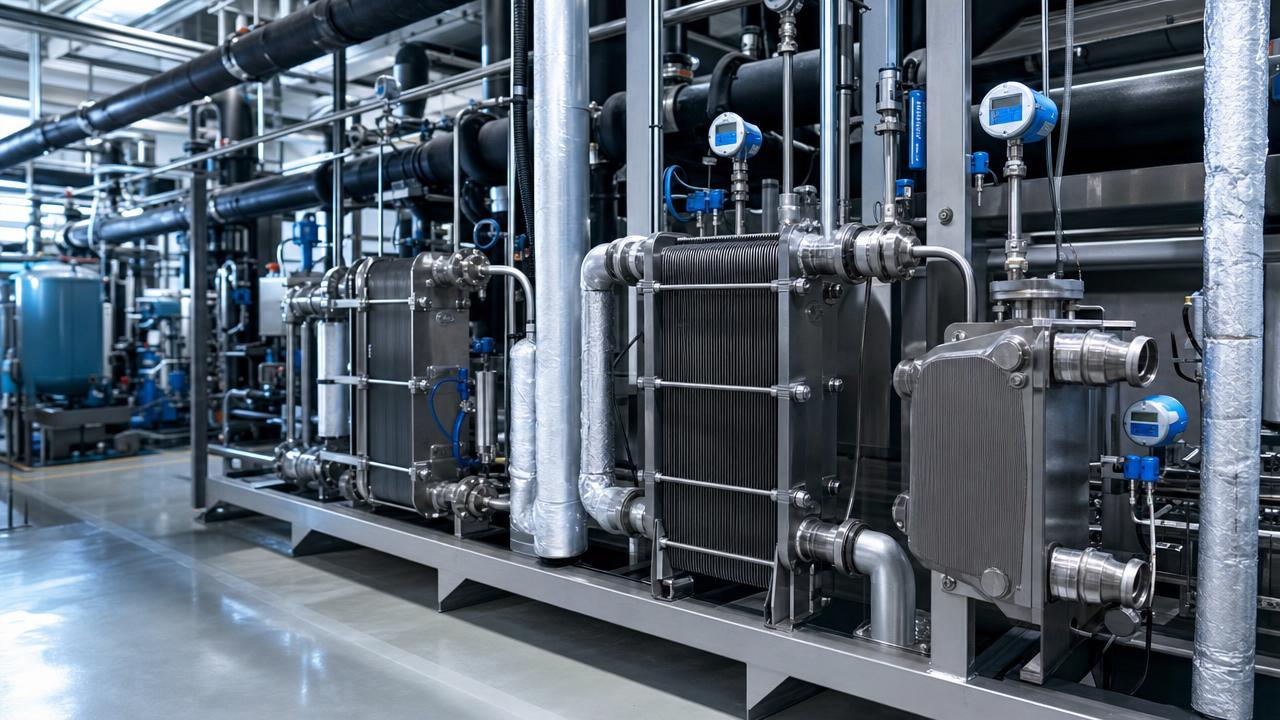
Heat exchange systems complete the picture.
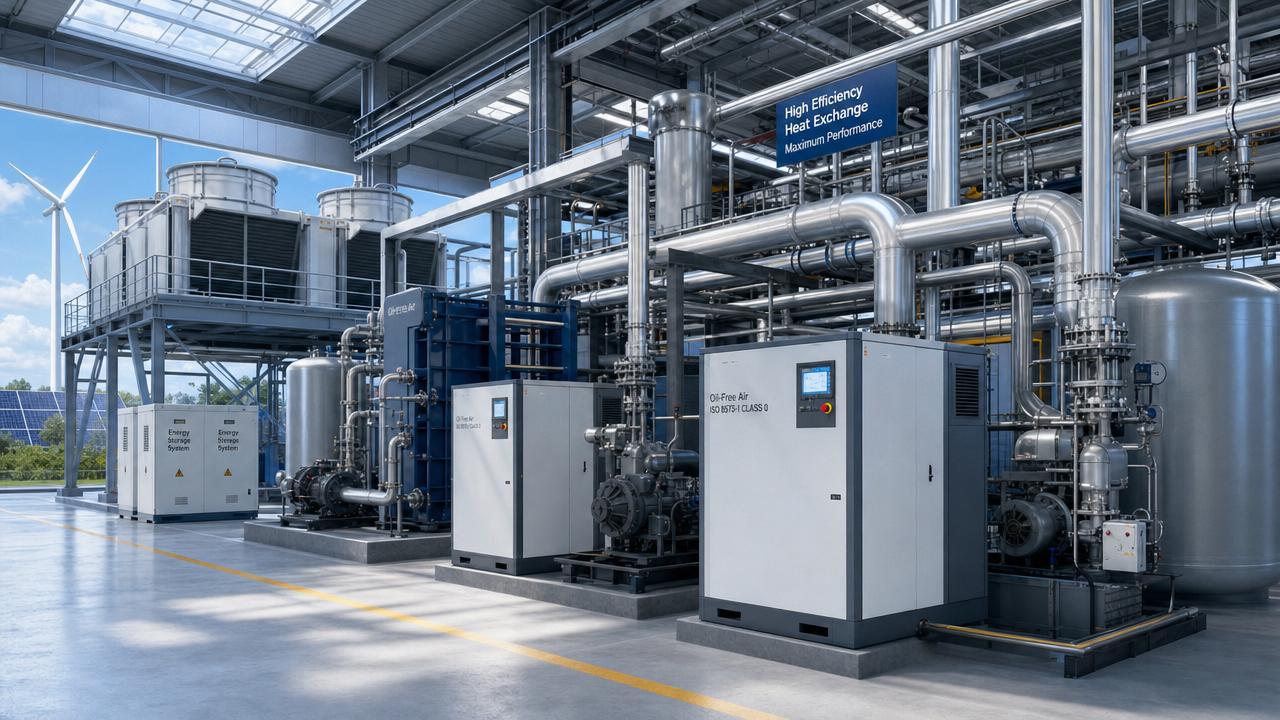
They sit between energy input and process output, so even modest intelligence-led improvements can reshape total plant performance.
What these early-use cases have in common
- They consume large amounts of electricity or thermal energy every day.
- They influence process stability more than their budget line often suggests.
- They generate enough operational data for industrial intelligence to detect patterns quickly.
- They usually contain invisible losses that basic metering does not explain.
- They allow phased optimization without waiting for a full smart factory rebuild.
The impact spreads beyond maintenance and energy teams
A common mistake is to view industrial intelligence as a narrow utility optimization tool.
The broader effect is cross-functional because thermal and compression assets sit close to product risk.
In food processing, temperature excursions can shorten shelf life or trigger compliance issues.
In semiconductors, pure air, stable vacuum, and tight temperature control shape output quality directly.
In pharmaceuticals, environmental consistency matters as much as line efficiency.
That is why industrial intelligence is becoming part of investment logic, not just plant engineering practice.
It changes how asset health, process reliability, and expansion timing are evaluated.
More importantly, it improves decision quality before capital is committed.
This is where platforms such as GTC-Matrix are becoming more relevant.
By connecting sector news, energy policy movement, thermodynamic analysis, and equipment evolution, industrial intelligence becomes easier to apply in real planning.
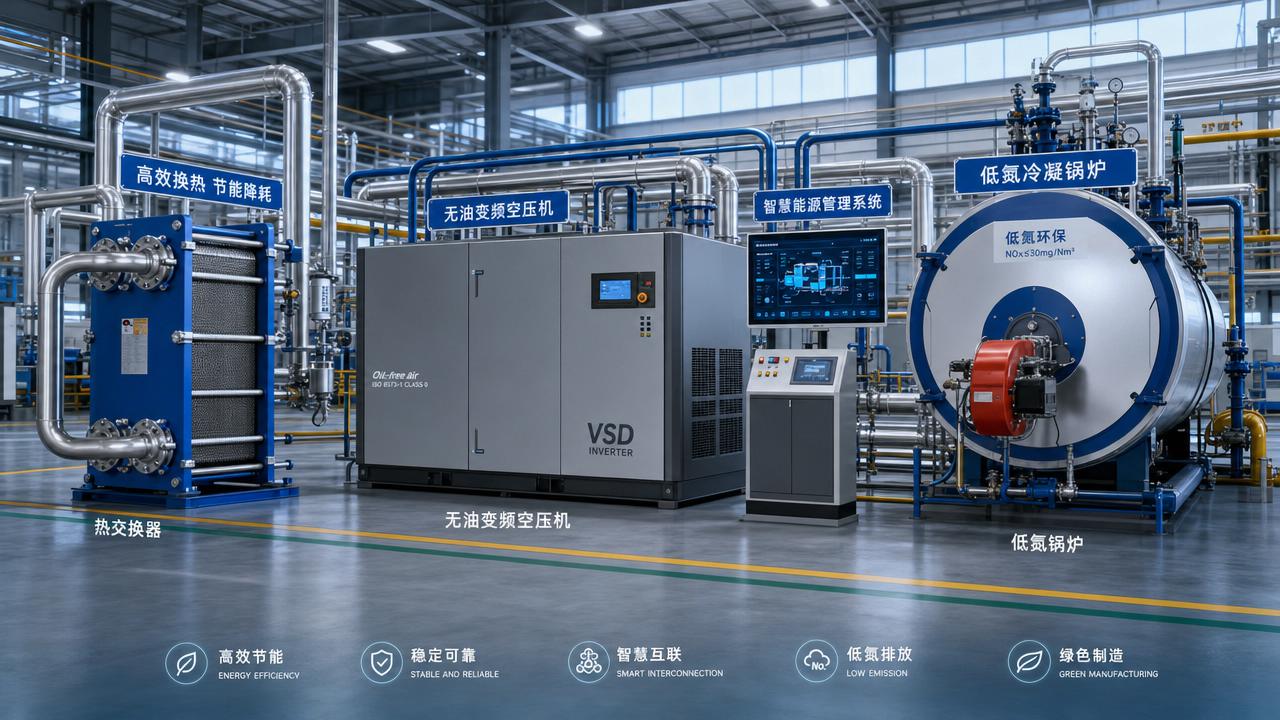
That matters when comparing oil-free compression paths, refrigerant transitions, low-NOx boiler upgrades, or heat exchanger design shifts.
The useful insight is rarely a single data point.
It is the stitched view between technology change, regulatory movement, and sector demand.
What to watch before scaling industrial intelligence further
Not every initiative should start with a large platform rollout.
The stronger approach is to identify systems where thermodynamic inefficiency is already affecting business outcomes.
From there, a few signals deserve close attention.
Signals worth ranking early
- Energy intensity by utility system, not just by facility total.
- Frequency of pressure, temperature, or vacuum deviations tied to production loss.
- Maintenance events that repeat without clear root-cause resolution.
- Equipment exposed to refrigerant, emissions, or efficiency regulation changes.
- Processes where a small utility disturbance creates a large quality consequence.
Another useful step is separating visibility from intelligence.
Many sites can see asset status but still cannot explain why performance drifts or which intervention creates the best return.
Industrial intelligence starts to matter when data supports comparative judgment.
That includes whether to retrofit, rebalance loads, change control sequences, or replace an asset family entirely.
The next phase will reward selective, system-level decisions
The next few years are unlikely to reward digital activity for its own sake.
They will reward selective industrial intelligence applied to systems with strong links to energy, quality, and resilience.
That is especially true in broad industrial markets where conditions vary across sectors but utility pressure is universal.
The most effective response is usually staged.
Start with compressed air, cooling, vacuum, and heat exchange assets that already show unstable cost or reliability behavior.
Then compare those findings with external signals on energy pricing, refrigerant policy, and technology migration.
This is where industrial intelligence becomes more than operational reporting.
It becomes a practical framework for timing investment, reducing hidden waste, and building stronger technical positioning.
For the next step, it makes sense to map the most energy-sensitive utility systems, review recent instability patterns, and test where intelligence-led optimization can produce the clearest short-cycle return.
That is often where industrial intelligence delivers value first, and where broader transformation starts to become credible.
Related News
- Why high-density thermal energy storage is gaining industry attentionAuthor :

- Smart Device Thermal Management Trends Shaping 2026 Product DesignAuthor :

- Industrial Cooling Technologies in Europe: 2026 Trends in Compliance and Energy UseAuthor :

- Industrial Electrification Trends in 2026: Where Projects Are Moving FirstAuthor :

- Industrial Solution Comparison Global: 2026 Trends Reshaping Equipment DecisionsAuthor :

- When Heat Recovery Systems Skid Mounted Designs Improve Project PaybackAuthor :

- How to Compare Industrial Decarbonization Solutions Providers in 2026Author :

- Industry Category Guides for Smart Devices: What to Track as 2026 Markets ShiftAuthor :

- Green Manufacturing Trends Reshaping Industrial InvestmentAuthor :

- 2026 Global Energy Costs: What Will Reshape Industrial PlanningAuthor :

- Industrial Decarbonization Solutions That Cut Fuel Costs in 2026Author :

- Smart Thermal Systems Trends Shaping Industrial Upgrades in 2026Author :

- Resource Circularity in Manufacturing: 5 Practical Gains Beyond ComplianceAuthor :

- Carbon Neutrality Roadmap: What Industrial Firms Need to Prioritize FirstAuthor :

- Energy Conversion Efficiency Trends Shaping Industrial UpgradesAuthor :

- Compression Technology Trends Shaping Efficient Plant UpgradesAuthor :

- Industrial Intelligence in Manufacturing: Where It Delivers Value FirstAuthor :

- How Intellectualization Improves Industrial Thermal ManagementAuthor :

- What Intellectualization Means for Smarter Plant Operations in 2026Author :

- Carbon Neutrality Goals: What Industrial Firms Should Prioritize in 2026Author :

- How Intellectualization Reduces Downtime in Modern Production LinesAuthor :

- Decarbonization Roadmap for Energy-Intensive Plants in 2026Author :

- Thermal Systems Trends in 2026: Efficiency, Control, and RiskAuthor :

- Industrial Decarbonization Priorities for Energy-Intensive FacilitiesAuthor :

- Thermal Systems in 2026: Efficiency Upgrades Shaping Industrial OperationsAuthor :

- Pure Power Sources: 5 Practical Paths to Carbon NeutralityAuthor :

- What Intellectualization Means for Industrial Equipment UpgradesAuthor :

- Thermal Optimization in 2026: Where Energy Savings Deliver the Fastest PaybackAuthor :

- Energy Efficiency Trends Reshaping Compressor Upgrades in 2026Author :

- 2026 Industrial Decarbonization Trends Reshaping Plant UpgradesAuthor :
![]()
- Heat Exchanger Technology Trends for 2026 Efficiency TargetsAuthor :

- Resource Circularity Risks in 2026 Supply ChainsAuthor :

- Smart Thermal Systems: When Upgrades Deliver Measurable SavingsAuthor :

- Carbon Neutrality: Practical Steps for Factory RoadmapsAuthor :

- 2026 Industrial Energy Efficiency Priorities for Plant UpgradesAuthor :

- Industrial Intellectualization Trends Reshaping Equipment UpgradesAuthor :