Industry Category Guides for Smart Devices: What to Track as 2026 Markets Shift




As 2026 approaches, market shifts are changing how smart devices are evaluated across industrial systems, facilities, and connected operations.
That is why industry category guides for smart devices now matter beyond product discovery.
They help interpret regulation, energy exposure, data architecture, and upgrade timing in a more practical way.
For sectors tied to cooling, compressed air, vacuum control, and heat exchange, category-level tracking often reveals change before procurement cycles catch up.
In that sense, smart device categorization is no longer a catalog exercise.
It becomes a decision framework for efficiency, resilience, and technical positioning.
Why category guides are gaining strategic weight
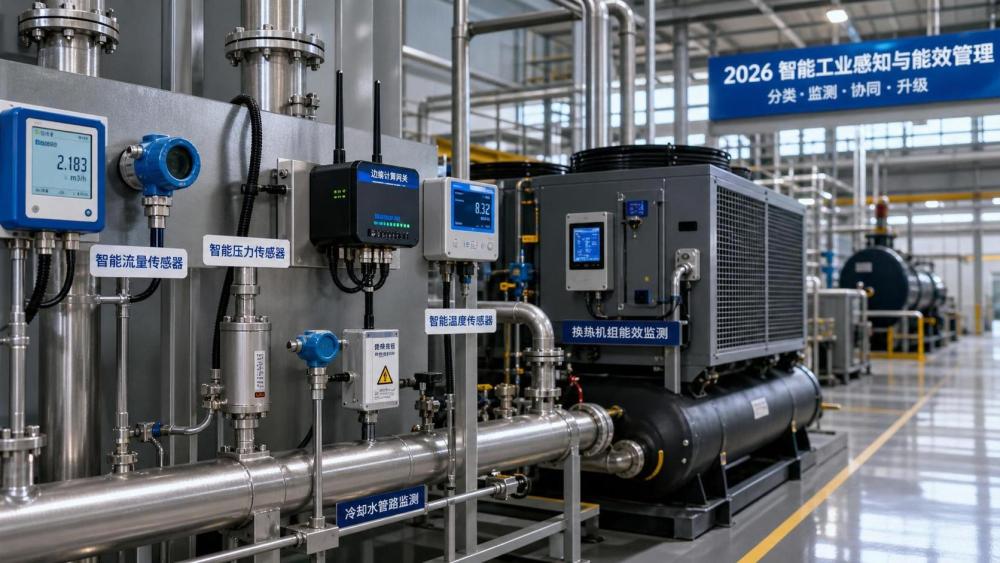
The smart device market is fragmenting at the same time that operational demands are converging.
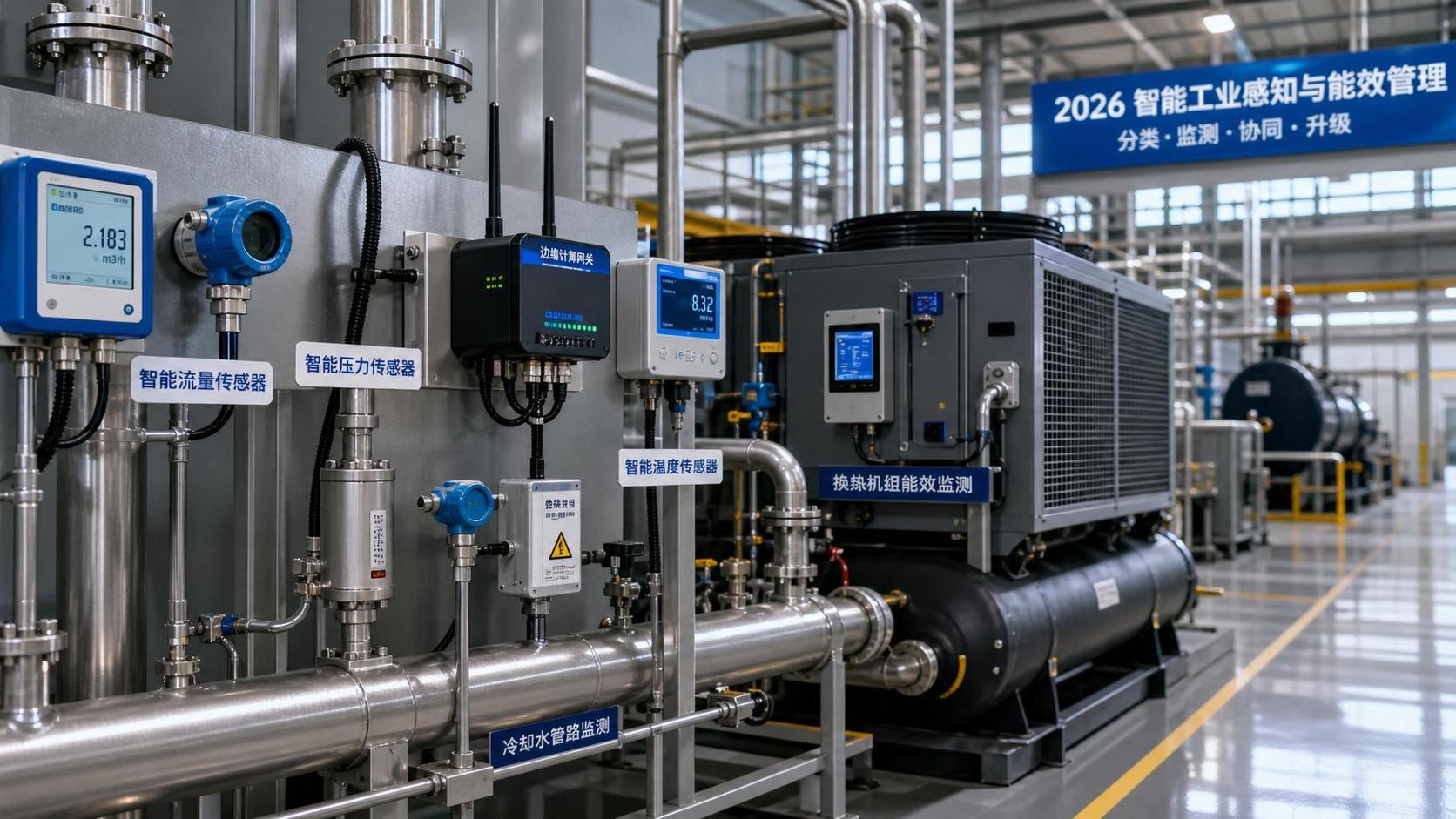
Sensors, controllers, drives, thermal monitors, leak detectors, and connected service modules now appear in overlapping product families.
Without clear industry category guides for smart devices, it becomes harder to compare solutions on meaningful business terms.
A device may look advanced because it is connected, yet still fail on interoperability, lifecycle cost, or thermal performance.
Category guides bring structure by separating devices according to function, environment, compliance pressure, and system value.
This matters more in 2026 because three forces are moving together.
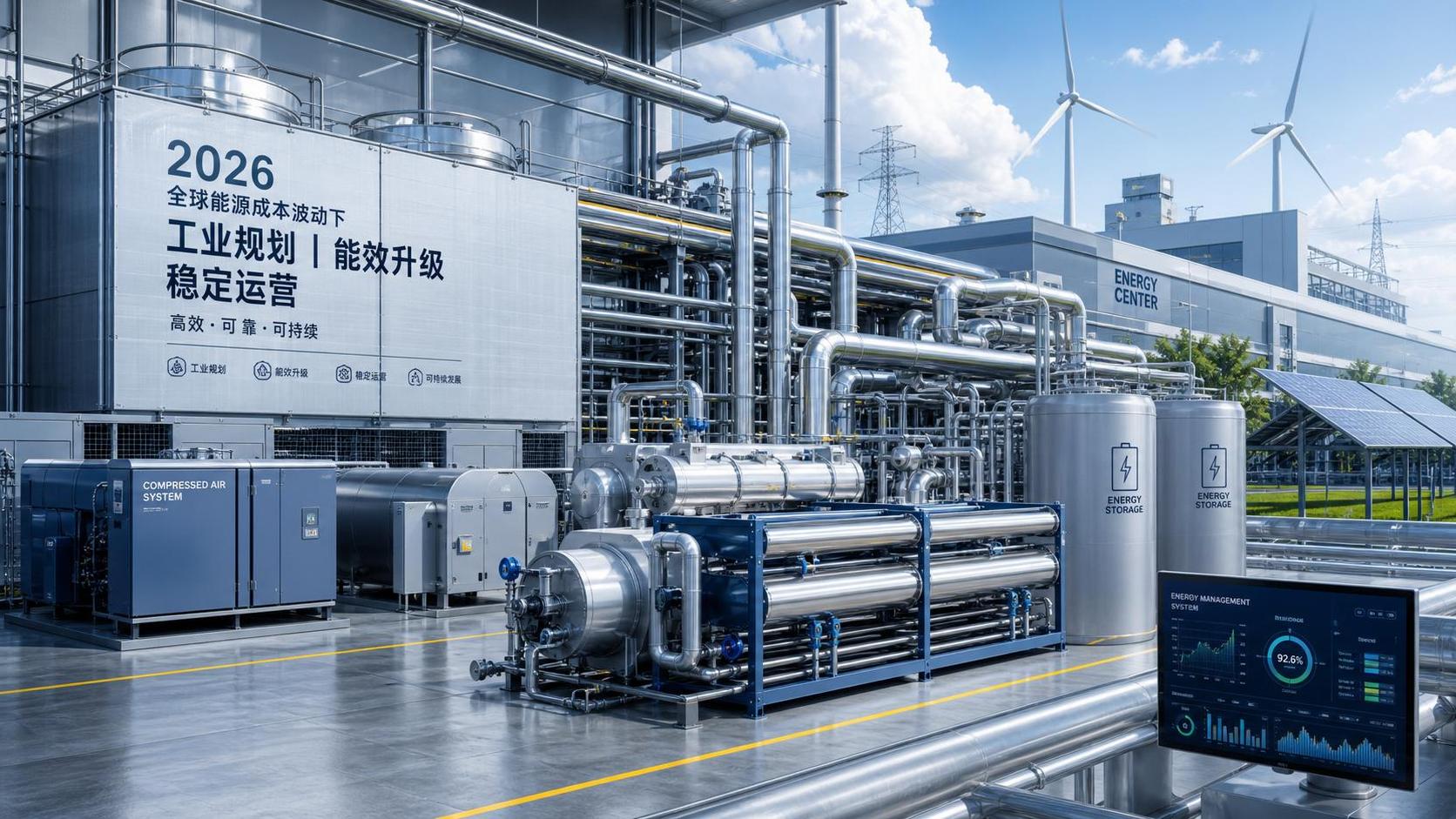
- Energy costs remain volatile, making device-level efficiency more visible in investment decisions.
- Environmental rules are tightening around refrigerants, emissions, and reporting transparency.
- Industrial digitalization is shifting value from standalone hardware to measurable operating intelligence.
When these forces meet, category tracking becomes a way to judge where margin, risk, and upgrade pressure will appear next.
What industry category guides for smart devices should actually cover
A useful guide does not stop at naming product types.
It should explain how each category behaves under changing market conditions.
In industrial settings, the most relevant categories usually connect physical performance with data visibility.
Core device groups to watch
This is where industry category guides for smart devices become more useful than broad trend reports.
They connect device categories to operating consequences.
Signals shaping smart device demand across industries
Demand is not shifting evenly.
Some categories are expanding because of direct cost pressure, while others are being pulled by compliance and process quality.
In pharmaceutical production, high-precision temperature control and contamination avoidance continue to raise the value of smart monitoring layers.
In semiconductors, pure utility systems and vacuum integrity make device stability more important than feature count.
In food processing, traceability and uptime make connected sensing more relevant at storage, cooling, and line-control points.
Across these sectors, the same pattern appears.
The highest-value smart devices are those that improve system decisions, not only data collection.
This is consistent with how GTC-Matrix reads the market.
Its intelligence focus on industrial cooling, compressed air, vacuum processes, and heat exchange shows that performance categories are increasingly shaped by thermodynamic efficiency.
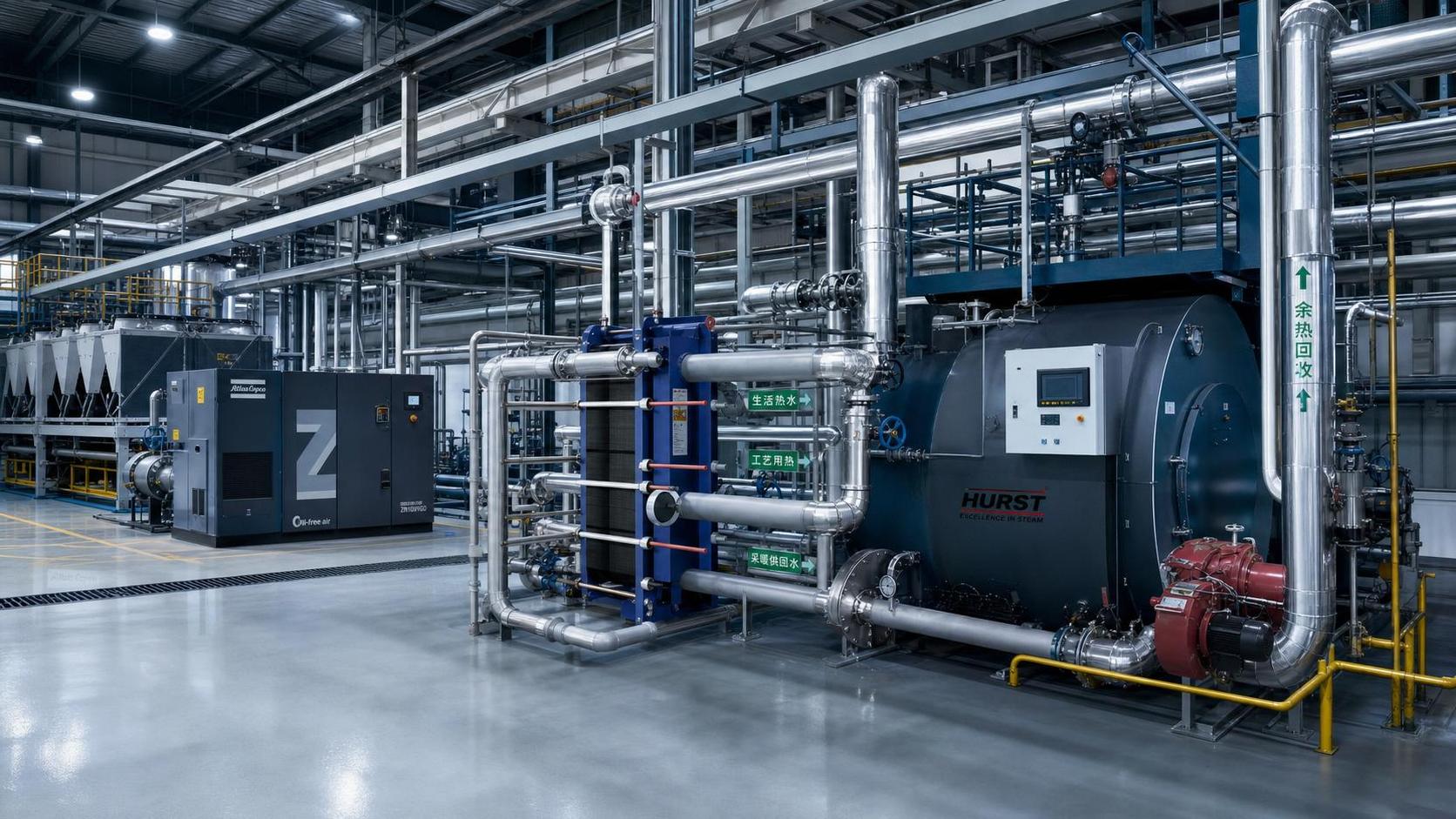
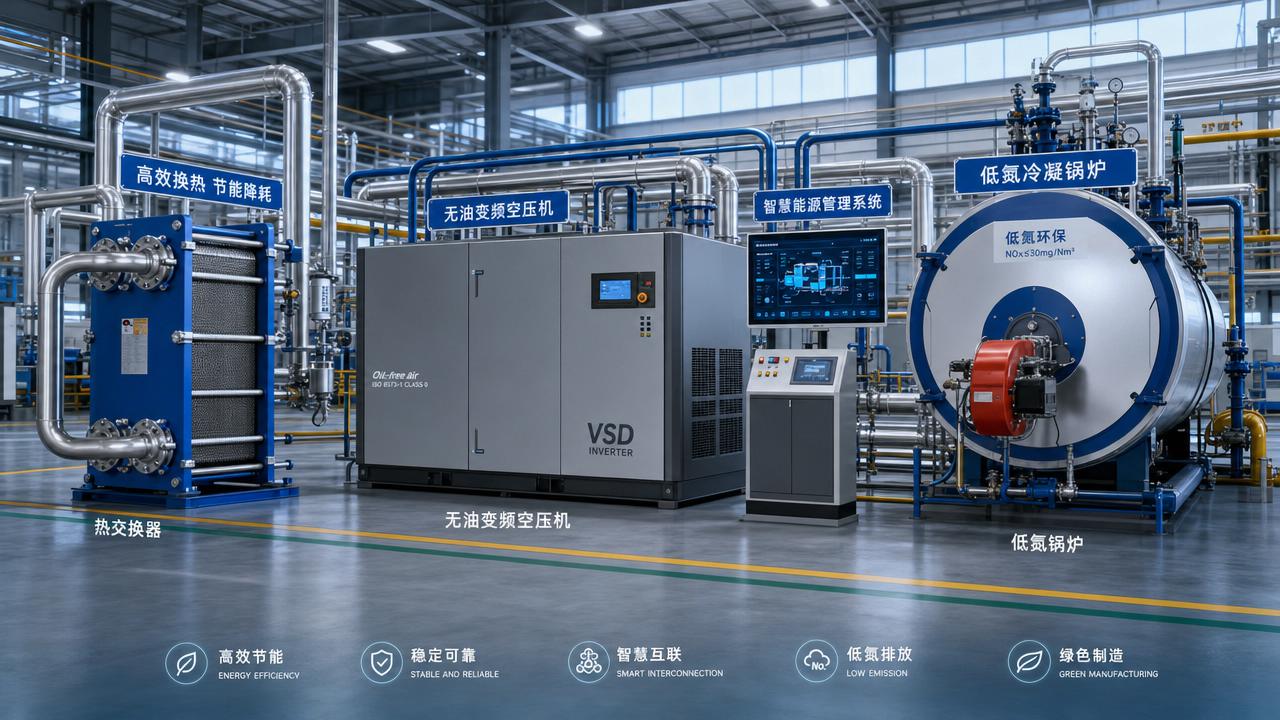
That includes oil-free compression, microchannel heat exchangers, and low-NOx thermal systems.
When category guides reflect those shifts, they become decision tools rather than static reference pages.
The metrics worth tracking beyond the product sheet
A common mistake is to compare smart devices by connectivity claims alone.
That hides the metrics that actually influence return and risk.
Operational metrics that deserve more attention
- Energy intensity per monitored or controlled process unit
- Failure prediction accuracy rather than alert volume
- Interoperability with existing building or plant systems
- Maintenance burden, including calibration and firmware management
- Data ownership, storage location, and audit readiness
- Performance under variable thermal load or unstable ambient conditions
These factors are especially important when industry category guides for smart devices are used for retrofit planning.
A low-cost device may create hidden integration costs.
A premium device may underperform if it was designed for a cleaner or less dynamic environment.
Category analysis should therefore include installation context, not just technical specification.
How to use category guides in real planning cycles
In practice, industry category guides for smart devices work best when they support staged decisions.
They help narrow choices before supplier comparison begins.
They also make internal alignment easier because categories provide a shared language across technical, financial, and operational reviews.
A workable sequence
- Map the system constraint first: energy loss, thermal instability, contamination risk, or control blind spots.
- Match that constraint to device categories, not brands.
- Rank categories by measurable impact within twelve to twenty-four months.
- Check each category against regulatory exposure and retrofit complexity.
- Use pilot data to confirm whether the category performs under real operating variance.
This approach reduces the risk of buying devices that add data without improving control.
It also supports better timing.
Some categories should be watched now even if purchase happens later.
That is often true for devices affected by refrigerant transitions, carbon accounting, or industrial cybersecurity upgrades.
Where to look next as 2026 markets keep moving
The market will reward clearer judgment more than faster buying.
The next step is to refine the categories that matter most to operational energy, process consistency, and future compliance.
That means tracking industry category guides for smart devices alongside energy policy, refrigerant quotas, compression efficiency, and heat exchange innovation.
Sources with deep sector intelligence are especially useful when device categories intersect with thermal systems and power conversion.
GTC-Matrix is relevant in that context because its coverage links market signals with the technical realities behind industrial cooling and compression infrastructure.
A stronger view of categories leads to better comparisons, better timing, and fewer expensive assumptions.
Before the next planning cycle, it is worth reviewing which smart device categories are truly strategic, which are becoming standardized, and which need closer monitoring as 2026 conditions unfold.
Ready when you are. Send us a message to get started.
Related News
- Why high-density thermal energy storage is gaining industry attentionAuthor :

- Smart Device Thermal Management Trends Shaping 2026 Product DesignAuthor :

- Industrial Cooling Technologies in Europe: 2026 Trends in Compliance and Energy UseAuthor :

- Industrial Electrification Trends in 2026: Where Projects Are Moving FirstAuthor :

- Industrial Solution Comparison Global: 2026 Trends Reshaping Equipment DecisionsAuthor :

- When Heat Recovery Systems Skid Mounted Designs Improve Project PaybackAuthor :

- How to Compare Industrial Decarbonization Solutions Providers in 2026Author :

- Industry Category Guides for Smart Devices: What to Track as 2026 Markets ShiftAuthor :

- Green Manufacturing Trends Reshaping Industrial InvestmentAuthor :

- 2026 Global Energy Costs: What Will Reshape Industrial PlanningAuthor :

- Industrial Decarbonization Solutions That Cut Fuel Costs in 2026Author :

- Smart Thermal Systems Trends Shaping Industrial Upgrades in 2026Author :

- Resource Circularity in Manufacturing: 5 Practical Gains Beyond ComplianceAuthor :

- Carbon Neutrality Roadmap: What Industrial Firms Need to Prioritize FirstAuthor :

- Energy Conversion Efficiency Trends Shaping Industrial UpgradesAuthor :

- Compression Technology Trends Shaping Efficient Plant UpgradesAuthor :

- Industrial Intelligence in Manufacturing: Where It Delivers Value FirstAuthor :

- How Intellectualization Improves Industrial Thermal ManagementAuthor :

- What Intellectualization Means for Smarter Plant Operations in 2026Author :

- Carbon Neutrality Goals: What Industrial Firms Should Prioritize in 2026Author :

- How Intellectualization Reduces Downtime in Modern Production LinesAuthor :

- Decarbonization Roadmap for Energy-Intensive Plants in 2026Author :

- Thermal Systems Trends in 2026: Efficiency, Control, and RiskAuthor :

- Industrial Decarbonization Priorities for Energy-Intensive FacilitiesAuthor :

- Thermal Systems in 2026: Efficiency Upgrades Shaping Industrial OperationsAuthor :

- Pure Power Sources: 5 Practical Paths to Carbon NeutralityAuthor :

- What Intellectualization Means for Industrial Equipment UpgradesAuthor :

- Thermal Optimization in 2026: Where Energy Savings Deliver the Fastest PaybackAuthor :

- Energy Efficiency Trends Reshaping Compressor Upgrades in 2026Author :

- 2026 Industrial Decarbonization Trends Reshaping Plant UpgradesAuthor :
![]()
- Heat Exchanger Technology Trends for 2026 Efficiency TargetsAuthor :

- Resource Circularity Risks in 2026 Supply ChainsAuthor :

- Smart Thermal Systems: When Upgrades Deliver Measurable SavingsAuthor :

- Carbon Neutrality: Practical Steps for Factory RoadmapsAuthor :

- 2026 Industrial Energy Efficiency Priorities for Plant UpgradesAuthor :

- Industrial Intellectualization Trends Reshaping Equipment UpgradesAuthor :