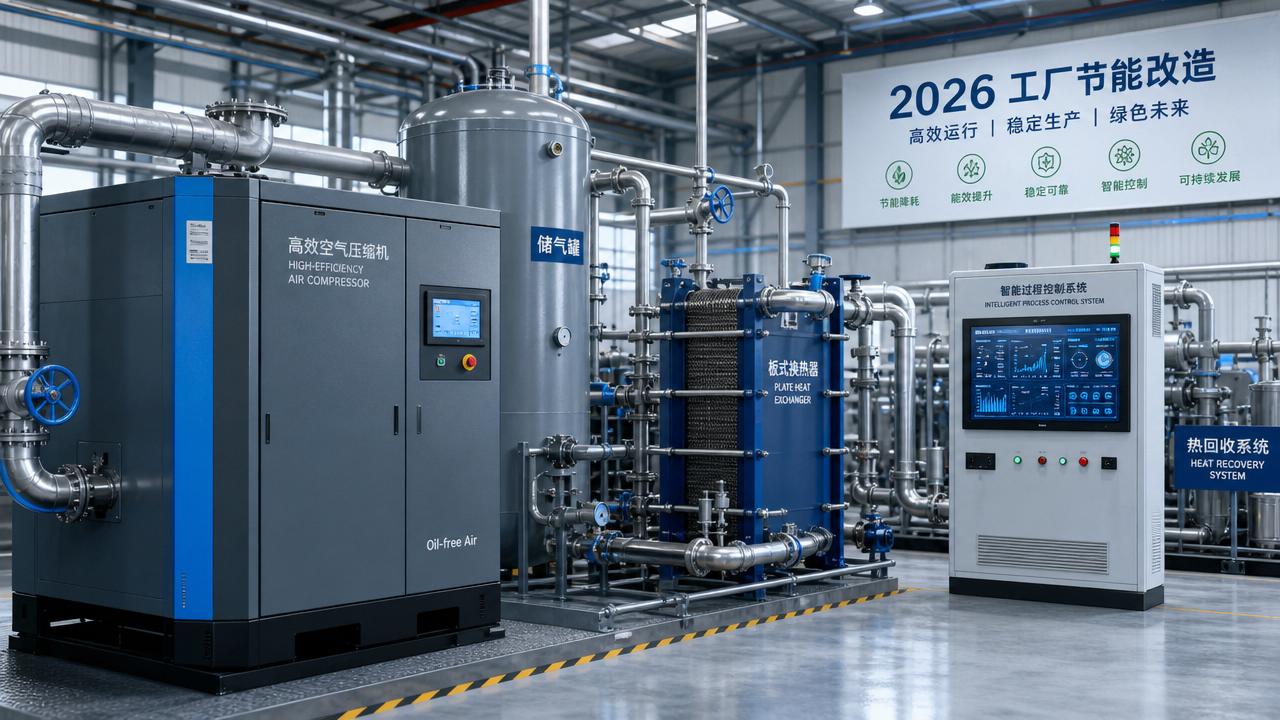
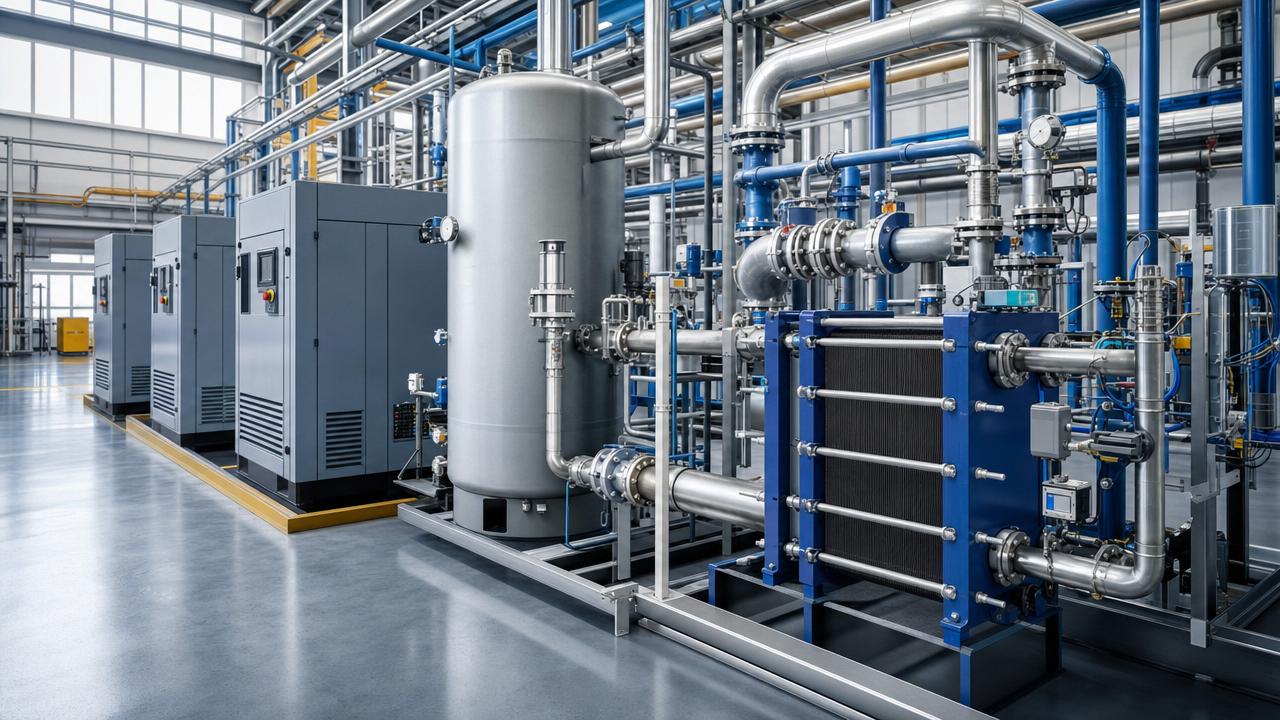
Decarbonization Roadmap for Energy-Intensive Plants in 2026




Decarbonization moves from ambition to operating discipline in 2026
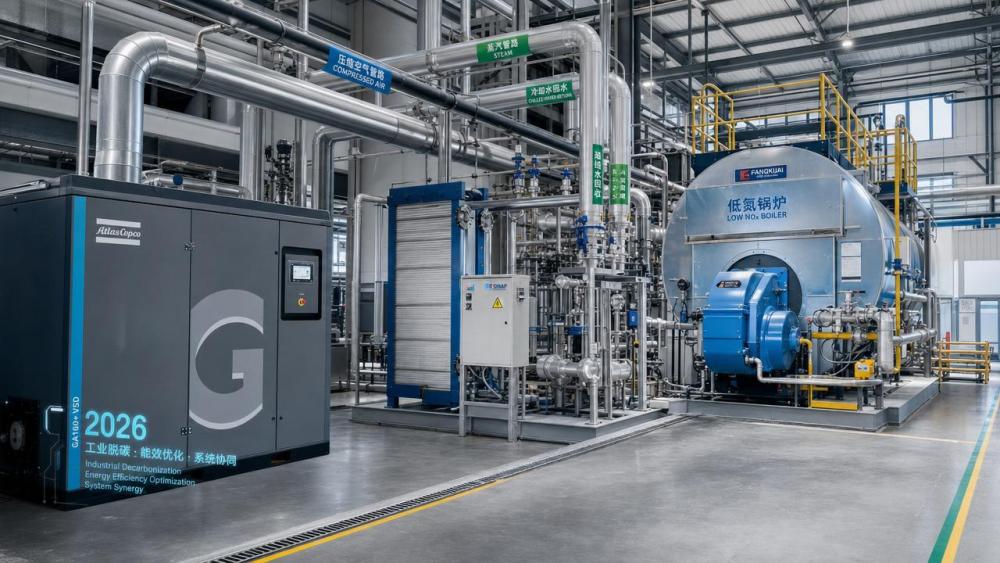
Energy-intensive plants enter 2026 under a different set of pressures.
Power prices remain volatile, carbon exposure is easier to measure, and efficiency gaps now show up directly in plant economics.
That is why decarbonization is no longer treated as a distant sustainability promise.
It is becoming a practical roadmap for uptime, margin protection, and competitive resilience.
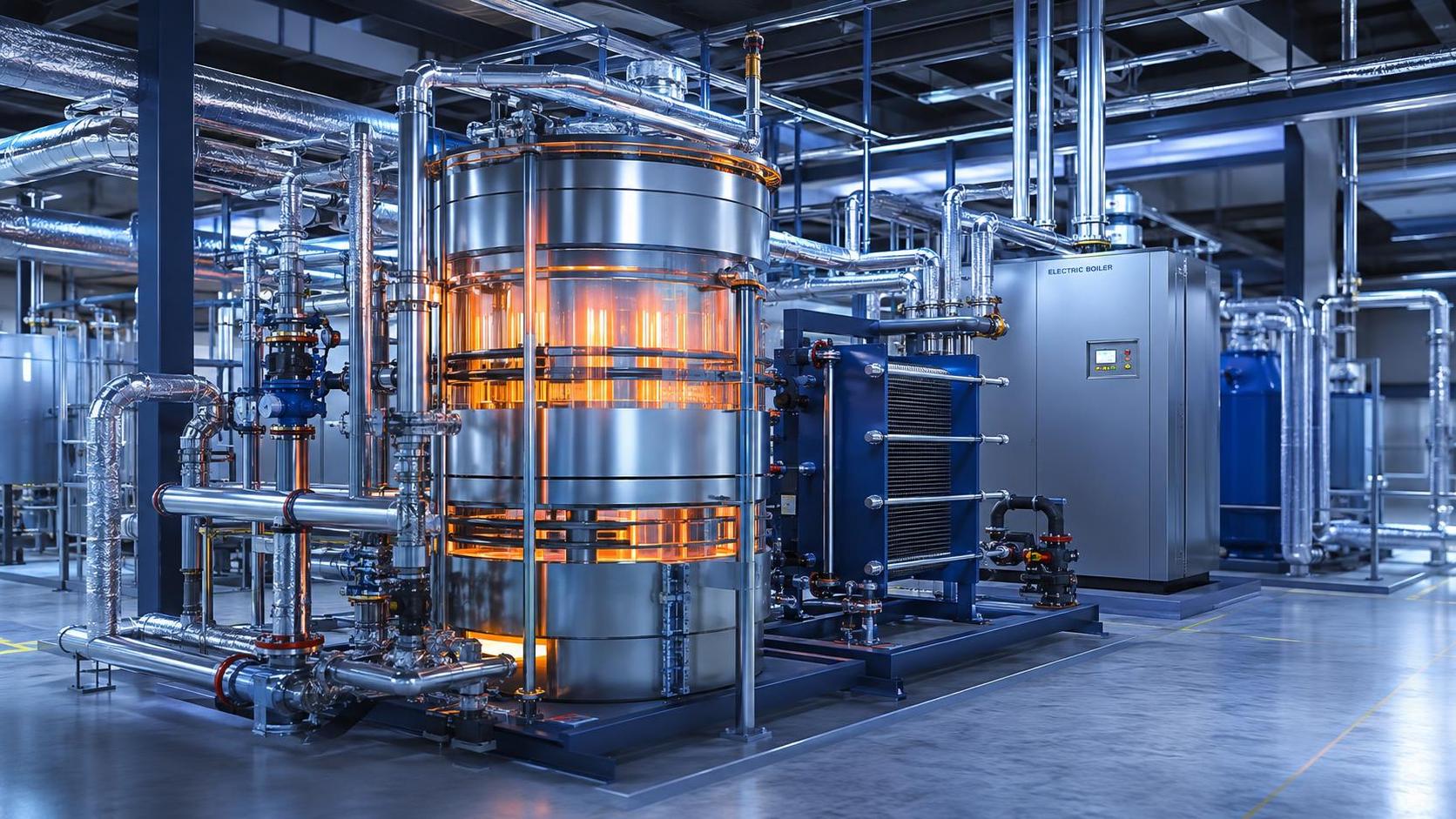
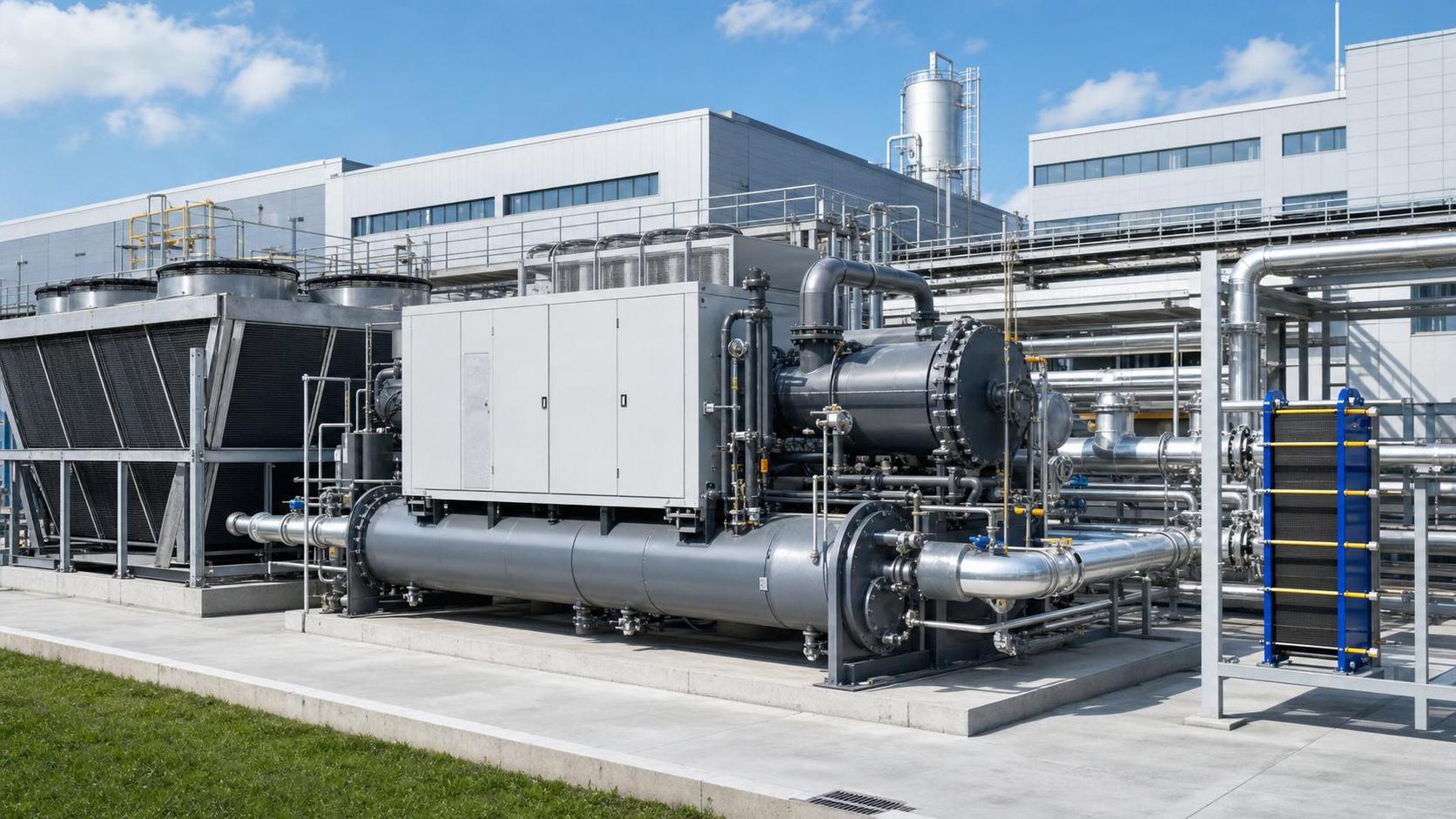
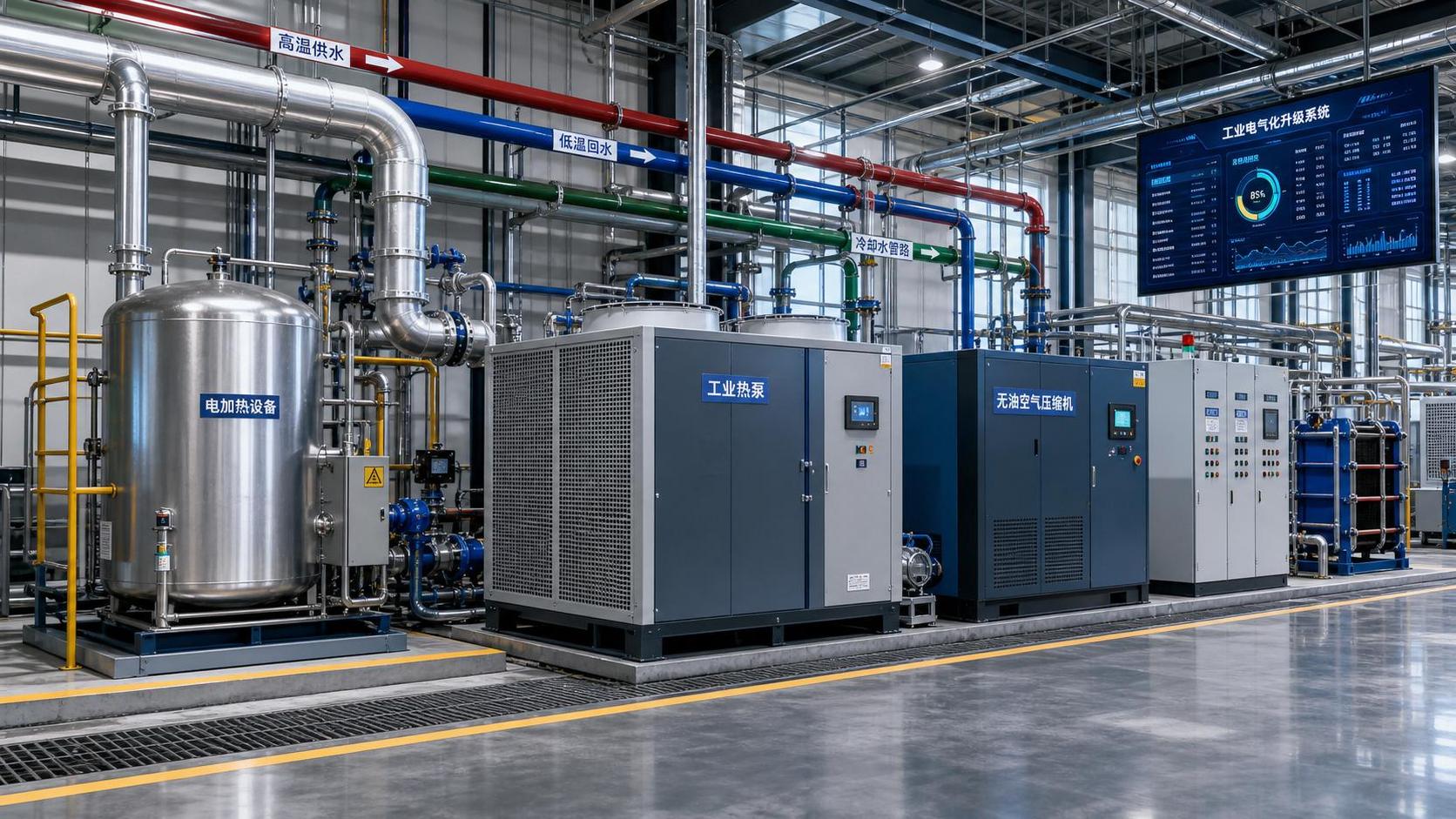
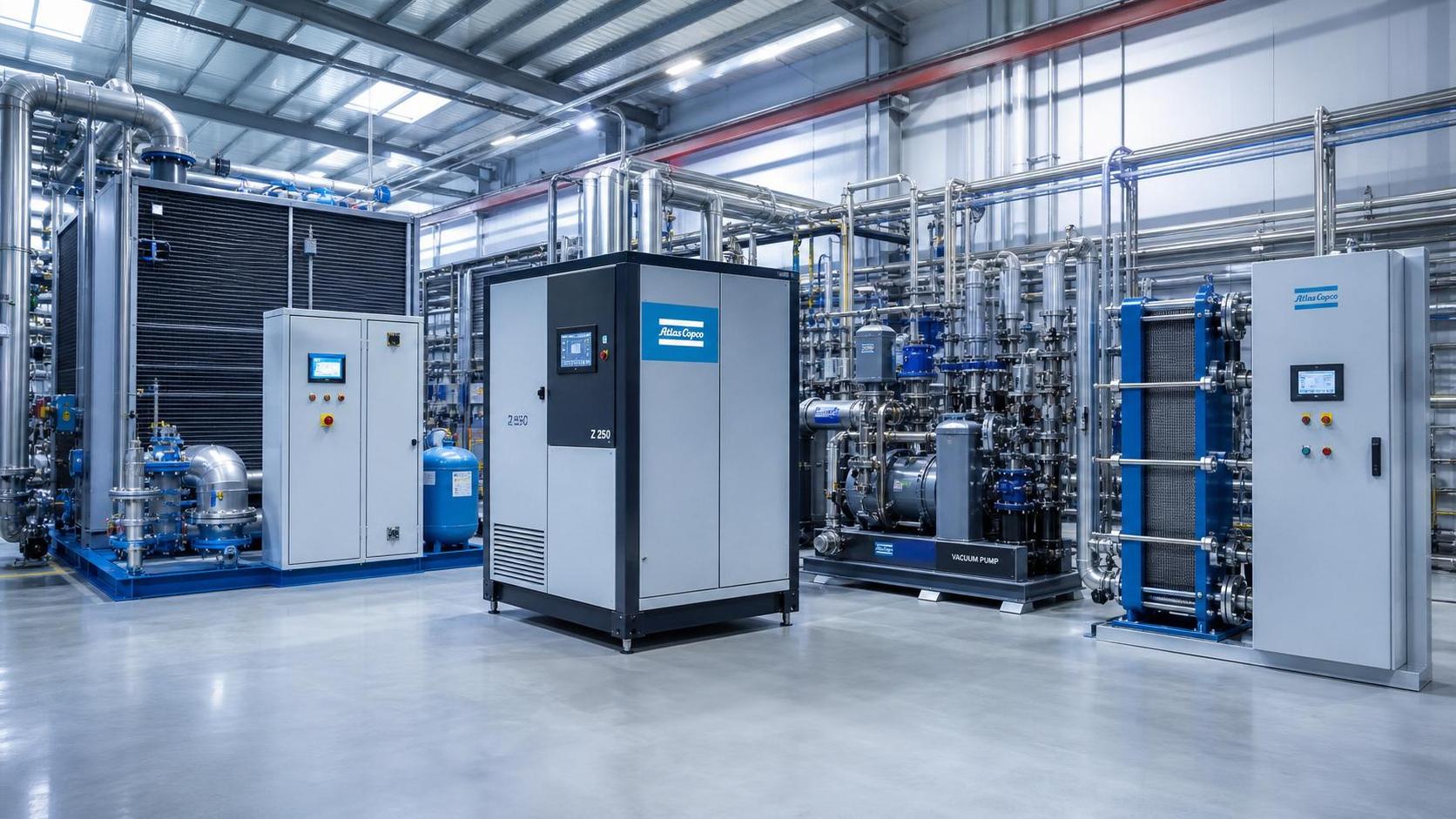
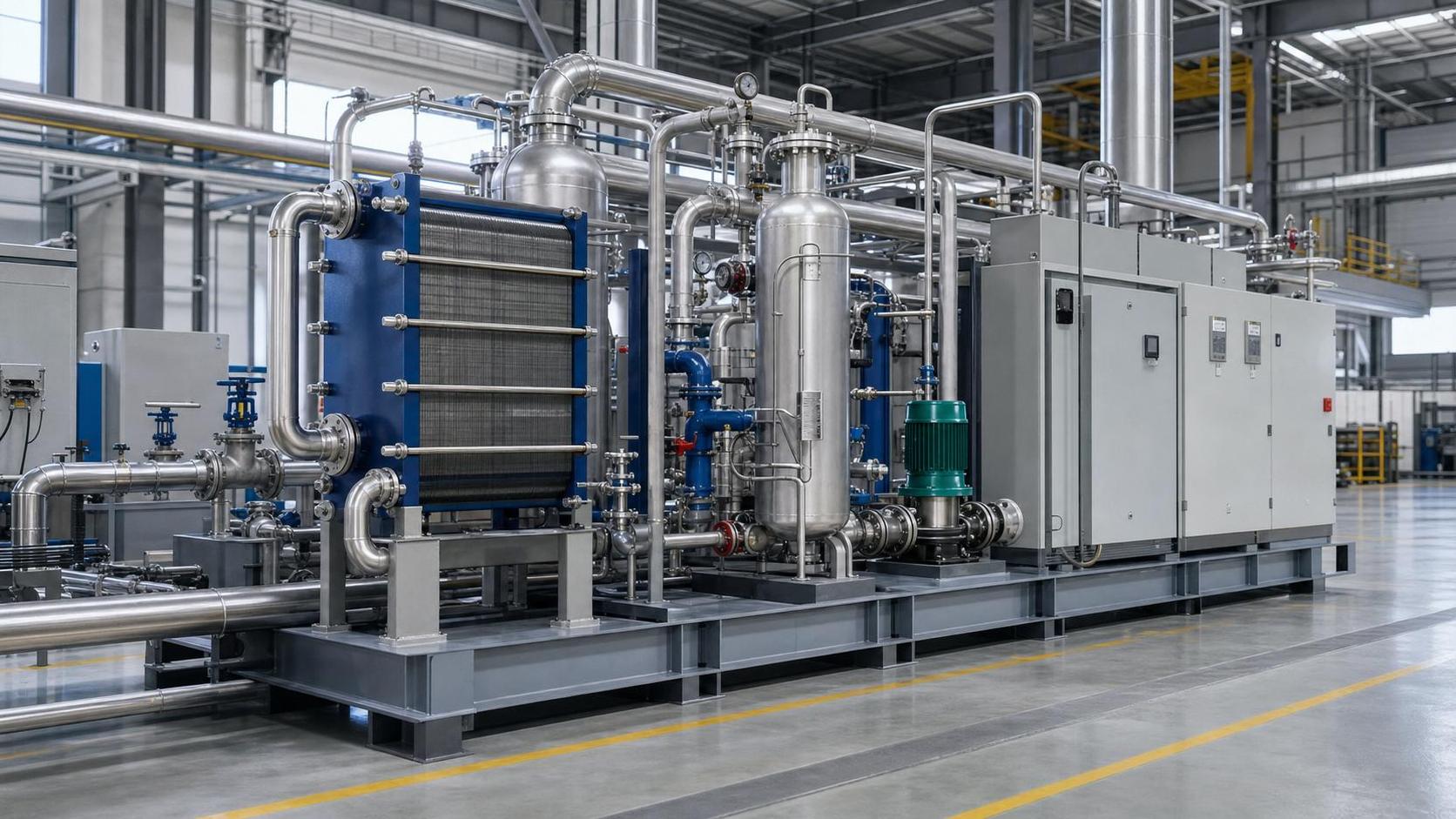
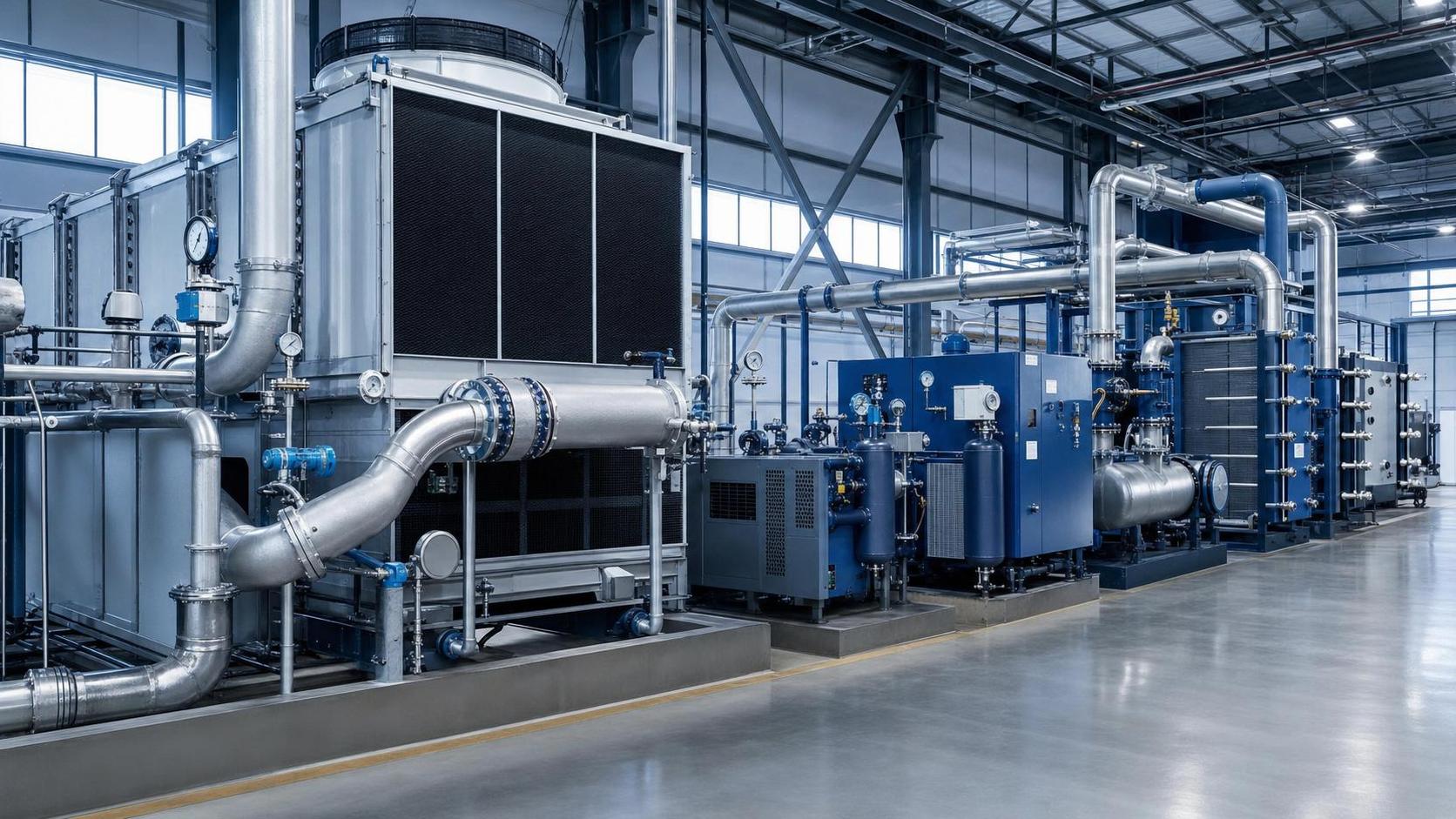
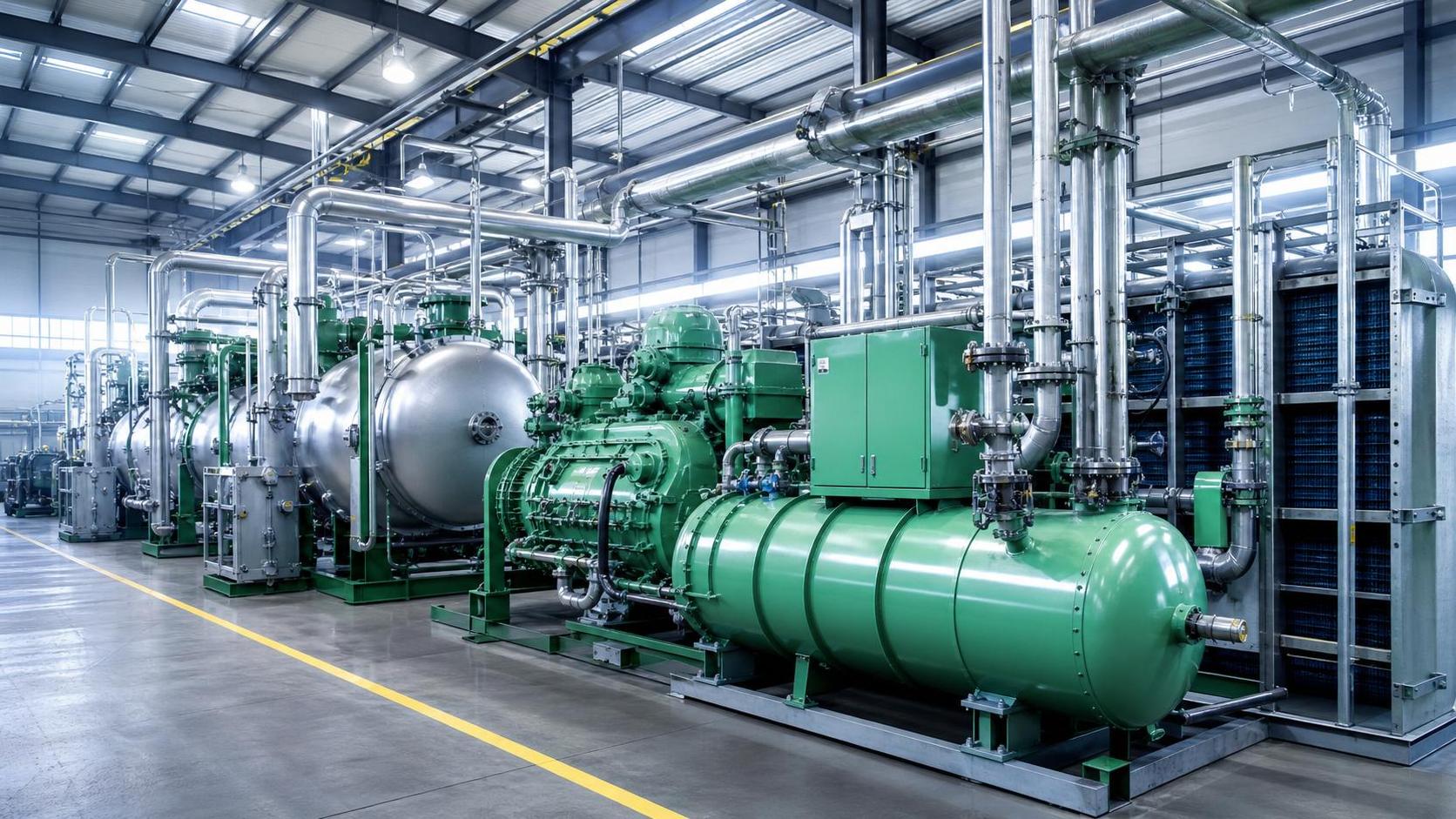
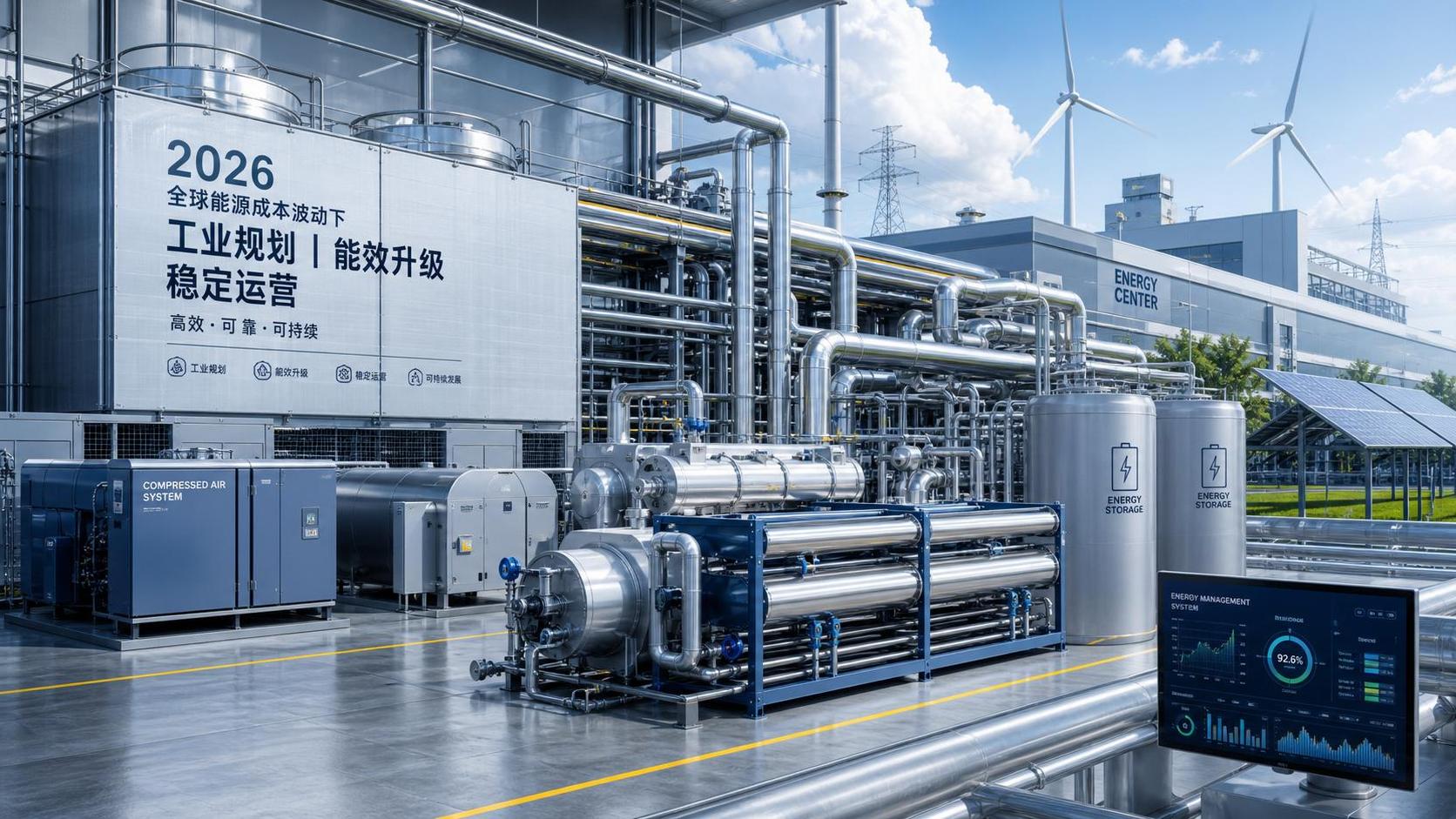
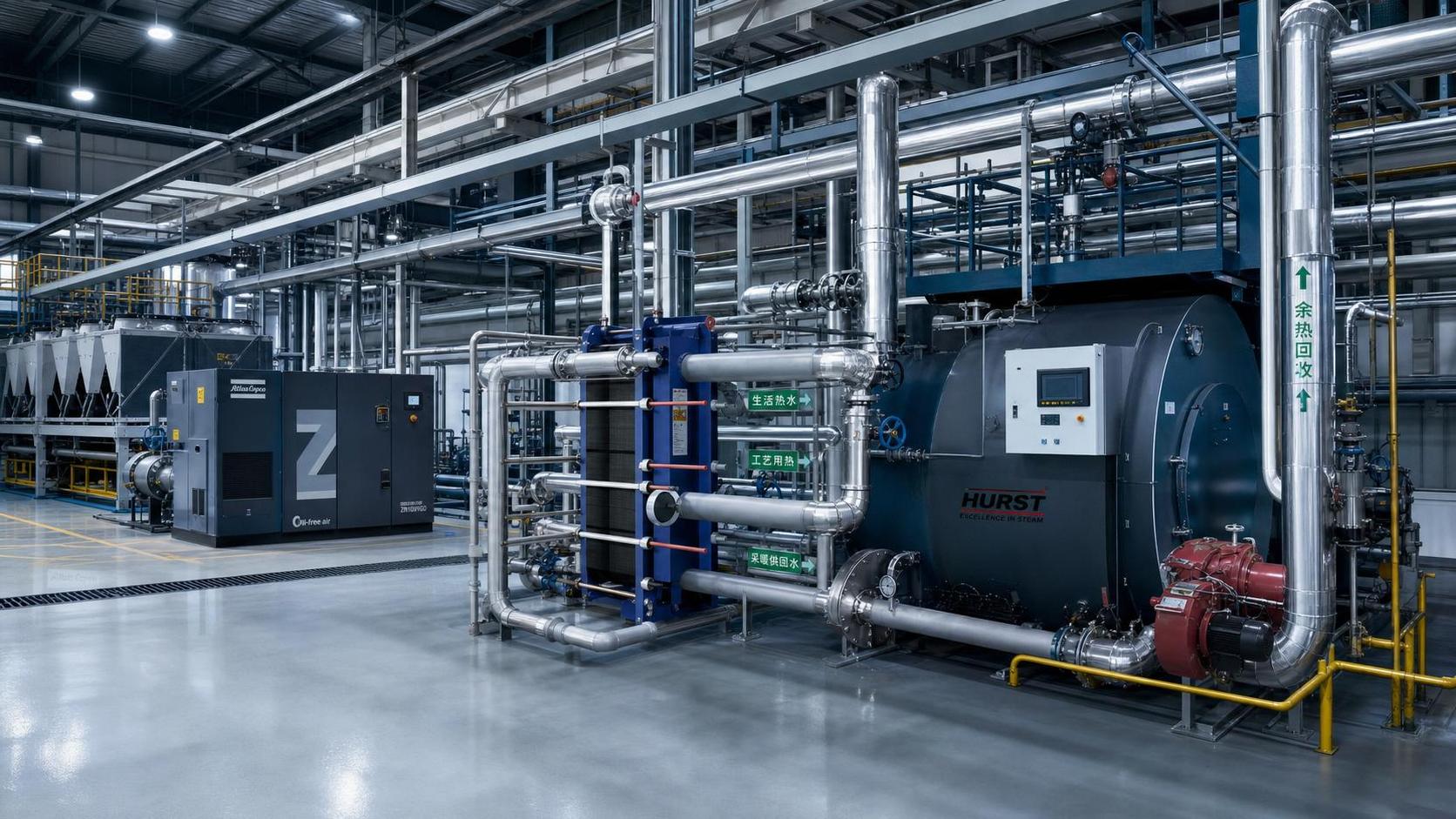
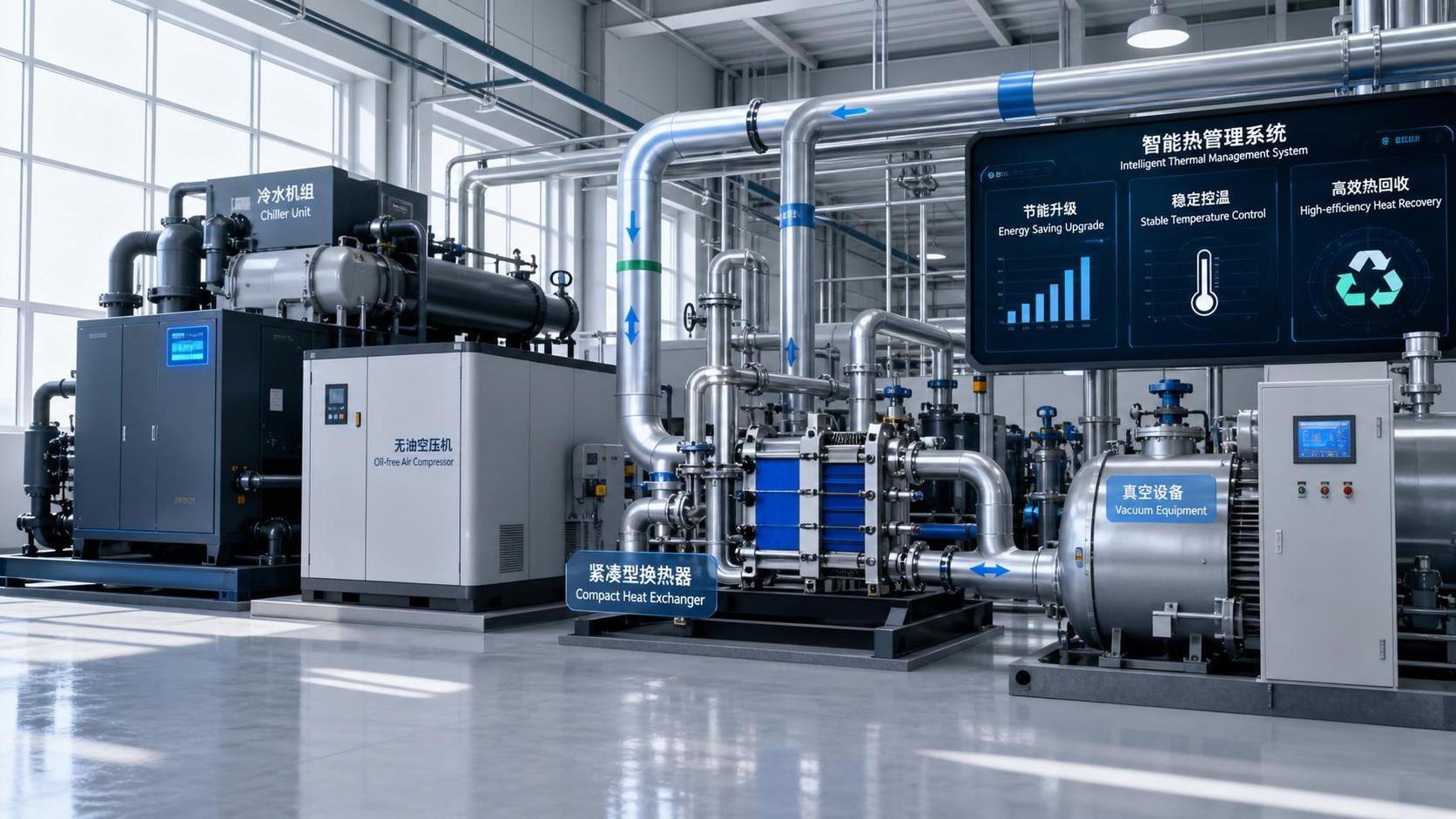
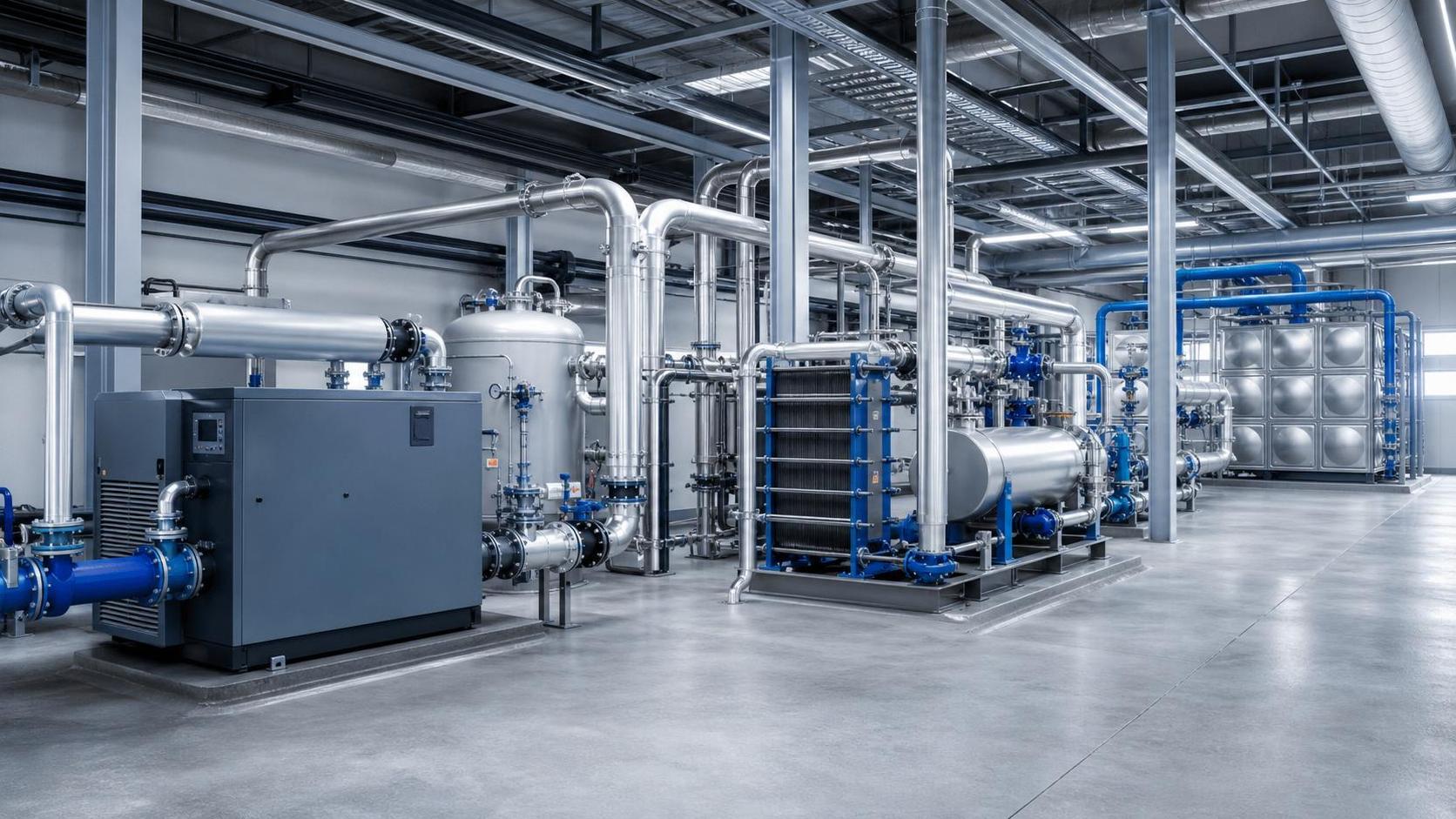
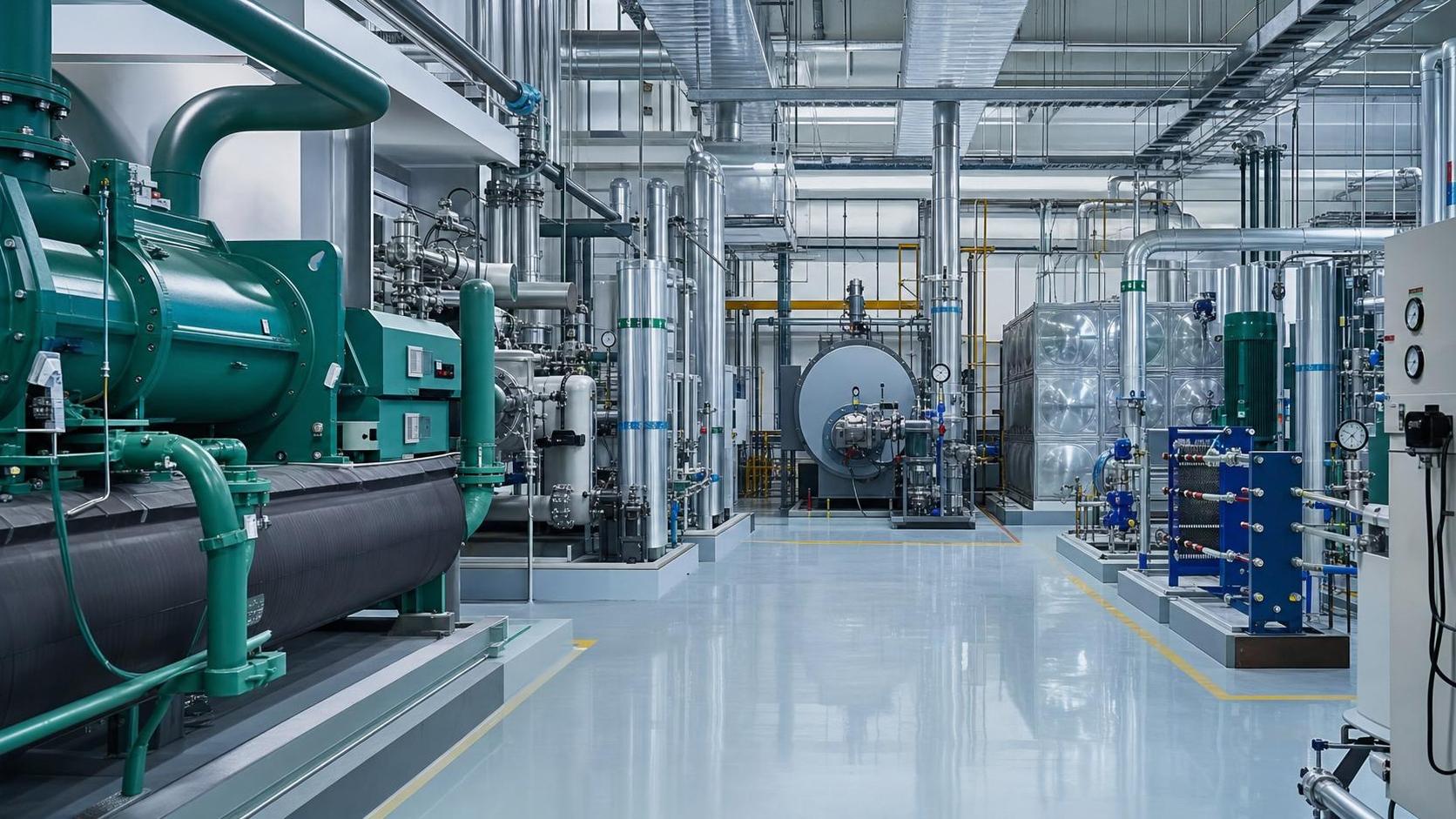
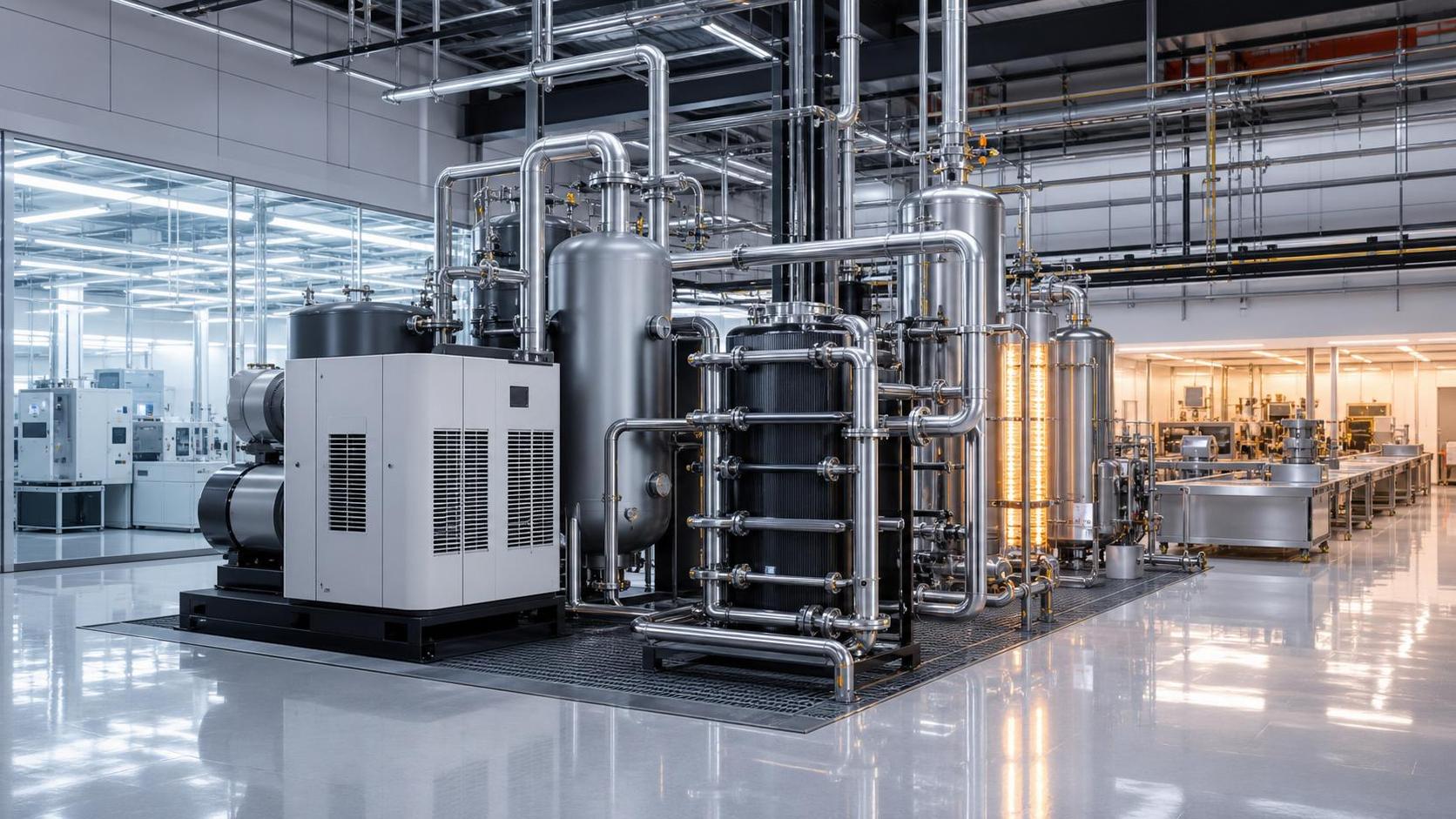
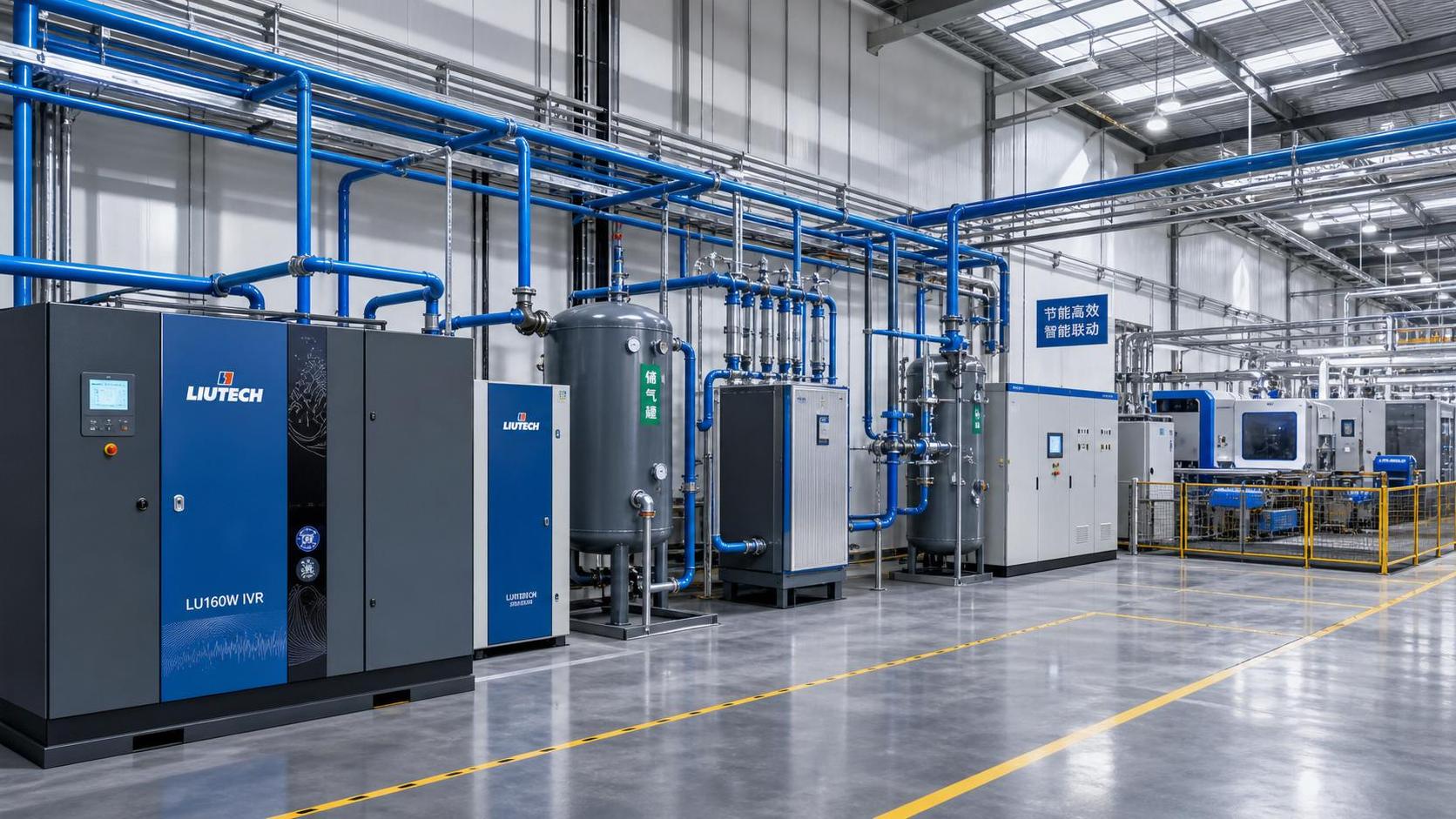
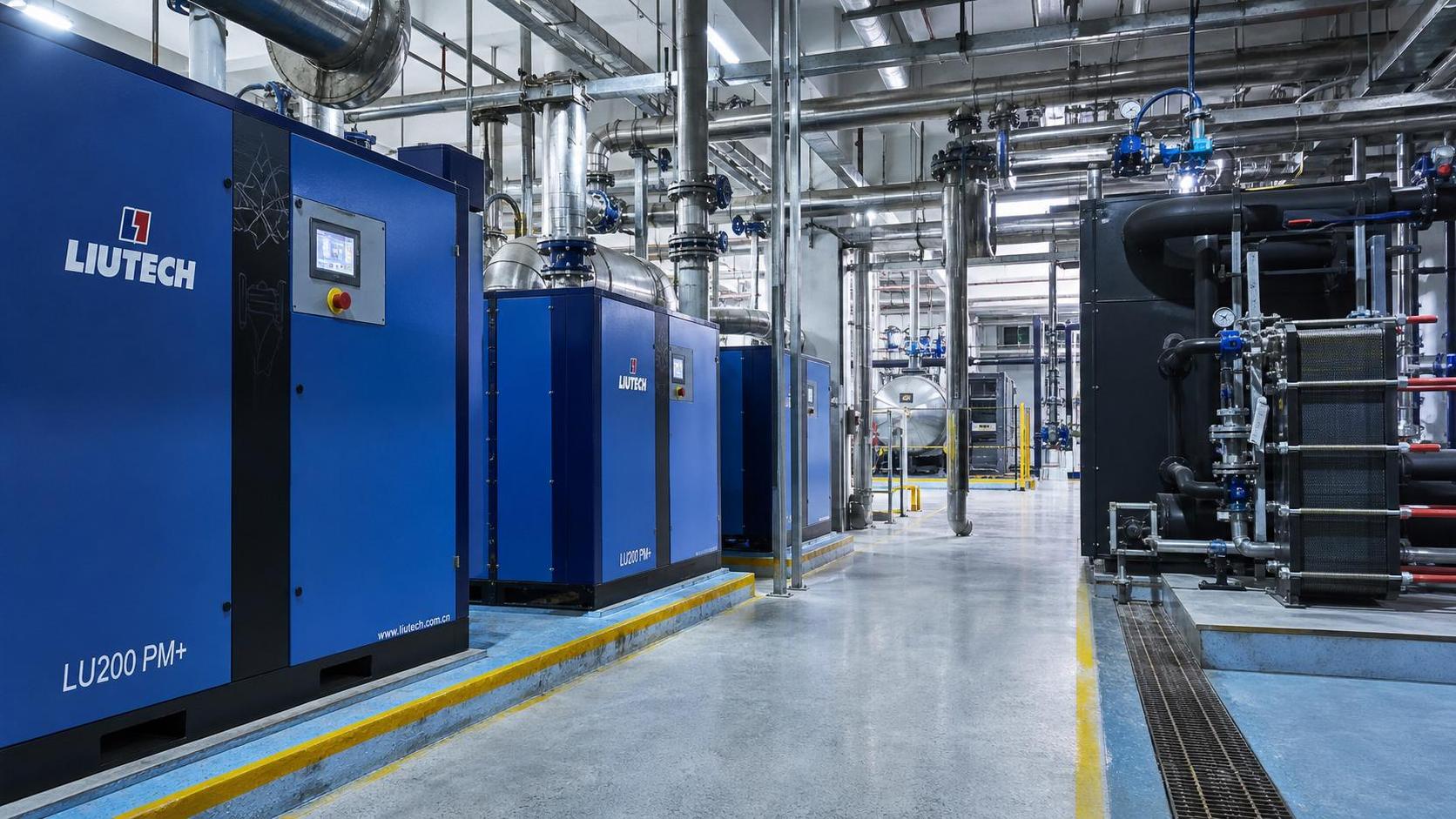
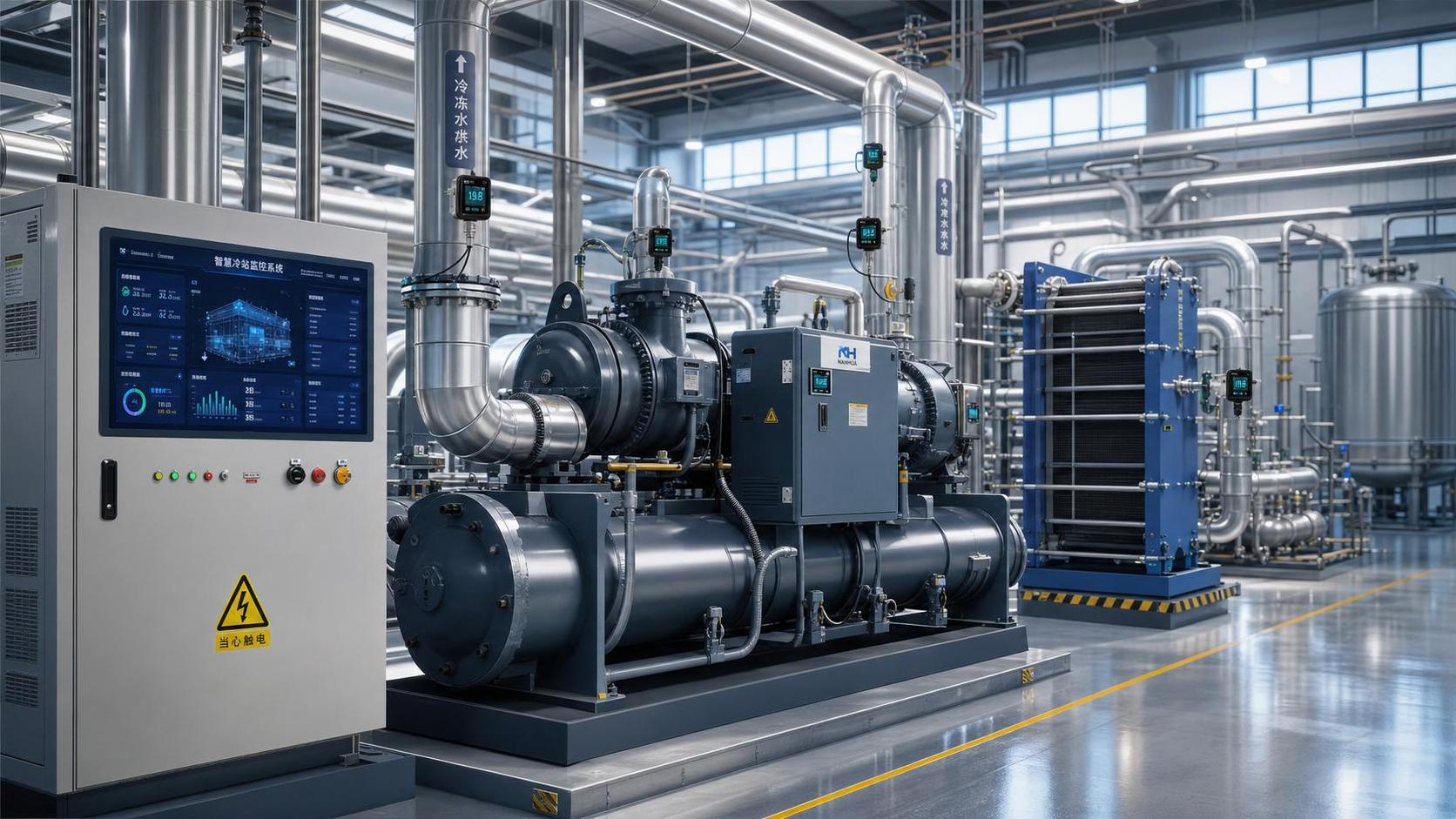
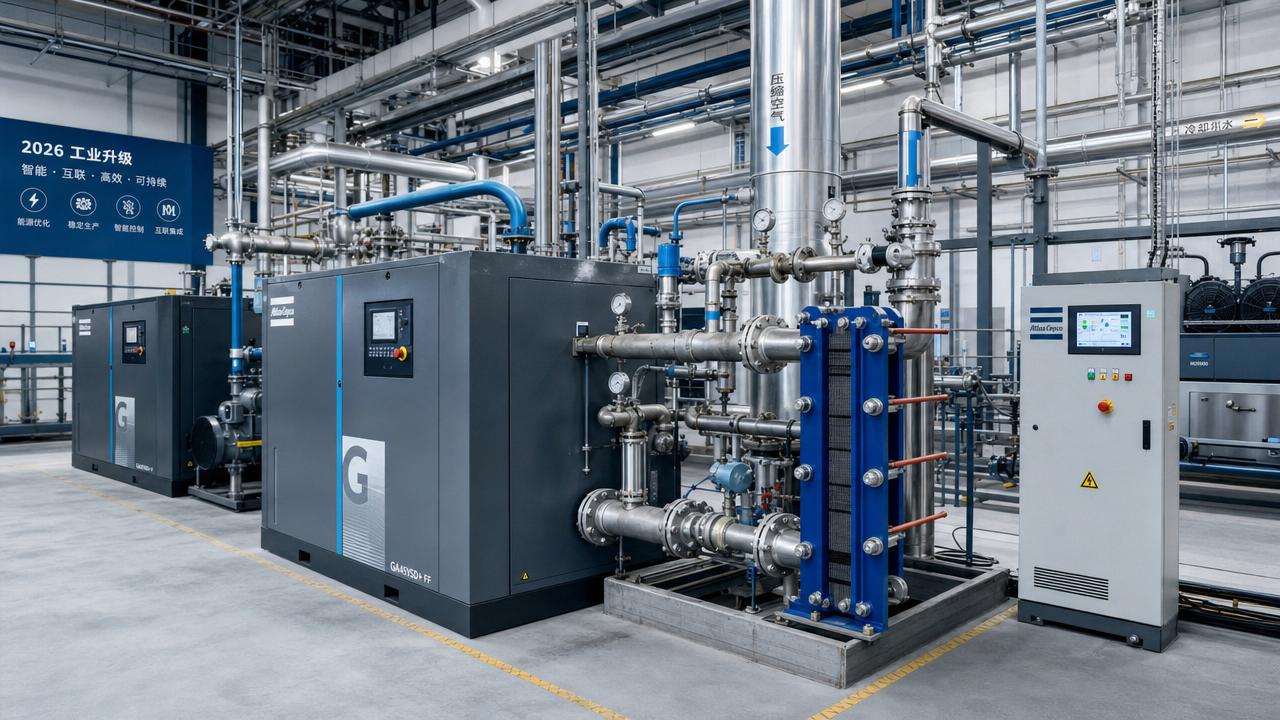
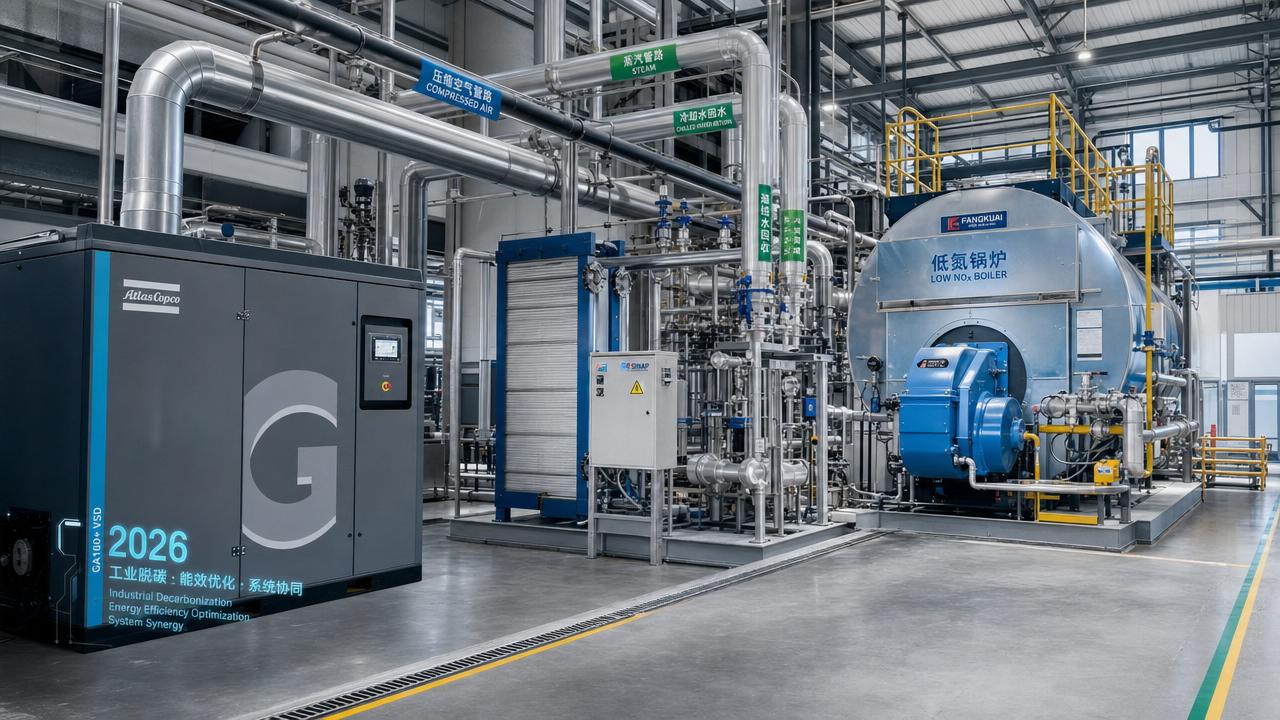
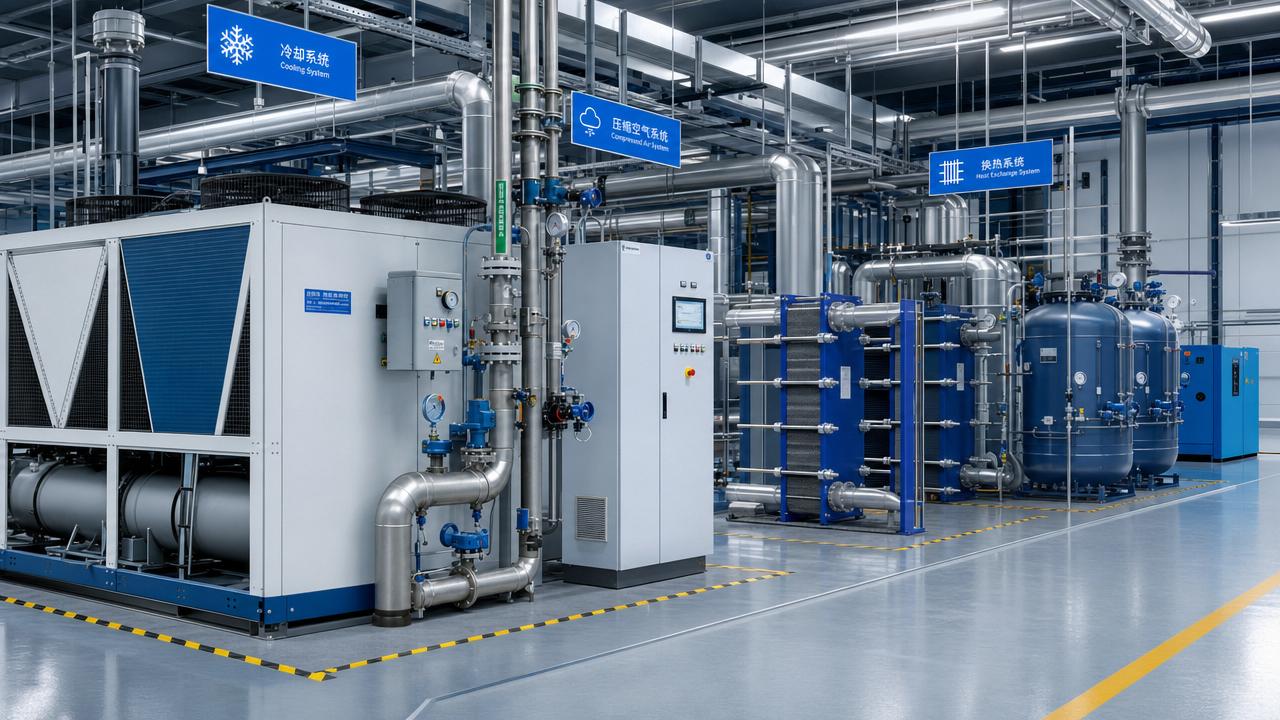
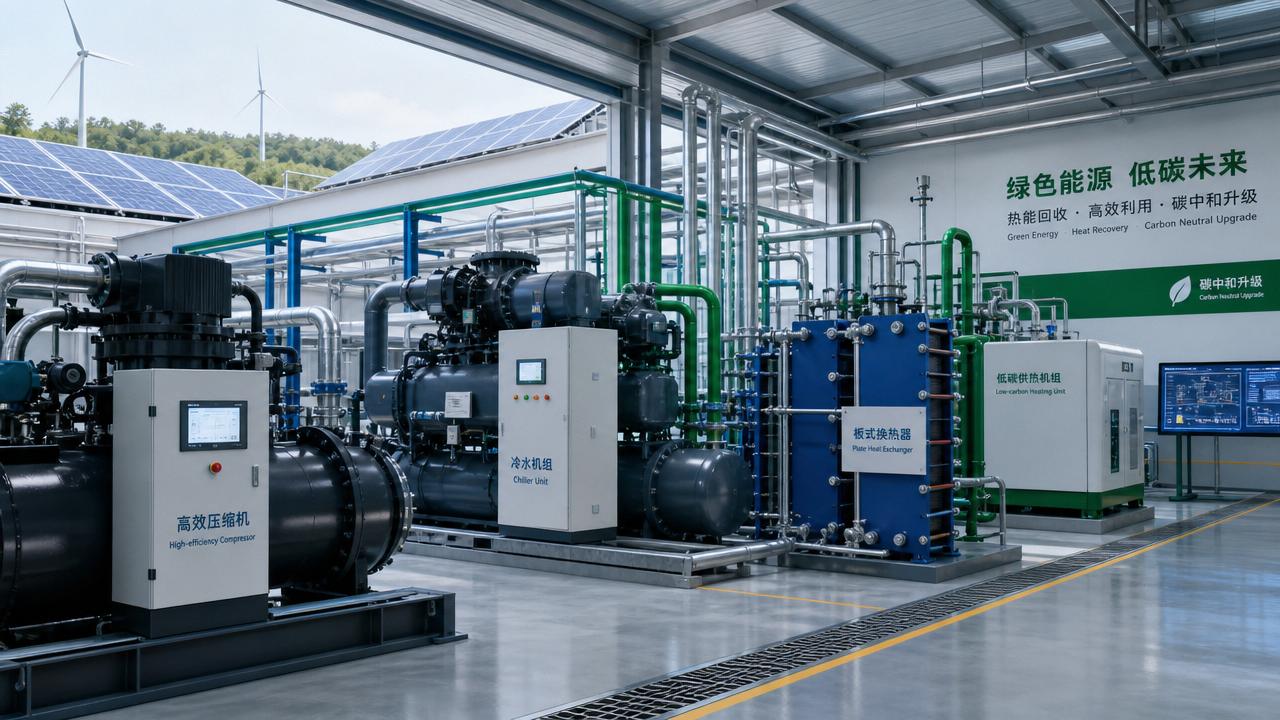
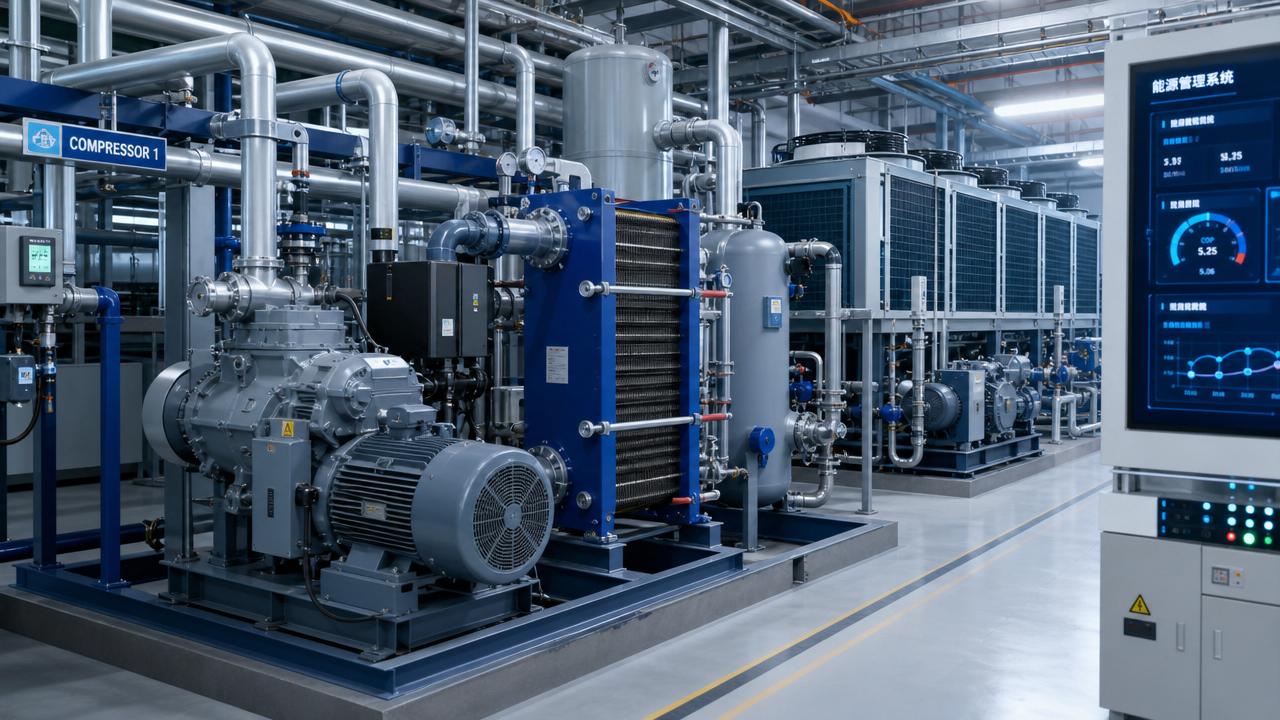
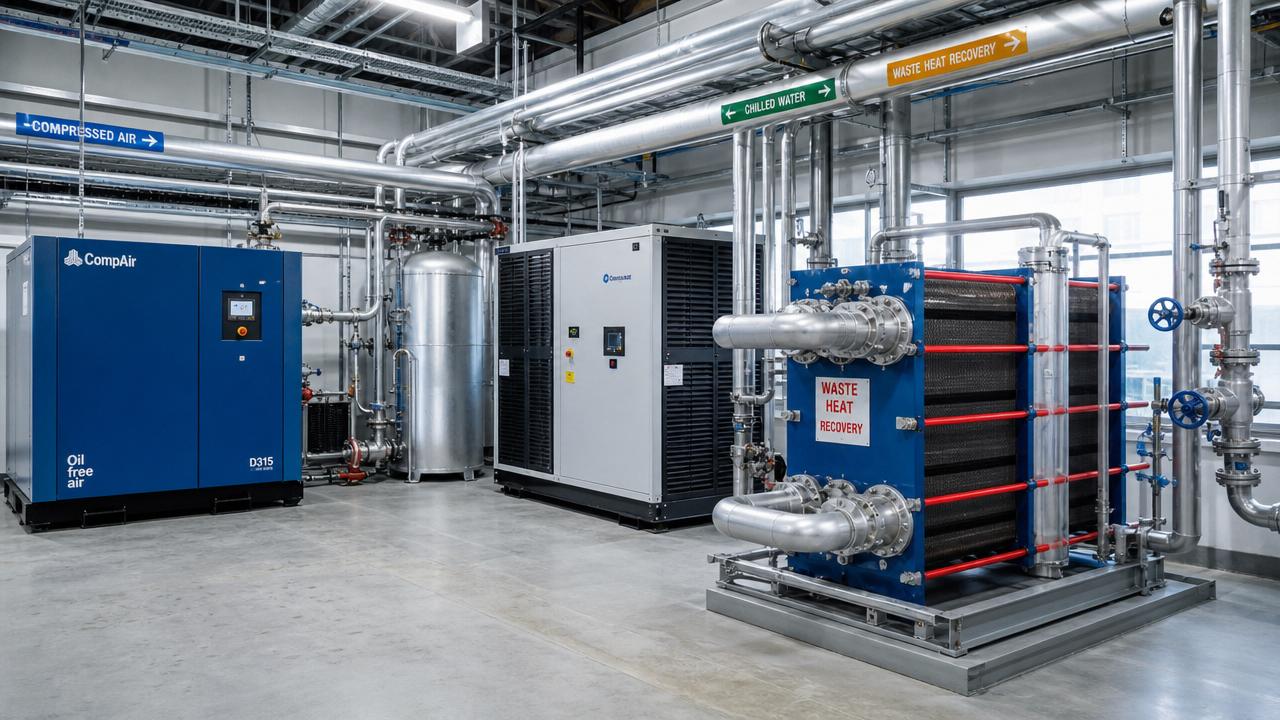
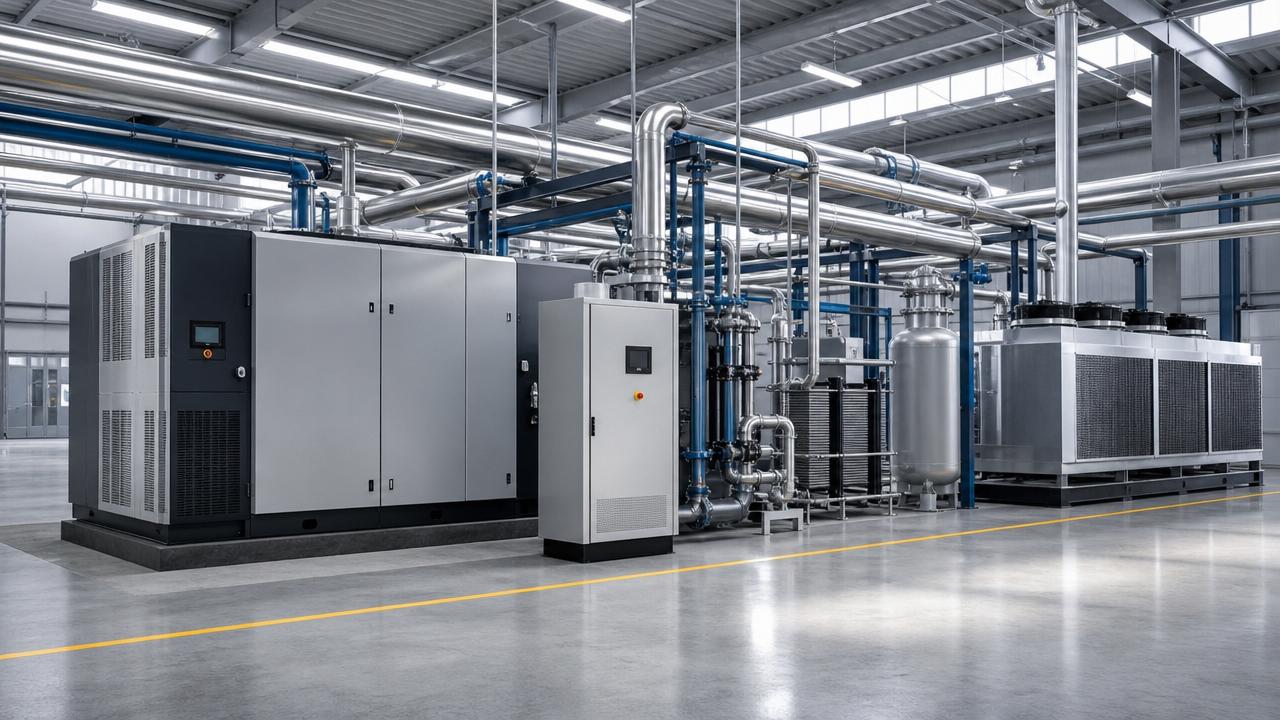
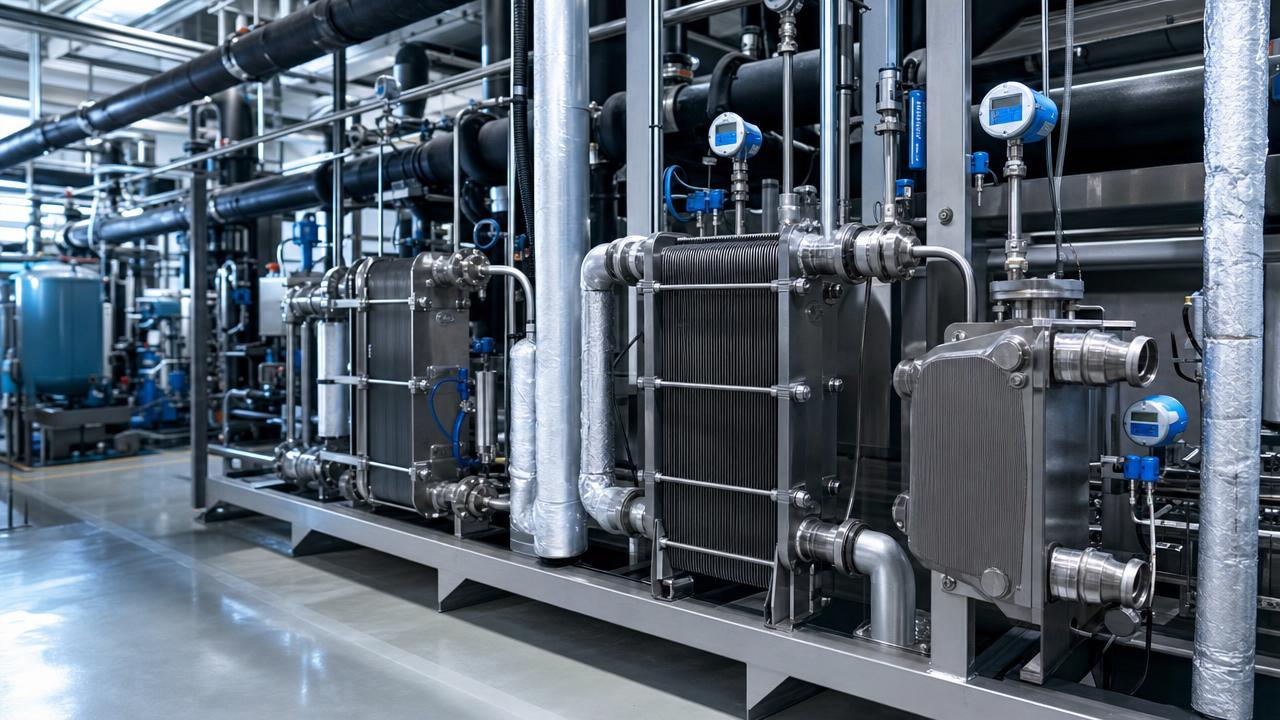
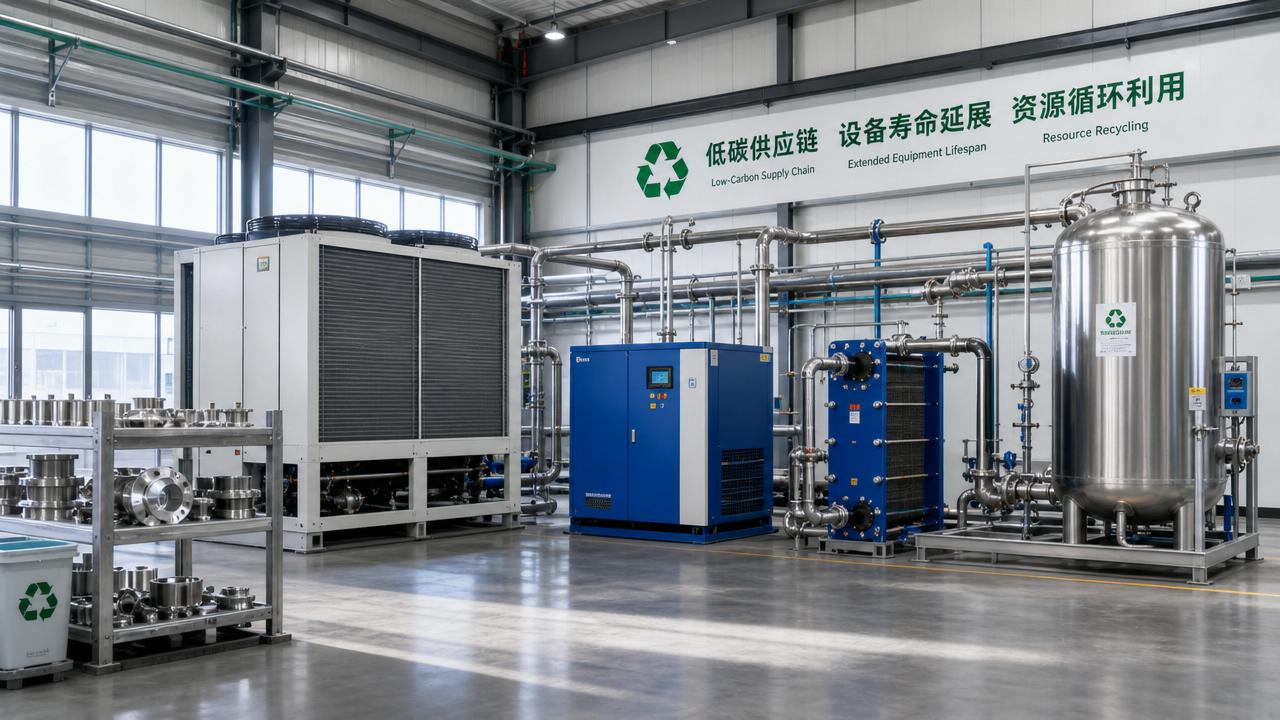
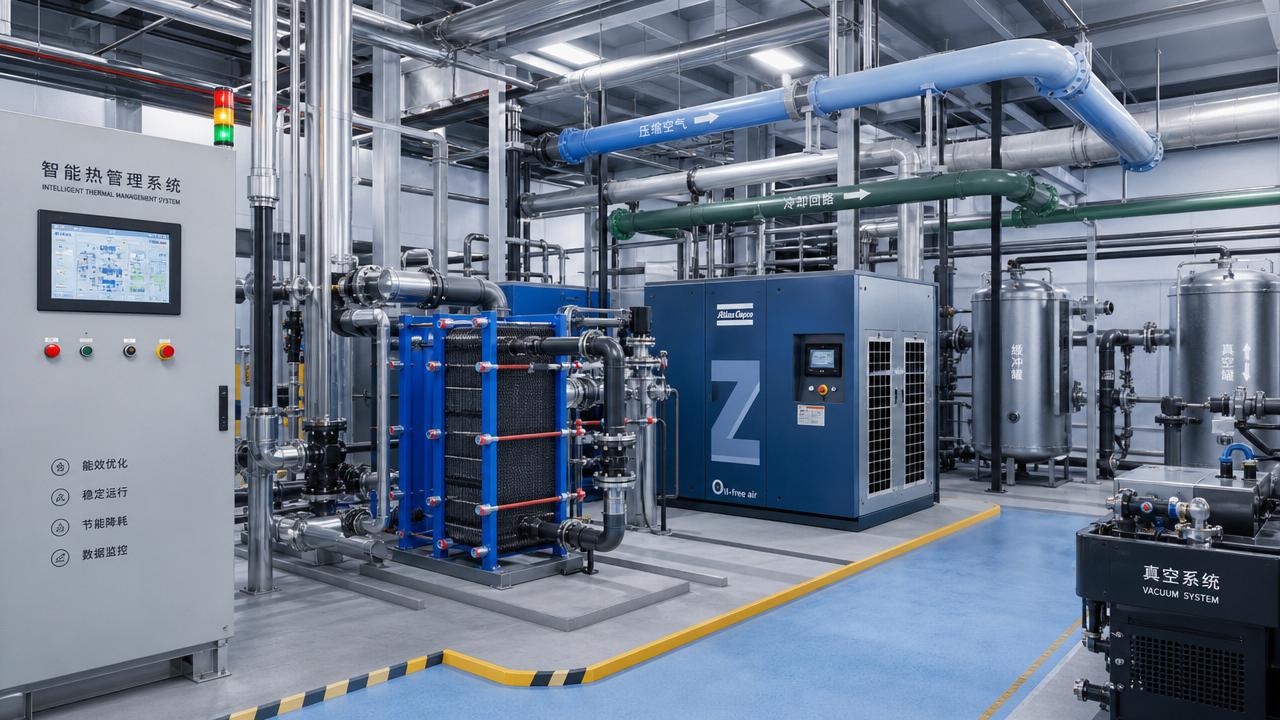
The shift is especially visible across thermal systems, compressed air networks, cooling loops, vacuum processes, and heat exchange infrastructure.
These assets sit at the core of industrial energy use, yet many plants still manage them as separate utilities.
In reality, the next phase of decarbonization depends on seeing them as one connected energy architecture.
That system view is increasingly central to industrial intelligence platforms such as GTC-Matrix, where thermodynamics, compression efficiency, and market signals are interpreted together.
The result is a more grounded roadmap: reduce emissions where energy is actually converted, wasted, recovered, and controlled.
What has changed is not only regulation, but the economics of waste
One clear signal from recent industrial investment cycles is that hidden energy loss now carries a larger strategic cost.
Compressed air leaks, oversized chillers, unstable heat loads, and low-efficiency boilers are no longer minor technical issues.
They have become measurable barriers to decarbonization and financial performance.
This is happening for several reasons at once.
- Carbon reporting is expanding from corporate disclosure into asset-level accountability.
- Grid uncertainty makes energy efficiency more valuable than simple energy purchasing tactics.
- Process industries need tighter temperature and pressure control to protect quality and yield.
- Capital spending is under scrutiny, so projects must link emissions reduction with operational payback.
The important point is that decarbonization is no longer driven by image alone.
It is being pulled forward by reliability, compliance, and the rising cost of inefficient thermal behavior.
The strongest decarbonization gains are appearing in connected utility systems
Many plants still pursue decarbonization through isolated equipment upgrades.
That approach can deliver savings, but it often leaves system waste untouched.
In 2026, the stronger roadmap starts with interaction between assets.
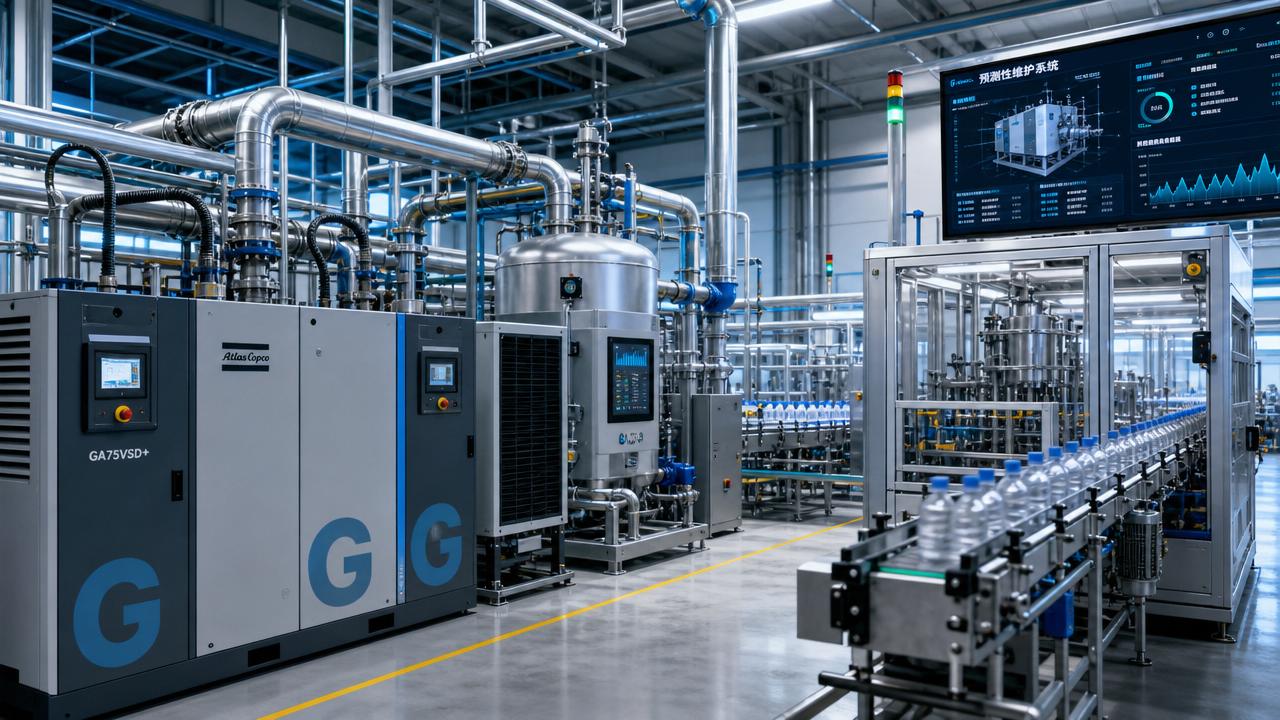
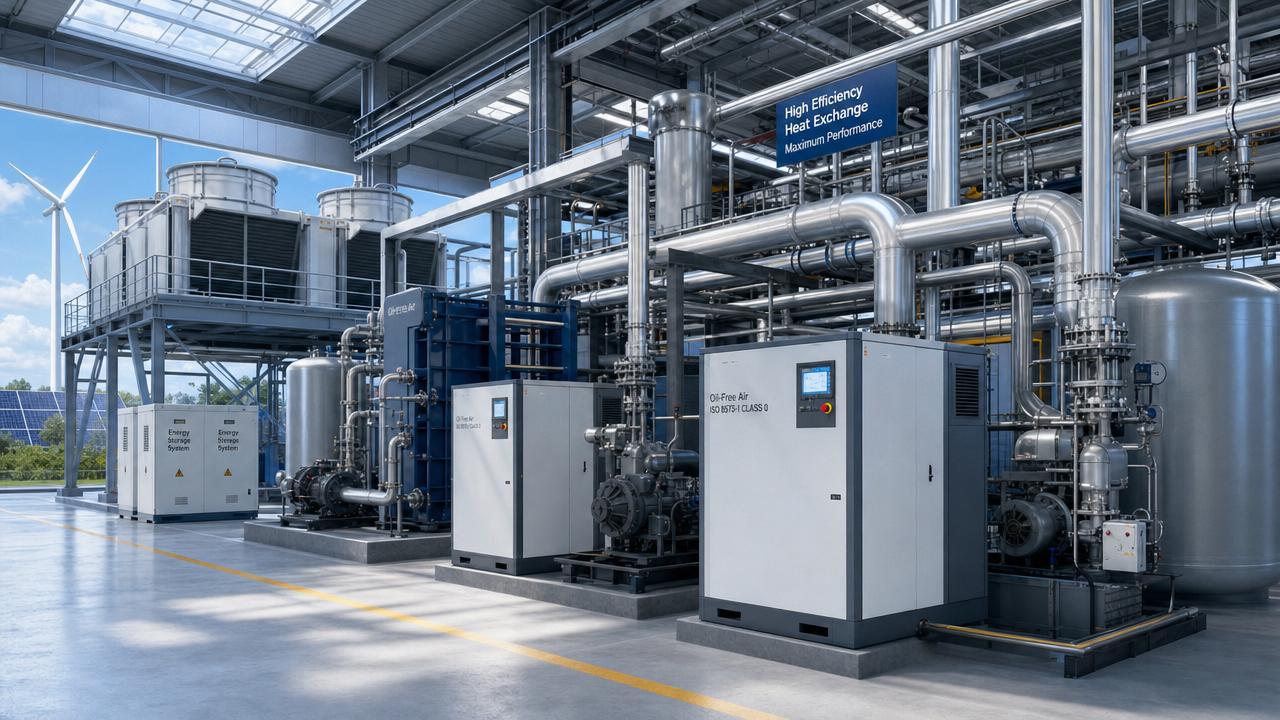
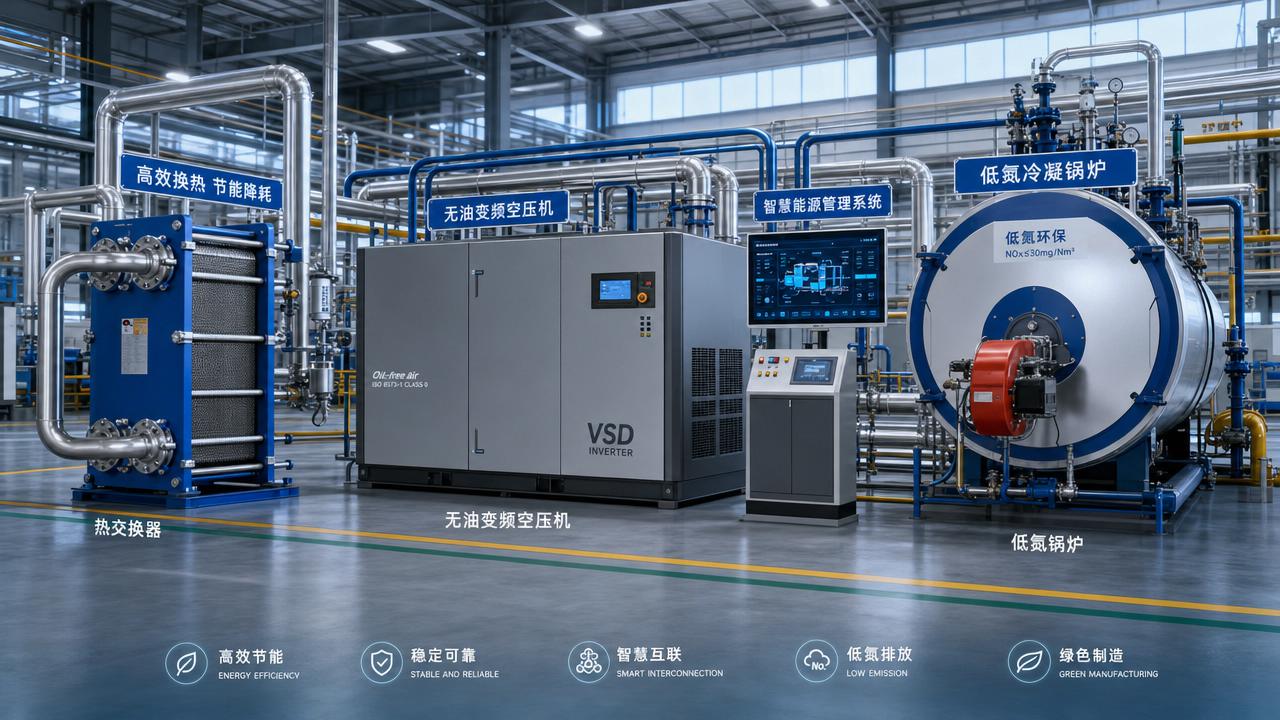
A variable-speed compressor changes heat recovery potential.
A better heat exchanger reduces cooling demand downstream.
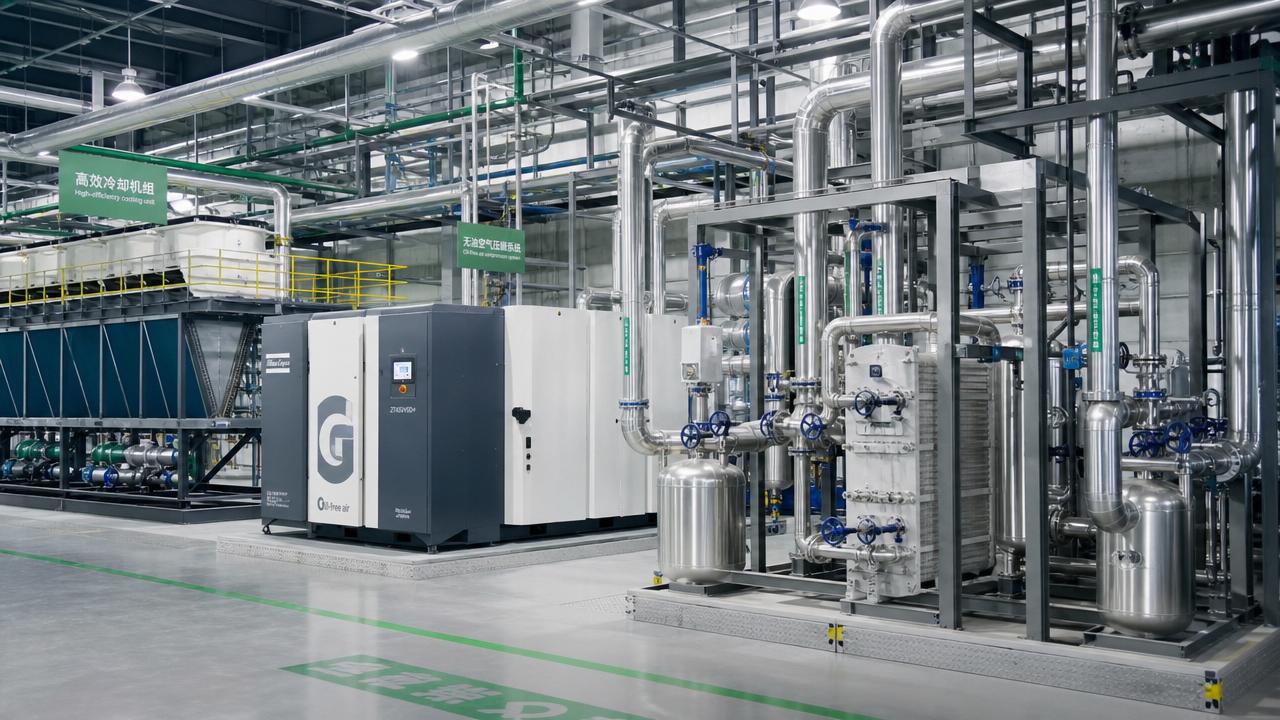
An oil-free compression upgrade can improve both energy use and product purity in sensitive sectors.
This interconnected logic is why thermal and compression intelligence is gaining importance.
What stands out here is that decarbonization becomes more credible when utilities are optimized as a portfolio, not as stand-alone purchases.
Why the roadmap now starts with data quality, not equipment catalogs
A recurring issue in industrial decarbonization is that plants know their total energy bill but not their conversion losses.
Without that visibility, retrofit choices are often guided by vendor urgency rather than thermodynamic value.
The more effective roadmap begins with a clean picture of load behavior.
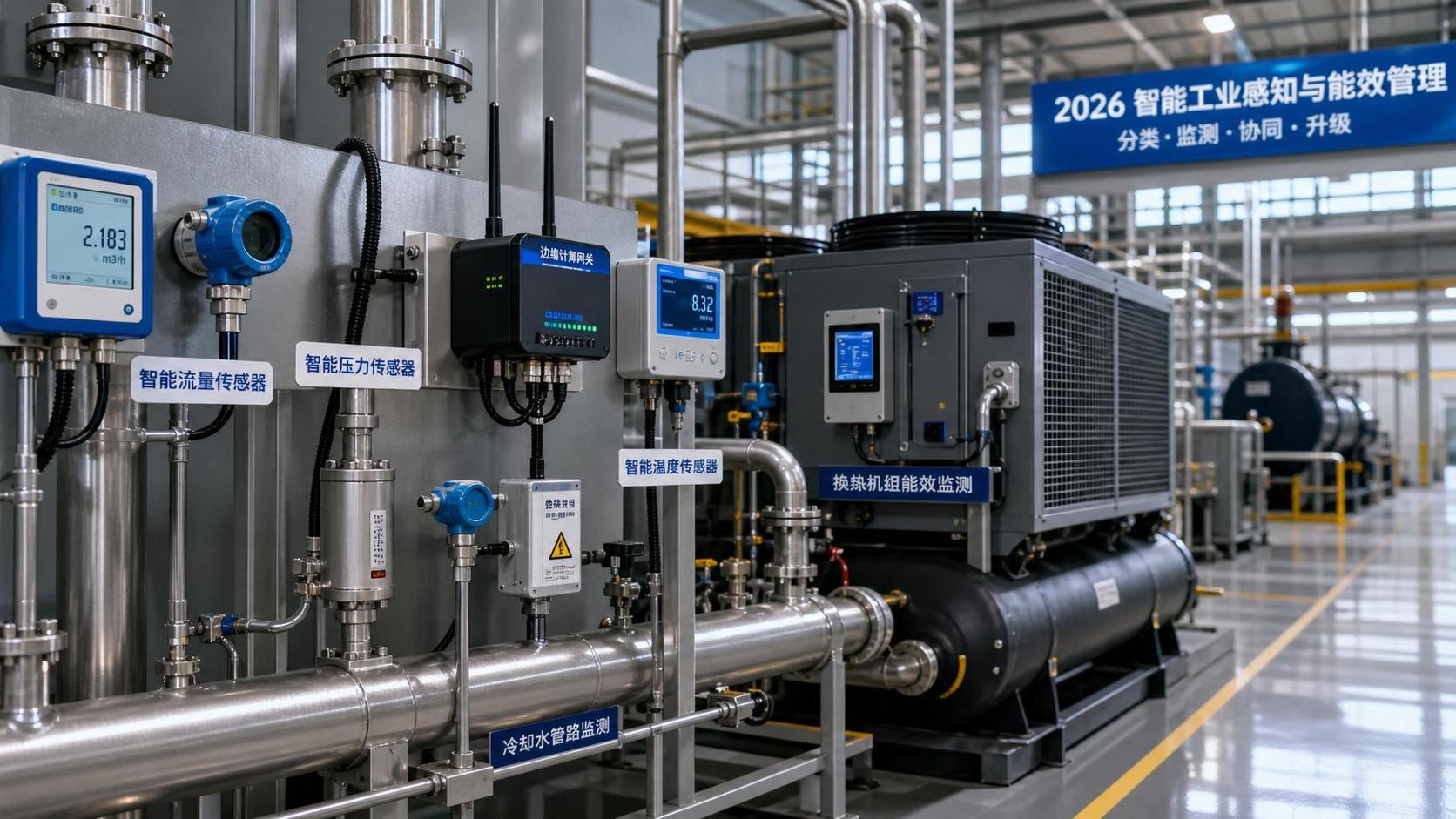
That means hourly demand patterns, pressure stability, heat rejection profiles, refrigerant exposure, and waste heat usability.
This is where intelligence platforms matter beyond news aggregation.
GTC-Matrix reflects a broader market need for stitched insight across policy, engineering, and industrial economics.
In practice, that helps separate fashionable upgrades from bankable decarbonization actions.
Three data layers are becoming essential
- Operational data that shows how systems really load, cycle, and drift.
- Carbon data that links utilities to direct and indirect emissions.
- Market data that tracks energy costs, refrigerant policy, and technology maturity.
Plants that combine these layers tend to make fewer symbolic investments and more durable decarbonization choices.
The impact is spreading across production quality, financing, and supply relationships
The effect of decarbonization is no longer confined to environmental reporting.
It increasingly shapes process capability and commercial positioning.
In pharmaceuticals and semiconductors, stable thermal control and oil-free air systems support both emissions goals and contamination control.
In food processing, heat recovery and refrigeration efficiency influence product consistency as much as utility cost.
In general manufacturing, pressure stability and smarter cooling reduce scrap, rework, and unplanned stops.
Another change is visible in capital access.
Projects with traceable decarbonization value are easier to defend internally and increasingly easier to align with green financing criteria.
This also affects supply chain relationships, because industrial buyers are asking for lower embedded emissions with better proof.
So the roadmap is not only about reducing energy use.
It is about protecting technical credibility across the value chain.
Where decarbonization projects often stall before they scale
The difficult part is rarely awareness.
Most plants already know where emissions are high.
The barrier is usually decision structure.
Utility teams, process teams, finance functions, and compliance groups often evaluate the same project through different lenses.
That slows decarbonization even when the technical case is strong.
A second issue is overreliance on payback alone.
Fast-payback projects matter, but a 2026 roadmap also needs resilience metrics.
These include exposure to fuel switching, refrigerant availability, carbon cost sensitivity, and maintenance intensity.
More advanced operators are now ranking decarbonization projects by combined impact, not by energy savings alone.
The next round of decisions will favor staged roadmaps over single large bets
From recent deployment patterns, the most practical decarbonization plans are phased.
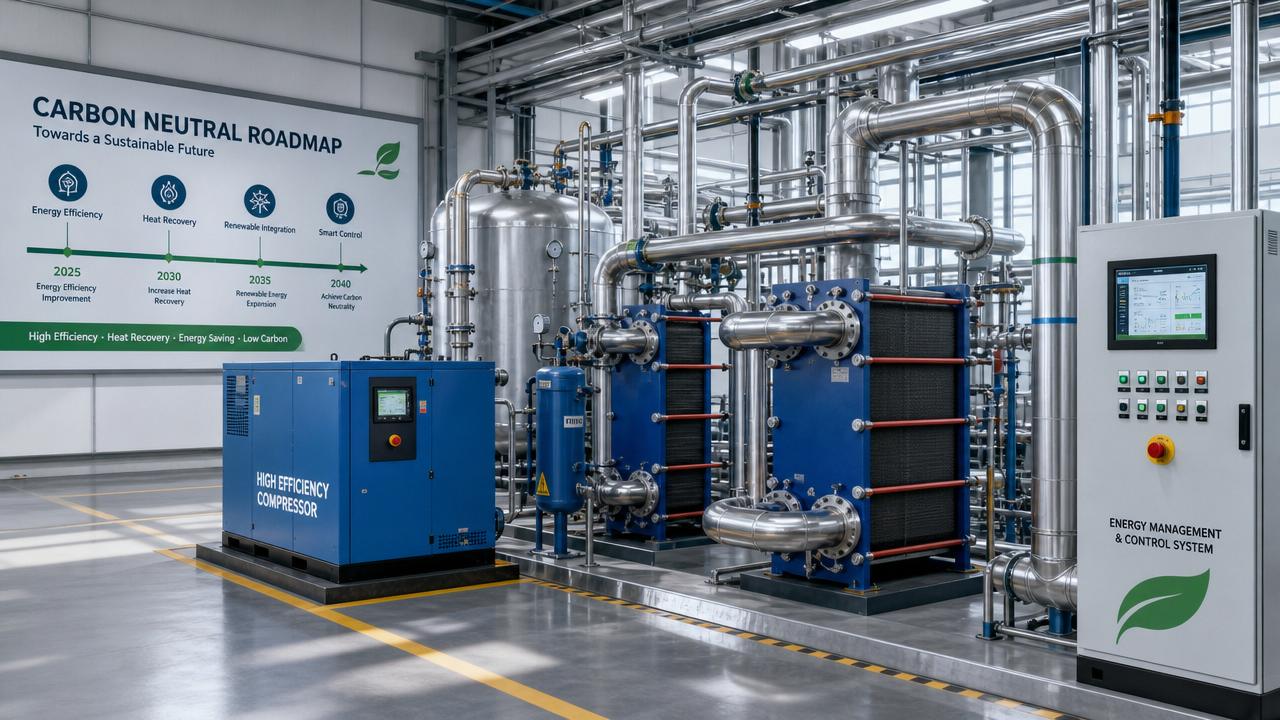
They begin with visibility and controllability, move into efficiency upgrades, and then expand into fuel or process redesign.
That sequence reduces execution risk while preserving momentum.
A workable 2026 sequence often looks like this
- Audit thermal, compression, cooling, and vacuum systems as one energy map.
- Fix avoidable losses before adding major new equipment.
- Prioritize controls, recovery, and load matching where carbon intensity is high.
- Screen technology shifts such as oil-free compression, microchannel exchangers, and low-NOx combustion.
- Build a review cycle that tracks both emissions and operating stability.
This kind of roadmap is less dramatic than announcing a single breakthrough project.
It is also more likely to survive budget pressure and deliver measurable decarbonization results.
What deserves closer attention from now to 2026
Several signals are worth monitoring closely.
Refrigerant regulation will continue to influence cooling strategy and retrofit timing.
Electricity price volatility will reshape the case for heat recovery, storage, and demand flexibility.
The push for cleaner compressed air and precise temperature control will grow in high-value sectors.
At the same time, decarbonization claims will face tighter scrutiny.
That makes engineering evidence more important than broad sustainability language.
The most resilient plants will be those that connect emissions strategy with thermodynamic reality.
A sensible next step is to review where energy is converted, where it is lost, and where it can be reused.
Then compare technologies and standards against actual load conditions, not generic assumptions.
In 2026, decarbonization leadership will look less like a slogan and more like disciplined system design.
Ready when you are. Send us a message to get started.
Related News
- Why high-density thermal energy storage is gaining industry attentionAuthor :

- Smart Device Thermal Management Trends Shaping 2026 Product DesignAuthor :

- Industrial Cooling Technologies in Europe: 2026 Trends in Compliance and Energy UseAuthor :

- Industrial Electrification Trends in 2026: Where Projects Are Moving FirstAuthor :

- Industrial Solution Comparison Global: 2026 Trends Reshaping Equipment DecisionsAuthor :

- When Heat Recovery Systems Skid Mounted Designs Improve Project PaybackAuthor :

- How to Compare Industrial Decarbonization Solutions Providers in 2026Author :

- Industry Category Guides for Smart Devices: What to Track as 2026 Markets ShiftAuthor :

- Green Manufacturing Trends Reshaping Industrial InvestmentAuthor :

- 2026 Global Energy Costs: What Will Reshape Industrial PlanningAuthor :

- Industrial Decarbonization Solutions That Cut Fuel Costs in 2026Author :

- Smart Thermal Systems Trends Shaping Industrial Upgrades in 2026Author :

- Resource Circularity in Manufacturing: 5 Practical Gains Beyond ComplianceAuthor :

- Carbon Neutrality Roadmap: What Industrial Firms Need to Prioritize FirstAuthor :

- Energy Conversion Efficiency Trends Shaping Industrial UpgradesAuthor :

- Compression Technology Trends Shaping Efficient Plant UpgradesAuthor :

- Industrial Intelligence in Manufacturing: Where It Delivers Value FirstAuthor :

- How Intellectualization Improves Industrial Thermal ManagementAuthor :

- What Intellectualization Means for Smarter Plant Operations in 2026Author :

- Carbon Neutrality Goals: What Industrial Firms Should Prioritize in 2026Author :

- How Intellectualization Reduces Downtime in Modern Production LinesAuthor :

- Decarbonization Roadmap for Energy-Intensive Plants in 2026Author :

- Thermal Systems Trends in 2026: Efficiency, Control, and RiskAuthor :

- Industrial Decarbonization Priorities for Energy-Intensive FacilitiesAuthor :

- Thermal Systems in 2026: Efficiency Upgrades Shaping Industrial OperationsAuthor :

- Pure Power Sources: 5 Practical Paths to Carbon NeutralityAuthor :

- What Intellectualization Means for Industrial Equipment UpgradesAuthor :

- Thermal Optimization in 2026: Where Energy Savings Deliver the Fastest PaybackAuthor :

- Energy Efficiency Trends Reshaping Compressor Upgrades in 2026Author :

- 2026 Industrial Decarbonization Trends Reshaping Plant UpgradesAuthor :
![]()
- Heat Exchanger Technology Trends for 2026 Efficiency TargetsAuthor :

- Resource Circularity Risks in 2026 Supply ChainsAuthor :

- Smart Thermal Systems: When Upgrades Deliver Measurable SavingsAuthor :

- Carbon Neutrality: Practical Steps for Factory RoadmapsAuthor :

- 2026 Industrial Energy Efficiency Priorities for Plant UpgradesAuthor :

- Industrial Intellectualization Trends Reshaping Equipment UpgradesAuthor :