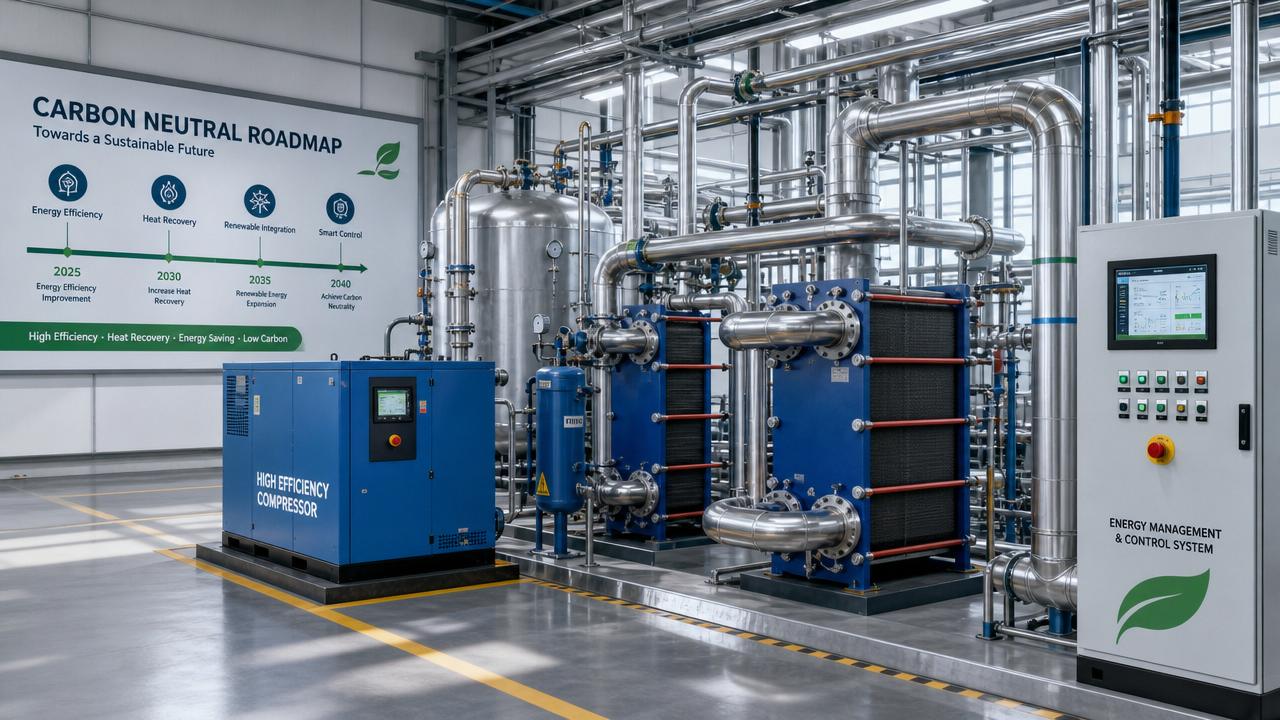
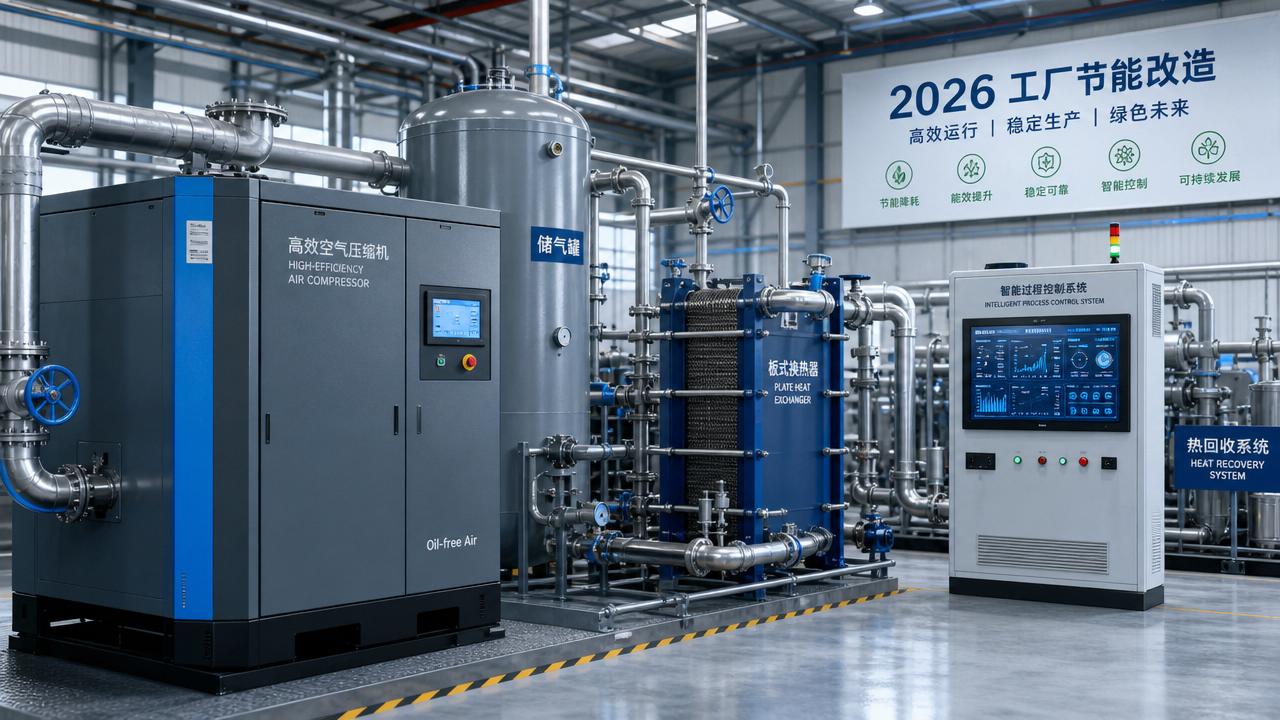
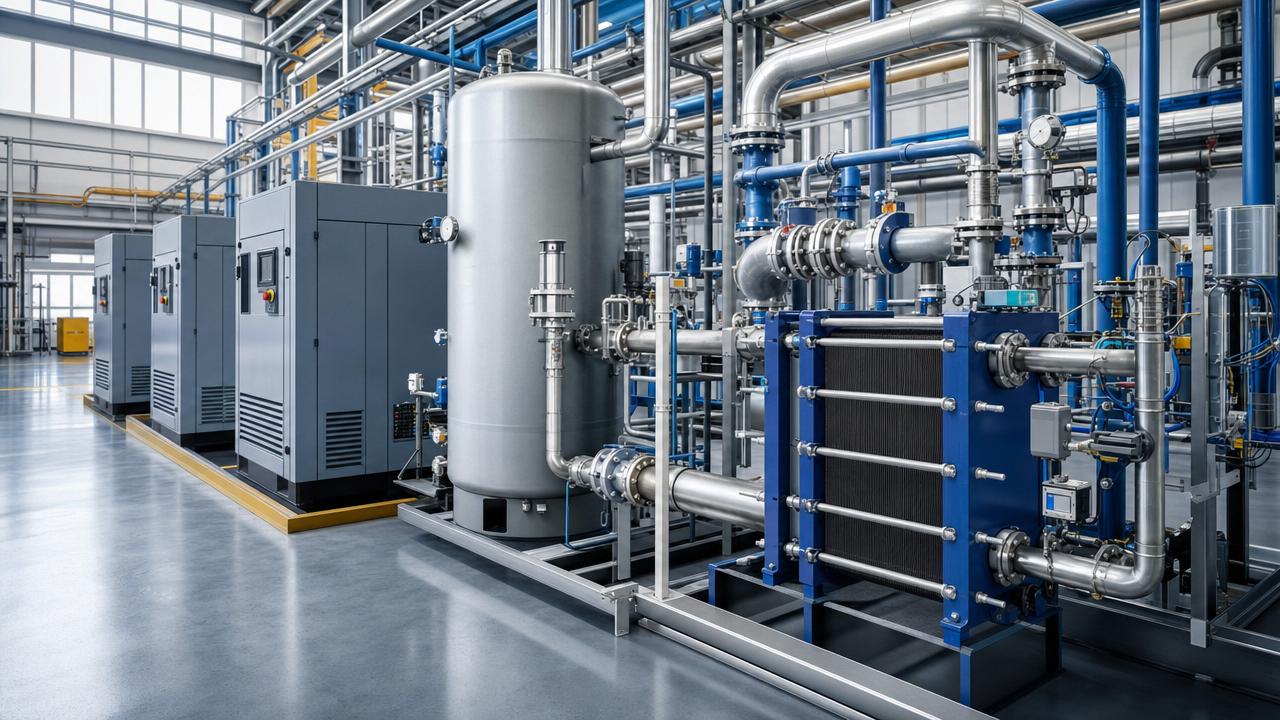
Industrial Decarbonization Solutions That Cut Fuel Costs in 2026




Fuel costs are turning decarbonization into a core operating decision
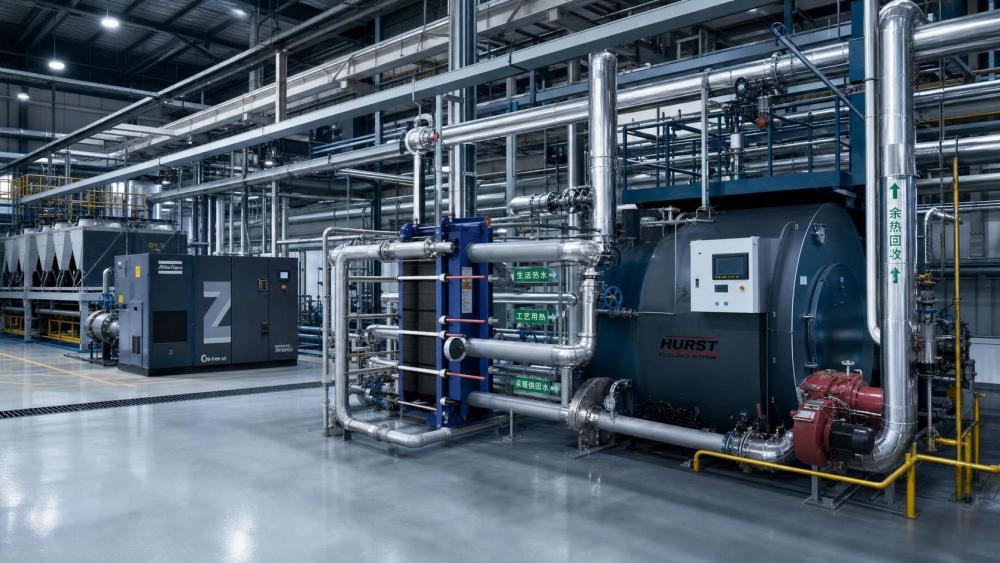
In 2026, industrial decarbonization solutions are being judged less by slogans and more by their effect on fuel bills.
That shift matters across general industry, where heat, cooling, compressed air, and process stability still consume a large share of energy spending.
The clearer signal is this: decarbonization now competes on operating economics, not only on emissions reporting.
Facilities facing volatile gas prices, power peaks, and tighter refrigerant rules are prioritizing industrial decarbonization solutions that cut fuel use without disrupting output.
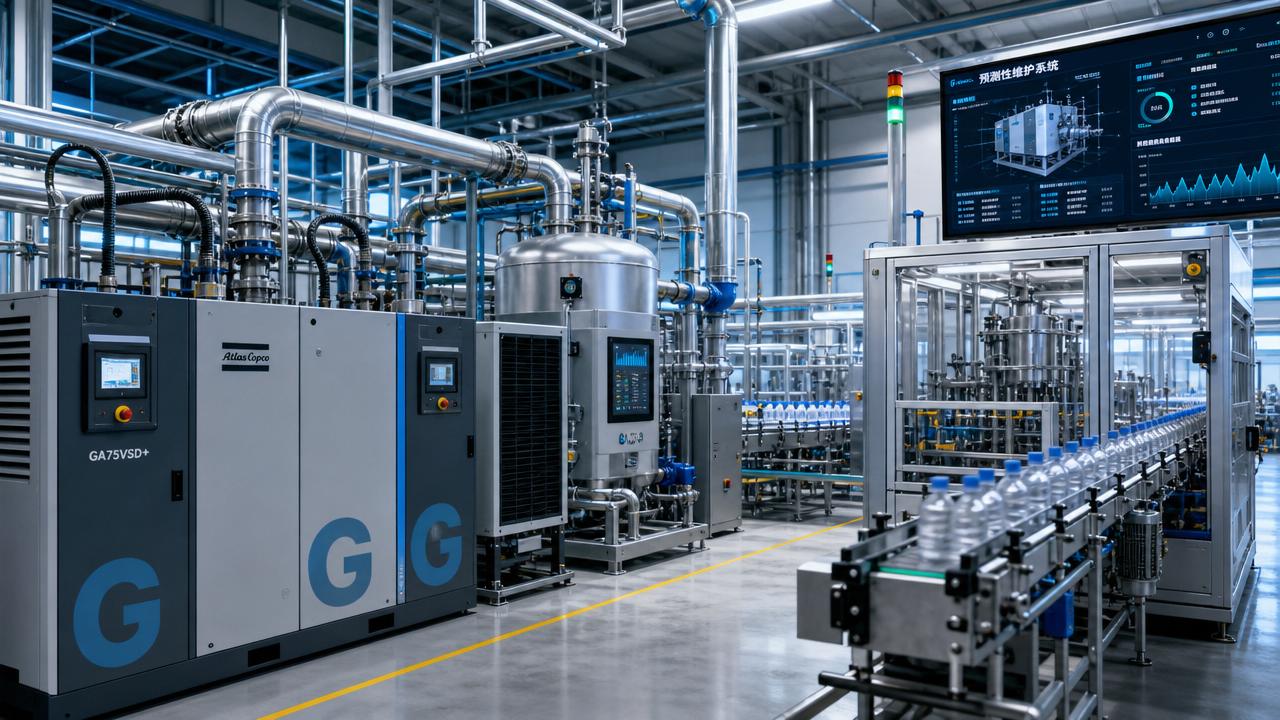
This is why thermal optimization, waste heat recovery, oil-free compression, and smarter control layers are moving from pilot programs into mainstream investment plans.
Across the sectors observed by GTC-Matrix, the most credible projects are not the loudest ones.
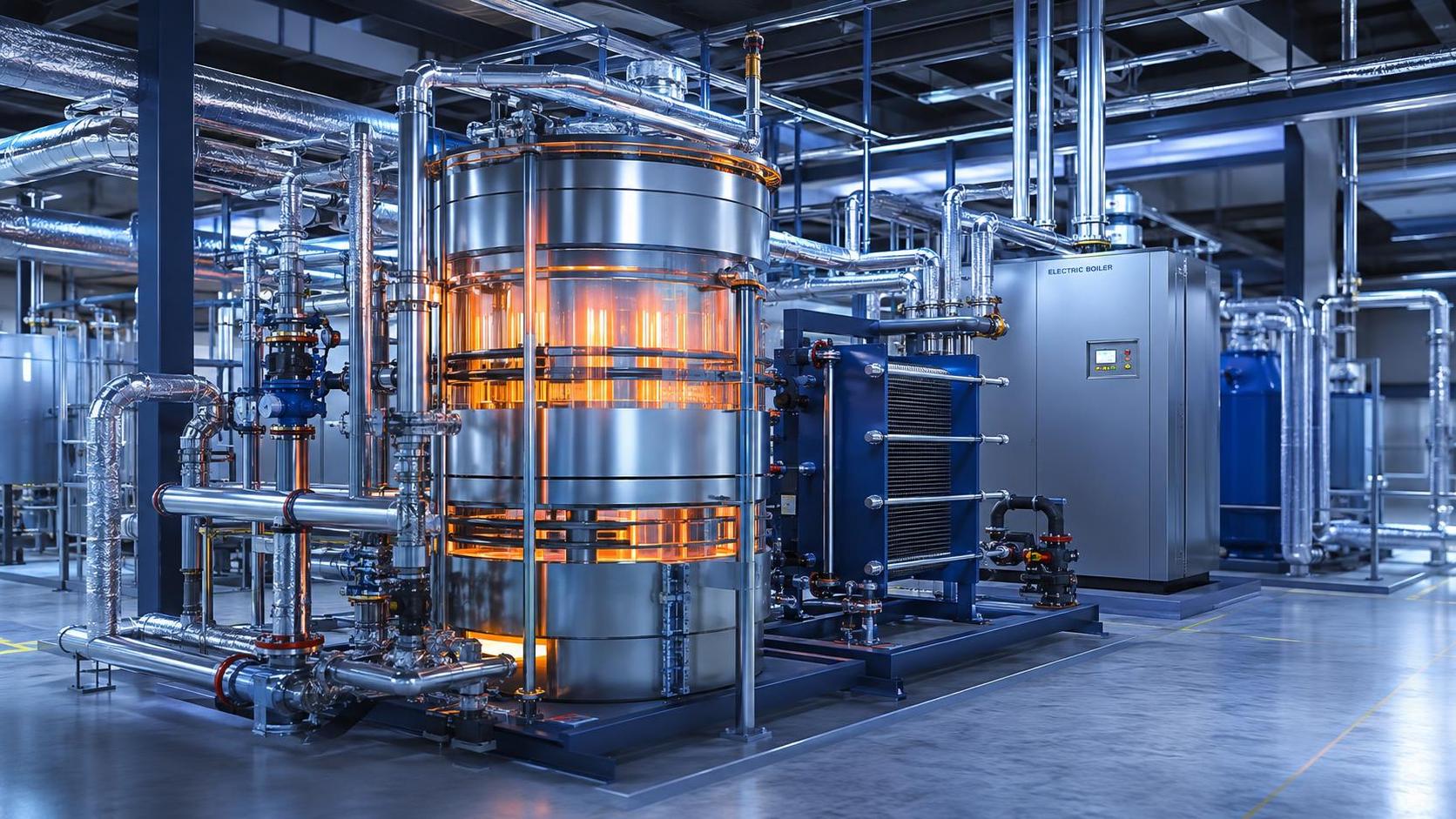
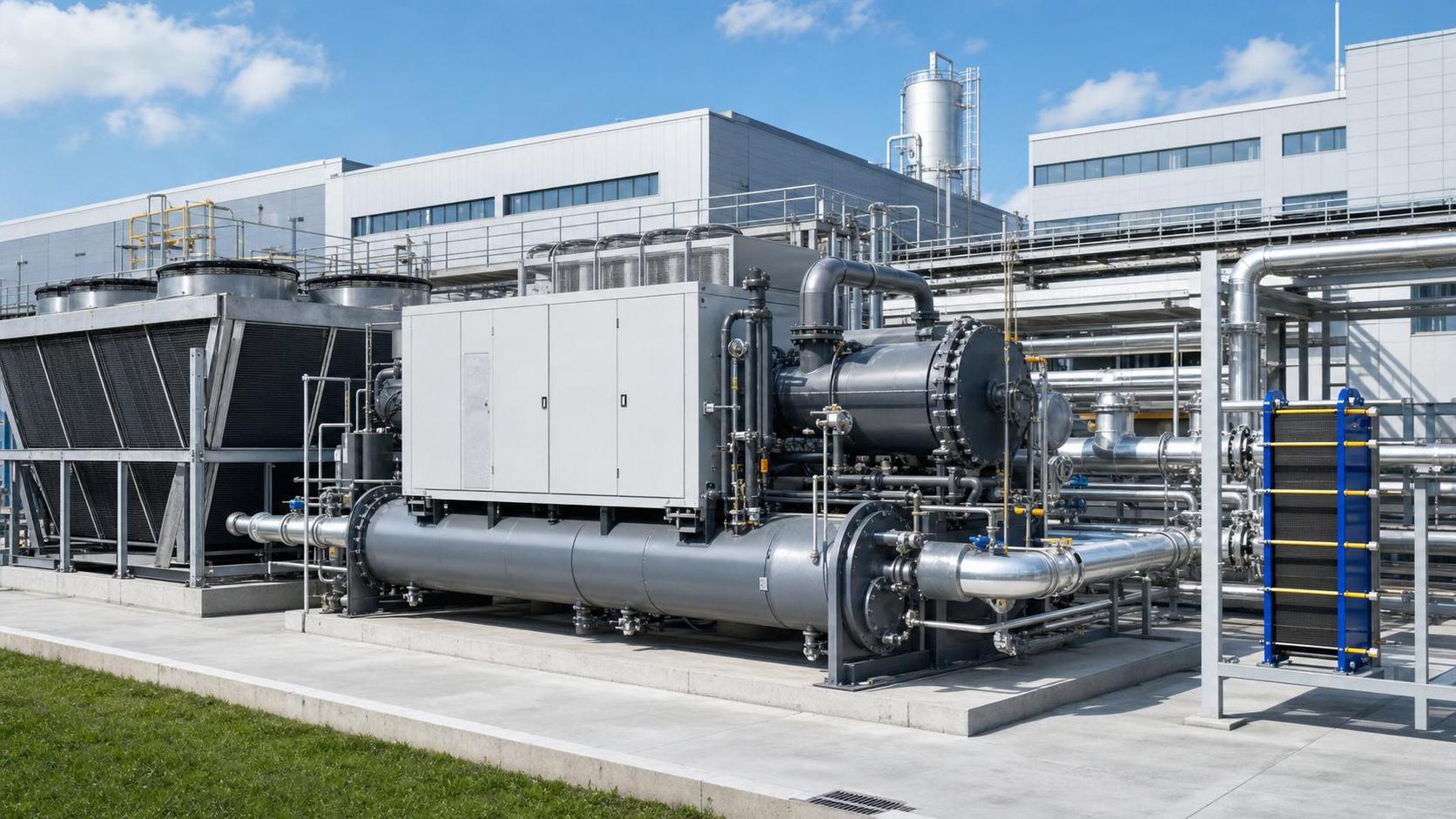
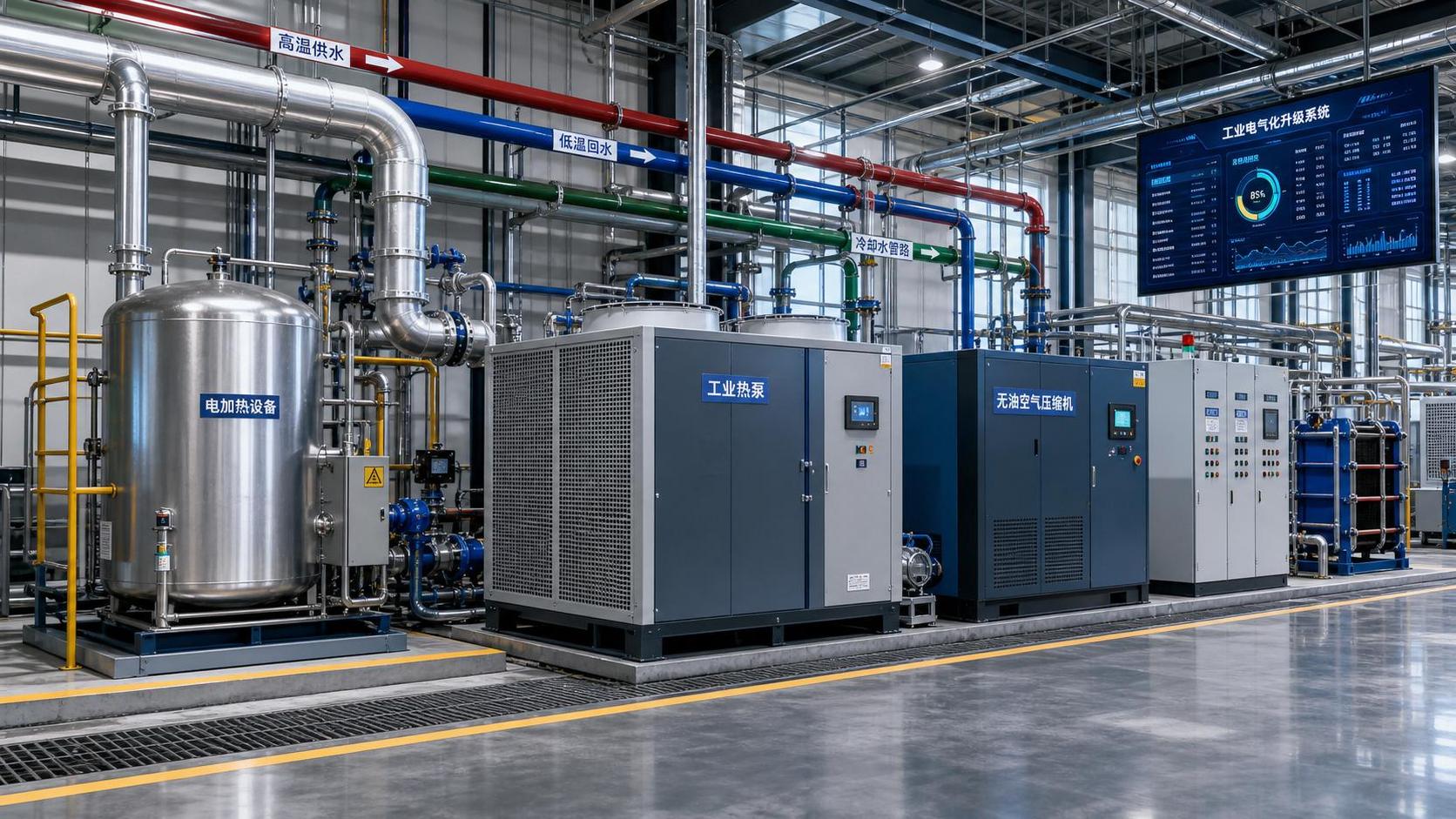
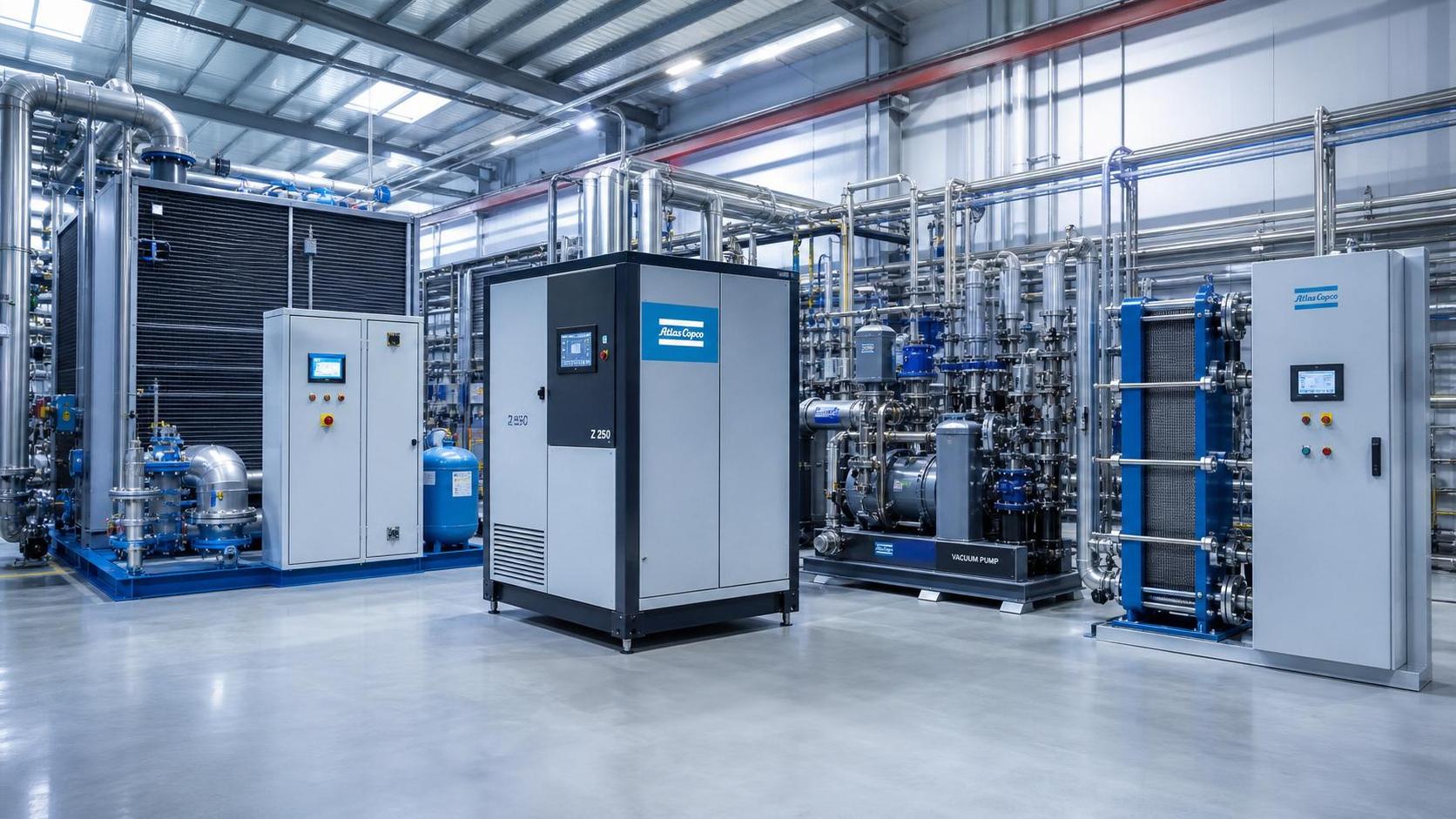
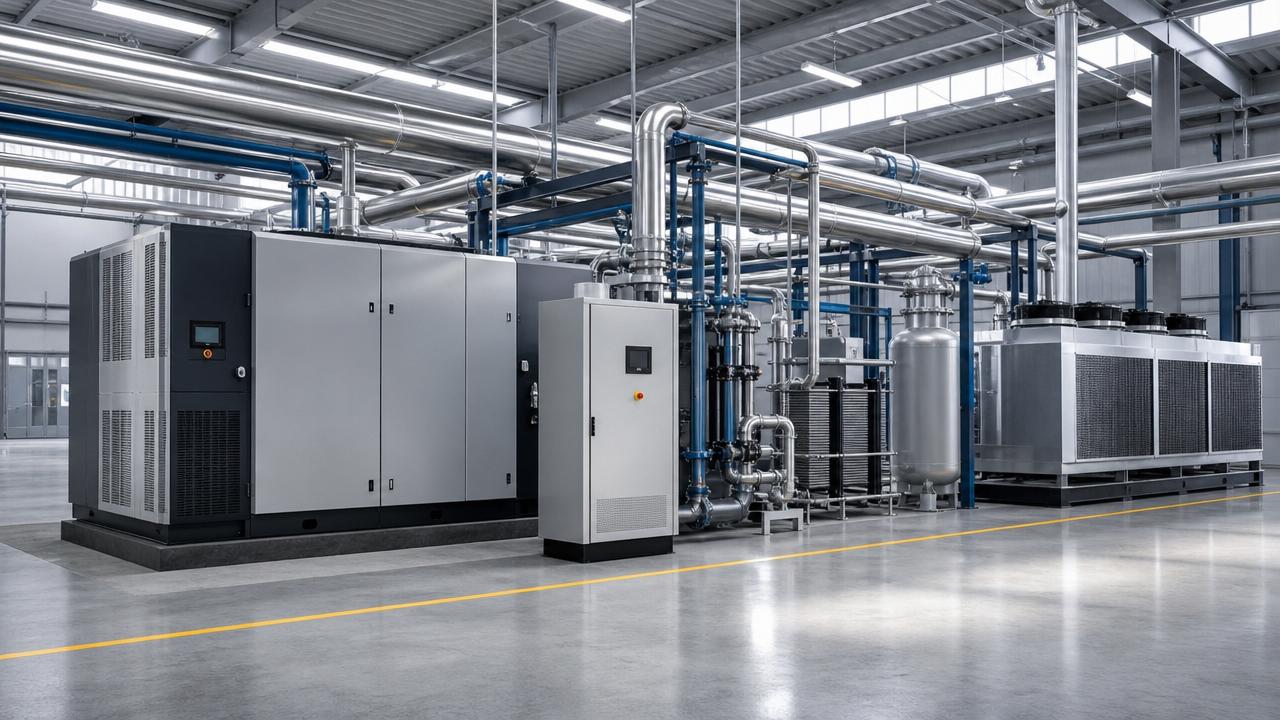
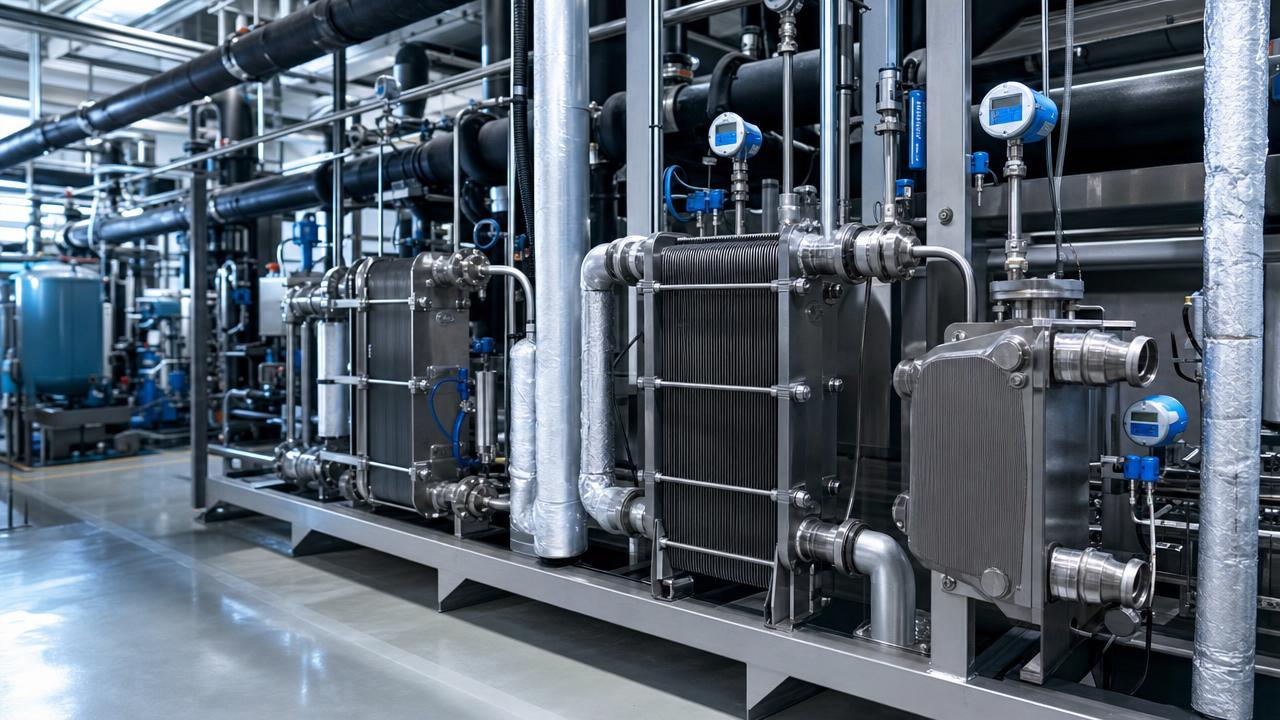
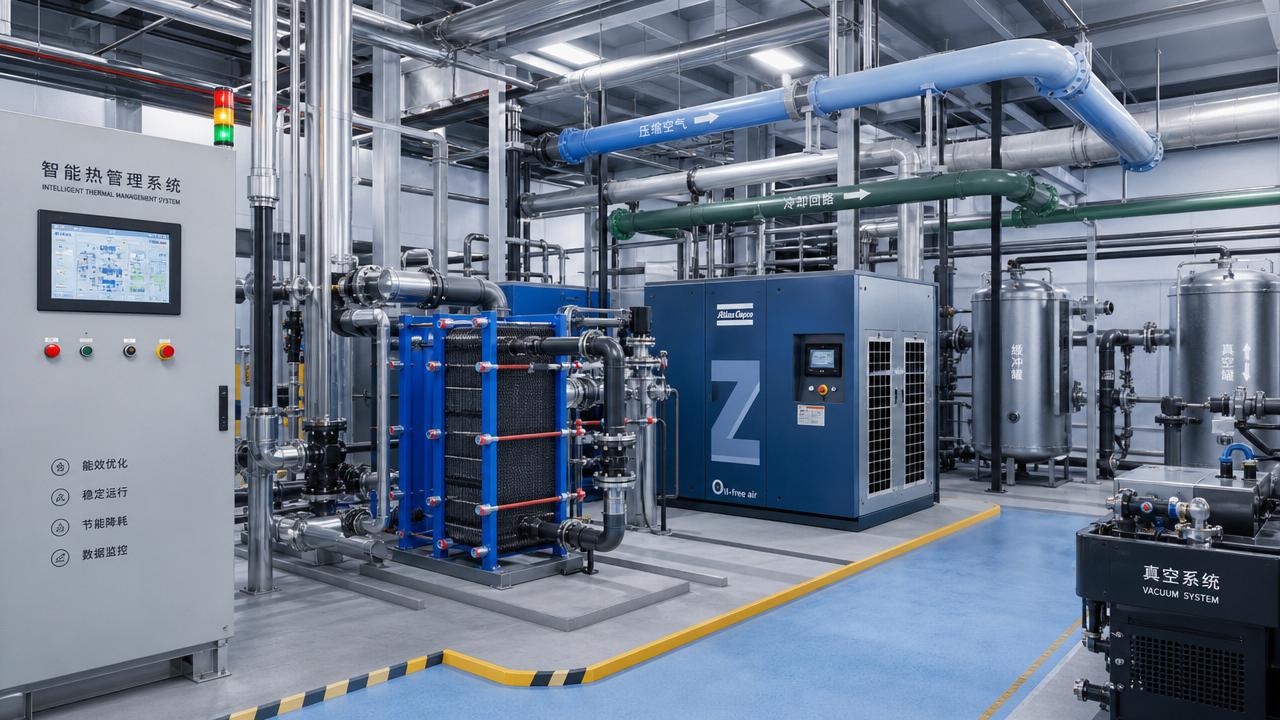
They are the projects that connect thermodynamic logic with measurable performance in boilers, compressors, chillers, vacuum systems, and heat exchangers.
Why this change is becoming more visible in 2026
Several forces are converging at the same time, and each one pushes industrial decarbonization solutions closer to the center of capital allocation.
Energy volatility remains the most immediate driver.
Even when headline fuel prices soften, many plants still face unstable contract terms, regional supply risks, and wider seasonal swings.
That makes fuel efficiency more valuable than waiting for a better procurement window.
Policy pressure also looks different now.
Regulation is expanding beyond emissions declarations into refrigerant transitions, combustion performance, and energy data transparency.
In practical terms, compliance increasingly depends on equipment behavior, not just on annual documentation.
A third factor is process quality.
Pharma, semiconductor, food, and precision manufacturing require tighter control of temperature, pressure, dryness, and contamination risk.
That demand favors industrial decarbonization solutions that improve both energy intensity and process reliability.
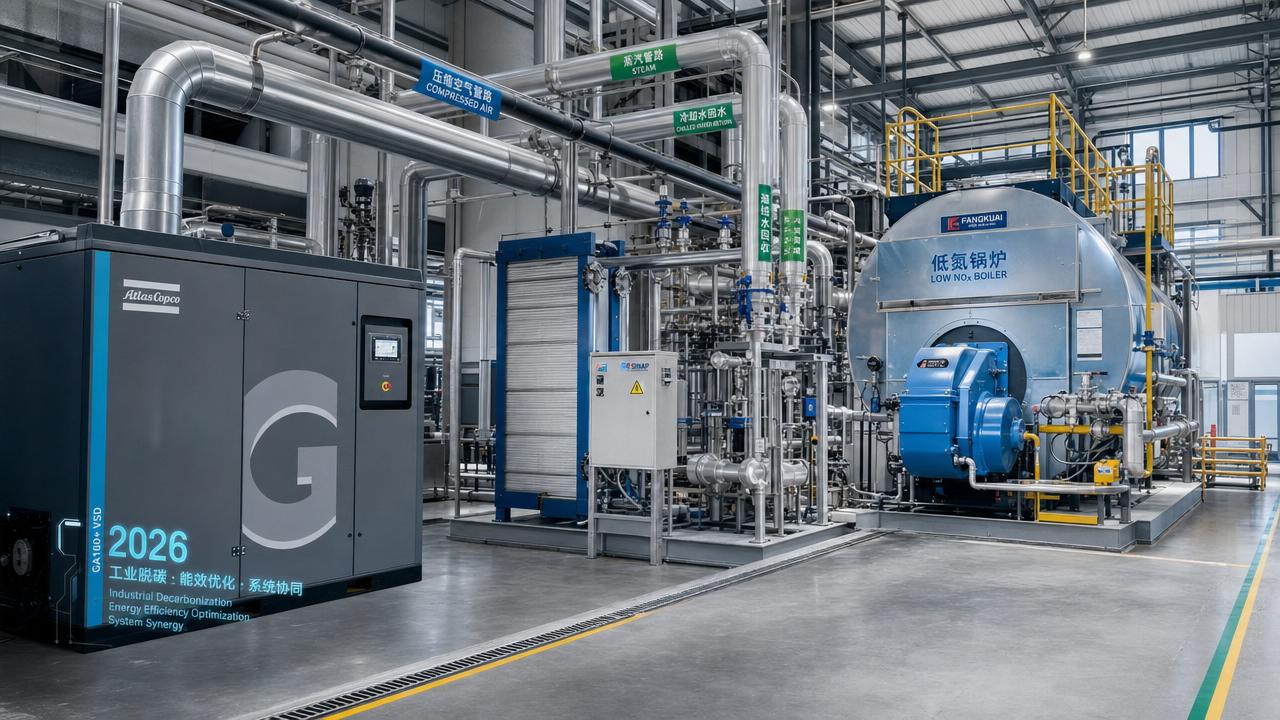
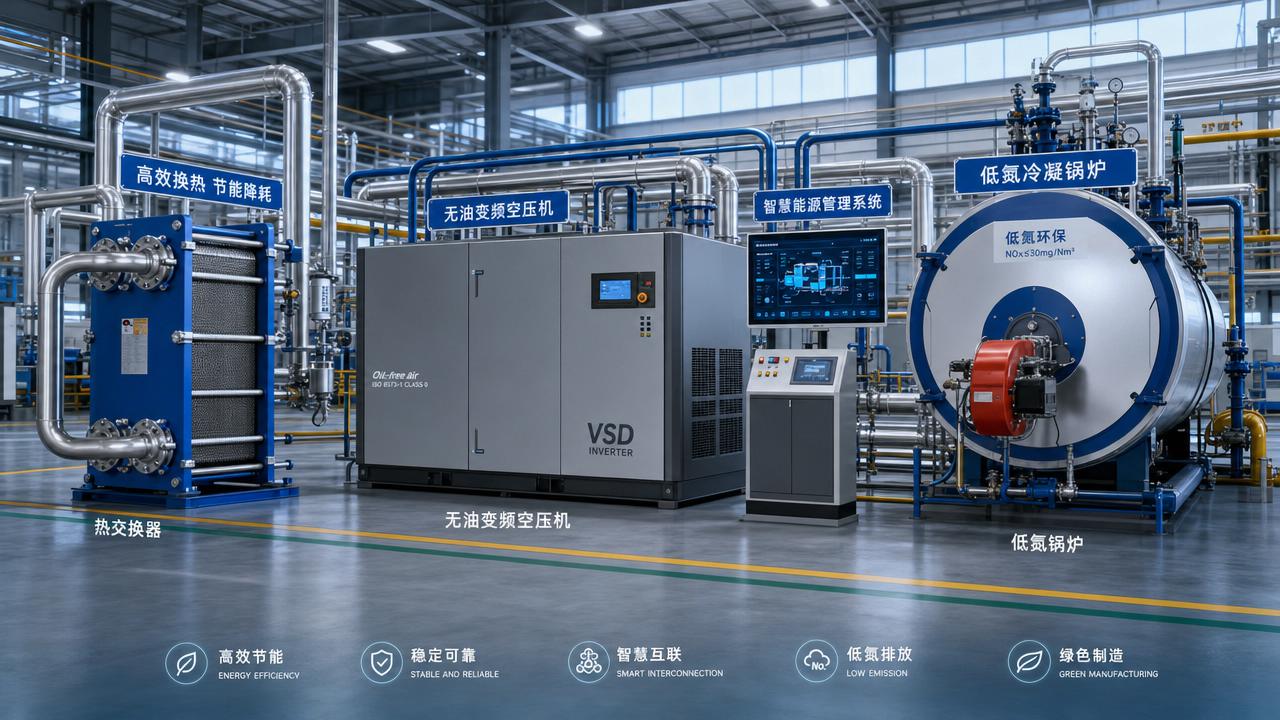
- Low-NOx boiler upgrades reduce fuel waste while addressing combustion compliance.
- Oil-free compressed air systems support purity goals and lower downstream losses.
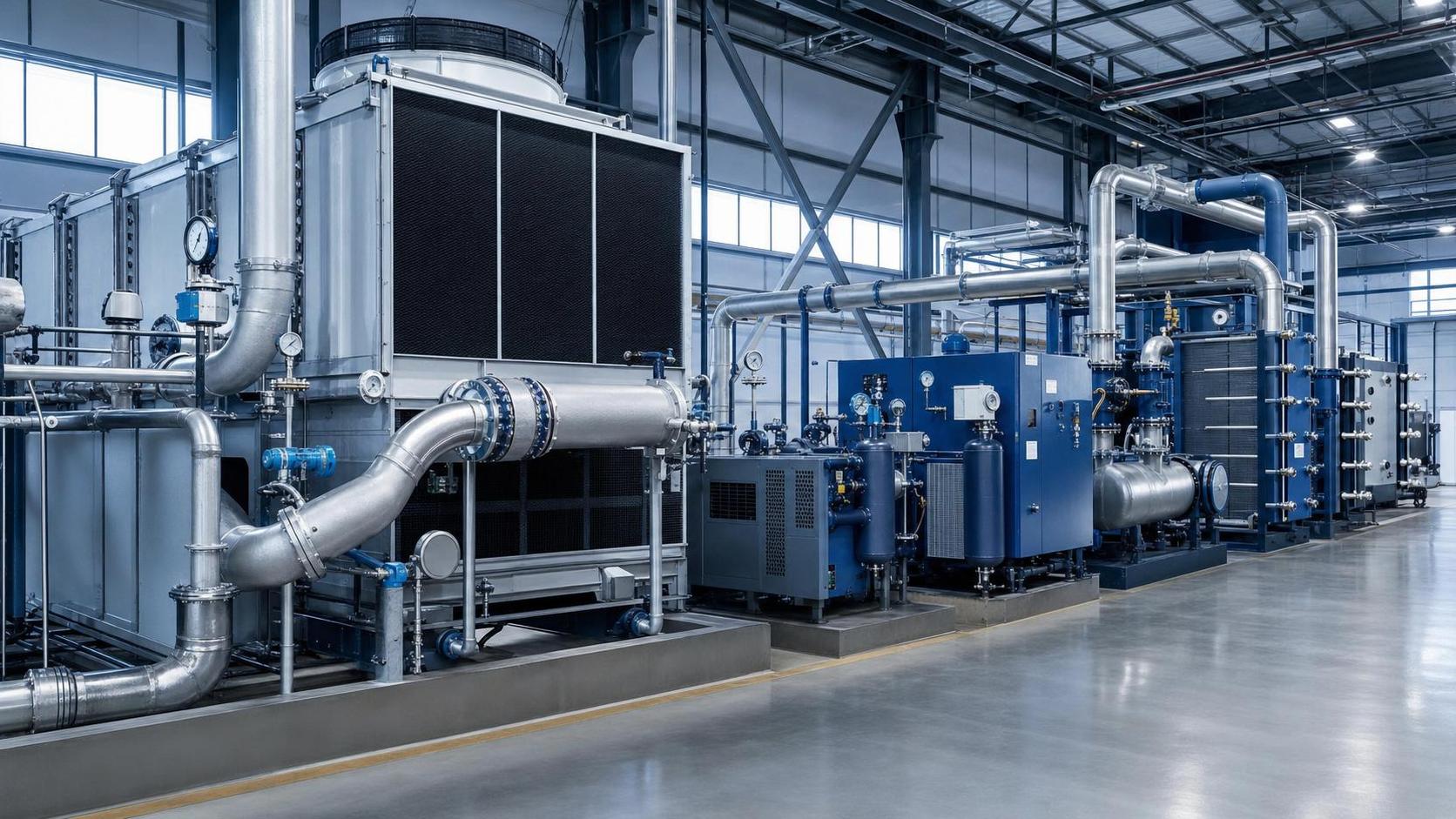
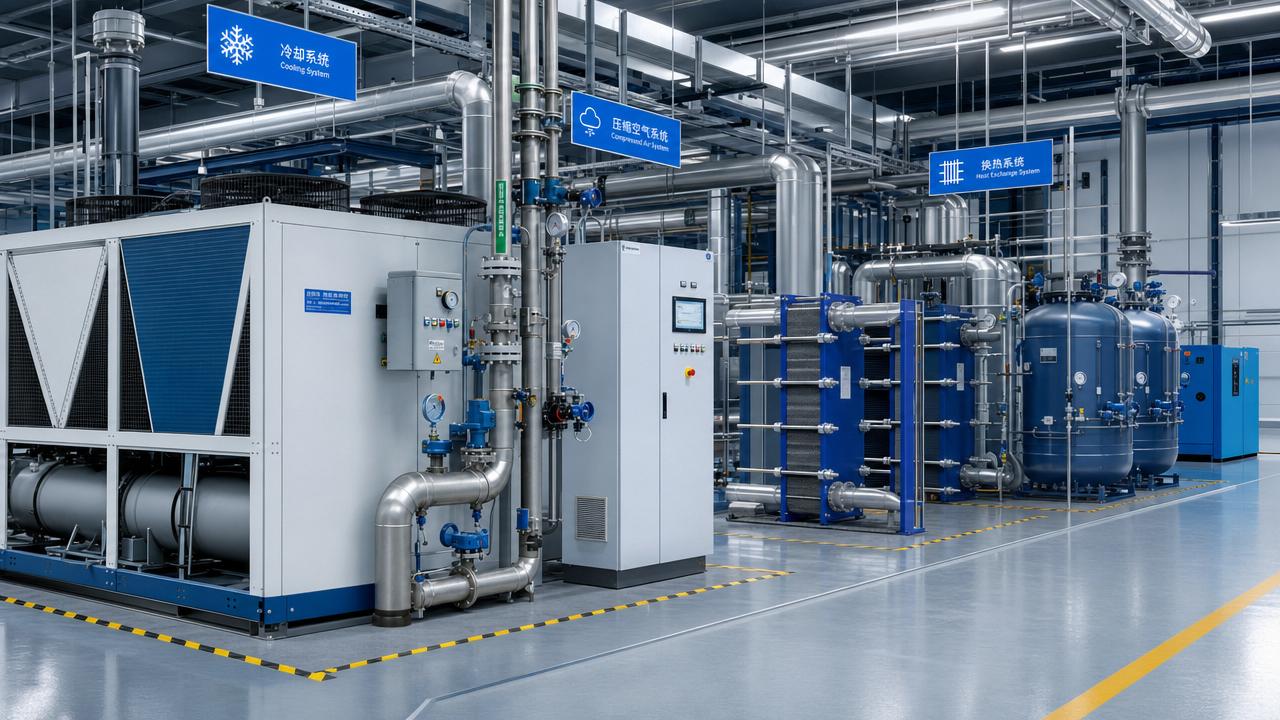
- Microchannel heat exchangers improve heat transfer in tighter space envelopes.
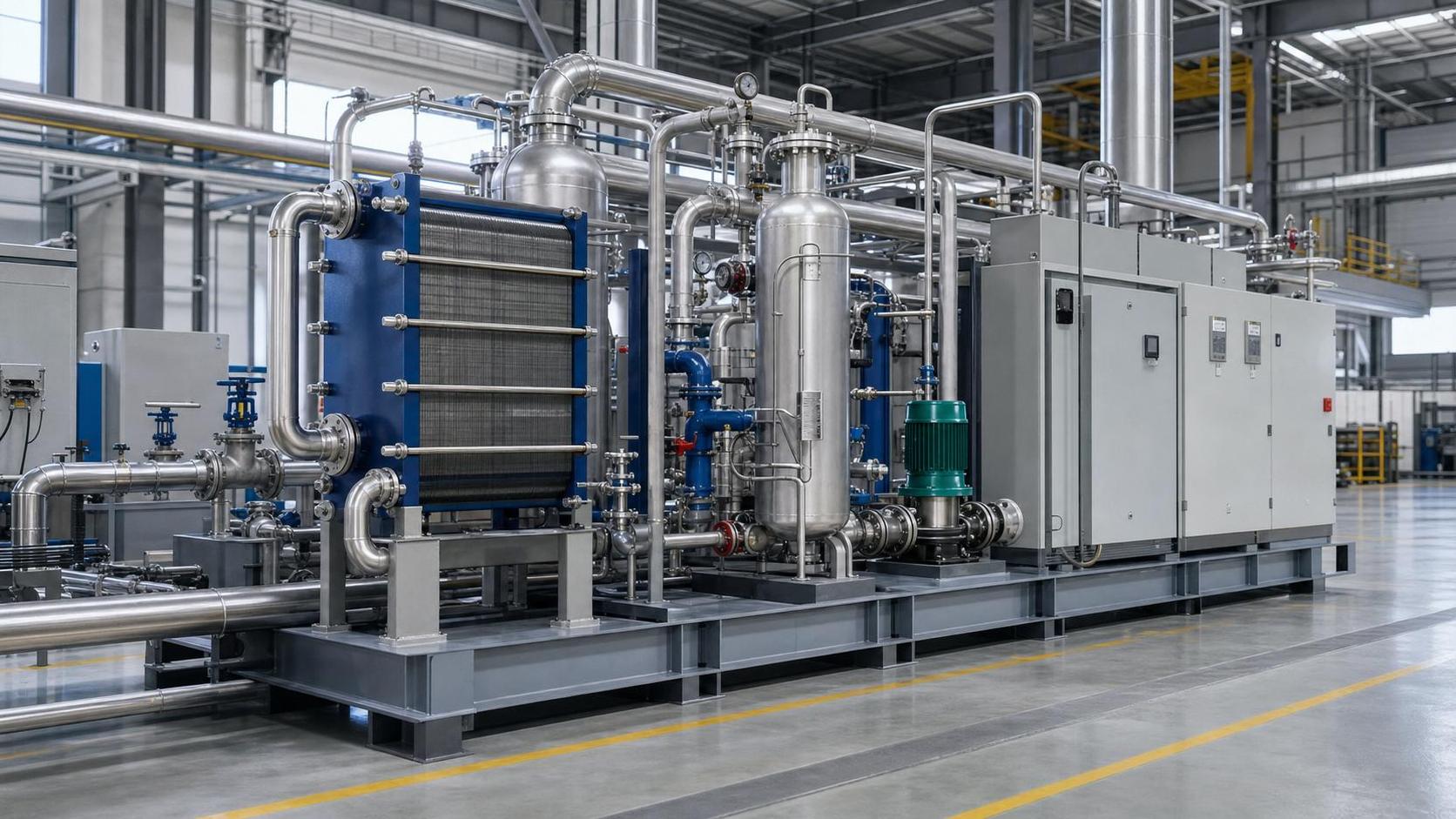
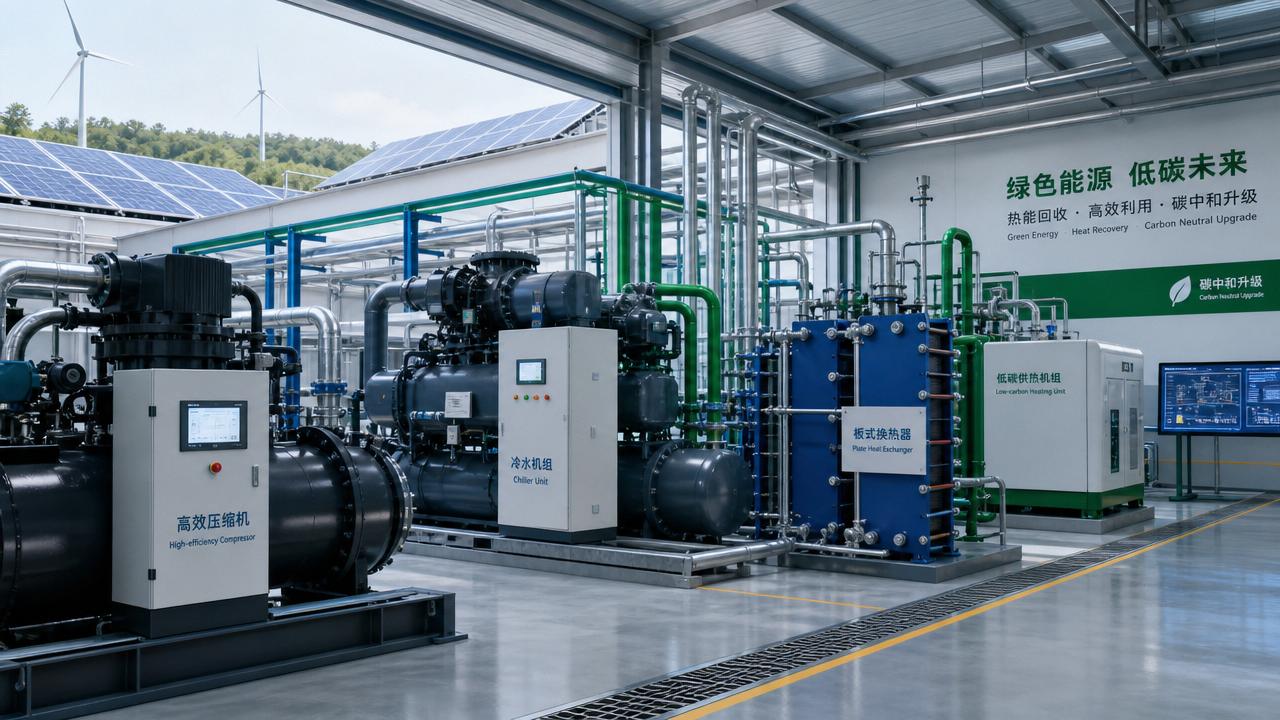
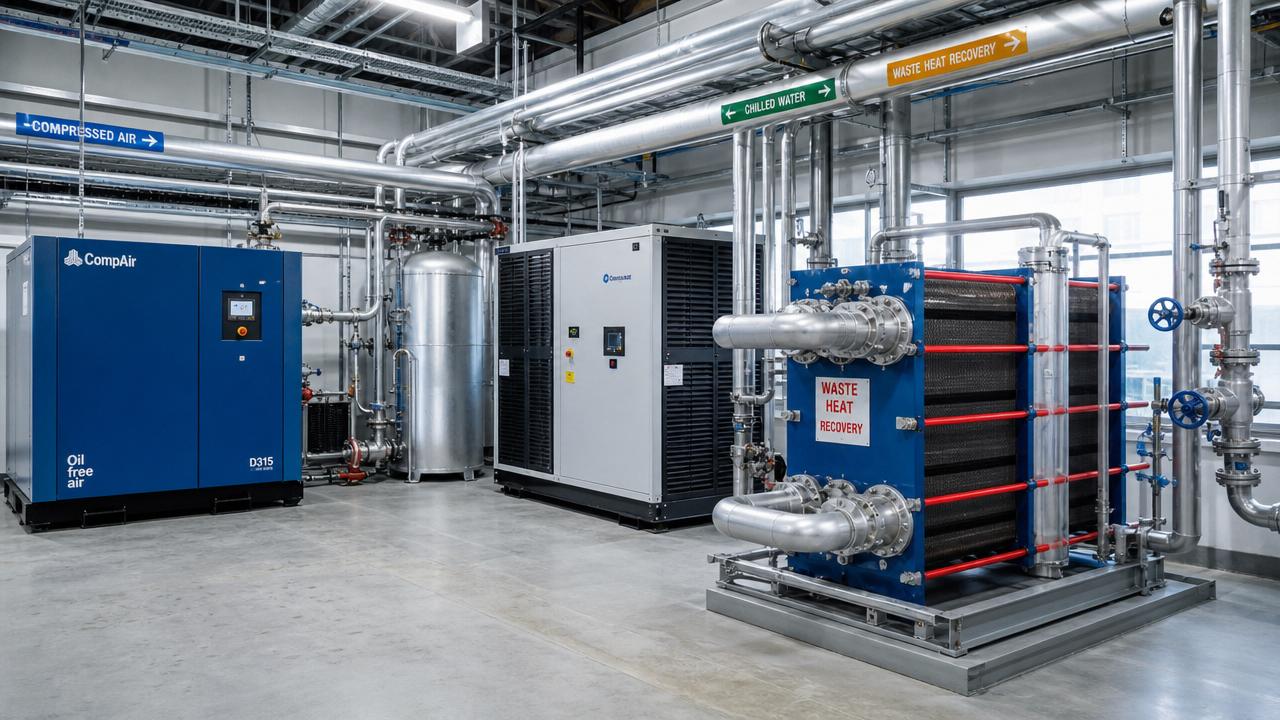
- Heat recovery systems convert rejected thermal energy into useful process input.
These are not isolated technology stories.
They reflect a wider market preference for systems that reduce carbon through better energy conversion efficiency.
The strongest demand is moving toward thermal systems, not only power supply
A common mistake is to view decarbonization mainly through electricity sourcing.
In many industrial sites, the larger and faster savings still sit inside thermal and compression systems.
Boilers, steam loops, drying lines, chilled water networks, compressed air leaks, and poorly matched heat exchangers often hide the most expensive inefficiencies.
From recent project patterns, industrial decarbonization solutions gain traction when they solve three issues together.
This broader view explains why system integration has become more important than single-equipment replacement.
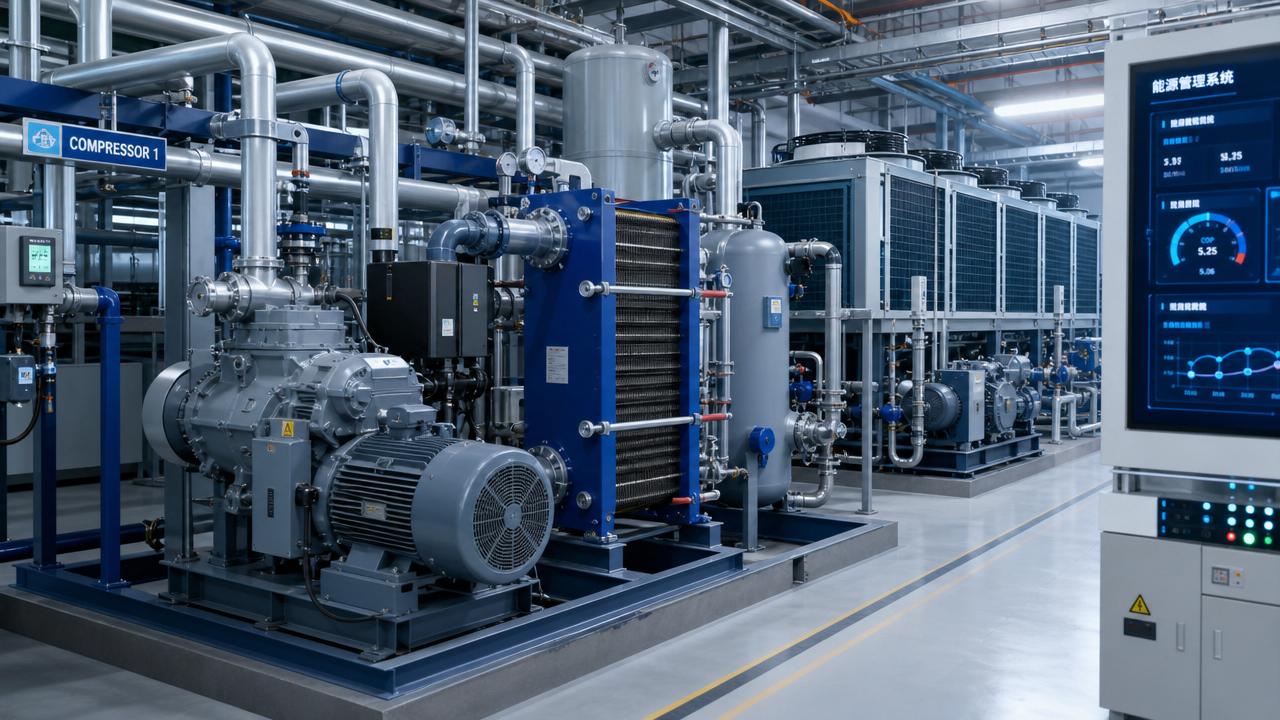
A high-efficiency compressor alone may not deliver expected savings if pressure strategy, drying, and heat recovery remain disconnected.
The biggest impact is appearing across linked process stages
Industrial decarbonization solutions rarely create value in one isolated asset.
The stronger benefits appear when one improvement unlocks efficiency across adjacent stages.
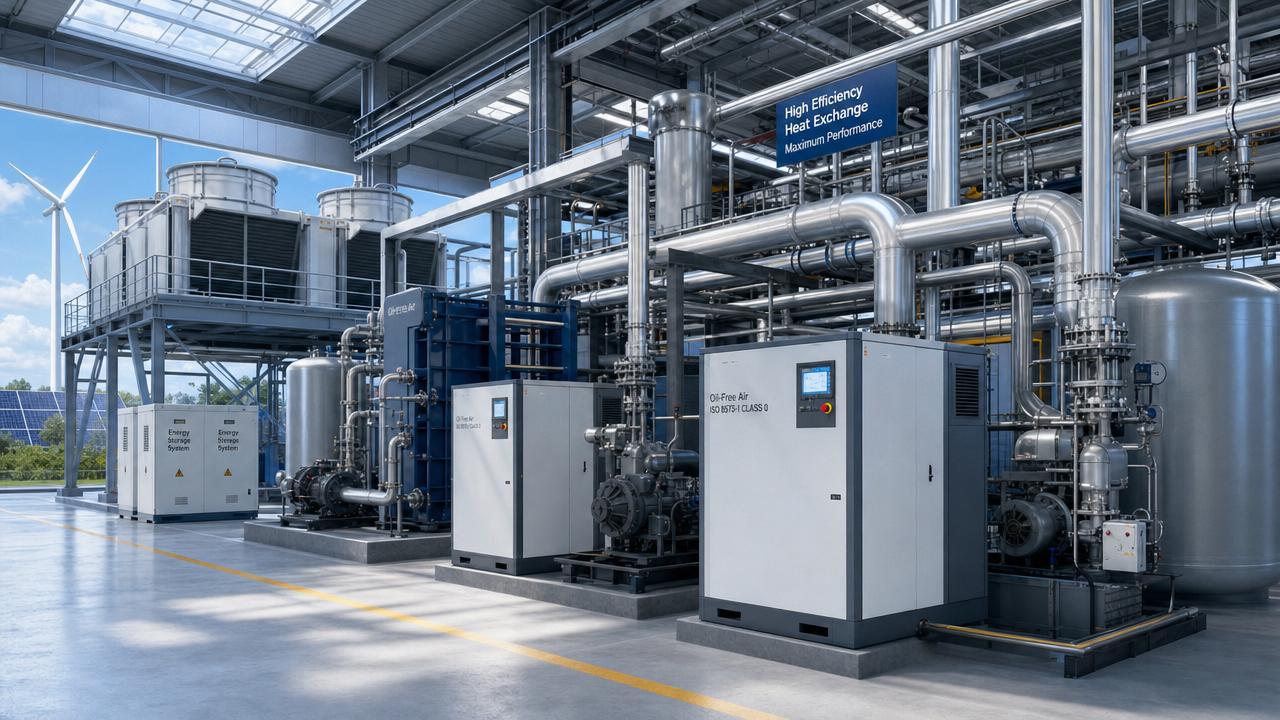
For example, better heat exchange can lower burner load, reduce cooling demand, and stabilize output temperature at the same time.
The same pattern appears in compressed air.
Reducing pressure drops can cut compressor power use, decrease heat generation, and extend equipment life.
That combination matters more in 2026 because capital reviews are asking for cross-functional returns.
Projects that improve only one metric face tougher scrutiny.
Projects that reduce fuel consumption, support uptime, and improve reporting accuracy are moving ahead faster.
This is where the GTC-Matrix perspective becomes relevant.
Its intelligence model follows the power heart and thermal center of industry, where thermodynamics and compression economics meet daily operating decisions.
That lens helps explain why market interest is shifting toward stitched intelligence rather than disconnected efficiency claims.
What deserves closer attention before budgets are committed
Not every decarbonization project cuts fuel costs equally.
The more useful question is which industrial decarbonization solutions match actual load behavior, duty cycles, and process constraints.
In real operations, four checkpoints tend to separate strong projects from expensive disappointments.
Load profile comes before equipment selection
A system designed for nameplate demand often wastes fuel during partial-load operation.
Hourly load mapping usually reveals where staging, storage, or variable-speed control can reduce energy use faster.
Heat recovery should be matched to a real sink
Recovered heat has value only when there is stable demand for it.
Plants with washing, preheating, drying, or domestic hot water loads often gain more from integration than from stand-alone recovery units.
Purity and efficiency are increasingly linked
Oil-free compression, cleaner vacuum processes, and tighter thermal control reduce contamination events and hidden rework costs.
That means industrial decarbonization solutions can protect margin through quality, not just through energy savings.
Data quality now shapes project credibility
Boards and lenders increasingly ask for verified baselines, not broad engineering assumptions.
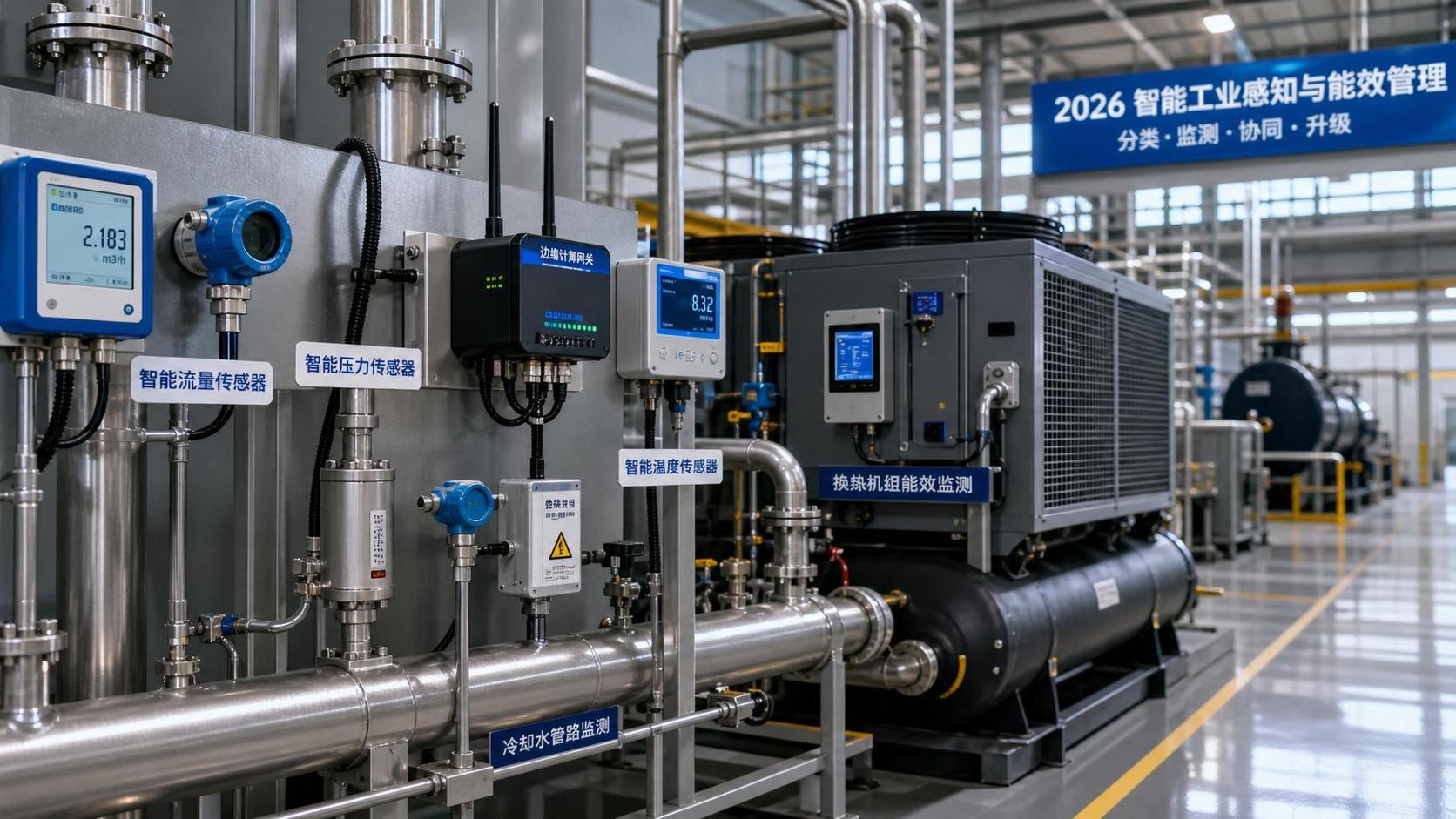
Metering fuel, pressure, temperature differentials, and recovered heat output makes savings claims harder to challenge.
The next wave will reward integrated thinking over isolated retrofits
Looking ahead, the market is likely to favor industrial decarbonization solutions that connect thermal assets, controls, and reporting into one operating model.
That does not mean every site needs a major rebuild.
More often, the first gains come from sequencing upgrades in a smarter order.
- Audit fuel-intensive thermal loops before purchasing replacement capacity.
- Prioritize compressed air leak reduction before adding new compressor packages.
- Compare heat recovery options against actual demand profiles and seasonal use.
- Track refrigerant, combustion, and efficiency rules that may change asset economics.
- Build staged roadmaps that combine short-payback fixes with longer process redesign.
From that point, the strategic task is not simply choosing greener equipment.
It is deciding where thermal and compression efficiency can create the fastest, most defensible reduction in fuel dependence.
The organizations that move well in 2026 will keep watching market signals, policy shifts, and process data together.
That approach makes industrial decarbonization solutions less of a compliance program and more of a durable operating strategy.
A practical next step is to review where heat, cooling, compressed air, and vacuum systems interact, then rank actions by fuel impact, reliability effect, and data confidence.
In a market defined by efficiency pressure, that level of clarity is becoming a competitive advantage of its own.
Related News
- Why high-density thermal energy storage is gaining industry attentionAuthor :

- Smart Device Thermal Management Trends Shaping 2026 Product DesignAuthor :

- Industrial Cooling Technologies in Europe: 2026 Trends in Compliance and Energy UseAuthor :

- Industrial Electrification Trends in 2026: Where Projects Are Moving FirstAuthor :

- Industrial Solution Comparison Global: 2026 Trends Reshaping Equipment DecisionsAuthor :

- When Heat Recovery Systems Skid Mounted Designs Improve Project PaybackAuthor :

- How to Compare Industrial Decarbonization Solutions Providers in 2026Author :

- Industry Category Guides for Smart Devices: What to Track as 2026 Markets ShiftAuthor :

- Green Manufacturing Trends Reshaping Industrial InvestmentAuthor :

- 2026 Global Energy Costs: What Will Reshape Industrial PlanningAuthor :

- Industrial Decarbonization Solutions That Cut Fuel Costs in 2026Author :

- Smart Thermal Systems Trends Shaping Industrial Upgrades in 2026Author :

- Resource Circularity in Manufacturing: 5 Practical Gains Beyond ComplianceAuthor :

- Carbon Neutrality Roadmap: What Industrial Firms Need to Prioritize FirstAuthor :

- Energy Conversion Efficiency Trends Shaping Industrial UpgradesAuthor :

- Compression Technology Trends Shaping Efficient Plant UpgradesAuthor :

- Industrial Intelligence in Manufacturing: Where It Delivers Value FirstAuthor :

- How Intellectualization Improves Industrial Thermal ManagementAuthor :

- What Intellectualization Means for Smarter Plant Operations in 2026Author :

- Carbon Neutrality Goals: What Industrial Firms Should Prioritize in 2026Author :

- How Intellectualization Reduces Downtime in Modern Production LinesAuthor :

- Decarbonization Roadmap for Energy-Intensive Plants in 2026Author :

- Thermal Systems Trends in 2026: Efficiency, Control, and RiskAuthor :

- Industrial Decarbonization Priorities for Energy-Intensive FacilitiesAuthor :

- Thermal Systems in 2026: Efficiency Upgrades Shaping Industrial OperationsAuthor :

- Pure Power Sources: 5 Practical Paths to Carbon NeutralityAuthor :

- What Intellectualization Means for Industrial Equipment UpgradesAuthor :

- Thermal Optimization in 2026: Where Energy Savings Deliver the Fastest PaybackAuthor :

- Energy Efficiency Trends Reshaping Compressor Upgrades in 2026Author :

- 2026 Industrial Decarbonization Trends Reshaping Plant UpgradesAuthor :
![]()
- Heat Exchanger Technology Trends for 2026 Efficiency TargetsAuthor :

- Resource Circularity Risks in 2026 Supply ChainsAuthor :

- Smart Thermal Systems: When Upgrades Deliver Measurable SavingsAuthor :

- Carbon Neutrality: Practical Steps for Factory RoadmapsAuthor :

- 2026 Industrial Energy Efficiency Priorities for Plant UpgradesAuthor :

- Industrial Intellectualization Trends Reshaping Equipment UpgradesAuthor :