Energy Conversion Efficiency Trends Shaping Industrial Upgrades




Energy conversion efficiency is moving from a technical metric to a board-level signal
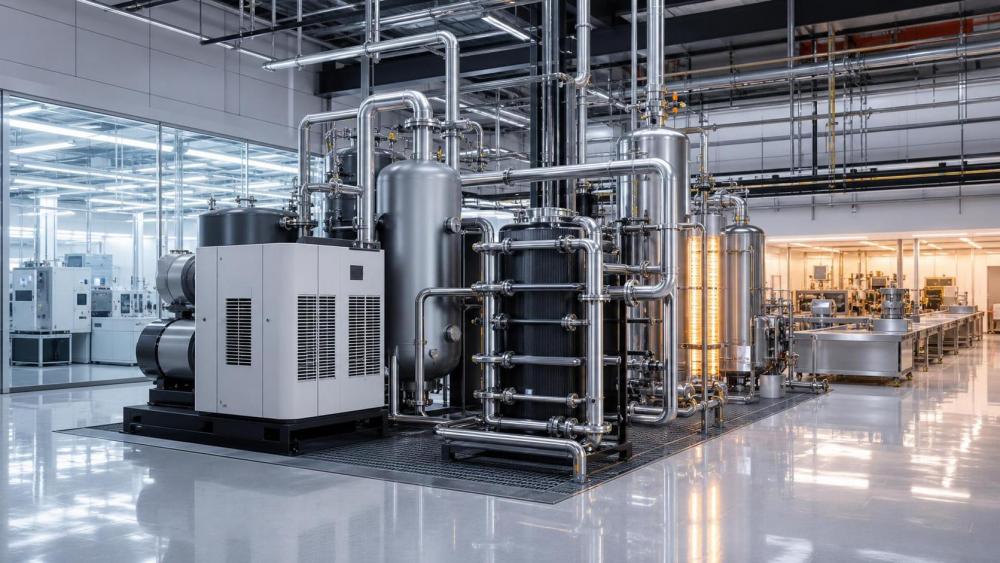
Energy conversion efficiency now sits at the center of industrial upgrade decisions across multiple sectors.
That shift is not driven by one headline trend alone.
It is the result of volatile power prices, tighter carbon accounting, supply chain uncertainty, and rising process precision.
What used to be treated as an engineering optimization is now linked directly to operating margin and expansion planning.
In practical terms, industrial systems are being judged less by nameplate output and more by conversion quality across the whole thermal and power chain.
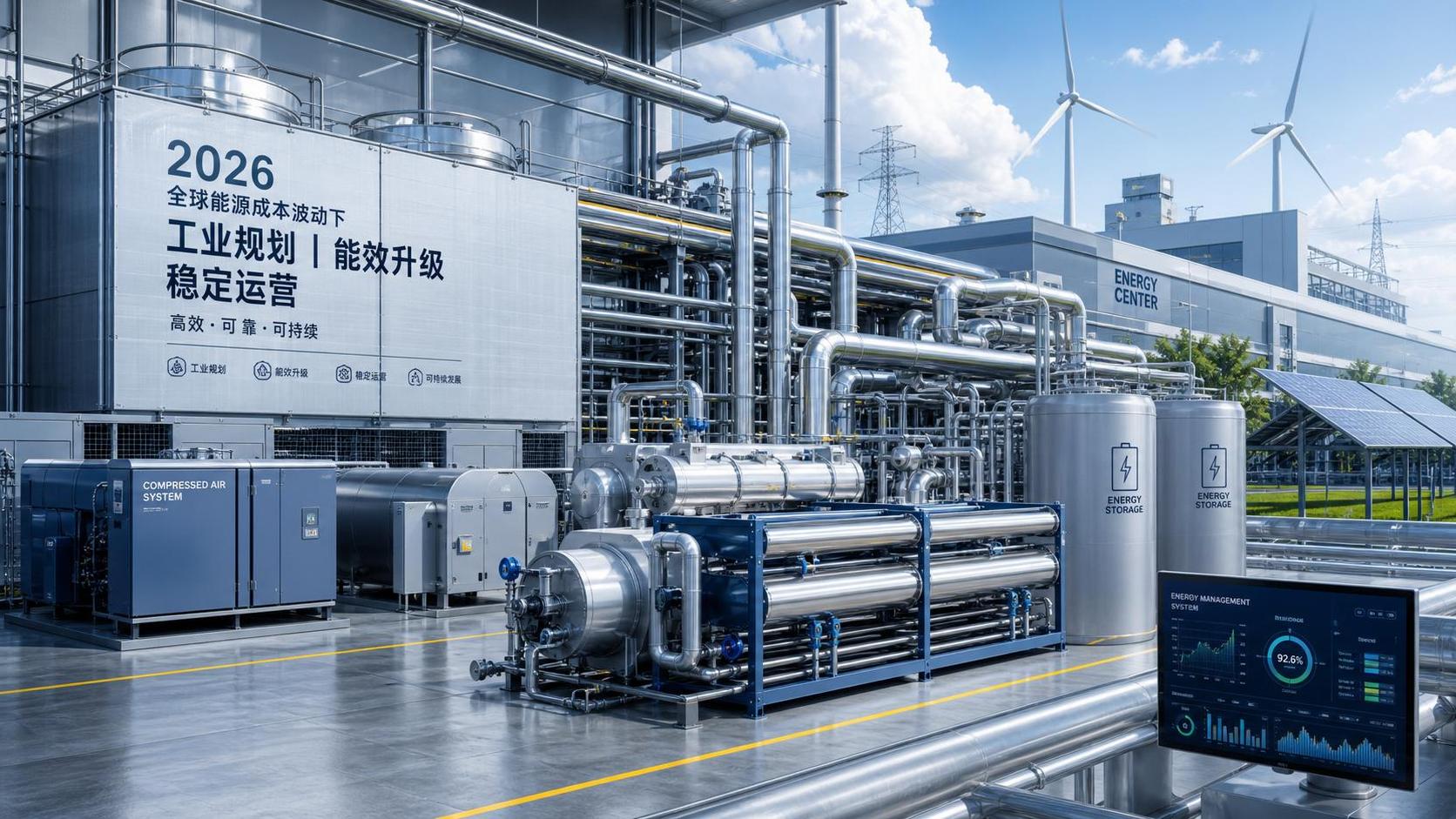
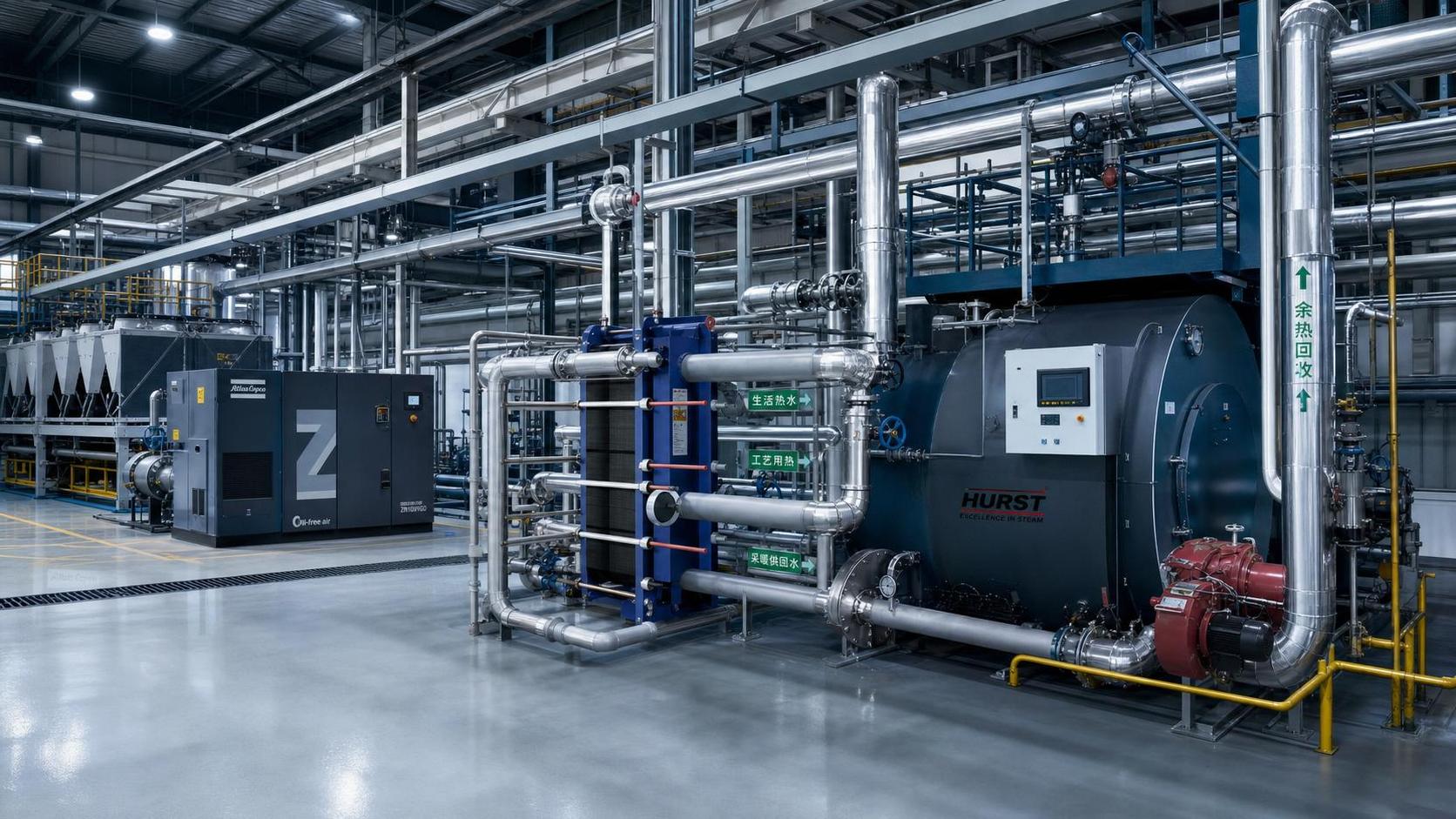
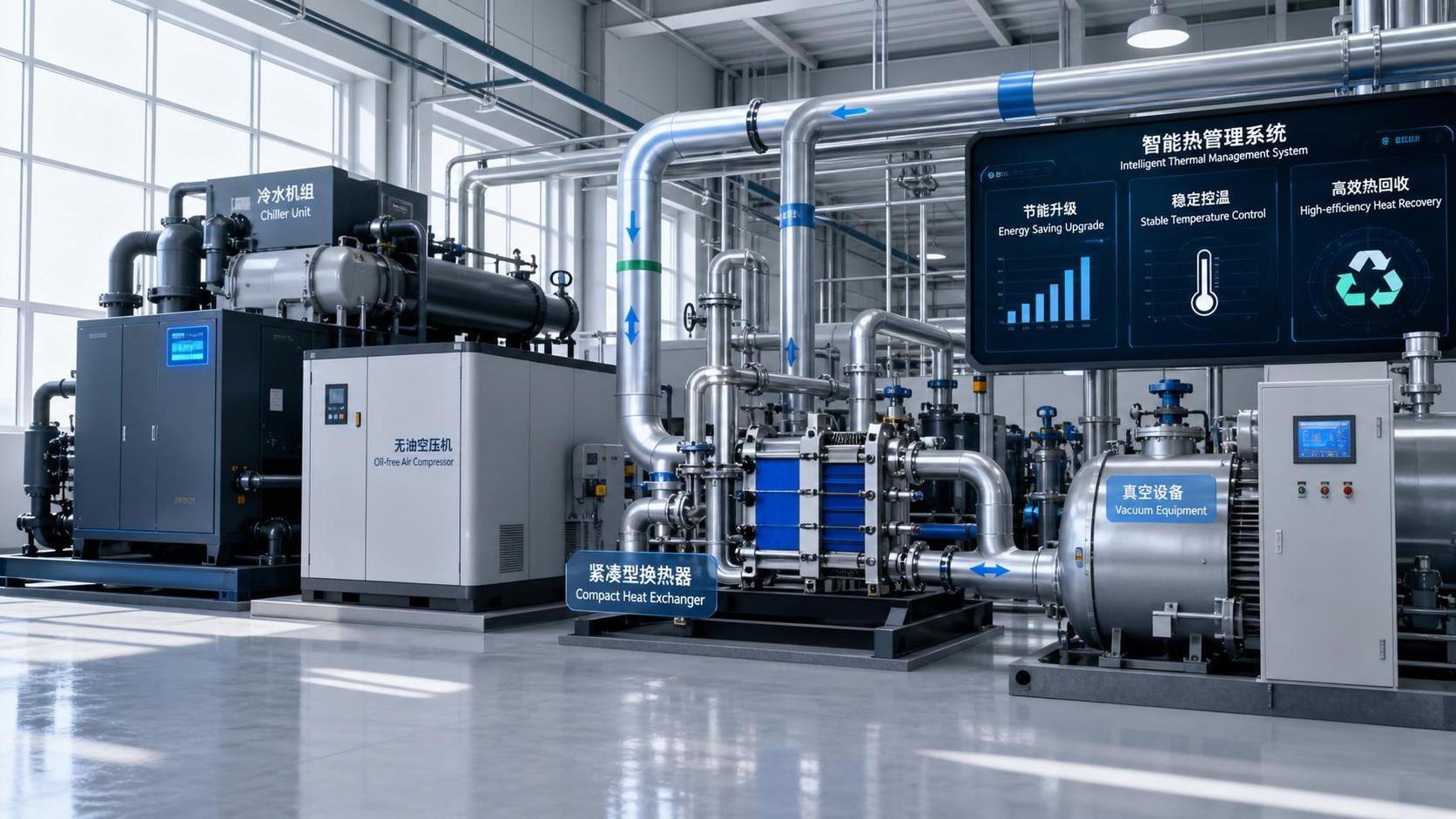
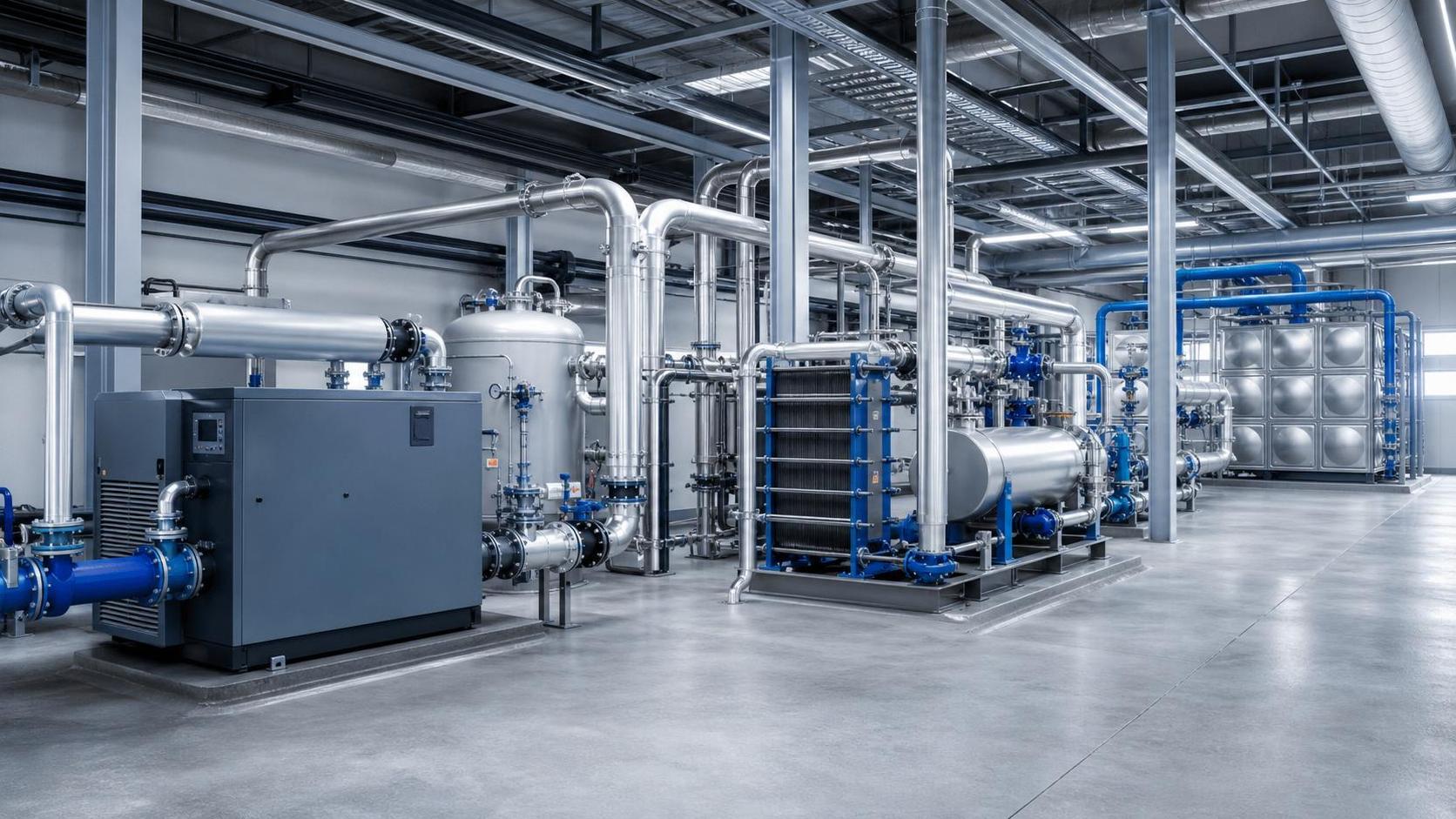
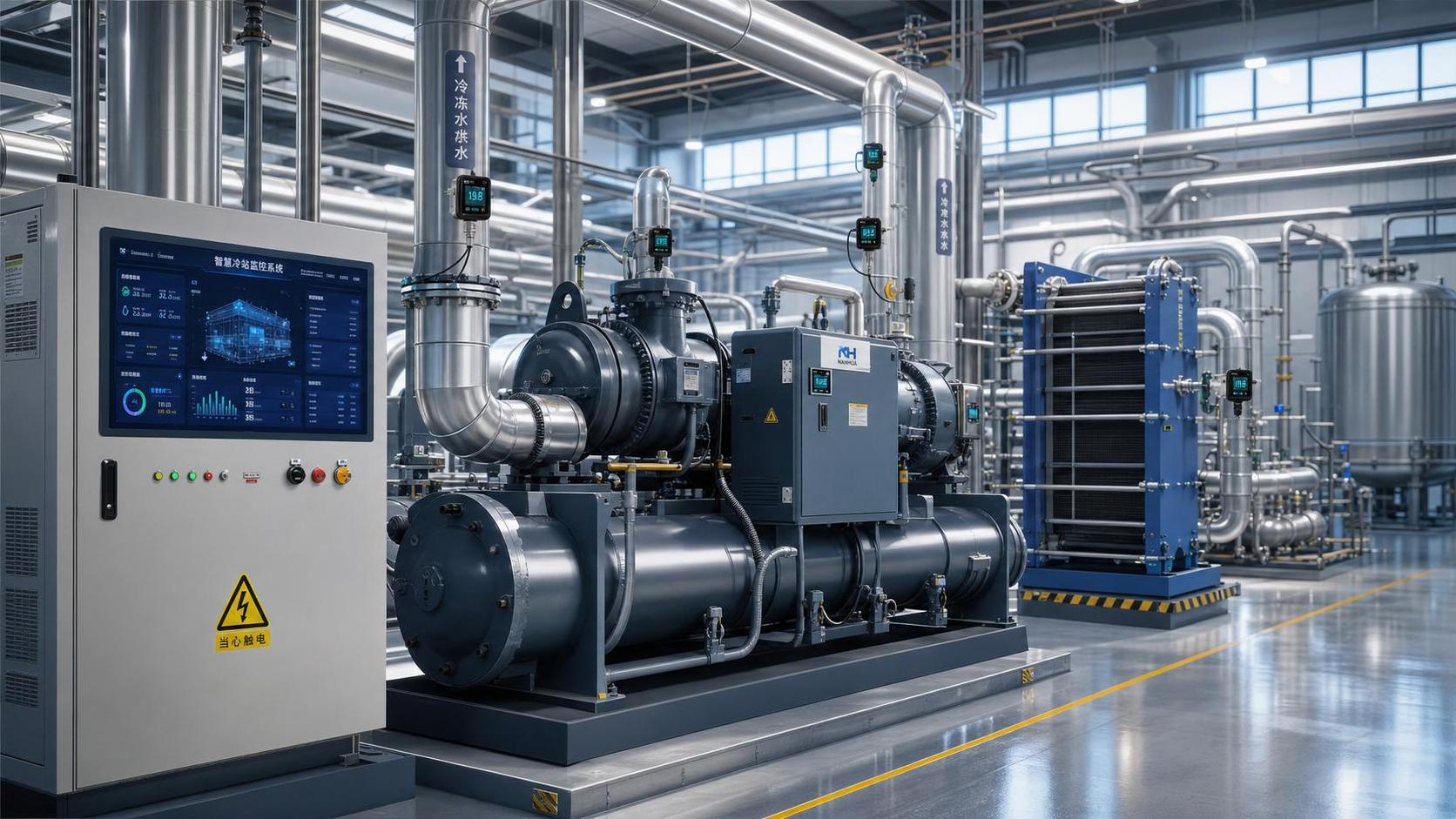
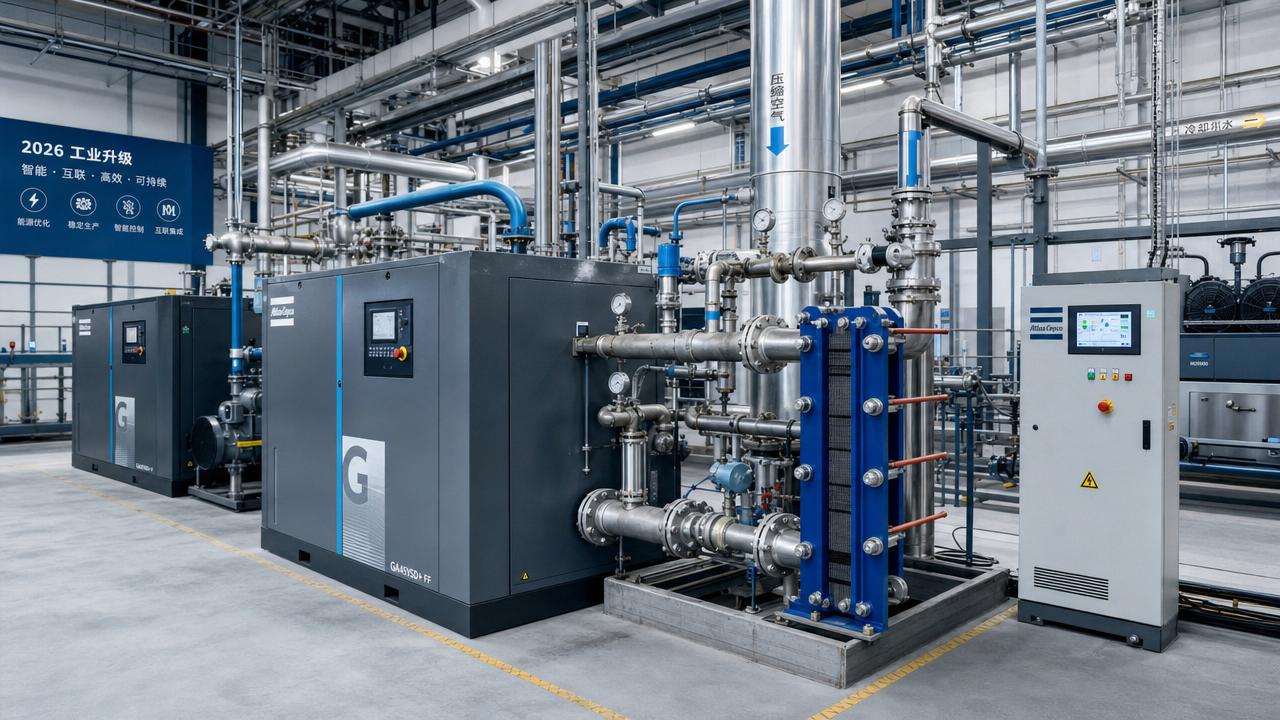
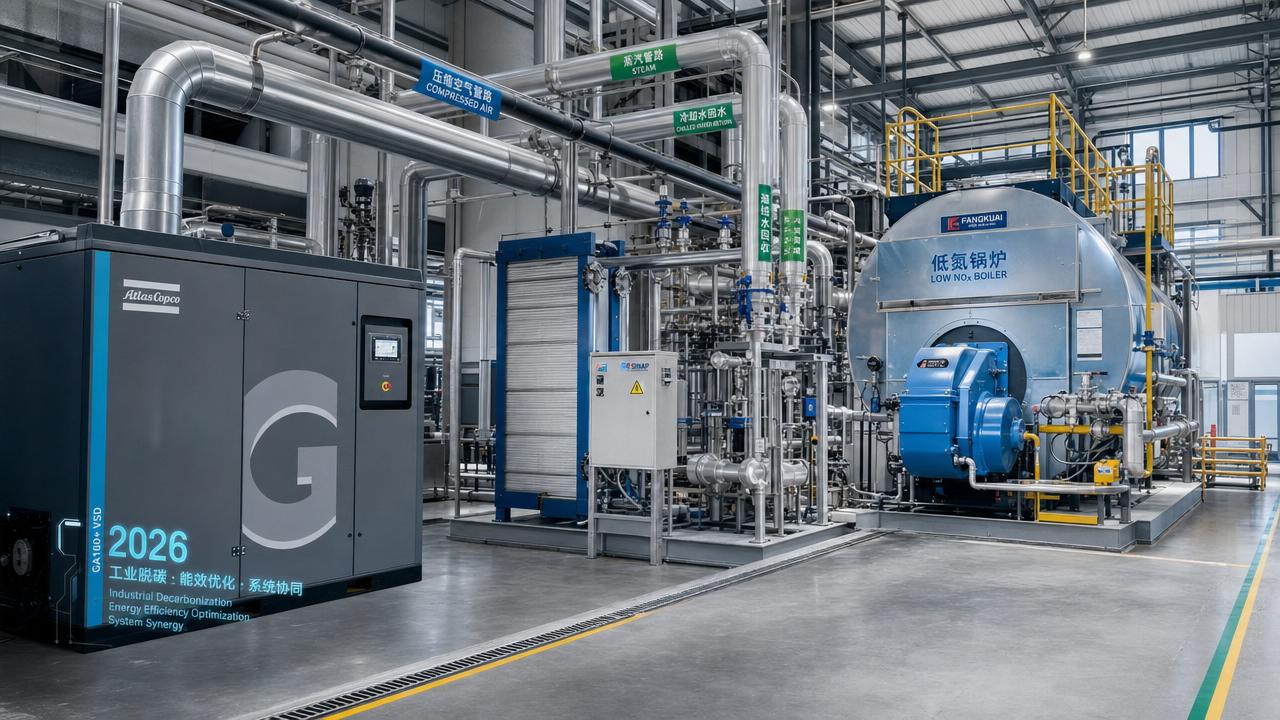
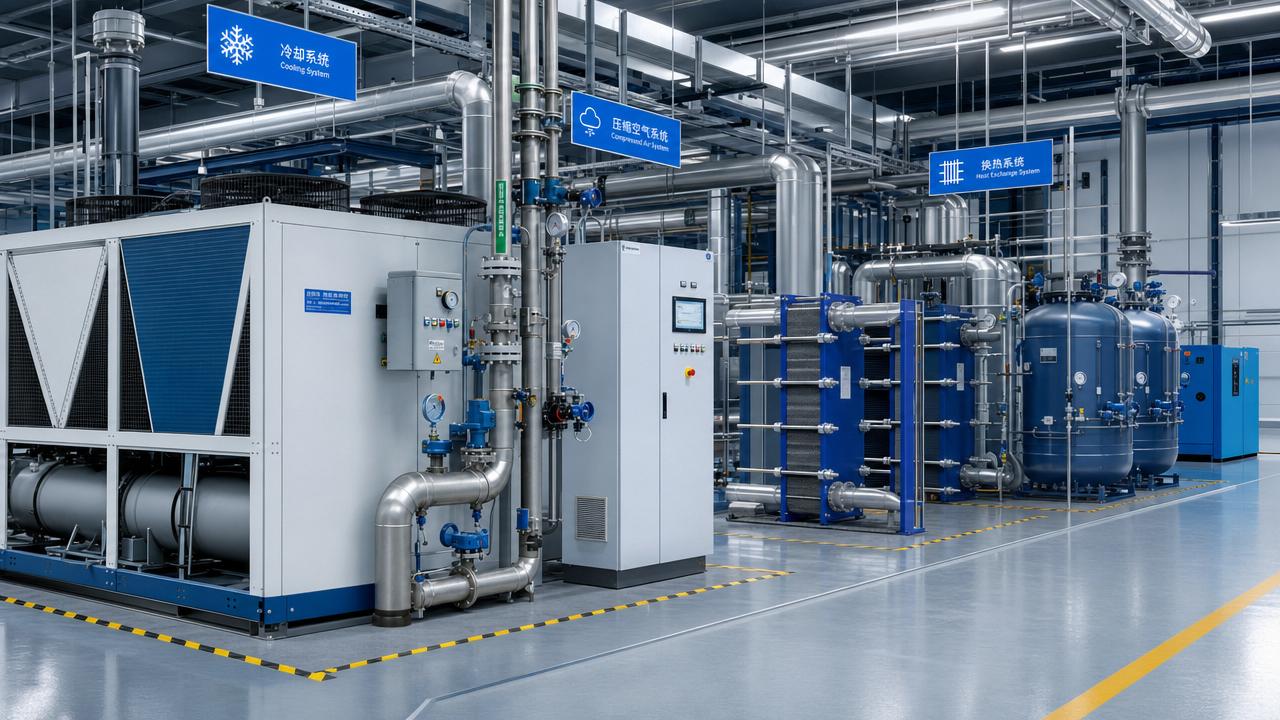
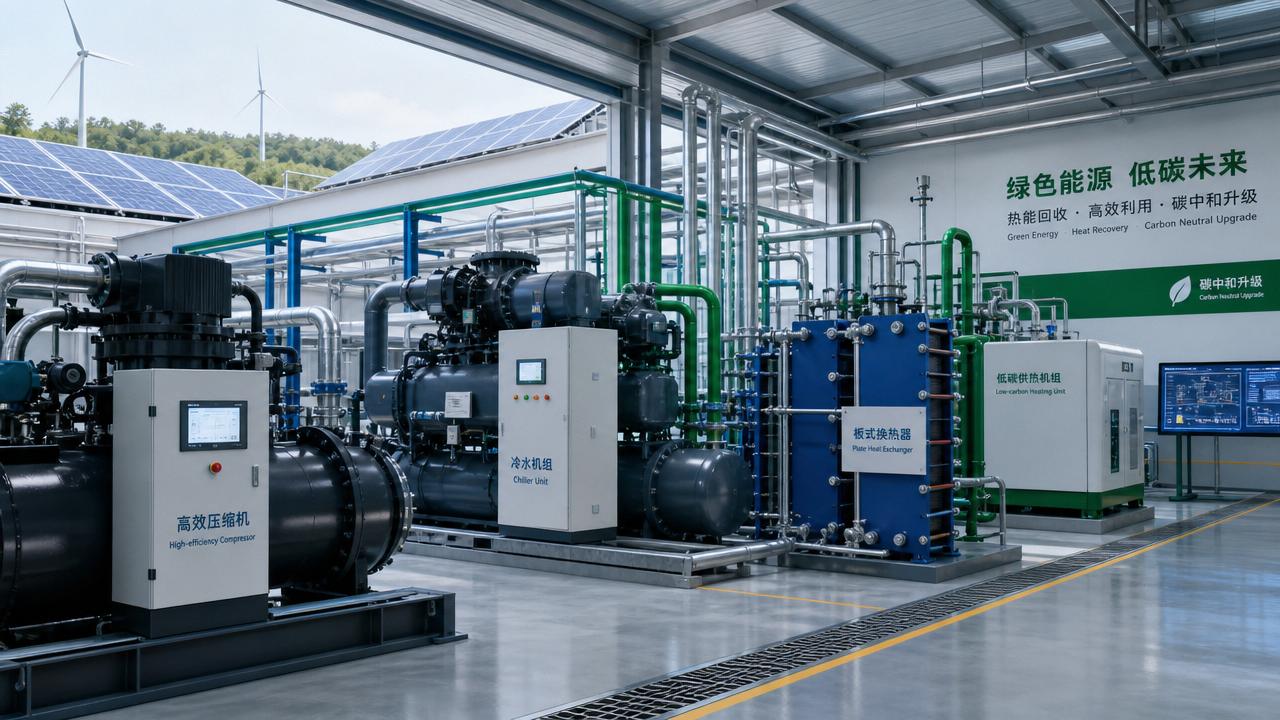
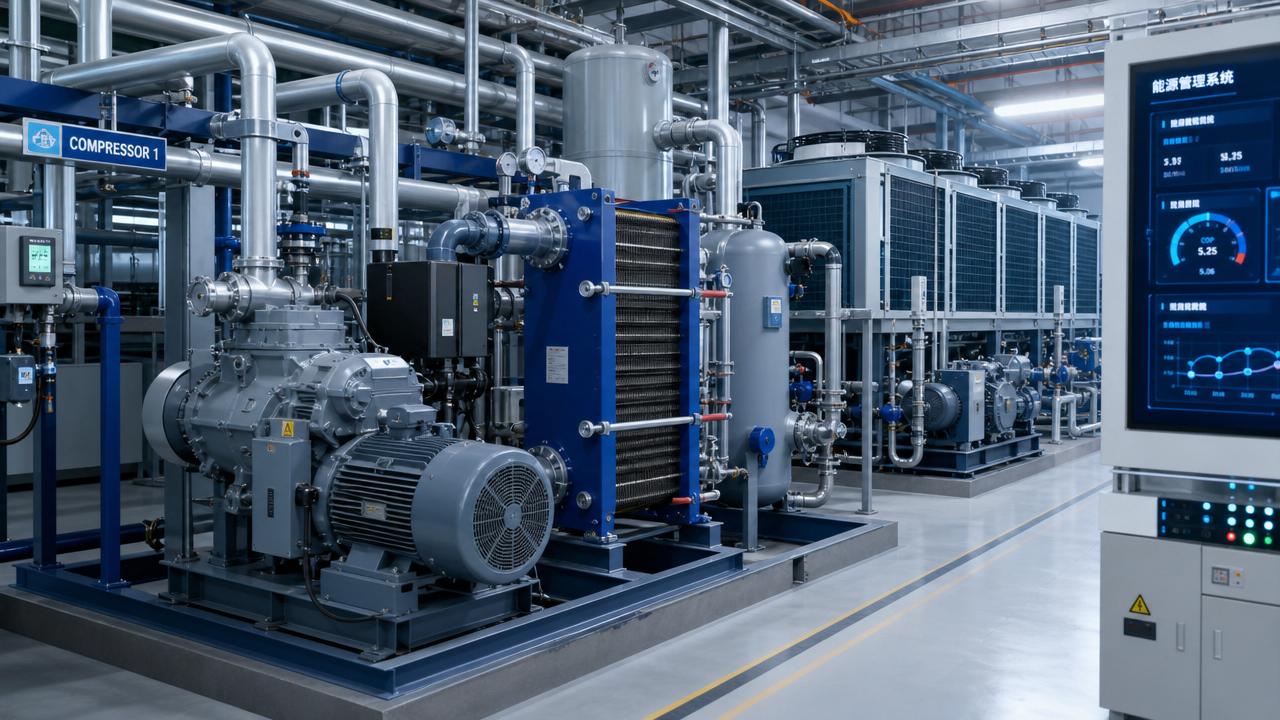
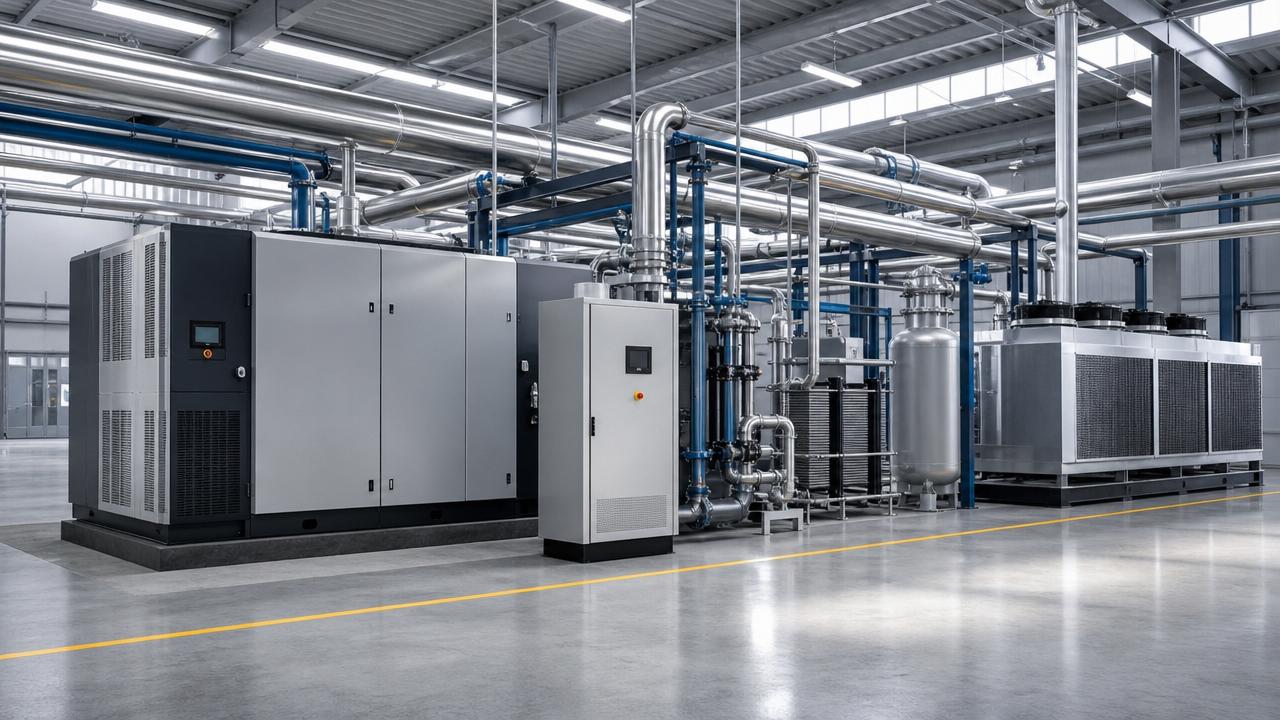
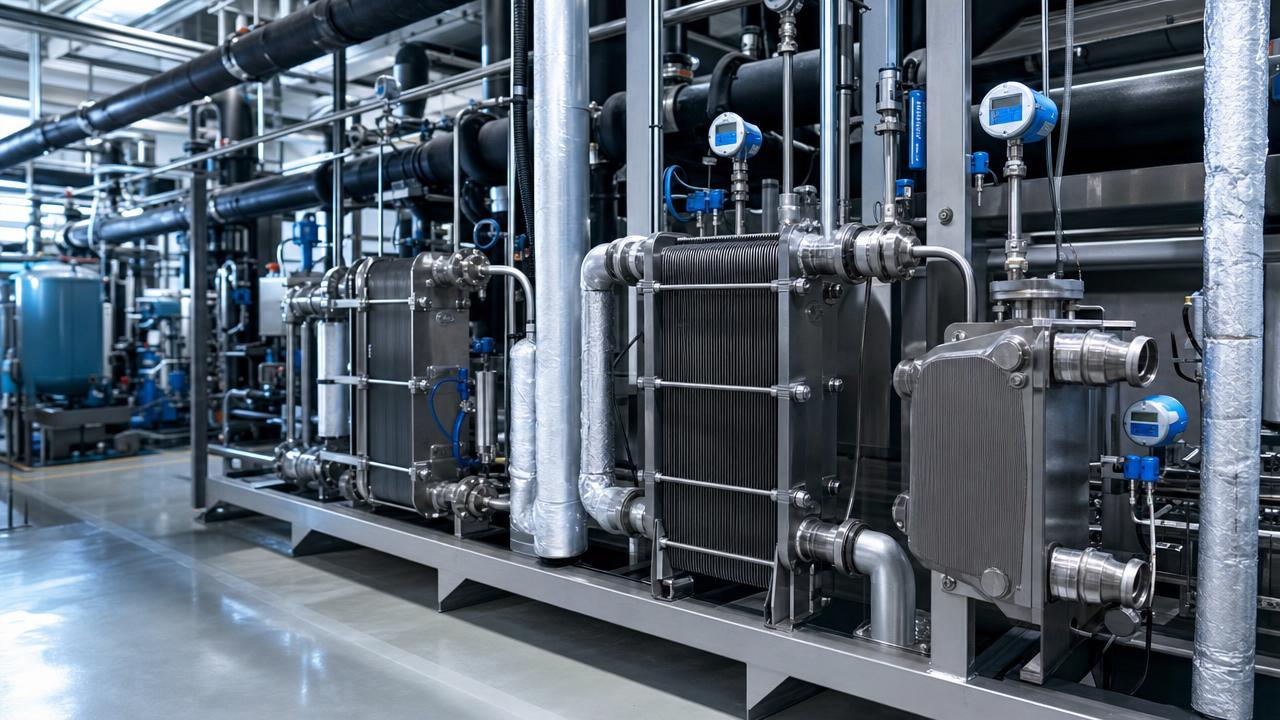
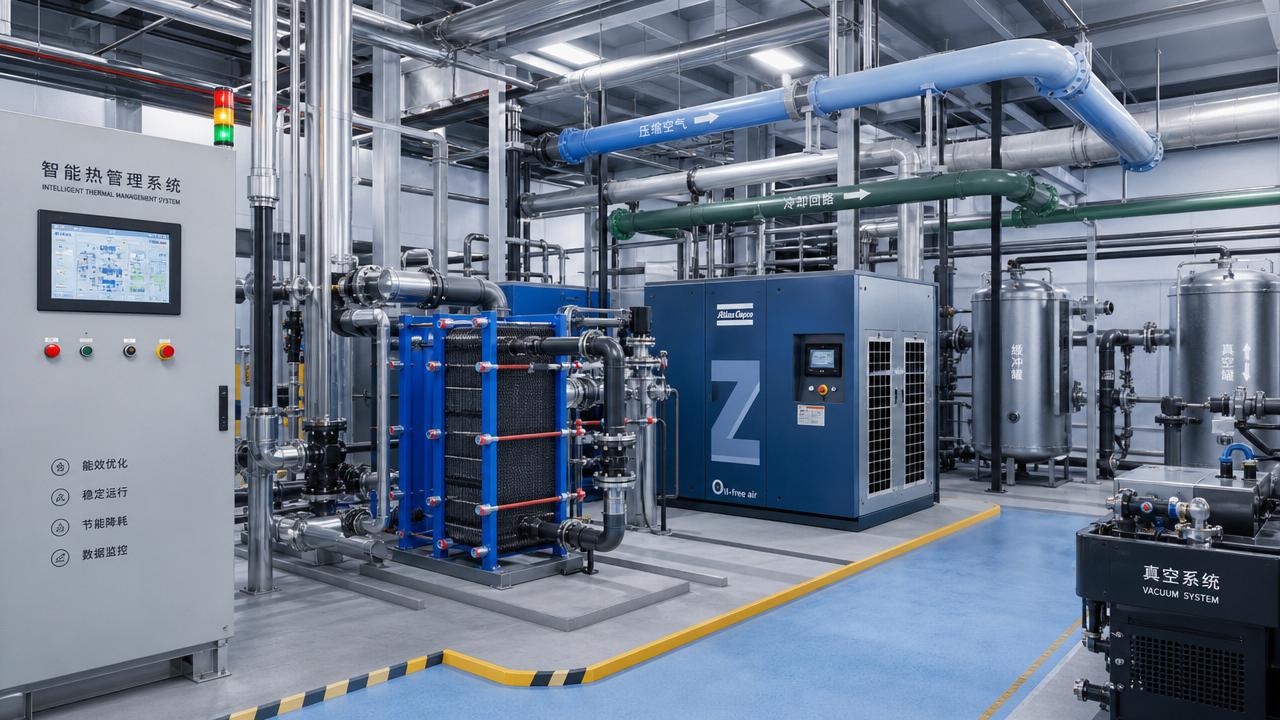
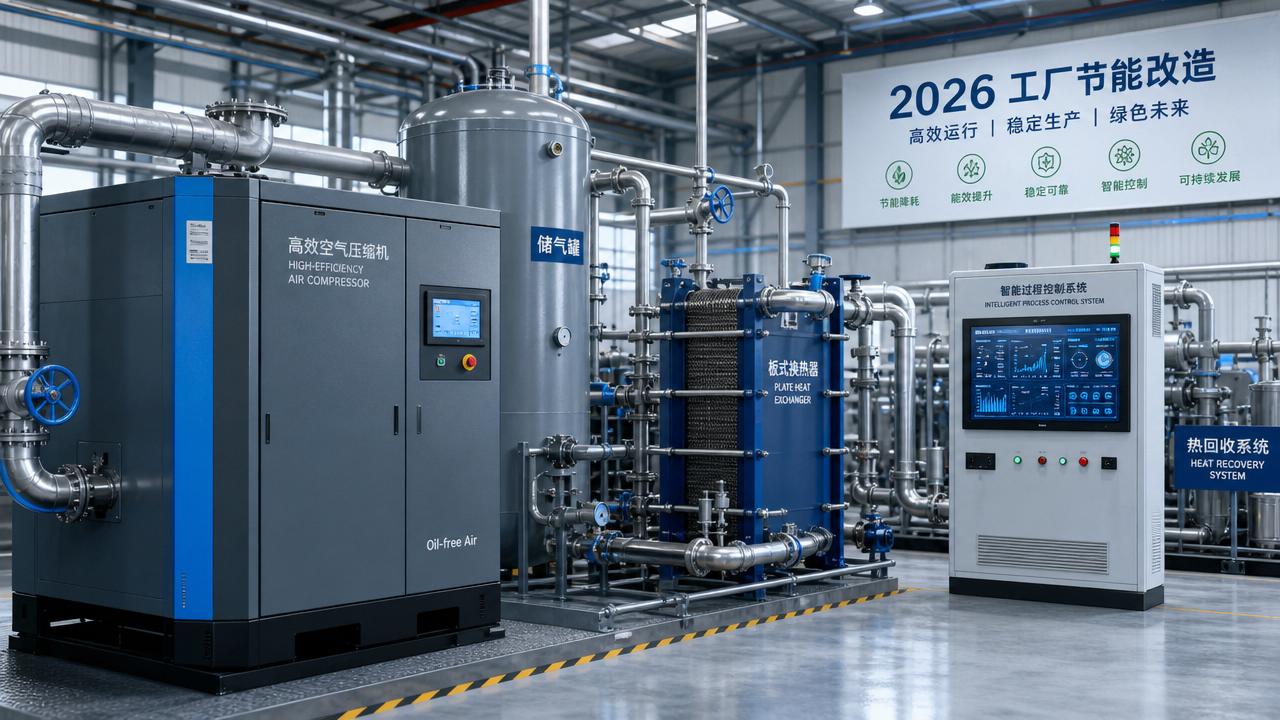
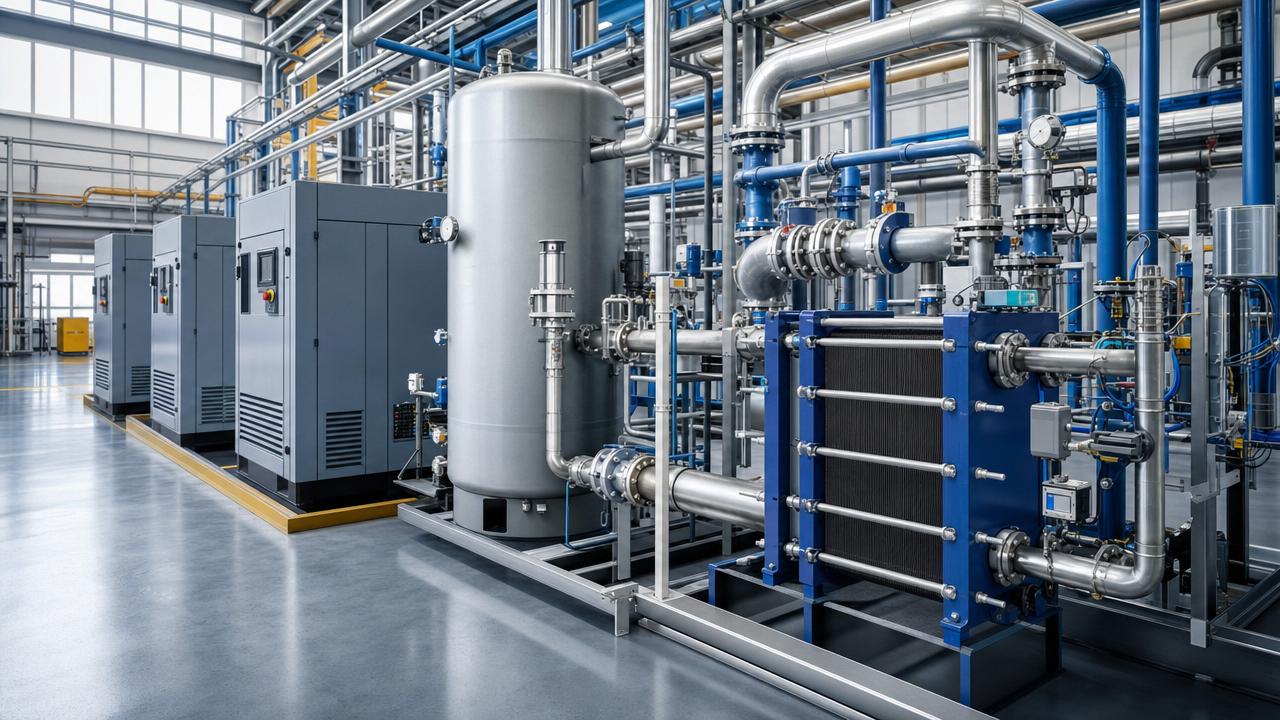
Compressed air, process cooling, vacuum stability, and heat recovery are increasingly evaluated as connected efficiency assets.
This is where market observation becomes more useful than isolated equipment comparison.
Platforms such as GTC-Matrix reflect this change by tracking thermodynamic logic, power-system behavior, and downstream demand in one intelligence framework.
The value is not only in seeing where technology is going, but in understanding why energy conversion efficiency now influences resilience, compliance, and growth at the same time.
The latest signals show efficiency pressure spreading across the full process chain
Recent market shifts show that energy conversion efficiency is no longer discussed only in utilities or heavy industry.
It is becoming a cross-functional issue in pharmaceuticals, semiconductors, food processing, electronics, logistics, and diversified manufacturing.
The stronger signal is that inefficiency now appears in hidden interfaces.
These include unstable thermal loads, oversized compressors, poor heat exchange response, leakage losses, and underused waste heat streams.
When energy prices fluctuate, those inefficiencies become financially visible very quickly.
When environmental rules tighten, they also become reportable and strategic.
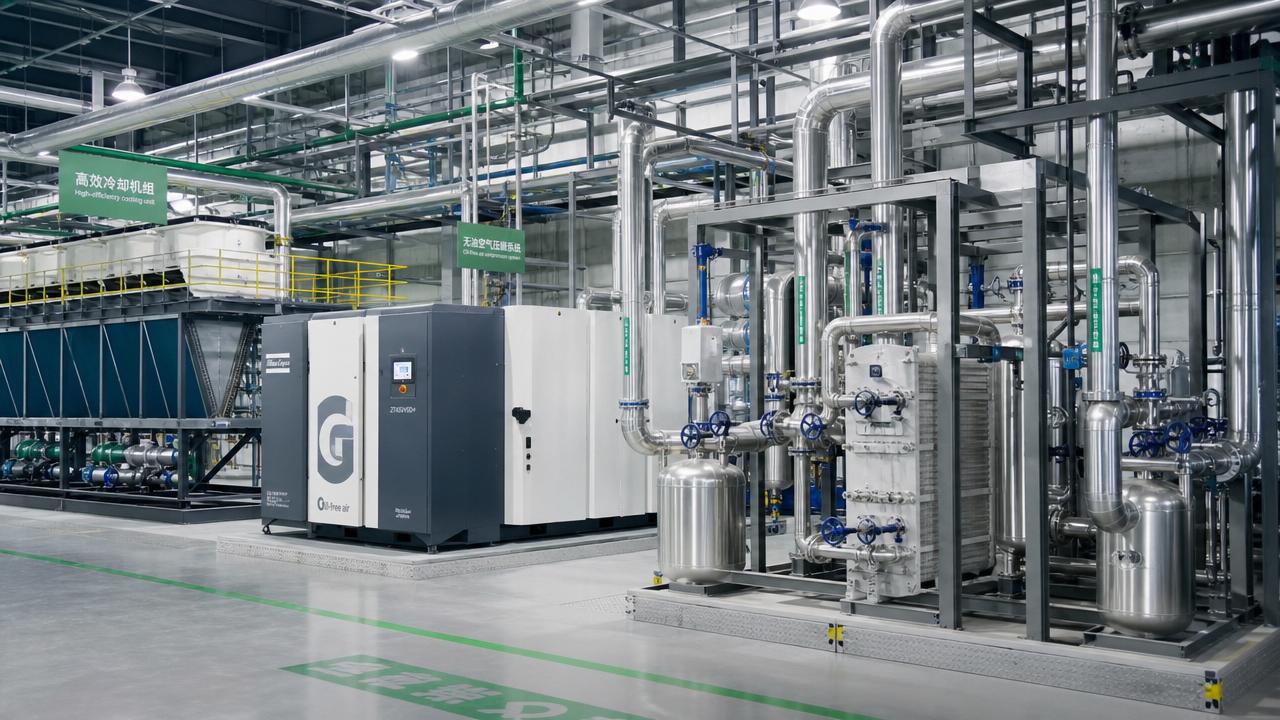
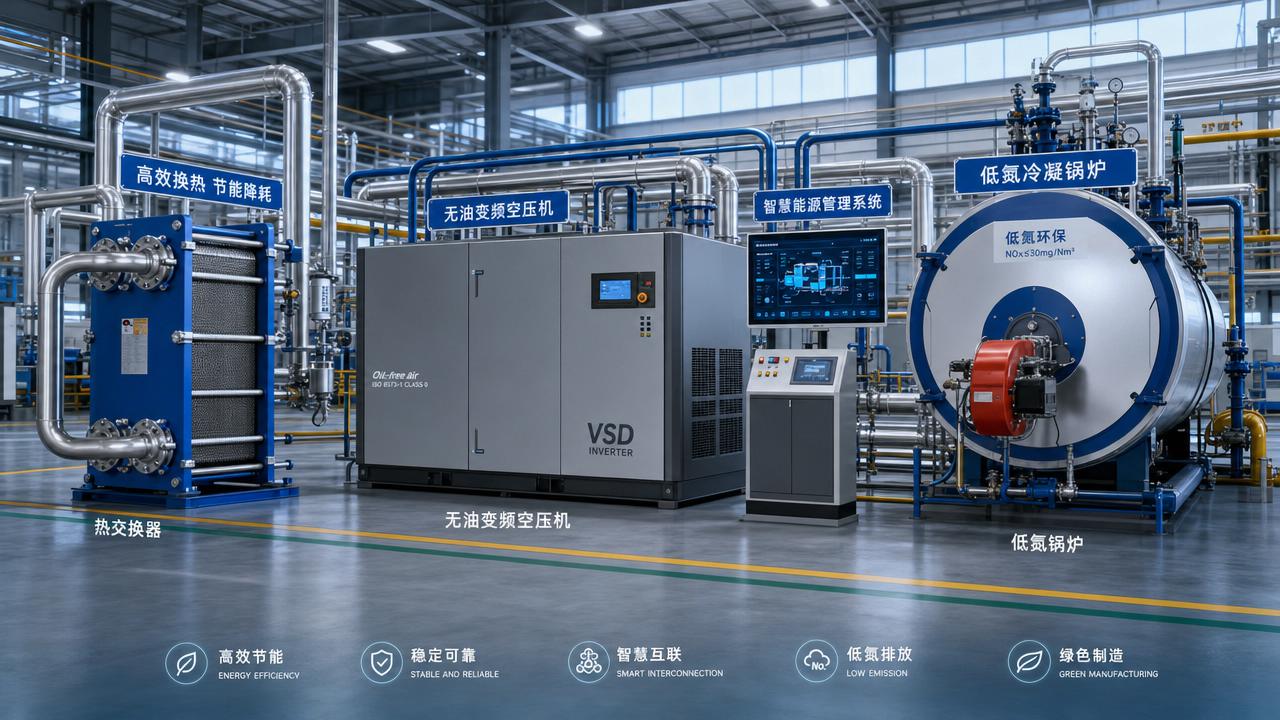
That is why the market is paying more attention to oil-free compression, low-NOx combustion, microchannel heat exchangers, and advanced control layers.
These are not niche upgrades anymore.
They increasingly define whether a site can maintain stable output while reducing unit energy consumption.
- Energy cost volatility is exposing inefficient load profiles and weak system matching.
- Carbon reporting is shifting attention from isolated machines to total conversion performance.
- Higher product quality requirements are making thermal and pressure stability more valuable.
- Global refrigerant and emissions policies are accelerating replacement cycles.
Taken together, these signals show a market that is upgrading its definition of efficiency.
Why this change is becoming more visible now
The timing matters because several forces are converging rather than moving independently.
Energy conversion efficiency has become a shared language between engineering, finance, and sustainability teams.
One reason is the rising complexity of production environments.
Variable batch sizes, clean process requirements, and tighter environmental windows all require more responsive thermal and compression systems.
Another reason is policy pressure.
Quota changes for environmentally friendly refrigerants, emissions rules, and efficiency standards are reshaping capital allocation decisions.
A third factor is data maturity.
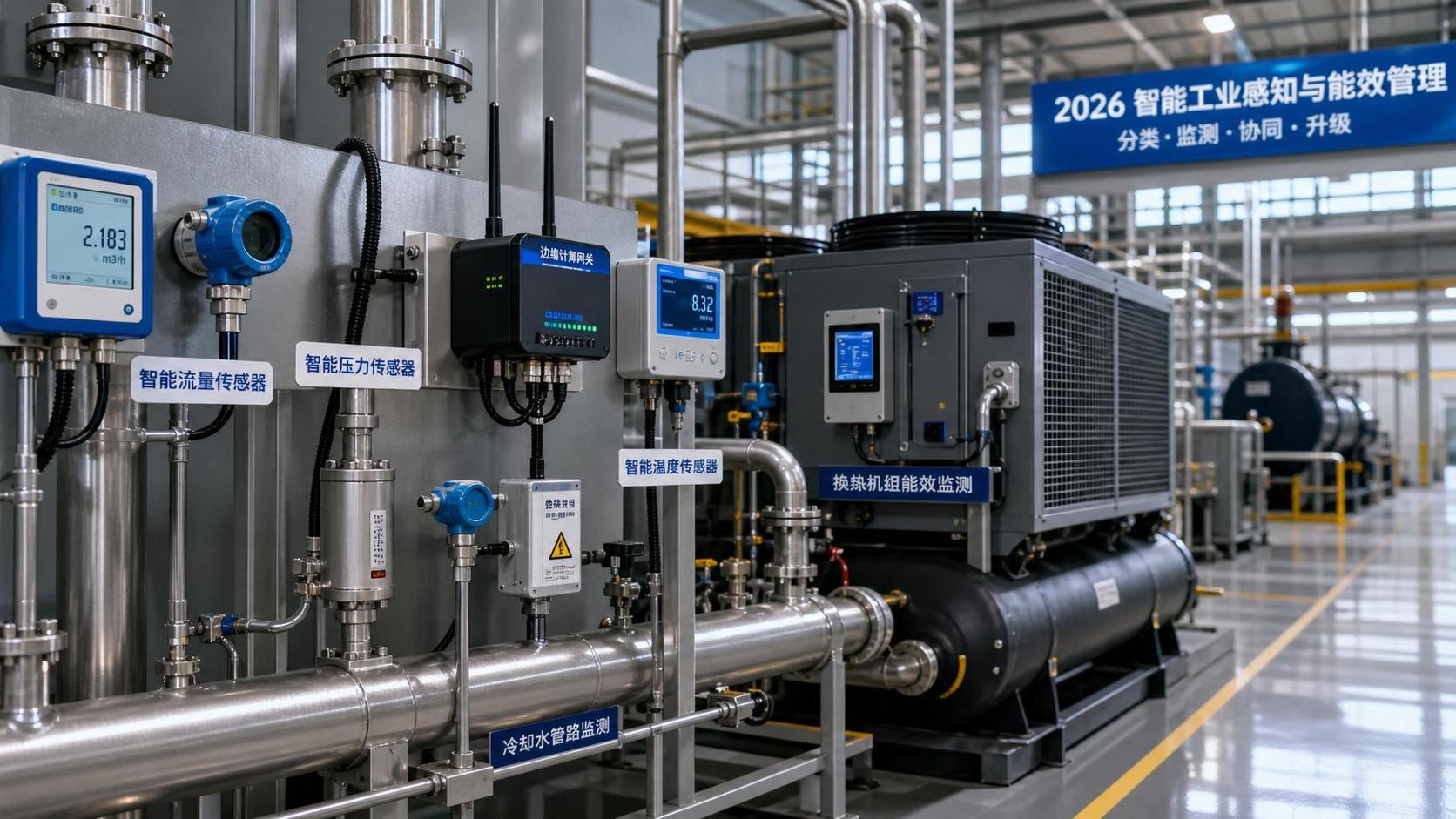
More operators can now measure real load behavior, leakage, pressure drops, temperature swings, and part-load penalties.
That visibility makes it harder to ignore avoidable losses.
This convergence explains why energy conversion efficiency is now driving industrial upgrades rather than simply supporting them.
The impact is not limited to one plant utility or one equipment class
A useful way to read the market is to look at where efficiency pressure lands first.
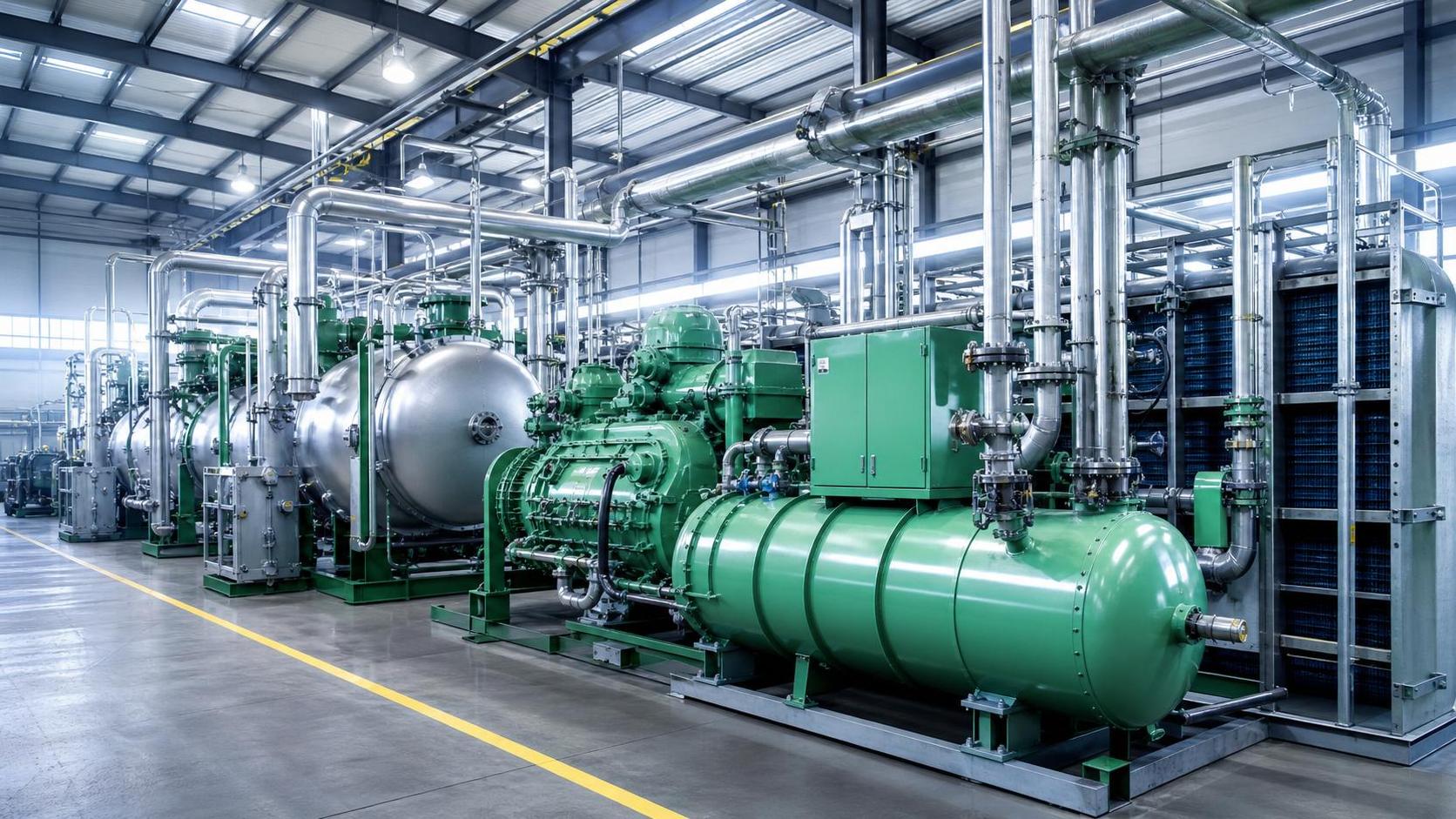
In many facilities, compressed air is still one of the most expensive hidden energy carriers.
That makes compressor control, leakage management, and oil-free architecture increasingly strategic.
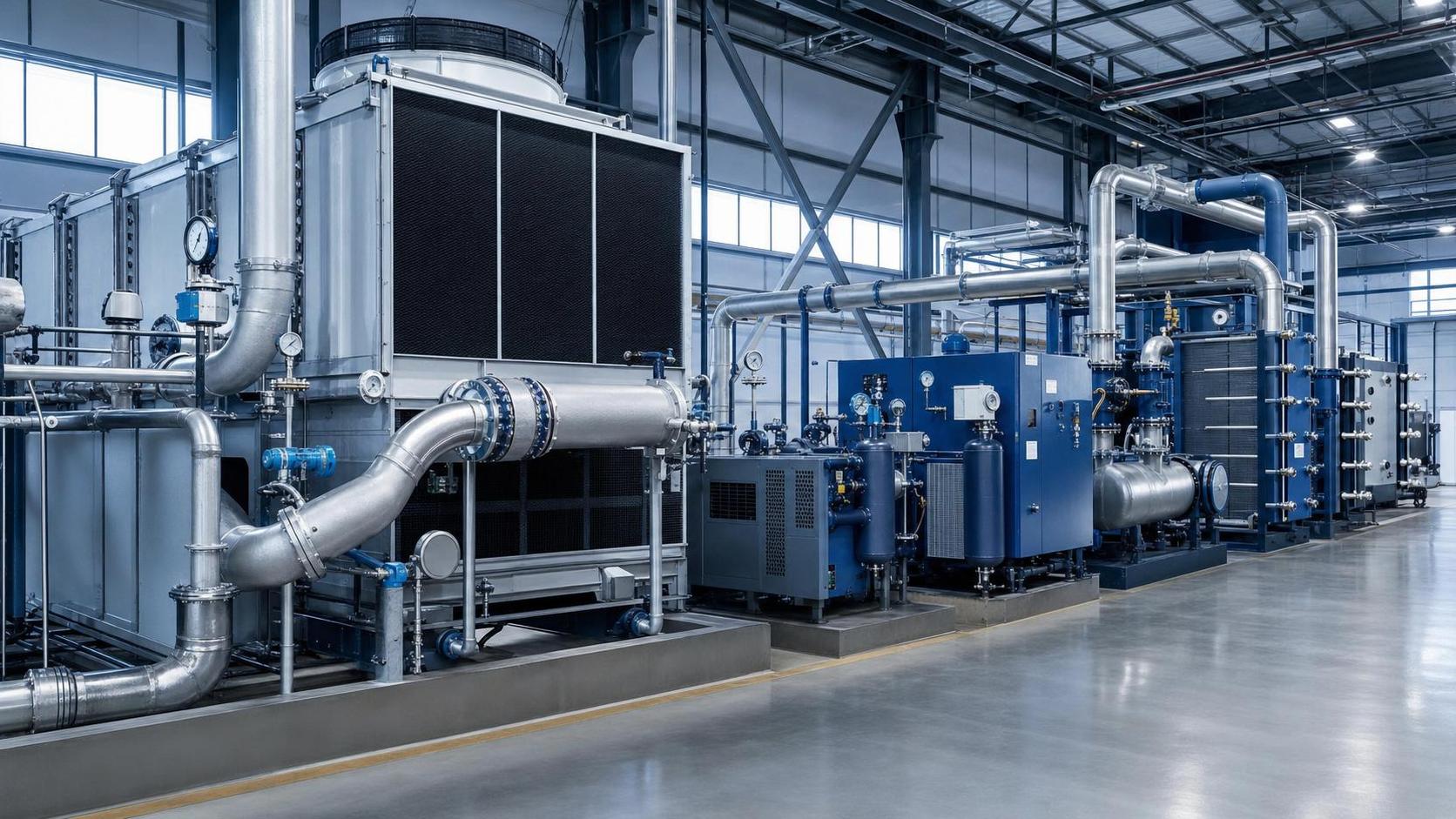
In cooling systems, the conversation has moved beyond chiller selection.
Attention is shifting toward exchanger geometry, refrigerant transition, heat rejection strategy, and part-load performance.
Vacuum processes are seeing a similar reset.
Where product purity and process continuity matter, energy conversion efficiency now includes pump response, thermal balance, and contamination control.
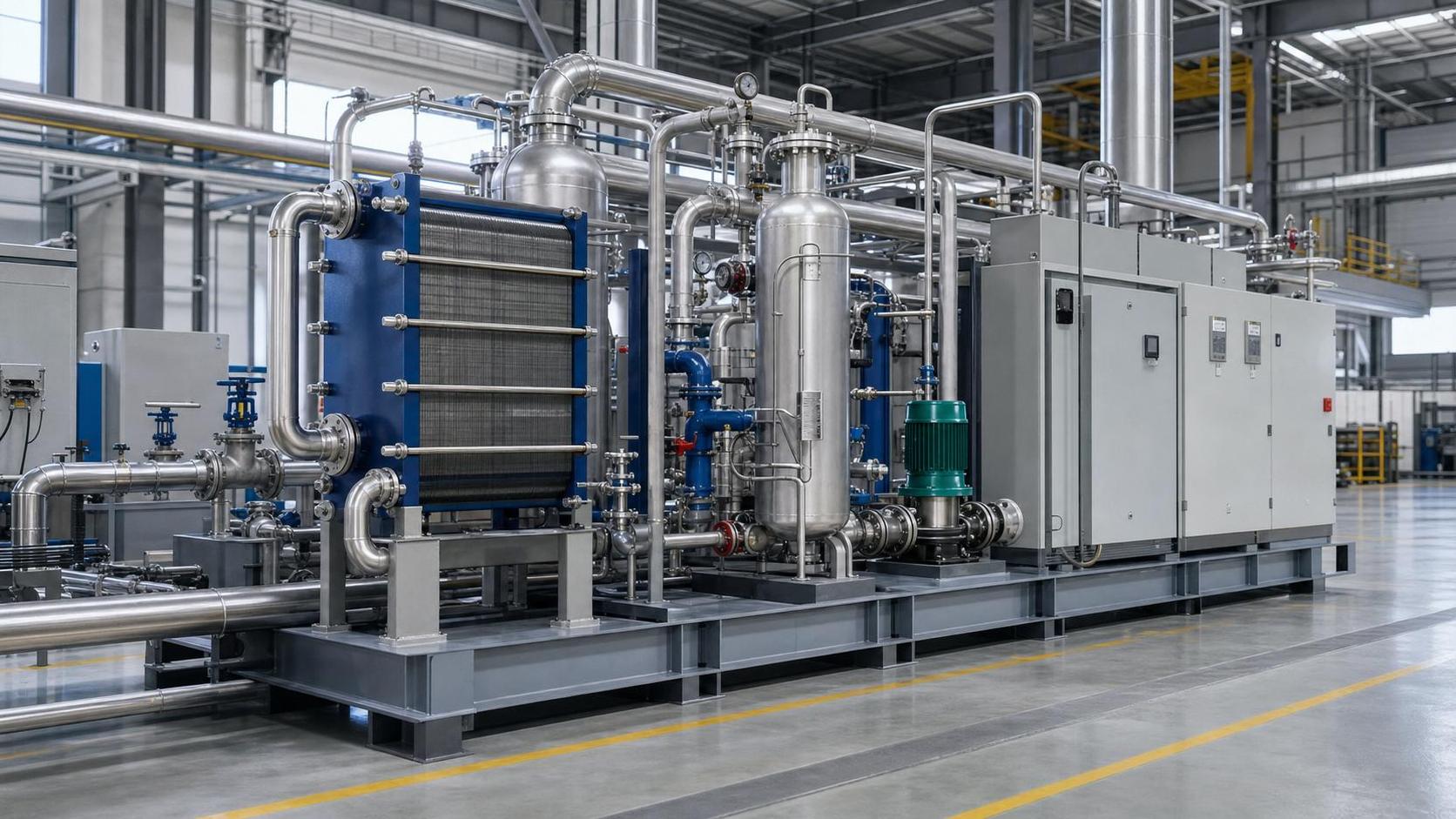
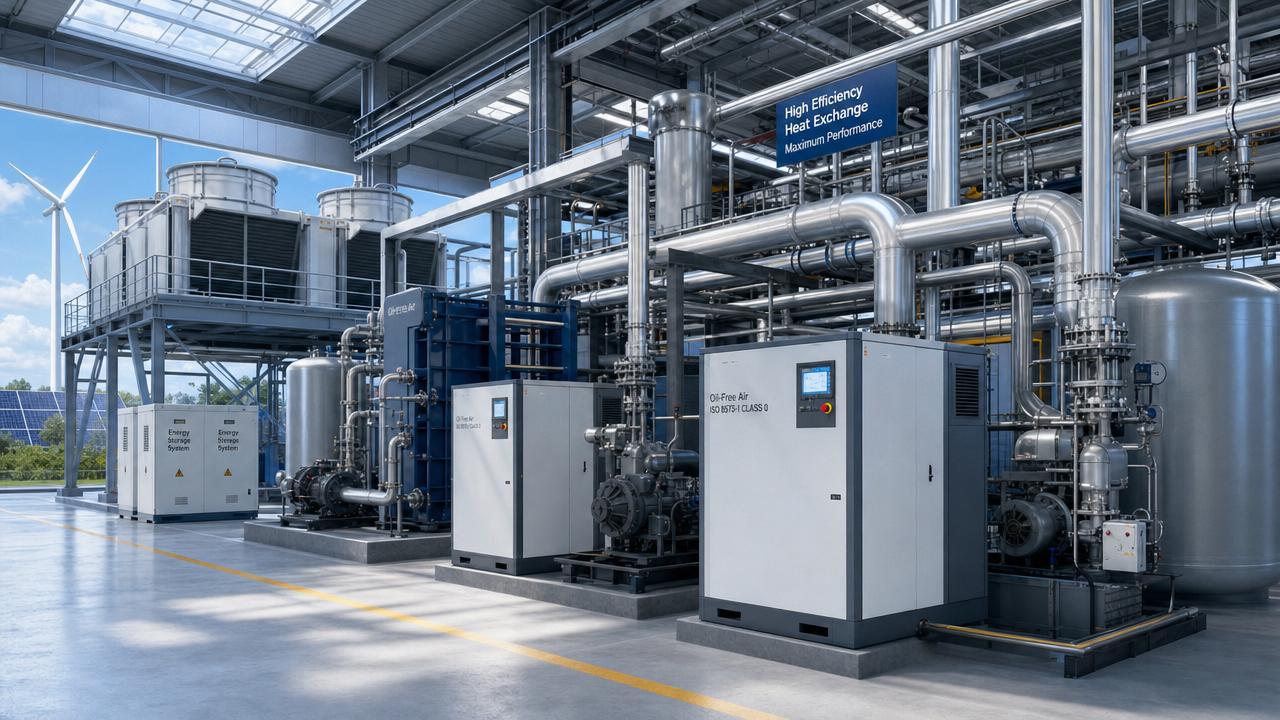
Heat exchange is perhaps where the market signal is strongest.
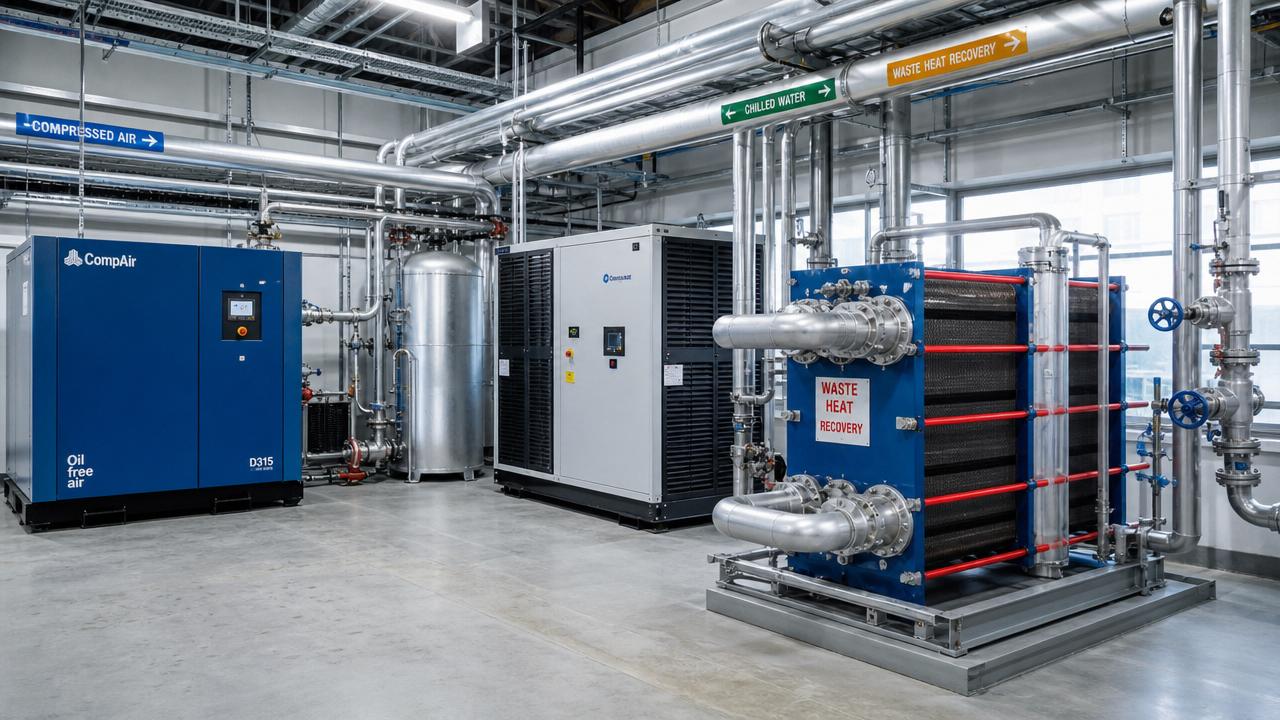
More projects are evaluating recoverable heat as a production asset rather than a byproduct.
That changes project economics for boilers, dryers, steam loops, and hybrid thermal systems.
This broader view aligns closely with how GTC-Matrix frames industrial thermal systems.
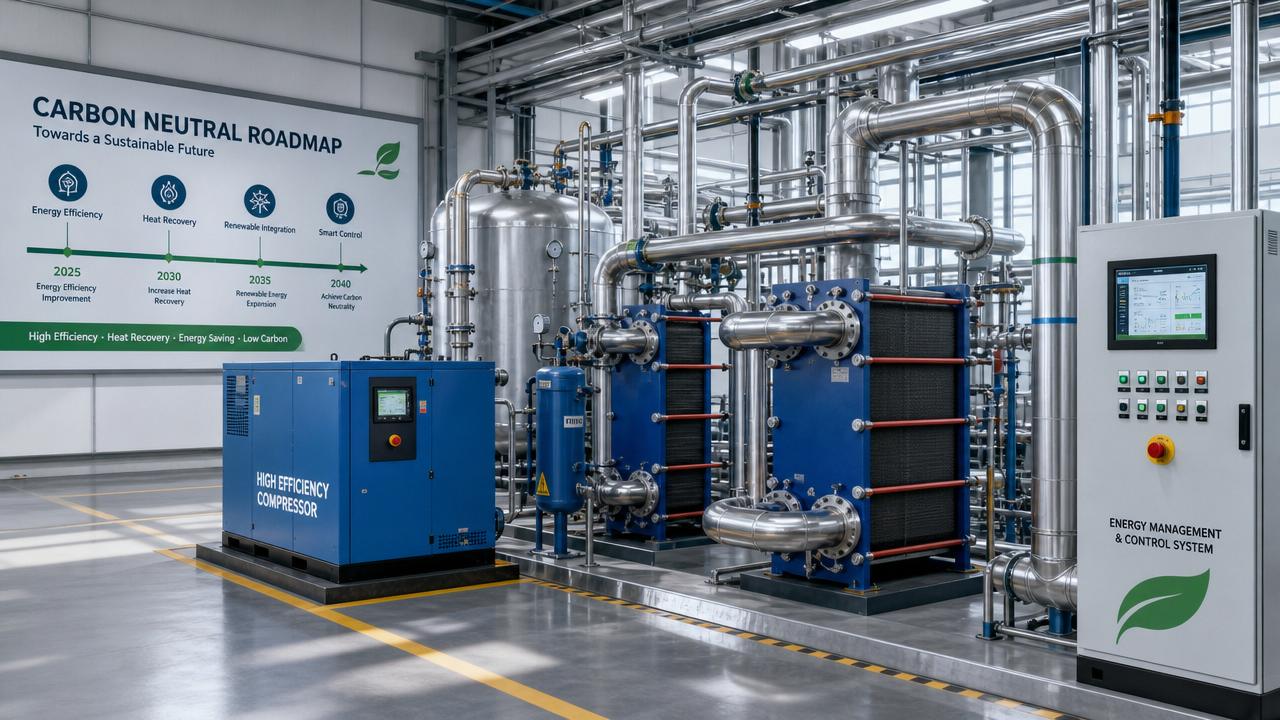
Its intelligence model treats the power heart and thermal center of industry as one connected decision space.
Demand-side expectations are also becoming more specific
From recent demand patterns, efficiency is being judged with more precision than before.
The market is asking not only whether a system saves energy, but where, when, and under which operating conditions.
This is especially visible in high-value sectors with strict temperature control and clean power requirements.
Pharmaceutical and semiconductor applications illustrate the point clearly.
They require stable performance under demanding process windows, which means nominal efficiency claims are no longer enough.
Food and beverage operations add a different pressure.
There, cleaning cycles, seasonal loads, and hygiene constraints often determine whether energy conversion efficiency holds up in daily operation.
- Part-load efficiency is gaining weight in investment reviews.
- Thermal recovery potential is being evaluated alongside core process output.
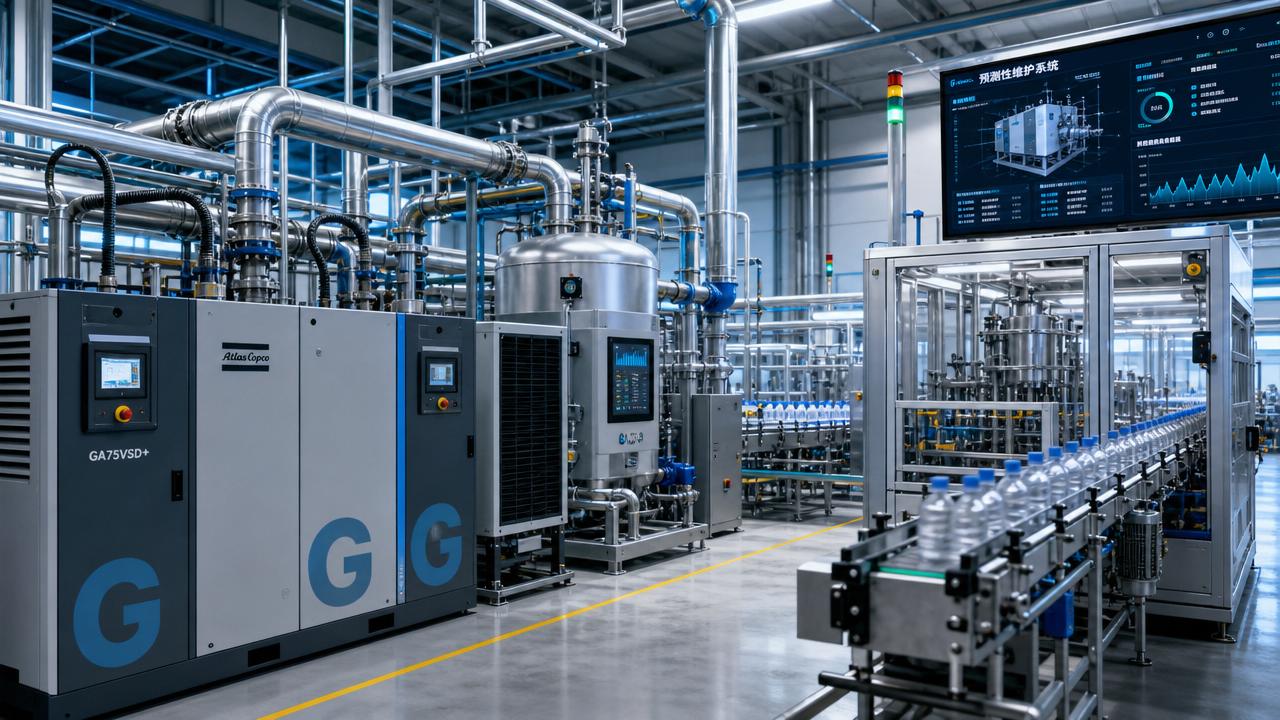
- Control quality and data transparency now influence technical trust.
- Lifecycle adaptability matters more where refrigerant or emissions rules may change.
This shift favors organizations that can interpret technical evolution and market demand together, rather than separately.
Where to focus when evaluating the next phase of industrial upgrades
The next phase is unlikely to reward isolated retrofits without system-level logic.
Energy conversion efficiency improvements are more durable when they follow actual load behavior and process interaction.
A useful starting point is to identify which losses are structural and which are operational.
Structural losses include mismatched equipment architecture, outdated exchanger design, or legacy combustion systems.
Operational losses often come from sequencing, maintenance intervals, unstable controls, or leakage that remains unmeasured.
It also helps to distinguish energy savings from conversion quality.
A system may cut power consumption yet weaken temperature consistency, pressure stability, or process uptime.
That trade-off is becoming less acceptable in advanced production environments.
More informed evaluations now combine thermodynamic performance, maintenance burden, regulatory fit, and downstream output sensitivity.
This is also why intelligence platforms that connect sector news, engineering evolution, and commercial demand are gaining relevance.
The most useful next step is to build a sharper decision lens
The market direction is becoming clearer even if technology pathways still vary by sector and region.
Energy conversion efficiency will continue to shape industrial upgrades because it affects cost control, emissions exposure, and production confidence together.
What matters now is not reacting to every new technology headline.
It is building a structured view of which efficiency signals are most relevant to each thermal or compression process.
That means tracking policy changes, comparing part-load behavior, reviewing heat recovery economics, and testing whether current systems still match real demand.
It also means following how oil-free compression, microchannel heat exchangers, and low-NOx thermal systems are changing competitive baselines.
A practical response is to create a phased review of conversion losses, technical constraints, and upgrade timing.
The organizations that do this well will not only reduce waste.
They will position themselves closer to the future logic of efficient industry, where thermal intelligence and power performance are judged as one system.
Related News
- Why high-density thermal energy storage is gaining industry attentionAuthor :

- Smart Device Thermal Management Trends Shaping 2026 Product DesignAuthor :

- Industrial Cooling Technologies in Europe: 2026 Trends in Compliance and Energy UseAuthor :

- Industrial Electrification Trends in 2026: Where Projects Are Moving FirstAuthor :

- Industrial Solution Comparison Global: 2026 Trends Reshaping Equipment DecisionsAuthor :

- When Heat Recovery Systems Skid Mounted Designs Improve Project PaybackAuthor :

- How to Compare Industrial Decarbonization Solutions Providers in 2026Author :

- Industry Category Guides for Smart Devices: What to Track as 2026 Markets ShiftAuthor :

- Green Manufacturing Trends Reshaping Industrial InvestmentAuthor :

- 2026 Global Energy Costs: What Will Reshape Industrial PlanningAuthor :

- Industrial Decarbonization Solutions That Cut Fuel Costs in 2026Author :

- Smart Thermal Systems Trends Shaping Industrial Upgrades in 2026Author :

- Resource Circularity in Manufacturing: 5 Practical Gains Beyond ComplianceAuthor :

- Carbon Neutrality Roadmap: What Industrial Firms Need to Prioritize FirstAuthor :

- Energy Conversion Efficiency Trends Shaping Industrial UpgradesAuthor :

- Compression Technology Trends Shaping Efficient Plant UpgradesAuthor :

- Industrial Intelligence in Manufacturing: Where It Delivers Value FirstAuthor :

- How Intellectualization Improves Industrial Thermal ManagementAuthor :

- What Intellectualization Means for Smarter Plant Operations in 2026Author :

- Carbon Neutrality Goals: What Industrial Firms Should Prioritize in 2026Author :

- How Intellectualization Reduces Downtime in Modern Production LinesAuthor :

- Decarbonization Roadmap for Energy-Intensive Plants in 2026Author :

- Thermal Systems Trends in 2026: Efficiency, Control, and RiskAuthor :

- Industrial Decarbonization Priorities for Energy-Intensive FacilitiesAuthor :

- Thermal Systems in 2026: Efficiency Upgrades Shaping Industrial OperationsAuthor :

- Pure Power Sources: 5 Practical Paths to Carbon NeutralityAuthor :

- What Intellectualization Means for Industrial Equipment UpgradesAuthor :

- Thermal Optimization in 2026: Where Energy Savings Deliver the Fastest PaybackAuthor :

- Energy Efficiency Trends Reshaping Compressor Upgrades in 2026Author :

- 2026 Industrial Decarbonization Trends Reshaping Plant UpgradesAuthor :
![]()
- Heat Exchanger Technology Trends for 2026 Efficiency TargetsAuthor :

- Resource Circularity Risks in 2026 Supply ChainsAuthor :

- Smart Thermal Systems: When Upgrades Deliver Measurable SavingsAuthor :

- Carbon Neutrality: Practical Steps for Factory RoadmapsAuthor :

- 2026 Industrial Energy Efficiency Priorities for Plant UpgradesAuthor :

- Industrial Intellectualization Trends Reshaping Equipment UpgradesAuthor :