Carbon Neutrality Goals: What Industrial Firms Should Prioritize in 2026




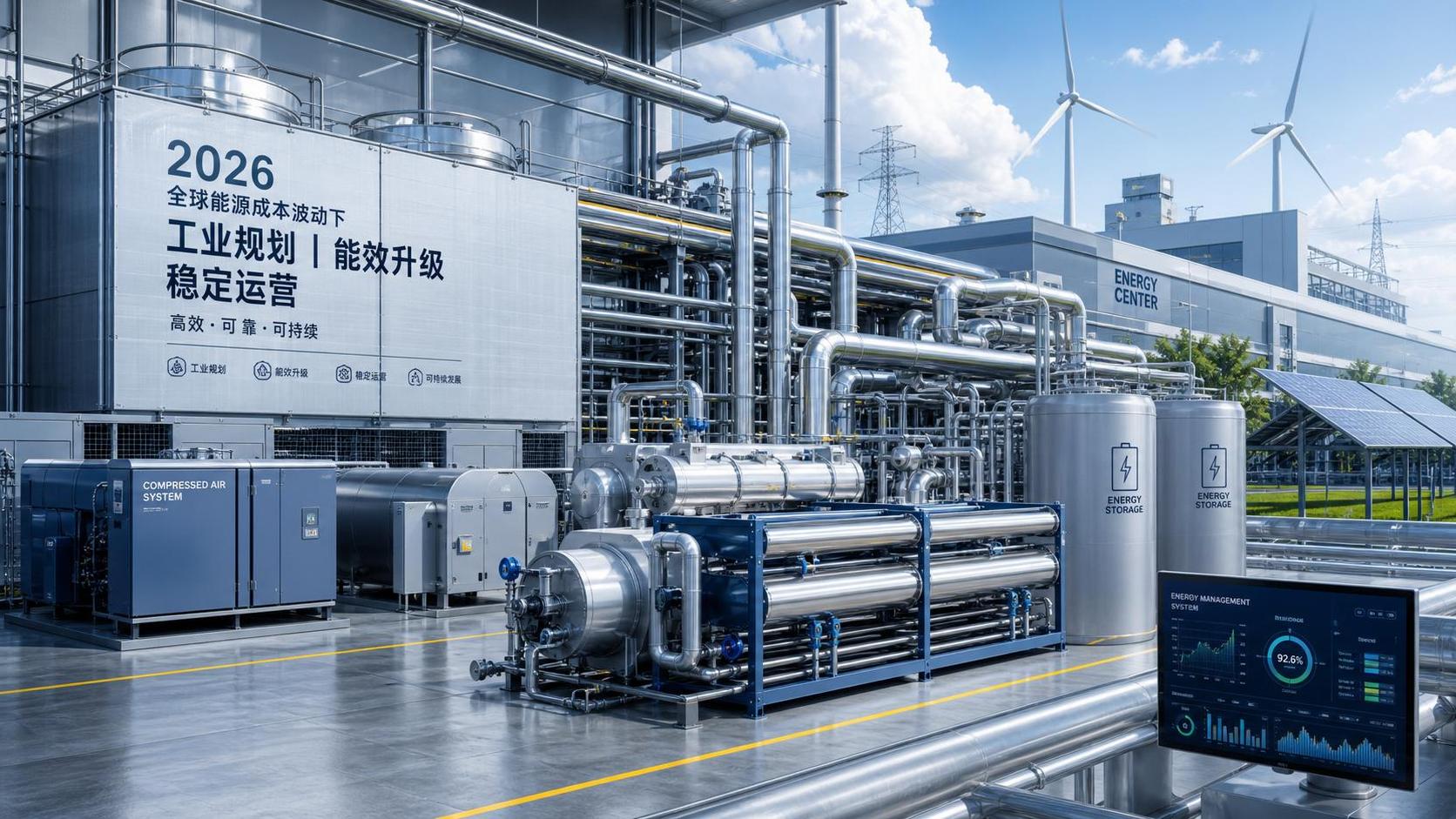
Carbon neutrality in 2026 is no longer a distant corporate pledge. For industrial operations, it is becoming a practical filter for capital allocation, equipment upgrades, and supply chain positioning.
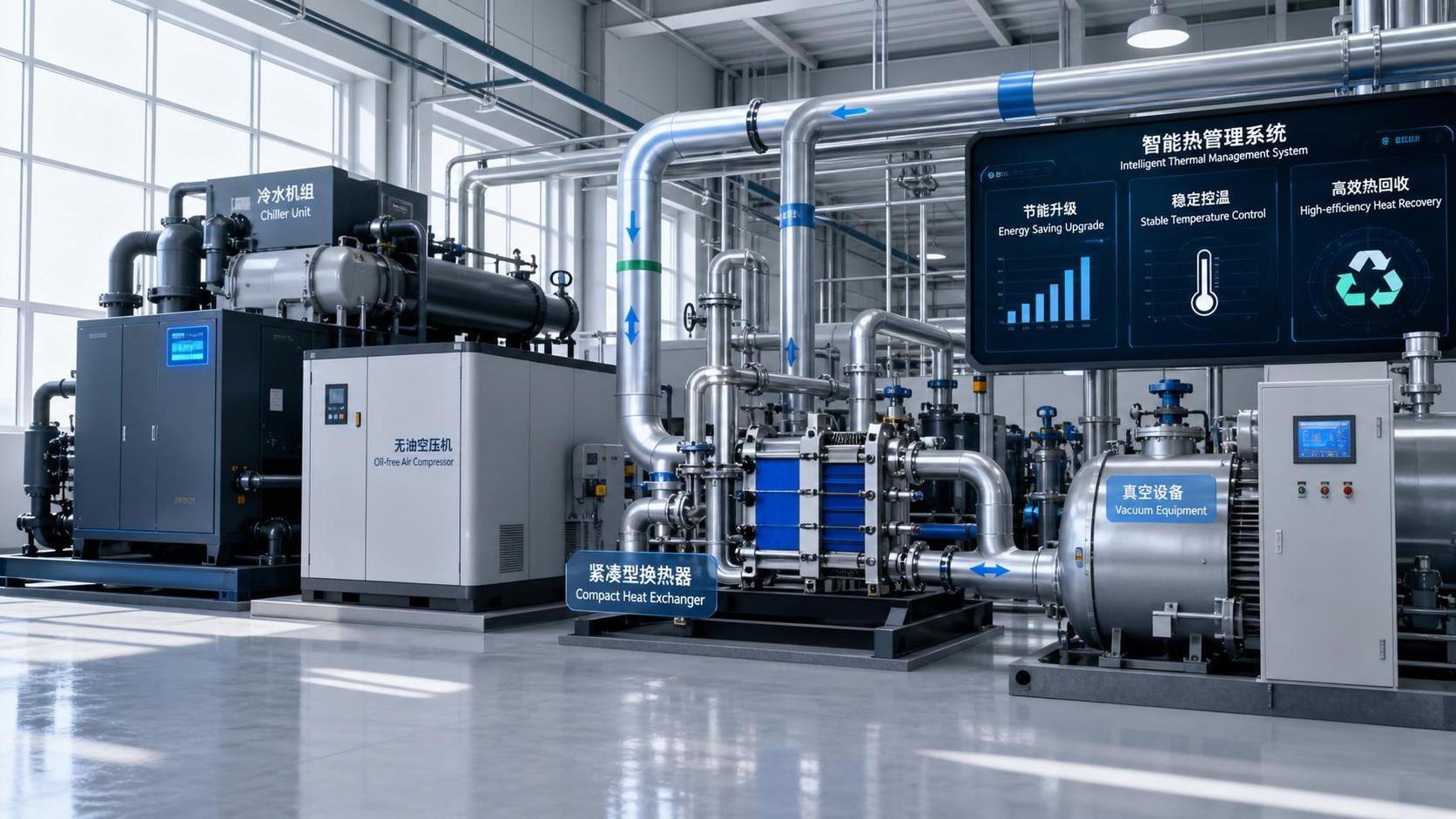
The real question is not whether to decarbonize. It is where to act first, especially across cooling, compressed air, vacuum, and heat exchange systems that quietly shape energy intensity every day.
That is why industrial carbon neutrality now sits at the intersection of operating cost, reliability, compliance, and market credibility. The firms that move well tend to focus on measurable thermal and power efficiency, not abstract ambition.
Where carbon neutrality becomes operational
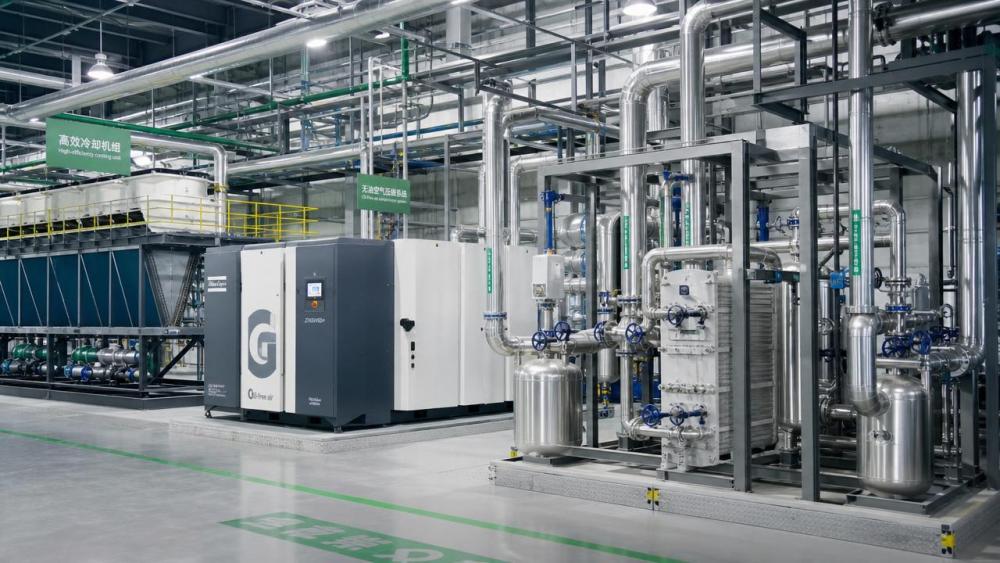
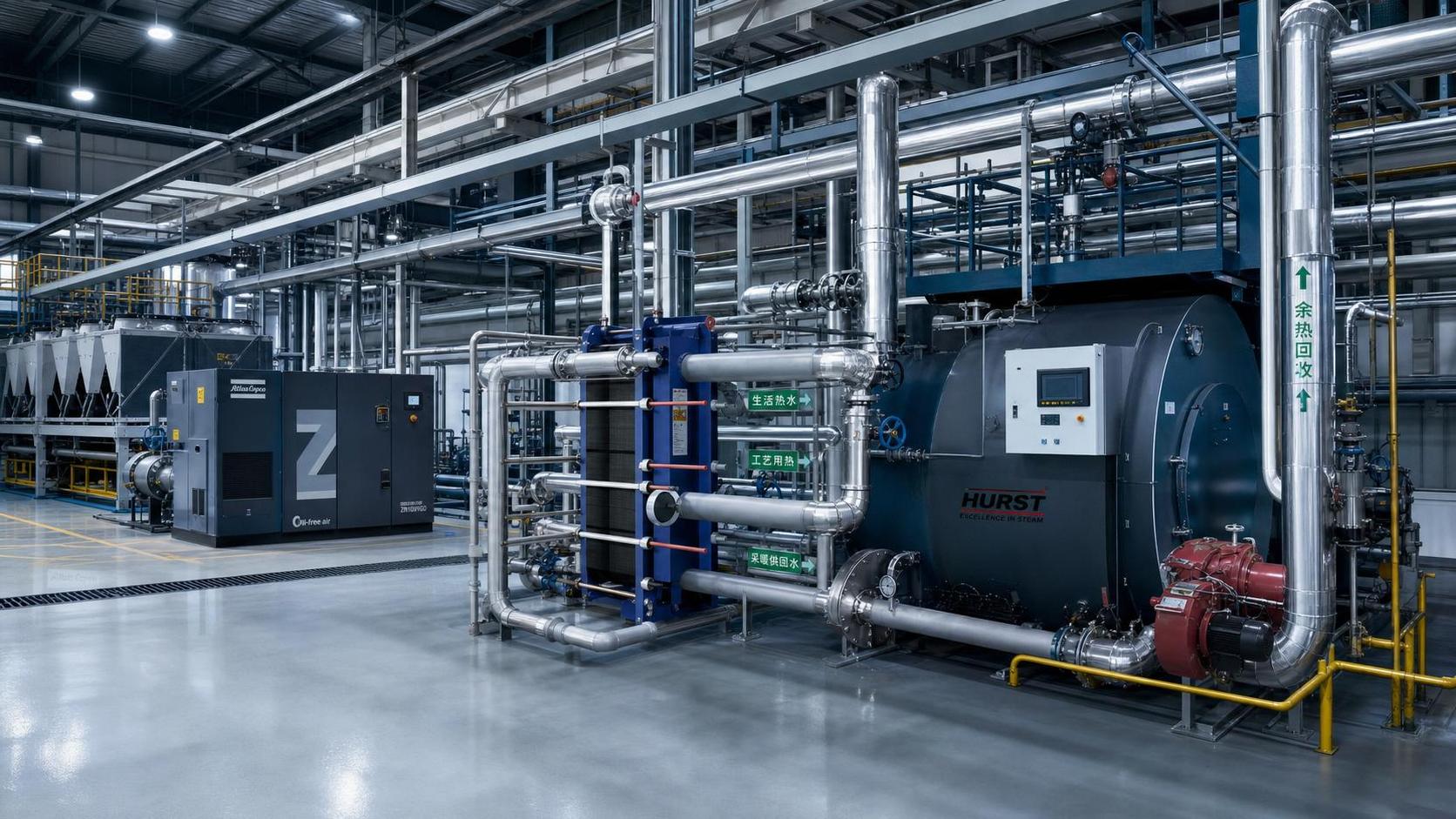
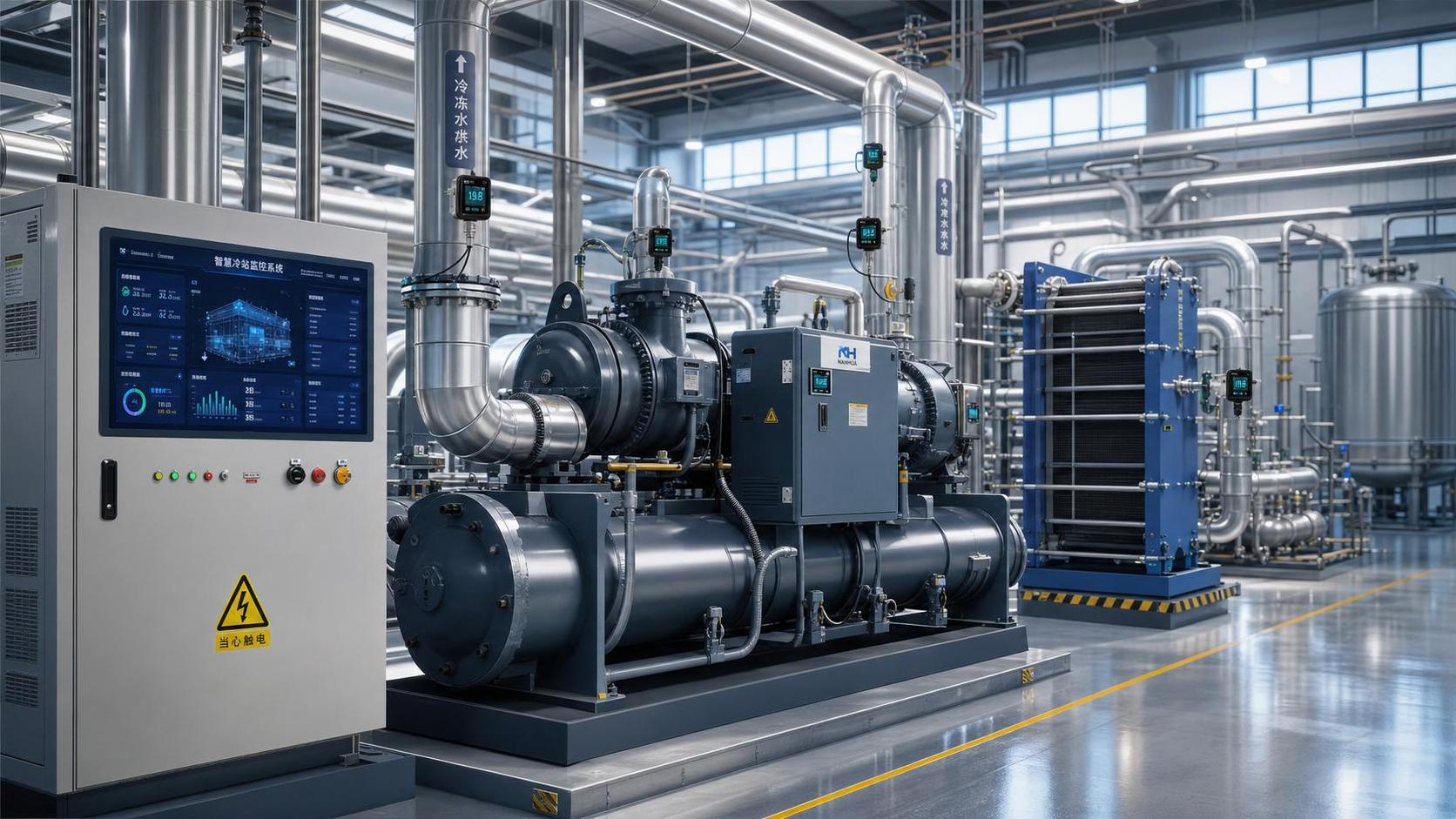
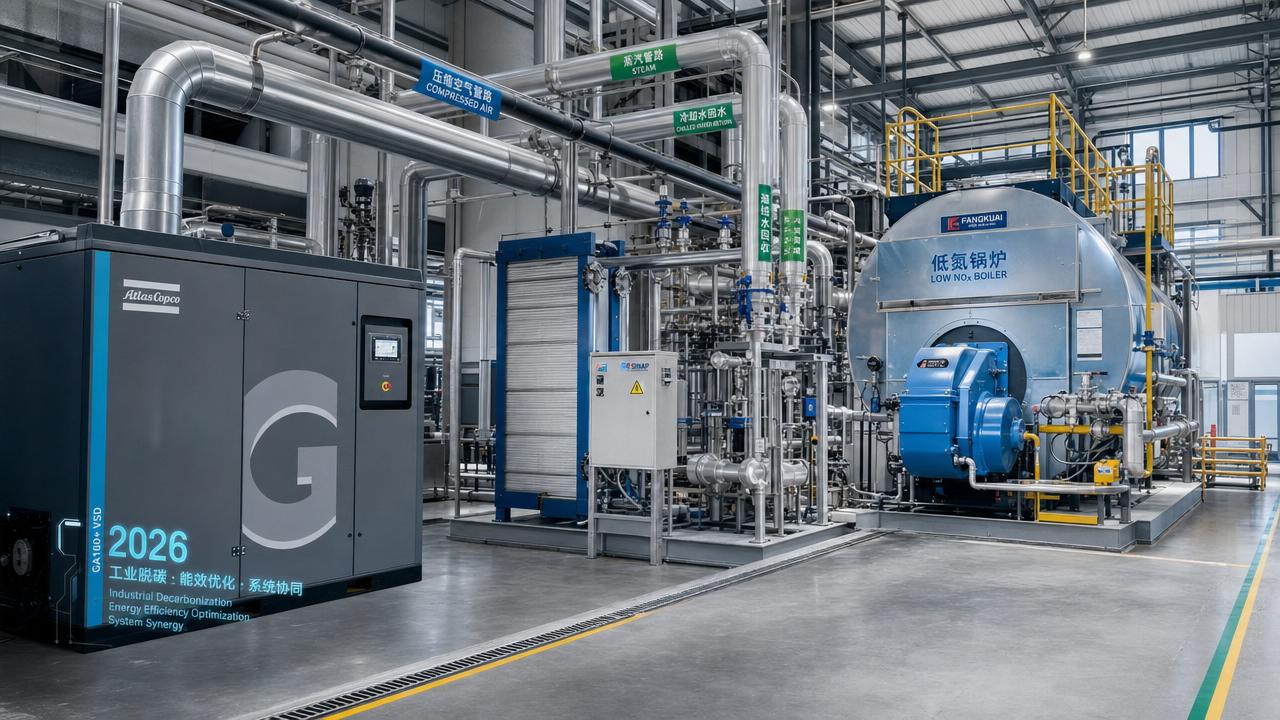
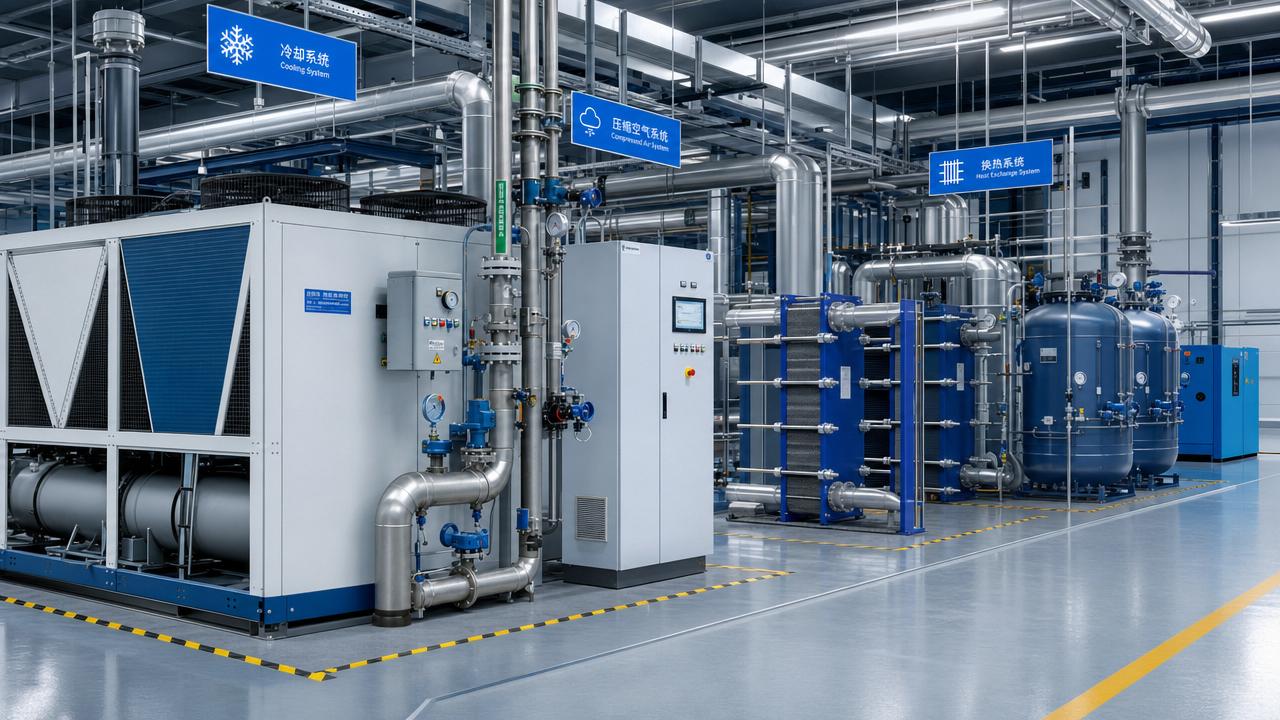
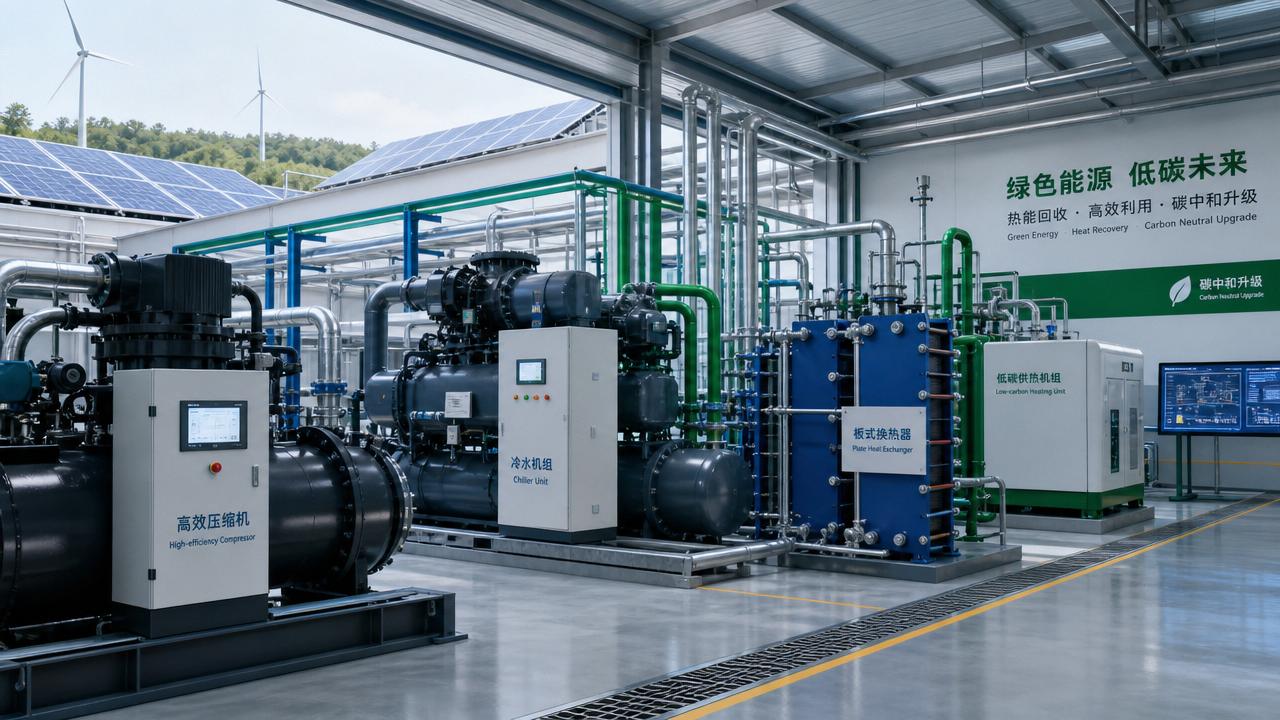
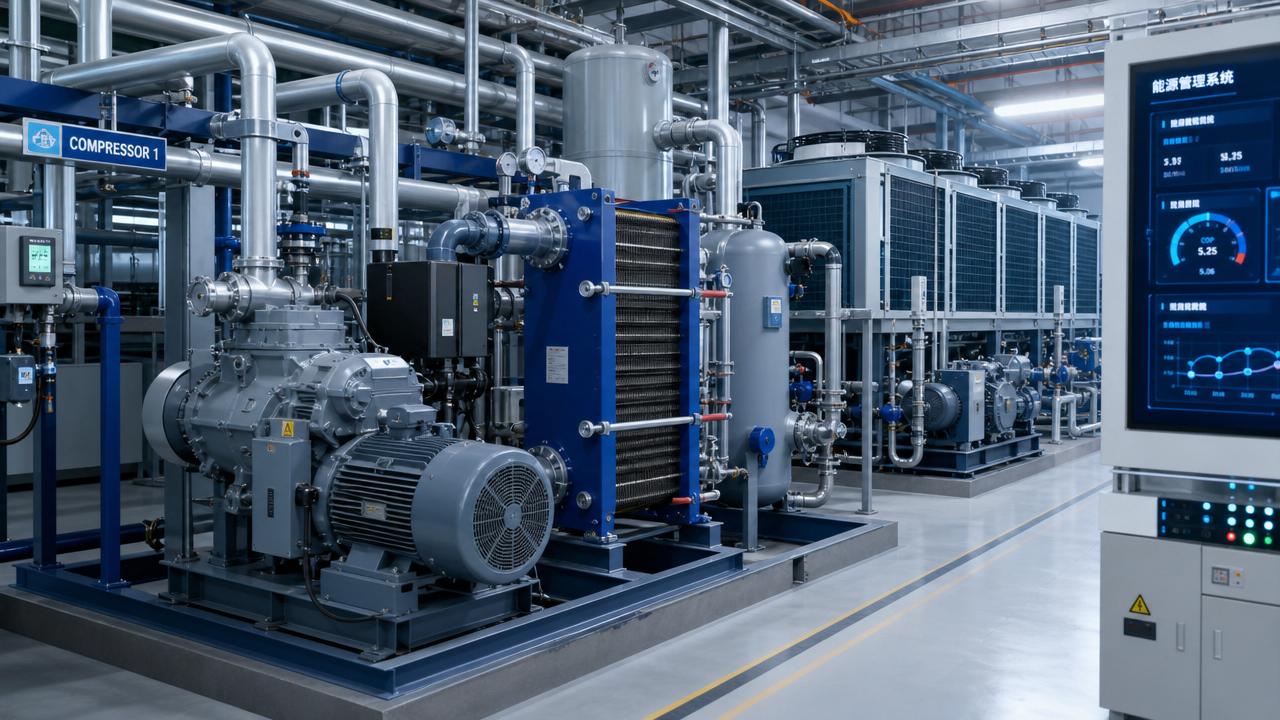
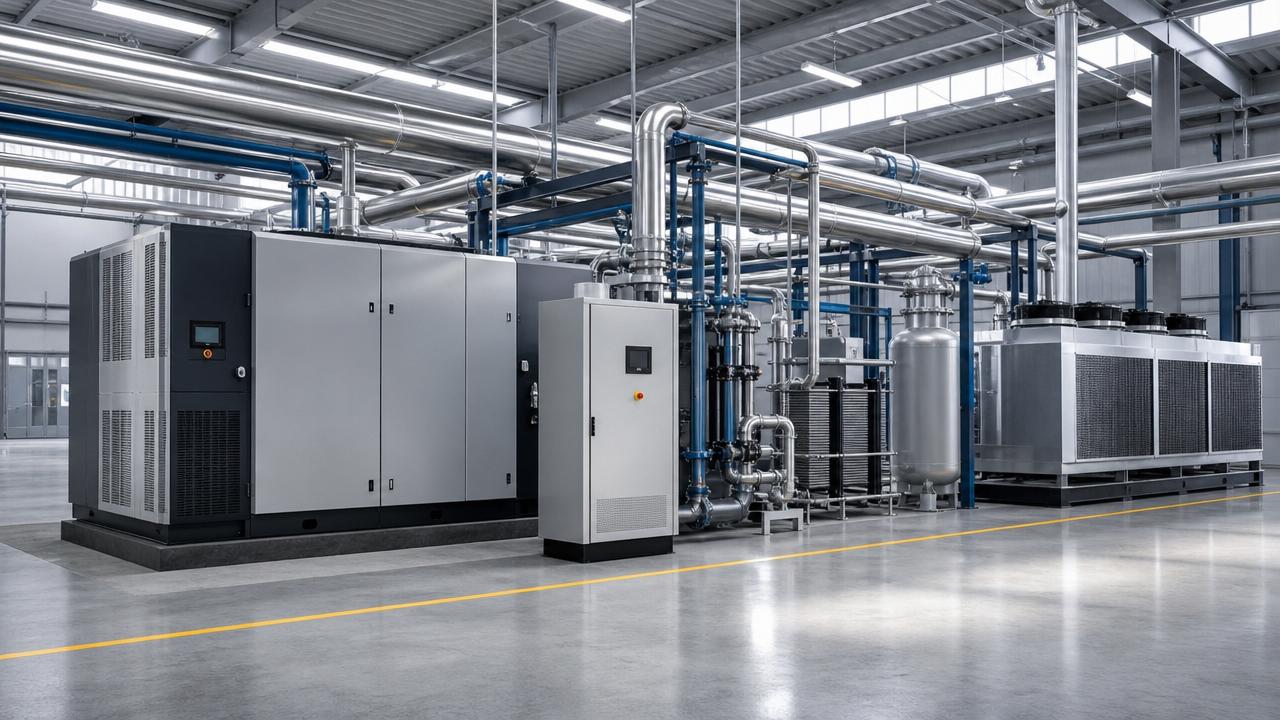
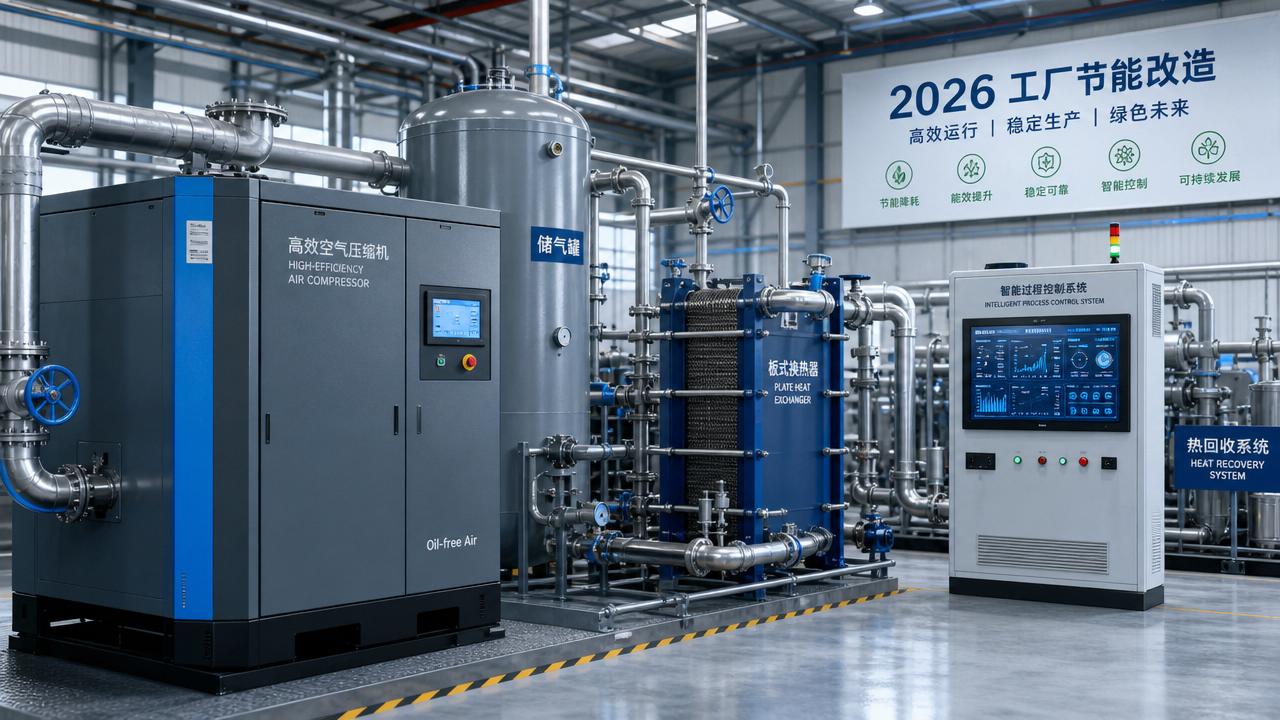
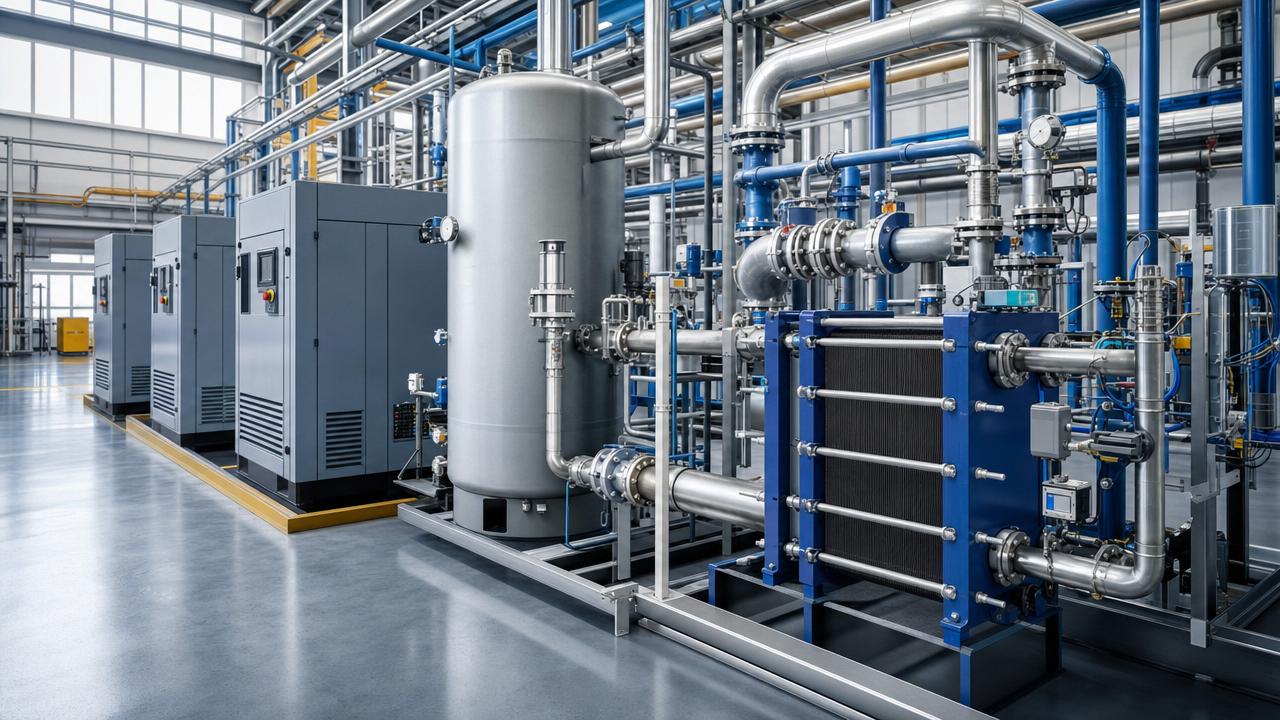
In many facilities, emissions are embedded in ordinary utility systems. Compressors, chillers, boilers, pumps, condensers, and vacuum units often run longer than production lines themselves.
This matters because carbon neutrality is rarely achieved through a single flagship project. It is built through better energy conversion, lower waste heat loss, reduced leakage, and smarter control of thermal loads.
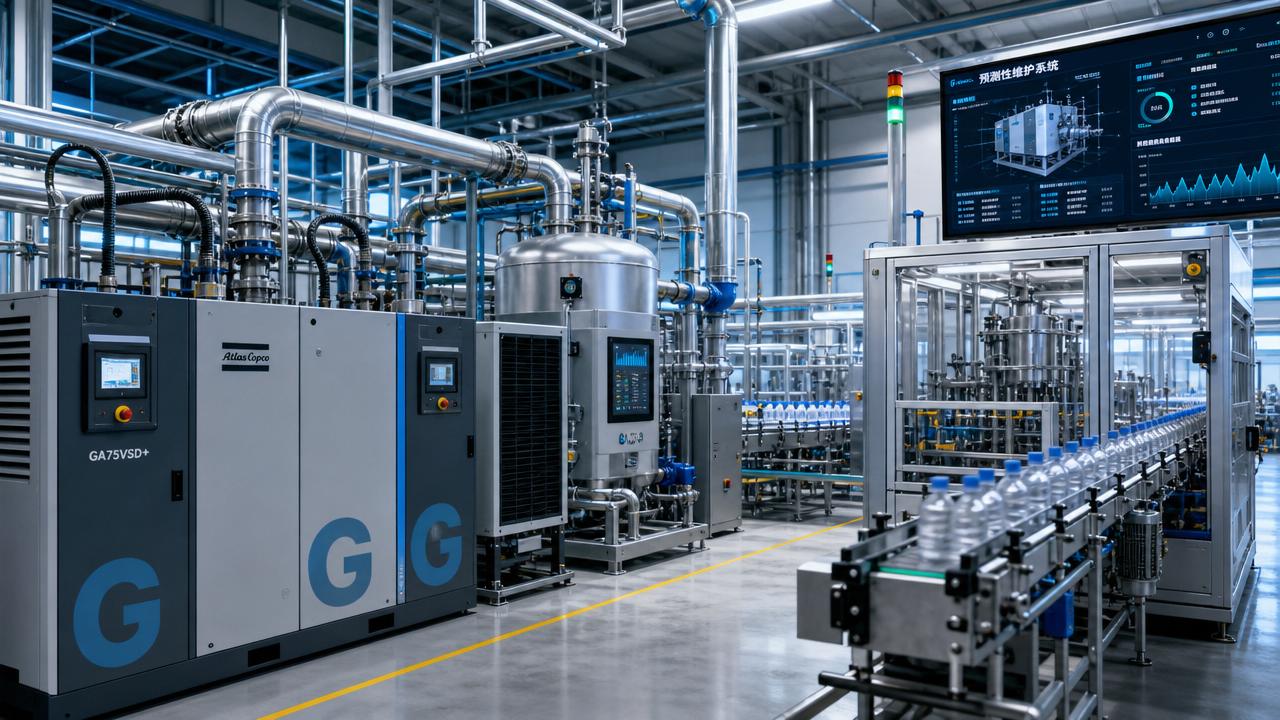
From a business perspective, these systems also influence uptime. An inefficient cooling loop or unstable compressed air network can undermine output quality long before it appears in a sustainability report.
Seen this way, carbon neutrality is not separate from production strategy. It is closely tied to how industrial assets consume energy, reject heat, and maintain process stability.
Why 2026 changes the priority list
Several forces are converging. Energy price volatility remains a planning risk. Refrigerant rules continue to tighten. Scope 1 and Scope 2 reporting expectations are becoming more detailed.
At the same time, global buyers are paying closer attention to embedded carbon in manufactured goods. That creates pressure not only on heavy industry, but also on pharmaceuticals, food processing, electronics, and precision manufacturing.
A further shift is technological maturity. Oil-free compression, microchannel heat exchangers, digital controls, low-NOx combustion, and heat recovery are no longer niche options in many use cases.
This is where market intelligence becomes useful. Platforms such as GTC-Matrix help connect policy movement, energy cost changes, and equipment evolution into a clearer decision framework.
That kind of visibility matters because carbon neutrality decisions are increasingly cross-functional. They affect engineering, finance, procurement, compliance, and long-term capacity planning at the same time.
The systems that deserve attention first
Not every decarbonization project produces the same return. In 2026, the most credible priorities usually sit inside high-runtime utility systems with clear performance data.
Compressed air networks
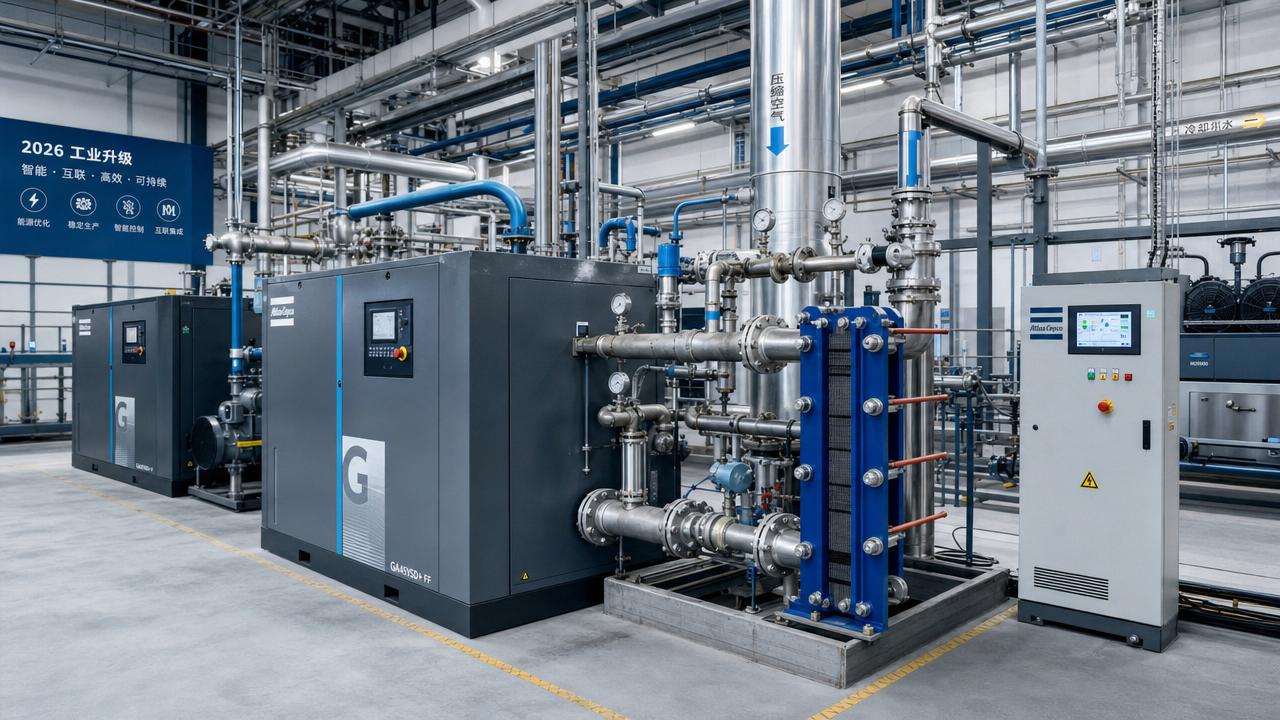
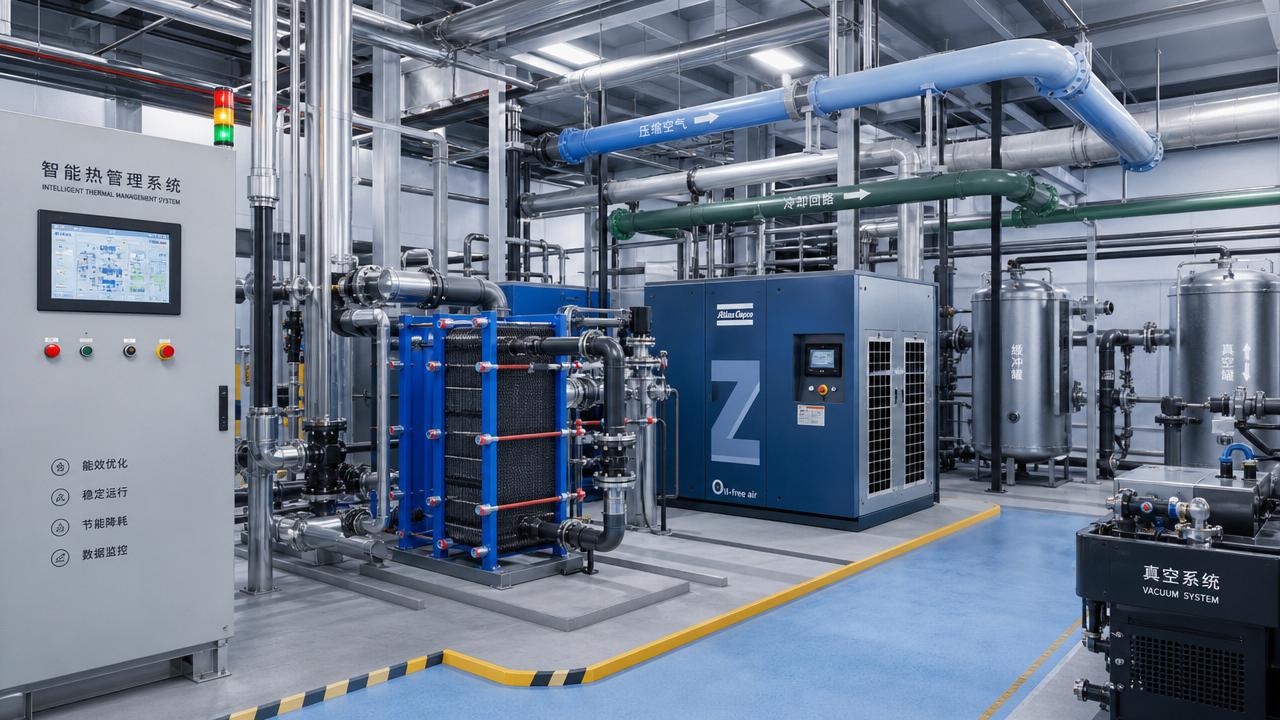
Compressed air is often among the most expensive utilities in a plant. Leakage, poor pressure settings, oversized machines, and weak part-load efficiency create avoidable carbon intensity.
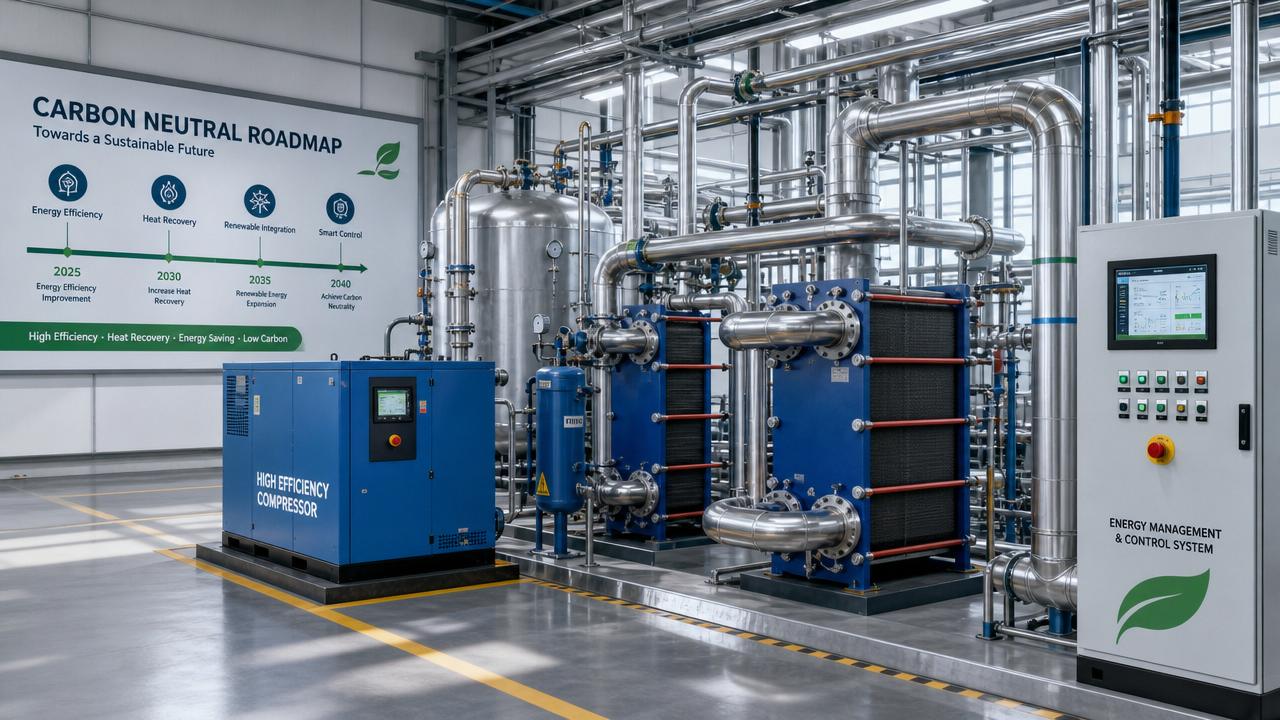
A carbon neutrality roadmap should start with demand profiling, leak audits, pressure optimization, and controls that match output to real load.
Industrial cooling and refrigeration
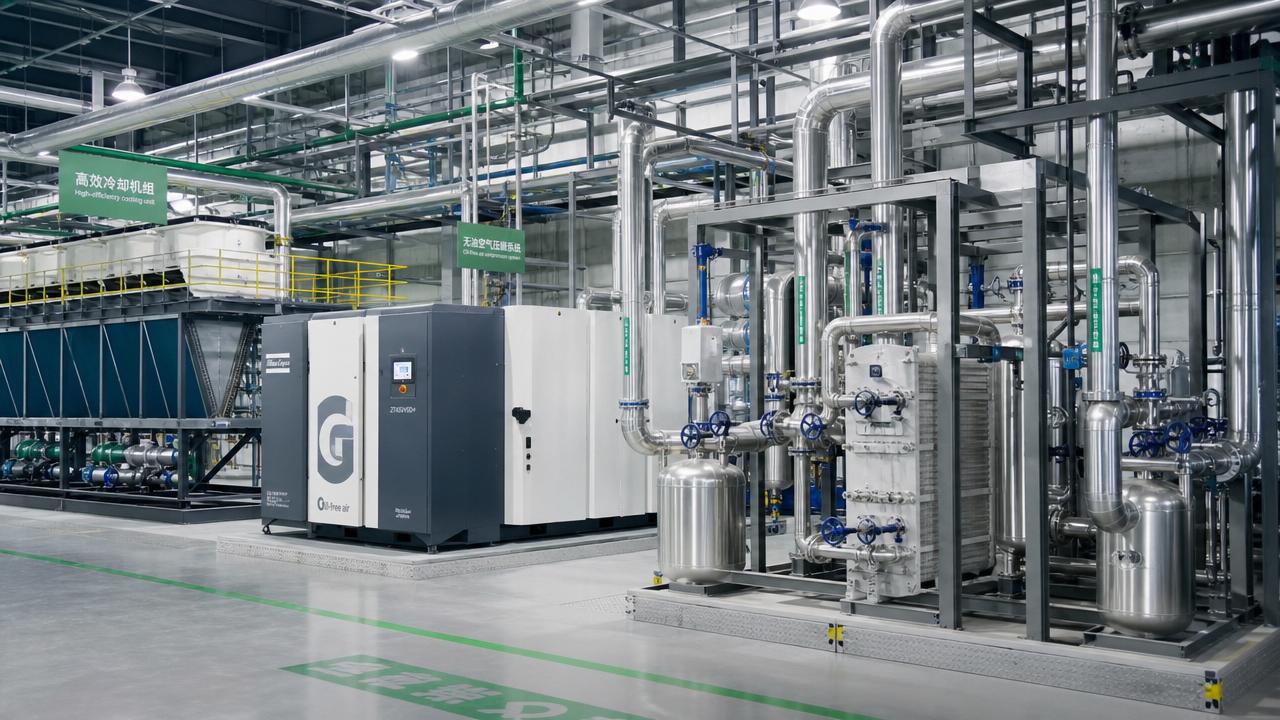
Cooling loads are rising in process industries, cold chains, data-heavy manufacturing, and clean production environments. Poor heat rejection design quickly turns into higher power demand.
Attention should go to chiller sequencing, condenser performance, refrigerant transition planning, and precise temperature control rather than broad overcooling.
Vacuum processes
Vacuum systems are frequently overlooked because they are process-critical and less visible than boiler rooms. Yet older units can consume substantial power and create unstable cycle performance.
For carbon neutrality, the key is to review duty cycles, process purity needs, and whether dry or oil-free technologies can improve both energy and maintenance outcomes.
Heat exchange and waste heat recovery
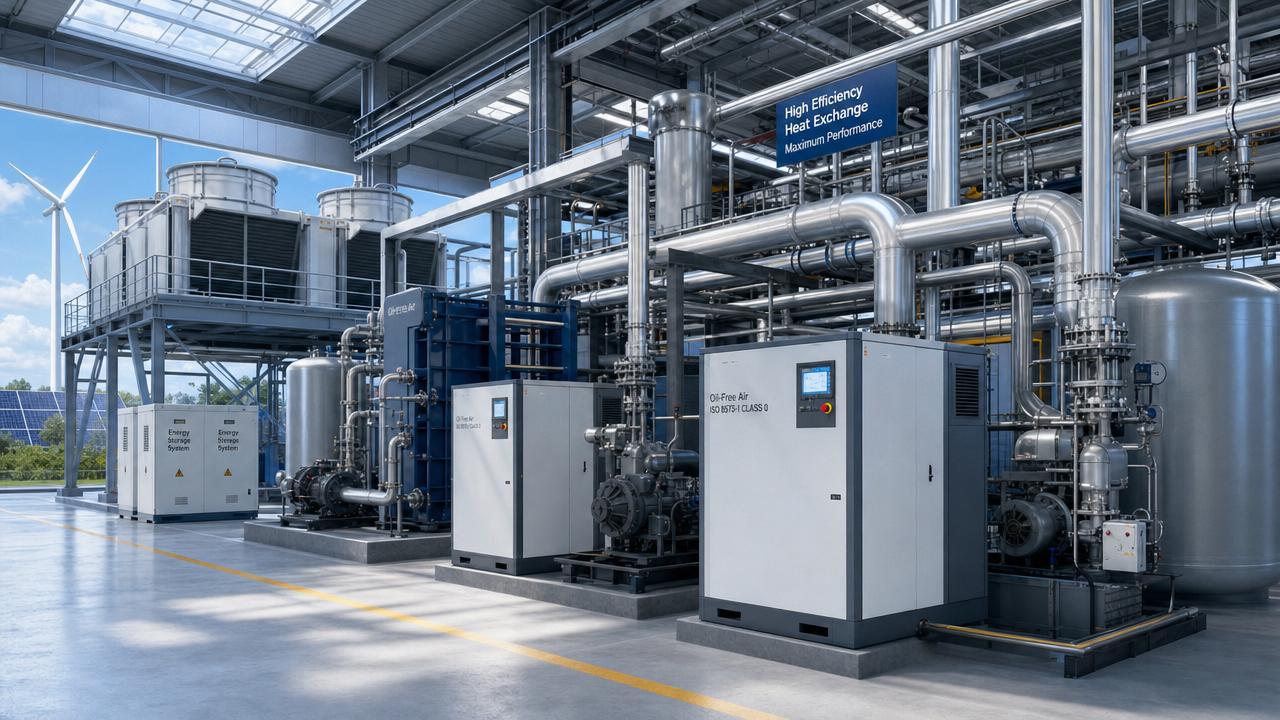
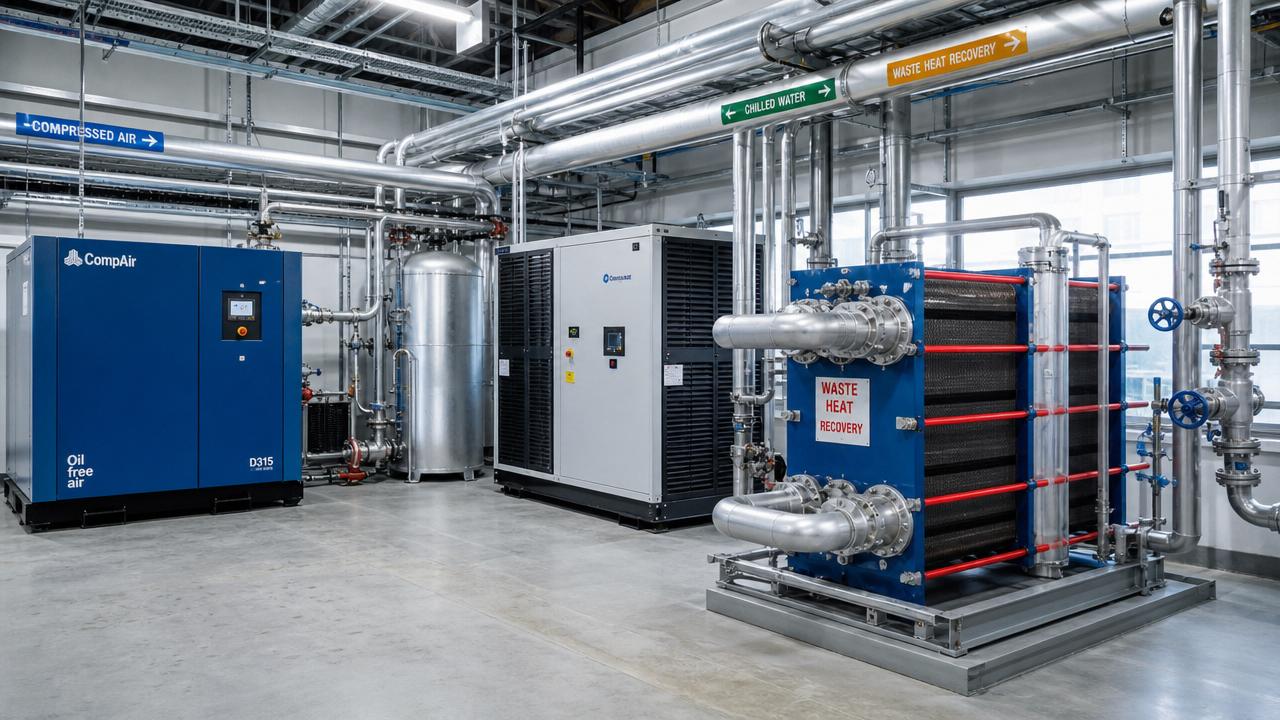
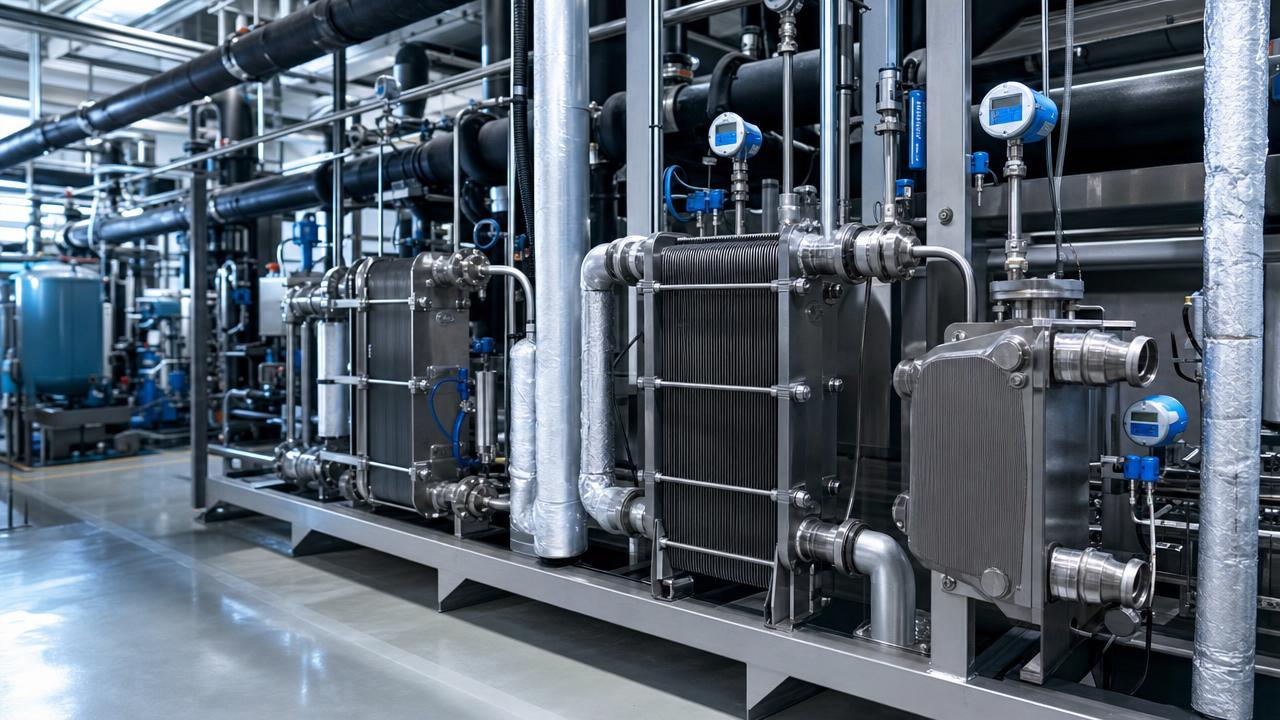
Heat exchangers sit at the center of industrial thermal efficiency. Fouling, bad sizing, and poor integration can lock in years of excess fuel or electricity consumption.
In many sites, one of the fastest carbon neutrality gains comes from recovering usable heat rather than purchasing more energy upstream.
How to judge value beyond carbon reporting
A strong carbon neutrality project does more than reduce emissions on paper. It should improve at least one additional business metric in a durable way.
Usually that means lower unit energy cost, more stable throughput, less maintenance disruption, better temperature consistency, or reduced exposure to fuel and refrigerant risk.
Projects become weaker when carbon savings rely on unrealistic operating assumptions. They also lose value when measurement boundaries are vague or when process interactions are ignored.
For this reason, many industrial firms are shifting from headline targets to evidence-based sequencing. The question becomes which actions create repeatable savings under real plant conditions.
Useful filters for prioritization
- Energy intensity per unit of output, not only annual consumption.
- Runtime hours and load variability across seasons and shifts.
- Maintenance burden, spare parts exposure, and failure history.
- Compatibility with refrigerant, fuel, and emissions policy trends.
- Potential to recover heat or reuse energy elsewhere on site.
- Ability to verify savings through metering and digital monitoring.
Industry signals worth watching now
Carbon neutrality planning is becoming more data-driven. That raises the importance of external intelligence, especially where technology choices depend on regional regulation and sector demand shifts.
GTC-Matrix reflects this shift well. Its value is not simply in publishing updates, but in linking thermodynamic performance, pneumatic power evolution, and industrial economics in one view.
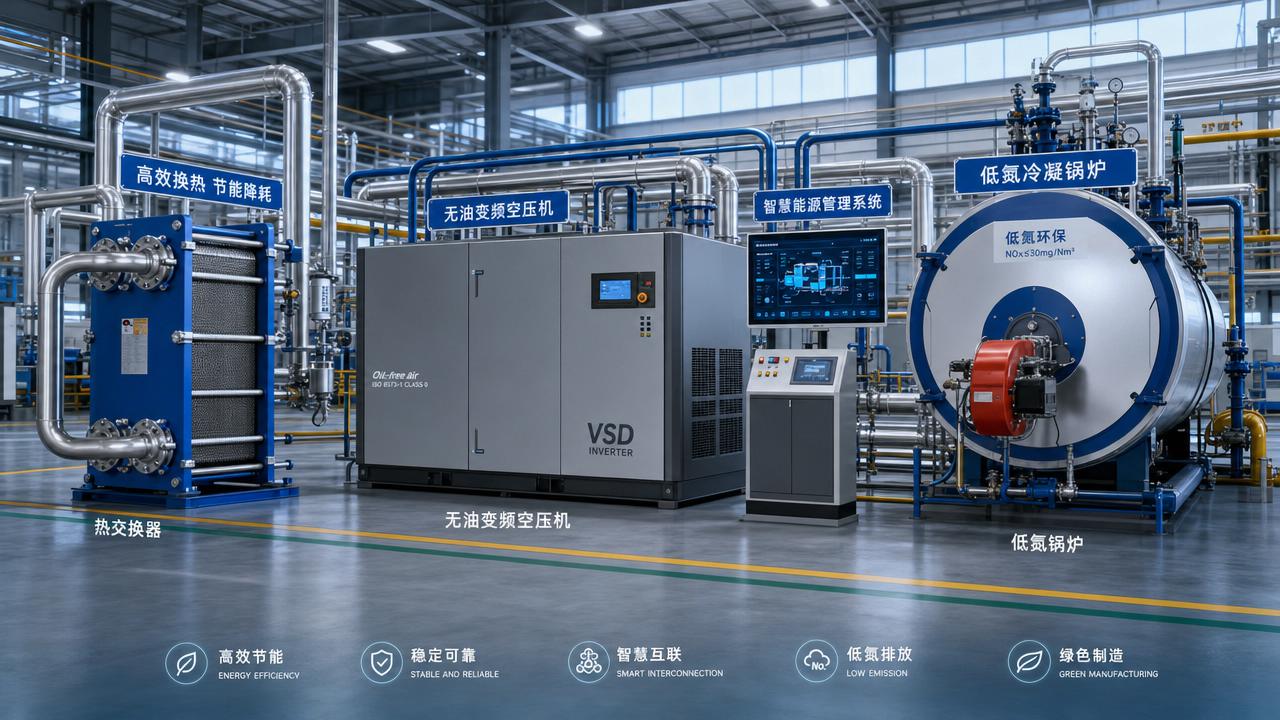
That is particularly relevant where investment decisions involve oil-free compression, low-NOx boilers, advanced heat exchange, or process cooling for high-spec industries.
In practical terms, better intelligence helps avoid two common mistakes. One is investing too early in a technology that does not fit the load profile. The other is waiting too long while operating costs compound.
A realistic path for the next planning cycle
The most effective carbon neutrality plans for 2026 are usually disciplined rather than dramatic. They begin with thermal and power systems that are measurable, critical, and technically improvable.
A useful next step is to map major utility assets by load, efficiency, downtime sensitivity, and carbon impact. That quickly reveals where effort is likely to outperform broad corporate messaging.
It also helps to compare equipment upgrades with operating changes. In some plants, controls, leak reduction, and heat recovery outperform full replacement in the near term.
Carbon neutrality becomes easier to manage when each decision is linked to a specific process condition, a verified energy baseline, and a clear operational payoff.
The firms best positioned for 2026 will not chase every trend. They will build a sharper view of thermal efficiency, compression performance, and technology timing, then move in an order that can be defended with data.
Related News
- Why high-density thermal energy storage is gaining industry attentionAuthor :

- Smart Device Thermal Management Trends Shaping 2026 Product DesignAuthor :

- Industrial Cooling Technologies in Europe: 2026 Trends in Compliance and Energy UseAuthor :

- Industrial Electrification Trends in 2026: Where Projects Are Moving FirstAuthor :

- Industrial Solution Comparison Global: 2026 Trends Reshaping Equipment DecisionsAuthor :

- When Heat Recovery Systems Skid Mounted Designs Improve Project PaybackAuthor :

- How to Compare Industrial Decarbonization Solutions Providers in 2026Author :

- Industry Category Guides for Smart Devices: What to Track as 2026 Markets ShiftAuthor :

- Green Manufacturing Trends Reshaping Industrial InvestmentAuthor :

- 2026 Global Energy Costs: What Will Reshape Industrial PlanningAuthor :

- Industrial Decarbonization Solutions That Cut Fuel Costs in 2026Author :

- Smart Thermal Systems Trends Shaping Industrial Upgrades in 2026Author :

- Resource Circularity in Manufacturing: 5 Practical Gains Beyond ComplianceAuthor :

- Carbon Neutrality Roadmap: What Industrial Firms Need to Prioritize FirstAuthor :

- Energy Conversion Efficiency Trends Shaping Industrial UpgradesAuthor :

- Compression Technology Trends Shaping Efficient Plant UpgradesAuthor :

- Industrial Intelligence in Manufacturing: Where It Delivers Value FirstAuthor :

- How Intellectualization Improves Industrial Thermal ManagementAuthor :

- What Intellectualization Means for Smarter Plant Operations in 2026Author :

- Carbon Neutrality Goals: What Industrial Firms Should Prioritize in 2026Author :

- How Intellectualization Reduces Downtime in Modern Production LinesAuthor :

- Decarbonization Roadmap for Energy-Intensive Plants in 2026Author :

- Thermal Systems Trends in 2026: Efficiency, Control, and RiskAuthor :

- Industrial Decarbonization Priorities for Energy-Intensive FacilitiesAuthor :

- Thermal Systems in 2026: Efficiency Upgrades Shaping Industrial OperationsAuthor :

- Pure Power Sources: 5 Practical Paths to Carbon NeutralityAuthor :

- What Intellectualization Means for Industrial Equipment UpgradesAuthor :

- Thermal Optimization in 2026: Where Energy Savings Deliver the Fastest PaybackAuthor :

- Energy Efficiency Trends Reshaping Compressor Upgrades in 2026Author :

- 2026 Industrial Decarbonization Trends Reshaping Plant UpgradesAuthor :
![]()
- Heat Exchanger Technology Trends for 2026 Efficiency TargetsAuthor :

- Resource Circularity Risks in 2026 Supply ChainsAuthor :

- Smart Thermal Systems: When Upgrades Deliver Measurable SavingsAuthor :

- Carbon Neutrality: Practical Steps for Factory RoadmapsAuthor :

- 2026 Industrial Energy Efficiency Priorities for Plant UpgradesAuthor :

- Industrial Intellectualization Trends Reshaping Equipment UpgradesAuthor :