Heat Exchanger Technology Trends for 2026 Efficiency Targets




Heat Exchanger Technology Trends for 2026 Efficiency Targets
As 2026 efficiency targets reshape capital planning, heat exchanger technology is becoming a strategic lever for cost, emissions, and production resilience.
The next innovation wave covers microchannel designs, advanced materials, digital monitoring, and low-pressure-drop optimization across energy-intensive industrial systems.
For GTC-Matrix, this shift reflects a broader transformation in the thermal center of modern industry.
Efficiency Targets Are Moving Heat Exchanger Technology Into Strategic Planning
Industrial energy decisions are no longer limited to fuel prices, compressor upgrades, or boiler performance.
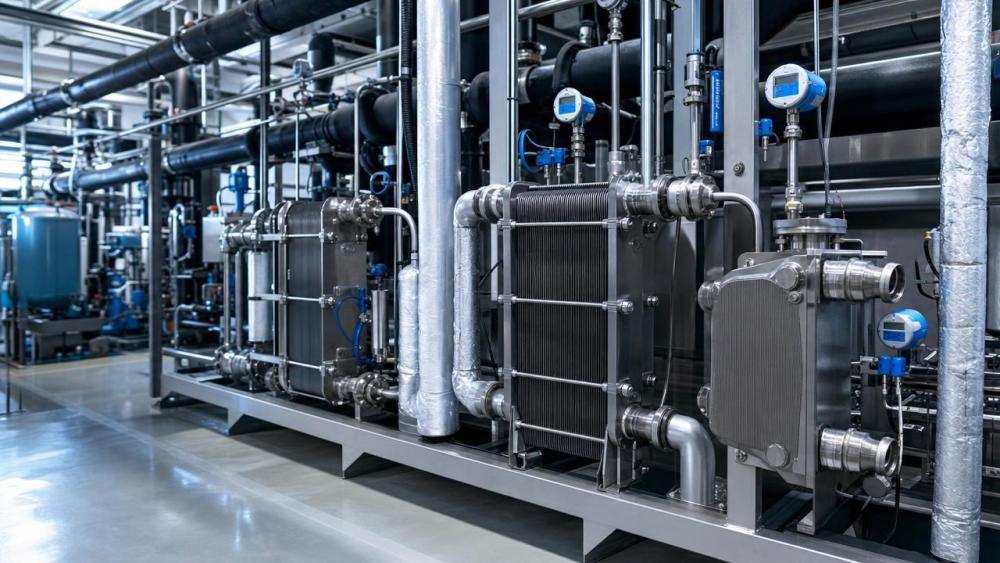
Heat exchanger technology now influences thermal recovery, cooling stability, process uptime, water consumption, and carbon reporting accuracy.
Facilities with aging exchangers face rising hidden losses from fouling, poor approach temperatures, and oversized pumping loads.
By 2026, regulators and industrial customers will expect measurable efficiency gains, not only equipment compliance statements.
That pressure is turning heat exchanger technology into a planning issue for multiple sectors.
Pharmaceutical plants need stable clean utilities, while semiconductor fabs require precise thermal control with minimal contamination risk.
Food processors must balance hygienic design, heat recovery, and lower water discharge costs.
Data centers, chemical sites, marine systems, and district energy networks are reaching similar conclusions.
Key Signals Showing Where Heat Exchanger Technology Is Heading
Several trend signals now define the direction of heat exchanger technology for 2026 projects.
The first signal is a sharper focus on lifecycle energy cost rather than purchase price.
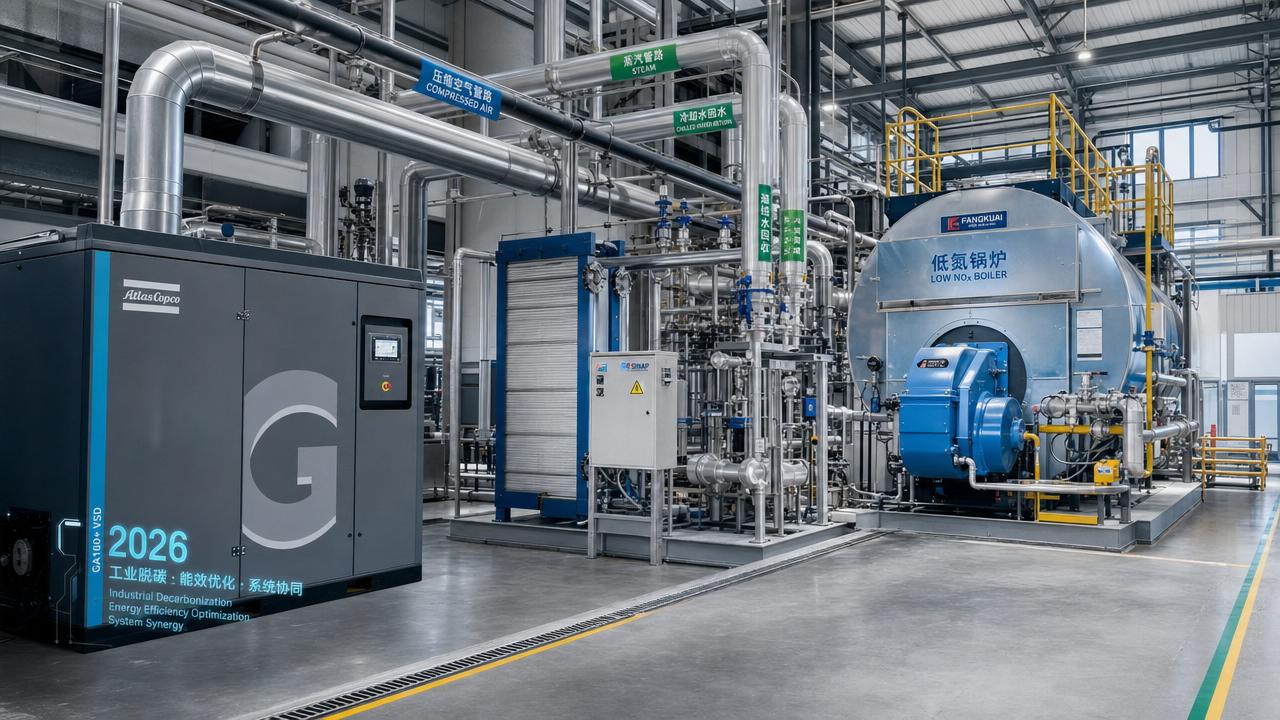
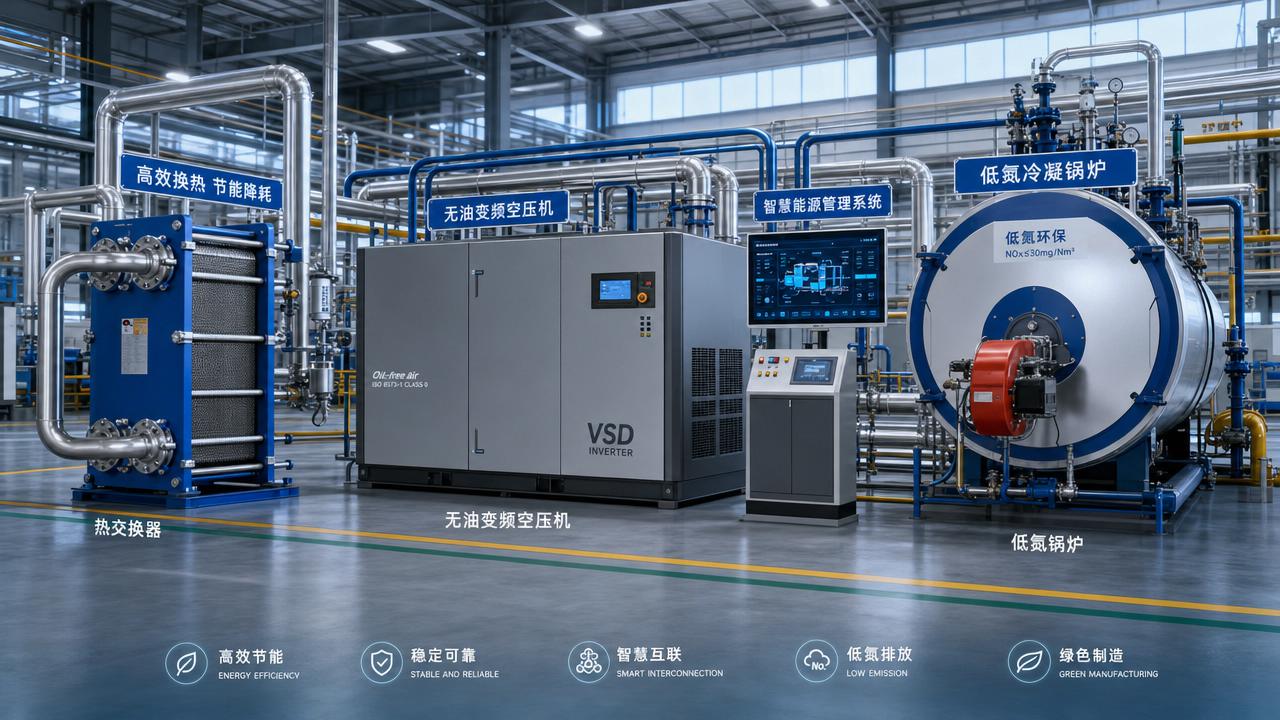
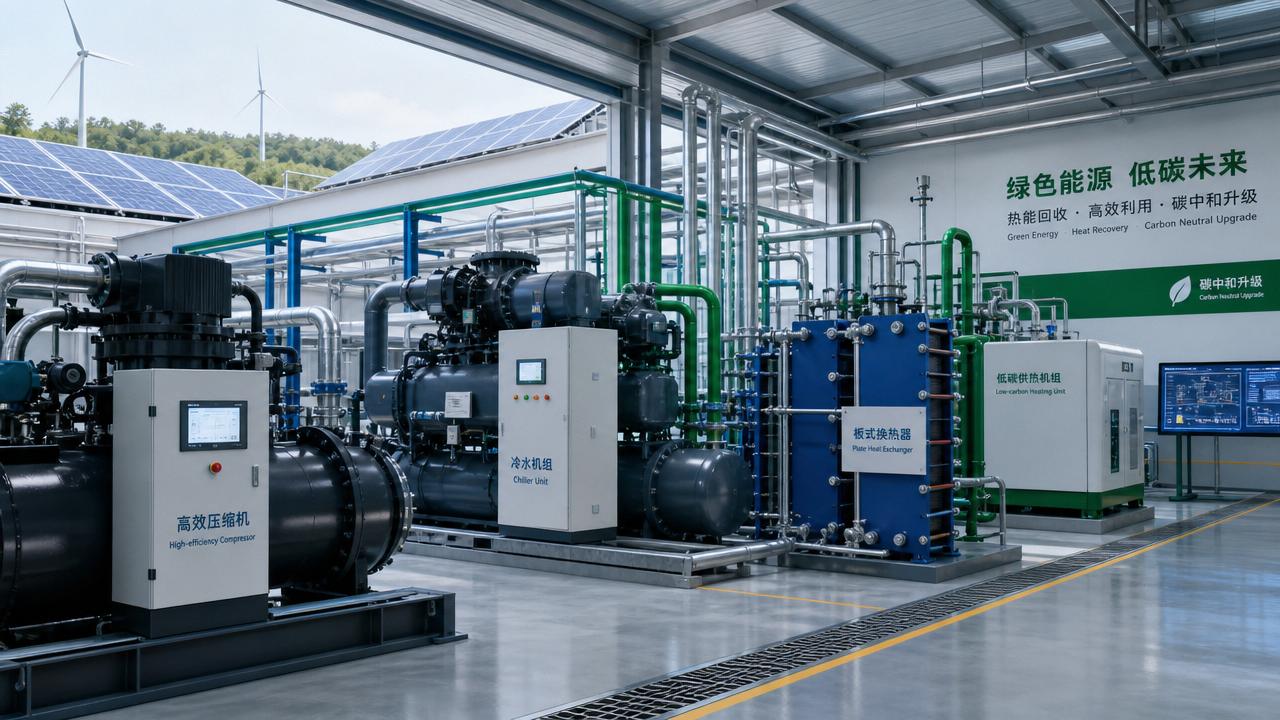
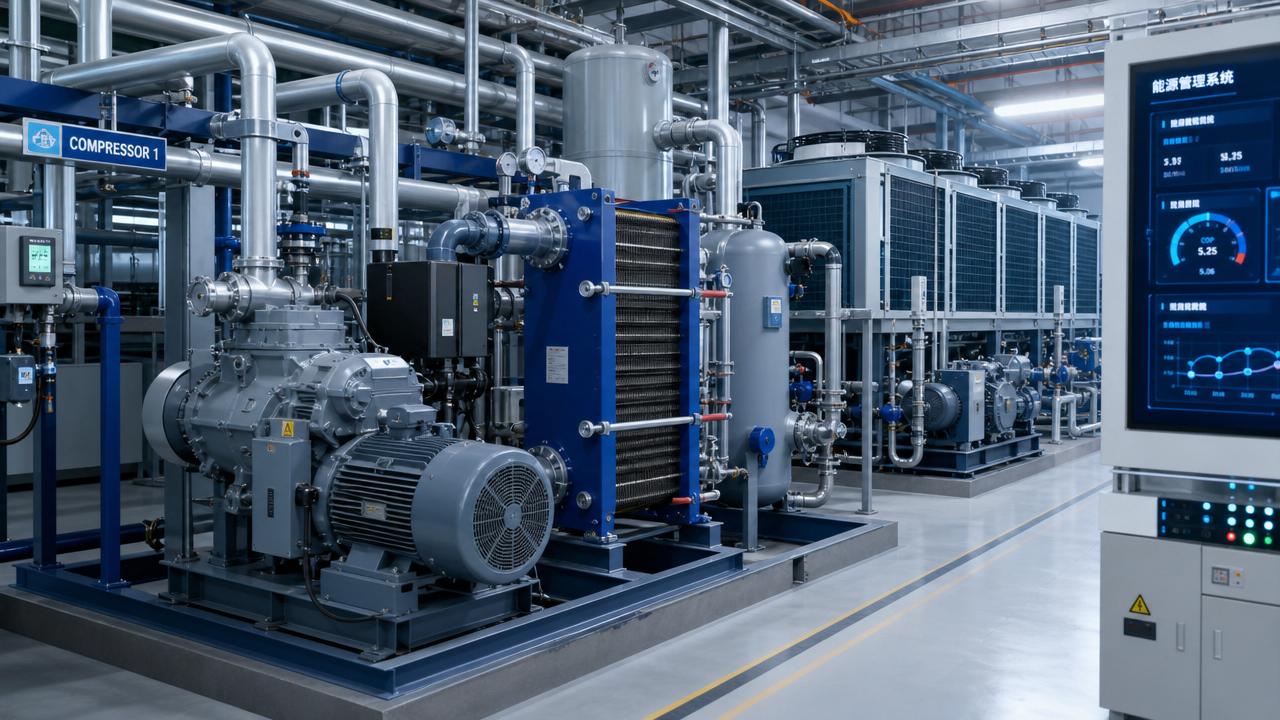
The second signal is tighter integration between exchangers, compressors, chillers, pumps, and thermal storage systems.
The third signal is increasing demand for data visibility inside thermal equipment.
Operators want early warnings before fouling, leakage, thermal fatigue, or pressure loss becomes costly downtime.
- More specifications include total cost of ownership and verified efficiency curves.
- Compact exchangers are replacing bulky units where space and weight matter.
- Low-carbon refrigerants are changing pressure, material, and sealing requirements.
- Predictive maintenance is becoming a standard expectation, not a premium feature.
- Heat recovery is moving closer to core production planning.
These signals explain why heat exchanger technology is gaining attention beyond traditional maintenance departments.
What Is Driving the New Heat Exchanger Technology Cycle
The current upgrade cycle is driven by several connected forces.
Each force changes how thermal systems are designed, justified, monitored, and replaced.
These drivers are reinforcing each other.
A site cannot reach energy targets if the exchanger network wastes recovered heat through fouling or poor control.
Likewise, advanced compression systems lose value when downstream cooling circuits create unnecessary pressure penalties.
Microchannel and Compact Designs Are Redefining Thermal Density
Microchannel heat exchanger technology is one of the most visible trends for high-efficiency applications.
Its appeal comes from high surface-area density, reduced refrigerant charge, and fast thermal response.
Compact exchangers can support tighter equipment footprints in HVAC, process cooling, transport, and modular energy systems.
However, microchannel adoption requires careful attention to fouling risk, fluid quality, and cleaning strategy.
High-performance geometry may become a liability if maintenance assumptions are unrealistic.
For 2026 planning, the best use cases will combine compact design with verified serviceability.
This is where heat exchanger technology decisions must balance density, reliability, and operating environment.
Advanced Materials Are Expanding the Operating Envelope
Materials innovation is another important direction for heat exchanger technology.
Stainless steel, titanium, aluminum alloys, coated metals, and polymer-based options are being matched more precisely to fluids.
The goal is not simply corrosion resistance.
Materials must also support cleanability, weight reduction, thermal conductivity, pressure integrity, and compatibility with new refrigerants.
In chemicals and marine environments, corrosion allowances remain central to long-term performance.
In food and pharmaceutical systems, surface finish and hygienic access can dominate the specification.
In electronics cooling, material selection must address conductivity, leakage risk, and compact channel reliability.
As operating envelopes widen, heat exchanger technology will depend more on application-specific material intelligence.
Digital Monitoring Is Turning Exchangers Into Measurable Assets
Digitalization is changing how heat exchanger technology is evaluated after installation.
Traditional inspections often discover performance decline after energy waste has already accumulated.
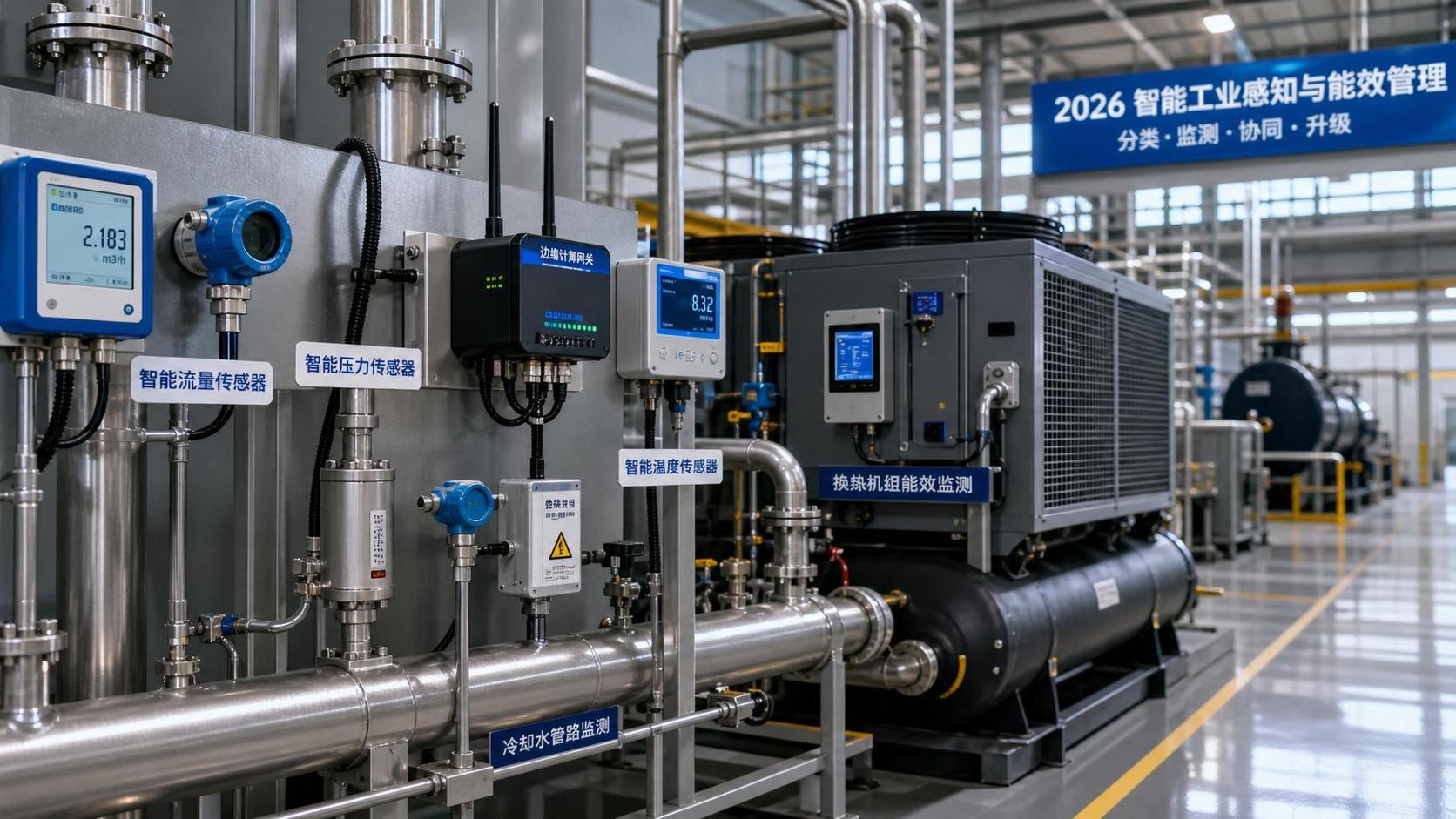
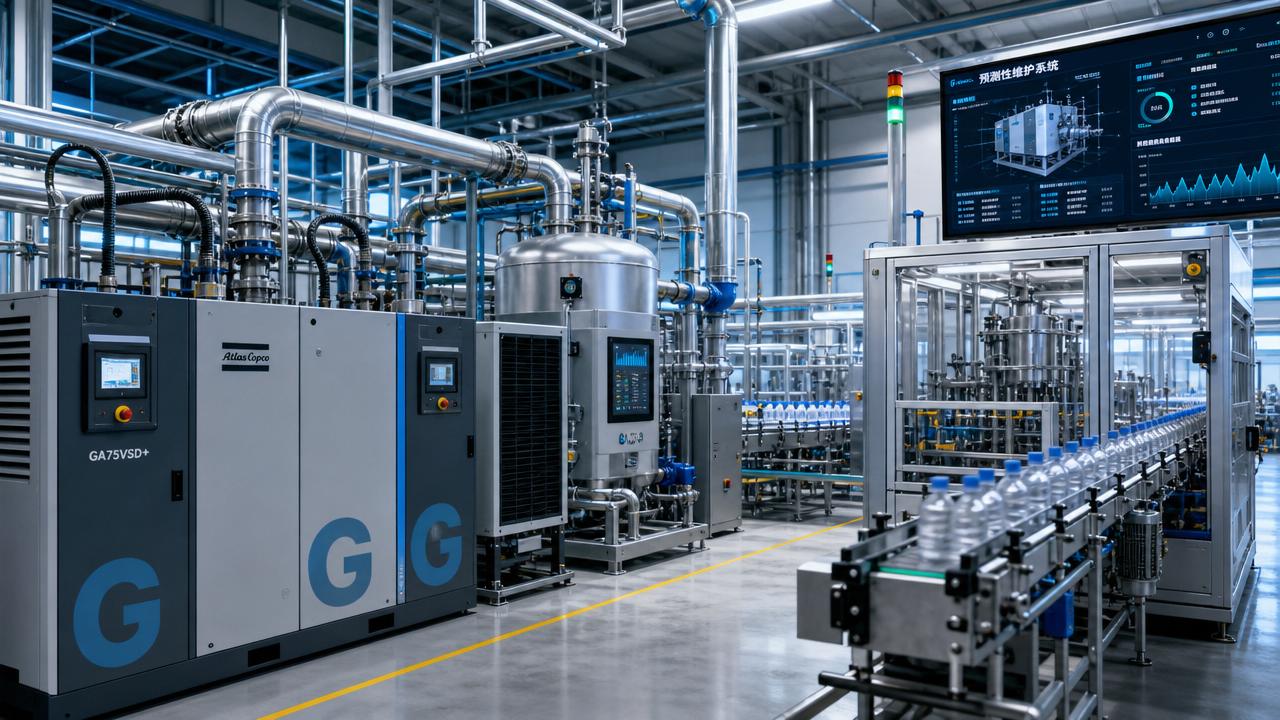
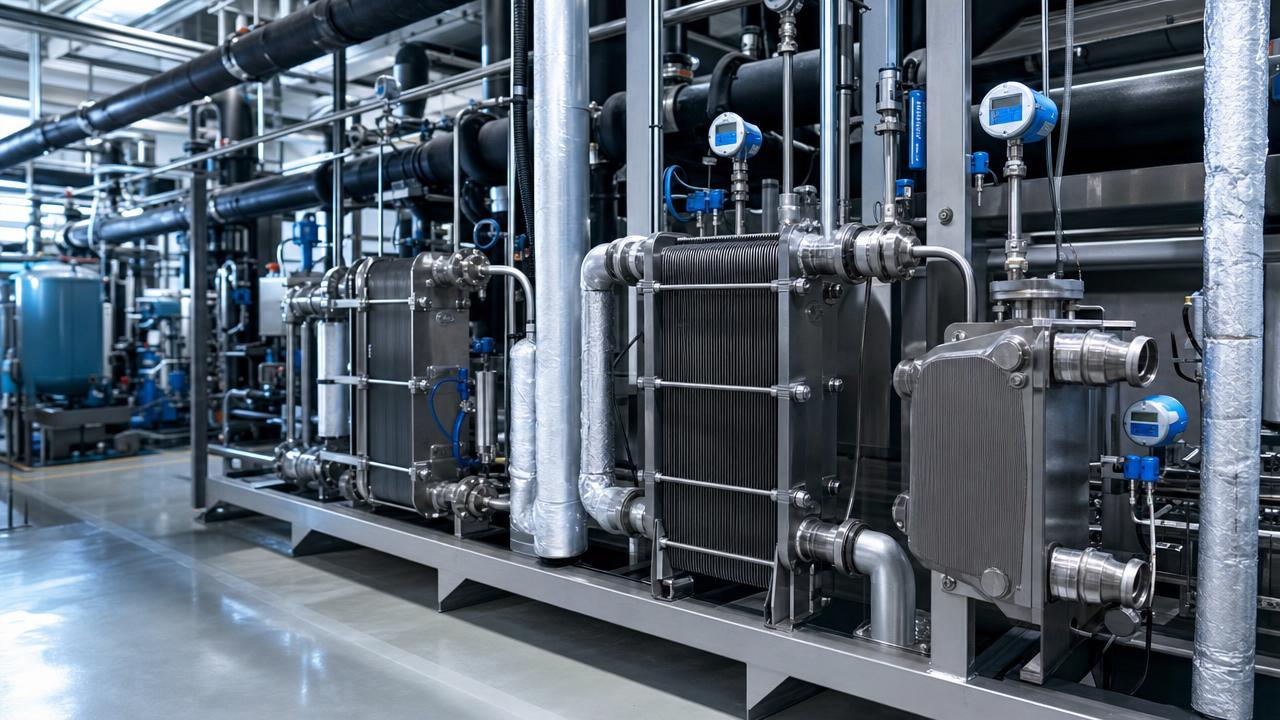
New monitoring approaches track temperature approach, pressure drop, flow variation, vibration, and abnormal thermal patterns.
When linked to analytics, these signals help identify fouling, maldistribution, leakage, or control valve problems.
This turns exchanger maintenance from calendar-based cleaning into condition-based intervention.
- Temperature approach drift can reveal declining heat transfer.
- Rising pressure drop may indicate fouling or channel blockage.
- Unstable outlet temperature can expose control mismatch.
- Unexpected pump energy growth can signal hydraulic inefficiency.
For GTC-Matrix, this is a core part of industrial intelligence stitching.
Heat exchanger technology must be read alongside compression power, cooling demand, and thermal economics.
Low-Pressure-Drop Optimization Will Shape Real Efficiency Gains
Thermal efficiency alone can be misleading if hydraulic penalties are ignored.
A high-transfer exchanger may increase pumping energy when pressure drop is excessive.
This is why low-pressure-drop heat exchanger technology is gaining importance in 2026 efficiency strategies.
Design teams are comparing thermal gain against compressor, fan, and pump power impacts.
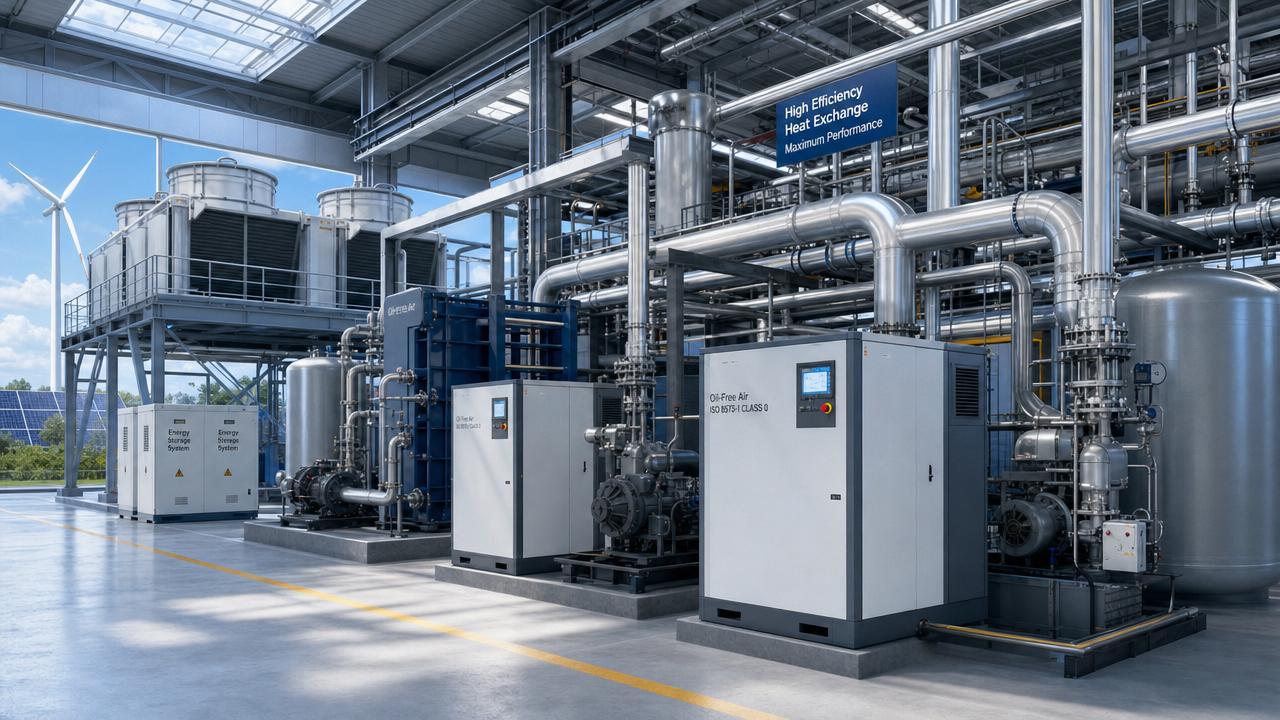
The strongest solutions optimize the complete energy system, not one isolated component.
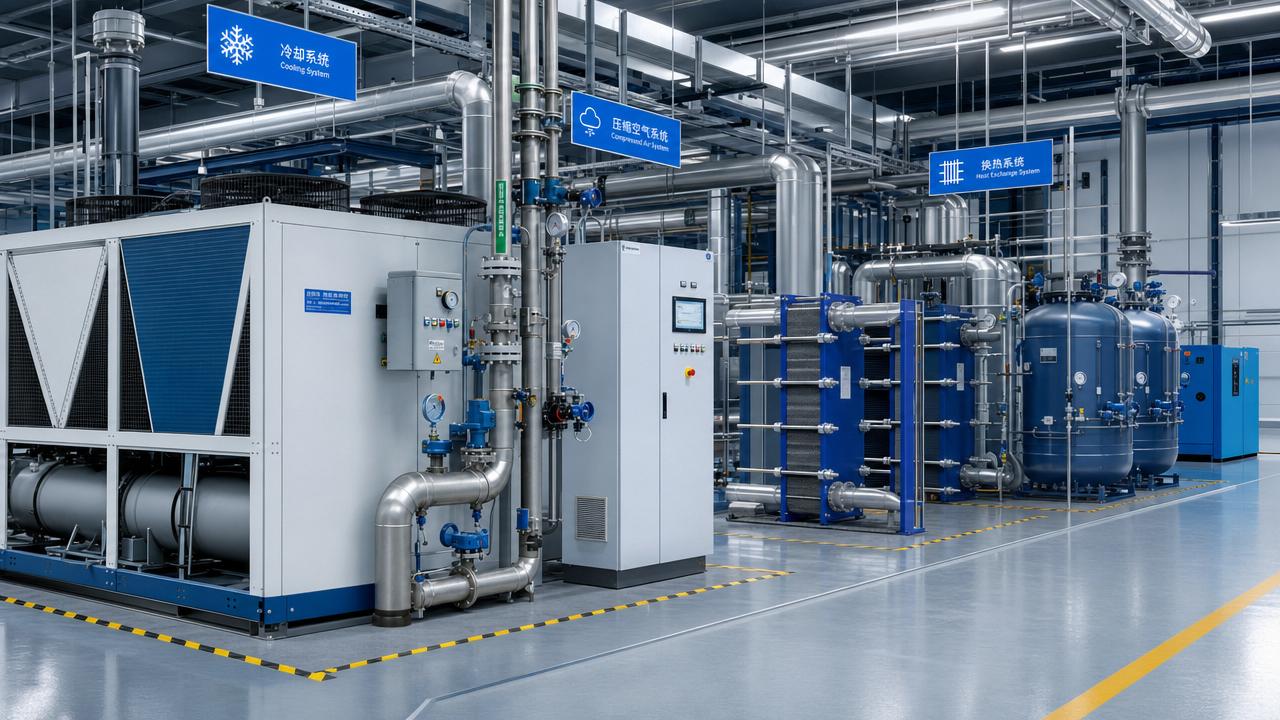
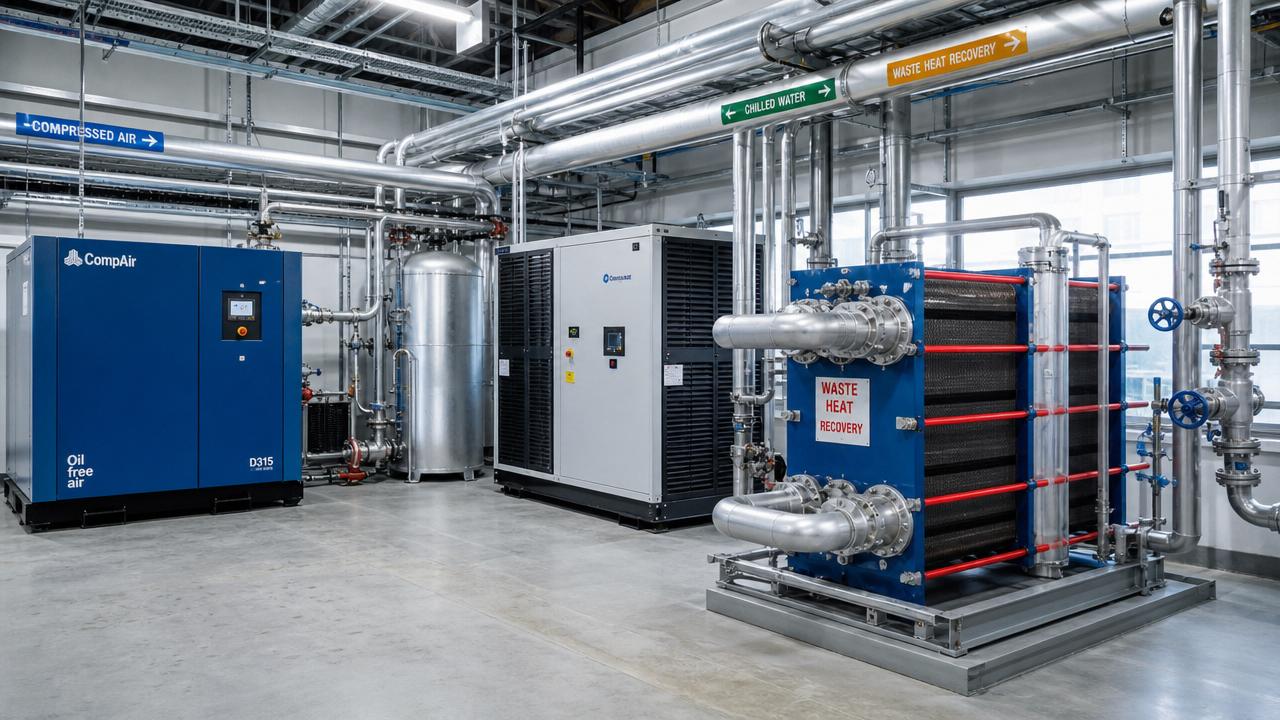
This matters in chilled water loops, air compressors, heat pumps, condensers, and waste heat recovery units.
The trend favors balanced geometry, accurate sizing, and realistic fouling margins.
Business Impacts Across Industrial Operations
The impact of heat exchanger technology varies across business functions and industrial systems.
For production operations, better thermal stability reduces quality variation and unplanned stoppages.
For energy management, improved recovery reduces fuel, electricity, and cooling tower demand.
For environmental compliance, efficiency gains support lower emissions intensity and more credible sustainability reporting.
For maintenance teams, data-enabled exchangers reduce guesswork and support planned interventions.
Capital planning also changes.
Replacement decisions increasingly require lifecycle payback, energy modeling, and integration with wider decarbonization roadmaps.
This makes heat exchanger technology a cross-functional investment, not a narrow equipment purchase.
Priorities to Watch Before 2026 Projects Are Locked
Organizations preparing efficiency projects should focus on practical indicators.
The most useful priorities connect technical design with measurable operating value.
- Audit exchanger approach temperatures under real production conditions.
- Compare pressure drop against pumping or fan power consumption.
- Review fouling history, cleaning intervals, and downtime costs.
- Assess material compatibility with fluids, refrigerants, and cleaning chemicals.
- Model heat recovery opportunities before adding new energy capacity.
- Request verifiable performance data for selected heat exchanger technology.
These steps help prevent underperforming upgrades.
They also reveal where control improvements may deliver savings before full replacement is required.
Decision Framework for Smarter Thermal Investment
A clear framework helps convert market trends into investment action.
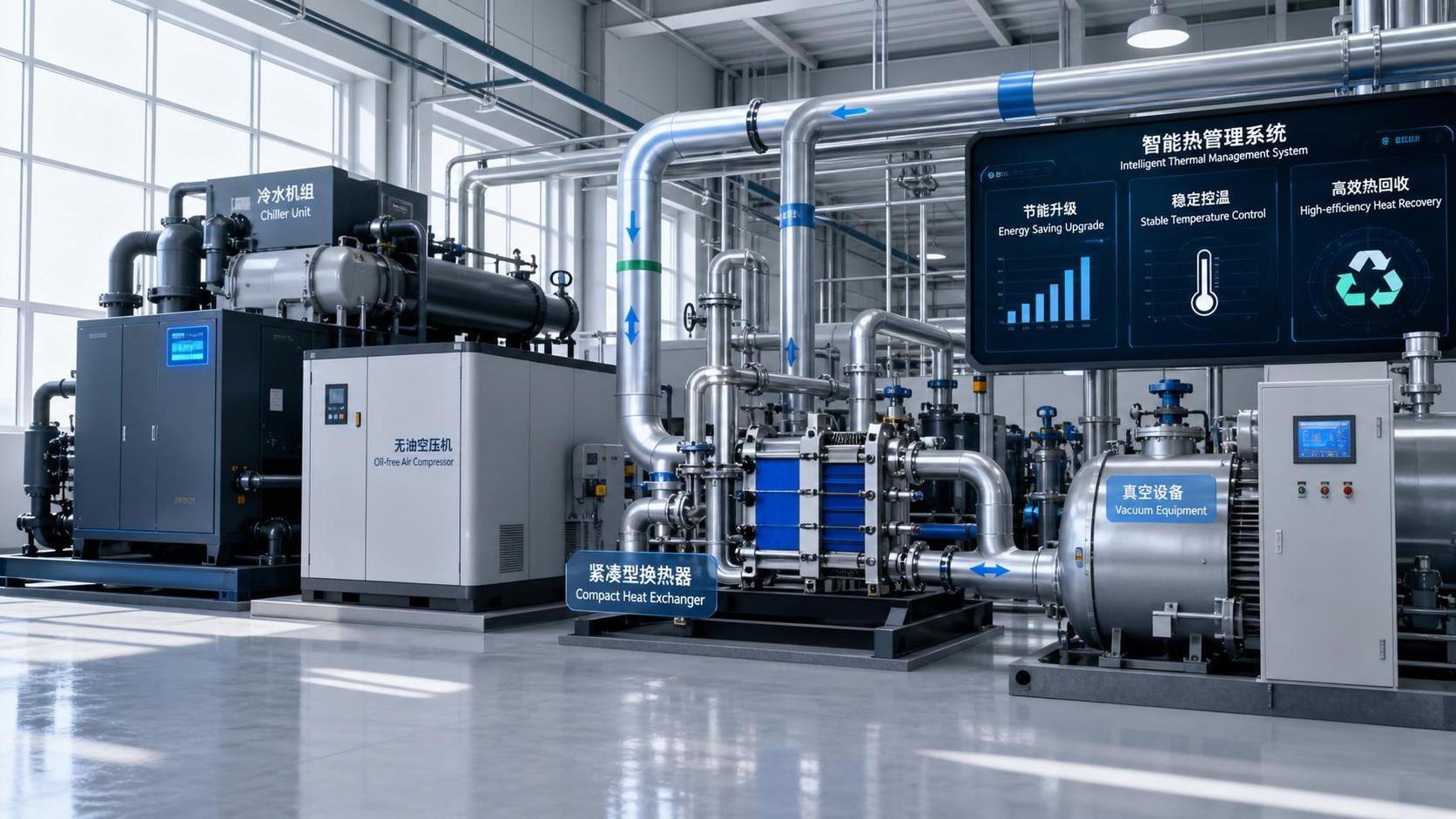
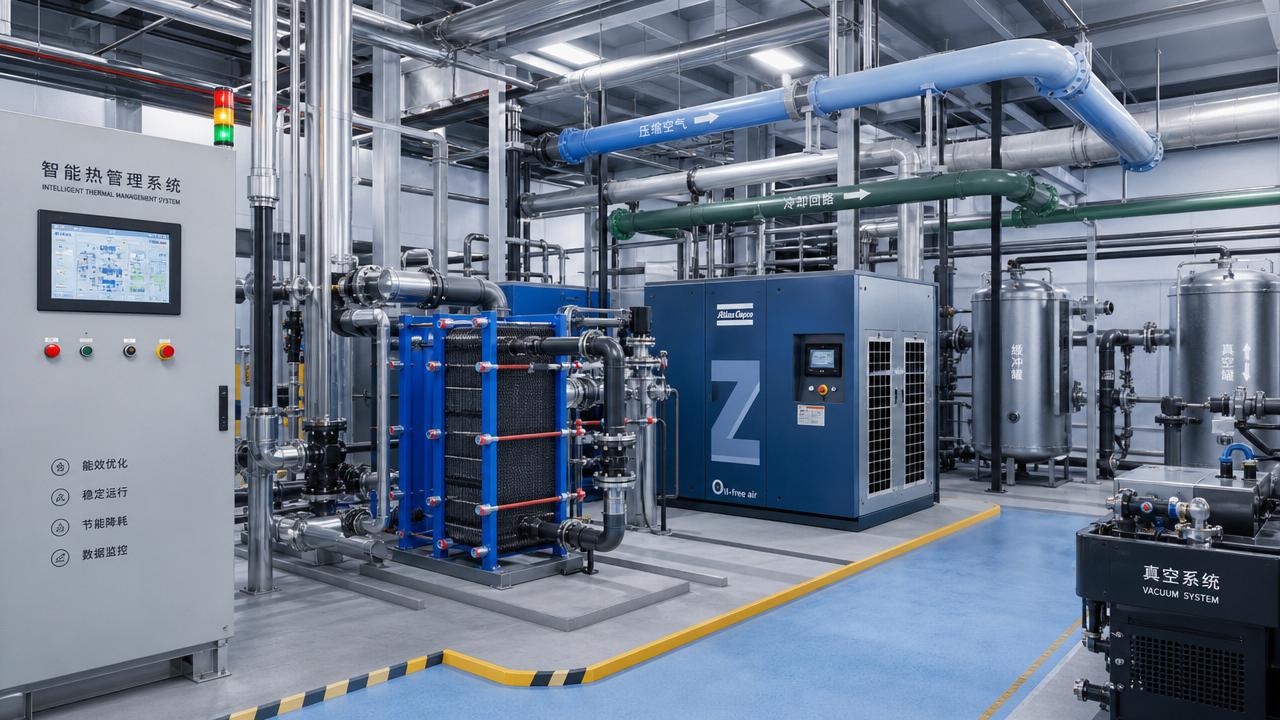
This framework supports better decisions across industrial cooling, compressed air, vacuum processes, and heat recovery systems.
It also aligns with the GTC-Matrix mission of optimizing thermal systems through data-driven intelligence.
Outlook: Heat Exchanger Technology Will Reward Measured Execution
The 2026 efficiency cycle will not reward generic upgrades.
It will reward heat exchanger technology choices grounded in operating data, system integration, and lifecycle economics.
Microchannel designs, advanced materials, digital monitoring, and low-pressure-drop optimization will all matter.
Their value will depend on correct application rather than trend adoption alone.
A practical next step is to build a thermal performance baseline before finalizing 2026 capital plans.
Measure current losses, identify recoverable heat, and rank exchanger risks by financial and operational impact.
Then compare technology options against verified efficiency, maintainability, and digital readiness.
In an efficiency-driven industrial landscape, heat exchanger technology is becoming a decisive link between thermal logic and power performance.
GTC-Matrix will continue tracking this evolution across global cooling, compression, vacuum, and heat exchange markets.
Thermal Driving Industry, Intelligence Connecting Power.
Ready when you are. Send us a message to get started.
Related News
- Why high-density thermal energy storage is gaining industry attentionAuthor :

- Smart Device Thermal Management Trends Shaping 2026 Product DesignAuthor :

- Industrial Cooling Technologies in Europe: 2026 Trends in Compliance and Energy UseAuthor :

- Industrial Electrification Trends in 2026: Where Projects Are Moving FirstAuthor :

- Industrial Solution Comparison Global: 2026 Trends Reshaping Equipment DecisionsAuthor :

- When Heat Recovery Systems Skid Mounted Designs Improve Project PaybackAuthor :

- How to Compare Industrial Decarbonization Solutions Providers in 2026Author :

- Industry Category Guides for Smart Devices: What to Track as 2026 Markets ShiftAuthor :

- Green Manufacturing Trends Reshaping Industrial InvestmentAuthor :

- 2026 Global Energy Costs: What Will Reshape Industrial PlanningAuthor :

- Industrial Decarbonization Solutions That Cut Fuel Costs in 2026Author :

- Smart Thermal Systems Trends Shaping Industrial Upgrades in 2026Author :

- Resource Circularity in Manufacturing: 5 Practical Gains Beyond ComplianceAuthor :

- Carbon Neutrality Roadmap: What Industrial Firms Need to Prioritize FirstAuthor :

- Energy Conversion Efficiency Trends Shaping Industrial UpgradesAuthor :

- Compression Technology Trends Shaping Efficient Plant UpgradesAuthor :

- Industrial Intelligence in Manufacturing: Where It Delivers Value FirstAuthor :

- How Intellectualization Improves Industrial Thermal ManagementAuthor :

- What Intellectualization Means for Smarter Plant Operations in 2026Author :

- Carbon Neutrality Goals: What Industrial Firms Should Prioritize in 2026Author :

- How Intellectualization Reduces Downtime in Modern Production LinesAuthor :

- Decarbonization Roadmap for Energy-Intensive Plants in 2026Author :

- Thermal Systems Trends in 2026: Efficiency, Control, and RiskAuthor :

- Industrial Decarbonization Priorities for Energy-Intensive FacilitiesAuthor :

- Thermal Systems in 2026: Efficiency Upgrades Shaping Industrial OperationsAuthor :

- Pure Power Sources: 5 Practical Paths to Carbon NeutralityAuthor :

- What Intellectualization Means for Industrial Equipment UpgradesAuthor :

- Thermal Optimization in 2026: Where Energy Savings Deliver the Fastest PaybackAuthor :

- Energy Efficiency Trends Reshaping Compressor Upgrades in 2026Author :

- 2026 Industrial Decarbonization Trends Reshaping Plant UpgradesAuthor :
![]()
- Heat Exchanger Technology Trends for 2026 Efficiency TargetsAuthor :

- Resource Circularity Risks in 2026 Supply ChainsAuthor :

- Smart Thermal Systems: When Upgrades Deliver Measurable SavingsAuthor :

- Carbon Neutrality: Practical Steps for Factory RoadmapsAuthor :

- 2026 Industrial Energy Efficiency Priorities for Plant UpgradesAuthor :

- Industrial Intellectualization Trends Reshaping Equipment UpgradesAuthor :