Industrial Electrification Trends in 2026: Where Projects Are Moving First




Industrial electrification is moving from pilot ambition to project priority
Industrial electrification is no longer framed as a distant decarbonization theme. In 2026, it is becoming a near-term capital decision across mixed industrial environments.
The shift is visible in where projects move first. Investment is concentrating on energy-intensive processes with measurable savings, controllable retrofit scope, and clear exposure to power price volatility.
That pattern matters because not every facility is electrifying at the same pace. The earliest wins are appearing where thermal loads, compressed air systems, cooling loops, and process reliability already shape operating margins.
From the perspective of GTC-Matrix, this is less a single technology wave than a reordering of industrial priorities. Facilities are connecting thermodynamic efficiency, electric drive adoption, and carbon accountability into one project logic.
The practical question in 2026 is not whether industrial electrification will expand. It is which project categories show enough operational value to move ahead before broader plant transformation begins.
Where the first projects are landing tells a clearer story than policy headlines
Recent project activity points to a selective rollout. Facilities are starting with systems that sit close to uptime risk, utility cost pressure, and quality-sensitive production conditions.
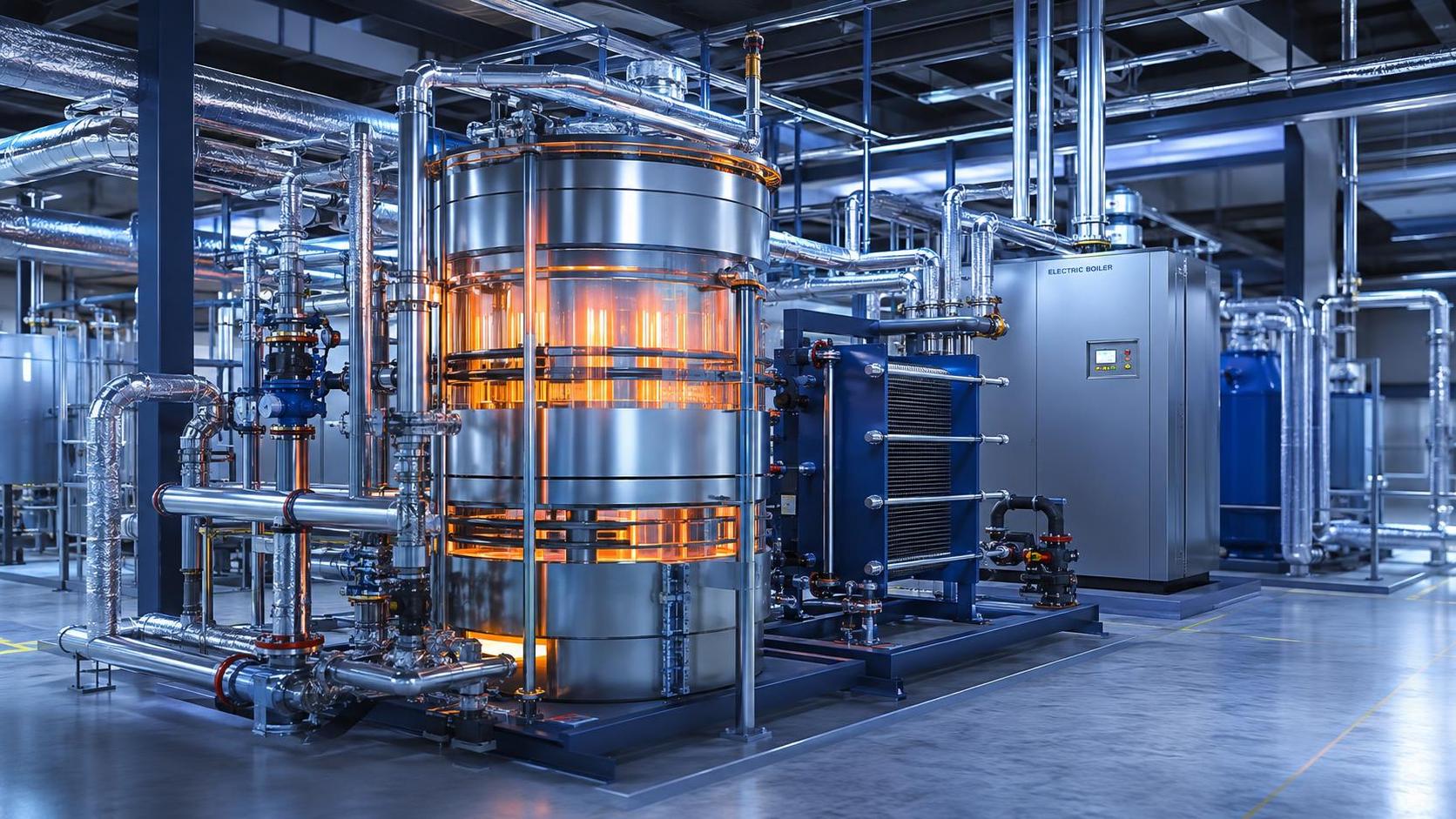
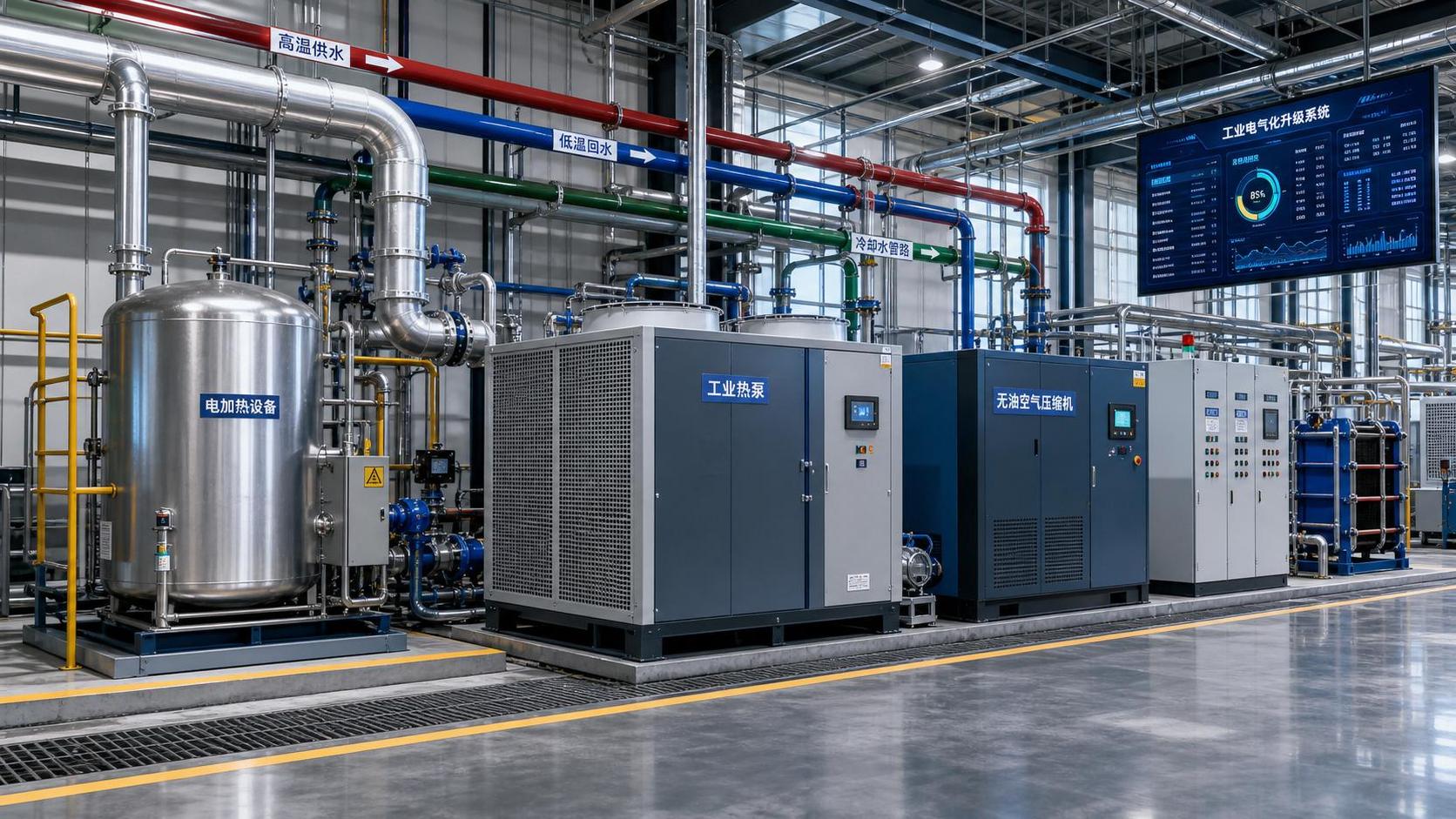
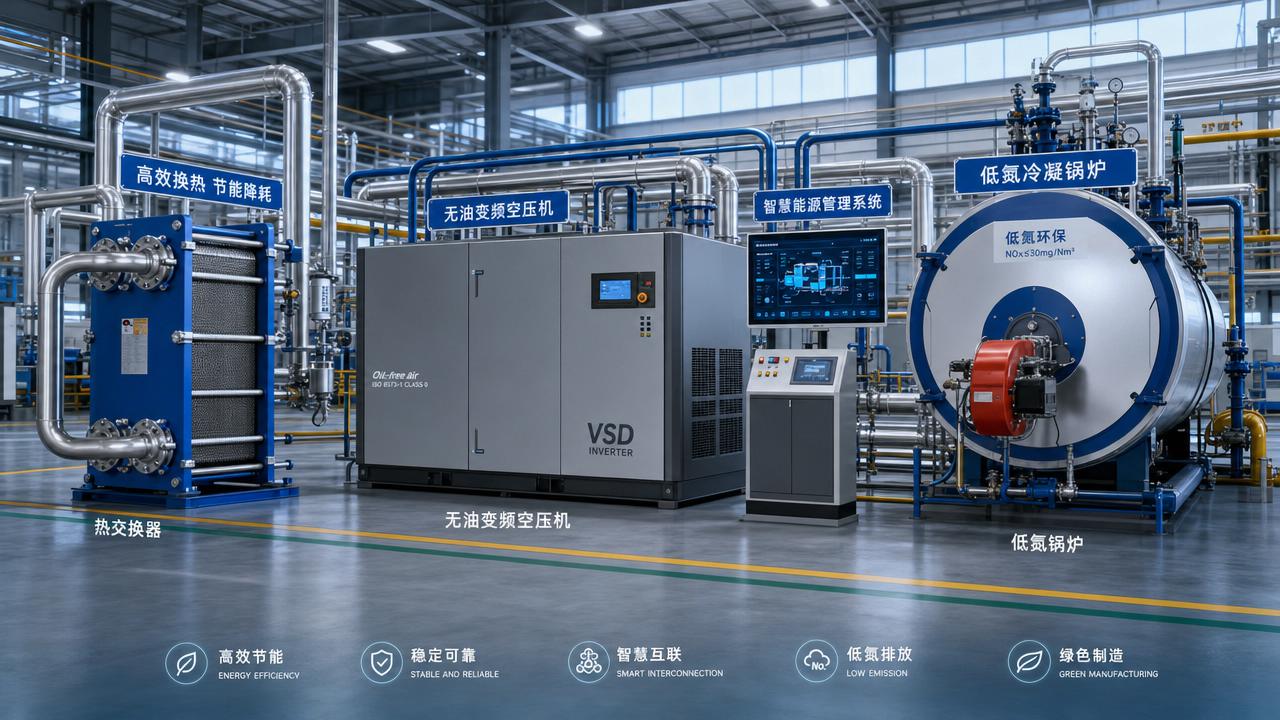
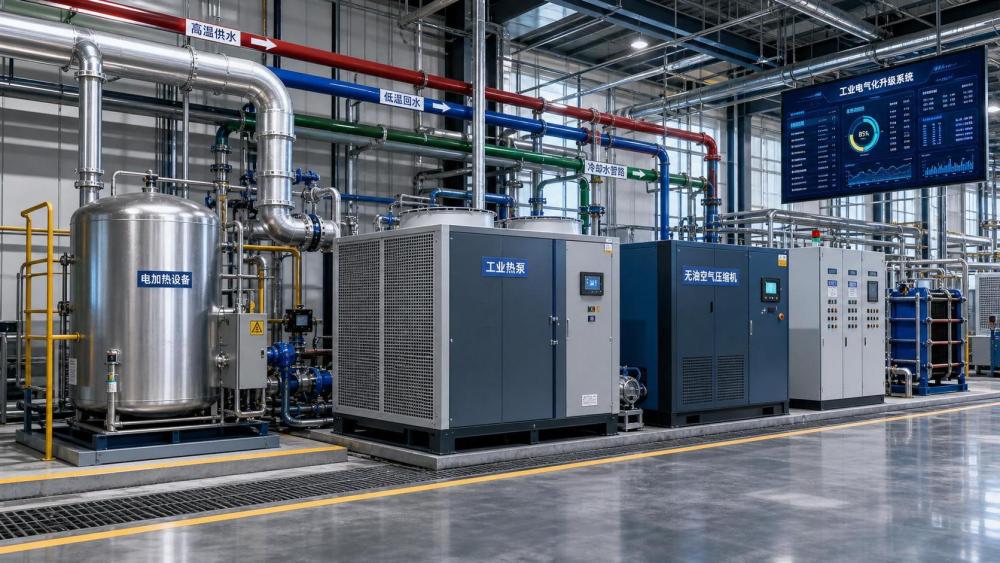
In many sectors, industrial electrification is appearing first in four areas: process heating upgrades, electric boilers for specific loads, heat pump integration, and motor-driven optimization around air, cooling, and vacuum networks.
This is especially visible in pharmaceuticals, semiconductors, food processing, advanced materials, and precision manufacturing. These sectors cannot treat thermal performance as a side issue because process stability directly affects output value.
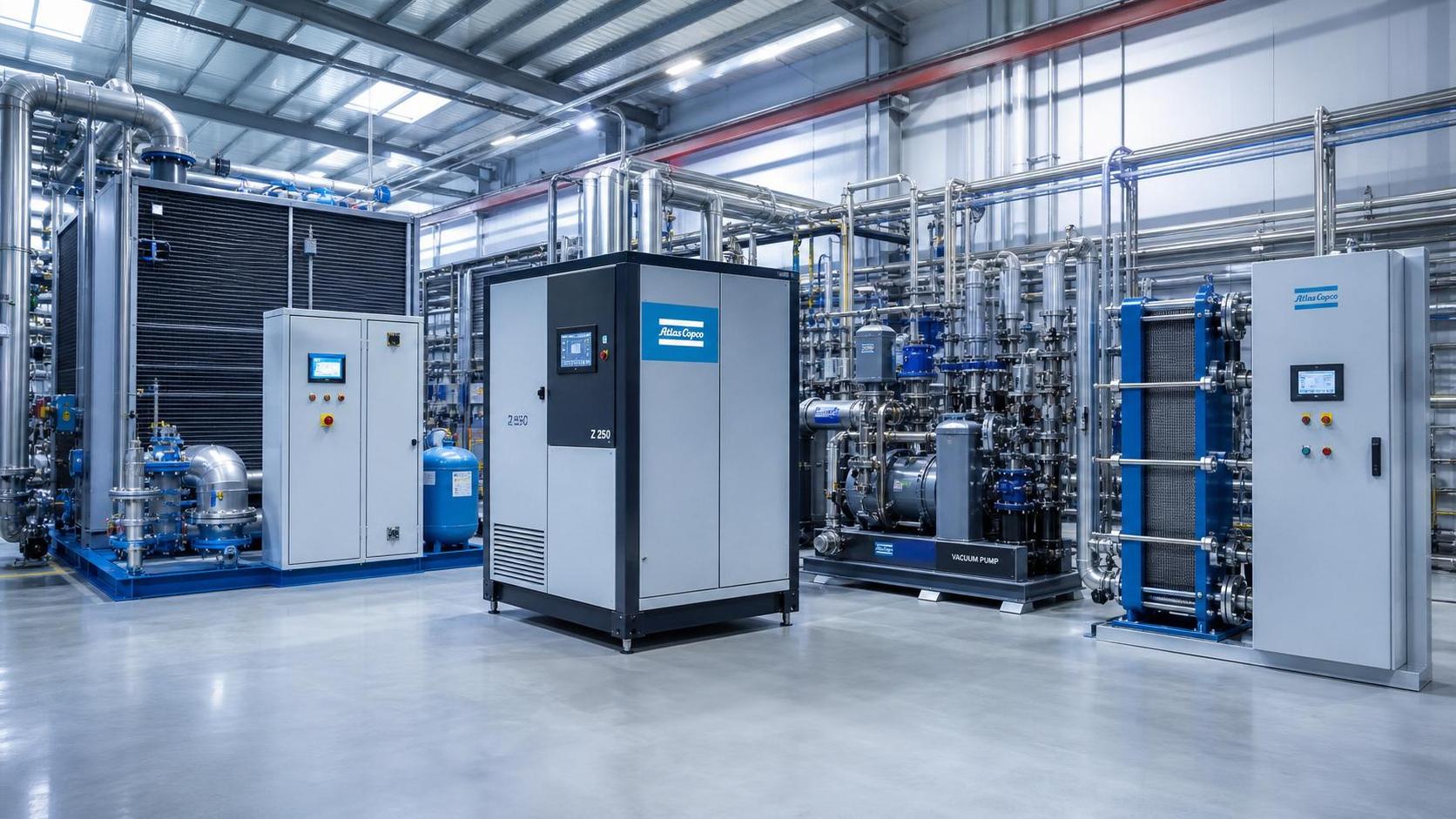
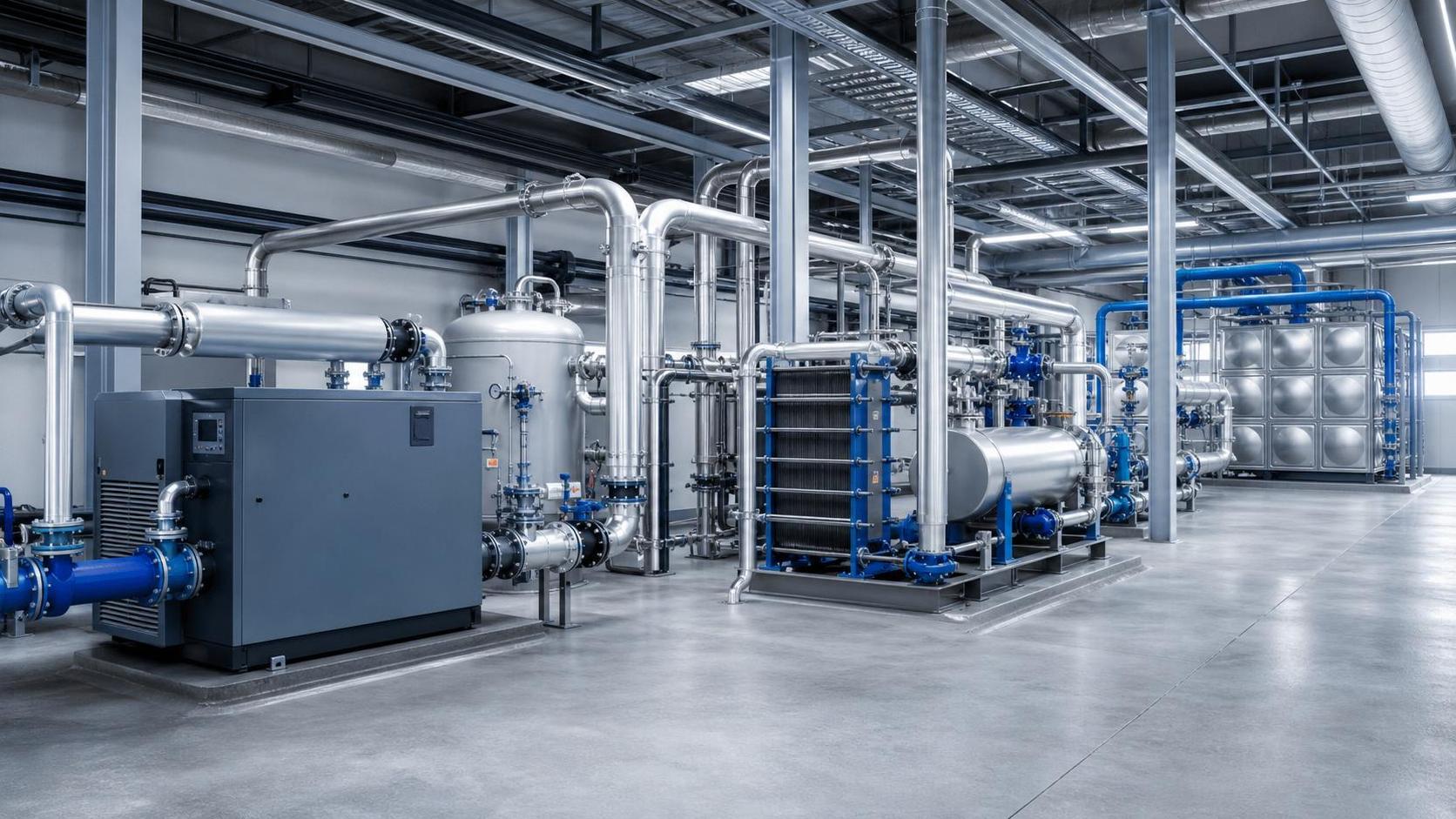
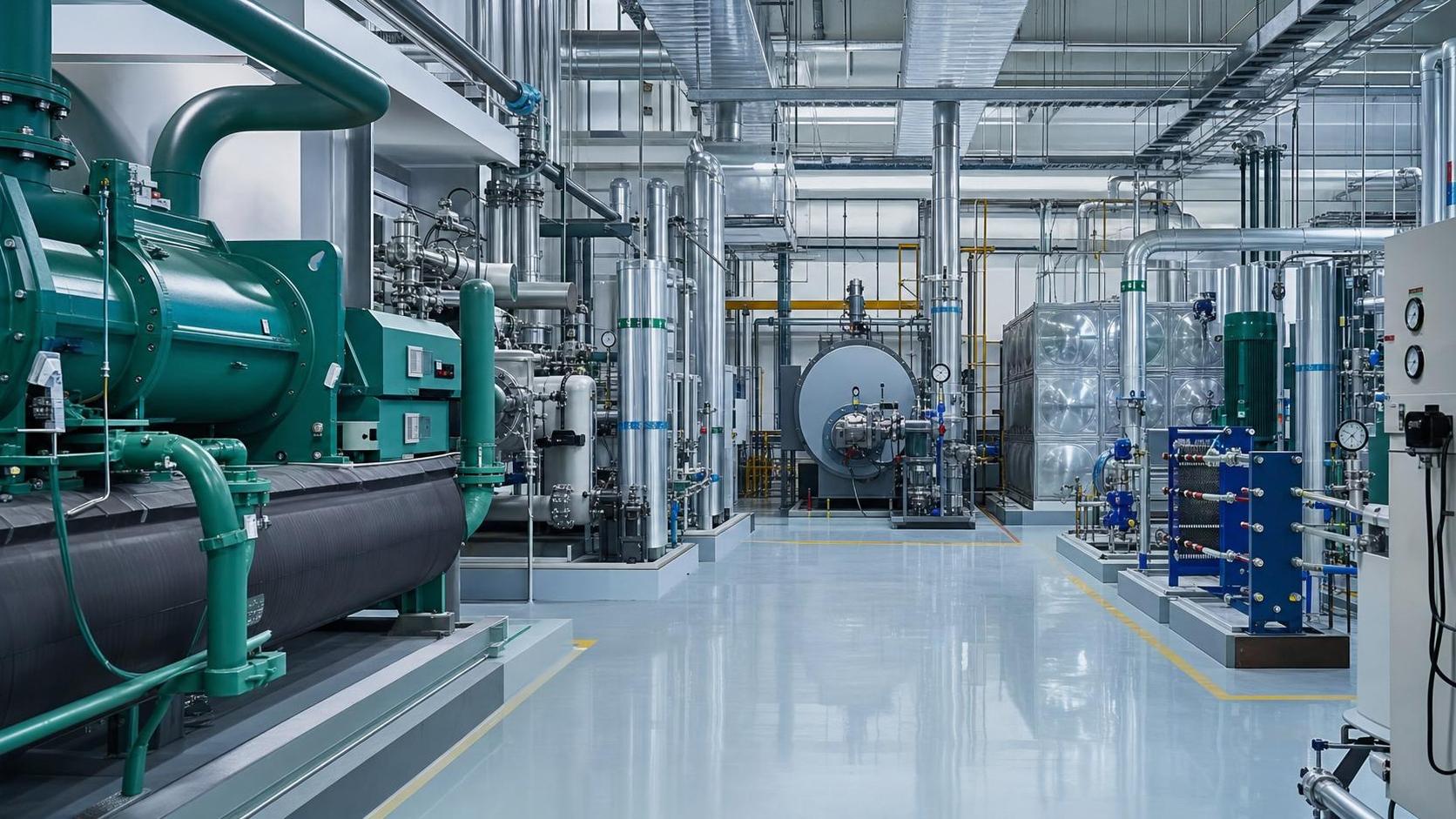
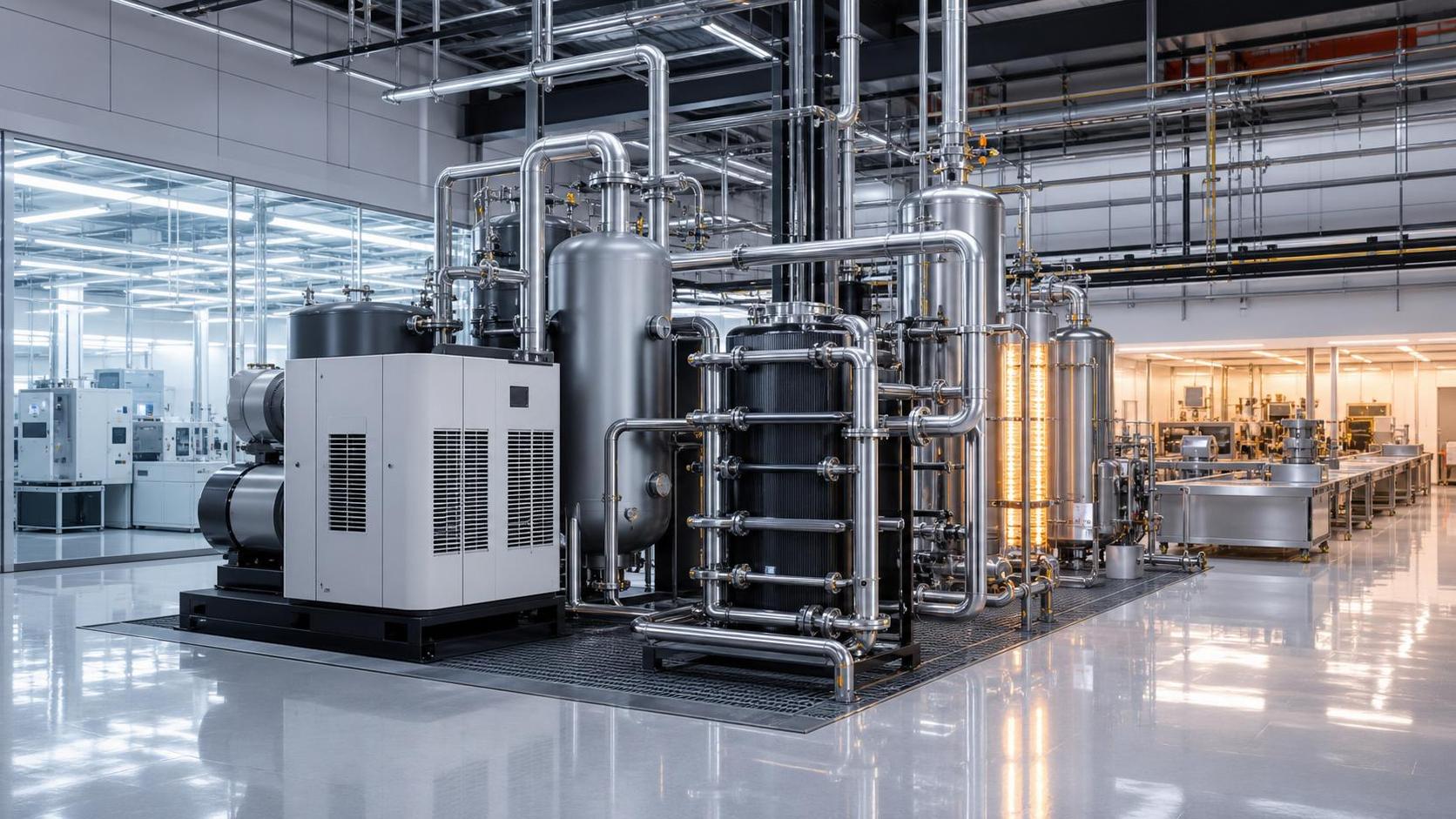
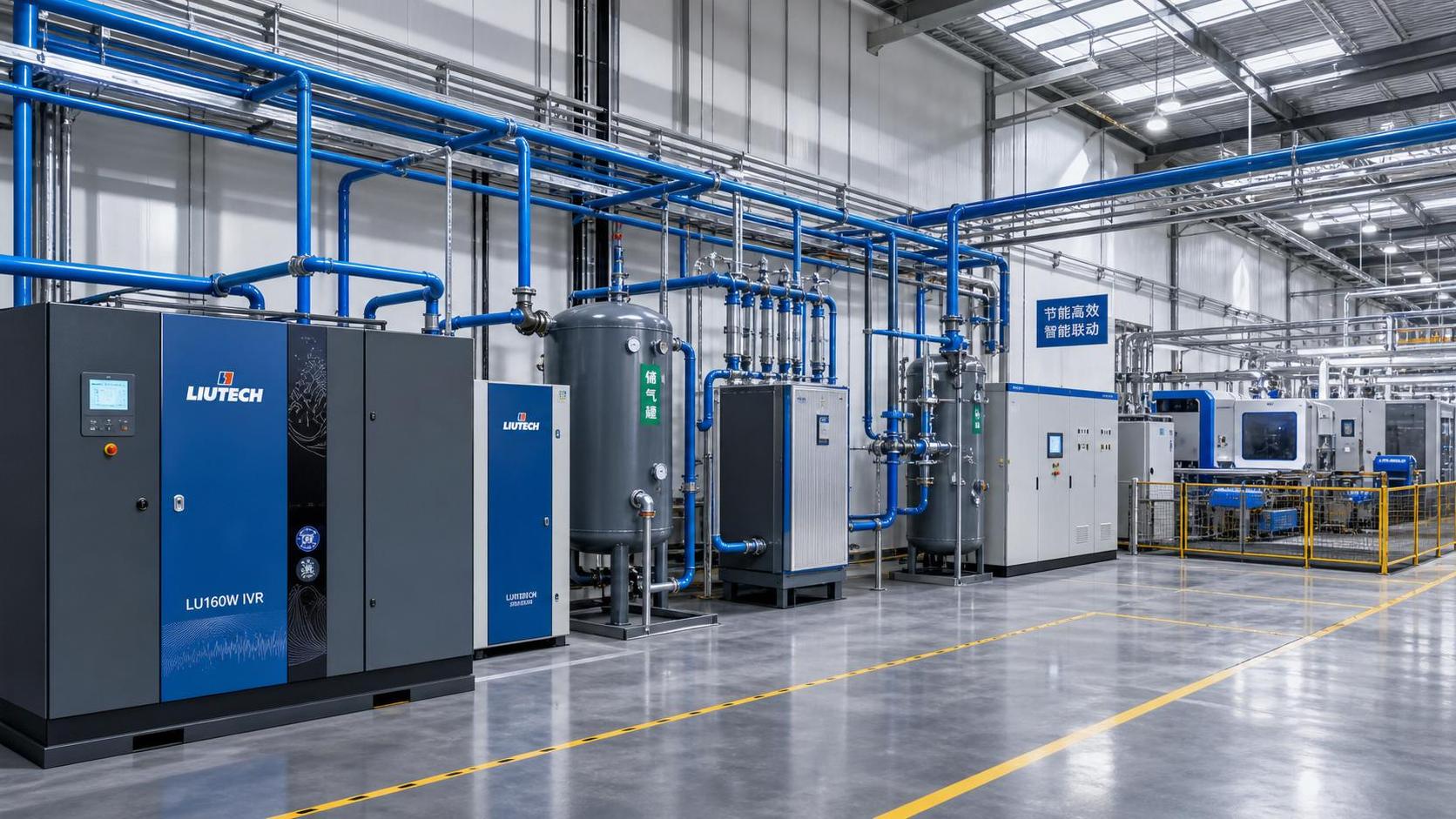
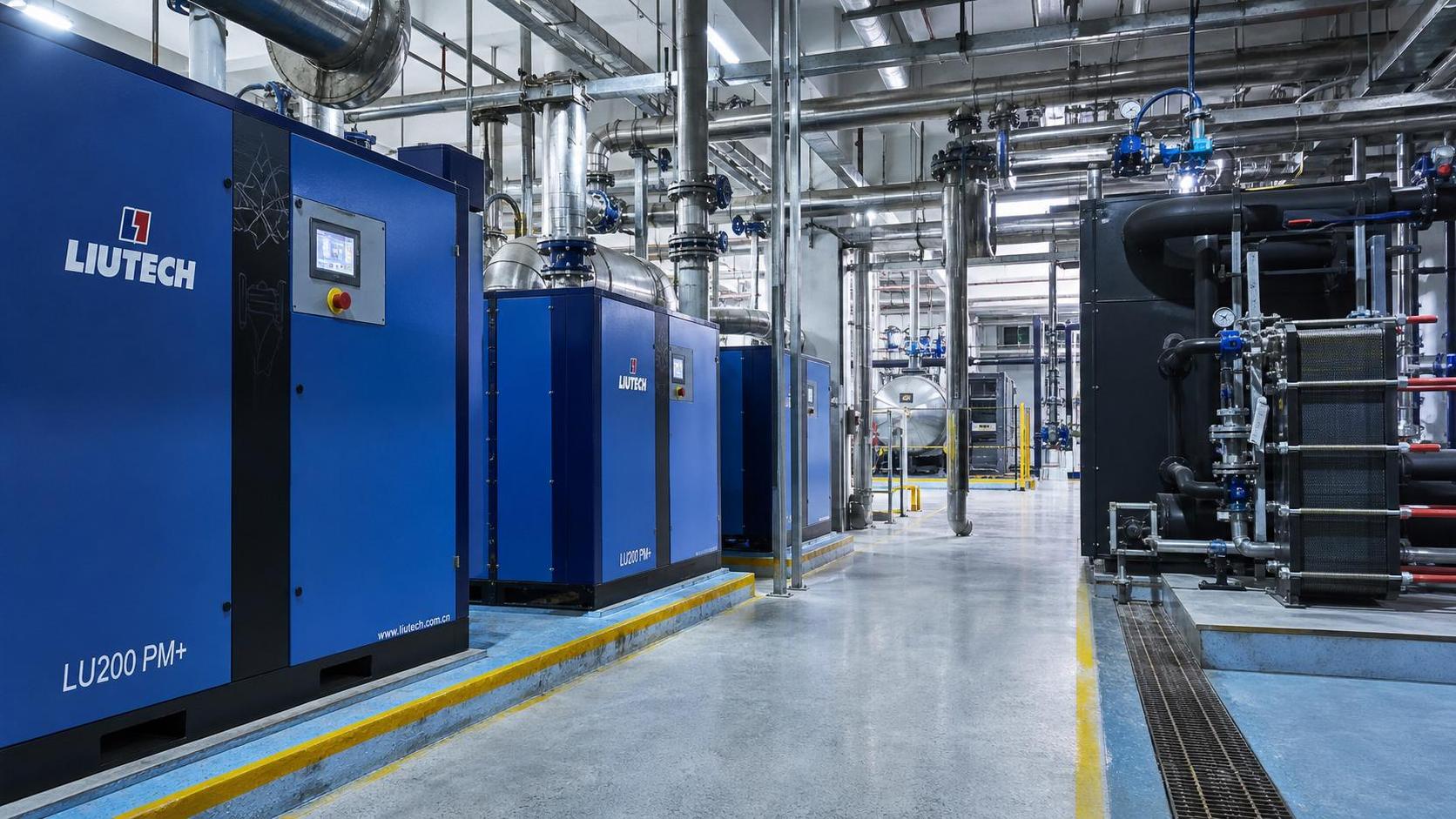
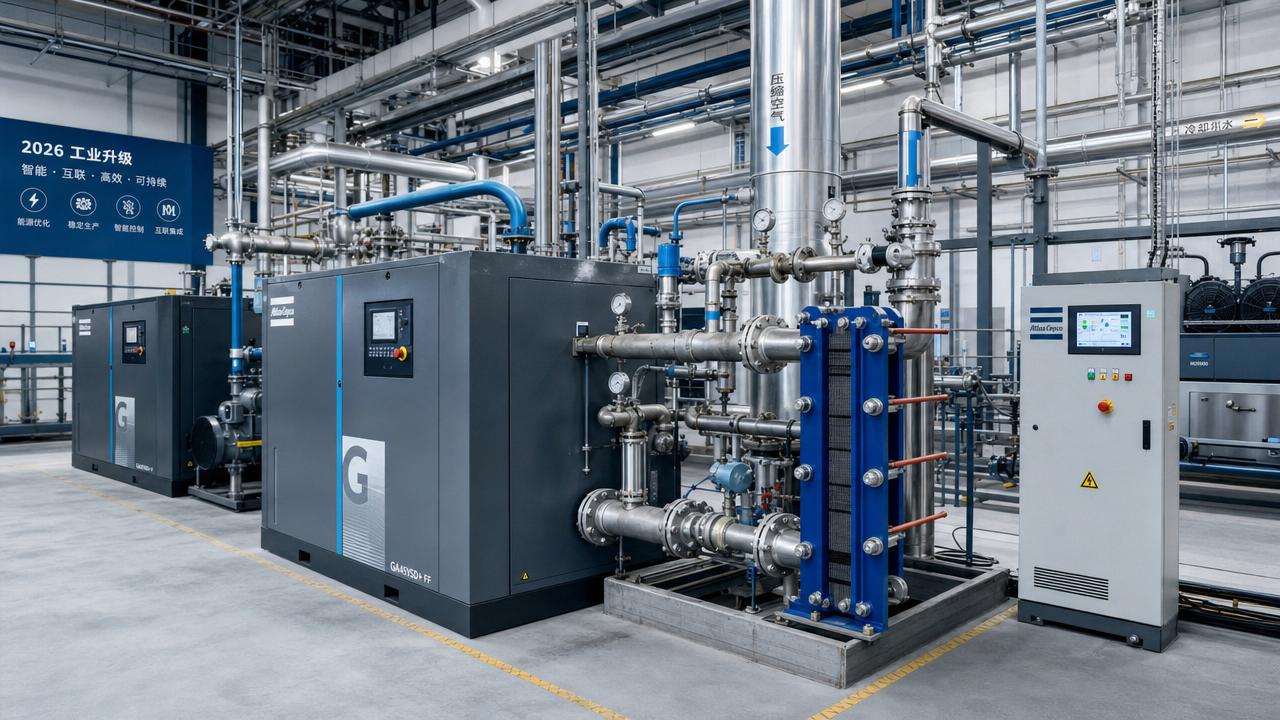
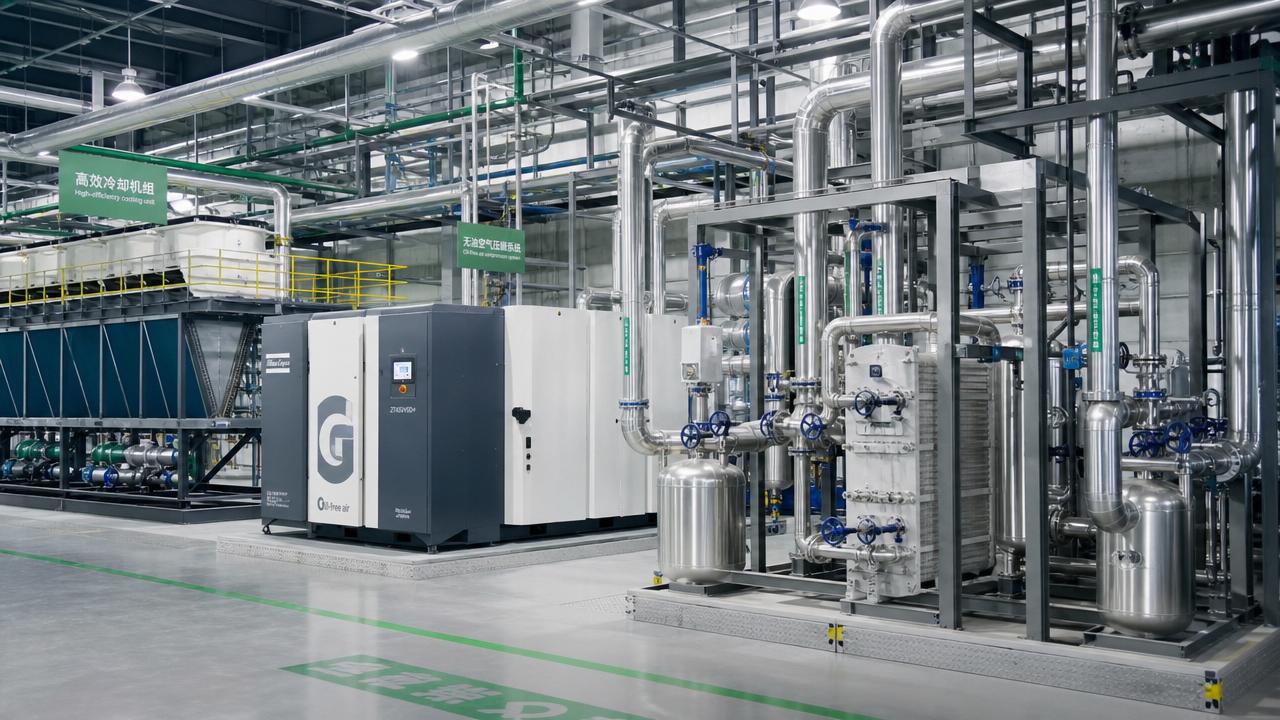
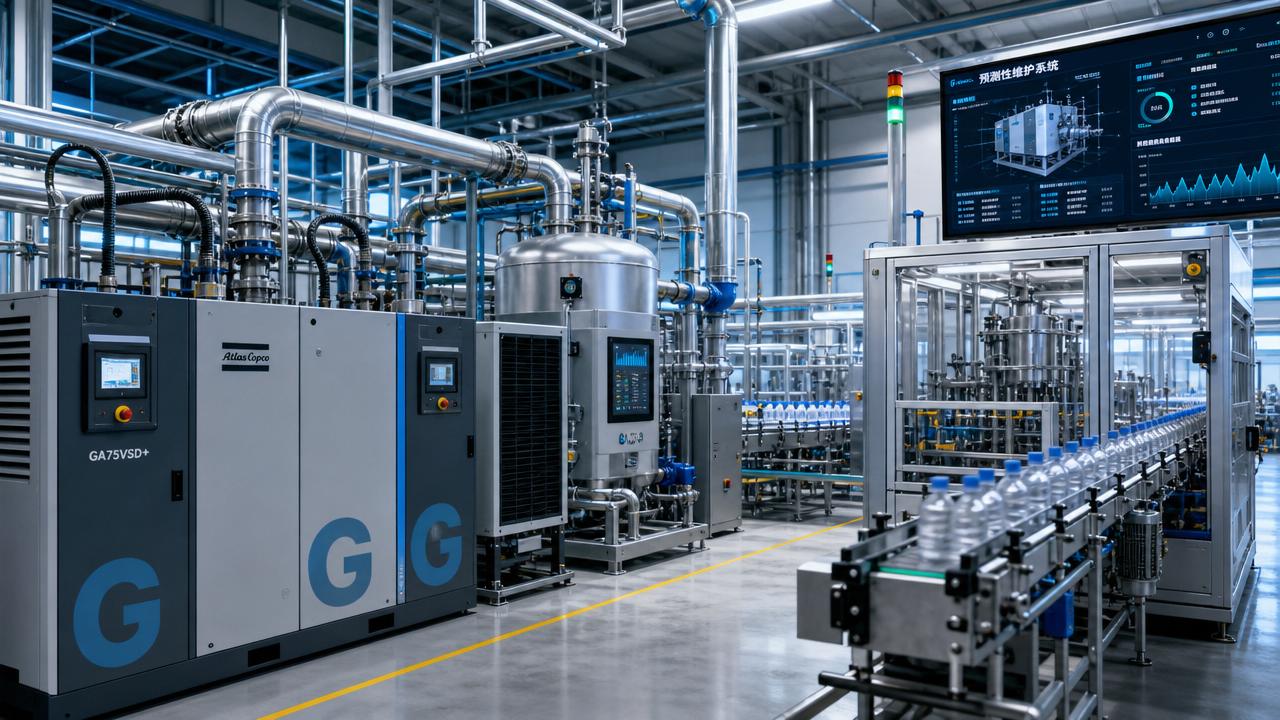
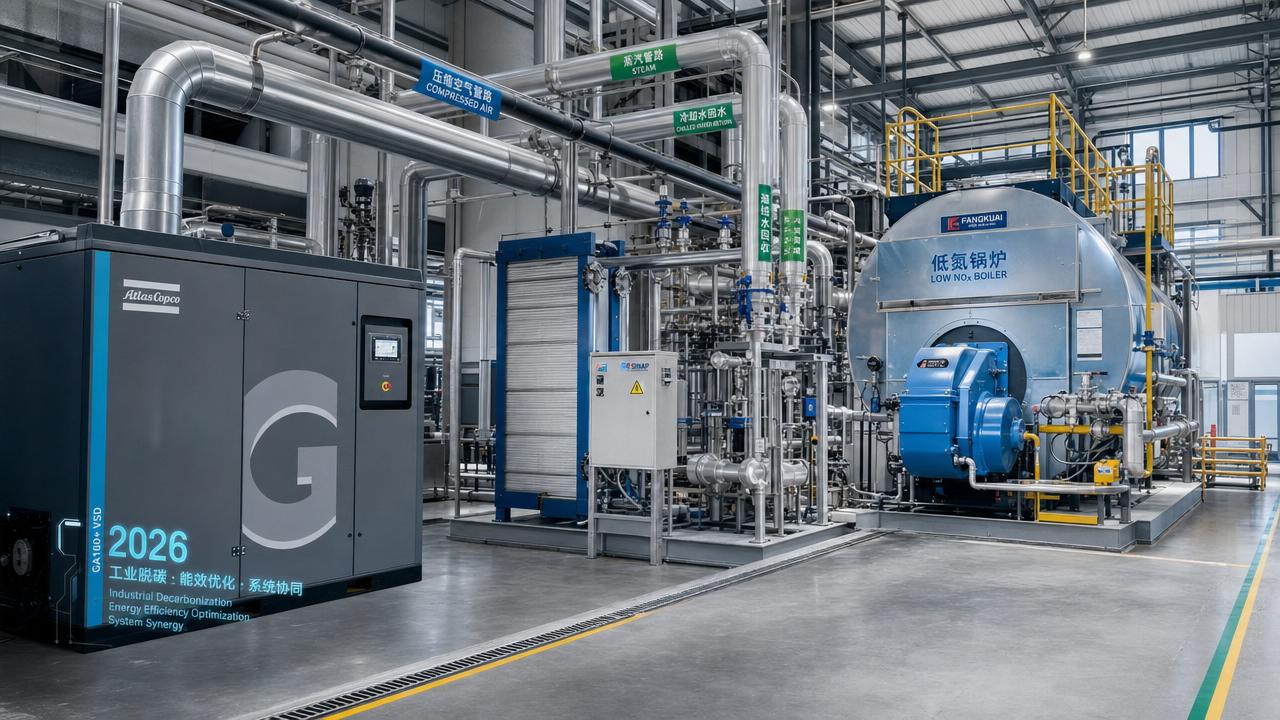
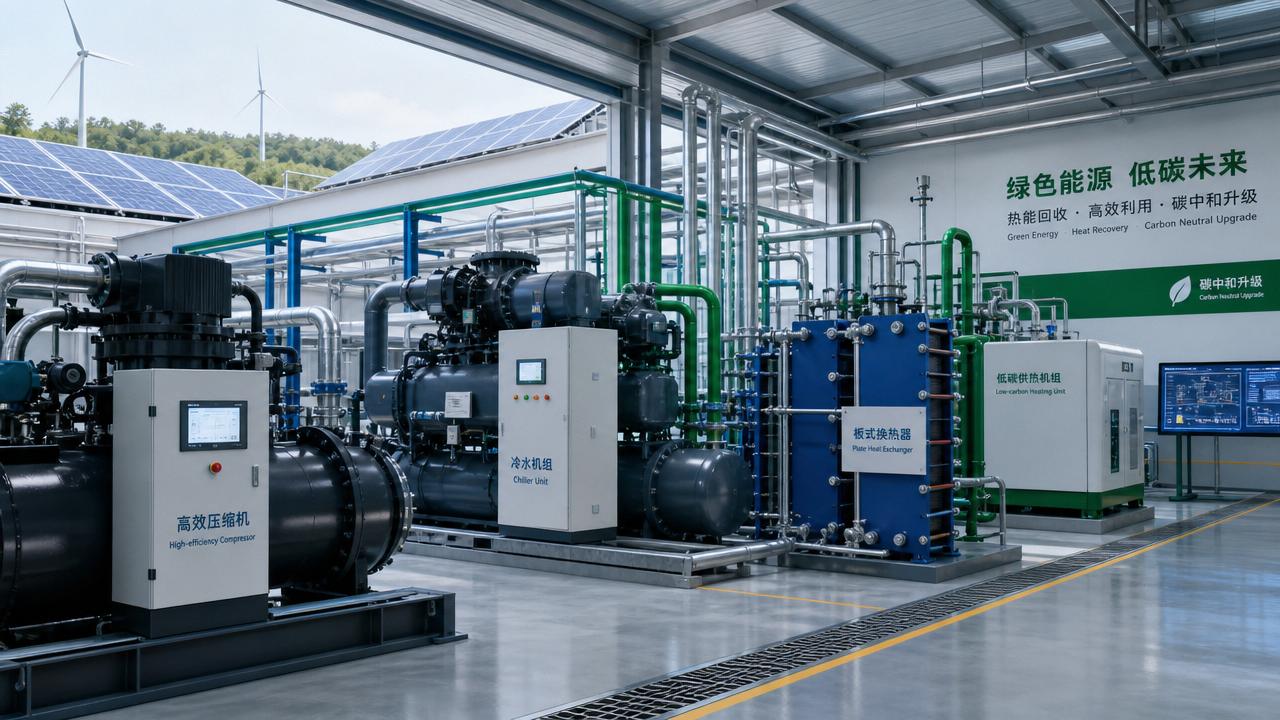
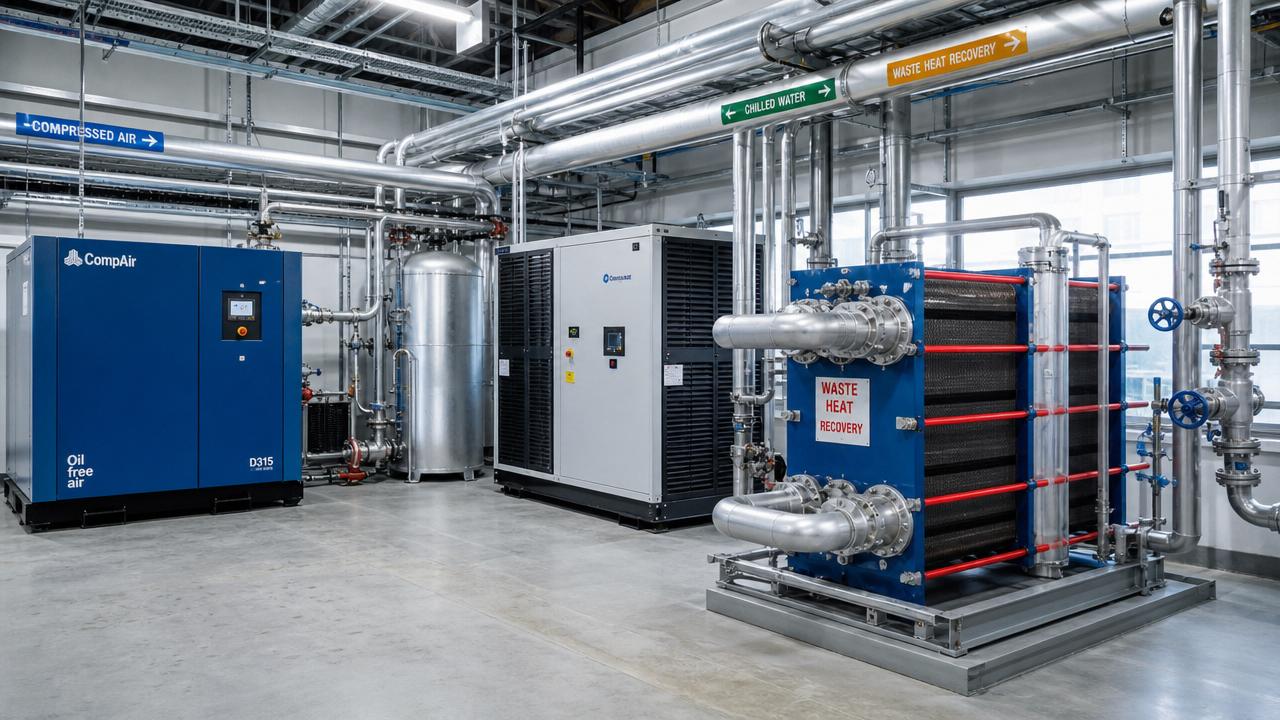
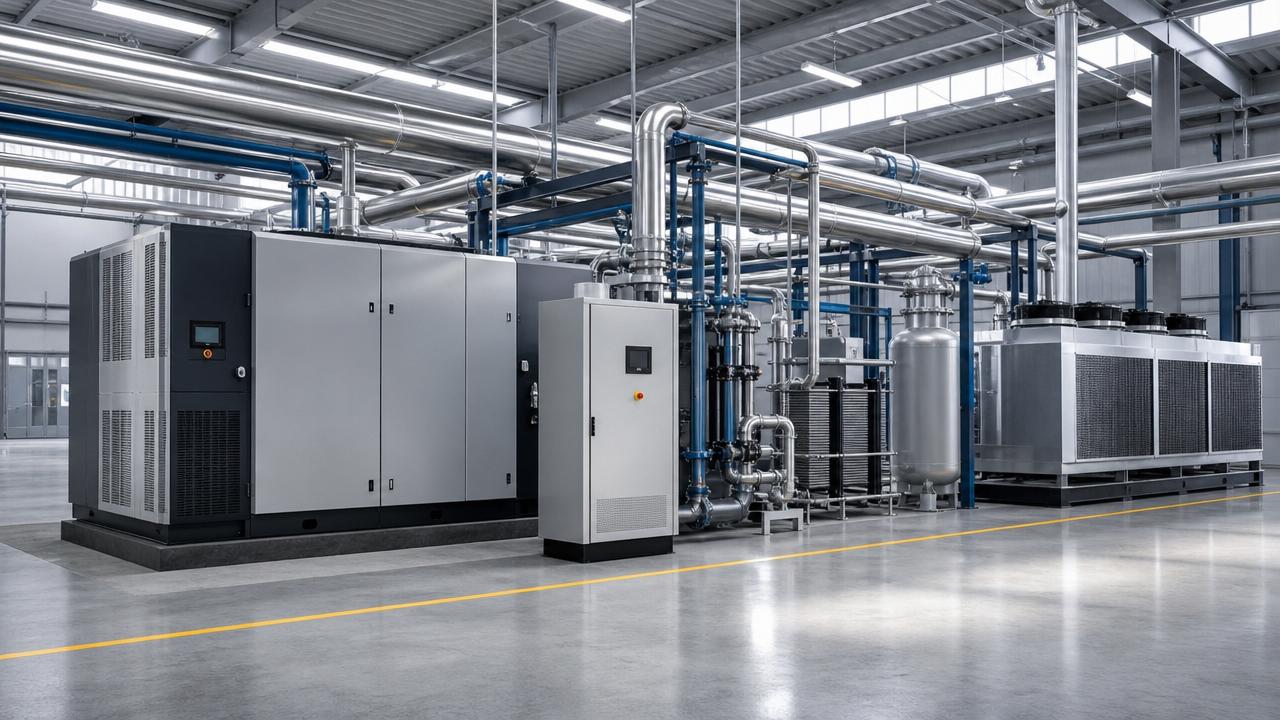
More facilities are also targeting supporting infrastructure rather than full production lines first. That includes compressed air stations, chilled water systems, clean utility modules, and heat recovery links between previously isolated loads.
The result is a more disciplined industrial electrification path. Plants are prioritizing systems with strong measurement visibility, easier controls integration, and faster proof of financial performance.
What is moving early in 2026
Why this change is becoming more visible now
The timing is not accidental. Industrial electrification in 2026 is being accelerated by the convergence of energy economics, reporting pressure, and maturing equipment performance.
Power markets remain volatile, but fuel volatility has become harder to absorb in process industries with narrow planning windows. Electrified systems offer more options for load management, monitoring, and contract-based energy optimization.
Carbon requirements are also moving from broad targets into auditable operating metrics. Facilities now need project decisions that can stand up to internal capital reviews and external disclosure standards.
Another driver sits inside the plant. Digital controls have improved enough that electrified systems can be tuned with more precision across variable production conditions.
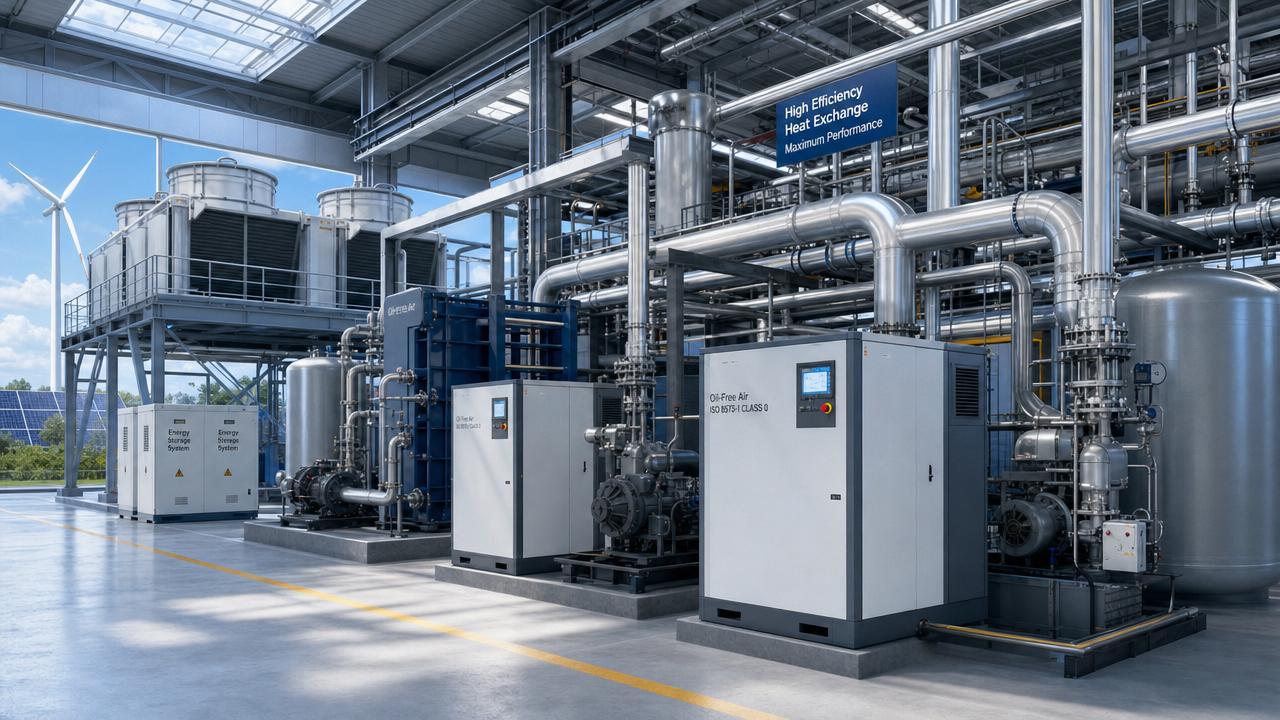
This matters for thermal and pneumatic infrastructure. GTC-Matrix has been tracking how oil-free compression, microchannel heat exchangers, intelligent controls, and refrigerant policy shifts are changing the economics of system design.
Industrial electrification becomes easier to approve when it aligns with those technology shifts rather than depending on carbon messaging alone.
The strongest current drivers
- Energy cost exposure is pushing facilities toward assets with measurable load flexibility.
- Process quality demands favor tighter electric control over temperature, pressure, and response time.
- Decarbonization targets increasingly require project-level evidence, not general commitments.
- Equipment innovation is improving lifecycle economics in cooling, compression, and heat exchange.
- Utility and grid planning are making staged electrification more realistic than full replacement programs.
The impact is spreading beyond the utility room
One misconception is that industrial electrification only changes energy supply. In practice, it is already reshaping process design, maintenance planning, and project sequencing.
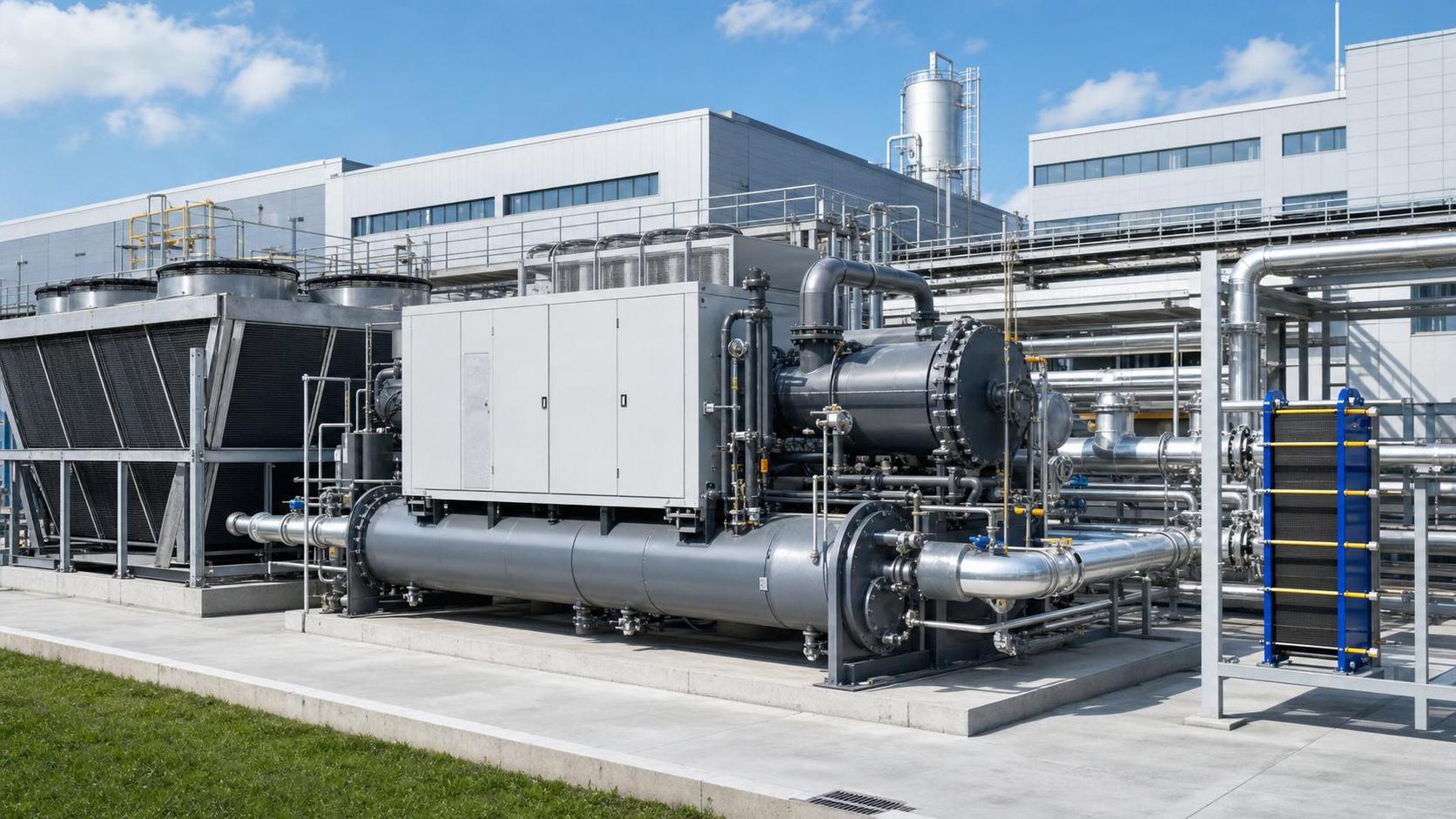
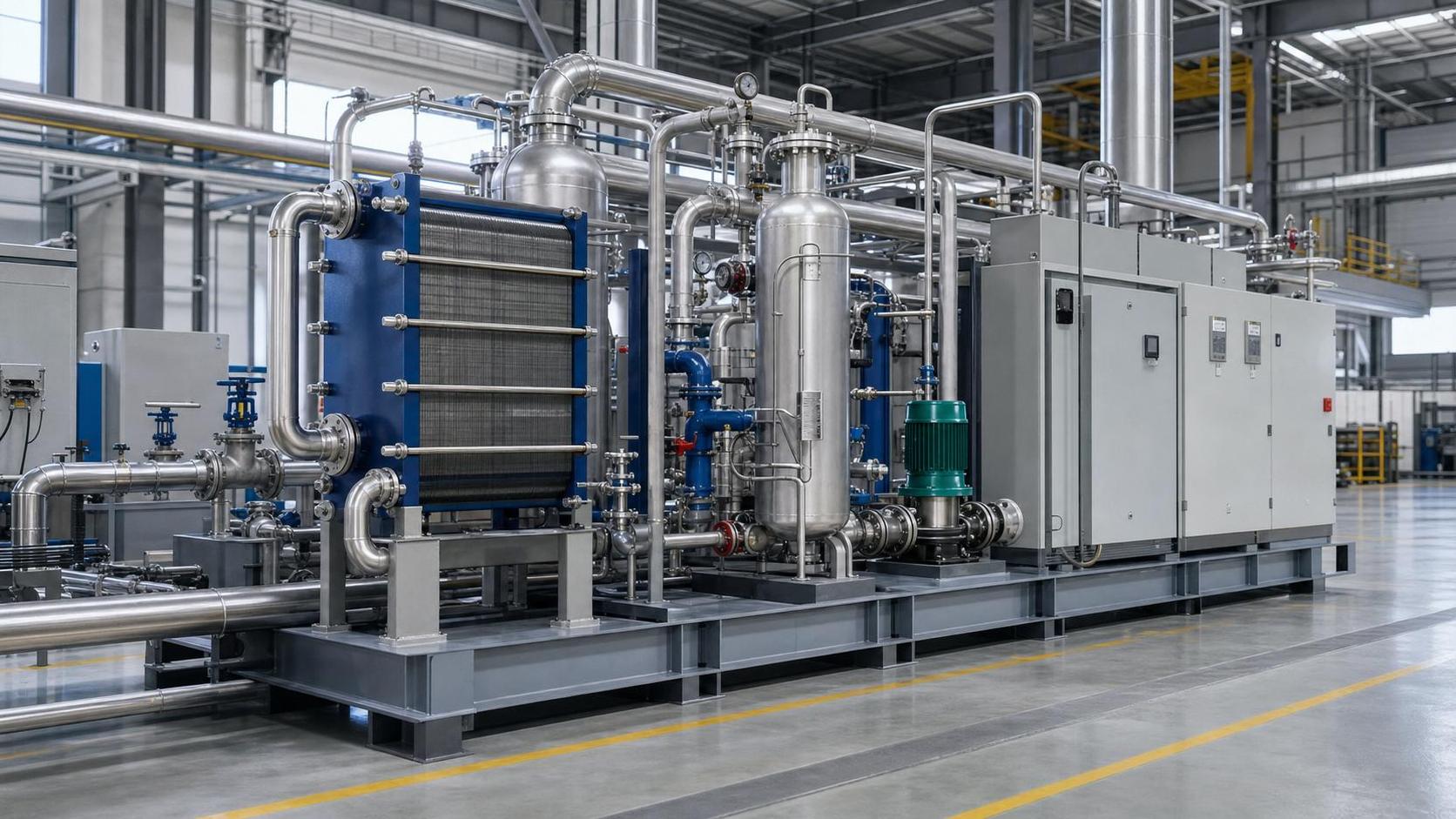
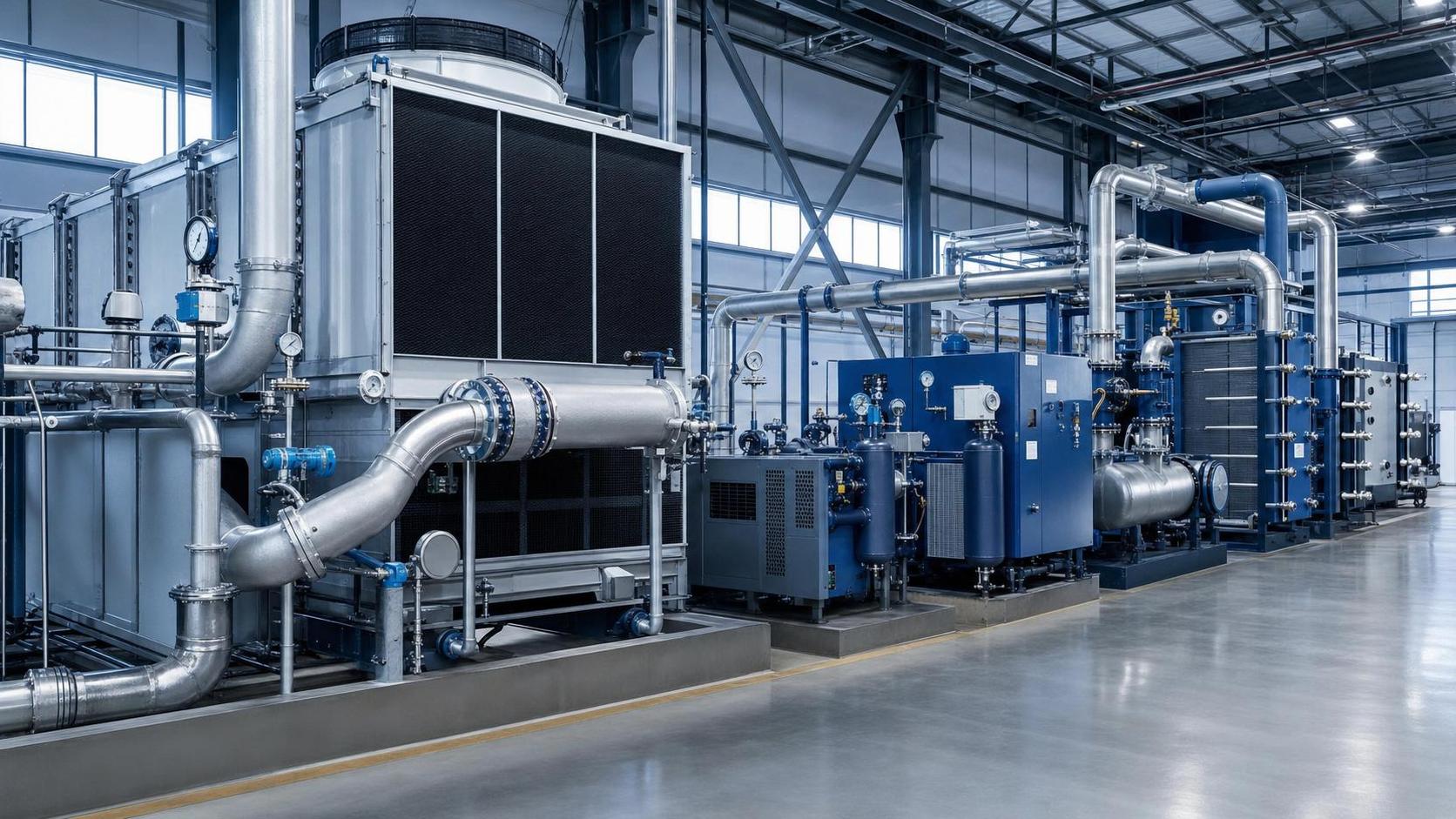
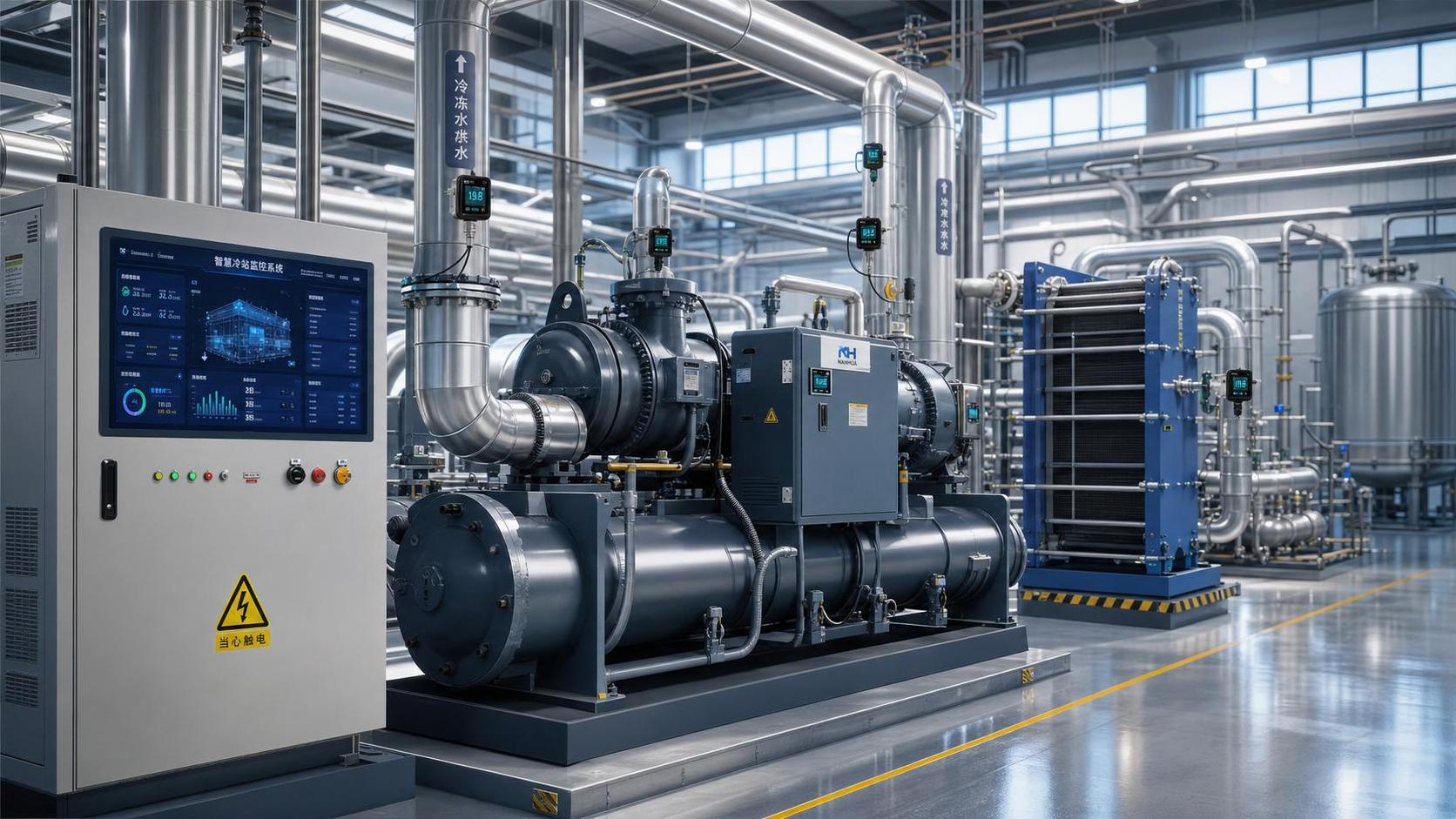
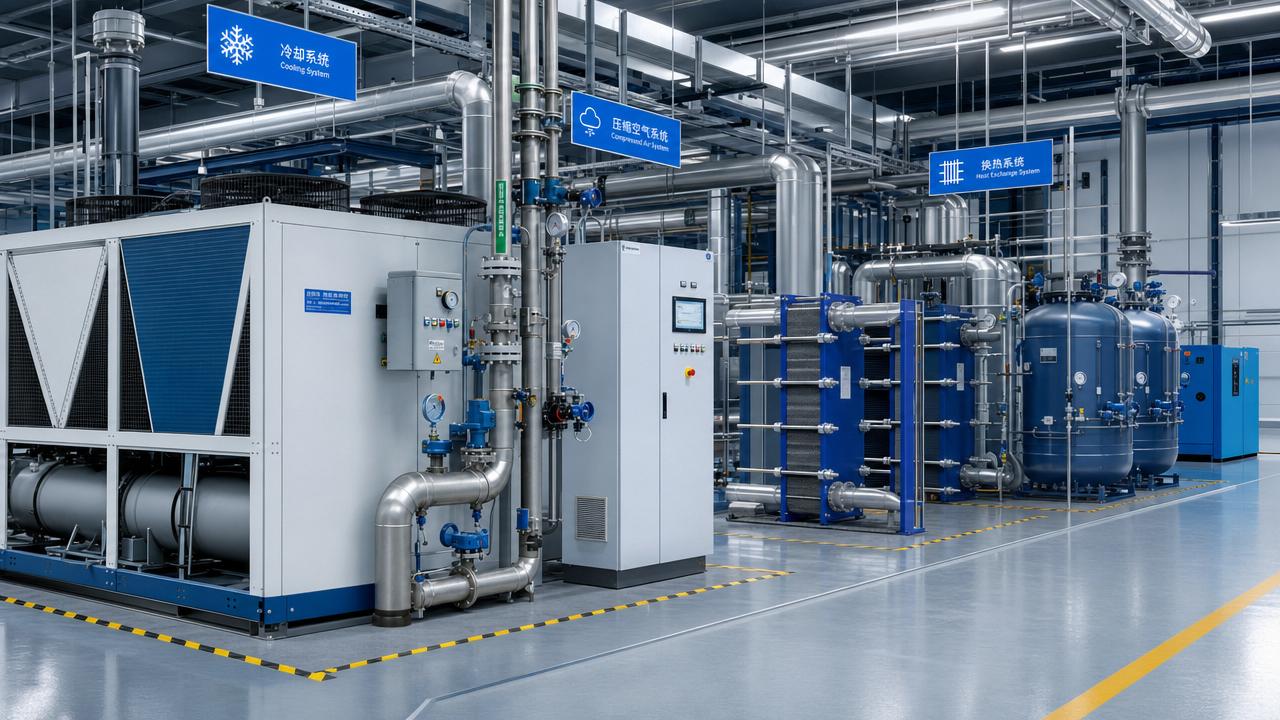
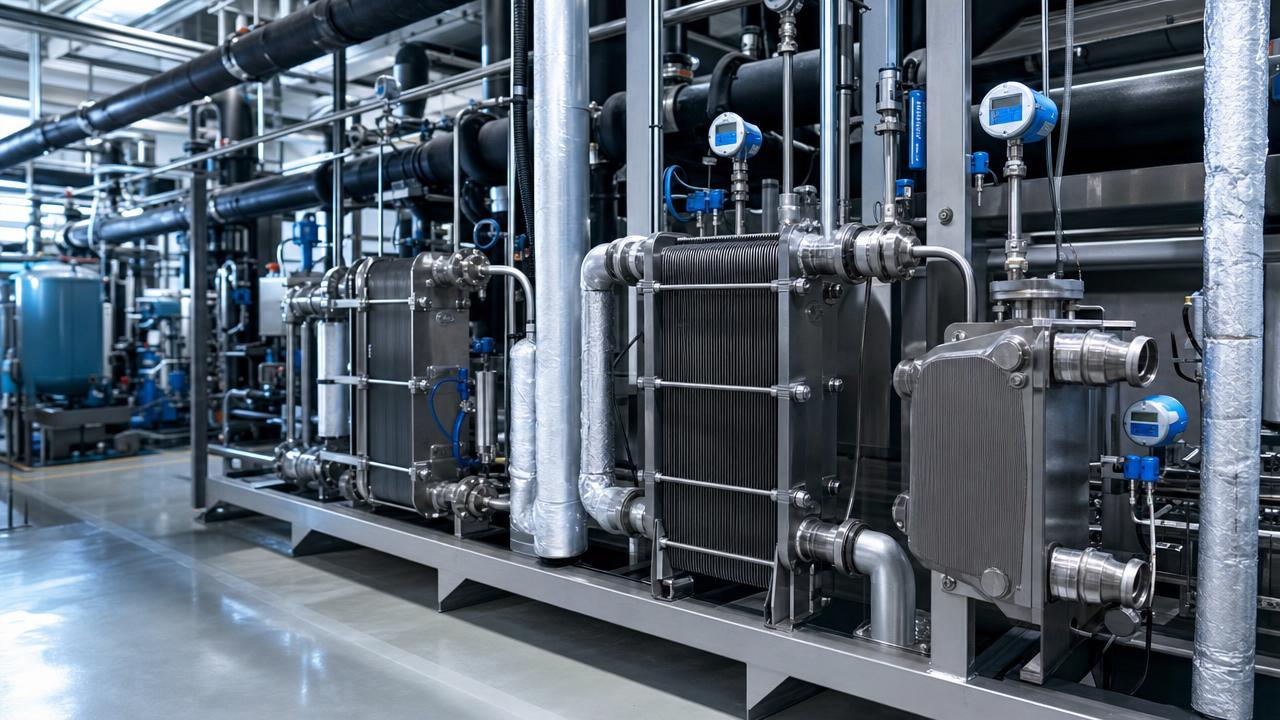
For cooling-intensive operations, electrification encourages deeper integration between chillers, heat exchangers, thermal storage, and heat recovery loops. This can change the role of central utilities across the entire site.
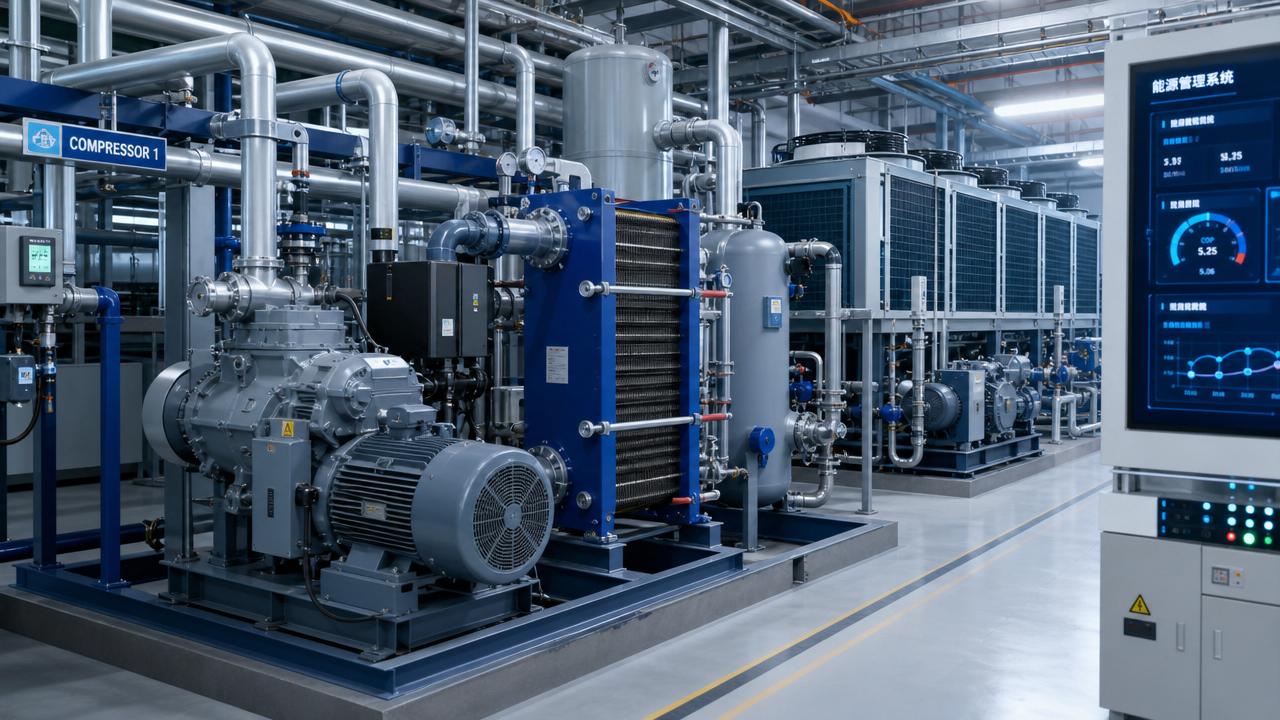
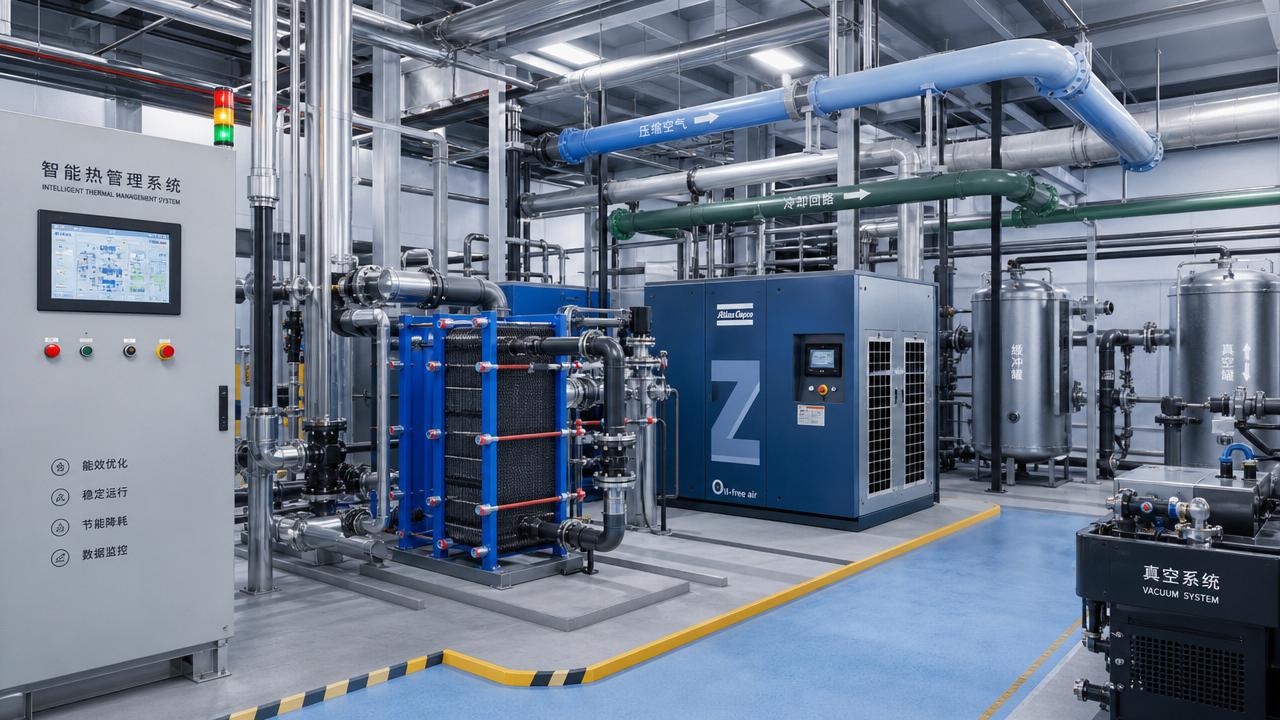
In compressed air and vacuum systems, the change often begins with variable speed drives, smarter controls, and demand-side cleanup. Once that data exists, larger industrial electrification decisions become easier to justify.
Production planning also starts to shift. Electric systems can support faster ramping, better zonal control, and more transparent performance baselines, but only if controls architecture is designed with the process in mind.
That is why the most effective projects are rarely single-equipment swaps. They are structured as linked improvements across thermal sources, distribution losses, load balancing, and operating visibility.
Where hidden friction often appears
The main constraints are no longer purely technical. Grid capacity, peak demand charges, power quality requirements, retrofit downtime, and workforce capability can all slow industrial electrification even when the core business case looks strong.
A plant may find that an electric heat upgrade makes sense, yet the substation, switchgear, or backup strategy is not ready. In other cases, controls integration becomes the real bottleneck.
This is why early studies now need both thermodynamic and electrical logic. GTC-Matrix’s industry lens is useful here because thermal systems, compression power, and process economics increasingly have to be judged together.
The better decisions in 2026 are being made upstream
The next phase of industrial electrification will reward facilities that refine project selection before procurement begins. Better upstream definition usually creates better downstream performance.
A useful starting point is to separate symbolic projects from leverage projects. Symbolic projects look good in reporting. Leverage projects materially improve energy intensity, process resilience, or production quality.
That distinction matters in sectors where cooling accuracy, dry air quality, clean vacuum, or stable heat transfer directly influence throughput. These are often the most credible entry points for industrial electrification.
From recent market signals, several questions deserve early attention:
- Which thermal loads are continuous enough to support a strong electrification payback?
- Where are compressed air, vacuum, and cooling losses masking the real project opportunity?
- Can heat recovery improve both carbon performance and utility capacity planning?
- How exposed is the site to refrigerant, emissions, or reporting rule changes?
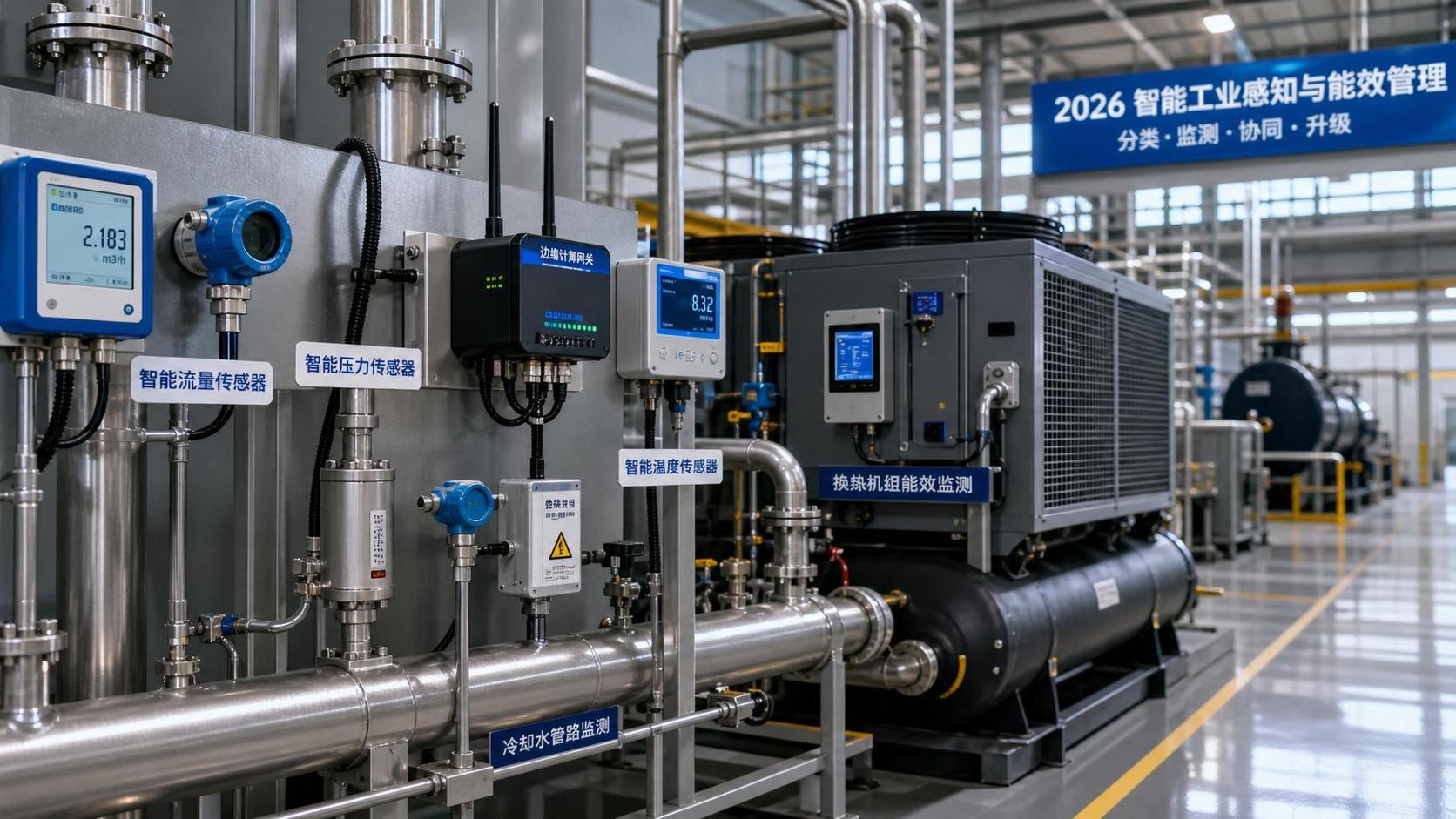
- What control and data architecture is required to verify savings after commissioning?
What to watch next as industrial electrification scales
The next signals will likely come from hybrid project models rather than full electric conversion. Many facilities will combine electrified thermal assets with heat recovery, advanced compression, and staged utility upgrades.
This is where industrial electrification becomes more mature. It stops being a standalone initiative and starts functioning as a platform for efficiency, compliance, and process stability.
More attention should also go to application-specific readiness. Food plants, chip fabs, life science facilities, heavy process sites, and cold-chain operations will not follow the same timing or technical route.
The common pattern is still clear. Projects move first where energy intensity is visible, thermal control matters, and system data can support a defensible business case.
For that reason, the smartest next step is usually not a broad electrification promise. It is a staged map of loads, constraints, and upgrade pathways built around real operating conditions.
A practical approach is to review thermal assets, compressed air demand, cooling efficiency, and heat exchange opportunities together. Then compare them against energy exposure, carbon obligations, and expansion plans.
Industrial electrification in 2026 is moving first where engineering logic and market logic finally meet. The facilities that read those signals well will be in a stronger position to phase investments with fewer regrets.
Ready when you are. Send us a message to get started.
Related News
- Why high-density thermal energy storage is gaining industry attentionAuthor :

- Smart Device Thermal Management Trends Shaping 2026 Product DesignAuthor :

- Industrial Cooling Technologies in Europe: 2026 Trends in Compliance and Energy UseAuthor :

- Industrial Electrification Trends in 2026: Where Projects Are Moving FirstAuthor :

- Industrial Solution Comparison Global: 2026 Trends Reshaping Equipment DecisionsAuthor :

- When Heat Recovery Systems Skid Mounted Designs Improve Project PaybackAuthor :

- How to Compare Industrial Decarbonization Solutions Providers in 2026Author :

- Industry Category Guides for Smart Devices: What to Track as 2026 Markets ShiftAuthor :

- Green Manufacturing Trends Reshaping Industrial InvestmentAuthor :

- 2026 Global Energy Costs: What Will Reshape Industrial PlanningAuthor :

- Industrial Decarbonization Solutions That Cut Fuel Costs in 2026Author :

- Smart Thermal Systems Trends Shaping Industrial Upgrades in 2026Author :

- Resource Circularity in Manufacturing: 5 Practical Gains Beyond ComplianceAuthor :

- Carbon Neutrality Roadmap: What Industrial Firms Need to Prioritize FirstAuthor :

- Energy Conversion Efficiency Trends Shaping Industrial UpgradesAuthor :

- Compression Technology Trends Shaping Efficient Plant UpgradesAuthor :

- Industrial Intelligence in Manufacturing: Where It Delivers Value FirstAuthor :

- How Intellectualization Improves Industrial Thermal ManagementAuthor :

- What Intellectualization Means for Smarter Plant Operations in 2026Author :

- Carbon Neutrality Goals: What Industrial Firms Should Prioritize in 2026Author :

- How Intellectualization Reduces Downtime in Modern Production LinesAuthor :

- Decarbonization Roadmap for Energy-Intensive Plants in 2026Author :

- Thermal Systems Trends in 2026: Efficiency, Control, and RiskAuthor :

- Industrial Decarbonization Priorities for Energy-Intensive FacilitiesAuthor :

- Thermal Systems in 2026: Efficiency Upgrades Shaping Industrial OperationsAuthor :

- Pure Power Sources: 5 Practical Paths to Carbon NeutralityAuthor :

- What Intellectualization Means for Industrial Equipment UpgradesAuthor :

- Thermal Optimization in 2026: Where Energy Savings Deliver the Fastest PaybackAuthor :

- Energy Efficiency Trends Reshaping Compressor Upgrades in 2026Author :

- 2026 Industrial Decarbonization Trends Reshaping Plant UpgradesAuthor :
![]()
- Heat Exchanger Technology Trends for 2026 Efficiency TargetsAuthor :

- Resource Circularity Risks in 2026 Supply ChainsAuthor :

- Smart Thermal Systems: When Upgrades Deliver Measurable SavingsAuthor :

- Carbon Neutrality: Practical Steps for Factory RoadmapsAuthor :

- 2026 Industrial Energy Efficiency Priorities for Plant UpgradesAuthor :

- Industrial Intellectualization Trends Reshaping Equipment UpgradesAuthor :