Resource Circularity in Manufacturing: 5 Practical Gains Beyond Compliance




Resource circularity in manufacturing has moved well beyond a reporting exercise. It now shapes cost control, equipment strategy, and operational resilience across energy-intensive industries.
That shift matters because factories are facing tighter margins, volatile utilities, material constraints, and stronger scrutiny on carbon performance. A circular approach helps convert those pressures into measurable business gains.
In practical terms, resource circularity means keeping materials, energy, water, components, and thermal value in productive use for longer. The most successful programs do not start with slogans. They start with flows.
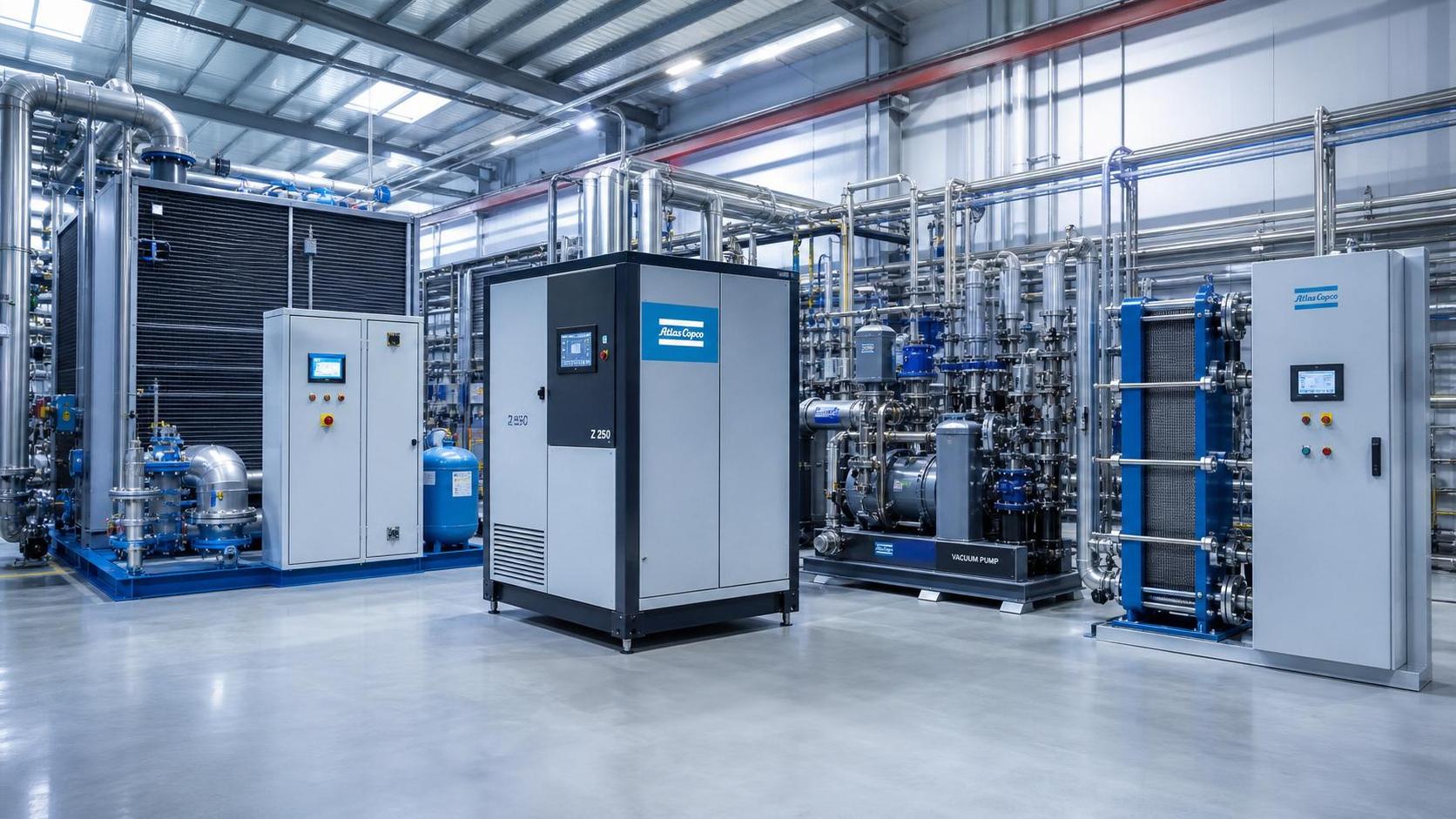
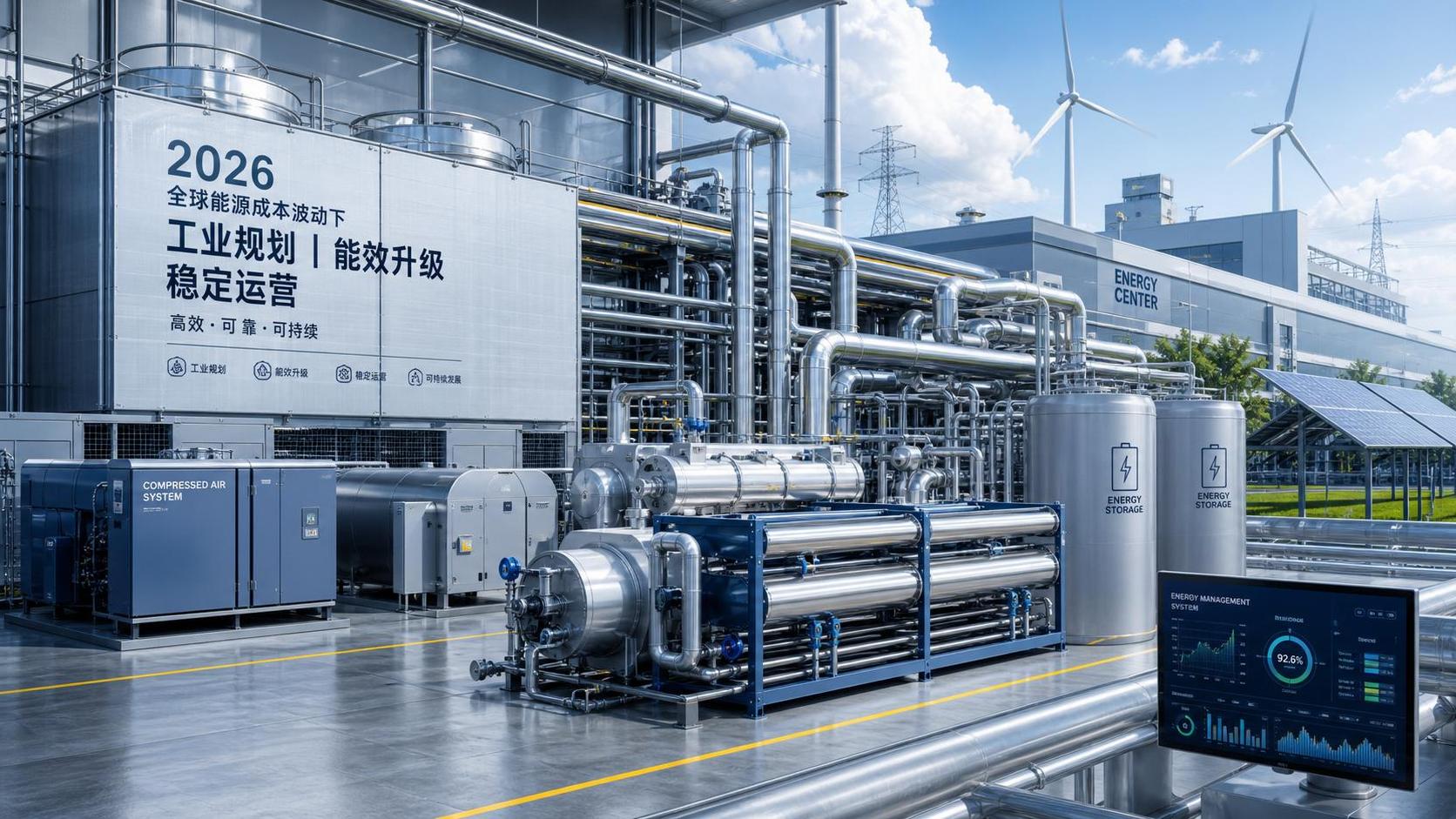
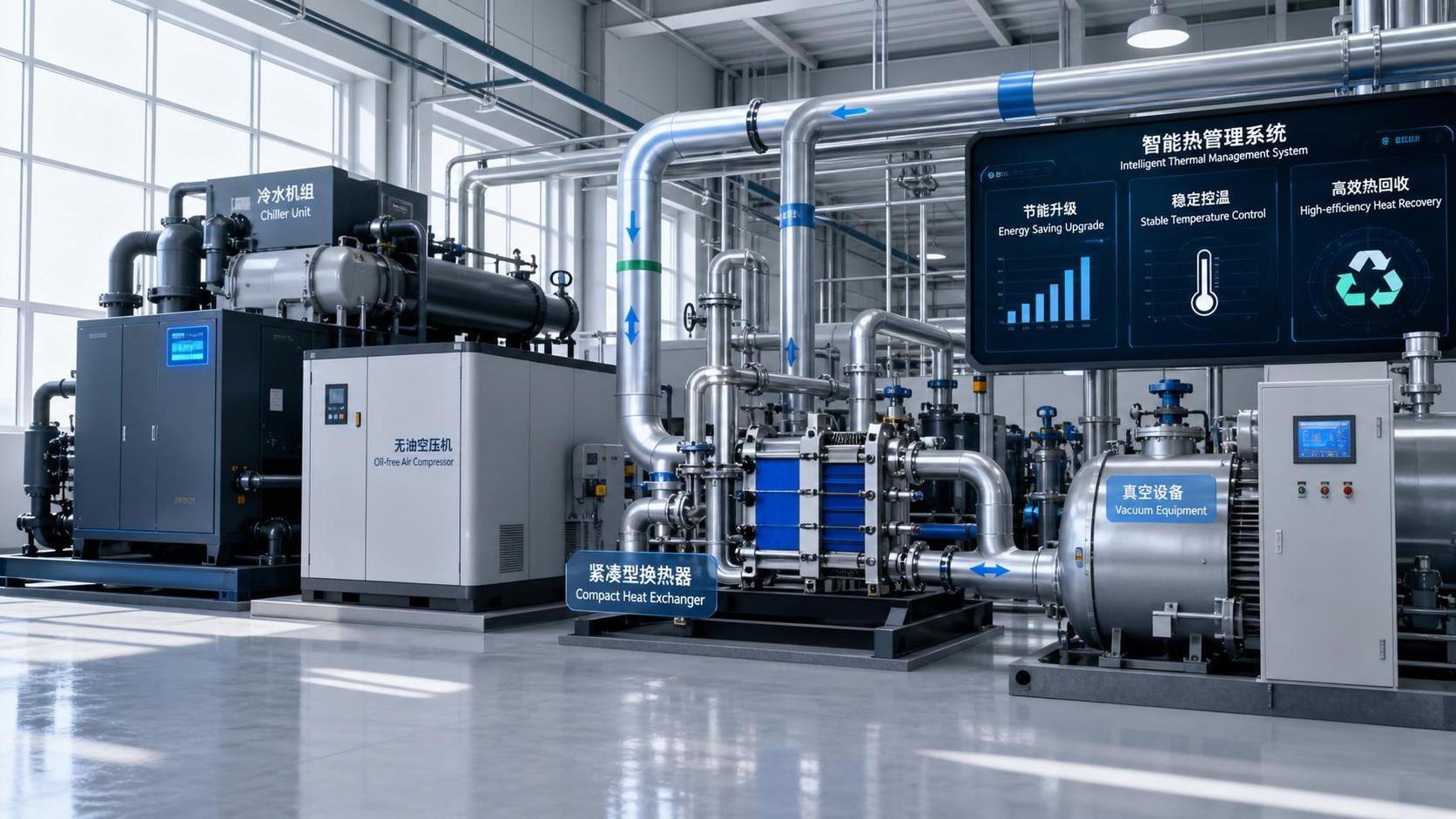
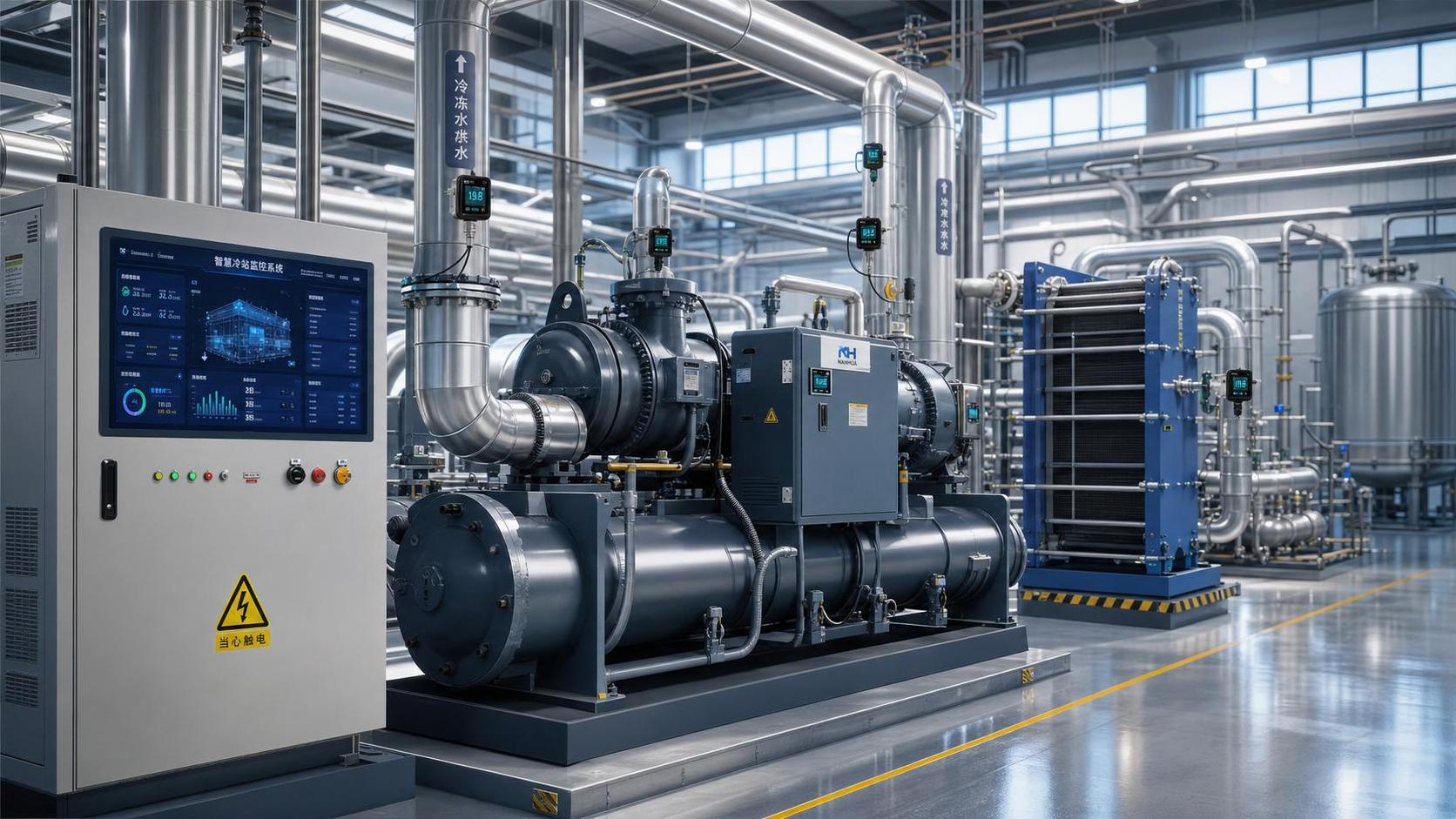
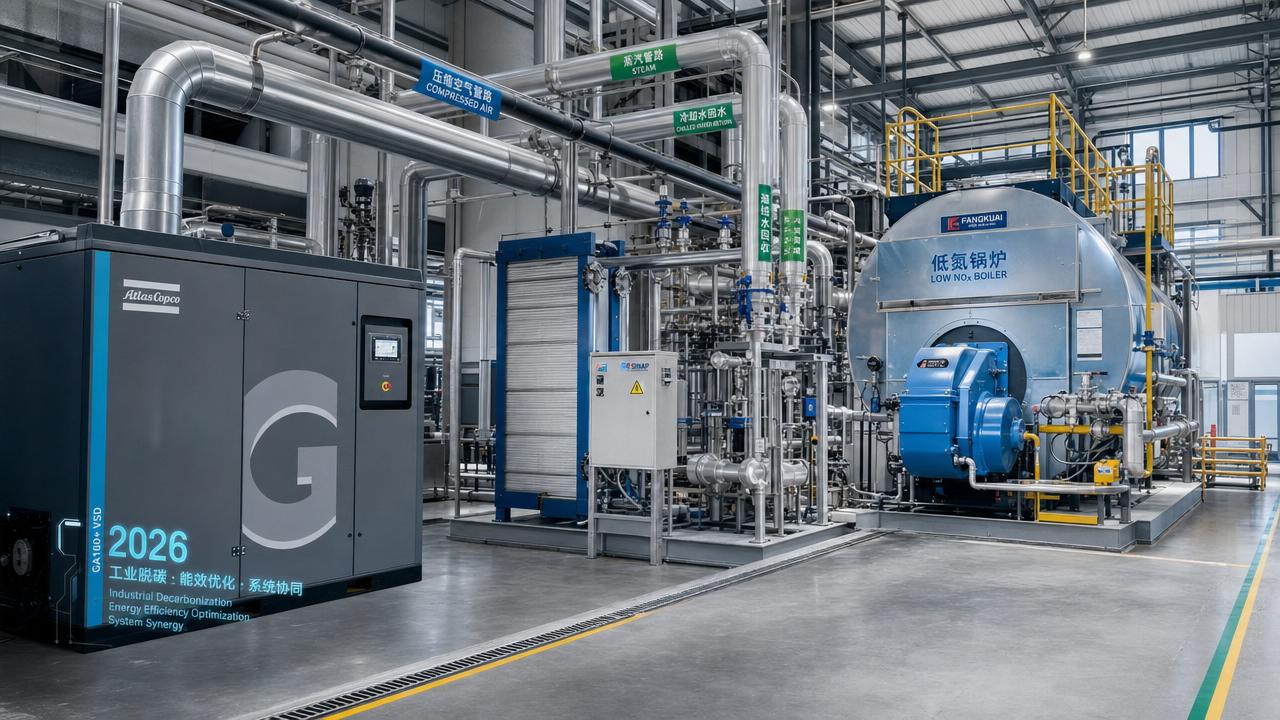
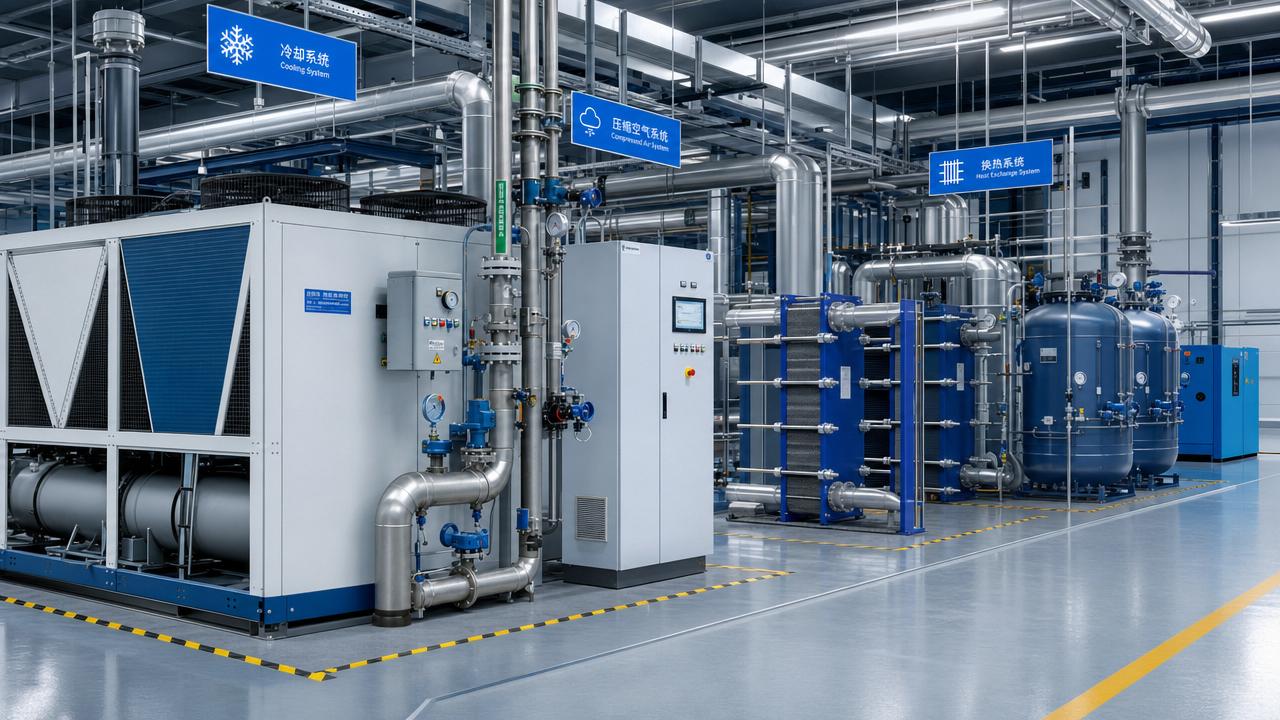
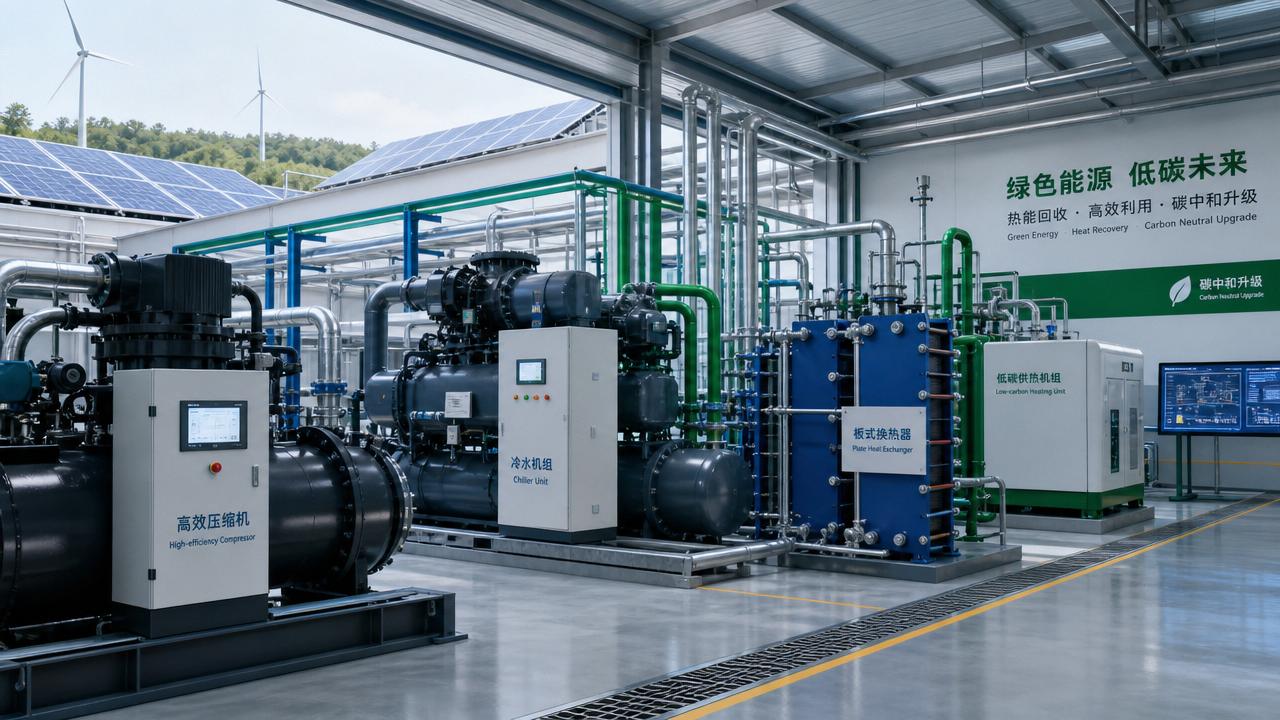
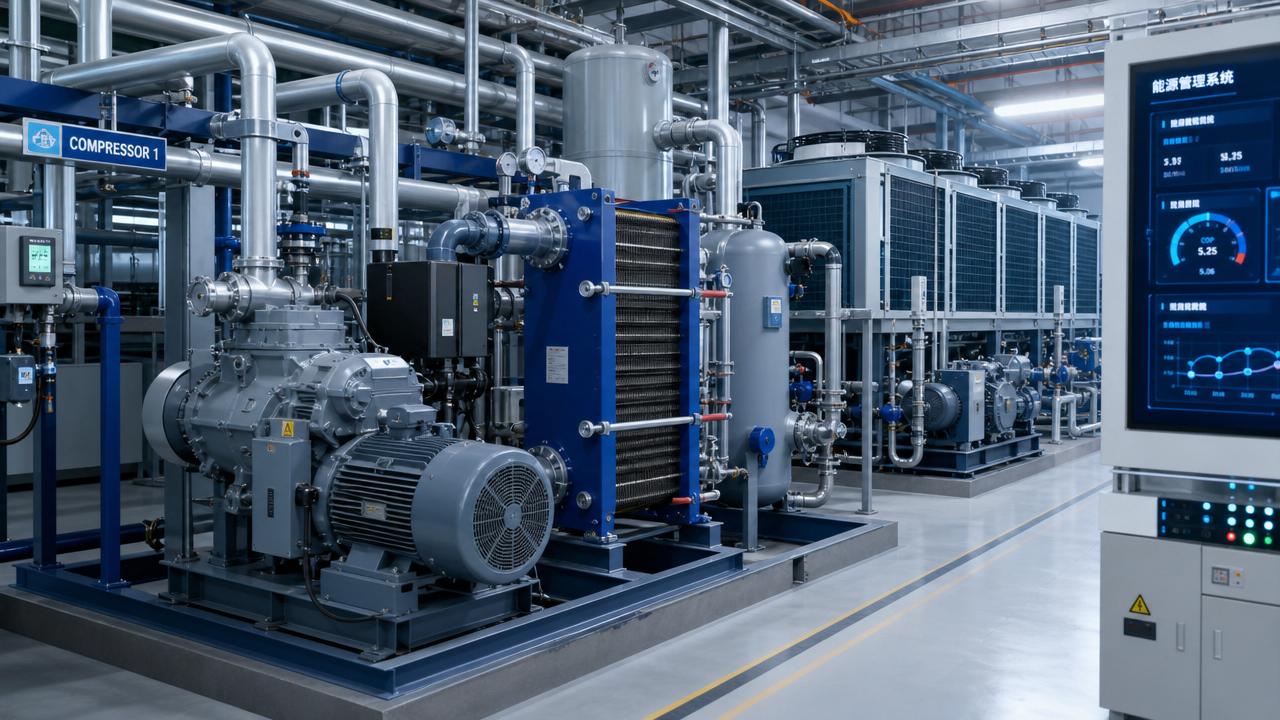
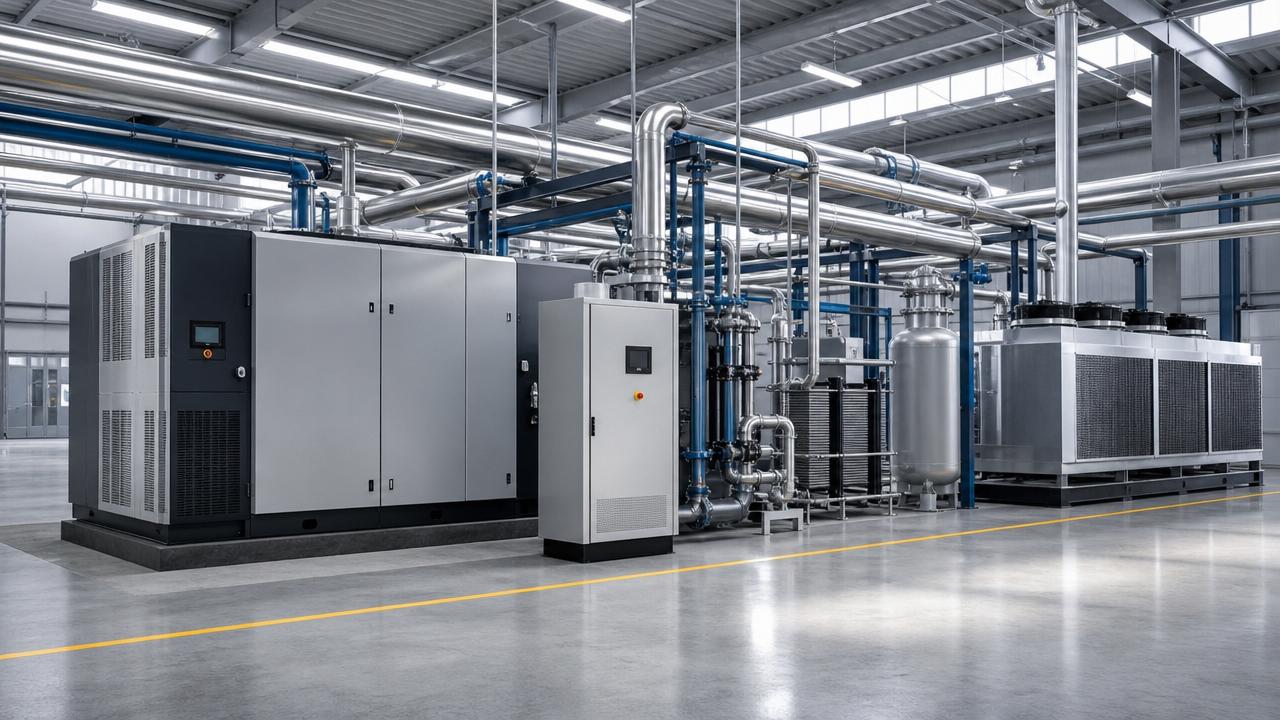
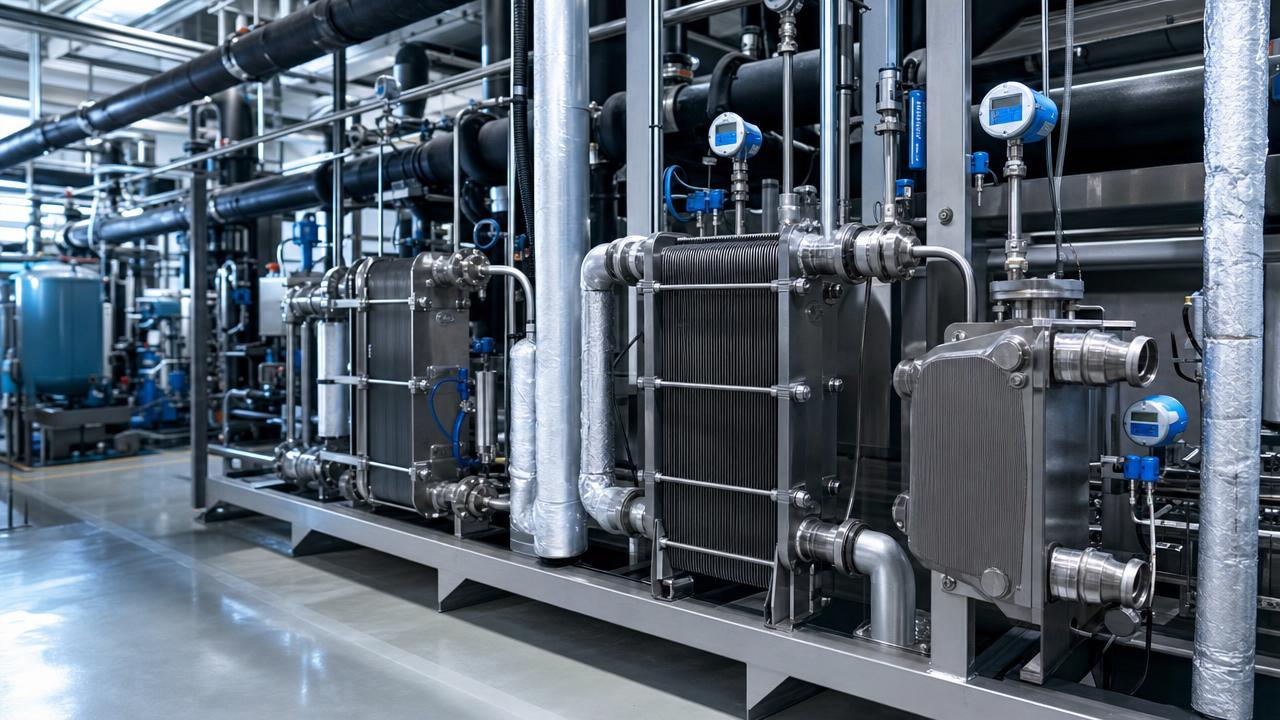
When industrial cooling, compressed air, vacuum systems, and heat exchange assets are mapped together, hidden losses become visible. That is why the topic sits close to the core of modern industrial performance.
Why circularity now belongs in operating decisions
Compliance still matters, but it is no longer the main reason to act. Resource circularity increasingly influences uptime, sourcing flexibility, maintenance planning, and the economics of every utility-intensive process.
This is especially visible in plants where thermodynamic systems consume large amounts of electricity and water. Waste heat, pressure loss, leakage, contamination, and underused assets often create circularity gaps before they create compliance issues.
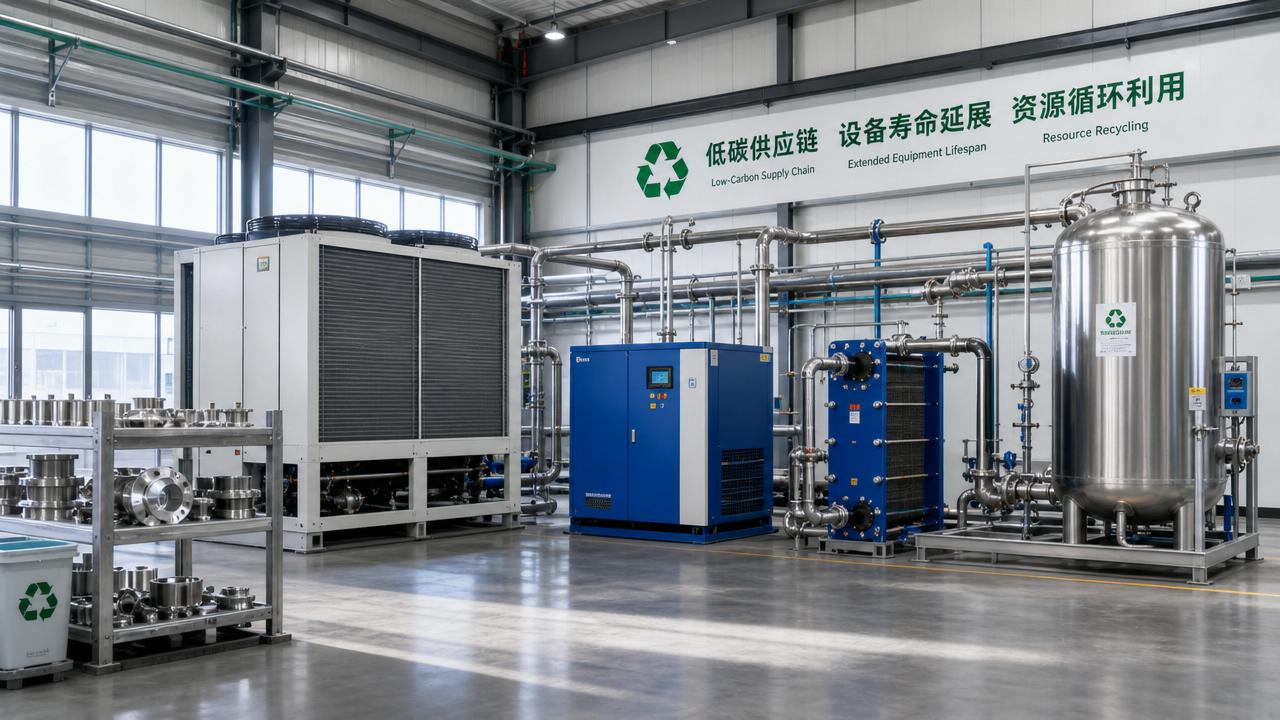
Viewed this way, circularity is not only about recycling scrap. It is about preserving value at each stage of conversion, from raw input to thermal recovery to component life extension.
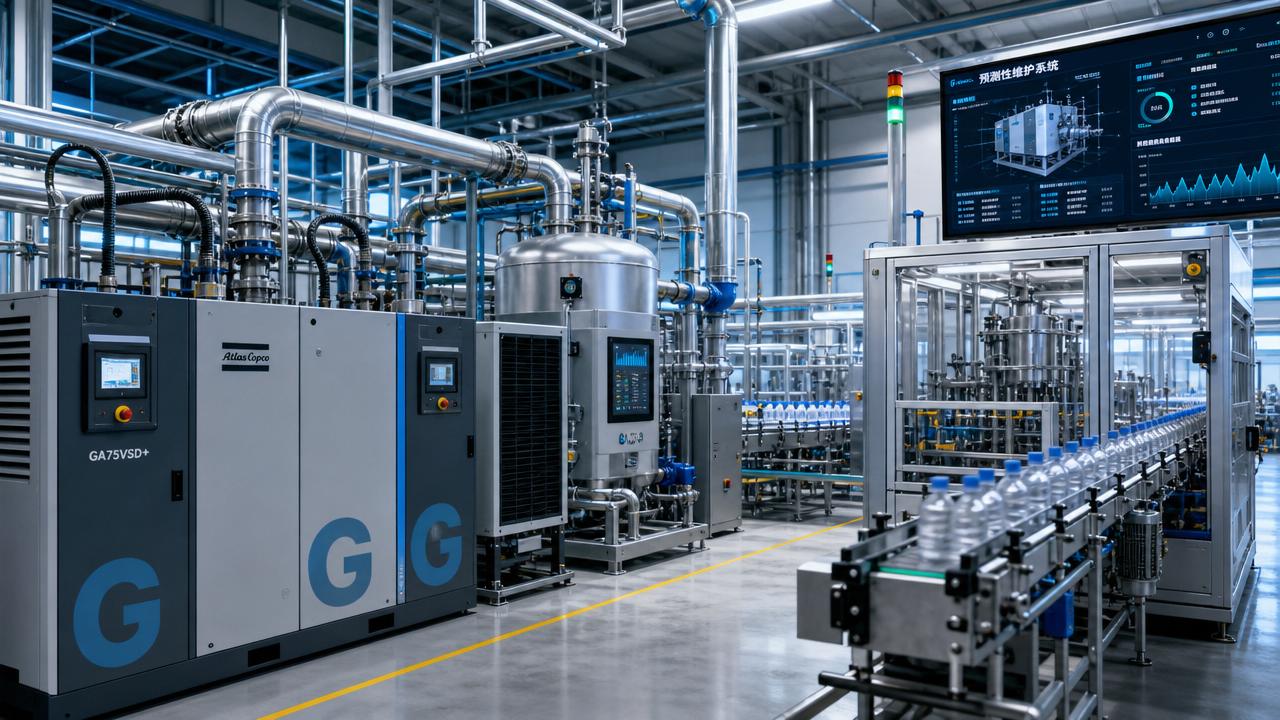
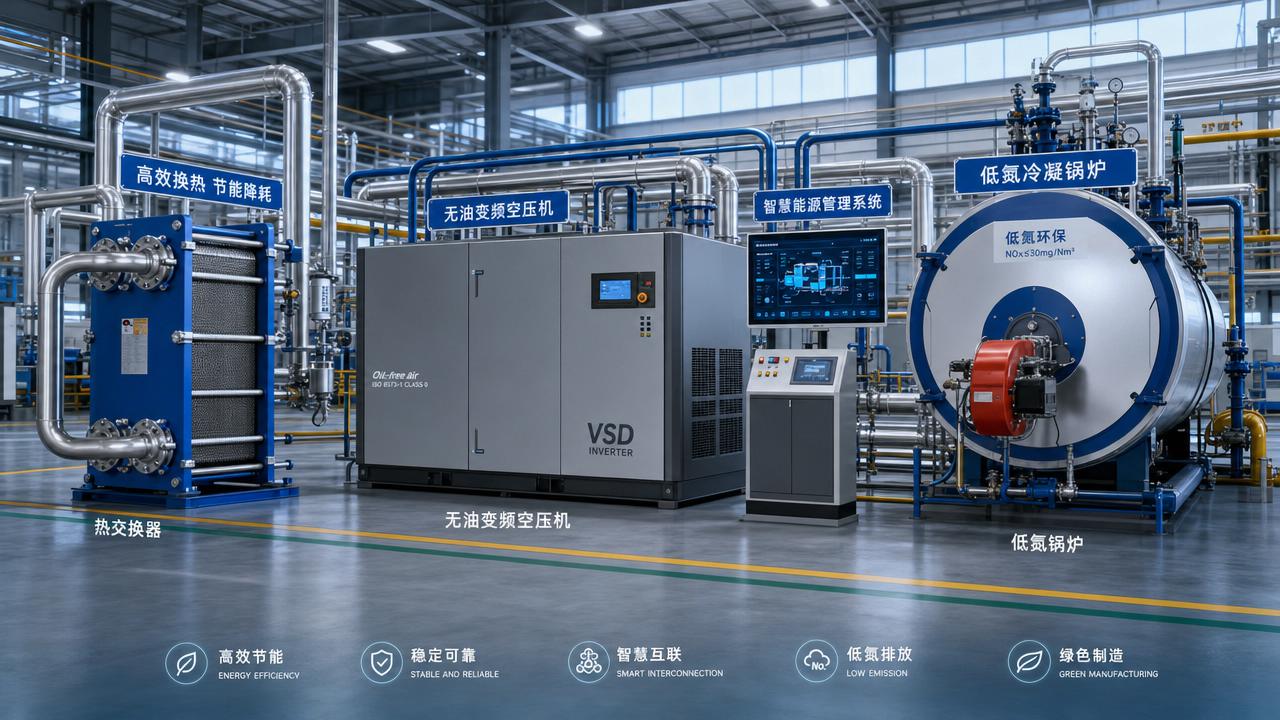
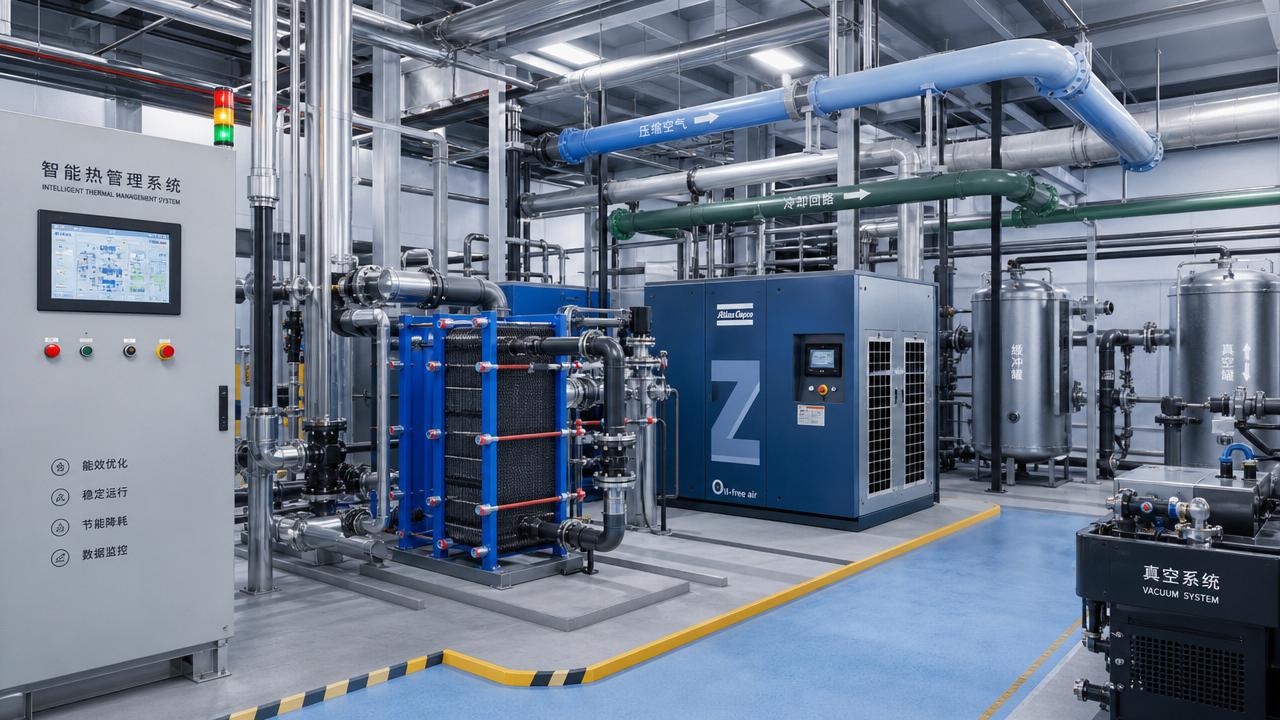
That perspective is increasingly reflected in industrial intelligence platforms such as GTC-Matrix, where cooling, compression, vacuum, and heat transfer are analyzed together rather than as isolated utility lines.
A practical definition of resource circularity
In manufacturing, resource circularity is the discipline of reducing virgin input, recovering process value, extending asset usefulness, and recapturing losses that used to be accepted as normal overhead.
Some flows are physical, such as metals, polymers, lubricants, refrigerants, condensate, and packaging. Others are less obvious, including heat, compressed air quality, cooling capacity, and maintenance knowledge.
A circular plant does not simply reuse more. It makes better decisions about what should be reduced, repaired, regenerated, recovered, or redesigned.
That distinction is important because not every loop creates value. Some closed loops increase complexity or contamination risk. Effective resource circularity depends on measurement, process discipline, and fit with production needs.
Five gains that matter beyond compliance
1. Lower energy intensity through loss recovery
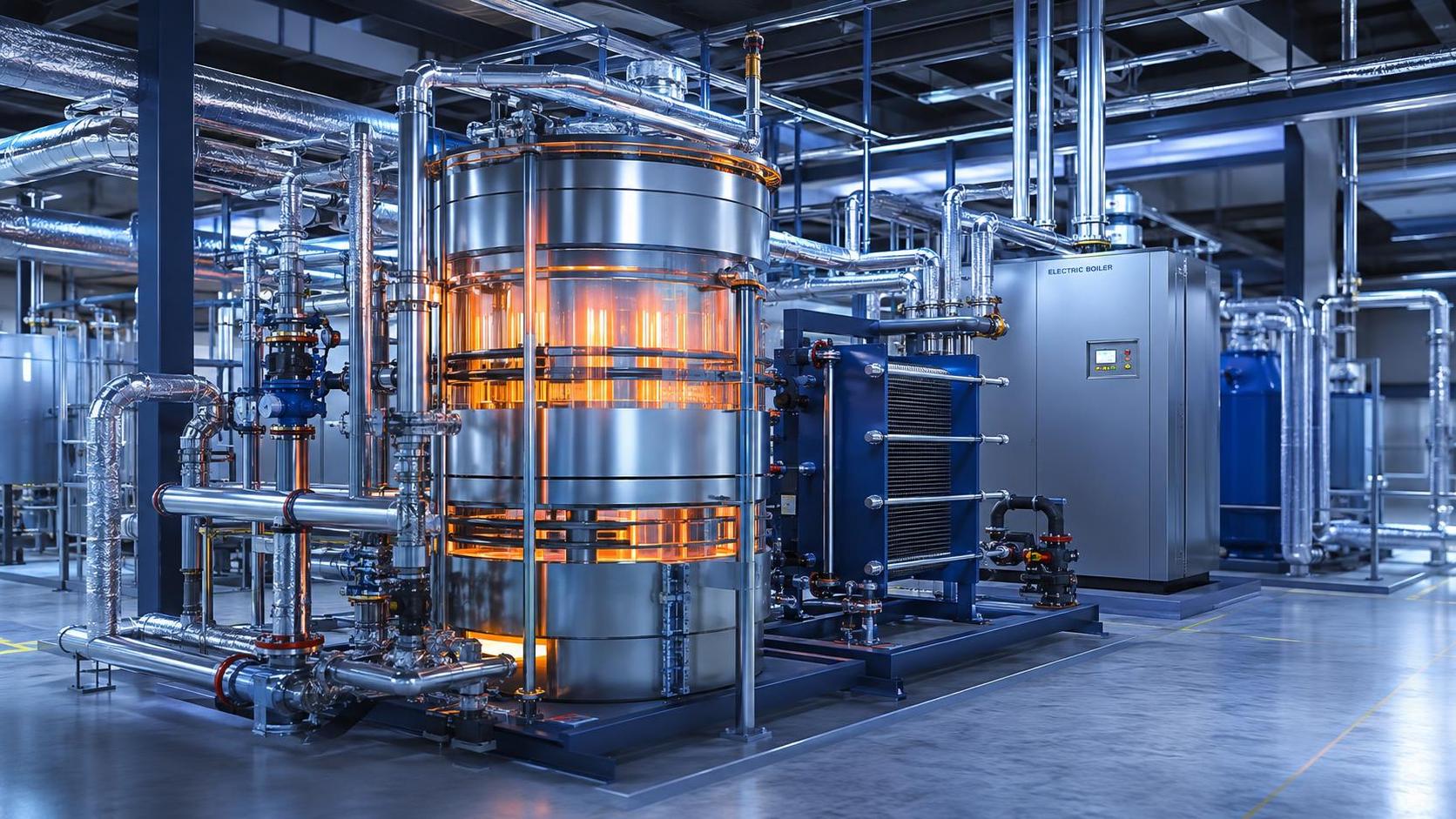
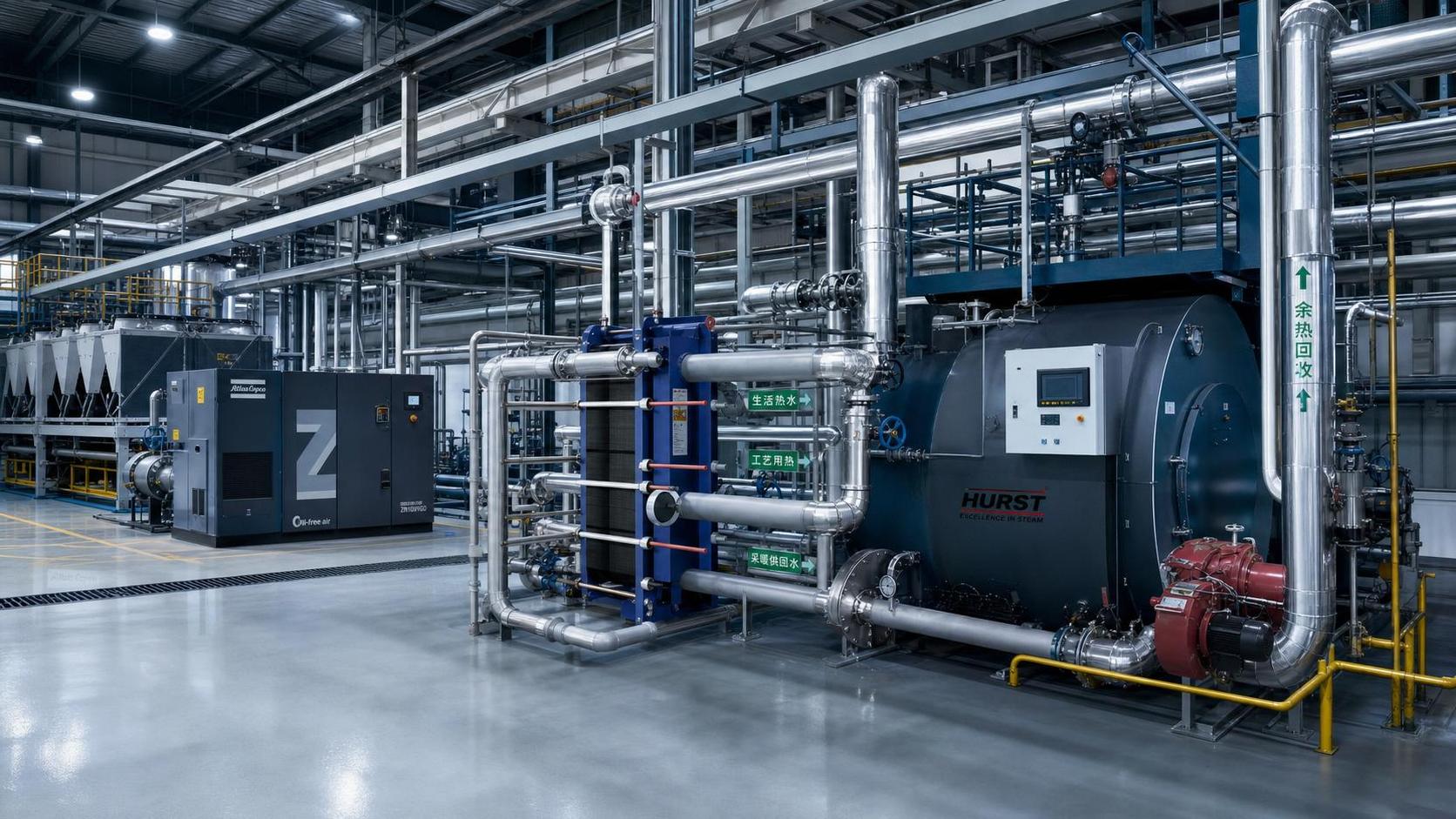
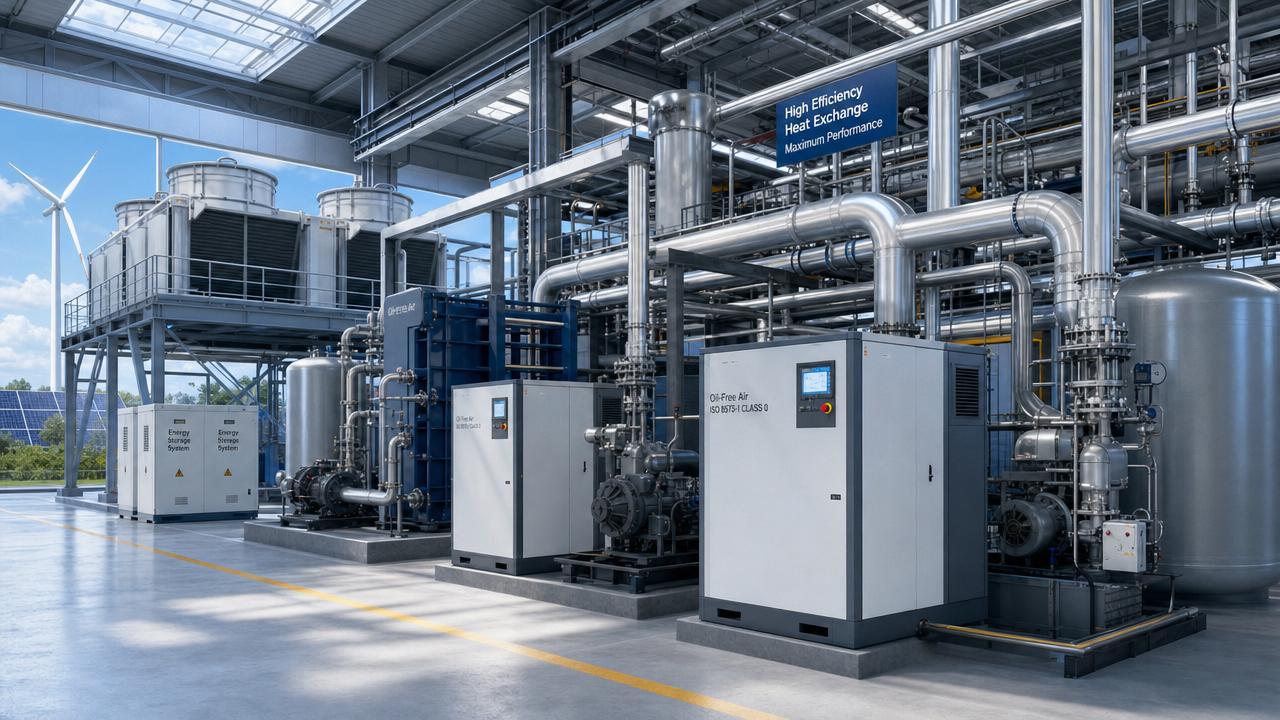
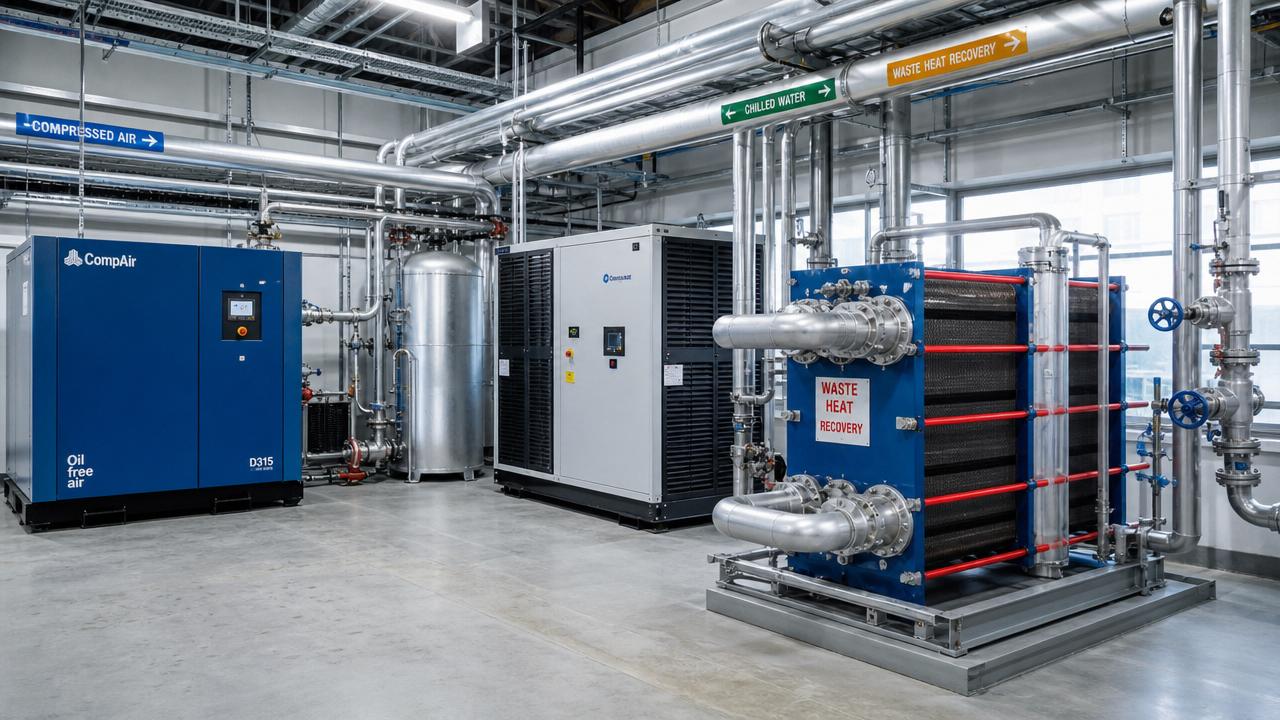
One of the fastest returns often comes from energy loops. Heat rejected from compressors, condensers, dryers, ovens, or process cooling can sometimes be recovered for preheating, space conditioning, or hot water demand.
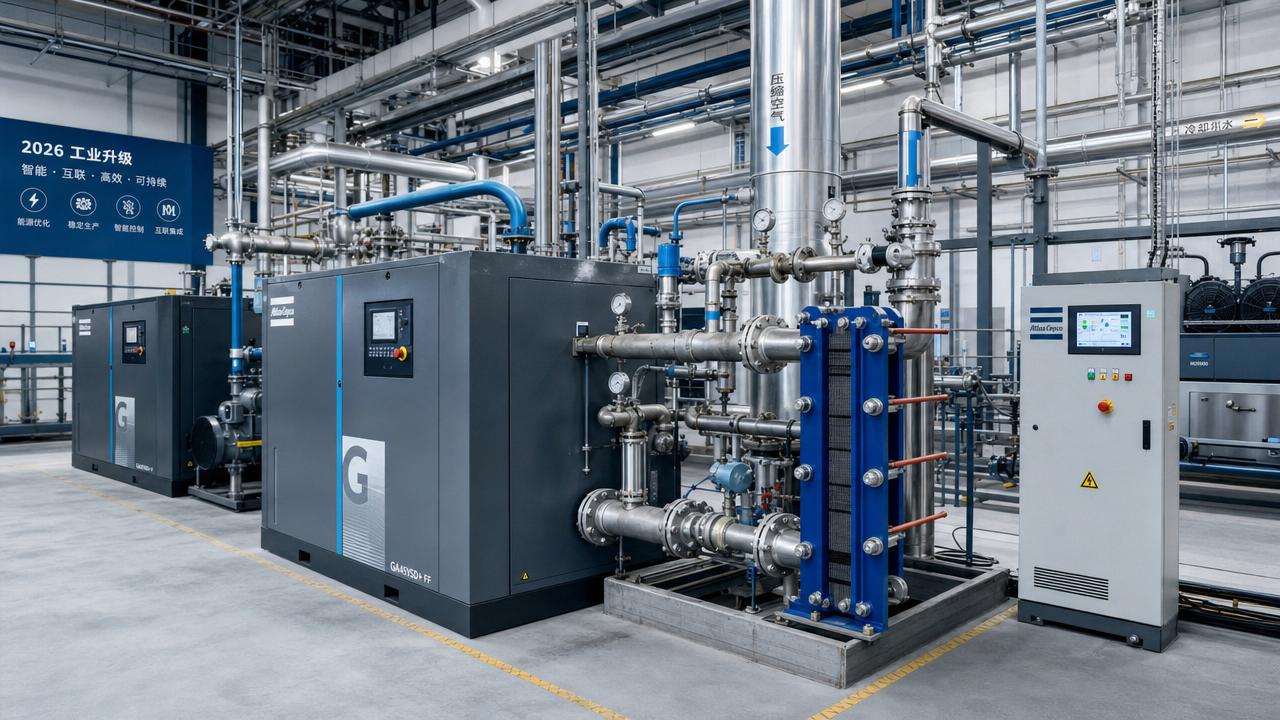
The same applies to compressed air systems. Leak reduction, pressure optimization, heat recovery, and demand matching create circular value by preventing purchased energy from becoming waste.
For plants with high thermal loads, resource circularity often begins with one simple question: where is paid-for energy leaving the system without useful work?
2. Higher material yield and recovery value
Material circularity improves margins when offcuts, by-products, solvents, coolants, and process residues are sorted, stabilized, and returned to productive use instead of being treated only as disposal streams.
In sectors with strict purity requirements, the answer is rarely simple reuse. It is better segregation, closed transfer, contamination control, and clear criteria for recovery versus replacement.
The financial impact can be stronger than expected because waste costs are usually double counted: once in lost material, and again in handling, treatment, or downtime.
3. Longer asset life and better maintenance economics
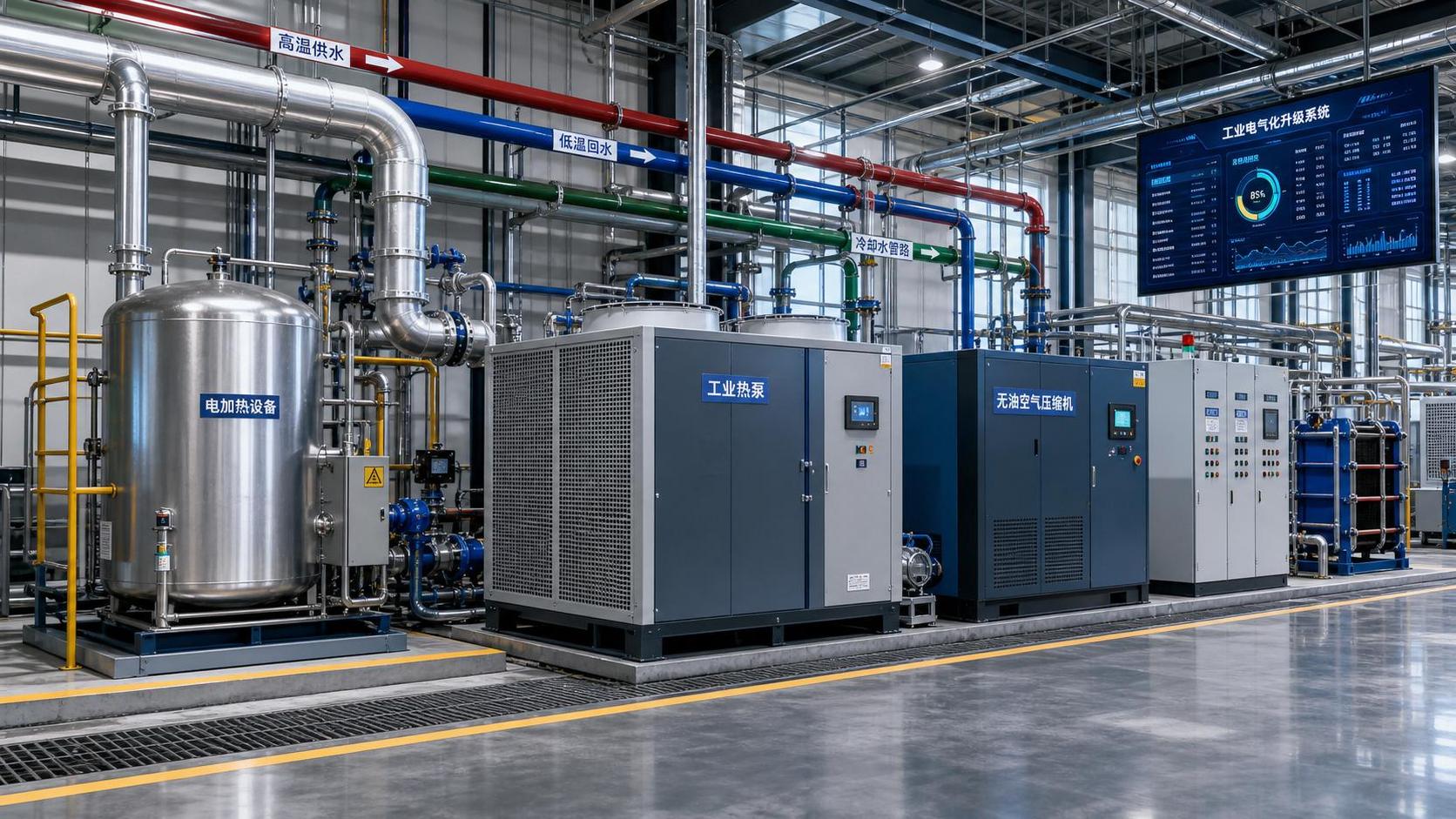
Resource circularity also applies to equipment. Repairable components, remanufactured parts, oil-free system upgrades, exchanger cleaning cycles, and condition-based maintenance can delay major capital replacement.
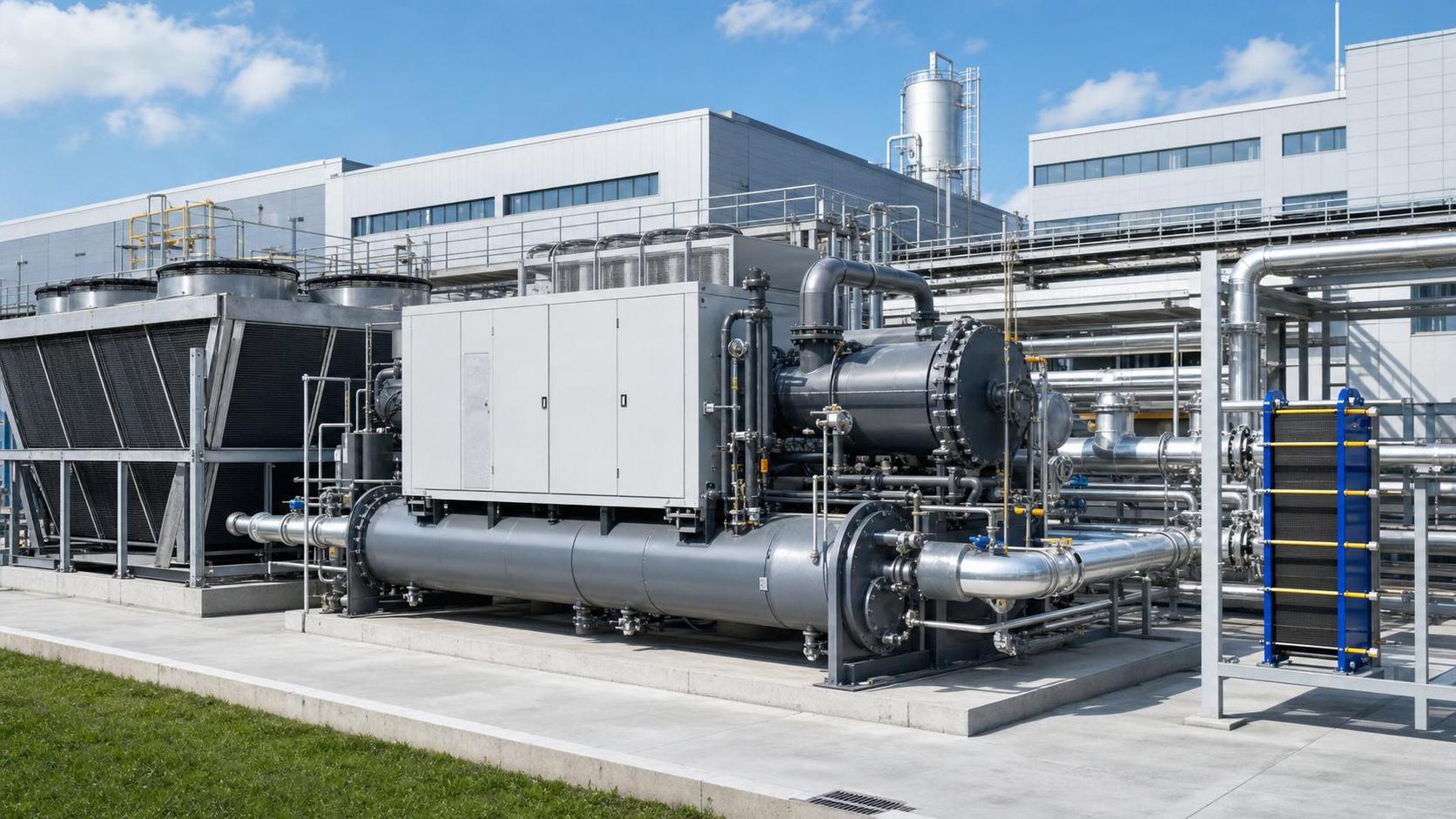
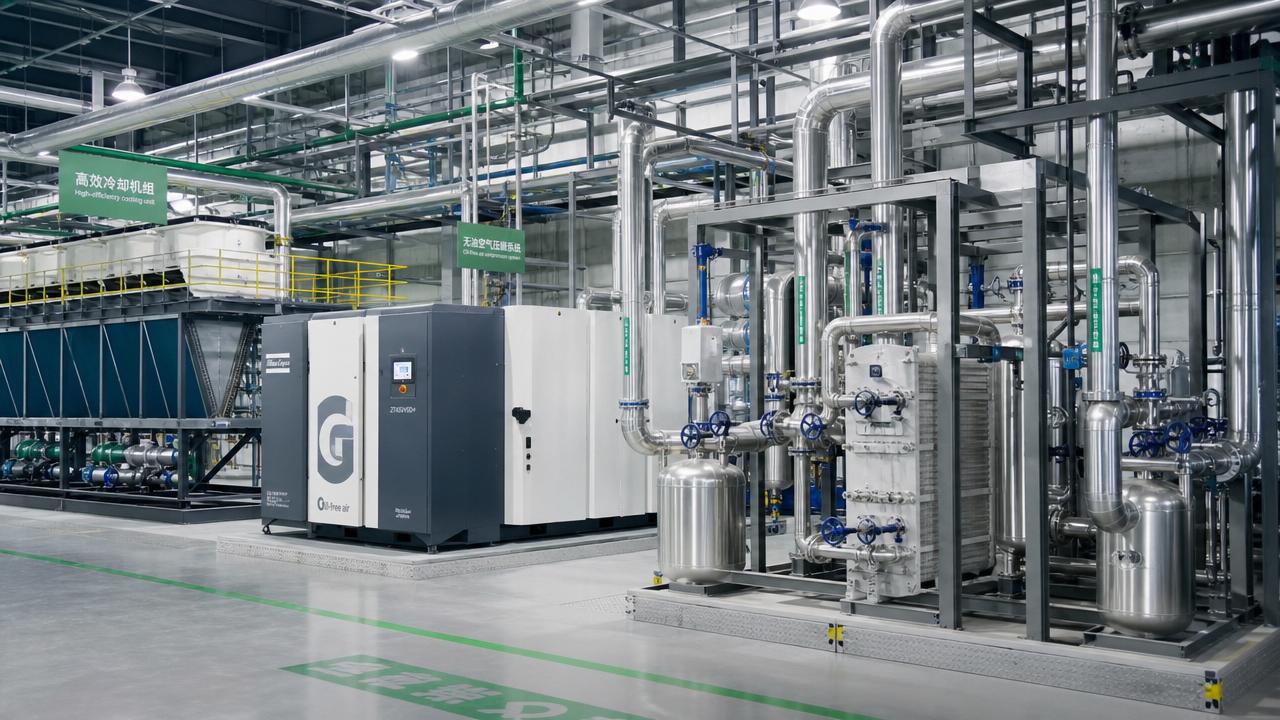
This matters in industrial cooling and vacuum systems, where a small decline in heat transfer or sealing performance can trigger oversized energy use long before visible failure appears.
A circular asset strategy treats performance degradation as a recoverable loss, not just an inevitable aging pattern.
4. More stable supply chains
Circularity reduces dependency on volatile external inputs. When a site can recover water, reuse treated process media, extend spare part life, or redesign packaging flows, sourcing risk becomes easier to manage.
That benefit is increasingly relevant in markets affected by refrigerant policy changes, specialty alloy shortages, and lead-time pressure for high-efficiency thermal equipment.
In other words, resource circularity strengthens resilience not only inside the plant, but across supplier relationships and lifecycle planning.
5. Better strategic positioning with customers and capital
Circular performance is becoming a commercial signal. Buyers increasingly examine energy efficiency, refrigerant pathways, material traceability, and recovery practices as part of supplier evaluation.
Investors and lenders are doing something similar. They look for evidence that sustainability claims are backed by operating data, not only policy statements.
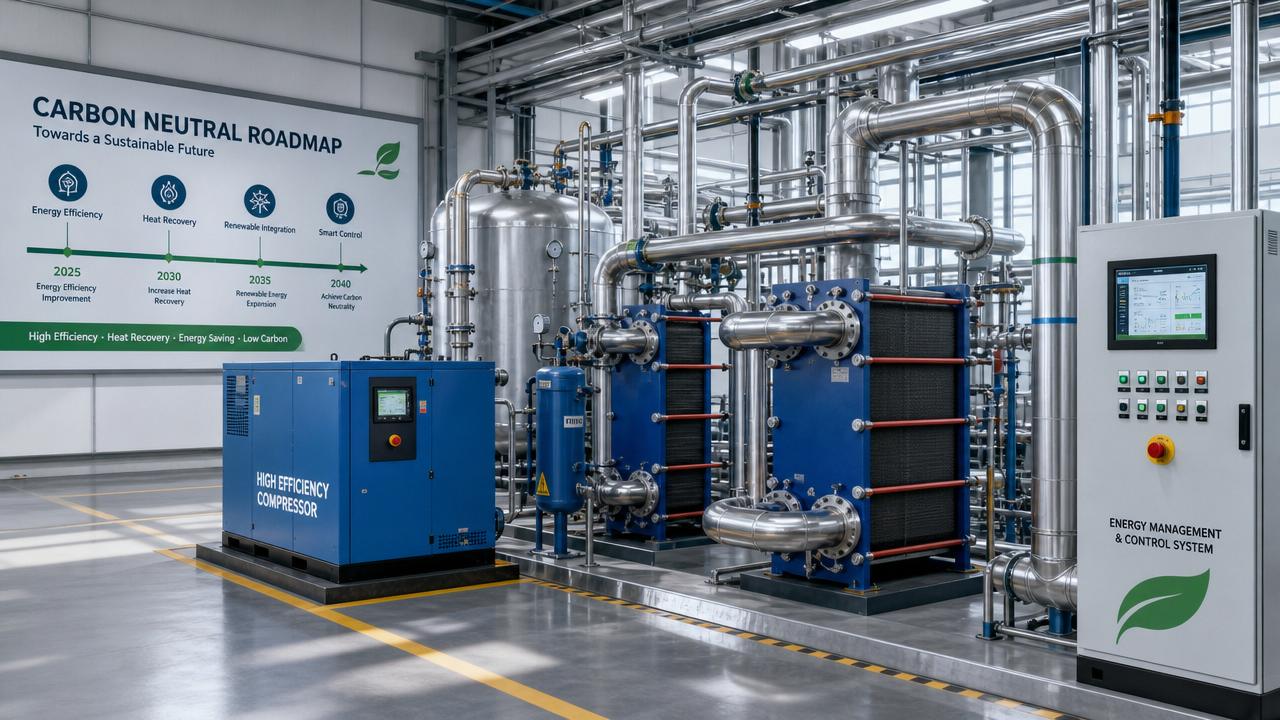
A credible resource circularity roadmap can therefore support both brand strength and financing confidence, especially in sectors where thermal efficiency is closely tied to product quality.
Where the strongest opportunities usually appear
Not every factory starts in the same place. Still, several recurring opportunity zones show up across pharmaceuticals, food processing, electronics, chemicals, metals, and general manufacturing.
These areas rarely improve through one-time fixes. They improve when operational data, engineering logic, and commercial priorities are reviewed together.
How to evaluate circularity without oversimplifying it
The most common mistake is to treat resource circularity as a single score. In reality, it is a portfolio of decisions with different time horizons, technical constraints, and risk profiles.
A more useful review looks at several dimensions at once:
- Which resources carry the highest replacement cost or availability risk.
- Which losses are constant, measurable, and technically recoverable.
- Where recovery could compromise purity, safety, or regulatory performance.
- Whether current assets can be upgraded, remanufactured, or rebalanced.
- How circularity actions support energy, carbon, and reliability targets together.
This is where market intelligence becomes useful. Signals on energy prices, refrigerant quotas, oil-free compression trends, microchannel exchanger adoption, and sector demand patterns help separate durable opportunities from short-lived initiatives.
What a realistic first phase looks like
A good starting point is not a broad sustainability slogan. It is a resource map tied to production reality, utility consumption, maintenance history, and material loss points.
From there, the first phase usually works best when it stays focused:
- Quantify the top three loss streams by cost, not only by volume.
- Identify one thermal recovery opportunity and one material recovery opportunity.
- Check whether aging utility assets are creating hidden circularity losses.
- Set metrics that link recovery to uptime, quality, and operating margin.
That approach keeps resource circularity grounded in operational value. It also creates a better basis for choosing upgrades, comparing technologies, and sequencing capital decisions.
The strongest next step is usually a sharper diagnosis, not a bigger promise. When energy flows, material loops, and asset performance are assessed together, resource circularity becomes easier to judge, prioritize, and scale.
Related News
- Why high-density thermal energy storage is gaining industry attentionAuthor :

- Smart Device Thermal Management Trends Shaping 2026 Product DesignAuthor :

- Industrial Cooling Technologies in Europe: 2026 Trends in Compliance and Energy UseAuthor :

- Industrial Electrification Trends in 2026: Where Projects Are Moving FirstAuthor :

- Industrial Solution Comparison Global: 2026 Trends Reshaping Equipment DecisionsAuthor :

- When Heat Recovery Systems Skid Mounted Designs Improve Project PaybackAuthor :

- How to Compare Industrial Decarbonization Solutions Providers in 2026Author :

- Industry Category Guides for Smart Devices: What to Track as 2026 Markets ShiftAuthor :

- Green Manufacturing Trends Reshaping Industrial InvestmentAuthor :

- 2026 Global Energy Costs: What Will Reshape Industrial PlanningAuthor :

- Industrial Decarbonization Solutions That Cut Fuel Costs in 2026Author :

- Smart Thermal Systems Trends Shaping Industrial Upgrades in 2026Author :

- Resource Circularity in Manufacturing: 5 Practical Gains Beyond ComplianceAuthor :

- Carbon Neutrality Roadmap: What Industrial Firms Need to Prioritize FirstAuthor :

- Energy Conversion Efficiency Trends Shaping Industrial UpgradesAuthor :

- Compression Technology Trends Shaping Efficient Plant UpgradesAuthor :

- Industrial Intelligence in Manufacturing: Where It Delivers Value FirstAuthor :

- How Intellectualization Improves Industrial Thermal ManagementAuthor :

- What Intellectualization Means for Smarter Plant Operations in 2026Author :

- Carbon Neutrality Goals: What Industrial Firms Should Prioritize in 2026Author :

- How Intellectualization Reduces Downtime in Modern Production LinesAuthor :

- Decarbonization Roadmap for Energy-Intensive Plants in 2026Author :

- Thermal Systems Trends in 2026: Efficiency, Control, and RiskAuthor :

- Industrial Decarbonization Priorities for Energy-Intensive FacilitiesAuthor :

- Thermal Systems in 2026: Efficiency Upgrades Shaping Industrial OperationsAuthor :

- Pure Power Sources: 5 Practical Paths to Carbon NeutralityAuthor :

- What Intellectualization Means for Industrial Equipment UpgradesAuthor :

- Thermal Optimization in 2026: Where Energy Savings Deliver the Fastest PaybackAuthor :

- Energy Efficiency Trends Reshaping Compressor Upgrades in 2026Author :

- 2026 Industrial Decarbonization Trends Reshaping Plant UpgradesAuthor :
![]()
- Heat Exchanger Technology Trends for 2026 Efficiency TargetsAuthor :

- Resource Circularity Risks in 2026 Supply ChainsAuthor :

- Smart Thermal Systems: When Upgrades Deliver Measurable SavingsAuthor :

- Carbon Neutrality: Practical Steps for Factory RoadmapsAuthor :

- 2026 Industrial Energy Efficiency Priorities for Plant UpgradesAuthor :

- Industrial Intellectualization Trends Reshaping Equipment UpgradesAuthor :