2026 Industrial Energy Efficiency Priorities for Plant Upgrades




In 2026, industrial energy efficiency will move from a cost-saving initiative to a core upgrade priority for plant leaders facing volatile energy prices, stricter carbon targets, and rising production demands.
For many facilities, the question is no longer whether to upgrade. The real issue is which systems will unlock the fastest operational, financial, and compliance gains.
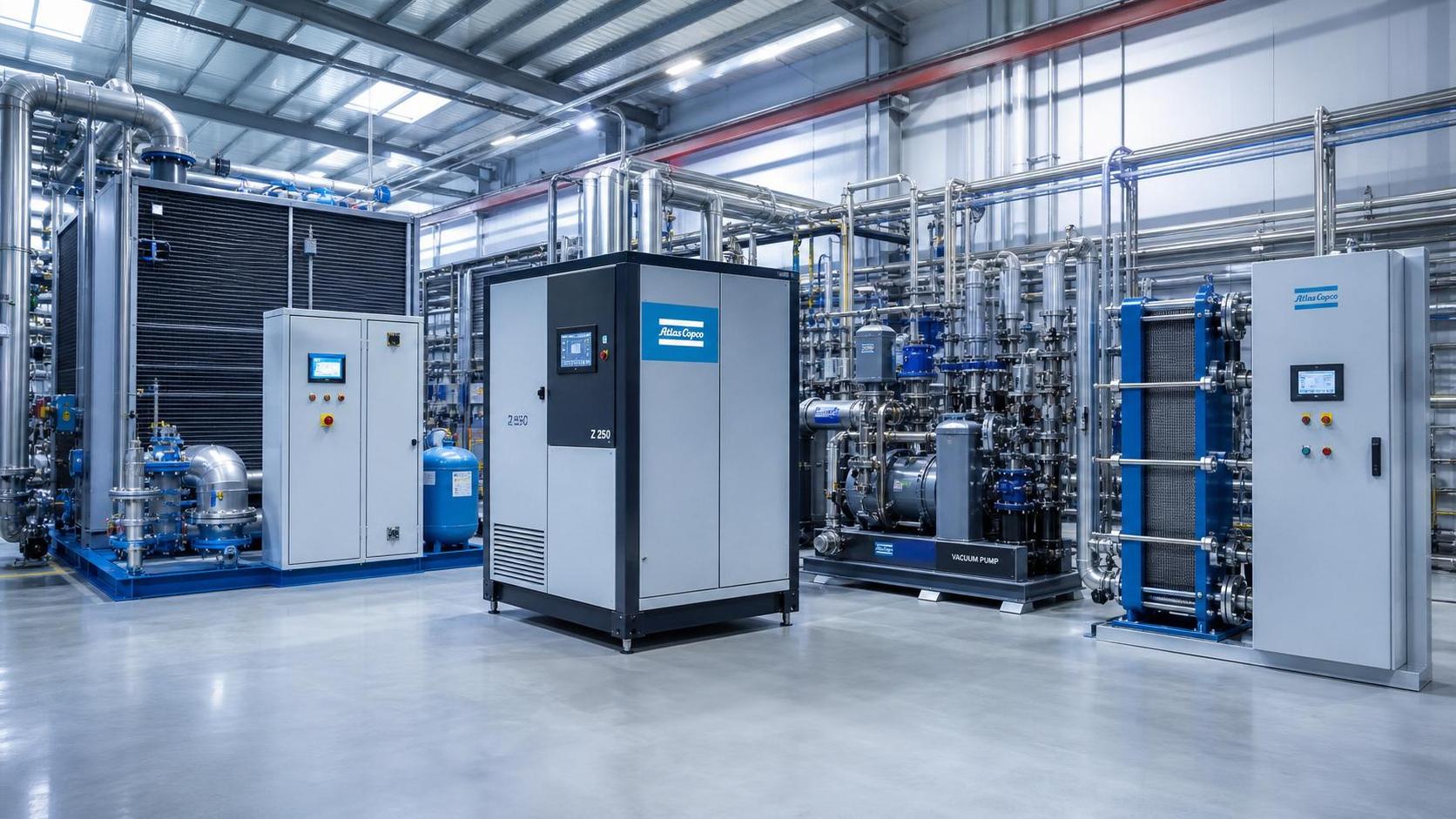
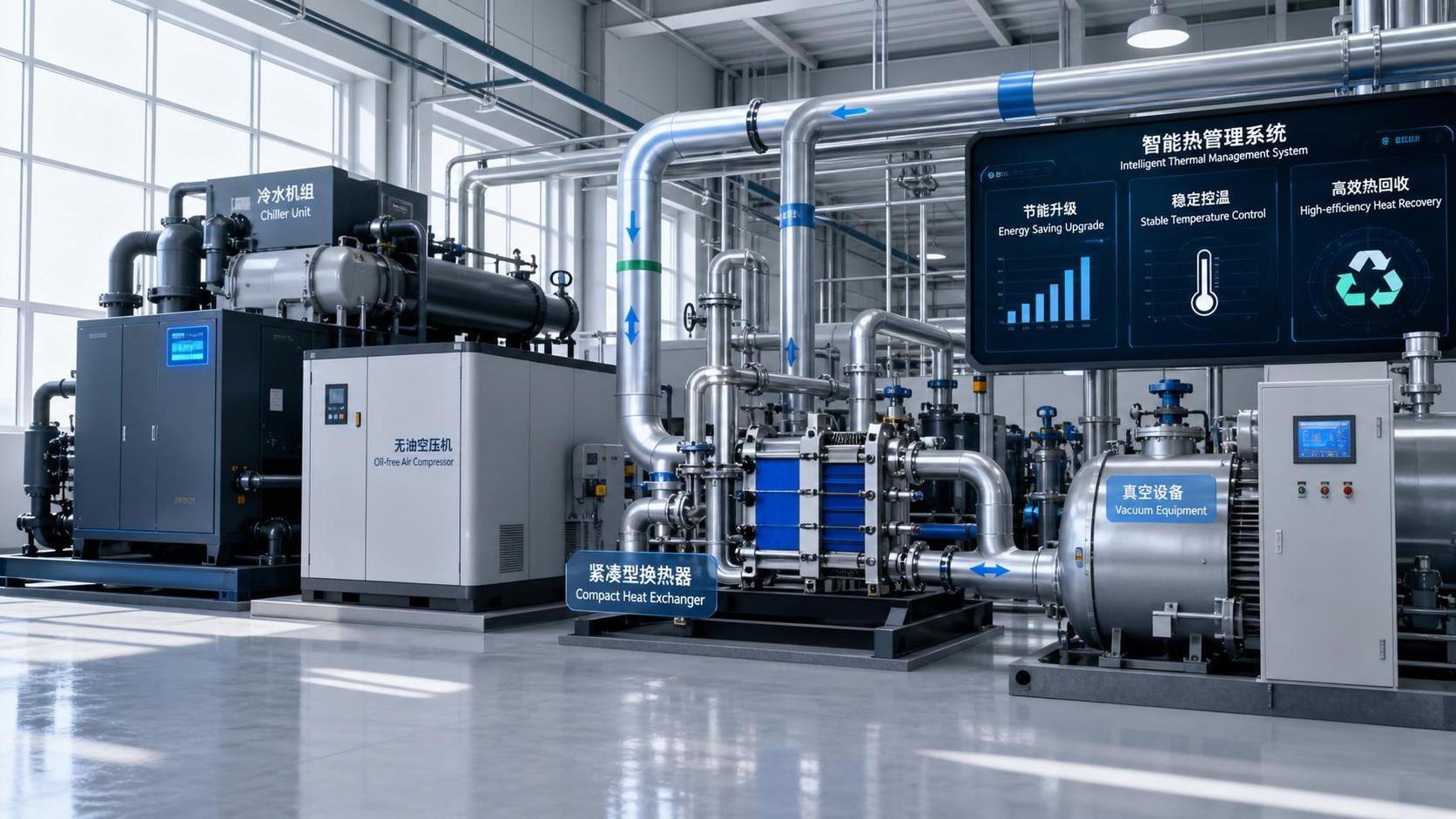
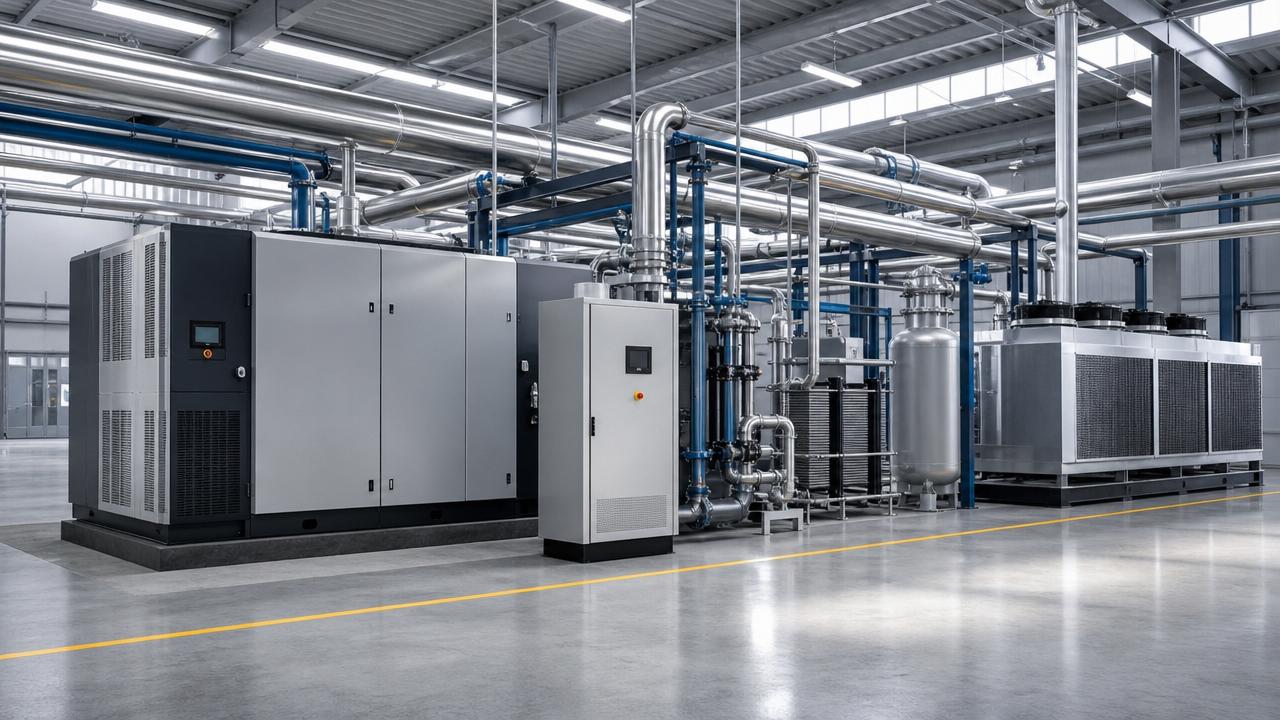
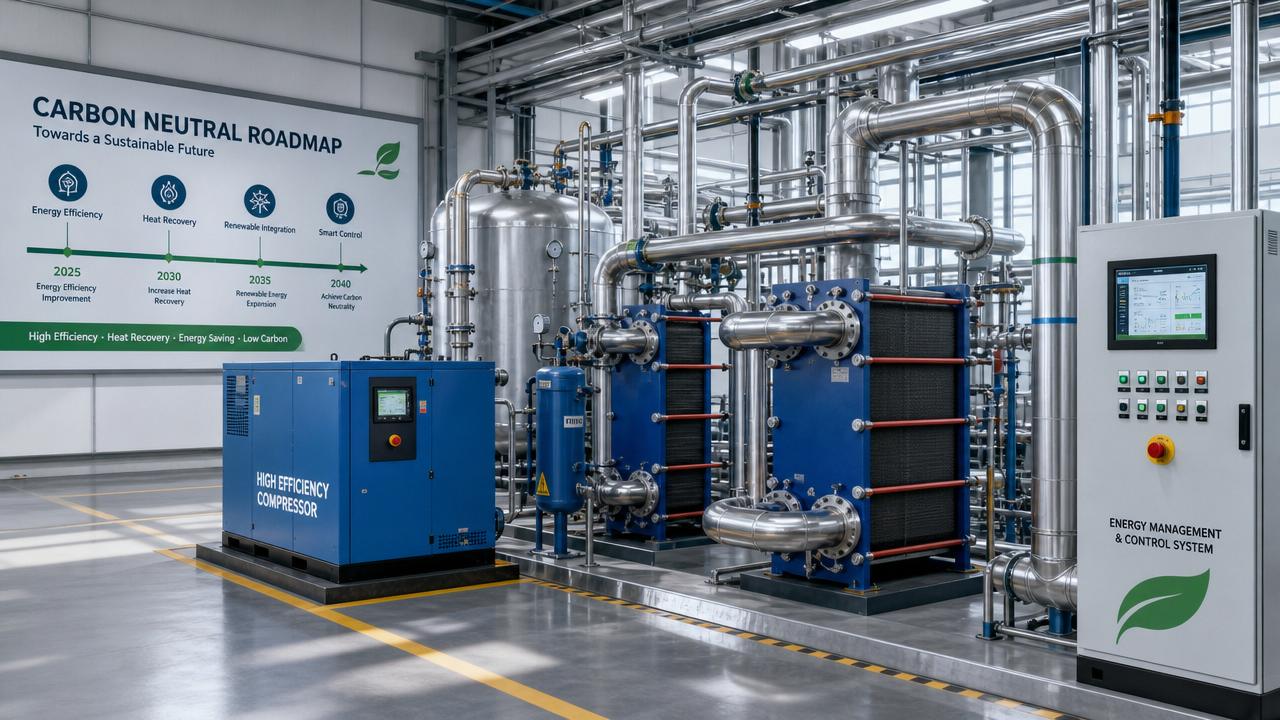
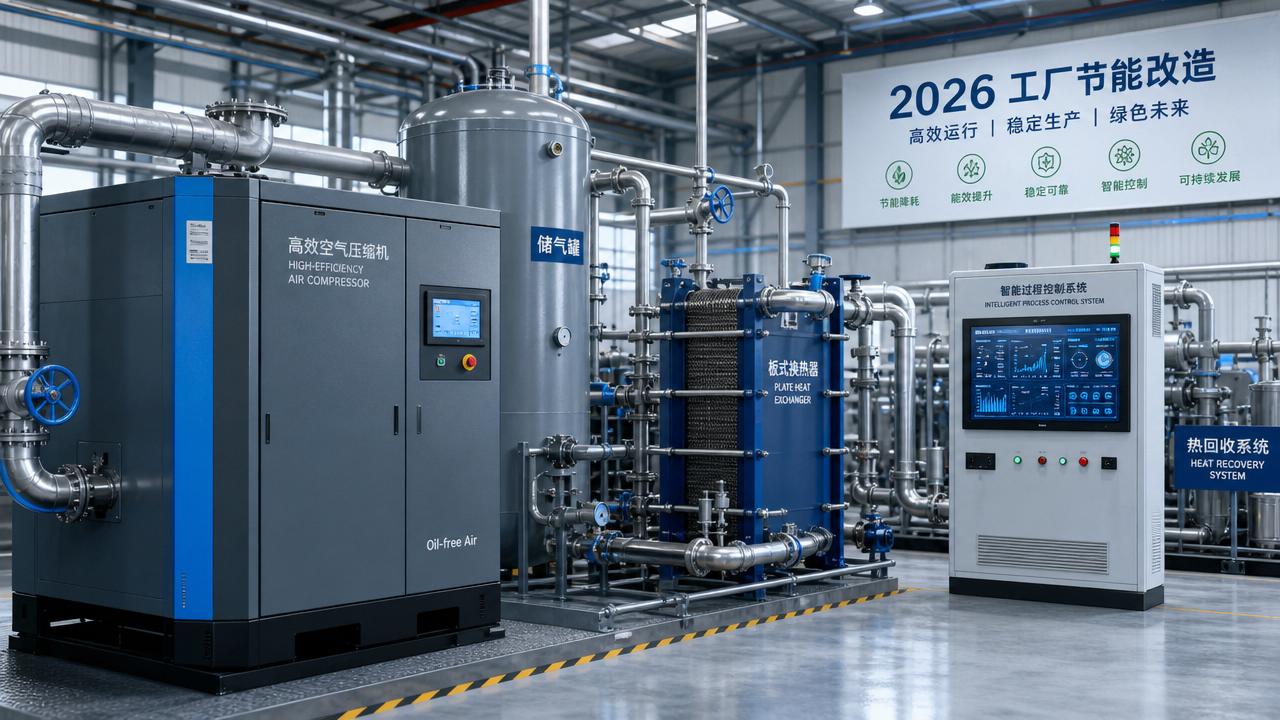
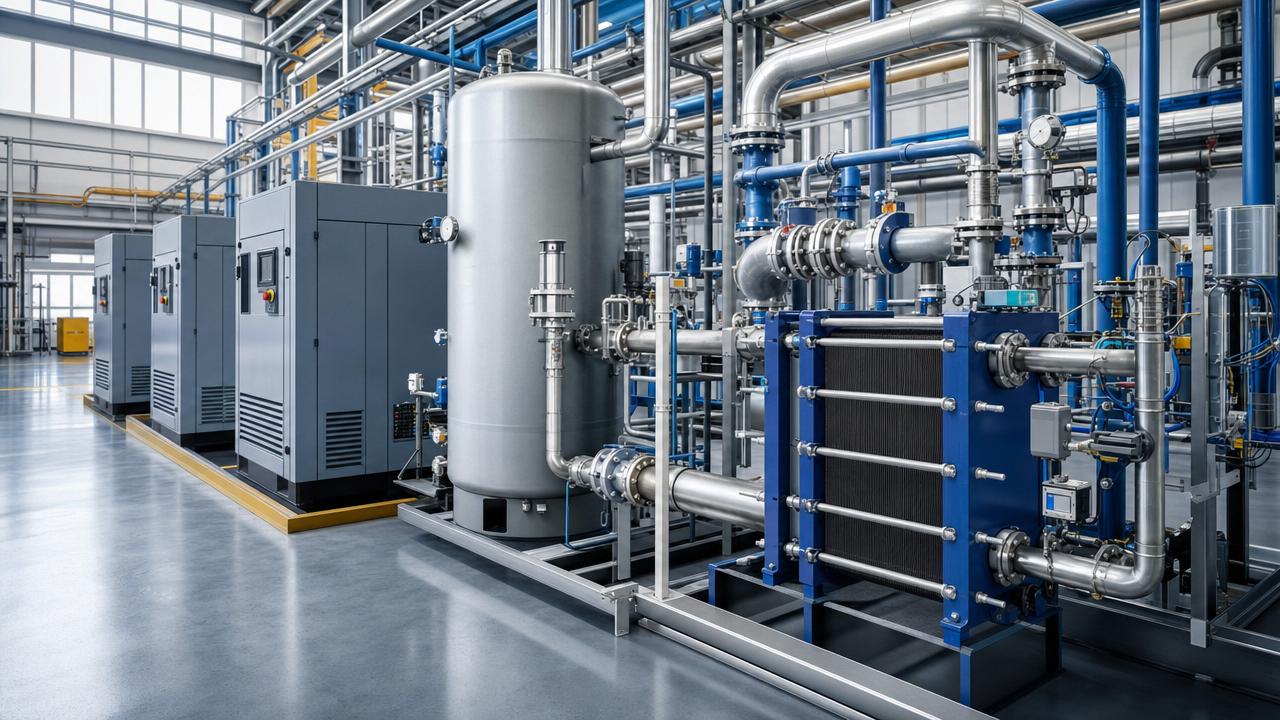
Across general industry, the biggest opportunities sit inside compressed air, thermal management, vacuum processes, heat recovery, and process control. These assets shape both energy intensity and production resilience.
That is why industrial energy efficiency is becoming a strategic plant upgrade lens. It now influences equipment selection, maintenance planning, capital allocation, and long-term competitiveness.
2026 signals show industrial energy efficiency entering a new upgrade cycle
Several signals point to a stronger upgrade wave in 2026. Energy volatility remains persistent, while grid pressure is increasing in many manufacturing regions.
At the same time, carbon reporting is becoming more detailed. Plants must measure not only direct fuel use, but also electricity intensity per output unit.
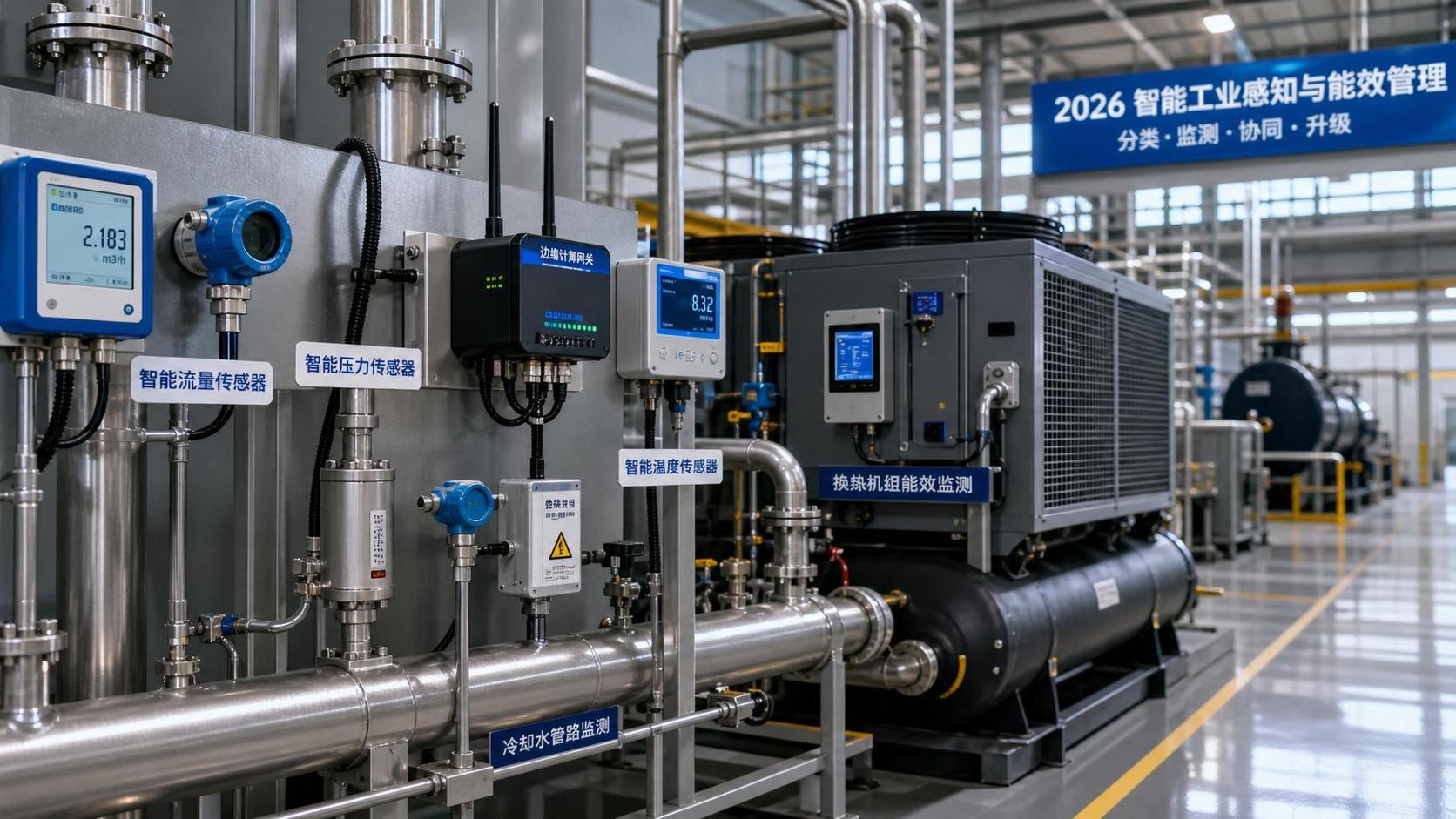
Digital monitoring is also changing expectations. Once plants can see waste clearly, hidden losses in air leaks, heat rejection, and unstable load profiles become harder to ignore.
This shift matters because industrial energy efficiency is no longer tied only to utility savings. It now supports uptime, product quality, emissions performance, and investment credibility.
Why industrial energy efficiency priorities are shifting faster now
The 2026 landscape is shaped by a mix of economic, technical, and regulatory drivers. Together, they push plant upgrades toward higher-efficiency thermal and power systems.
These forces are especially important in facilities where cooling, compression, and heat exchange run continuously. Small efficiency gaps multiply quickly under round-the-clock operating schedules.
The highest-value upgrade zones are no longer hard to identify
Not every plant system offers the same return. In 2026, industrial energy efficiency efforts are concentrating on the utility and thermal assets with the highest hidden waste.
Compressed air remains a major efficiency frontier
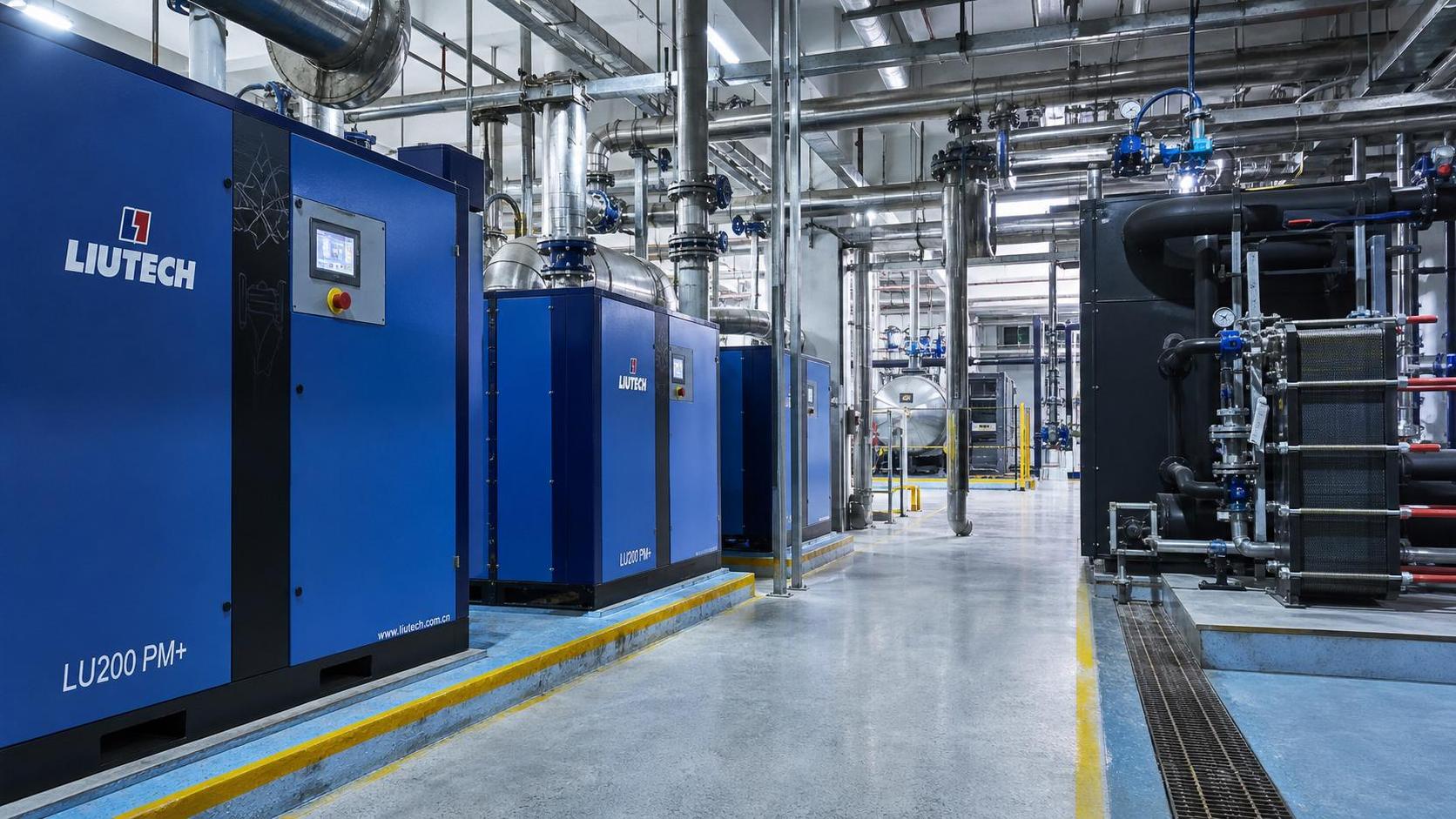
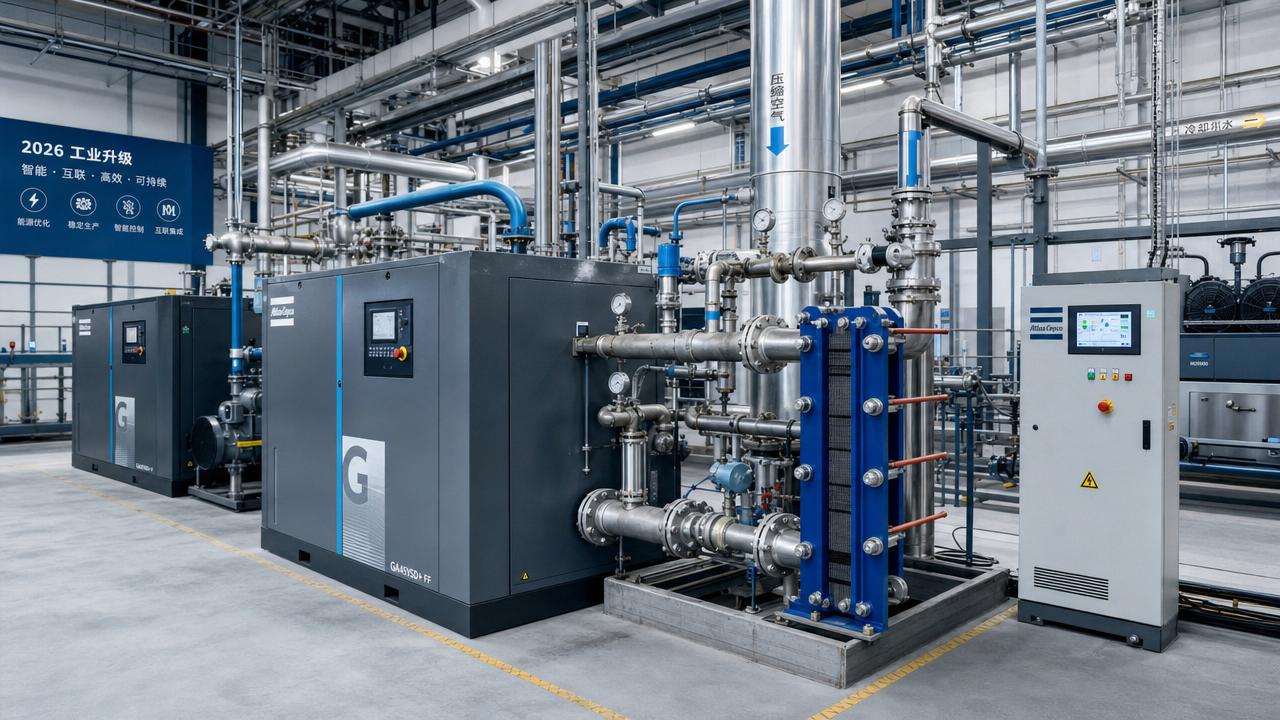
Compressed air is often one of the most expensive utilities in a facility. Losses come from leakage, poor pressure settings, oversized equipment, and weak load matching.
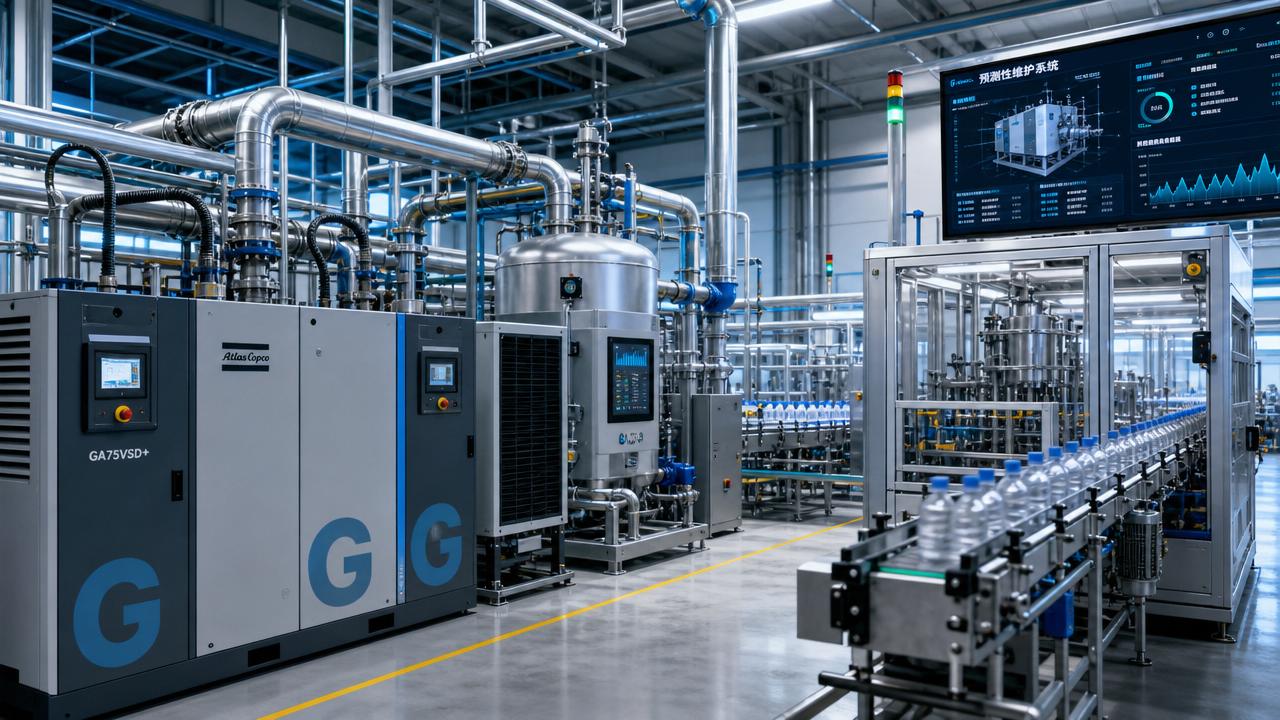
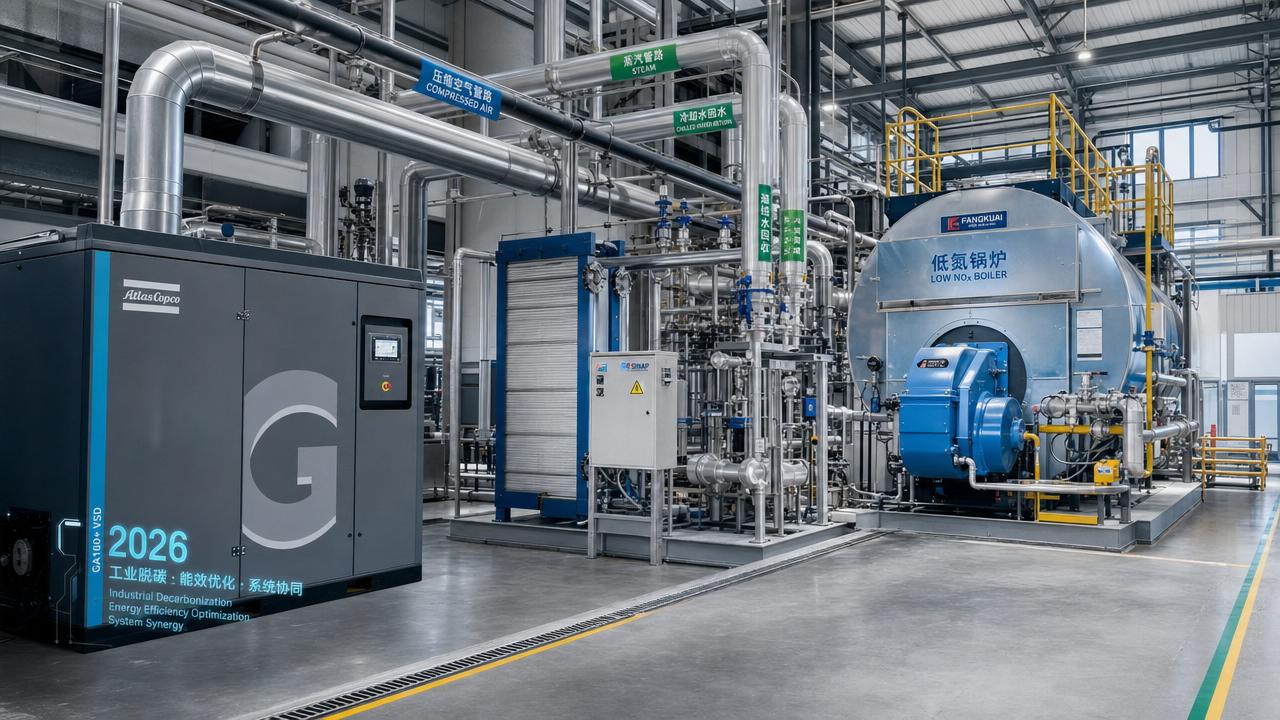
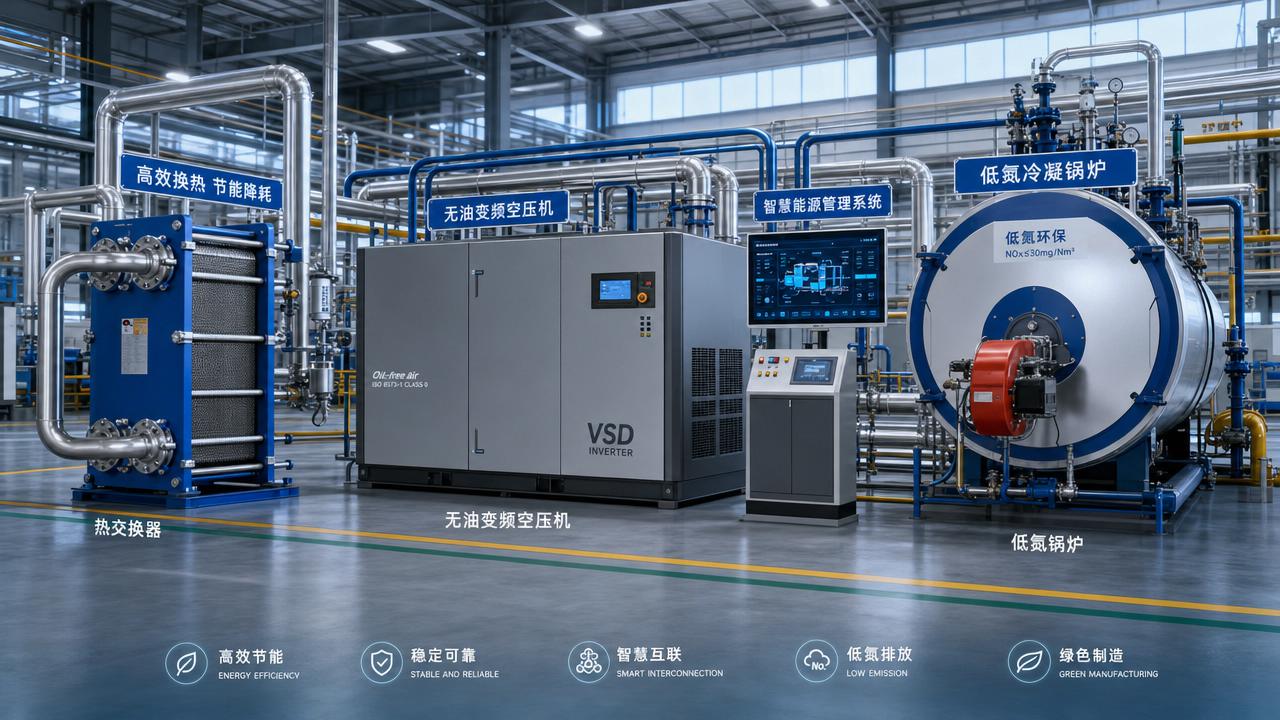
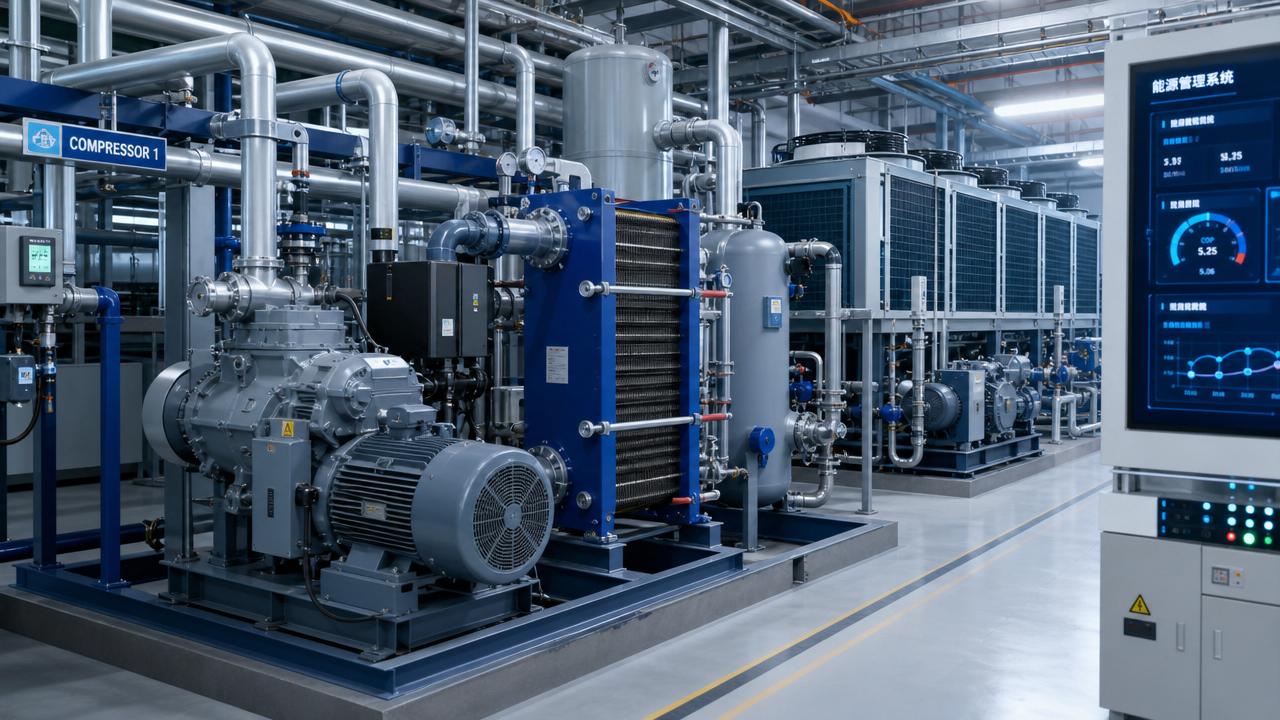
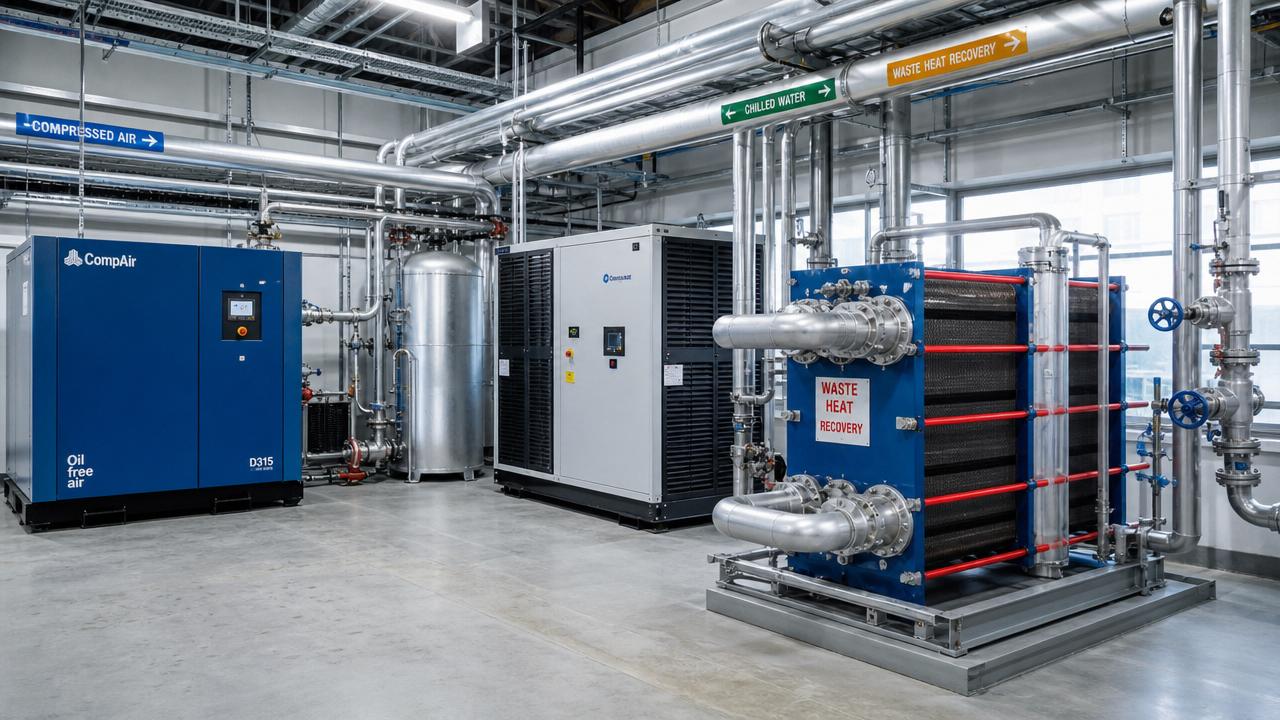
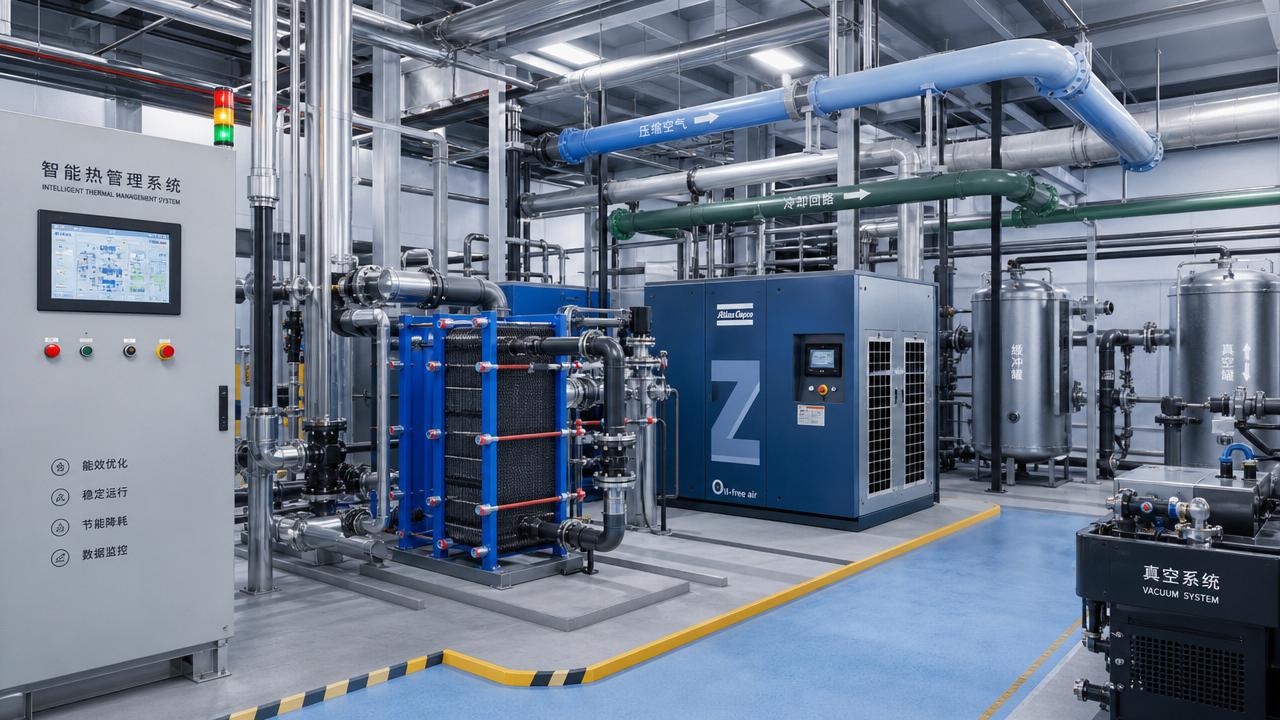
Variable speed compressors, better controls, demand-side audits, and heat recovery are rising in importance. Together, they improve industrial energy efficiency without changing core production lines.
Heat exchange and thermal recovery are moving up the agenda
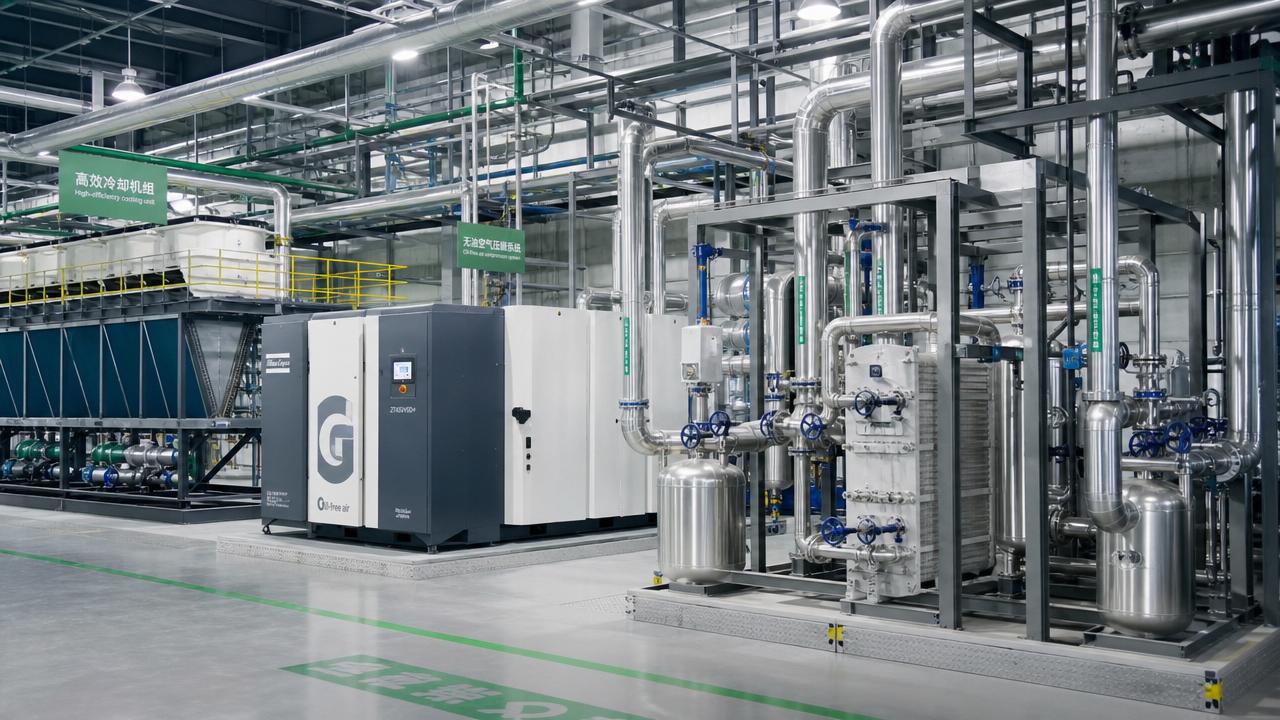
Many plants still reject usable heat into the environment. That heat can often support preheating, hot water generation, or process stabilization.
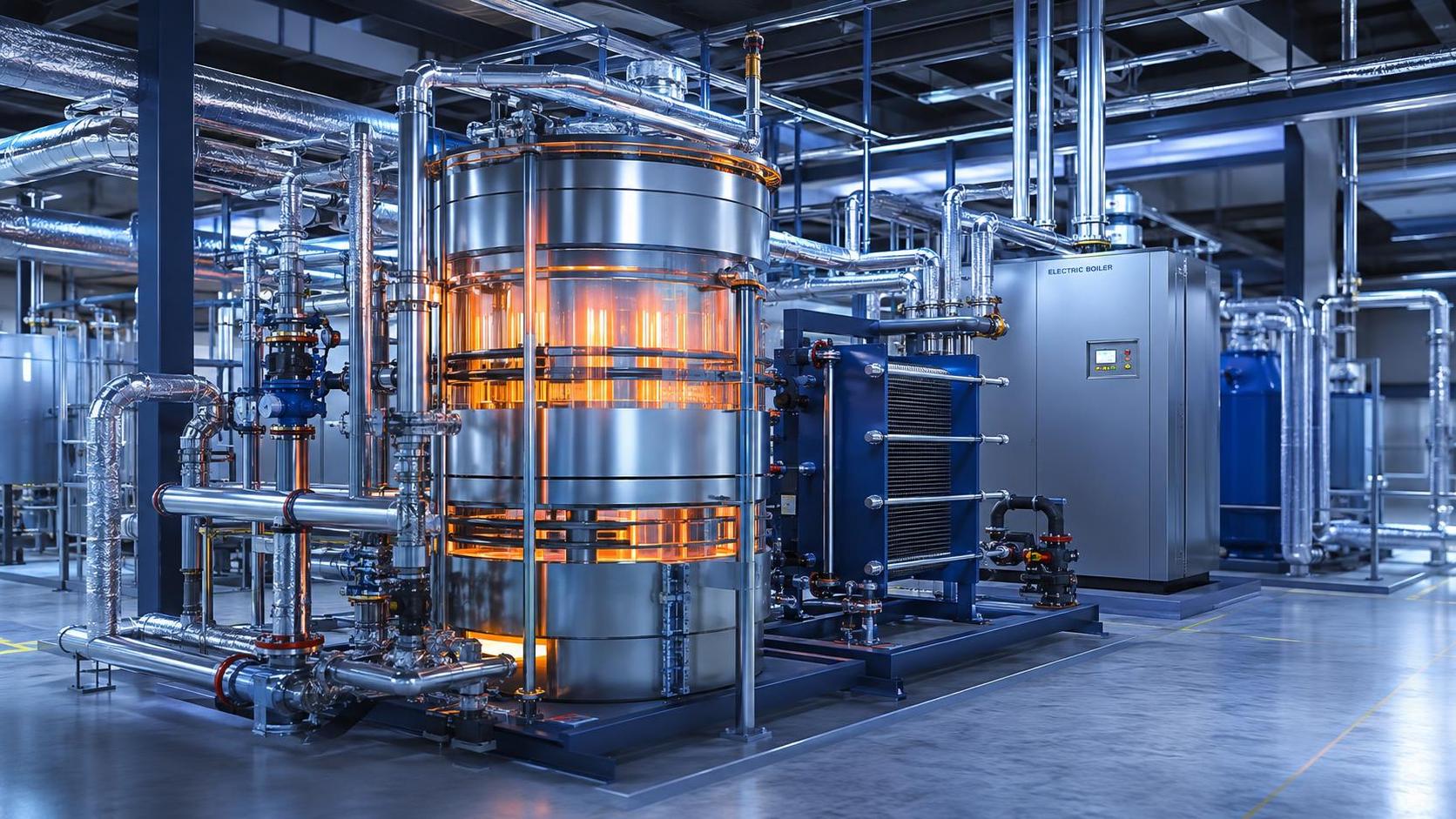
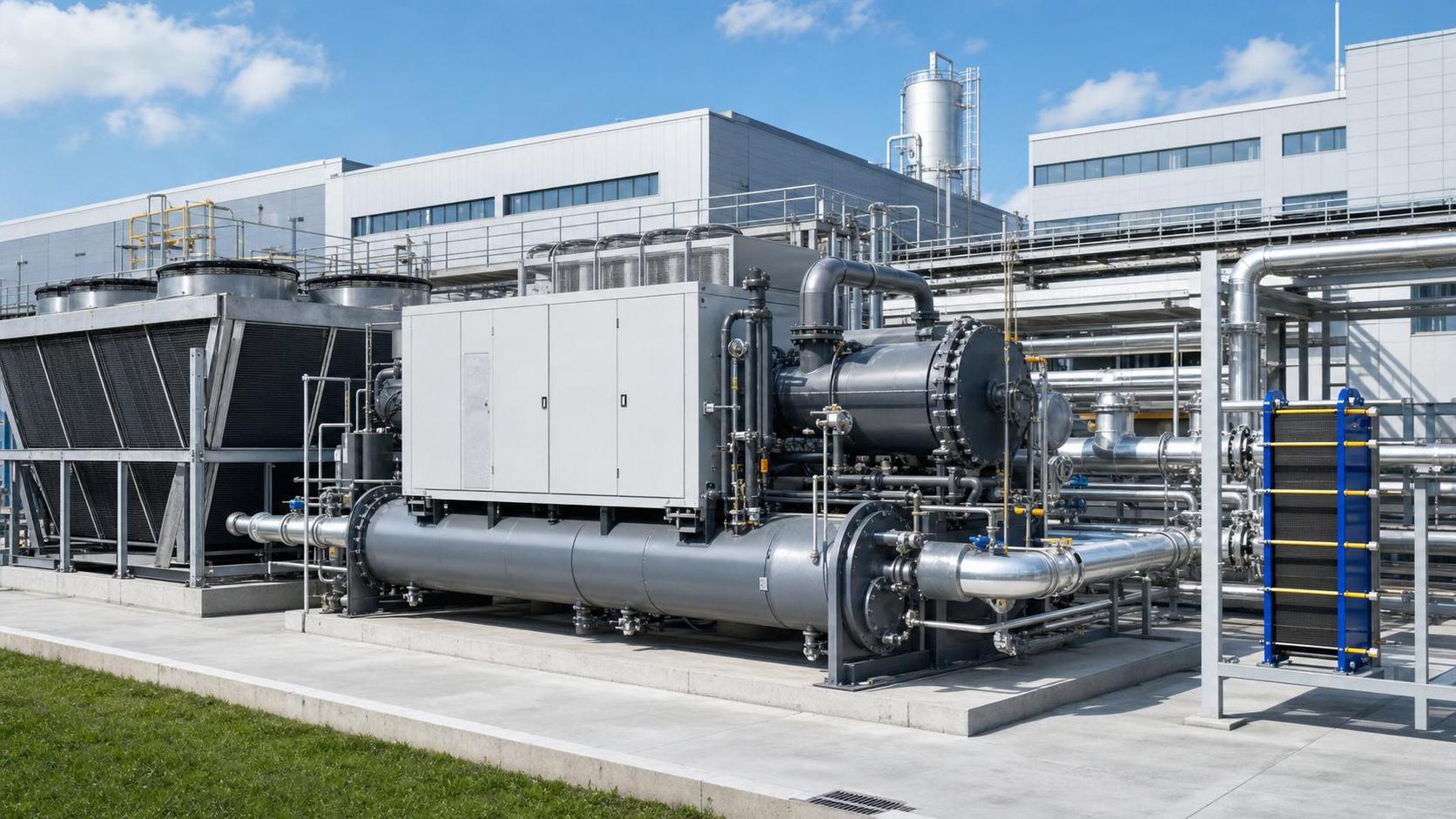
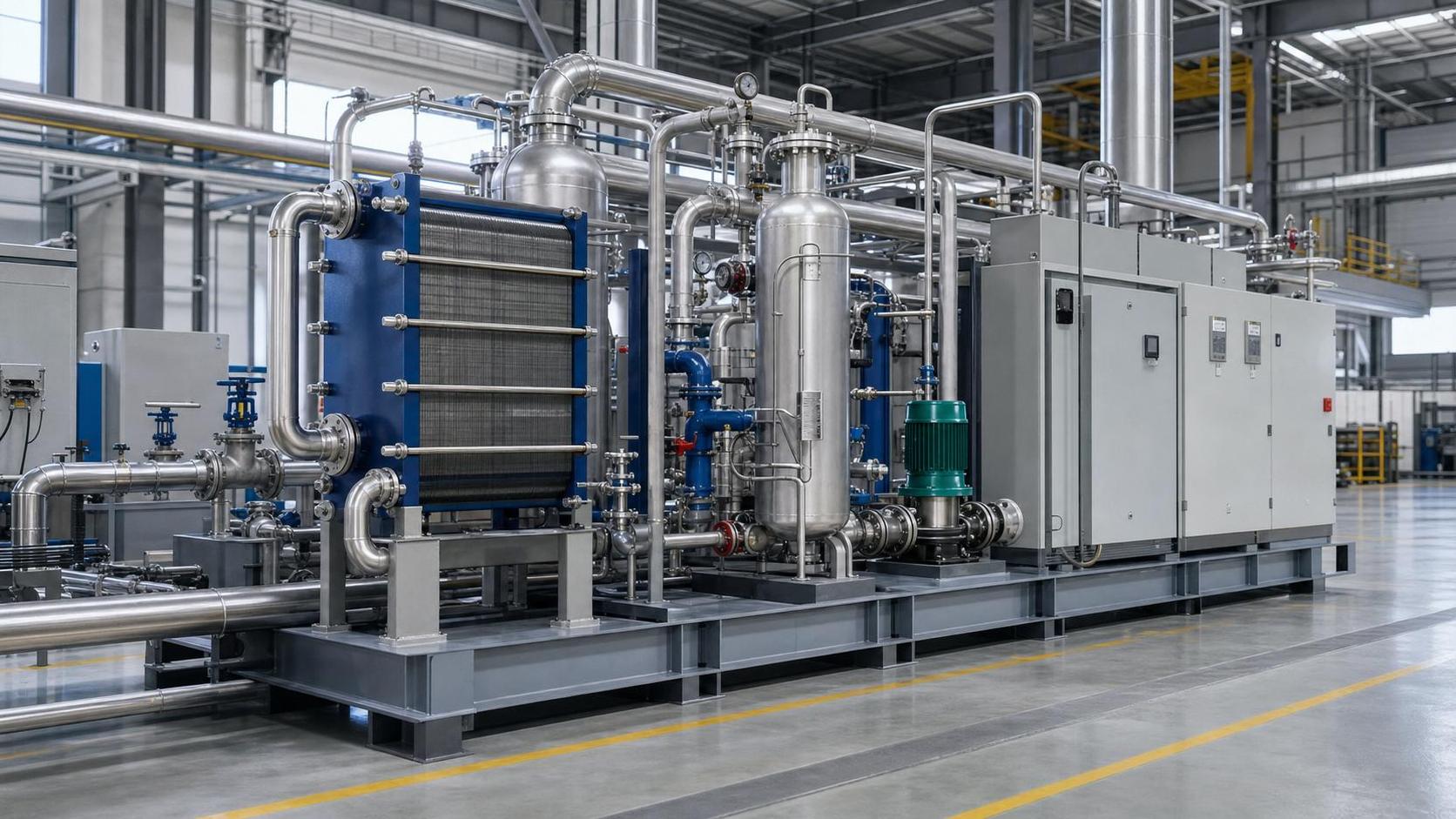
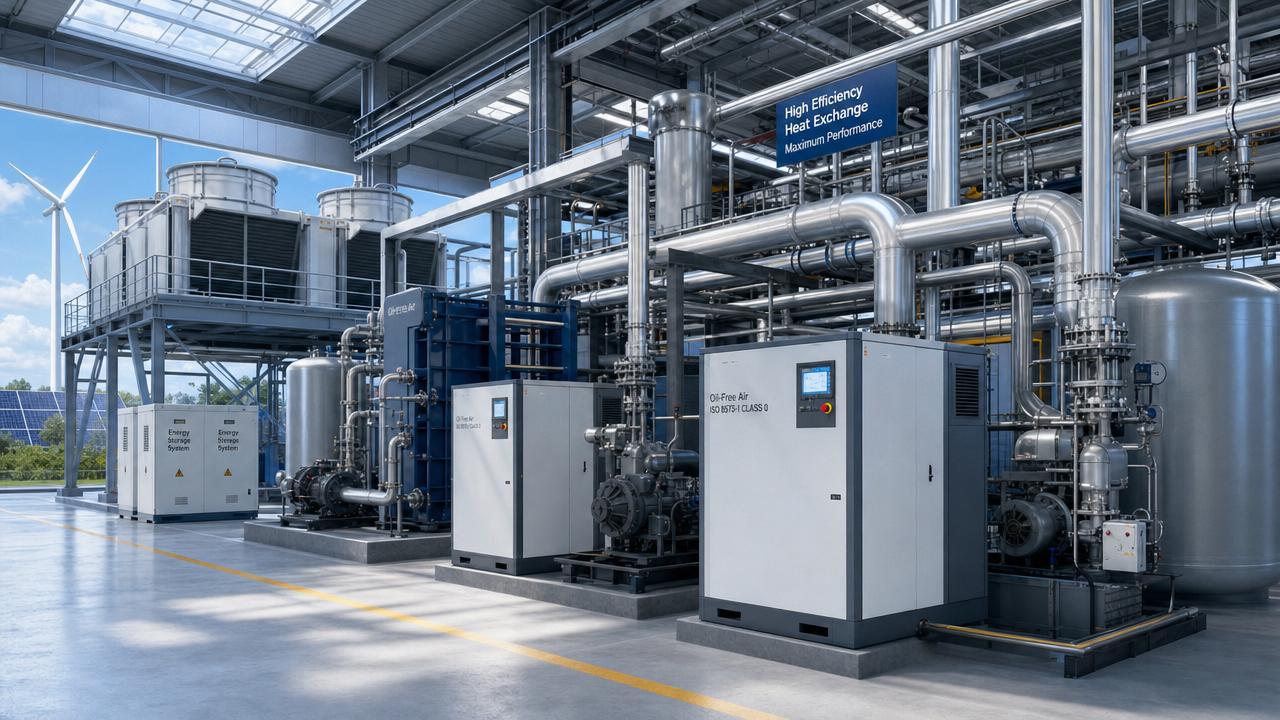
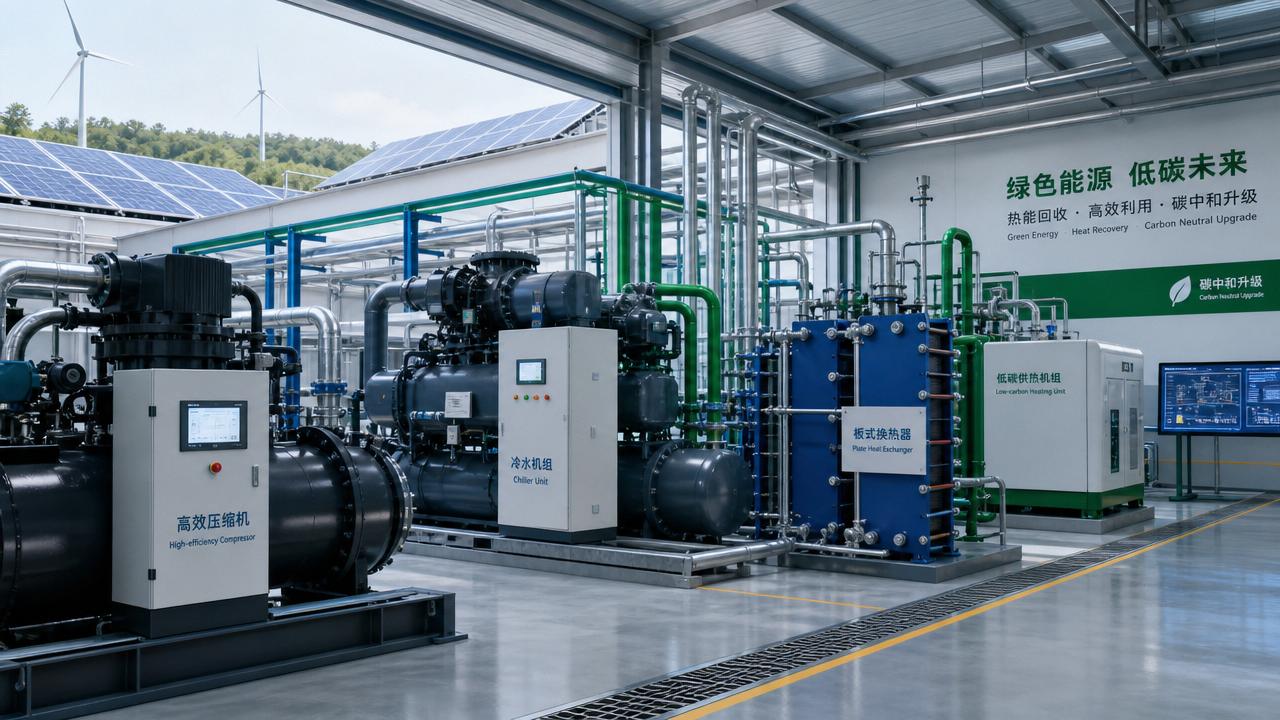
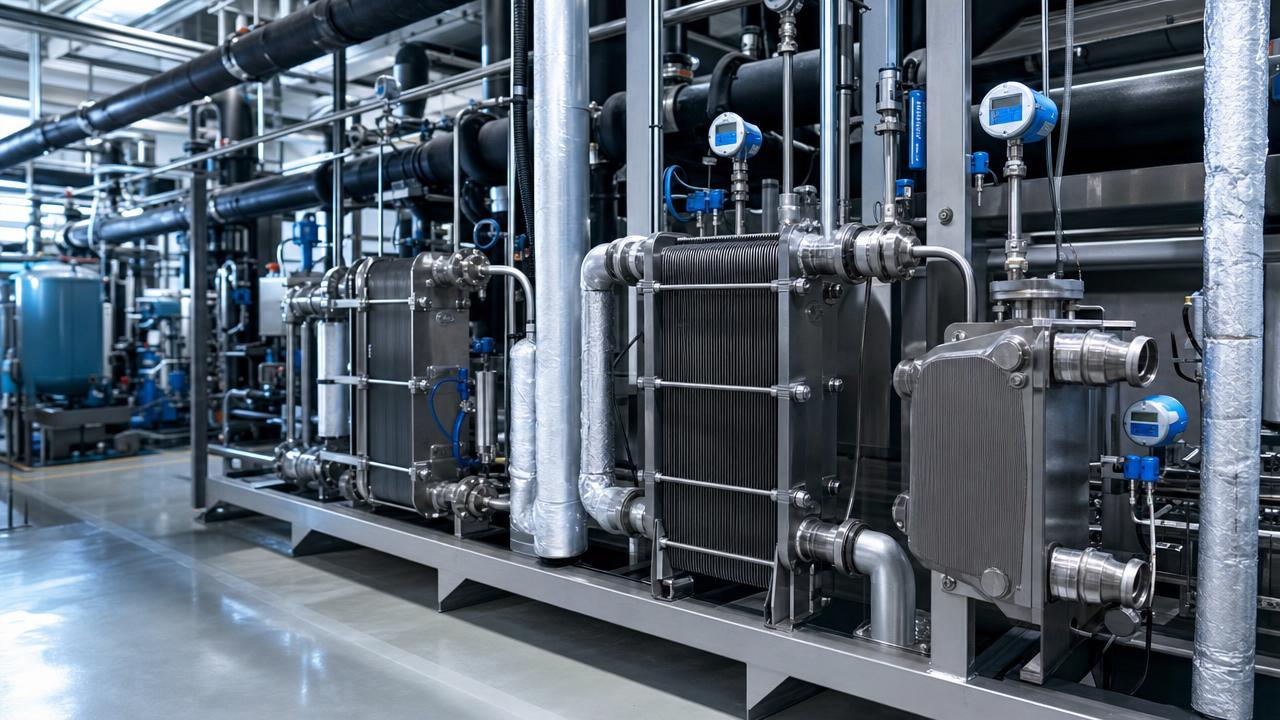
Advanced heat exchangers, cleaner surfaces, optimized flow design, and better fouling control now offer stronger returns. Thermal integration is becoming a serious industrial energy efficiency lever.
Cooling and vacuum systems are under closer review
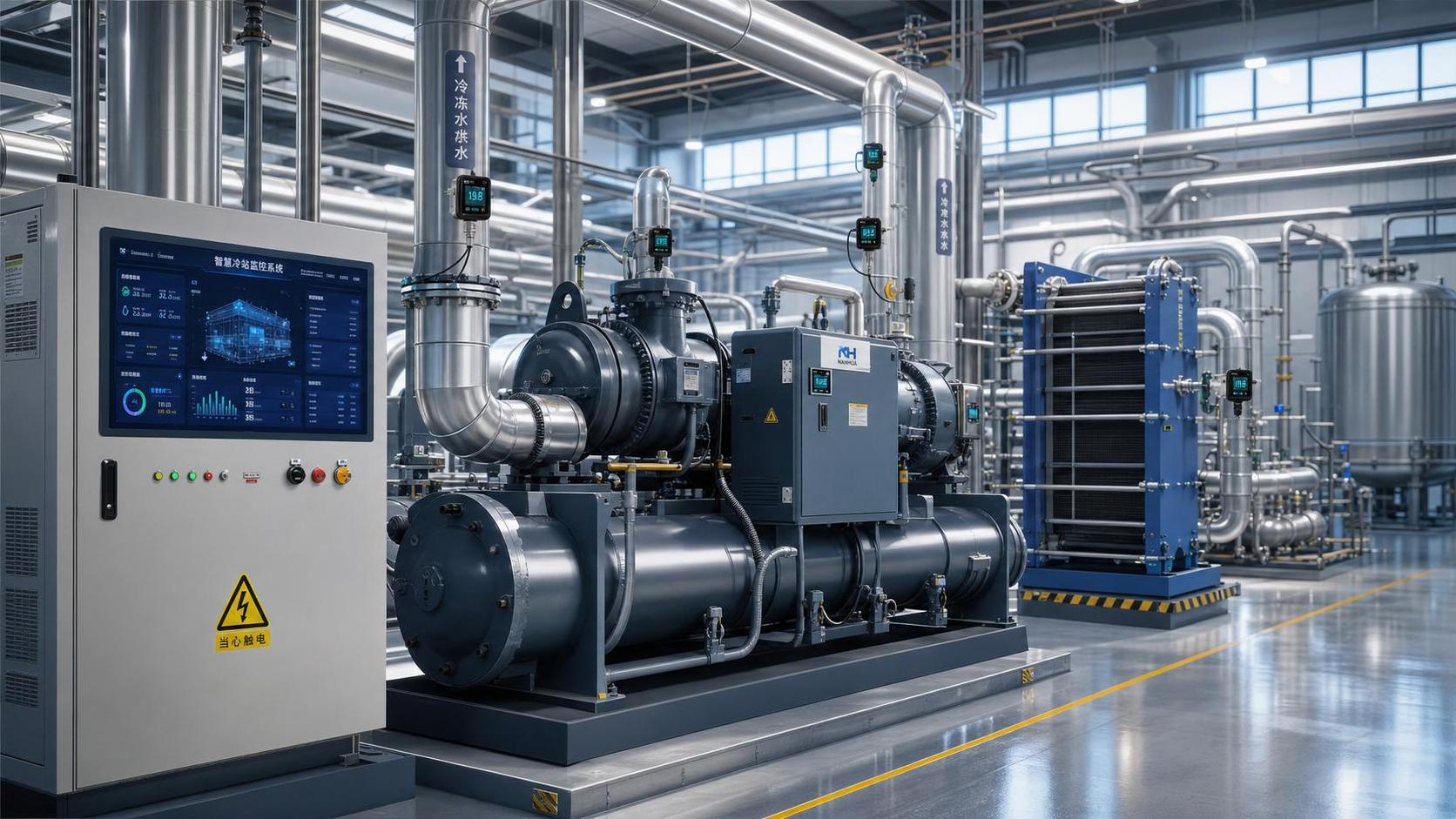
Cooling assets often run at partial loads for long periods. Vacuum systems can also consume excess power when controls do not follow actual demand.
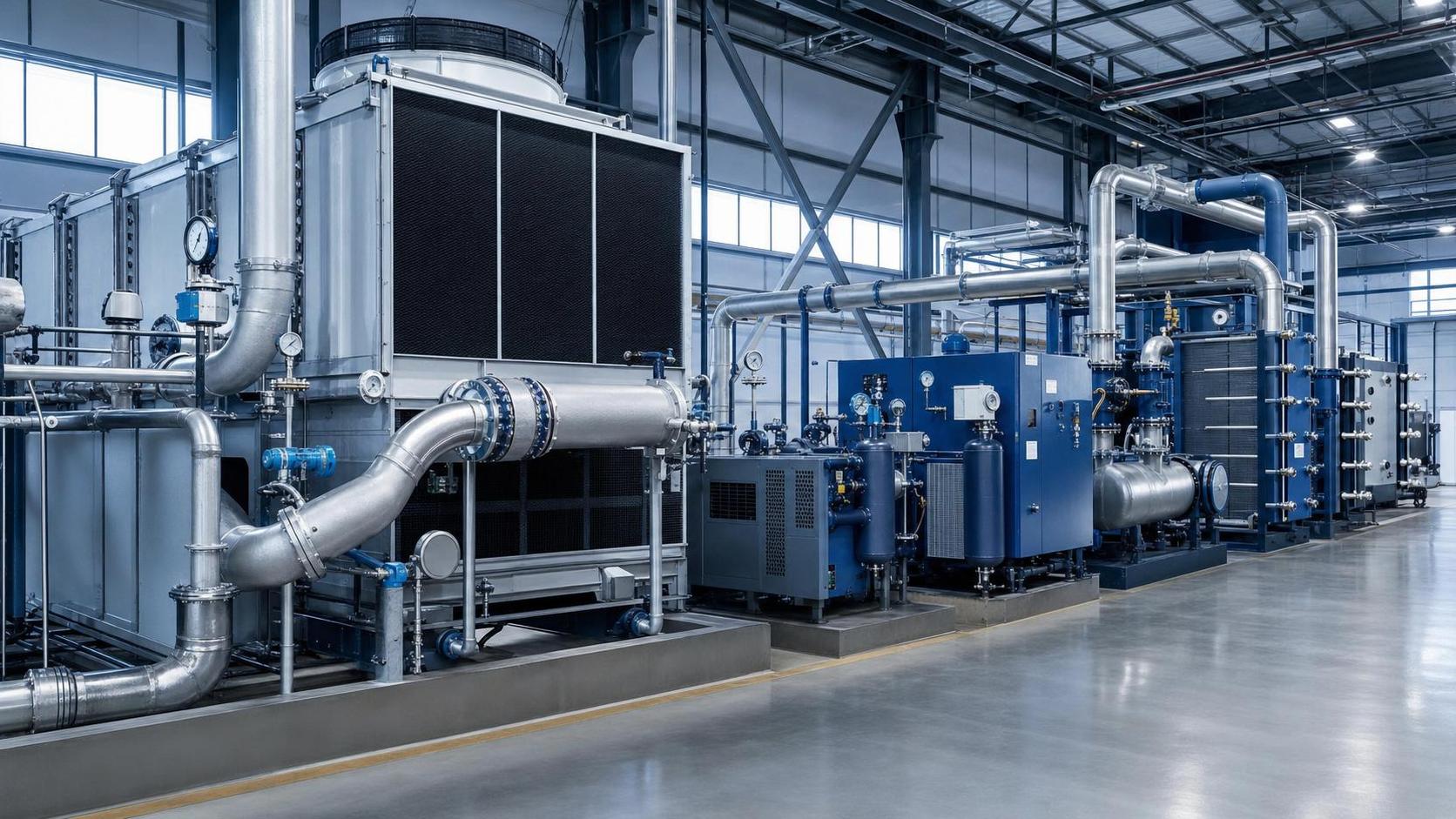
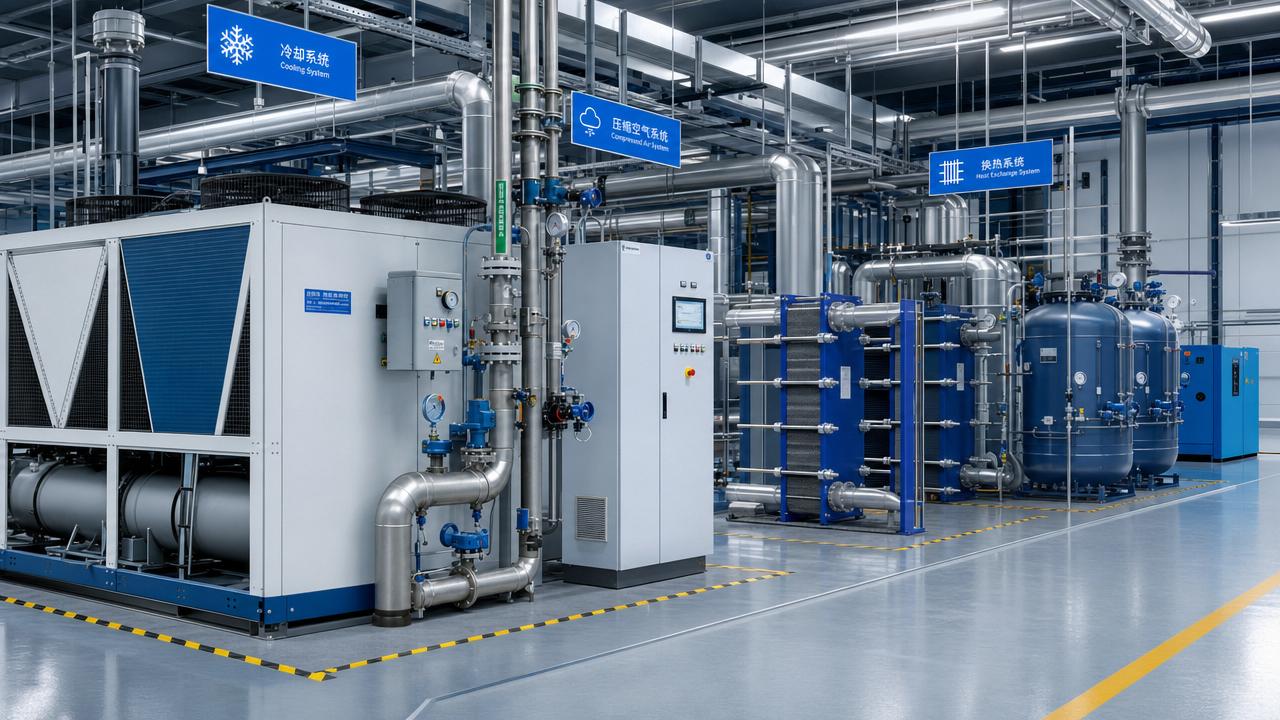
Better sequencing, modern drives, smarter condensers, and oil-free technologies are helping plants reduce both energy intensity and contamination risk.
What these shifts mean for operations, maintenance, and capital planning
The impact of industrial energy efficiency upgrades goes beyond utility bills. It changes how plants plan shutdowns, manage asset life, and evaluate process risk.
- Operations gain more stable temperature, pressure, and flow conditions.
- Maintenance teams face fewer emergency interventions from overstressed legacy systems.
- Finance sees clearer total cost of ownership comparisons, not just purchase price.
- Sustainability reporting improves because energy performance becomes more measurable.
- Capacity planning becomes easier when utilities are no longer the hidden production bottleneck.
This is why industrial energy efficiency should be treated as an upgrade framework, not a side project. It helps connect technical performance with enterprise-level outcomes.
The most important industrial energy efficiency focus areas for 2026
Plants reviewing upgrade priorities should focus on areas where energy use, reliability, and process value intersect. The following checkpoints deserve immediate attention.
- Map the biggest electrical loads by system, not only by department.
- Measure compressed air leaks, pressure drops, and off-shift base load.
- Audit heat rejection points for possible recovery or reuse.
- Review part-load performance in chillers, pumps, fans, and vacuum units.
- Compare legacy equipment efficiency against current operating requirements.
- Check whether controls respond to real demand or fixed assumptions.
- Link energy data to output, quality, and downtime records.
- Prioritize projects with both fast payback and strategic decarbonization value.
This approach helps industrial energy efficiency decisions stay practical. It prevents plants from chasing isolated upgrades that look attractive but deliver limited system-wide benefit.
How to judge upgrade options without losing speed or accuracy
In 2026, faster decisions matter. But fast decisions still need structure. A clear comparison model can keep industrial energy efficiency investments aligned with plant realities.
A structured view is essential because plants rarely upgrade one system in isolation. Compressed air, cooling, and heat management often influence each other in hidden ways.
A practical response path for plants preparing 2026 upgrades
The most effective response is phased. Industrial energy efficiency improves faster when plants move from visibility to prioritization, then to integrated execution.
- Establish a current energy baseline for major utility and thermal systems.
- Identify losses with the strongest cost and uptime impact.
- Separate quick wins from capital-intensive modernization projects.
- Model interactions between compression, cooling, vacuum, and heat recovery.
- Set post-upgrade performance indicators tied to output and reliability.
- Review results quarterly and refine the next phase of plant improvements.
This staged method creates momentum without sacrificing discipline. It also helps justify future upgrades with credible operational evidence.
For 2026, industrial energy efficiency should be viewed as a strategic modernization path. Plants that act early can reduce energy exposure, improve system resilience, and strengthen long-term competitiveness.
For deeper intelligence on compressed air, thermal systems, vacuum technology, and heat exchange trends, follow GTC-Matrix to turn complex energy decisions into practical upgrade direction.
Ready when you are. Send us a message to get started.
Related News
- Why high-density thermal energy storage is gaining industry attentionAuthor :

- Smart Device Thermal Management Trends Shaping 2026 Product DesignAuthor :

- Industrial Cooling Technologies in Europe: 2026 Trends in Compliance and Energy UseAuthor :

- Industrial Electrification Trends in 2026: Where Projects Are Moving FirstAuthor :

- Industrial Solution Comparison Global: 2026 Trends Reshaping Equipment DecisionsAuthor :

- When Heat Recovery Systems Skid Mounted Designs Improve Project PaybackAuthor :

- How to Compare Industrial Decarbonization Solutions Providers in 2026Author :

- Industry Category Guides for Smart Devices: What to Track as 2026 Markets ShiftAuthor :

- Green Manufacturing Trends Reshaping Industrial InvestmentAuthor :

- 2026 Global Energy Costs: What Will Reshape Industrial PlanningAuthor :

- Industrial Decarbonization Solutions That Cut Fuel Costs in 2026Author :

- Smart Thermal Systems Trends Shaping Industrial Upgrades in 2026Author :

- Resource Circularity in Manufacturing: 5 Practical Gains Beyond ComplianceAuthor :

- Carbon Neutrality Roadmap: What Industrial Firms Need to Prioritize FirstAuthor :

- Energy Conversion Efficiency Trends Shaping Industrial UpgradesAuthor :

- Compression Technology Trends Shaping Efficient Plant UpgradesAuthor :

- Industrial Intelligence in Manufacturing: Where It Delivers Value FirstAuthor :

- How Intellectualization Improves Industrial Thermal ManagementAuthor :

- What Intellectualization Means for Smarter Plant Operations in 2026Author :

- Carbon Neutrality Goals: What Industrial Firms Should Prioritize in 2026Author :

- How Intellectualization Reduces Downtime in Modern Production LinesAuthor :

- Decarbonization Roadmap for Energy-Intensive Plants in 2026Author :

- Thermal Systems Trends in 2026: Efficiency, Control, and RiskAuthor :

- Industrial Decarbonization Priorities for Energy-Intensive FacilitiesAuthor :

- Thermal Systems in 2026: Efficiency Upgrades Shaping Industrial OperationsAuthor :

- Pure Power Sources: 5 Practical Paths to Carbon NeutralityAuthor :

- What Intellectualization Means for Industrial Equipment UpgradesAuthor :

- Thermal Optimization in 2026: Where Energy Savings Deliver the Fastest PaybackAuthor :

- Energy Efficiency Trends Reshaping Compressor Upgrades in 2026Author :

- 2026 Industrial Decarbonization Trends Reshaping Plant UpgradesAuthor :
![]()
- Heat Exchanger Technology Trends for 2026 Efficiency TargetsAuthor :

- Resource Circularity Risks in 2026 Supply ChainsAuthor :

- Smart Thermal Systems: When Upgrades Deliver Measurable SavingsAuthor :

- Carbon Neutrality: Practical Steps for Factory RoadmapsAuthor :

- 2026 Industrial Energy Efficiency Priorities for Plant UpgradesAuthor :

- Industrial Intellectualization Trends Reshaping Equipment UpgradesAuthor :