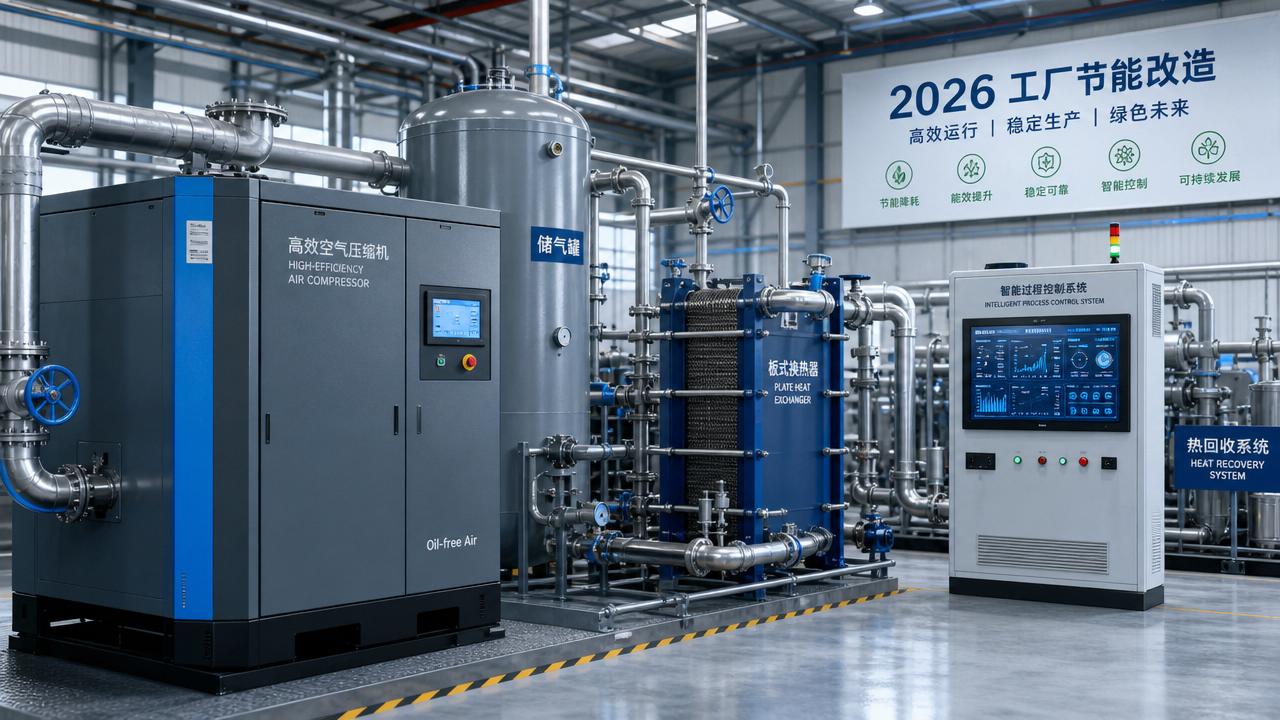
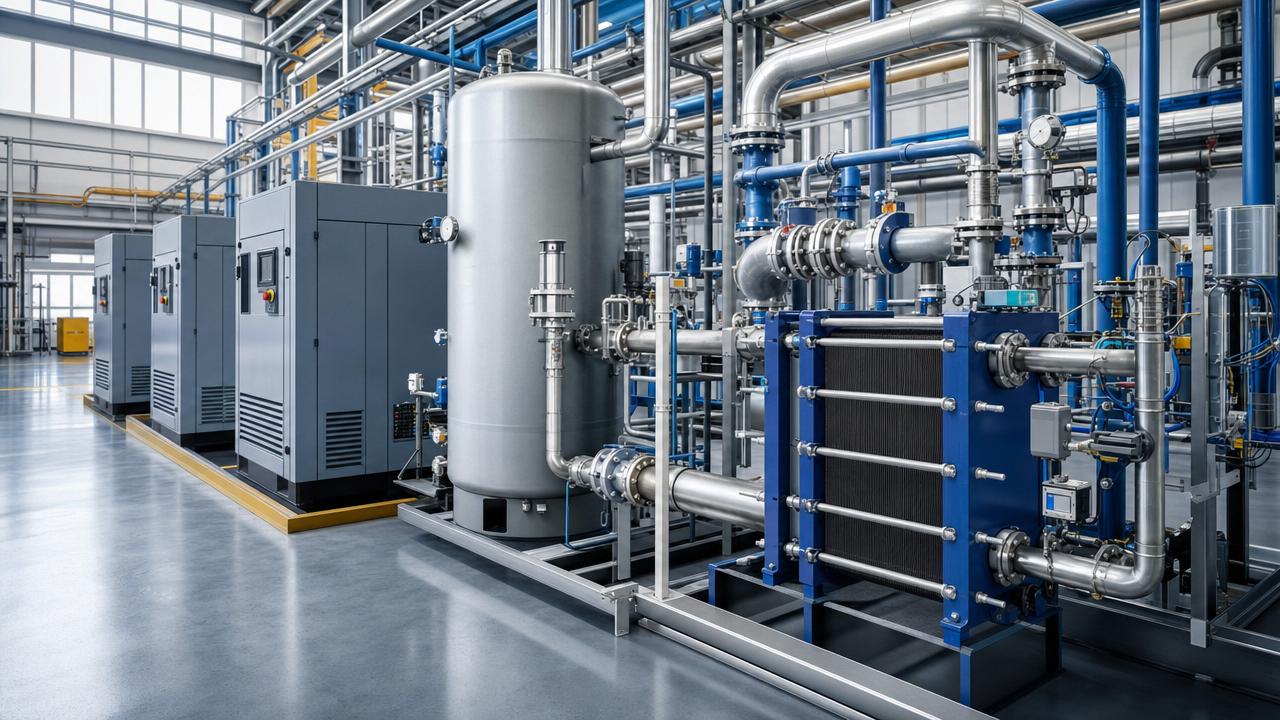
Carbon Neutrality: Practical Steps for Factory Roadmaps




Carbon neutrality is no longer a distant vision for factories—it is a practical roadmap that project managers can start building today. From energy audits and equipment upgrades to heat recovery, compressed air optimization, and data-driven monitoring, each step can reduce emissions while improving cost efficiency and operational resilience. This guide outlines actionable priorities for industrial teams seeking measurable progress.
For project managers and engineering leads, the challenge is rarely a lack of ambition. The real issue is execution: where to start, which systems deliver the fastest return, how to balance capex with downtime risk, and how to turn carbon neutrality into a credible factory roadmap rather than a loose sustainability statement.
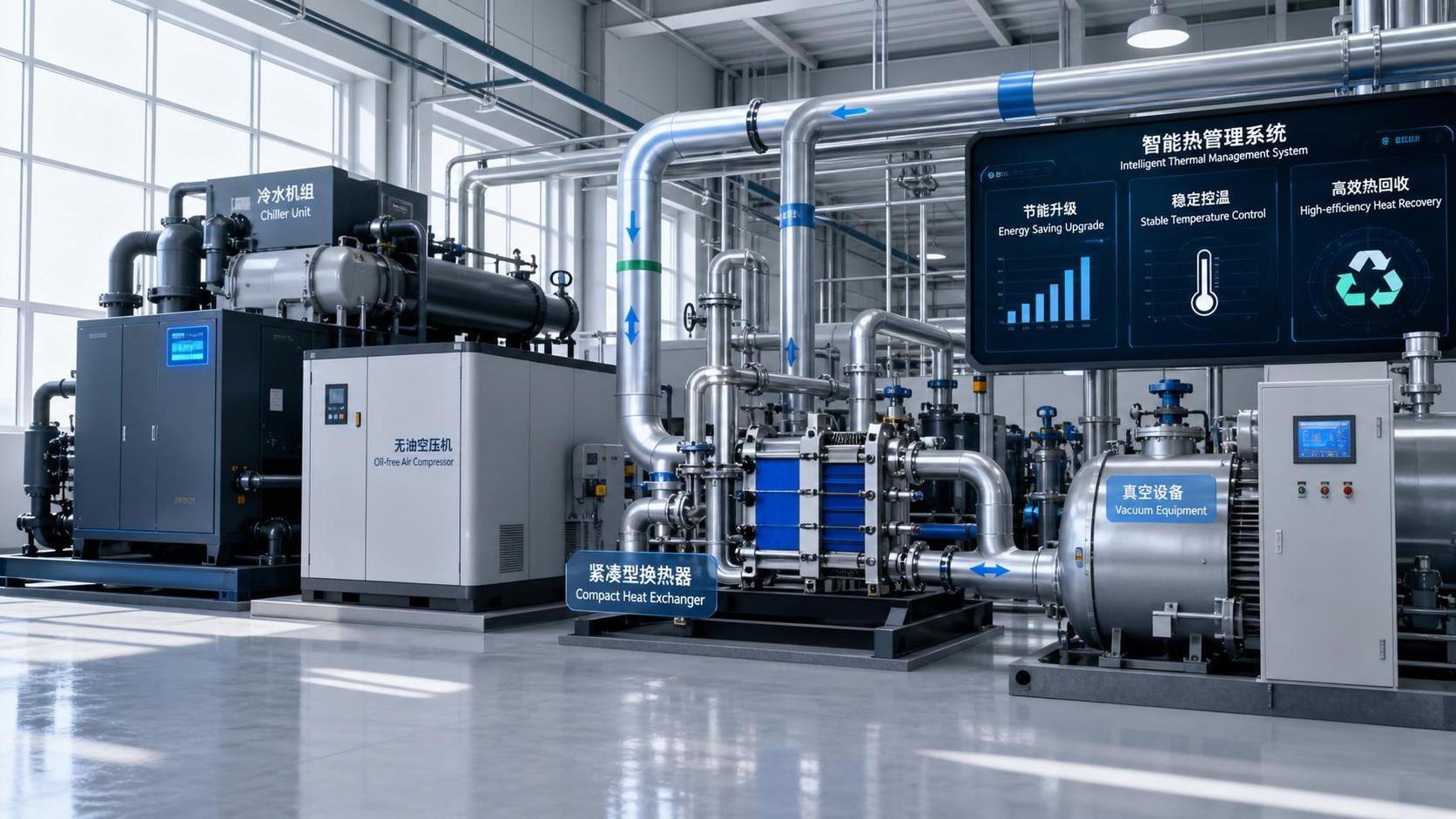
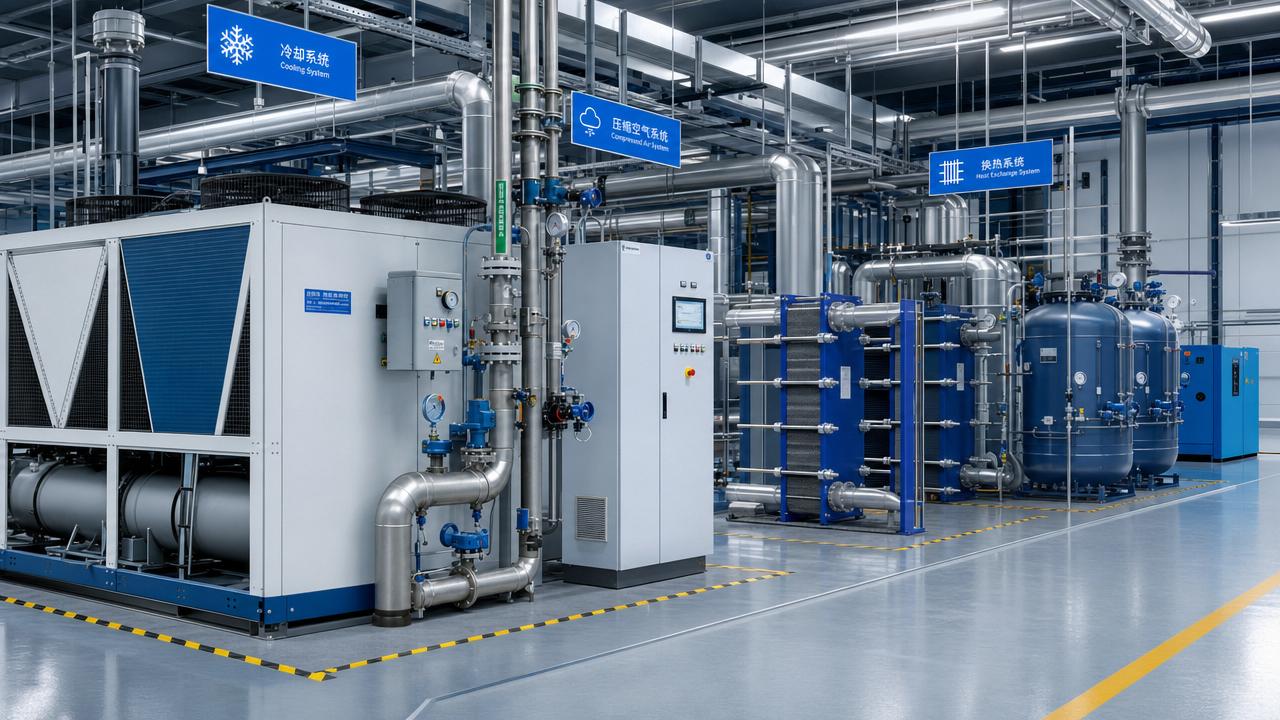
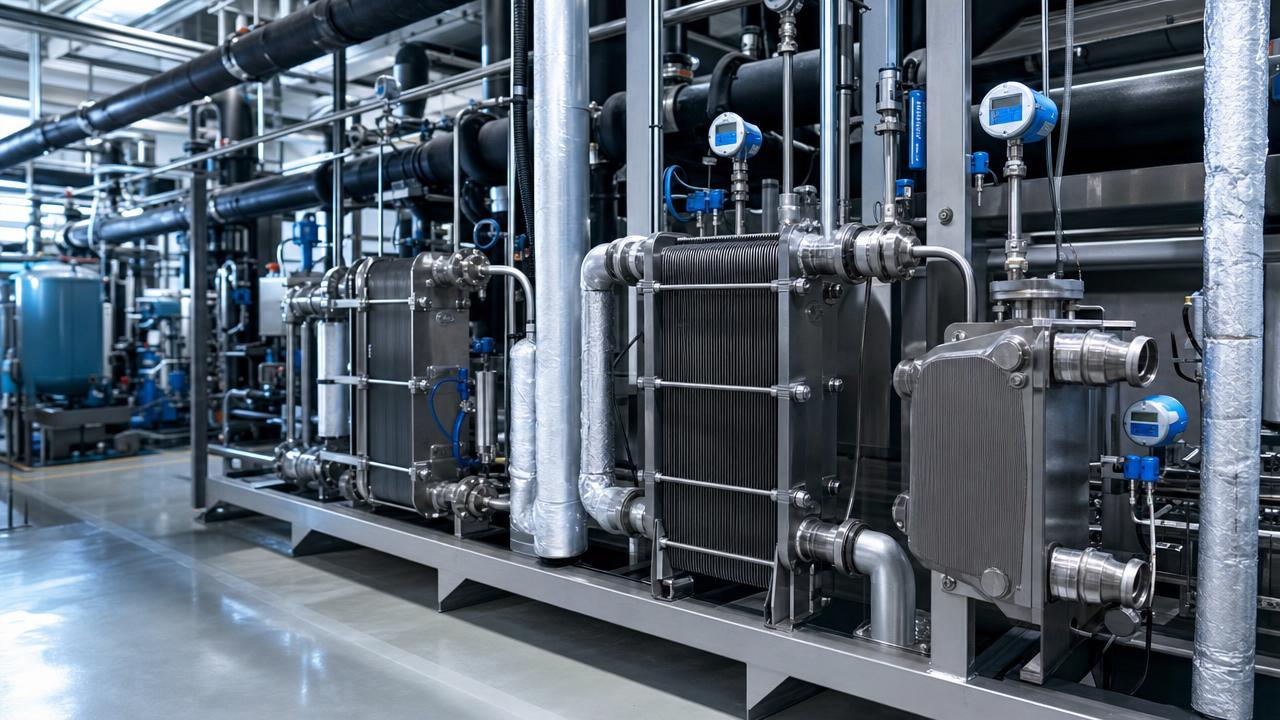
In energy-intensive industrial environments, thermal systems, compressed air networks, vacuum processes, cooling loops, and heat exchange equipment often account for a large share of indirect emissions. That makes them high-impact priorities for any decarbonization plan. A practical roadmap begins with measurable baselines, phased upgrades, and operating discipline supported by data.
Why Carbon Neutrality Roadmaps Need an Engineering-Led Structure
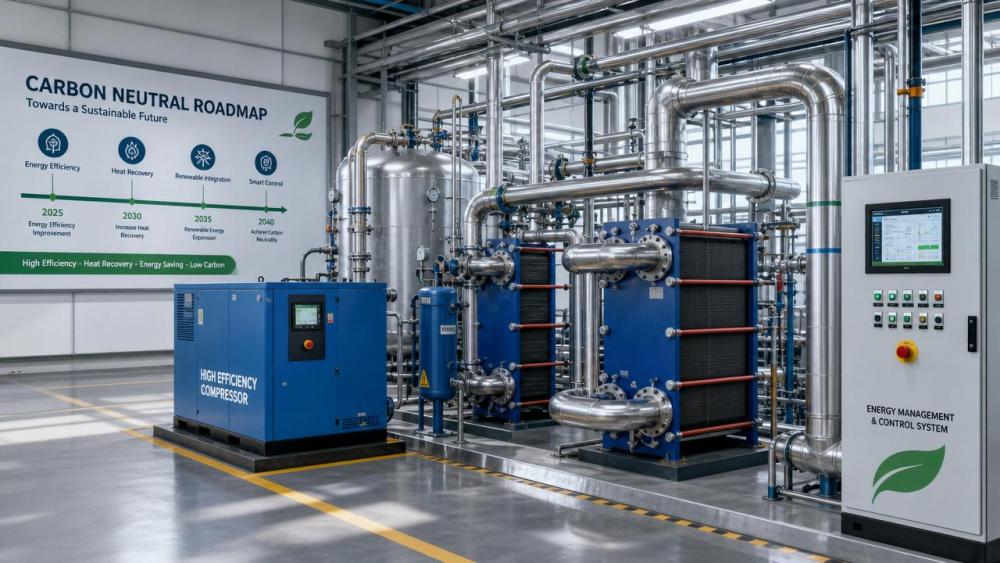
A factory carbon neutrality plan should be treated like a multi-year engineering program, not a single procurement event. In most plants, 3 to 5 systems drive the majority of energy waste: compressed air leakage, oversized cooling equipment, poor heat recovery, unstable process control, and fragmented monitoring across utilities.
For project leaders, the first objective is to establish a reliable baseline. A 2- to 6-week audit typically reviews electricity consumption, fuel use, thermal losses, compressed air pressure stability, refrigeration load profiles, and production-normalized energy intensity such as kWh per unit or per batch.
What a Factory Baseline Should Include
Without a baseline, carbon neutrality targets become difficult to prioritize. Teams should map Scope 1 and Scope 2 sources at minimum, then connect them to major process assets. Even in mixed-use plants, a focused audit covering the top 20% of energy-consuming assets can reveal 60% to 80% of realistic near-term savings opportunities.
- Electricity demand by process line, utility room, and shift pattern
- Fuel consumption for boilers, thermal oil systems, or direct-fired heaters
- Compressed air system pressure, load-unload cycling, and leakage estimates
- Cooling water temperatures, chiller COP ranges, and seasonal load variation
- Heat rejection points that could support recovery or reuse
- Maintenance frequency, alarm events, and downtime caused by utility instability
Common Barriers in Industrial Decarbonization
Many factories already know where losses exist, but progress slows when carbon neutrality is separated from production planning. Project teams often face 4 recurring barriers: incomplete metering, competing capex priorities, uncertain payback periods, and concern that upgrades may disrupt output quality or delivery schedules.
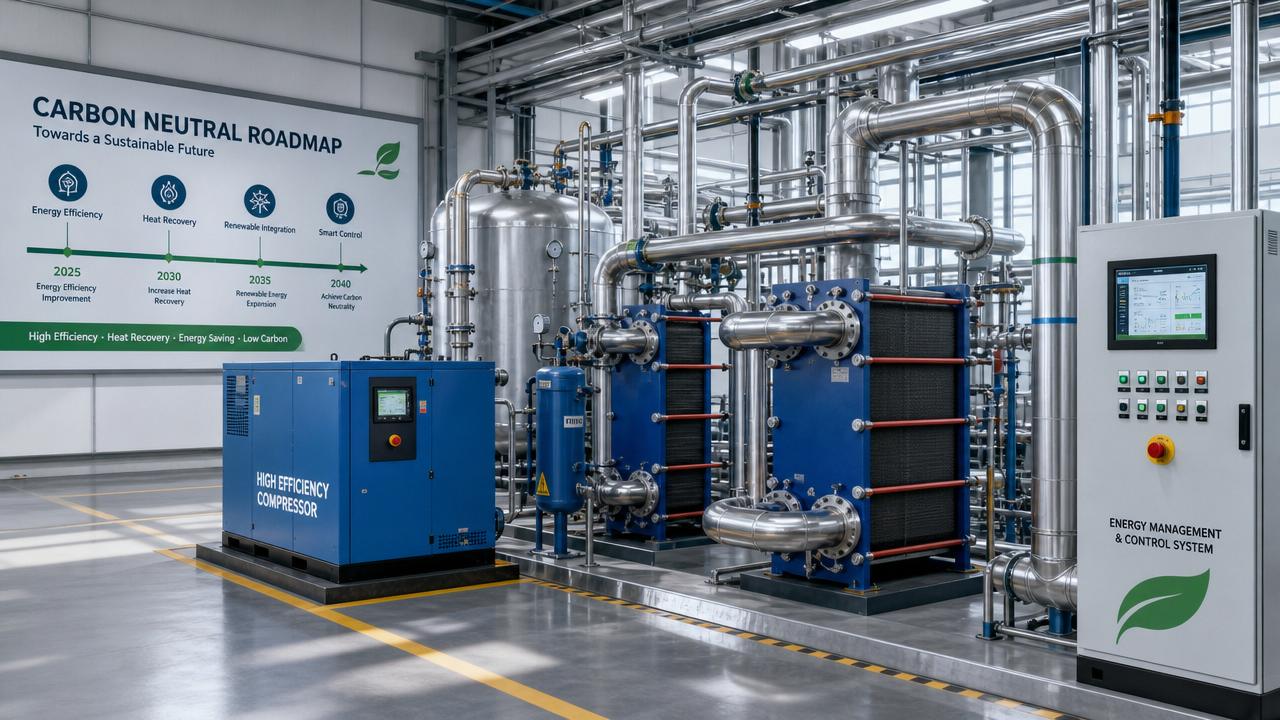
This is why roadmaps should be phased. Phase 1 usually covers no-regret actions with payback in 6 to 18 months. Phase 2 focuses on medium-complexity retrofits over 12 to 24 months. Phase 3 may include electrification, advanced controls, renewable integration, or major process redesign over 24 to 60 months.
Step-by-Step Priorities for a Practical Carbon Neutrality Roadmap
The most effective carbon neutrality strategies do not start with broad declarations. They start with asset-level decisions. For factories with thermal and compression-intensive operations, the following priorities usually create the clearest path to measurable emissions reduction and cost control.
1. Audit Before You Upgrade
An audit should combine utility data, process interviews, and field measurements. For compressed air, measure flow, pressure drop, and part-load behavior over at least 7 consecutive days. For cooling and heat exchange systems, compare design conditions with actual inlet and outlet temperatures, fouling trends, and load diversity across shifts.
Where audits usually uncover fast savings
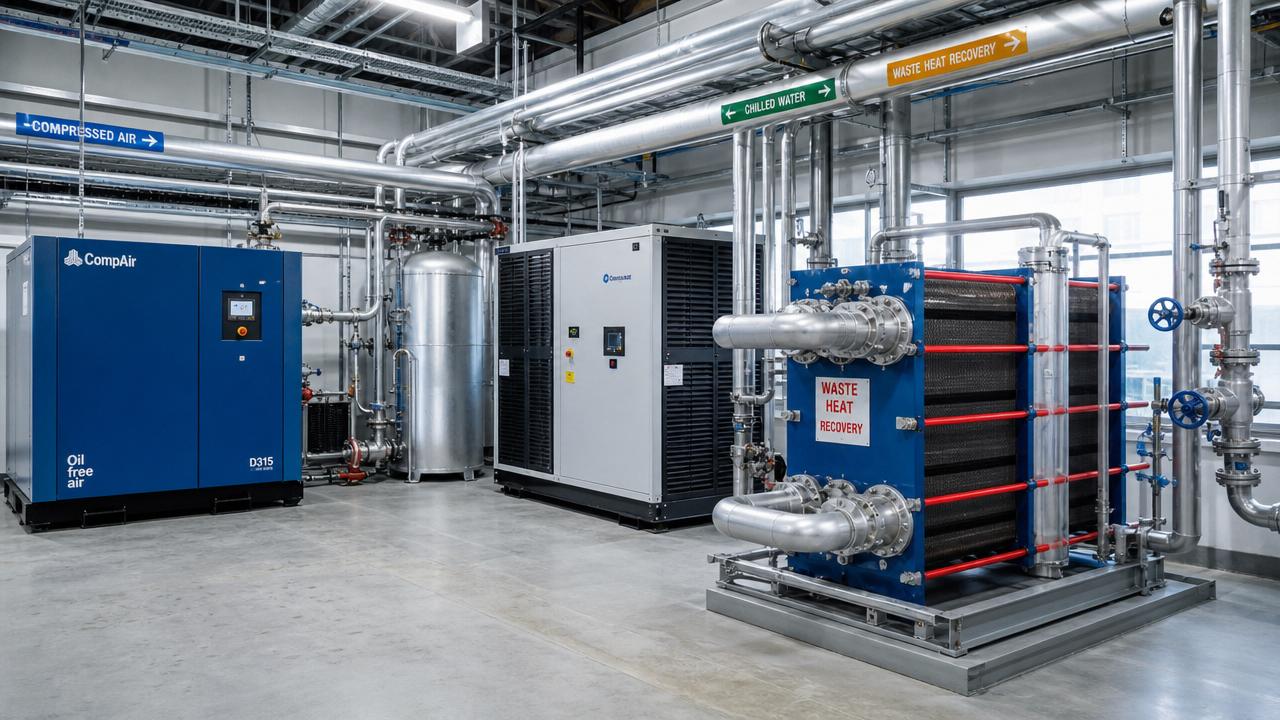
Factories frequently discover that 15% to 30% of compressed air output is lost through leaks, artificial demand, or inappropriate end uses. In thermal systems, heat rejection from compressors, condensers, or process exhaust may offer practical recovery potential for wash water preheating, space heating, or low-temperature process support.
2. Modernize High-Load Utility Equipment
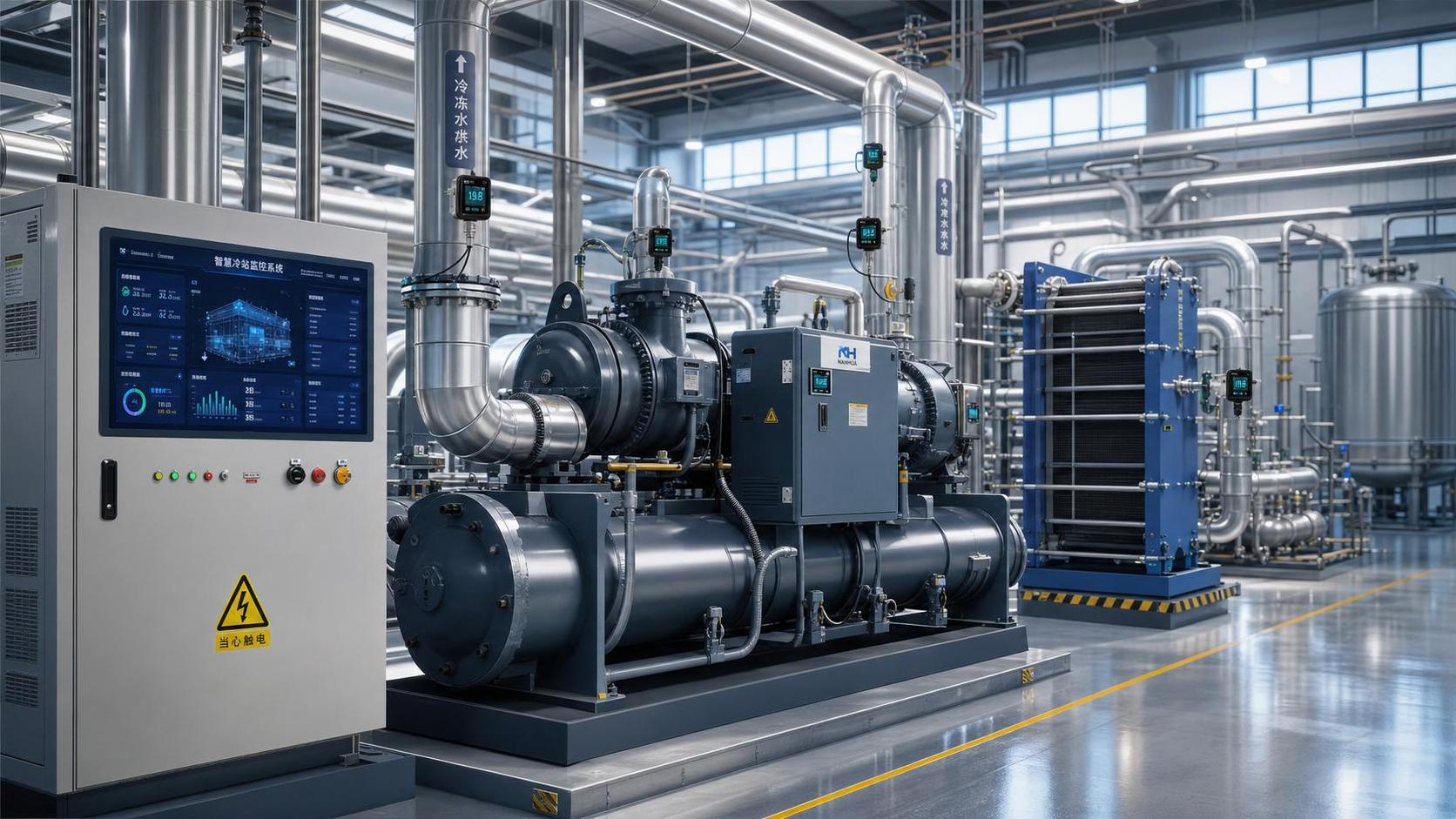
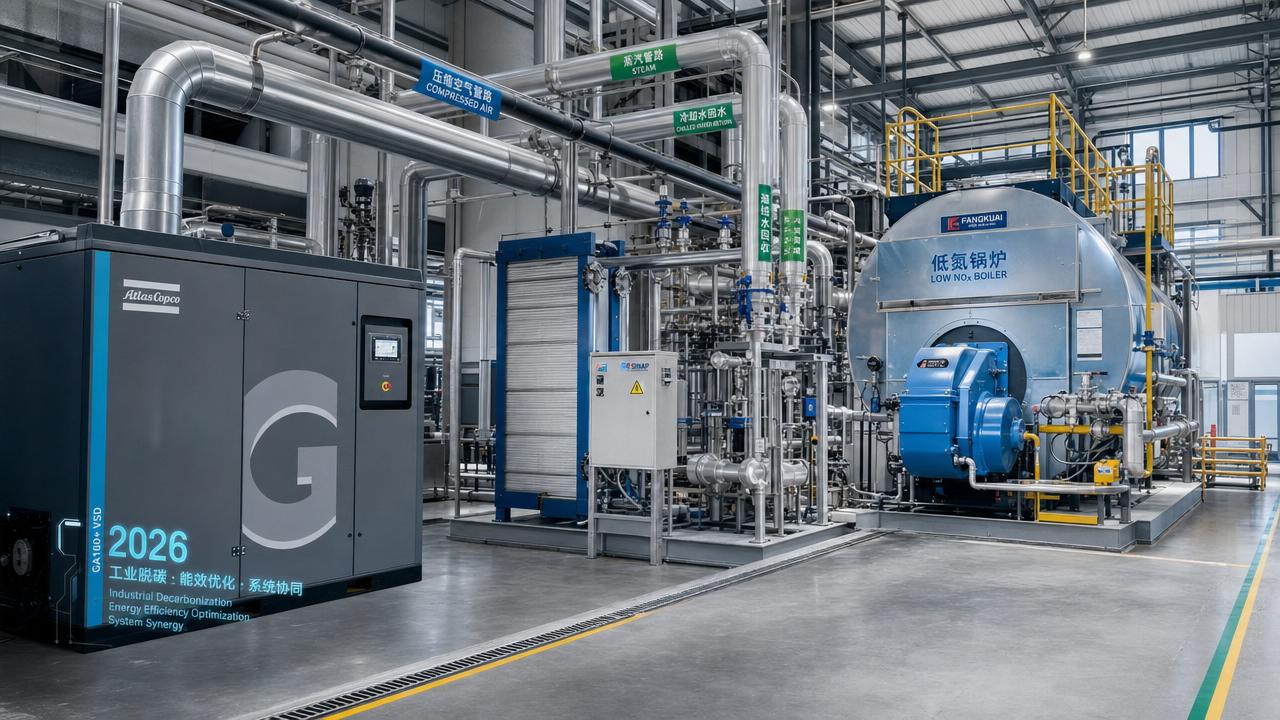
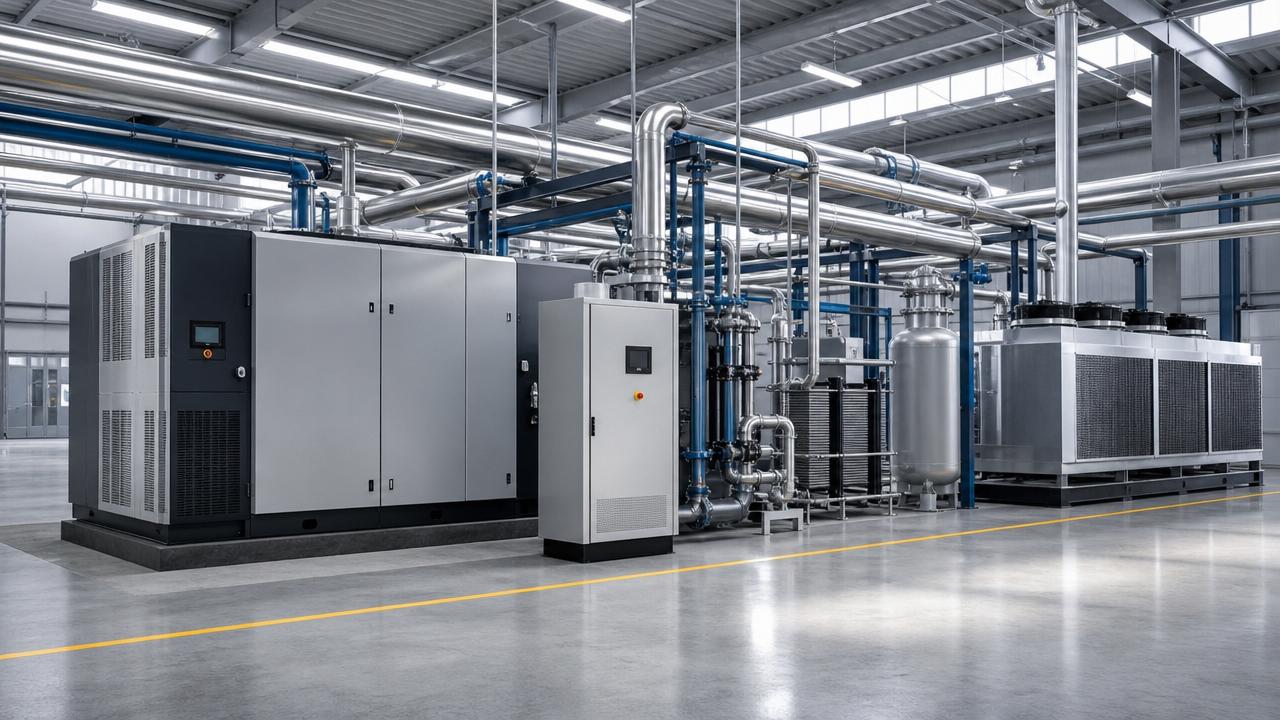
Older utility assets often operate far from their original design point. Replacing fixed-speed drives with variable-speed control, resizing oversized compressors, improving chiller sequencing, or upgrading to higher-efficiency heat exchangers can reduce energy use without changing the core production process.
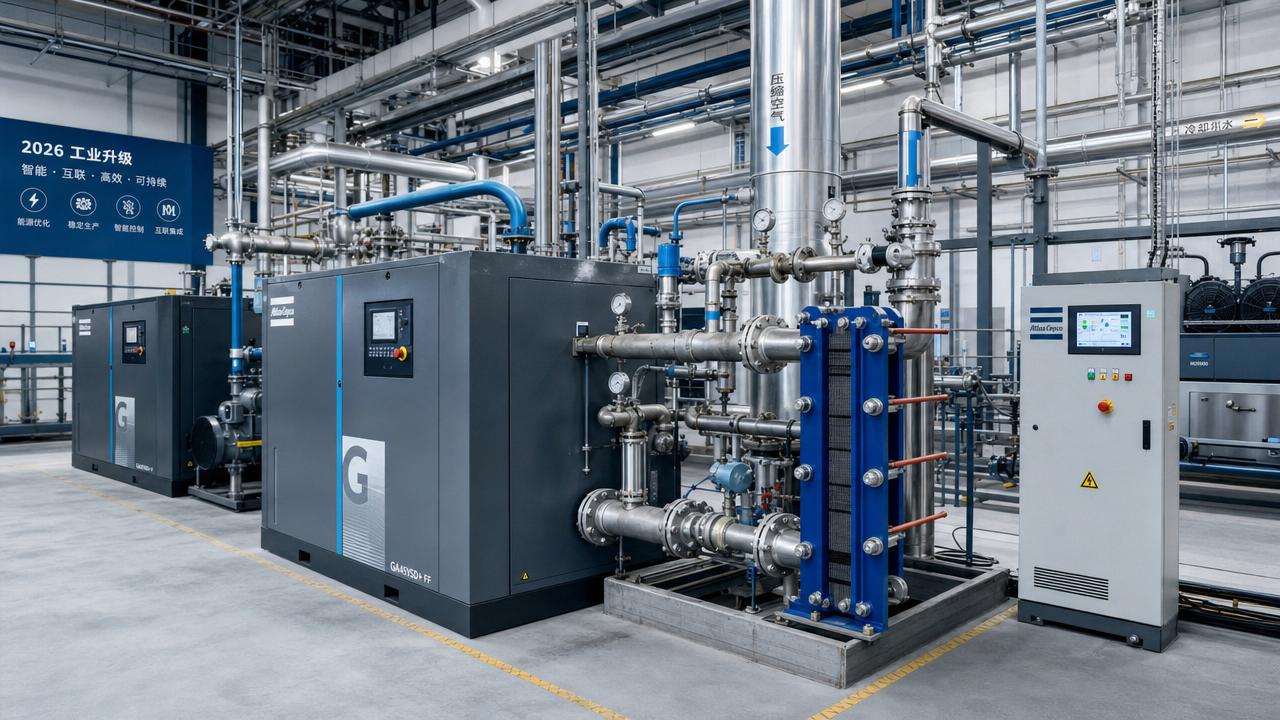
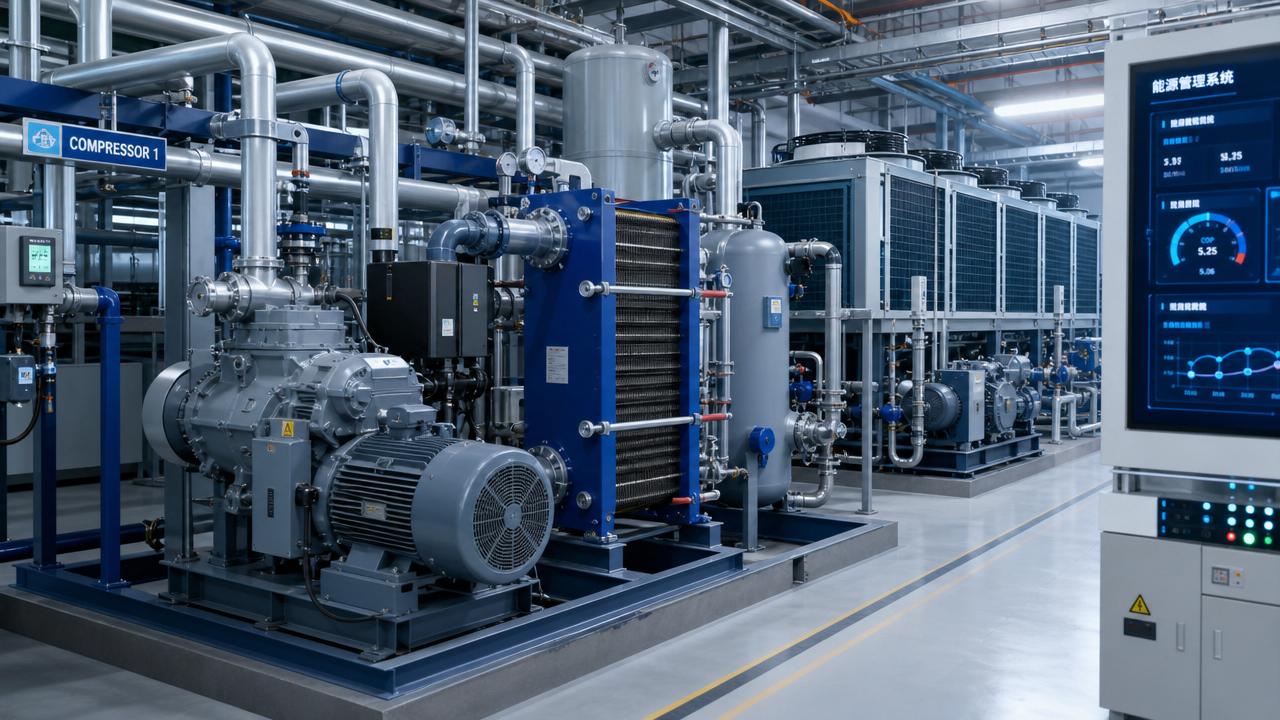
For project managers, this category is attractive because performance can be verified through before-and-after energy measurement. A compressor room upgrade, for example, may reduce specific power from 7.5 to 6.2 kW per m³/min under stable load conditions, while also improving pressure consistency and lowering maintenance events.
The table below highlights common roadmap actions, their industrial purpose, and the type of results teams can reasonably expect to evaluate during project planning.
The key takeaway is that carbon neutrality becomes manageable when broken into utility-level actions with measurable outputs. Instead of treating decarbonization as a single target year, project teams can build performance around pressure, temperature, runtime, recovery, and efficiency indicators already familiar to operations and maintenance staff.
3. Recover Heat Instead of Rejecting It
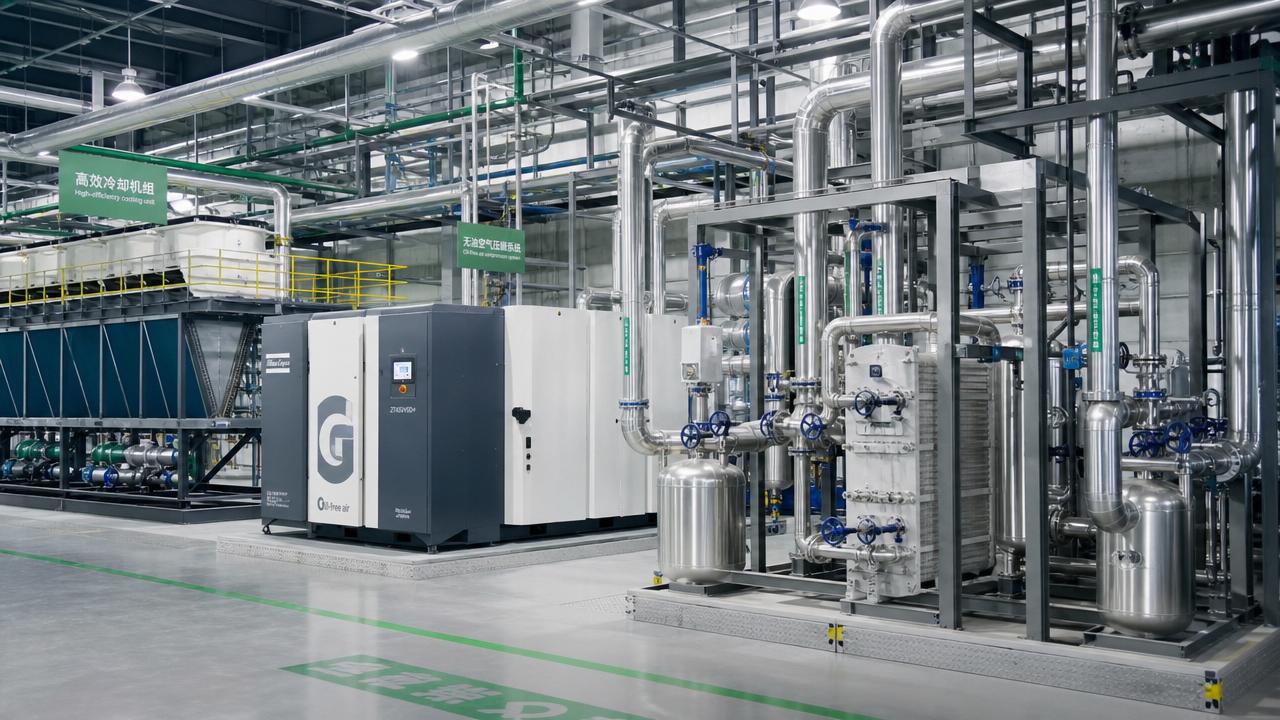
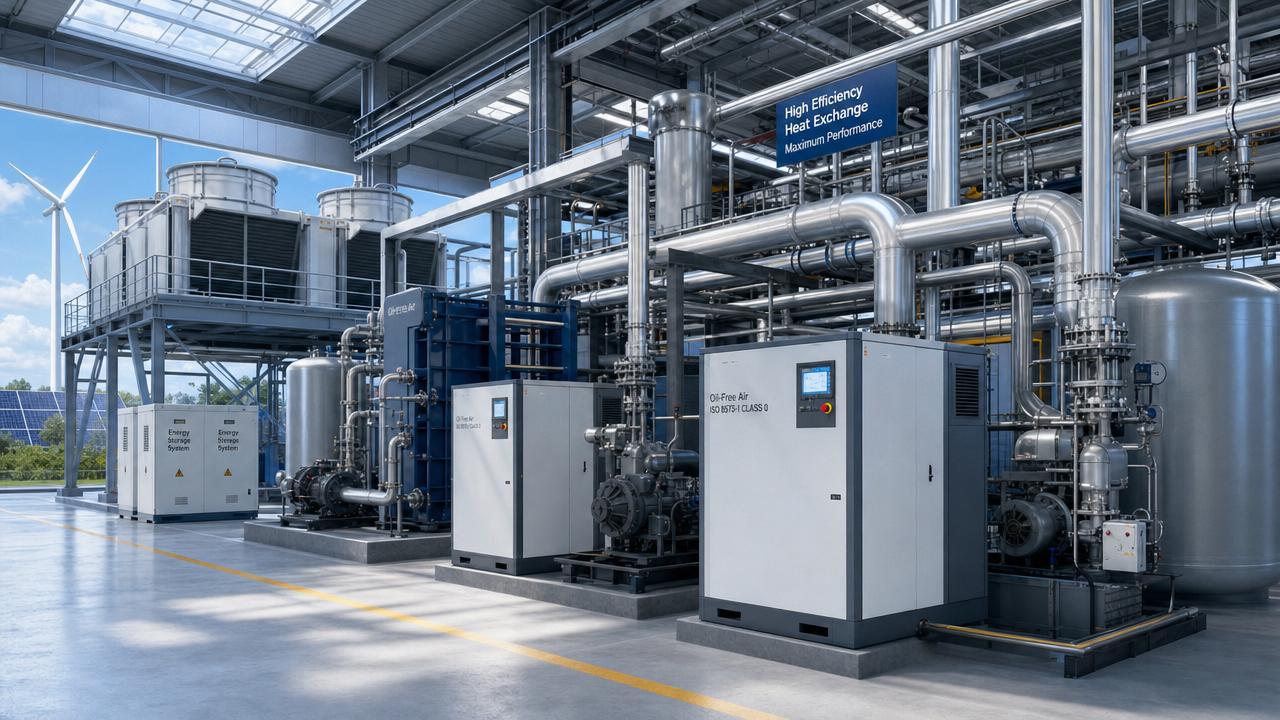
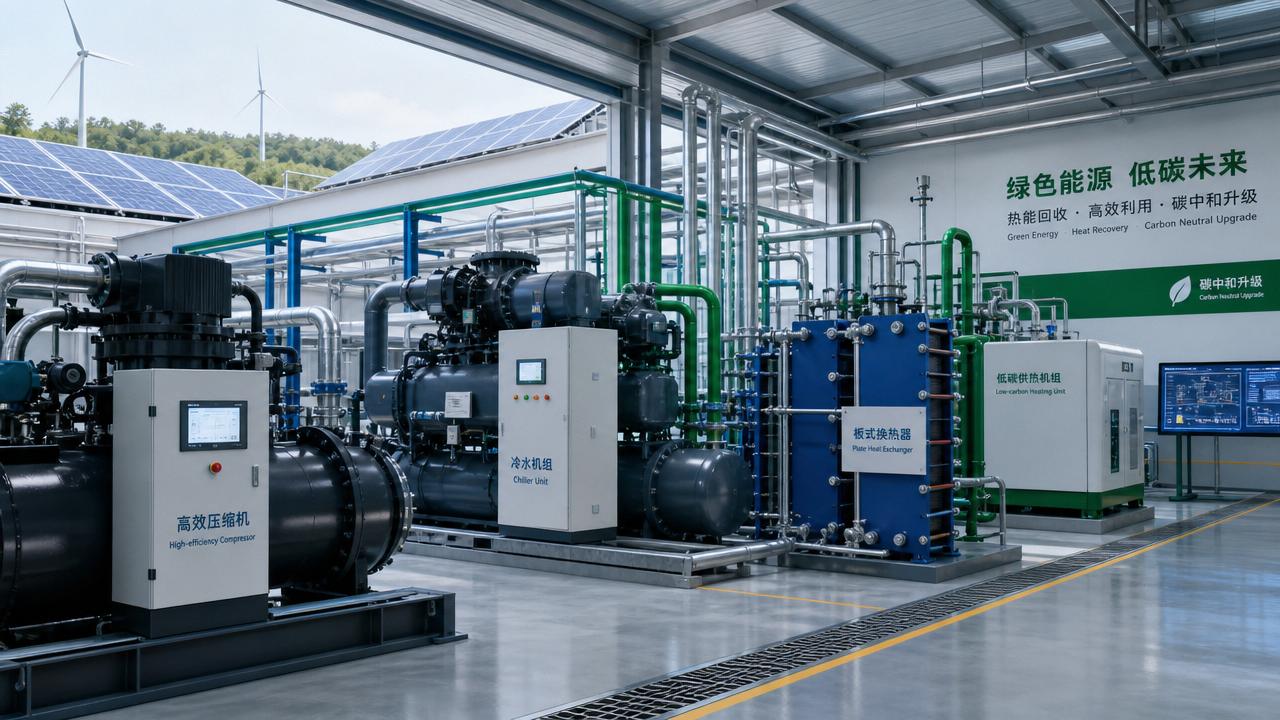
Heat recovery is often one of the most underused carbon neutrality tools in industrial plants. Air compressors, refrigeration systems, and process cooling units continuously reject useful heat. In facilities with hot water demand, cleaning cycles, or make-up air heating, 40°C to 70°C recovered heat can offset a meaningful share of fuel consumption.
A good engineering screen asks 3 questions: what is the heat source temperature, how many annual operating hours are available, and where is there a stable sink. If source and sink profiles match for more than 2,000 to 3,000 hours per year, recovery may justify serious technical and financial review.
4. Control Compressed Air as a Managed Utility
Compressed air is essential in sectors such as pharmaceuticals, food processing, electronics, and packaging, but it is also one of the costliest utilities to generate. A 1 bar pressure increase can significantly raise energy demand, while poor piping layout or unmanaged demand events can force additional compressor runtime with little production benefit.
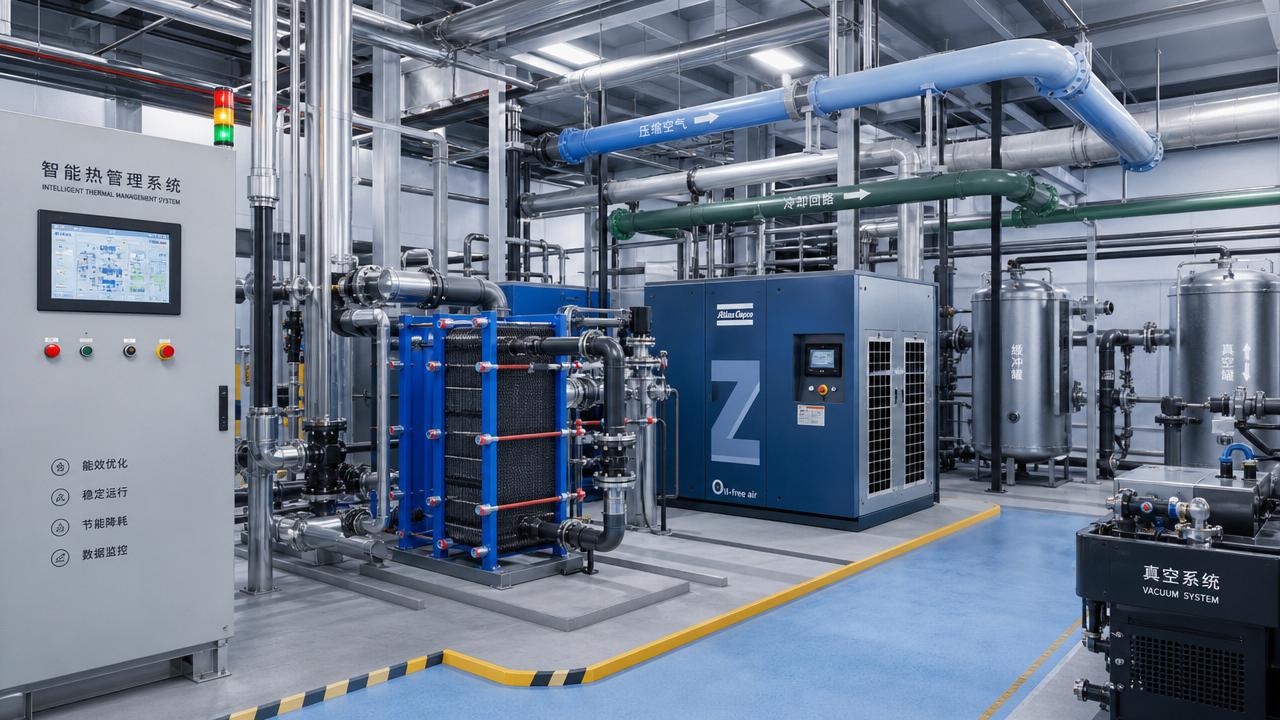
For carbon neutrality roadmaps, compressed air should be managed with the same discipline applied to steam or chilled water. That means quarterly leak surveys, demand-side review, proper storage sizing, dew point control, and clean separation between high-purity and general-use applications where relevant.
How to Prioritize Projects by Payback, Risk, and Operational Impact
Not every decarbonization project should be approved at once. Project managers need a filtering method that aligns carbon neutrality with uptime, product quality, and internal budgeting. A practical approach is to rank projects across 4 dimensions: energy reduction potential, installation complexity, downtime risk, and data confidence.
A Simple Evaluation Framework for Factory Teams
Each candidate project can be scored from 1 to 5 in each category. High-priority projects typically combine moderate capex, low shutdown exposure, and measurable savings within 12 months. Larger electrification or process redesign initiatives may still be important, but they require stronger cross-functional planning and more robust load forecasting.
The following matrix helps teams compare common industrial options before moving into detailed engineering or supplier discussions.
This kind of screening prevents a common mistake: delaying low-risk savings while waiting for perfect long-term plans. Carbon neutrality improves faster when plants capture immediate utility efficiencies first, then reinvest savings into more complex transformation projects.
Procurement Questions That Matter
When evaluating suppliers or retrofit partners, engineering teams should ask more than rated efficiency. The better questions focus on system fit, measurement methods, service access, and performance under partial load. In real factories, few assets run at full design conditions for 8,000 hours a year.
- What performance range is guaranteed across 40% to 100% load?
- How will baseline and post-installation savings be measured?
- What shutdown duration is required: 8 hours, 24 hours, or multiple weekends?
- What maintenance skill level is needed after commissioning?
- Can the solution integrate with existing BMS, SCADA, or energy dashboards?
These procurement checks are especially important in sectors where temperature stability, clean compressed air, or vacuum integrity affects product quality. Carbon neutrality projects must support production, not compete with it.
Data, Governance, and Long-Term Control of Carbon Neutrality Performance
A factory does not achieve carbon neutrality through equipment alone. The roadmap must also include governance, verification, and operational routines. Even efficient hardware underperforms when controls drift, filters clog, heat exchangers foul, or air leaks return after six months of unattended operation.
Build a Monitoring Layer Around Critical Utilities
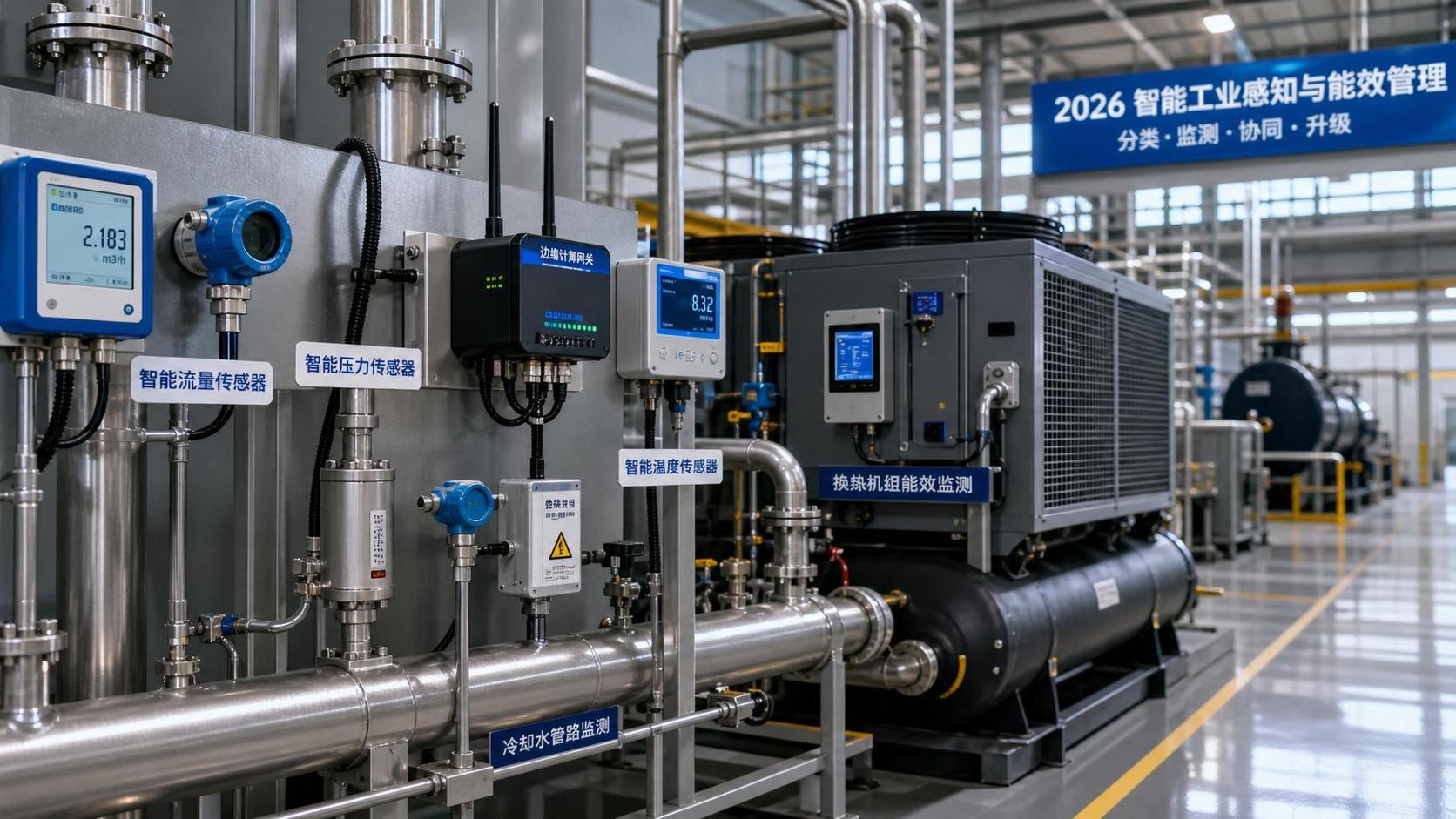
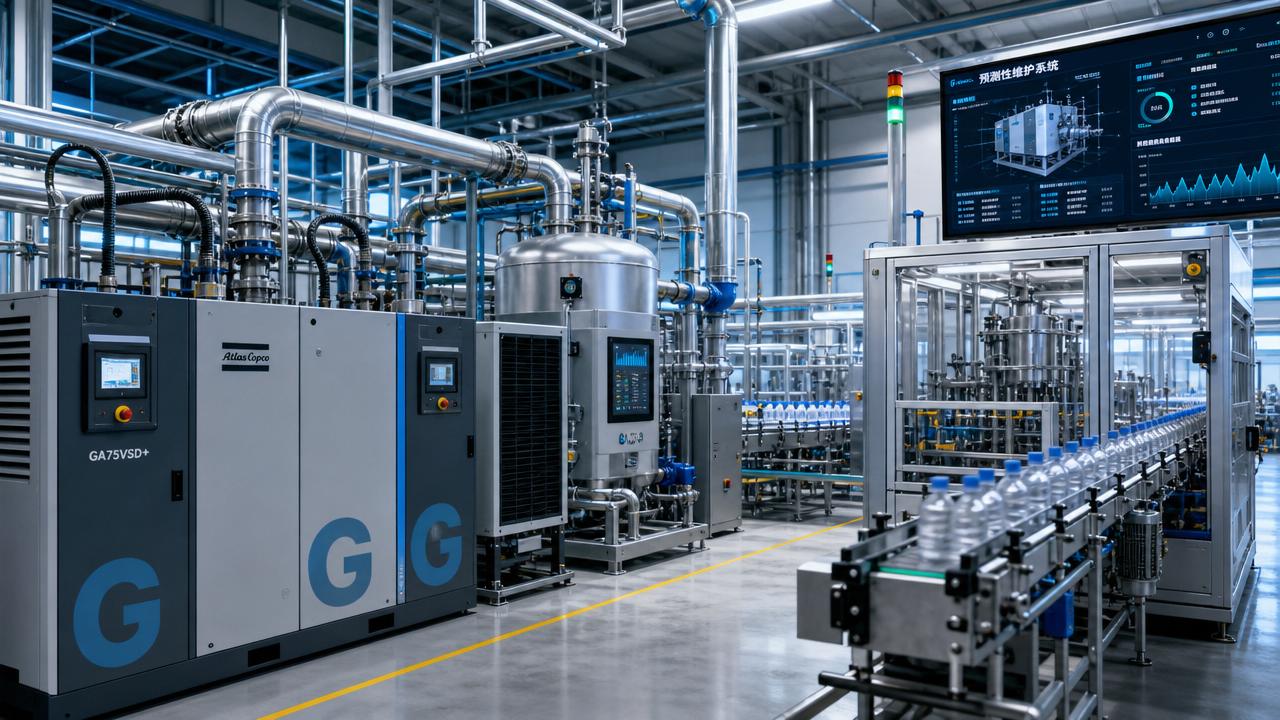
At minimum, plants should meter electricity for major utility systems, trend supply and return temperatures, track compressed air pressure bands, and log alarm events. Monthly review is often too slow. Weekly review is better for identifying waste, while real-time alerts are ideal for unstable assets or high-value production environments.
Useful KPI sets usually include 5 to 8 indicators: kWh per unit output, compressor specific power, cooling system COP, heat recovery utilization rate, unplanned downtime hours, maintenance response time, and utility cost per production batch. These metrics help connect carbon neutrality to business decisions rather than standalone reporting.
Avoid the Most Common Roadmap Mistakes
The most common implementation errors are predictable. Plants sometimes install new equipment without correcting control logic, or they target emissions without normalizing for production volume. Others adopt annual carbon neutrality goals but lack quarterly checkpoints, making it hard to identify whether progress comes from efficiency gains or temporary output changes.
- Do not rely on nameplate efficiency alone; validate partial-load behavior.
- Do not separate energy teams from maintenance teams during commissioning.
- Do not approve heat recovery without confirming a stable heat sink.
- Do not treat compressed air quality, dew point, and pressure as secondary variables.
- Do not wait for perfect data before starting low-risk improvements.
Where intelligence platforms add value
For project managers navigating refrigerant policy shifts, electricity price volatility, boiler upgrades, oil-free compression trends, or heat exchanger technology choices, intelligence quality matters. Sector-focused insights help teams compare technical pathways, understand lifecycle trade-offs, and time investments more effectively across 12-, 24-, and 36-month planning horizons.
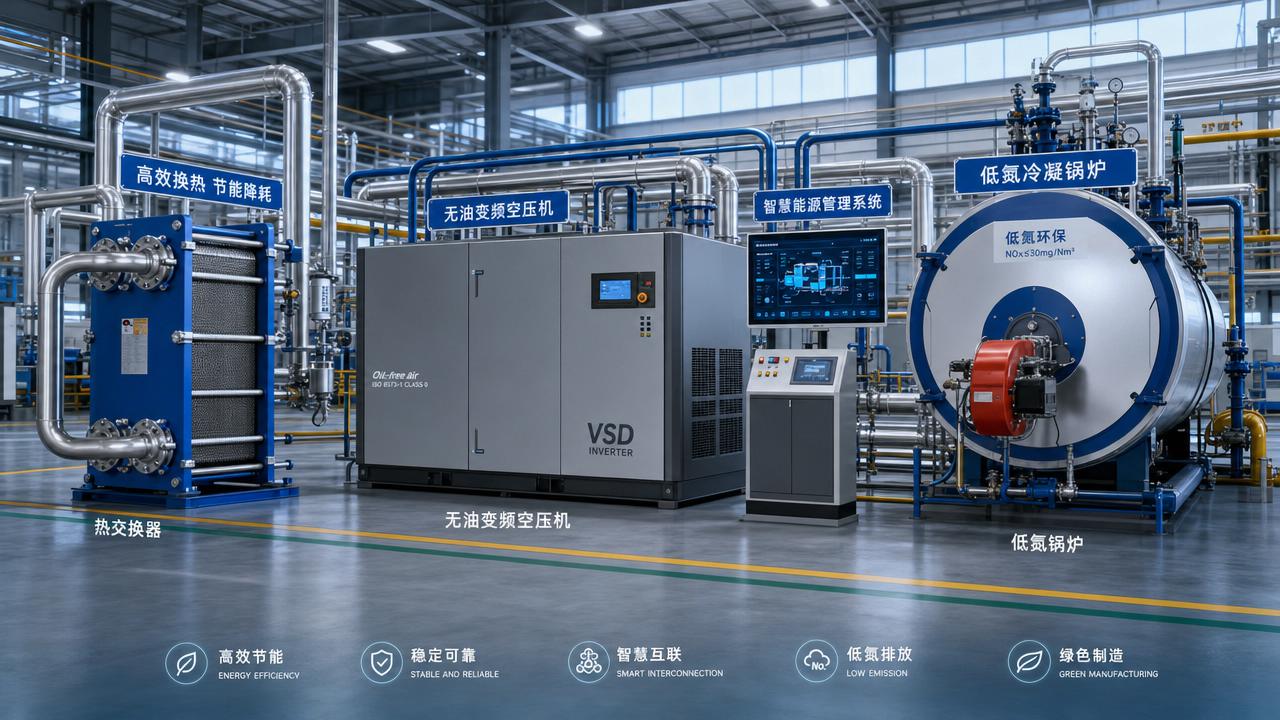
Platforms such as GTC-Matrix are particularly relevant where thermal efficiency, compressed air reliability, and process cooling performance intersect. In complex factories, these systems are not separate utilities; they form the operational backbone of energy conversion efficiency and therefore sit at the center of any credible carbon neutrality roadmap.
Turning the Roadmap into Action
A workable carbon neutrality strategy for factories is built through sequencing, not slogans. Start with a baseline audit, identify the top 3 to 5 utility losses, prioritize quick-payback actions, and then scale into deeper retrofits supported by monitoring and cross-functional governance. That is how emissions reduction becomes visible in both energy bills and operational resilience.
For project managers, the strongest roadmap is one that links thermal systems, compressed air, cooling, vacuum, and heat recovery into a unified improvement plan. If you are evaluating practical pathways for industrial decarbonization, utility optimization, or equipment upgrade priorities, now is the right time to refine your next phase.
To explore tailored industrial insights, compare technology options, or build a more confident implementation roadmap, contact us to get a customized solution and learn more about practical carbon neutrality strategies for modern factories.
Ready when you are. Send us a message to get started.
Related News
- Why high-density thermal energy storage is gaining industry attentionAuthor :

- Smart Device Thermal Management Trends Shaping 2026 Product DesignAuthor :

- Industrial Cooling Technologies in Europe: 2026 Trends in Compliance and Energy UseAuthor :

- Industrial Electrification Trends in 2026: Where Projects Are Moving FirstAuthor :

- Industrial Solution Comparison Global: 2026 Trends Reshaping Equipment DecisionsAuthor :

- When Heat Recovery Systems Skid Mounted Designs Improve Project PaybackAuthor :

- How to Compare Industrial Decarbonization Solutions Providers in 2026Author :

- Industry Category Guides for Smart Devices: What to Track as 2026 Markets ShiftAuthor :

- Green Manufacturing Trends Reshaping Industrial InvestmentAuthor :

- 2026 Global Energy Costs: What Will Reshape Industrial PlanningAuthor :

- Industrial Decarbonization Solutions That Cut Fuel Costs in 2026Author :

- Smart Thermal Systems Trends Shaping Industrial Upgrades in 2026Author :

- Resource Circularity in Manufacturing: 5 Practical Gains Beyond ComplianceAuthor :

- Carbon Neutrality Roadmap: What Industrial Firms Need to Prioritize FirstAuthor :

- Energy Conversion Efficiency Trends Shaping Industrial UpgradesAuthor :

- Compression Technology Trends Shaping Efficient Plant UpgradesAuthor :

- Industrial Intelligence in Manufacturing: Where It Delivers Value FirstAuthor :

- How Intellectualization Improves Industrial Thermal ManagementAuthor :

- What Intellectualization Means for Smarter Plant Operations in 2026Author :

- Carbon Neutrality Goals: What Industrial Firms Should Prioritize in 2026Author :

- How Intellectualization Reduces Downtime in Modern Production LinesAuthor :

- Decarbonization Roadmap for Energy-Intensive Plants in 2026Author :

- Thermal Systems Trends in 2026: Efficiency, Control, and RiskAuthor :

- Industrial Decarbonization Priorities for Energy-Intensive FacilitiesAuthor :

- Thermal Systems in 2026: Efficiency Upgrades Shaping Industrial OperationsAuthor :

- Pure Power Sources: 5 Practical Paths to Carbon NeutralityAuthor :

- What Intellectualization Means for Industrial Equipment UpgradesAuthor :

- Thermal Optimization in 2026: Where Energy Savings Deliver the Fastest PaybackAuthor :

- Energy Efficiency Trends Reshaping Compressor Upgrades in 2026Author :

- 2026 Industrial Decarbonization Trends Reshaping Plant UpgradesAuthor :
![]()
- Heat Exchanger Technology Trends for 2026 Efficiency TargetsAuthor :

- Resource Circularity Risks in 2026 Supply ChainsAuthor :

- Smart Thermal Systems: When Upgrades Deliver Measurable SavingsAuthor :

- Carbon Neutrality: Practical Steps for Factory RoadmapsAuthor :

- 2026 Industrial Energy Efficiency Priorities for Plant UpgradesAuthor :

- Industrial Intellectualization Trends Reshaping Equipment UpgradesAuthor :