Industrial Decarbonization Priorities for Energy-Intensive Facilities




Industrial decarbonization is moving from engineering debate to capital priority
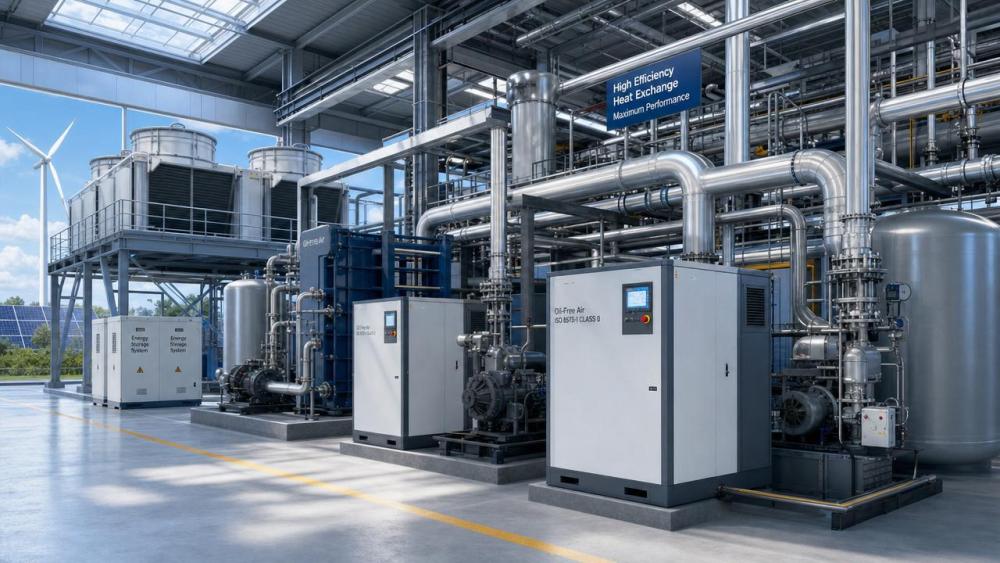
Industrial decarbonization now sits closer to finance, risk, and operations than many facilities expected even three years ago.
The shift is most visible in energy-intensive sites, where power costs, carbon exposure, and uptime are tightly linked.
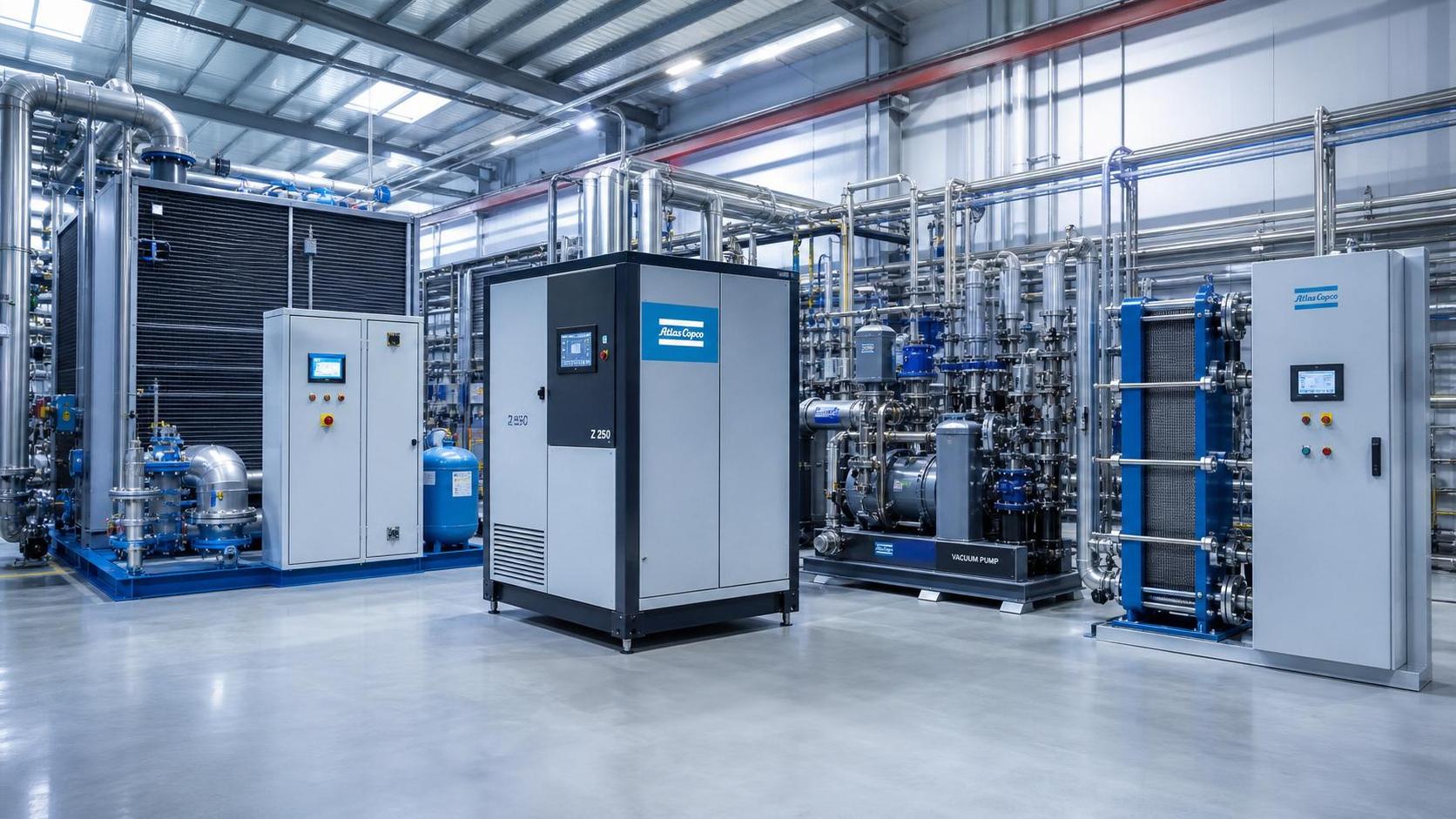
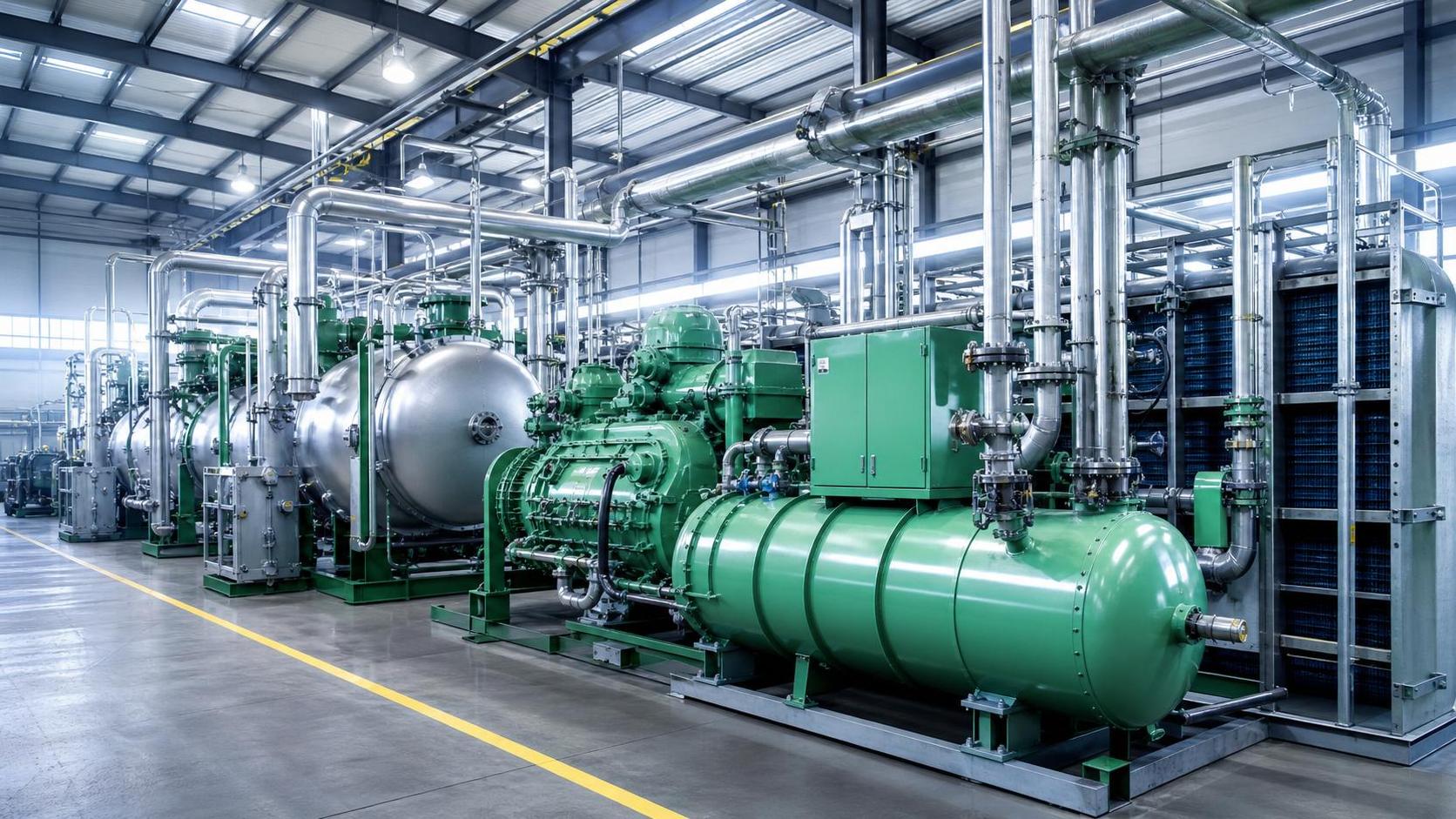
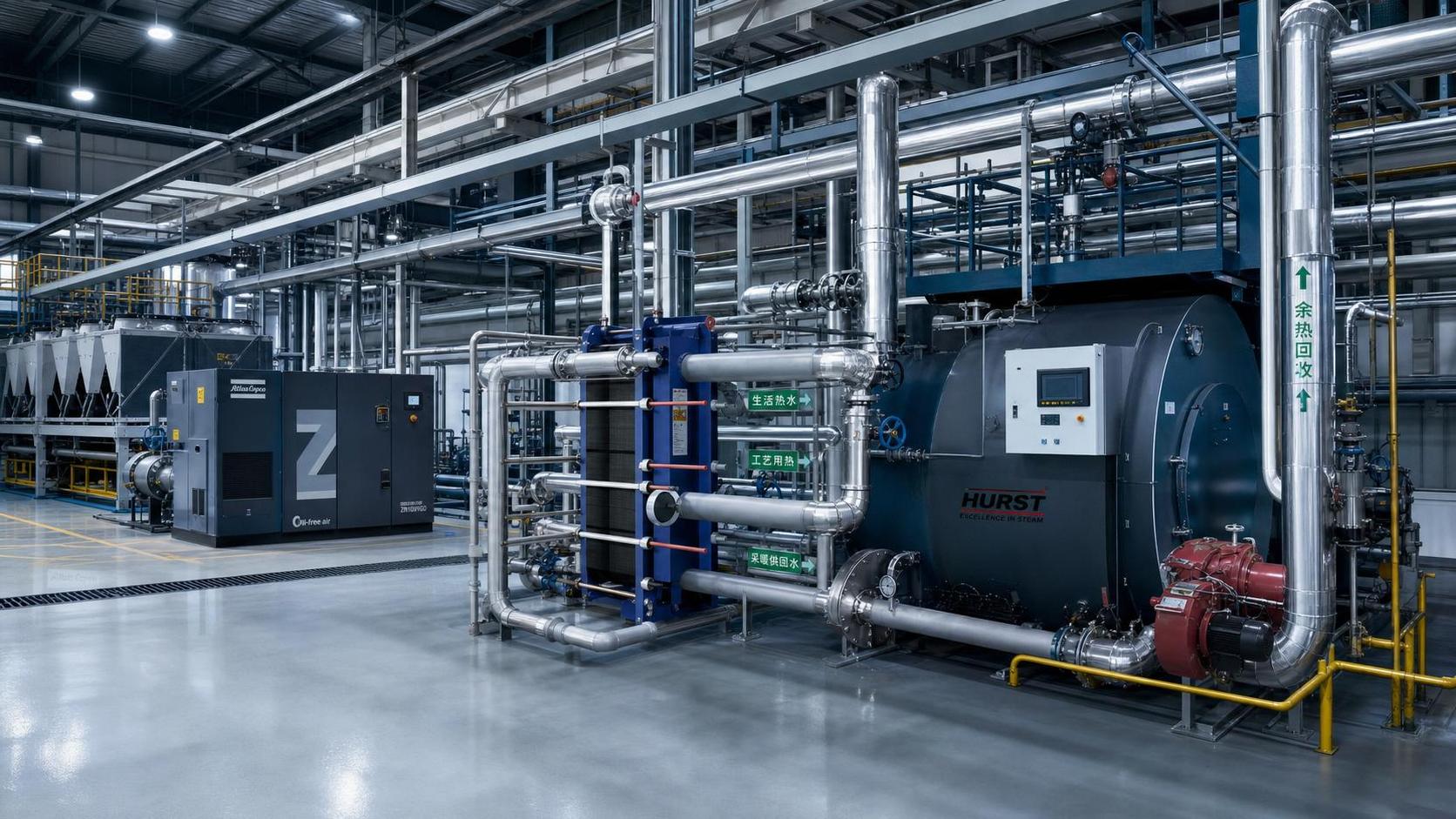
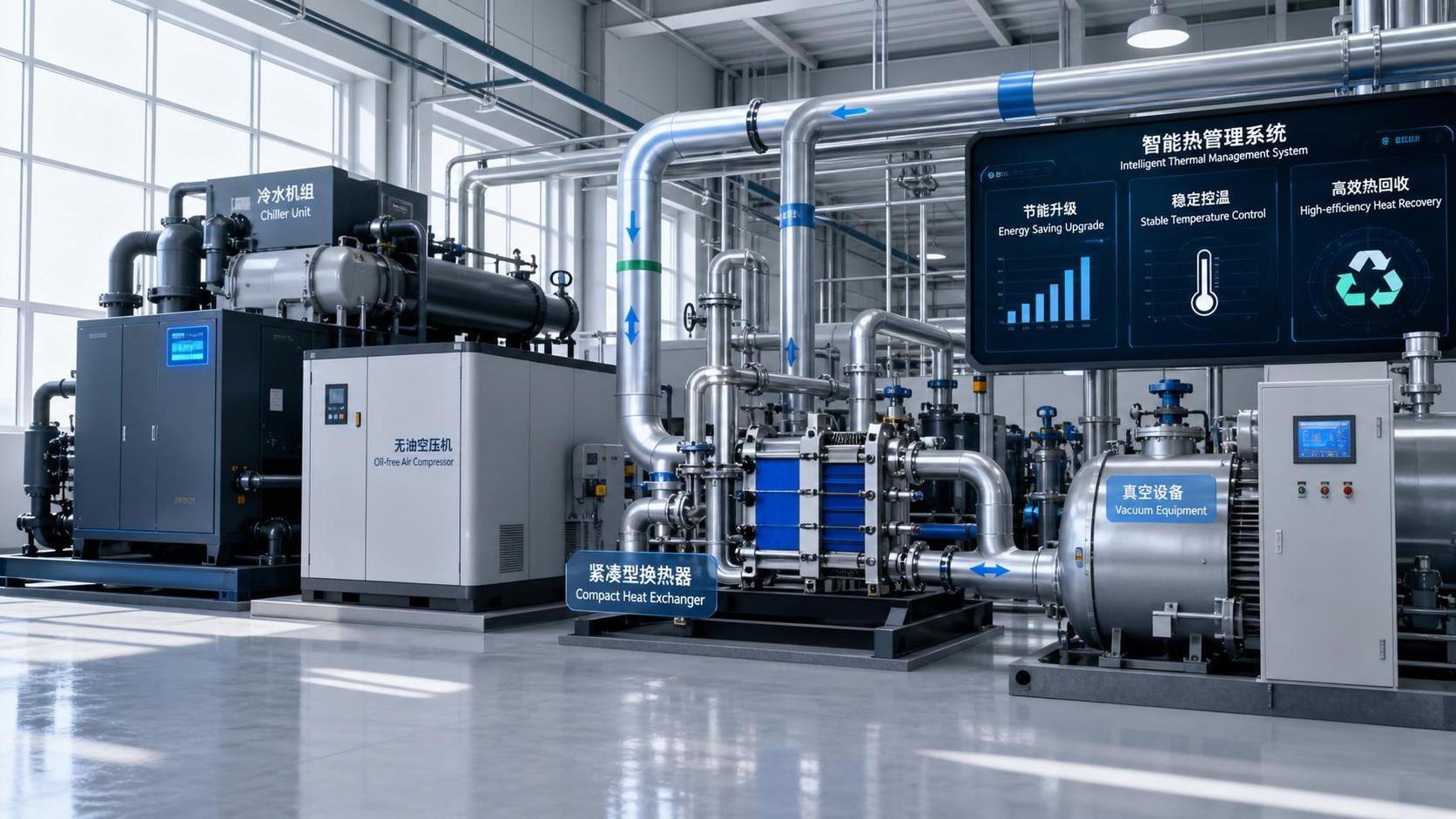
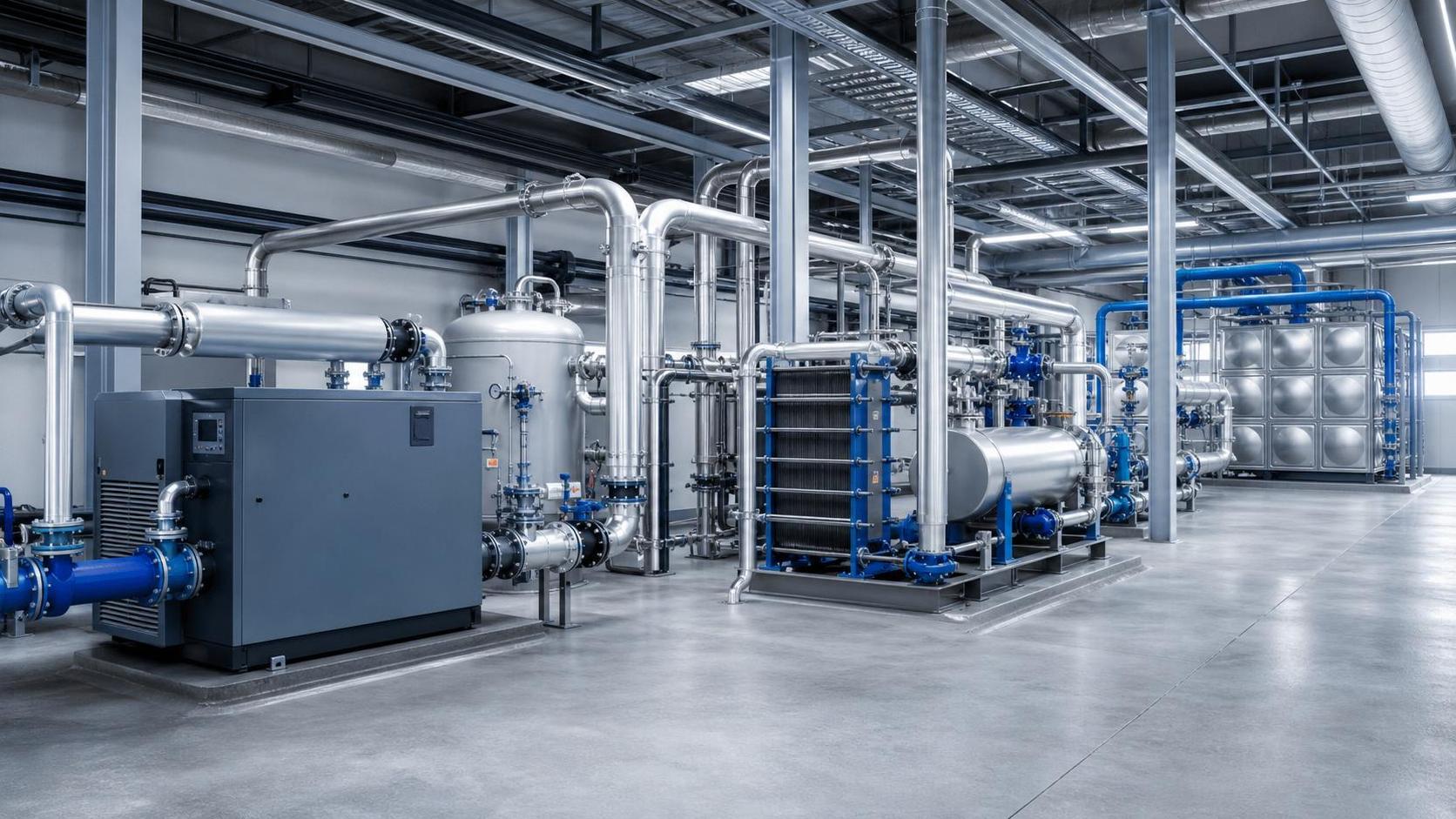
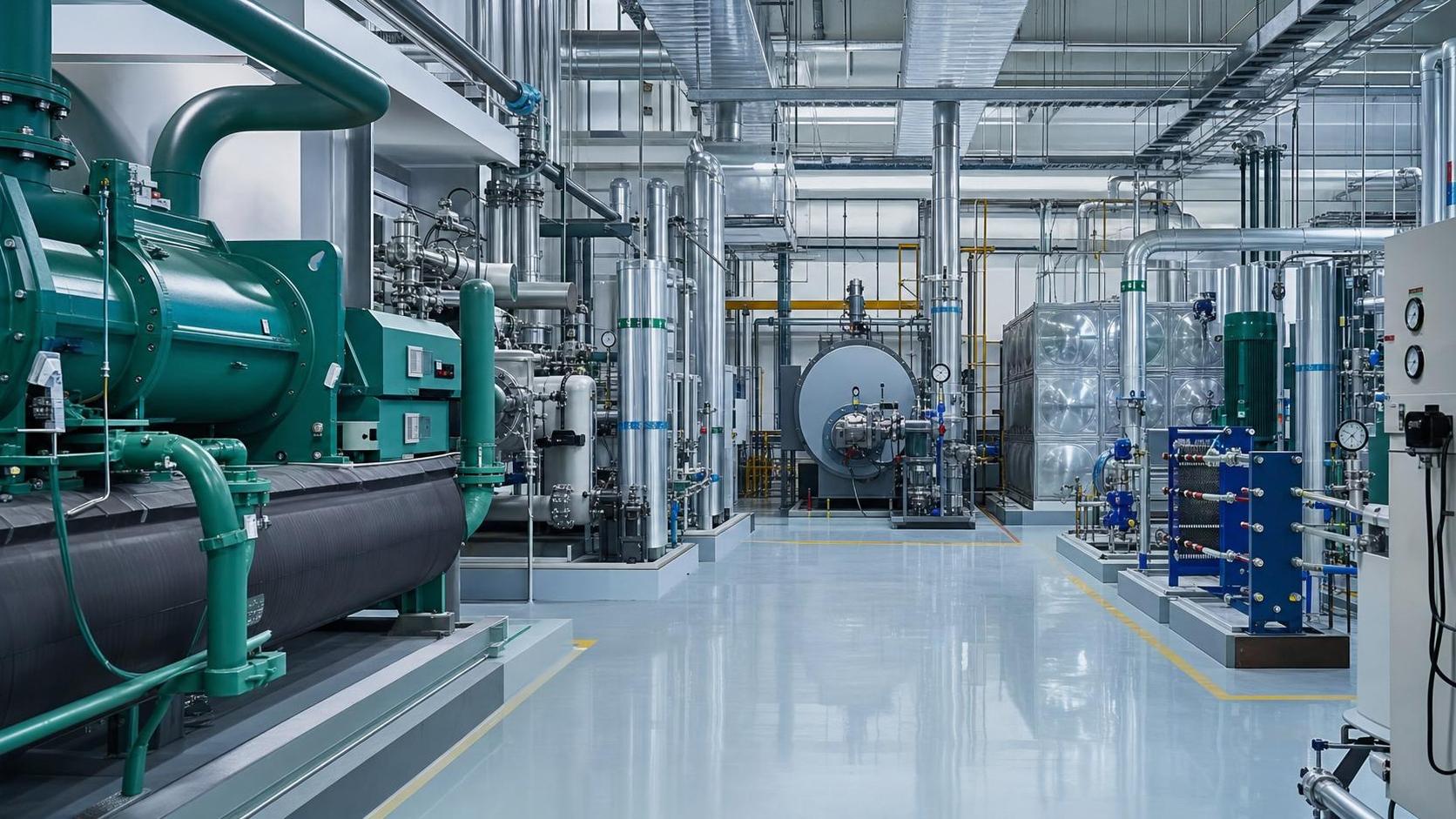
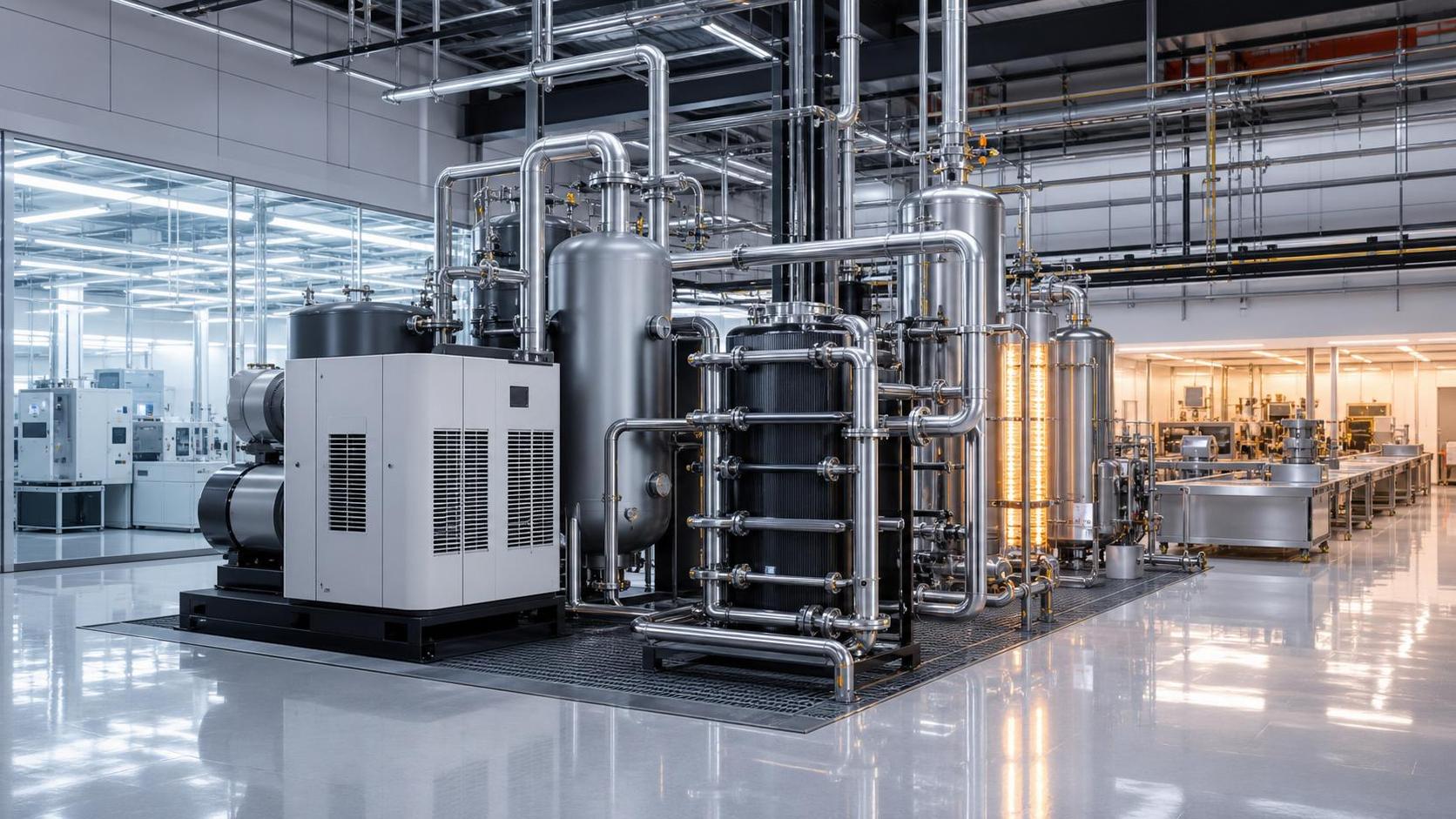
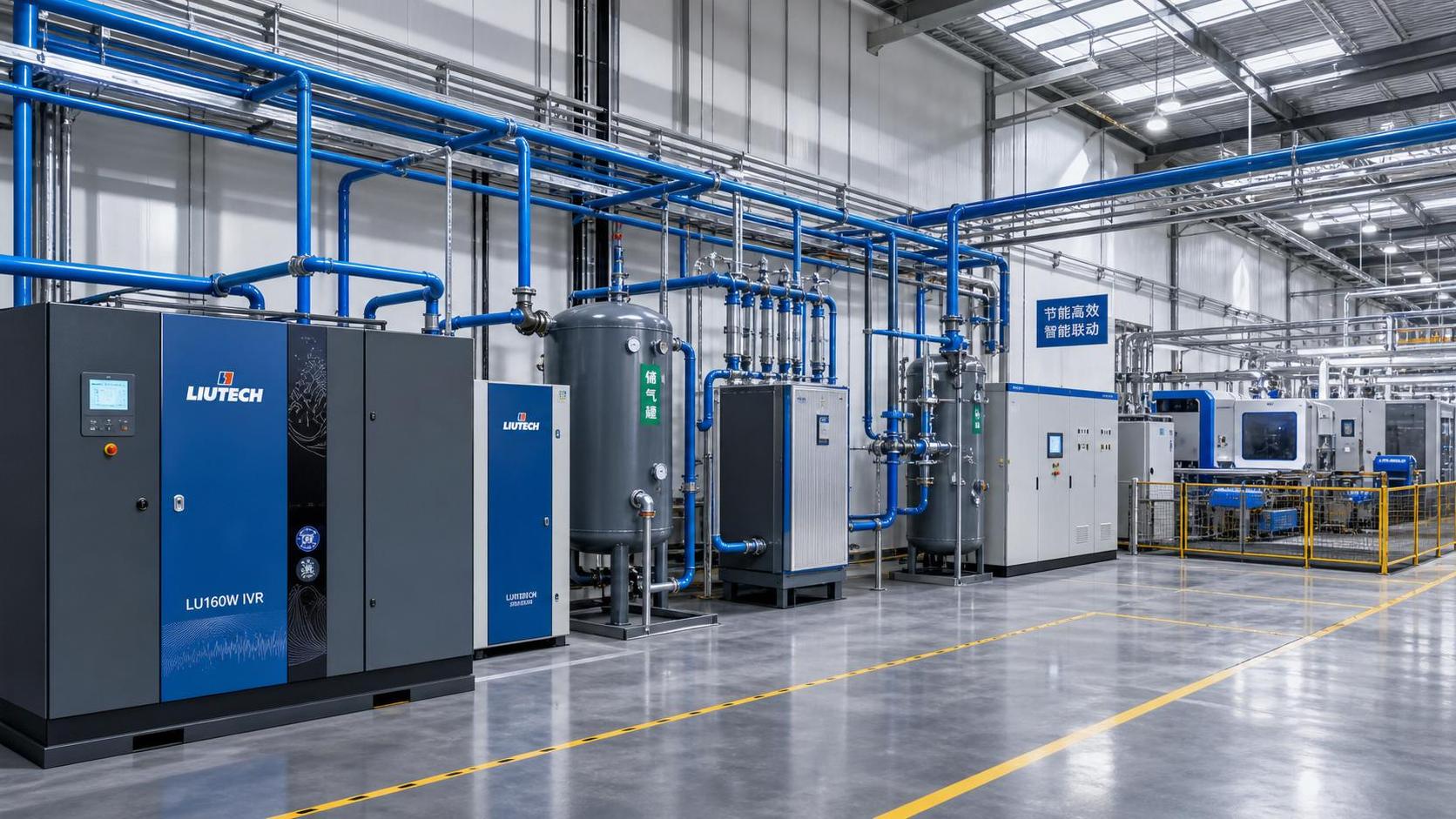
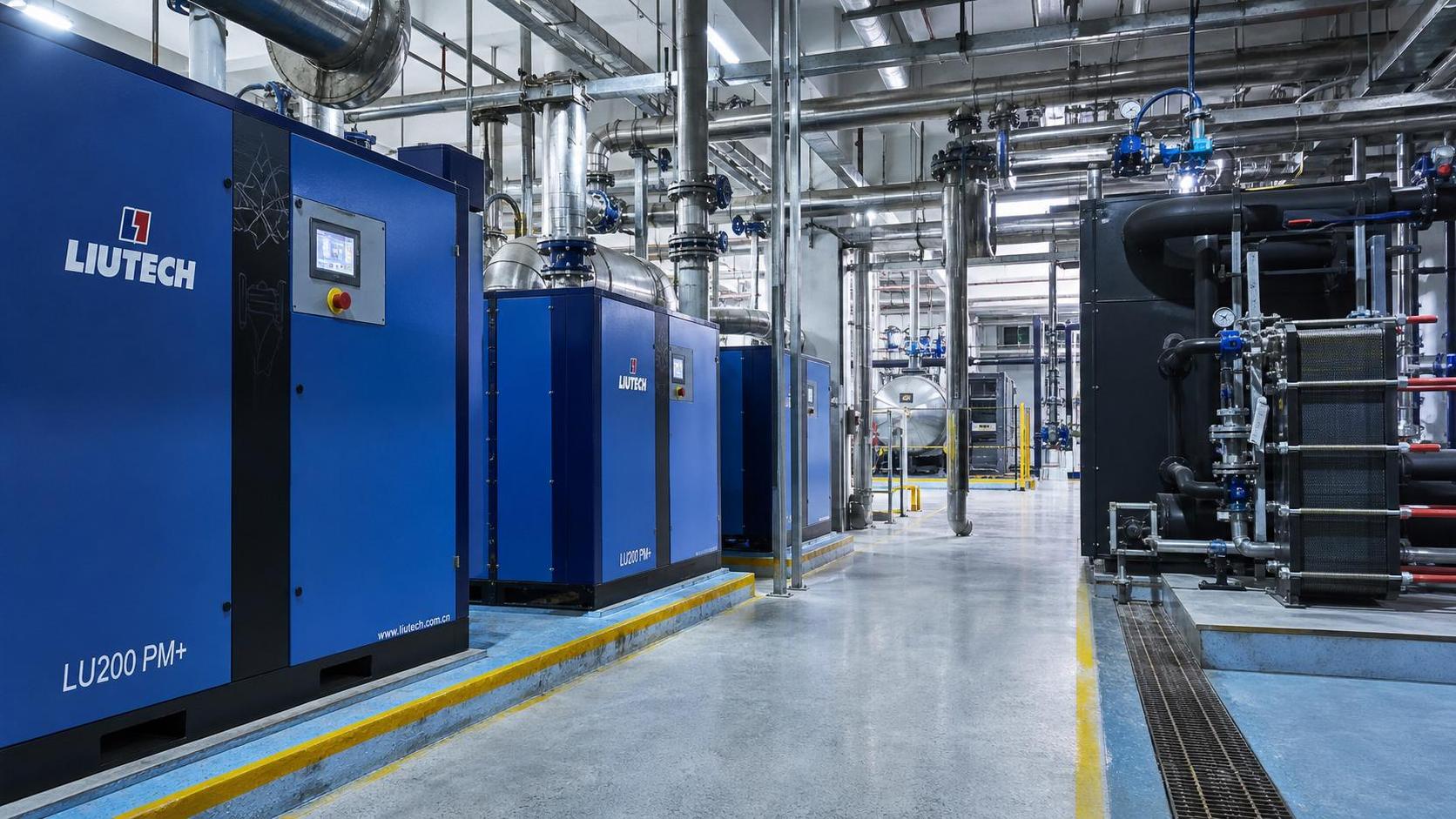
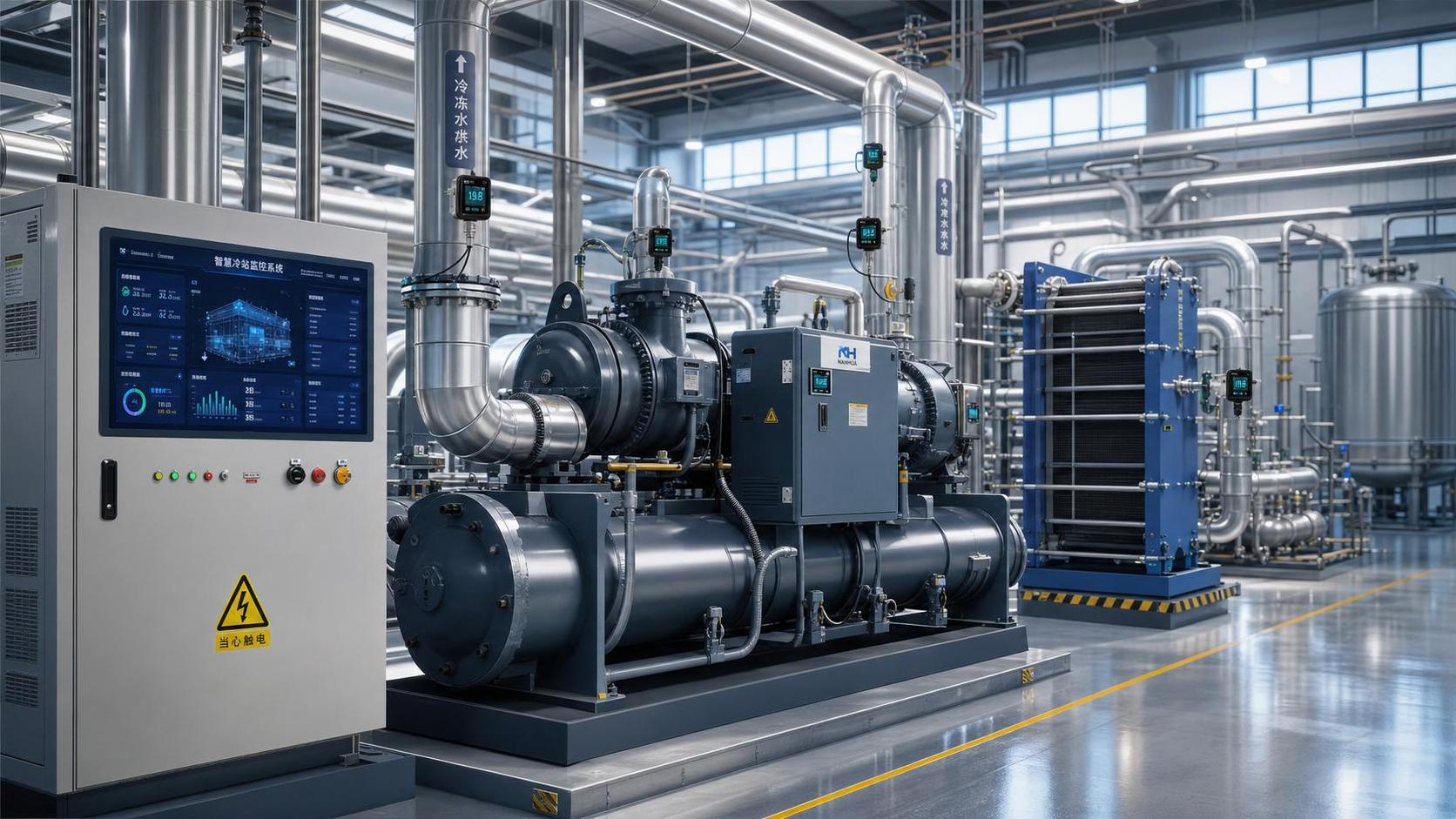
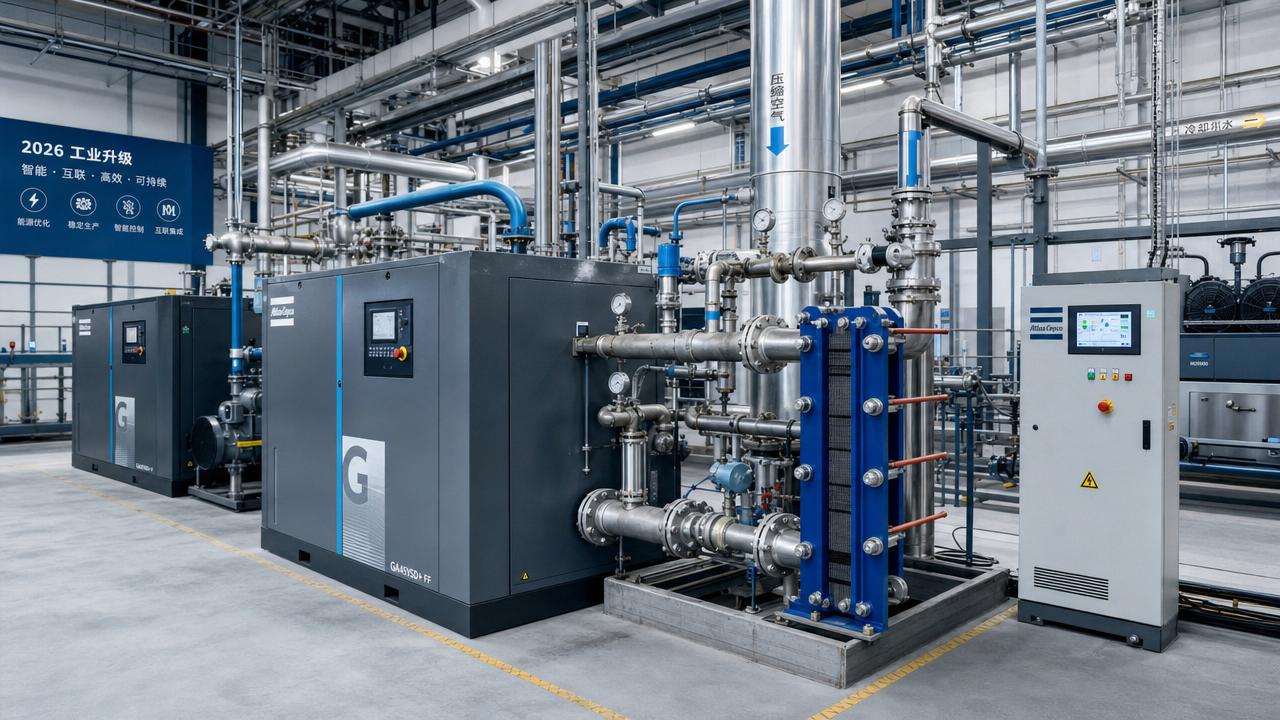
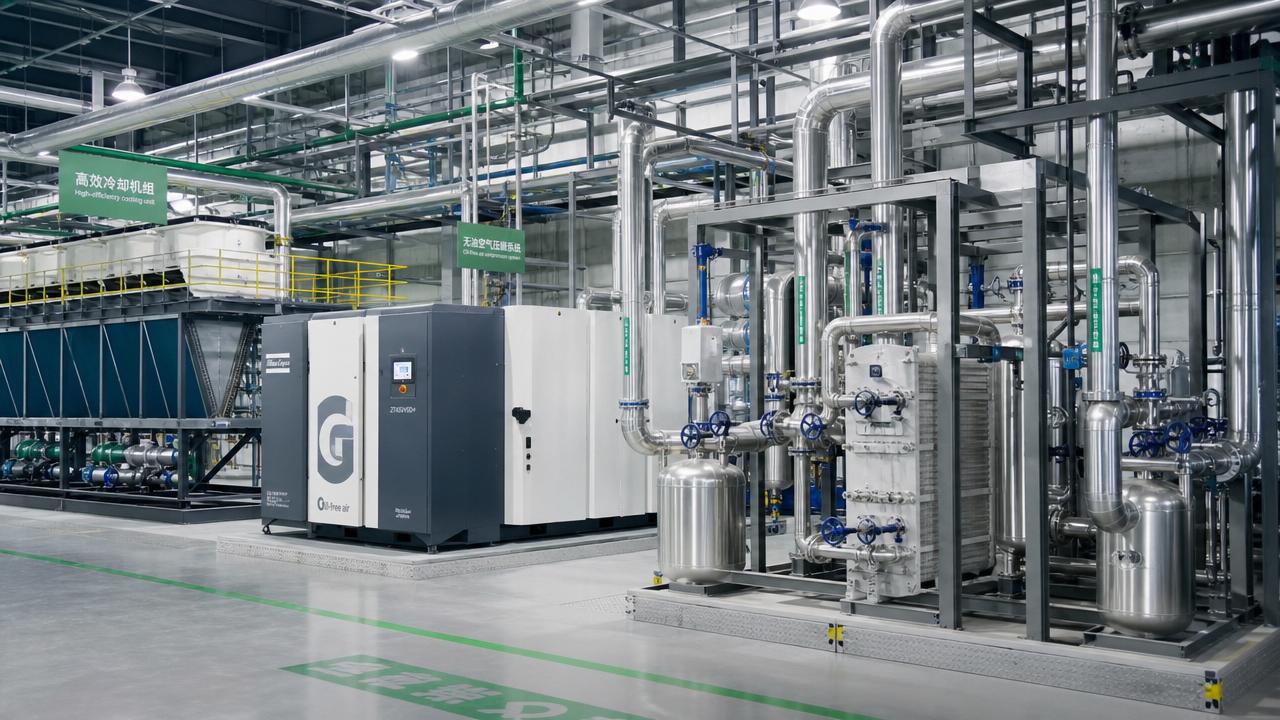
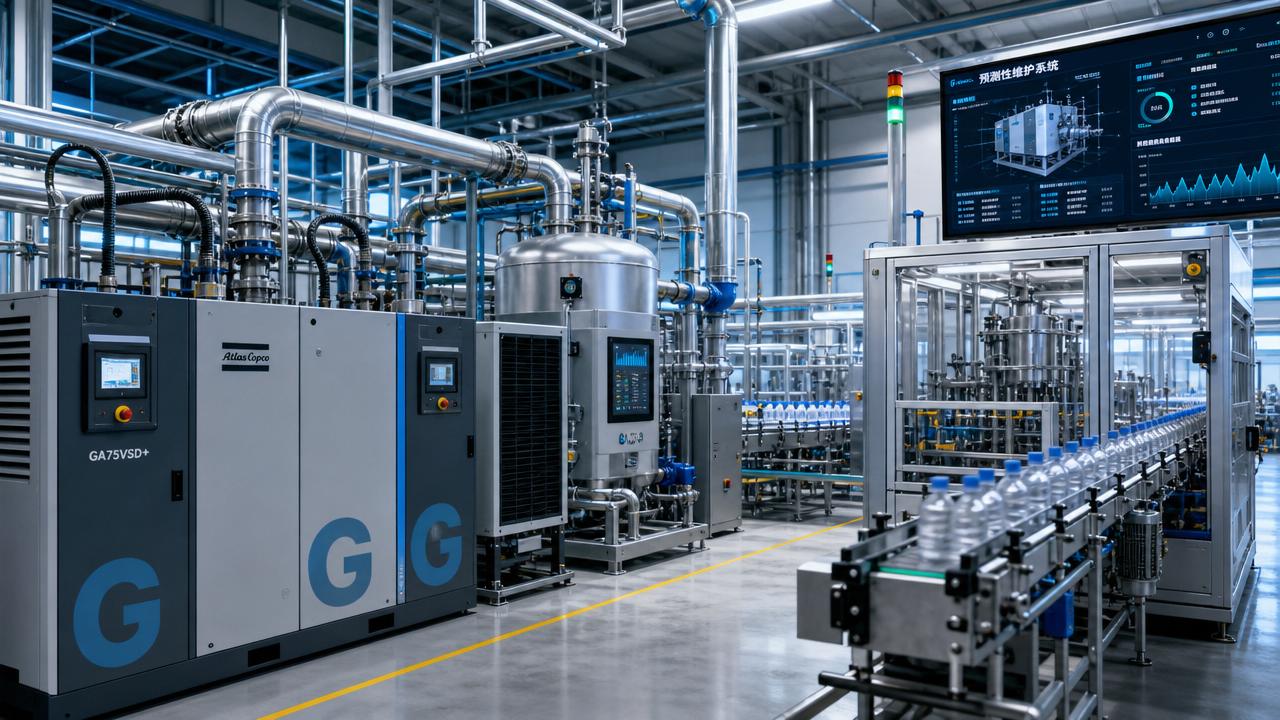
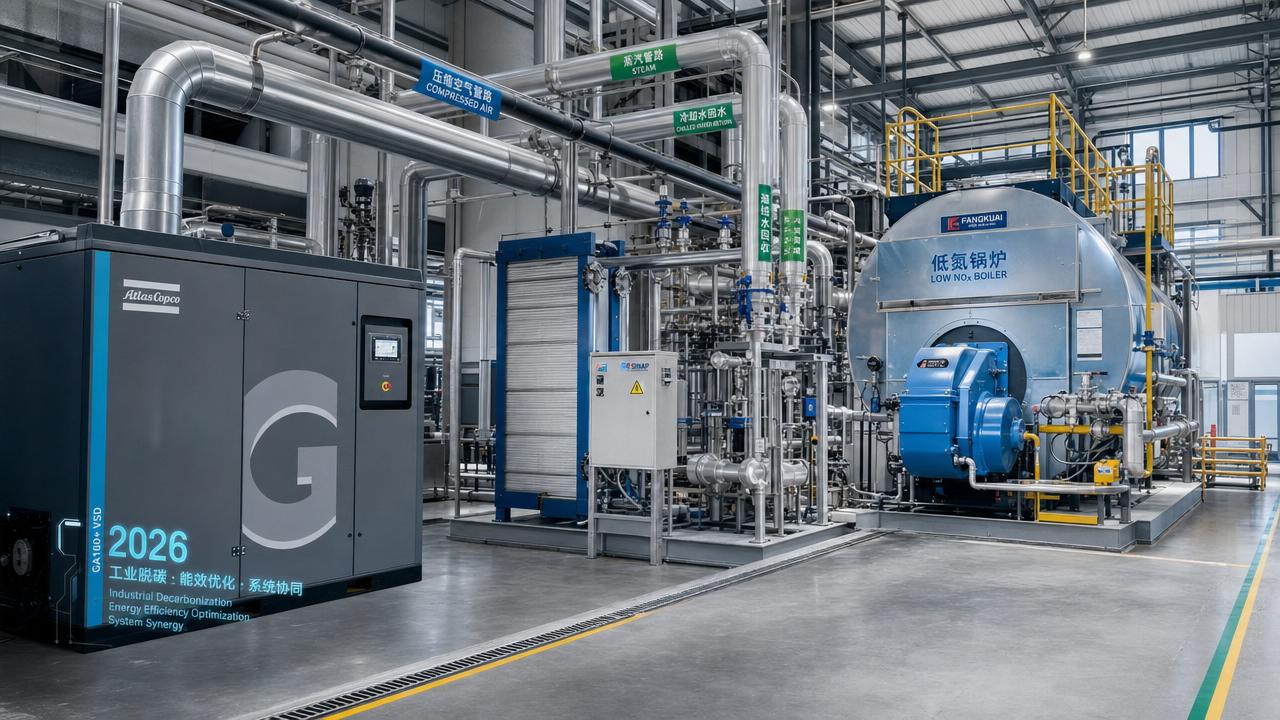
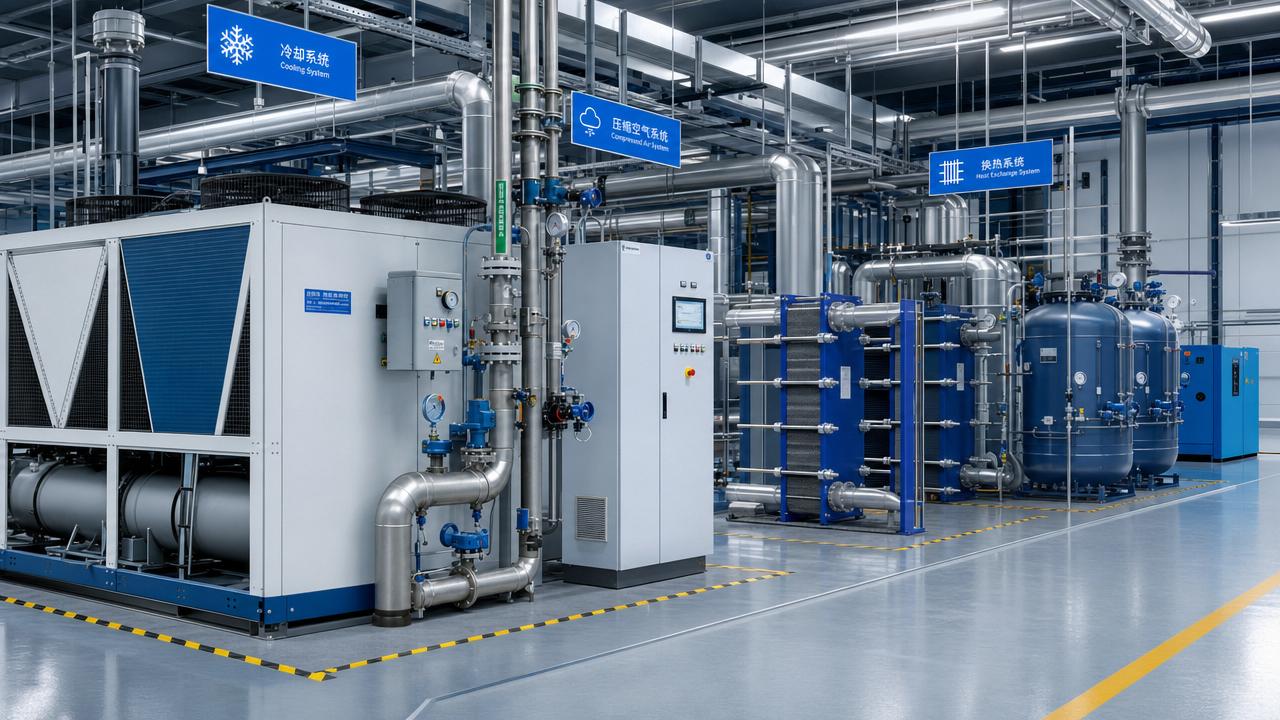
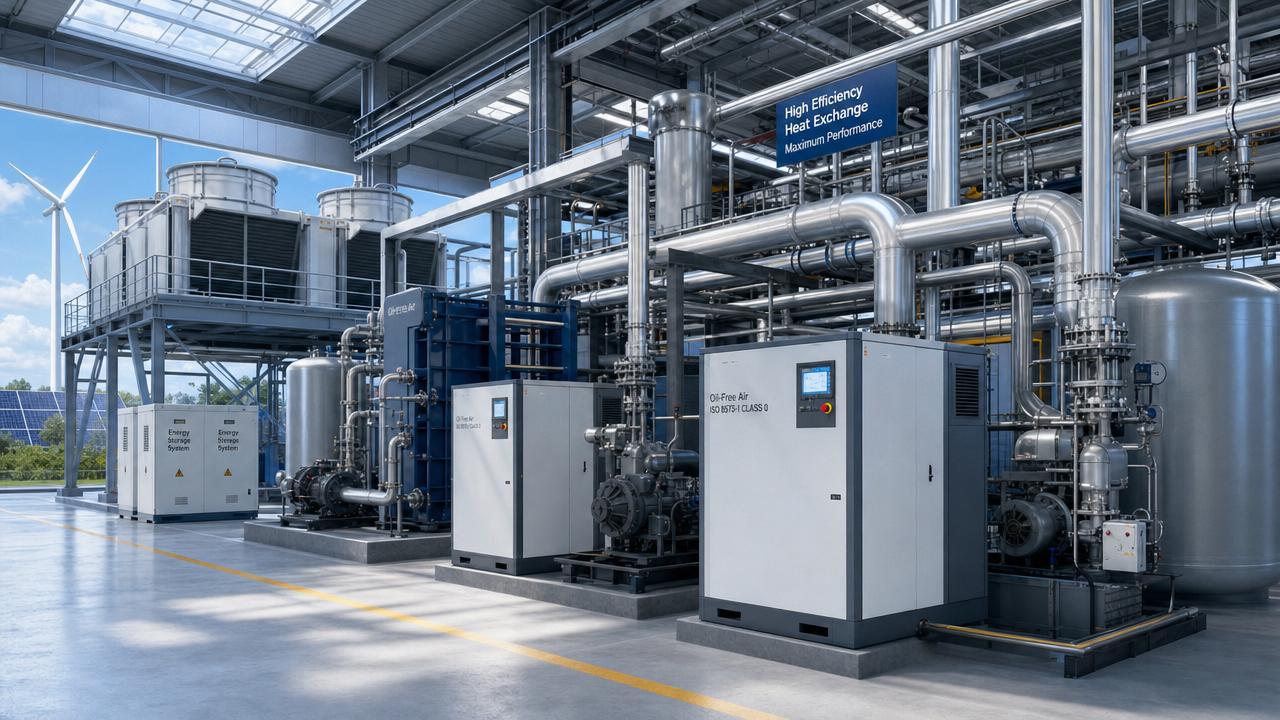
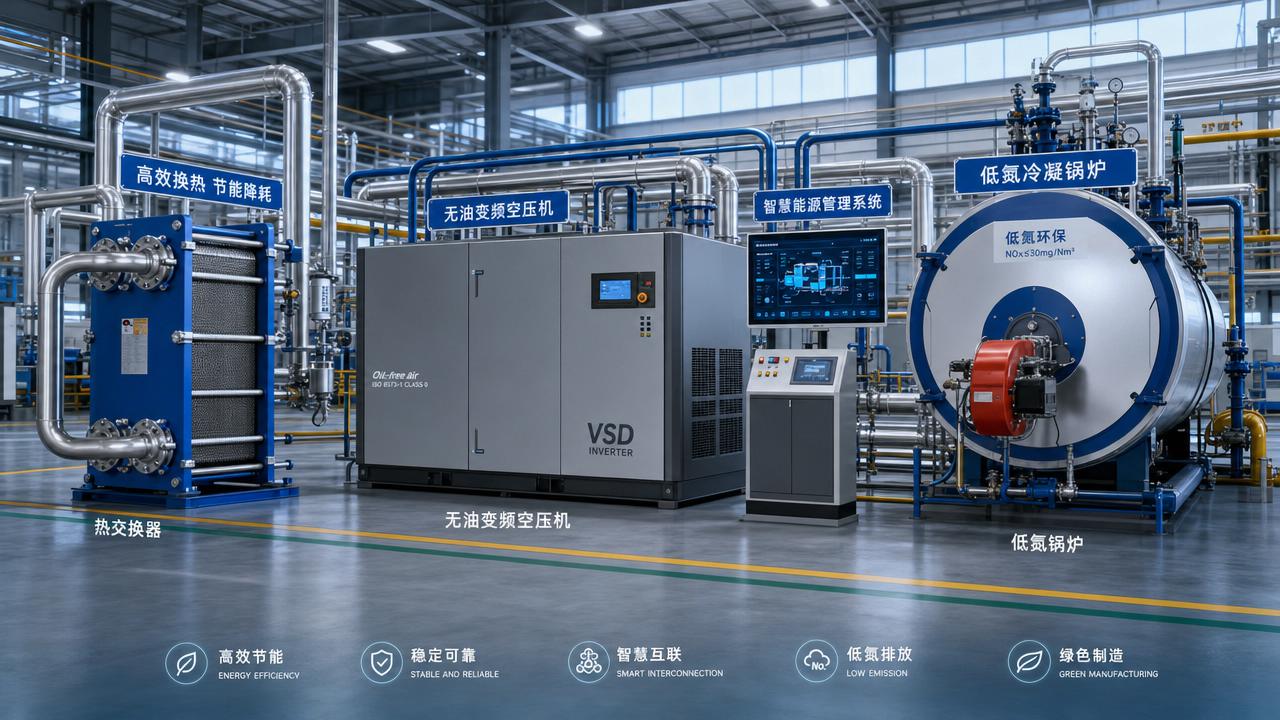
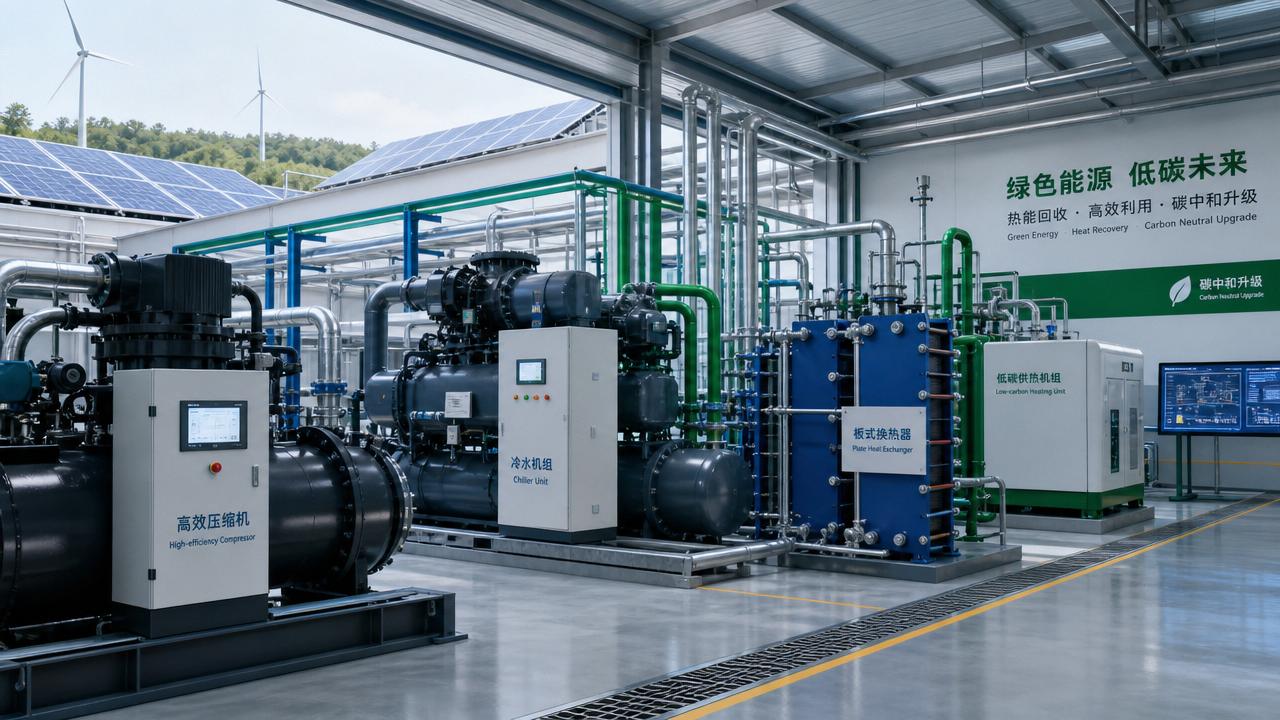
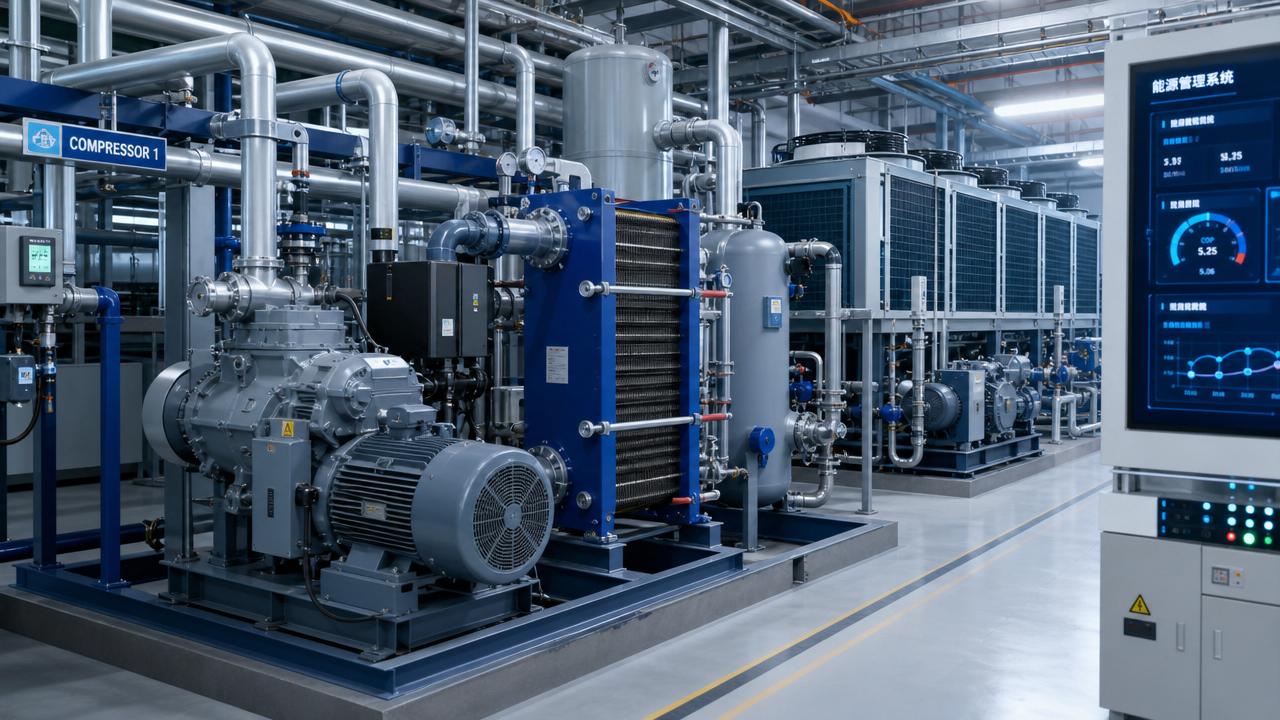
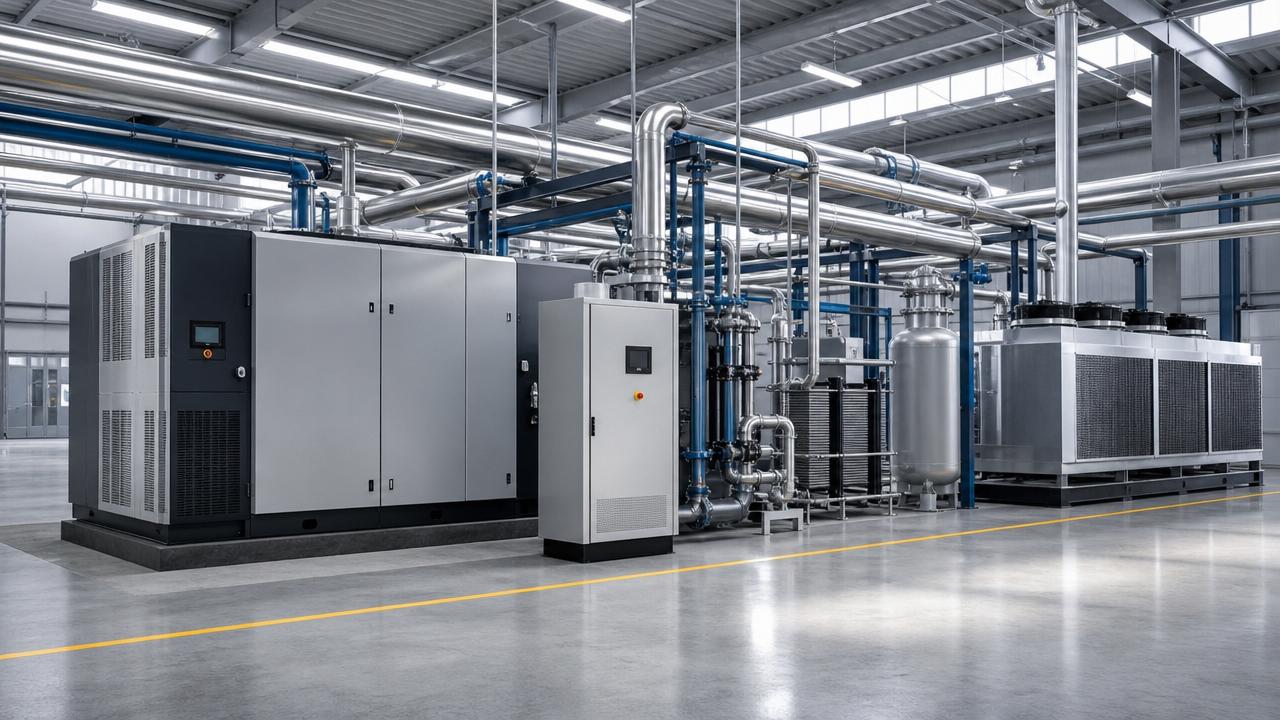
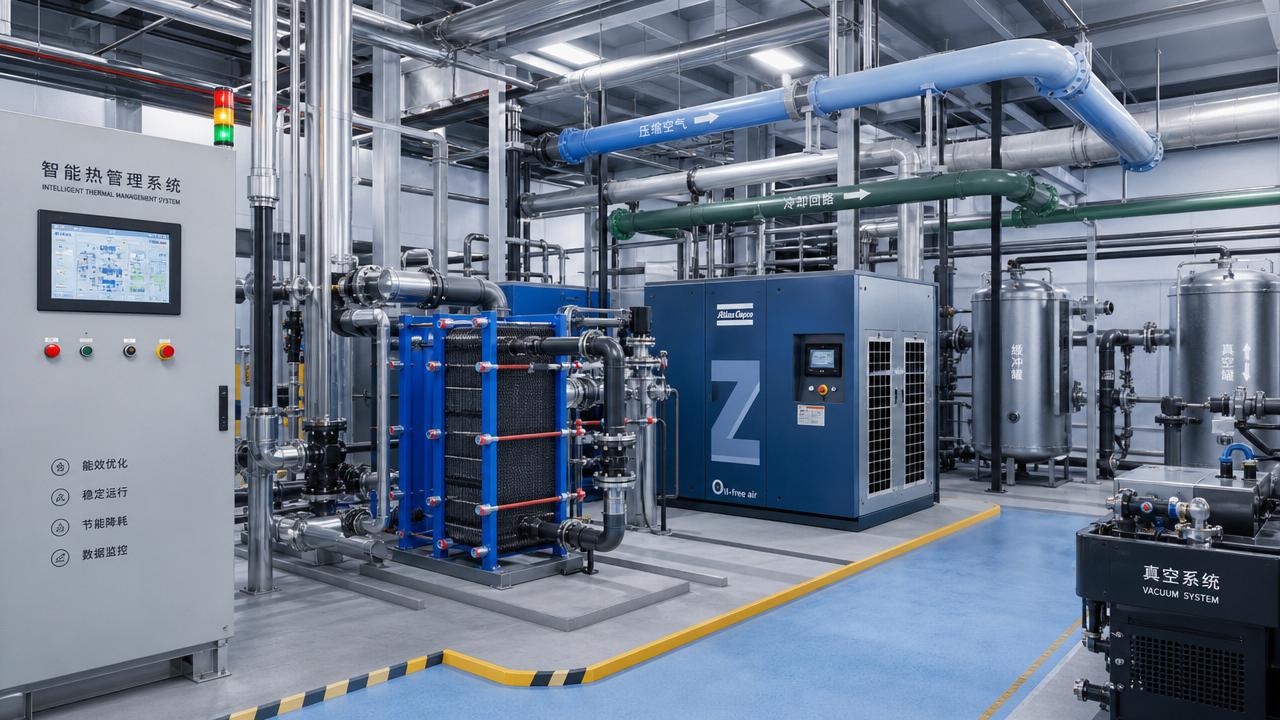
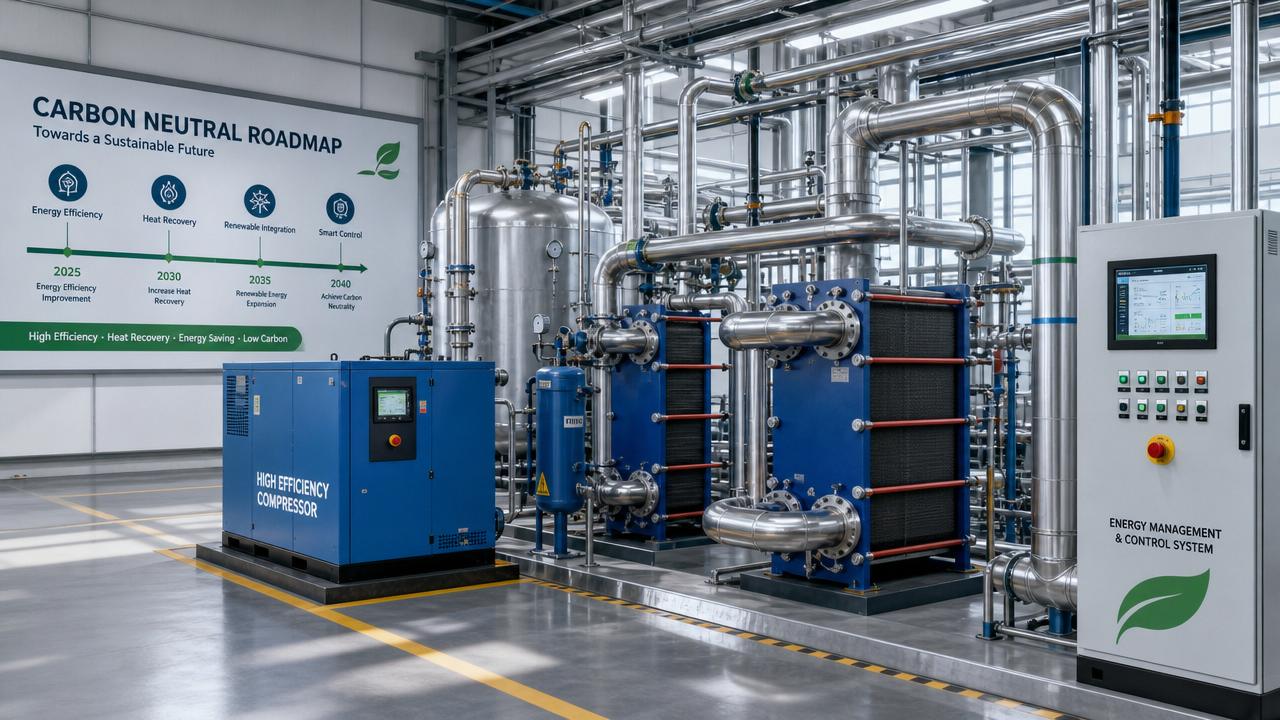
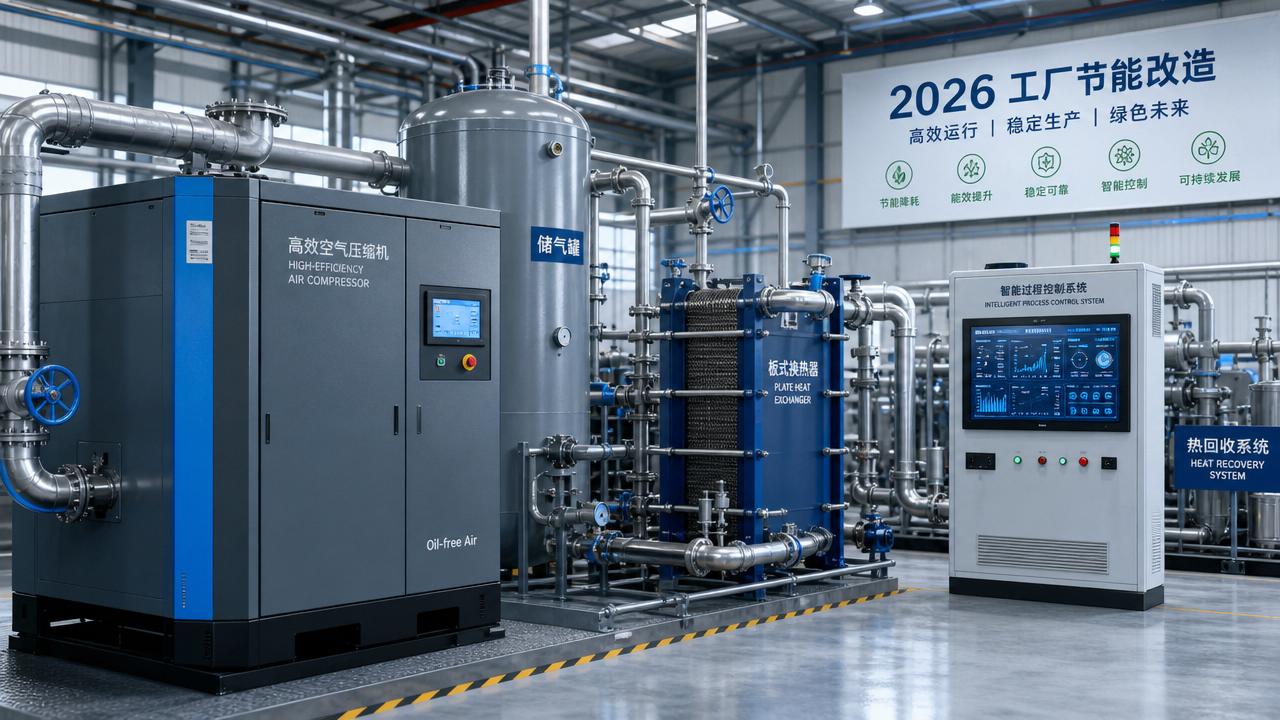
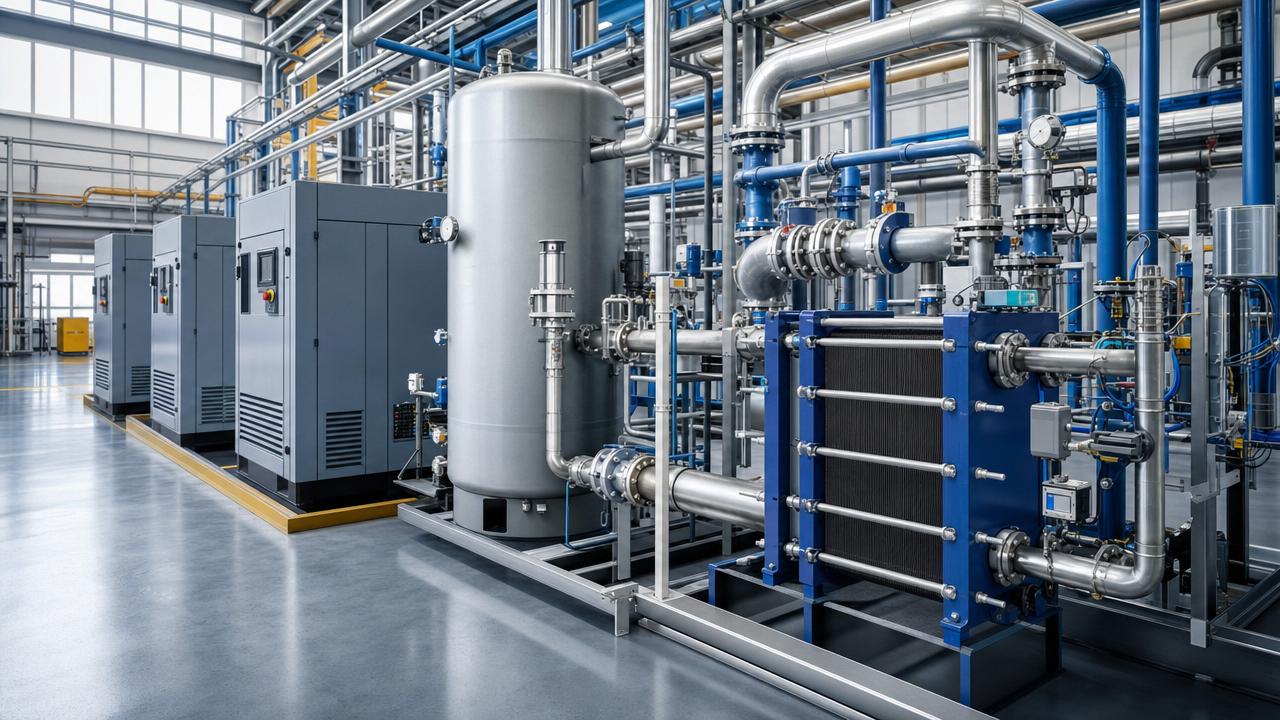
Cooling, compressed air, vacuum, and heat exchange systems were once treated as utility layers.
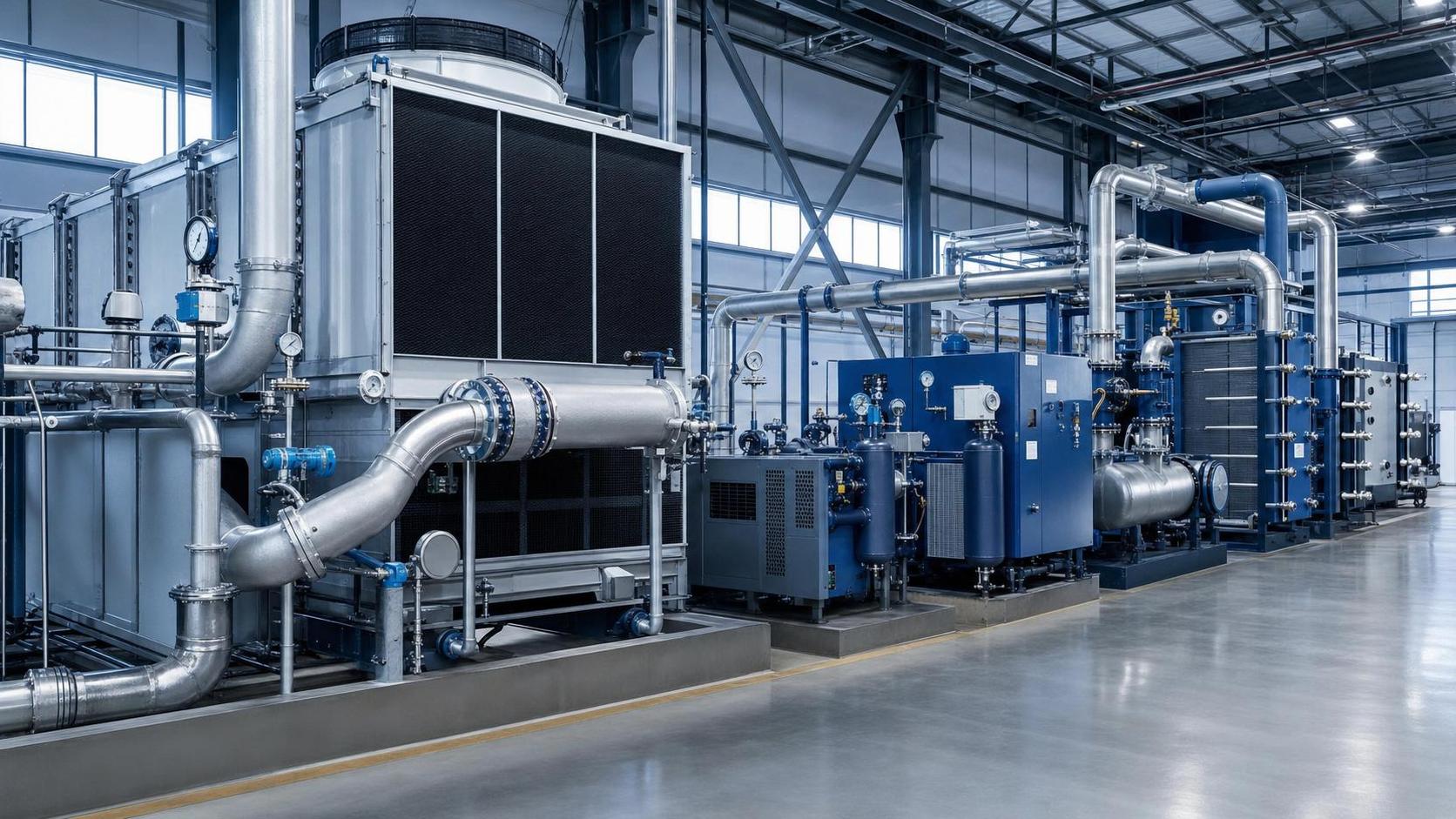
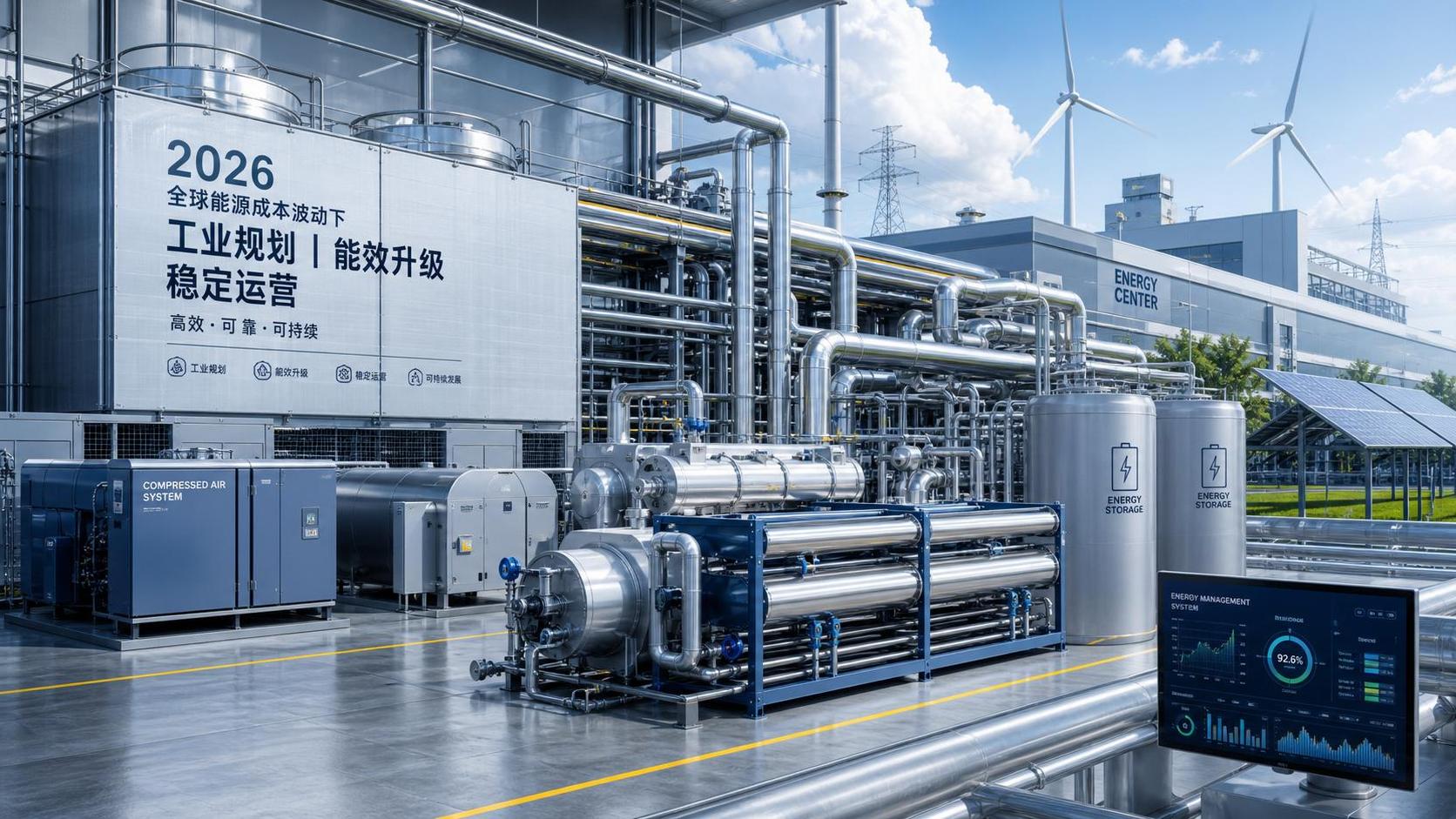
Now they are becoming strategic levers for industrial decarbonization because they shape both emissions and production stability.
That matters across chemicals, food processing, metals, pharmaceuticals, semiconductors, and other high-load environments.
The pressure is not coming from one direction alone.
Energy volatility remains stubborn, carbon reporting is getting stricter, and efficiency expectations now reach auxiliary systems once left outside board review.
In practice, industrial decarbonization is no longer about replacing a single boiler or signing a renewable power contract.
It is increasingly about understanding thermodynamic losses across the full plant and turning them into measurable savings.
This is where intelligence platforms such as GTC-Matrix are becoming more relevant.
By tracking energy prices, refrigerant policy, oil-free compression, low-NOx combustion, and heat transfer innovation, they help frame decarbonization as a systems decision.
The strongest signals are appearing inside utility systems, not only at the stack
A noticeable change in industrial decarbonization is where attention is moving.
For years, facilities focused on direct fuel combustion and visible process emissions.
That focus remains important, but the next wave is happening deeper in plant infrastructure.
Compressed air leaks, oversized chillers, unstable vacuum demand, and weak heat recovery are now being treated as carbon issues.
This reflects a broader market reality.
Marginal gains from headline projects are getting harder to secure, while hidden losses in support systems remain large and recurring.
From recent project activity, several signals are becoming hard to ignore.
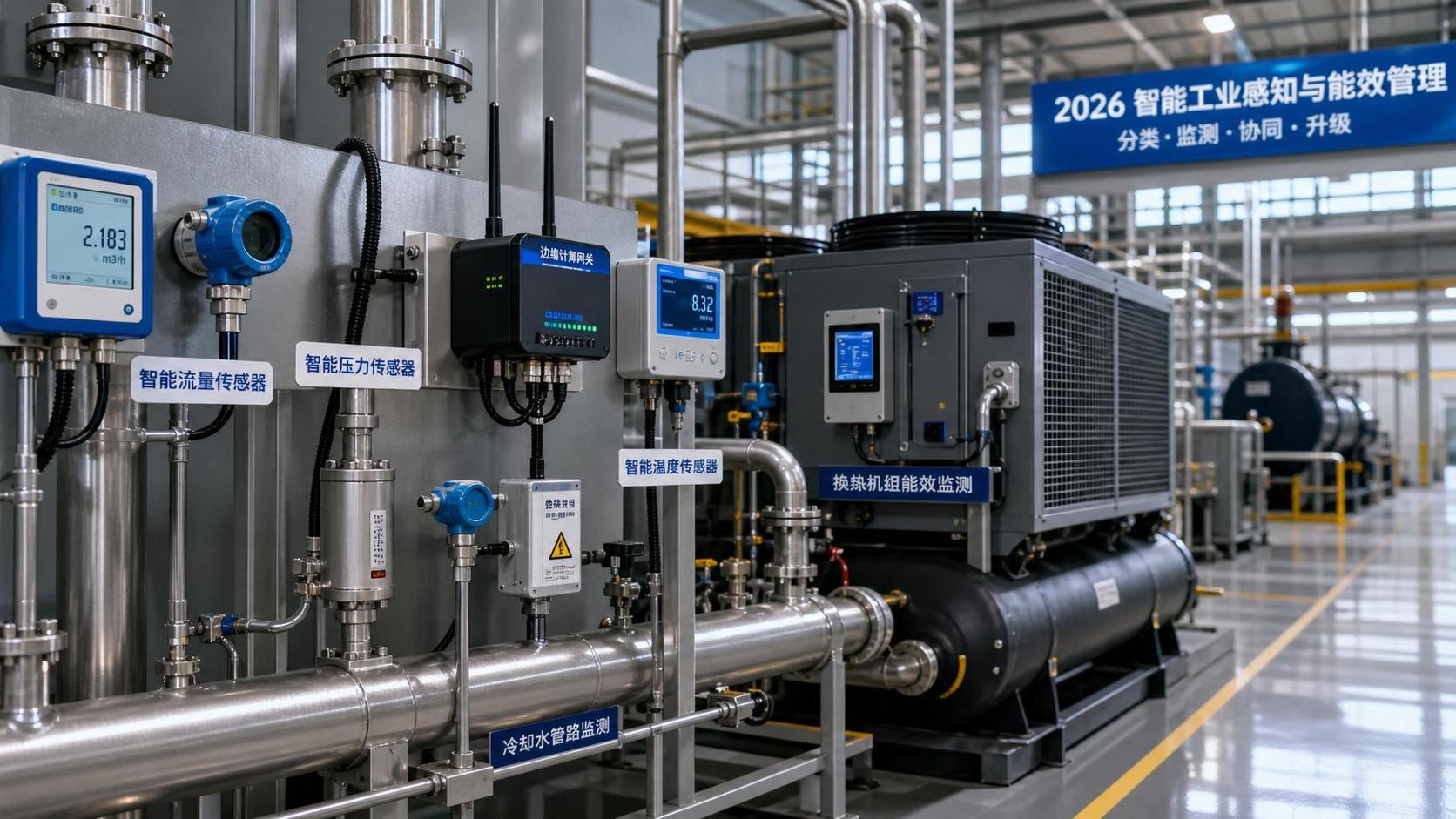
- Energy audits are moving from annual reporting exercises to continuous monitoring programs.
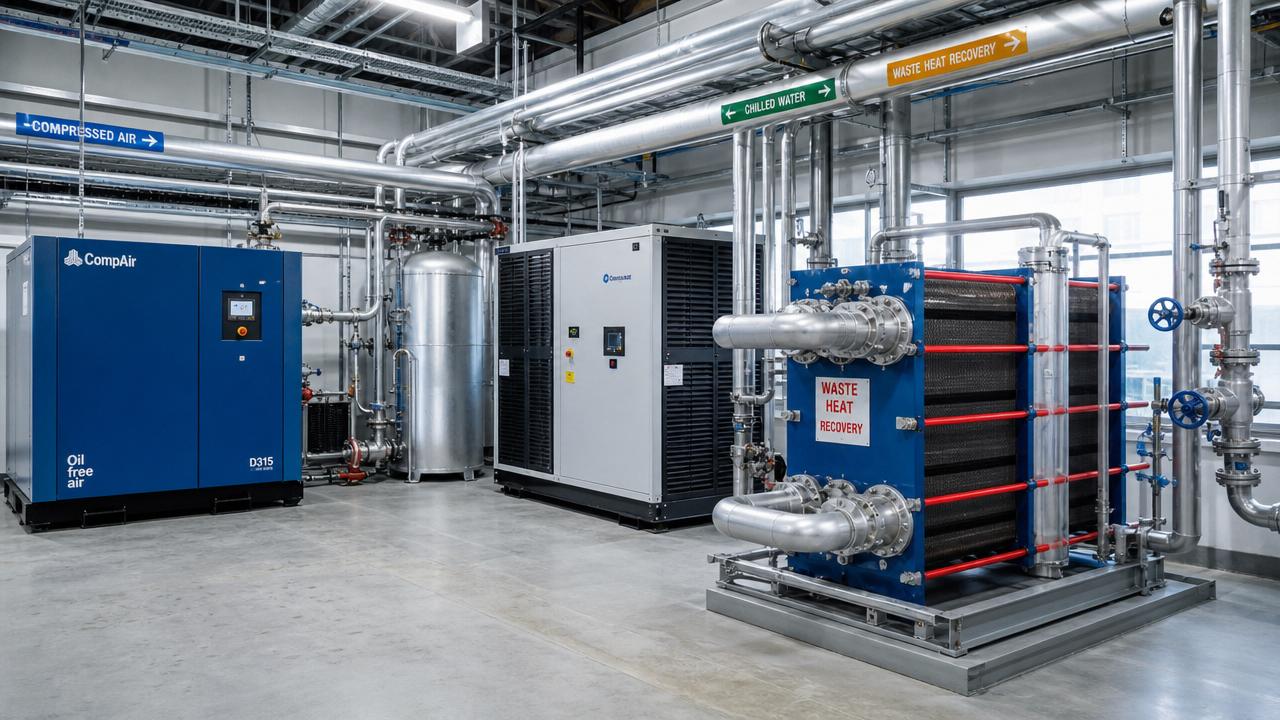
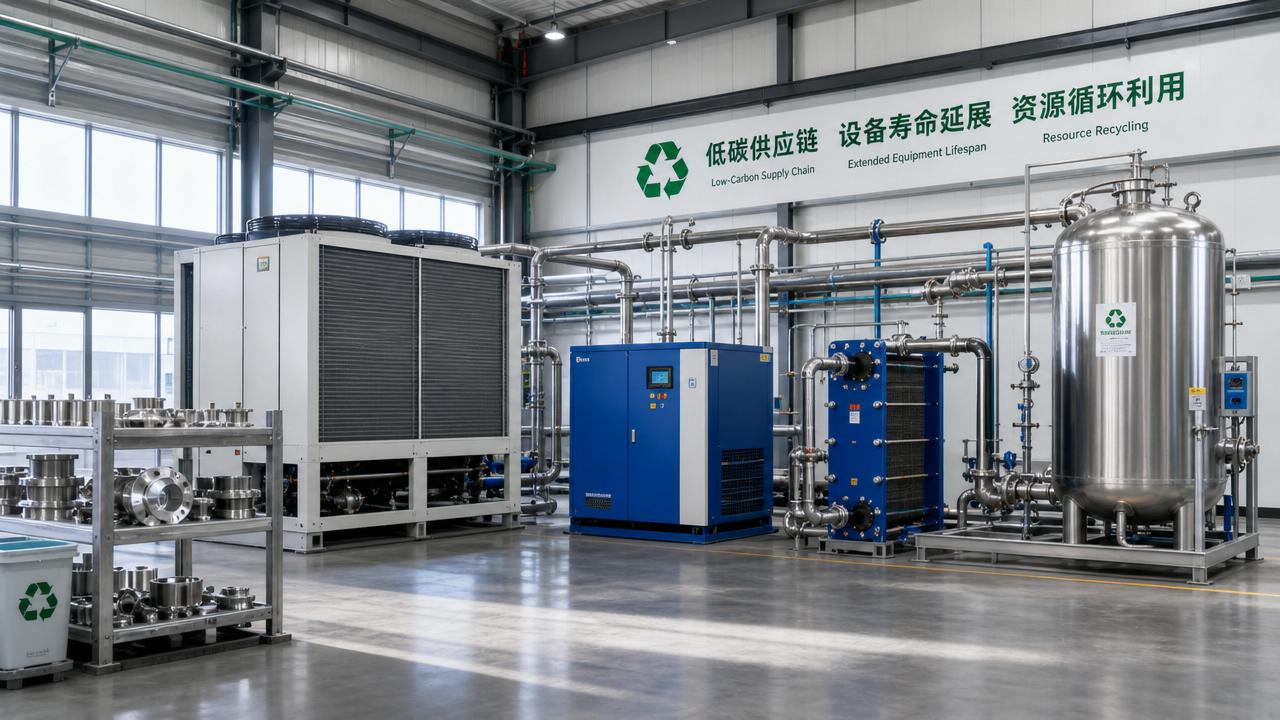
- Waste heat is being evaluated as a production asset rather than a by-product to remove.
- Oil-free and variable-speed compression are gaining attention where product purity and power intensity intersect.
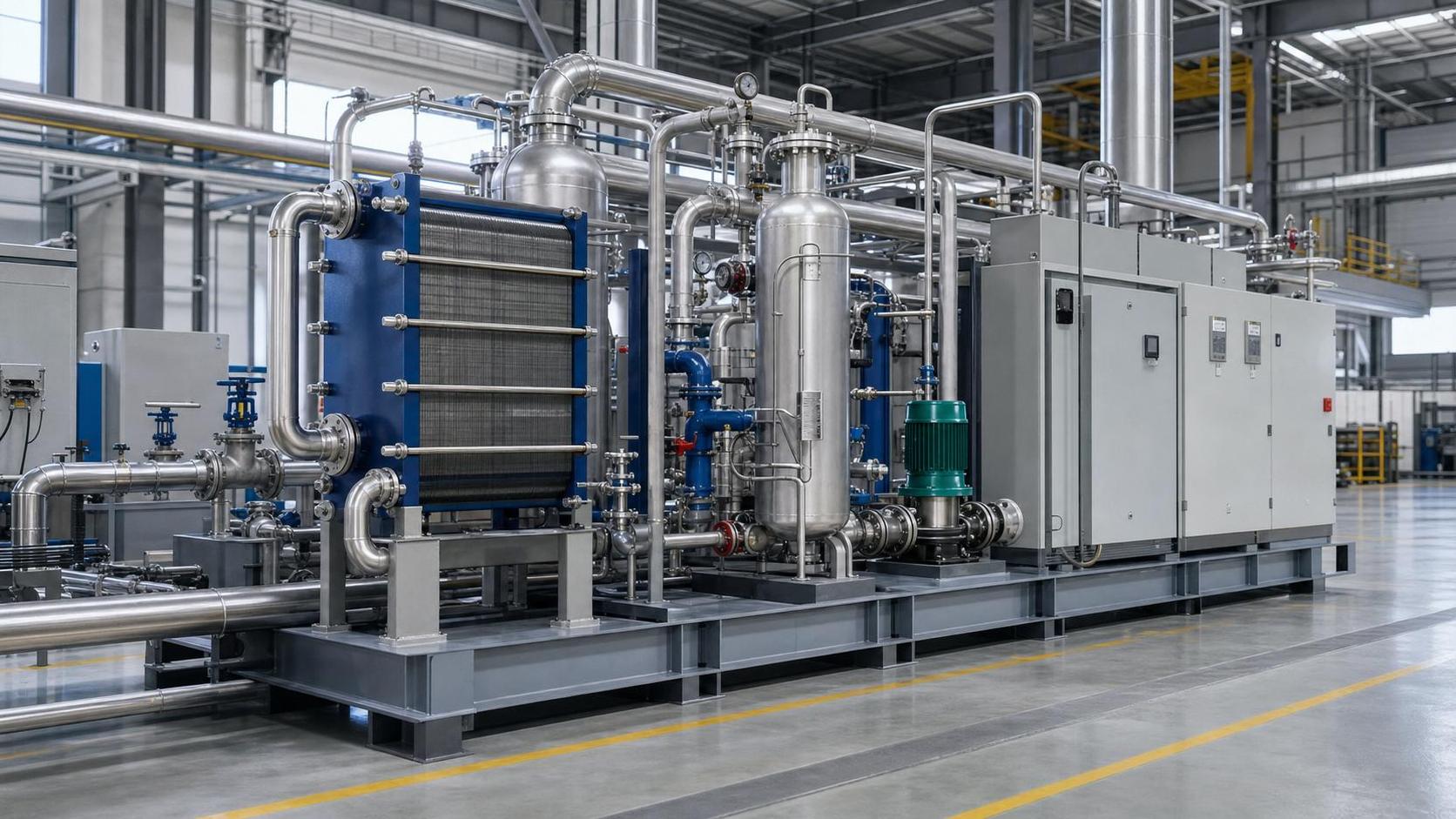
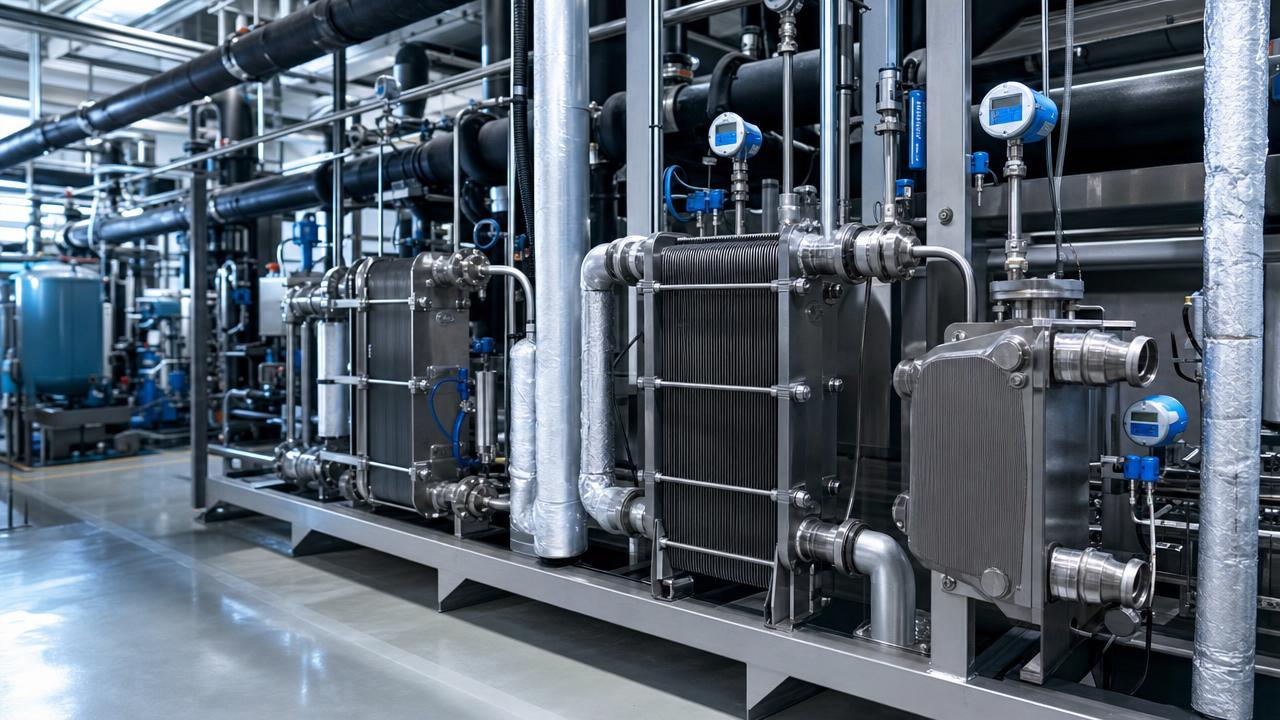
- Heat exchangers are being reviewed for fouling, approach temperature, and fluid compatibility, not just nameplate capacity.
- Refrigerant and combustion choices are being reconsidered under both environmental and operating cost pressure.
These are not isolated engineering refinements.
They show that industrial decarbonization is becoming more granular, more data-led, and more connected to production economics.
Why this shift is accelerating faster than many expected
The speed of change comes from several forces arriving at the same time.
Policy is one factor, but it is no longer the only one.
Procurement requirements, customer scrutiny, energy trading uncertainty, and operational resilience are pulling in the same direction.
A useful way to read the market is to separate the drivers by their business effect.
This combination explains why industrial decarbonization plans are becoming less theoretical.
A project that reduces compressor load or improves heat recovery can now support compliance, cost control, and supply assurance at once.
Impact is spreading across operations, investment logic, and supplier expectations
The effects of industrial decarbonization do not stop at the energy team.
They are reshaping how facilities assess reliability, capex timing, maintenance priorities, and even site competitiveness.
In energy-intensive environments, four impacts stand out.
Thermal efficiency is being treated as a strategic metric
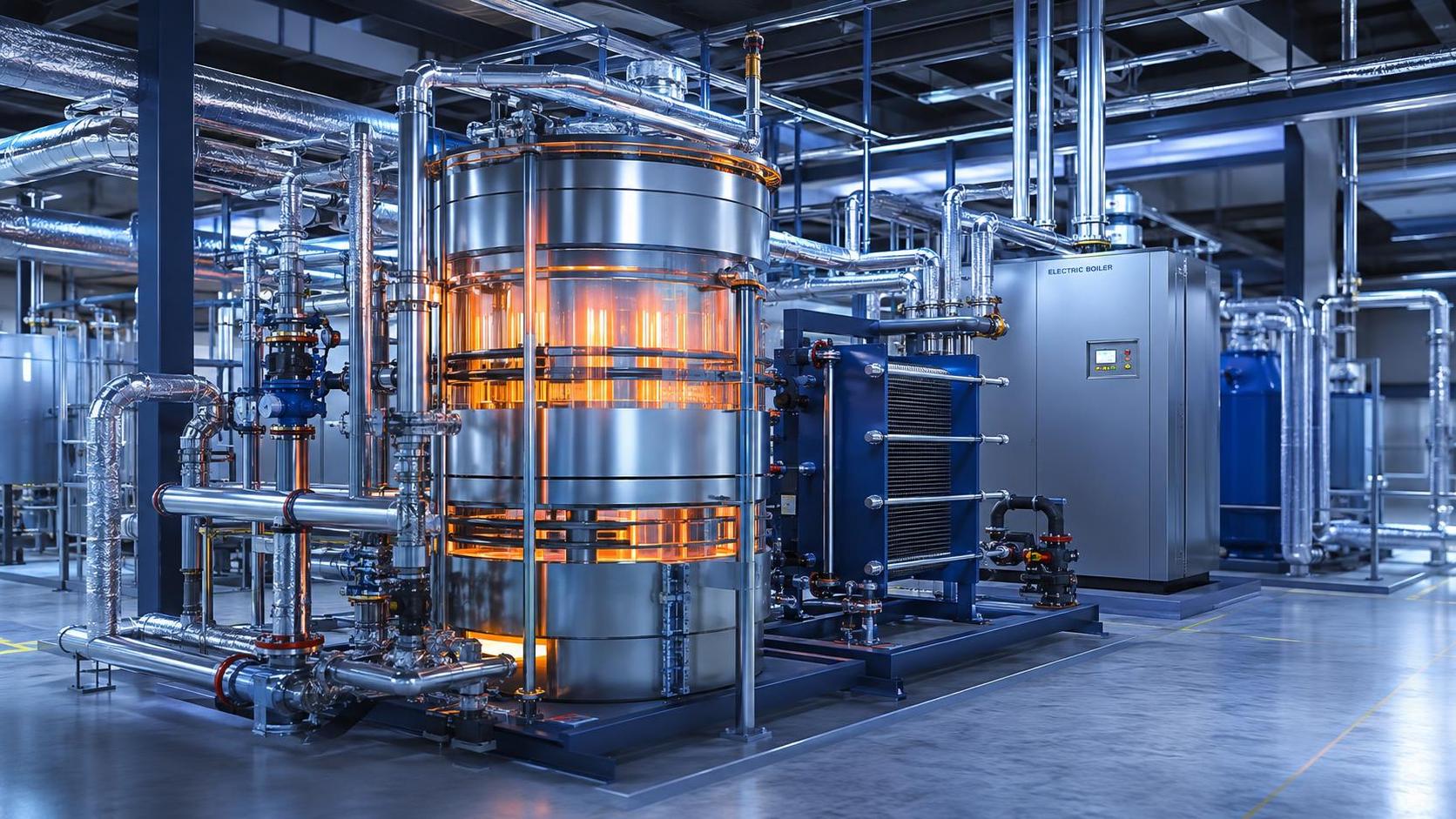
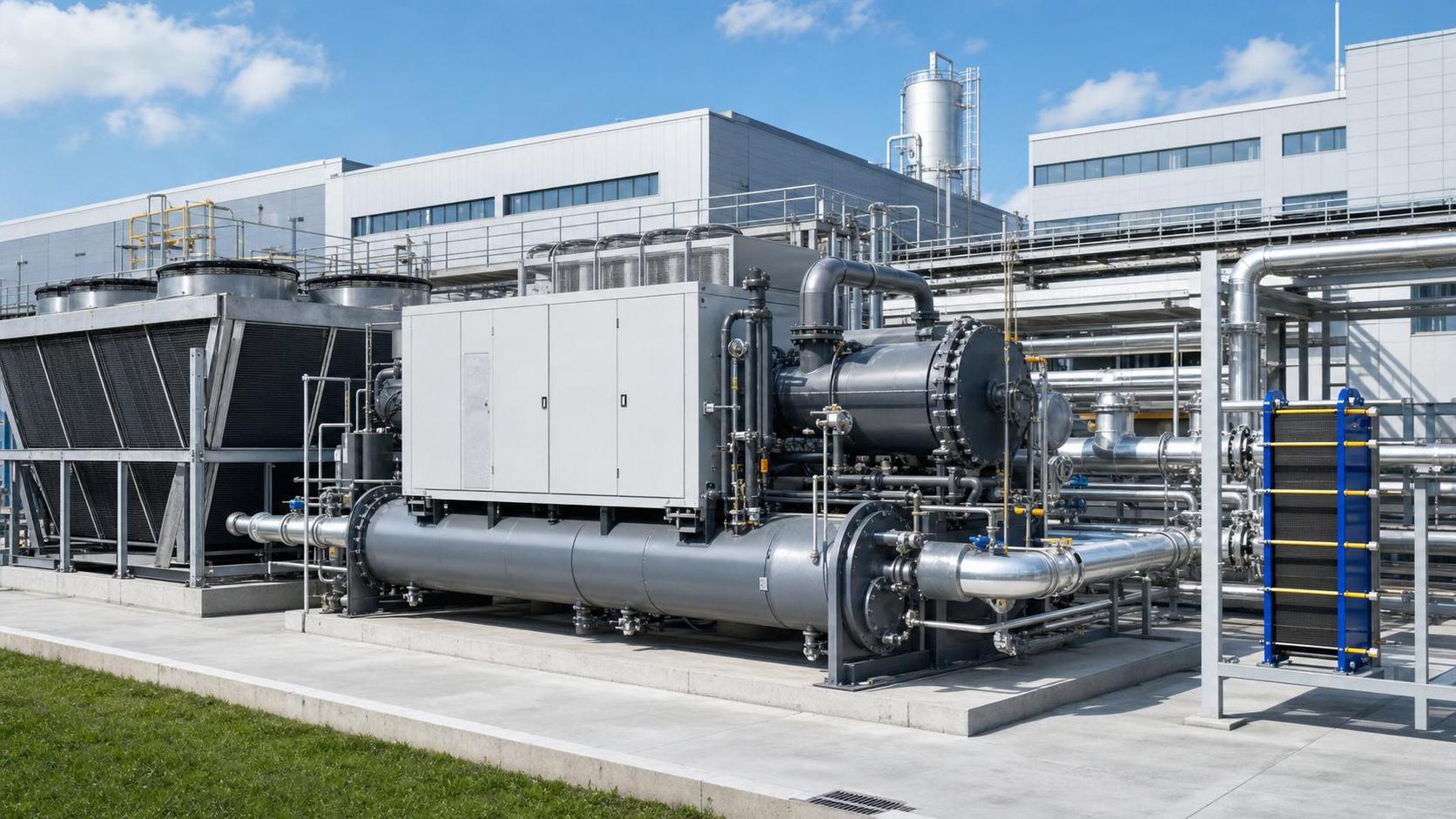
Heat rejection, recovery, and exchange quality increasingly influence project approval.
A poorly optimized thermal loop can erase gains from cleaner electricity or better process equipment.
Compressed air and vacuum are under closer scrutiny
These systems are often invisible until they fail, yet they consume large amounts of power.
Industrial decarbonization is pushing them into routine performance benchmarking and leak detection programs.
Supplier evaluation is becoming more technical
Efficiency claims alone are not enough.
Operators increasingly want lifecycle energy data, emissions assumptions, serviceability, and compatibility with digital controls.
Decisions are shifting from equipment replacement to system redesign
This is a more consequential change.
Facilities are starting to ask whether demand can be reduced before supply equipment is upgraded.
That is often where the best industrial decarbonization returns are found.
The next advantage comes from linking plant data with thermodynamic decisions
A recurring problem in industrial decarbonization is fragmented visibility.
Facilities may know total energy use, but not where conversion losses are expanding or where process conditions are drifting.
That gap matters more now because the easiest savings have already been captured in many mature operations.
What remains often requires cross-reading between utility data, process performance, and equipment behavior.
This is also why platforms like GTC-Matrix have a distinct role.
Industrial cooling, compression, vacuum, and heat exchange technologies do not move independently.
Their economics are shaped by refrigerant rules, combustion trends, purity requirements, and sector-specific load patterns.
When these signals are stitched together, industrial decarbonization becomes easier to prioritize with discipline.
- Map major thermal and compression assets by load variability, not only installed capacity.
- Track wasted energy sources, including blow-off air, condenser heat, and unstable vacuum cycles.
- Compare process-critical systems by emissions intensity per unit of output, not per machine.
- Review whether digital controls can unlock savings before large-scale replacement begins.
These steps are practical because they connect carbon goals to operating realities.
What deserves attention over the next planning cycle
The next phase of industrial decarbonization will likely reward precision over volume.
Large announcements will continue, but quieter operational moves may create more durable advantage.
Several areas deserve close attention.
Electrification will expand, but not evenly
Some thermal loads can shift quickly.
Others remain constrained by temperature range, process integrity, or grid economics.
Facilities need a segmented view, not a blanket assumption.
Efficiency standards will reach deeper into auxiliary assets
Expect tighter scrutiny on compressors, heat exchangers, and cooling systems that were previously judged mainly by reliability.
Sector-specific decarbonization pathways will matter more
Pharmaceutical and semiconductor sites may prioritize clean utilities and precise thermal control.
Food and general processing may focus more on heat recovery, refrigeration efficiency, and compressed air quality.
This is why industrial decarbonization should be judged through application context, not generic benchmarks alone.
A practical response starts with system-level priorities
The strongest response to industrial decarbonization pressure is rarely the most dramatic one.
It usually begins with a clearer sequence of decisions.
Start by identifying where energy-intensive utilities influence production quality, downtime, or compliance risk most directly.
Then rank opportunities by carbon impact, energy cost sensitivity, and operational feasibility.
In many cases, the most credible industrial decarbonization roadmap includes three layers.
- Near term: fix leaks, rebalance controls, improve monitoring, and remove avoidable thermal losses.
- Medium term: upgrade compression, cooling, vacuum, and heat exchange assets with verified performance data.
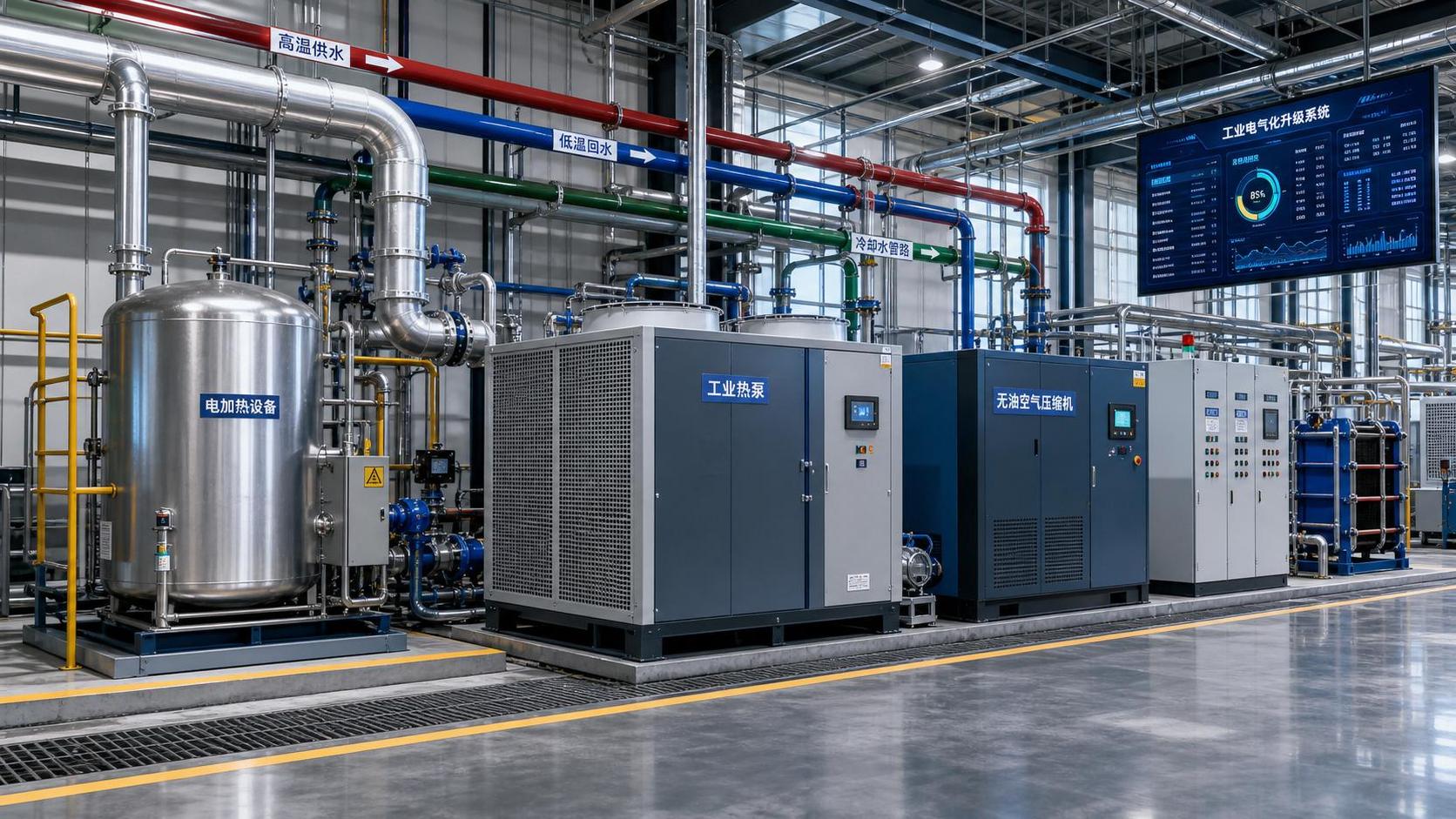
- Long term: redesign energy architecture around electrification, heat recovery integration, and flexible demand management.
Industrial decarbonization is becoming a test of operational intelligence as much as technology choice.
The sites that move well are often those that read weak signals early, connect thermal and power data, and build phased plans before pressure becomes disruption.
The next useful step is simple.
Reassess cooling, compressed air, vacuum, and heat exchange systems as core decarbonization assets, then compare future options against real operating conditions.
That is where more resilient and measurable progress is likely to begin.
Ready when you are. Send us a message to get started.
Related News
- Why high-density thermal energy storage is gaining industry attentionAuthor :

- Smart Device Thermal Management Trends Shaping 2026 Product DesignAuthor :

- Industrial Cooling Technologies in Europe: 2026 Trends in Compliance and Energy UseAuthor :

- Industrial Electrification Trends in 2026: Where Projects Are Moving FirstAuthor :

- Industrial Solution Comparison Global: 2026 Trends Reshaping Equipment DecisionsAuthor :

- When Heat Recovery Systems Skid Mounted Designs Improve Project PaybackAuthor :

- How to Compare Industrial Decarbonization Solutions Providers in 2026Author :

- Industry Category Guides for Smart Devices: What to Track as 2026 Markets ShiftAuthor :

- Green Manufacturing Trends Reshaping Industrial InvestmentAuthor :

- 2026 Global Energy Costs: What Will Reshape Industrial PlanningAuthor :

- Industrial Decarbonization Solutions That Cut Fuel Costs in 2026Author :

- Smart Thermal Systems Trends Shaping Industrial Upgrades in 2026Author :

- Resource Circularity in Manufacturing: 5 Practical Gains Beyond ComplianceAuthor :

- Carbon Neutrality Roadmap: What Industrial Firms Need to Prioritize FirstAuthor :

- Energy Conversion Efficiency Trends Shaping Industrial UpgradesAuthor :

- Compression Technology Trends Shaping Efficient Plant UpgradesAuthor :

- Industrial Intelligence in Manufacturing: Where It Delivers Value FirstAuthor :

- How Intellectualization Improves Industrial Thermal ManagementAuthor :

- What Intellectualization Means for Smarter Plant Operations in 2026Author :

- Carbon Neutrality Goals: What Industrial Firms Should Prioritize in 2026Author :

- How Intellectualization Reduces Downtime in Modern Production LinesAuthor :

- Decarbonization Roadmap for Energy-Intensive Plants in 2026Author :

- Thermal Systems Trends in 2026: Efficiency, Control, and RiskAuthor :

- Industrial Decarbonization Priorities for Energy-Intensive FacilitiesAuthor :

- Thermal Systems in 2026: Efficiency Upgrades Shaping Industrial OperationsAuthor :

- Pure Power Sources: 5 Practical Paths to Carbon NeutralityAuthor :

- What Intellectualization Means for Industrial Equipment UpgradesAuthor :

- Thermal Optimization in 2026: Where Energy Savings Deliver the Fastest PaybackAuthor :

- Energy Efficiency Trends Reshaping Compressor Upgrades in 2026Author :

- 2026 Industrial Decarbonization Trends Reshaping Plant UpgradesAuthor :
![]()
- Heat Exchanger Technology Trends for 2026 Efficiency TargetsAuthor :

- Resource Circularity Risks in 2026 Supply ChainsAuthor :

- Smart Thermal Systems: When Upgrades Deliver Measurable SavingsAuthor :

- Carbon Neutrality: Practical Steps for Factory RoadmapsAuthor :

- 2026 Industrial Energy Efficiency Priorities for Plant UpgradesAuthor :

- Industrial Intellectualization Trends Reshaping Equipment UpgradesAuthor :