Thermal Systems in 2026: Efficiency Upgrades Shaping Industrial Operations




Thermal systems are moving from utility support to strategic control
In 2026, thermal systems no longer sit quietly in the background of industrial operations.
They now shape production stability, energy exposure, emissions performance, and expansion speed across multiple sectors.
That shift is becoming clearer as electricity prices stay volatile, refrigerant rules tighten, and process uptime becomes more valuable than pure installed capacity.
In practical terms, efficiency upgrades in thermal systems are being treated less as maintenance projects and more as operational redesign.
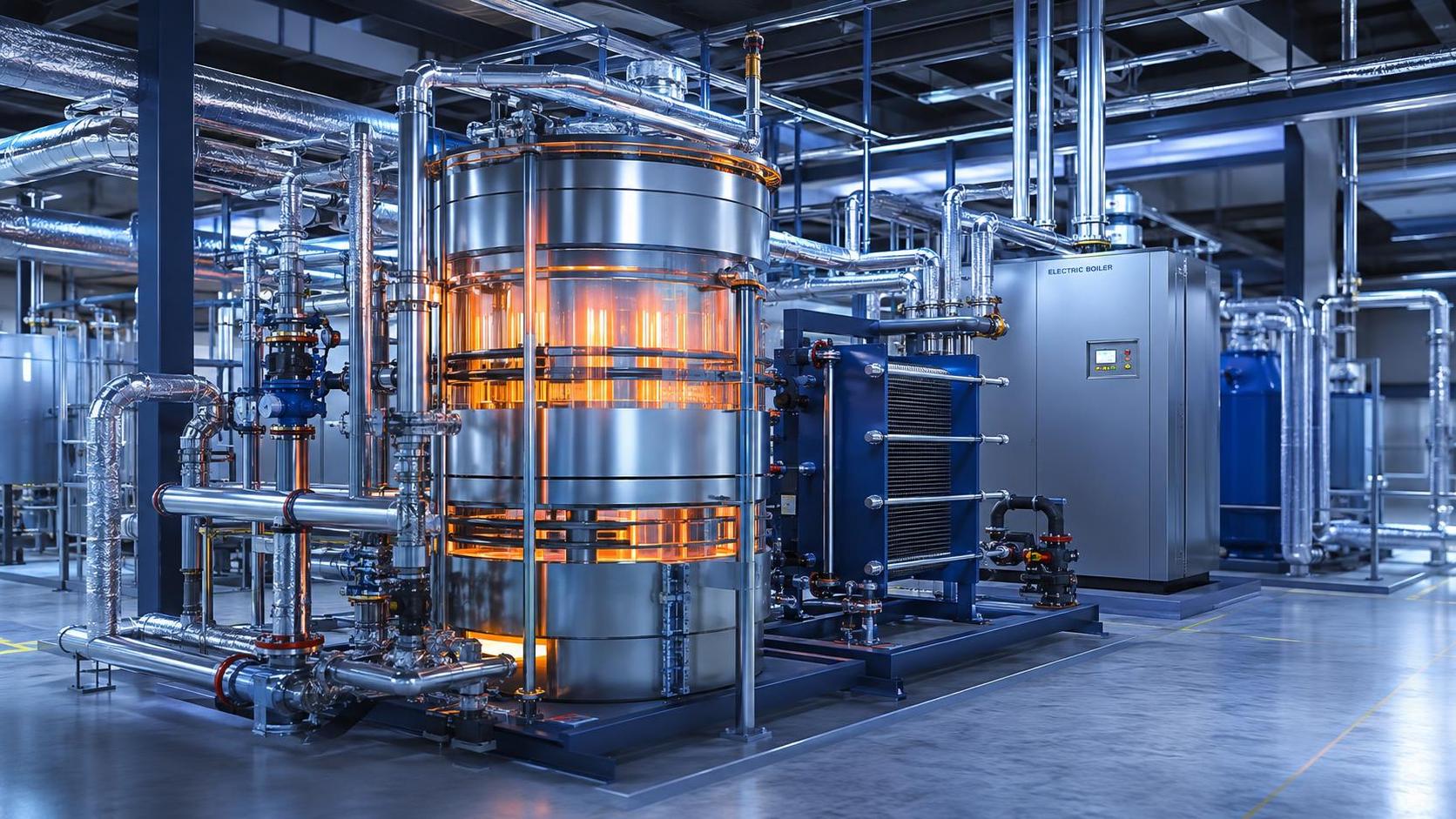
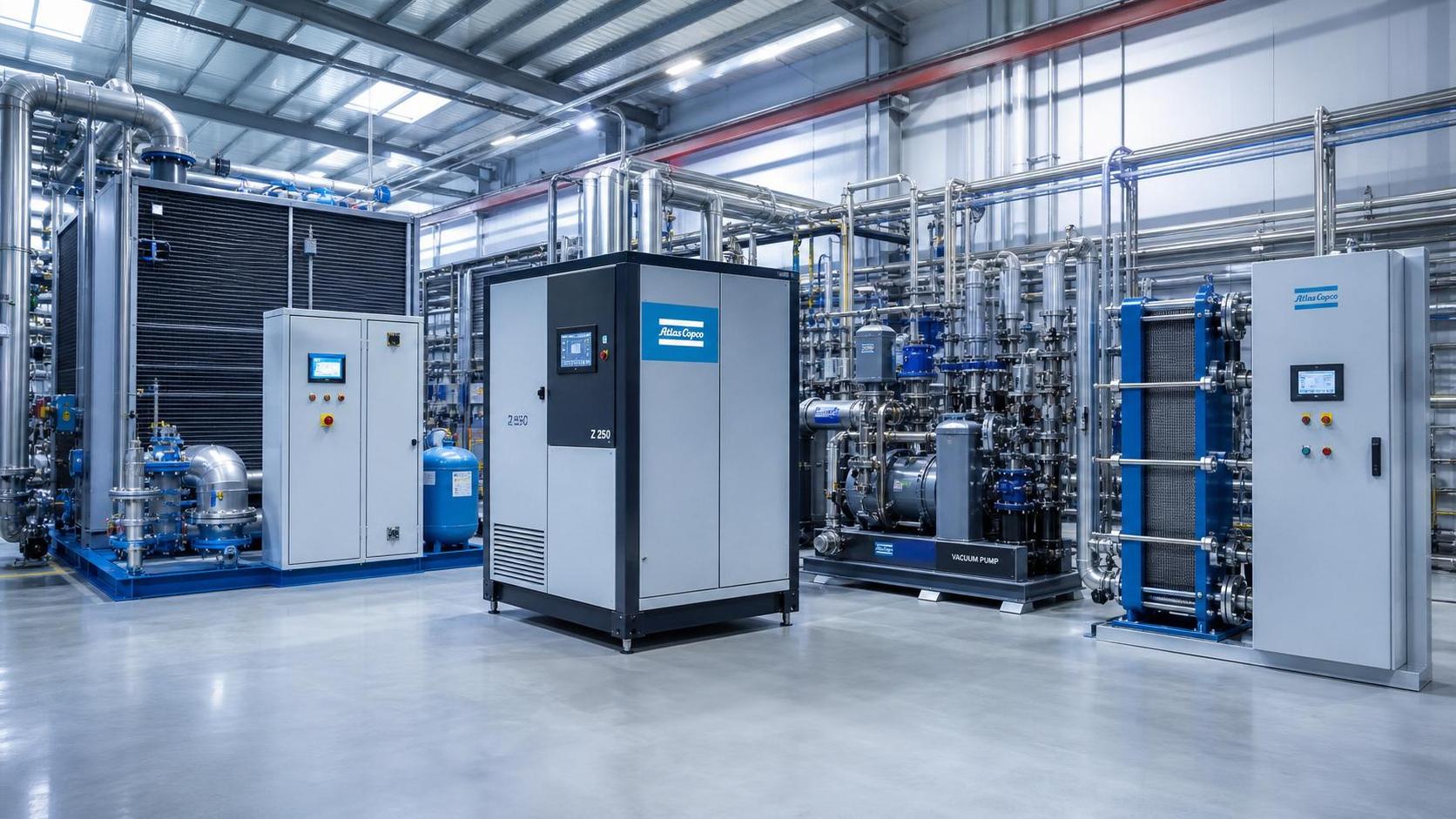
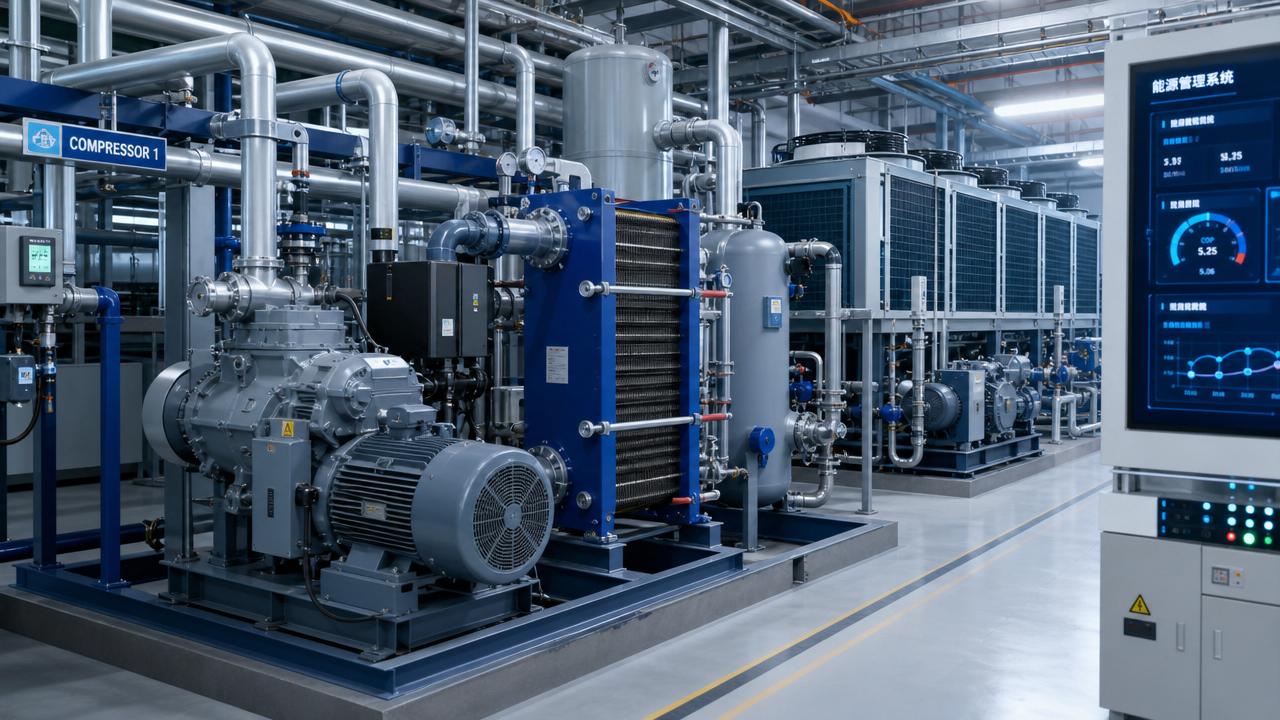
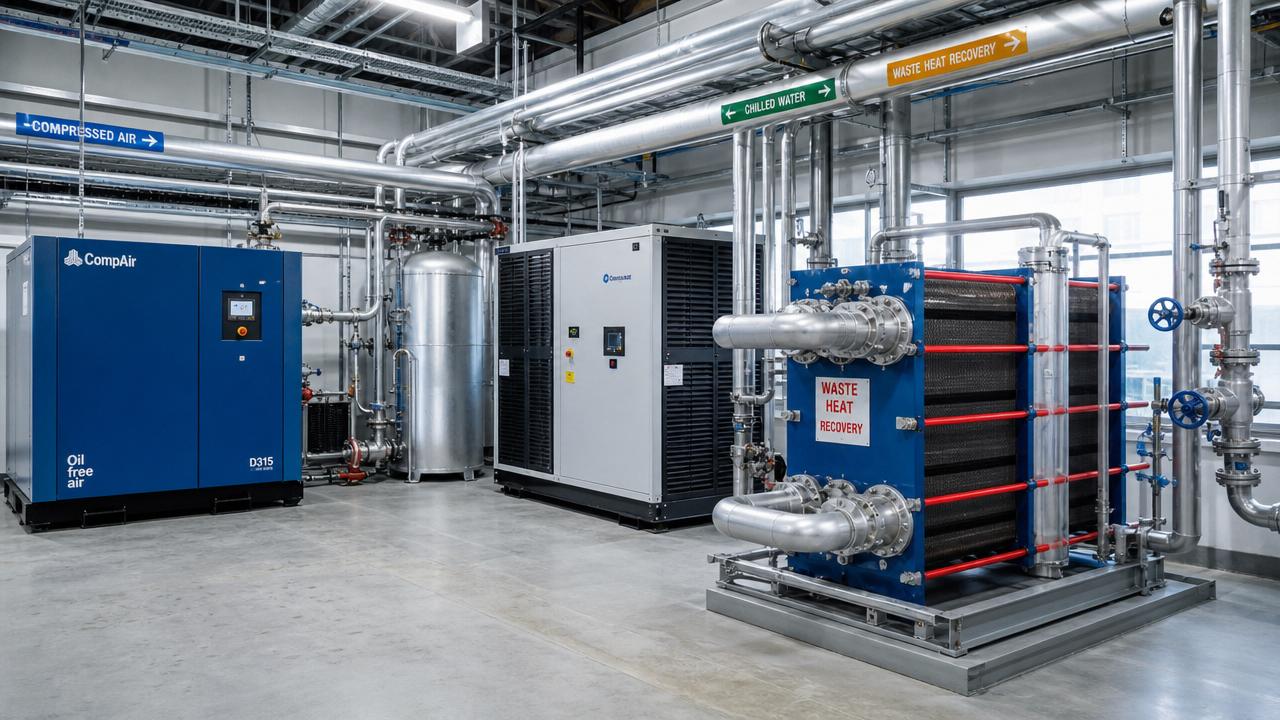
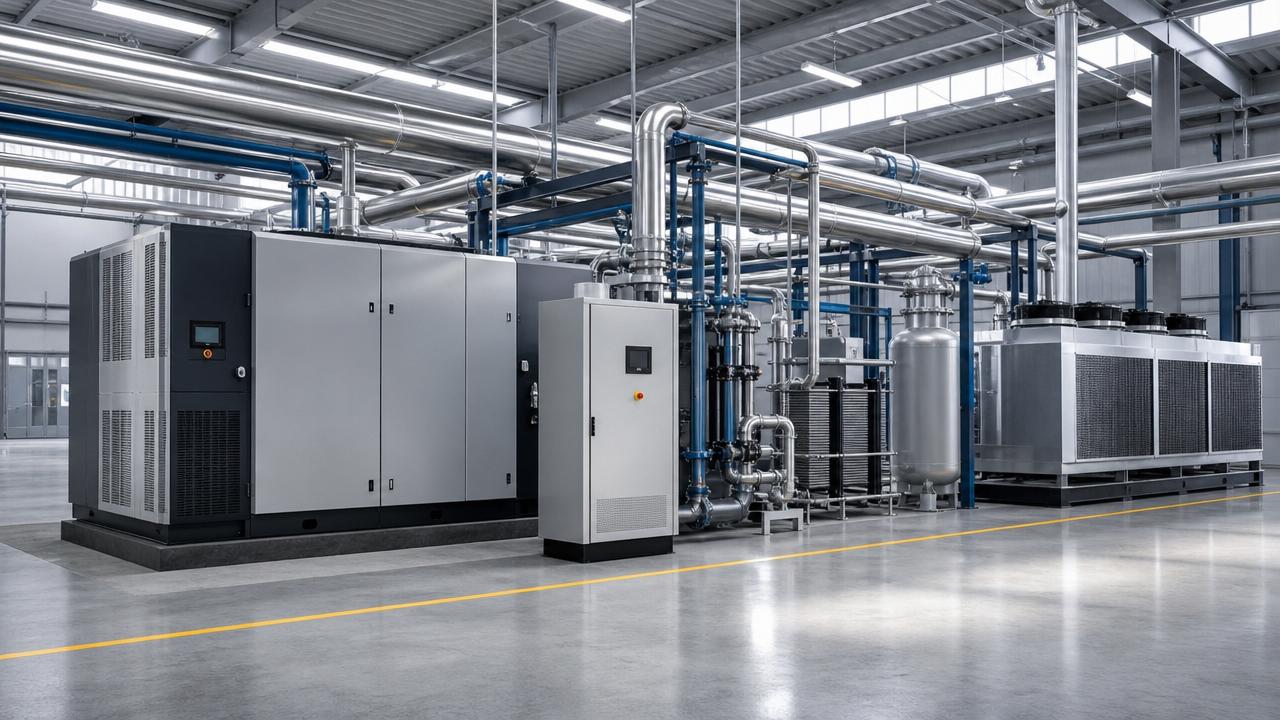
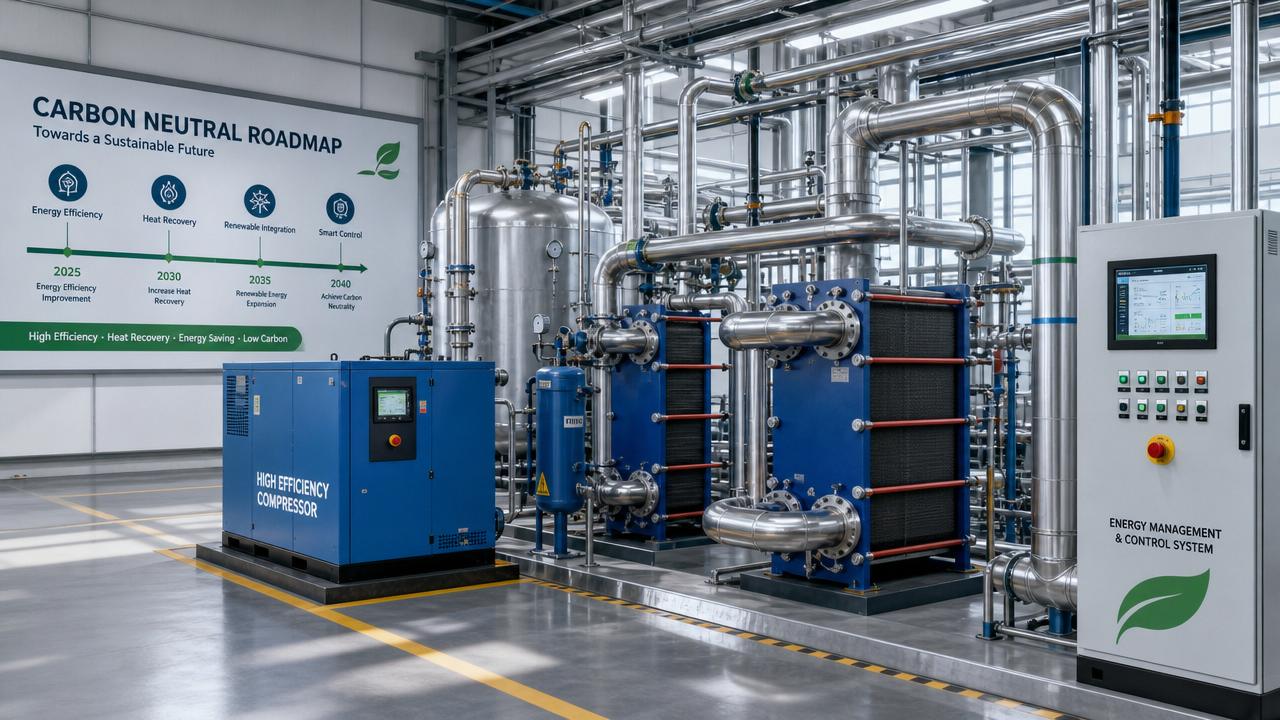
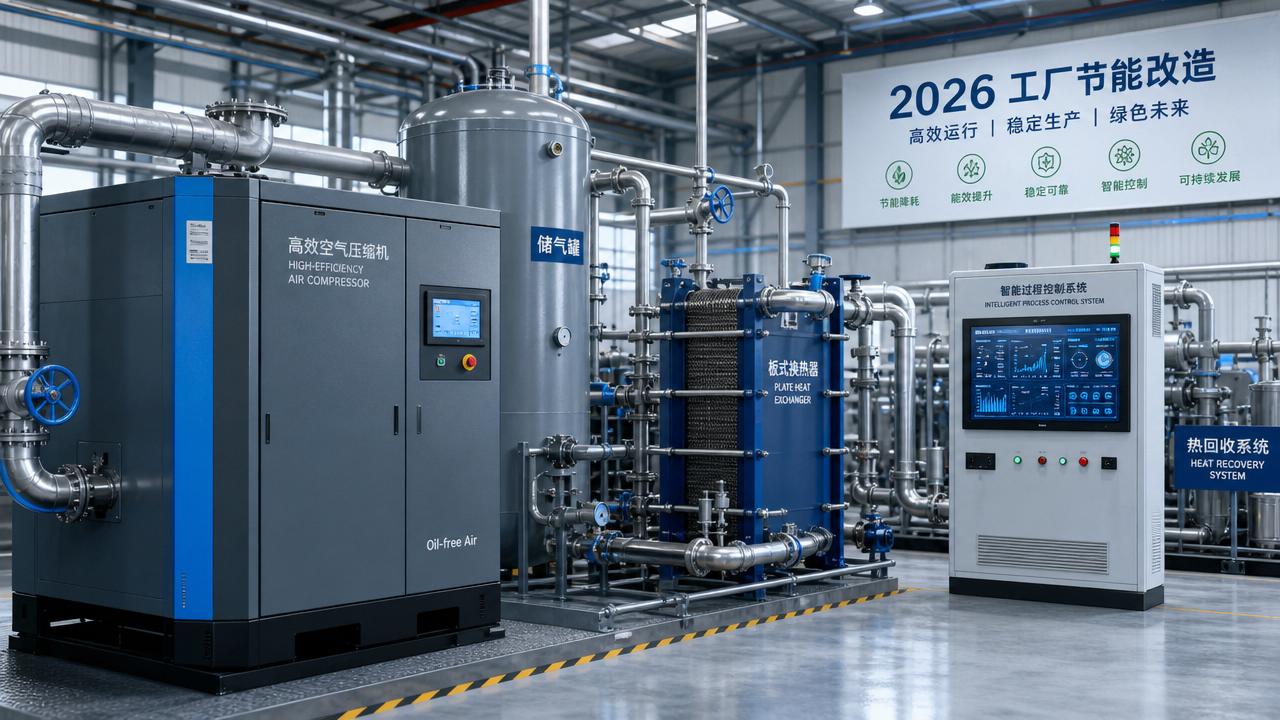
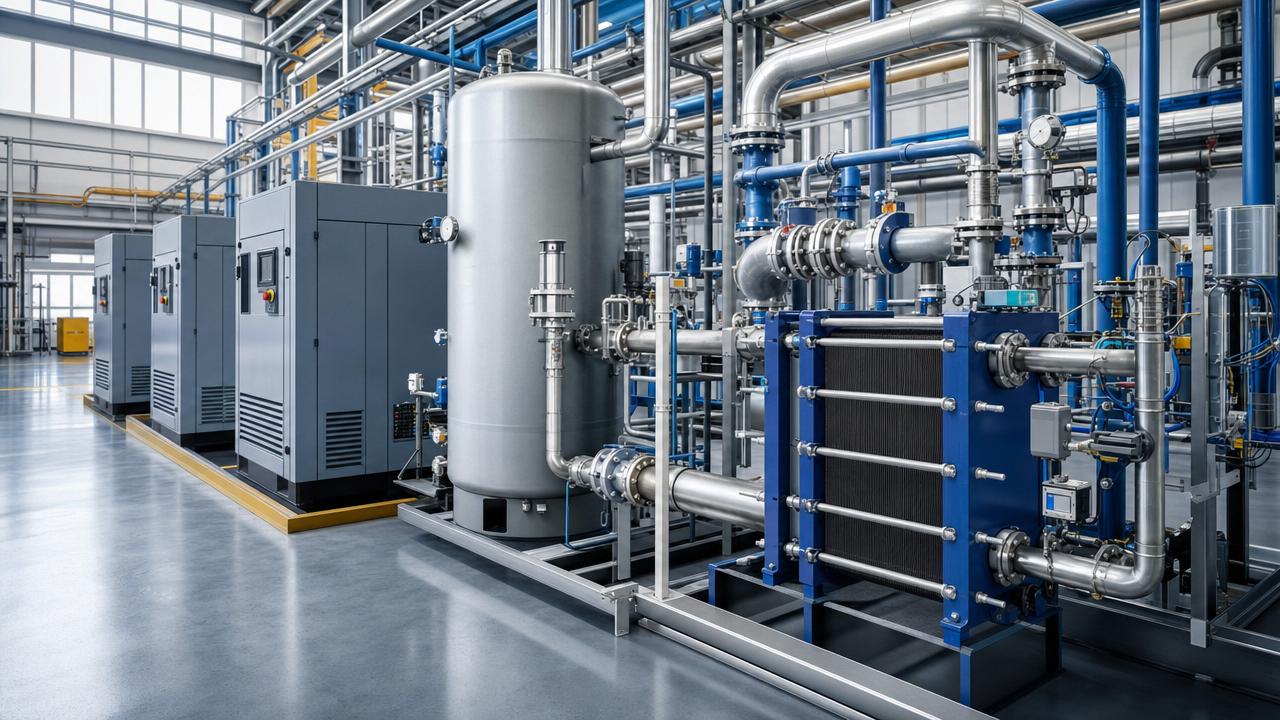
Compressed air networks, heat exchange loops, vacuum support, and combustion-related assets are increasingly evaluated as one connected performance layer.
This is also why market attention has widened beyond standalone equipment efficiency.
The stronger signal now is system interaction: where heat is lost, where pressure is unstable, where controls lag, and where emissions limits start affecting process economics.
For observers such as GTC-Matrix, the pattern is consistent across regions.
Industrial competitiveness is increasingly tied to how well thermal systems convert energy into reliable, measurable process output.
What has changed in the thermal systems landscape
Recent demand does not point to a single breakthrough technology.
Instead, it shows a broader re-ranking of priorities inside industrial energy infrastructure.
Thermal systems are now expected to deliver four things at once: lower energy intensity, tighter process control, lower emissions risk, and faster adaptation to production swings.
That expectation is pushing upgrades in several directions.
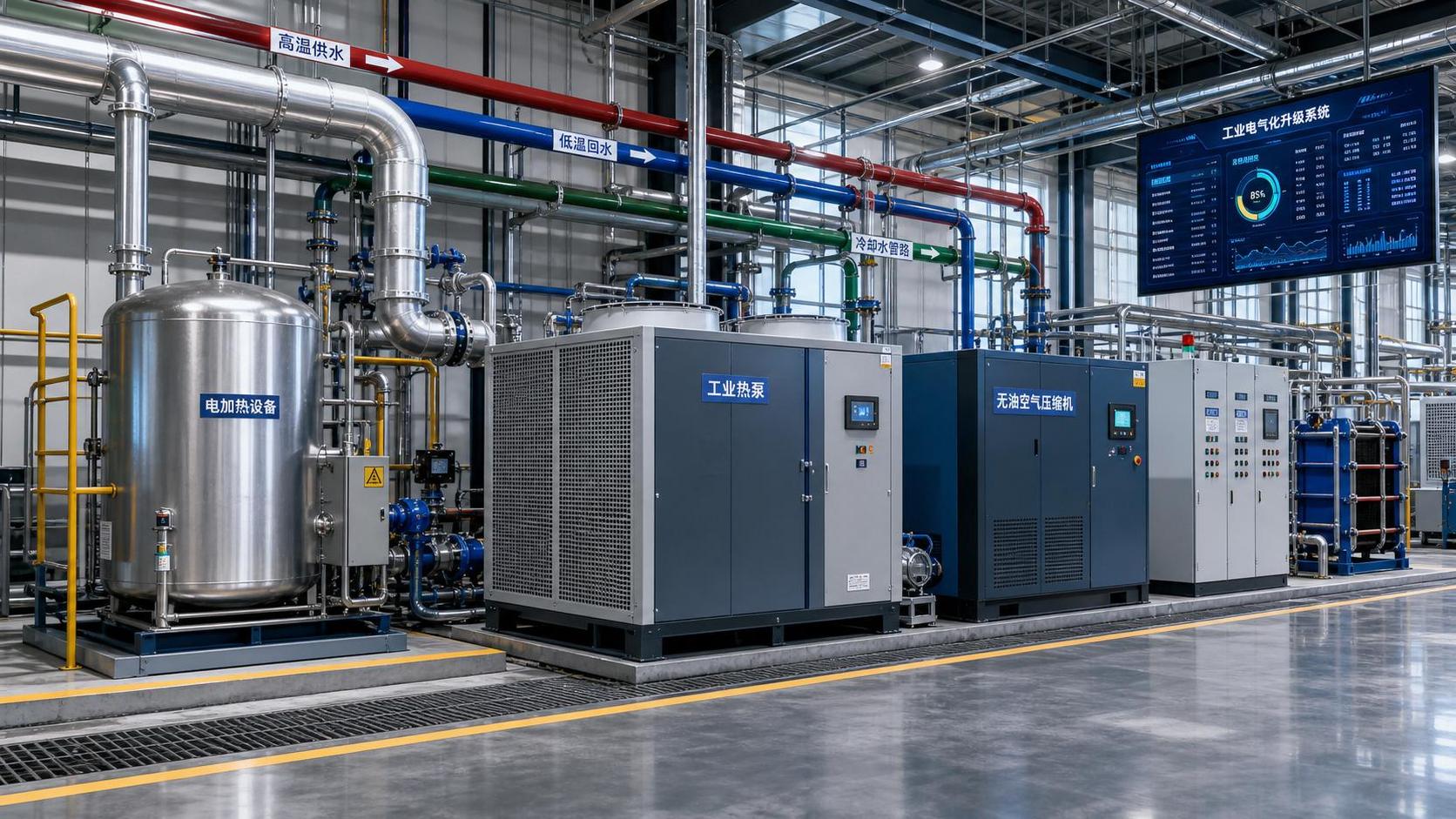
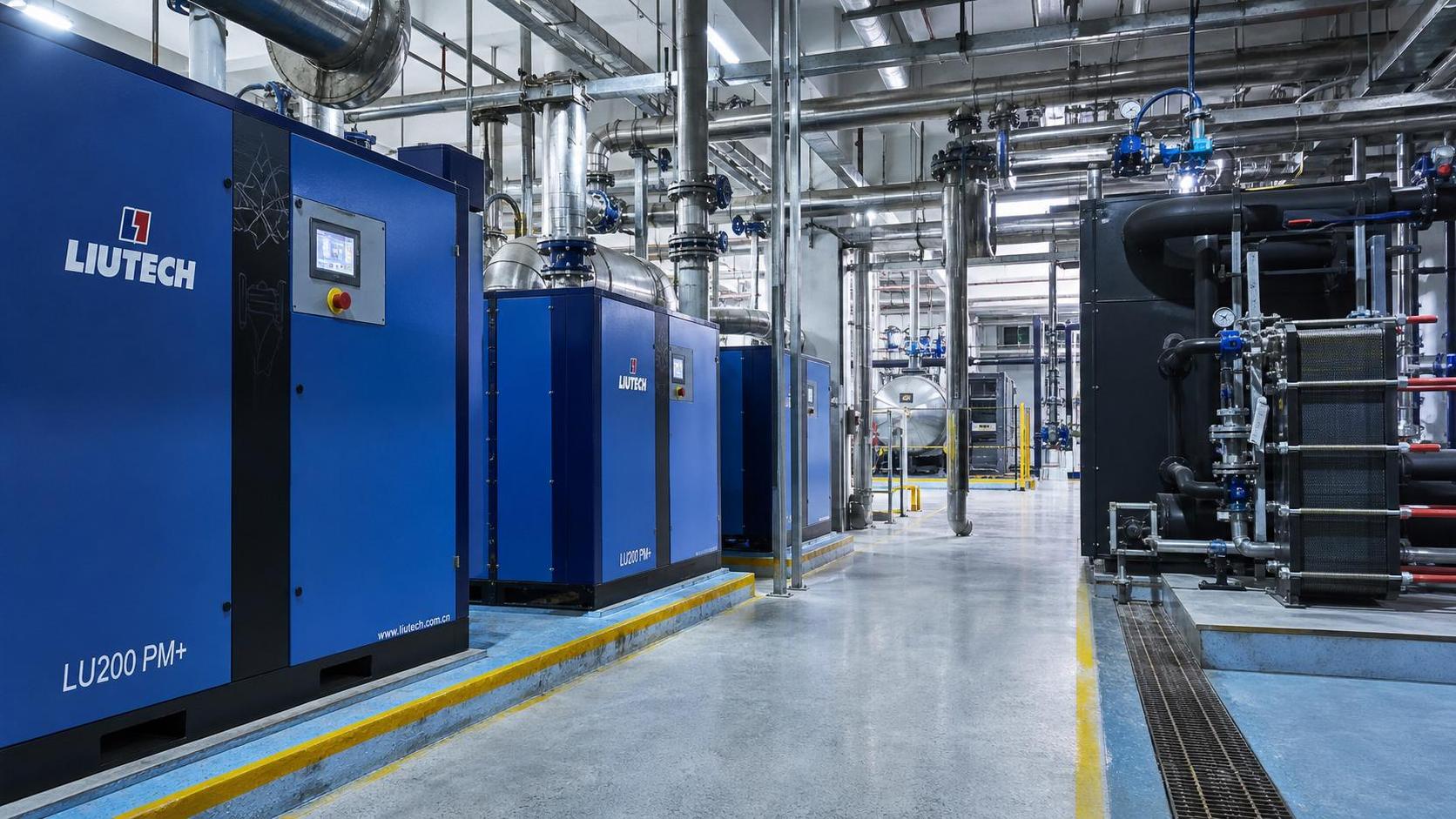
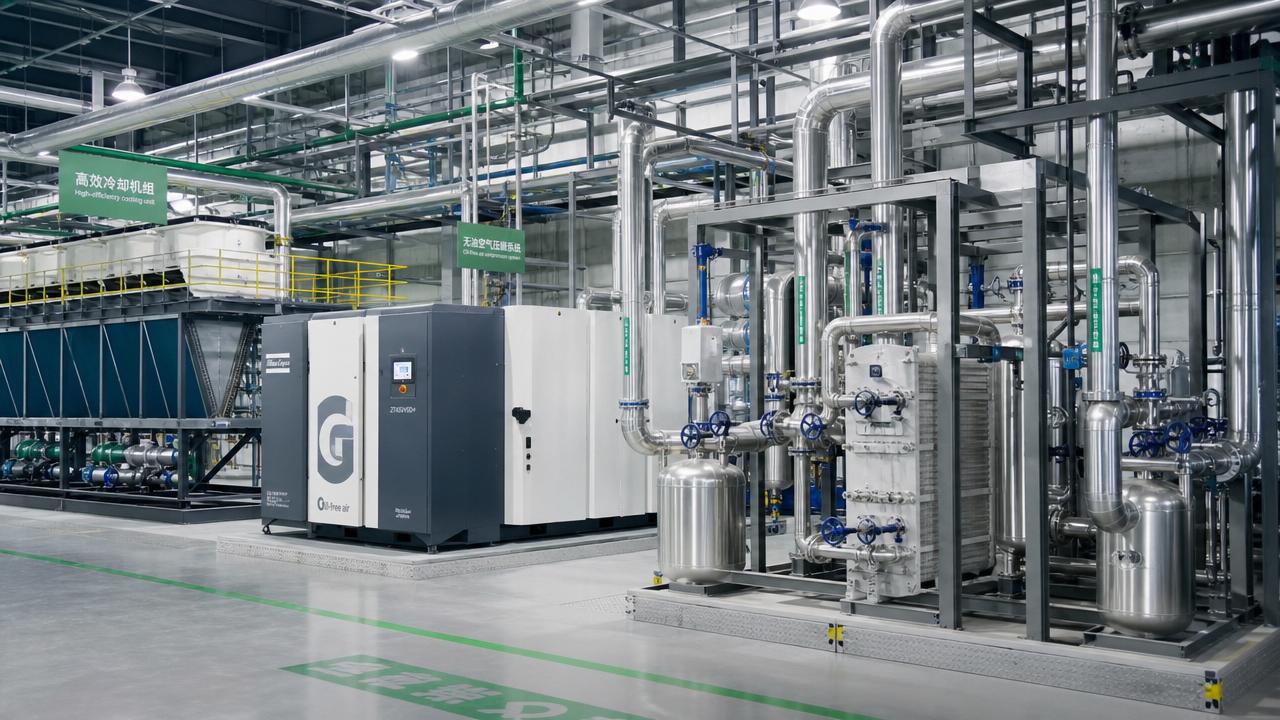
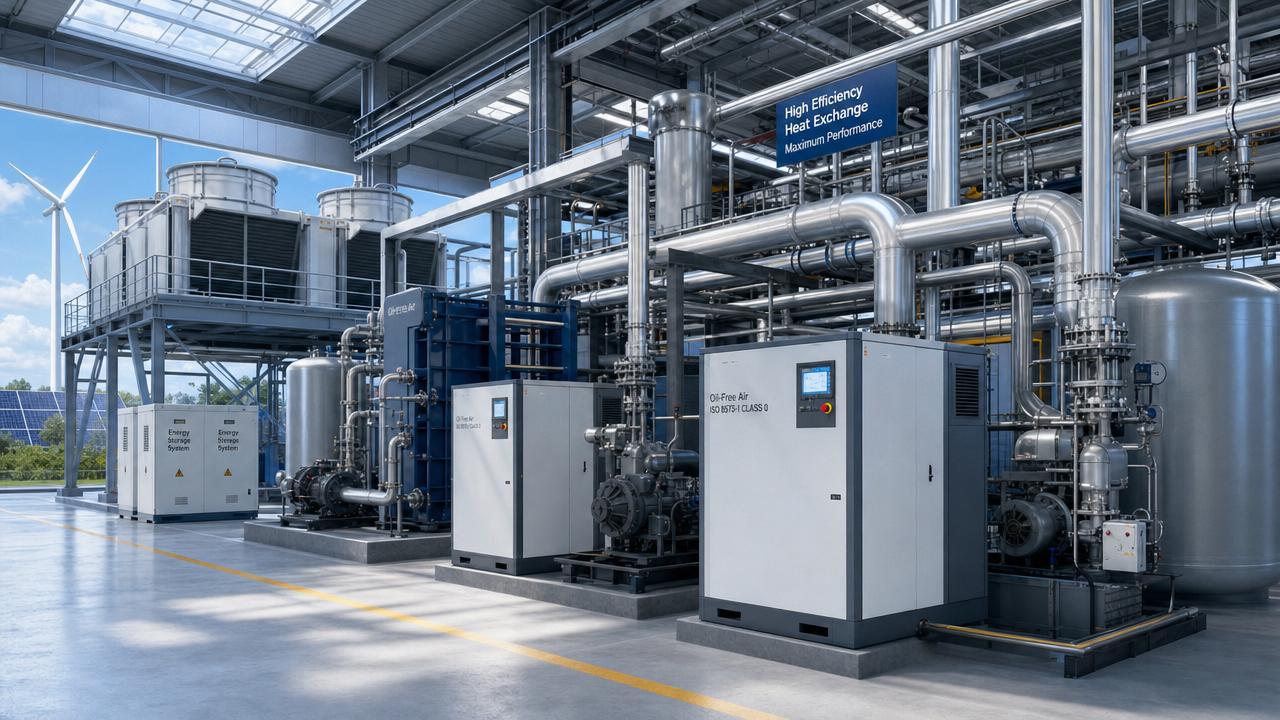
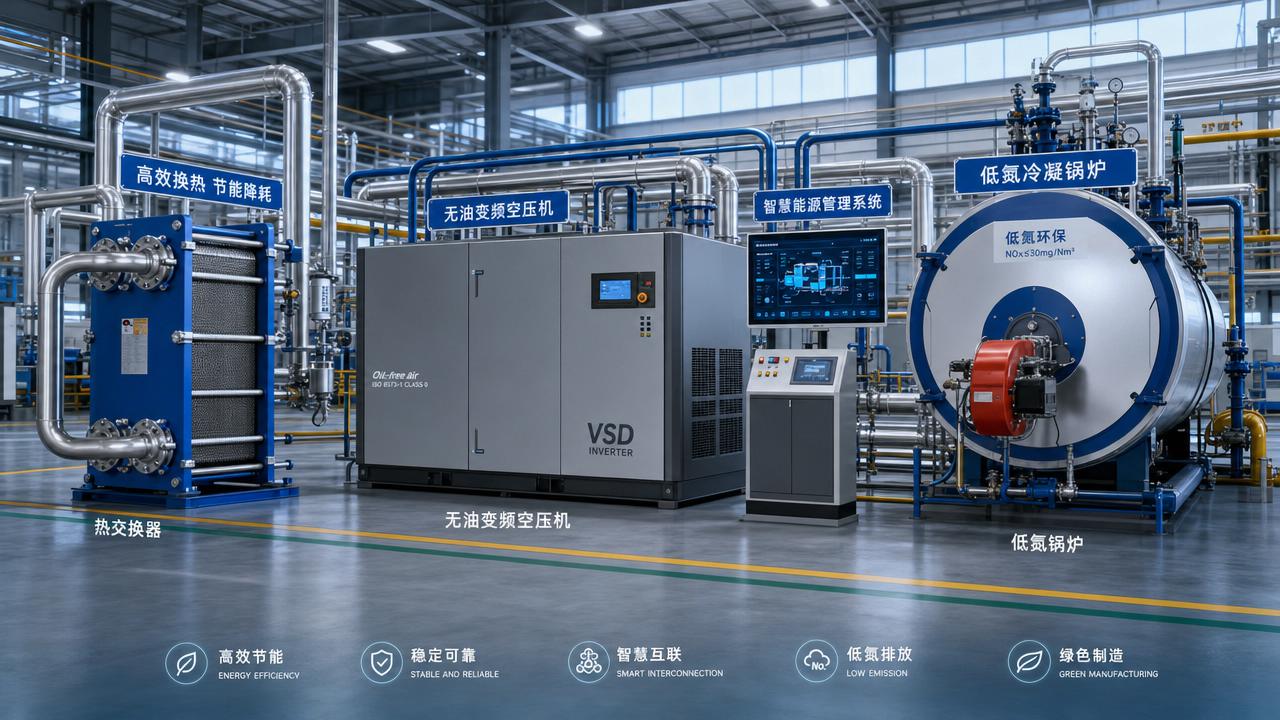
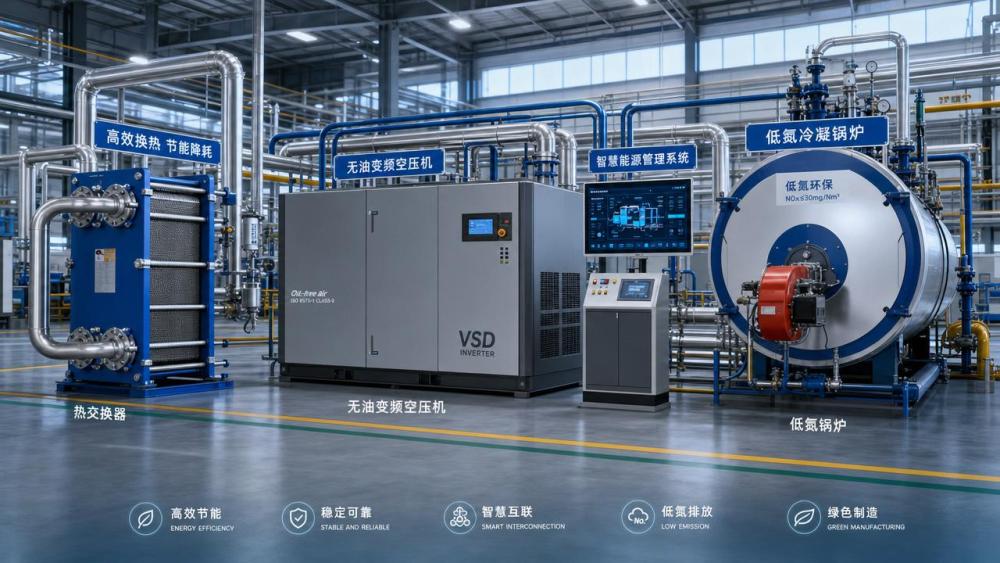
- Oil-free and variable-speed compression is gaining ground where air purity and partial-load efficiency matter more than nameplate output.
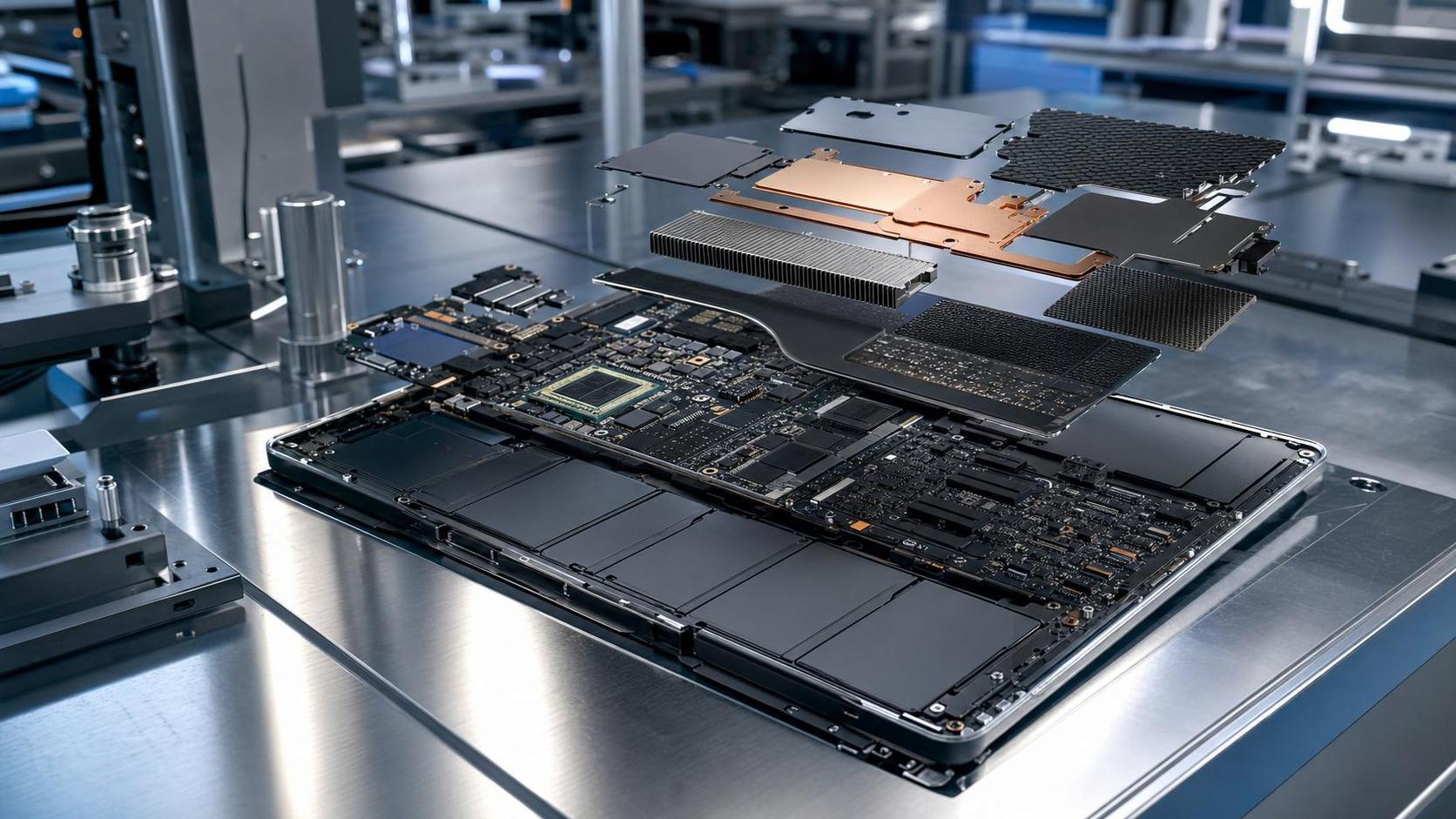
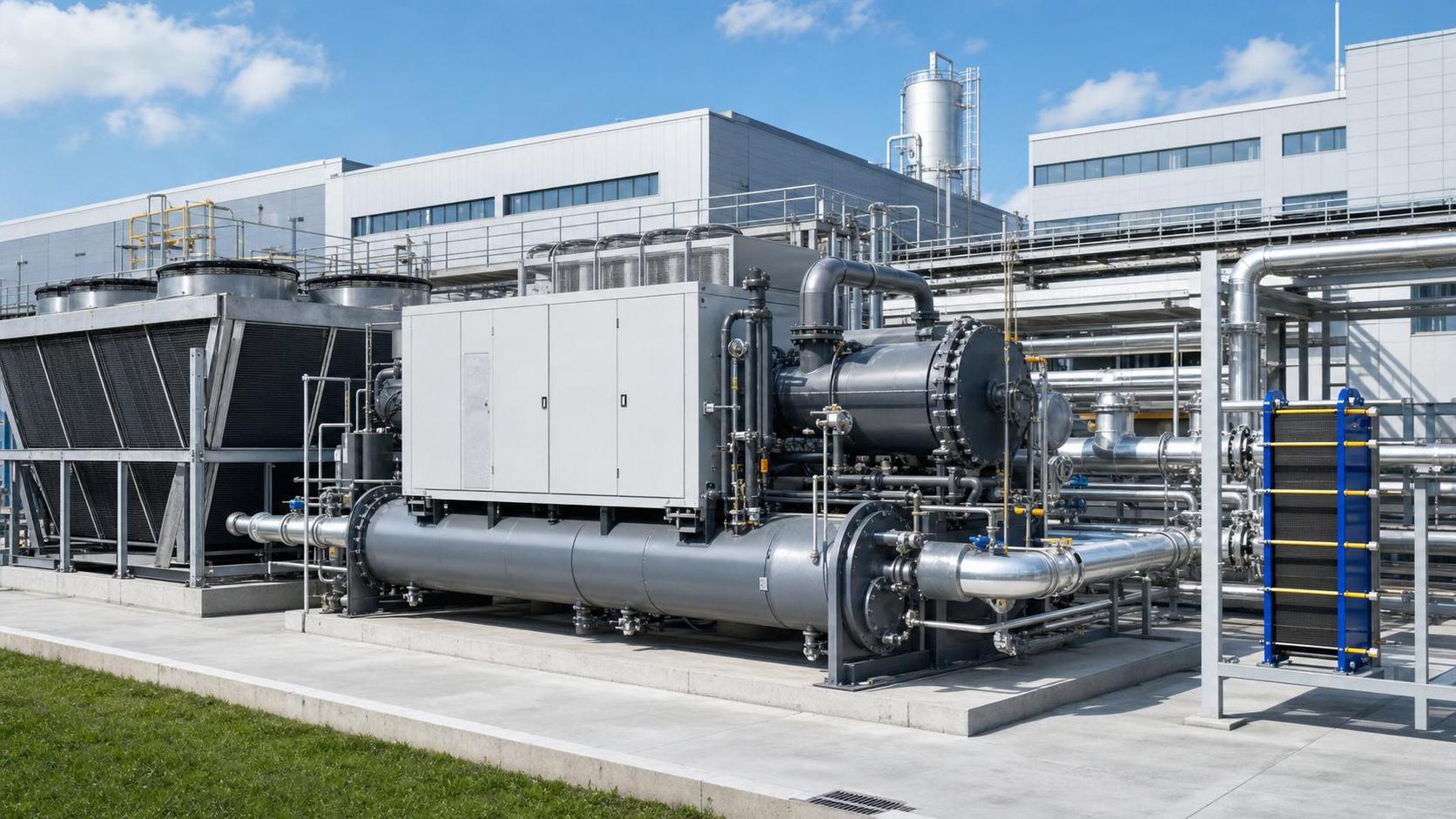
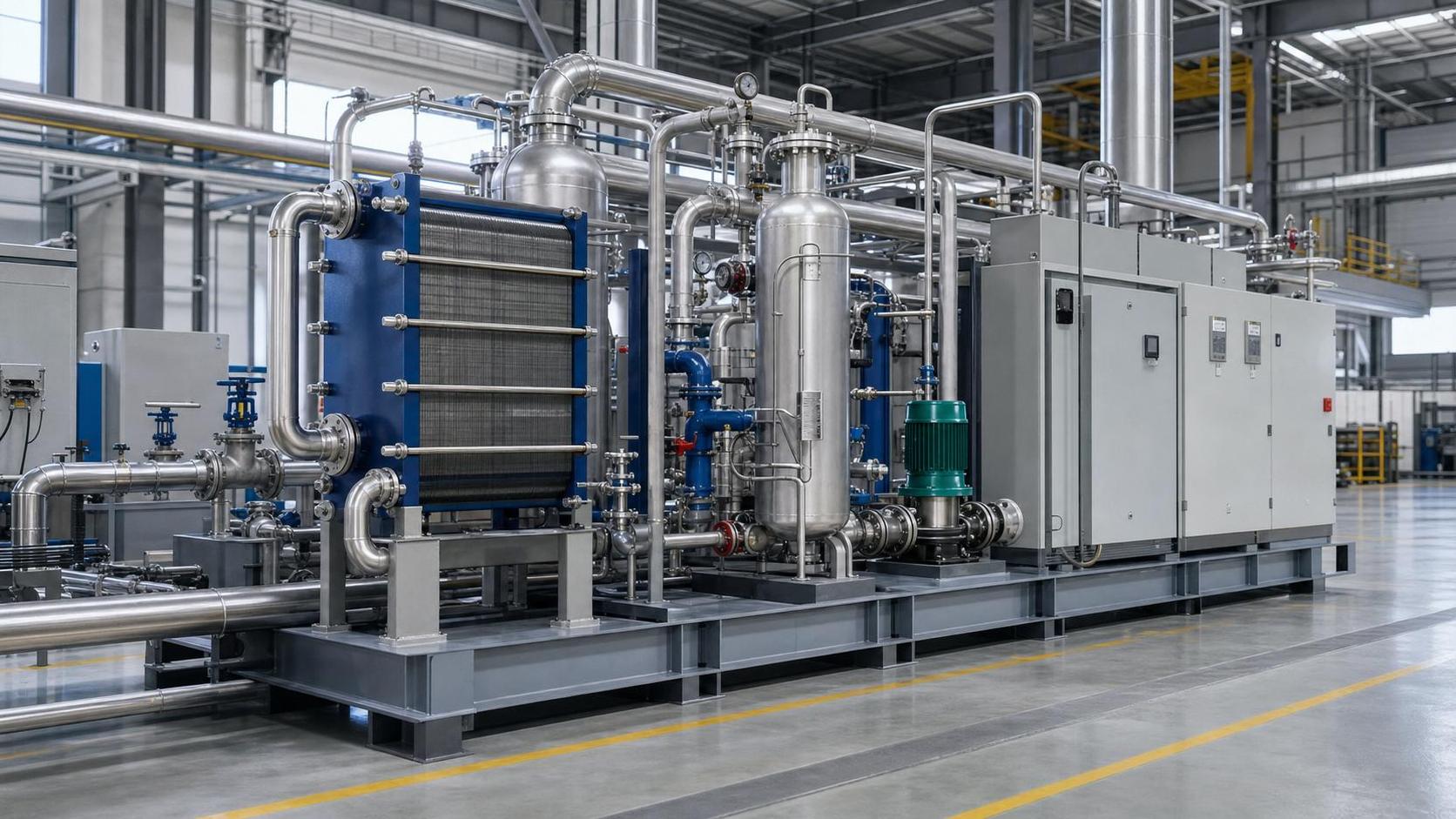
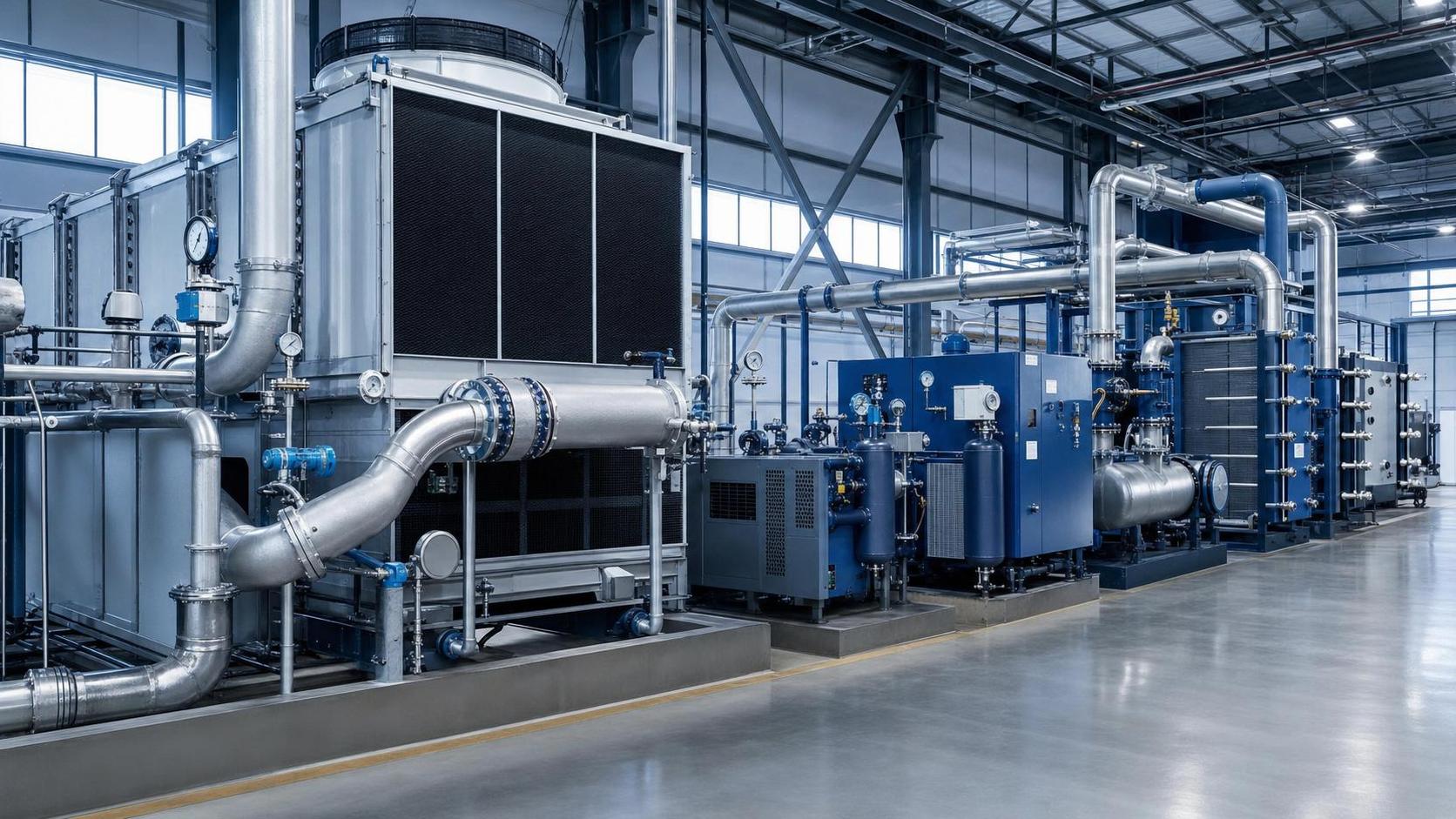
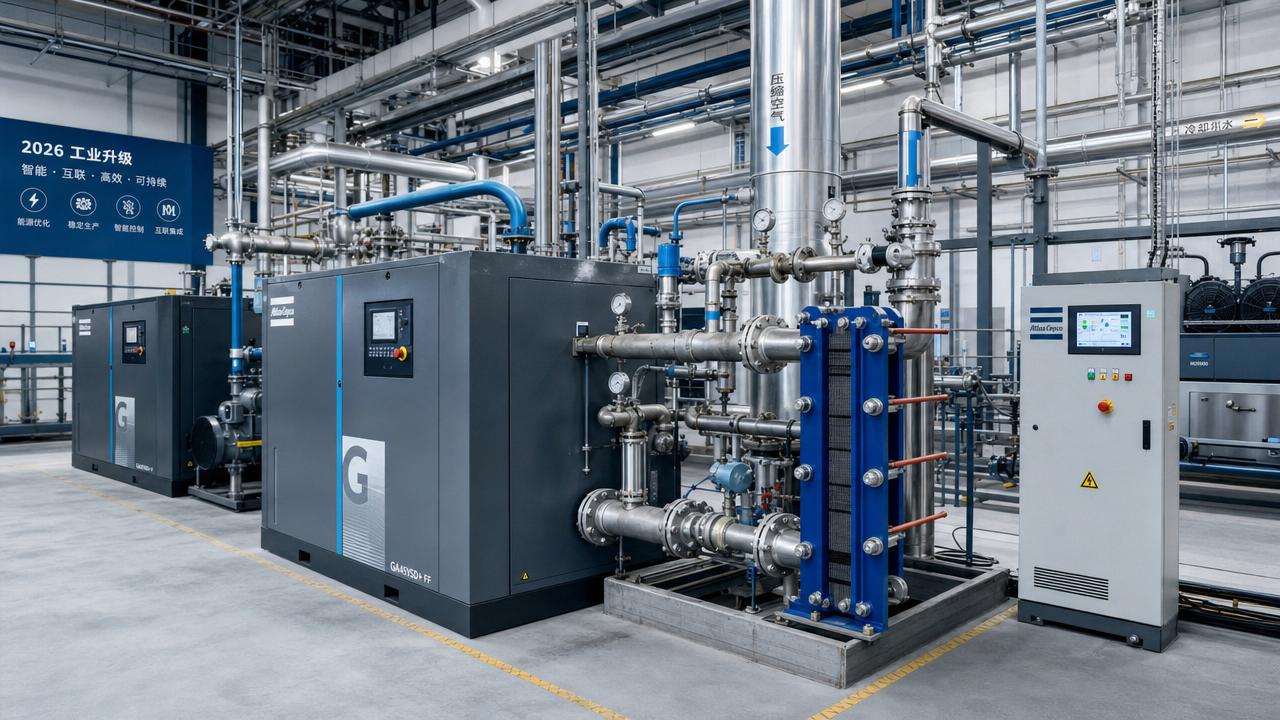
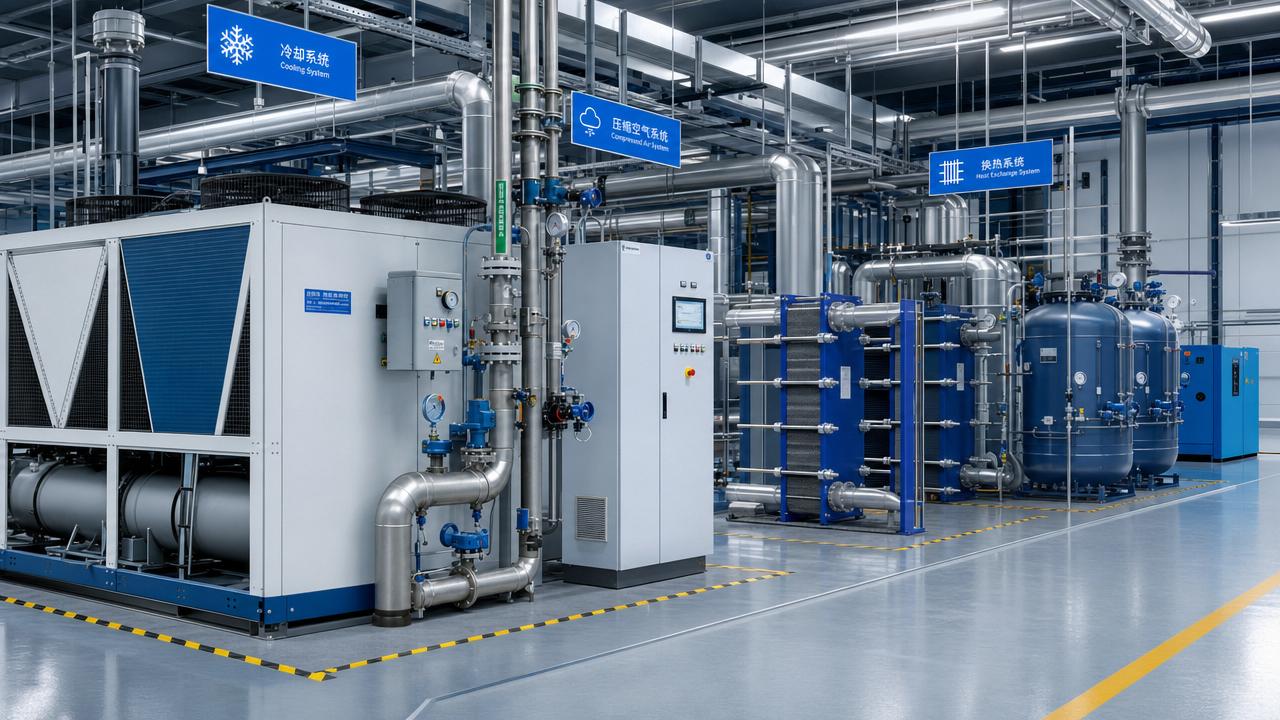
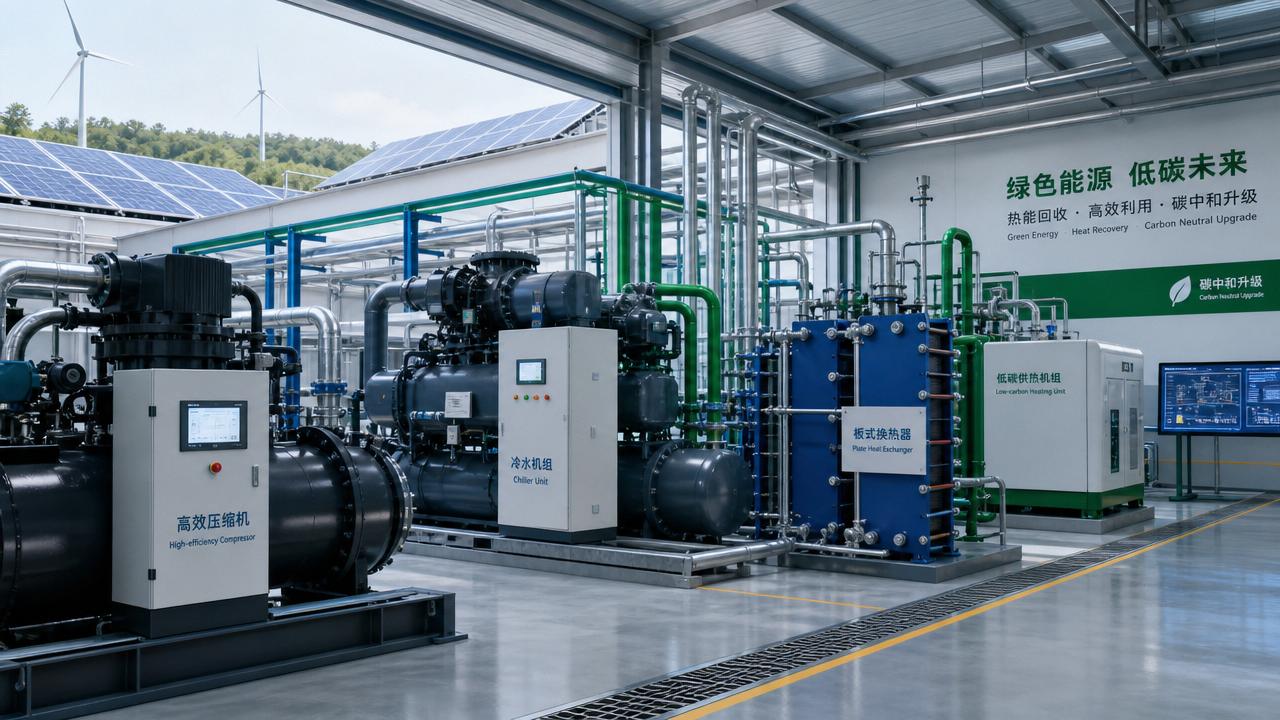
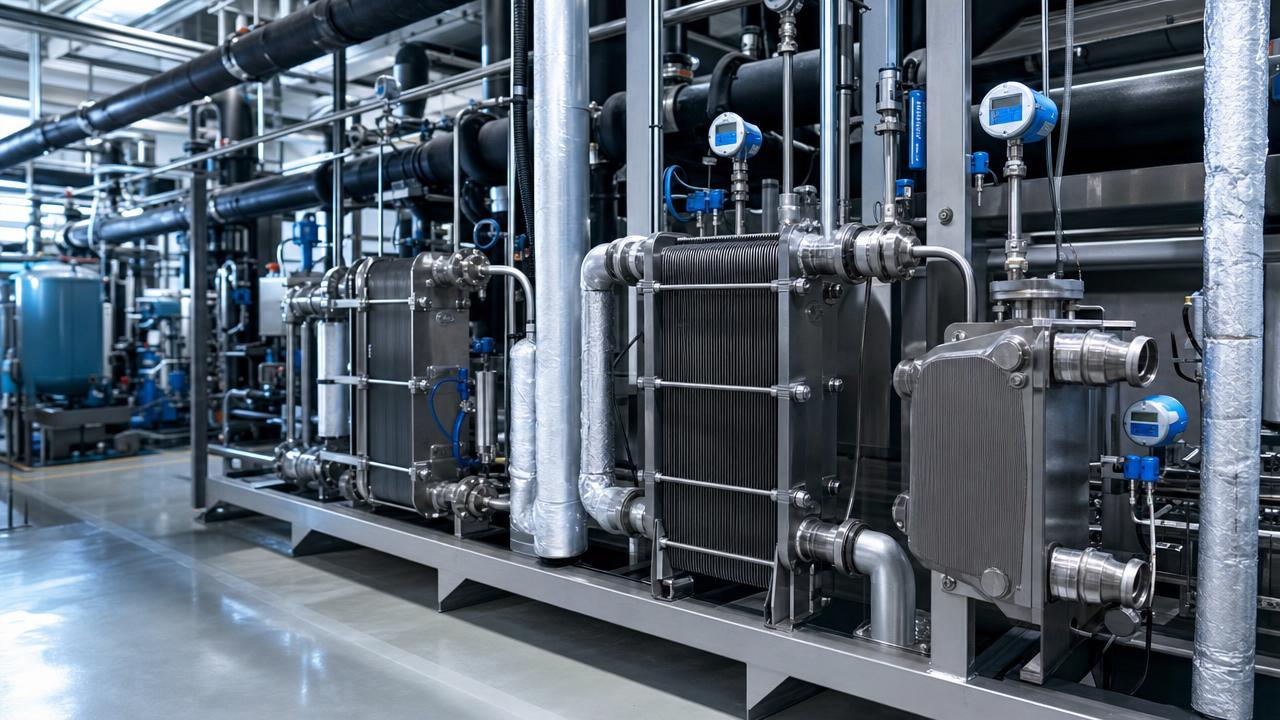
- Microchannel and compact heat exchangers are expanding where floor space, thermal responsiveness, and refrigerant optimization are under pressure.
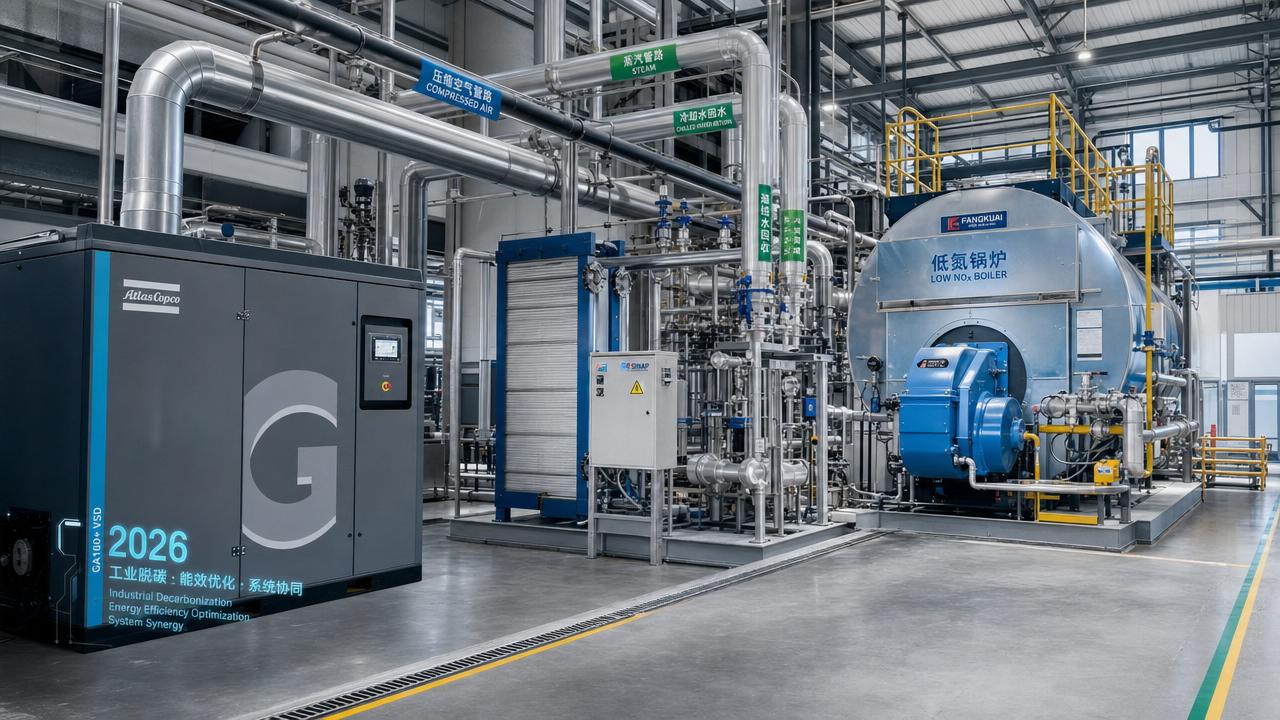
- Low-NOx boiler and burner upgrades are advancing as emissions compliance starts influencing plant design choices earlier in the project cycle.
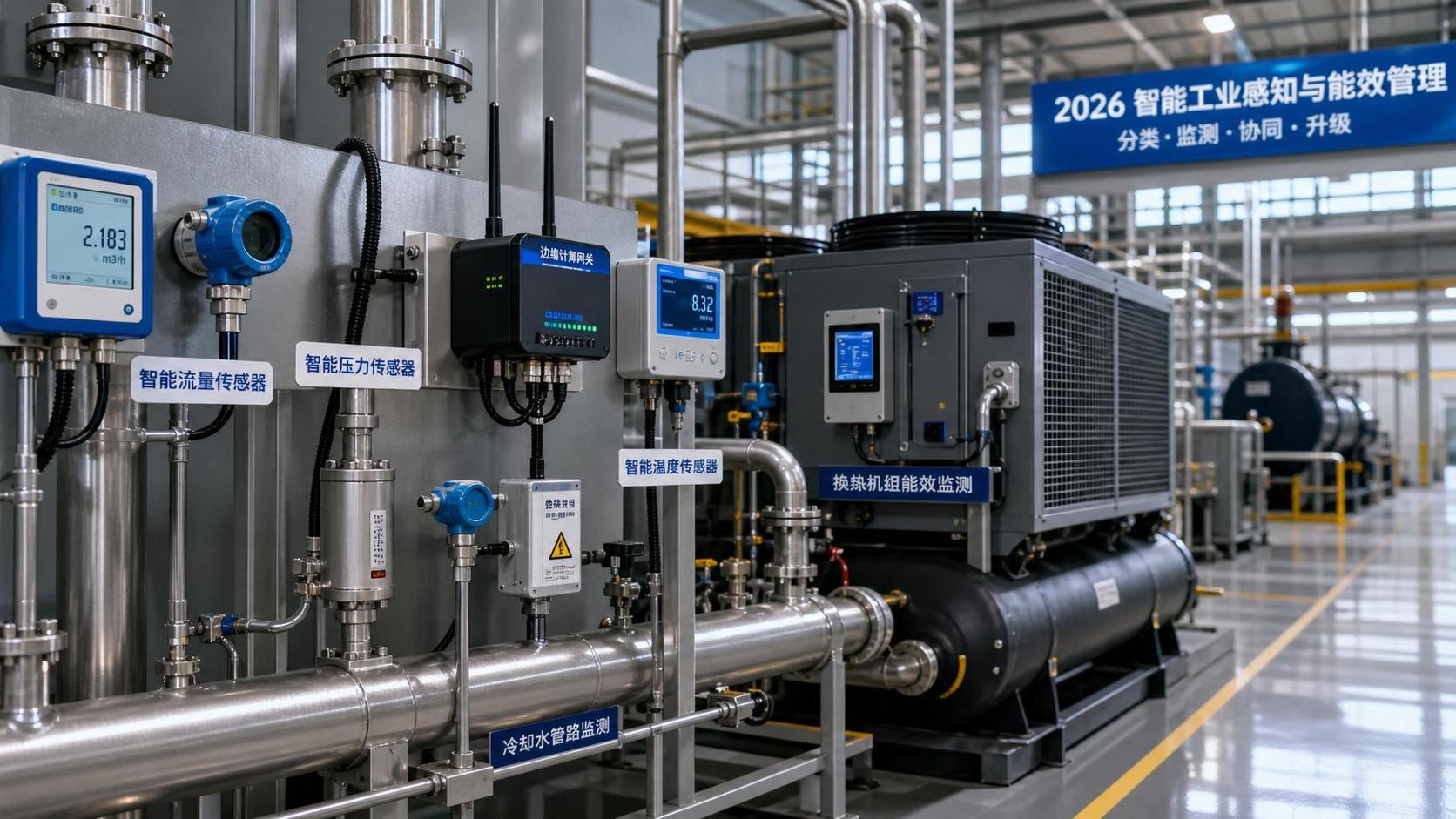
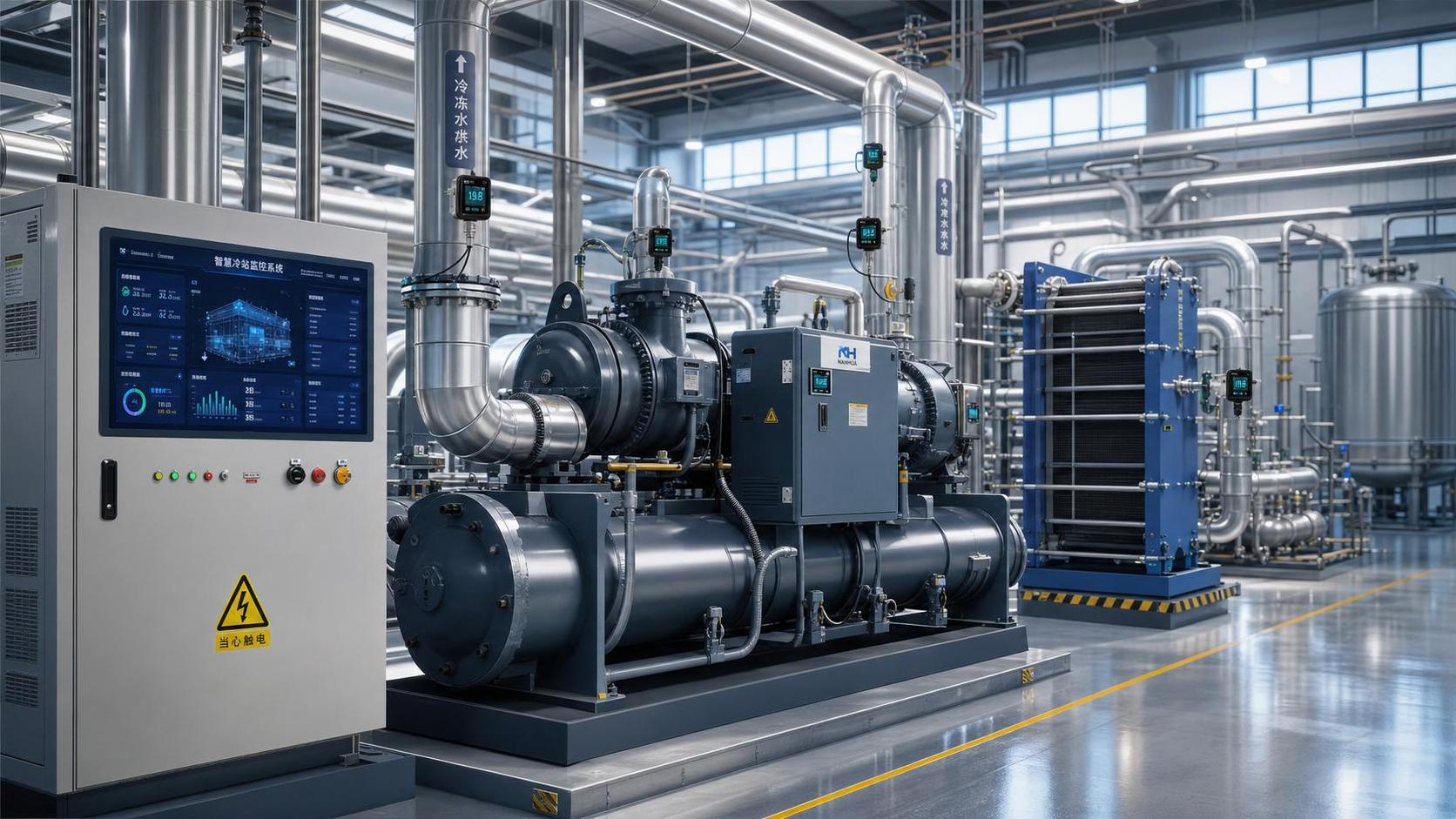
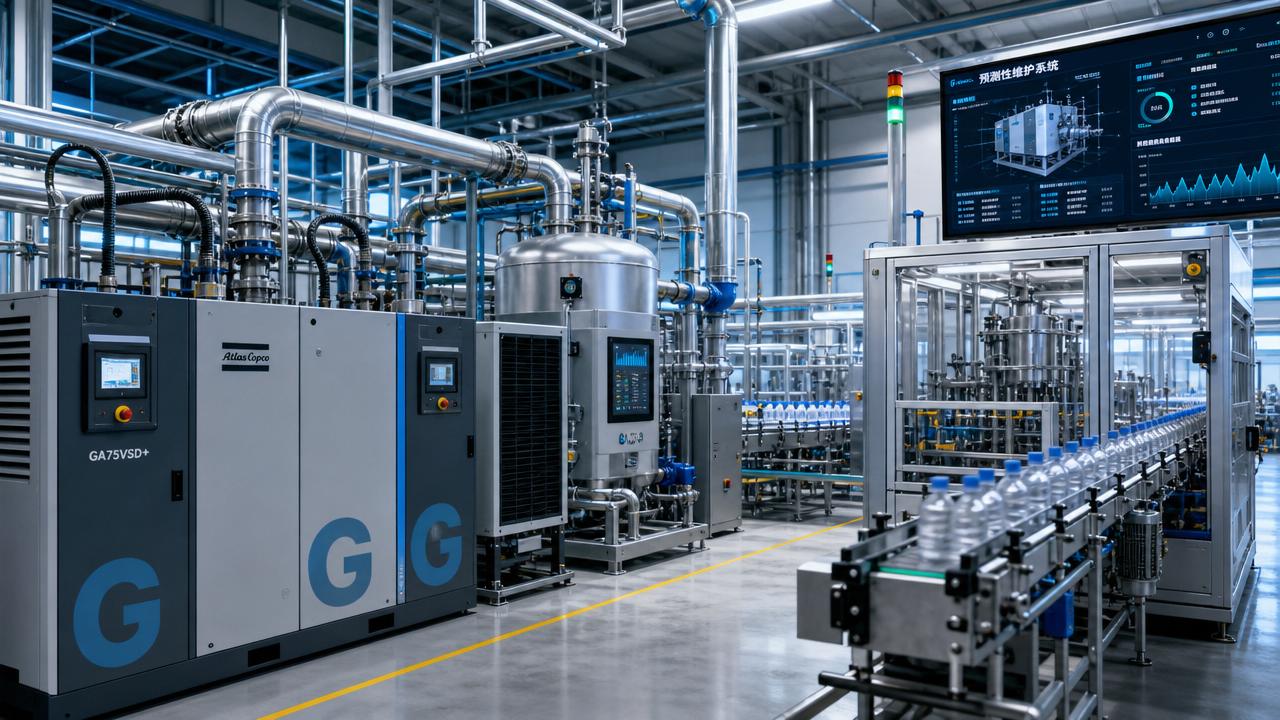
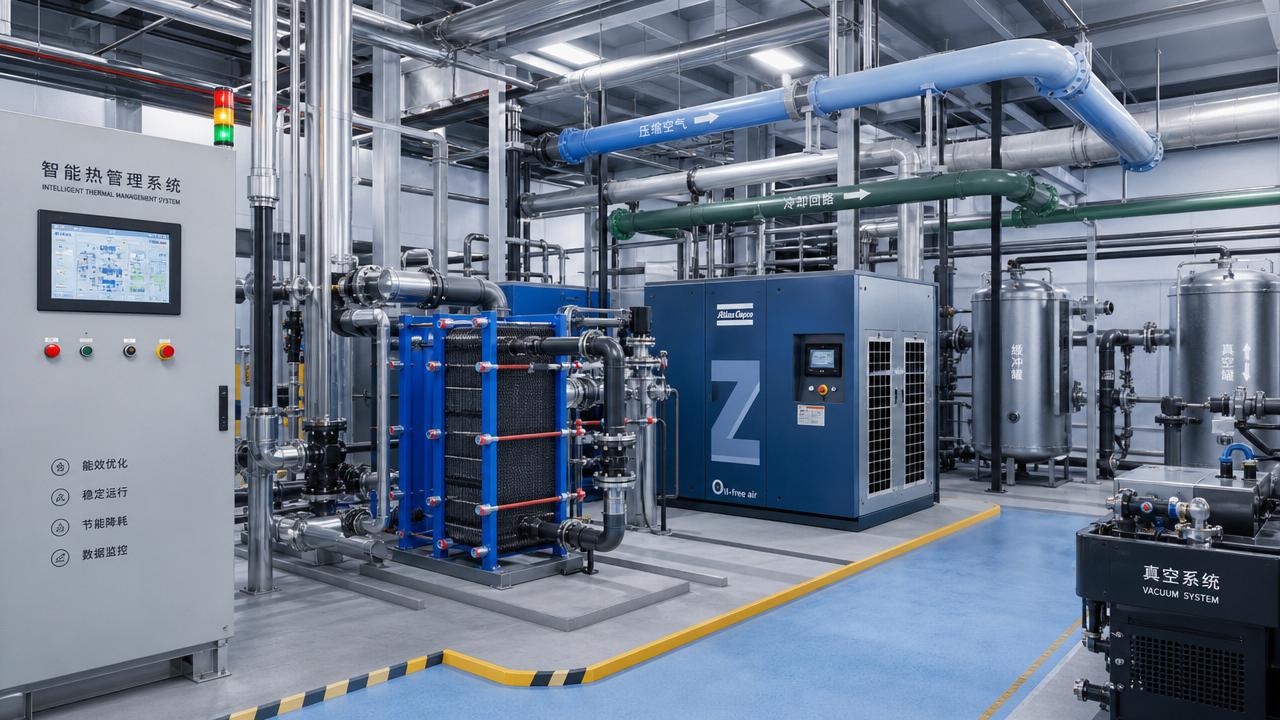
- Digital monitoring is moving from optional visibility to baseline control for leaks, fouling, drift, and load imbalance.
More importantly, these shifts are happening together.
A heat exchanger upgrade affects compressor load.
Compressed air stability affects thermal consistency in sensitive processes.
Emission controls affect fuel selection, response time, and maintenance planning.
That is why thermal systems in 2026 are being discussed as integrated operating assets rather than isolated equipment categories.
Why efficiency upgrades are becoming harder to postpone
The economic case has strengthened, but the real driver goes beyond utility savings.
Thermal systems now sit at the center of risk management.
When efficiency drops, plants do not just consume more energy.
They also lose process repeatability, maintenance predictability, and room for future compliance.
This broader pressure explains why many upgrades now start with system mapping instead of direct equipment replacement.
The question is no longer just which unit is inefficient.
The better question is where thermal systems are creating compounded losses across the plant.
The effects are spreading across more than one operating layer
One reason thermal systems deserve closer attention is that performance gains rarely stay local.
A better thermal balance often changes scheduling flexibility, product consistency, maintenance intervals, and even site expansion assumptions.
That is especially visible in mixed industrial environments.
In high-precision production
Pharmaceutical, semiconductor, and advanced food operations are tightening tolerance bands.
Here, thermal systems influence contamination control, drying consistency, vacuum quality, and thermal drift in sensitive steps.
In heavy process environments
Metals, chemicals, and large-scale utilities are more focused on heat recovery, combustion performance, and stable base-load efficiency.
Small efficiency losses can become major cost burdens when operations run continuously.
In expanding multi-site operations
Standardizing thermal systems architecture now matters as much as choosing equipment.
Without comparable data and controls, replicating efficiency across sites becomes difficult and expensive.
This is where intelligence-led observation has become more useful.
Platforms such as GTC-Matrix help connect policy movement, engineering evolution, and commercial demand into a clearer decision context.
That context matters because thermal systems decisions now carry both technical and strategic consequences.
The next round of upgrades is becoming more selective
Not every efficiency measure creates the same value in 2026.
The better-performing projects are usually selective, sequenced, and grounded in process relevance.
More noticeable winners are targeting performance gaps that cascade through operations.
- Leak reduction and demand-side compressed air control where hidden waste is larger than expected.
- Heat exchanger redesign where fouling, approach temperature drift, or refrigerant transition pressures reduce efficiency.
- Boiler and burner retrofits where NOx limits, fuel flexibility, and thermal response need to improve together.
- Monitoring layers that expose unstable load profiles before they become maintenance or quality problems.
What stands out is the move away from generic upgrade language.
Thermal systems are increasingly assessed through scenario logic.
What happens under partial load.
What happens during production ramping.
What happens when refrigerant policy shifts again.
What happens when cleaner air or tighter thermal stability becomes a customer requirement.
That kind of thinking is reshaping how upgrade priorities are set.
Where to watch before making the next thermal systems decision
The most useful decisions in this cycle are likely to come from disciplined observation rather than urgency alone.
Thermal systems can absorb large budgets, so the quality of diagnosis matters more than the speed of replacement.
A practical review should focus on a few signals first.
- Track where energy intensity rises without matching output gains.
- Check whether thermal systems performance under partial load differs sharply from design assumptions.
- Review refrigerant exposure, emissions thresholds, and future retrofit constraints together.
- Compare site-level data consistency before trying to scale best practices across facilities.
- Test whether maintenance records reveal recurring instability instead of isolated component failure.
From there, a staged plan becomes easier to build.
Some sites will benefit most from compressed air optimization.
Others will gain more from heat recovery, exchanger redesign, or cleaner combustion control.
The stronger move is to link each upgrade to a measurable operational constraint.
By 2026, thermal systems are not just an engineering cost center.
They are becoming one of the clearest indicators of how ready an operation is for efficiency pressure, decarbonization demands, and more exacting production standards.
The next step is not to chase every upgrade at once.
It is to identify where thermal systems now define operational risk, then build a phased response around data, process fit, and long-term flexibility.
Ready when you are. Send us a message to get started.
Related News
- Why high-density thermal energy storage is gaining industry attentionAuthor :

- Smart Device Thermal Management Trends Shaping 2026 Product DesignAuthor :

- Industrial Cooling Technologies in Europe: 2026 Trends in Compliance and Energy UseAuthor :

- Industrial Electrification Trends in 2026: Where Projects Are Moving FirstAuthor :

- Industrial Solution Comparison Global: 2026 Trends Reshaping Equipment DecisionsAuthor :

- When Heat Recovery Systems Skid Mounted Designs Improve Project PaybackAuthor :

- How to Compare Industrial Decarbonization Solutions Providers in 2026Author :

- Industry Category Guides for Smart Devices: What to Track as 2026 Markets ShiftAuthor :

- Green Manufacturing Trends Reshaping Industrial InvestmentAuthor :

- 2026 Global Energy Costs: What Will Reshape Industrial PlanningAuthor :

- Industrial Decarbonization Solutions That Cut Fuel Costs in 2026Author :

- Smart Thermal Systems Trends Shaping Industrial Upgrades in 2026Author :

- Resource Circularity in Manufacturing: 5 Practical Gains Beyond ComplianceAuthor :

- Carbon Neutrality Roadmap: What Industrial Firms Need to Prioritize FirstAuthor :

- Energy Conversion Efficiency Trends Shaping Industrial UpgradesAuthor :

- Compression Technology Trends Shaping Efficient Plant UpgradesAuthor :

- Industrial Intelligence in Manufacturing: Where It Delivers Value FirstAuthor :

- How Intellectualization Improves Industrial Thermal ManagementAuthor :

- What Intellectualization Means for Smarter Plant Operations in 2026Author :

- Carbon Neutrality Goals: What Industrial Firms Should Prioritize in 2026Author :

- How Intellectualization Reduces Downtime in Modern Production LinesAuthor :

- Decarbonization Roadmap for Energy-Intensive Plants in 2026Author :

- Thermal Systems Trends in 2026: Efficiency, Control, and RiskAuthor :

- Industrial Decarbonization Priorities for Energy-Intensive FacilitiesAuthor :

- Thermal Systems in 2026: Efficiency Upgrades Shaping Industrial OperationsAuthor :

- Pure Power Sources: 5 Practical Paths to Carbon NeutralityAuthor :

- What Intellectualization Means for Industrial Equipment UpgradesAuthor :

- Thermal Optimization in 2026: Where Energy Savings Deliver the Fastest PaybackAuthor :

- Energy Efficiency Trends Reshaping Compressor Upgrades in 2026Author :

- 2026 Industrial Decarbonization Trends Reshaping Plant UpgradesAuthor :
![]()
- Heat Exchanger Technology Trends for 2026 Efficiency TargetsAuthor :

- Resource Circularity Risks in 2026 Supply ChainsAuthor :

- Smart Thermal Systems: When Upgrades Deliver Measurable SavingsAuthor :

- Carbon Neutrality: Practical Steps for Factory RoadmapsAuthor :

- 2026 Industrial Energy Efficiency Priorities for Plant UpgradesAuthor :

- Industrial Intellectualization Trends Reshaping Equipment UpgradesAuthor :