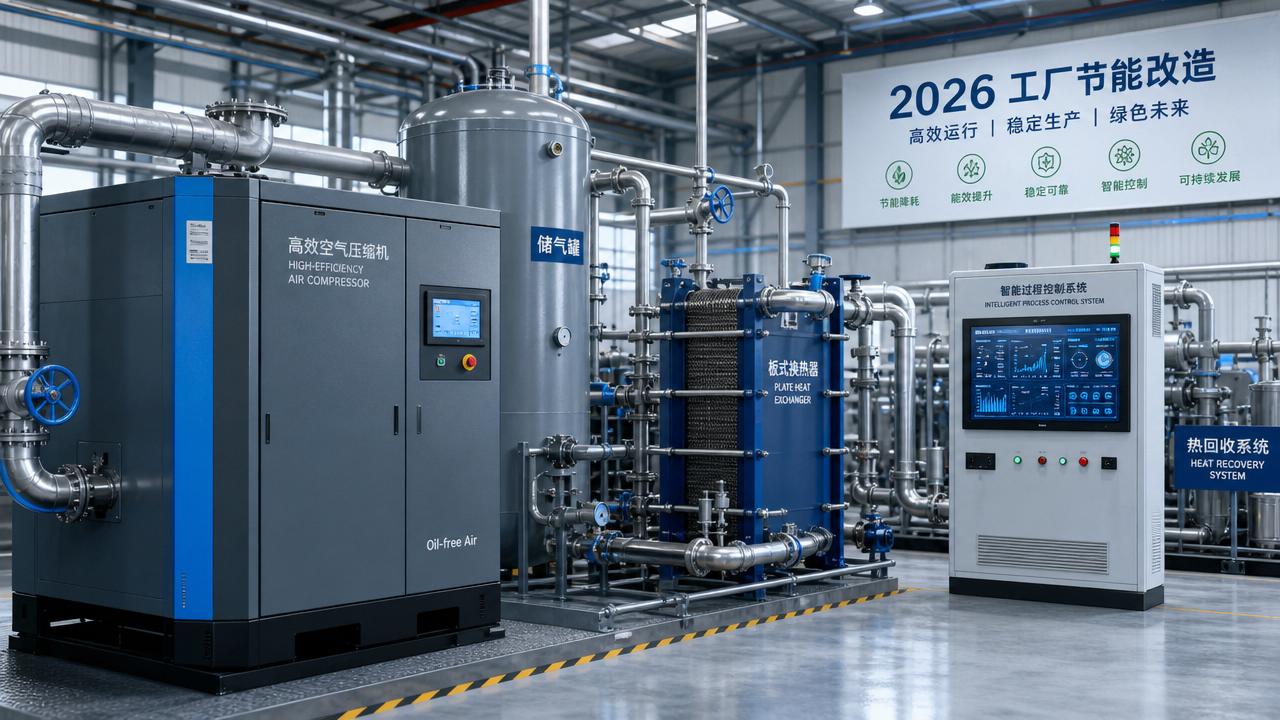
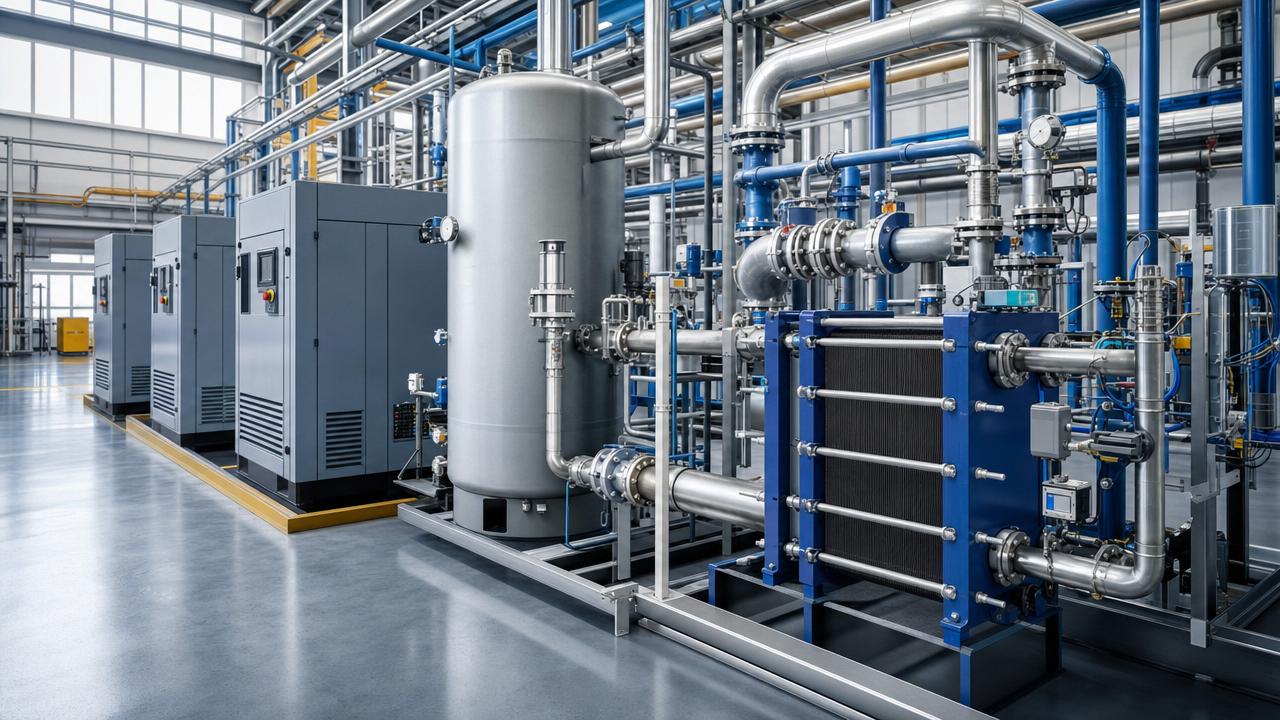
2026 Global Energy Costs: What Will Reshape Industrial Planning




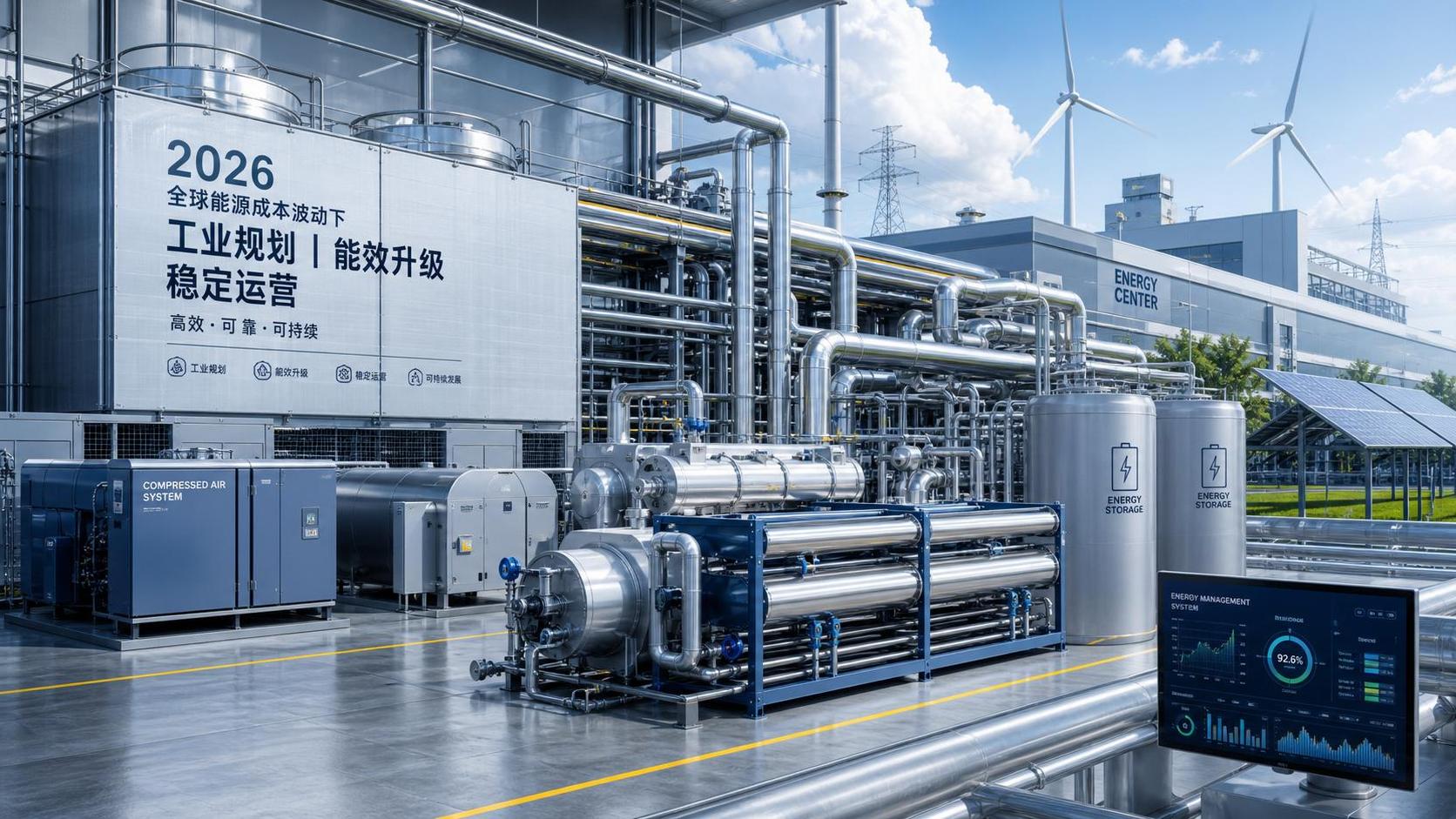
In 2026, global energy costs are no longer a background variable in industrial planning. They are shaping timelines, capital priorities, equipment choices, and even plant location logic across multiple sectors.
The pressure comes from several directions at once. Fuel and electricity markets remain uneven, carbon policies are tightening, and efficiency standards are influencing procurement far earlier in the project cycle.
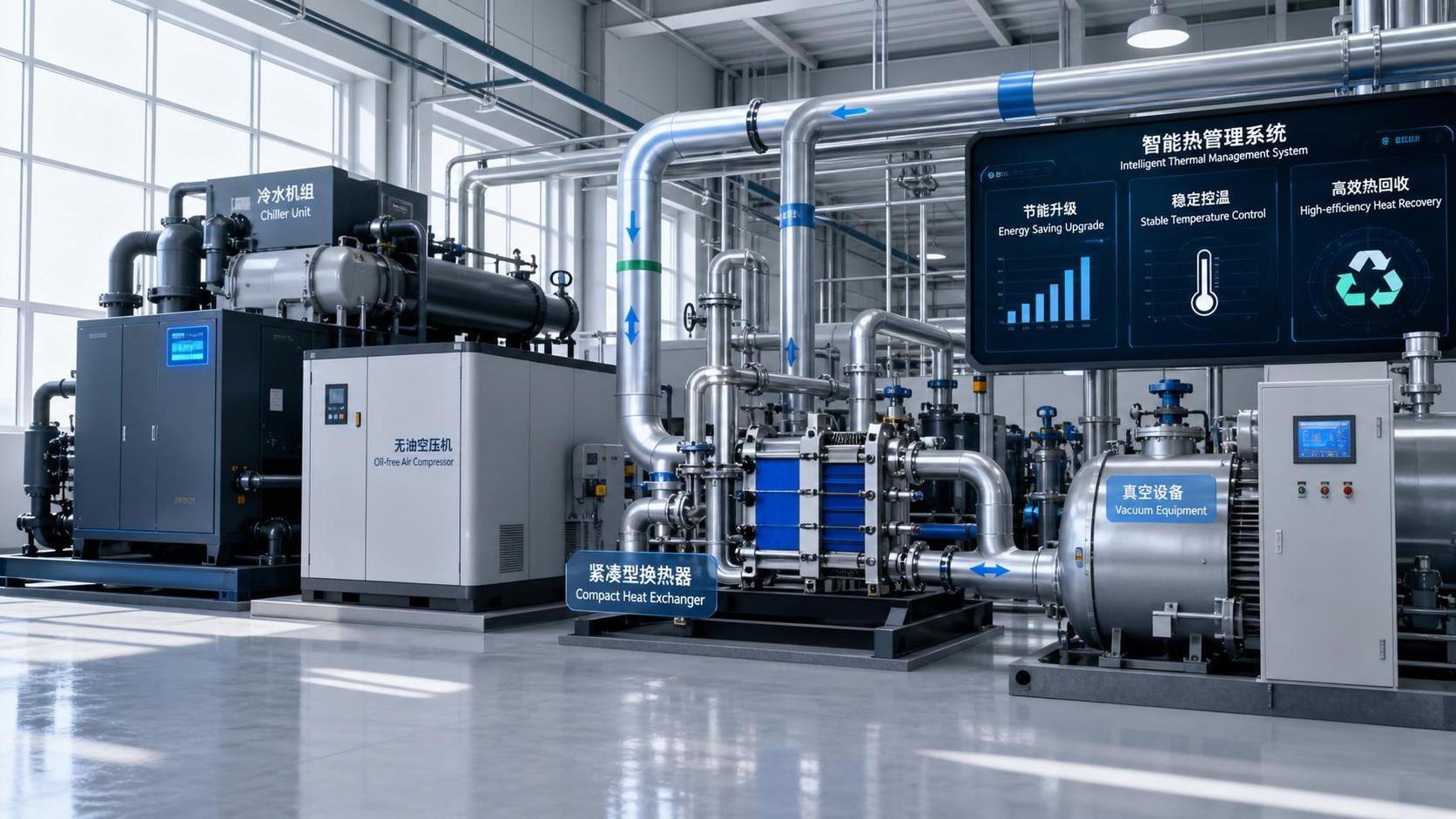
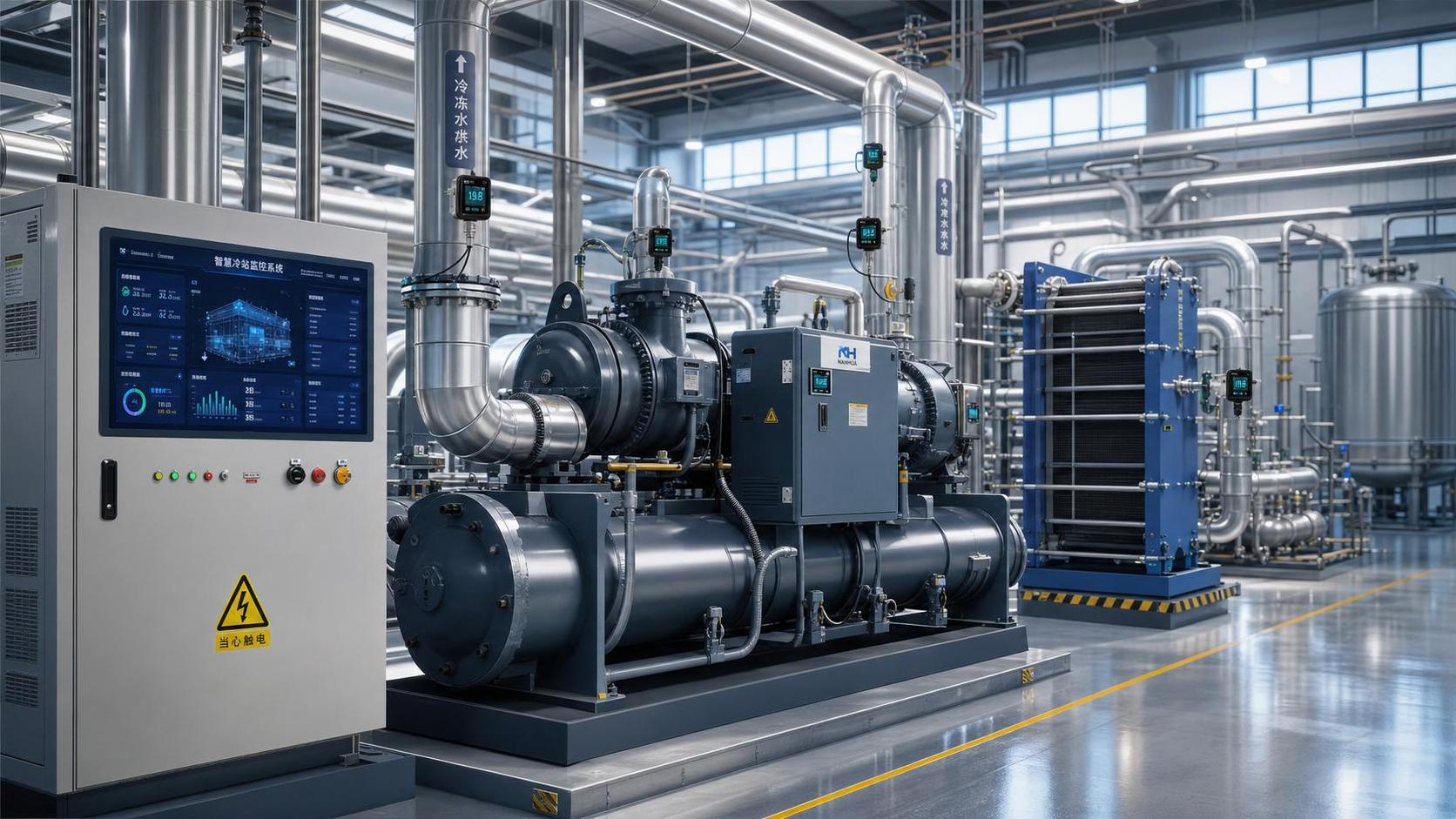
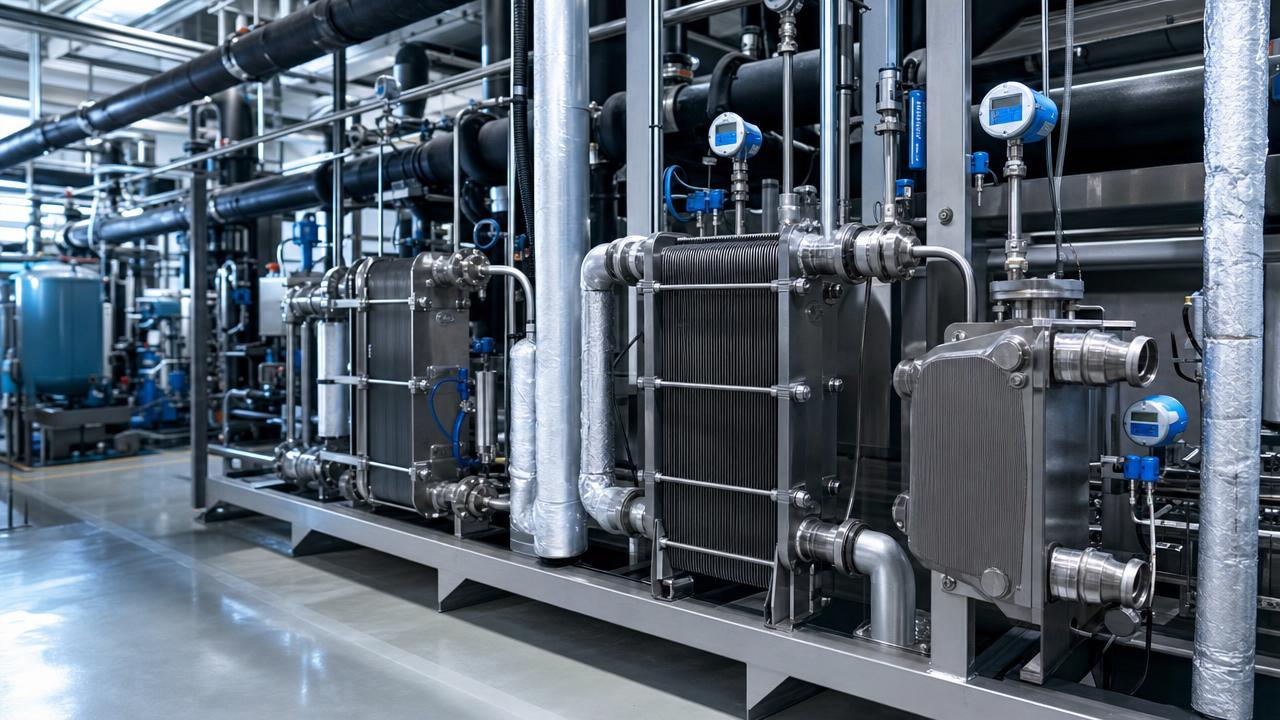
For operations tied to cooling, compression, vacuum, and heat exchange, this shift is especially visible. Energy cost exposure now reaches from design assumptions to long-term maintenance strategy.
Why 2026 feels different
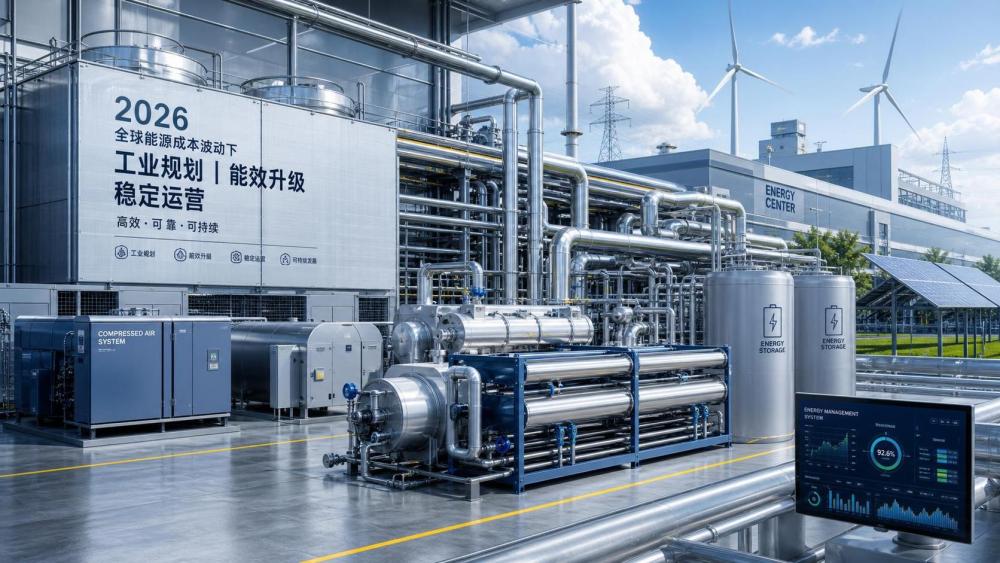
This year is not defined by one single price shock. It is defined by layered uncertainty, where tariffs, grid constraints, refrigerant rules, and financing costs interact with global energy costs.
That combination changes how industrial projects are evaluated. A facility may still look viable on paper, yet become less attractive once power quality, thermal efficiency, and emissions compliance are added.
In practical terms, planning teams are moving away from simple energy budgeting. They are building scenarios around price volatility, load patterns, uptime risk, and regulatory exposure.
Global energy costs now influence more than utility bills
The most important change is conceptual. Global energy costs are not only about the unit price of electricity, gas, or steam. They also include the cost of instability, inefficiency, and poor thermal design.
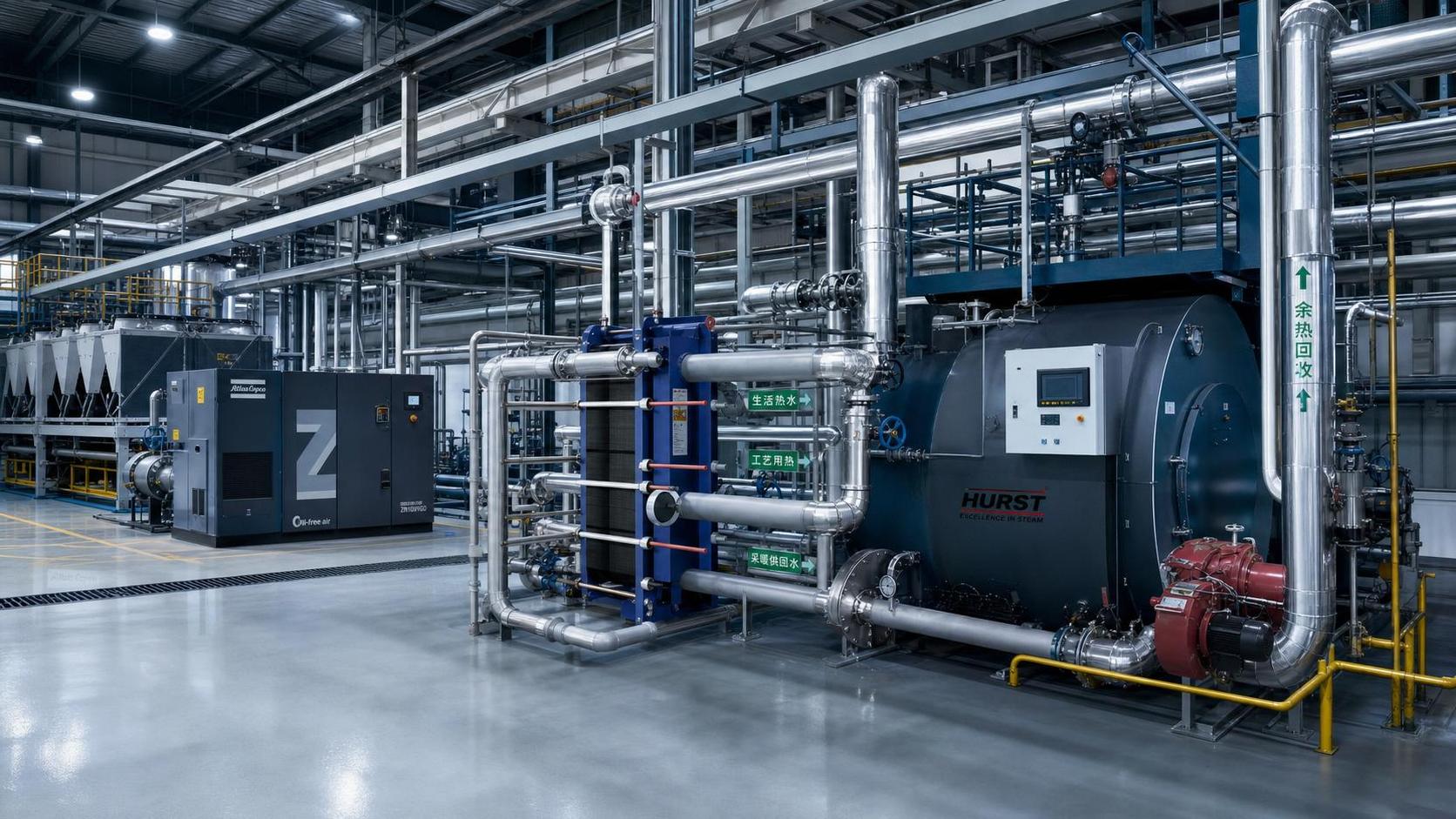
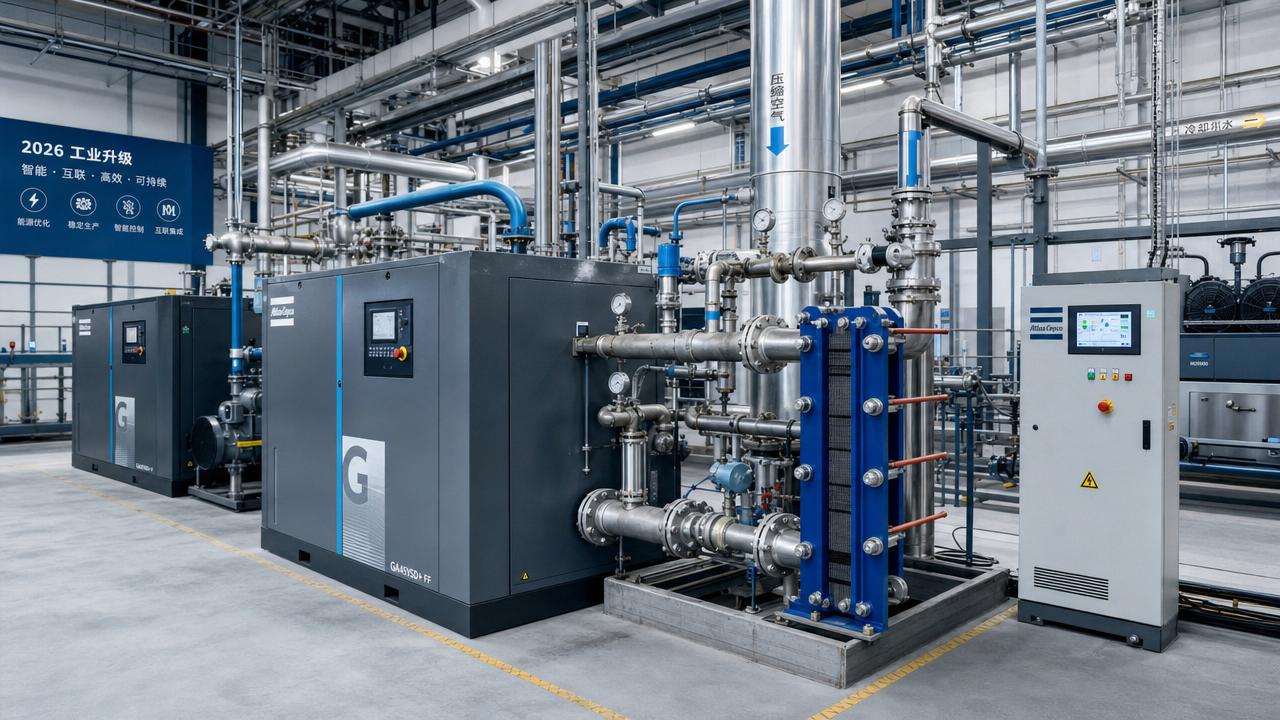
A compressed air system with leakage, for example, carries a very different risk profile in 2026 than it did a few years ago. The same applies to oversized chillers, outdated heat exchangers, and inefficient vacuum systems.
This is where industrial intelligence platforms such as GTC-Matrix become useful. They connect thermodynamic performance, compression efficiency, policy changes, and sector demand signals into a planning framework.
That matters because many industrial decisions now sit at the intersection of engineering and economics. Equipment can no longer be judged only by purchase price or nominal capacity.
The systems drawing the most attention
Energy-intensive systems are under renewed scrutiny because they convert market volatility into operating cost almost immediately. The list is familiar, but the decision criteria have changed.
Across these systems, efficiency is becoming a hedge. Better design does not eliminate global energy costs, but it reduces exposure to their sharpest swings.
What is reshaping investment decisions
Several forces are changing how projects are screened and approved. None of them acts alone, which is why old planning models are less reliable.
Policy and quota effects
Environmentally friendly refrigerant quotas and emissions rules are affecting both upfront specifications and future retrofit risk. A low-cost option today may carry a high transition cost later.
Technology maturity
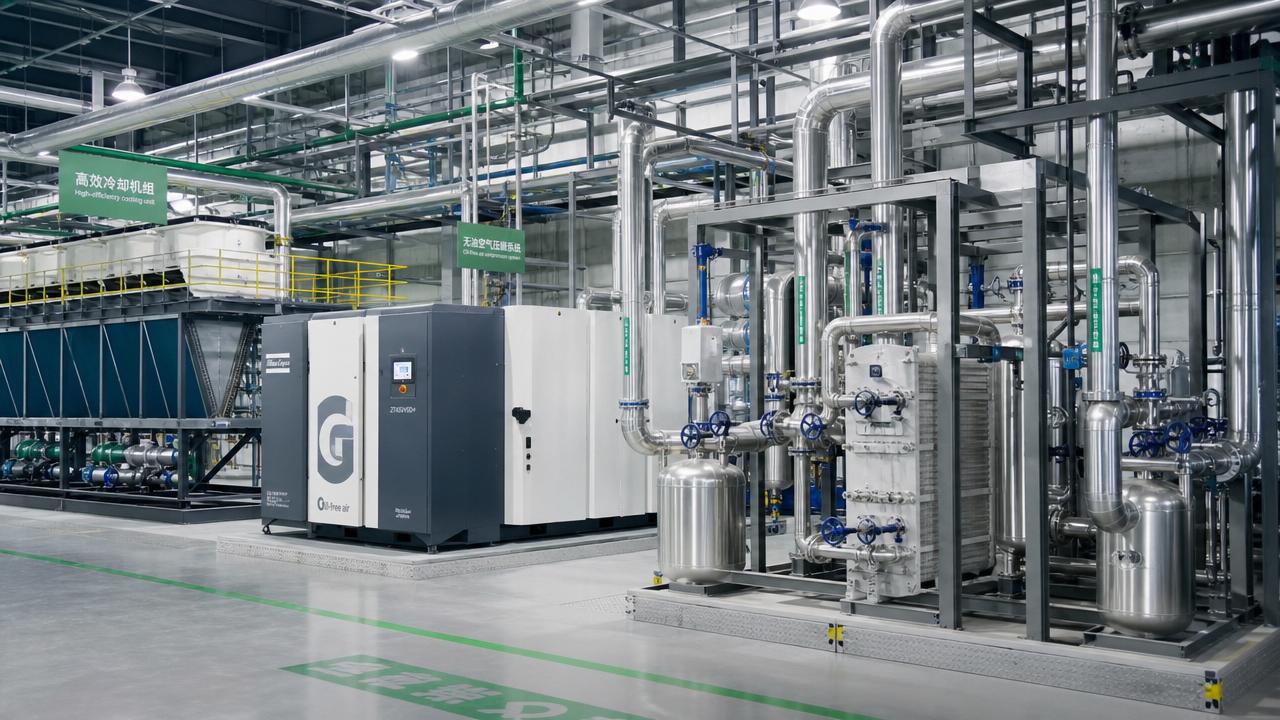
Oil-free compression, advanced controls, and microchannel heat exchangers are moving from niche upgrades into mainstream planning discussions. Their value is clearer when global energy costs stay unpredictable.
Sector-specific load requirements
Pharmaceutical, semiconductor, and food operations need tighter temperature control and cleaner utility performance. In those environments, energy cost and process quality can no longer be separated.
Capital discipline
Boards and investors are asking tougher questions about payback sensitivity. They want to know how a project performs under multiple energy price scenarios, not only under one optimistic baseline.
How planning practice is changing on the ground
In day-to-day project development, the response to global energy costs is becoming more structured. Teams are testing assumptions earlier and with more discipline than before.
- Energy models are being updated at concept stage, not only before procurement.
- Load profiles are reviewed by shift pattern, season, and product mix.
- Waste heat is treated as a resource, not an unavoidable by-product.
- Maintenance strategy is linked to efficiency retention, not just failure prevention.
- Vendor comparison includes control logic, monitoring capability, and retrofit adaptability.
This is also changing the role of technical intelligence. GTC-Matrix reflects a broader market need for integrated views that combine sector news, engineering trends, and commercial demand signals.
That kind of visibility helps planning teams avoid a narrow equipment view. A compressor, heat exchanger, or boiler is part of a larger energy conversion chain.
Where the biggest risks usually hide
The obvious risk is paying more for energy. The less obvious risk is locking in the wrong configuration while global energy costs remain unstable.
That mistake often appears in three forms.
Oversizing for comfort
Extra capacity may feel safe during design. In operation, it can create poor part-load efficiency, unnecessary cycling, and hidden operating penalties.
Ignoring thermal interactions
Cooling, compression, and heat recovery affect each other. When they are designed separately, one system’s inefficiency becomes another system’s permanent burden.
Underestimating compliance transition
Rules on refrigerants, emissions, and reporting may not stop a project immediately. They can still shorten asset life or force an expensive redesign within a few years.
A practical lens for 2026 decisions
A useful planning approach is to test each major utility system against a short set of questions. These questions bring global energy costs into decisions without turning every meeting into a market forecast exercise.
- How much of total operating cost depends on this system’s efficiency?
- What happens if electricity or fuel prices rise by 15% to 25%?
- Can the design handle future refrigerant or emissions requirements?
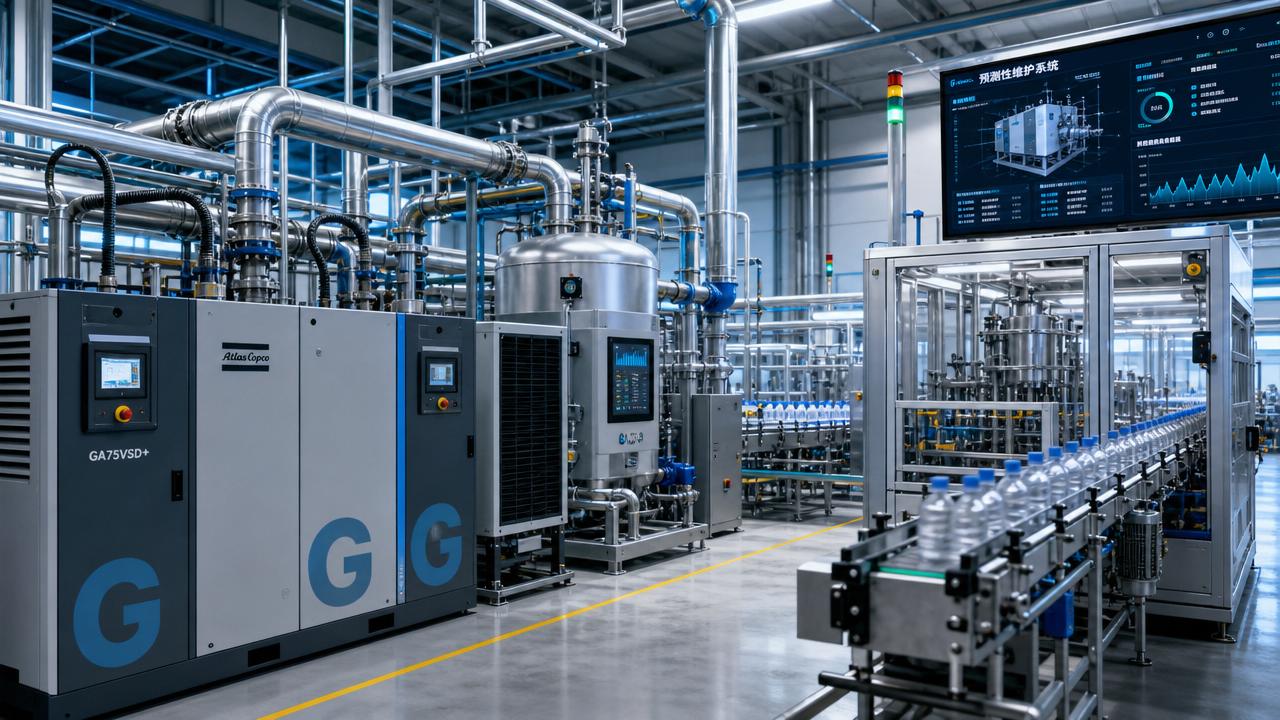
- Is monitoring detailed enough to detect drift, leakage, or fouling early?
- Does the system create recoverable thermal value elsewhere on site?
This framework is simple, but it improves planning discipline. It also supports better dialogue between engineering, finance, and operations.
What to watch next
The next phase will likely be defined by convergence rather than isolated change. Global energy costs, low-carbon regulation, digital monitoring, and thermal system redesign are moving together.
That means the strongest industrial plans in 2026 will not be the ones with the lowest initial estimate. They will be the ones built on robust assumptions about efficiency, flexibility, and operational resilience.
A sensible next step is to review high-load assets first, especially cooling, compressed air, vacuum, and heat exchange systems. Then compare current configurations against likely energy and policy scenarios.
Where data is incomplete, external intelligence becomes part of the planning toolset. Better market visibility and better thermodynamic insight now belong in the same decision process.
In that environment, understanding global energy costs is less about predicting one number. It is about building projects that remain credible when conditions move.
Related News
- Why high-density thermal energy storage is gaining industry attentionAuthor :

- Smart Device Thermal Management Trends Shaping 2026 Product DesignAuthor :

- Industrial Cooling Technologies in Europe: 2026 Trends in Compliance and Energy UseAuthor :

- Industrial Electrification Trends in 2026: Where Projects Are Moving FirstAuthor :

- Industrial Solution Comparison Global: 2026 Trends Reshaping Equipment DecisionsAuthor :

- When Heat Recovery Systems Skid Mounted Designs Improve Project PaybackAuthor :

- How to Compare Industrial Decarbonization Solutions Providers in 2026Author :

- Industry Category Guides for Smart Devices: What to Track as 2026 Markets ShiftAuthor :

- Green Manufacturing Trends Reshaping Industrial InvestmentAuthor :

- 2026 Global Energy Costs: What Will Reshape Industrial PlanningAuthor :

- Industrial Decarbonization Solutions That Cut Fuel Costs in 2026Author :

- Smart Thermal Systems Trends Shaping Industrial Upgrades in 2026Author :

- Resource Circularity in Manufacturing: 5 Practical Gains Beyond ComplianceAuthor :

- Carbon Neutrality Roadmap: What Industrial Firms Need to Prioritize FirstAuthor :

- Energy Conversion Efficiency Trends Shaping Industrial UpgradesAuthor :

- Compression Technology Trends Shaping Efficient Plant UpgradesAuthor :

- Industrial Intelligence in Manufacturing: Where It Delivers Value FirstAuthor :

- How Intellectualization Improves Industrial Thermal ManagementAuthor :

- What Intellectualization Means for Smarter Plant Operations in 2026Author :

- Carbon Neutrality Goals: What Industrial Firms Should Prioritize in 2026Author :

- How Intellectualization Reduces Downtime in Modern Production LinesAuthor :

- Decarbonization Roadmap for Energy-Intensive Plants in 2026Author :

- Thermal Systems Trends in 2026: Efficiency, Control, and RiskAuthor :

- Industrial Decarbonization Priorities for Energy-Intensive FacilitiesAuthor :

- Thermal Systems in 2026: Efficiency Upgrades Shaping Industrial OperationsAuthor :

- Pure Power Sources: 5 Practical Paths to Carbon NeutralityAuthor :

- What Intellectualization Means for Industrial Equipment UpgradesAuthor :

- Thermal Optimization in 2026: Where Energy Savings Deliver the Fastest PaybackAuthor :

- Energy Efficiency Trends Reshaping Compressor Upgrades in 2026Author :

- 2026 Industrial Decarbonization Trends Reshaping Plant UpgradesAuthor :
![]()
- Heat Exchanger Technology Trends for 2026 Efficiency TargetsAuthor :

- Resource Circularity Risks in 2026 Supply ChainsAuthor :

- Smart Thermal Systems: When Upgrades Deliver Measurable SavingsAuthor :

- Carbon Neutrality: Practical Steps for Factory RoadmapsAuthor :

- 2026 Industrial Energy Efficiency Priorities for Plant UpgradesAuthor :

- Industrial Intellectualization Trends Reshaping Equipment UpgradesAuthor :