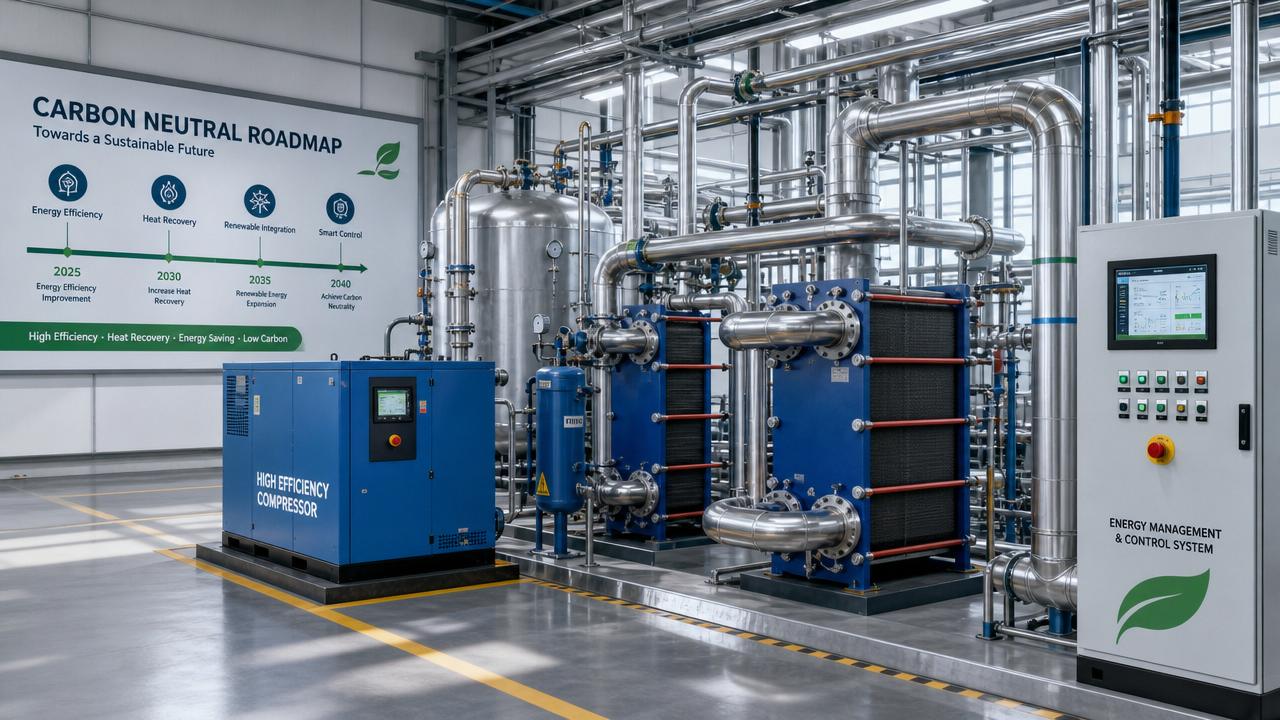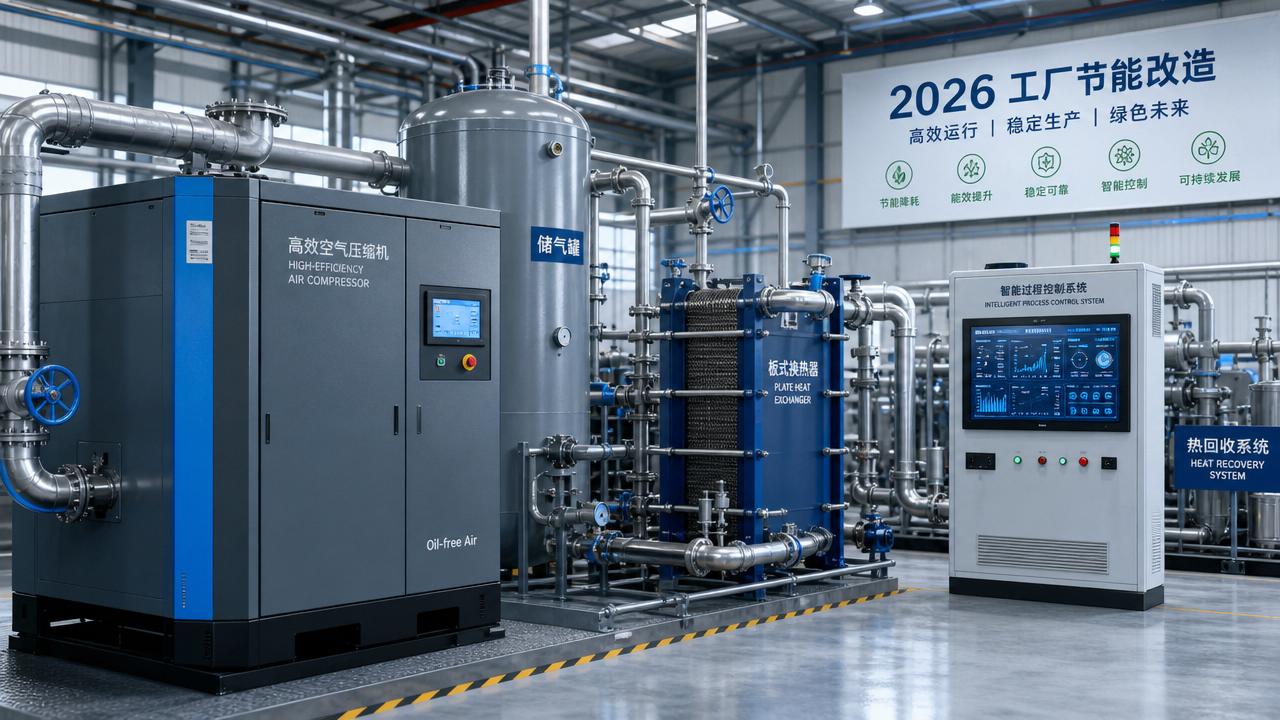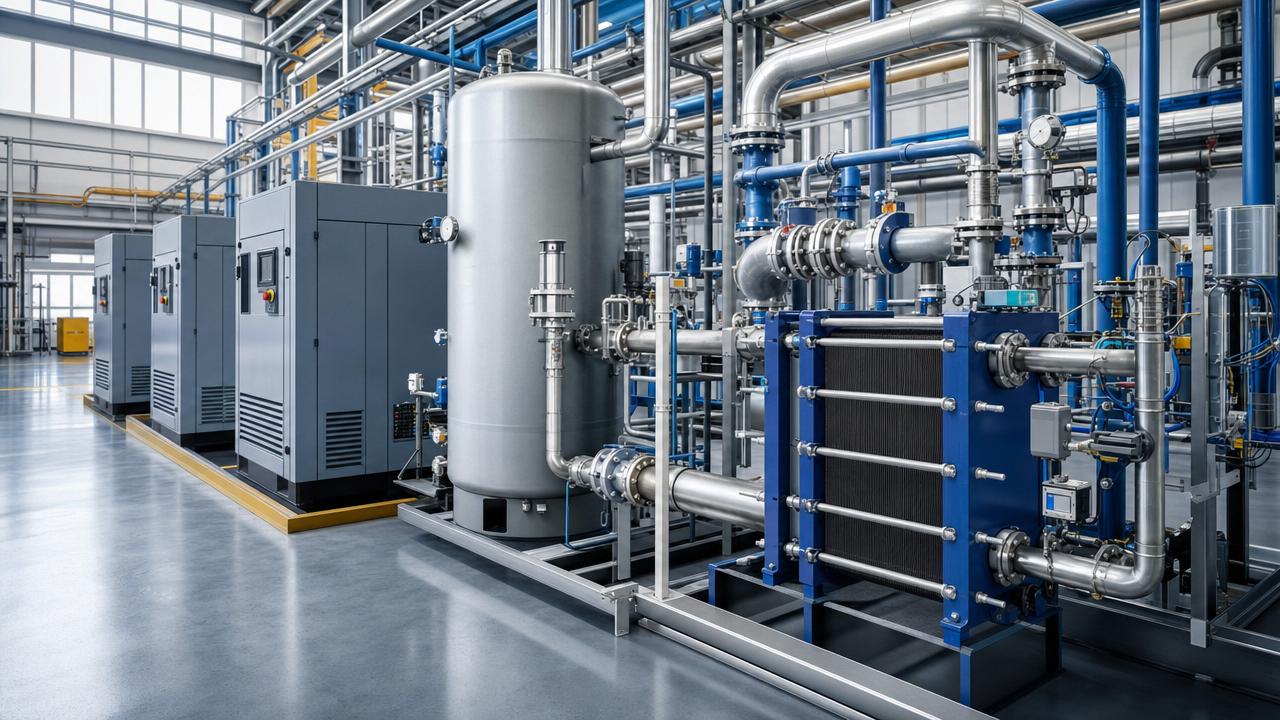




What Intellectualization Means for Smarter Plant Operations in 2026




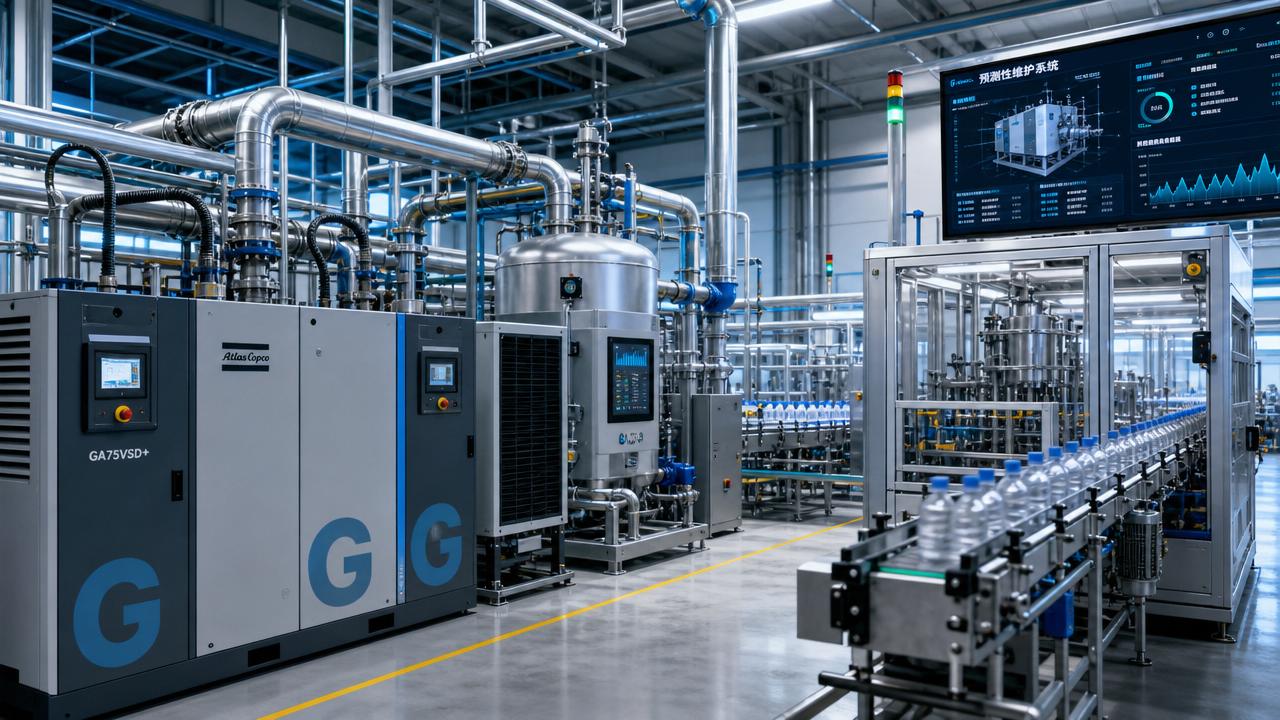
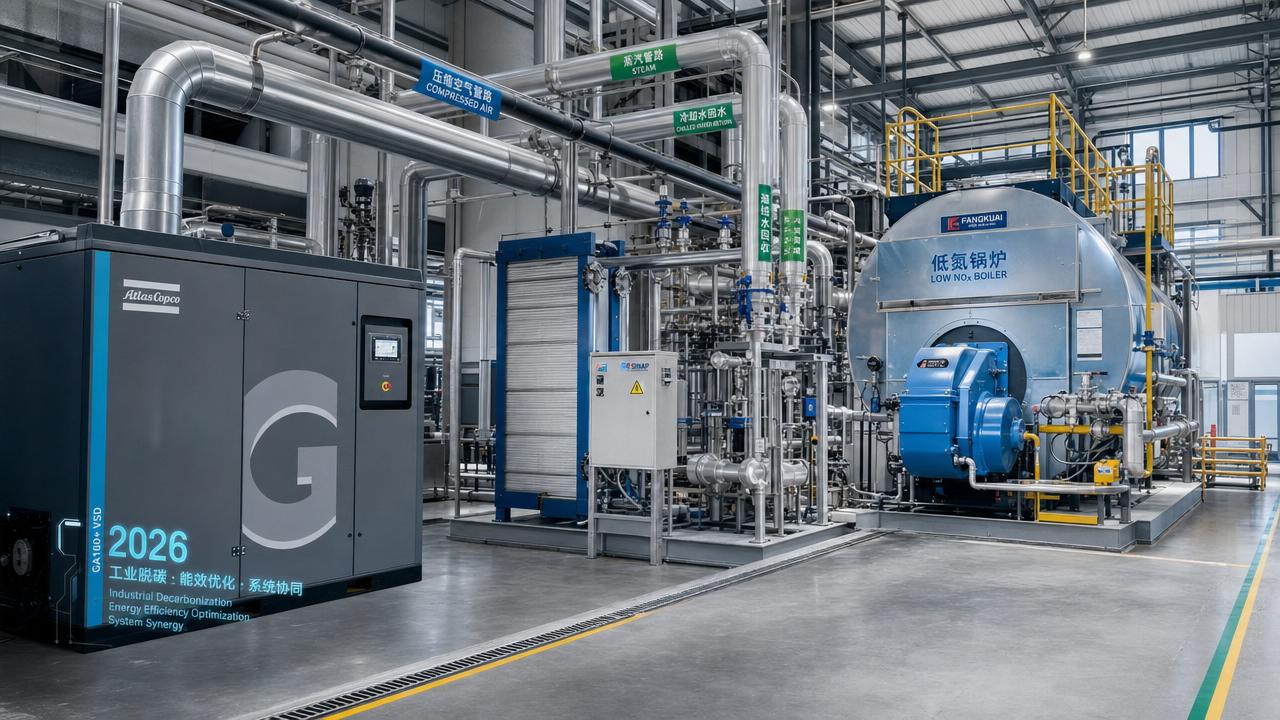
In 2026, intellectualization has moved from boardroom language into day-to-day plant reality. It now describes how industrial cooling, compressed air, vacuum, and heat exchange systems become visible, connected, and decision-ready.
That shift matters because operating pressure is rising from every direction. Energy prices remain volatile, carbon targets are tightening, and production lines are expected to stay flexible without sacrificing uptime or product quality.
For industrial operations, intellectualization is not only about automation. It is about turning thermodynamic assets into interpretable systems that support faster decisions, lower waste, and stronger resilience across the plant.
Why intellectualization now defines smarter plant operations
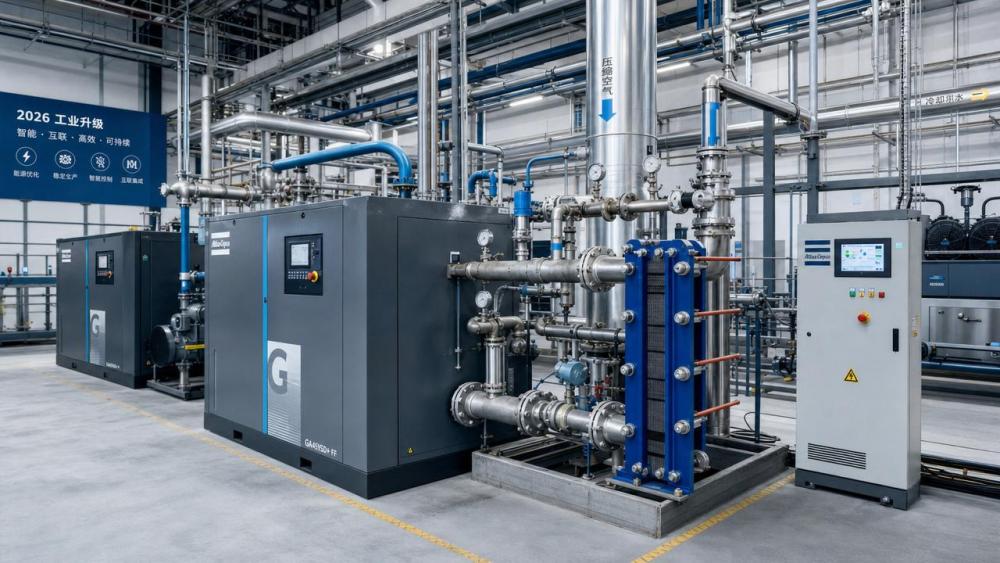
A modern plant no longer runs on isolated equipment logic. Compressors affect power stability, cooling affects product consistency, and heat recovery affects both energy cost and sustainability performance.
When those systems operate separately, problems stay hidden until they become expensive. Intellectualization closes that gap by linking equipment behavior, energy use, maintenance signals, and production demand in one operational picture.
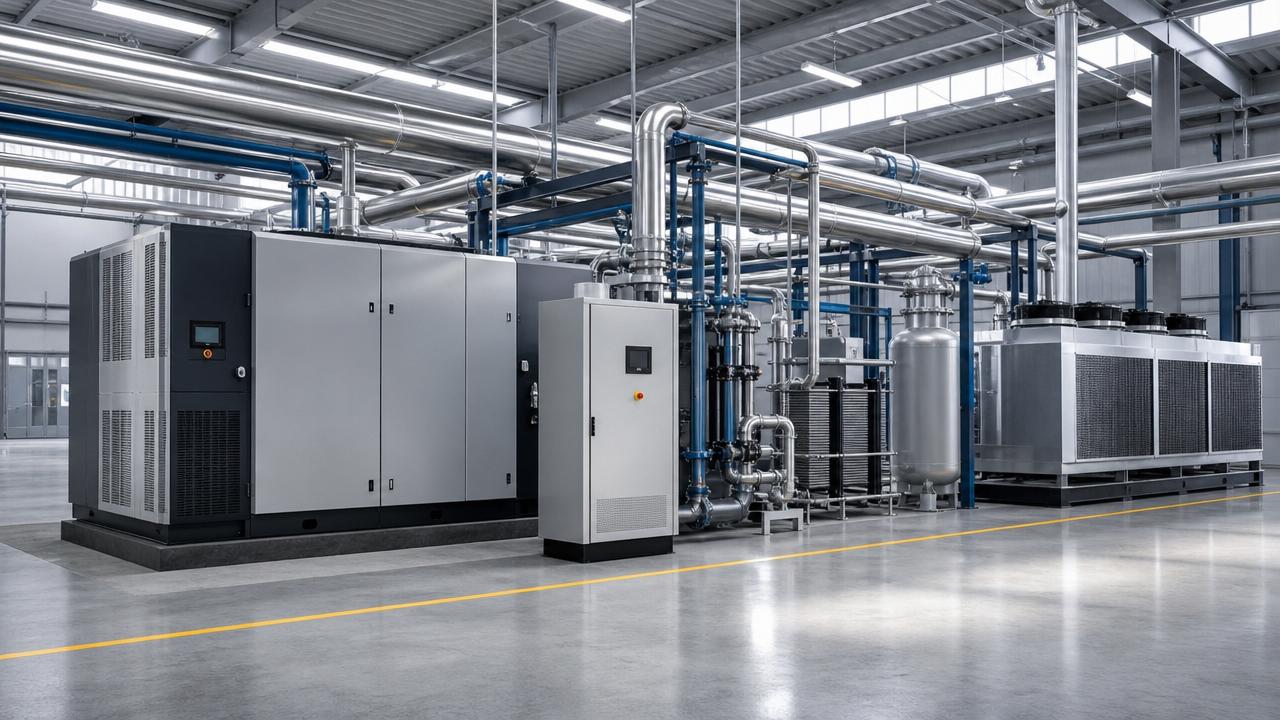
This is especially important in thermal and compression infrastructure. These systems often sit at the center of plant efficiency, yet they are still managed through fragmented data, manual interpretation, and delayed response.
The result is straightforward. Plants with stronger intellectualization can identify drift earlier, balance loads more intelligently, and align utility systems with production priorities instead of reacting after losses appear.
What intellectualization really means in an industrial setting
In practice, intellectualization means more than adding sensors or dashboards. It combines data capture, engineering context, operating rules, and commercial awareness so that information becomes useful rather than merely available.
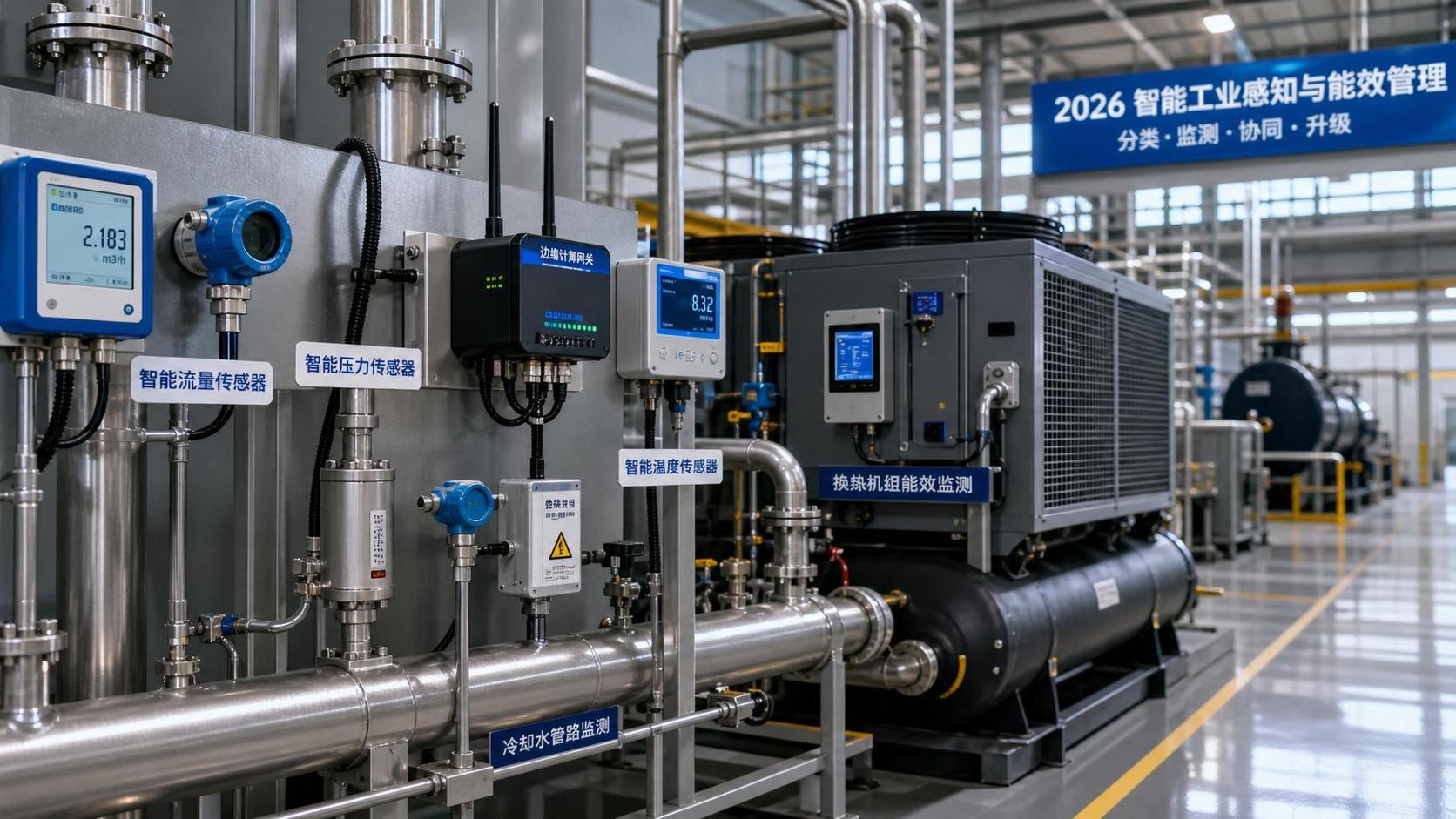
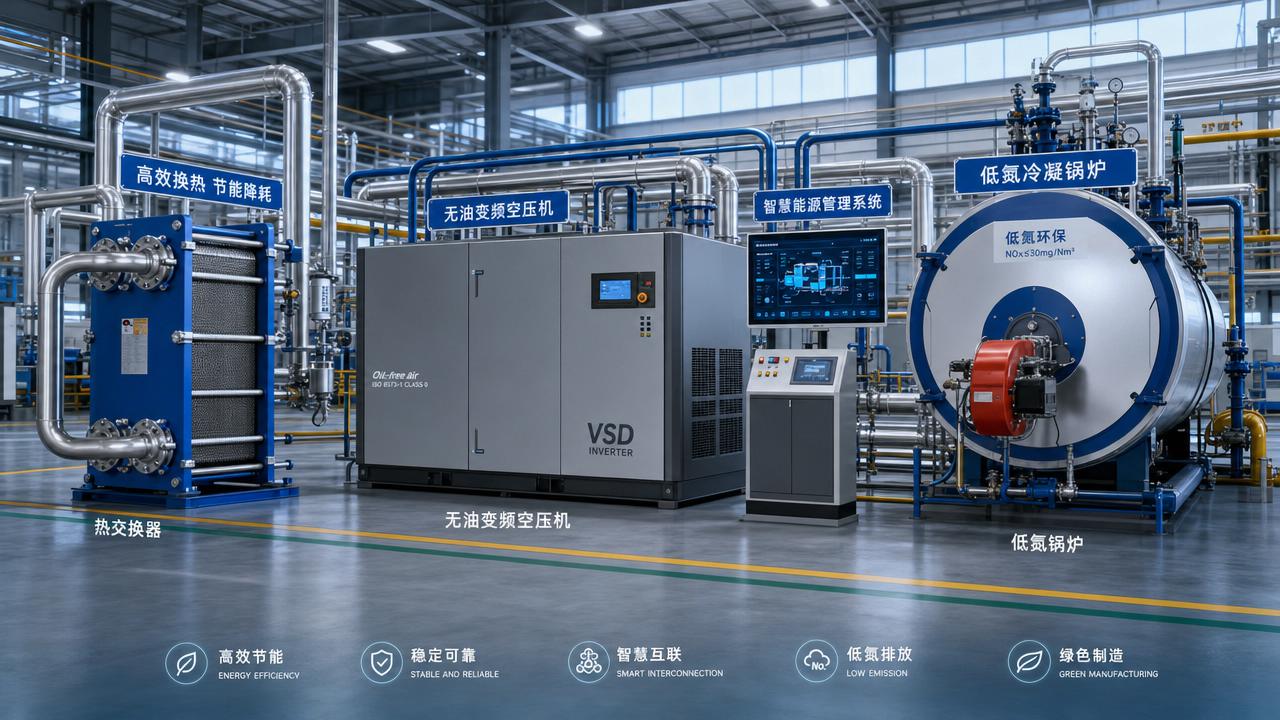
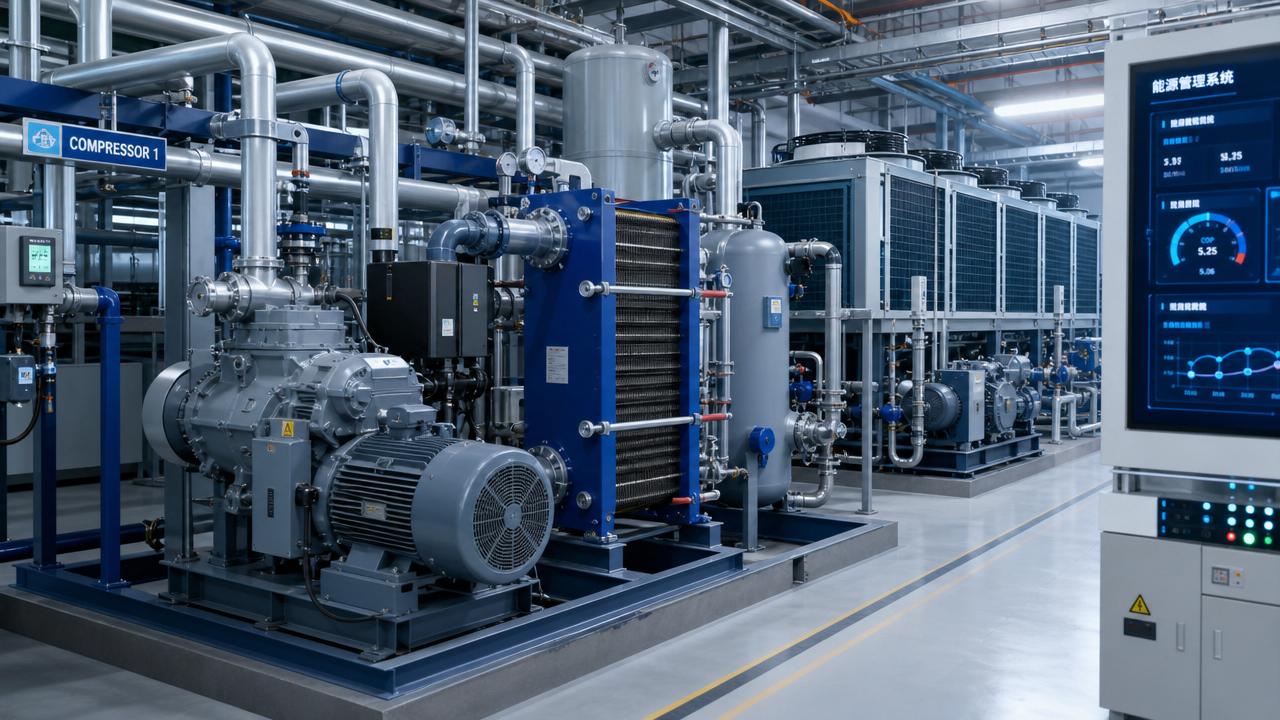
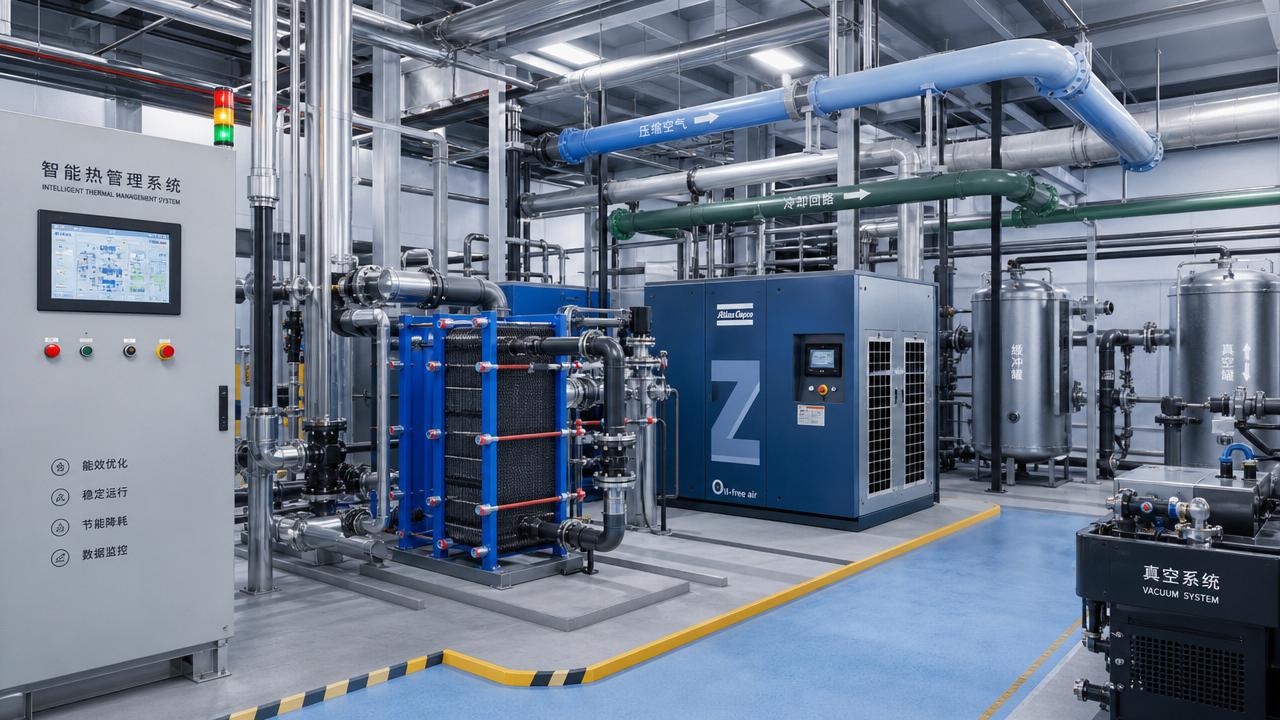
A connected compressor room, for example, is only the first layer. A smarter system also explains why pressure instability is happening, what it costs, how it affects downstream equipment, and which action is worth taking first.
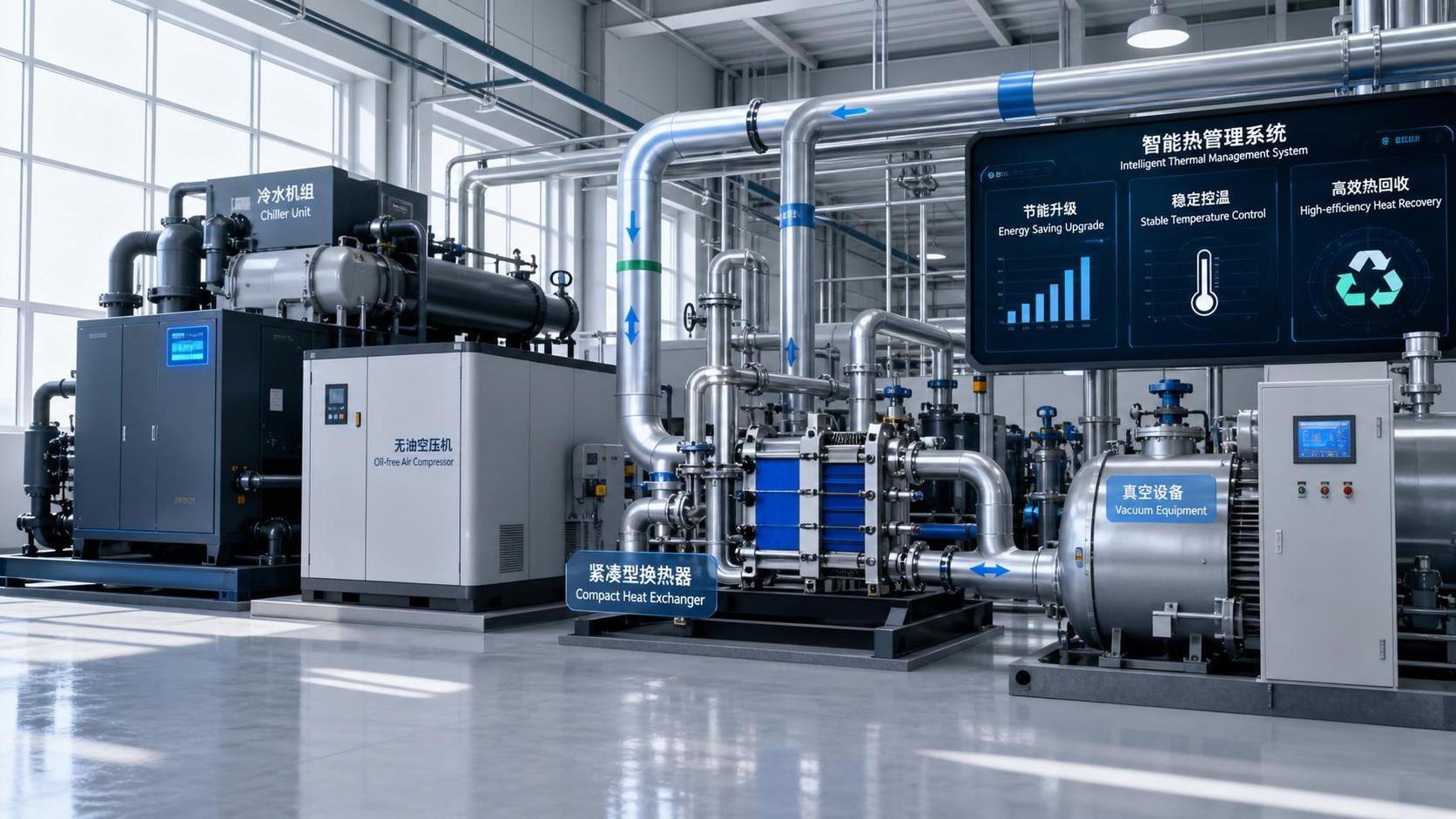
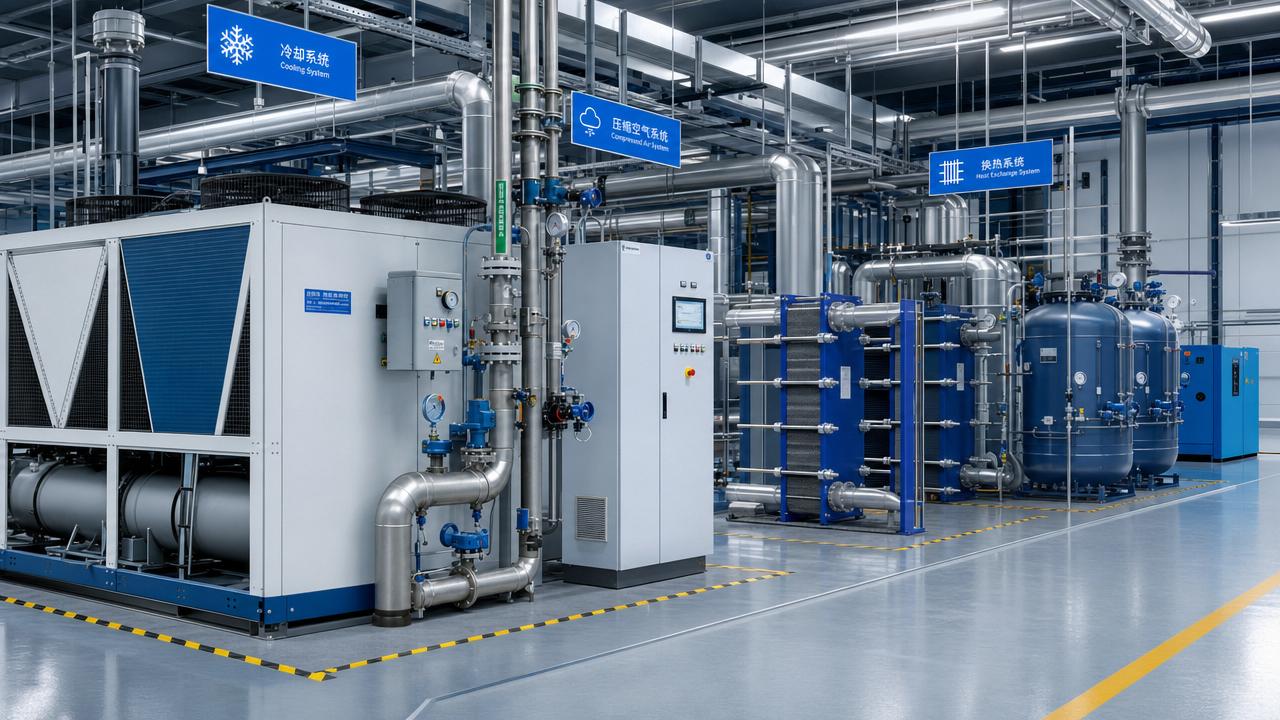
The same applies to chillers, vacuum pumps, and heat exchangers. Intellectualization gives those assets a decision framework. It connects operating data with thermodynamic behavior, maintenance history, and external market conditions.
That broader view is why sector intelligence matters. Platforms such as GTC-Matrix help translate technical signals into strategic meaning by tracking refrigerant policy, energy shifts, oil-free compression trends, and heat transfer innovation.
From raw signals to usable judgment
A plant can collect thousands of data points and still make slow decisions. Intellectualization improves performance only when the data is organized around operating choices, business risk, and measurable value.
- It reveals where energy consumption no longer matches actual load.
- It shows whether downtime risk is random or structurally predictable.
- It connects utility performance with product quality and output stability.
- It supports better timing for retrofit, replacement, or control upgrades.
Where the strongest business value appears
The value of intellectualization usually appears first in hidden cost centers. These are the places where plants consume power steadily, lose recoverable heat, overcompress air, or maintain equipment on a fixed schedule with weak justification.
In many facilities, compressed air remains one of the most underestimated cost drivers. Small leaks, poor pressure setpoints, and mismatched machine sequencing can quietly erode margins for years.
Cooling systems present a similar pattern. Intellectualization helps match temperature control to process reality, not conservative assumptions. That often improves both energy performance and product consistency.
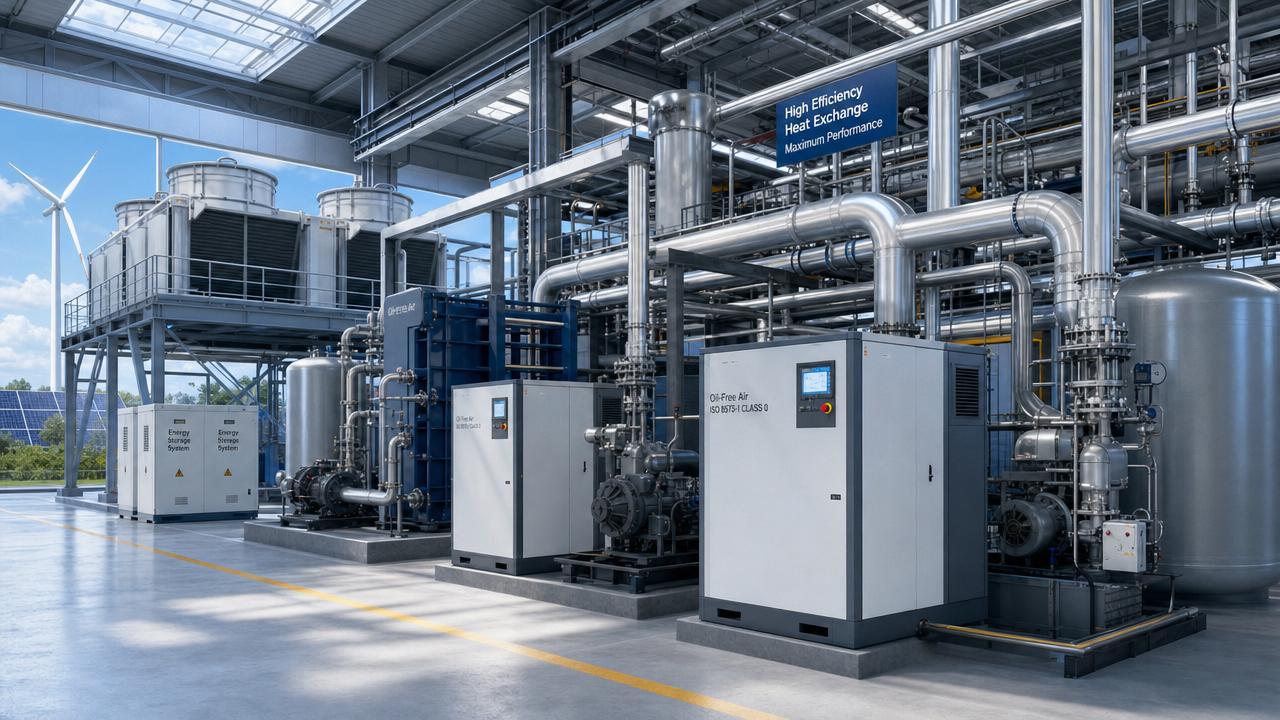
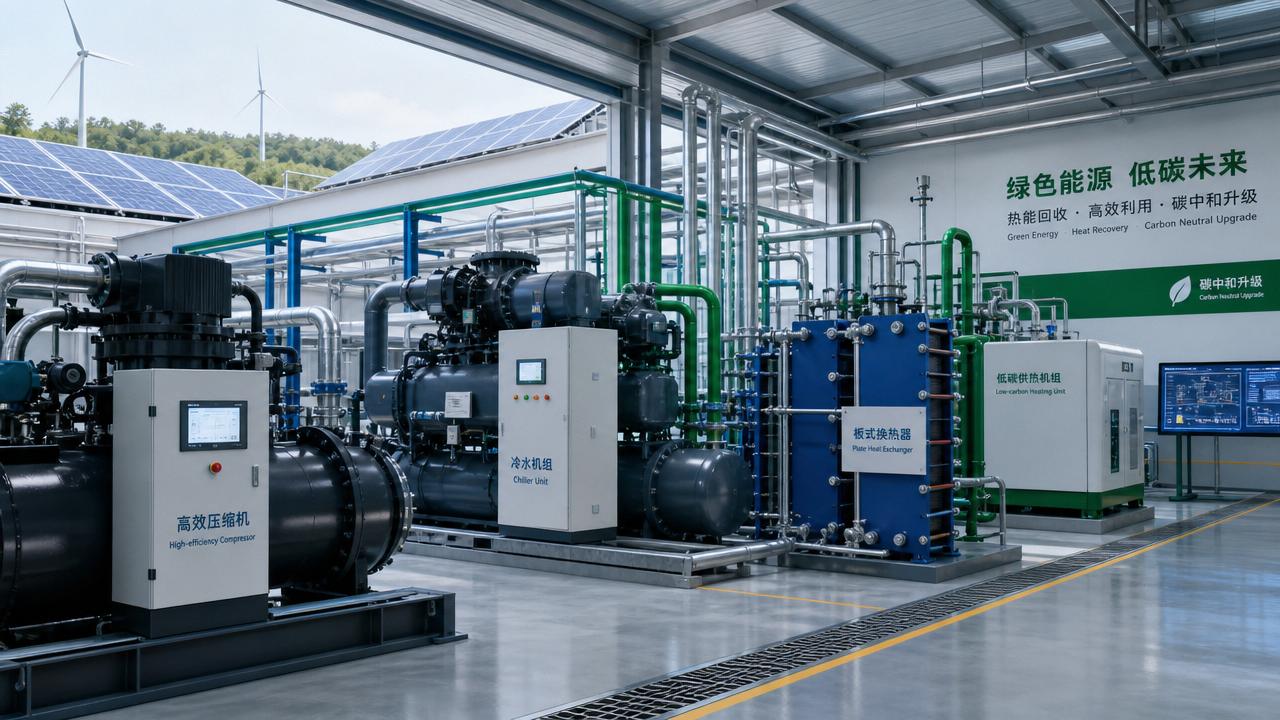
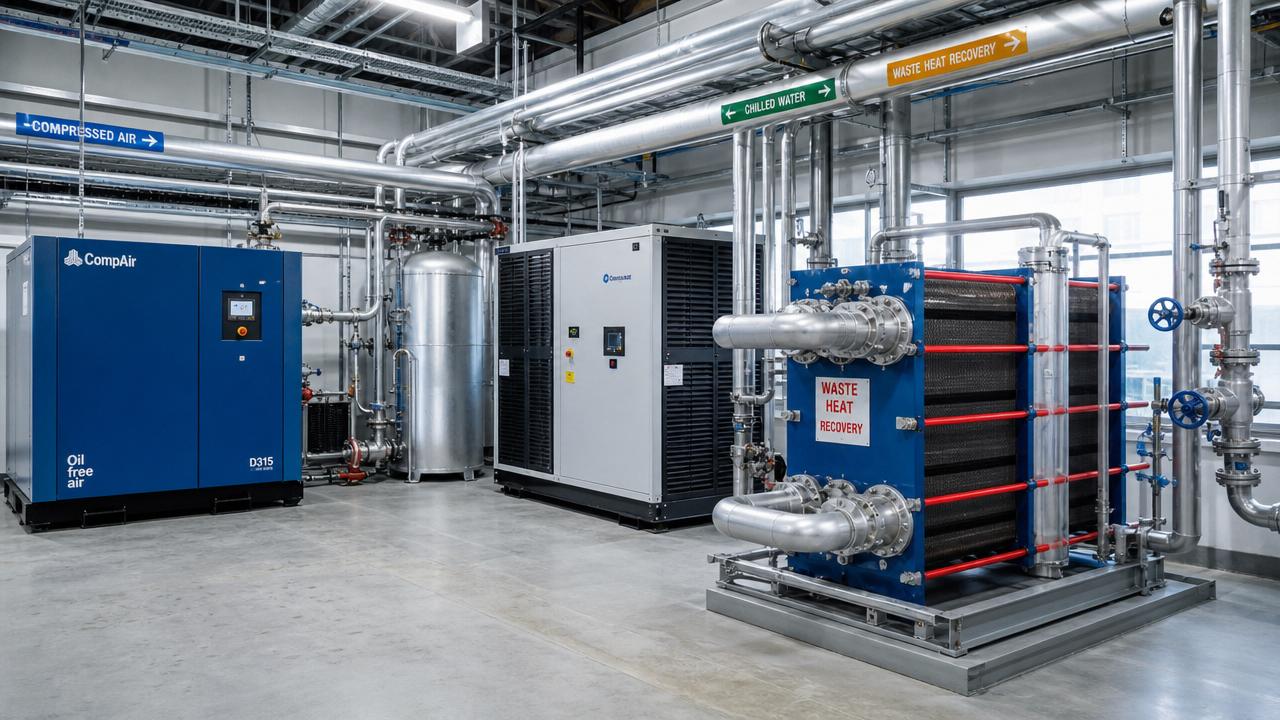
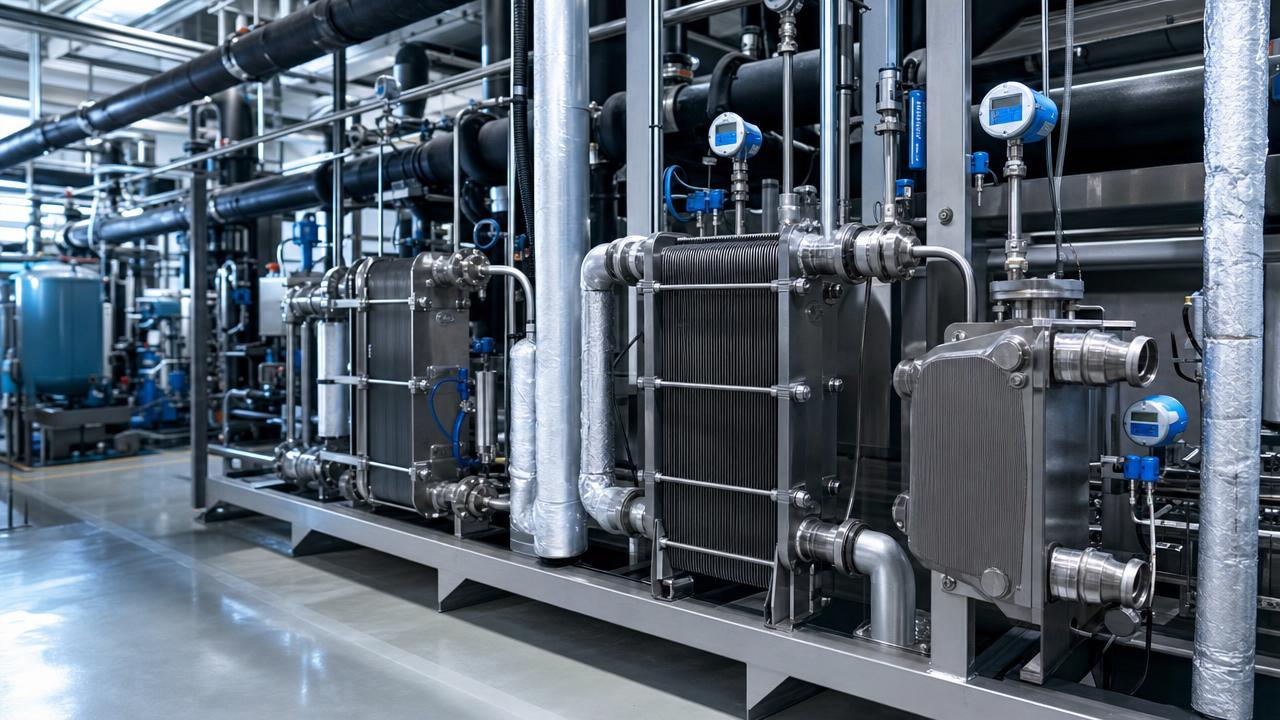
Heat exchange networks also benefit when plant teams can see fouling trends, thermal imbalance, and recovery opportunities early. In 2026, smarter plant operations depend on making these invisible losses operationally visible.
Why 2026 raises the standard for decision quality
The pressure to improve operations is no longer coming from engineering goals alone. Capital allocation, decarbonization, supply continuity, and customer compliance now shape technical decisions much more directly.
That is why intellectualization matters at management level. It helps compare options with greater clarity: keep and optimize, retrofit selectively, electrify supporting systems, or redesign thermal architecture altogether.
External intelligence becomes part of that equation. Refrigerant regulation, oil-free technology adoption, microchannel heat exchanger development, and low-NOx boiler trends all influence which investments remain competitive over time.
A plant may look efficient today and still be poorly positioned for next-cycle economics. Intellectualization expands the decision horizon by linking present performance with future constraints and market direction.
The industries showing faster adoption
High-precision sectors are moving fastest because utility quality directly affects output value. Pharmaceutical production, semiconductor fabrication, and advanced food processing all depend on thermal stability and clean power conditions.
In these environments, intellectualization is not a digital decoration. It is part of risk control, compliance confidence, and quality assurance, especially where utility interruption can damage high-value product batches.
How to assess intellectualization in real operations
A useful assessment starts with a simple question: does the plant understand how its thermal and compression assets create cost, risk, or advantage across the production chain?
If the answer depends on manual reports, isolated vendor software, or monthly energy reviews, the intellectualization level is probably still shallow. Better visibility should support weekly and even daily operational choices.
The next step is to examine whether data is actionable. Plants gain little from extra connectivity if alarms are noisy, models are generic, or teams cannot connect system events with commercial impact.
- Map critical utilities against production-critical processes.
- Identify which losses are visible and which remain estimated.
- Separate operational data from decision-grade intelligence.
- Check whether controls reflect current load profiles.
- Review external policy and technology signals before investing.
A practical path forward
The most effective path is usually selective, not dramatic. Start where thermal inefficiency, compressed air instability, vacuum sensitivity, or heat recovery losses already affect cost, throughput, or quality.
Then build intellectualization in layers. First establish trustworthy visibility. Next create decision rules. After that, connect insights with maintenance planning, capital timing, and sustainability targets.
This is where an intelligence platform such as GTC-Matrix becomes useful. Not as a sales message, but as a reference lens for reading technology evolution, market demand, and efficiency signals in context.
By 2026, smarter plant operations are less about owning more data and more about understanding the energy logic behind every critical asset. Intellectualization gives that logic structure, and that structure supports better decisions.
A sensible next move is to review the plant through three filters: where thermodynamic losses are still hidden, where operational decisions remain slow, and where external industry shifts could change asset value sooner than expected.
Related News
- Why high-density thermal energy storage is gaining industry attentionAuthor :

- Smart Device Thermal Management Trends Shaping 2026 Product DesignAuthor :

- Industrial Cooling Technologies in Europe: 2026 Trends in Compliance and Energy UseAuthor :

- Industrial Electrification Trends in 2026: Where Projects Are Moving FirstAuthor :

- Industrial Solution Comparison Global: 2026 Trends Reshaping Equipment DecisionsAuthor :

- When Heat Recovery Systems Skid Mounted Designs Improve Project PaybackAuthor :

- How to Compare Industrial Decarbonization Solutions Providers in 2026Author :

- Industry Category Guides for Smart Devices: What to Track as 2026 Markets ShiftAuthor :

- Green Manufacturing Trends Reshaping Industrial InvestmentAuthor :

- 2026 Global Energy Costs: What Will Reshape Industrial PlanningAuthor :

- Industrial Decarbonization Solutions That Cut Fuel Costs in 2026Author :

- Smart Thermal Systems Trends Shaping Industrial Upgrades in 2026Author :

- Resource Circularity in Manufacturing: 5 Practical Gains Beyond ComplianceAuthor :

- Carbon Neutrality Roadmap: What Industrial Firms Need to Prioritize FirstAuthor :

- Energy Conversion Efficiency Trends Shaping Industrial UpgradesAuthor :

- Compression Technology Trends Shaping Efficient Plant UpgradesAuthor :

- Industrial Intelligence in Manufacturing: Where It Delivers Value FirstAuthor :

- How Intellectualization Improves Industrial Thermal ManagementAuthor :

- What Intellectualization Means for Smarter Plant Operations in 2026Author :

- Carbon Neutrality Goals: What Industrial Firms Should Prioritize in 2026Author :

- How Intellectualization Reduces Downtime in Modern Production LinesAuthor :

- Decarbonization Roadmap for Energy-Intensive Plants in 2026Author :

- Thermal Systems Trends in 2026: Efficiency, Control, and RiskAuthor :

- Industrial Decarbonization Priorities for Energy-Intensive FacilitiesAuthor :

- Thermal Systems in 2026: Efficiency Upgrades Shaping Industrial OperationsAuthor :

- Pure Power Sources: 5 Practical Paths to Carbon NeutralityAuthor :

- What Intellectualization Means for Industrial Equipment UpgradesAuthor :

- Thermal Optimization in 2026: Where Energy Savings Deliver the Fastest PaybackAuthor :

- Energy Efficiency Trends Reshaping Compressor Upgrades in 2026Author :

- 2026 Industrial Decarbonization Trends Reshaping Plant UpgradesAuthor :
![]()
- Heat Exchanger Technology Trends for 2026 Efficiency TargetsAuthor :

- Resource Circularity Risks in 2026 Supply ChainsAuthor :

- Smart Thermal Systems: When Upgrades Deliver Measurable SavingsAuthor :

- Carbon Neutrality: Practical Steps for Factory RoadmapsAuthor :

- 2026 Industrial Energy Efficiency Priorities for Plant UpgradesAuthor :

- Industrial Intellectualization Trends Reshaping Equipment UpgradesAuthor :