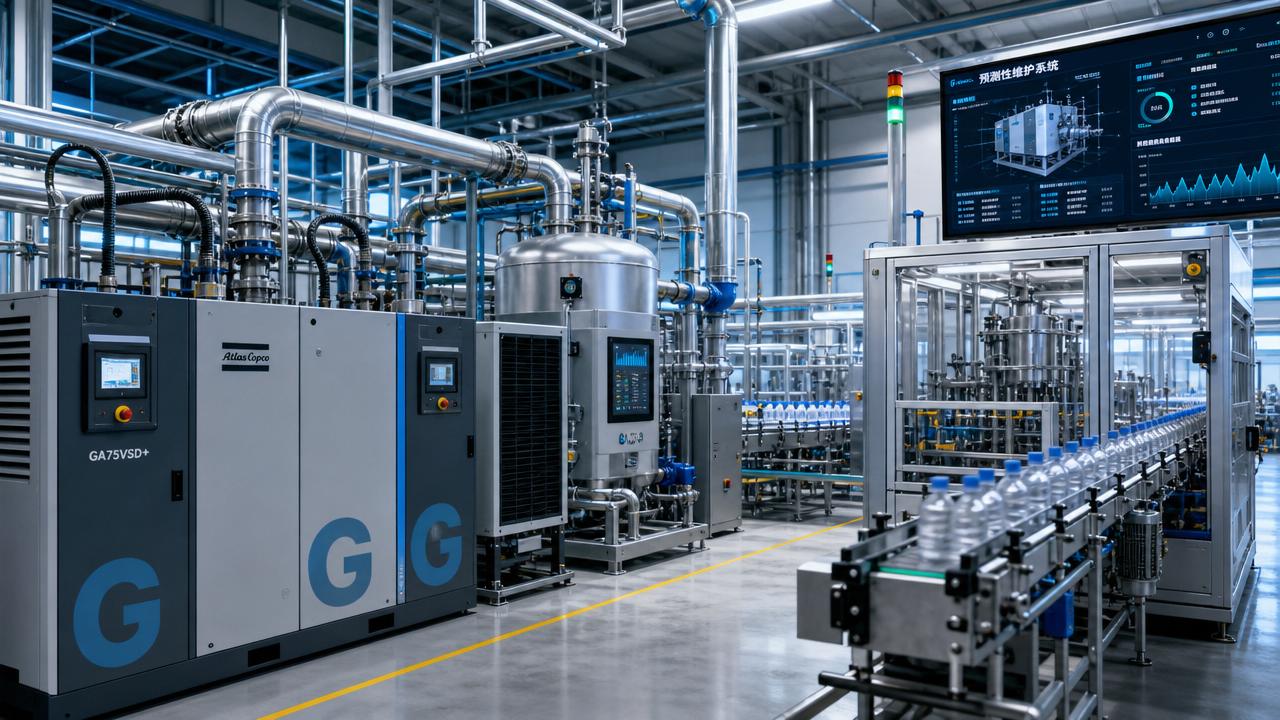
How Intellectualization Reduces Downtime in Modern Production Lines




How Intellectualization Reduces Downtime in Modern Production Lines
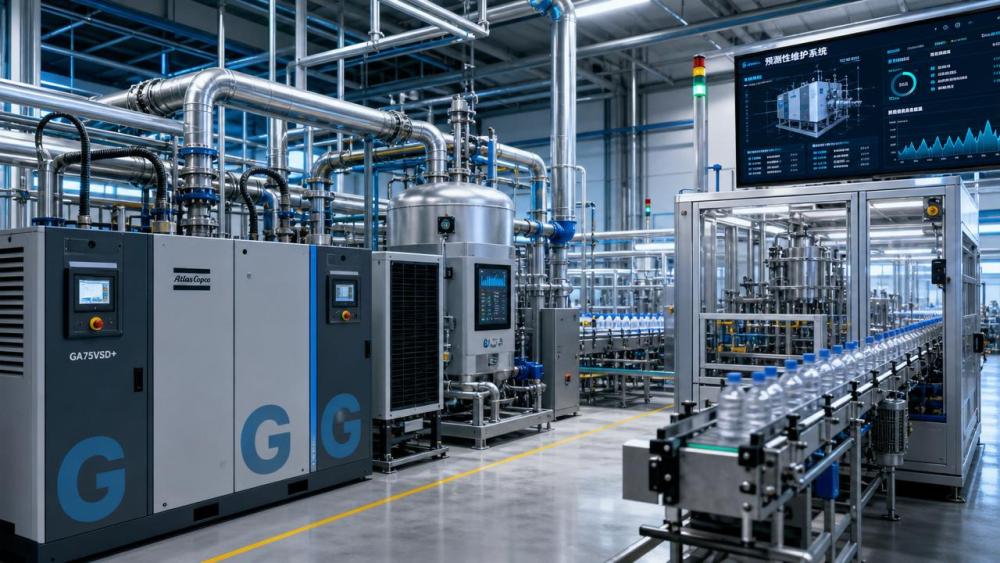
In modern production lines, downtime is rarely caused by one dramatic failure.
More often, it starts with small signals that nobody can see fast enough.
A pressure drift, unstable cooling, delayed alarms, or repeated manual resets can quietly weaken output.
That is why intellectualization has become a practical answer, not just a trend word.
Intellectualization turns disconnected equipment into a visible, responsive, and learning production environment.
It combines machine data, process logic, operating history, and real-time alerts into usable decisions.
For technical evaluation, the value is clear.
You can detect weak points earlier, shorten troubleshooting time, and reduce avoidable stoppages.
You also gain a stronger basis for judging investment returns across utilities, controls, and maintenance strategies.
In sectors that depend on compressed air, vacuum, cooling, and heat exchange, this matters even more.
A hidden issue in thermal or compression systems can quickly spread through the whole line.
Why Downtime Looks Different in an Intellectualized Factory
Traditional lines react after something stops.
An intellectualization strategy changes that sequence.
Instead of waiting for breakdowns, the system monitors patterns that suggest risk is building.
This includes temperature deviation, compressor loading behavior, vibration change, flow imbalance, and unstable vacuum levels.
The result is not just more data.
It is better timing.
Maintenance teams can act during planned windows instead of during production loss.
Operations managers can isolate root causes faster because the event trail is already recorded.
This shift is especially important where utility systems support product quality.
For example, if a cooling loop drifts out of range, product defects may appear before a shutdown alarm arrives.
With intellectualization, those early signals become visible, ranked, and actionable.
What Changes on the Shop Floor
- Alarm systems move from noise-heavy reactions to priority-based warnings.
- Maintenance shifts from calendar routines to condition-driven action.
- Operators spend less time searching for causes and more time stabilizing output.
- Utility performance becomes part of line control, not a separate background issue.
The Core Mechanisms That Make Intellectualization Work
To reduce downtime, intellectualization needs more than sensors and dashboards.
It needs a clear path from data capture to operating response.
In practice, four mechanisms usually matter most.
1. Real-Time Visibility Across Critical Assets
Downtime spreads when teams cannot see interactions between equipment.
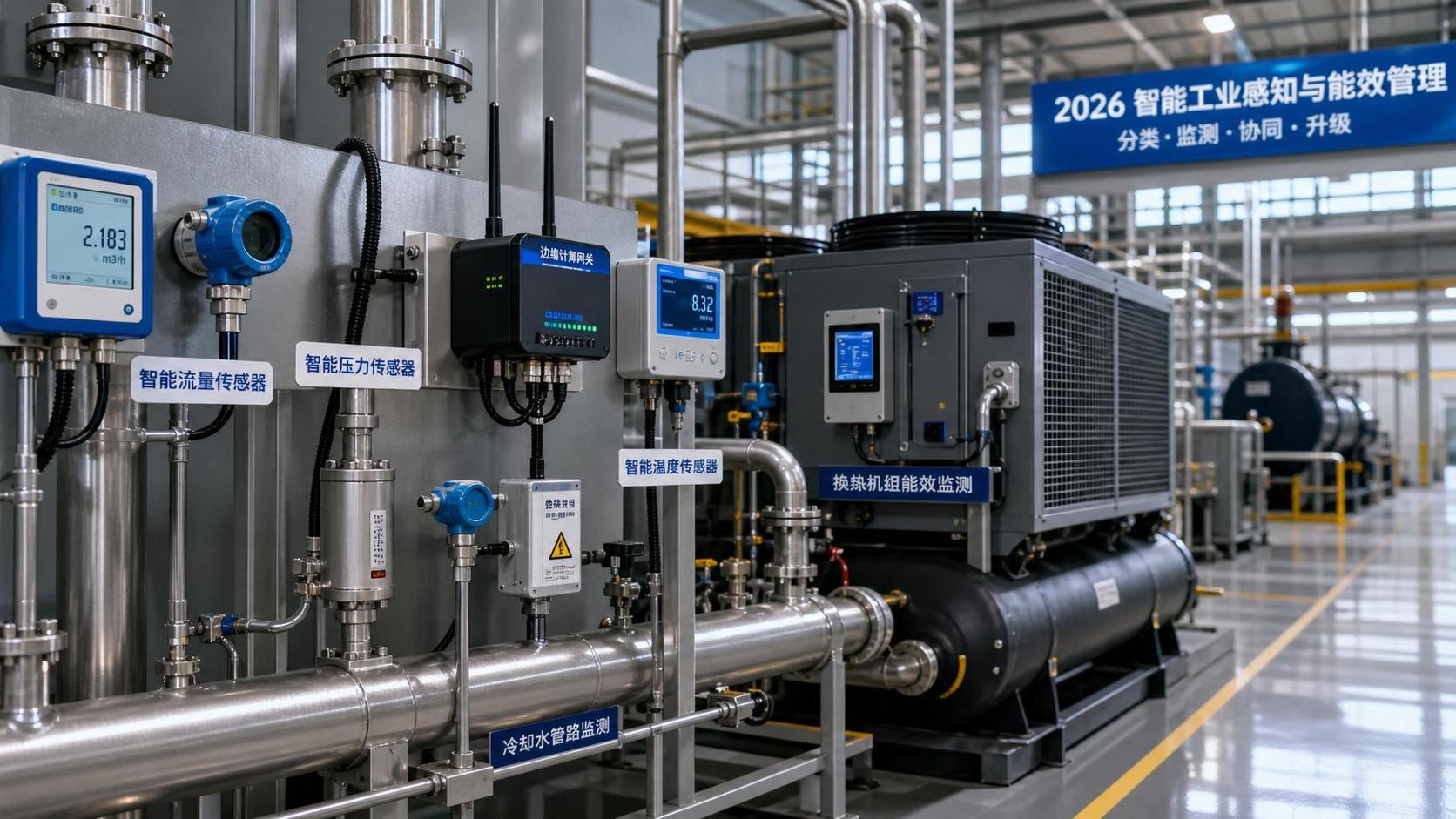
Intellectualization connects compressors, chillers, pumps, heat exchangers, valves, and line controllers into one operating picture.
This helps teams spot whether the problem starts in the process or in the utility layer.
2. Predictive Maintenance Based on Pattern Recognition
Predictive logic is one of the strongest benefits of intellectualization.
It compares current behavior with healthy baselines and historical failures.
That makes bearing wear, fouling, leakage, or heat transfer loss easier to catch early.
3. Smarter Decision Support During Disturbances
When a line becomes unstable, speed matters.
An intellectualization platform can recommend checks, rank likely causes, and show linked events.
That cuts diagnostic delay and reduces repeated trial-and-error interventions.
4. Continuous Optimization of Utility Efficiency
Utility inefficiency often hides behind downtime events.
A compressor cycling too often or a heat exchanger losing performance can destabilize output long before failure.
Intellectualization links uptime and efficiency, which is critical for modern production economics.
Where Intellectualization Delivers the Fastest Downtime Gains
Not every asset produces the same return.
The fastest gains usually appear where process continuity depends on thermal and compression stability.
This is where GTC-Matrix offers strategic value.
Its intelligence focus on cooling, compressed air, vacuum processes, and heat exchange aligns directly with downtime-sensitive infrastructure.
By connecting market intelligence with equipment evolution, it supports better technology selection and timing.
That matters when evaluating oil-free compression, microchannel heat exchangers, or low-emission thermal systems.
How to Evaluate an Intellectualization Project Without Guesswork
A useful intellectualization project starts with the right evaluation frame.
Too many initiatives focus on software features instead of production pain points.
A better approach is to evaluate by downtime impact, data quality, and response value.
Start With Three Questions
- Which assets create the largest downstream losses when they drift or stop?
- Which failures already show weak signals that are currently ignored?
- Which operating decisions would improve if they were made ten minutes earlier?
These questions keep intellectualization tied to measurable business outcomes.
They also prevent overspending on data collection that never changes behavior.
Key Evaluation Criteria
- Signal relevance: focus on variables linked to real failure modes.
- Integration depth: connect process data with utility and maintenance records.
- Actionability: confirm each alert leads to a defined response.
- Scalability: verify the model can expand across lines and sites.
- Energy impact: include efficiency improvements, not only uptime gains.
From a decision perspective, the strongest intellectualization projects improve reliability and energy conversion efficiency together.
Common Risks That Limit Results
Even good technology can fail if the rollout logic is weak.
In actual operations, several risks appear again and again.
- Too many alarms create fatigue and weaken trust.
- Poor sensor maintenance introduces false conclusions.
- Data stays isolated between utilities, production, and maintenance teams.
- Projects emphasize dashboards but ignore response workflows.
- ROI models overlook quality, scrap, and energy losses tied to downtime.
The more obvious signal is that intellectualization works best when paired with operating discipline.
Clean data, clear escalation rules, and cross-functional ownership matter as much as analytics.
This also explains why intelligence platforms with sector depth are increasingly important for technology selection.
A Practical Roadmap for Reducing Downtime Through Intellectualization
If the goal is lower downtime, a phased model usually works better than a full-scale rollout.
- Map the assets that most strongly affect throughput, quality, and energy use.
- Collect failure history and identify early-warning variables.
- Launch a pilot on one utility-intensive production area.
- Link alerts to maintenance actions and operator playbooks.
- Measure downtime reduction, response speed, and energy stability.
- Scale only after the pilot proves repeatable value.
This roadmap keeps intellectualization grounded in operational proof.
It also supports smarter capital decisions in a market shaped by efficiency pressure and decarbonization goals.
For companies navigating compressed air, cooling, vacuum, and heat exchange upgrades, informed timing is a major advantage.
That is exactly where GTC-Matrix contributes.
Its Strategic Intelligence Center translates industry shifts into usable evaluation insight.
By tracking policy, energy costs, and technology evolution, it helps reduce uncertainty around modernization choices.
In other words, intellectualization is not only about smarter machines.
It is also about smarter industrial judgment.
When production lines can see, learn, and respond earlier, downtime stops being an unavoidable cost.
It becomes a controllable problem, and that is where real competitive advantage begins.
Ready when you are. Send us a message to get started.
Related News
- Why high-density thermal energy storage is gaining industry attentionAuthor :

- Smart Device Thermal Management Trends Shaping 2026 Product DesignAuthor :

- Industrial Cooling Technologies in Europe: 2026 Trends in Compliance and Energy UseAuthor :

- Industrial Electrification Trends in 2026: Where Projects Are Moving FirstAuthor :

- Industrial Solution Comparison Global: 2026 Trends Reshaping Equipment DecisionsAuthor :

- When Heat Recovery Systems Skid Mounted Designs Improve Project PaybackAuthor :

- How to Compare Industrial Decarbonization Solutions Providers in 2026Author :

- Industry Category Guides for Smart Devices: What to Track as 2026 Markets ShiftAuthor :

- Green Manufacturing Trends Reshaping Industrial InvestmentAuthor :

- 2026 Global Energy Costs: What Will Reshape Industrial PlanningAuthor :

- Industrial Decarbonization Solutions That Cut Fuel Costs in 2026Author :

- Smart Thermal Systems Trends Shaping Industrial Upgrades in 2026Author :

- Resource Circularity in Manufacturing: 5 Practical Gains Beyond ComplianceAuthor :

- Carbon Neutrality Roadmap: What Industrial Firms Need to Prioritize FirstAuthor :

- Energy Conversion Efficiency Trends Shaping Industrial UpgradesAuthor :

- Compression Technology Trends Shaping Efficient Plant UpgradesAuthor :

- Industrial Intelligence in Manufacturing: Where It Delivers Value FirstAuthor :

- How Intellectualization Improves Industrial Thermal ManagementAuthor :

- What Intellectualization Means for Smarter Plant Operations in 2026Author :

- Carbon Neutrality Goals: What Industrial Firms Should Prioritize in 2026Author :

- How Intellectualization Reduces Downtime in Modern Production LinesAuthor :

- Decarbonization Roadmap for Energy-Intensive Plants in 2026Author :

- Thermal Systems Trends in 2026: Efficiency, Control, and RiskAuthor :

- Industrial Decarbonization Priorities for Energy-Intensive FacilitiesAuthor :

- Thermal Systems in 2026: Efficiency Upgrades Shaping Industrial OperationsAuthor :

- Pure Power Sources: 5 Practical Paths to Carbon NeutralityAuthor :

- What Intellectualization Means for Industrial Equipment UpgradesAuthor :

- Thermal Optimization in 2026: Where Energy Savings Deliver the Fastest PaybackAuthor :

- Energy Efficiency Trends Reshaping Compressor Upgrades in 2026Author :

- 2026 Industrial Decarbonization Trends Reshaping Plant UpgradesAuthor :
![]()
- Heat Exchanger Technology Trends for 2026 Efficiency TargetsAuthor :

- Resource Circularity Risks in 2026 Supply ChainsAuthor :

- Smart Thermal Systems: When Upgrades Deliver Measurable SavingsAuthor :

- Carbon Neutrality: Practical Steps for Factory RoadmapsAuthor :

- 2026 Industrial Energy Efficiency Priorities for Plant UpgradesAuthor :

- Industrial Intellectualization Trends Reshaping Equipment UpgradesAuthor :