Smart Device Thermal Management Trends Shaping 2026 Product Design




Smart Device Thermal Management Is Moving to the Center of 2026 Design
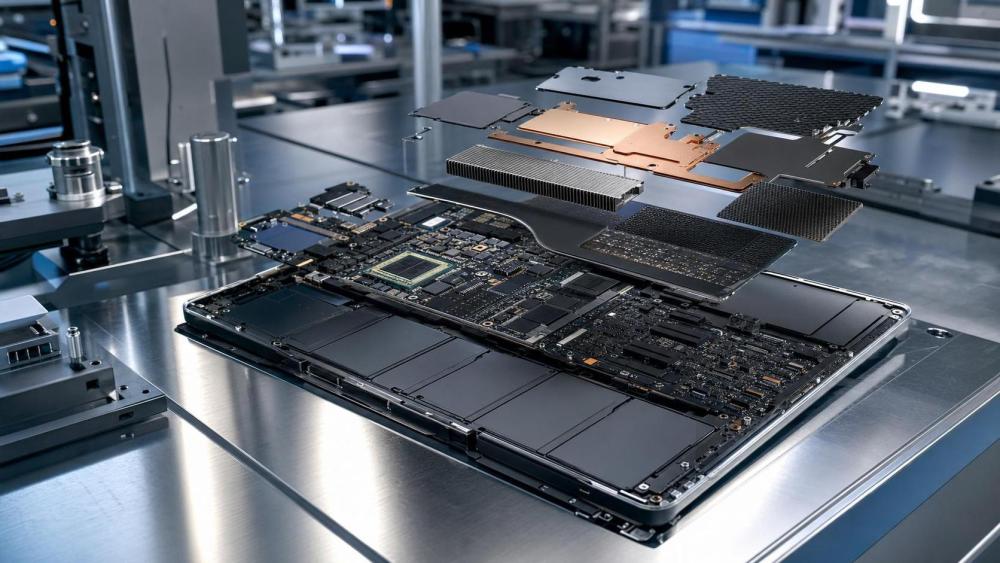
Smart products are getting smaller, denser, and more computationally intense at the same time.
That combination is turning smart device thermal management into a design decision, not a late-stage engineering fix.
The shift is visible across consumer electronics, medical tools, industrial sensors, edge AI hardware, mobility systems, and connected infrastructure.
Heat now shapes battery life, processing stability, acoustic comfort, enclosure design, compliance risk, and product lifespan.
In practical terms, strong smart device thermal management increasingly decides whether a product can ship on time and scale profitably.
This is why thermal performance is being discussed earlier in product roadmaps, often beside compute architecture and power budgeting.
From the broader industrial perspective, the same logic is familiar.
GTC-Matrix has long tracked how cooling, compression, heat exchange, and energy conversion shape reliability and efficiency in critical systems.
That lens now applies directly to smart devices, where micro-scale thermal behavior carries macro-scale commercial consequences.
Why the Signal Became Harder to Ignore
A few years ago, many teams treated thermal issues as packaging constraints or validation-stage corrections.
In 2026, that position is becoming expensive.
Chip performance is rising faster than enclosure volume.
AI acceleration is entering more compact endpoints.
Battery-powered devices are expected to deliver longer uptime without uncomfortable surface temperatures.
At the same time, users expect silent operation and thinner industrial design.
More importantly, regulators and customers are paying closer attention to energy efficiency, material choice, and service life.
That means smart device thermal management is no longer measured only by peak temperature.
It is being judged by total system behavior over time.
Recent market signals point to four clear drivers.
The result is straightforward.
Smart device thermal management now sits between hardware ambition and real-world operability.
The Technology Shift Is Broader Than Better Heat Sinks
The current cycle is not just about using larger thermal pads or faster fans.
Design teams are rethinking the full thermal path, from silicon placement to enclosure materials and airflow logic.
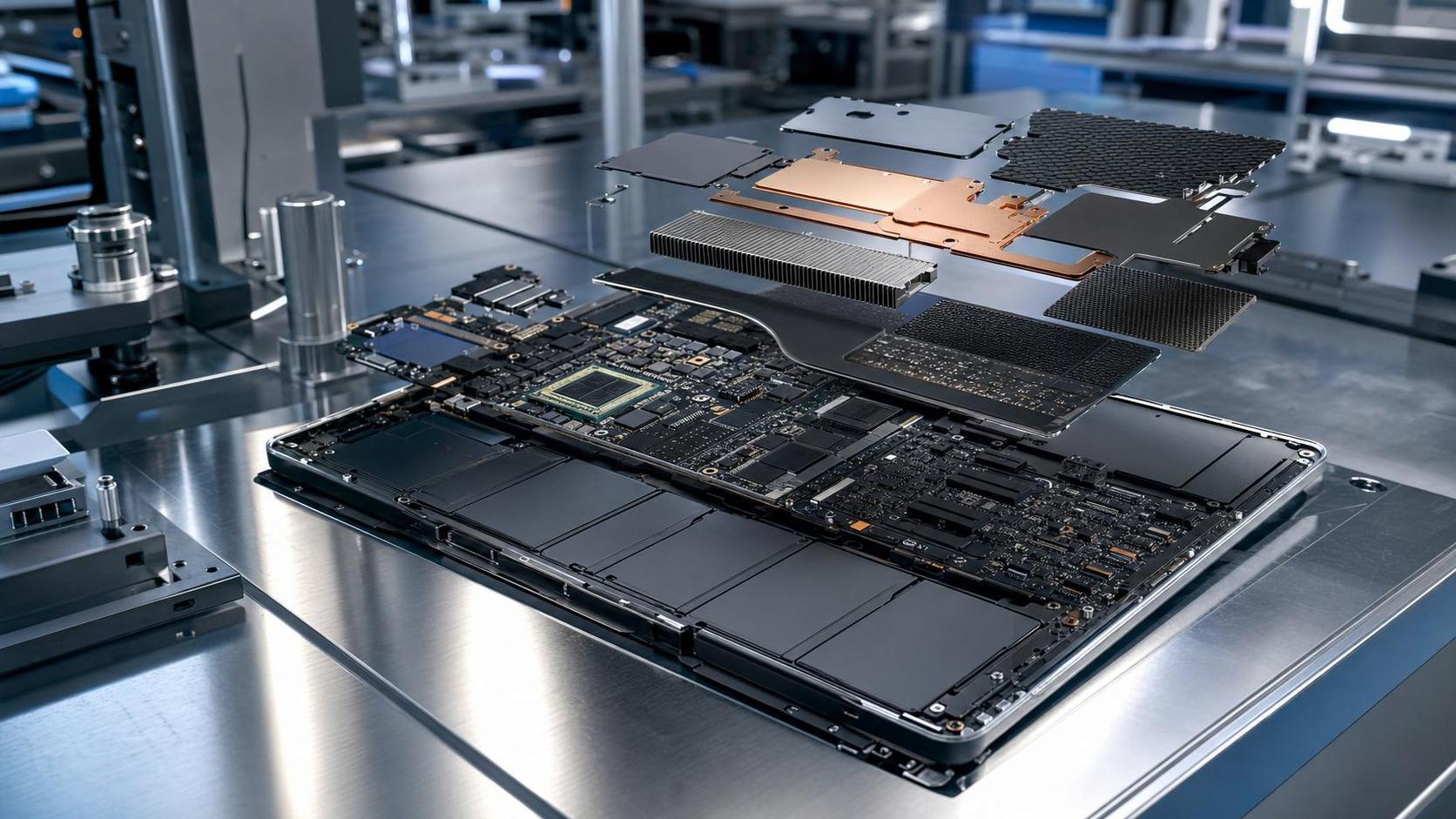
More devices are combining vapor chambers, graphite films, phase change materials, and compact heat spreaders.
In higher-load segments, liquid-assisted loops and microchannel structures are attracting attention again.
That matters because smart device thermal management is becoming more system-level and less component-specific.
One useful lesson comes from industrial heat exchange.
GTC-Matrix has highlighted how microchannel heat exchangers improved efficiency by managing geometry, flow behavior, and surface interaction together.
A similar principle is appearing in compact electronics.
Thermal success is increasingly defined by architecture, not just by a stronger cooling part.
Simulation is also moving earlier in the process.
More teams are using digital thermal models during concept design to avoid expensive board revisions later.
This shortens tuning cycles and helps align electrical, mechanical, and reliability priorities before tooling locks in.
Materials are becoming strategic
Material selection is no longer a downstream purchasing decision.
Thermal interface materials, lightweight alloys, ceramics, and engineered polymers are influencing product positioning.
The tradeoff is no longer simply cost versus performance.
It is cost versus thermal stability, service life, manufacturability, and regulatory fit.
The Impact Is Spreading Across Applications
The effects of smarter thermal design are not uniform.
Each application translates heat into a different business risk.
- In medical and health devices, temperature control affects measurement stability, skin contact comfort, and certification pathways.
- In industrial IoT, poor smart device thermal management can reduce sensor accuracy and shorten uptime in sealed environments.
- In mobility electronics, thermal instability can degrade battery performance and interrupt onboard processing under variable loads.
- In edge AI terminals, sustained inference performance depends on managing heat without aggressive throttling.
- In premium consumer devices, thermal behavior increasingly shapes user reviews because it affects comfort, charging, and perceived quality.
More noticeable now is the way thermal design influences adjacent business functions.
Product marketing cares about battery claims and silent performance.
After-sales teams care about failure patterns under ambient stress.
Operations care about test repeatability and production yield.
That is why smart device thermal management is crossing out of the lab and into portfolio planning.
What Deserves Closer Attention in the Next Planning Cycle
From recent demand patterns, several questions are becoming more important than headline performance numbers.
These are the questions that often separate resilient designs from fragile ones.
- How much sustained performance can the device hold at realistic ambient temperatures, not just in lab benchmarks?
- Where are the thermal bottlenecks after enclosure assembly, cable routing, and battery placement are finalized?
- Which components fail first under repeated thermal cycling, and what does that mean for service cost?
- Can the selected thermal materials scale across suppliers without drift in conductivity or reliability?
- Will future energy standards or refrigerant-related policy shifts indirectly affect cooling architecture choices in connected ecosystems?
The last point is easy to underestimate.
GTC-Matrix regularly tracks changes in energy costs, refrigerant quotas, oil-free compression, and efficient thermal infrastructure.
Those shifts do not stay inside heavy industry.
They influence supplier economics, component roadmaps, test environments, and long-term compliance expectations for device ecosystems.
The Better Response Is Early Thermal Strategy, Not Late Thermal Repair
By 2026, the stronger approach is becoming clear.
Smart device thermal management works best when thermal targets are defined with product intent from the start.
That means setting limits for surface temperature, sustained throughput, battery degradation, acoustic behavior, and enclosure constraints before design freezes.
It also means comparing thermal options as business scenarios, not just engineering alternatives.
A cheaper material that raises failure rates is not low cost.
A thinner enclosure that forces performance throttling is not premium design.
A compact layout that blocks heat escape may save space while sacrificing brand trust.
A practical next-step framework
- Audit heat sources, hotspots, and user touchpoints in current products.
- Recheck thermal assumptions against real ambient and workload conditions.
- Compare passive, hybrid, and advanced heat spreading options by lifecycle cost.
- Use early simulation and validation loops before mechanical tooling is fixed.
- Track upstream thermal technology signals, especially materials, microchannel designs, and energy-efficiency standards.
The companies gaining ground are usually the ones treating thermal behavior as an operating variable, not a background technical detail.
That is where smart device thermal management is heading in 2026.
Not toward isolated cooling fixes, but toward integrated decisions connecting performance, energy, reliability, and product economics.
The next useful step is to map changing thermal demands by application, review weak points in current architectures, and monitor cross-industry heat exchange signals that may reshape future design choices.
Ready when you are. Send us a message to get started.
Related News
- Why high-density thermal energy storage is gaining industry attentionAuthor :

- Smart Device Thermal Management Trends Shaping 2026 Product DesignAuthor :

- Industrial Cooling Technologies in Europe: 2026 Trends in Compliance and Energy UseAuthor :

- Industrial Electrification Trends in 2026: Where Projects Are Moving FirstAuthor :

- Industrial Solution Comparison Global: 2026 Trends Reshaping Equipment DecisionsAuthor :

- When Heat Recovery Systems Skid Mounted Designs Improve Project PaybackAuthor :

- How to Compare Industrial Decarbonization Solutions Providers in 2026Author :

- Industry Category Guides for Smart Devices: What to Track as 2026 Markets ShiftAuthor :

- Green Manufacturing Trends Reshaping Industrial InvestmentAuthor :

- 2026 Global Energy Costs: What Will Reshape Industrial PlanningAuthor :

- Industrial Decarbonization Solutions That Cut Fuel Costs in 2026Author :

- Smart Thermal Systems Trends Shaping Industrial Upgrades in 2026Author :

- Resource Circularity in Manufacturing: 5 Practical Gains Beyond ComplianceAuthor :

- Carbon Neutrality Roadmap: What Industrial Firms Need to Prioritize FirstAuthor :

- Energy Conversion Efficiency Trends Shaping Industrial UpgradesAuthor :

- Compression Technology Trends Shaping Efficient Plant UpgradesAuthor :

- Industrial Intelligence in Manufacturing: Where It Delivers Value FirstAuthor :

- How Intellectualization Improves Industrial Thermal ManagementAuthor :

- What Intellectualization Means for Smarter Plant Operations in 2026Author :

- Carbon Neutrality Goals: What Industrial Firms Should Prioritize in 2026Author :

- How Intellectualization Reduces Downtime in Modern Production LinesAuthor :

- Decarbonization Roadmap for Energy-Intensive Plants in 2026Author :

- Thermal Systems Trends in 2026: Efficiency, Control, and RiskAuthor :

- Industrial Decarbonization Priorities for Energy-Intensive FacilitiesAuthor :

- Thermal Systems in 2026: Efficiency Upgrades Shaping Industrial OperationsAuthor :

- Pure Power Sources: 5 Practical Paths to Carbon NeutralityAuthor :

- What Intellectualization Means for Industrial Equipment UpgradesAuthor :

- Thermal Optimization in 2026: Where Energy Savings Deliver the Fastest PaybackAuthor :

- Energy Efficiency Trends Reshaping Compressor Upgrades in 2026Author :

- 2026 Industrial Decarbonization Trends Reshaping Plant UpgradesAuthor :
![]()
- Heat Exchanger Technology Trends for 2026 Efficiency TargetsAuthor :

- Resource Circularity Risks in 2026 Supply ChainsAuthor :

- Smart Thermal Systems: When Upgrades Deliver Measurable SavingsAuthor :

- Carbon Neutrality: Practical Steps for Factory RoadmapsAuthor :

- 2026 Industrial Energy Efficiency Priorities for Plant UpgradesAuthor :

- Industrial Intellectualization Trends Reshaping Equipment UpgradesAuthor :