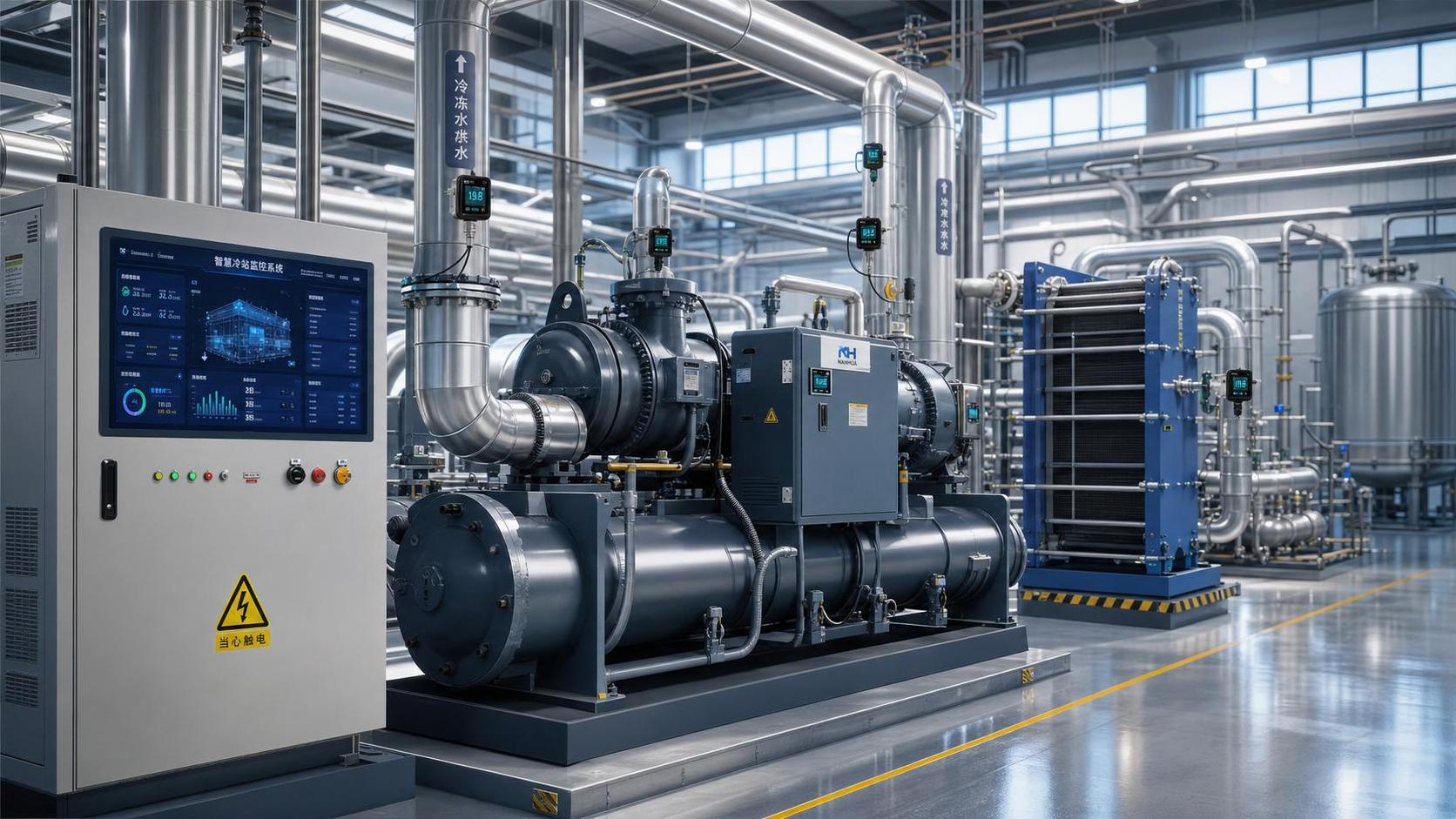
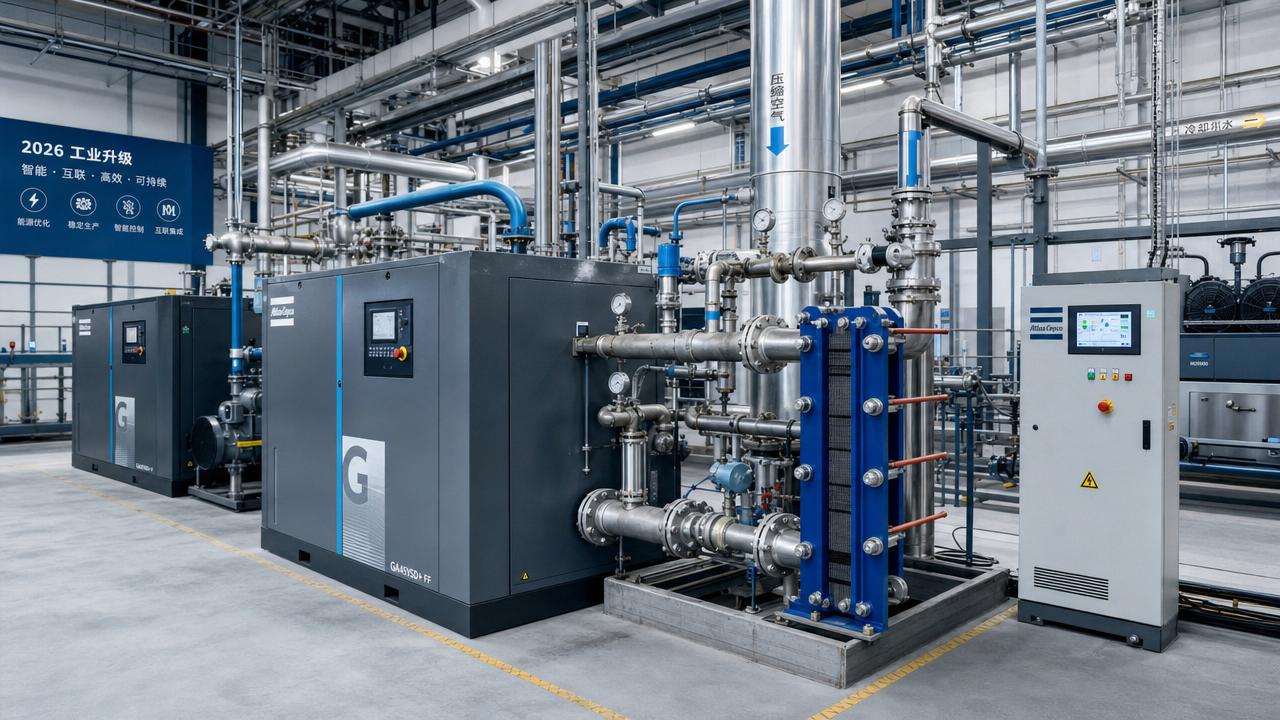
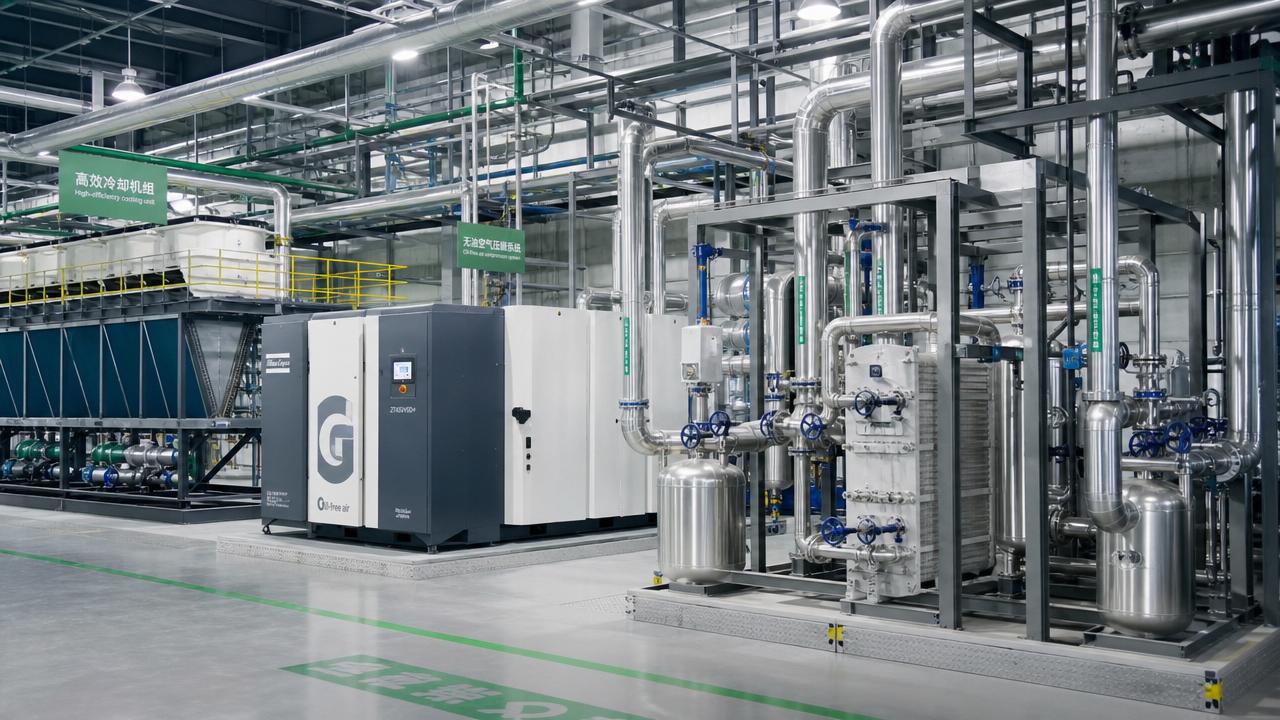
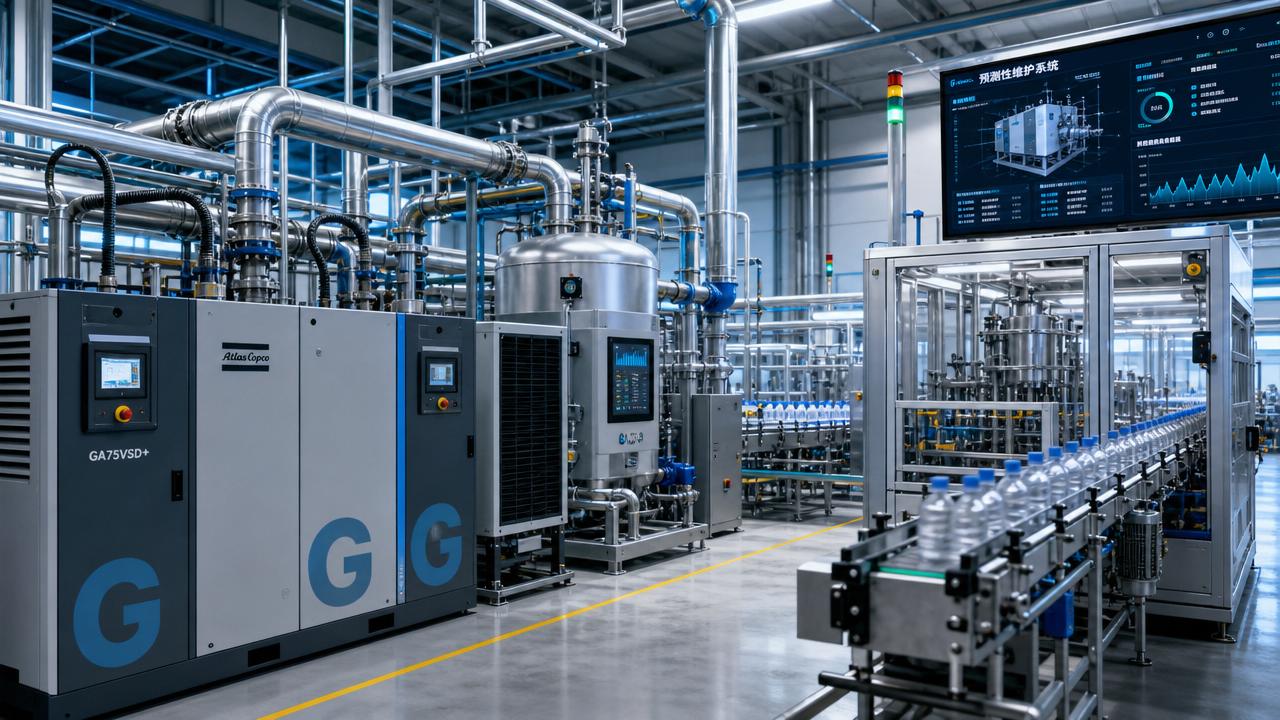
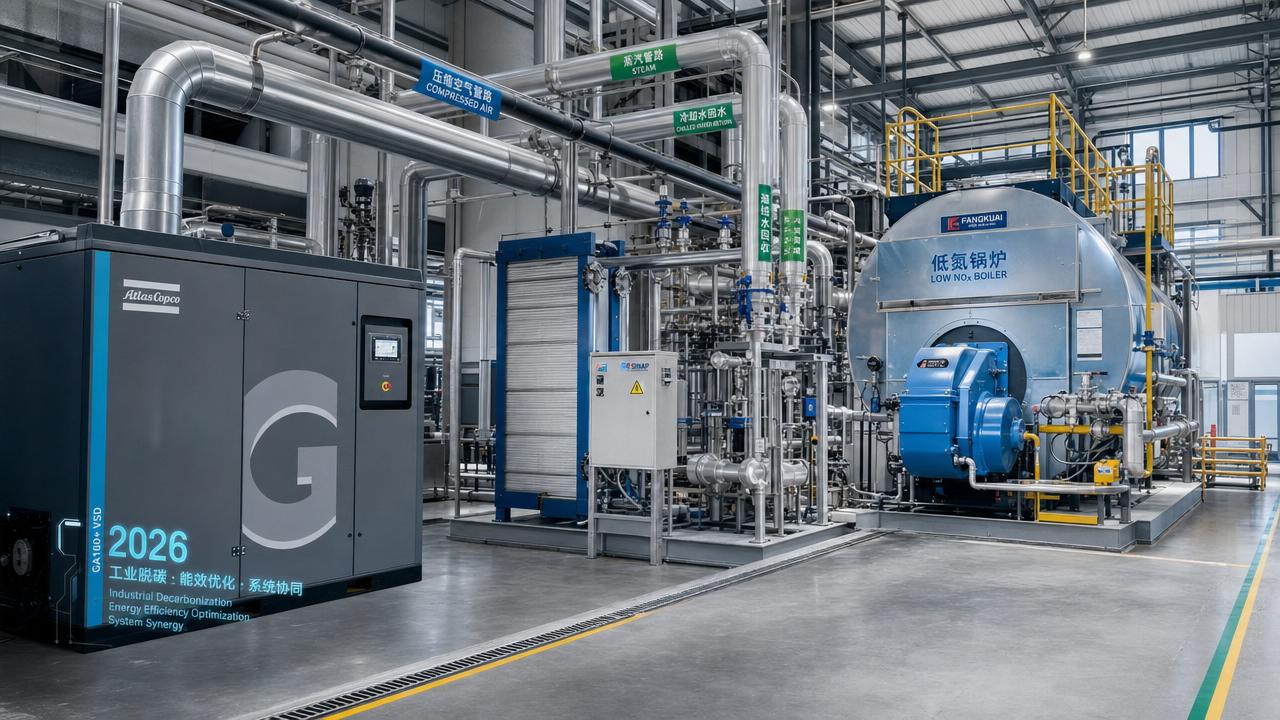
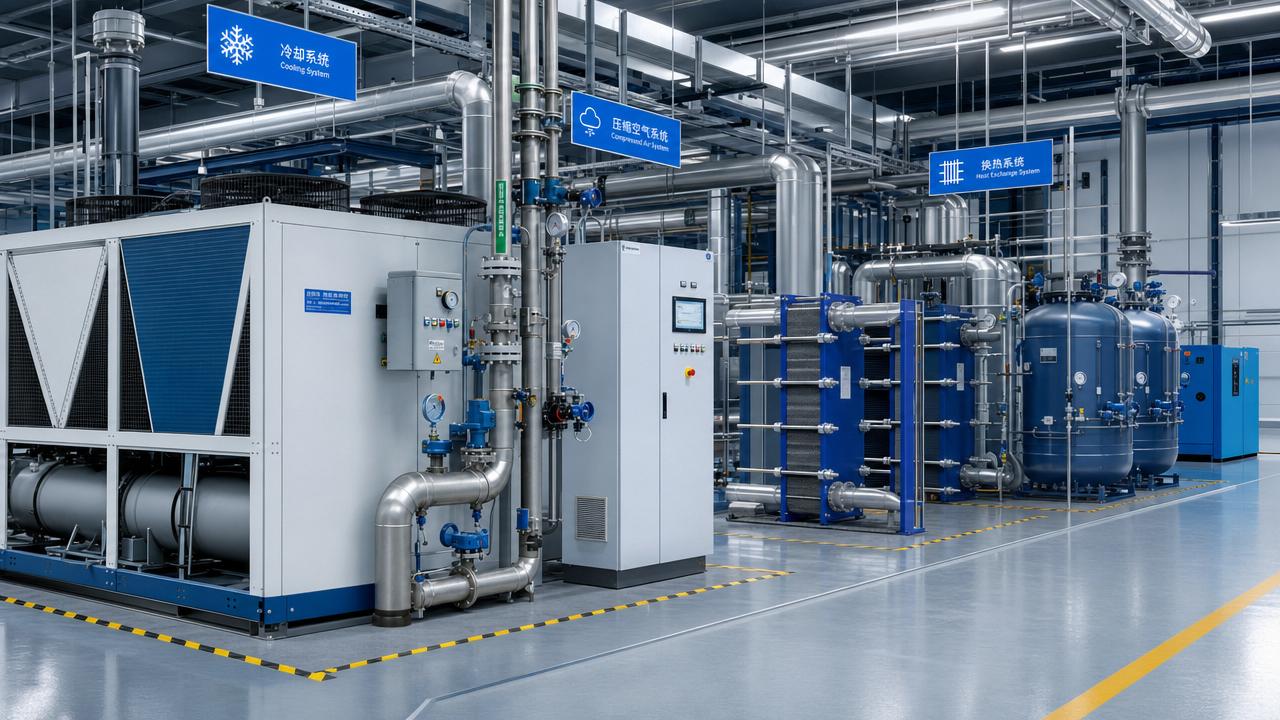
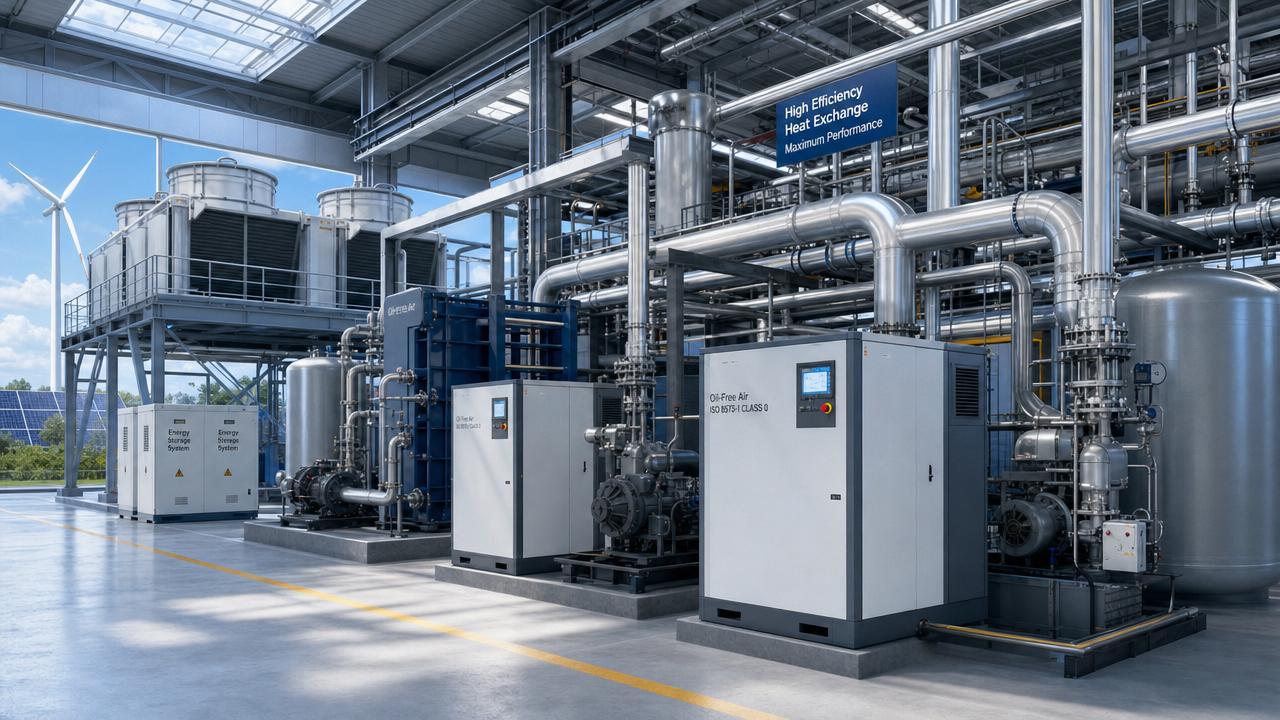
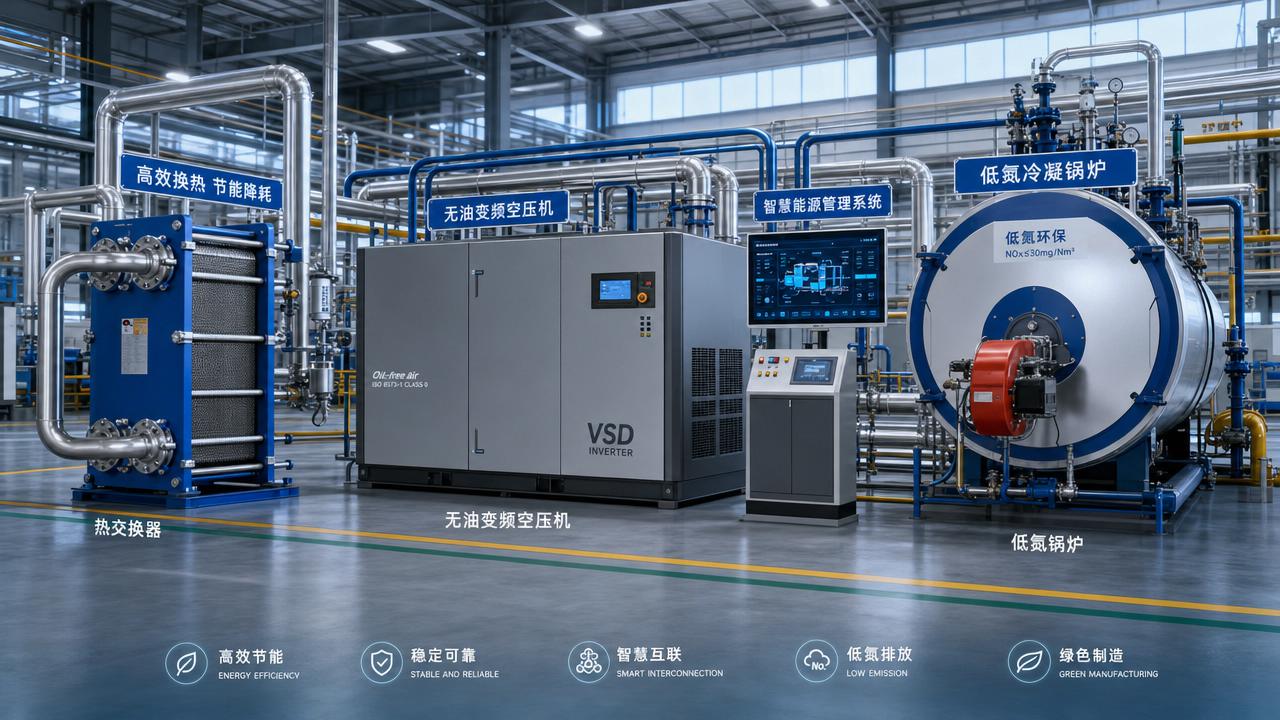
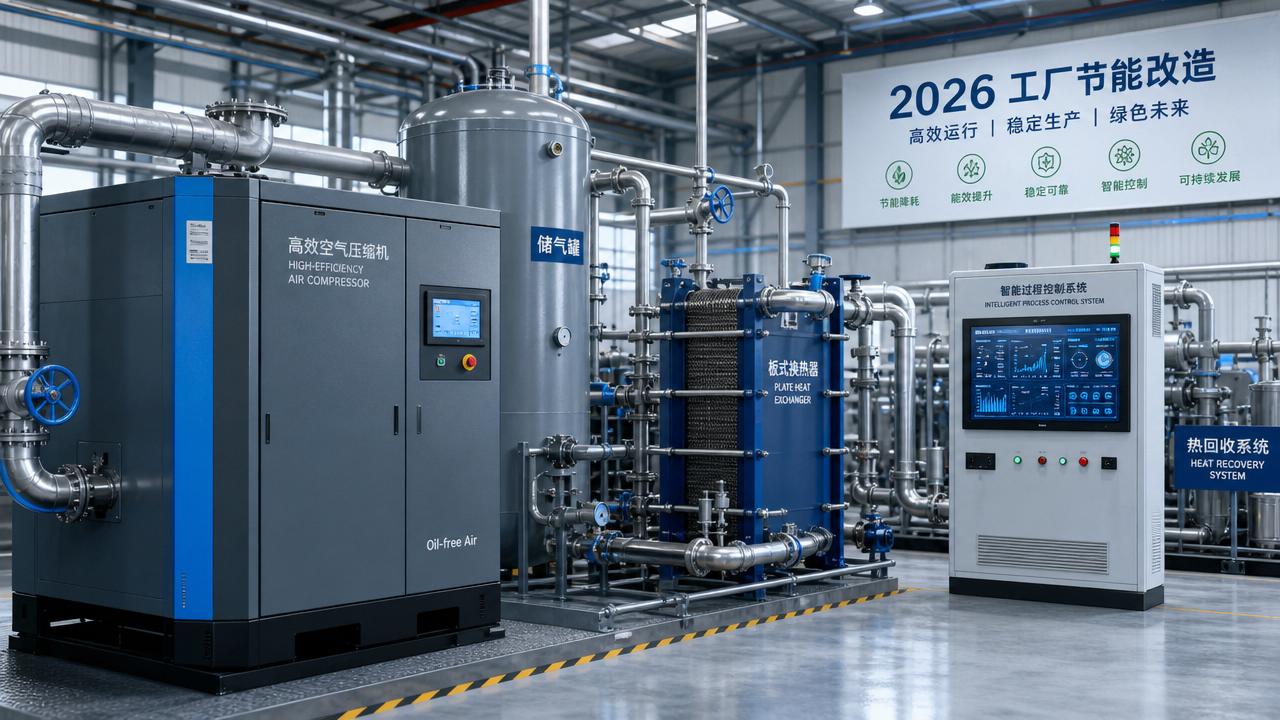
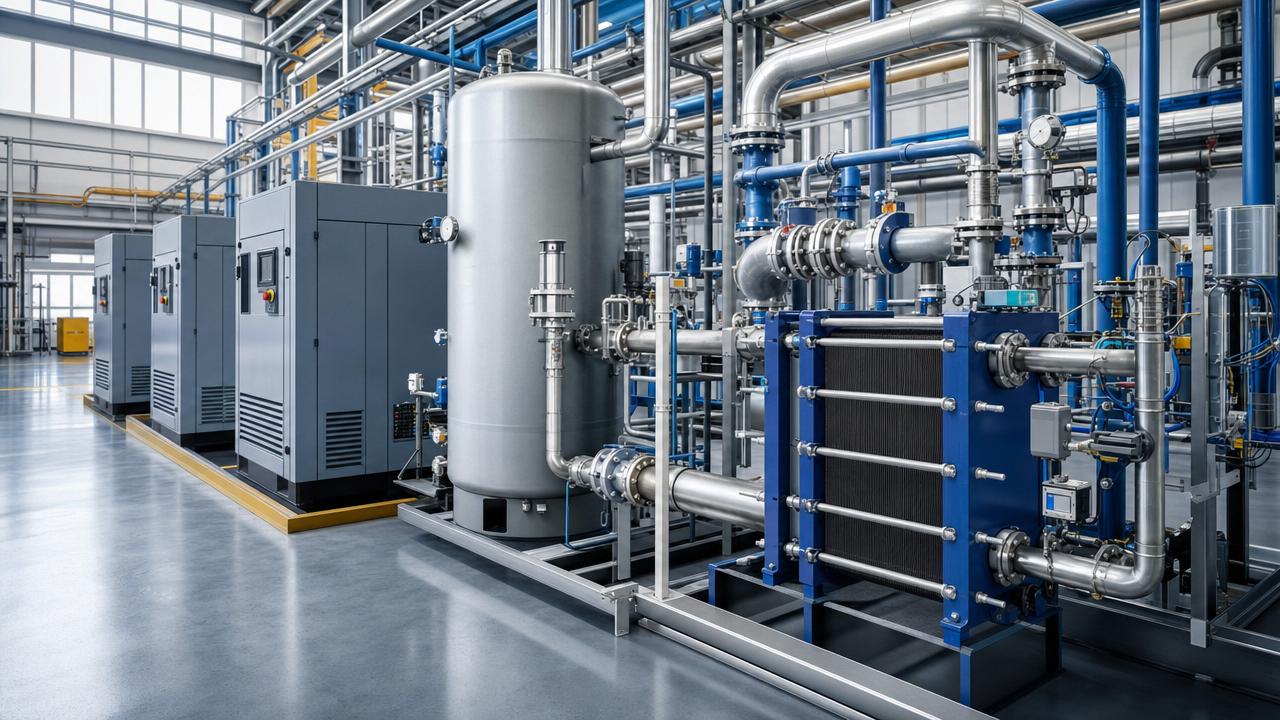
Compression Technology Trends Shaping Efficient Plant Upgrades




Compression technology is moving from utility equipment to upgrade strategy
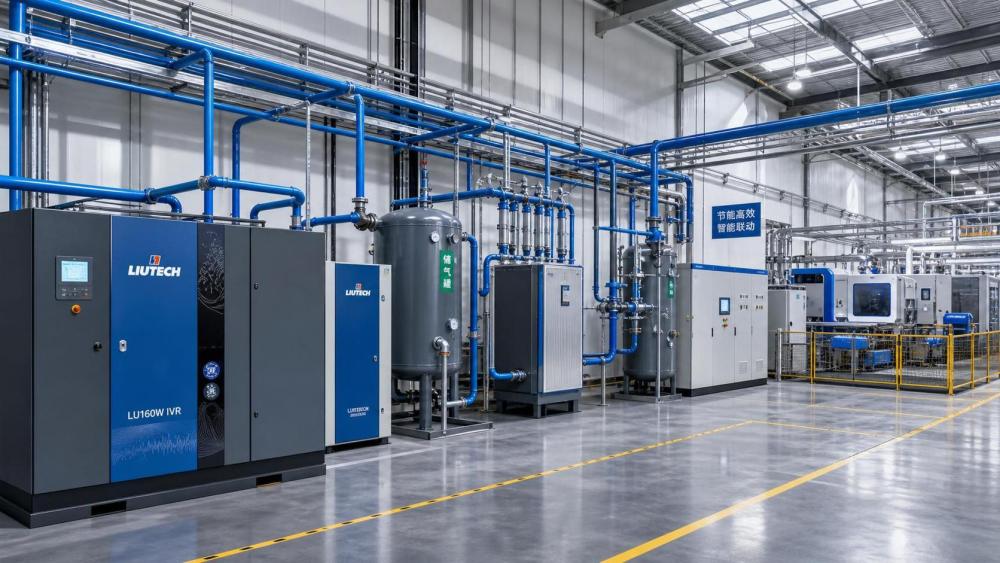
Efficient plant upgrades are no longer defined by isolated machine replacement.
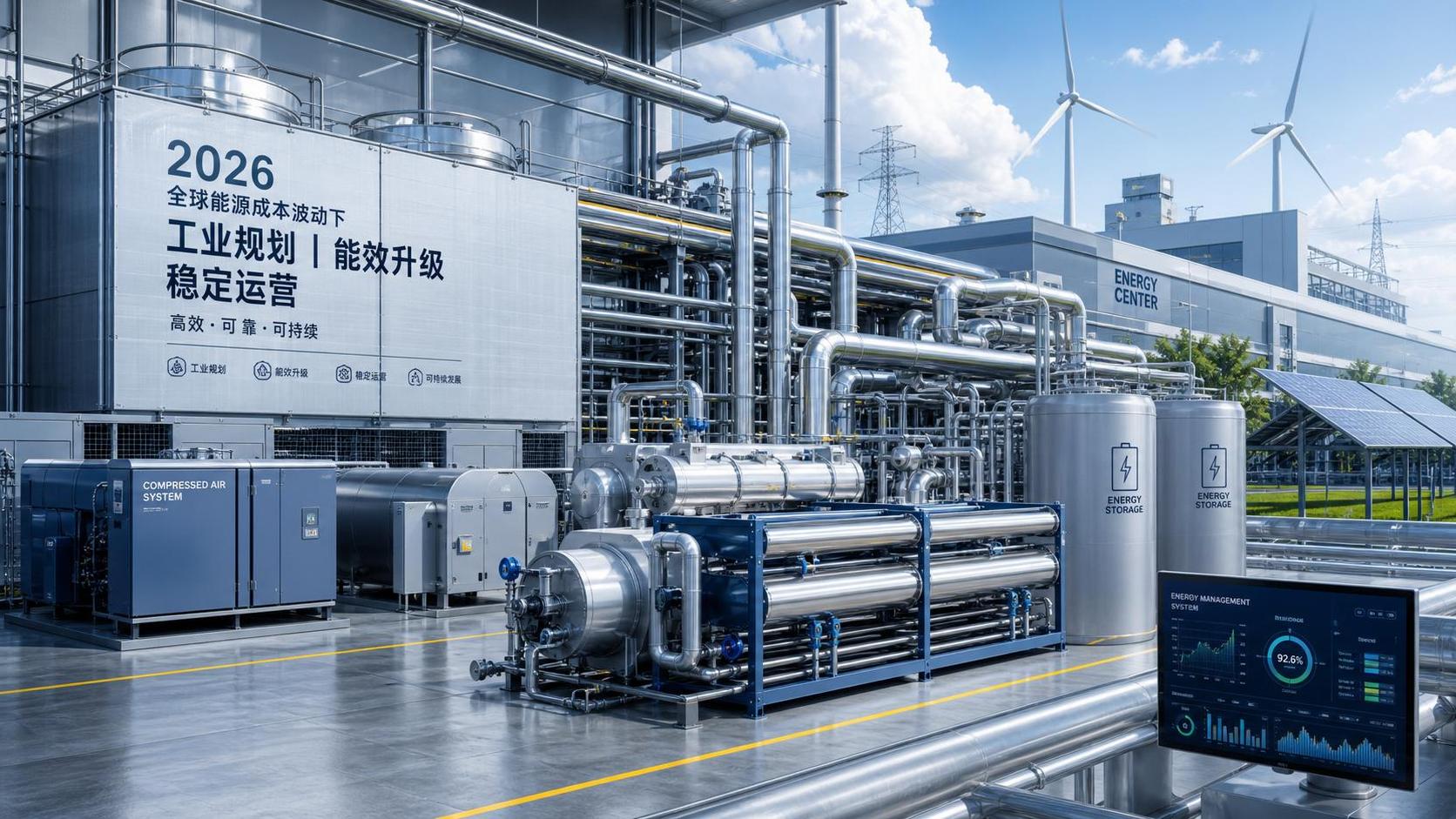
They are increasingly shaped by how compression technology supports energy control, production stability, and emissions performance across entire industrial systems.
That shift has become more visible as electricity costs stay volatile, carbon targets tighten, and process reliability gains board-level attention.
In many facilities, compressed air, vacuum, and thermal interfaces once sat in the background.
Now they are being reviewed as strategic assets because they influence uptime, product quality, maintenance cost, and expansion flexibility.
This is why compression technology trends matter far beyond engineering teams.
They directly affect capital planning, decarbonization pathways, and the pace of industrial modernization.
From the perspective of GTC-Matrix, the strongest signal is not one single breakthrough.
It is the convergence of thermodynamic efficiency, digital visibility, and cleaner operating standards into one upgrade logic.
Why this change is becoming harder to ignore
Recent demand patterns show a clear change in how industrial operators evaluate compression technology.
The discussion has shifted from nameplate output to lifecycle performance under variable operating conditions.
That matters because many legacy systems were designed for peak loads, not flexible production schedules.
As a result, part-load inefficiency, pressure instability, and waste heat loss are becoming more expensive than before.
Another visible change is policy pressure around refrigerants, emissions, and energy reporting.
Compression technology now sits inside a broader compliance conversation, especially where cooling, air purity, and heat recovery intersect.
This is especially relevant in pharmaceutical, semiconductor, food, and precision manufacturing environments.
There, compressed systems affect contamination risk, temperature consistency, and process repeatability.
- Energy volatility is pushing closer scrutiny of specific power consumption and load matching.
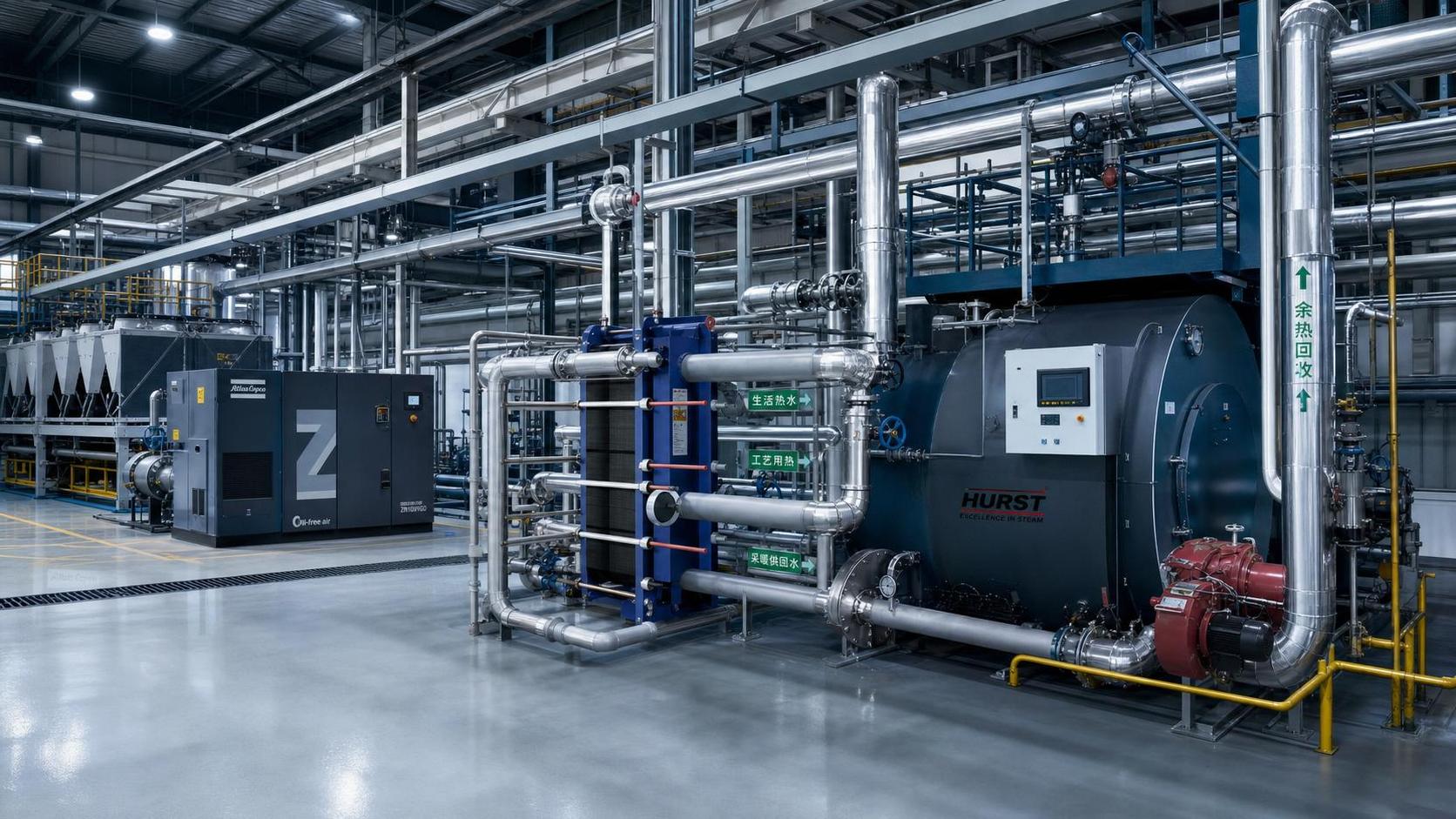
- Sustainability targets are raising interest in oil-free compression and integrated heat recovery.
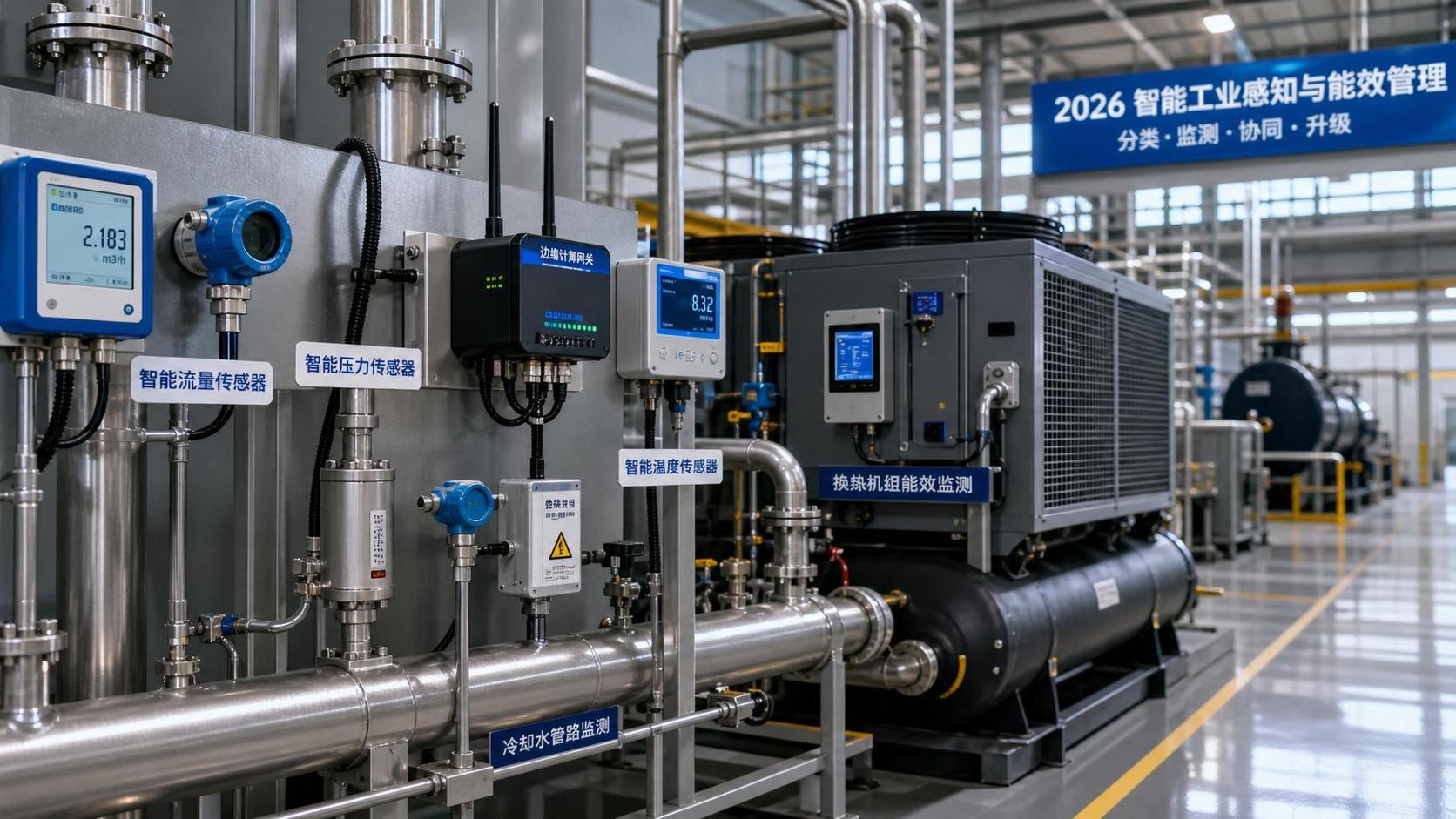
- Automation projects require compression technology that can communicate with plant-wide monitoring systems.
- Capacity planning is favoring modular systems that support phased upgrades instead of full shutdown replacements.
What looks like a technical update is often a response to deeper operating pressures.
The real drivers sit at the intersection of power, heat, and data
Compression technology is evolving quickly because the old boundaries between utilities are fading.
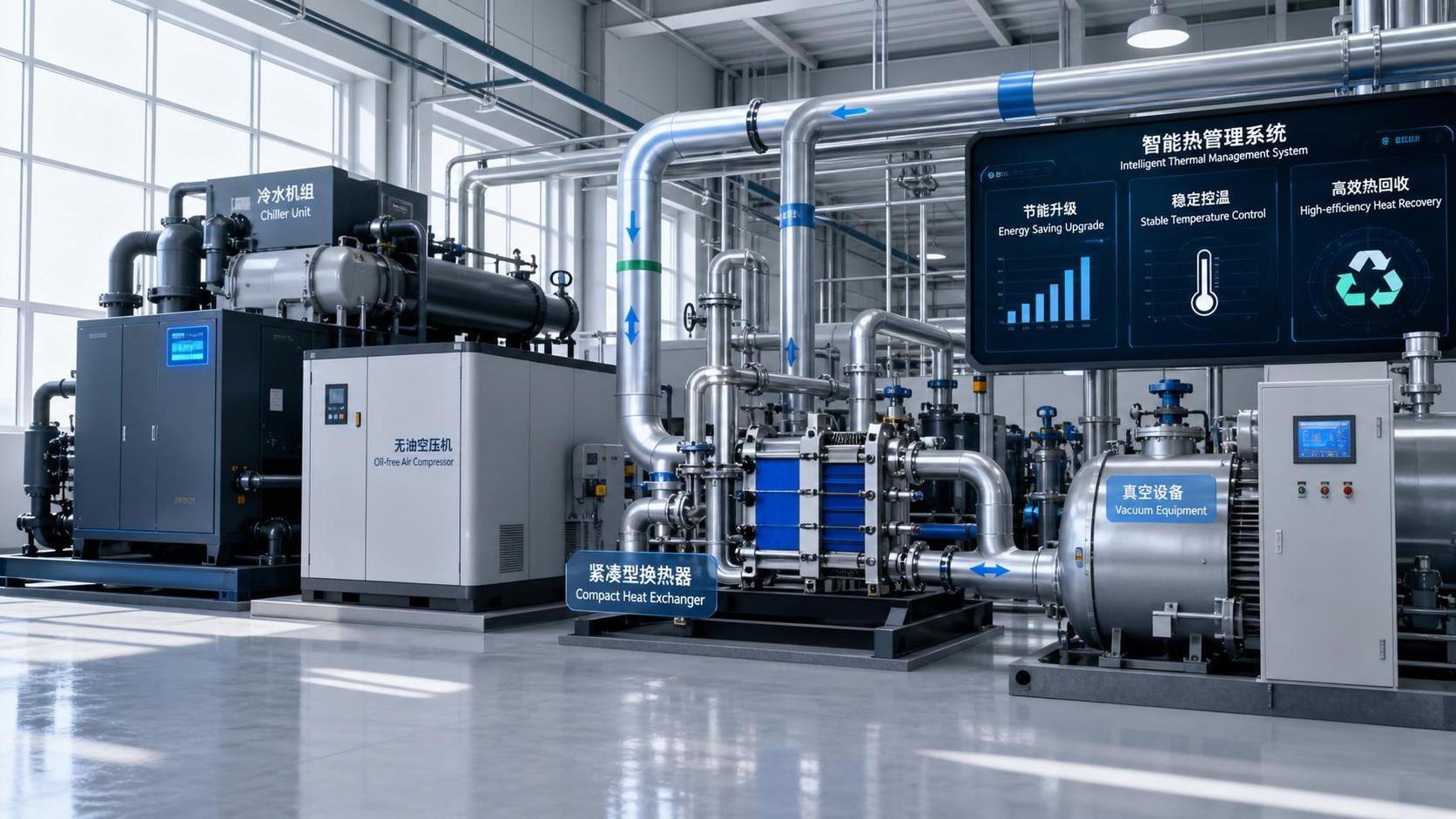
Compressed air systems affect cooling loads.
Vacuum systems influence cycle times.
Heat exchangers change the economics of energy recovery.
This connected reality is why GTC-Matrix frames industrial assets as the power heart and thermal center of production.
The most important compression technology trends are emerging where thermodynamic design and operating intelligence reinforce each other.
The table also explains why isolated equipment comparisons often miss the real upgrade value.
Demand is shifting toward smarter and cleaner compression technology
Several technical directions are now shaping investment decisions more clearly than they did a few years ago.
Oil-free systems are gaining stronger strategic weight
Oil-free compression technology is no longer limited to highly regulated sectors.
Its appeal is widening because contamination risk, downstream filtration cost, and sustainability reporting are now linked more closely.
Where product purity or precision temperature control matters, cleaner compression can protect both output and reputation.
Variable control is replacing fixed-load thinking
Facilities with fluctuating demand are under pressure to avoid paying for idle compression capacity.
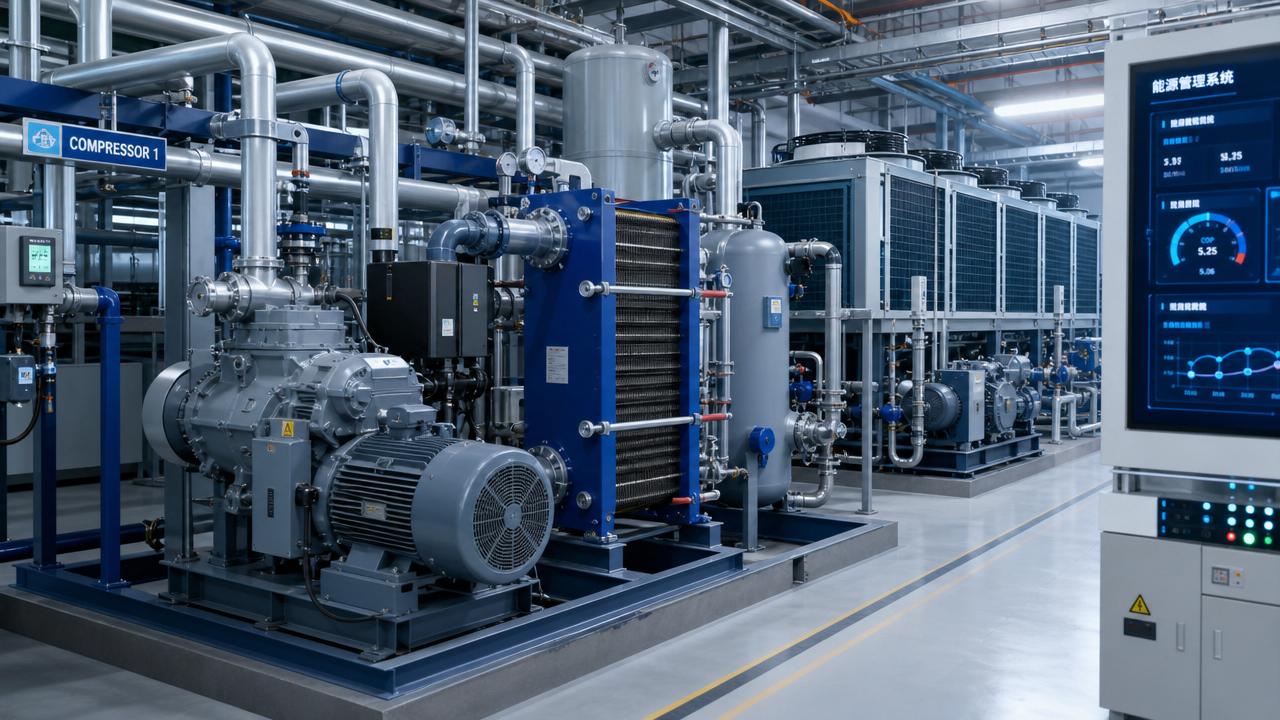
That is driving adoption of variable speed drives, advanced sequencing, and demand-based control strategies.
The practical benefit is not only lower energy use.
It also includes smoother pressure behavior and less stress on connected equipment.
Heat recovery is entering the mainstream upgrade case
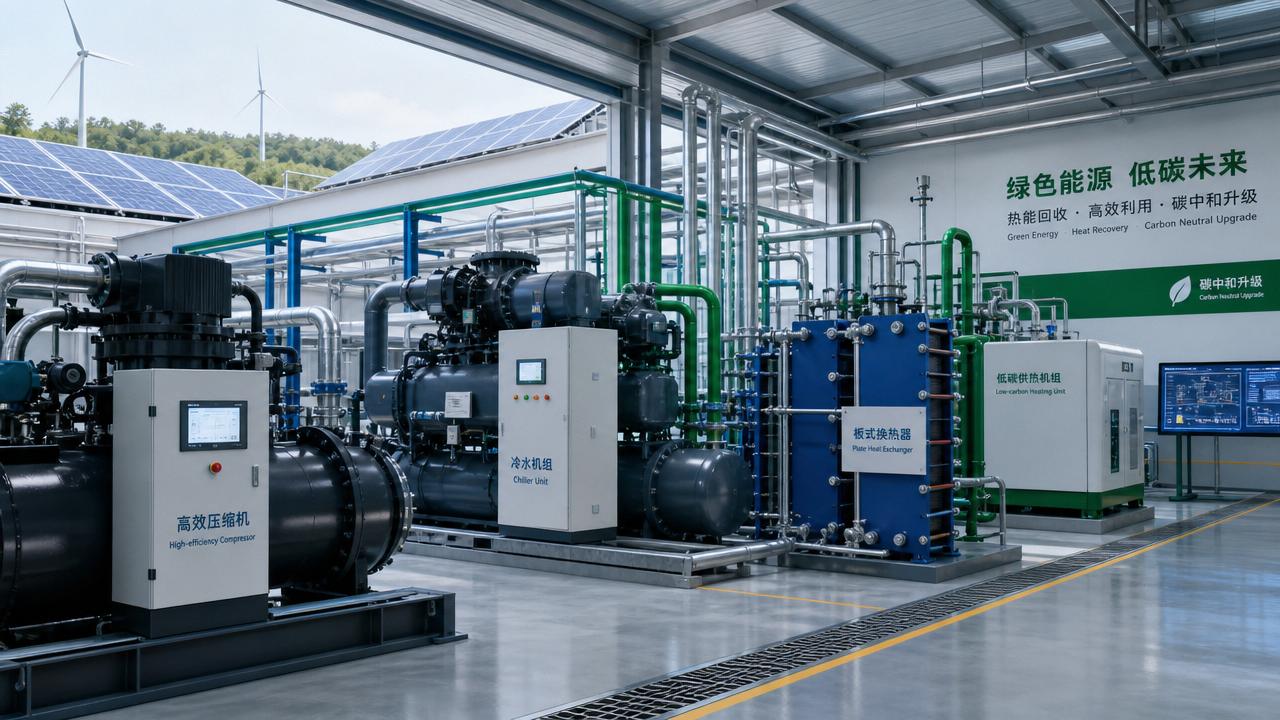
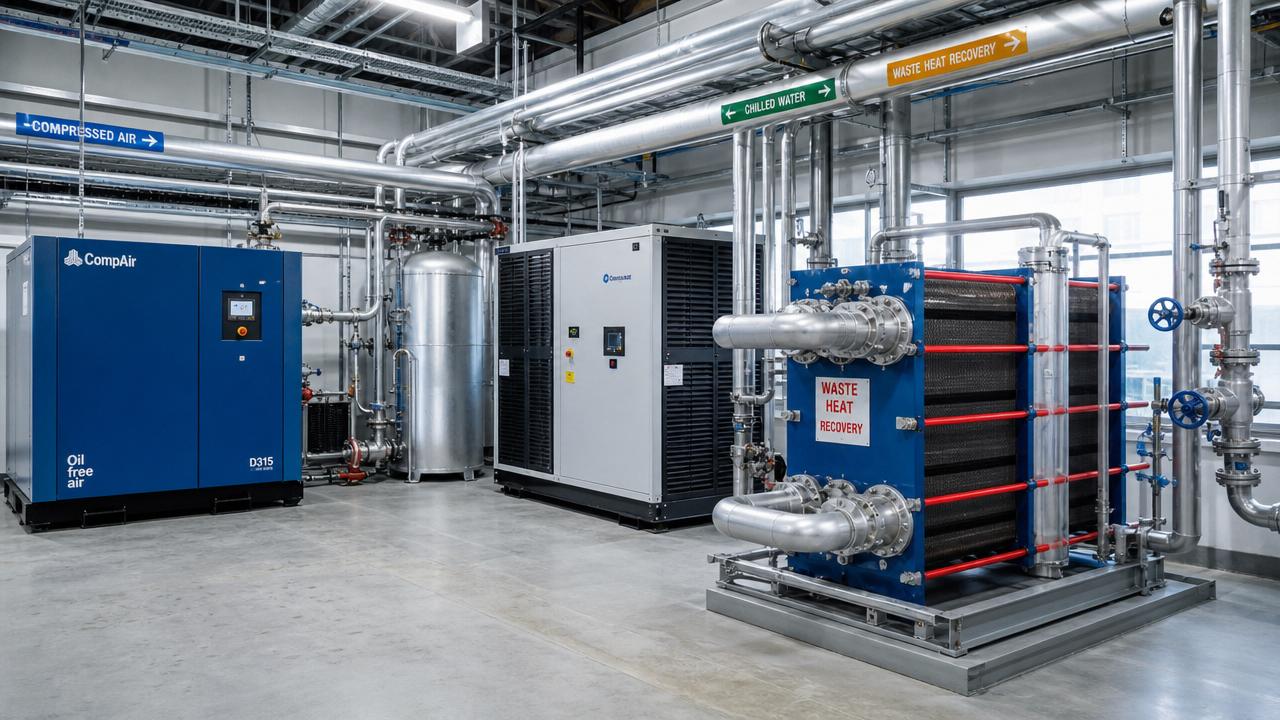
More projects now evaluate compression technology alongside heat exchangers and thermal reuse options.
When waste heat can support water heating, space conditioning, or process preheating, the economics of upgrades improve materially.
This is one reason microchannel heat exchanger trends deserve attention alongside compressor innovation.
The impact reaches more than the compressor room
One of the more underestimated compression technology trends is its cross-functional impact.
When systems are upgraded well, the gains show up across production, maintenance, sustainability, and finance.
- Production benefits from steadier pressure, cleaner media, and fewer interruption risks.
- Maintenance teams gain earlier fault detection and less unplanned service pressure.
- Energy management gains a clearer path to reduce intensity and recover lost thermal value.
- Capital planning improves when modular compression technology supports staged expansion.
Actual upgrade outcomes depend on system design discipline.
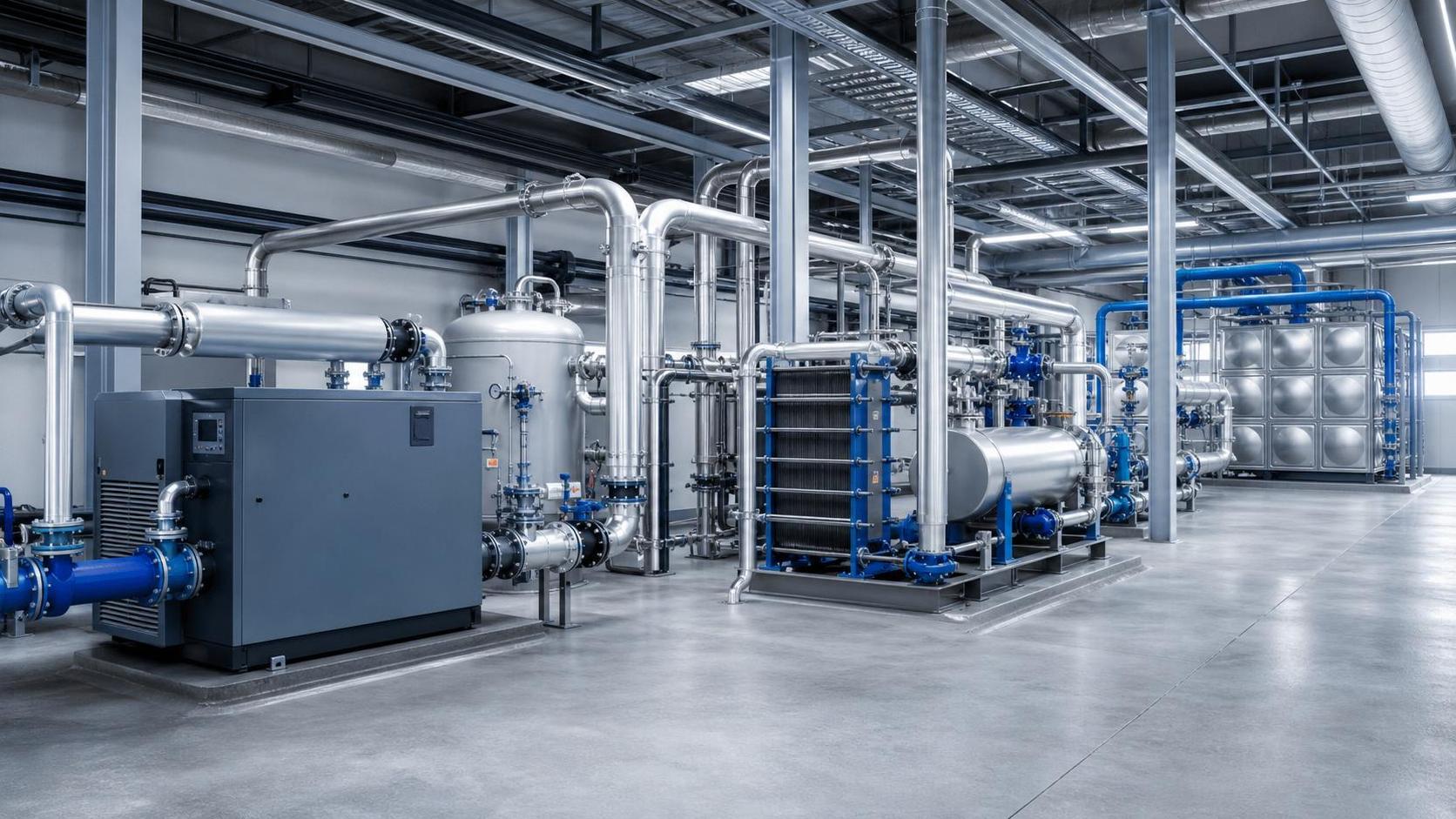
A high-efficiency compressor will underperform if leaks, pressure drops, poor storage sizing, or mismatched controls remain untouched.
That is why the market is moving from component buying toward system-level optimization.
The more advanced the plant, the less useful single-point efficiency claims become.
What deserves closer attention before the next investment cycle
Not every compression technology upgrade should start with new hardware.
In many cases, the first advantage comes from better visibility into load profiles, pressure behavior, and thermal losses.
From recent market observations, several checkpoints are becoming especially useful.
- Map real operating demand by shift, season, and product mix before defining system size.
- Compare oil-free, lubricated, and hybrid compression technology against purity, maintenance, and energy trade-offs.
- Review whether waste heat can be captured through adjacent thermal infrastructure.
- Check communication compatibility with plant monitoring, alarms, and predictive maintenance tools.
- Track policy and refrigerant developments that may reshape long-term operating assumptions.
This is also where intelligence platforms such as GTC-Matrix become useful.
Not because they sell a fixed answer, but because they connect energy cost signals, thermodynamic developments, and application demand shifts.
That broader view helps prevent short-horizon decisions that look efficient on paper but age poorly in operation.
The next phase of efficient plant upgrades will be more integrated
The direction is becoming clear.
Compression technology is moving toward lower emissions, smarter control, cleaner output, and tighter connection with thermal systems.
The most competitive plants will likely be the ones that treat compression not as a support function, but as a lever for resilience.
That means watching both engineering indicators and market signals.
It also means assessing whether current systems still fit the production model they are supposed to serve.
A practical next step is to build a phased review of compression technology across energy use, air quality, thermal recovery, and digital readiness.
With that structure in place, upgrade decisions become less reactive and more aligned with long-term operating performance.
In a market shaped by carbon discipline and efficiency pressure, that is no longer optional.
Related News
- Why high-density thermal energy storage is gaining industry attentionAuthor :

- Smart Device Thermal Management Trends Shaping 2026 Product DesignAuthor :

- Industrial Cooling Technologies in Europe: 2026 Trends in Compliance and Energy UseAuthor :

- Industrial Electrification Trends in 2026: Where Projects Are Moving FirstAuthor :

- Industrial Solution Comparison Global: 2026 Trends Reshaping Equipment DecisionsAuthor :

- When Heat Recovery Systems Skid Mounted Designs Improve Project PaybackAuthor :

- How to Compare Industrial Decarbonization Solutions Providers in 2026Author :

- Industry Category Guides for Smart Devices: What to Track as 2026 Markets ShiftAuthor :

- Green Manufacturing Trends Reshaping Industrial InvestmentAuthor :

- 2026 Global Energy Costs: What Will Reshape Industrial PlanningAuthor :

- Industrial Decarbonization Solutions That Cut Fuel Costs in 2026Author :

- Smart Thermal Systems Trends Shaping Industrial Upgrades in 2026Author :

- Resource Circularity in Manufacturing: 5 Practical Gains Beyond ComplianceAuthor :

- Carbon Neutrality Roadmap: What Industrial Firms Need to Prioritize FirstAuthor :

- Energy Conversion Efficiency Trends Shaping Industrial UpgradesAuthor :

- Compression Technology Trends Shaping Efficient Plant UpgradesAuthor :

- Industrial Intelligence in Manufacturing: Where It Delivers Value FirstAuthor :

- How Intellectualization Improves Industrial Thermal ManagementAuthor :

- What Intellectualization Means for Smarter Plant Operations in 2026Author :

- Carbon Neutrality Goals: What Industrial Firms Should Prioritize in 2026Author :

- How Intellectualization Reduces Downtime in Modern Production LinesAuthor :

- Decarbonization Roadmap for Energy-Intensive Plants in 2026Author :

- Thermal Systems Trends in 2026: Efficiency, Control, and RiskAuthor :

- Industrial Decarbonization Priorities for Energy-Intensive FacilitiesAuthor :

- Thermal Systems in 2026: Efficiency Upgrades Shaping Industrial OperationsAuthor :

- Pure Power Sources: 5 Practical Paths to Carbon NeutralityAuthor :

- What Intellectualization Means for Industrial Equipment UpgradesAuthor :

- Thermal Optimization in 2026: Where Energy Savings Deliver the Fastest PaybackAuthor :

- Energy Efficiency Trends Reshaping Compressor Upgrades in 2026Author :

- 2026 Industrial Decarbonization Trends Reshaping Plant UpgradesAuthor :
![]()
- Heat Exchanger Technology Trends for 2026 Efficiency TargetsAuthor :

- Resource Circularity Risks in 2026 Supply ChainsAuthor :

- Smart Thermal Systems: When Upgrades Deliver Measurable SavingsAuthor :

- Carbon Neutrality: Practical Steps for Factory RoadmapsAuthor :

- 2026 Industrial Energy Efficiency Priorities for Plant UpgradesAuthor :

- Industrial Intellectualization Trends Reshaping Equipment UpgradesAuthor :