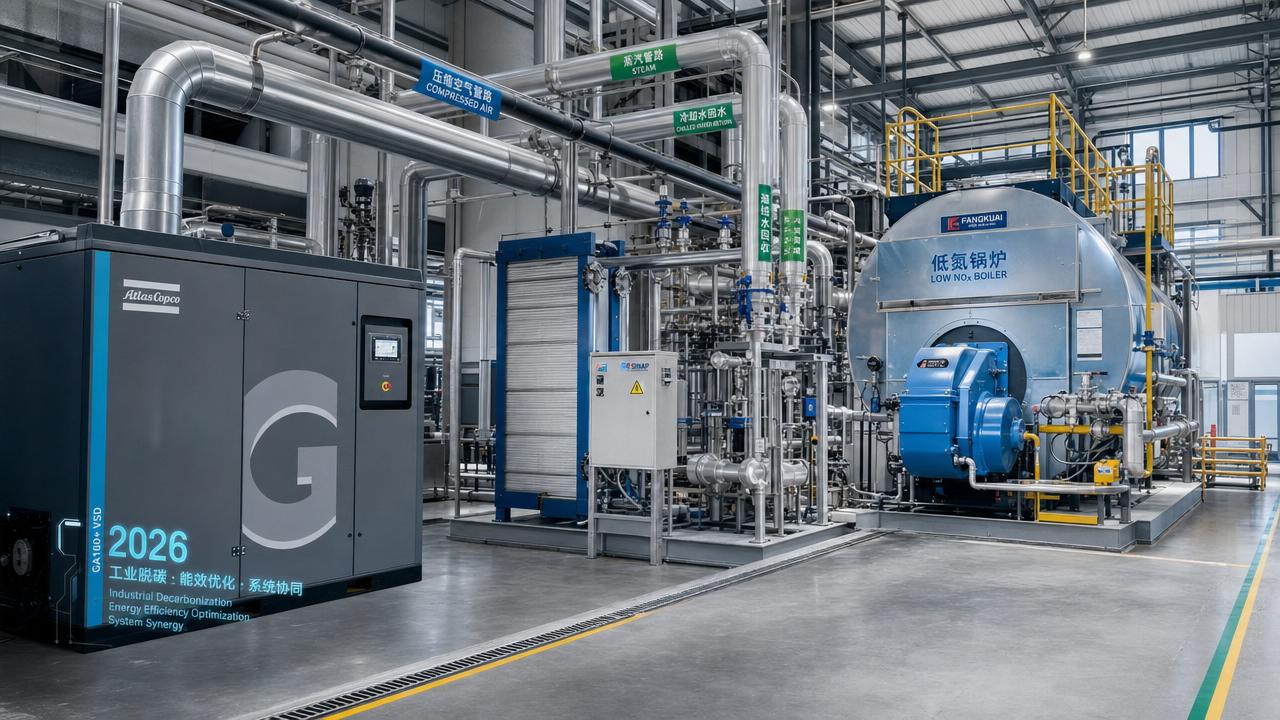
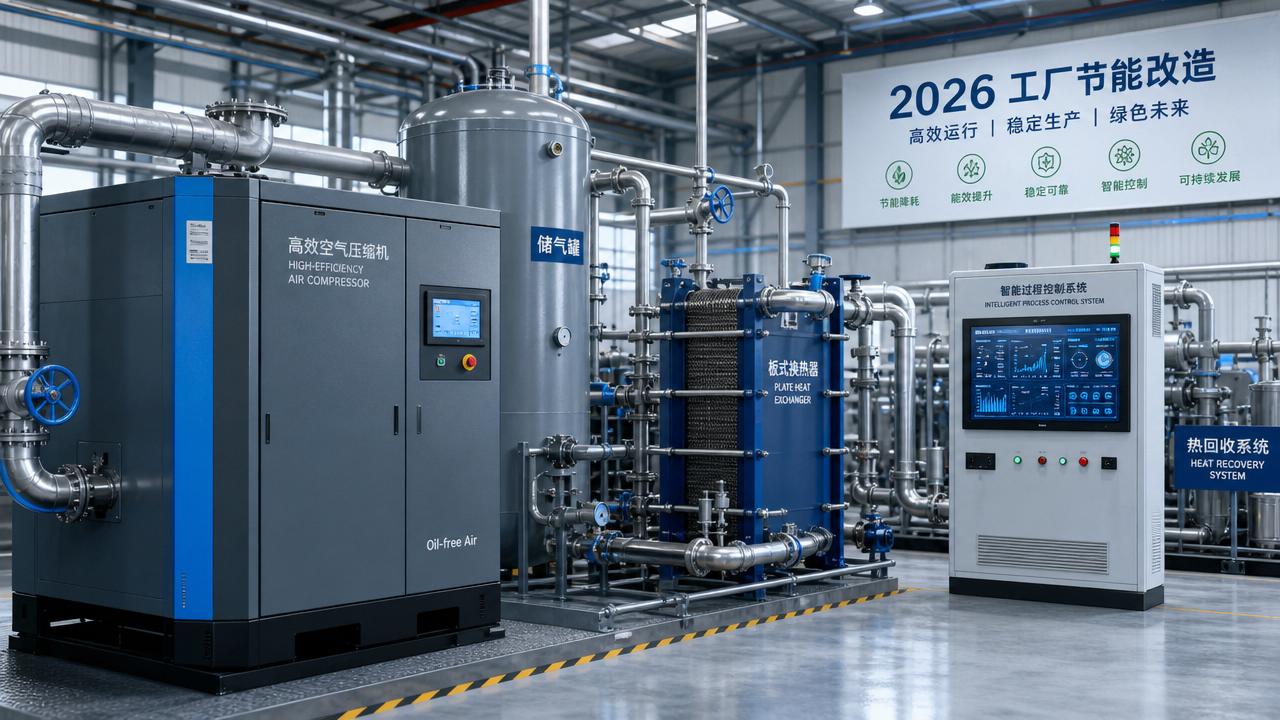
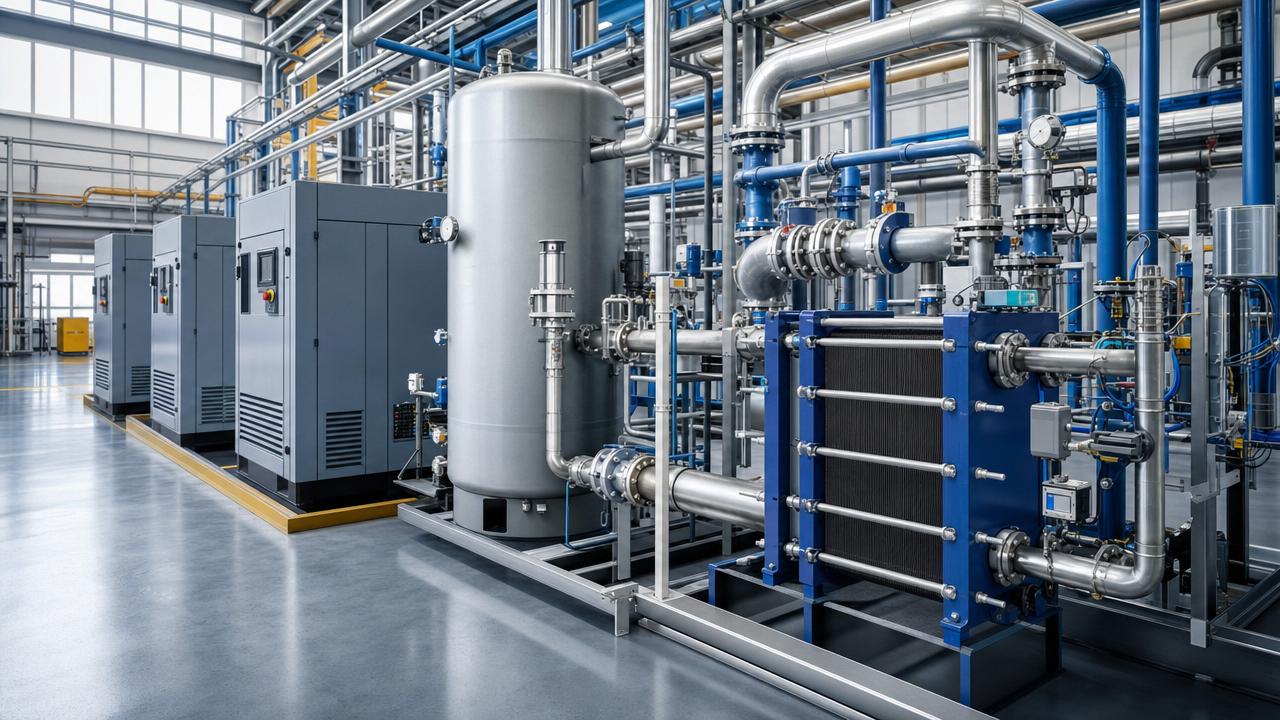
Industrial Solution Comparison Global: 2026 Trends Reshaping Equipment Decisions




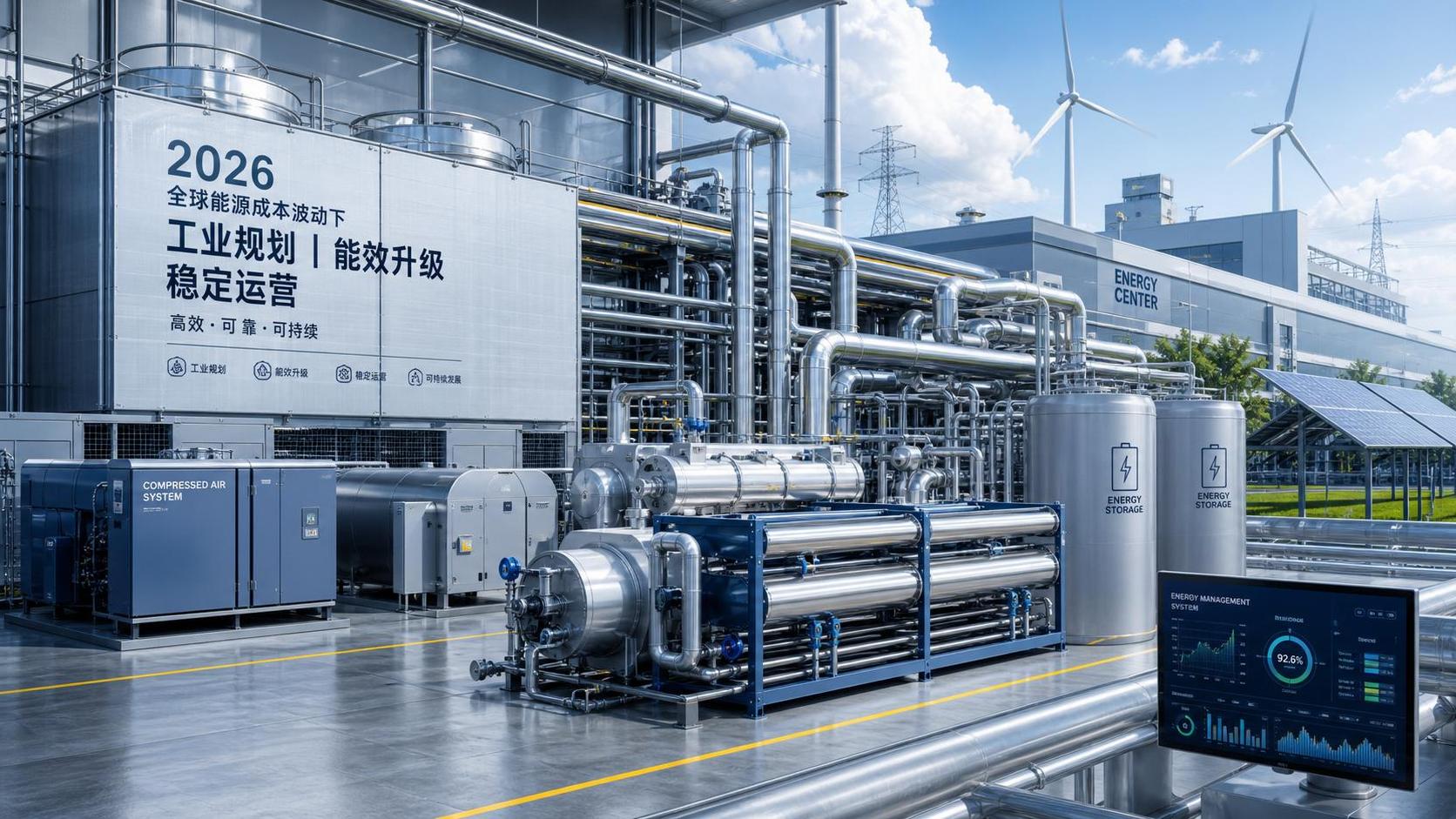
In 2026, industrial solution comparison global has moved far beyond routine equipment selection. It now shapes energy performance, supply resilience, emissions exposure, and long-cycle capital efficiency across production, processing, storage, and utility systems.
That shift matters because cooling, compressed air, vacuum, and heat exchange equipment no longer operate as isolated assets. They influence one another, and small technical decisions often create large operating consequences over years.
For that reason, a credible industrial solution comparison global approach must combine engineering logic, market timing, policy awareness, and scenario-based cost judgment rather than relying on nameplate data alone.
Why equipment comparison looks different in 2026
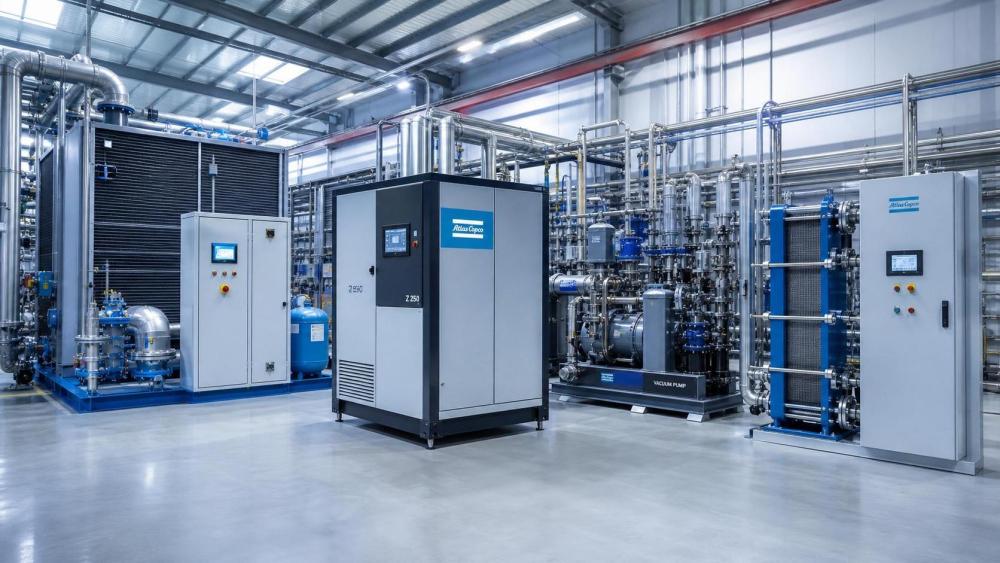
The industrial environment has become less forgiving. Energy prices remain uneven across regions, refrigerant rules are tightening, and uptime expectations are rising in sectors with sensitive thermal or pneumatic requirements.
As a result, industrial solution comparison global increasingly focuses on lifecycle behavior. The best option on paper may lose value quickly if maintenance complexity, regional compliance, or utility instability were underestimated.
This is where platforms such as GTC-Matrix become relevant. By tracking thermodynamic technologies, compression systems, policy signals, and demand patterns together, comparison becomes more realistic and less fragmented.
What the comparison actually covers
At a practical level, industrial solution comparison global is not a single product ranking. It is a structured review of how different technical routes perform under specific operational, commercial, and regulatory conditions.
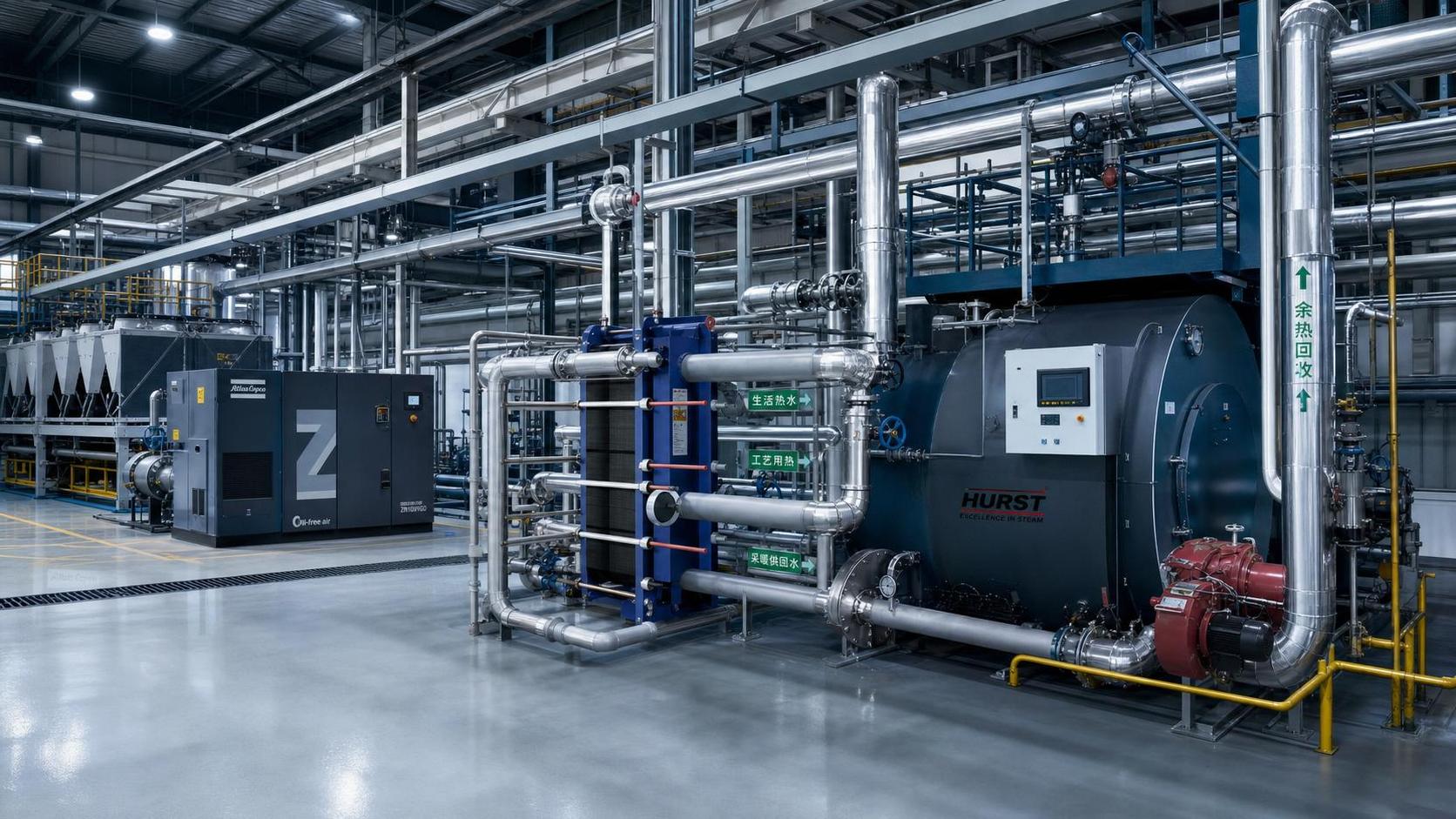
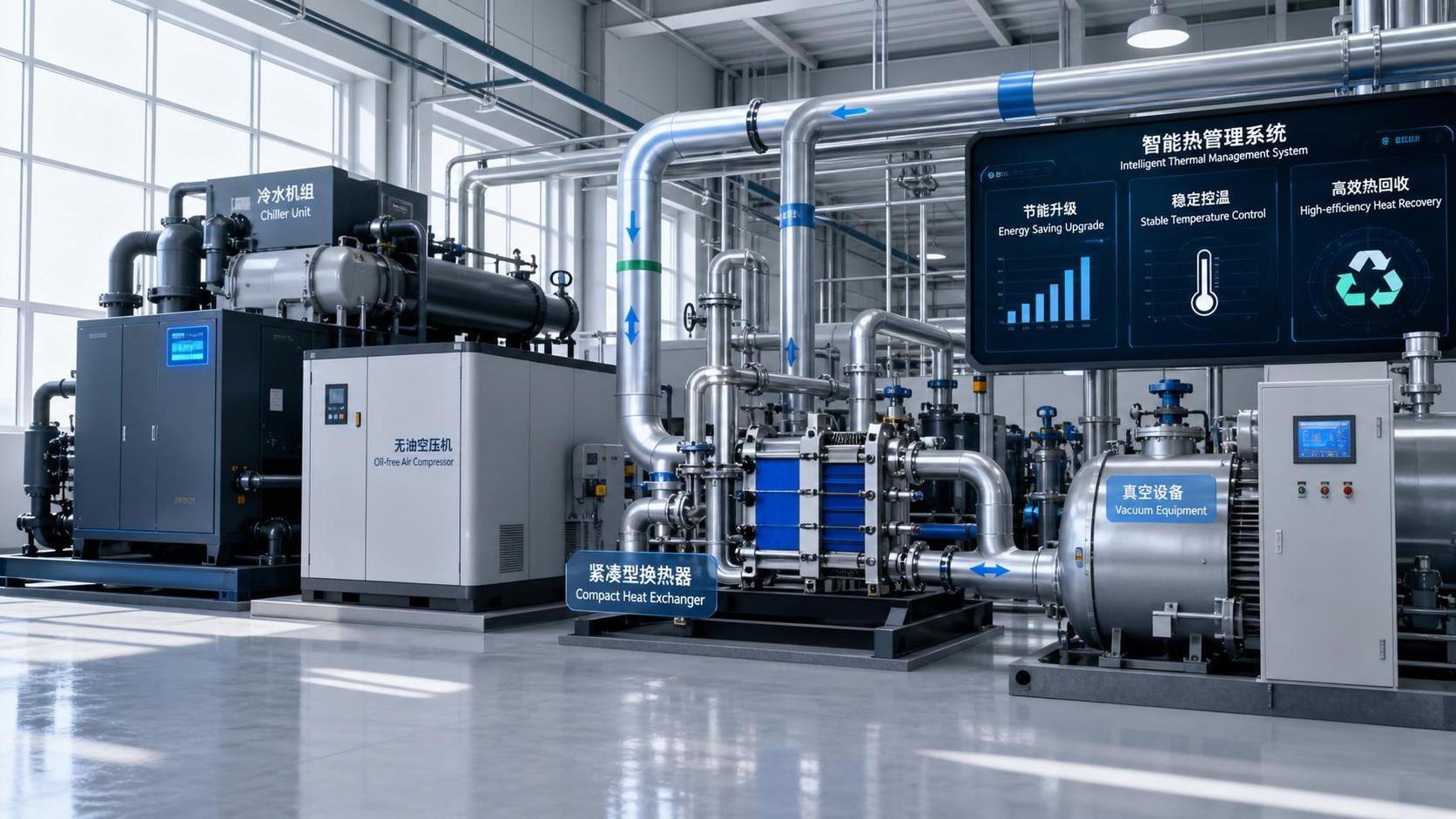
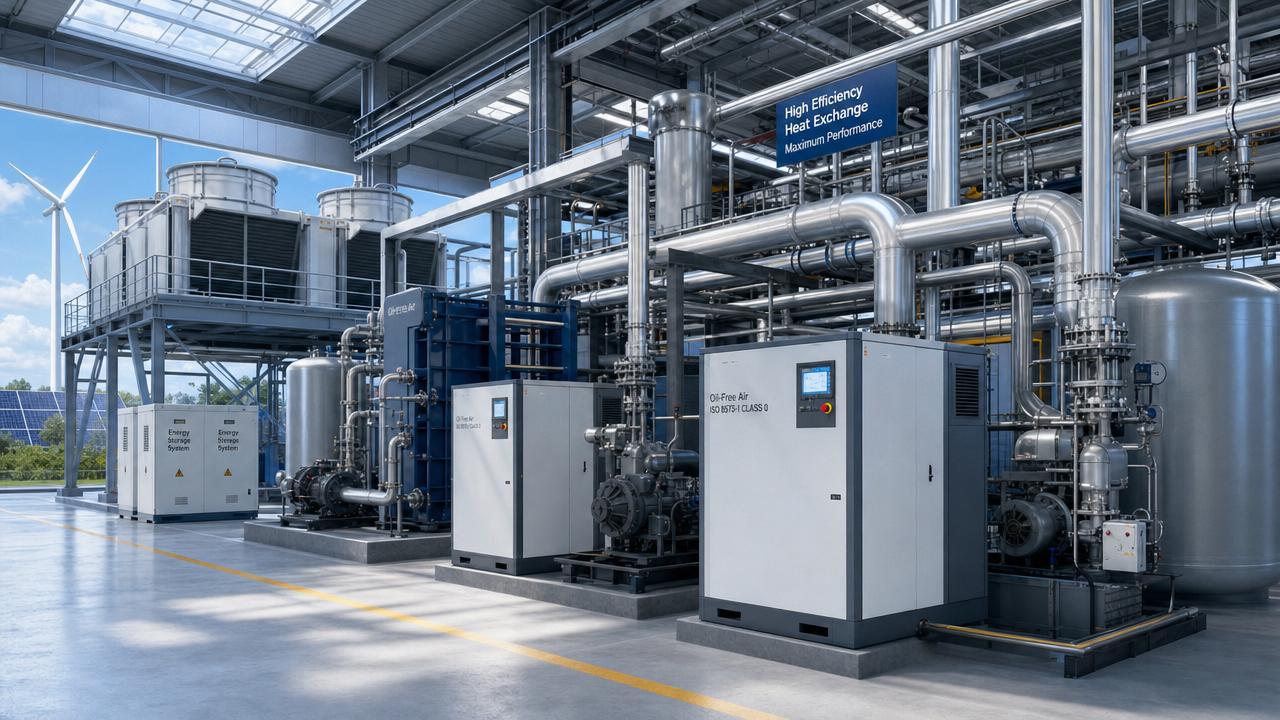
In industrial thermal and power systems, four families appear repeatedly:
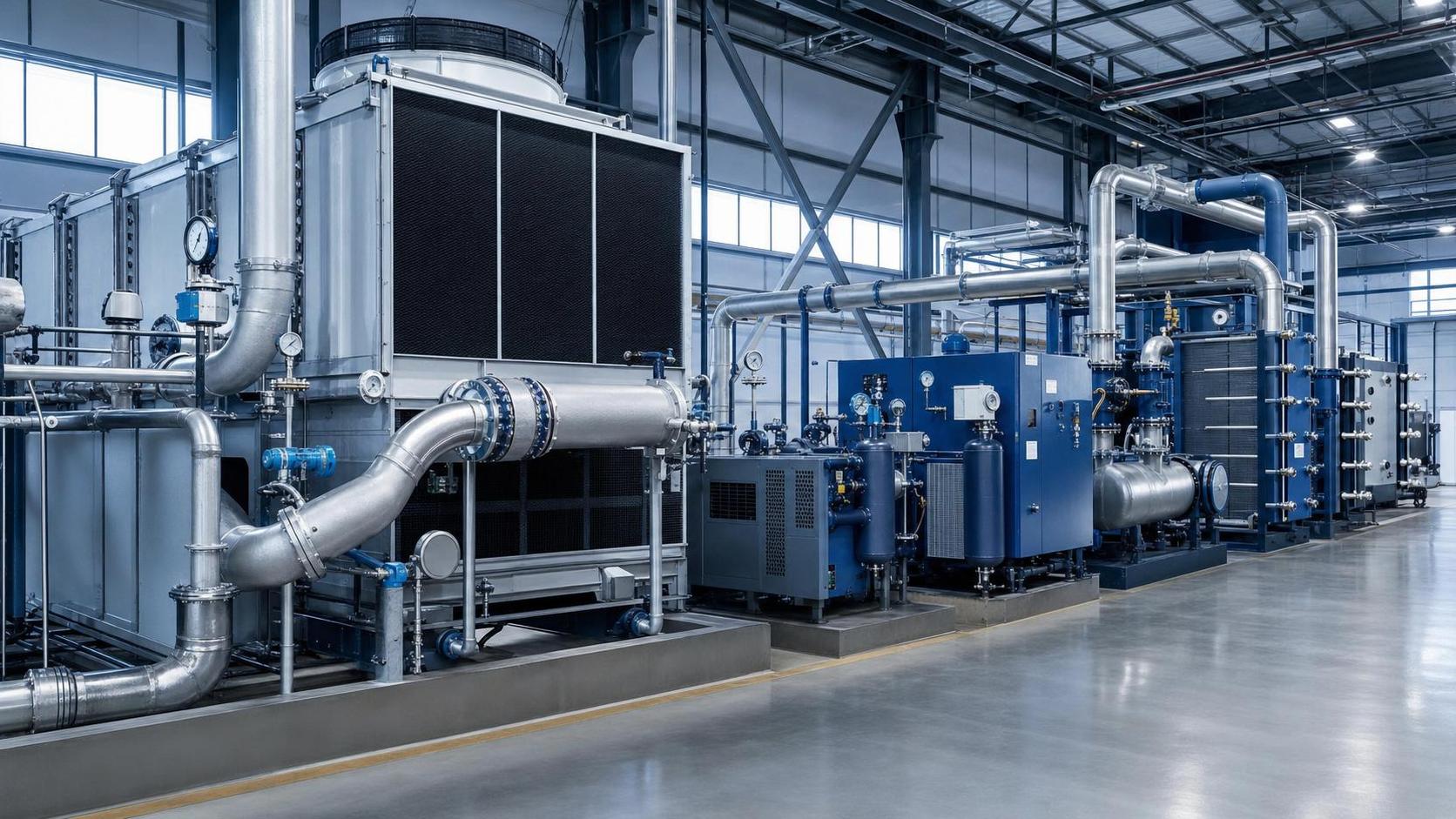
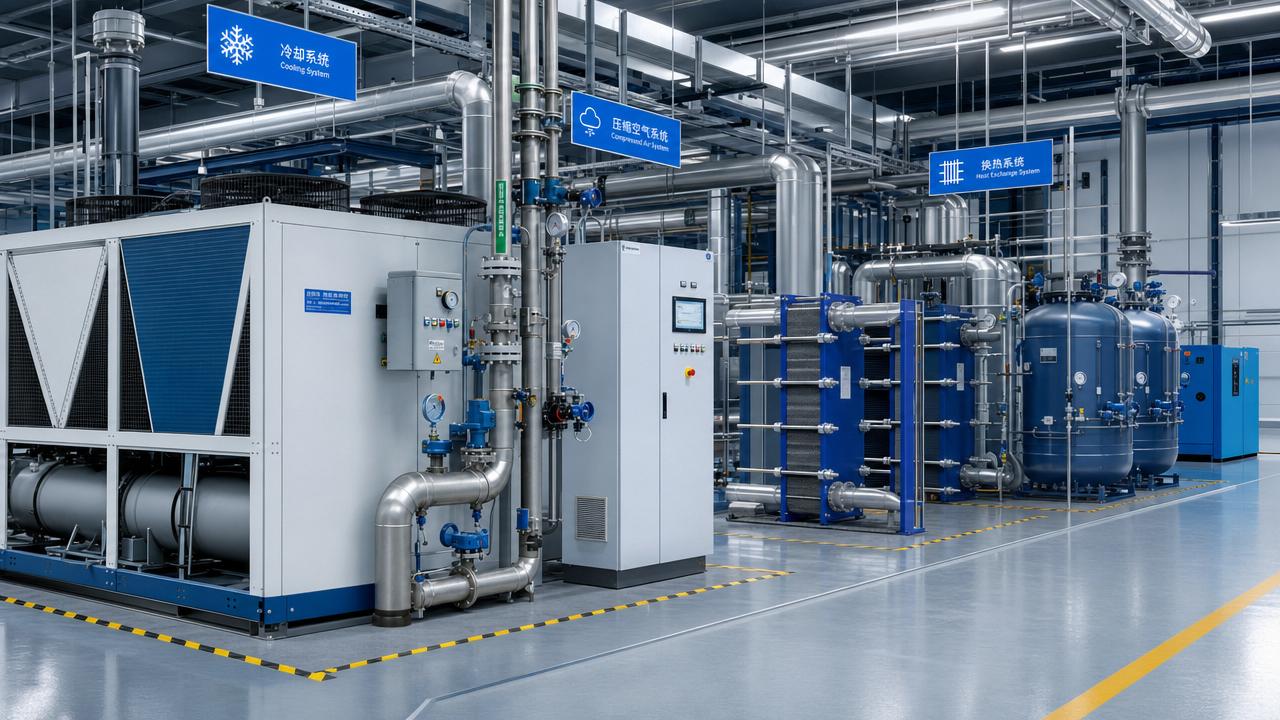
- Cooling systems, including chillers, evaporative solutions, and precision temperature control equipment.
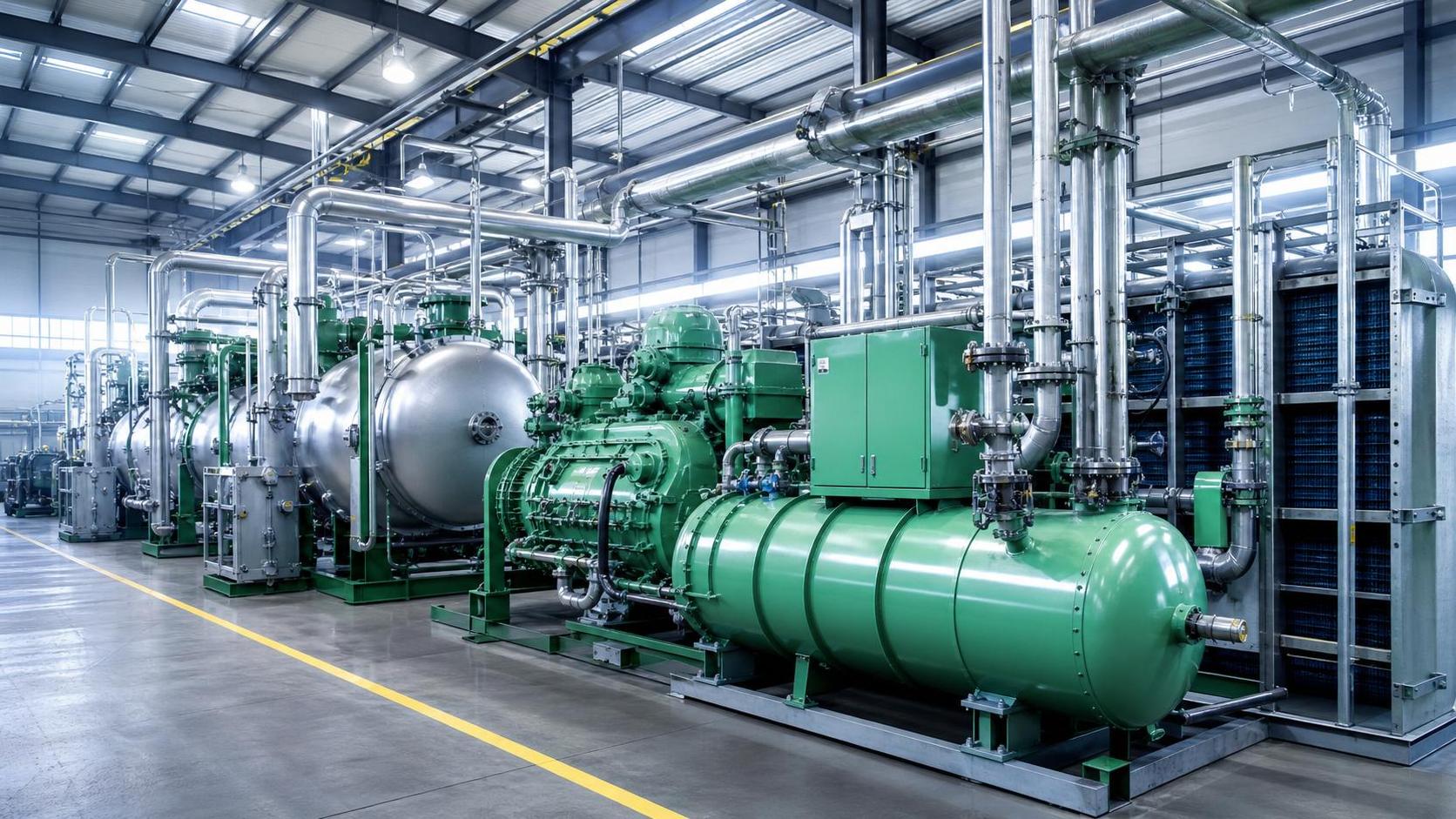
- Compressed air systems, especially oil-free and high-efficiency variable-speed configurations.
- Vacuum processes for contamination-sensitive or continuous production environments.
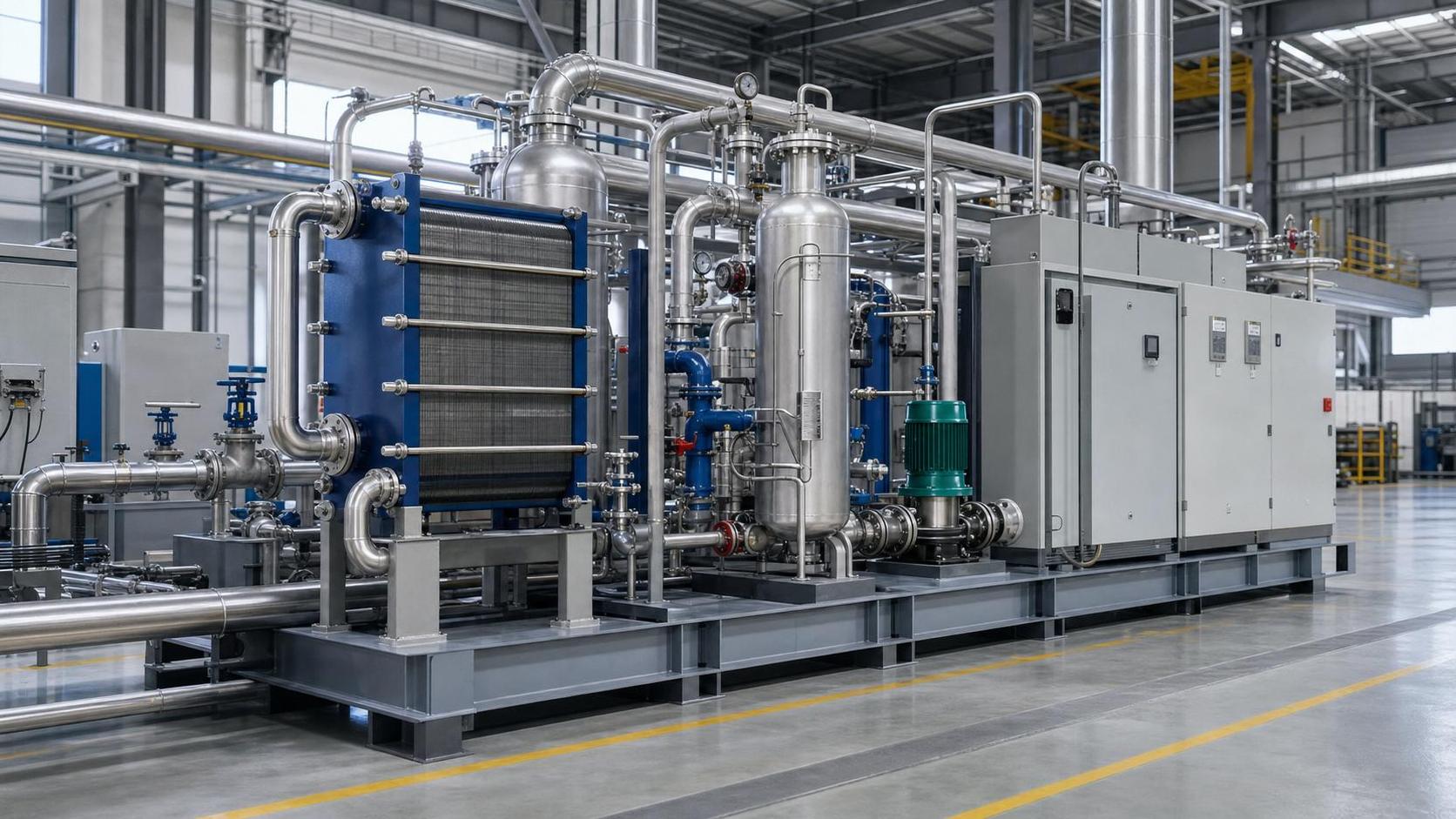
- Heat exchange systems, where compactness, fouling resistance, and thermal recovery affect total performance.
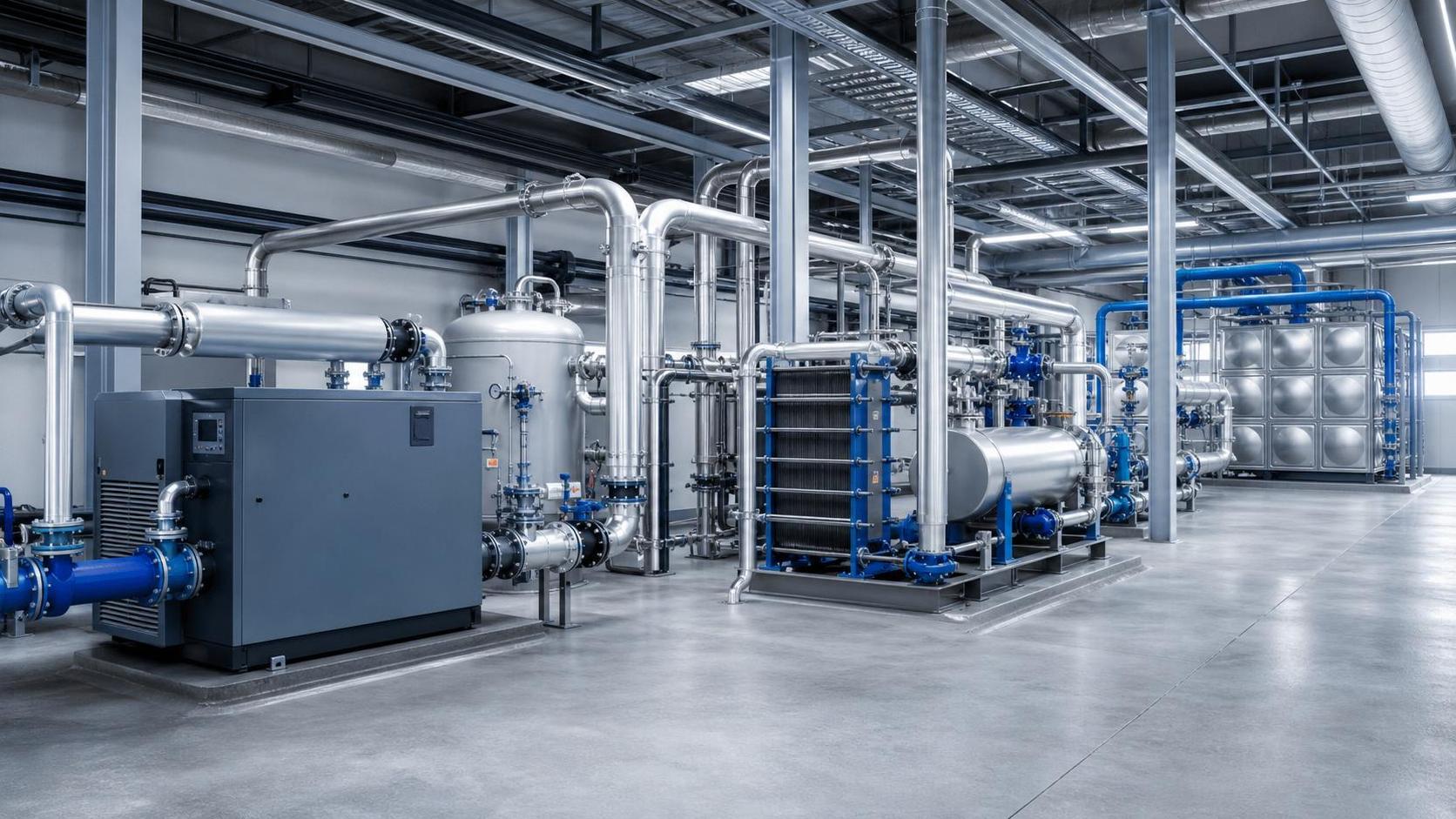
These categories often overlap in one facility. A pharmaceutical line, semiconductor plant, or food process may depend on all four, which makes isolated comparison less useful than system-level evaluation.
The market signals shaping better decisions
Several 2026 trends are reshaping how industrial solution comparison global should be handled.
Energy efficiency is being measured more strictly
Operators are paying closer attention to partial-load efficiency, not just peak performance. Many systems rarely run at ideal design conditions, so part-load behavior now carries more financial weight.
Low-emission design is becoming a selection filter
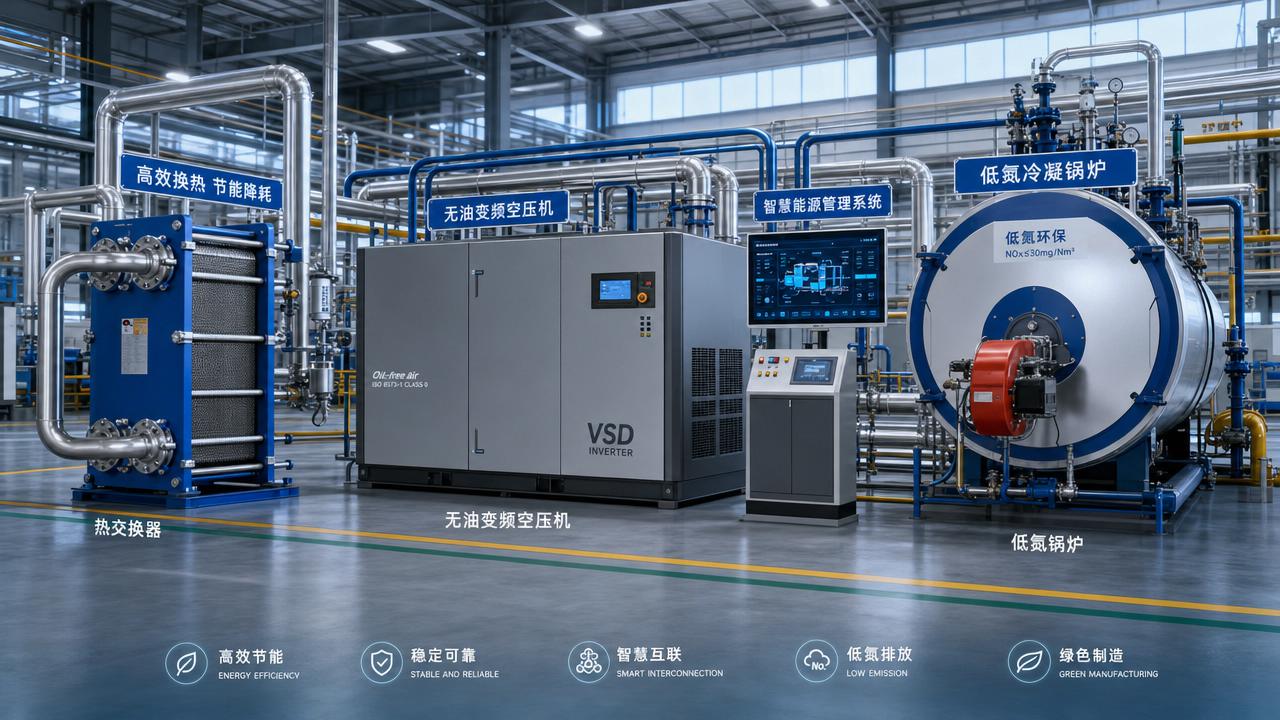
Low-GWP refrigerants, low-NOx combustion, and heat recovery capability are no longer future-oriented features. In many markets, they are fast becoming procurement thresholds or risk-control measures.
Clean process demand is expanding
Oil-free compression and contamination-controlled vacuum systems are seeing stronger demand. This is particularly visible where product integrity, yield stability, or hygiene validation directly affect revenue.
Compact thermal architecture is gaining traction
Microchannel heat exchangers and tighter system integration are attractive where floor space, cooling density, and maintenance access must be balanced carefully.
A useful way to compare industrial solutions globally
A sound industrial solution comparison global framework should connect engineering facts with business exposure. The table below highlights the dimensions that usually change the final decision.
When these factors are compared together, equipment selection becomes more strategic. That is the real value of industrial solution comparison global in a volatile operating environment.
Where the biggest differences show up in practice
The same technology can perform very differently depending on industry context.
Pharmaceutical production
Here, temperature stability and clean compressed air are closely tied to validation and batch consistency. A cheaper system can become expensive if contamination risk or thermal drift creates rework.
Semiconductor facilities
Precision matters more than headline capacity. Vacuum stability, heat rejection behavior, and low-particle utility systems often decide whether a solution is truly viable.
Food and beverage processing
The comparison often centers on hygiene, washdown resilience, operating continuity, and energy recovery potential. Thermal systems that support cleaning cycles efficiently may outperform lower-cost alternatives over time.
General manufacturing and multi-site operations
Standardization matters here. Industrial solution comparison global should test whether one platform can be deployed across regions without creating spare part fragmentation or uneven compliance exposure.
Common mistakes in global comparison exercises
Many comparison projects fail because they simplify the wrong variables. The most common issues are predictable.
- Using acquisition price as the main filter before operating assumptions are validated.
- Comparing efficiency values without checking the same test conditions or duty cycle.
- Ignoring policy movement on refrigerants, emissions, or reporting obligations.
- Treating maintenance access as a service issue instead of a design issue.
- Missing interaction effects between compressors, chillers, vacuum units, and heat recovery loops.
This is why intelligence-led comparison matters. GTC-Matrix reflects a broader approach, connecting technology evolution, energy economics, and industrial demand signals into a clearer decision context.
How to build a stronger decision path
A practical industrial solution comparison global process usually starts with three questions: what must remain stable, what cost can move, and what compliance risk cannot be carried forward.
From there, it helps to build shortlists around scenarios rather than brands. Compare systems under realistic load ranges, local utility conditions, and maintenance constraints.
Next, separate critical requirements from optional advantages. In some sites, oil-free air is essential. In others, heat recovery or compact exchanger design may create the stronger business case.
It is also worth reviewing commercial insight alongside technical data. Demand growth in semiconductors, pharmaceuticals, and food processing can shift lead times, pricing leverage, and platform availability.
What to watch next
By 2026, industrial solution comparison global is becoming a recurring management discipline, not a one-time procurement event. The decisions being made today will influence energy intensity, operational flexibility, and decarbonization options for years.
The most useful next step is to map current equipment choices against real operating conditions, then re-check those choices using technology trend data, compliance exposure, and lifecycle cost assumptions.
A clearer comparison framework does not guarantee a single universal answer. It does, however, make equipment decisions more defensible, more adaptable across markets, and more aligned with long-term industrial performance.
- compressed air
- vacuum processes
- heat exchange
- oil-free compression
- microchannel heat exchangers
- decarbonization
- energy efficiency
- thermal systems
- compressed air systems
- heat exchange equipment
- heat exchange systems
- precision temperature control
- vacuum systems
- industrial solution comparison
- industrial solution comparison global
- heat exchangers
- clean compressed air
- low-GWP refrigerants
Ready when you are. Send us a message to get started.
Related News
- Why high-density thermal energy storage is gaining industry attentionAuthor :

- Smart Device Thermal Management Trends Shaping 2026 Product DesignAuthor :

- Industrial Cooling Technologies in Europe: 2026 Trends in Compliance and Energy UseAuthor :

- Industrial Electrification Trends in 2026: Where Projects Are Moving FirstAuthor :

- Industrial Solution Comparison Global: 2026 Trends Reshaping Equipment DecisionsAuthor :

- When Heat Recovery Systems Skid Mounted Designs Improve Project PaybackAuthor :

- How to Compare Industrial Decarbonization Solutions Providers in 2026Author :

- Industry Category Guides for Smart Devices: What to Track as 2026 Markets ShiftAuthor :

- Green Manufacturing Trends Reshaping Industrial InvestmentAuthor :

- 2026 Global Energy Costs: What Will Reshape Industrial PlanningAuthor :

- Industrial Decarbonization Solutions That Cut Fuel Costs in 2026Author :

- Smart Thermal Systems Trends Shaping Industrial Upgrades in 2026Author :

- Resource Circularity in Manufacturing: 5 Practical Gains Beyond ComplianceAuthor :

- Carbon Neutrality Roadmap: What Industrial Firms Need to Prioritize FirstAuthor :

- Energy Conversion Efficiency Trends Shaping Industrial UpgradesAuthor :

- Compression Technology Trends Shaping Efficient Plant UpgradesAuthor :

- Industrial Intelligence in Manufacturing: Where It Delivers Value FirstAuthor :

- How Intellectualization Improves Industrial Thermal ManagementAuthor :

- What Intellectualization Means for Smarter Plant Operations in 2026Author :

- Carbon Neutrality Goals: What Industrial Firms Should Prioritize in 2026Author :

- How Intellectualization Reduces Downtime in Modern Production LinesAuthor :

- Decarbonization Roadmap for Energy-Intensive Plants in 2026Author :

- Thermal Systems Trends in 2026: Efficiency, Control, and RiskAuthor :

- Industrial Decarbonization Priorities for Energy-Intensive FacilitiesAuthor :

- Thermal Systems in 2026: Efficiency Upgrades Shaping Industrial OperationsAuthor :

- Pure Power Sources: 5 Practical Paths to Carbon NeutralityAuthor :

- What Intellectualization Means for Industrial Equipment UpgradesAuthor :

- Thermal Optimization in 2026: Where Energy Savings Deliver the Fastest PaybackAuthor :

- Energy Efficiency Trends Reshaping Compressor Upgrades in 2026Author :

- 2026 Industrial Decarbonization Trends Reshaping Plant UpgradesAuthor :
![]()
- Heat Exchanger Technology Trends for 2026 Efficiency TargetsAuthor :

- Resource Circularity Risks in 2026 Supply ChainsAuthor :

- Smart Thermal Systems: When Upgrades Deliver Measurable SavingsAuthor :

- Carbon Neutrality: Practical Steps for Factory RoadmapsAuthor :

- 2026 Industrial Energy Efficiency Priorities for Plant UpgradesAuthor :

- Industrial Intellectualization Trends Reshaping Equipment UpgradesAuthor :