Pure Power Sources: 5 Practical Paths to Carbon Neutrality




Why Pure Power Sources Now Shape Carbon Strategy
Carbon neutrality has moved from a reporting topic to an operating constraint.
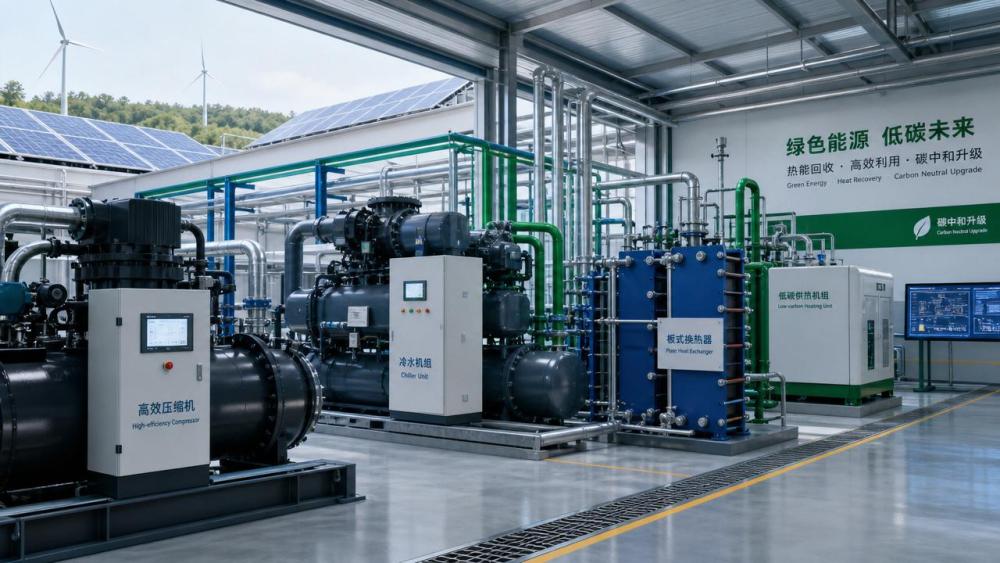
That shift is especially visible in energy-intensive systems, where electricity, heat, compressed air, and cooling determine both cost and emissions.
In that context, pure power sources matter because they reduce lifecycle carbon without weakening production reliability.
The term does not refer only to renewable electricity.
It also covers cleaner thermal inputs, lower-loss conversion systems, and process designs that avoid waste from the start.
For industrial operators, the real question is not whether to adopt pure power sources.
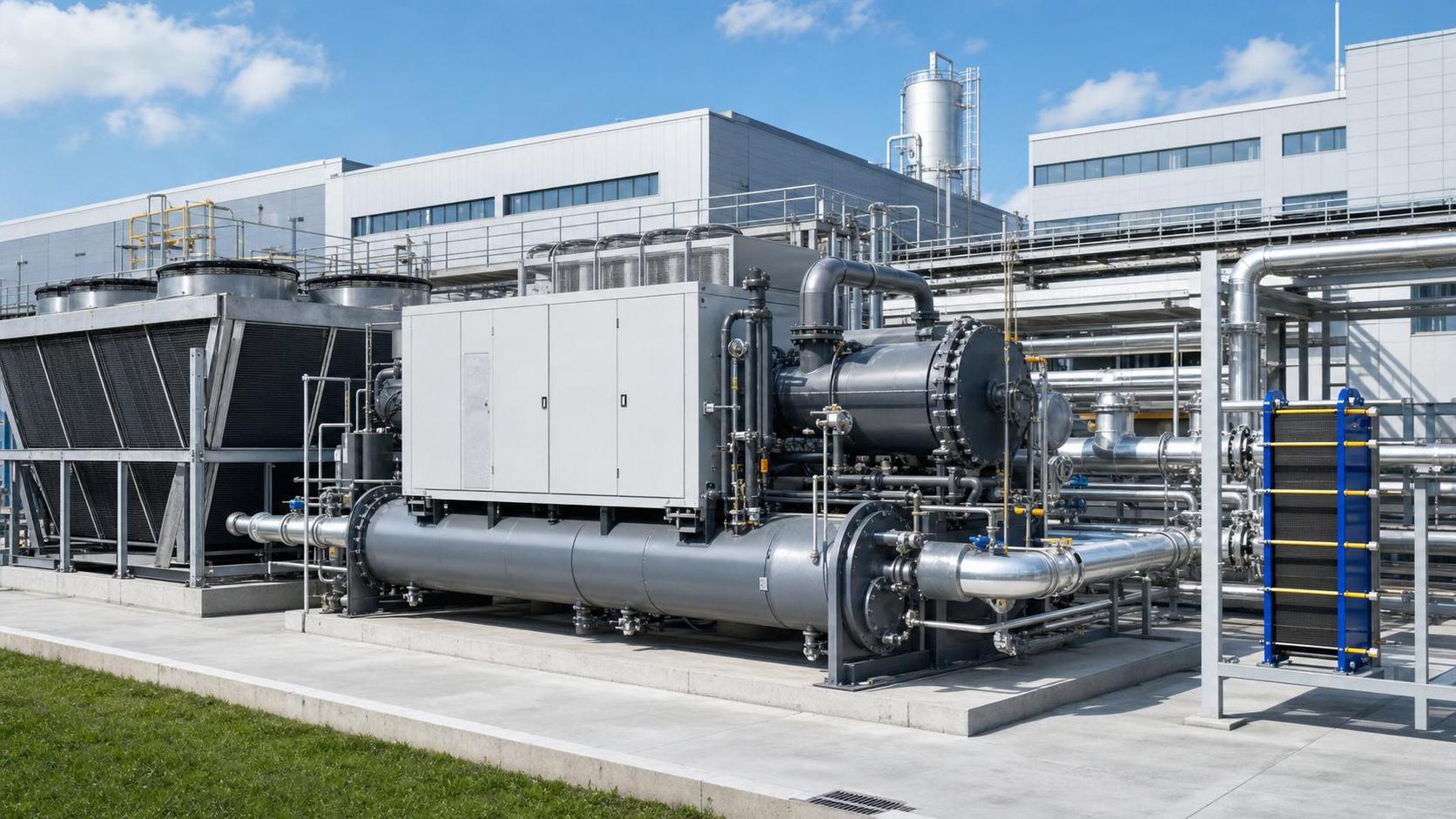
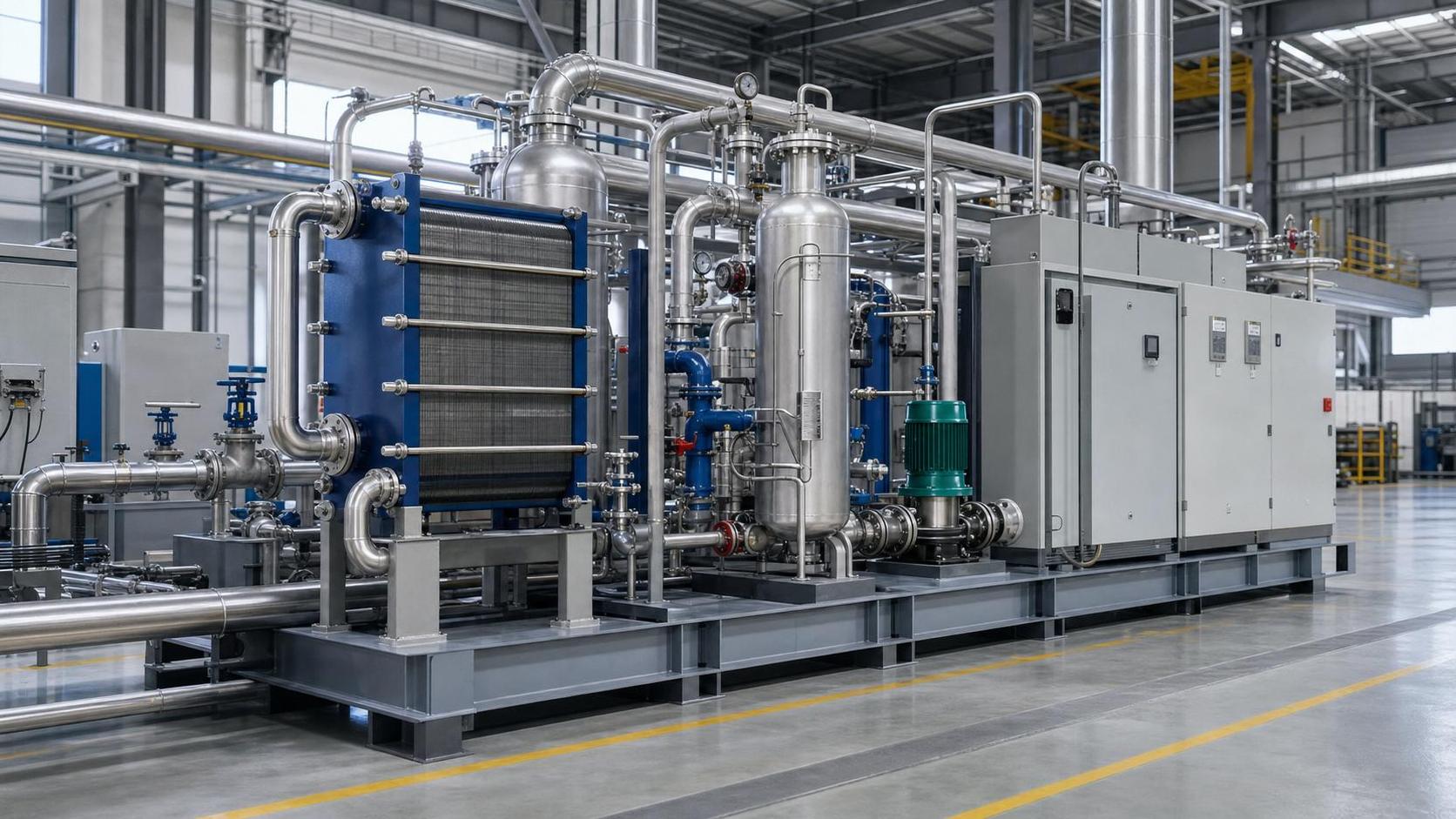
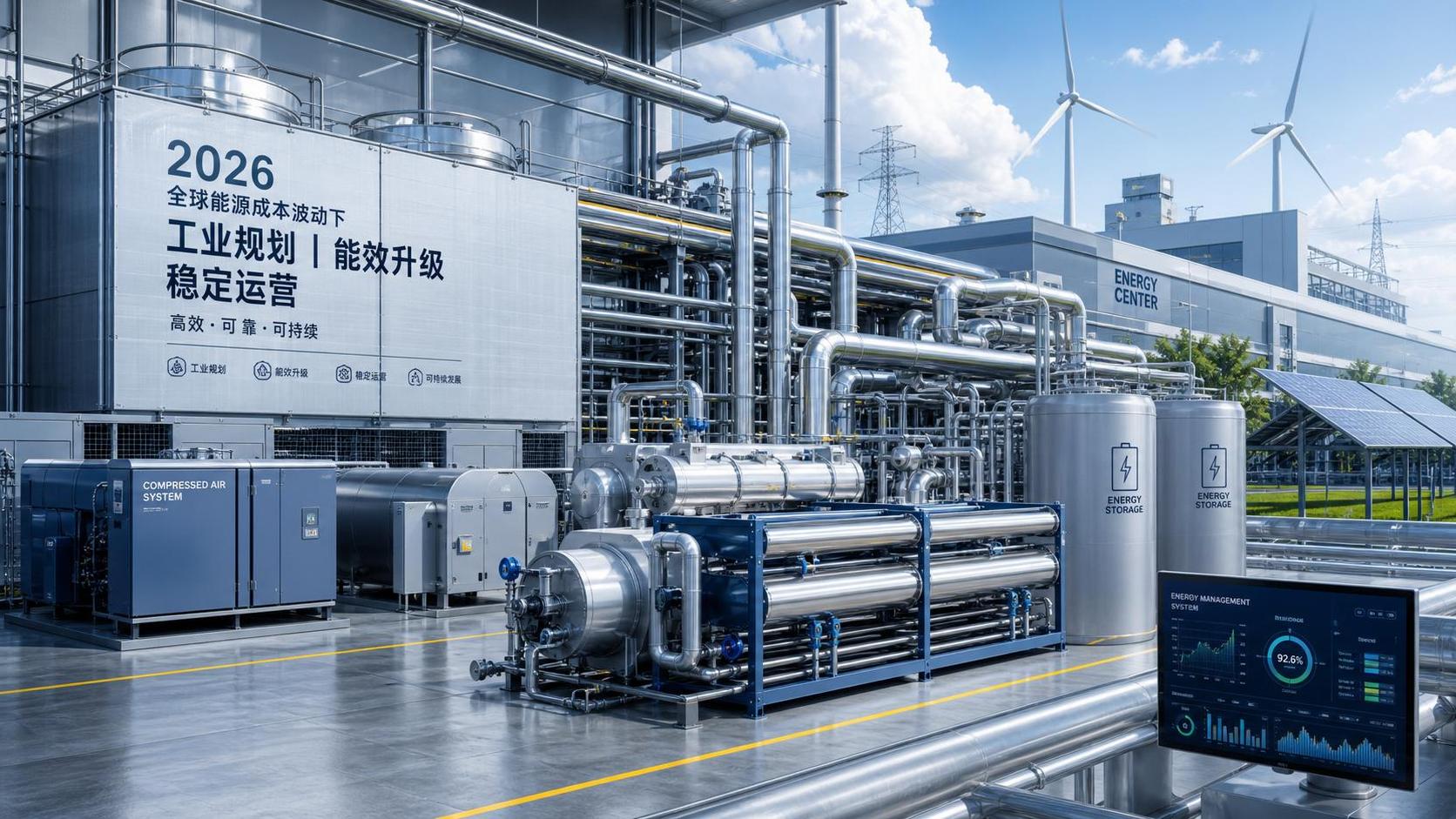
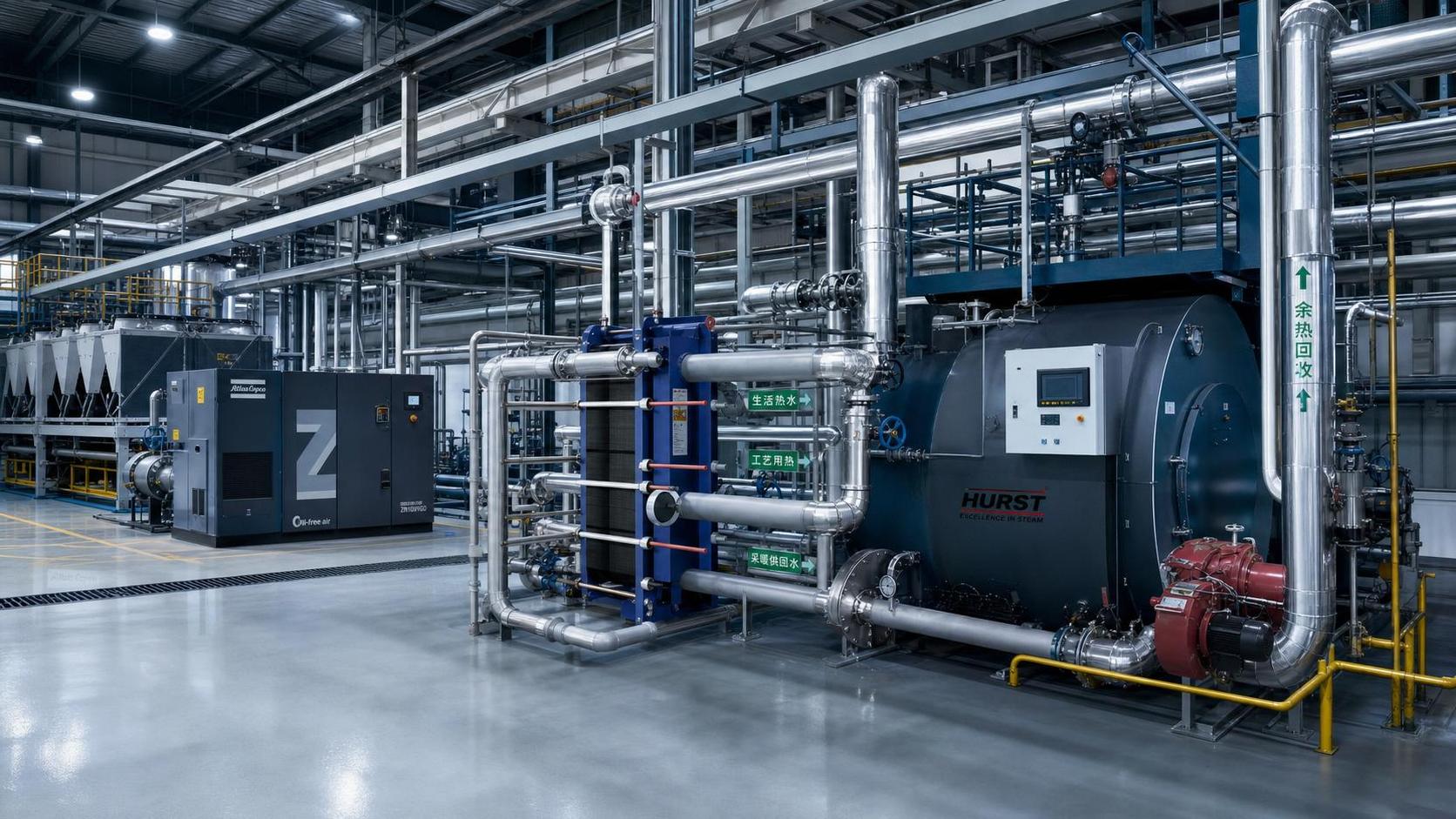
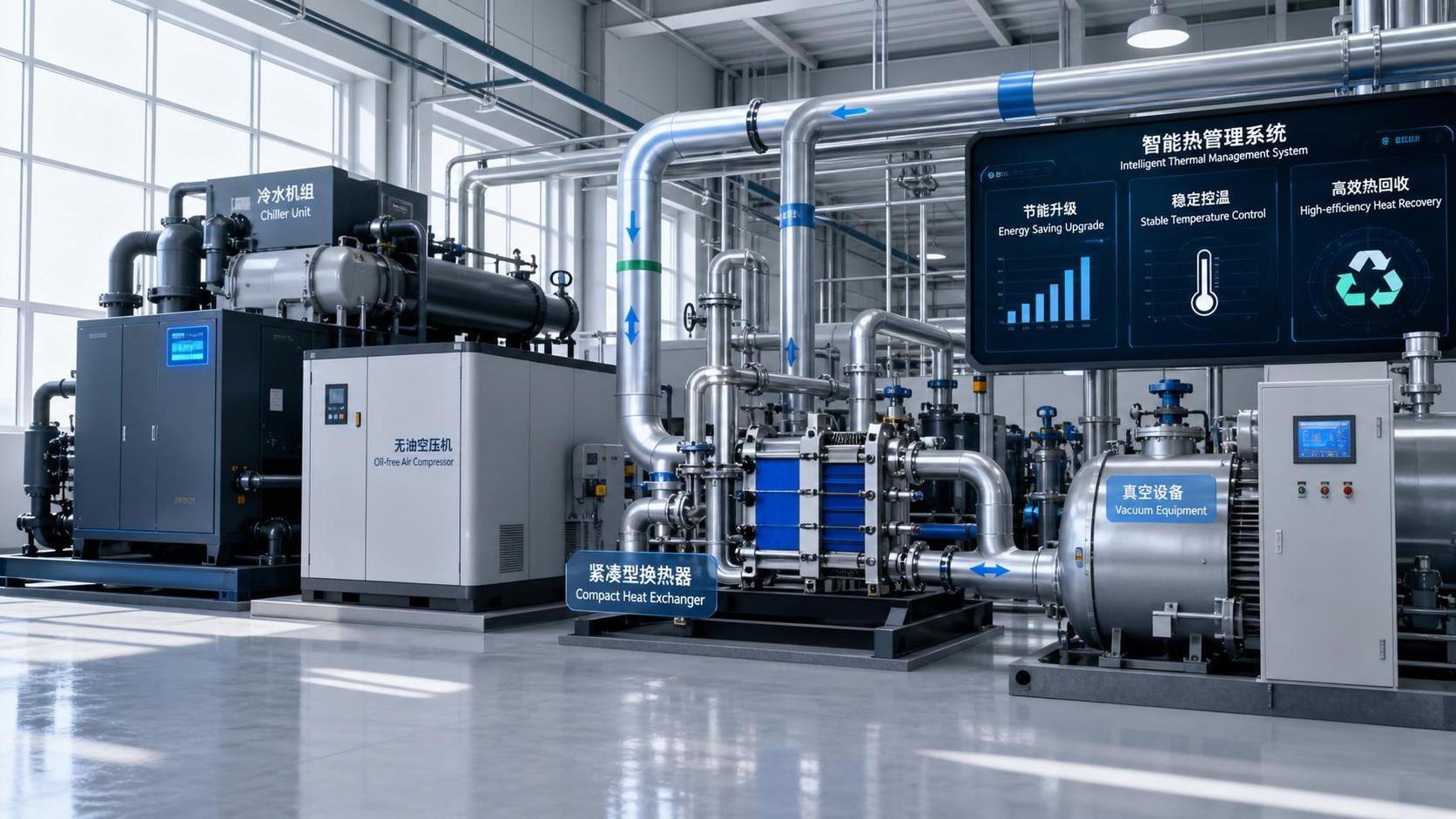
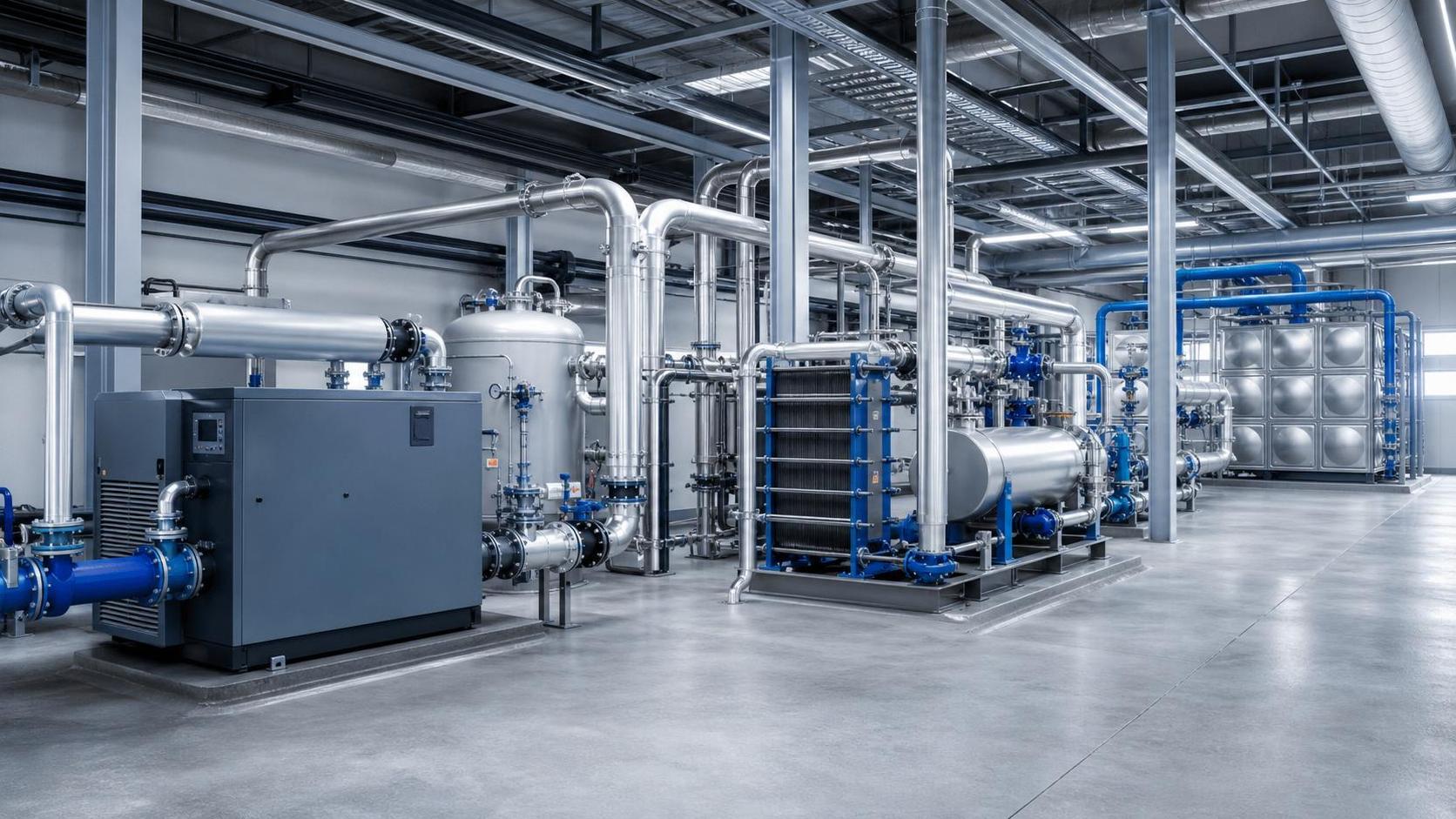
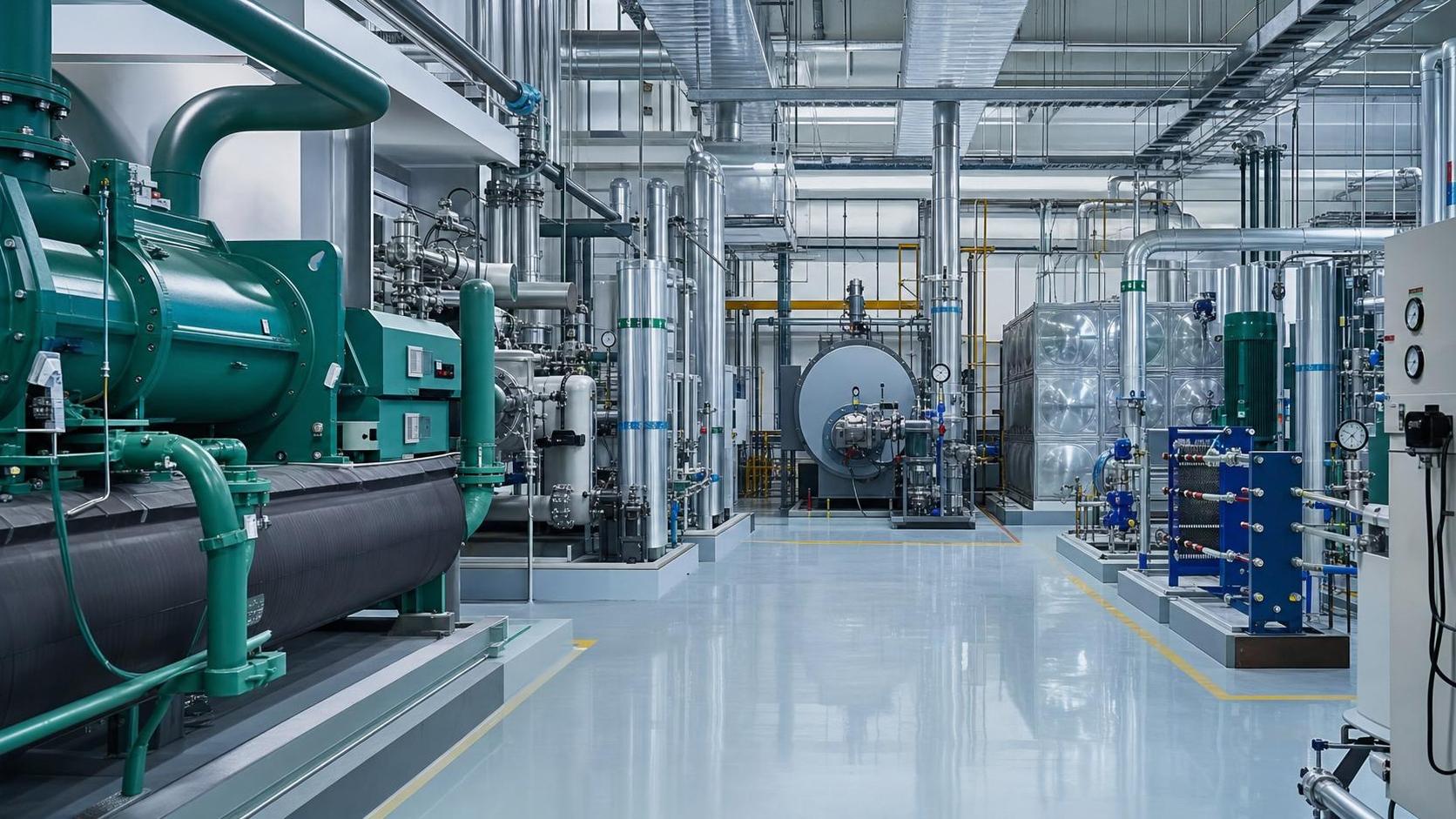
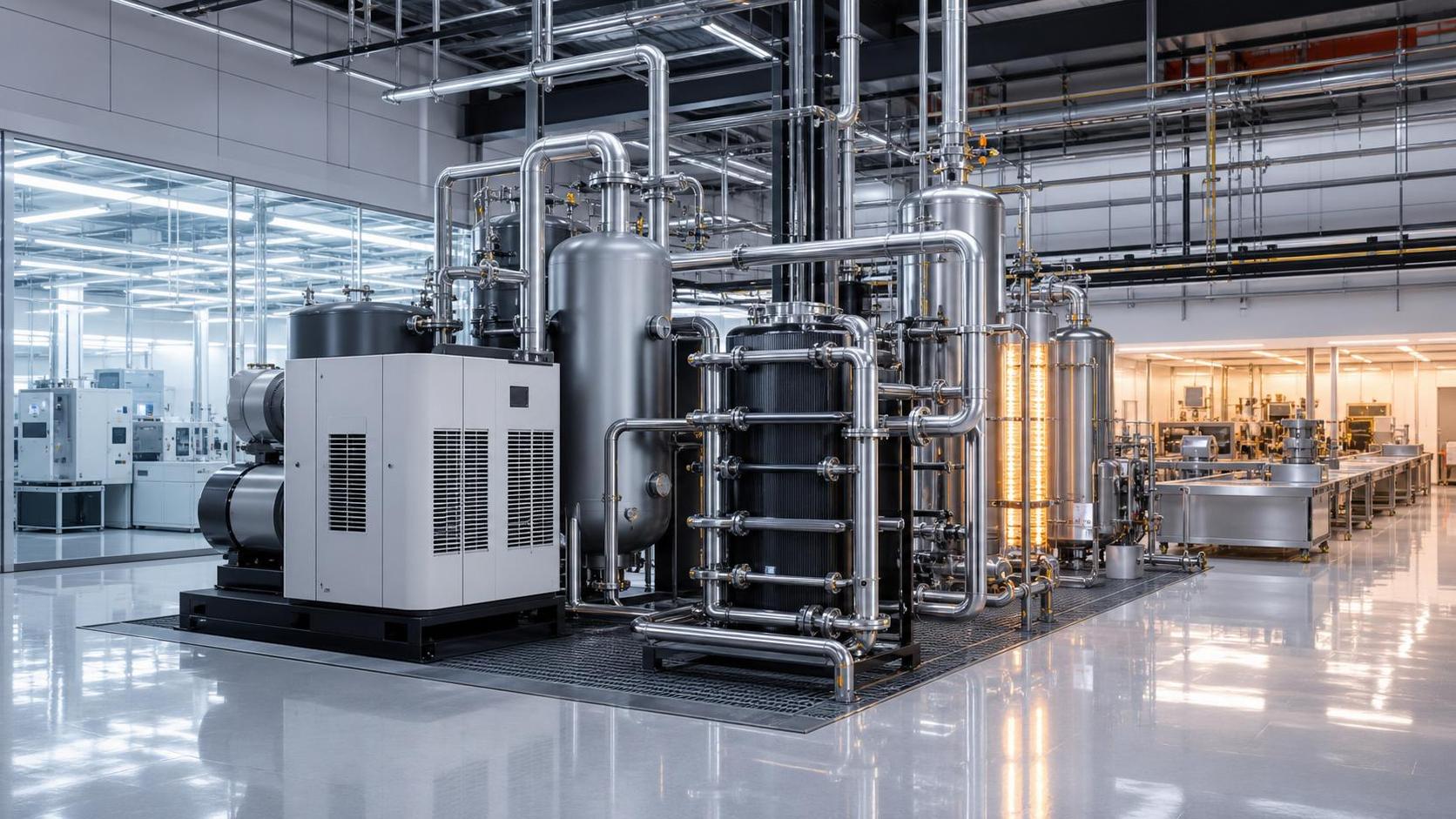
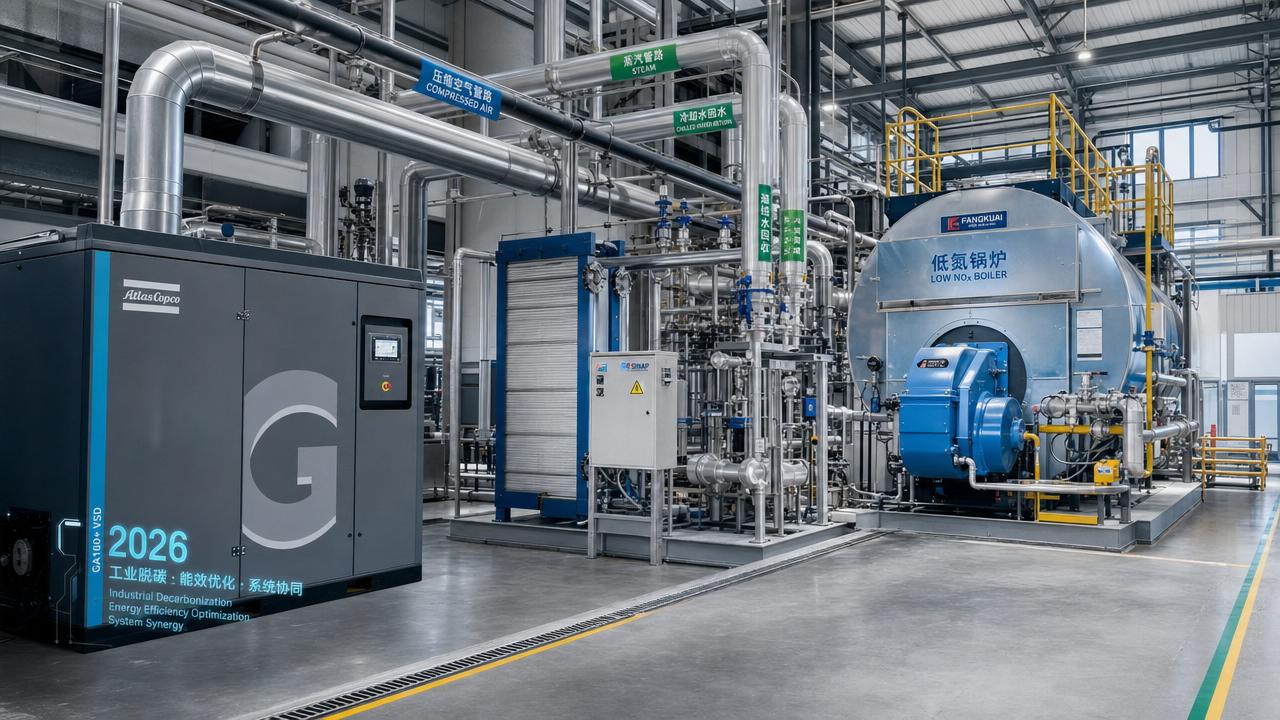
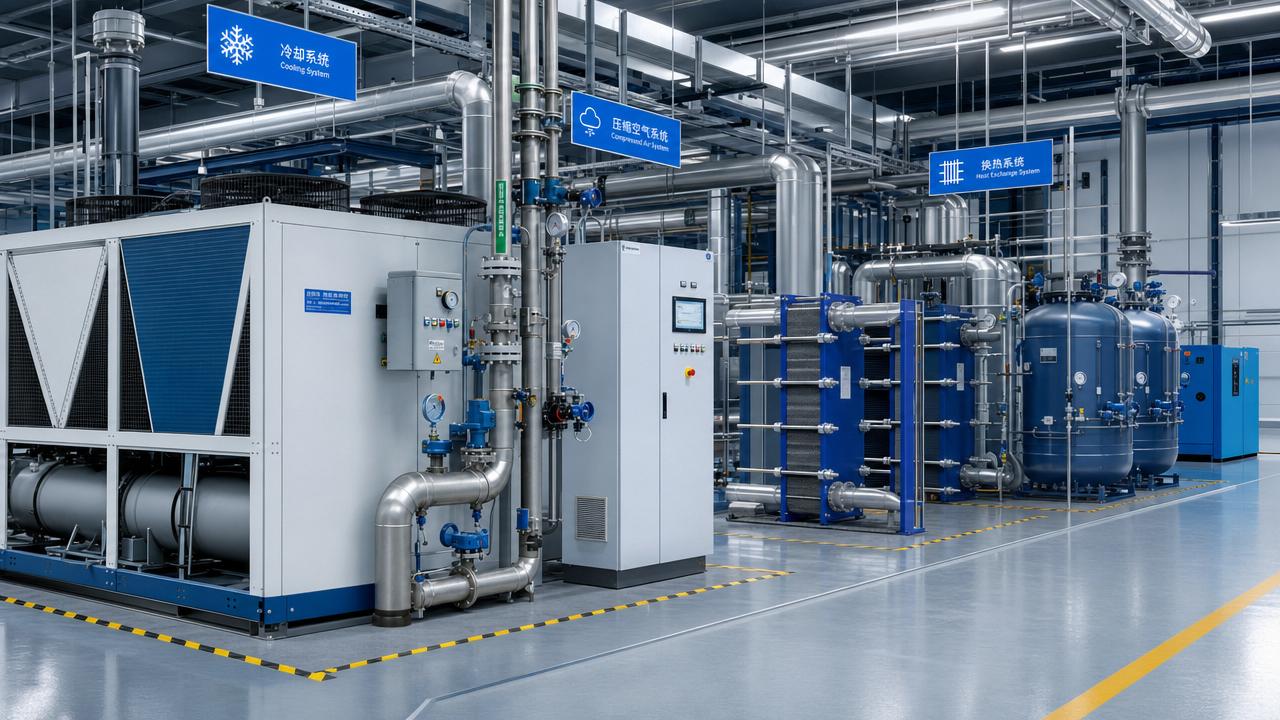
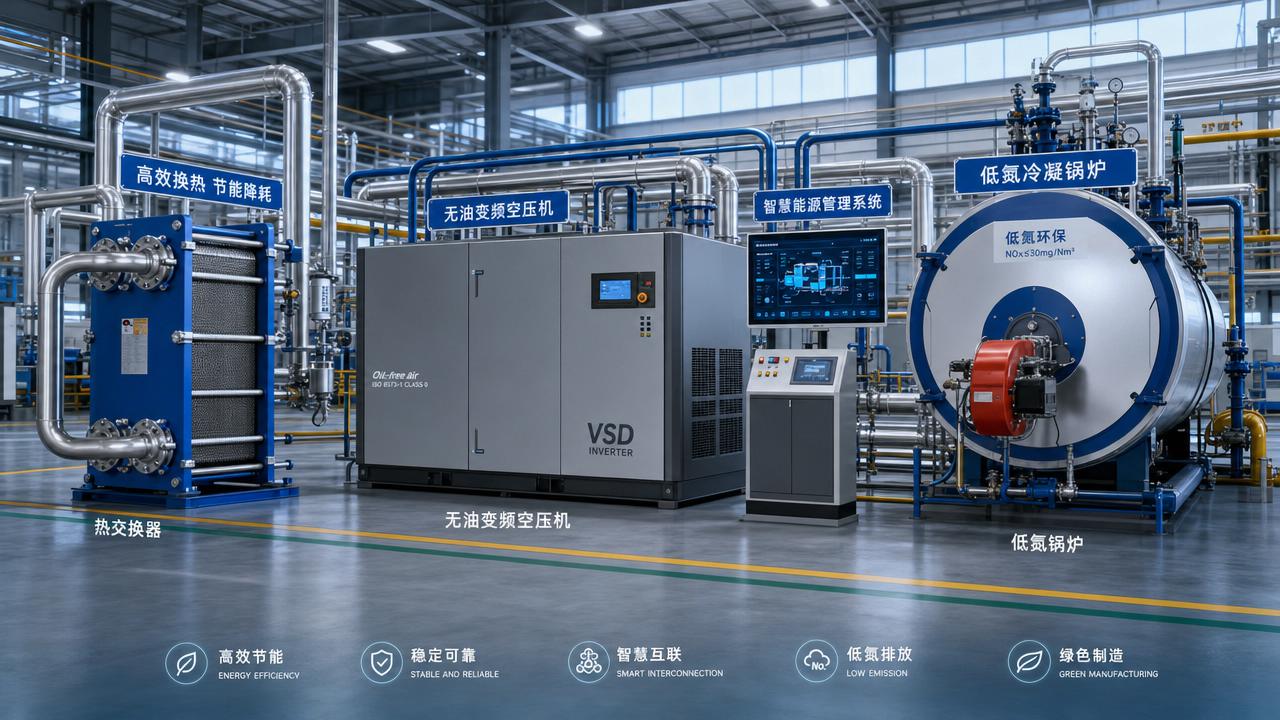
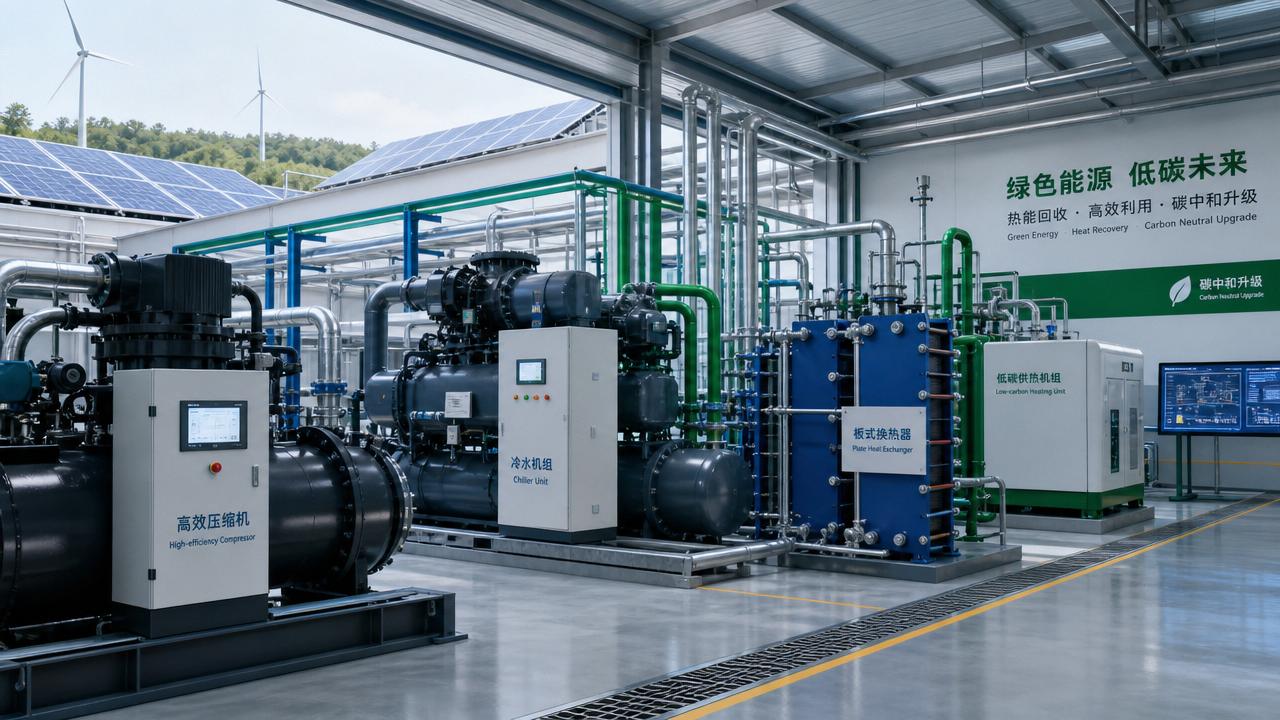
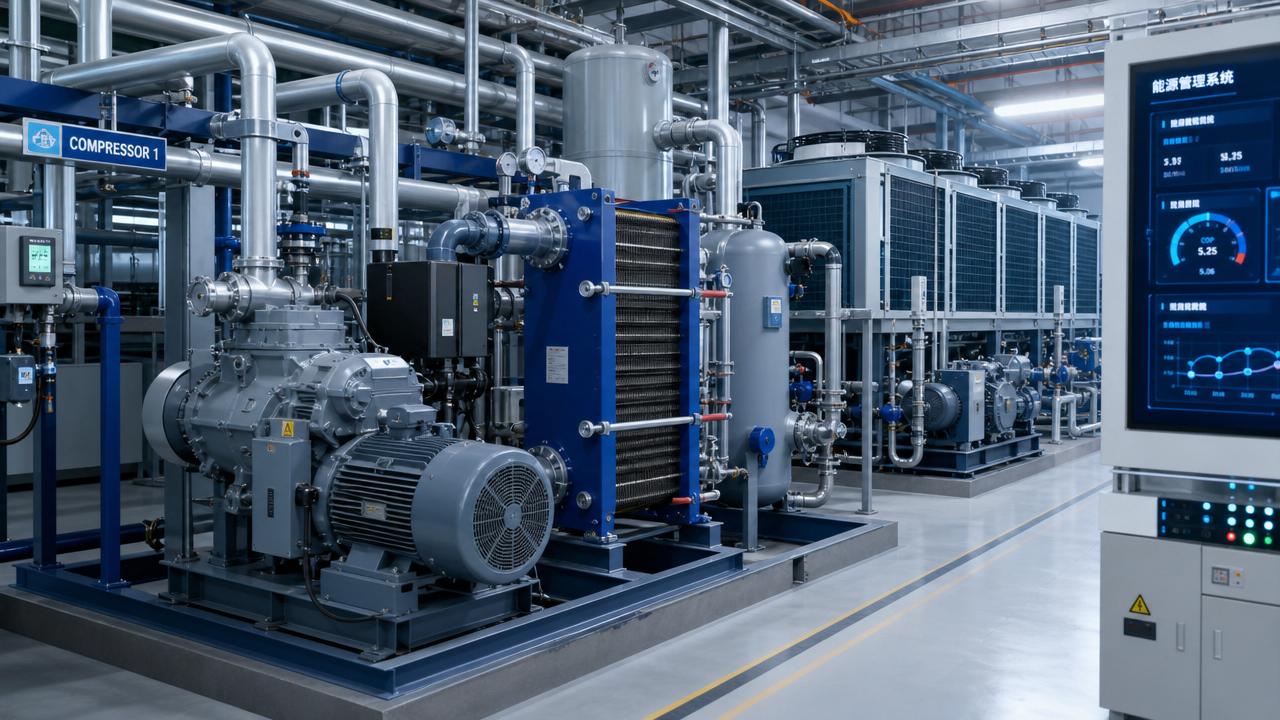
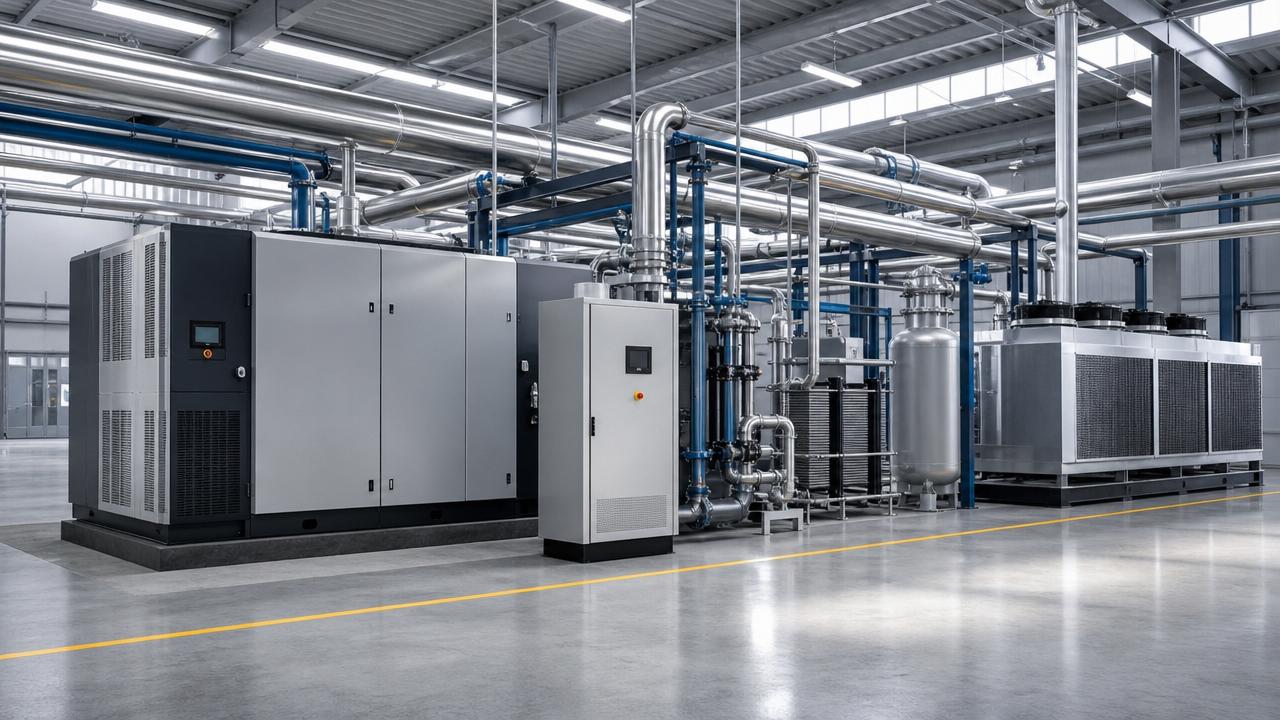
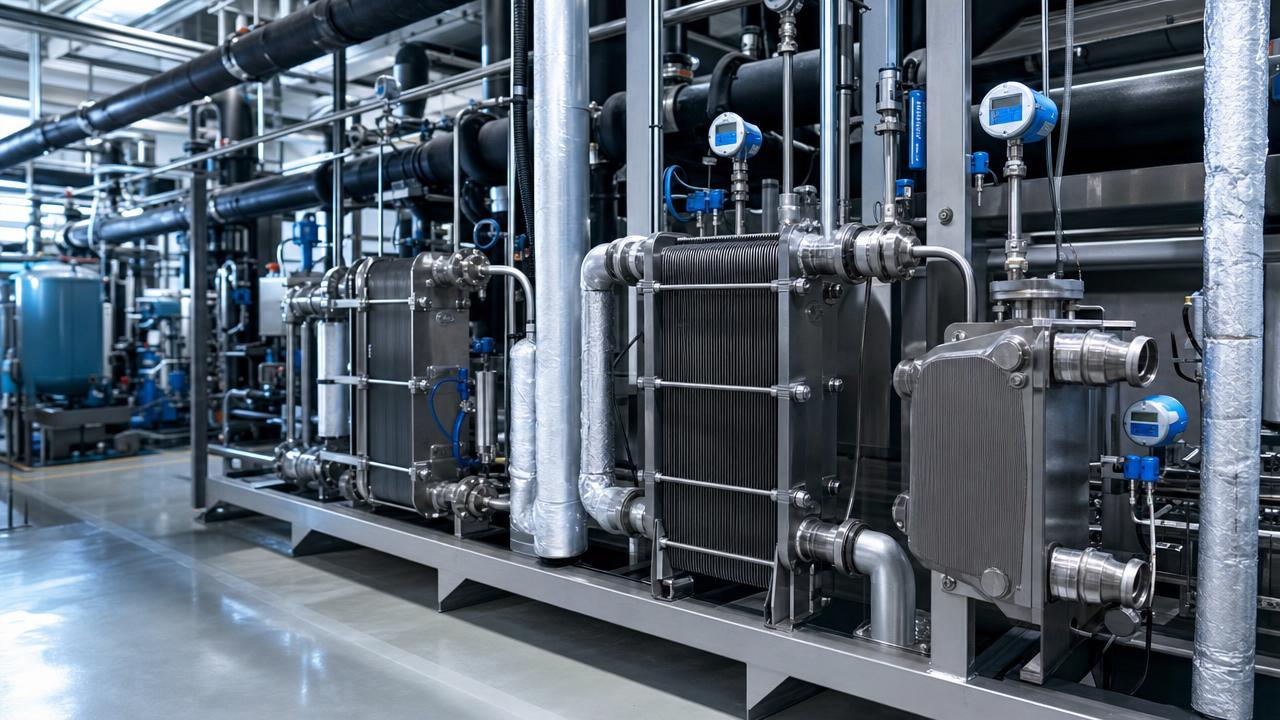
It is how to integrate them into facilities that still depend on compressors, chillers, boilers, heat exchangers, and vacuum systems.
This is where market intelligence becomes useful.
GTC-Matrix tracks the thermal and compression backbone of industry, linking policy, equipment evolution, and energy economics into a practical decision framework.
That perspective shows a simple truth: carbon neutrality is won in the details of energy conversion efficiency.
A Practical Definition of Pure Power Sources
In business terms, pure power sources are energy inputs and supporting technologies that deliver usable power with lower emissions, lower contamination risk, and better efficiency.
They can be on-site, contracted, recovered, or embedded in process upgrades.
Their value depends on three linked outcomes.
- Lower direct and indirect carbon emissions.
- More stable energy performance under volatile fuel and power prices.
- Cleaner process conditions for sectors with strict quality demands.
That last point is often underestimated.
In pharmaceuticals, semiconductors, food processing, and precision manufacturing, contamination-free air, temperature stability, and controlled heat transfer are part of the commercial equation.
Pure power sources therefore sit at the intersection of sustainability, uptime, and product integrity.
Path One: Electrify Core Loads with Cleaner Supply
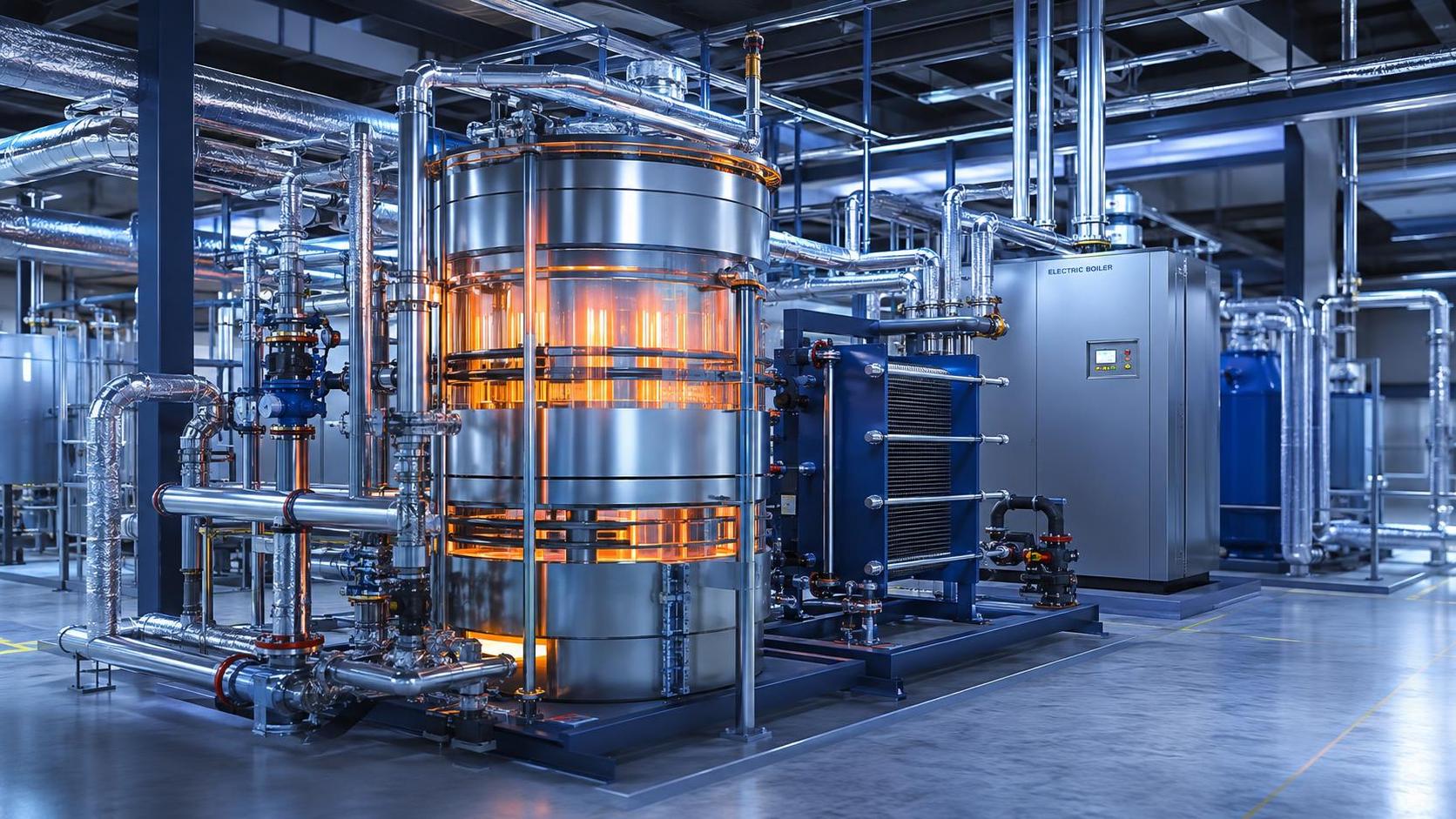
The first path is direct electrification where it improves both carbon intensity and controllability.
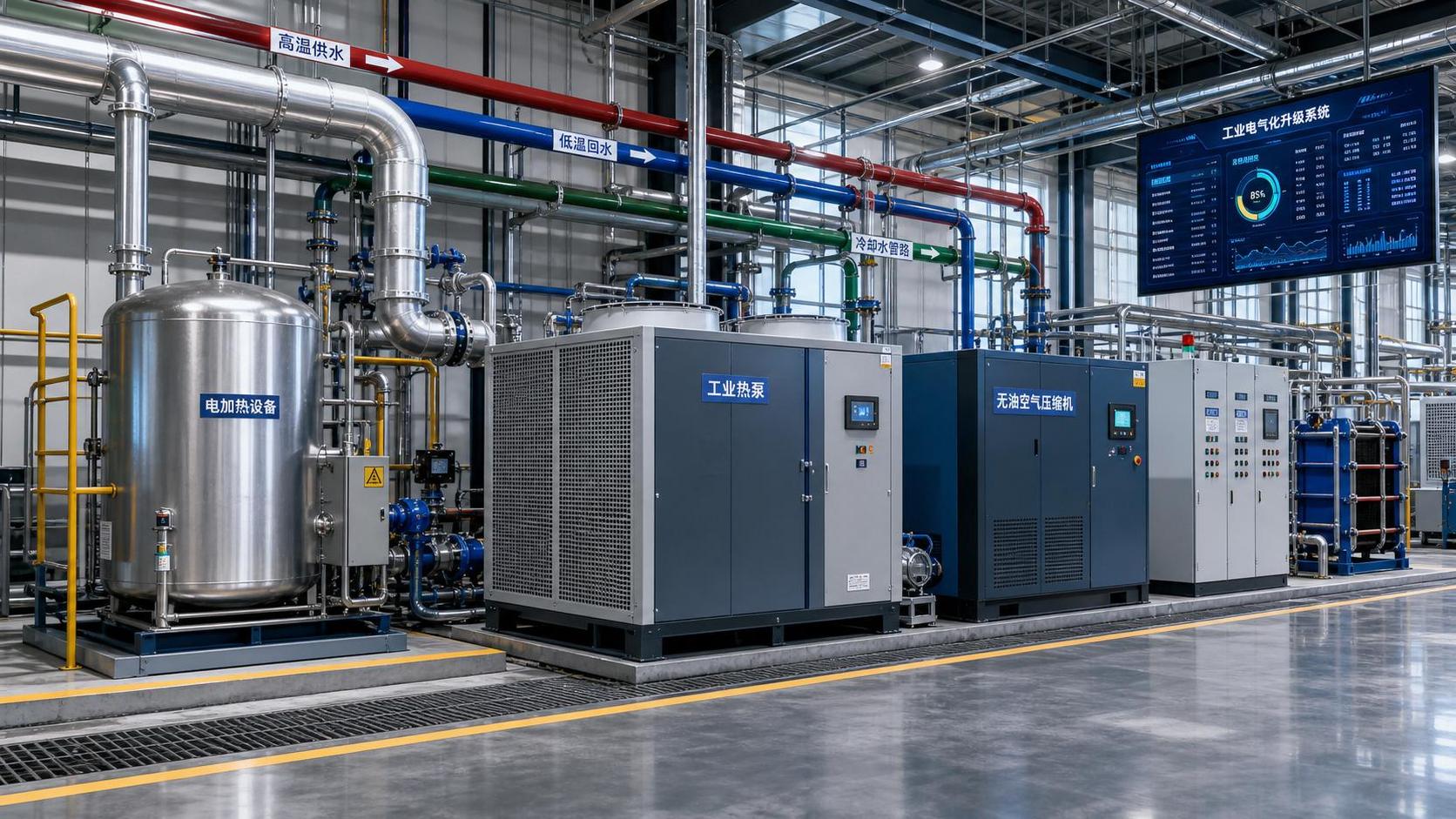
This includes electric boilers in selected applications, heat pumps, electric drives, and variable-speed systems across cooling and compression assets.
Electrification works best when paired with low-carbon grid power or long-term renewable procurement.
Otherwise, emissions may simply move upstream.
From an operational view, this path offers faster control response and better integration with digital monitoring.
It also supports staged decarbonization, because facilities can upgrade the power mix over time without replacing every downstream machine twice.
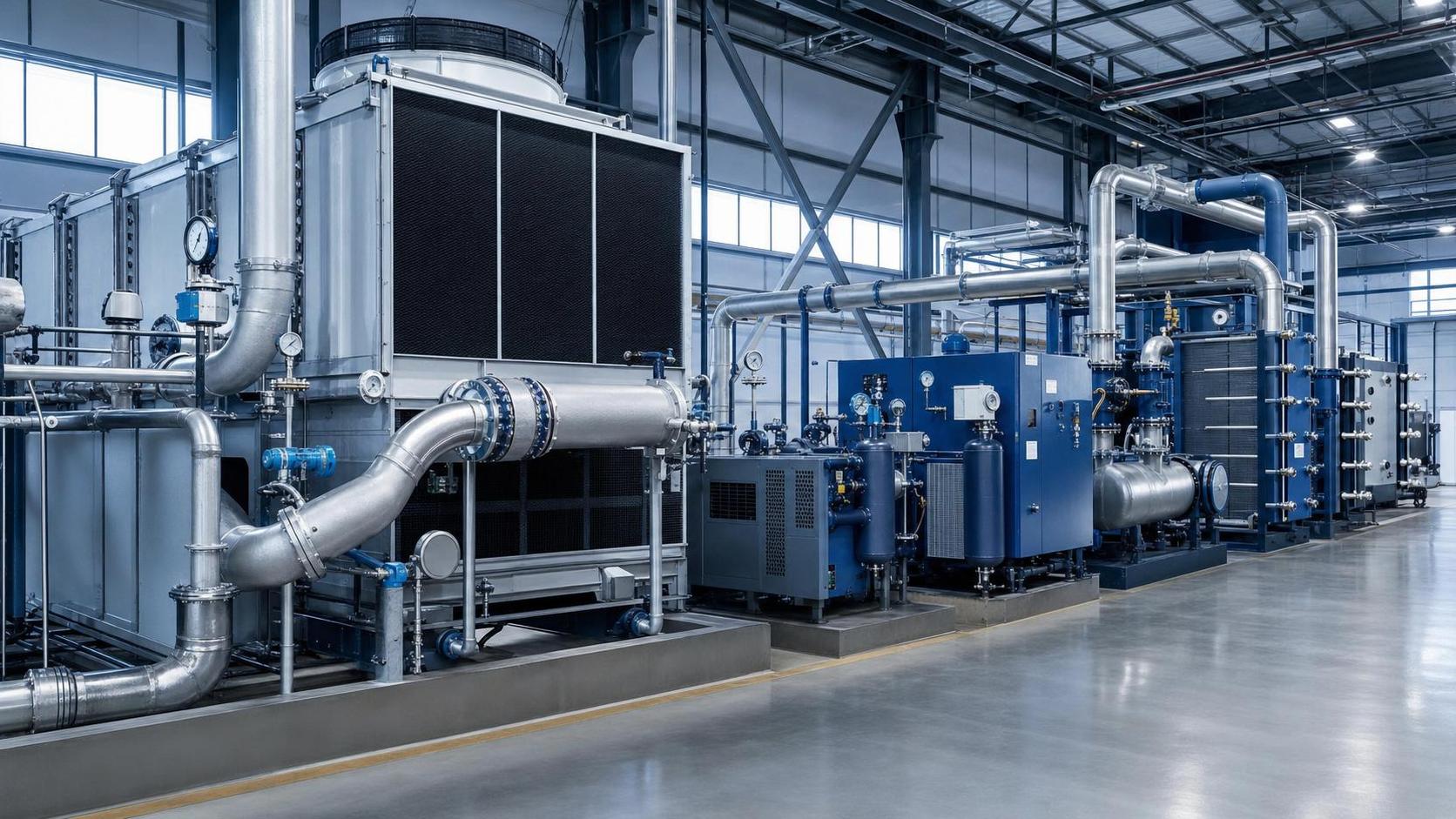
Facilities with large cooling demand often see this clearly.
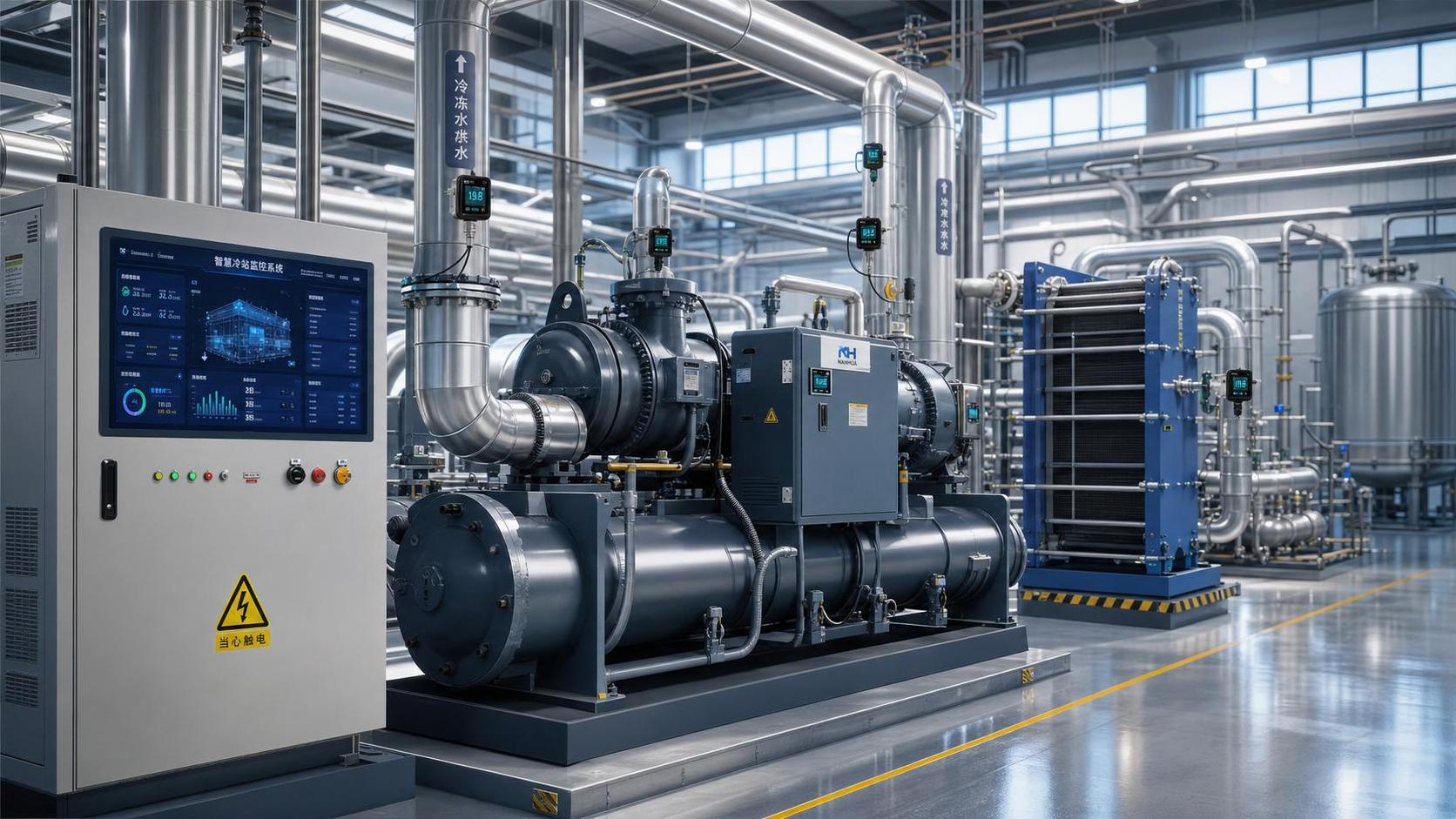
When efficient chillers, smart controls, and cleaner electricity work together, carbon reduction becomes measurable rather than symbolic.
Path Two: Upgrade Compression and Vacuum Systems
Compressed air is one of the most expensive hidden utilities in industry.
It is also a major place where pure power sources can create visible returns.
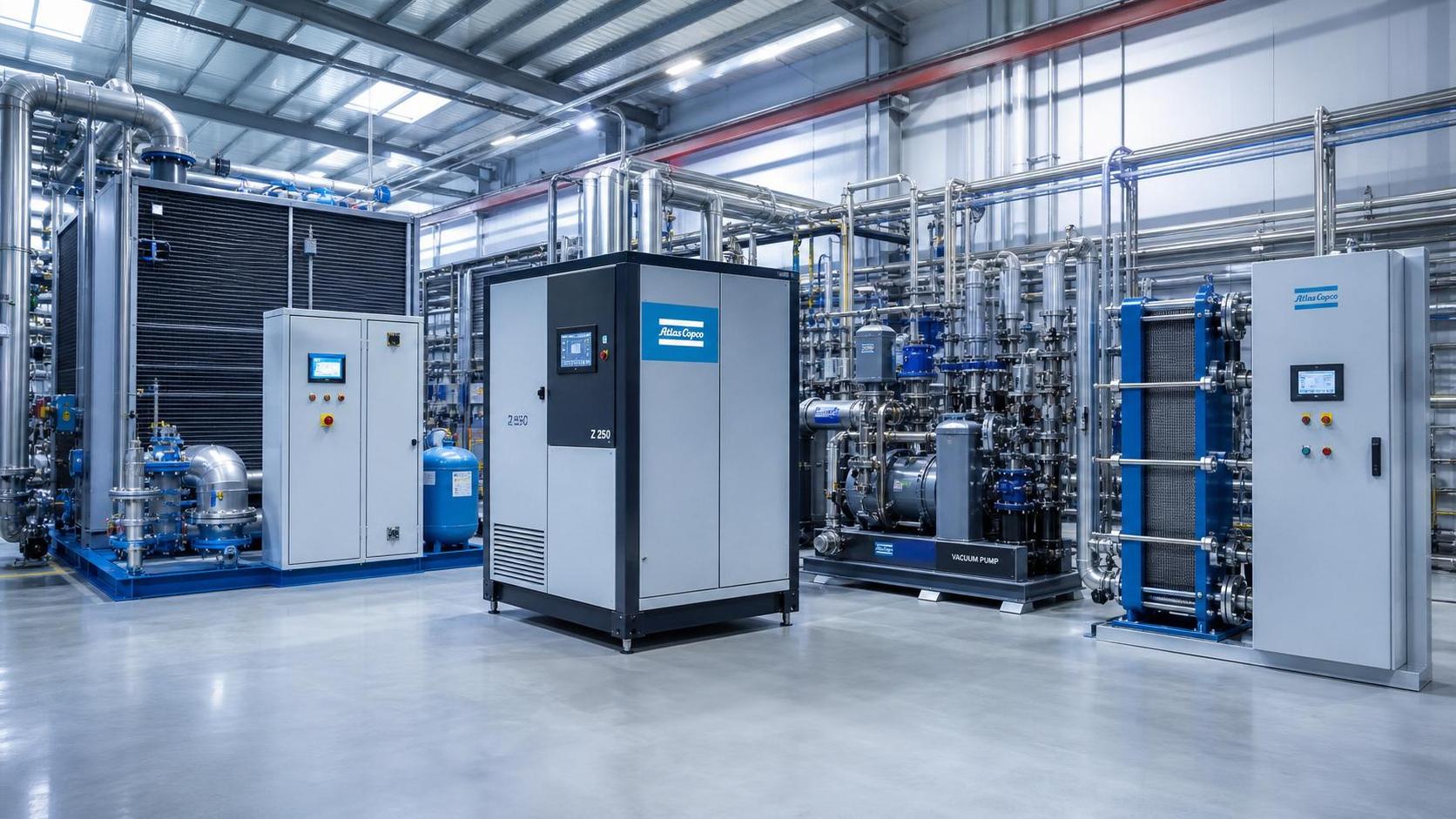
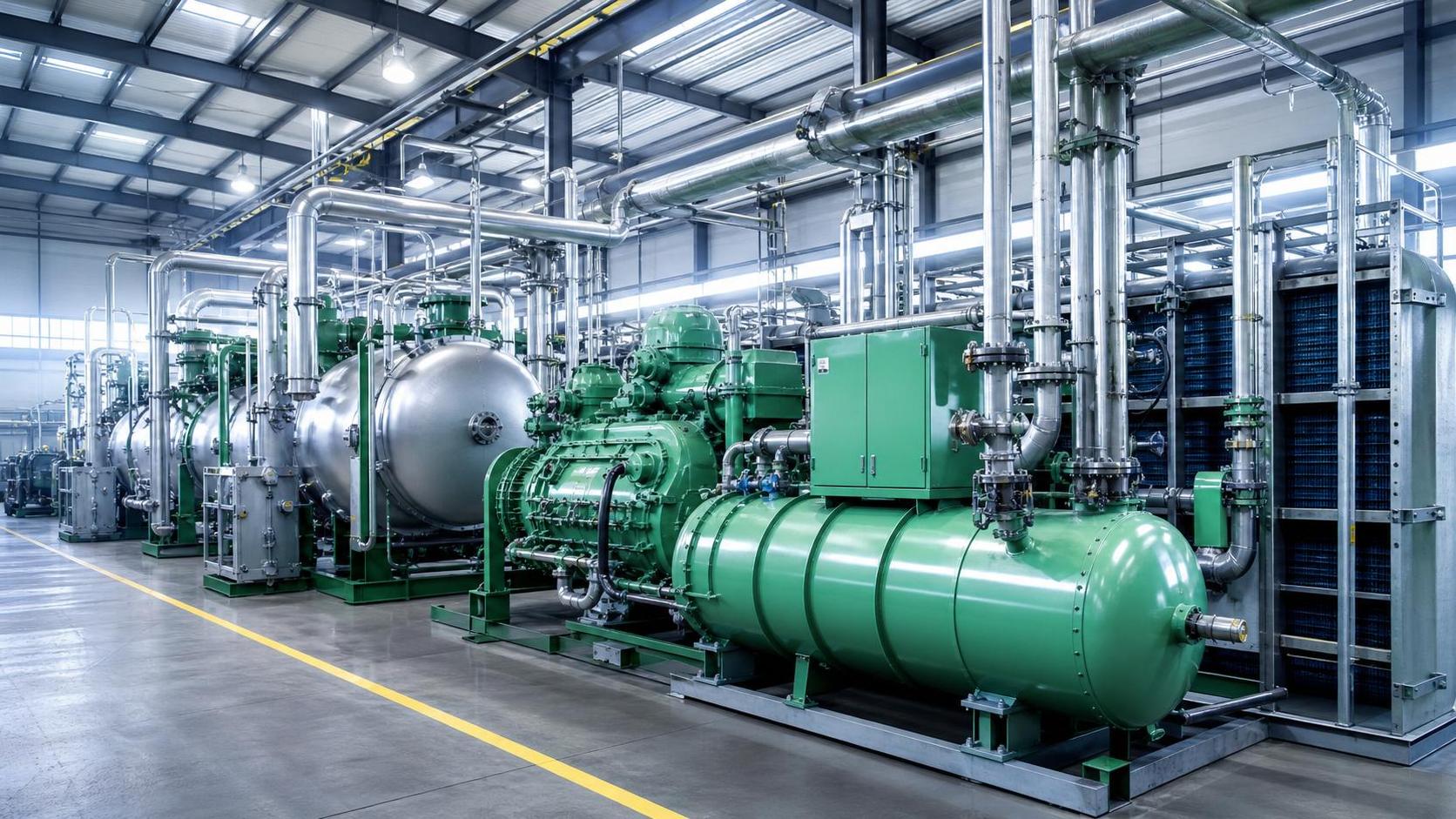
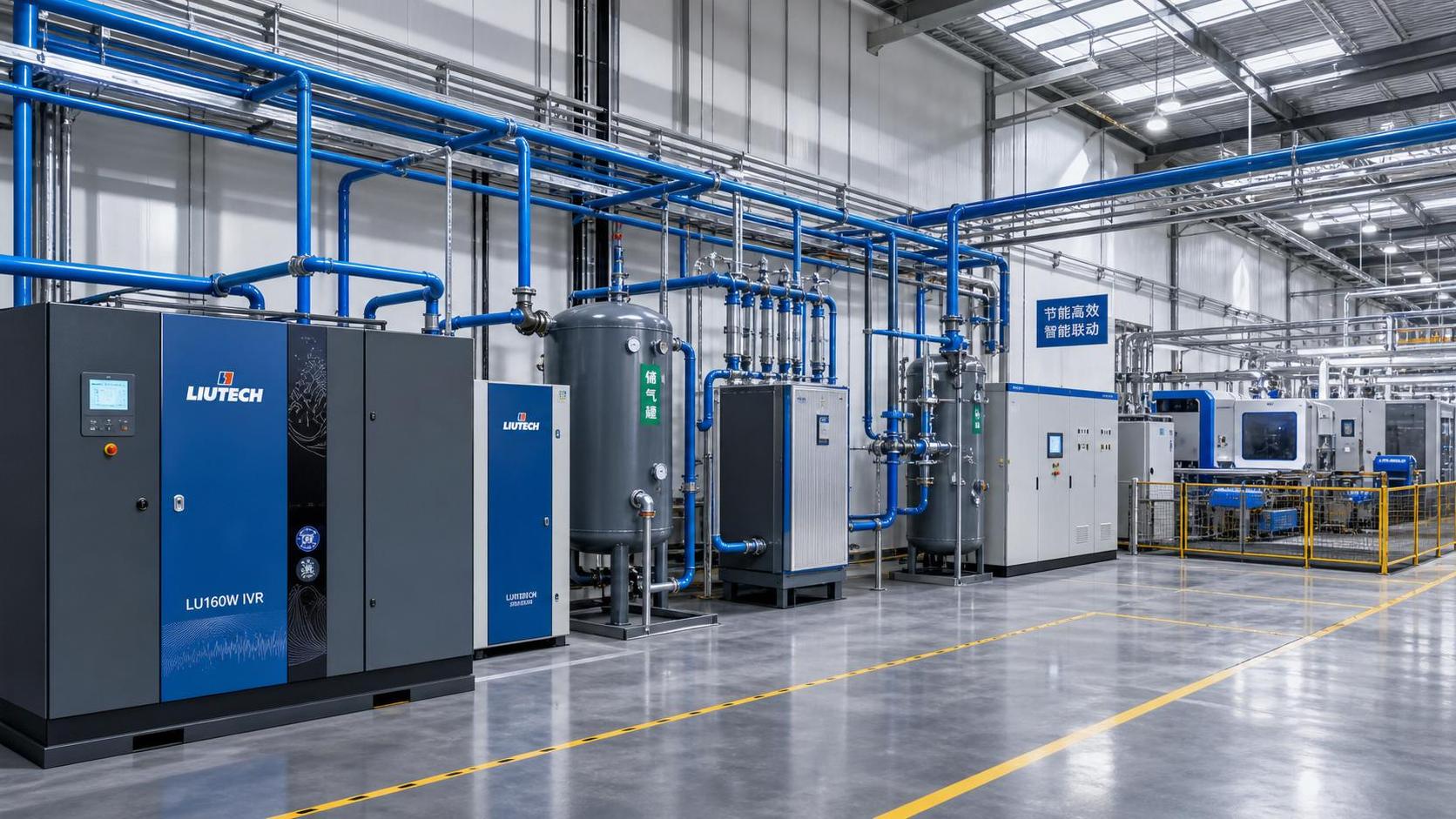
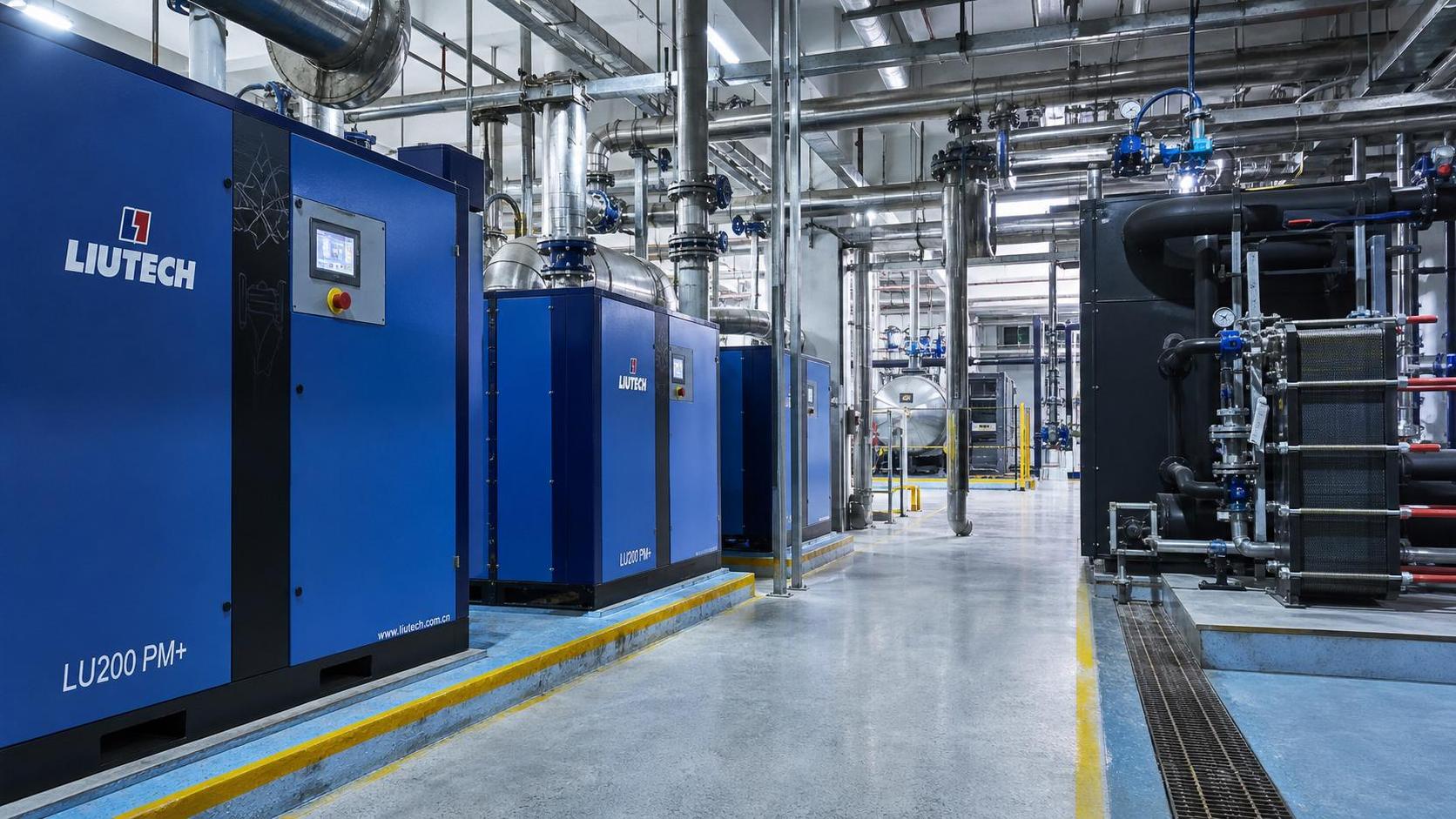
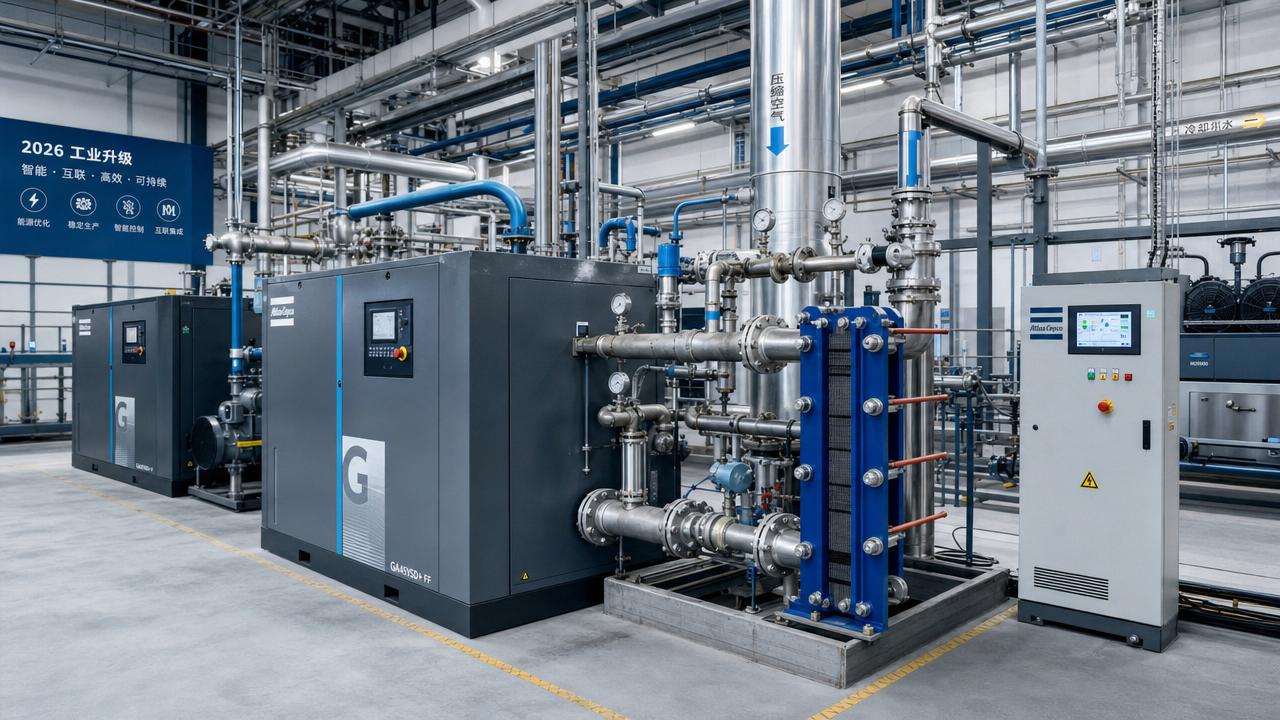
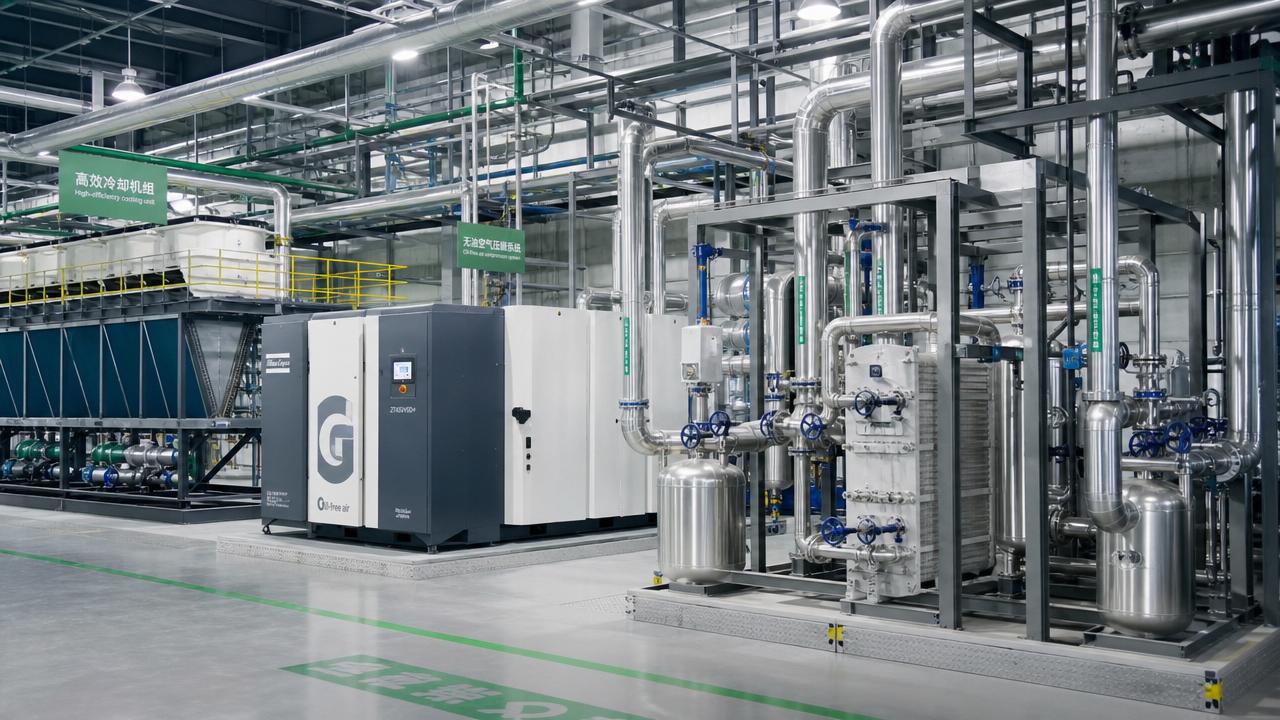
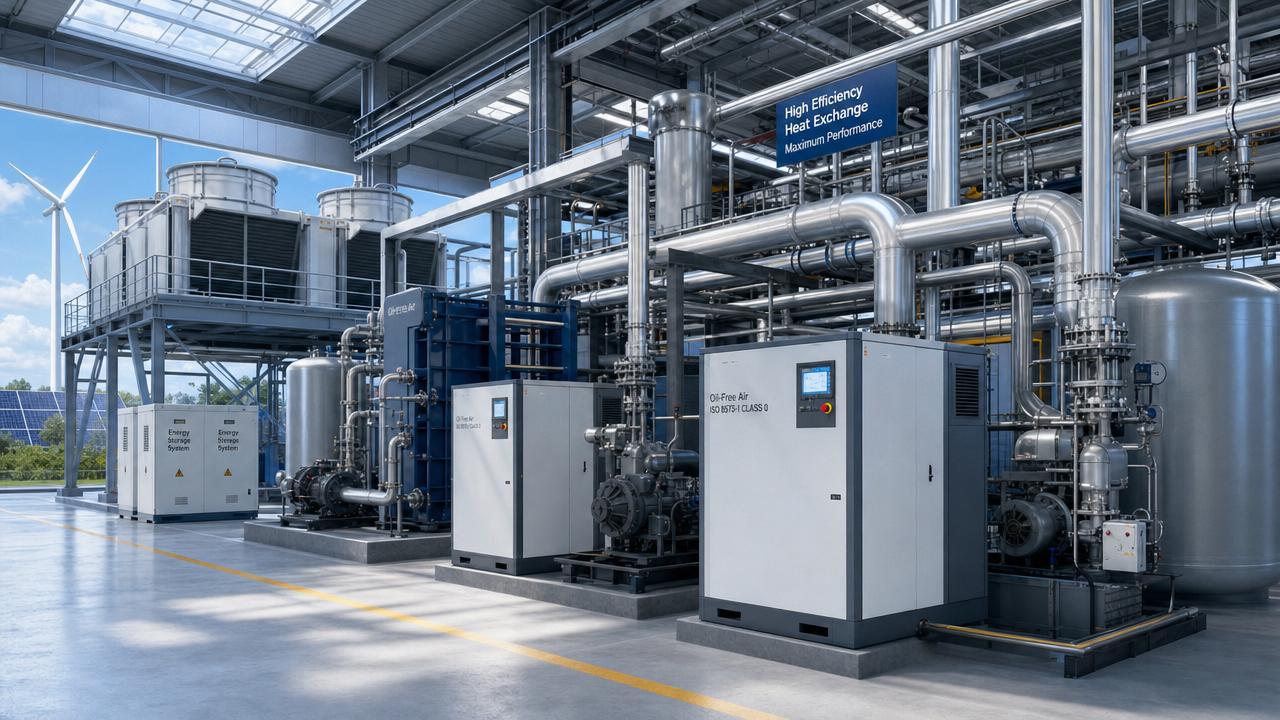
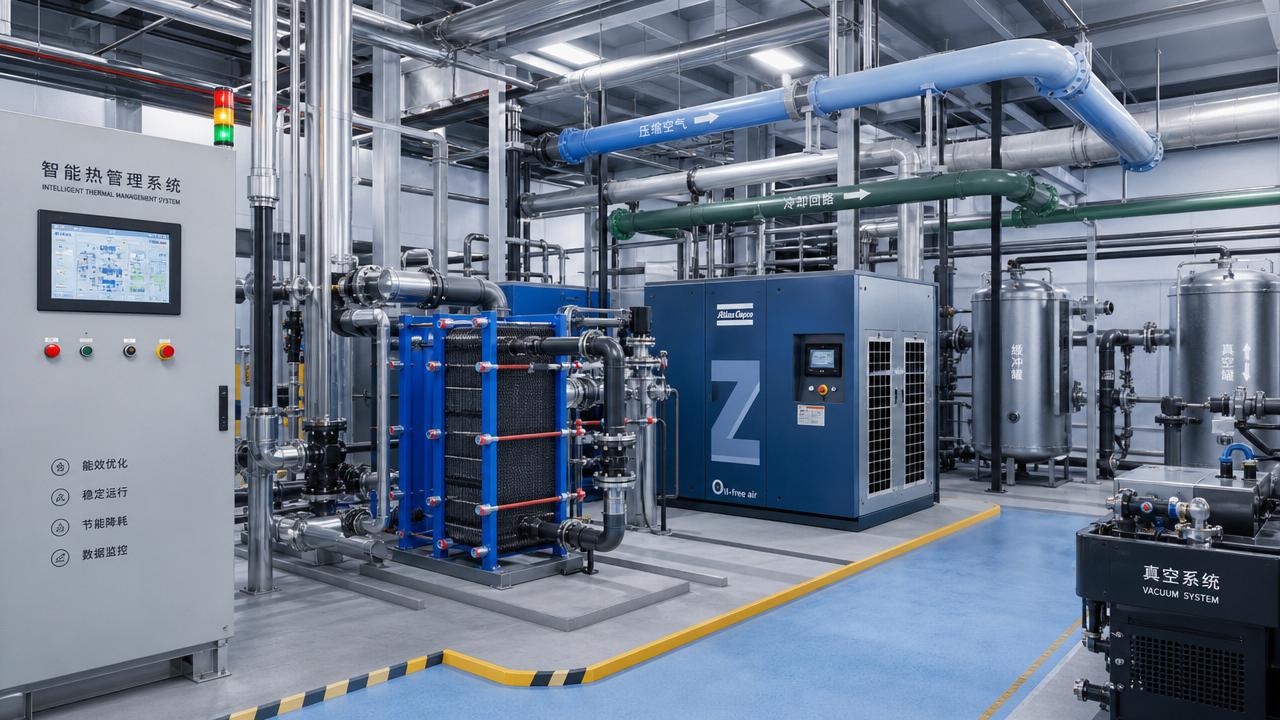
Oil-free compression, leak management, demand matching, and pressure optimization reduce energy waste at the source.
When these upgrades are tied to cleaner electricity, the impact compounds.
Vacuum processes follow a similar logic.
Oversized pumps, unstable loads, and poor heat removal increase both emissions and maintenance costs.
GTC-Matrix has highlighted how equipment evolution in oil-free compression and high-efficiency pneumatic systems is changing competitive expectations.
That matters because carbon neutrality is no longer a standalone environmental target.
It is increasingly part of supplier qualification and brand credibility.
Where decision quality often improves
- Mapping true air demand by shift, season, and production mix.
- Comparing full-load efficiency with part-load reality.
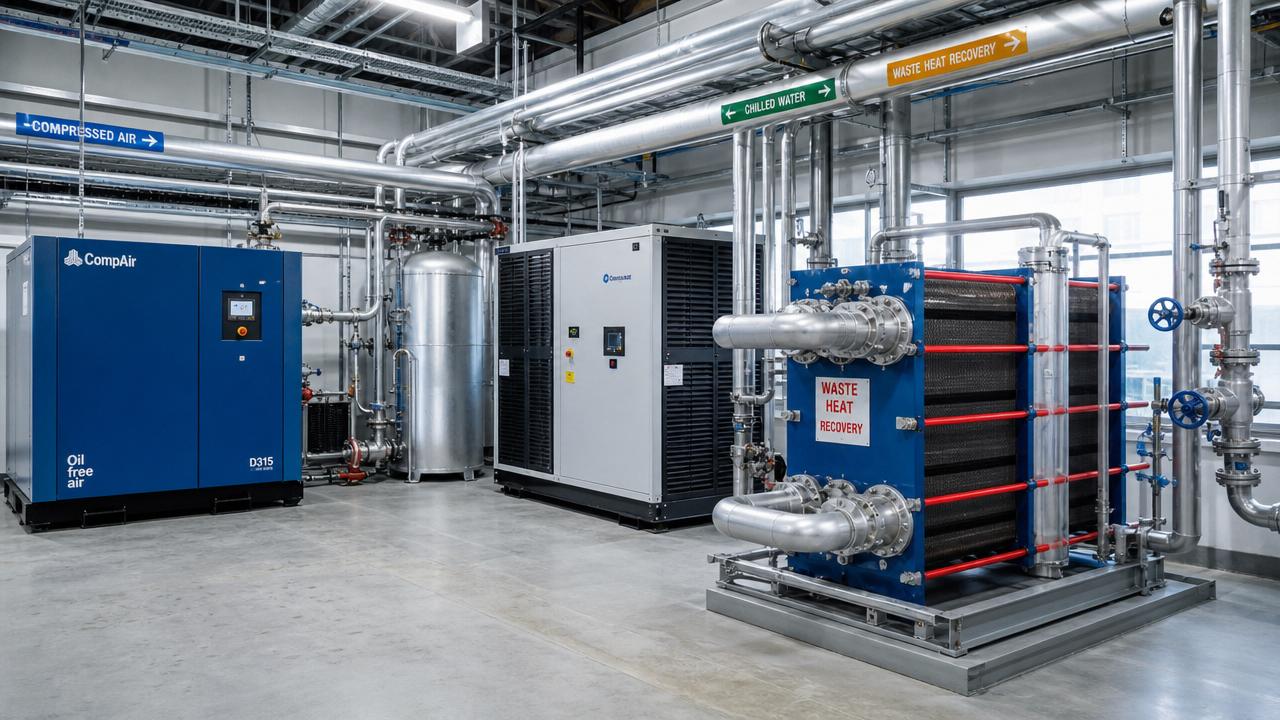
- Valuing heat recovery from compressors, not only power savings.
- Prioritizing purity requirements where product risk justifies premium systems.
Path Three: Treat Waste Heat as a Power Asset
Many decarbonization plans overlook thermal losses that are already paid for.
Heat recovery changes that.
Warm condenser streams, compressor discharge heat, and exhaust energy can offset purchased fuel or electricity in nearby processes.
The business case becomes stronger when plants need hot water, preheating, drying, or stable indoor climate control.
Microchannel heat exchangers and better thermal integration are important here.
They improve transfer efficiency while reducing footprint and refrigerant charge in some configurations.
Pure power sources are not always about new generation.
Often they come from using existing energy more intelligently, with less thermal rejection and less duplication between systems.
Path Four: Replace High-Carbon Thermal Inputs
Not every process can electrify immediately.
That makes thermal substitution a realistic fourth path.
Lower-carbon fuels, low-NOx combustion boilers, hybrid thermal systems, and staged fuel switching can reduce emissions without disrupting production continuity.
This path requires careful comparison.
A cleaner fuel with unstable regional supply may weaken resilience.
A low-emission technology with poor temperature control may not suit sensitive manufacturing.
The better approach is to judge thermal inputs by carbon intensity, controllability, retrofit complexity, and compatibility with future tightening of environmental rules.
Policy tracking also matters.
Changes in refrigerant quotas, emissions standards, and energy pricing can alter project economics much faster than original payback models suggest.
Path Five: Build Intelligence into Energy Decisions
The fifth path is less visible, yet often the most decisive.
Pure power sources create more value when energy decisions are guided by data rather than isolated equipment choices.
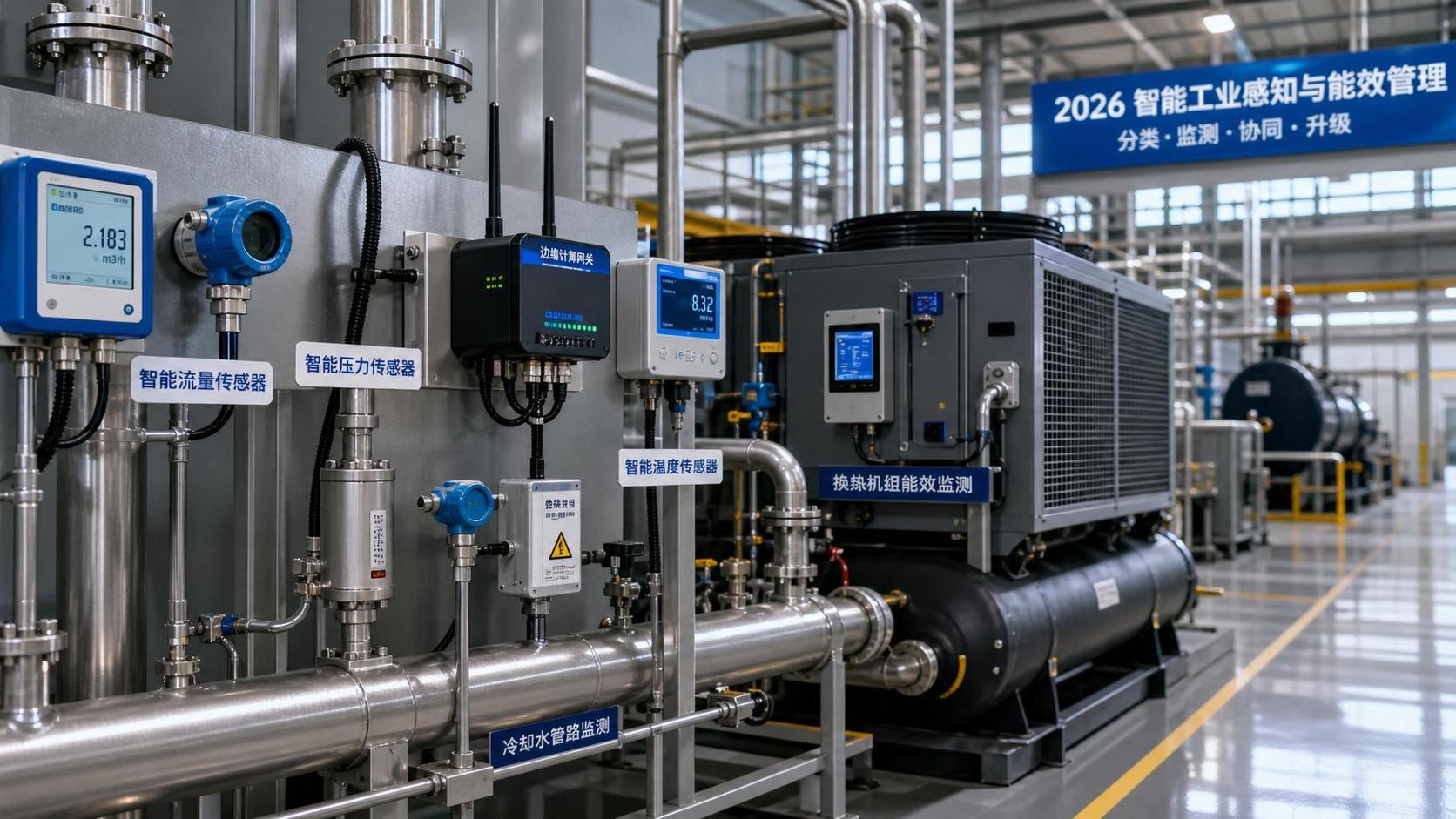
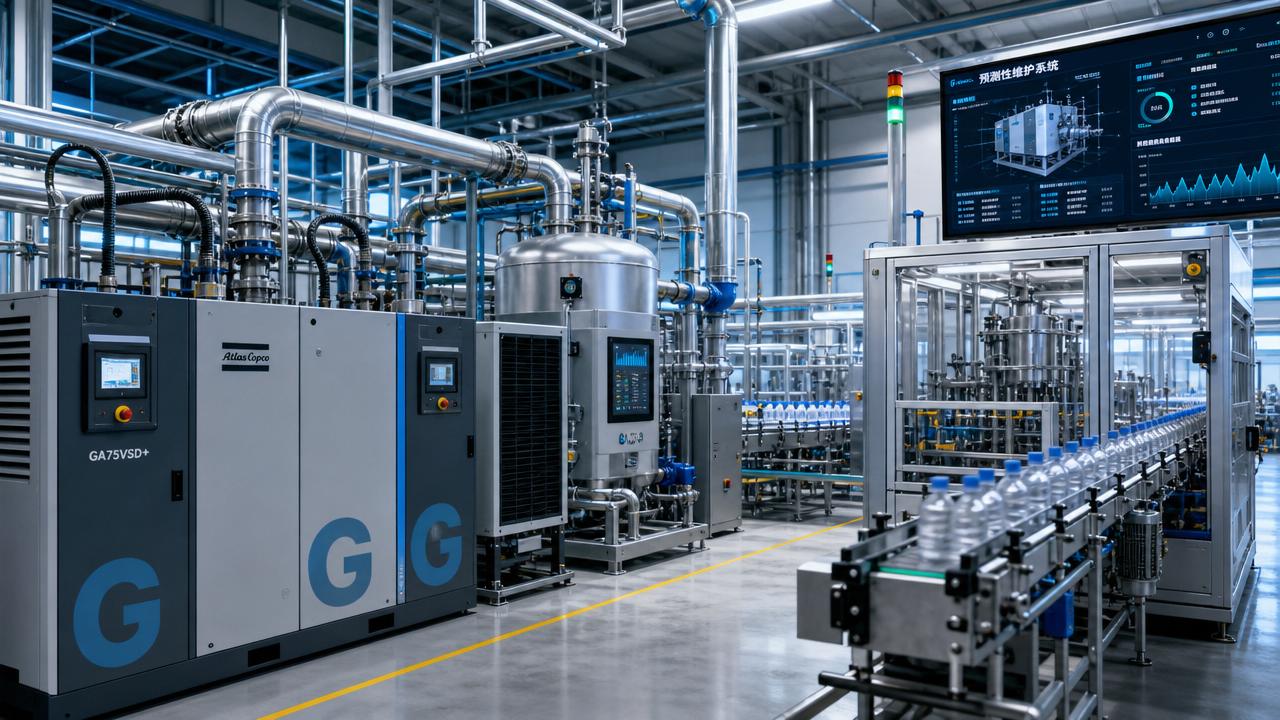
That means connecting utility consumption, thermal performance, maintenance patterns, and market signals into one view.
GTC-Matrix frames this as a strategic intelligence function.
Its coverage of industrial cooling, heat exchange, vacuum processes, and compression technology reflects how decarbonization actually happens across interconnected assets.
A compressor upgrade may affect heat recovery potential.
A refrigerant transition may change energy use, maintenance planning, and compliance exposure.
A pure power sources strategy therefore needs technical insight and commercial timing together.
Signals worth tracking
- Regional electricity carbon factors and price volatility.
- New standards affecting refrigerants, combustion, and air purity.
- Demand growth in high-precision thermal control sectors.
- Technology maturity in oil-free, low-loss, and digitally managed systems.
How to Prioritize the Next Move
The best sequence depends on site conditions, not headlines.
A practical review usually starts with where energy is converted, wasted, or contaminated.
That often reveals that pure power sources are not one investment decision, but a portfolio of linked improvements.
Short-cycle wins may come from leak reduction, controls, and heat recovery.
Medium-term gains may come from electrification, cleaner thermal equipment, and process redesign.
Longer-term advantage depends on intelligence discipline: tracking policy, technology shifts, and total energy performance rather than buying isolated upgrades.
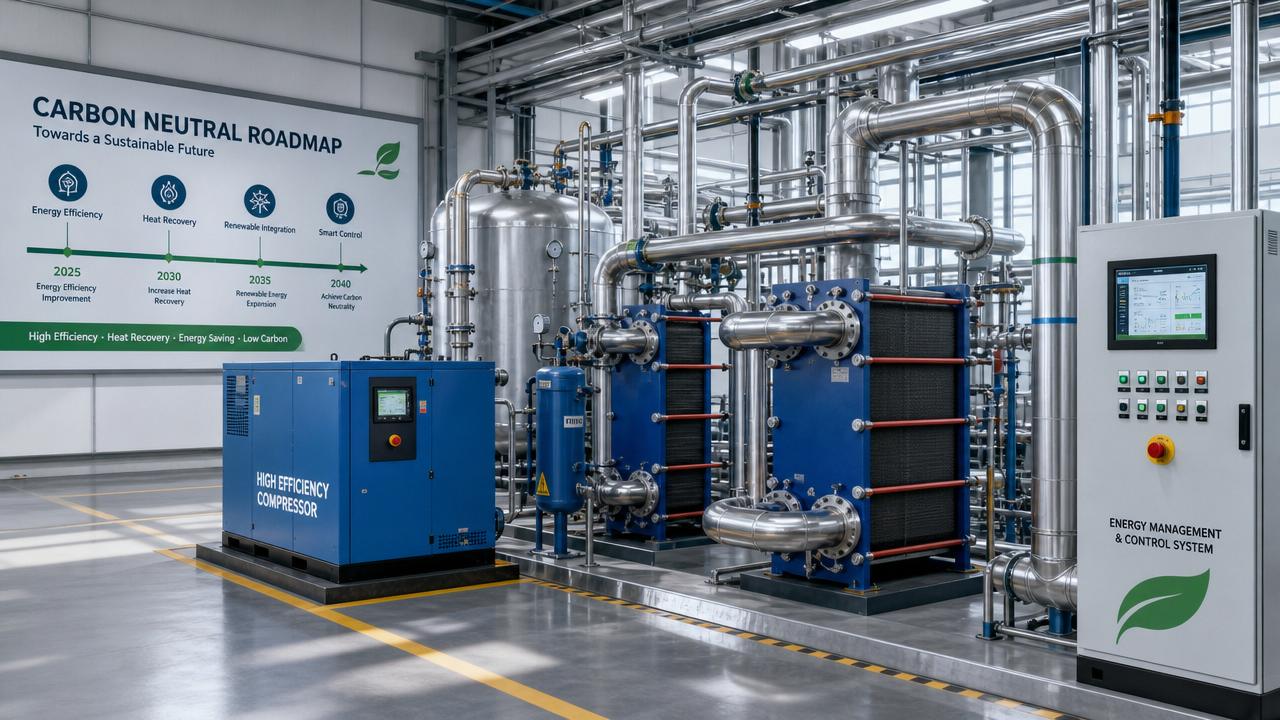
For organizations shaping a carbon-neutral roadmap, the useful next step is to compare assets by carbon impact, operational criticality, and upgrade readiness.
From there, pure power sources become easier to evaluate as business infrastructure, not just sustainability language.
That is usually where stronger decisions begin.
Ready when you are. Send us a message to get started.
Related News
- Why high-density thermal energy storage is gaining industry attentionAuthor :

- Smart Device Thermal Management Trends Shaping 2026 Product DesignAuthor :

- Industrial Cooling Technologies in Europe: 2026 Trends in Compliance and Energy UseAuthor :

- Industrial Electrification Trends in 2026: Where Projects Are Moving FirstAuthor :

- Industrial Solution Comparison Global: 2026 Trends Reshaping Equipment DecisionsAuthor :

- When Heat Recovery Systems Skid Mounted Designs Improve Project PaybackAuthor :

- How to Compare Industrial Decarbonization Solutions Providers in 2026Author :

- Industry Category Guides for Smart Devices: What to Track as 2026 Markets ShiftAuthor :

- Green Manufacturing Trends Reshaping Industrial InvestmentAuthor :

- 2026 Global Energy Costs: What Will Reshape Industrial PlanningAuthor :

- Industrial Decarbonization Solutions That Cut Fuel Costs in 2026Author :

- Smart Thermal Systems Trends Shaping Industrial Upgrades in 2026Author :

- Resource Circularity in Manufacturing: 5 Practical Gains Beyond ComplianceAuthor :

- Carbon Neutrality Roadmap: What Industrial Firms Need to Prioritize FirstAuthor :

- Energy Conversion Efficiency Trends Shaping Industrial UpgradesAuthor :

- Compression Technology Trends Shaping Efficient Plant UpgradesAuthor :

- Industrial Intelligence in Manufacturing: Where It Delivers Value FirstAuthor :

- How Intellectualization Improves Industrial Thermal ManagementAuthor :

- What Intellectualization Means for Smarter Plant Operations in 2026Author :

- Carbon Neutrality Goals: What Industrial Firms Should Prioritize in 2026Author :

- How Intellectualization Reduces Downtime in Modern Production LinesAuthor :

- Decarbonization Roadmap for Energy-Intensive Plants in 2026Author :

- Thermal Systems Trends in 2026: Efficiency, Control, and RiskAuthor :

- Industrial Decarbonization Priorities for Energy-Intensive FacilitiesAuthor :

- Thermal Systems in 2026: Efficiency Upgrades Shaping Industrial OperationsAuthor :

- Pure Power Sources: 5 Practical Paths to Carbon NeutralityAuthor :

- What Intellectualization Means for Industrial Equipment UpgradesAuthor :

- Thermal Optimization in 2026: Where Energy Savings Deliver the Fastest PaybackAuthor :

- Energy Efficiency Trends Reshaping Compressor Upgrades in 2026Author :

- 2026 Industrial Decarbonization Trends Reshaping Plant UpgradesAuthor :
![]()
- Heat Exchanger Technology Trends for 2026 Efficiency TargetsAuthor :

- Resource Circularity Risks in 2026 Supply ChainsAuthor :

- Smart Thermal Systems: When Upgrades Deliver Measurable SavingsAuthor :

- Carbon Neutrality: Practical Steps for Factory RoadmapsAuthor :

- 2026 Industrial Energy Efficiency Priorities for Plant UpgradesAuthor :

- Industrial Intellectualization Trends Reshaping Equipment UpgradesAuthor :