Energy Efficiency Trends Reshaping Compressor Upgrades in 2026




Energy efficiency is moving from engineering metric to board-level upgrade trigger
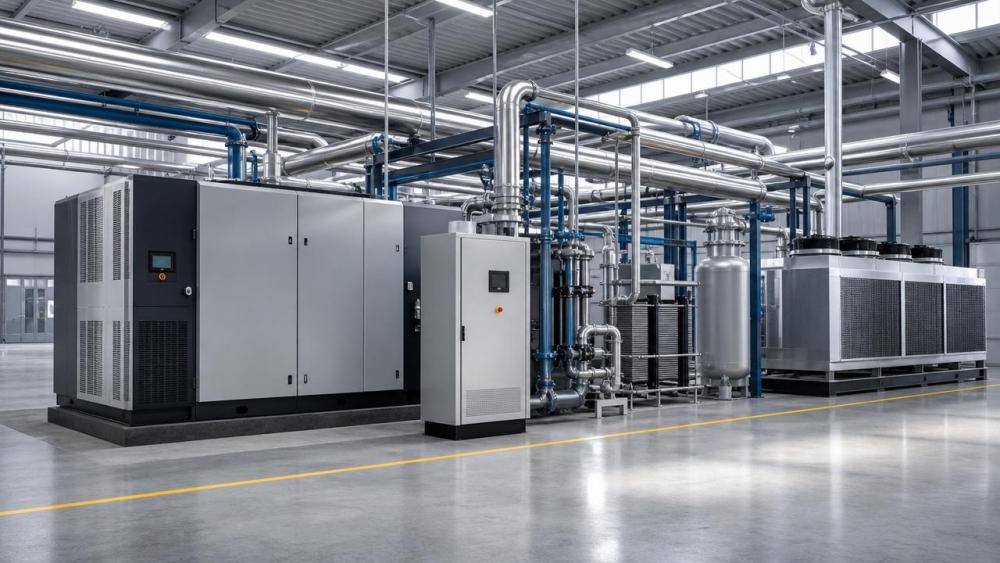
In 2026, compressor upgrades are being judged differently than they were only a few years ago.
Energy efficiency now shapes capital timing, risk tolerance, and operating strategy across multiple industrial systems.
That shift matters because compressors rarely sit alone.
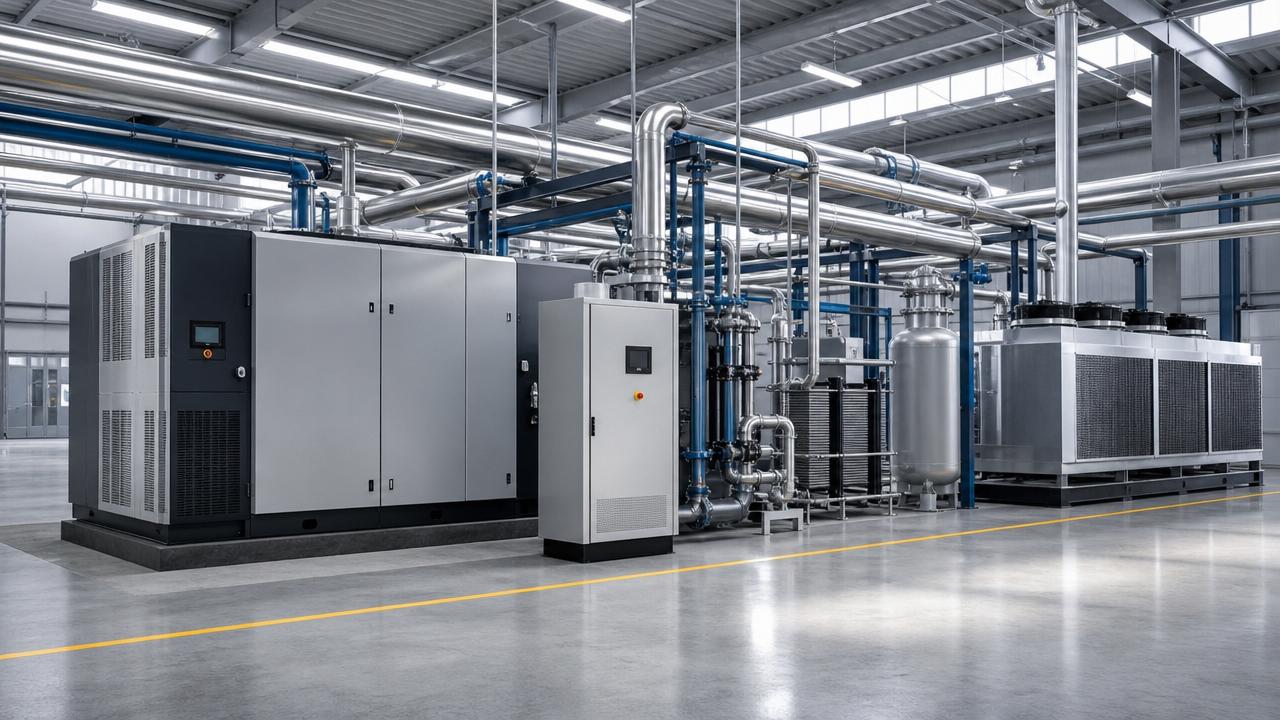
They affect cooling stability, compressed air quality, heat recovery potential, maintenance load, and plant-wide electricity intensity.
What looks like an equipment refresh is increasingly a wider decision about resilience, carbon exposure, and production efficiency.
Across manufacturing, logistics, food processing, pharmaceuticals, electronics, and utility-linked operations, the pressure is becoming harder to ignore.
Power price volatility has not disappeared.
Environmental compliance is becoming more data-driven.
And aging compressed air infrastructure often performs far below its original design assumptions.
This is why energy efficiency is no longer a secondary KPI in compressor modernization.
It is becoming the common language connecting operations, finance, sustainability, and reliability planning.
Why this change is becoming more visible in 2026
The most obvious signal is economic.
Electricity remains one of the largest lifecycle cost drivers in compressed air and process compression systems.
When energy costs stay uncertain, inefficient compressors create a recurring earnings penalty rather than a hidden technical issue.
A second signal comes from policy.
Efficiency reporting, emissions disclosure, refrigerant rules, and industrial decarbonization frameworks are starting to interact more directly.
That makes compressor performance part of compliance logic, not just utility management.
A third signal is operational.
Plants need tighter uptime, cleaner output, and more stable thermal conditions.
Older machines often consume more electricity while also producing heat losses, pressure instability, and avoidable maintenance events.
From recent market observation, upgrades are also being accelerated by information quality.
Platforms such as GTC-Matrix have made cross-sector intelligence easier to compare.
That matters because compressor decisions now depend on thermodynamics, end-use demand, and policy timing at the same time.
The main forces behind current upgrade decisions
The upgrade conversation is no longer about one machine
One notable change in 2026 is the wider system boundary used in evaluation.
Energy efficiency is being assessed across air generation, drying, controls, cooling, recovery, and end-use behavior.
This broader lens often changes project priorities.
A plant may discover that the real issue is not compressor age alone.
It may be oversizing, leakage, poor load matching, unstable demand peaks, or waste heat going unused.
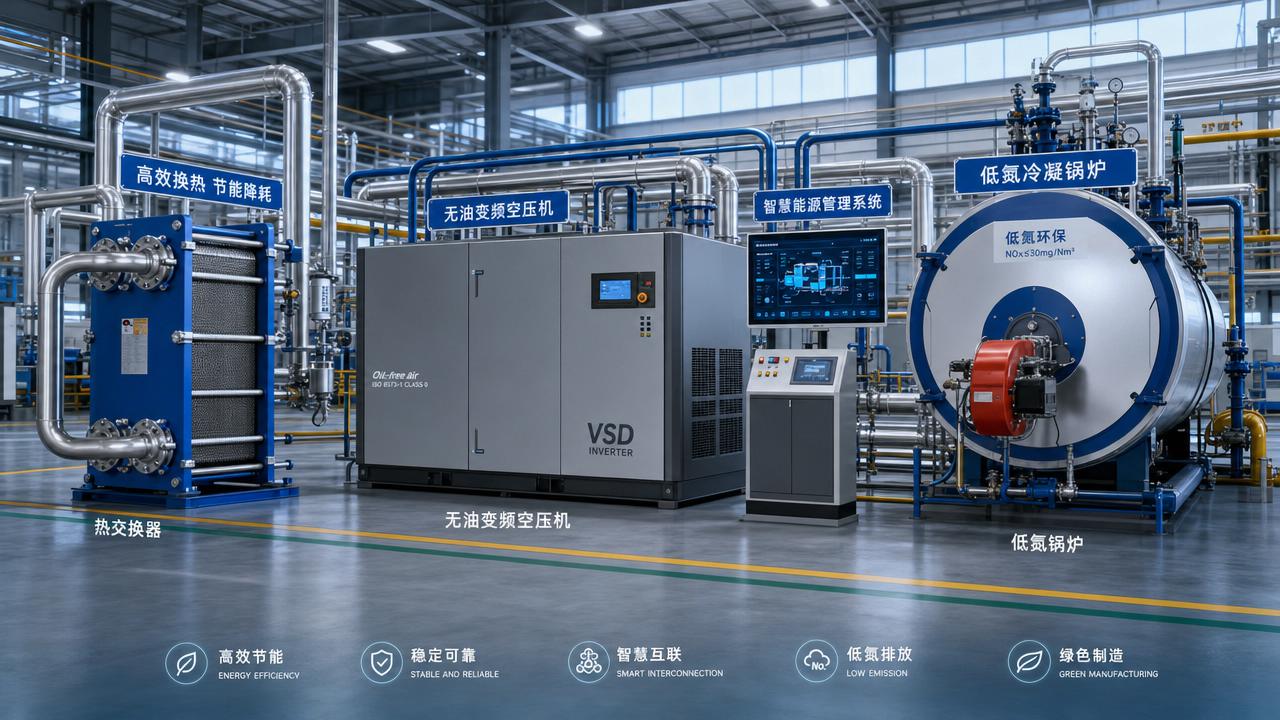
That is why variable speed drives, intelligent sequencing, oil-free compression, advanced monitoring, and heat recovery are increasingly discussed together.
In practical terms, energy efficiency now rewards integration.
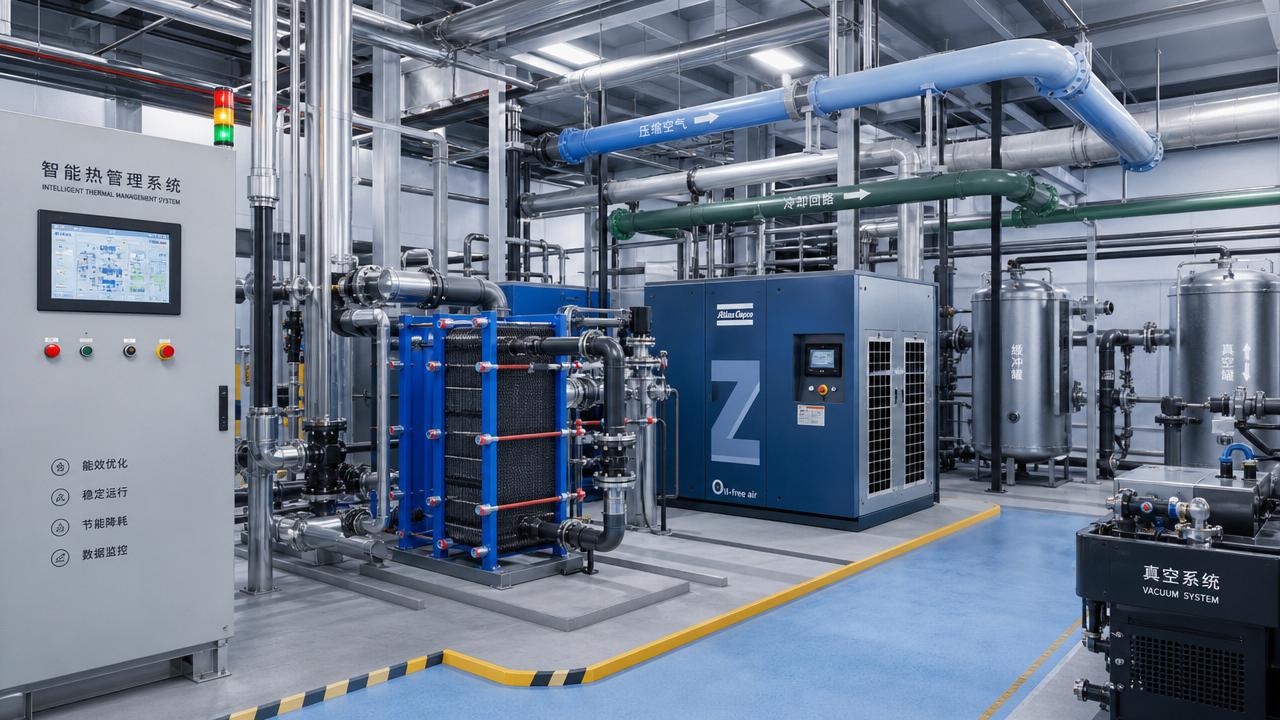
Compressed air systems are being linked more closely with plant cooling loops, thermal recovery plans, and digital maintenance workflows.
This is especially visible in sectors where temperature control and pure utility supply have direct product implications.
The GTC-Matrix perspective is useful here.
Its tracking of industrial cooling, vacuum processes, heat exchange, and compressed air shows how efficiency gains increasingly come from stitched system intelligence.
Where the impact shows up first across industrial operations
The effects of better energy efficiency are not limited to utility bills.
They often appear first in business areas that were not originally tied to compressor decisions.
- Production continuity improves when pressure and temperature fluctuations are reduced.
- Maintenance planning becomes more predictable with sensor-based diagnostics and lower thermal stress.
- Audit readiness improves when energy performance data is structured and traceable.
- Facility expansion becomes easier when compressed air systems are modular and load-responsive.
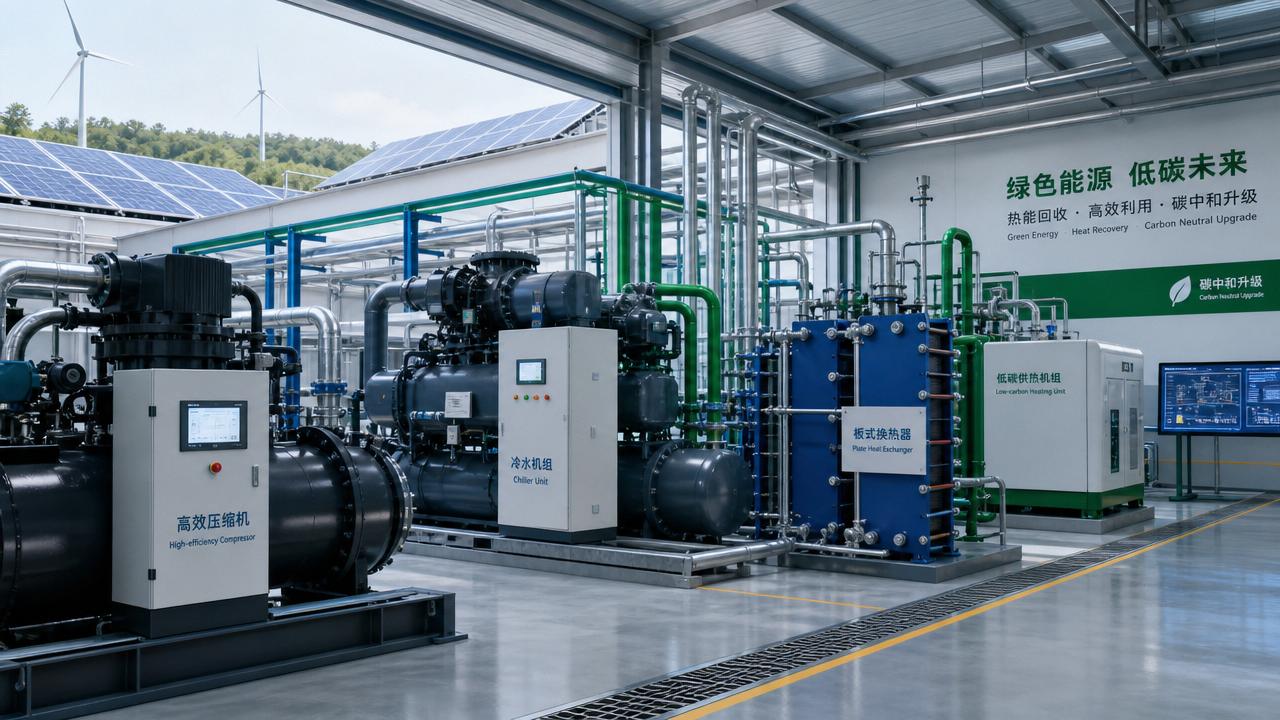
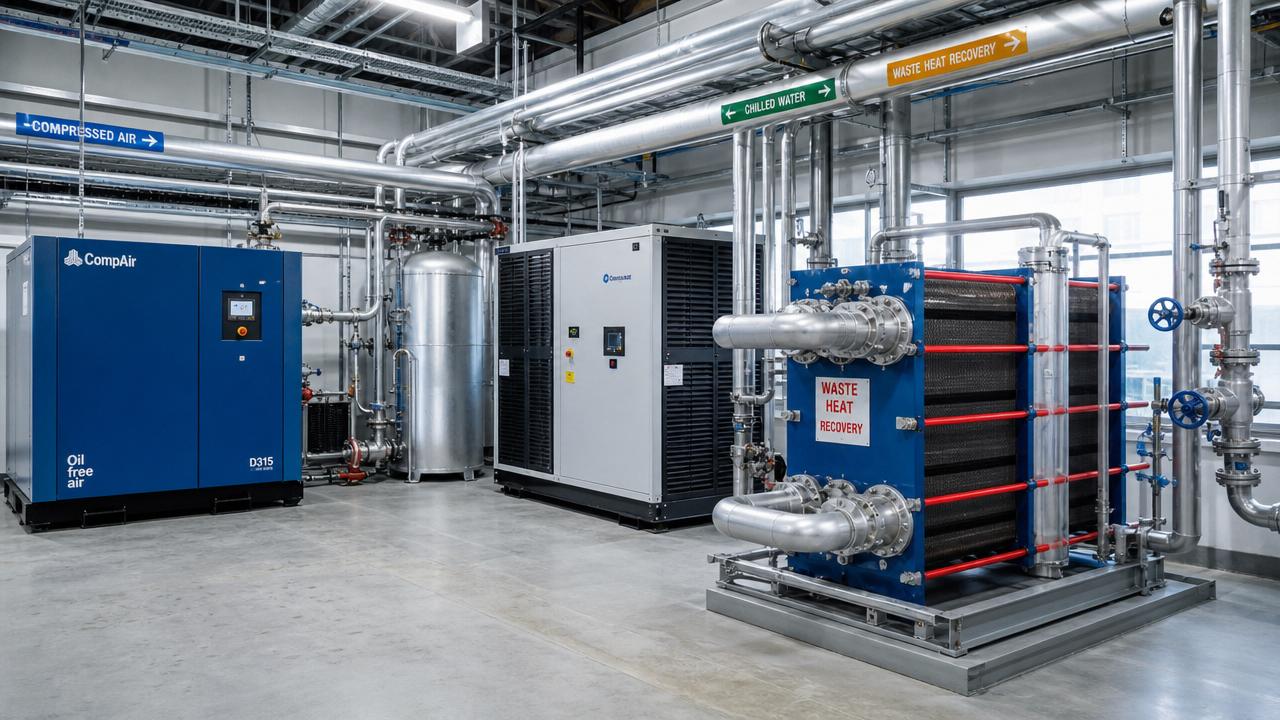
- Waste heat can be reused for hot water or process support, improving total site energy efficiency.
Different industries feel the shift in different ways.
In food and pharmaceutical environments, air purity and thermal discipline raise the value of oil-free and tightly monitored systems.
In electronics and precision manufacturing, small variations can affect yield, making efficiency and stability closely linked.
In general industry, the biggest gains often come from eliminating chronic inefficiencies that had become normal operating background.
The technology signals worth watching are becoming more specific
The market is moving beyond simple claims of lower power consumption.
More attention is going to measurable performance under real operating conditions.
That includes part-load behavior, control responsiveness, contamination risk, thermal recovery value, and maintenance intensity.
Several technology directions stand out.
Signals that deserve closer evaluation
- Oil-free compression is gaining strategic value where purity, efficiency, and compliance intersect.
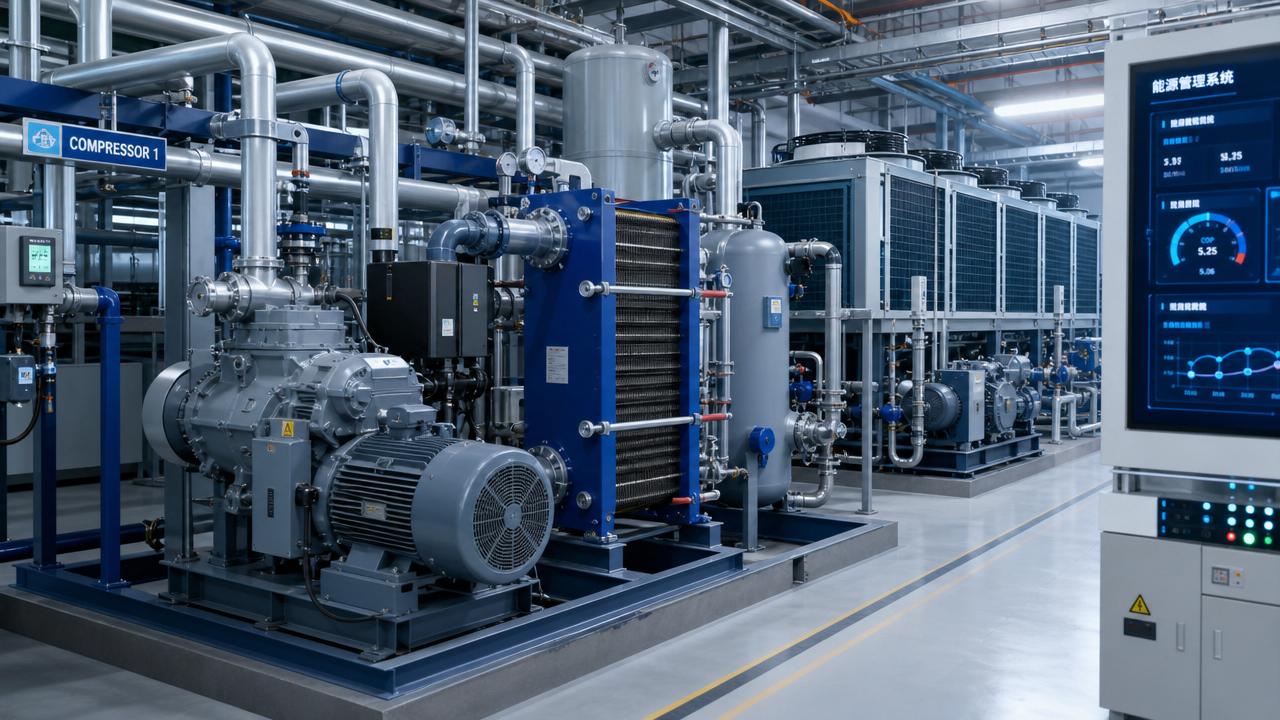
- Smarter controls are reducing idle losses and improving multi-unit coordination.
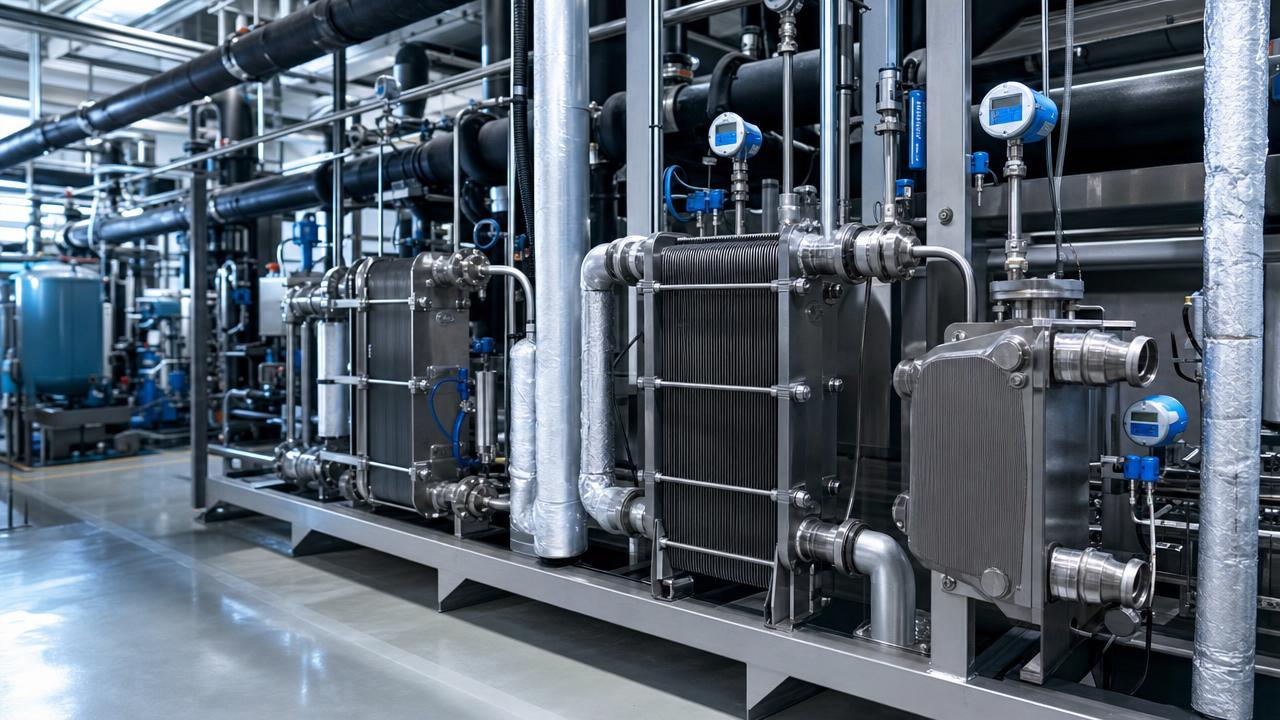
- Heat exchanger improvements, including compact and microchannel approaches, support better thermal balance.
- Leak detection and digital twins are shifting efficiency work from reactive repair to continuous optimization.
- Heat recovery is being treated less as an extra feature and more as a standard design question.
What matters is not adopting every innovation at once.
It is understanding which technology improves energy efficiency within the actual duty cycle and thermal profile of the site.
How to judge compressor upgrades when payback alone is too narrow
A short payback threshold still matters, but it is no longer enough.
The better question is whether a project reduces structural exposure over the next operating cycle.
That means looking at energy efficiency together with uptime, flexibility, emissions, and data visibility.
In many cases, delayed upgrades cost more than imperfect upgrades.
Aging equipment can lock sites into high specific energy consumption for years.
It can also make future decarbonization programs harder, because baseline performance is poorly documented.
A more useful evaluation framework includes the following questions.
- Is current compressor sizing aligned with real load patterns, or only with past peak assumptions?
- How much of electricity use comes from part-load inefficiency rather than full-load demand?
- Can waste heat be captured in a way that improves total site energy efficiency?
- Will upcoming policy, refrigerant, or reporting changes alter the project economics?
- Does the upgrade create usable performance data for future optimization?
The next move is disciplined observation, not rushed replacement
The 2026 direction is clear: energy efficiency is reshaping how compressor upgrades are justified and sequenced.
But the strongest decisions are rarely driven by headline trends alone.
They come from matching external pressure with internal operating reality.
That means reviewing load data, mapping heat flows, checking leakage, comparing control logic, and tracking regulatory direction early.
It also means treating compressor upgrades as part of a wider thermal and power strategy.
This is exactly where intelligence-led platforms such as GTC-Matrix add value.
By connecting policy movement, thermodynamic analysis, and technology evolution, they help frame better timing and better priorities.
For the next step, focus on three actions: establish a current efficiency baseline, compare system-level upgrade paths, and monitor standards and cost signals quarterly.
In a market where energy efficiency is shaping competitiveness, waiting without measurement is becoming the most expensive option.
Ready when you are. Send us a message to get started.
Related News
- Why high-density thermal energy storage is gaining industry attentionAuthor :

- Smart Device Thermal Management Trends Shaping 2026 Product DesignAuthor :

- Industrial Cooling Technologies in Europe: 2026 Trends in Compliance and Energy UseAuthor :

- Industrial Electrification Trends in 2026: Where Projects Are Moving FirstAuthor :

- Industrial Solution Comparison Global: 2026 Trends Reshaping Equipment DecisionsAuthor :

- When Heat Recovery Systems Skid Mounted Designs Improve Project PaybackAuthor :

- How to Compare Industrial Decarbonization Solutions Providers in 2026Author :

- Industry Category Guides for Smart Devices: What to Track as 2026 Markets ShiftAuthor :

- Green Manufacturing Trends Reshaping Industrial InvestmentAuthor :

- 2026 Global Energy Costs: What Will Reshape Industrial PlanningAuthor :

- Industrial Decarbonization Solutions That Cut Fuel Costs in 2026Author :

- Smart Thermal Systems Trends Shaping Industrial Upgrades in 2026Author :

- Resource Circularity in Manufacturing: 5 Practical Gains Beyond ComplianceAuthor :

- Carbon Neutrality Roadmap: What Industrial Firms Need to Prioritize FirstAuthor :

- Energy Conversion Efficiency Trends Shaping Industrial UpgradesAuthor :

- Compression Technology Trends Shaping Efficient Plant UpgradesAuthor :

- Industrial Intelligence in Manufacturing: Where It Delivers Value FirstAuthor :

- How Intellectualization Improves Industrial Thermal ManagementAuthor :

- What Intellectualization Means for Smarter Plant Operations in 2026Author :

- Carbon Neutrality Goals: What Industrial Firms Should Prioritize in 2026Author :

- How Intellectualization Reduces Downtime in Modern Production LinesAuthor :

- Decarbonization Roadmap for Energy-Intensive Plants in 2026Author :

- Thermal Systems Trends in 2026: Efficiency, Control, and RiskAuthor :

- Industrial Decarbonization Priorities for Energy-Intensive FacilitiesAuthor :

- Thermal Systems in 2026: Efficiency Upgrades Shaping Industrial OperationsAuthor :

- Pure Power Sources: 5 Practical Paths to Carbon NeutralityAuthor :

- What Intellectualization Means for Industrial Equipment UpgradesAuthor :

- Thermal Optimization in 2026: Where Energy Savings Deliver the Fastest PaybackAuthor :

- Energy Efficiency Trends Reshaping Compressor Upgrades in 2026Author :

- 2026 Industrial Decarbonization Trends Reshaping Plant UpgradesAuthor :
![]()
- Heat Exchanger Technology Trends for 2026 Efficiency TargetsAuthor :

- Resource Circularity Risks in 2026 Supply ChainsAuthor :

- Smart Thermal Systems: When Upgrades Deliver Measurable SavingsAuthor :

- Carbon Neutrality: Practical Steps for Factory RoadmapsAuthor :

- 2026 Industrial Energy Efficiency Priorities for Plant UpgradesAuthor :

- Industrial Intellectualization Trends Reshaping Equipment UpgradesAuthor :