Industrial Intellectualization Trends Reshaping Equipment Upgrades




Industrial intellectualization is becoming the new baseline for equipment upgrades
Industrial intellectualization is no longer a distant concept but a decisive force in equipment upgrade strategies.
Across the comprehensive industrial landscape, connected equipment is redefining how assets are selected, operated, and improved.
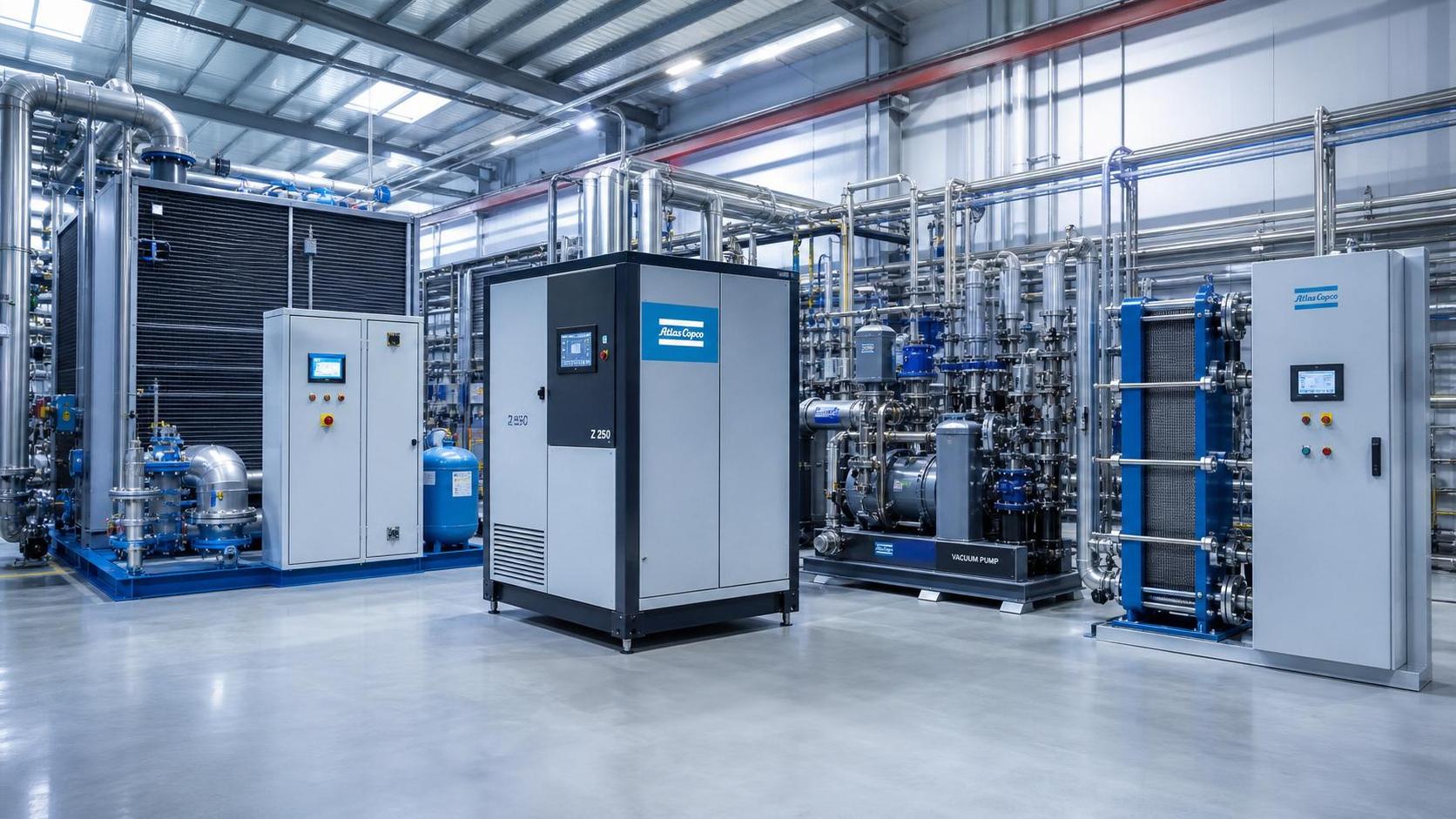
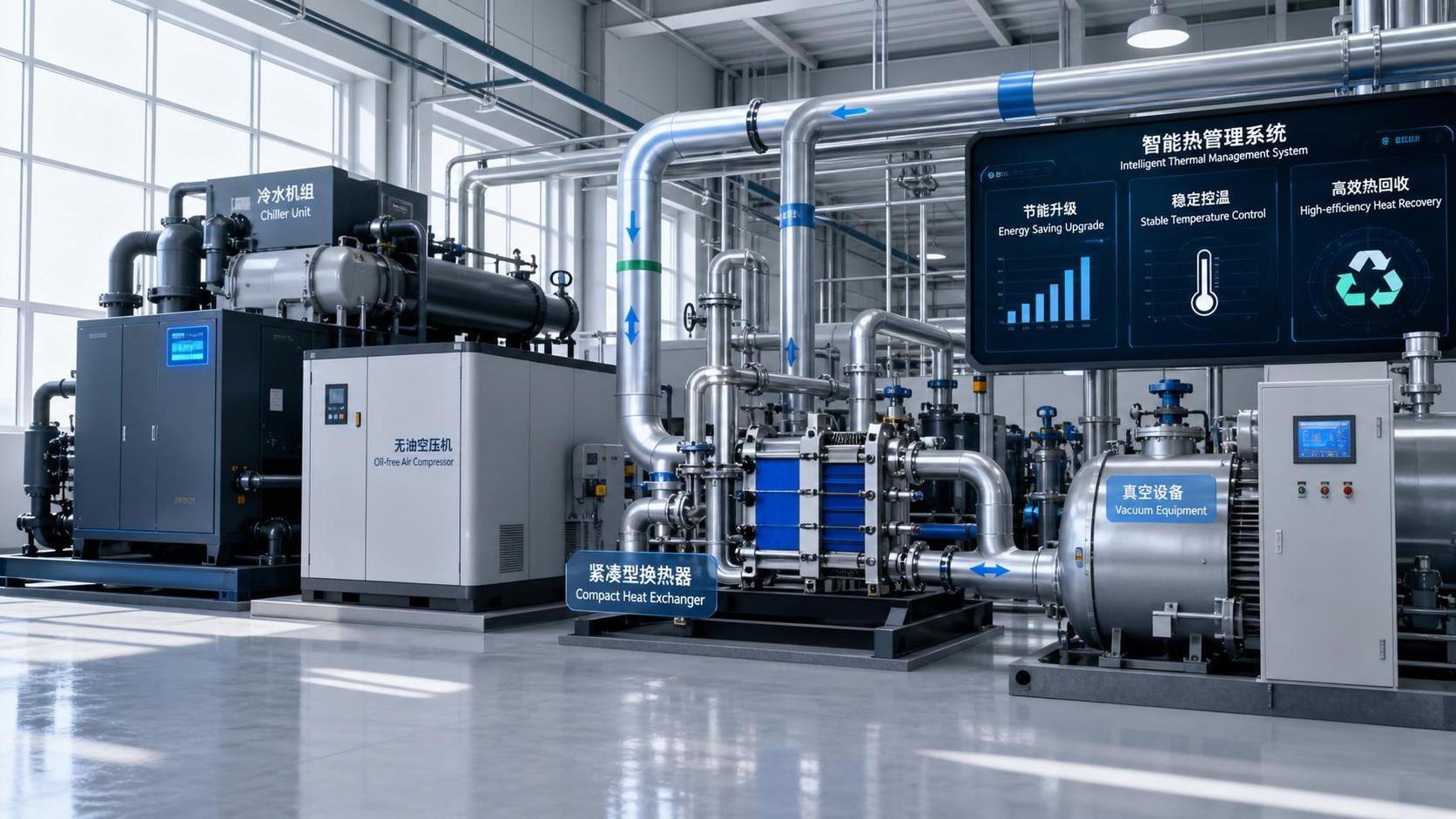
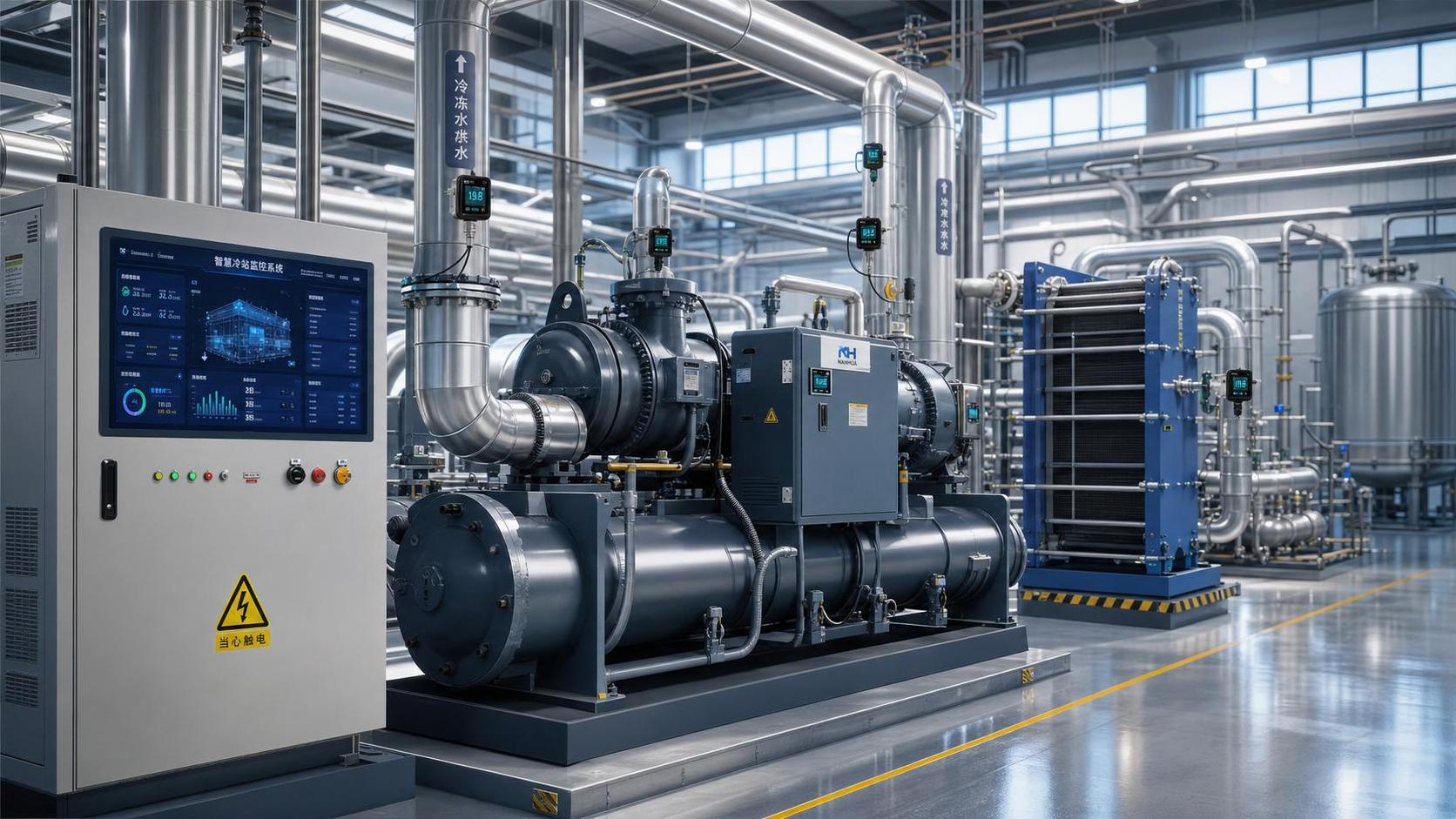
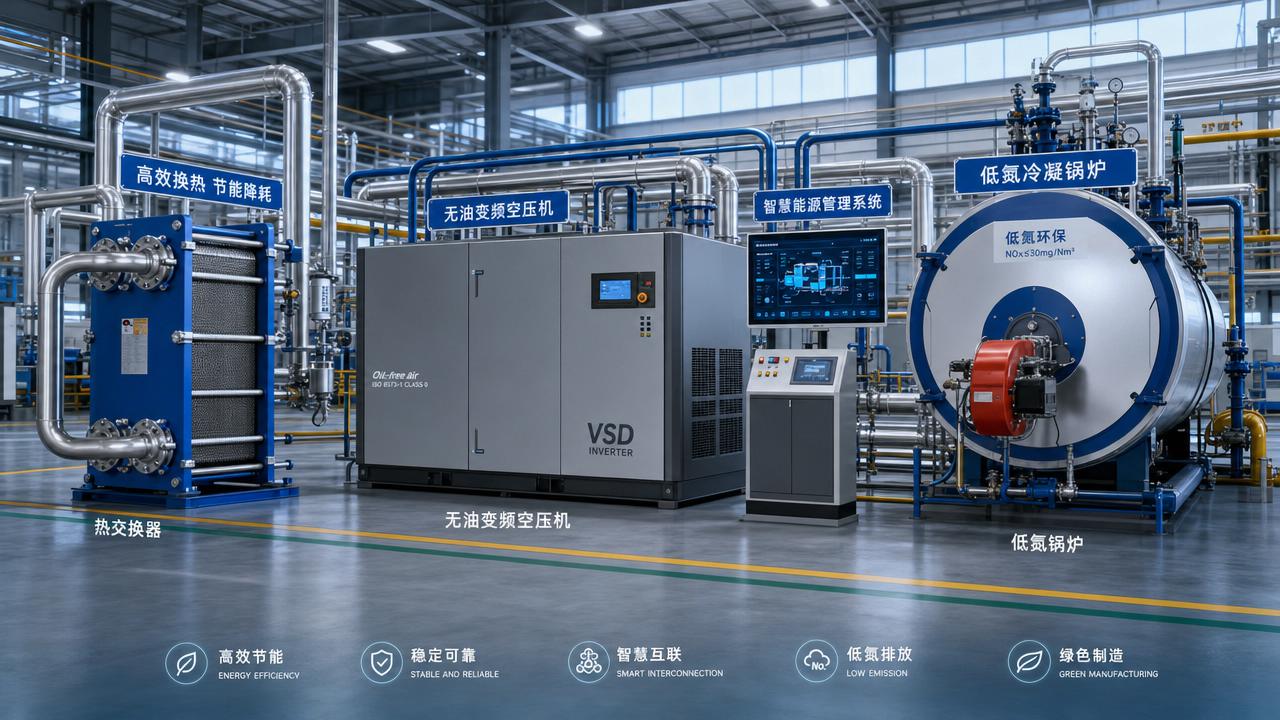
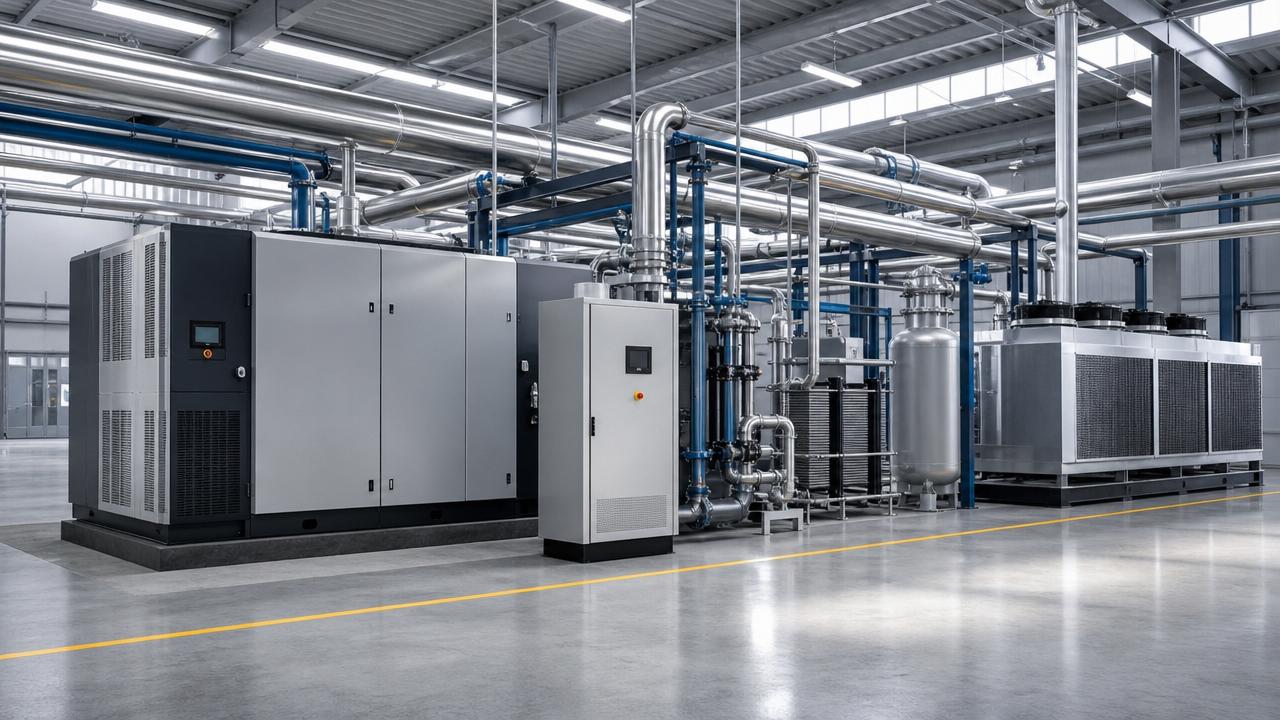
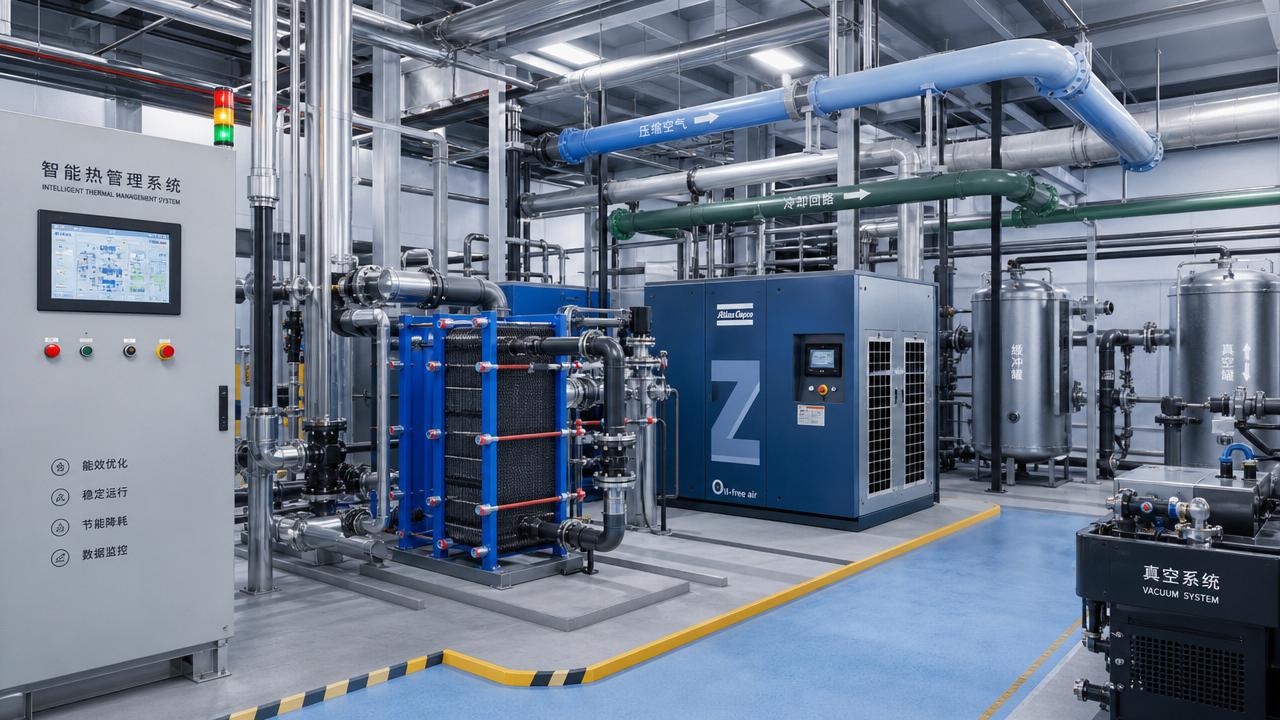
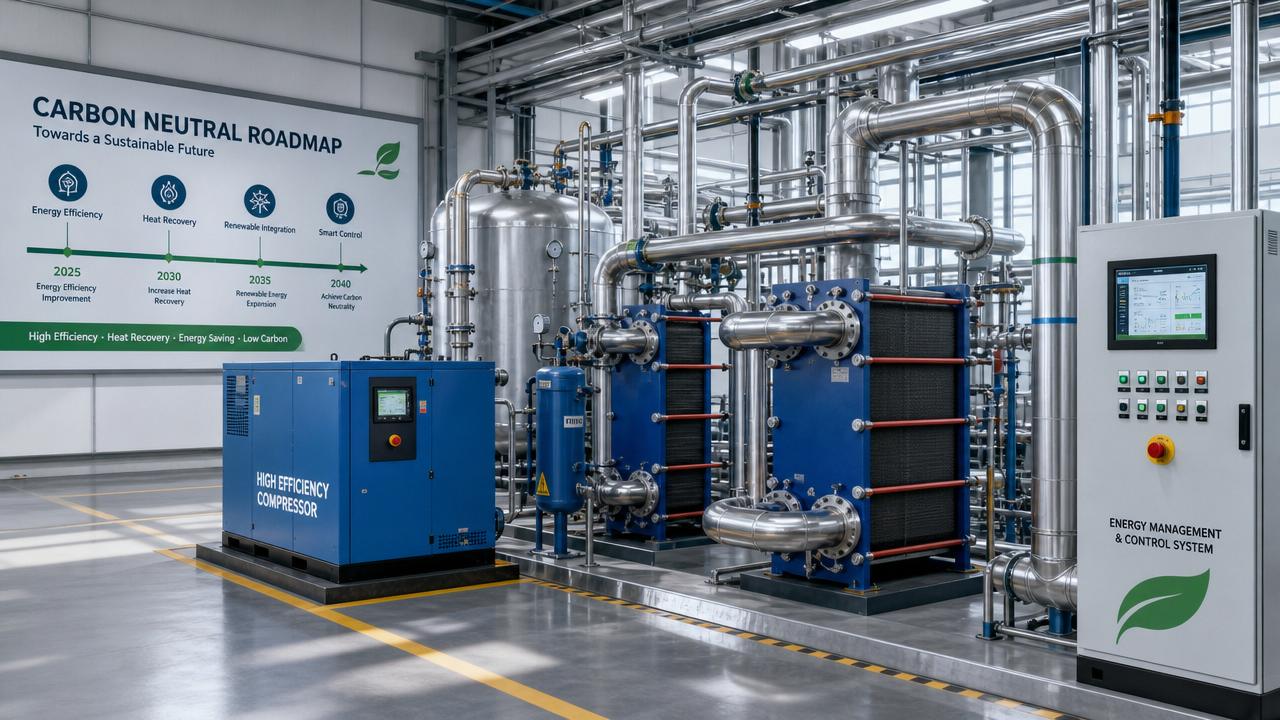
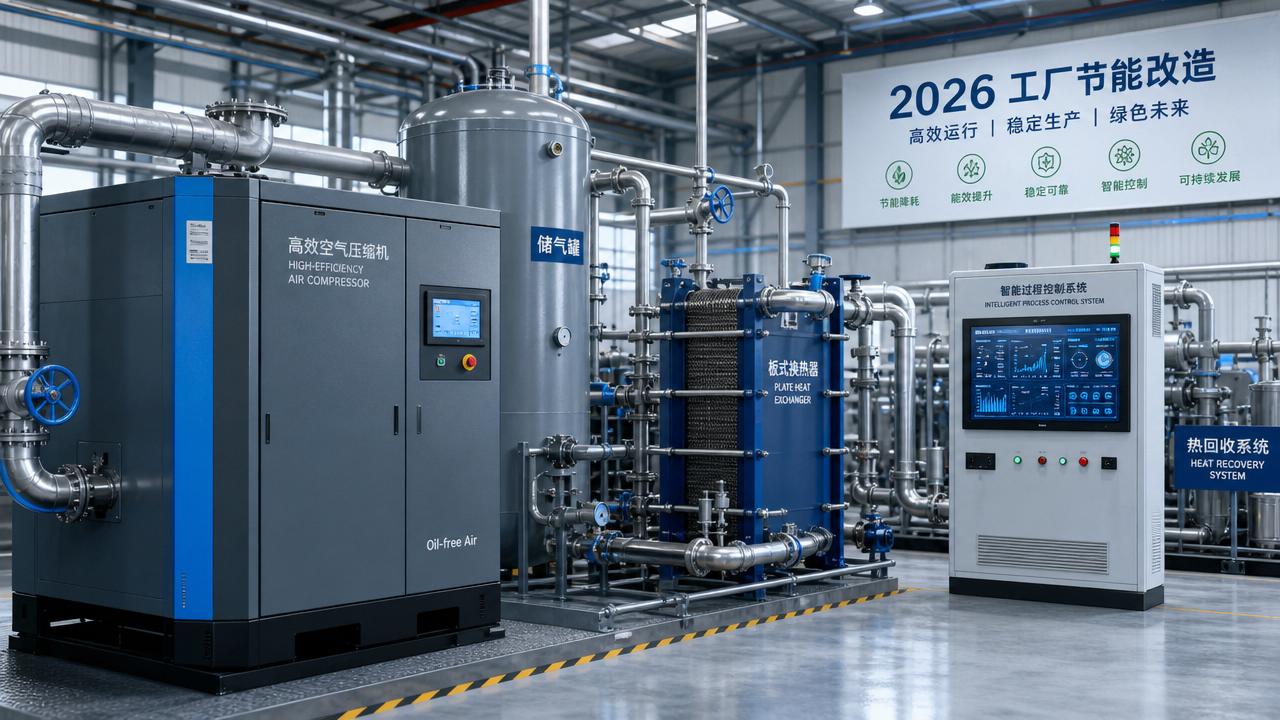
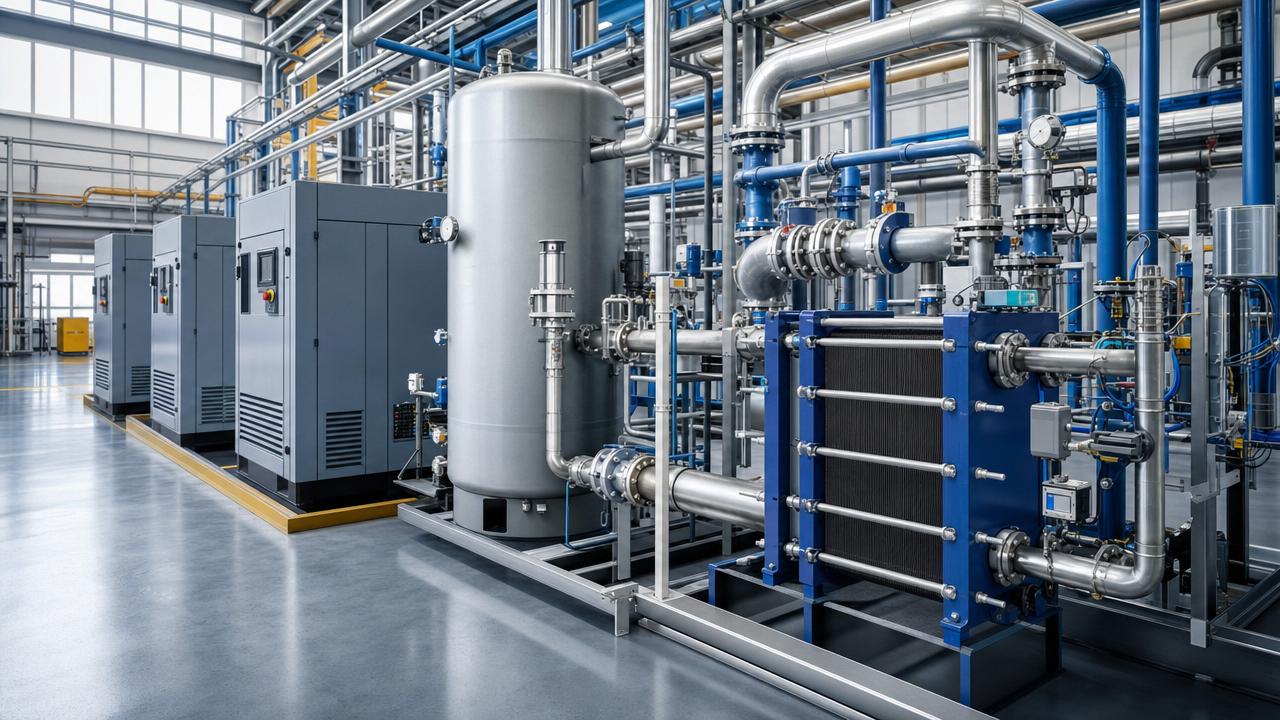
Smart controls now shape compressor performance, thermal stability, vacuum integrity, and heat exchange efficiency in measurable ways.
This shift matters because energy costs, carbon rules, uptime targets, and data visibility now influence every upgrade decision.
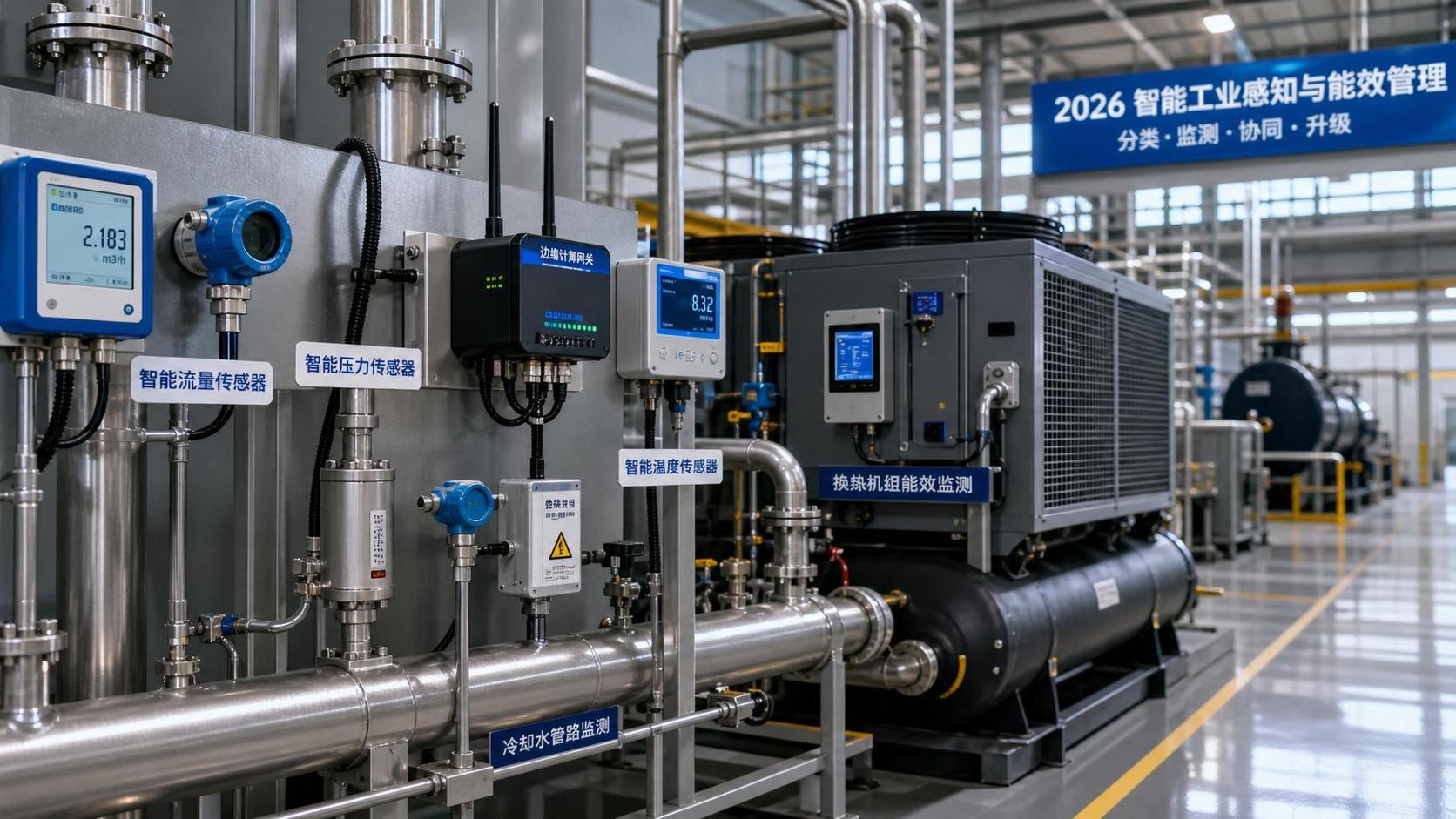
Industrial intellectualization connects sensors, software, analytics, and automation into one decision system for industrial assets.
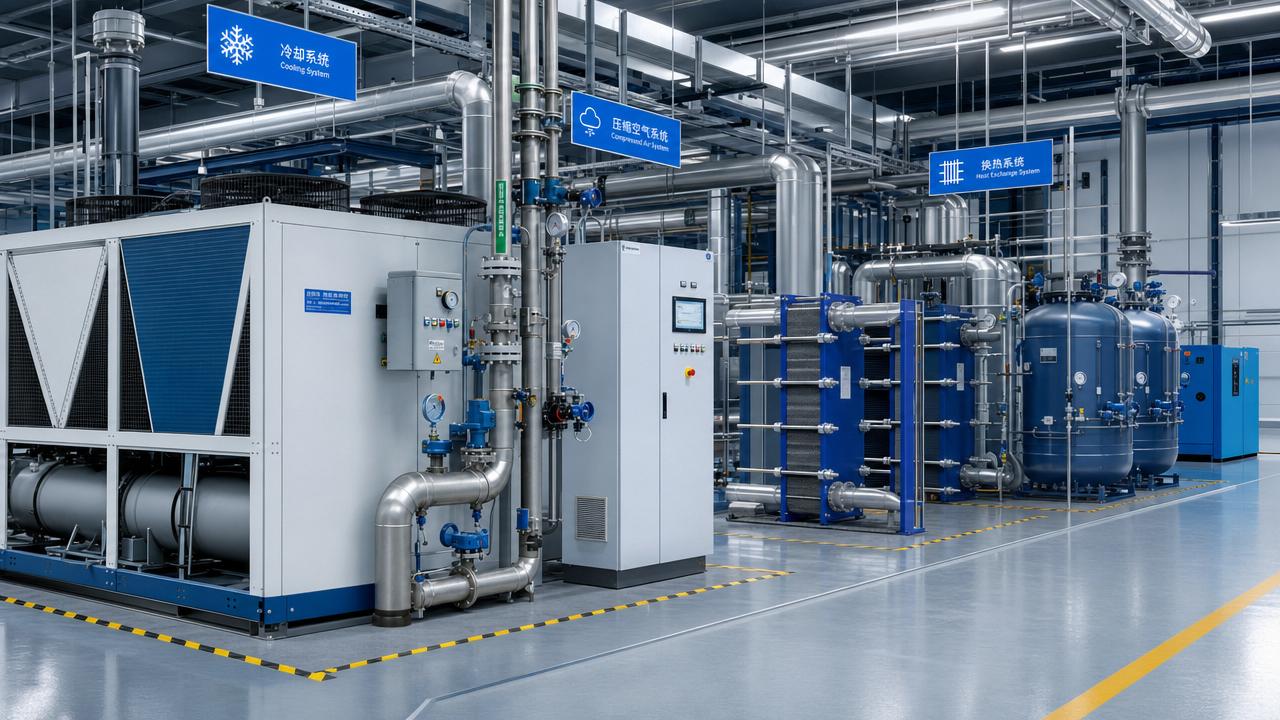
For platforms such as GTC-Matrix, this transition is especially relevant in cooling, compressed air, vacuum, and heat exchange systems.
The result is a new evaluation model where thermodynamic performance and digital intelligence must be assessed together.
Equipment upgrades are no longer only about replacing hardware.
They are about building adaptive, efficient, and traceable operating environments that can respond to changing demand.
Market signals show industrial intellectualization accelerating across core systems
Several signals confirm that industrial intellectualization is moving from pilot projects into mainstream capital planning.
First, energy-intensive systems are under pressure to deliver stronger efficiency without reducing reliability.
Second, industrial facilities increasingly require real-time operating data instead of delayed monthly reporting.
Third, environmental compliance is becoming dynamic, with refrigerant, emission, and energy metrics monitored more closely.
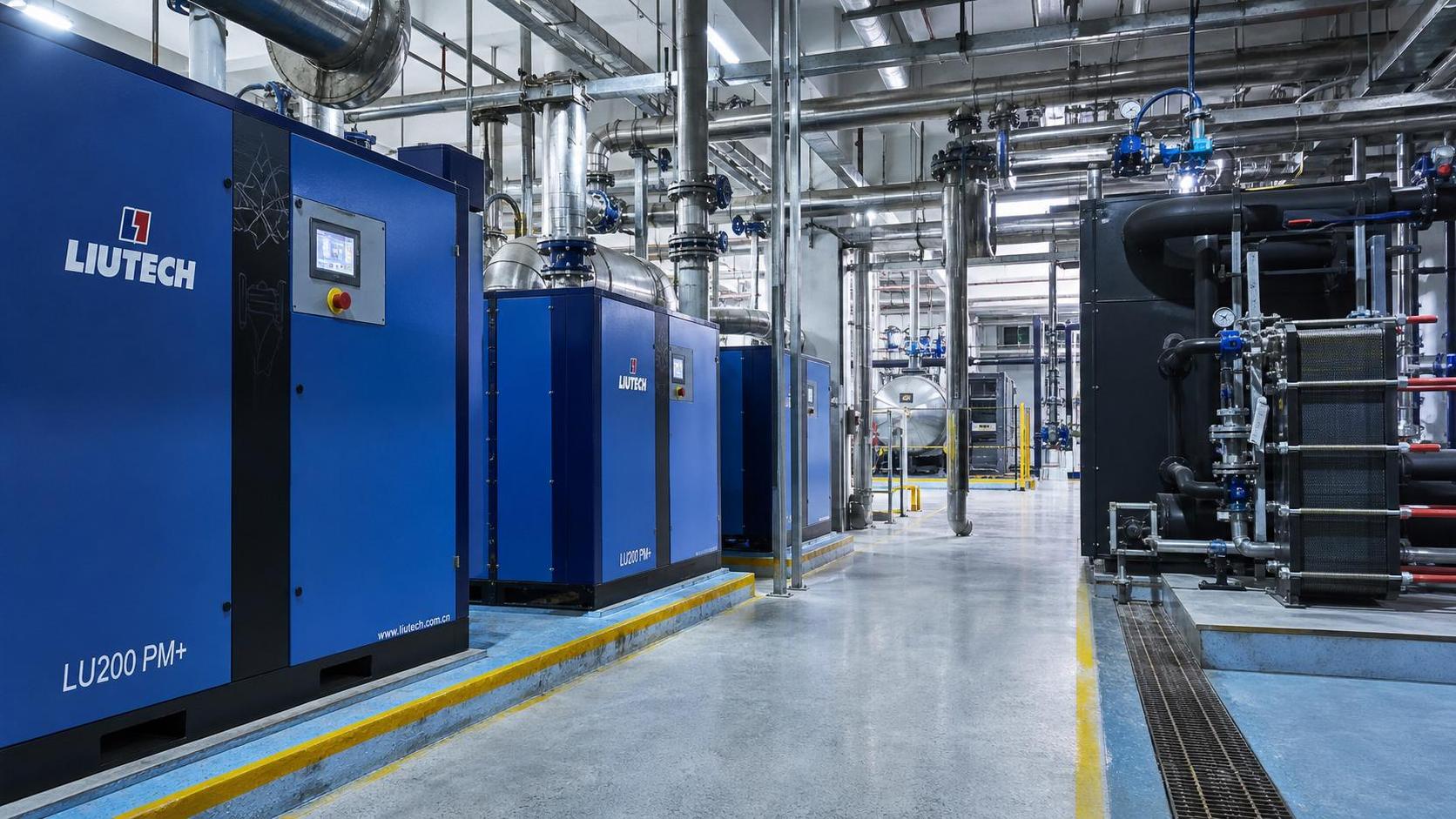
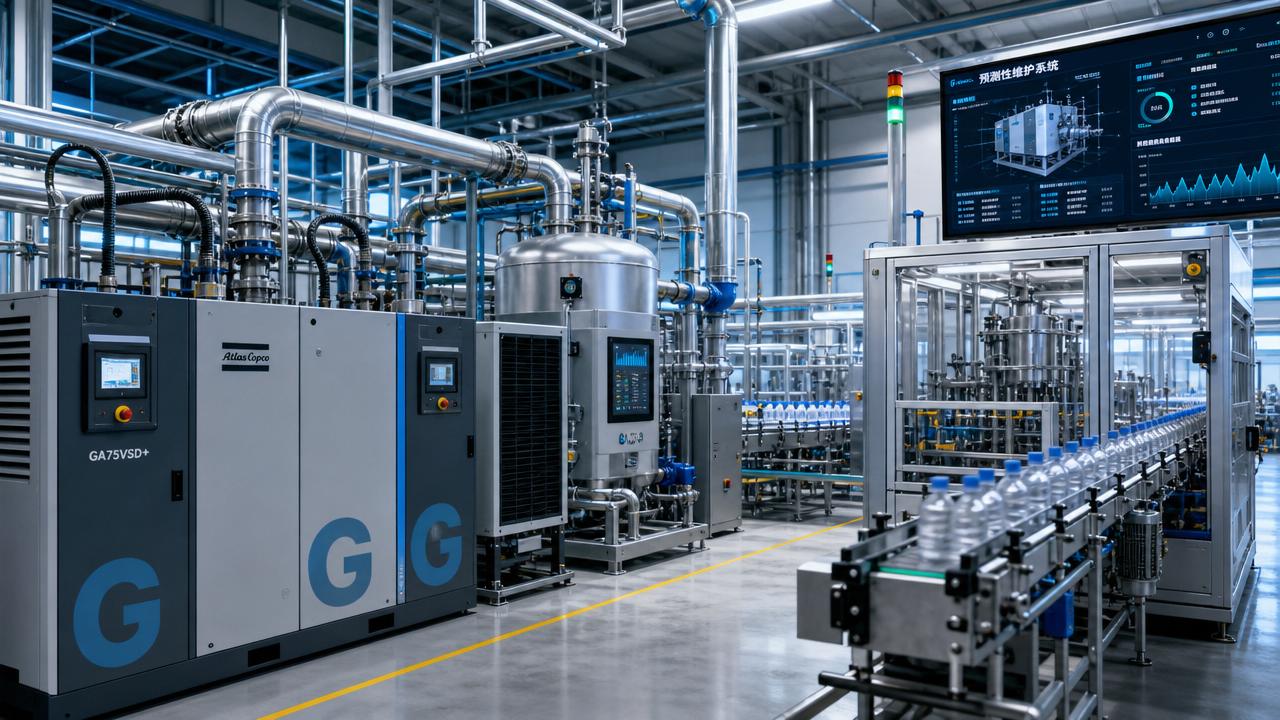
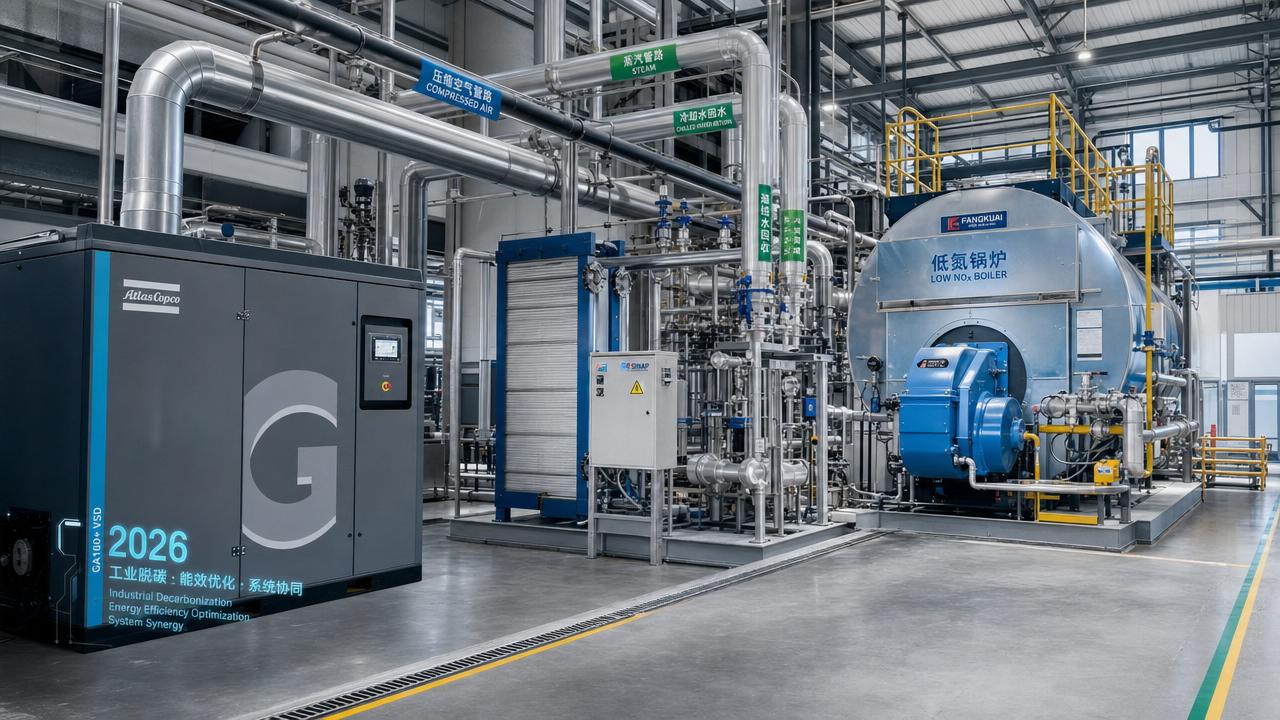
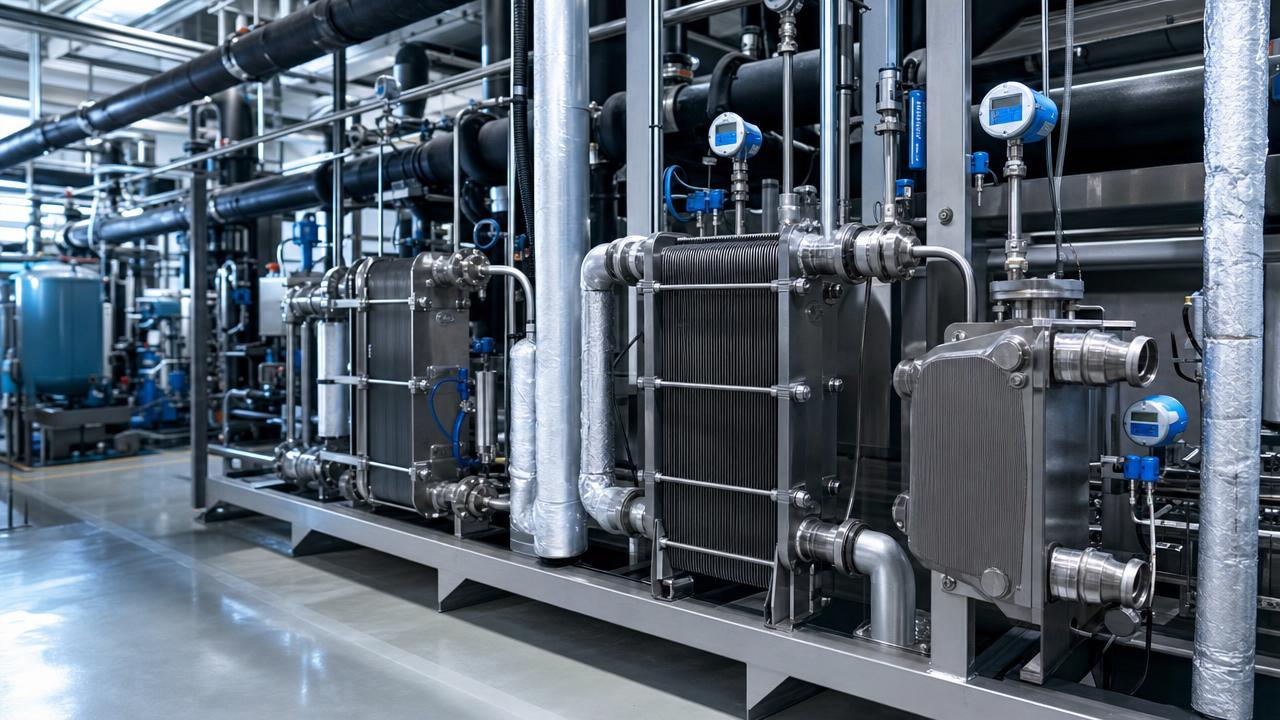
These shifts are visible in oil-free compression, low-NOx heating, microchannel heat exchangers, and precision cooling networks.
Industrial intellectualization helps transform these assets from isolated machines into transparent, responsive systems.
In practice, facilities now seek predictive alarms, digital twins, adaptive load control, and remote diagnostics.
This trend is strongest where process sensitivity is high, including semiconductors, pharmaceuticals, food processing, and advanced manufacturing.
As a result, equipment upgrades increasingly favor platforms that combine robust mechanics with actionable intelligence.
The drivers behind industrial intellectualization are practical, measurable, and strategic
The momentum behind industrial intellectualization comes from converging operational and economic pressures.
The table below highlights the main drivers shaping equipment upgrade priorities.
These drivers explain why digital retrofits and smart-ready equipment are rising together.
Industrial intellectualization is attractive because it improves performance without requiring a full plant rebuild.
Equipment upgrade decisions are now judged by system intelligence, not hardware alone
Industrial intellectualization changes how value is calculated across the equipment lifecycle.
During specification, buyers increasingly compare communication protocols, control logic, and analytics compatibility.
During commissioning, integration quality can matter as much as rated efficiency.
During operation, the most valuable systems are those that convert raw signals into usable actions.
This is particularly important in thermal and compression assets, where small inefficiencies accumulate rapidly.
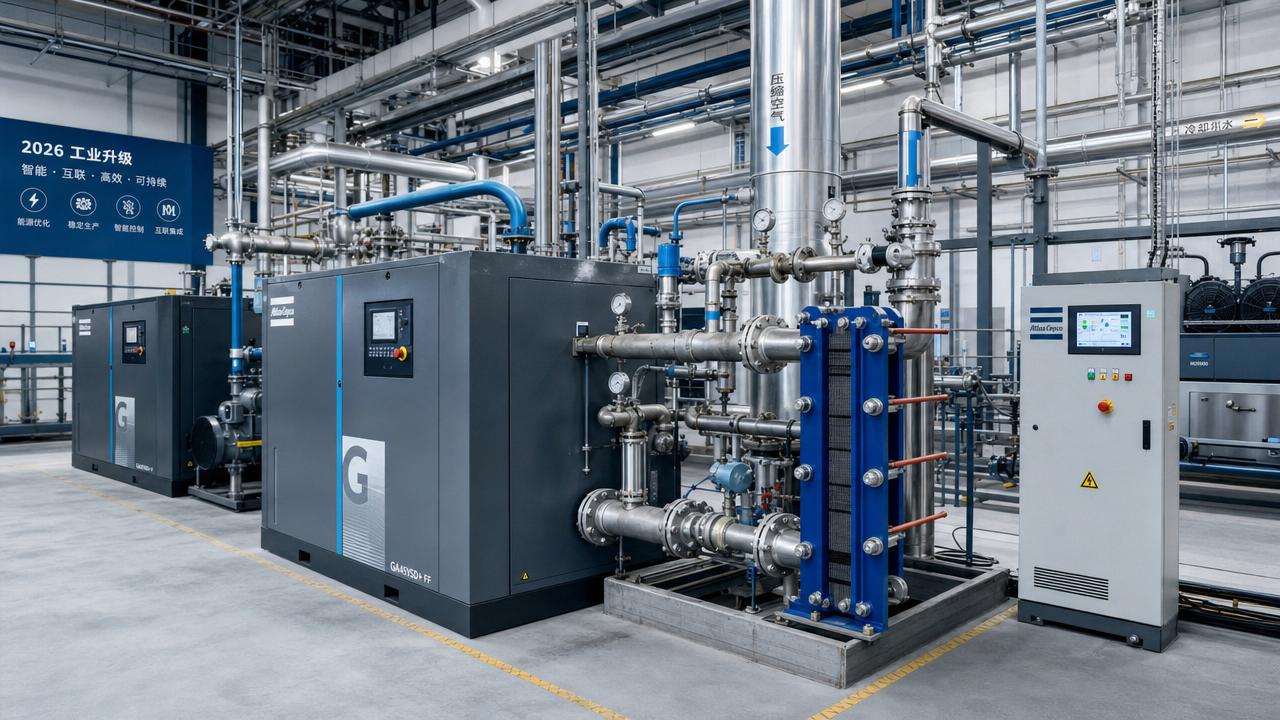
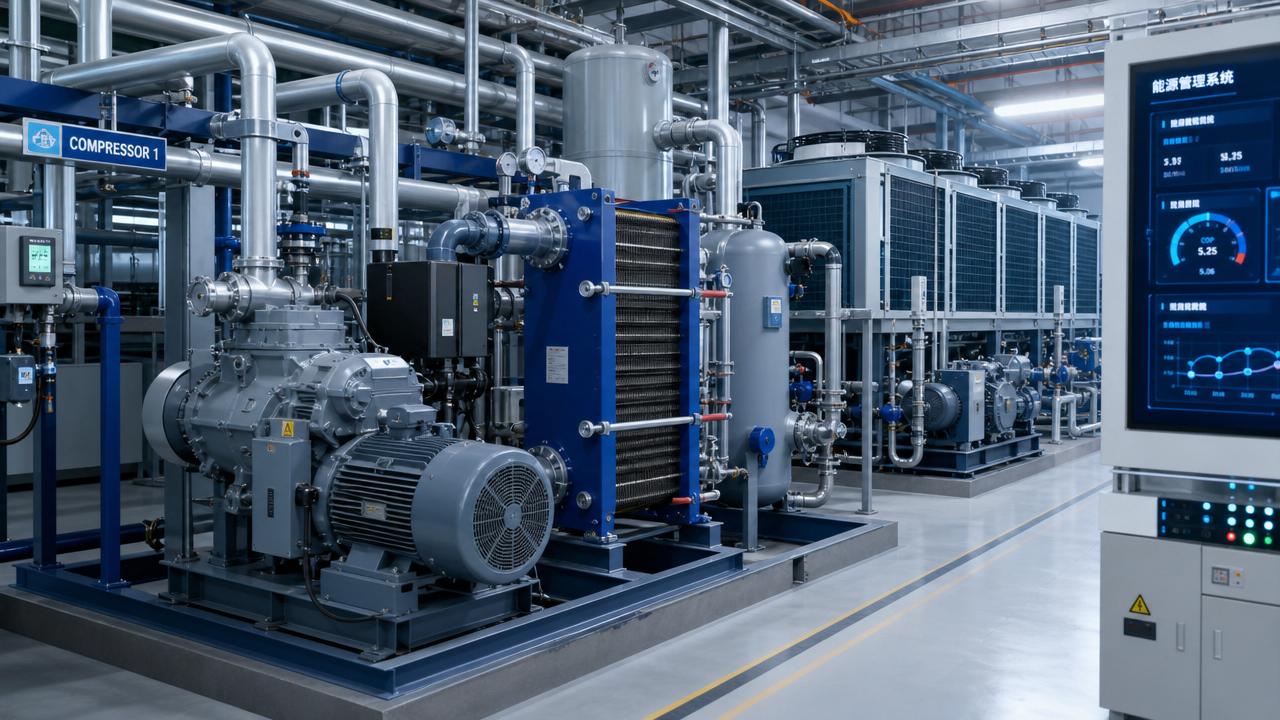
A compressor with adaptive sequencing can lower idle losses.
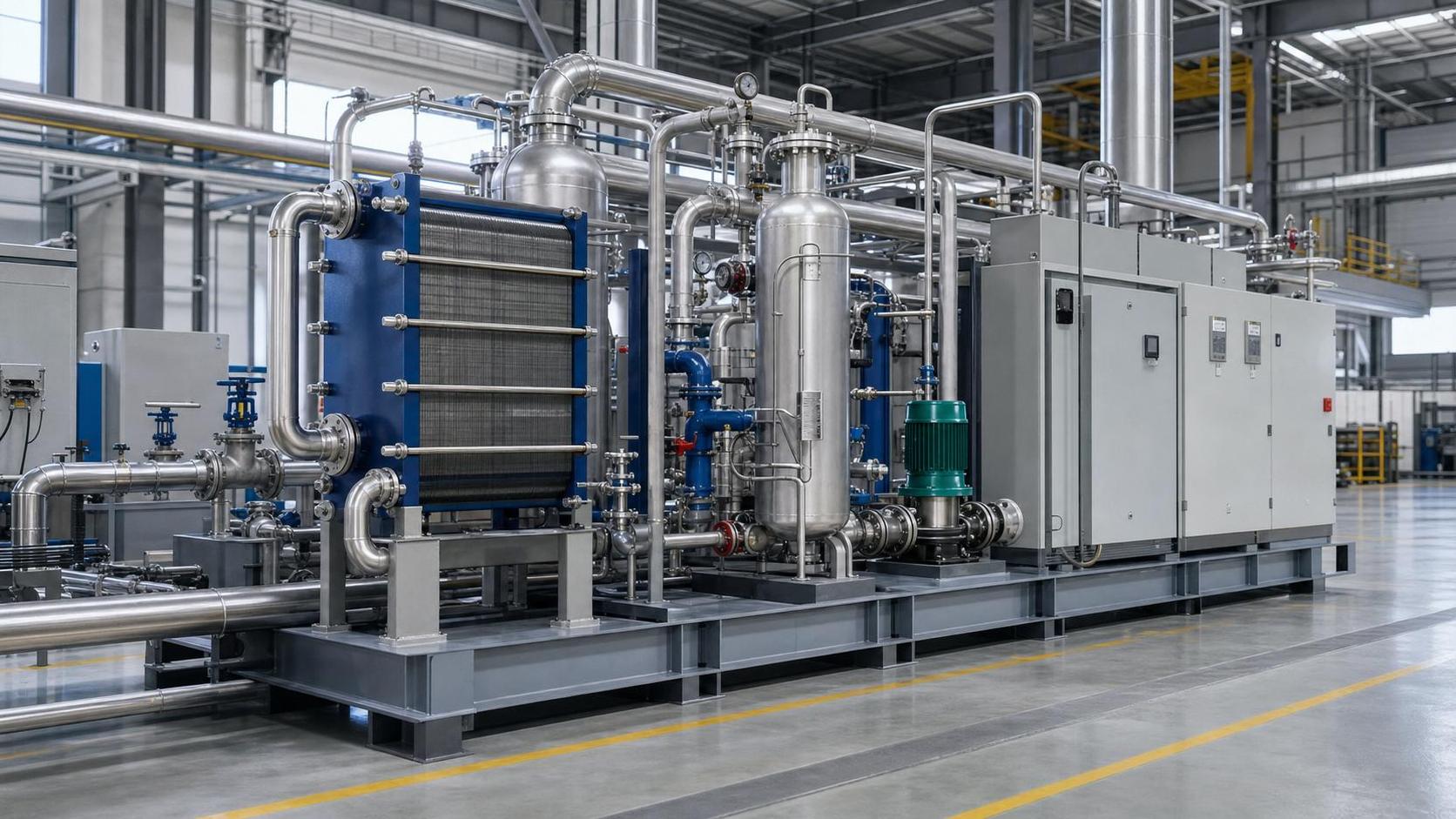
A heat exchanger with intelligent monitoring can detect fouling earlier.
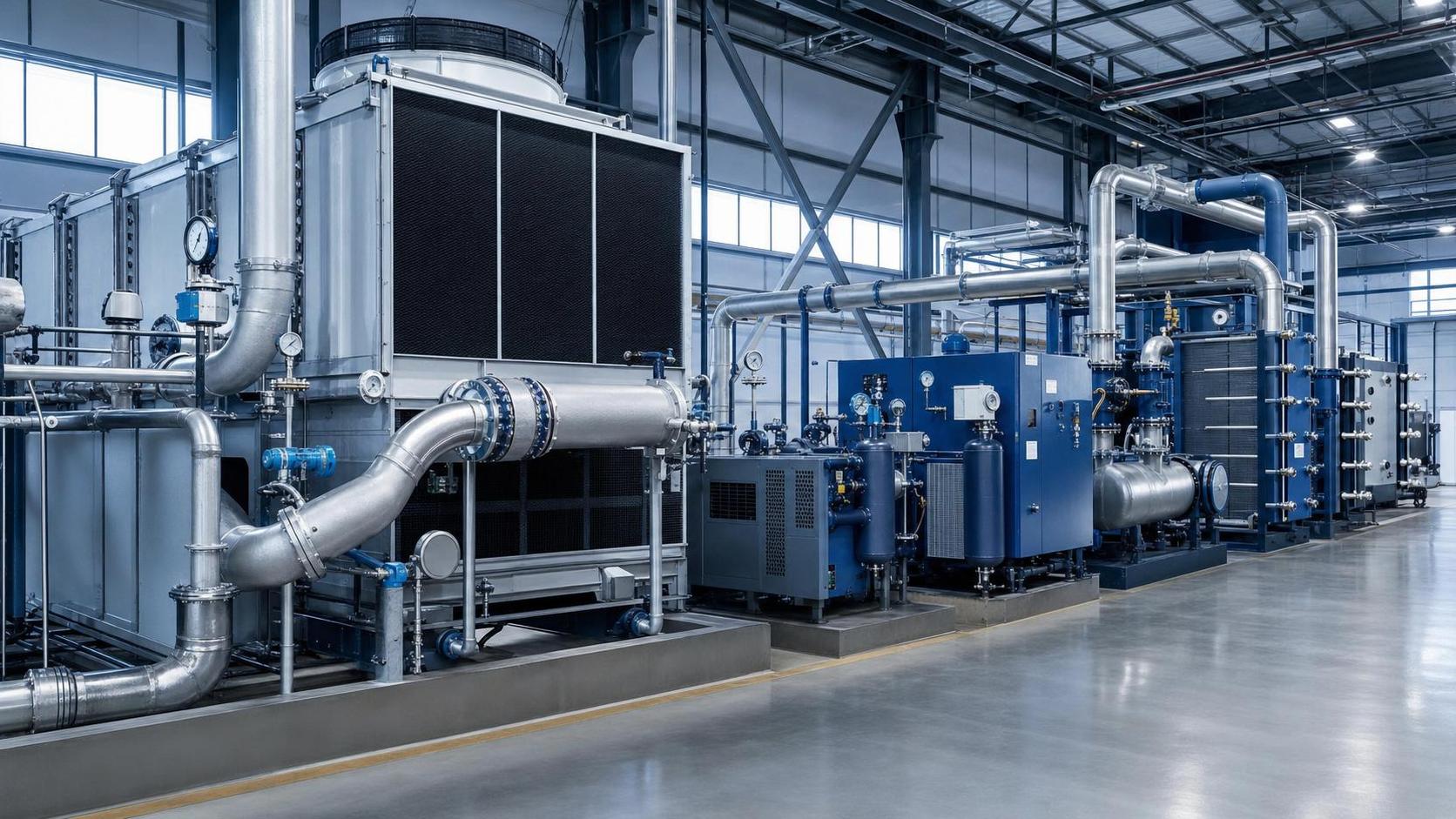
A cooling network with predictive control can maintain precision while reducing peak demand.
In each case, industrial intellectualization supports a stronger balance between cost, reliability, and sustainability.
Impacts across business functions and operating stages
- Capital planning shifts from unit price toward lifecycle return and digital scalability.
- Engineering teams prioritize interoperability with existing control architecture.
- Operations gain better visibility into energy intensity, load behavior, and anomaly trends.
- Maintenance functions move from reactive service toward condition-based intervention.
- Compliance work becomes easier when audit data is automatically recorded and structured.
The next wave of industrial intellectualization will focus on thermal efficiency and compressed power quality
Current upgrades already deliver benefits, but the next phase will be more integrated.
Industrial intellectualization will increasingly optimize entire energy pathways instead of single machines.
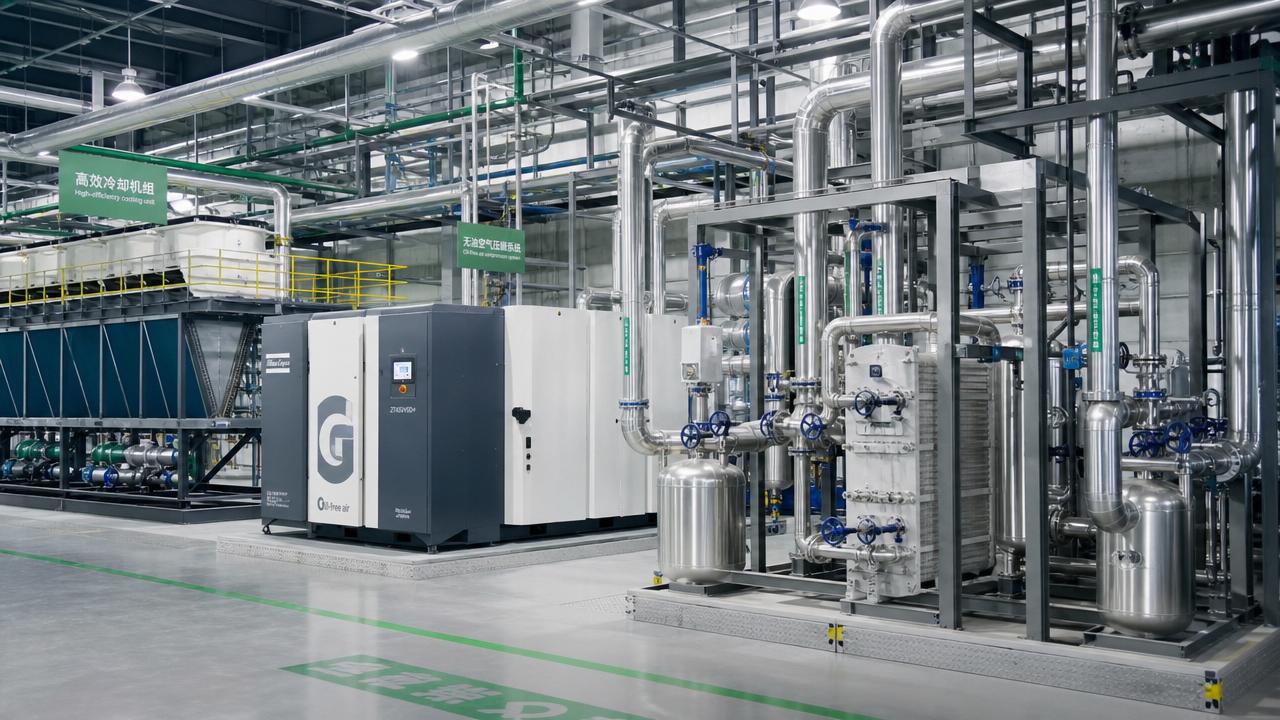
That includes linking compressors, chillers, pumps, vacuum systems, boilers, and heat recovery loops.
For GTC-Matrix sectors, this integrated view is especially powerful because thermal and pneumatic performance are deeply connected.
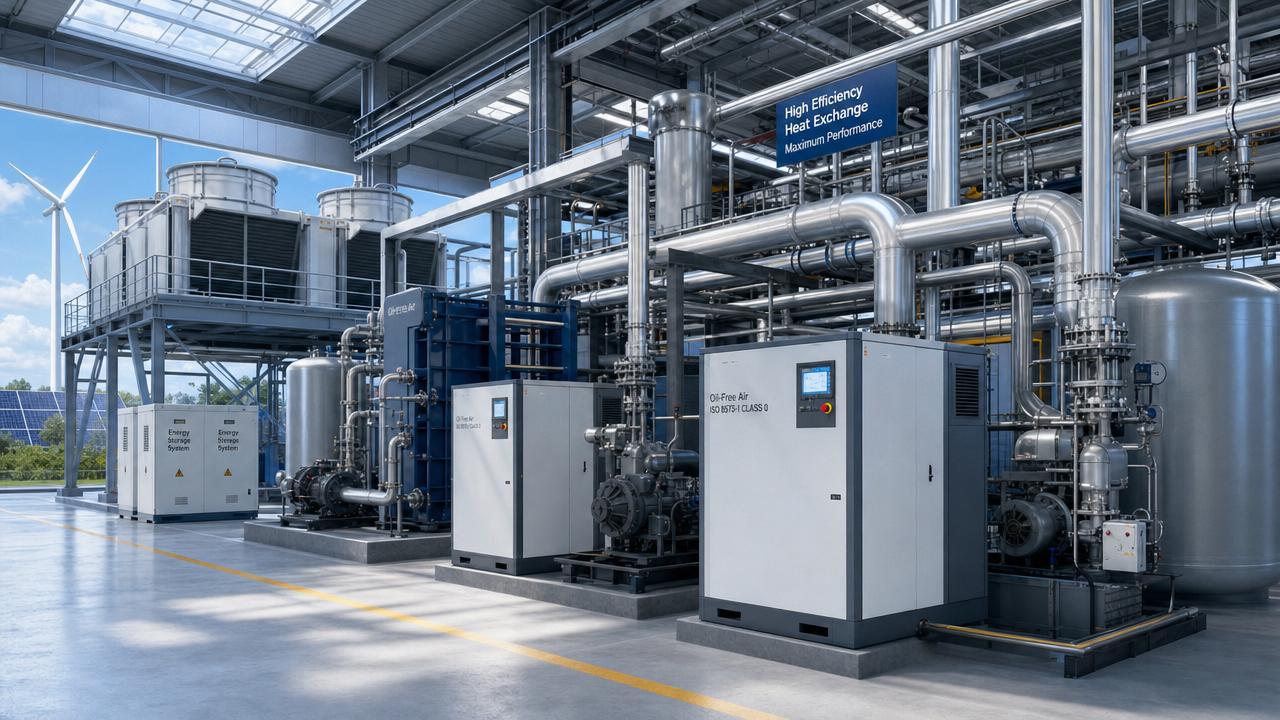
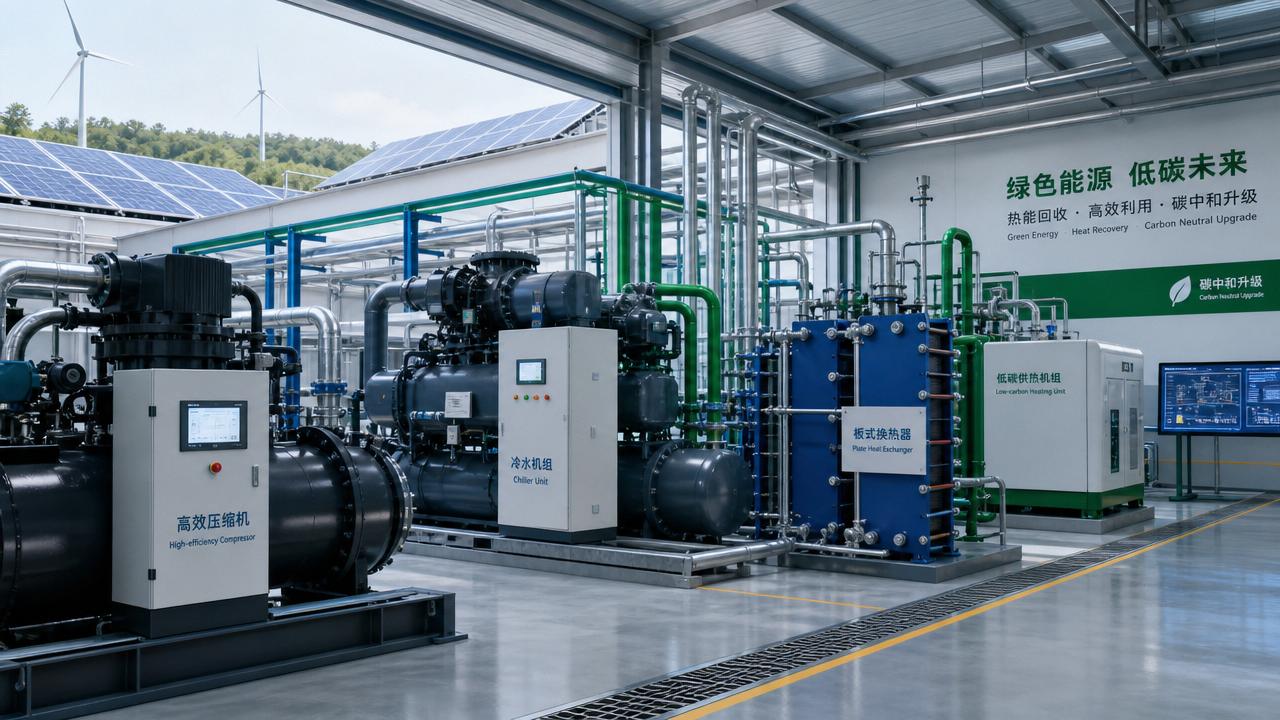
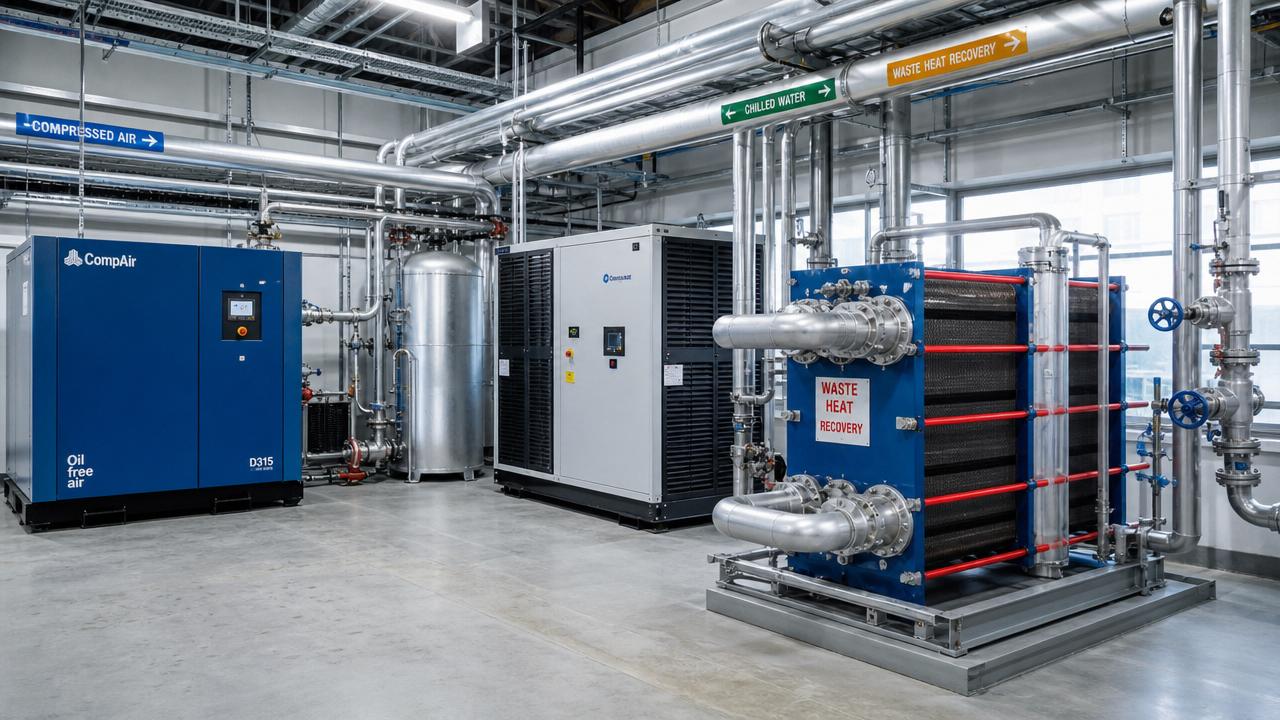
Waste heat recovery, variable demand control, and purity assurance can all improve through shared intelligence.
This broader model also helps benchmark assets against carbon goals and production quality targets.
Key points that deserve close attention
- Sensor quality matters more than sensor quantity.
- Control software should support future expansion, not only current needs.
- Cybersecurity must be included in every industrial intellectualization roadmap.
- Thermal data and compressed air data should be reviewed together where processes overlap.
- Performance dashboards should reflect energy, uptime, quality, and compliance simultaneously.
A disciplined evaluation framework reduces upgrade risk and improves results
Industrial intellectualization creates opportunity, but rushed adoption can create hidden complexity.
A structured assessment process helps separate practical value from marketing claims.
This framework supports better decisions in both new projects and retrofit programs.
It also keeps industrial intellectualization aligned with measurable operational priorities.
Action should begin with high-impact thermal and compression assets
The most practical next step is not a full digital overhaul.
It is a focused review of systems where energy use, downtime risk, and process sensitivity intersect.
Industrial intellectualization delivers faster value when applied to assets with clear data gaps and controllable losses.
Compressed air stations, industrial cooling loops, vacuum lines, and heat exchange networks often meet this condition.
Start by mapping current control logic, sensor coverage, failure patterns, and energy intensity.
Then compare upgrade options based on interoperability, analytics quality, and lifecycle efficiency gains.
Trusted intelligence platforms such as GTC-Matrix can support this review with sector signals, technology trend analysis, and commercial insight.
Industrial intellectualization is reshaping equipment upgrades because it turns performance into something visible, manageable, and continuously improvable.
Those who evaluate this shift early will be better positioned to improve efficiency, strengthen compliance, and build durable competitive advantage.
Ready when you are. Send us a message to get started.
Related News
- Why high-density thermal energy storage is gaining industry attentionAuthor :

- Smart Device Thermal Management Trends Shaping 2026 Product DesignAuthor :

- Industrial Cooling Technologies in Europe: 2026 Trends in Compliance and Energy UseAuthor :

- Industrial Electrification Trends in 2026: Where Projects Are Moving FirstAuthor :

- Industrial Solution Comparison Global: 2026 Trends Reshaping Equipment DecisionsAuthor :

- When Heat Recovery Systems Skid Mounted Designs Improve Project PaybackAuthor :

- How to Compare Industrial Decarbonization Solutions Providers in 2026Author :

- Industry Category Guides for Smart Devices: What to Track as 2026 Markets ShiftAuthor :

- Green Manufacturing Trends Reshaping Industrial InvestmentAuthor :

- 2026 Global Energy Costs: What Will Reshape Industrial PlanningAuthor :

- Industrial Decarbonization Solutions That Cut Fuel Costs in 2026Author :

- Smart Thermal Systems Trends Shaping Industrial Upgrades in 2026Author :

- Resource Circularity in Manufacturing: 5 Practical Gains Beyond ComplianceAuthor :

- Carbon Neutrality Roadmap: What Industrial Firms Need to Prioritize FirstAuthor :

- Energy Conversion Efficiency Trends Shaping Industrial UpgradesAuthor :

- Compression Technology Trends Shaping Efficient Plant UpgradesAuthor :

- Industrial Intelligence in Manufacturing: Where It Delivers Value FirstAuthor :

- How Intellectualization Improves Industrial Thermal ManagementAuthor :

- What Intellectualization Means for Smarter Plant Operations in 2026Author :

- Carbon Neutrality Goals: What Industrial Firms Should Prioritize in 2026Author :

- How Intellectualization Reduces Downtime in Modern Production LinesAuthor :

- Decarbonization Roadmap for Energy-Intensive Plants in 2026Author :

- Thermal Systems Trends in 2026: Efficiency, Control, and RiskAuthor :

- Industrial Decarbonization Priorities for Energy-Intensive FacilitiesAuthor :

- Thermal Systems in 2026: Efficiency Upgrades Shaping Industrial OperationsAuthor :

- Pure Power Sources: 5 Practical Paths to Carbon NeutralityAuthor :

- What Intellectualization Means for Industrial Equipment UpgradesAuthor :

- Thermal Optimization in 2026: Where Energy Savings Deliver the Fastest PaybackAuthor :

- Energy Efficiency Trends Reshaping Compressor Upgrades in 2026Author :

- 2026 Industrial Decarbonization Trends Reshaping Plant UpgradesAuthor :
![]()
- Heat Exchanger Technology Trends for 2026 Efficiency TargetsAuthor :

- Resource Circularity Risks in 2026 Supply ChainsAuthor :

- Smart Thermal Systems: When Upgrades Deliver Measurable SavingsAuthor :

- Carbon Neutrality: Practical Steps for Factory RoadmapsAuthor :

- 2026 Industrial Energy Efficiency Priorities for Plant UpgradesAuthor :

- Industrial Intellectualization Trends Reshaping Equipment UpgradesAuthor :