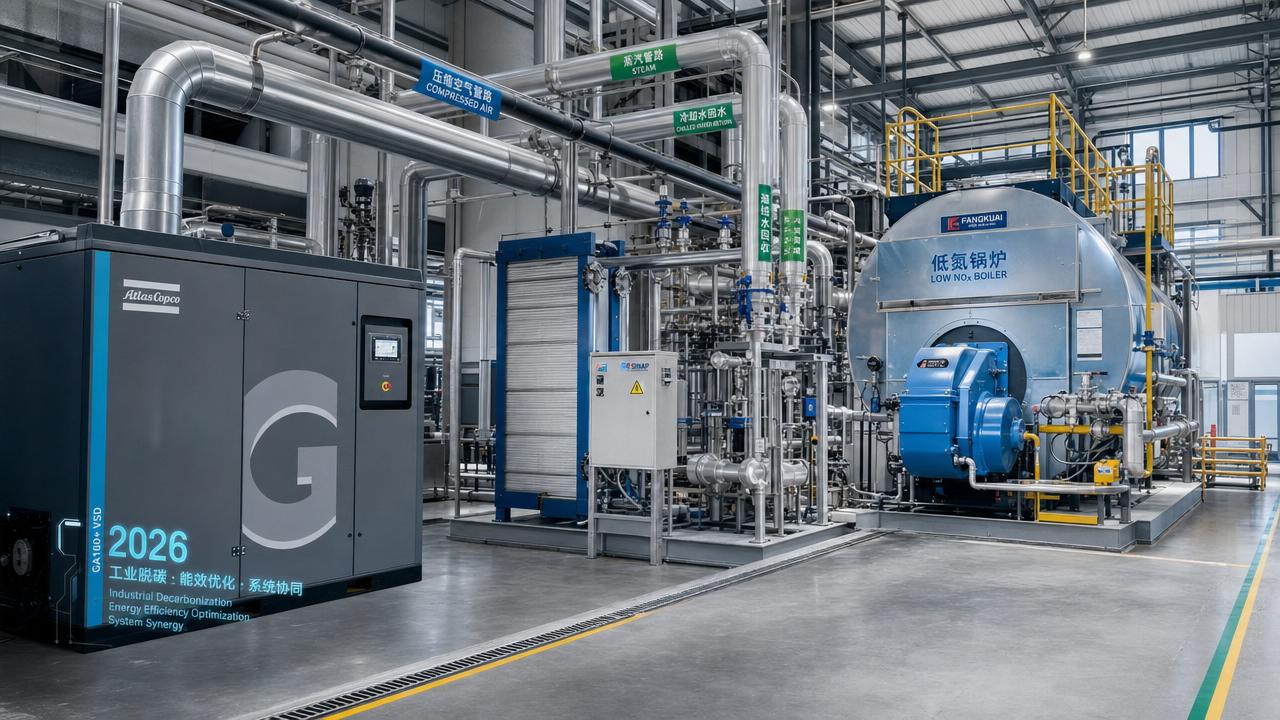
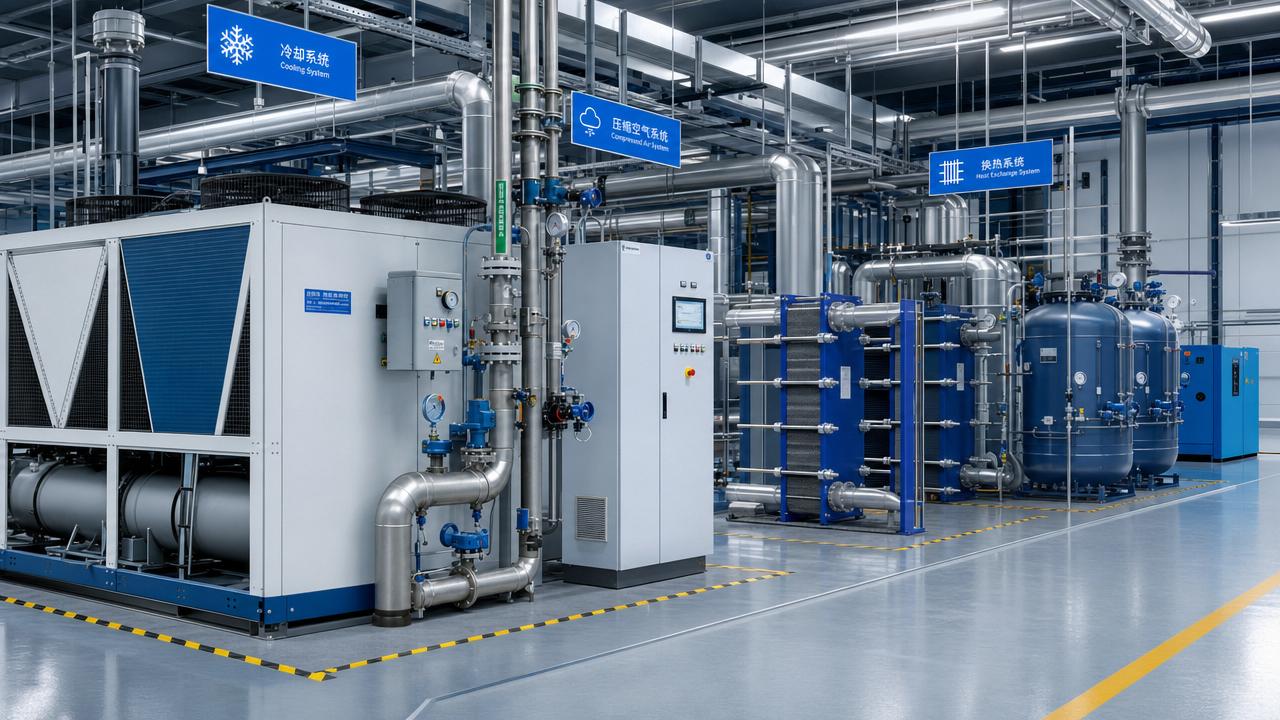
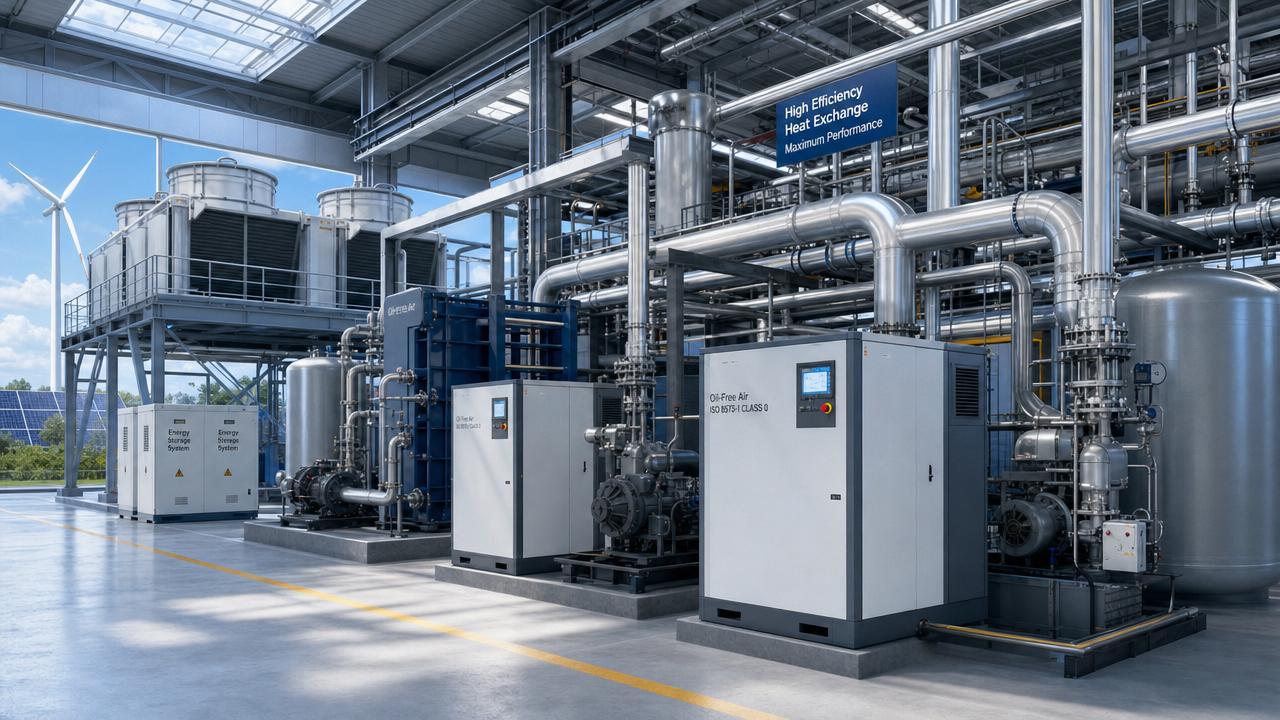
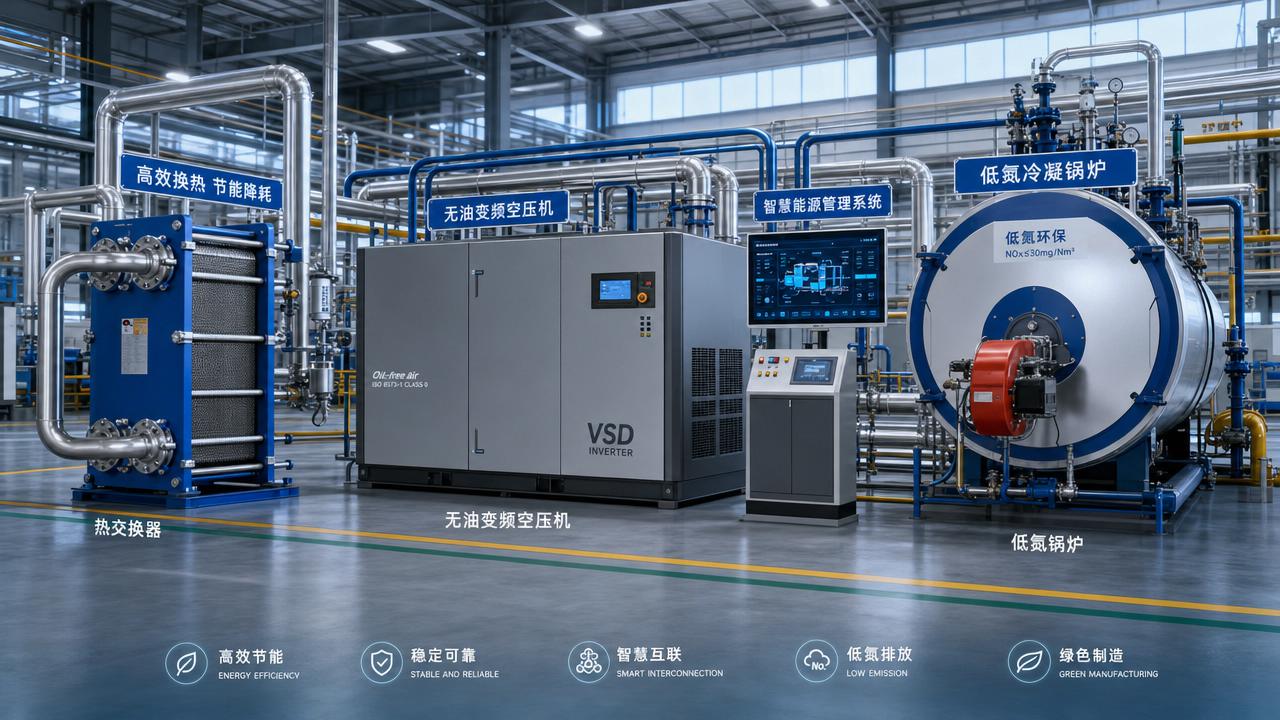
Thermal Optimization in 2026: Where Energy Savings Deliver the Fastest Payback




Thermal optimization moves from engineering ambition to financial priority
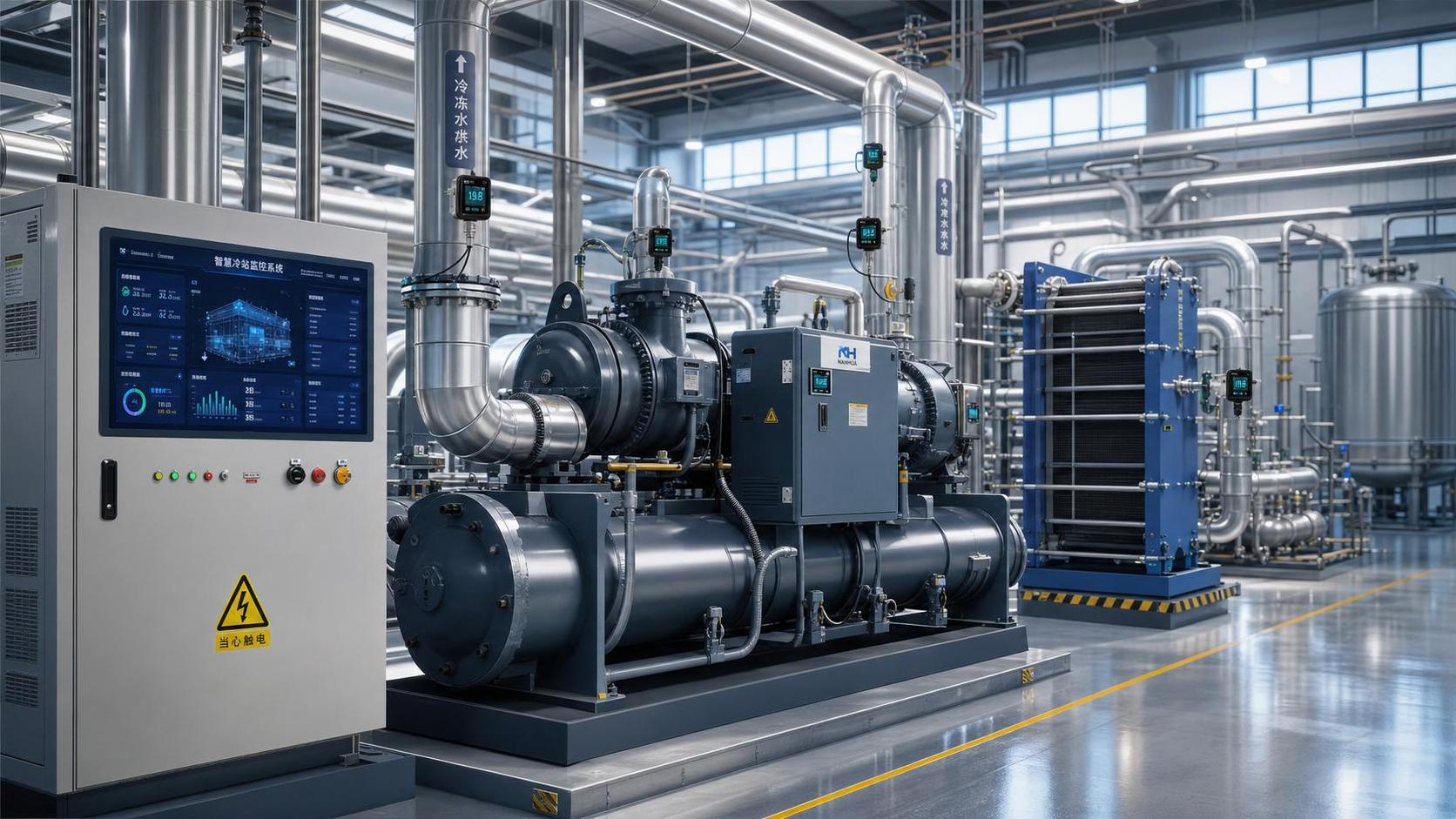
In 2026, thermal optimization has become one of the shortest paths to visible energy savings.
That shift matters because utility volatility, carbon reporting, and uptime pressure now hit the same operating budget.
What looked like a long-cycle retrofit discussion is now a payback discussion.
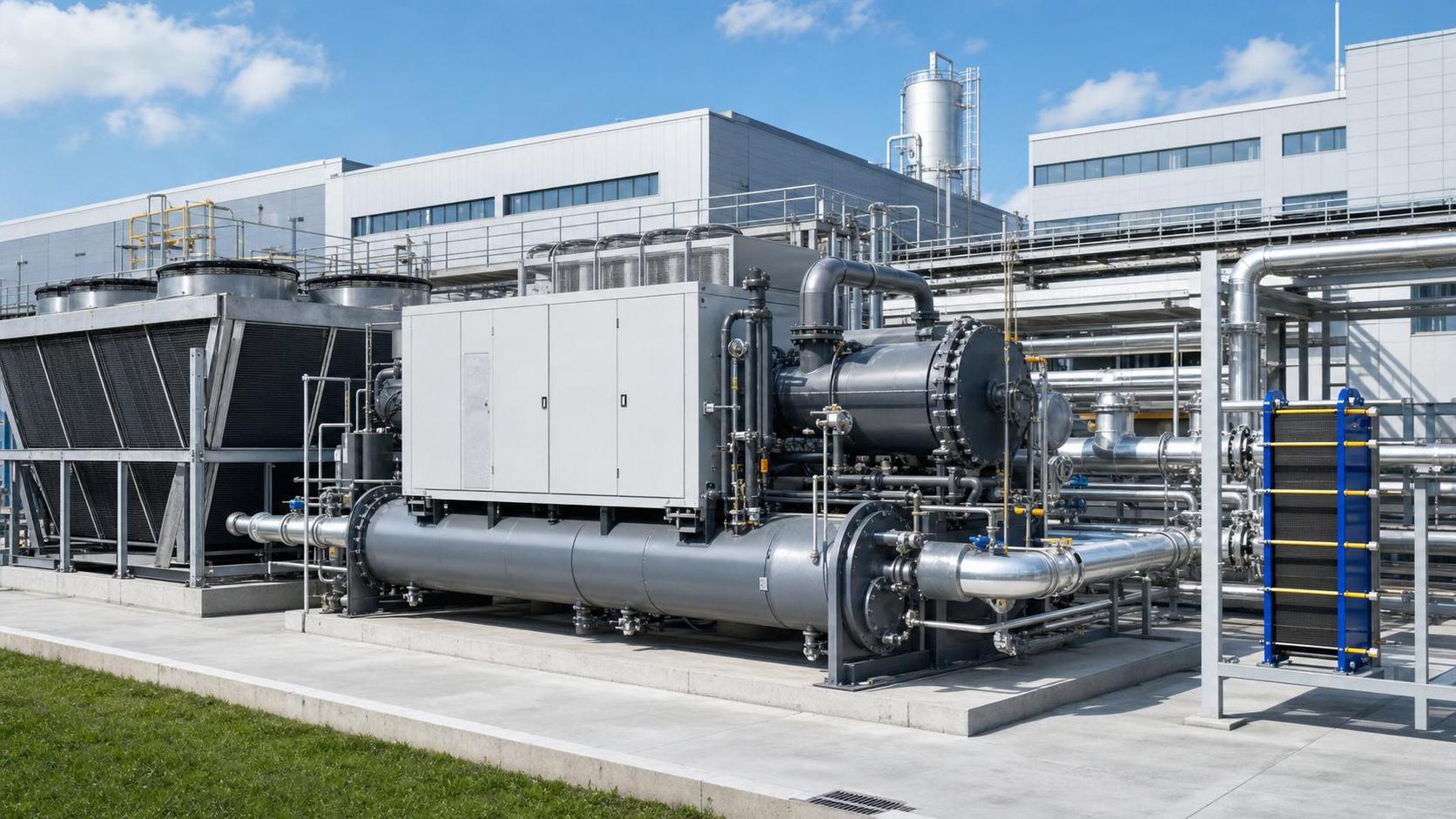
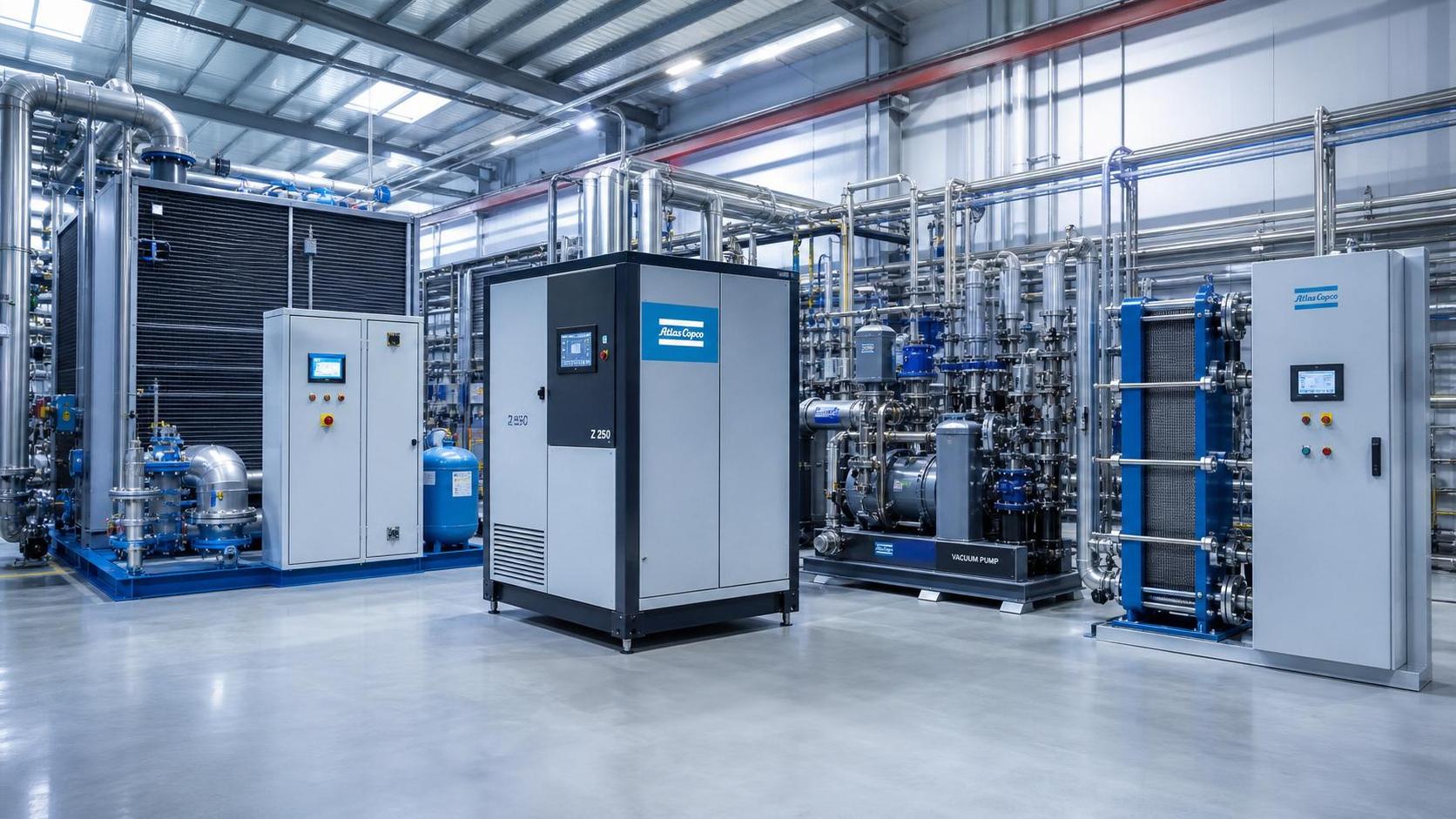
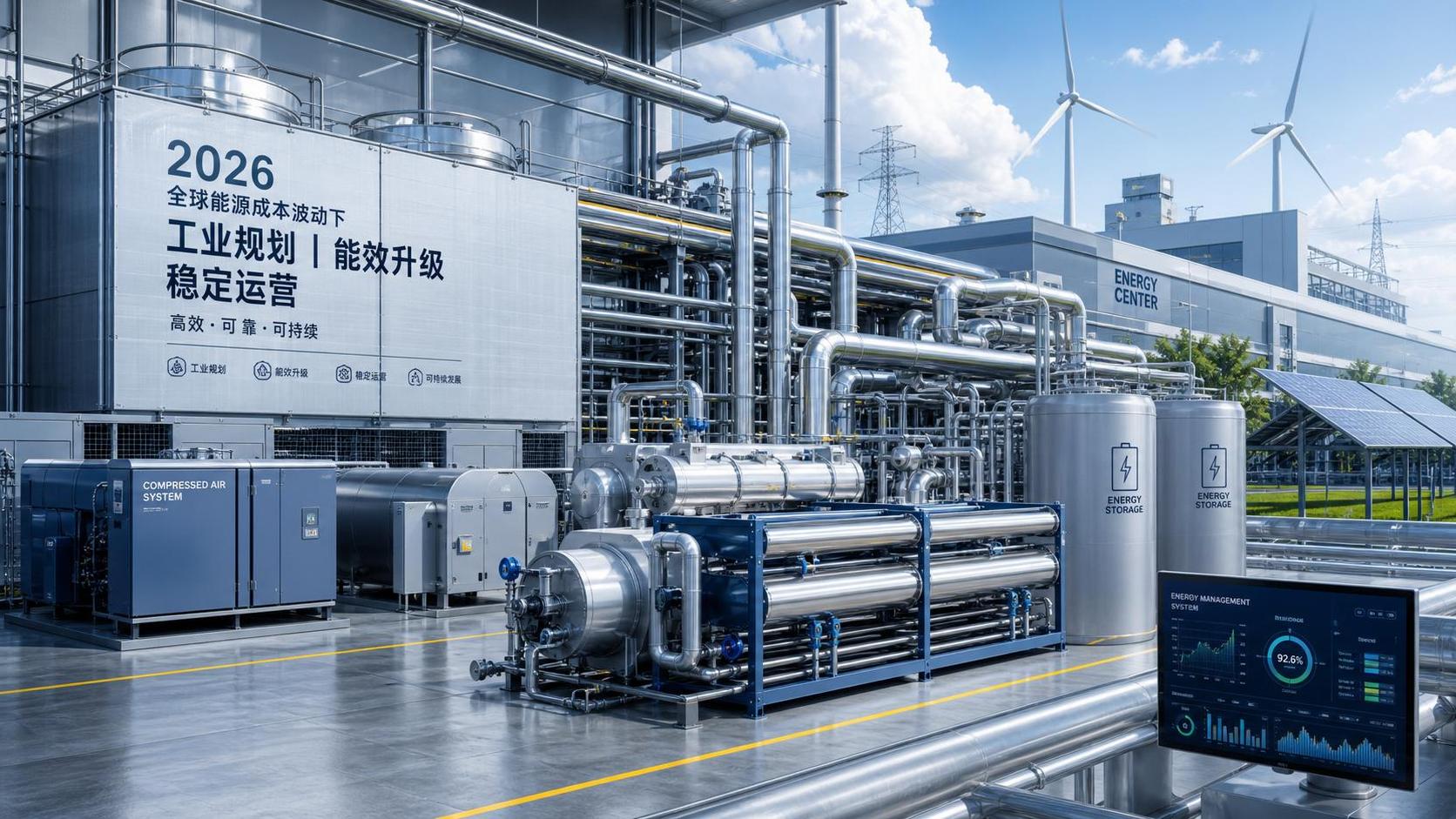
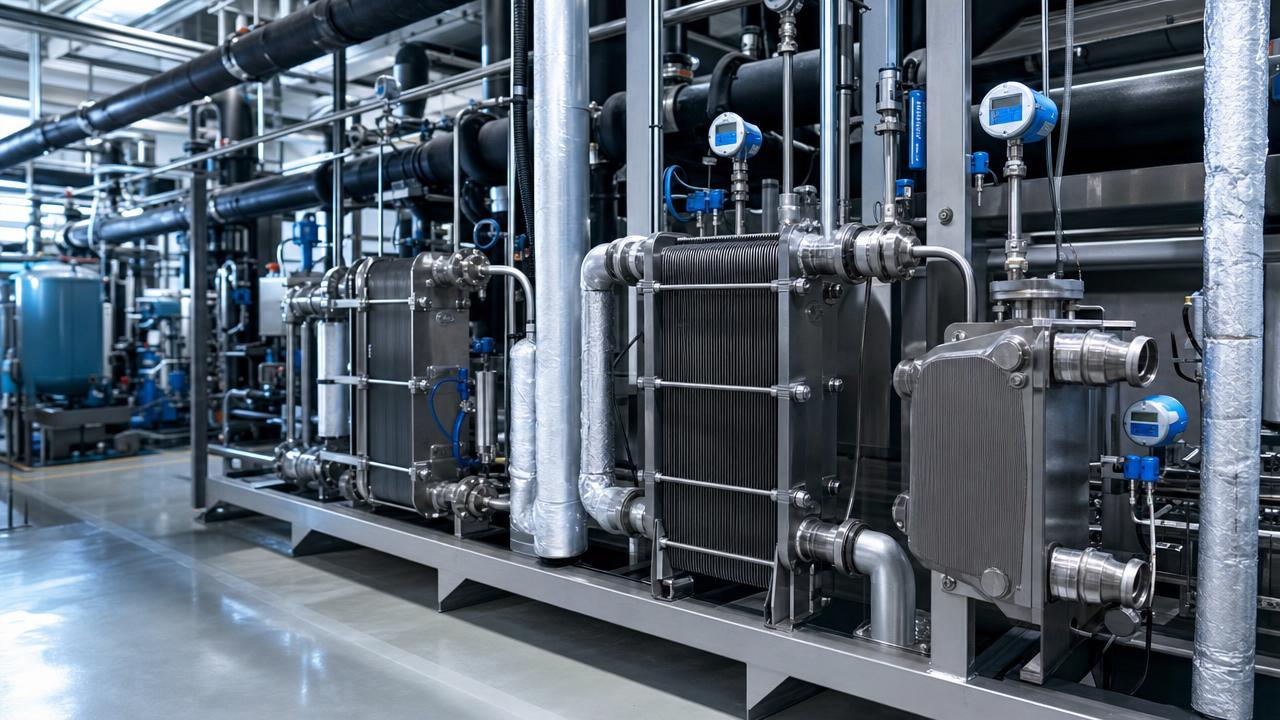
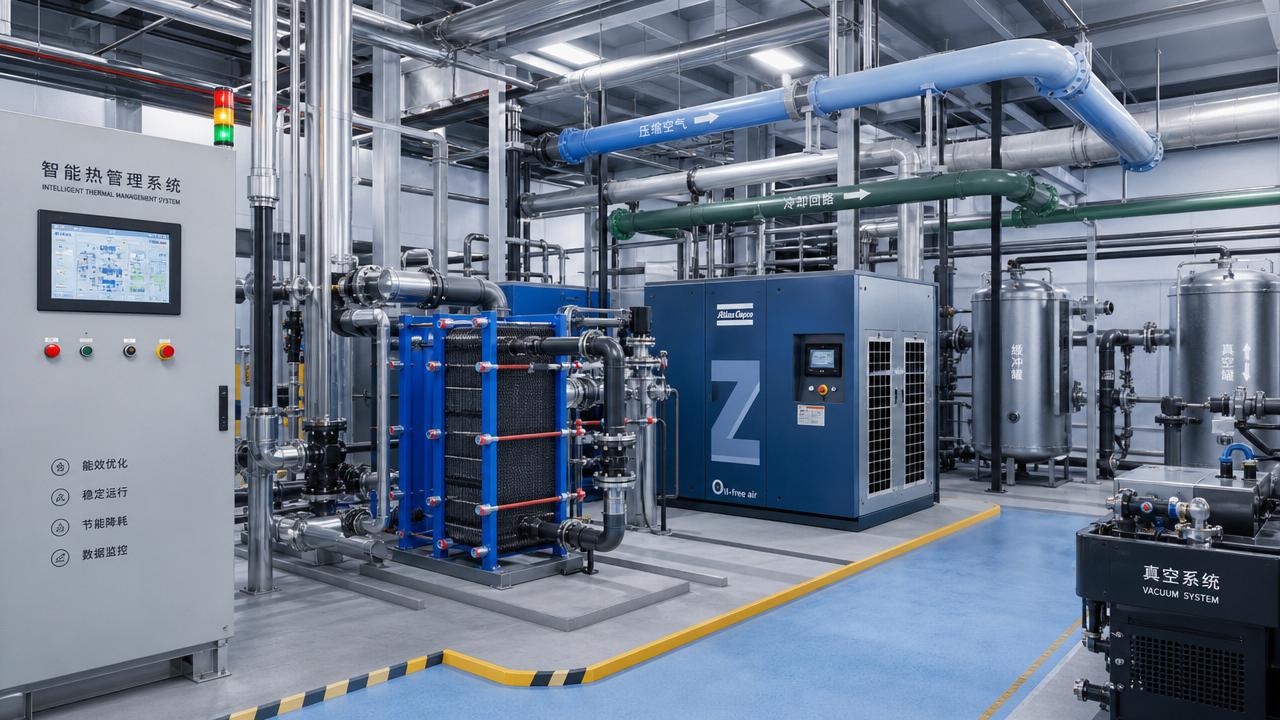
Across industrial cooling, compressed air, vacuum, and heat exchange systems, the strongest returns are appearing in places once treated as background infrastructure.
The key change is not just better equipment.
It is better visibility into where heat, pressure, and wasted load quietly drain profitability every hour.
This is where thermal optimization now carries strategic weight.
The market is rewarding projects that lower energy intensity without disrupting production calendars.
That is why fast-payback upgrades are gaining more attention than large, deferred transformation plans.
Why the signal is getting stronger in 2026
Several pressures are converging at the same time.
Energy tariffs remain uneven across regions, yet peak-demand charges are becoming more painful almost everywhere.
At the same time, cleaner refrigerant transitions and emissions expectations are changing equipment economics.
Production lines also run with less tolerance for thermal drift than they did a few years ago.
In pharmaceuticals, semiconductors, food processing, and advanced assembly, temperature stability now influences yield as much as utility cost.
This widens the value case for thermal optimization.
GTC-Matrix has tracked this pattern through its intelligence work on oil-free compression, microchannel heat exchangers, and low-NOx thermal systems.
The common thread is simple.
Efficiency upgrades are no longer judged only by engineering elegance.
They are judged by speed of return, resilience under load, and compatibility with decarbonization targets.
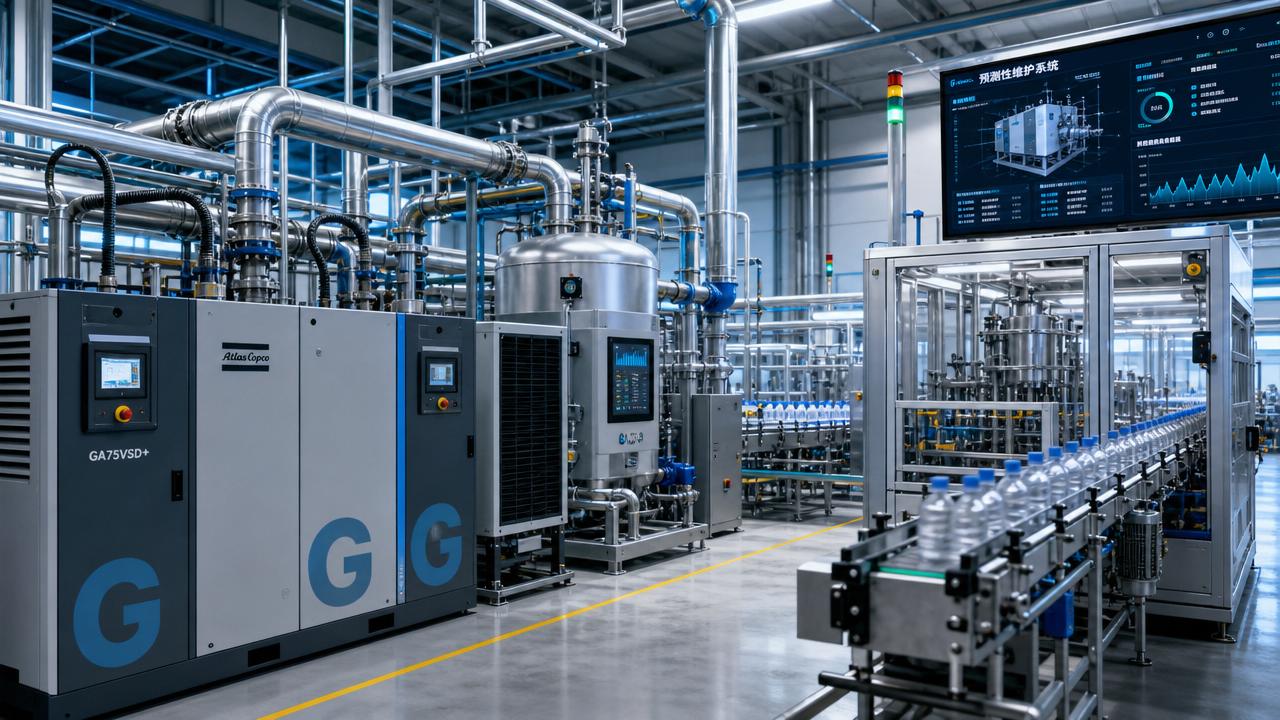
- Digital monitoring reveals hidden thermal losses that were previously absorbed into plant overhead.
- Pressure on Scope-related reporting pushes energy-intensive assets into board-level review.
- Water, refrigerant, and power constraints make thermal optimization a risk-control tool, not only a savings tool.
- Faster retrofit packages reduce shutdown time, making incremental upgrades easier to approve.
Where energy savings are paying back the fastest
Not every thermal optimization project delivers returns at the same speed.
The strongest near-term payback usually comes from correcting persistent inefficiencies in core utilities.
These areas stand out because they combine heavy runtime with measurable waste.
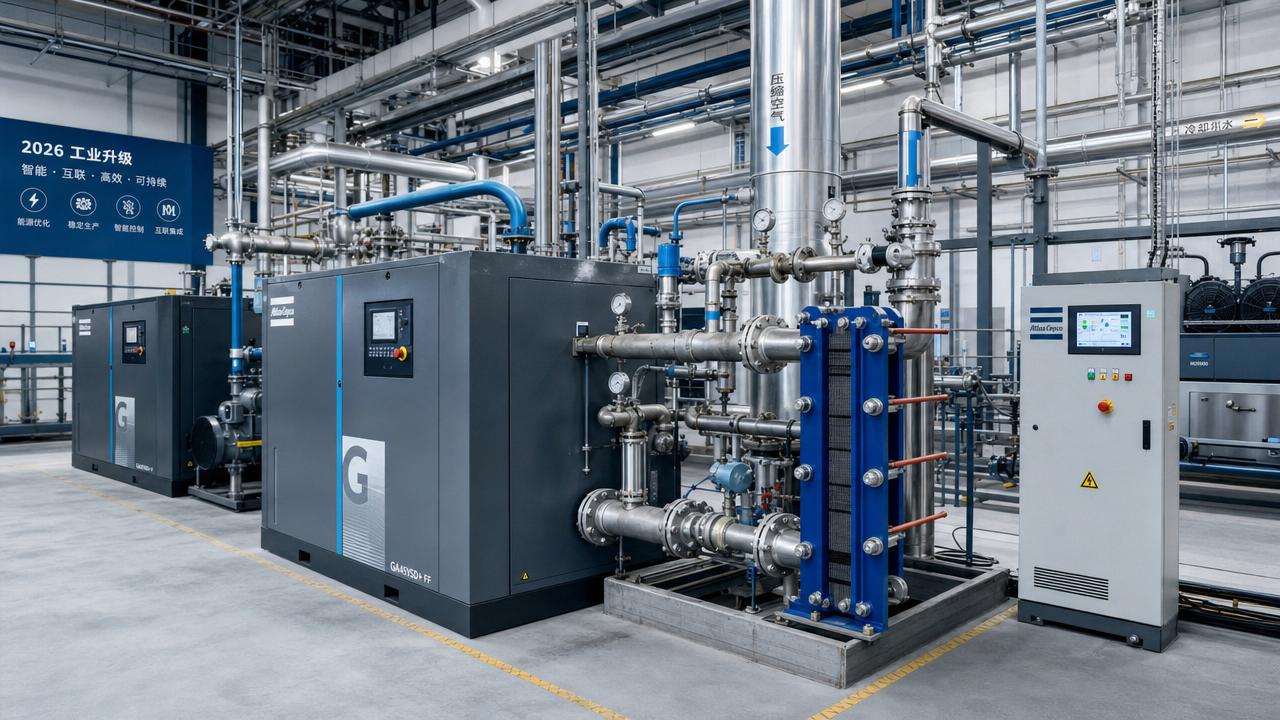
Compressed air remains one of the clearest examples.
It is expensive, essential, and frequently inefficient.
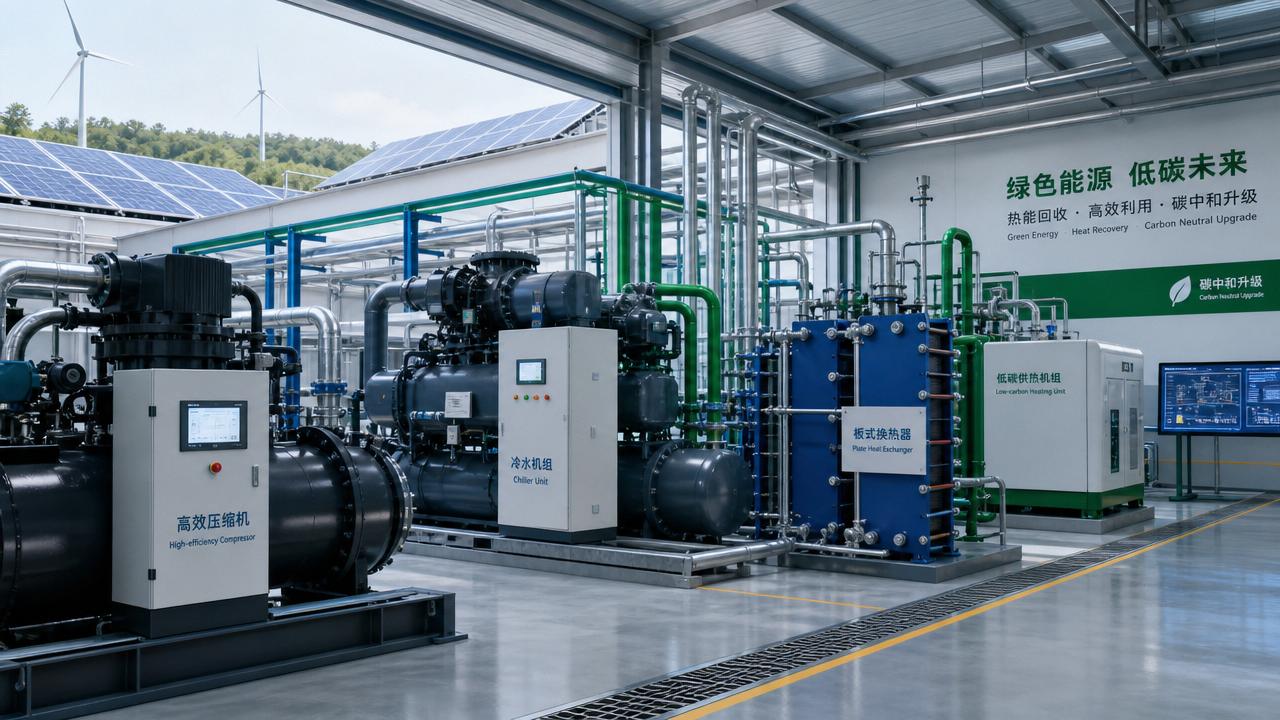
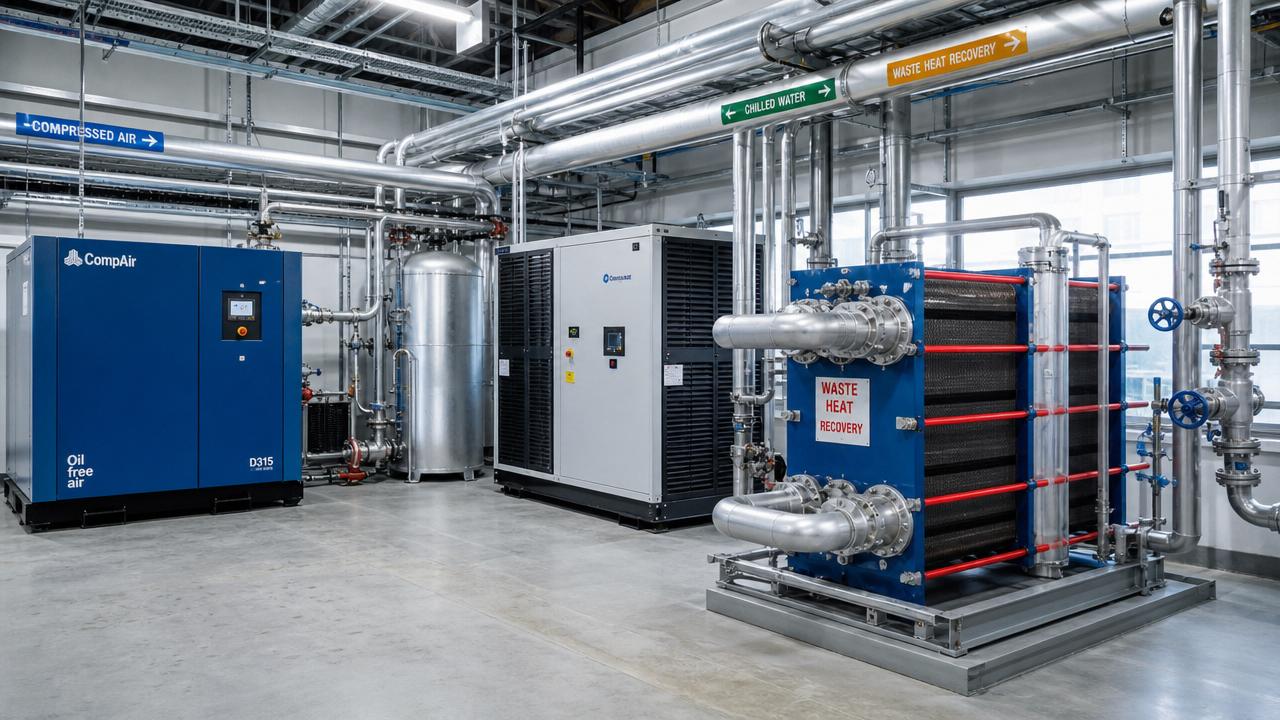
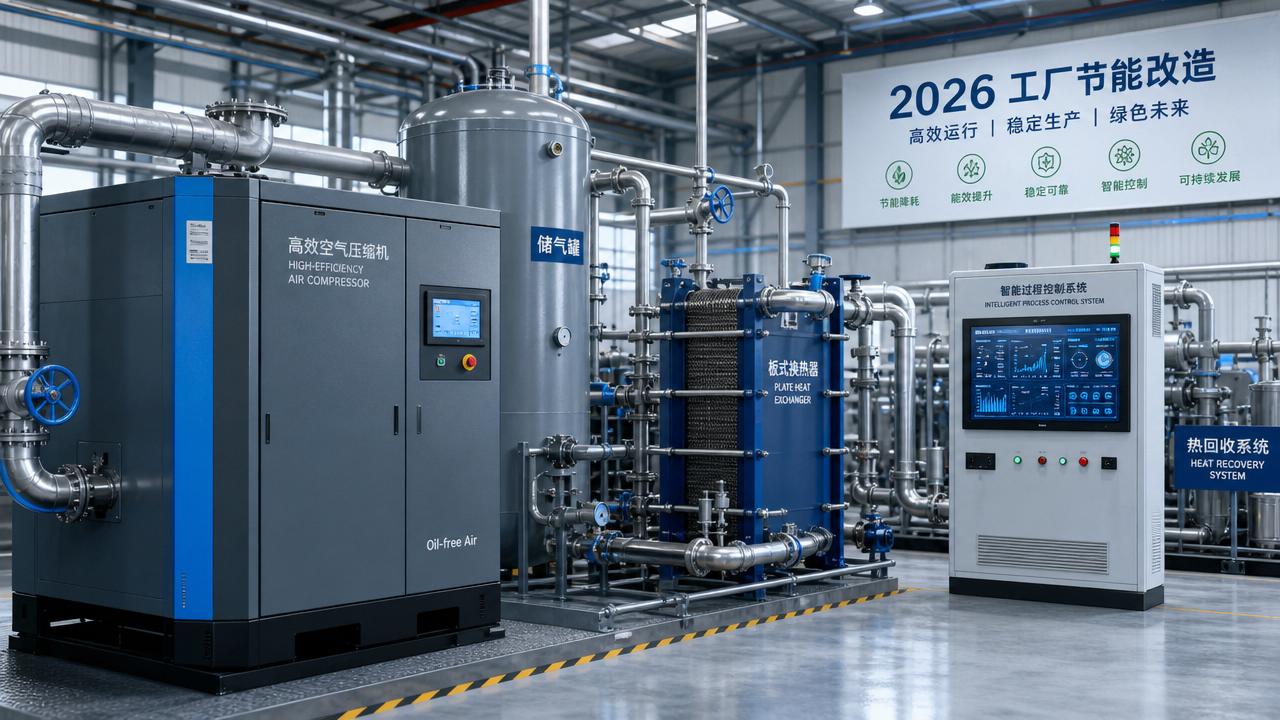
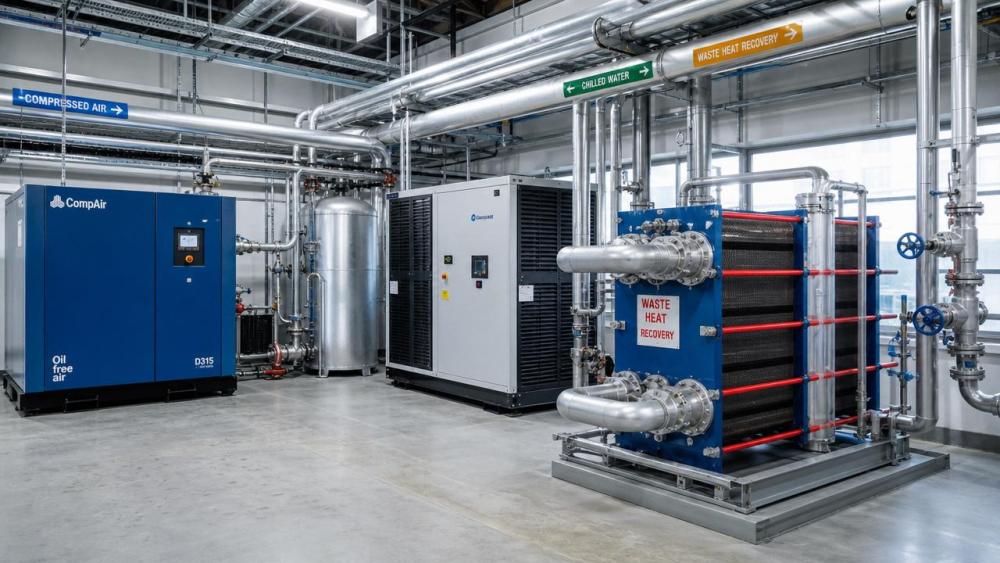
When thermal optimization includes heat recovery from compressors, the value case becomes even stronger.
Cooling systems show a similar pattern.
Facilities that match capacity more precisely to process demand often see savings sooner than those pursuing full system replacement.
The biggest impact is happening between systems, not inside one asset
A more interesting 2026 development is how thermal optimization is moving beyond component efficiency.
The best results now come from linking thermal and power decisions across connected utilities.
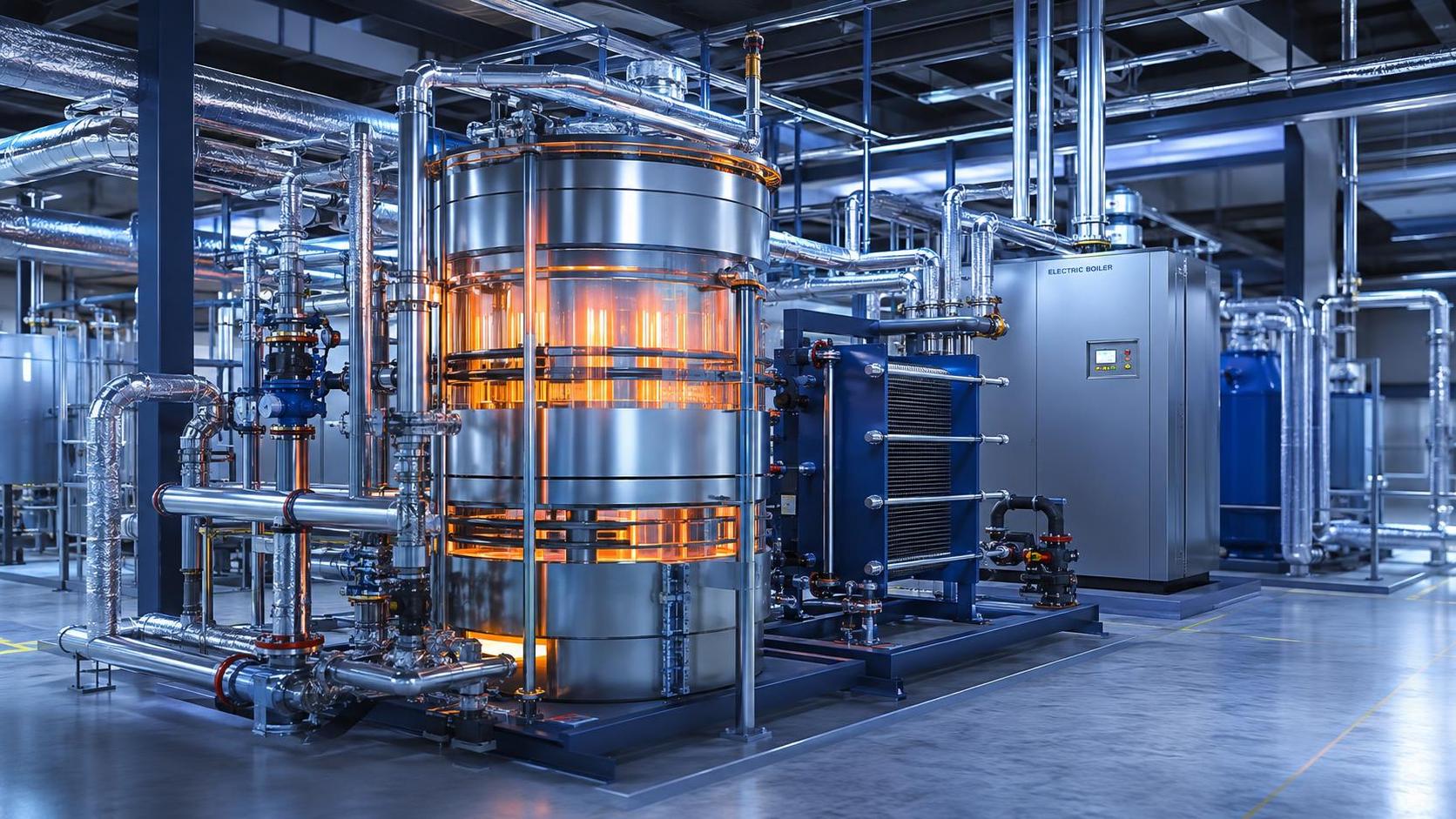
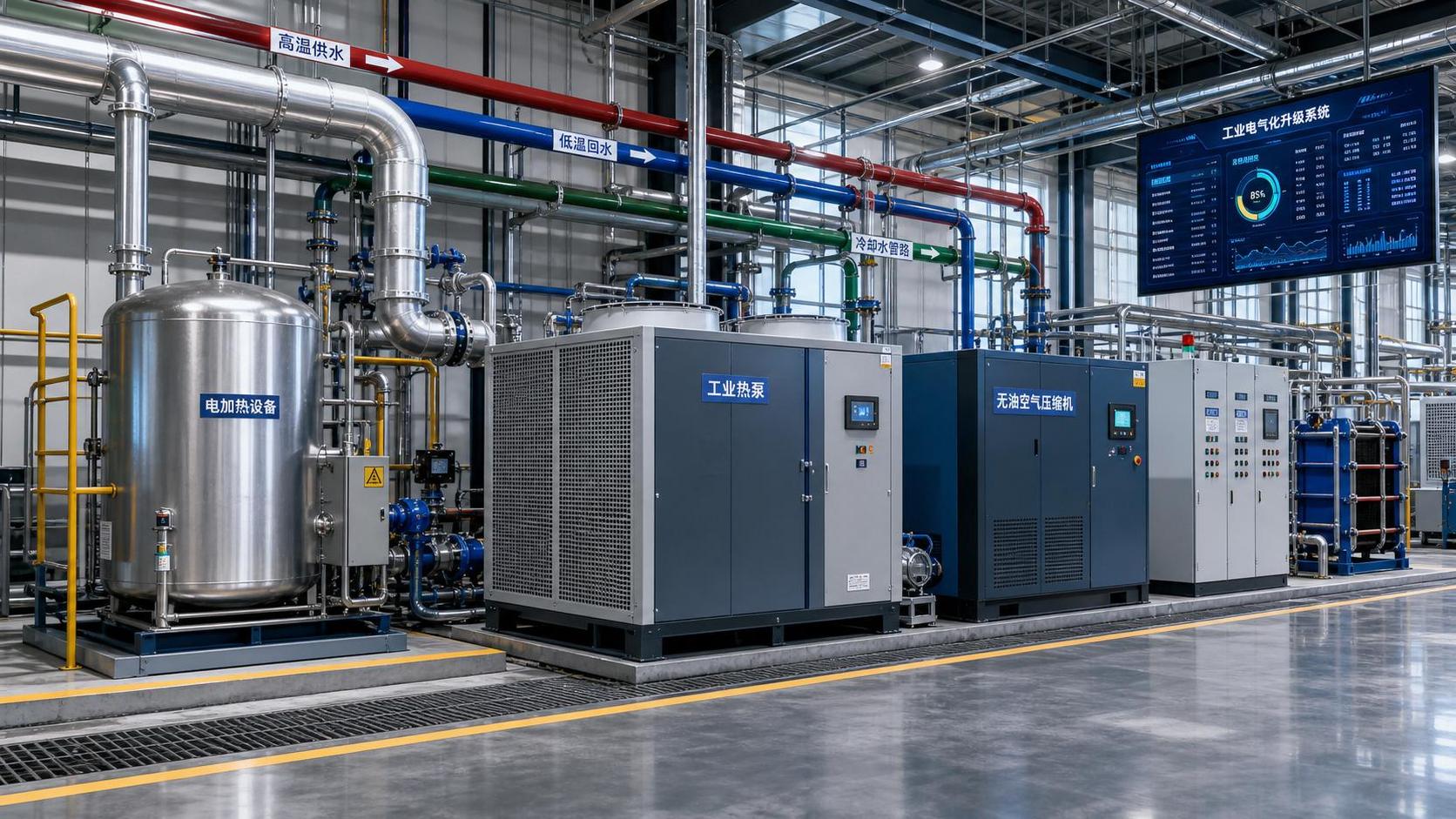
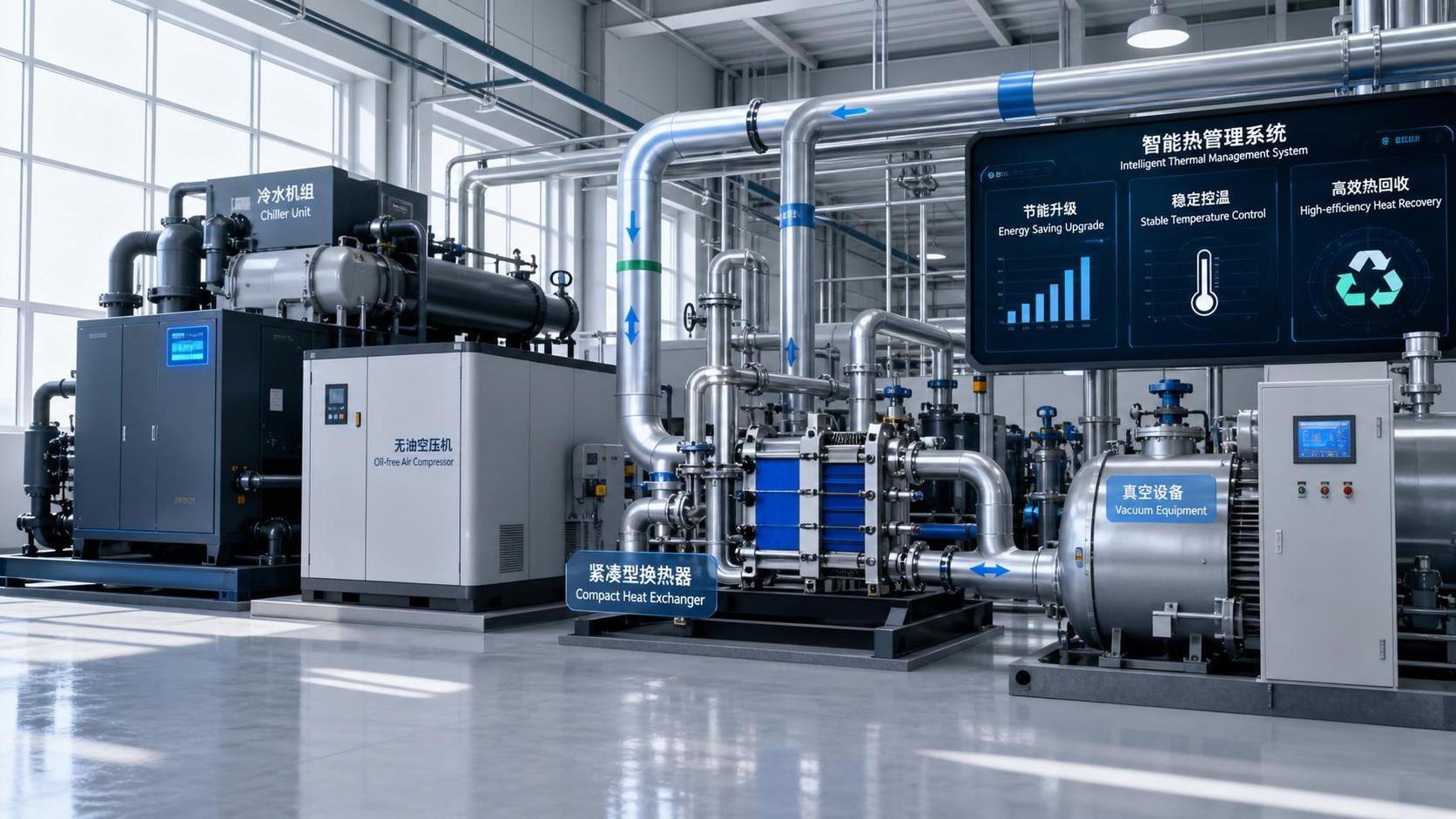
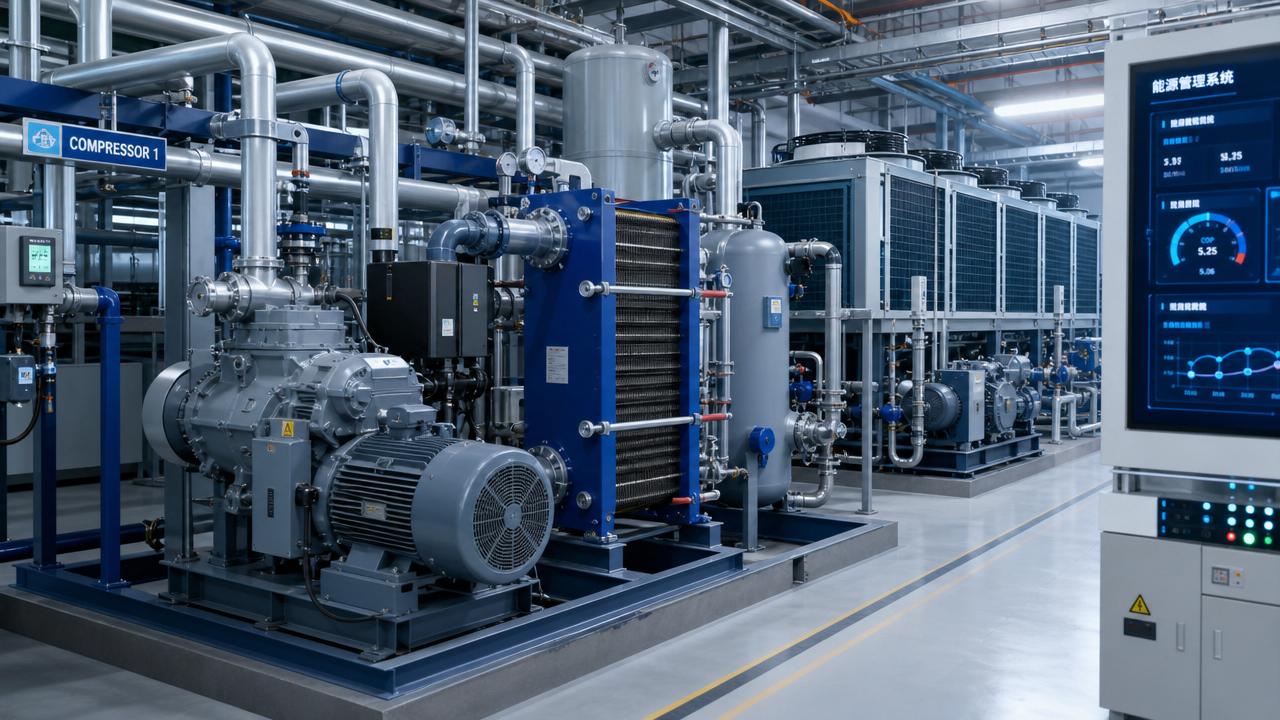
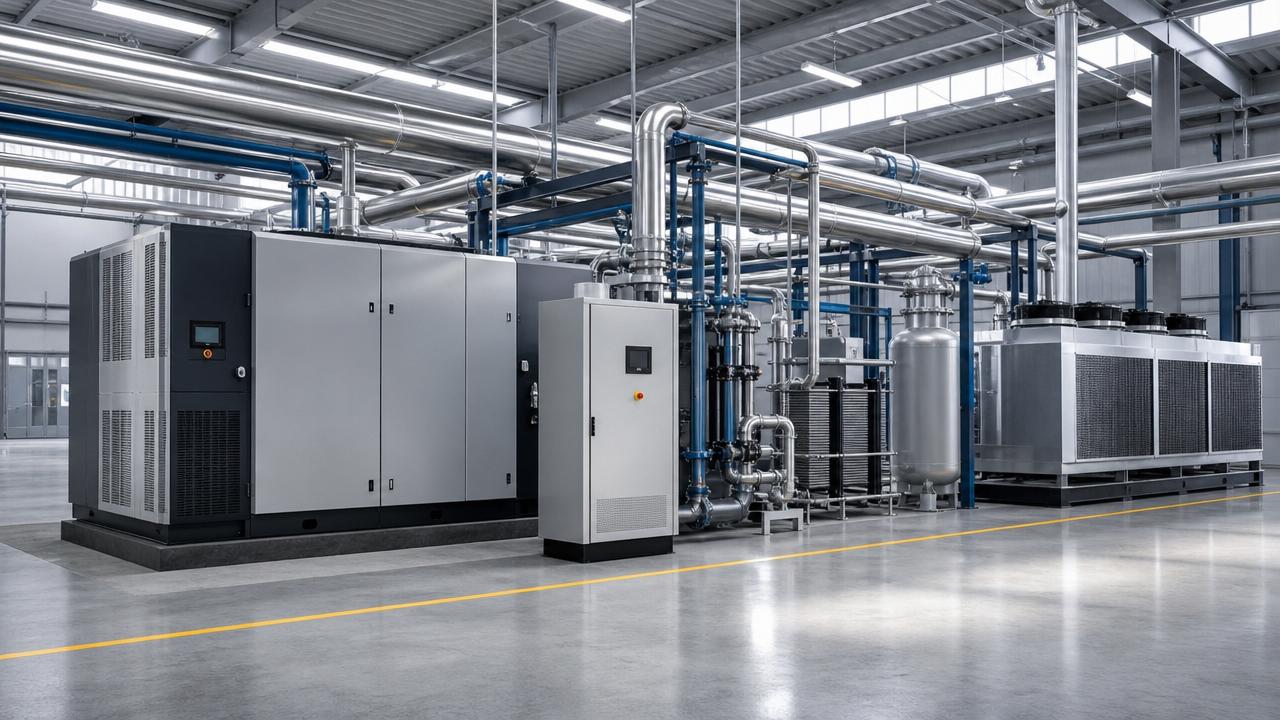
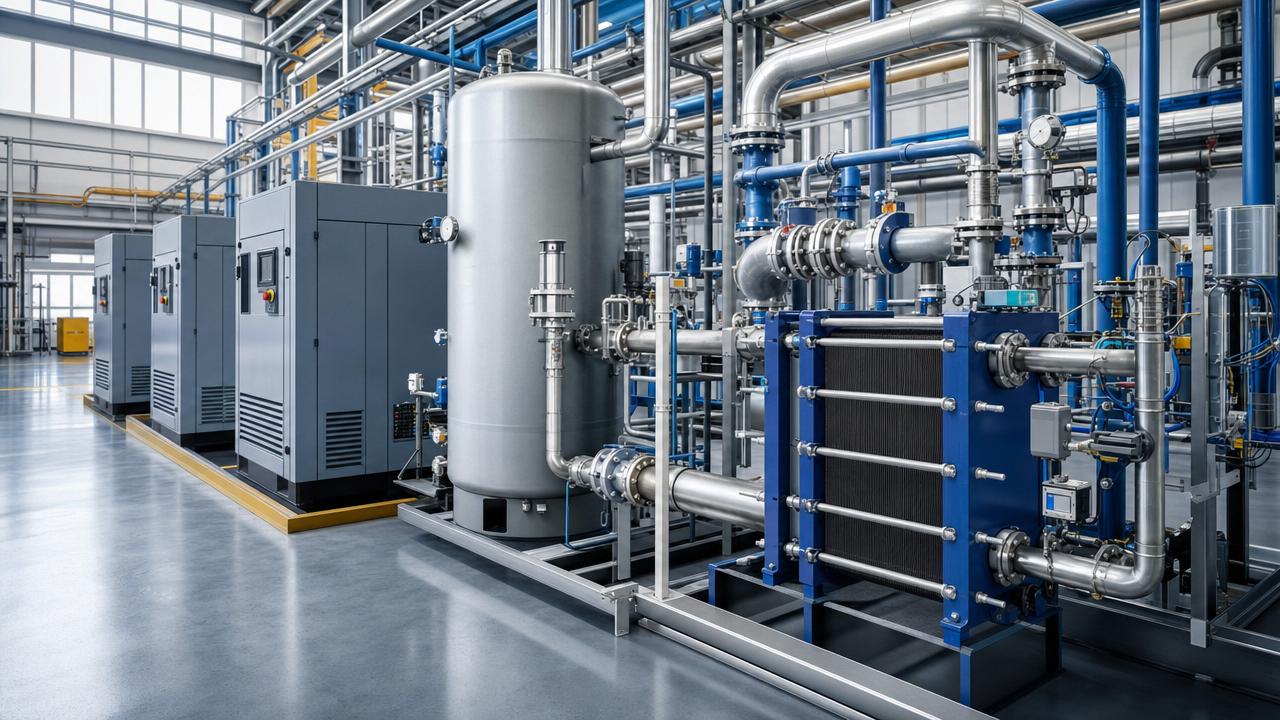
That means treating compressors, chillers, vacuum pumps, boilers, and exchangers as one energy ecosystem.
In practice, one upgrade often changes the economics of another.
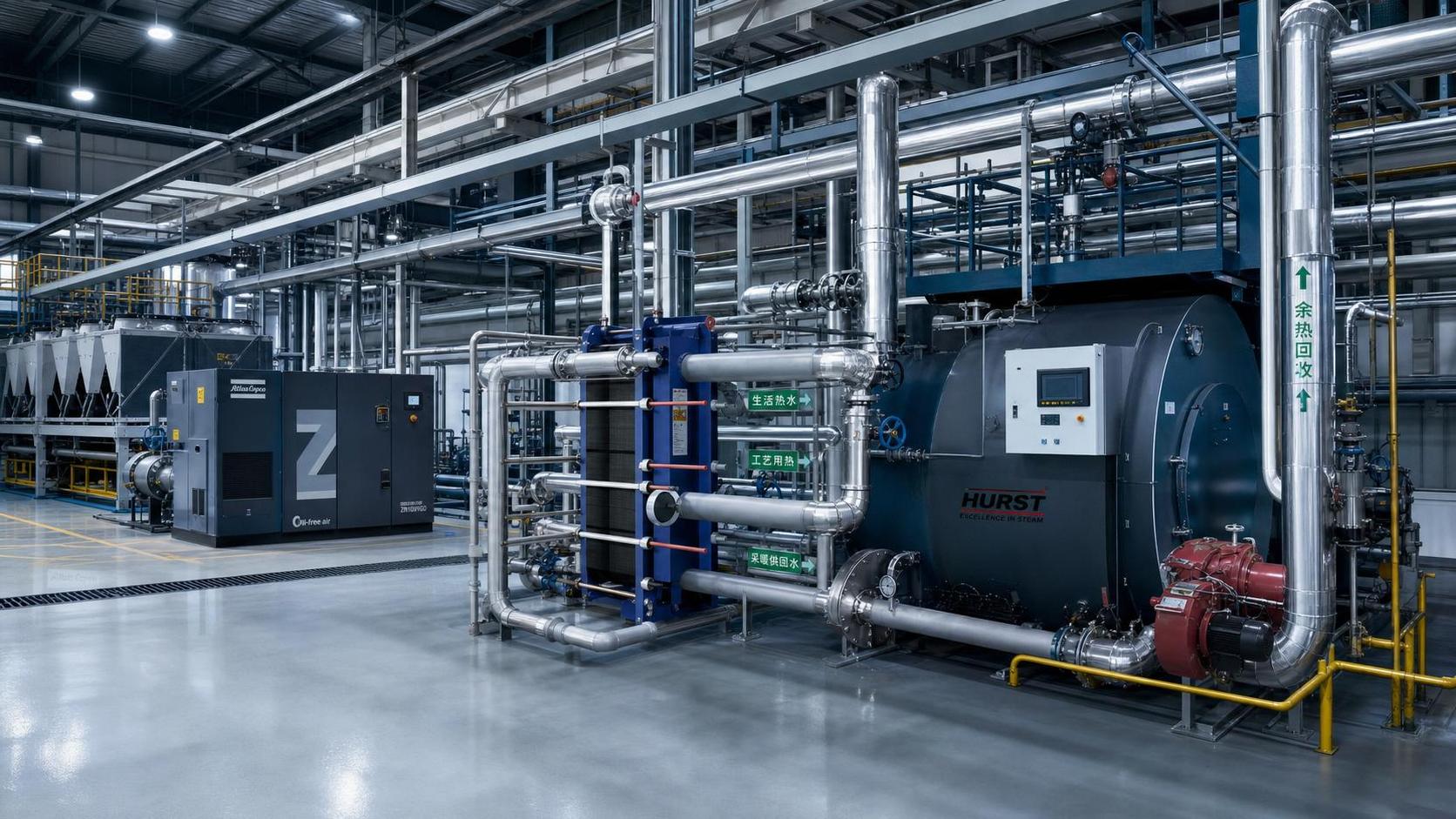
Recovered heat from air compression can reduce boiler load.
Improved heat exchange can lower cooling demand.
More stable vacuum operation can reduce scrap and lower thermal variation downstream.
This cross-system logic is why thermal optimization is increasingly discussed in terms of portfolios, not isolated projects.
What this means for capital planning
Traditional approval models often undervalue linked savings.
They count one energy line but miss avoided maintenance, lower rejects, and reduced peak demand.
Thermal optimization performs better in review when these interactions are quantified early.
That is also where intelligence platforms such as GTC-Matrix become relevant.
Sector data, policy tracking, and technology benchmarking help frame whether a retrofit is merely efficient or strategically timed.
Demand is shifting toward controllability, not only efficiency
Another clear signal is that buyers and operators increasingly value controllability.
Static efficiency ratings still matter, but they do not explain real performance under variable production loads.
Thermal optimization now depends on how quickly systems respond, stabilize, and communicate.
This is especially visible in sectors requiring precise thermal windows and contamination control.
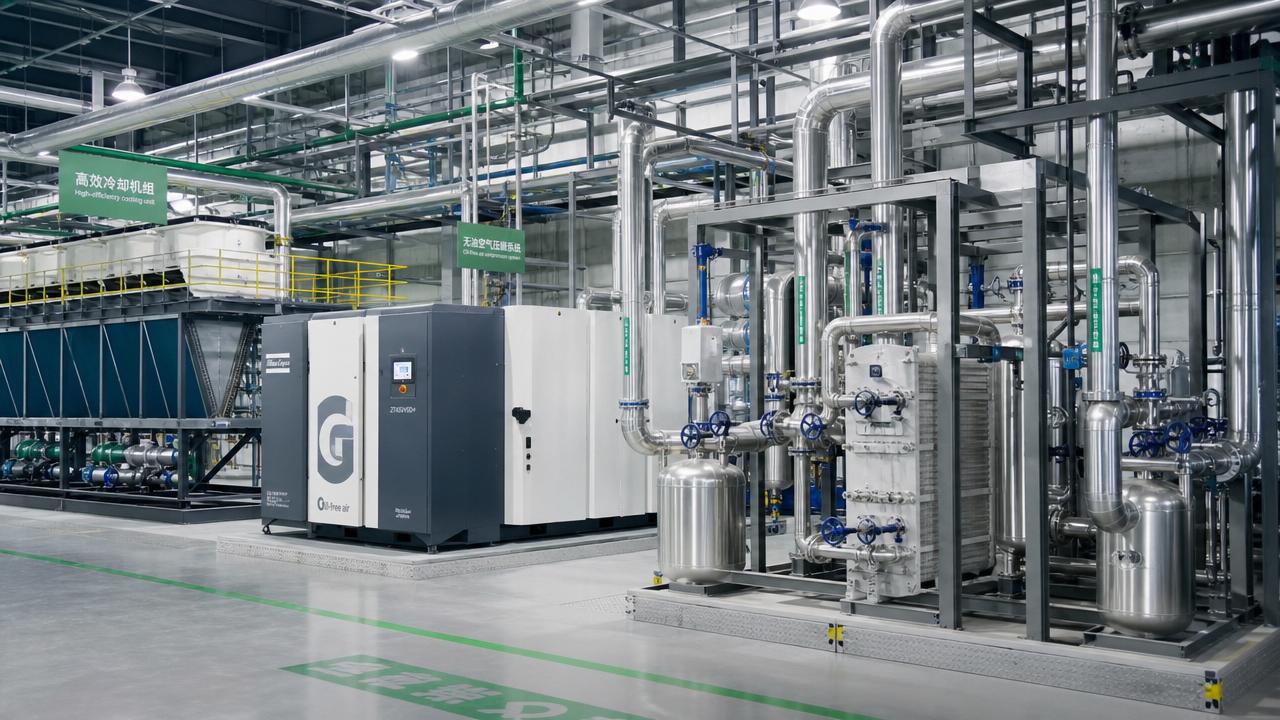
Oil-free compression, cleaner cooling architectures, and smarter exchanger designs are gaining ground for that reason.
The return is not limited to lower kilowatt-hours.
It also appears in tighter process consistency and fewer unexpected interventions.
- Watch load variability, not just average consumption.
- Compare thermal optimization options by response speed and control precision.
- Factor refrigerant policy exposure into lifecycle economics.
- Review whether waste heat can offset another utility stream on site.
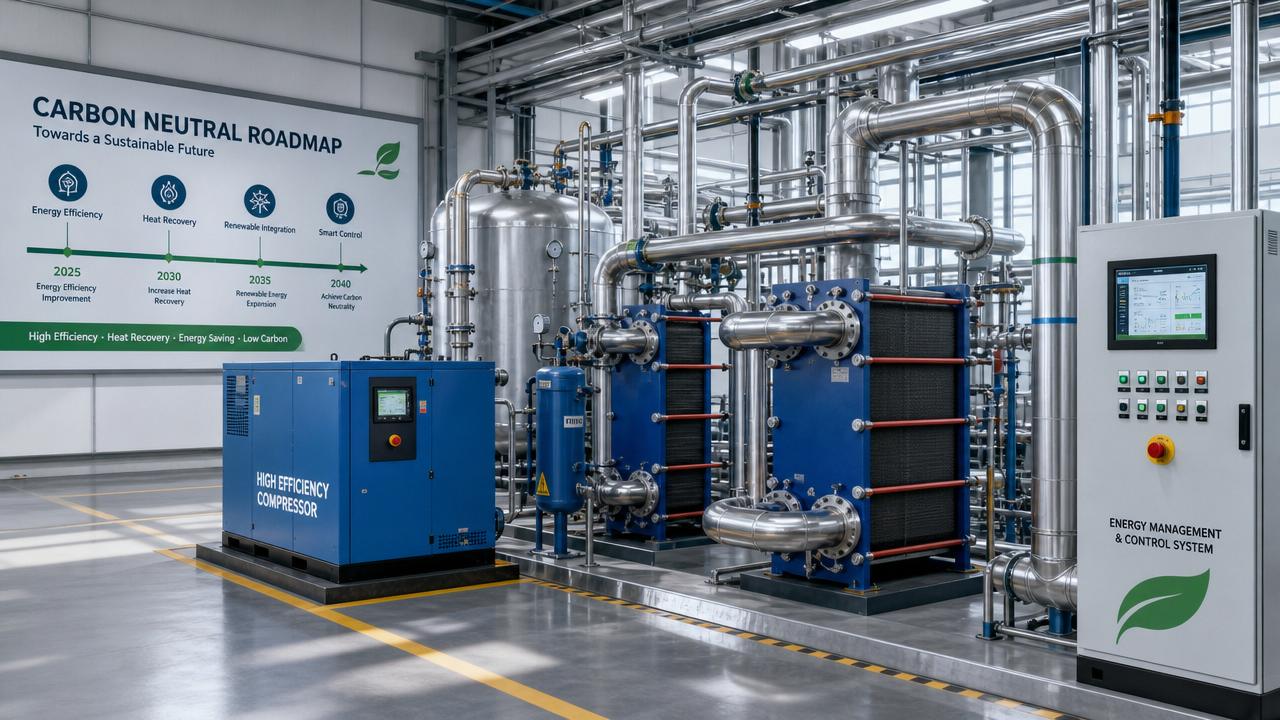
The next smart move is a staged thermal optimization roadmap
The most effective response in 2026 is rarely a single headline upgrade.
It is usually a staged thermal optimization roadmap built around fast returns first.
That approach protects cash flow while building operational evidence for larger investments.
Start with the systems that run longest, drift most, or hide the largest thermal imbalance.
Then assess where recovered heat, cleaner compression, exchanger upgrades, or control improvements can work together.
The companies moving well are not chasing every innovation at once.
They are building clearer baselines, comparing scenarios, and aligning thermal optimization with production priorities.
That is likely to define the strongest performers over the next cycle.
For the next step, review where energy losses and process sensitivity overlap.
That is usually where thermal optimization delivers the fastest payback and the clearest strategic advantage.
Ready when you are. Send us a message to get started.
Related News
- Why high-density thermal energy storage is gaining industry attentionAuthor :

- Smart Device Thermal Management Trends Shaping 2026 Product DesignAuthor :

- Industrial Cooling Technologies in Europe: 2026 Trends in Compliance and Energy UseAuthor :

- Industrial Electrification Trends in 2026: Where Projects Are Moving FirstAuthor :

- Industrial Solution Comparison Global: 2026 Trends Reshaping Equipment DecisionsAuthor :

- When Heat Recovery Systems Skid Mounted Designs Improve Project PaybackAuthor :

- How to Compare Industrial Decarbonization Solutions Providers in 2026Author :

- Industry Category Guides for Smart Devices: What to Track as 2026 Markets ShiftAuthor :

- Green Manufacturing Trends Reshaping Industrial InvestmentAuthor :

- 2026 Global Energy Costs: What Will Reshape Industrial PlanningAuthor :

- Industrial Decarbonization Solutions That Cut Fuel Costs in 2026Author :

- Smart Thermal Systems Trends Shaping Industrial Upgrades in 2026Author :

- Resource Circularity in Manufacturing: 5 Practical Gains Beyond ComplianceAuthor :

- Carbon Neutrality Roadmap: What Industrial Firms Need to Prioritize FirstAuthor :

- Energy Conversion Efficiency Trends Shaping Industrial UpgradesAuthor :

- Compression Technology Trends Shaping Efficient Plant UpgradesAuthor :

- Industrial Intelligence in Manufacturing: Where It Delivers Value FirstAuthor :

- How Intellectualization Improves Industrial Thermal ManagementAuthor :

- What Intellectualization Means for Smarter Plant Operations in 2026Author :

- Carbon Neutrality Goals: What Industrial Firms Should Prioritize in 2026Author :

- How Intellectualization Reduces Downtime in Modern Production LinesAuthor :

- Decarbonization Roadmap for Energy-Intensive Plants in 2026Author :

- Thermal Systems Trends in 2026: Efficiency, Control, and RiskAuthor :

- Industrial Decarbonization Priorities for Energy-Intensive FacilitiesAuthor :

- Thermal Systems in 2026: Efficiency Upgrades Shaping Industrial OperationsAuthor :

- Pure Power Sources: 5 Practical Paths to Carbon NeutralityAuthor :

- What Intellectualization Means for Industrial Equipment UpgradesAuthor :

- Thermal Optimization in 2026: Where Energy Savings Deliver the Fastest PaybackAuthor :

- Energy Efficiency Trends Reshaping Compressor Upgrades in 2026Author :

- 2026 Industrial Decarbonization Trends Reshaping Plant UpgradesAuthor :
![]()
- Heat Exchanger Technology Trends for 2026 Efficiency TargetsAuthor :

- Resource Circularity Risks in 2026 Supply ChainsAuthor :

- Smart Thermal Systems: When Upgrades Deliver Measurable SavingsAuthor :

- Carbon Neutrality: Practical Steps for Factory RoadmapsAuthor :

- 2026 Industrial Energy Efficiency Priorities for Plant UpgradesAuthor :

- Industrial Intellectualization Trends Reshaping Equipment UpgradesAuthor :