2026 Thermal Power Systems: Efficiency Gains That Still Pay Off




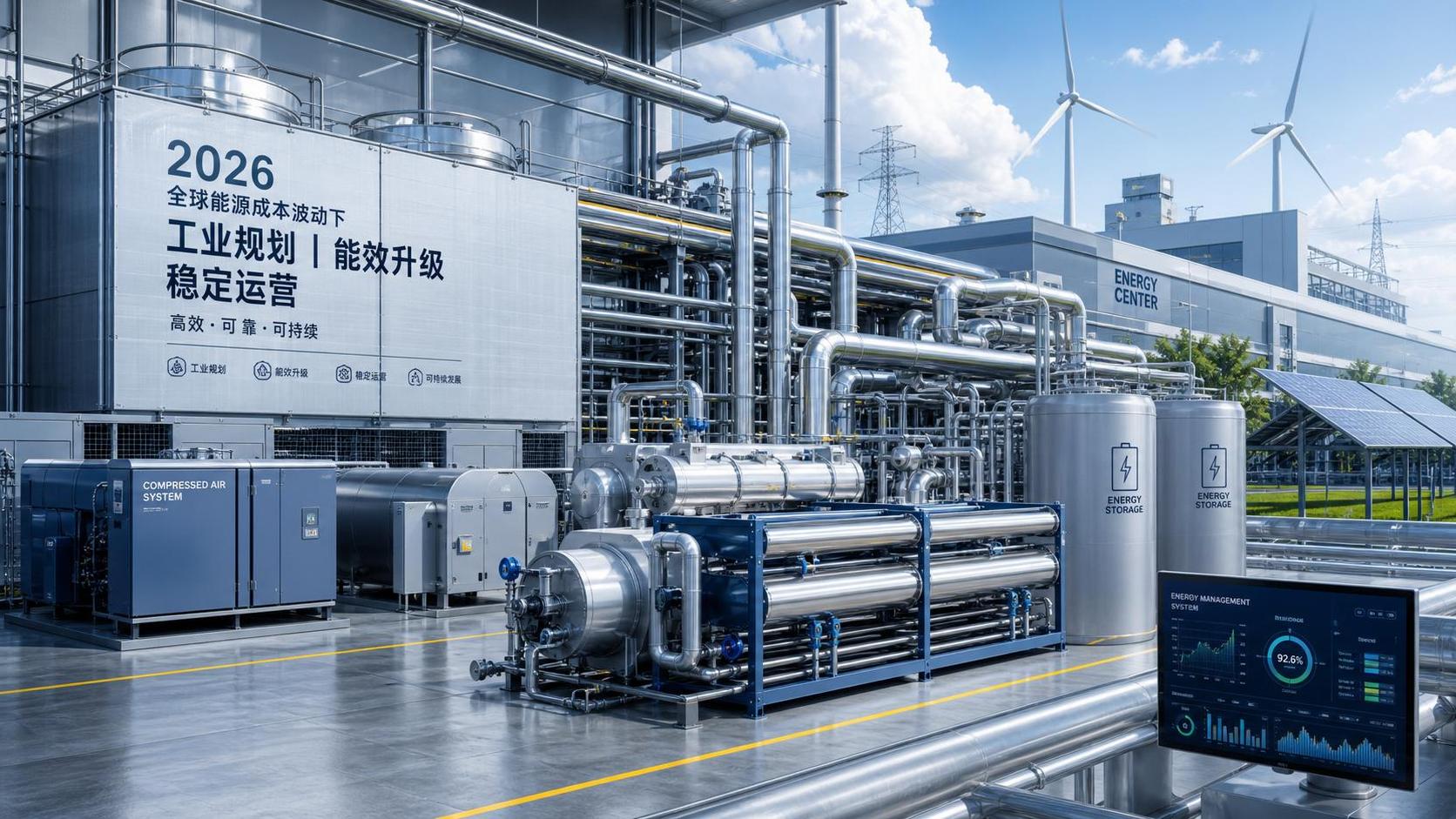
In 2026, thermal power systems remain a practical path to lower operating costs, stronger energy resilience, and measurable emissions reduction. For enterprise decision-makers, the real opportunity lies not in chasing every new technology, but in identifying efficiency upgrades that deliver reliable payback under changing energy prices, policy pressure, and production demands. This article highlights where proven gains still matter most.
What makes thermal power systems still worth upgrading in 2026?
Thermal power systems still anchor many industrial and commercial energy networks.
They support steam generation, process heat, district energy, cogeneration, and backup power.
In many facilities, full replacement is expensive, disruptive, and technically unnecessary.
That is why targeted efficiency upgrades remain financially attractive.
The strongest value comes from improving fuel conversion, heat recovery, and system control.
These steps often outperform headline technologies on payback speed.
Thermal power systems also benefit from a mature service ecosystem.
Spare parts, retrofit expertise, and operational benchmarks are widely available.
That maturity lowers project risk and shortens implementation time.
For energy-intensive operations, even a small efficiency gain changes annual cost performance.
A three percent improvement can deliver major savings under volatile fuel prices.
It can also reduce exposure to carbon pricing and emissions reporting pressure.
Why proven efficiency now matters more than novelty
Energy markets in 2026 reward reliability as much as innovation.
Organizations need predictable output, stable maintenance schedules, and clear return models.
Well-understood thermal power systems can deliver all three with disciplined retrofits.
- Lower fuel use without major process redesign
- Better resilience during grid stress or supply interruptions
- Compliance support for emissions and efficiency targets
- Improved asset life through smarter loading and monitoring
Which efficiency gains in thermal power systems still deliver the best payback?
Not every upgrade produces equal value.
The best projects usually correct heat loss, airflow imbalance, and poor control logic.
These are common weaknesses in aging thermal power systems.
1. Waste heat recovery
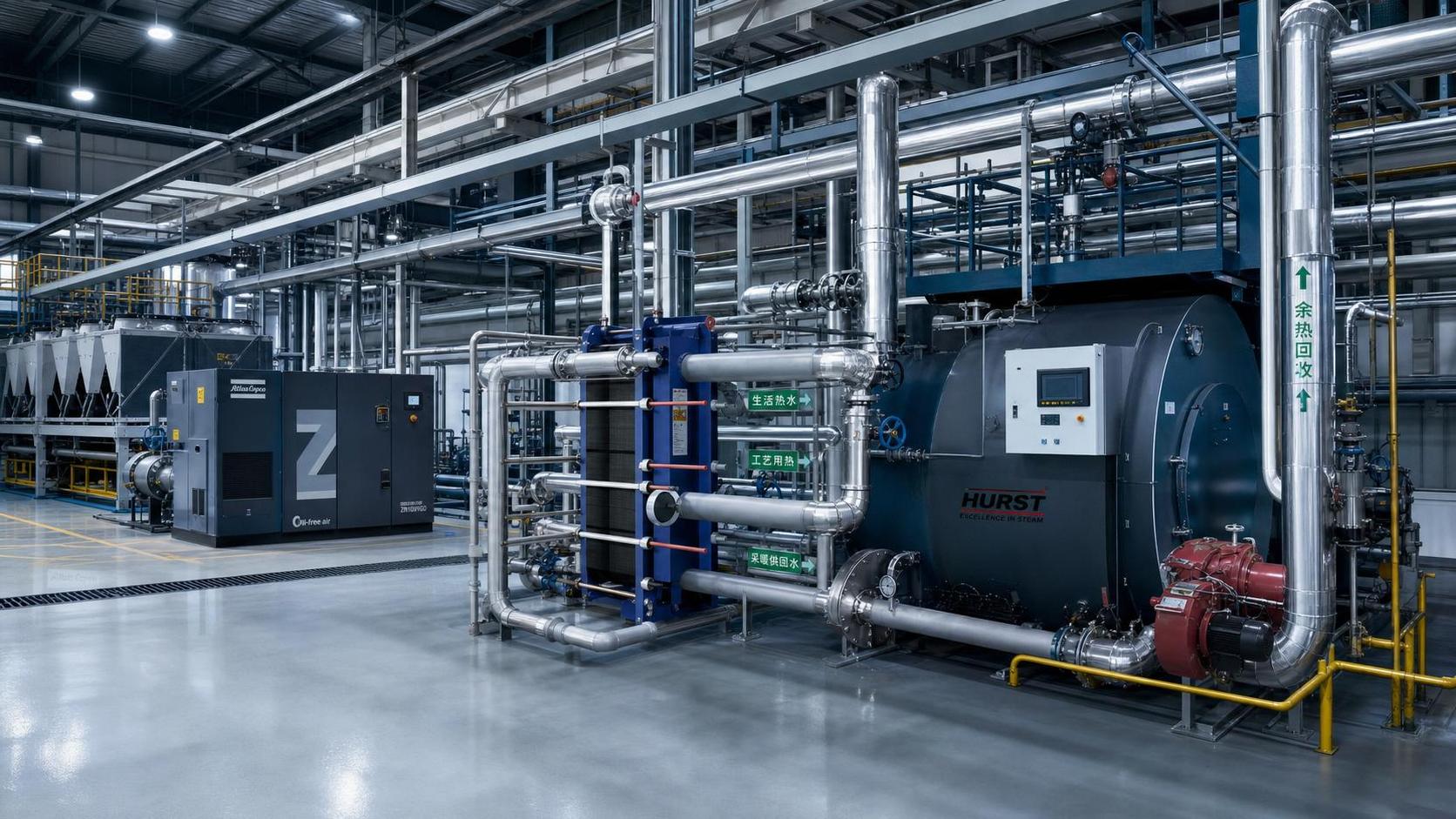
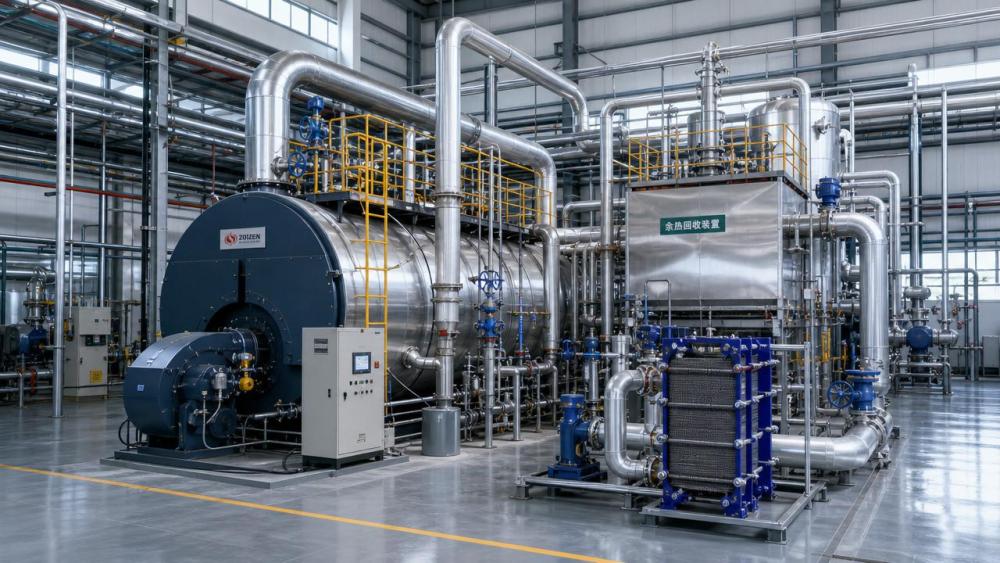
Recovering exhaust heat remains one of the most bankable efficiency measures.
Recovered heat can preheat feedwater, combustion air, or nearby process streams.
This reduces fuel demand without reducing output quality.
2. Advanced combustion tuning
Burner tuning, oxygen trim, and low-NOx optimization improve efficiency and emissions together.
In thermal power systems, small combustion errors create persistent energy waste.
3. Smarter control systems
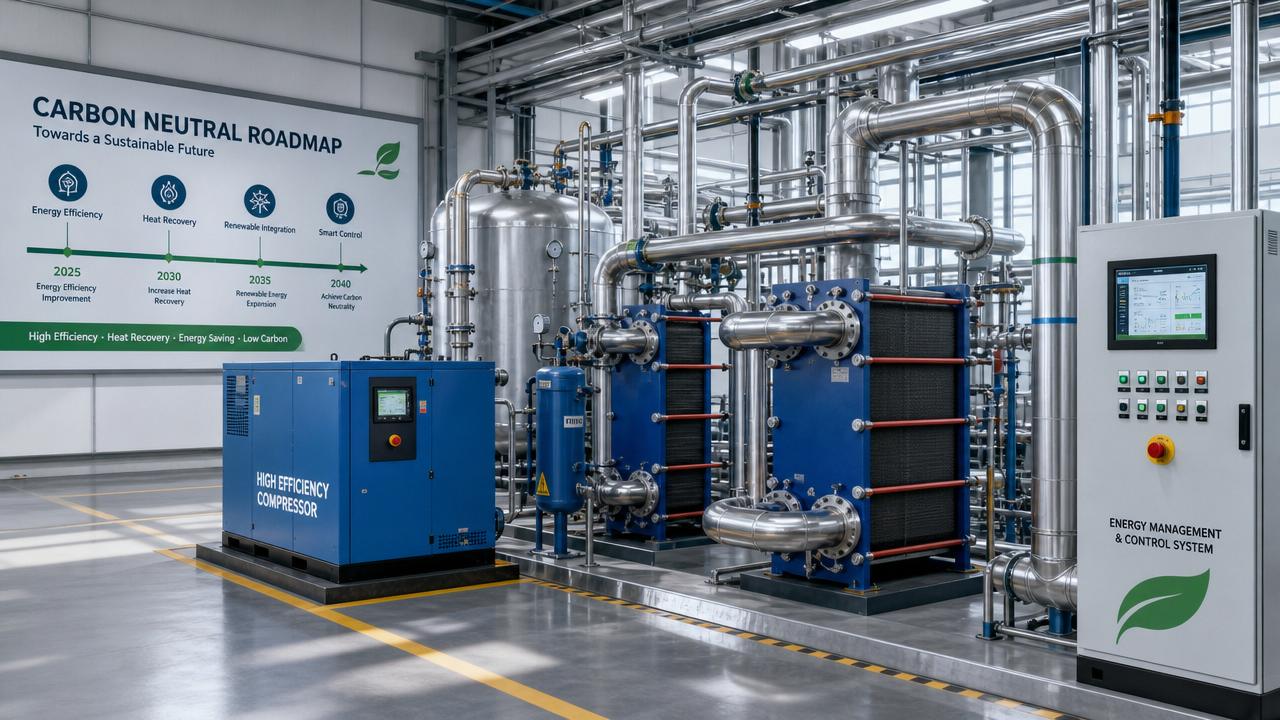
Digital control upgrades reduce cycling, overshoot, and unnecessary standby losses.
They also improve load matching when demand shifts across shifts or seasons.
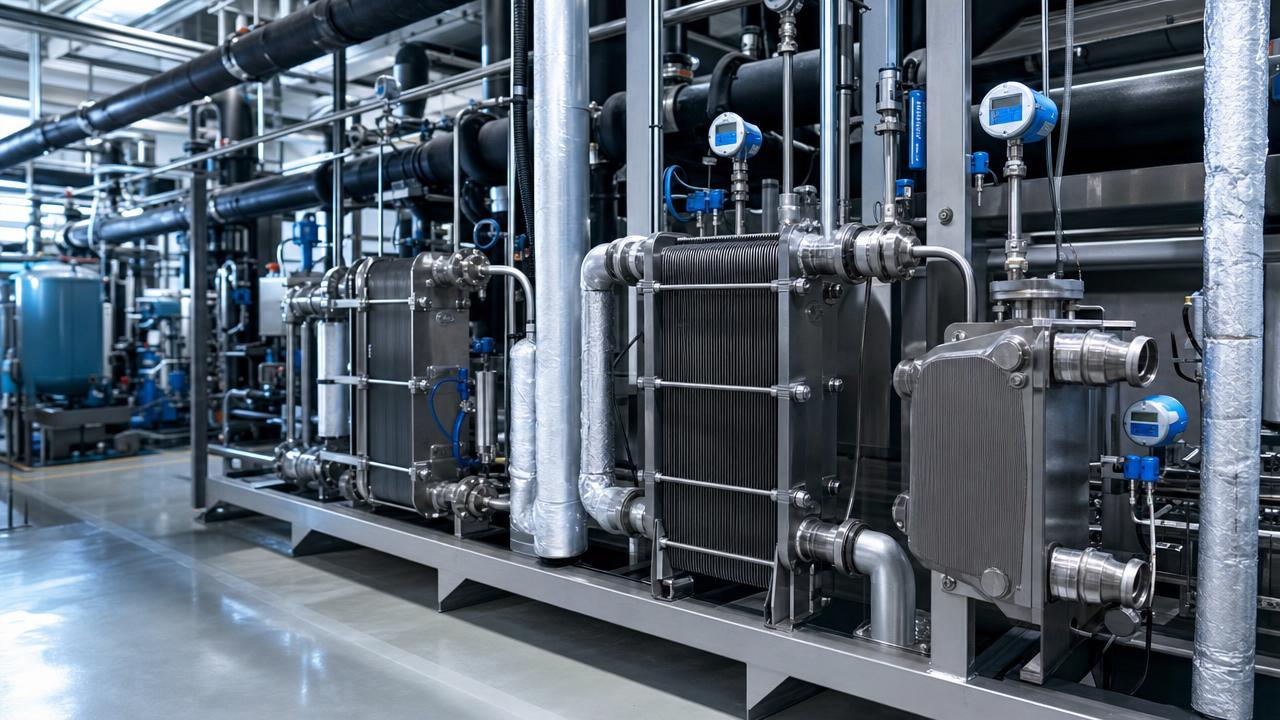
4. Heat exchanger optimization
Fouled or undersized exchangers quietly erode system efficiency.
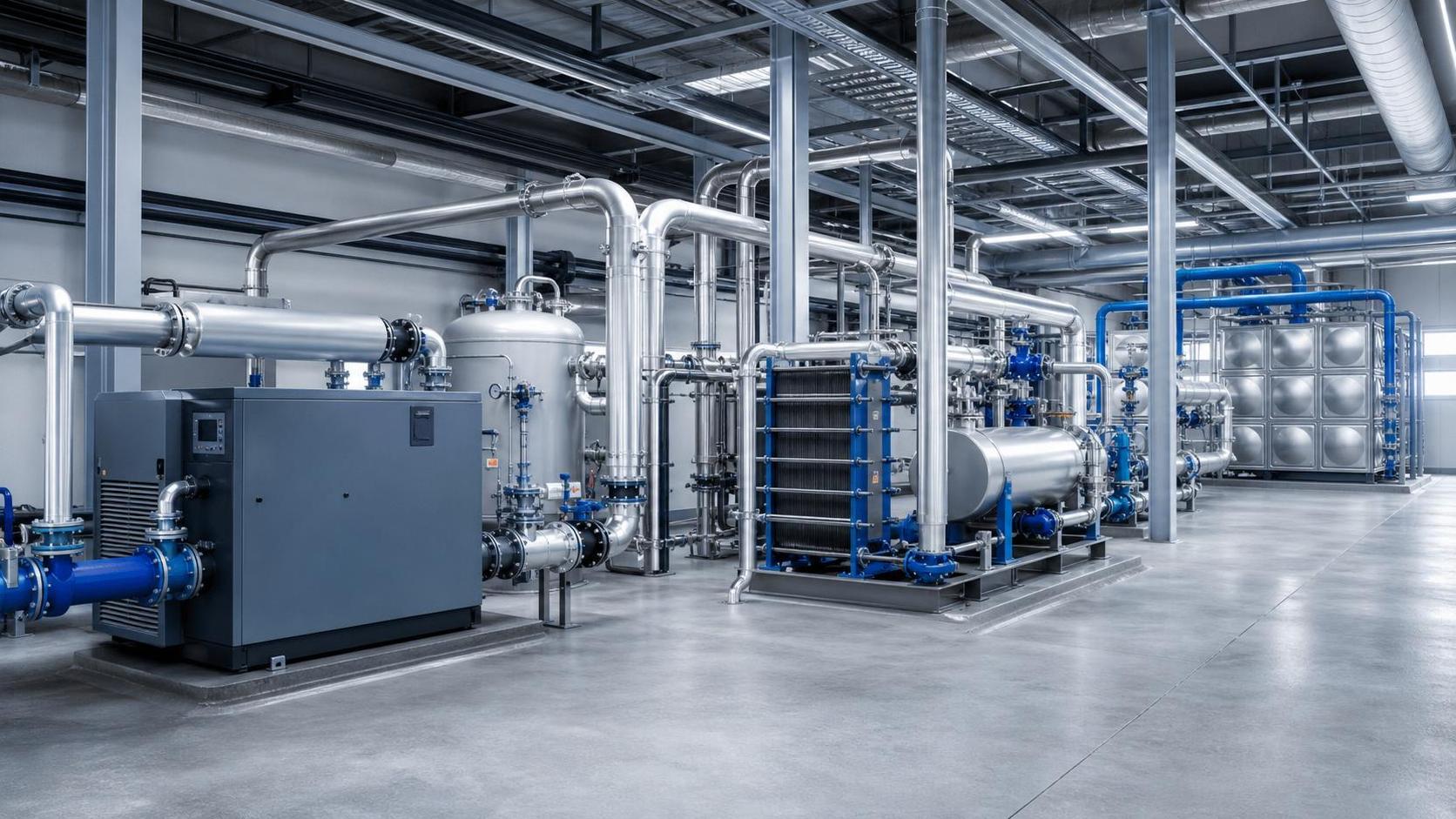
Cleaning, redesign, or microchannel replacement may unlock fast thermal performance gains.
5. Auxiliary equipment upgrades
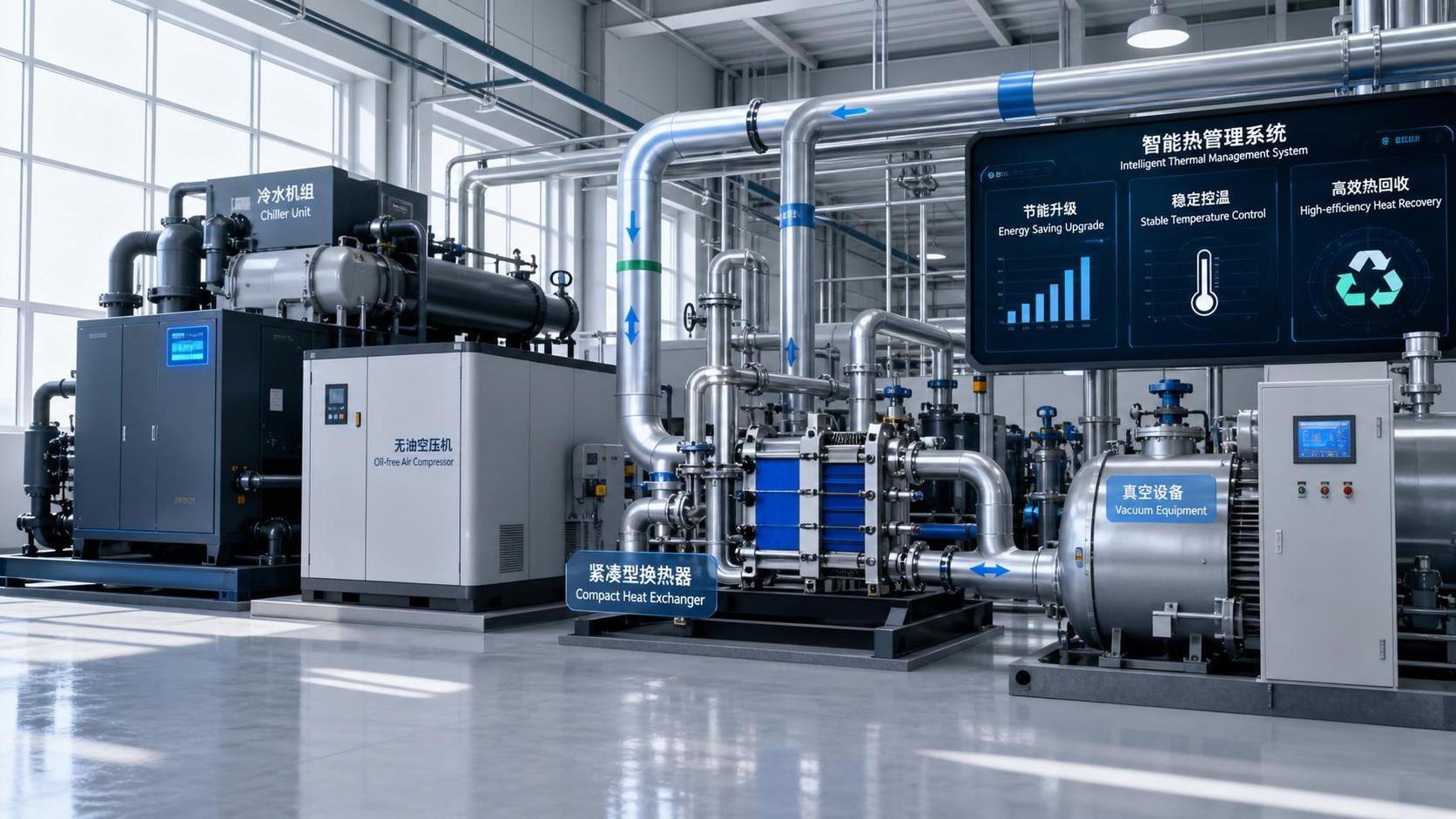
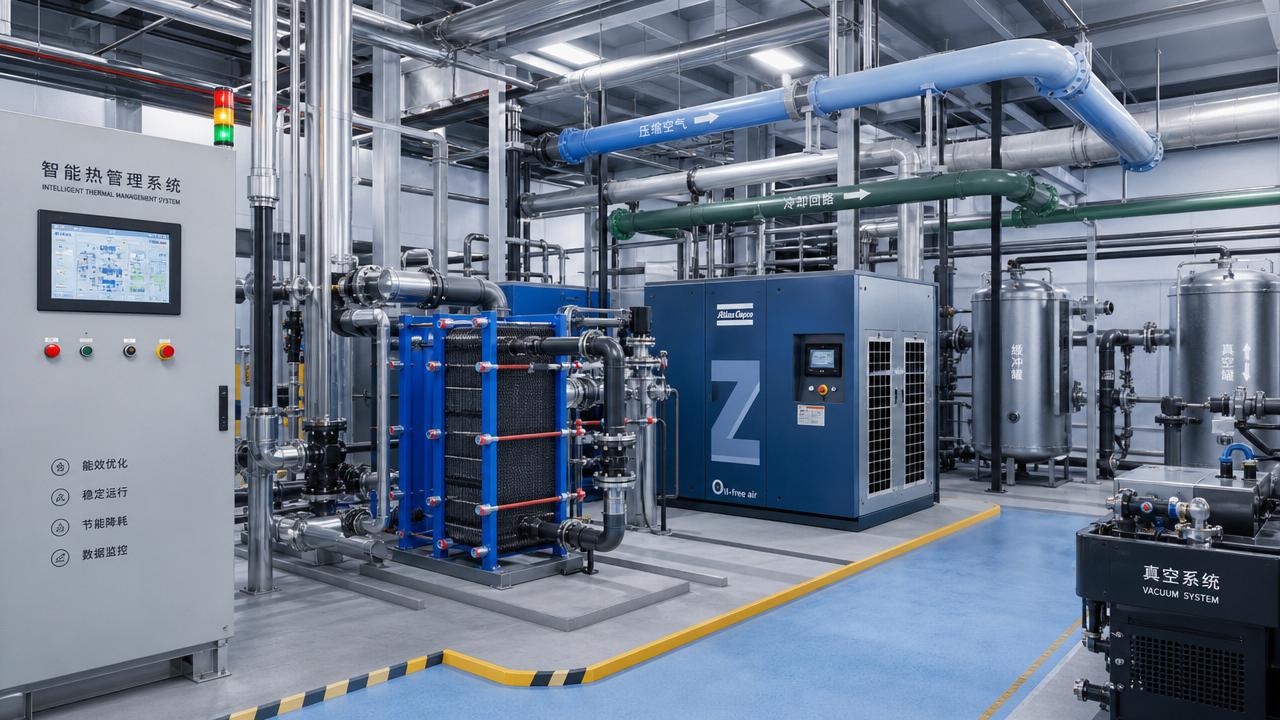
Fans, pumps, compressed air interfaces, and vacuum-linked utilities affect total energy balance.
Variable speed drives and leak reduction can support broader thermal power systems efficiency.
How can you tell which thermal power systems need action first?
A good decision starts with measurement, not assumptions.
Many facilities know fuel bills, but not where the avoidable losses occur.
Priority should go to thermal power systems showing one or more warning signs.
- High stack temperature relative to baseline
- Frequent short cycling or low-load operation
- Growing maintenance cost per output unit
- Large seasonal efficiency swings
- Poor integration with cooling, compression, or heat recovery loops
Thermal audits should combine fuel data, process demand patterns, and equipment condition.
That broader view often reveals hidden losses between connected utilities.
GTC-Matrix frequently highlights this cross-system effect in industrial intelligence analysis.
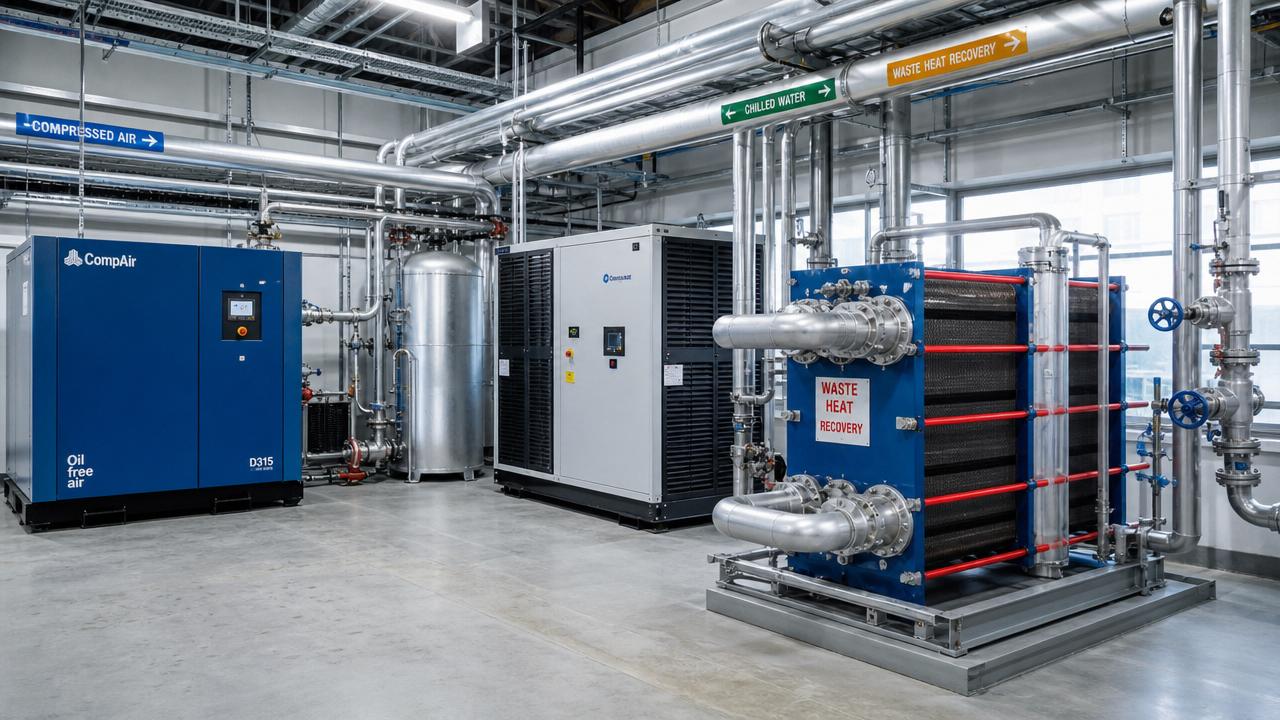
Compressed air waste, cooling imbalance, and exchanger fouling often raise thermal costs indirectly.
A simple screening framework
- Map major heat inputs and useful outputs.
- Compare actual efficiency against design and current benchmarks.
- Identify losses that can be fixed without process shutdown.
- Rank projects by payback, risk, and operational impact.
What mistakes reduce the return from thermal power systems upgrades?
The most common mistake is focusing on equipment efficiency in isolation.
Thermal power systems are interconnected with controls, loads, and utility support assets.
A high-efficiency component may underperform inside a poorly balanced system.
Key pitfalls to avoid
- Oversizing new equipment for rare peak demand
- Ignoring heat exchanger fouling and water quality
- Skipping operator training after control upgrades
- Using payback only, without lifecycle cost review
- Failing to validate post-upgrade performance with metering
Another mistake is underestimating downtime planning.
Some thermal power systems upgrades are technically simple but operationally sensitive.
The best projects align retrofit timing with maintenance windows or process transitions.
How do thermal power systems compare with newer low-carbon options?
This is not a simple either-or decision.
In 2026, many sites need a bridge strategy instead of a complete technology jump.
Upgraded thermal power systems can coexist with electrification, heat pumps, and hybrid energy platforms.
The right comparison depends on temperature level, operating hours, fuel access, and reliability needs.
High-temperature processes may still favor optimized thermal power systems in the near term.
Lower-temperature applications may shift faster toward electric alternatives.
What should a practical 2026 action plan for thermal power systems include?
A strong plan begins with system visibility.
Meter fuel, heat recovery, operating hours, and control performance first.
Then group opportunities into quick wins, medium retrofits, and strategic transitions.
Recommended upgrade sequence
- Fix leaks, insulation gaps, fouling, and bad sensors.
- Tune combustion and correct control logic.
- Install or expand waste heat recovery.
- Upgrade auxiliaries and connected utility systems.
- Evaluate hybrid pathways for future decarbonization.
This sequence helps thermal power systems deliver immediate savings while preparing for policy change.
It also limits stranded investment by preserving flexibility.
FAQ summary table
In 2026, thermal power systems continue to reward disciplined optimization.
The most effective projects are not always the newest.
They are the ones that reduce loss, improve control, and fit real operating conditions.
Use data, compare lifecycle outcomes, and prioritize upgrades with measurable resilience and payback.
For deeper market intelligence on heat exchange, compressed air, vacuum integration, and thermal efficiency pathways, follow GTC-Matrix and turn system complexity into practical energy advantage.
Ready when you are. Send us a message to get started.
Related News
- Why high-density thermal energy storage is gaining industry attentionAuthor :

- Smart Device Thermal Management Trends Shaping 2026 Product DesignAuthor :

- Industrial Cooling Technologies in Europe: 2026 Trends in Compliance and Energy UseAuthor :

- Industrial Electrification Trends in 2026: Where Projects Are Moving FirstAuthor :

- Industrial Solution Comparison Global: 2026 Trends Reshaping Equipment DecisionsAuthor :

- When Heat Recovery Systems Skid Mounted Designs Improve Project PaybackAuthor :

- How to Compare Industrial Decarbonization Solutions Providers in 2026Author :

- Industry Category Guides for Smart Devices: What to Track as 2026 Markets ShiftAuthor :

- Green Manufacturing Trends Reshaping Industrial InvestmentAuthor :

- 2026 Global Energy Costs: What Will Reshape Industrial PlanningAuthor :

- Industrial Decarbonization Solutions That Cut Fuel Costs in 2026Author :

- Smart Thermal Systems Trends Shaping Industrial Upgrades in 2026Author :

- Resource Circularity in Manufacturing: 5 Practical Gains Beyond ComplianceAuthor :

- Carbon Neutrality Roadmap: What Industrial Firms Need to Prioritize FirstAuthor :

- Energy Conversion Efficiency Trends Shaping Industrial UpgradesAuthor :

- Compression Technology Trends Shaping Efficient Plant UpgradesAuthor :

- Industrial Intelligence in Manufacturing: Where It Delivers Value FirstAuthor :

- How Intellectualization Improves Industrial Thermal ManagementAuthor :

- What Intellectualization Means for Smarter Plant Operations in 2026Author :

- Carbon Neutrality Goals: What Industrial Firms Should Prioritize in 2026Author :

- How Intellectualization Reduces Downtime in Modern Production LinesAuthor :

- Decarbonization Roadmap for Energy-Intensive Plants in 2026Author :

- Thermal Systems Trends in 2026: Efficiency, Control, and RiskAuthor :

- Industrial Decarbonization Priorities for Energy-Intensive FacilitiesAuthor :

- Thermal Systems in 2026: Efficiency Upgrades Shaping Industrial OperationsAuthor :

- Pure Power Sources: 5 Practical Paths to Carbon NeutralityAuthor :

- What Intellectualization Means for Industrial Equipment UpgradesAuthor :

- Thermal Optimization in 2026: Where Energy Savings Deliver the Fastest PaybackAuthor :

- Energy Efficiency Trends Reshaping Compressor Upgrades in 2026Author :

- 2026 Industrial Decarbonization Trends Reshaping Plant UpgradesAuthor :
![]()
- Heat Exchanger Technology Trends for 2026 Efficiency TargetsAuthor :

- Resource Circularity Risks in 2026 Supply ChainsAuthor :

- Smart Thermal Systems: When Upgrades Deliver Measurable SavingsAuthor :

- Carbon Neutrality: Practical Steps for Factory RoadmapsAuthor :

- 2026 Industrial Energy Efficiency Priorities for Plant UpgradesAuthor :

- Industrial Intellectualization Trends Reshaping Equipment UpgradesAuthor :