Rexxon Begins Series Production of Its First R290 Rail HVAC Unit




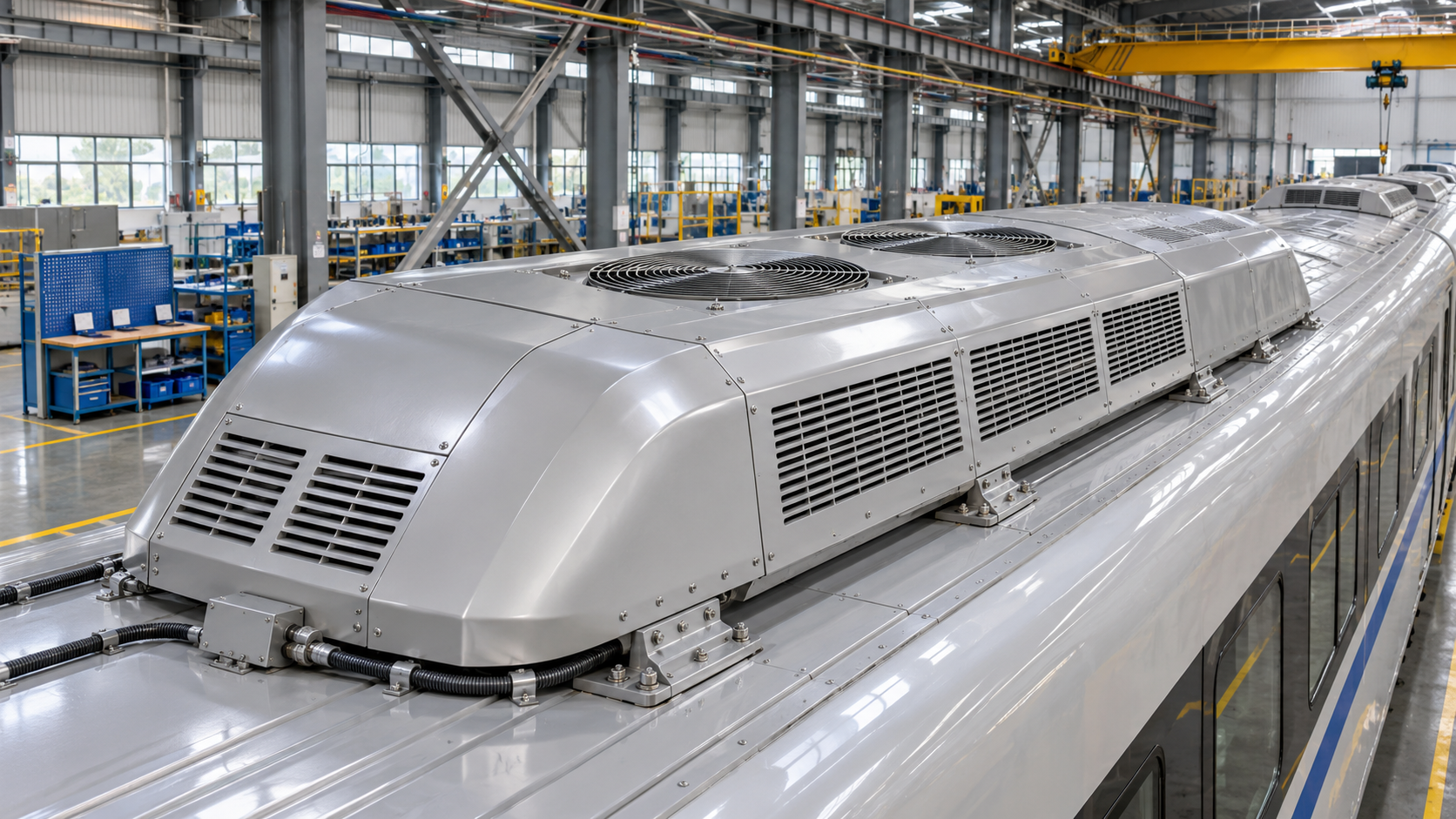
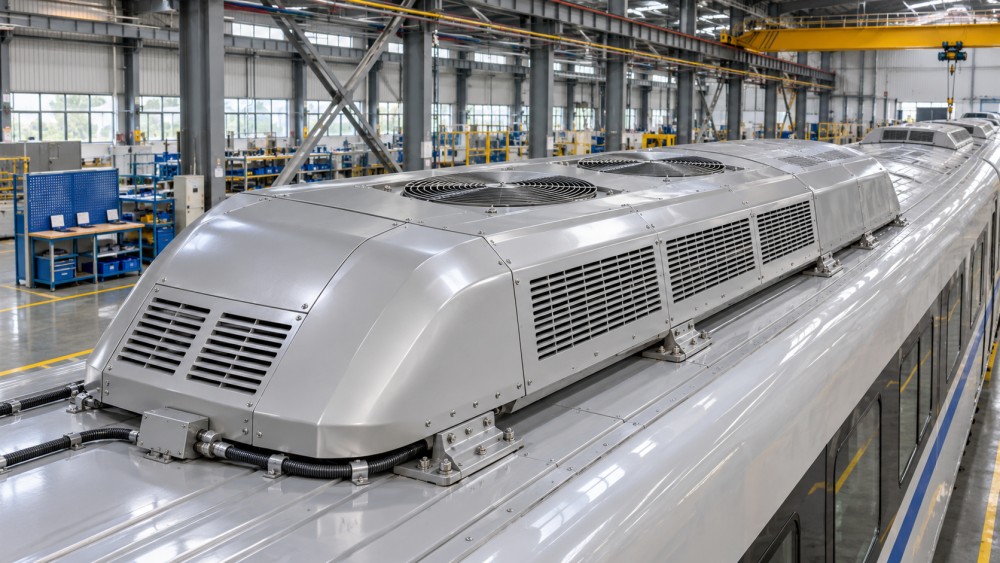
German manufacturer Rexxon announced at InnoTrans 2026 that its first railway HVAC unit using R290, a propane refrigerant, has entered series production. The self-contained, roof-mounted RAC27.12-R is designed for a single passenger railcar and has a cooling capacity of 27 kW and a heating capacity of 12 kW.
The announcement marks a move toward commercial production of a rail air-conditioning unit using a natural refrigerant with a low global warming potential (GWP). It also gives railcar designers and buyers a specific product configuration to consider when assessing R290 for passenger applications.
What the production announcement means
Series production places the RAC27.12-R beyond a product concept: Rexxon has announced that the unit is being produced in batches. That is a meaningful step for the use of R290 in rail HVAC, because the technology is being offered in a defined configuration with stated cooling and heating capacities.
The announcement does not establish how many units will be produced, where they will be installed or how widely the product will be adopted. Its immediate significance is therefore at the product and production level. Broader market effects will depend on subsequent orders, installations and operating experience.
Where the design matters
The unit’s intended use in a single passenger railcar provides a starting point for evaluating its fit. A buyer or railcar designer would need to consider whether its 27 kW cooling and 12 kW heating capacities suit the vehicle and the conditions in which it will operate. The stated capacities describe the unit; they do not, on their own, establish suitability for every passenger car.
Its roof-mounted, self-contained configuration also makes vehicle integration a relevant consideration. The implications for a particular railcar would depend on its available space and design requirements. For manufacturers and operators considering a change in refrigerant, the practical assessment would extend beyond capacity to how the complete unit fits into the vehicle and its maintenance arrangements.
R290 is propane, so its use also brings refrigerant safety into the evaluation. The announcement does not describe the unit’s safety features or the requirements applicable to a particular installation. Those details would matter when assessing a proposed application, alongside the product’s operating and servicing information.
What to watch next
Further product information could clarify the conditions under which the stated capacities apply, the installation requirements and the maintenance provisions for the RAC27.12-R. Announcements of orders or installations would provide a clearer indication of commercial uptake, while operating experience would help show how the unit performs in service.
For now, Rexxon’s announcement is evidence of a concrete production step for an R290 rail HVAC unit. Whether it leads to wider use of the refrigerant in passenger rail will depend on how the product meets the needs of specific vehicles and operators.
Ready when you are. Send us a message to get started.
Related News
- Rexxon Begins Series Production of Its First R290 Rail HVAC UnitAuthor :

- Why high-density thermal energy storage is gaining industry attentionAuthor :

- Smart Device Thermal Management Trends Shaping 2026 Product DesignAuthor :

- Industrial Cooling Technologies in Europe: 2026 Trends in Compliance and Energy UseAuthor :

- Industrial Electrification Trends in 2026: Where Projects Are Moving FirstAuthor :

- Industrial Solution Comparison Global: 2026 Trends Reshaping Equipment DecisionsAuthor :

- When Heat Recovery Systems Skid Mounted Designs Improve Project PaybackAuthor :

- How to Compare Industrial Decarbonization Solutions Providers in 2026Author :

- Industry Category Guides for Smart Devices: What to Track as 2026 Markets ShiftAuthor :

- Green Manufacturing Trends Reshaping Industrial InvestmentAuthor :

- 2026 Global Energy Costs: What Will Reshape Industrial PlanningAuthor :

- Industrial Decarbonization Solutions That Cut Fuel Costs in 2026Author :

- Smart Thermal Systems Trends Shaping Industrial Upgrades in 2026Author :

- Resource Circularity in Manufacturing: 5 Practical Gains Beyond ComplianceAuthor :

- Carbon Neutrality Roadmap: What Industrial Firms Need to Prioritize FirstAuthor :

- Energy Conversion Efficiency Trends Shaping Industrial UpgradesAuthor :

- Compression Technology Trends Shaping Efficient Plant UpgradesAuthor :

- Industrial Intelligence in Manufacturing: Where It Delivers Value FirstAuthor :

- How Intellectualization Improves Industrial Thermal ManagementAuthor :

- What Intellectualization Means for Smarter Plant Operations in 2026Author :

- Carbon Neutrality Goals: What Industrial Firms Should Prioritize in 2026Author :

- How Intellectualization Reduces Downtime in Modern Production LinesAuthor :

- Decarbonization Roadmap for Energy-Intensive Plants in 2026Author :

- Thermal Systems Trends in 2026: Efficiency, Control, and RiskAuthor :

- Industrial Decarbonization Priorities for Energy-Intensive FacilitiesAuthor :

- Thermal Systems in 2026: Efficiency Upgrades Shaping Industrial OperationsAuthor :

- Pure Power Sources: 5 Practical Paths to Carbon NeutralityAuthor :

- What Intellectualization Means for Industrial Equipment UpgradesAuthor :

- Thermal Optimization in 2026: Where Energy Savings Deliver the Fastest PaybackAuthor :

- Energy Efficiency Trends Reshaping Compressor Upgrades in 2026Author :

- 2026 Industrial Decarbonization Trends Reshaping Plant UpgradesAuthor :
![]()
- Heat Exchanger Technology Trends for 2026 Efficiency TargetsAuthor :

- Resource Circularity Risks in 2026 Supply ChainsAuthor :

- Smart Thermal Systems: When Upgrades Deliver Measurable SavingsAuthor :

- Carbon Neutrality: Practical Steps for Factory RoadmapsAuthor :

- 2026 Industrial Energy Efficiency Priorities for Plant UpgradesAuthor :