Can intelligent automation reduce unplanned downtime?




Yes. Intelligent automation can reduce unplanned downtime when it detects developing equipment problems early enough for a team to act, and when its alerts or control responses are tied to a practical maintenance decision. It cannot prevent every failure: a sensor may miss a sudden defect, a model may misread a normal operating change, and an alert has little value if no one can respond before the equipment trips.
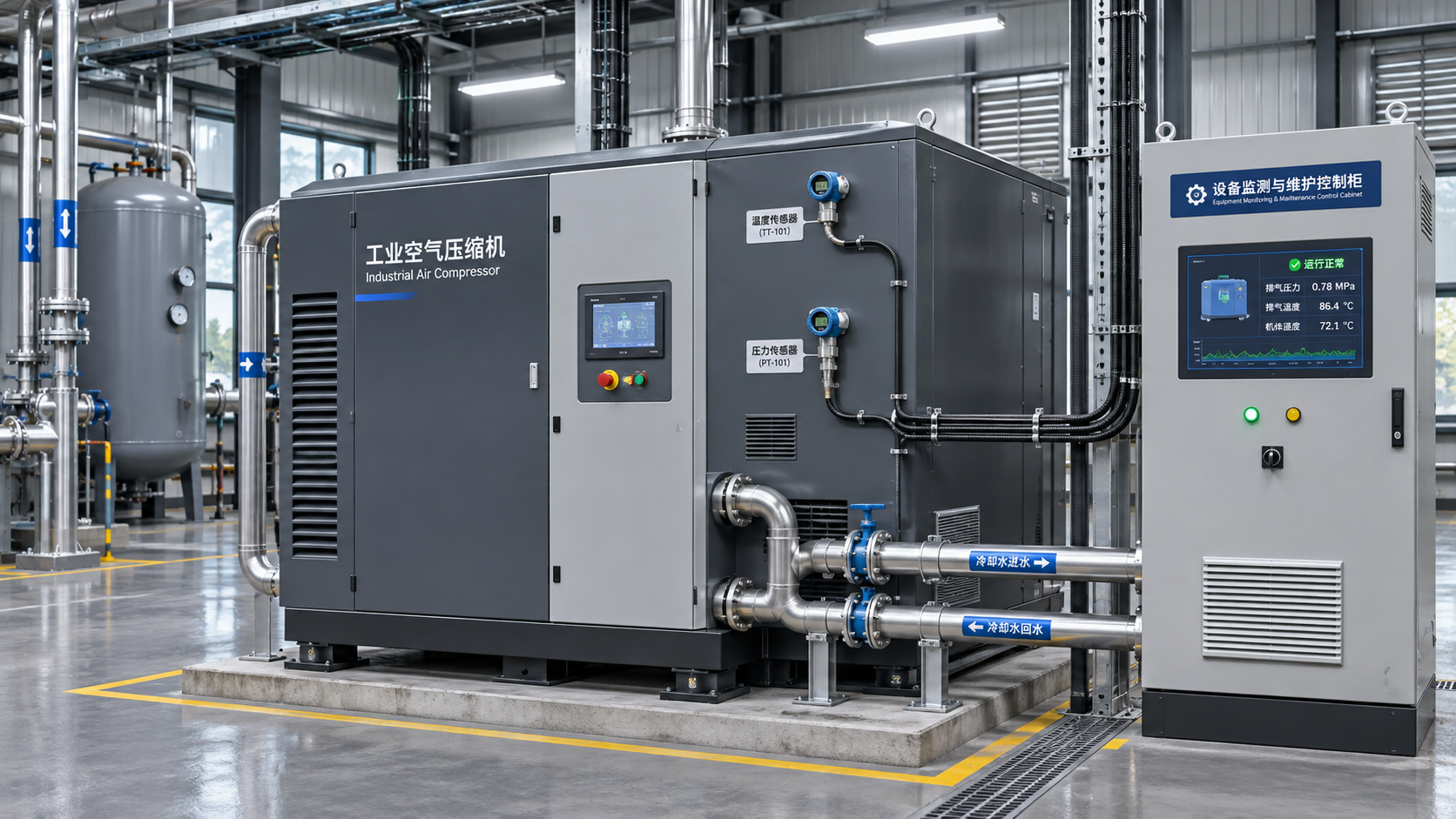
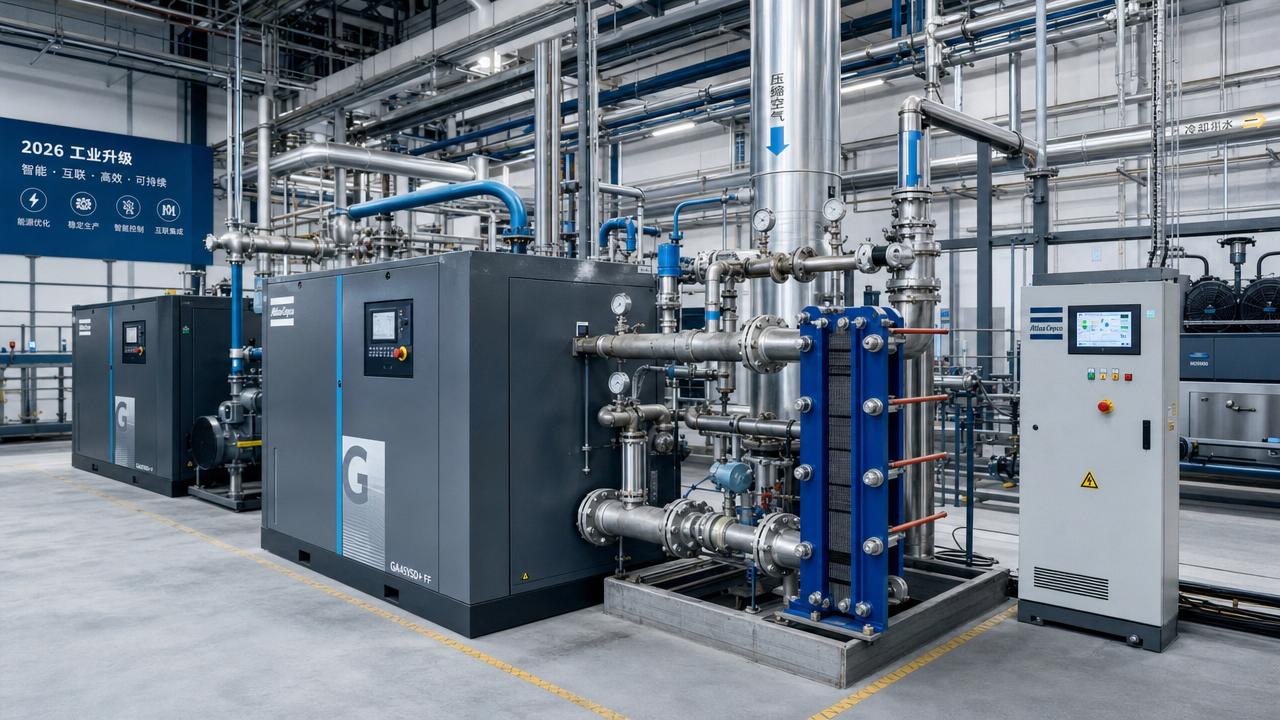
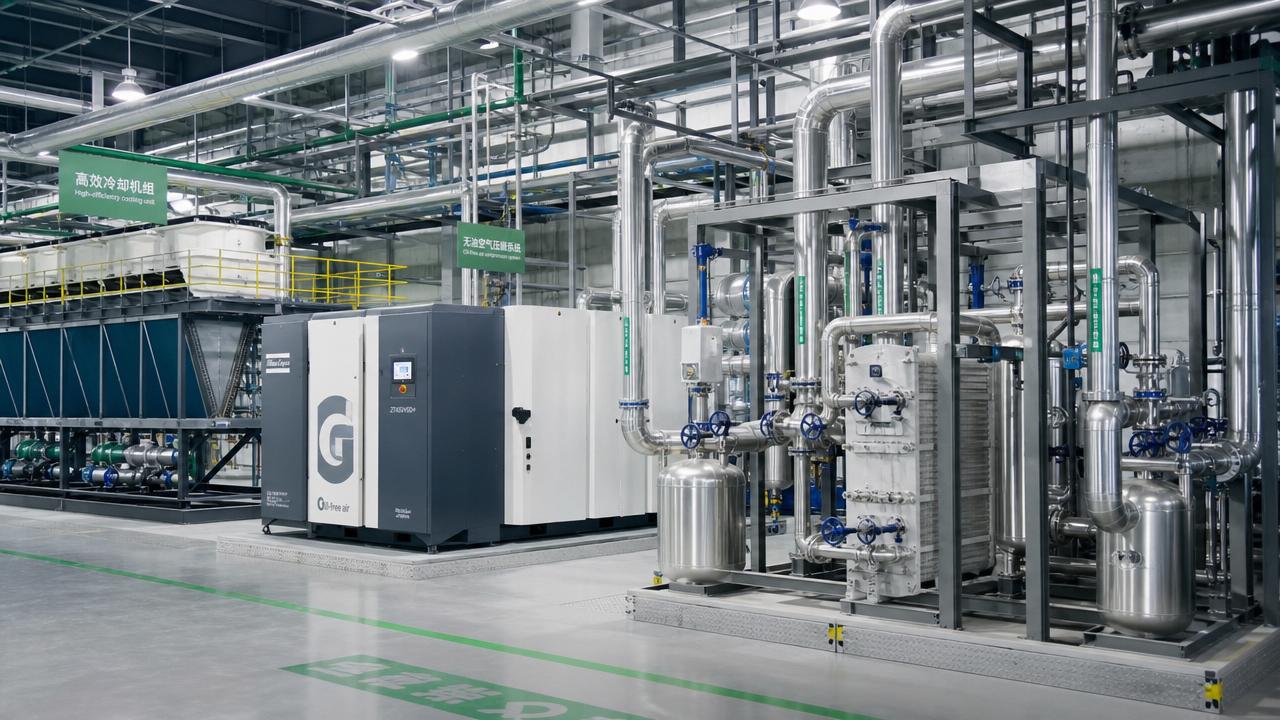
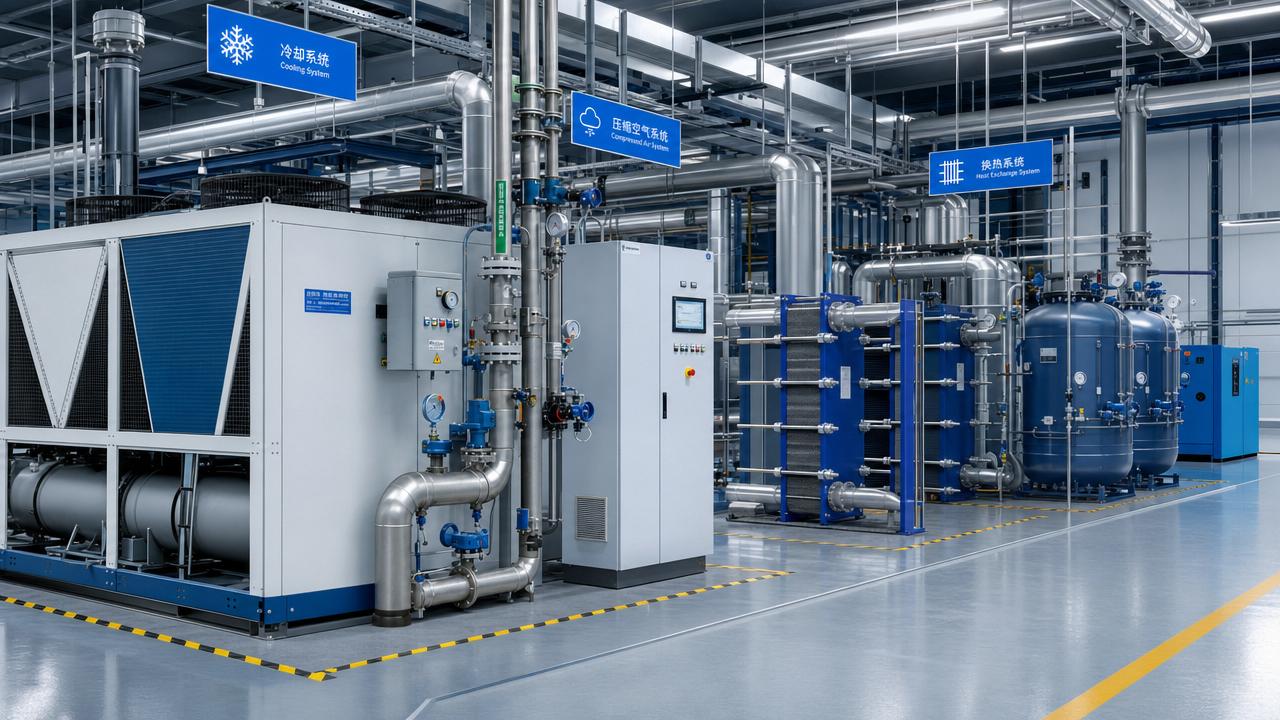
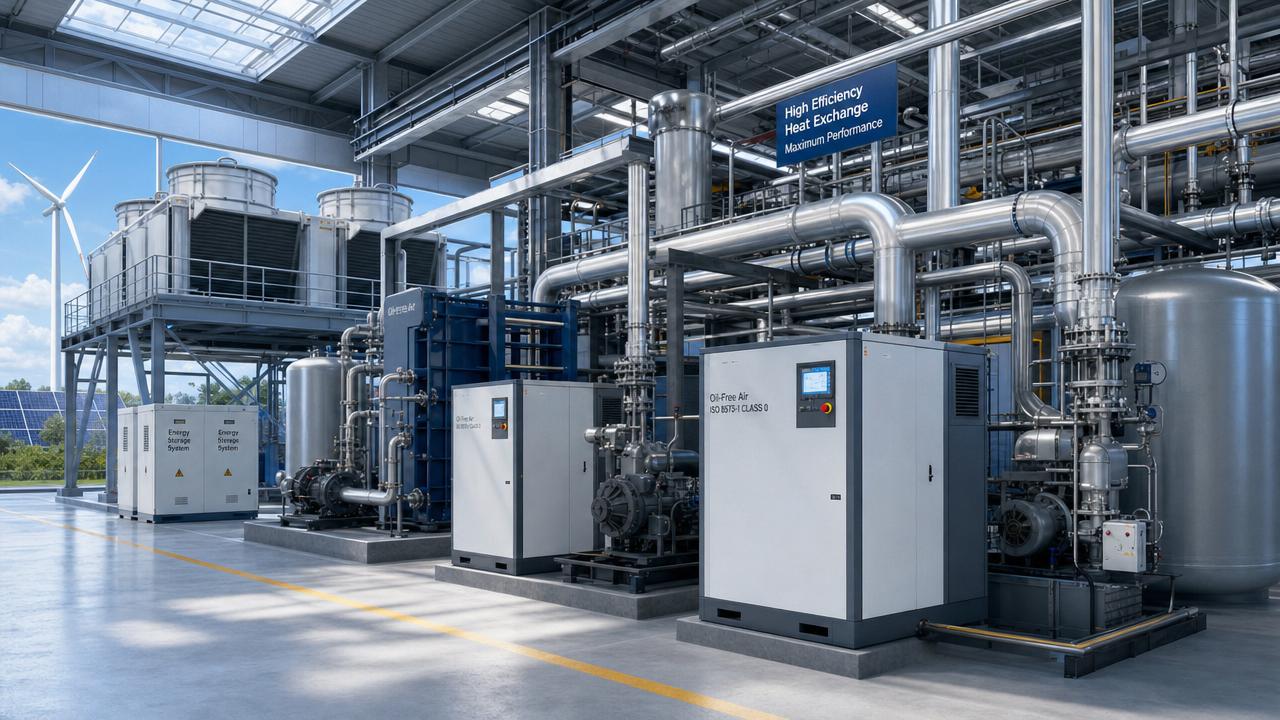
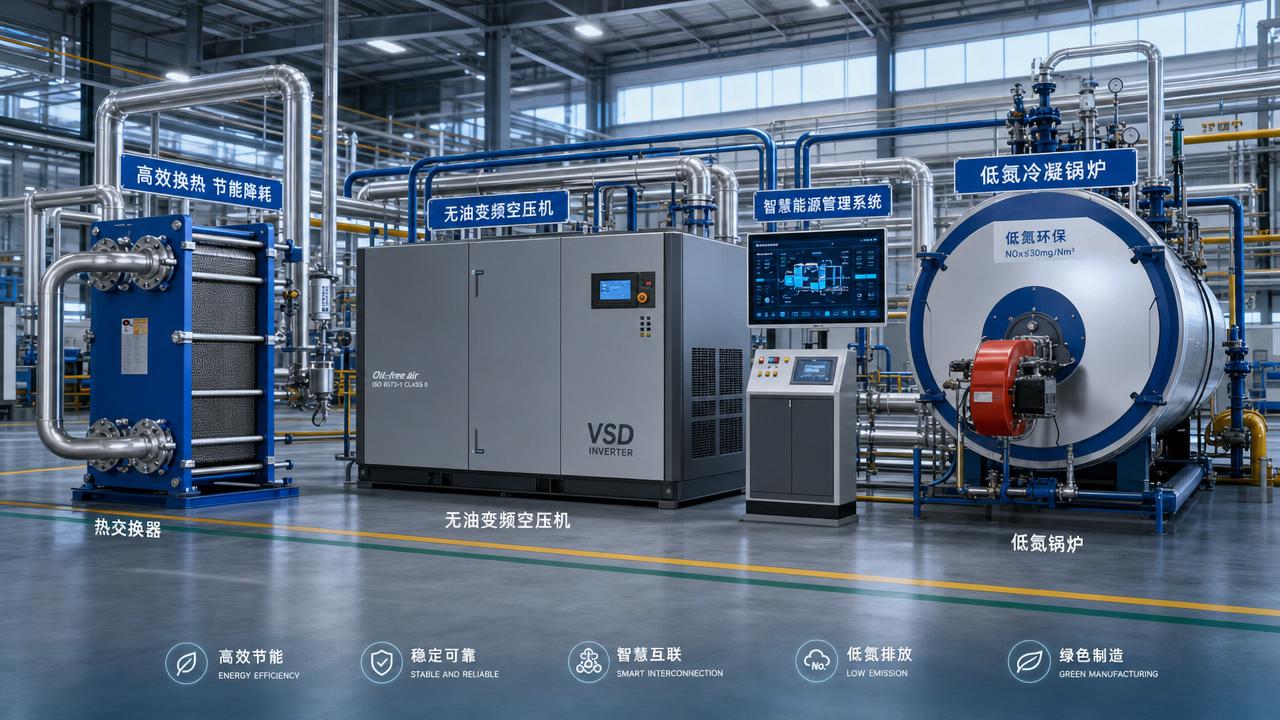
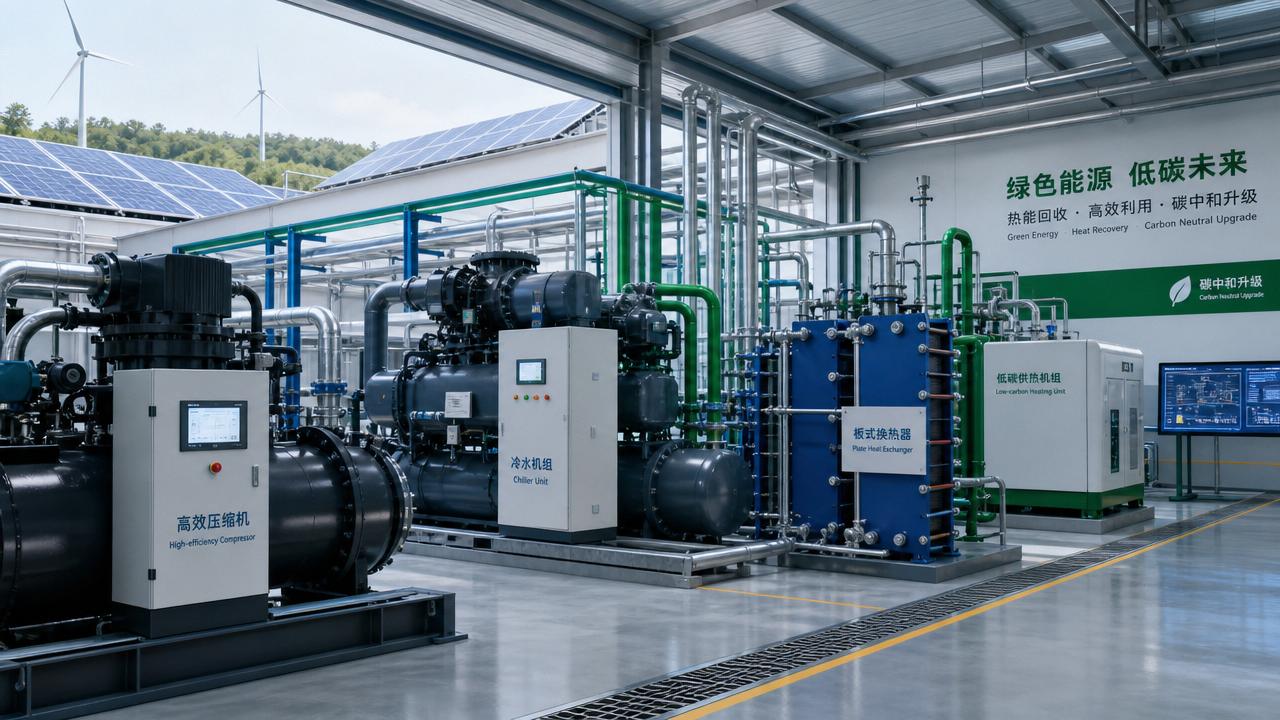
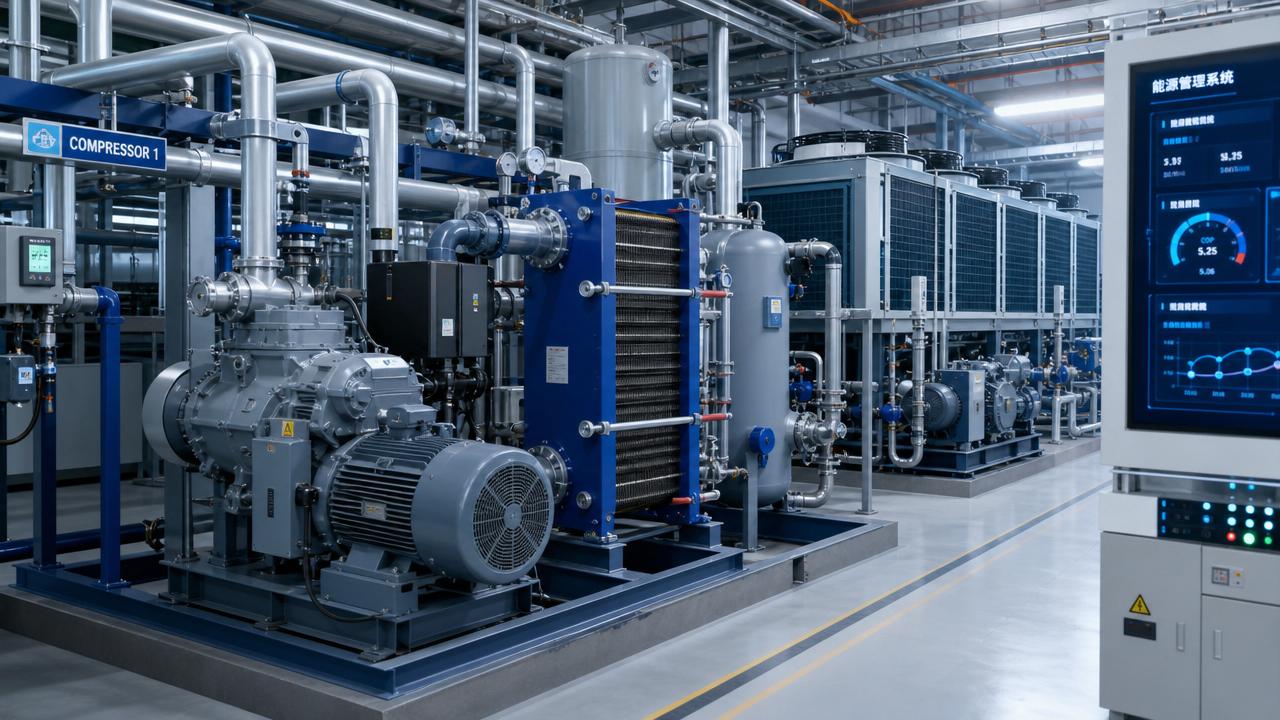
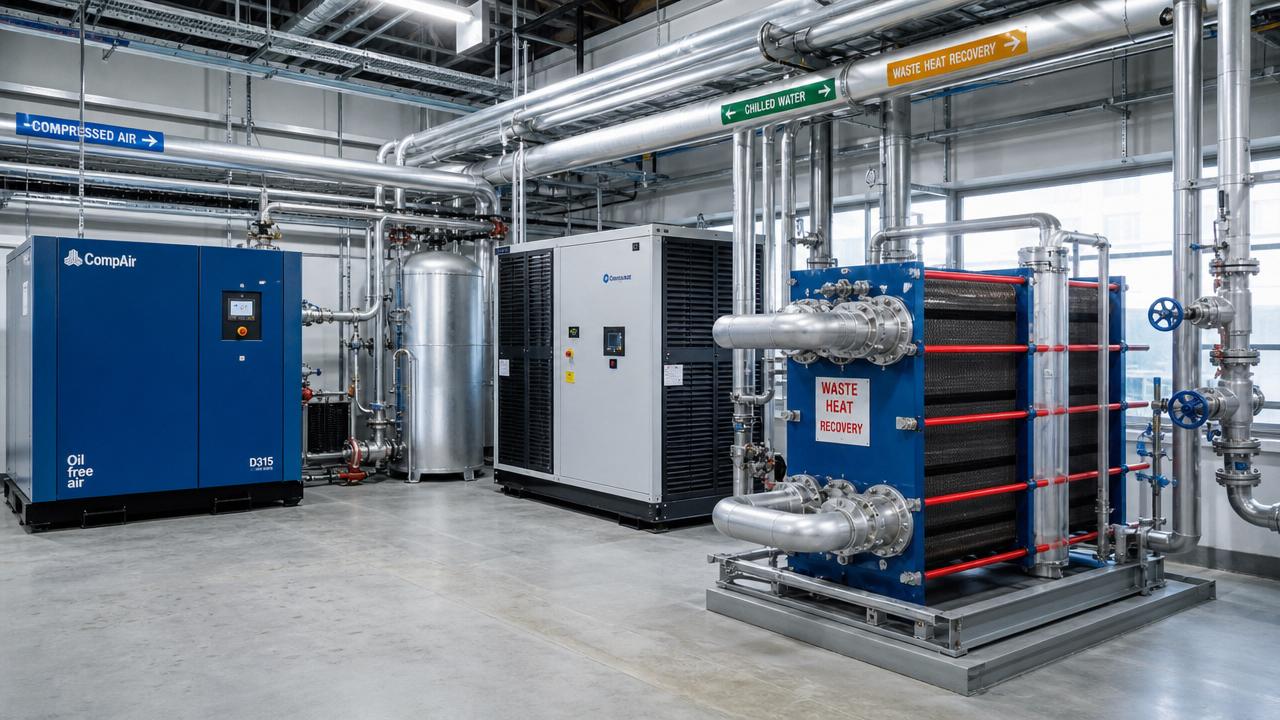
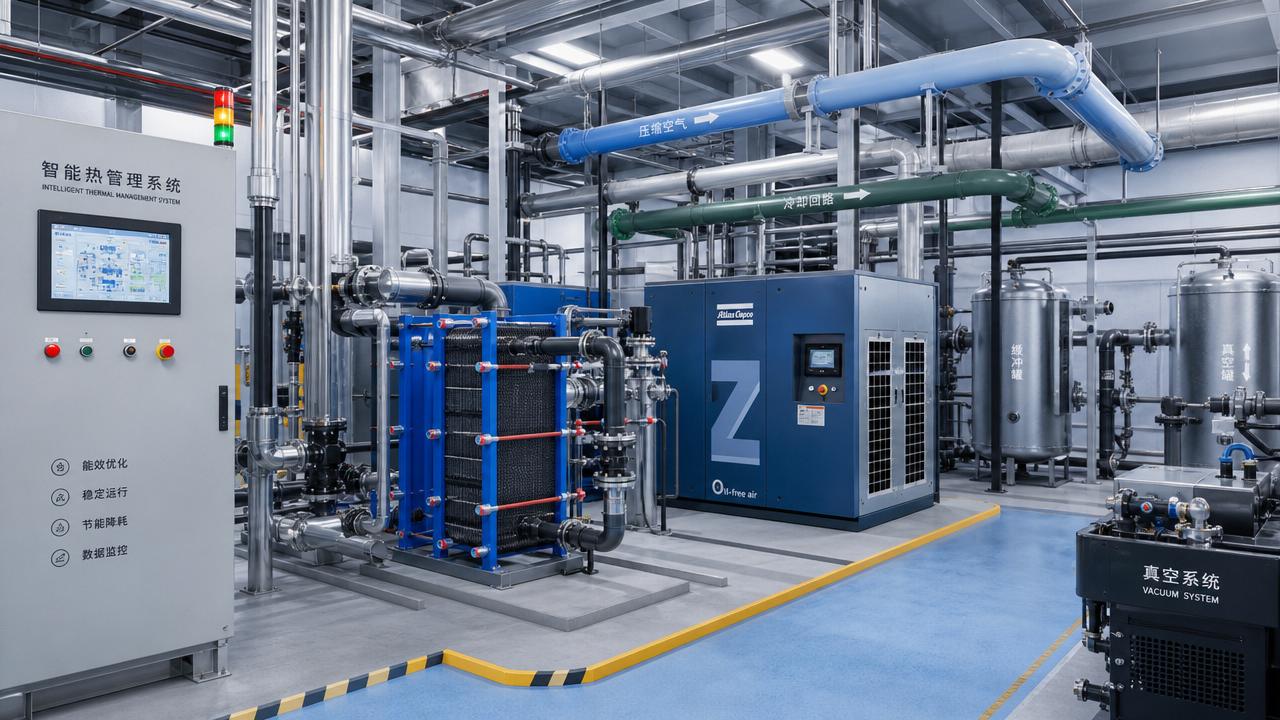
Consider a compressed air system that repeatedly shuts down on high discharge temperature. A conventional alarm may announce the condition only when the machine is close to stopping. Monitoring temperature alongside load, cooling conditions and pressure can expose a worsening pattern sooner, giving maintenance staff a chance to investigate during a suitable production window. The same principle applies to cooling circuits, vacuum systems and heat exchangers, although the useful signals and response times differ.
Where automation creates an opportunity to intervene
Downtime reduction begins with a failure mechanism, not with a dashboard. Bearings may deteriorate gradually, filters may become restricted, and heat-transfer surfaces may foul over time. Each can leave a measurable trace before an equipment protection limit is reached. Monitoring becomes useful when that trace is reliable enough to distinguish a developing fault from ordinary changes in production.
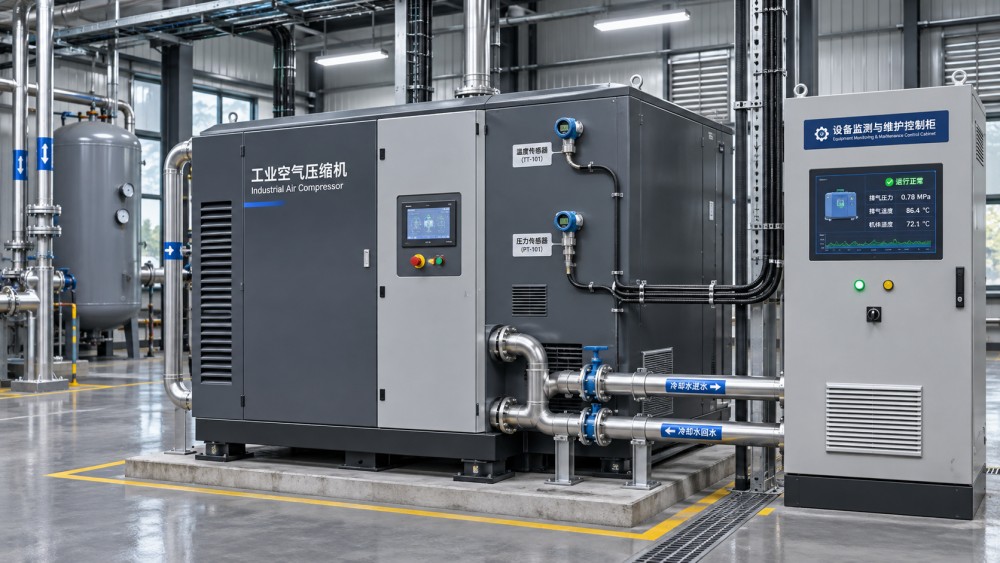
For a compressor, rising discharge temperature could reflect inadequate cooling, a fouled cooler, an overloaded machine or a sensor problem. A single reading does not identify the cause. Comparing temperature with operating load, cooling-water conditions and recent maintenance history gives an operator a more useful starting point. Similarly, a rising pressure drop across a filter may justify inspection, but its interpretation depends on flow and the condition of the pressure instruments.
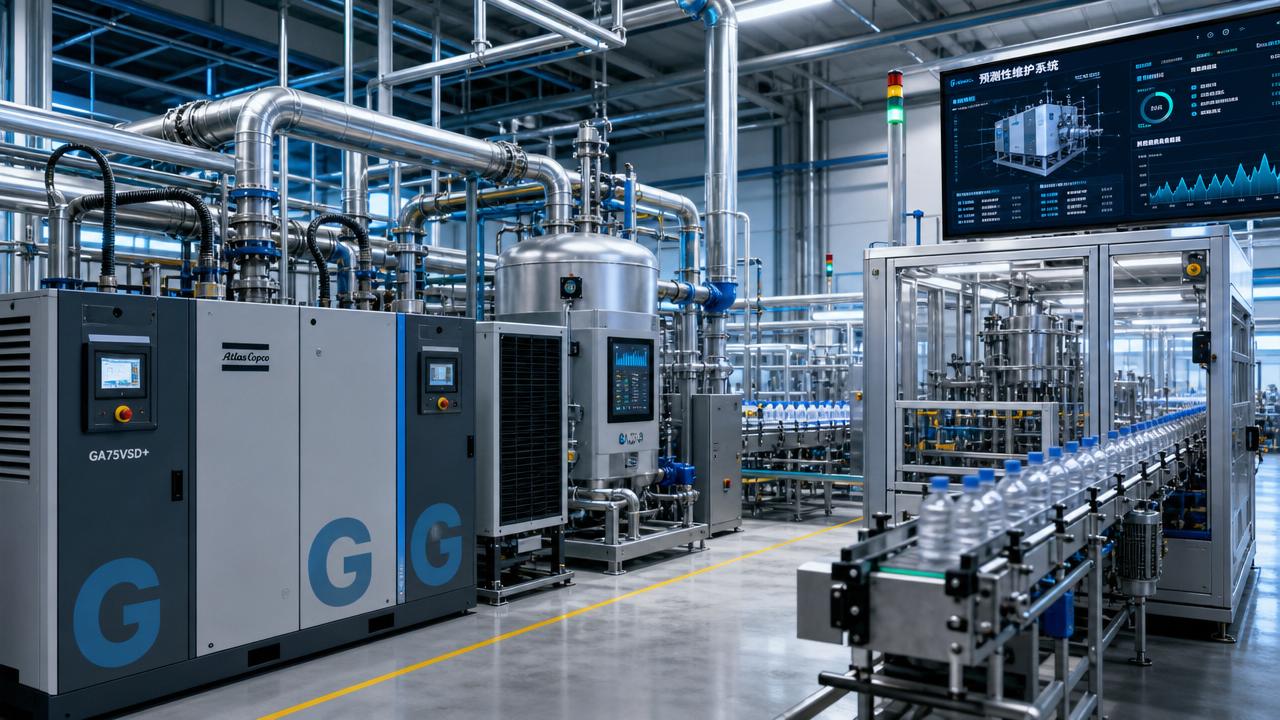
Intellectualization solutions can combine these signals with operating rules or predictive models, then issue an alert when a pattern warrants attention. The benefit is not prediction by itself. It is the lead time between a credible warning and a failure, together with an available action that can interrupt the failure sequence.
Choose signals that match the failure mode
Start with equipment whose unexpected loss has a clear operational consequence and whose failure modes can be inspected or corrected. A critical machine with no usable instrumentation may require sensor work before predictive analysis is realistic. Conversely, an asset with a good maintenance history and an installed historian may offer a more practical starting point.
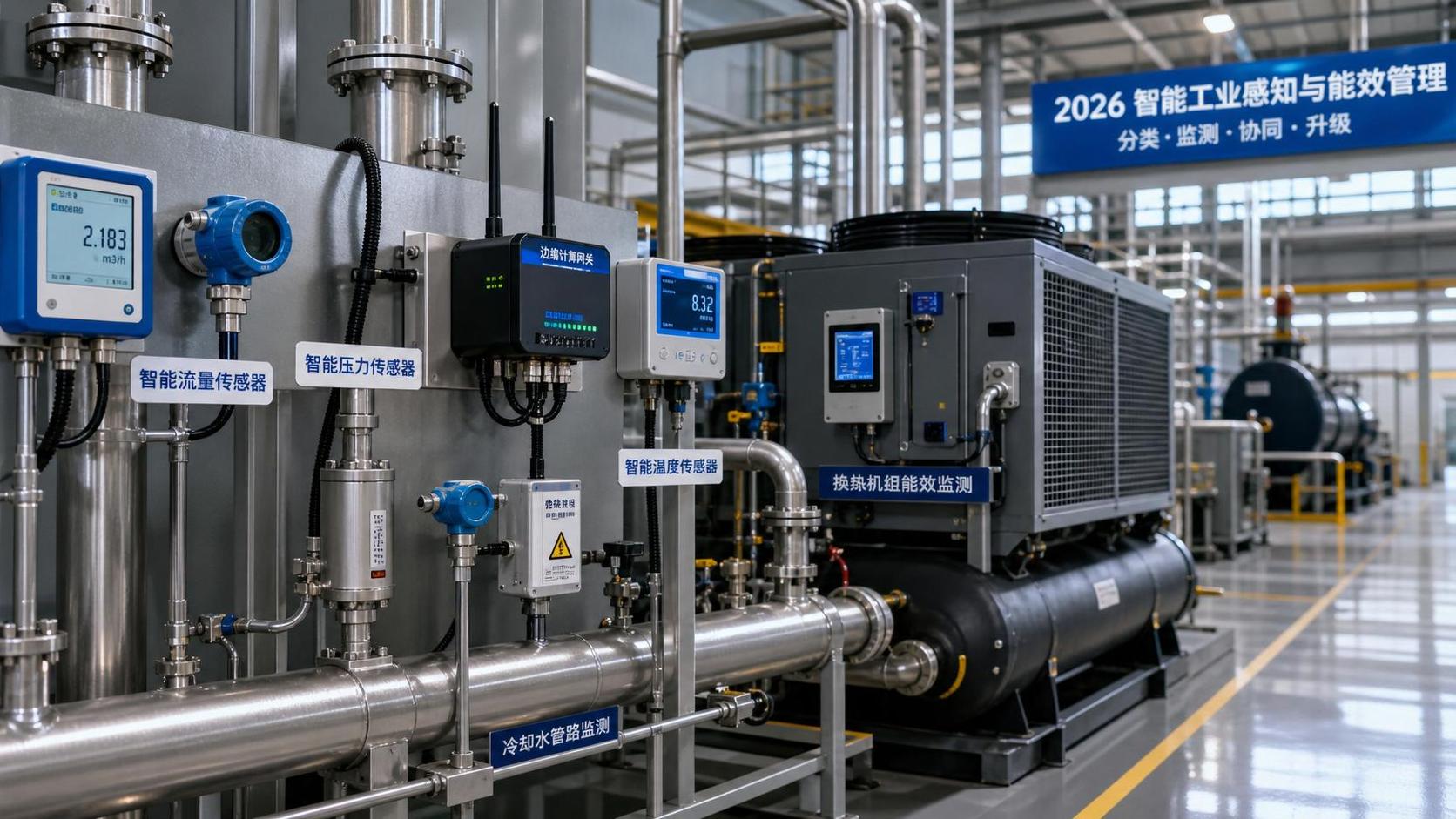
- Compressed air: Track discharge temperature, pressure, motor current or power, operating state and relevant cooling conditions. Bearing vibration or oil condition may add value where the compressor design and maintenance strategy support them.
- Cooling systems: Compare supply and return temperatures, flow, differential pressure and pump status. A temperature change without flow information can be difficult to interpret because the process load may also have changed.
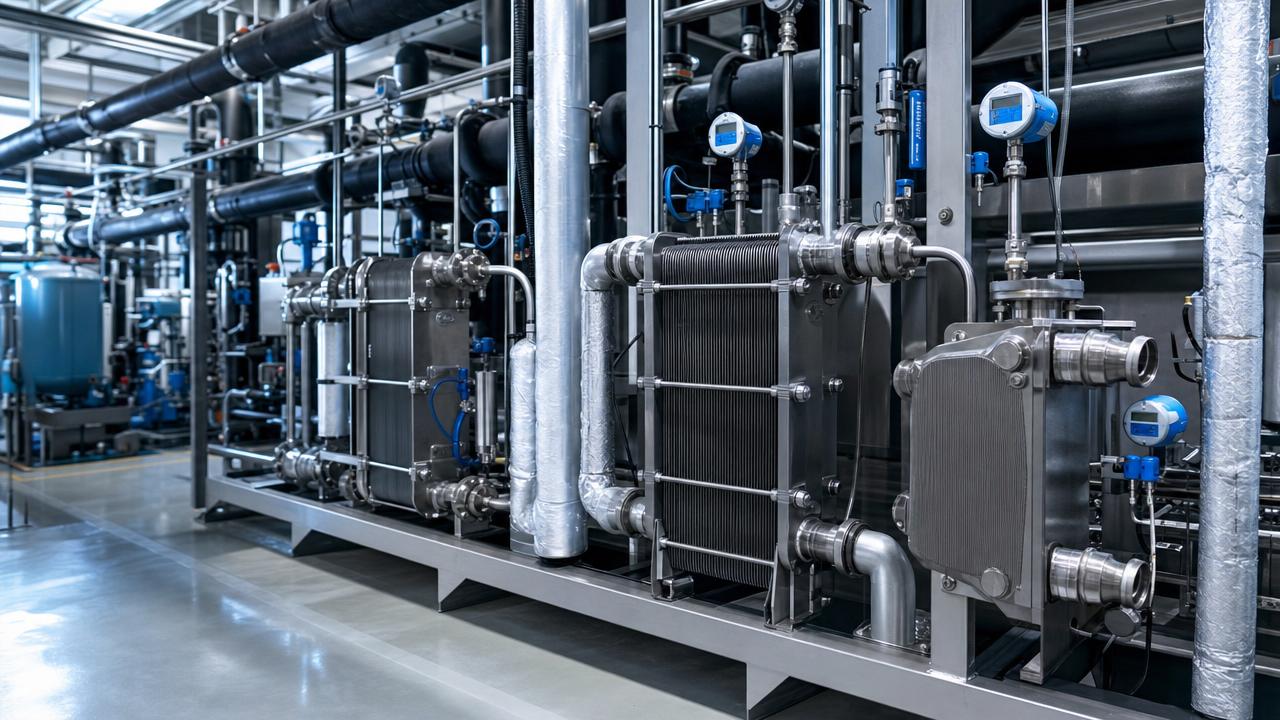
- Heat exchangers: Monitor temperatures and pressures on both sides where practicable, together with flow and fluid conditions. Increasing pressure drop or declining thermal performance can indicate fouling, but changes in load or inlet temperature must be considered.
- Vacuum processes: Examine achieved pressure, pump temperature, power and operating cycle. A deteriorating vacuum may originate in the process or a leak rather than in the pump itself.
These are candidate measurements, not a universal sensor specification. Confirm sensor range, accuracy, location and sampling frequency against the fault being investigated. A slow trend may be captured by existing plant measurements; short-lived vibration or transient events may need different instrumentation and higher-frequency data. Poorly placed or uncalibrated sensors can create convincing but misleading trends.
Turn a warning into a maintenance decision
A useful alert should answer three questions: what changed, how urgent is it, and what should happen next? A notification that merely says “anomaly detected” forces a technician to reconstruct the evidence before deciding whether to stop work elsewhere.
Define the response for each important alert. For example, a persistent rise in compressor discharge temperature under comparable load might prompt a review of cooling flow and cooler condition. An abrupt temperature excursion may instead require an immediate operating check. In either case, the machine’s existing protective trips remain in place; an analytical warning is not a replacement for them.
Assign an owner and a response window that reflects the process and the possible rate of deterioration. Link the alert to an inspection instruction or maintenance work request, and record what was found. Closing an alert without recording whether there was a real defect makes it harder to improve thresholds later. Equally, a valid warning that arrives when no maintenance window or spare part is available may not prevent a shutdown.
Decide what may be automated
Automated alerts are usually less consequential than automated control actions. A system might notify an operator, create a work request, or display a recommended inspection without changing the process. Those functions still need review for accuracy and workload, but they do not directly alter equipment operation.
Automatic load reduction, equipment changeover or shutdown requires a stricter engineering assessment. Confirm operating limits, process dependencies, failure states and the consequences of a false action. A standby compressor, for example, is only a useful automatic fallback if its availability, capacity and changeover logic are verified. Any control change should follow the site’s management-of-change and safety procedures, with defined operator override and testing arrangements.
Rules, models and the data between them
Simple rules can be effective when a known limit or rate of change has a clear meaning. A pressure-drop warning adjusted for flow is often easier to explain and validate than a complex model. Rules are also a sensible option when failure examples are scarce or the operating regime is stable.
Statistical or machine-learning approaches may help where several variables interact and fixed thresholds produce too many nuisance alarms. They depend on representative data, however. A model trained on one operating range may flag normal behavior after a production change, or miss a fault that was absent from its training data. An anomaly is a deviation from an expected pattern; it is not automatically a diagnosis or a reliable estimate of remaining life.
Before comparing methods, examine the data path from instrument to decision:
- Map each signal to the correct asset, measurement unit and timestamp. Check that operating states such as stopped, unloaded and loaded are recorded consistently.
- Review missing values, sensor faults, maintenance periods and changes in instrumentation. Decide how the analysis will handle gaps rather than silently treating them as normal operation.
- Separate operating regimes where necessary. A heat exchanger at low flow should not be judged against a baseline established at full production load.
- Compare proposed alerts with historical trends and maintenance records where those records are available. Investigate both missed events and periods when the system would have raised unnecessary warnings.
- Run the logic in observation mode before relying on it operationally. Have operators and maintenance staff review its output against actual conditions.
Historical validation has limits: maintenance records may not capture the beginning of a fault, and past operating conditions may not represent future production. Keep the alert logic reviewable, and establish who can change thresholds or retrain a model after equipment repairs, sensor replacement or a process change.
Fit the solution to existing infrastructure
Many plants already have controllers, condition-monitoring instruments, historians and maintenance-management systems. The first integration question is whether the required data can be accessed with sufficient quality and timeliness, not whether every asset can be connected immediately. Confirm communication interfaces, time synchronization, asset naming and the path by which an alert reaches its intended recipient.
Read-only monitoring can reduce the scope of an initial deployment, but it still requires cybersecurity controls. Assess access permissions, network boundaries, remote connectivity, software updates and the handling of data held outside the plant. If a connection fails, operators should know whether the display shows stale values and whether monitoring has stopped. Existing local protection and safe operating procedures should continue to function independently of an analytics service.
Integration with maintenance workflows deserves the same attention as connectivity. A system that creates a work order for every minor deviation can overwhelm a team; one that sends only an email may disappear into an inbox. Agree on escalation rules, acknowledgement, suppression during planned outages and the information needed for a technician to assess the problem.
Test whether downtime is actually changing
Establish a baseline before deployment using the plant’s own records. Define which assets and stoppages are included, how unplanned downtime is measured, and how equipment-related outages are separated from production scheduling or upstream process interruptions. Inconsistent definitions can make a change in reporting look like a reliability improvement.
Alongside downtime duration and frequency, review leading indicators: alerts acknowledged, inspections completed, confirmed faults, false alerts and warnings that arrived too late to act. These measures explain whether the workflow is functioning even when serious failures are infrequent. Maintenance effort matters too: a reduction in surprise stoppages may come with additional inspections, which should be visible when judging the approach.
Compare results over a period that reflects the equipment’s operating cycle and maintenance history. A short trial with no failures does not prove that a system prevented them. Conversely, one unexpected breakdown does not necessarily invalidate monitoring; examine whether the failure was detectable with the installed sensors, whether the warning appeared, and whether the response was feasible.
The strongest candidate for expansion is an application where a detectable fault, a credible warning and a workable intervention have been demonstrated together. Where any of those links is missing, improve the measurement or response process before adding more assets or automating control decisions.
Ready when you are. Send us a message to get started.
Related News
- Can intelligent automation reduce unplanned downtime?Author :

- Rexxon Begins Series Production of Its First R290 Rail HVAC UnitAuthor :

- Why high-density thermal energy storage is gaining industry attentionAuthor :

- Smart Device Thermal Management Trends Shaping 2026 Product DesignAuthor :

- Industrial Cooling Technologies in Europe: 2026 Trends in Compliance and Energy UseAuthor :

- Industrial Electrification Trends in 2026: Where Projects Are Moving FirstAuthor :

- Industrial Solution Comparison Global: 2026 Trends Reshaping Equipment DecisionsAuthor :

- When Heat Recovery Systems Skid Mounted Designs Improve Project PaybackAuthor :

- How to Compare Industrial Decarbonization Solutions Providers in 2026Author :

- Industry Category Guides for Smart Devices: What to Track as 2026 Markets ShiftAuthor :

- Green Manufacturing Trends Reshaping Industrial InvestmentAuthor :

- 2026 Global Energy Costs: What Will Reshape Industrial PlanningAuthor :

- Industrial Decarbonization Solutions That Cut Fuel Costs in 2026Author :

- Smart Thermal Systems Trends Shaping Industrial Upgrades in 2026Author :

- Resource Circularity in Manufacturing: 5 Practical Gains Beyond ComplianceAuthor :

- Carbon Neutrality Roadmap: What Industrial Firms Need to Prioritize FirstAuthor :

- Energy Conversion Efficiency Trends Shaping Industrial UpgradesAuthor :

- Compression Technology Trends Shaping Efficient Plant UpgradesAuthor :

- Industrial Intelligence in Manufacturing: Where It Delivers Value FirstAuthor :

- How Intellectualization Improves Industrial Thermal ManagementAuthor :

- What Intellectualization Means for Smarter Plant Operations in 2026Author :

- Carbon Neutrality Goals: What Industrial Firms Should Prioritize in 2026Author :

- How Intellectualization Reduces Downtime in Modern Production LinesAuthor :

- Decarbonization Roadmap for Energy-Intensive Plants in 2026Author :

- Thermal Systems Trends in 2026: Efficiency, Control, and RiskAuthor :

- Industrial Decarbonization Priorities for Energy-Intensive FacilitiesAuthor :

- Thermal Systems in 2026: Efficiency Upgrades Shaping Industrial OperationsAuthor :

- Pure Power Sources: 5 Practical Paths to Carbon NeutralityAuthor :

- What Intellectualization Means for Industrial Equipment UpgradesAuthor :

- Thermal Optimization in 2026: Where Energy Savings Deliver the Fastest PaybackAuthor :

- Energy Efficiency Trends Reshaping Compressor Upgrades in 2026Author :

- 2026 Industrial Decarbonization Trends Reshaping Plant UpgradesAuthor :
![]()
- Heat Exchanger Technology Trends for 2026 Efficiency TargetsAuthor :

- Resource Circularity Risks in 2026 Supply ChainsAuthor :

- Smart Thermal Systems: When Upgrades Deliver Measurable SavingsAuthor :

- Carbon Neutrality: Practical Steps for Factory RoadmapsAuthor :