How to Evaluate an Intellectualization Supplier for Industrial Upgrades




What technical evaluators are really buying when they choose an intellectualization supplier
The phrase intellectualization supplier is often used too loosely in industrial projects. In boardroom language, it can mean digital transformation, automation, smart factory capability, or even a software integration partner. On the plant side, that vagueness is a problem. An industrial upgrade does not succeed because a supplier can demonstrate dashboards, AI models, or polished interfaces. It succeeds when the supplier can connect controls, data, process knowledge, and operational constraints into something the facility can actually run, maintain, audit, and expand.
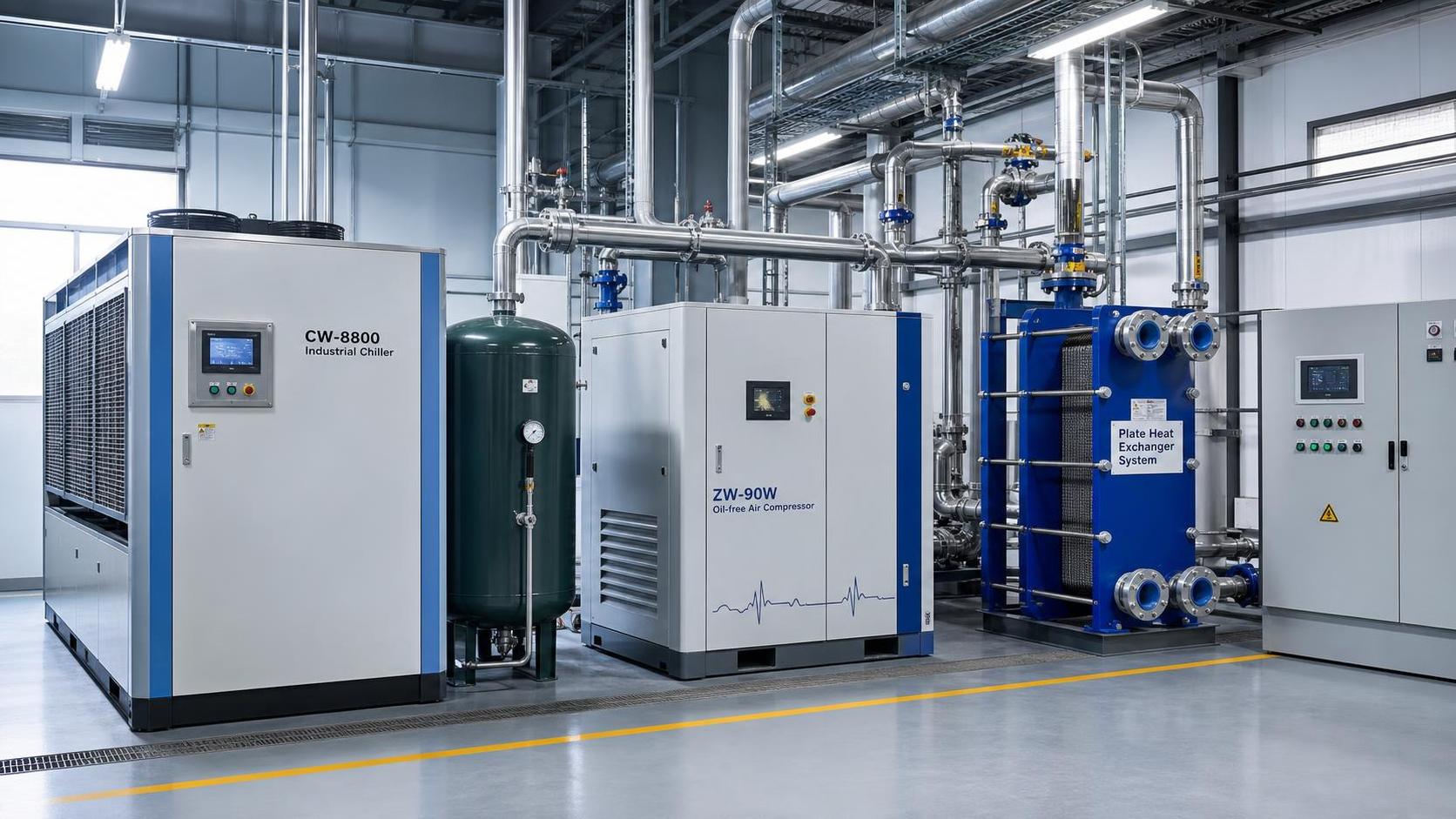
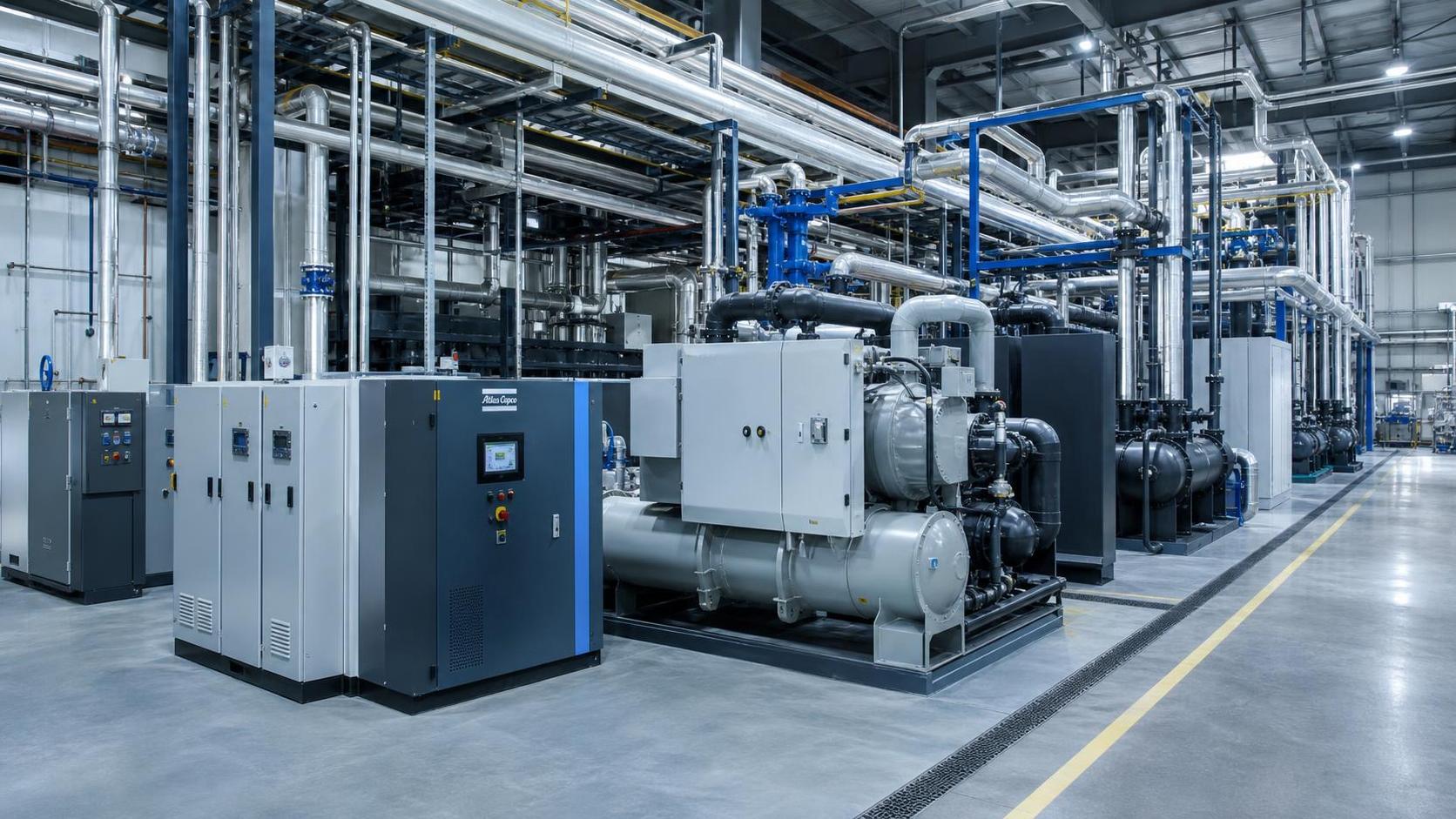
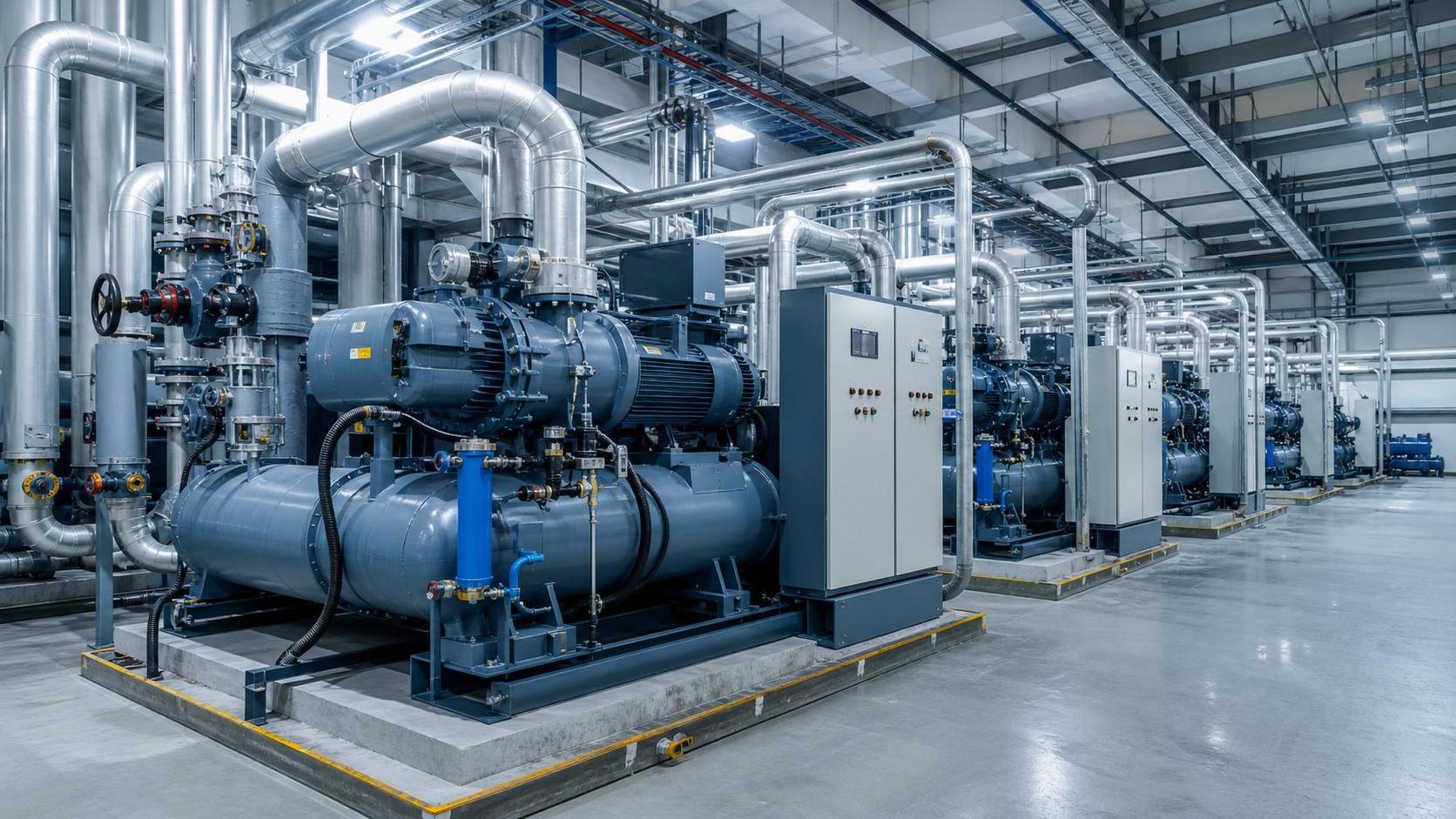
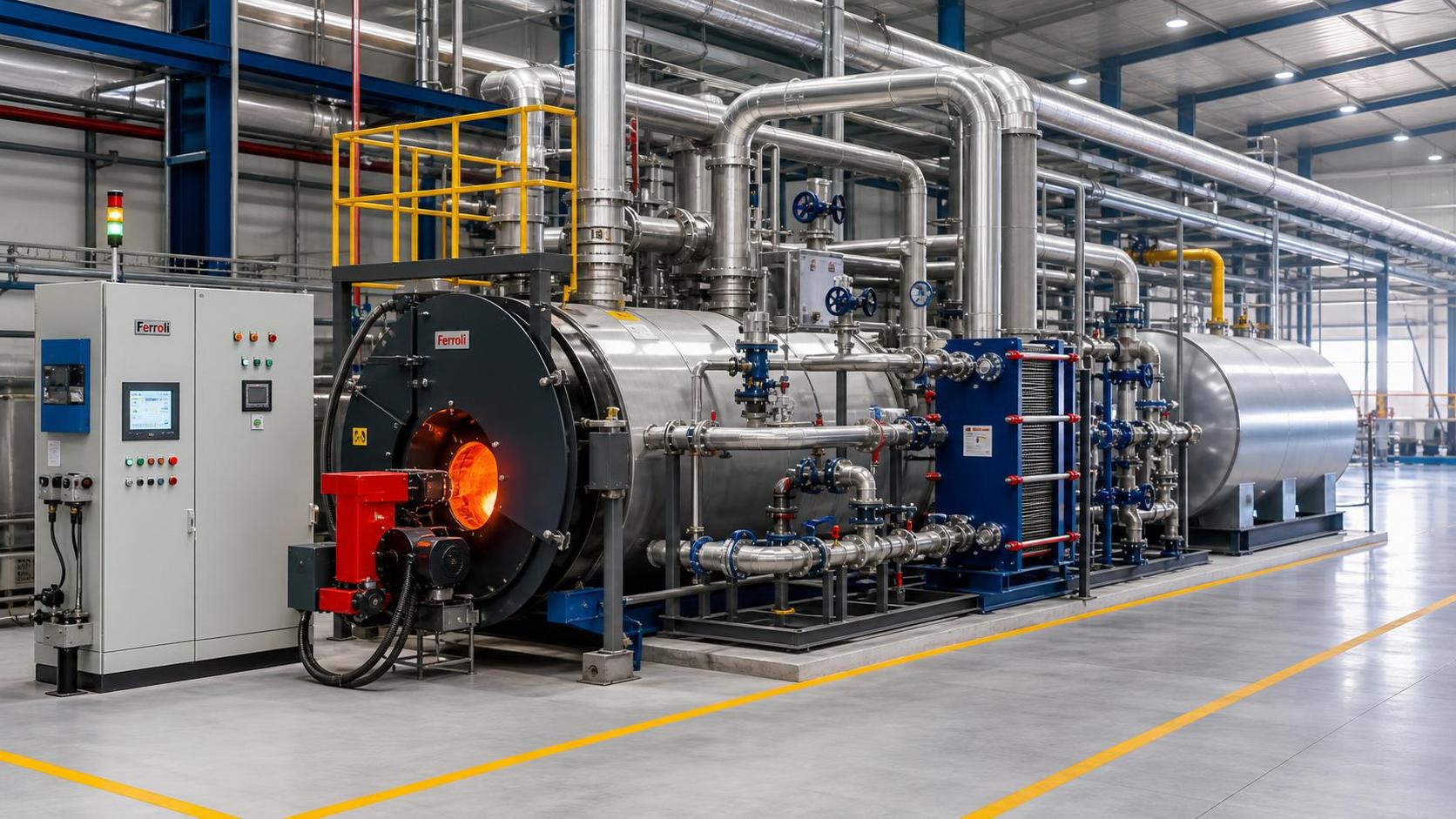
That distinction matters even more in thermally and mechanically intensive systems such as industrial cooling, compressed air, vacuum processes, and heat exchange networks. These are not generic IT environments. They are energy-conversion systems with real process inertia, variable loads, maintenance windows, safety boundaries, and strong coupling between equipment behavior and operating cost. In this context, evaluating an intellectualization supplier is not mainly about buying software. It is about judging whether a partner can translate plant physics into reliable digital logic.
A weak supplier usually starts from features. A strong one starts from process architecture. That is the first filter.
Do they understand the process, or only the interface?
Many evaluation teams make the same early mistake: they separate domain expertise from digital capability, then assume the integration gap can be solved later. In industrial upgrades, that gap tends to become the project. A supplier may be excellent at data acquisition, cloud architecture, historian deployment, or visualization, yet still fail in a chilled water loop, compressor station, or vacuum process line if they do not understand the operating logic behind the data.
Take compressed air as an example. System intelligence is not simply collecting pressure, flow, and power data. It requires knowing how sequencing strategy affects specific energy, how pressure band design changes stability, how leaks distort baselines, and how downstream quality requirements alter control priorities. Similar issues appear in thermal systems: a heat exchanger network cannot be “optimized” responsibly without understanding fouling behavior, approach temperature constraints, part-load operation, and the control interaction between pumps, fans, valves, and refrigeration or boiler equipment.
An intellectualization supplier worth considering should be able to explain these process relationships clearly, not in abstract language but in operational terms. Ask them where they expect unstable signals, which variables are usually misleading, and which control recommendations should never be automated without operator review. Their answer will tell you whether they are thinking like an industrial partner or a software vendor.
Compatibility is broader than protocol support
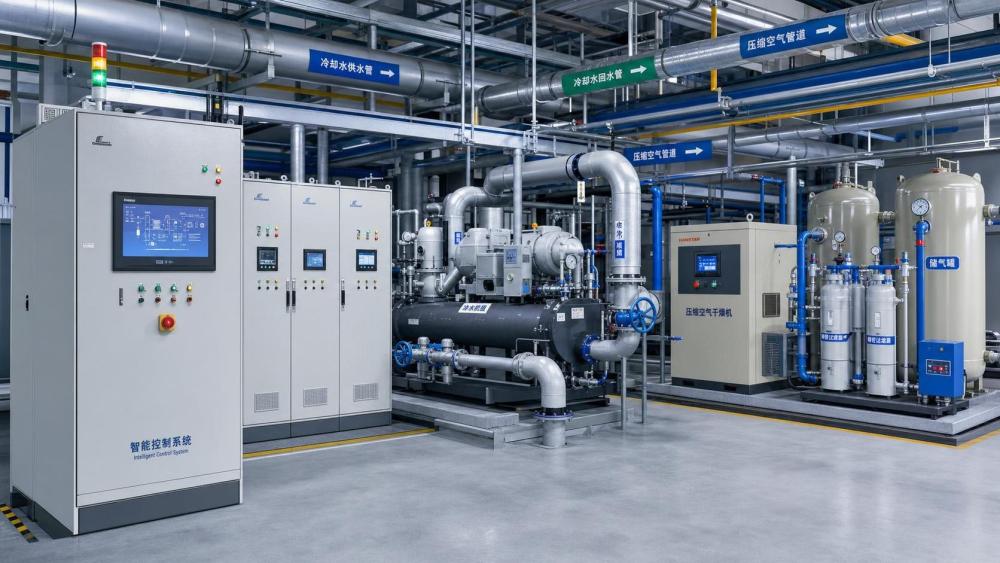
Suppliers often present compatibility as a checklist of supported PLC brands, fieldbus standards, OPC UA connectivity, SCADA links, or MES and ERP interfaces. Those items matter, but they are only the visible layer. Technical evaluators should look deeper into three kinds of compatibility: control compatibility, data compatibility, and organizational compatibility.
Control compatibility asks whether the supplier can work with the installed logic without introducing instability. An upgrade may need to coexist with legacy DCS architecture, local controller strategies, or vendor-specific machine protections. If a supplier proposes aggressive supervisory optimization without a clear fallback hierarchy, they may be underestimating operational risk.
Data compatibility is less about moving tags and more about preserving meaning. Time stamps, unit consistency, signal quality, sampling frequency, alarm context, and equipment naming discipline all affect whether analytics can be trusted. Plants often discover that they have “data” but not decision-grade data. A capable supplier will raise this issue early instead of hiding it behind implementation optimism.
Organizational compatibility is the layer most frequently ignored during procurement. If the upgrade requires constant external tuning, nontransparent algorithms, or specialist intervention for every configuration change, the result may be technically impressive but operationally fragile. The best architecture is usually the one your maintenance, utilities, process, and IT teams can jointly own after commissioning.
Energy claims need a method, not a promise
Because intellectualization projects are often justified through efficiency gains, suppliers tend to lead with performance language. That is reasonable, but technical evaluation should focus on how those claims are established. In cooling systems, compressed air networks, and thermal utilities, savings depend heavily on baseline definition, production variability, ambient conditions, maintenance status, and control philosophy. Without a clear method, energy-saving claims are just sales language.
A serious supplier should be able to state what they can measure directly, what they infer, and what assumptions sit behind the model. They should also separate one-time correction opportunities from durable control improvements. For example, fixing sequencing conflicts, pressure setpoints, oversized safety margins, or simultaneous heating and cooling can produce measurable gains, but those gains are not identical in nature. Some come from recovering discipline; others come from better system intelligence.
This is where sector knowledge becomes decisive. In semiconductor, pharmaceutical, and food processing environments, efficiency cannot be pursued in isolation from process quality, cleanliness requirements, redundancy expectations, or validation constraints. A supplier that treats utilities as generic energy assets may miss the real operating boundary of the plant.
Automation maturity matters more than “smart” branding
Not every plant needs the same level of intellectualization. Some facilities need visibility and alarms. Others need closed-loop optimization. Some need cross-system coordination between chillers, cooling towers, pumps, compressed air compressors, and process demand. The evaluation question is not whether a supplier offers advanced functions, but whether they can match automation depth to plant readiness.
This is a common source of project disappointment. Plants with fragmented instrumentation, inconsistent maintenance records, or unstable production patterns are sometimes sold high-level analytics before foundational measurement issues are resolved. The result is a platform that generates alerts nobody trusts, recommendations nobody acts on, and reports nobody uses.
A good supplier will usually map the upgrade path in layers. First, signal reliability and basic observability. Then operating transparency and KPI definition. After that, advisory analytics, and only then higher-order automation where the process is sufficiently stable. This progression is less dramatic than a “smart factory” pitch, but it tends to survive contact with reality.
Questions that expose whether the supplier can operate at plant level
During technical review, broad capability decks rarely reveal much. More useful are targeted questions that force the supplier to show their operating assumptions.
These questions are useful because they move the conversation away from generic smart-manufacturing language and into engineering reality.
The supplier’s blind spots usually appear in boundary conditions
Most suppliers perform well in nominal conditions. The stronger differentiator is how they think about off-design behavior. What happens during seasonal swings, partial production shutdowns, emergency bypass operation, equipment degradation, refrigerant transition, compressed air contamination events, or maintenance-induced sensor replacement? These are the moments when digital logic stops being a presentation and starts becoming an operational system.
For thermal and compression infrastructure, boundary conditions are not edge cases. They are routine. A cooling system that looks efficient at stable load may behave very differently during rapid demand changes. A compressed air control layer that works in one product mix may become problematic when purity requirements shift or when backup machines enter service. If the supplier cannot discuss these situations in detail, the implementation risk is higher than their proposal suggests.
Cybersecurity, governance, and maintainability are part of technical fitness
In many industrial organizations, software governance is reviewed late, after the preferred supplier has already been informally chosen. That sequence is expensive. Intellectualization projects often sit across OT and IT boundaries, so access control, patch management, remote connectivity, data retention, and system segmentation cannot be treated as procurement paperwork.
The same applies to maintainability. Technical evaluators should not only ask what the platform can do on day one, but what happens after two years of process changes, tag expansion, control revisions, and staff turnover. Can logic be documented clearly? Are dependencies visible? Is model behavior explainable enough for audit and troubleshooting? Proprietary opacity may look efficient during vendor demos, but it creates operational debt later.
What a sound decision usually looks like
A strong intellectualization supplier is rarely the one with the most ambitious vocabulary. It is usually the one that can connect industrial physics, controls discipline, plant data, and operator reality without overpromising what digital tools can solve on their own. In sectors shaped by thermal loads, compression efficiency, vacuum stability, and heat exchange performance, that grounded approach matters more than branding.
For technical evaluators, the practical standard is straightforward: choose the supplier whose system logic remains credible when you test it against process variability, data imperfections, maintenance constraints, and long-term ownership. If they can explain not only how their platform works, but where it should stop, where operators must stay in the loop, and how value will actually be verified, you are looking at a supplier fit for industrial upgrade work rather than a digital layer searching for a use case.
That is the real evaluation threshold. Not whether the supplier appears intelligent, but whether the industrial system becomes more intelligible, controllable, and dependable after they are involved.
Related News
- When does process utilities engineering reduce project rework?Author :

- Where thermal efficiency optimization delivers the fastest savings in EuropeAuthor :

- What should you verify before selecting a heat transfer supplier?Author :

- What drives compressed air systems price for industrial projects?Author :

- How an industrial product knowledge comparison guide reduces sourcing riskAuthor :

- When does a procurement specification planning process reduce bid risk?Author :

- When does thermal system optimization for electronics reduce failure risk?Author :

- When high temperature process heating systems justify the higher energy costAuthor :

- How to compare sludge dewatering equipment by cake drynessAuthor :

- What to Check Before Sourcing a Gas Turbine for Distributed Power ProjectsAuthor :

- What drives industrial thermal systems price in large facility projectsAuthor :

- How to build an industrial product comparison chart that speeds up vendor selectionAuthor :

- Vacuum Technology Application Guide for Selecting the Right SystemAuthor :

- What Drives Vacuum Drying Cost in Industrial Procurement?Author :

- What Drives Compressed Air Pricing in Industrial Systems?Author :

- How Procurement Specification Planning Shapes Total Project CostAuthor :

- Compression Technology Guide: How to Compare Efficiency, Pressure Range, and Maintenance NeedsAuthor :

- How to Compare Industrial Separators by Throughput, Purity, and Maintenance LoadAuthor :

- How to Size a Compressed Air Equipment Receiver Tank for Stable PressureAuthor :

- Industrial Equipment Selection Guide: How to Compare Capacity, Duty Cycle, and Operating CostAuthor :

- How to Evaluate an Intellectualization Supplier for Industrial UpgradesAuthor :

- High-Efficiency Manufacturing: Cost Savings vs. Upgrade RiskAuthor :

- Thermal System Optimization Cost: What Drives ROI?Author :

- How to Plan Process Utilities for a Cleanroom Without Costly ReworkAuthor :

- How to Compare Process Heating Suppliers in MexicoAuthor :

- Food Processing Utilities: Common Sizing Mistakes That Raise Energy and Water UseAuthor :

- How to Build Procurement Specification Planning for Industrial EquipmentAuthor :

- OEM Cooperation for Industrial Equipment: Risks, Terms, and Cost PrioritiesAuthor :

- Specification-Oriented Product Resources That Speed Technical ReviewAuthor :

- Industrial Equipment Selection Guide: A Practical Buyer ChecklistAuthor :

- How to Compare Industrial Energy Management Systems by ROIAuthor :

- How to Evaluate a Deaerators Supplier for Long-Term Plant ReliabilityAuthor :
![]()
- How to Evaluate a Vacuum Technology Manufacturer in 2026Author :

- Thermal Efficiency Optimization Software: When the ROI Justifies DeploymentAuthor :

- How to Evaluate Application-Specific Compression Solutions by Throughput and Energy UseAuthor :

- Smart Device Thermal Management Supplier Europe: What Matters Beyond PriceAuthor :