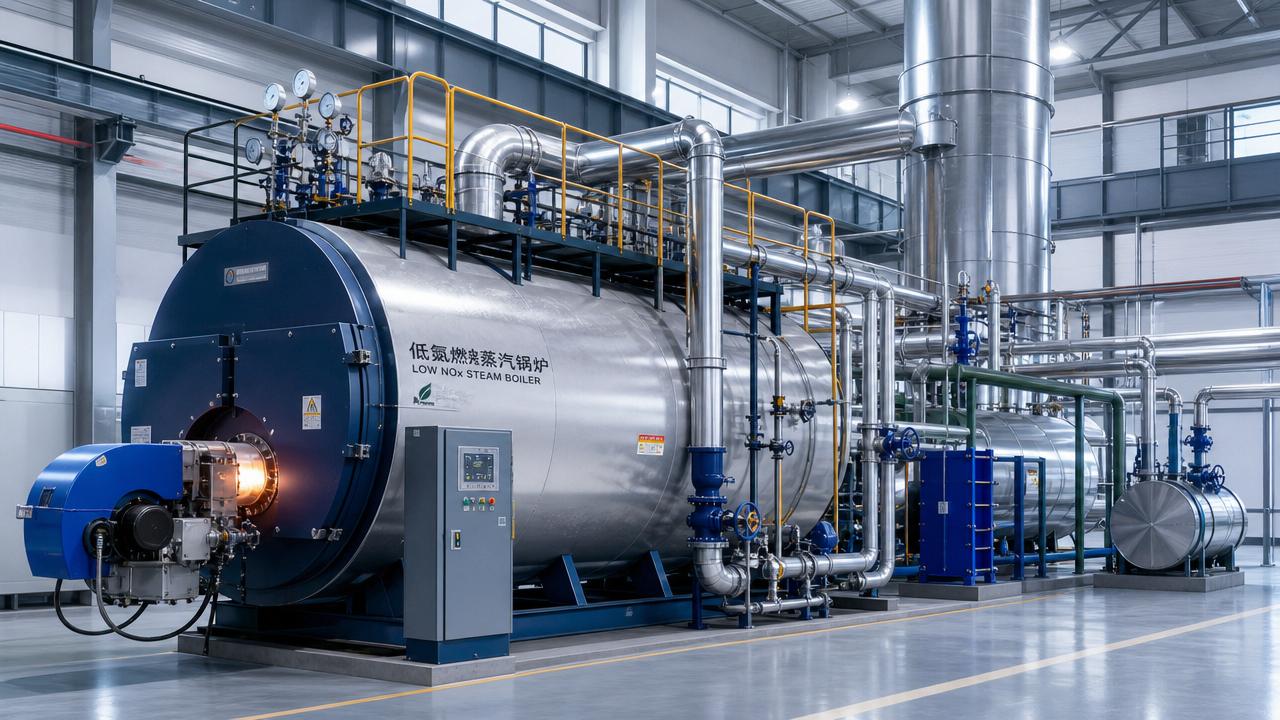
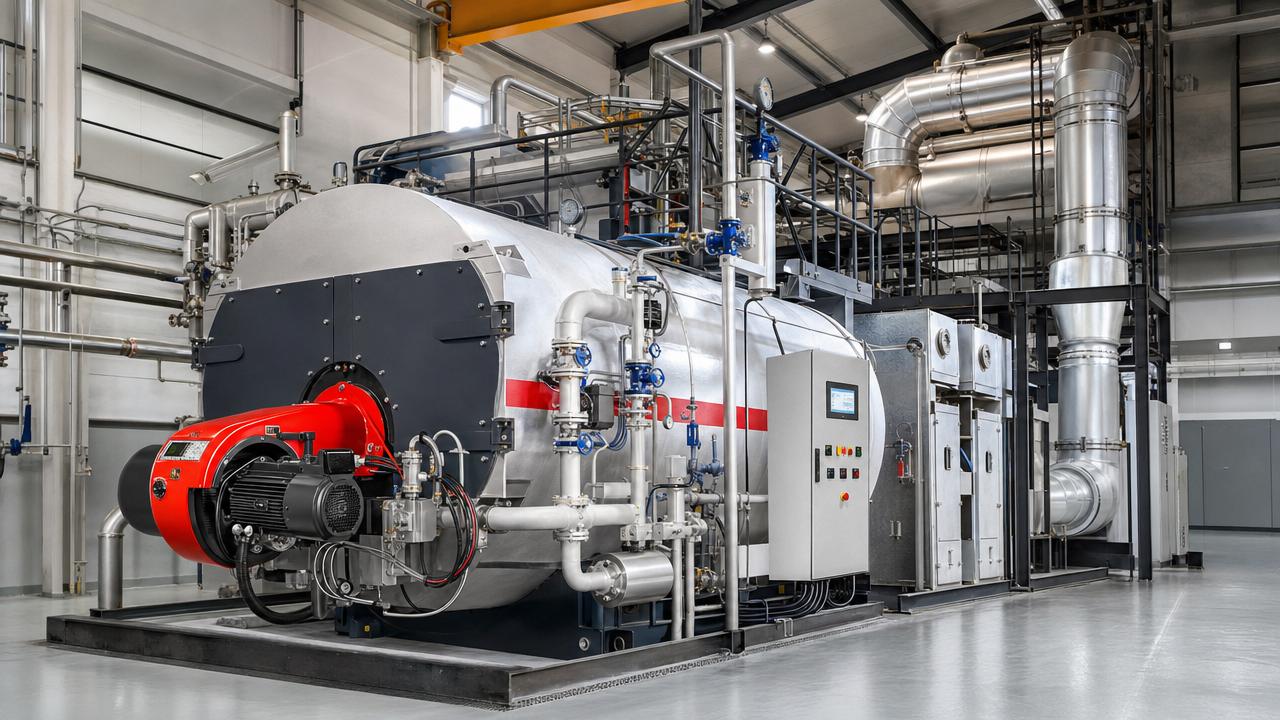
What Boiler Efficiency Really Means in Daily Operation and Energy Bills




Why does boiler efficiency matter beyond the brochure figure?
Boiler efficiency sounds like a simple percentage, but daily operation is rarely simple. A rated figure is measured under controlled conditions, while real systems face load swings, water quality issues, and shifting fuel costs.
That is why boiler efficiency affects more than fuel use. It influences burner stability, flue gas losses, shutdown frequency, and how often service teams need to clean, tune, or replace parts.
In practical terms, a small drop in boiler efficiency can quietly raise monthly energy bills. The effect becomes stronger in facilities with long operating hours or tight temperature control requirements.
This is also why the topic receives close attention across broader thermal systems. Intelligence platforms such as GTC-Matrix often connect boiler performance with trends in heat exchange, combustion design, and energy conversion economics.
So when people ask what boiler efficiency really means, the better question is this: how much useful heat reaches the process, and how much money is lost before it gets there?
When people say “good boiler efficiency,” what are they actually measuring?
At its core, boiler efficiency compares useful heat output with fuel energy input. The closer the system gets to turning fuel into usable heat, the higher the efficiency appears.
However, there are several ways to measure it. Combustion efficiency focuses on stack losses. Thermal efficiency looks at heat transfer to water or steam. Seasonal or operating efficiency reflects what happens over time.
For daily decisions, operating efficiency is usually the most honest number. It includes cycling losses, excess air, blowdown, fouling, and the effect of partial load conditions.
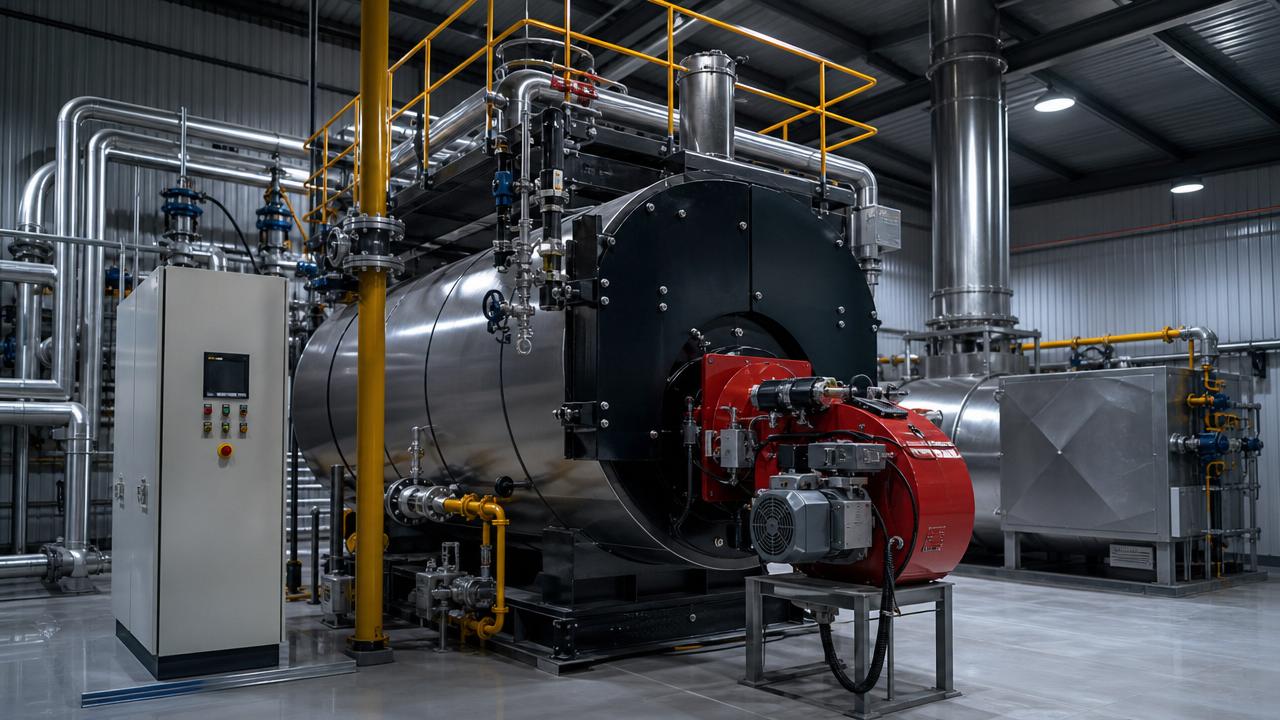
A boiler can look efficient on paper and still waste fuel in service. This often happens when oversized equipment runs with frequent start-stop cycles or poor combustion tuning.
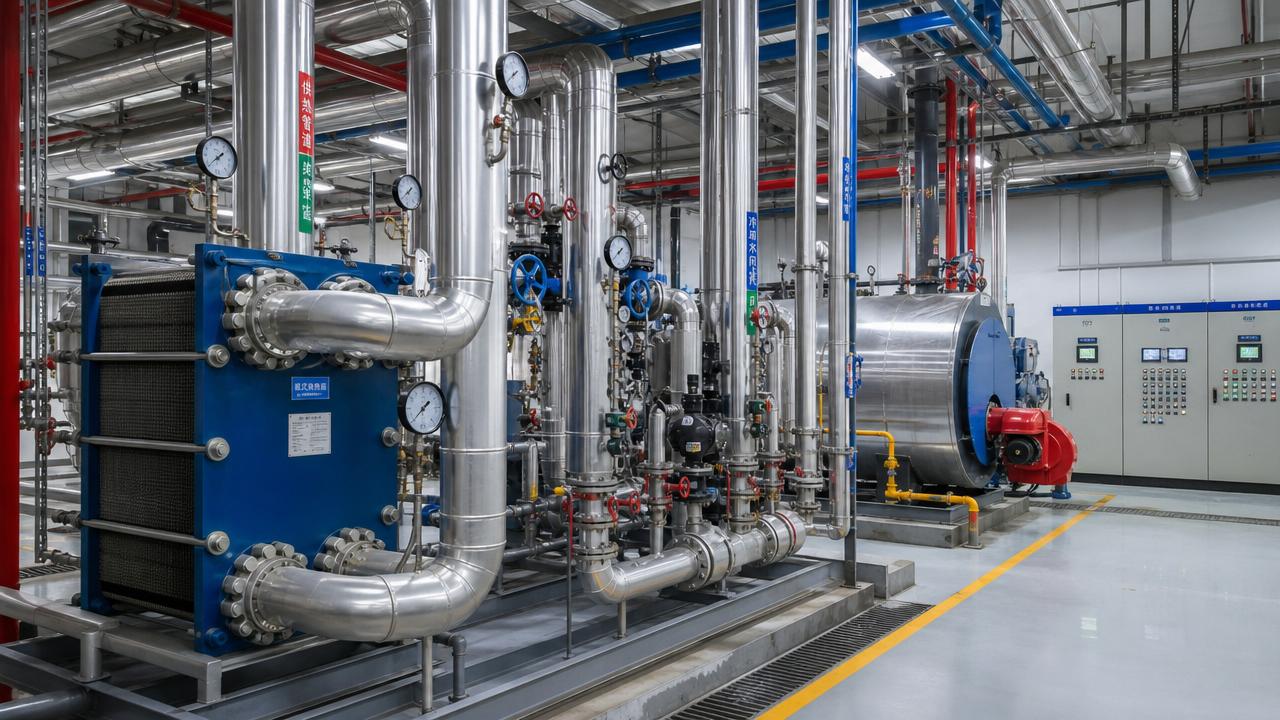
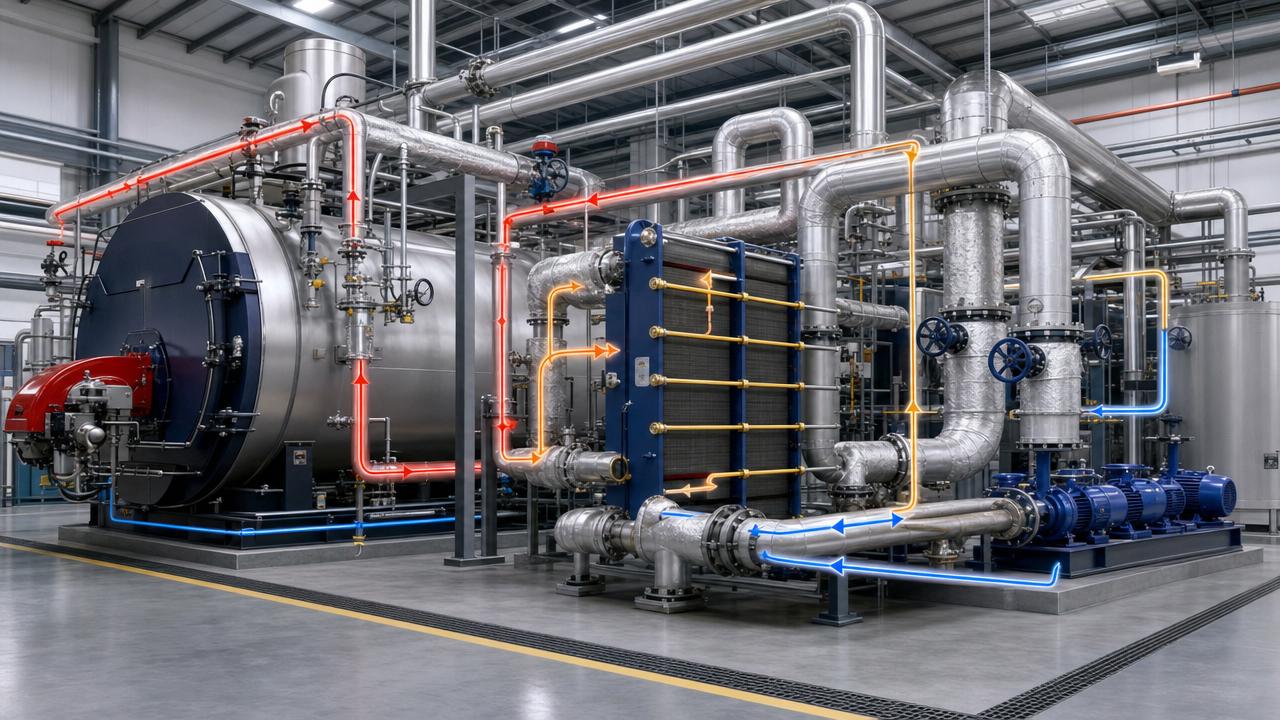
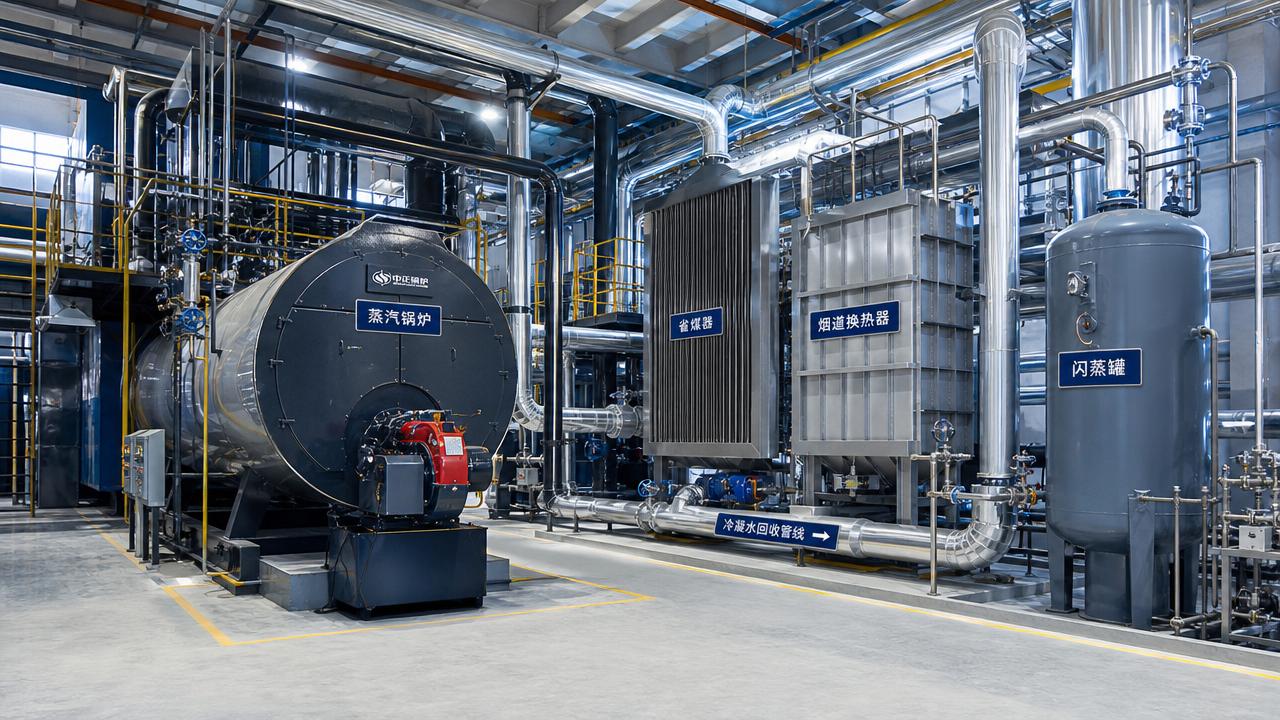
More careful users also compare boiler efficiency with surrounding equipment. Feedwater temperature, condensate return, economizer performance, and load matching all shape the final result.
A quick reference for common efficiency questions
The table below helps separate common boiler efficiency terms that are often mixed together during routine discussions.
Why can boiler efficiency fall even when the boiler is still running normally?
This is one of the most common misunderstandings. A boiler does not need to fail to become inefficient. In many cases, it keeps producing heat while wasting fuel quietly.
A frequent cause is excess air. Too much air cools combustion and pushes heat out of the stack. Too little air creates incomplete combustion and unstable flame conditions.
Scale on heat transfer surfaces is another major factor. Even a thin layer can block heat flow, forcing the burner to consume more fuel for the same output.
Short cycling also hurts boiler efficiency. When demand is low and the unit repeatedly starts and stops, purge losses and standby losses increase.
Steam leaks, faulty traps, poor insulation, and high blowdown rates create similar hidden losses. None may look dramatic alone, but together they change the monthly energy picture.
In actual plants, the strongest results come from looking at the full thermal loop rather than the boiler alone. That broader systems view is consistent with how GTC-Matrix tracks heat exchange and energy conversion performance.
What warning signs deserve a closer look?
- Fuel use rises while production output stays stable.
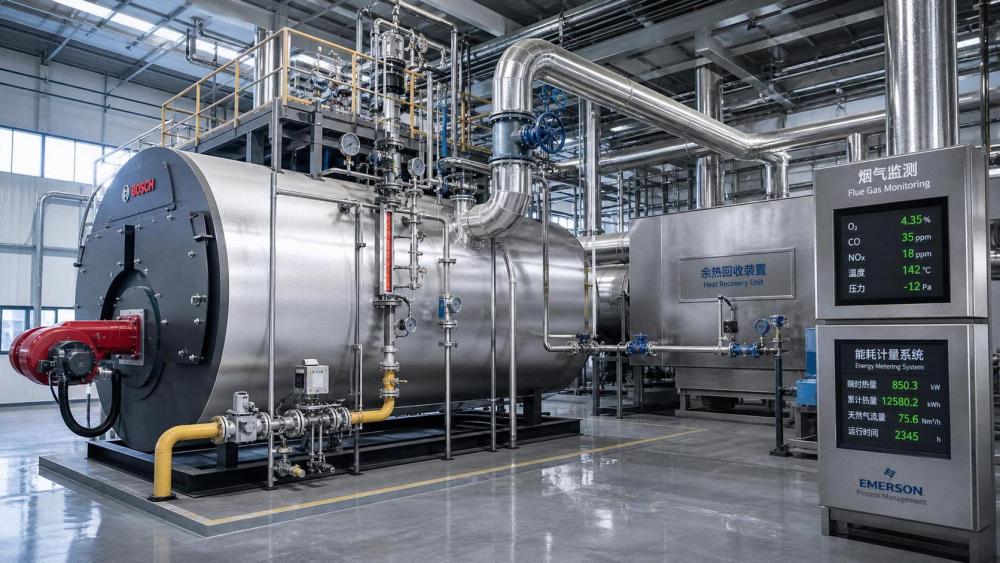
- Flue gas temperature trends upward over time.
- Burner tuning drifts or flame stability becomes inconsistent.
- Blowdown is frequent and feedwater demand increases.
- Heating response slows, even though the boiler still reaches setpoint.
How does boiler efficiency show up on energy bills?
Energy bills reflect consumption, not nameplate promises. If boiler efficiency drops, more fuel is required to deliver the same thermal output to the process or building.
The financial effect depends on three things: annual operating hours, fuel price, and load profile. Continuous systems feel efficiency losses faster than short-shift operations.
A one or two point decline may seem minor. Yet over a full year, that gap can become material, especially where gas prices fluctuate or steam demand remains steady.
There is also a second cost layer. Lower boiler efficiency often brings more soot, more maintenance, more water treatment stress, and more wear on fans, controls, and burners.
That is why smart monitoring matters. Market watchers following low-NOx boilers, heat recovery, and energy policy shifts increasingly treat boiler efficiency as an operating cost issue, not just a technical metric.
A practical way to judge bill impact
Instead of guessing, compare fuel consumed per unit of steam or useful heat over several months. Trend it against production, ambient conditions, and maintenance events.
That method usually reveals whether rising bills come from demand growth, weather, fuel pricing, or declining boiler efficiency.
What is the most reliable way to improve boiler efficiency in daily operation?
The best gains rarely come from one dramatic change. More often, boiler efficiency improves through steady control of combustion, water quality, heat recovery, and load management.
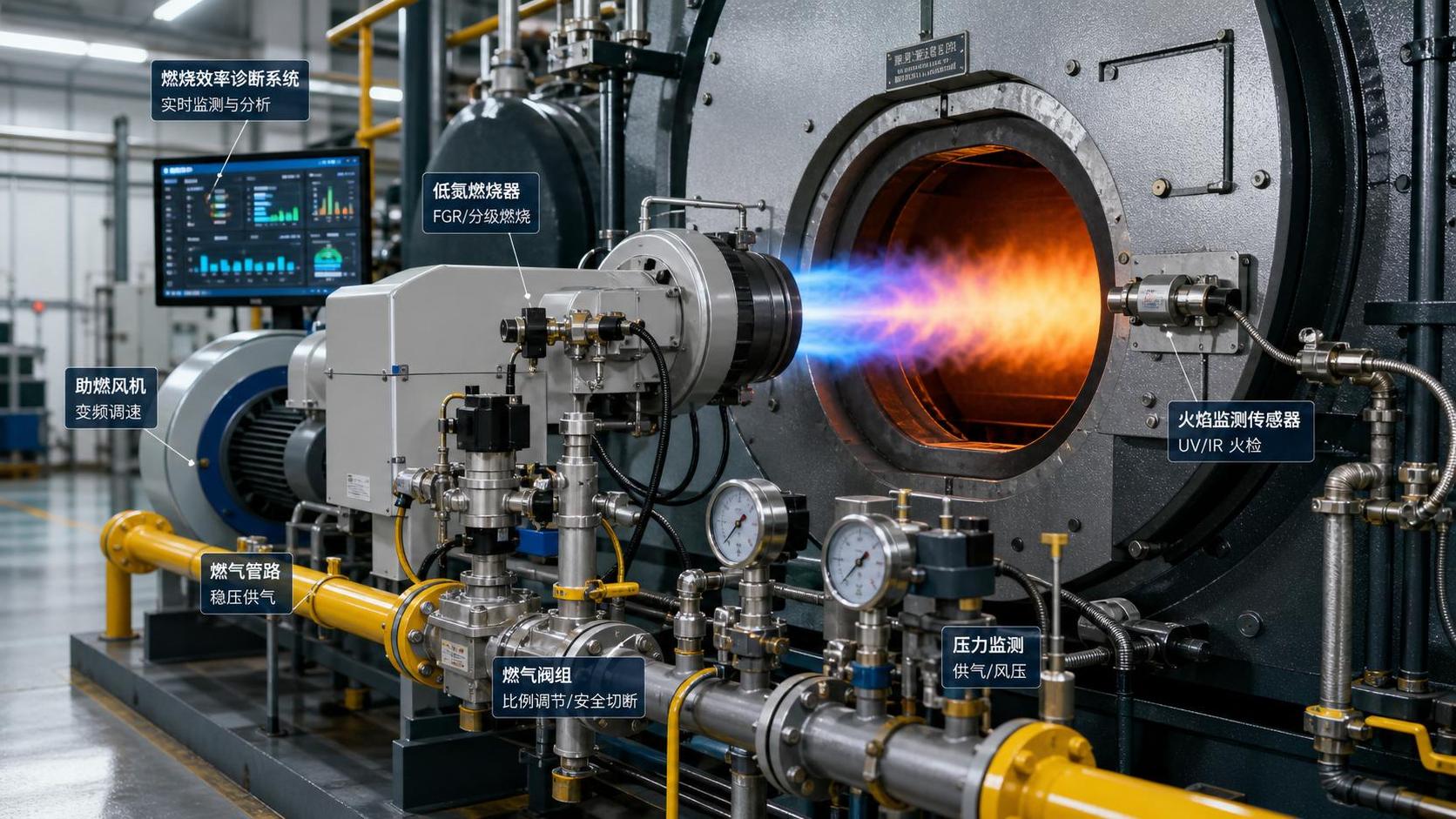
Start with combustion tuning. Check oxygen levels, stack temperature, flame condition, and burner response under typical load, not only during commissioning.
Then look at the water side. Proper treatment limits scale and corrosion, while condensate return reduces the heat needed to raise feedwater temperature.
Heat recovery should also be reviewed. Economizers, blowdown heat recovery, and better insulation often improve boiler efficiency without changing the core boiler itself.
Control strategy matters as much as hardware. If the boiler is oversized or poorly staged, even a modern unit can operate below its potential.
A useful checklist is simple:
- Verify combustion settings at low, medium, and high loads.
- Track flue gas temperature and oxygen regularly.
- Review blowdown rate against actual water condition.
- Inspect insulation, steam traps, and condensate return performance.
- Compare fuel use with useful output every month.
Are there common mistakes when judging boiler efficiency?
Yes, and most of them come from looking at one number in isolation. A high boiler efficiency label does not guarantee low operating cost in every application.
Another mistake is focusing only on burner tuning while ignoring the rest of the thermal system. Heat exchanger fouling, return temperature, and process variability can erase expected gains.
Some teams also chase peak efficiency but overlook reliability. Running too close to unstable combustion limits may save fuel briefly, then create trips, emissions issues, or maintenance problems.
It is also risky to judge boiler efficiency from a single spot test. Better decisions come from trends, repeated measurements, and seasonal comparison.
This is where industry intelligence becomes useful. Broader reporting on combustion technology, emissions regulation, and energy price shifts helps explain why efficiency priorities change over time.
A final question: what should be checked next?
If boiler efficiency is becoming a concern, begin with current operating data. Gather fuel use, output, stack temperature, oxygen readings, blowdown records, and maintenance history.
After that, compare the boiler’s rated performance with actual operating conditions. The gap often shows where the largest losses are hiding.
The next step is to rank opportunities by impact and practicality. Combustion tuning, cleaning, insulation repair, and condensate improvement are often faster to recover than major replacement.
In the bigger picture, boiler efficiency is not just a technical score. It is a daily indicator of how well a thermal system turns fuel into reliable, affordable, and controllable heat.
For ongoing reference, it helps to follow sources that connect boilers with heat exchange, compression, energy policy, and low-emission technology. That wider context supports better operating judgment as conditions change.
Related News
- Low-NOx Boilers Cost Breakdown: Upfront Price, Fuel Savings, and PaybackAuthor :Thermal Energy Strategist

- Boiler Combustion Systems: Common Causes of Unstable Fuel PerformanceAuthor :Thermal Energy Strategist

- Hot Water Industrial Boilers: When Efficiency Gains Justify ReplacementAuthor :Thermal Energy Strategist

- What Boiler Efficiency Really Means in Daily Operation and Energy BillsAuthor :Thermal Energy Strategist

- Boiler Efficiency Testing Methods That Expose Heat Loss and Fuel WasteAuthor :Thermal Energy Strategist

- Industrial Burner Systems: Key Factors for Safe Heat OutputAuthor :Thermal Energy Strategist

- Gas-Fired Boiler Combustion Technology: Key Efficiency and Emissions Trade-OffsAuthor :Thermal Energy Strategist

- Unfired Heat Recovery Steam Generators: When Do They Pay Off?Author :Thermal Energy Strategist

- How to Evaluate Steam Generation Systems Electric for Process Heat ProjectsAuthor :Thermal Energy Strategist

- Thermal Power Systems for Industrial Heating: Common Sizing Mistakes to AvoidAuthor :Thermal Energy Strategist

- Low-NOx Condensing Boilers: How to Compare Efficiency and EmissionsAuthor :Thermal Energy Strategist
![]()
- Low Emissions Boilers for Food Processing: Key Compliance and Fuel Cost FactorsAuthor :Thermal Energy Strategist

- Steam System Efficiency Calculation: Key Inputs That Change the ResultAuthor :Thermal Energy Strategist

- How to Evaluate a Steam Boiler Components Exporter Before OrderingAuthor :Thermal Energy Strategist

- Burner Systems Troubleshooting: Common Efficiency Loss CausesAuthor :Thermal Energy Strategist

- EU PED Q2 Rules Require Digital Compliance TagsAuthor :Thermal Energy Strategist

- Thermal Power Systems: Key Efficiency Risks in Daily OperationAuthor :Thermal Energy Strategist

- Low-NOx Combustion Boilers: Key Efficiency and Compliance ChecksAuthor :Thermal Energy Strategist

- Low-NOx Combustion Boilers: Key Specs That Affect Emissions and Fuel UseAuthor :Thermal Energy Strategist

- Low-NOx Combustion Boilers: Key Compliance RisksAuthor :Thermal Energy Strategist

- Thermodynamics Analysis for Boiler Heat-Loss ReductionAuthor :Thermal Energy Strategist

- Industrial Thermal Systems: Common Operating RisksAuthor :Thermal Energy Strategist

- Low-NOx Combustion Boilers: Key Spec Checks Before PurchaseAuthor :Thermal Energy Strategist

- How Industrial Heat Recovery Cuts Boiler Fuel Costs in 2026Author :Thermal Energy Strategist

- Thermodynamics Analysis: 5 Heat Loss Clues in Steam BoilersAuthor :Thermal Energy Strategist

- Low-NOx Combustion Boilers: What Affects Real Emissions PerformanceAuthor :Thermal Energy Strategist

- Thermodynamics Analysis: Finding Heat Loss in Steam BoilersAuthor :Thermal Energy Strategist

- 2026 Steam Boiler Upgrades for Lower NOx and Fuel CostsAuthor :Thermal Energy Strategist

- EU to Expand CBAM to Steam Boilers; Exporters Must Prepare Carbon DataAuthor :Thermal Energy Strategist

- Industrial Heat Recovery: When Payback Beats New Boiler CapacityAuthor :Thermal Energy Strategist

- Carbon Neutrality Targets and the New Boiler Retrofit PaybackAuthor :Thermal Energy Strategist

- Low-NOx Combustion Boilers: Fuel Savings vs Emission LimitsAuthor :Thermal Energy Strategist

- Industrial Energy Efficiency Benchmarks for Steam Boiler Upgrades in 2026Author :Thermal Energy Strategist

- Low-NOx Combustion Boilers: Efficiency vs Emissions in 2026Author :Thermal Energy Strategist

- Industrial Heat Recovery Options for Steam Boiler SavingsAuthor :Thermal Energy Strategist

- Low-NOx Combustion Boilers and 2026 Compliance PressureAuthor :Thermal Energy Strategist