Unfired Heat Recovery Steam Generators: When Do They Pay Off?




Why are heat recovery steam generators unfired getting more attention?
Rising fuel prices and tighter carbon goals have changed how thermal systems are evaluated.
That is why heat recovery steam generators unfired are moving from niche projects into mainstream industrial discussions.
The basic idea is simple.
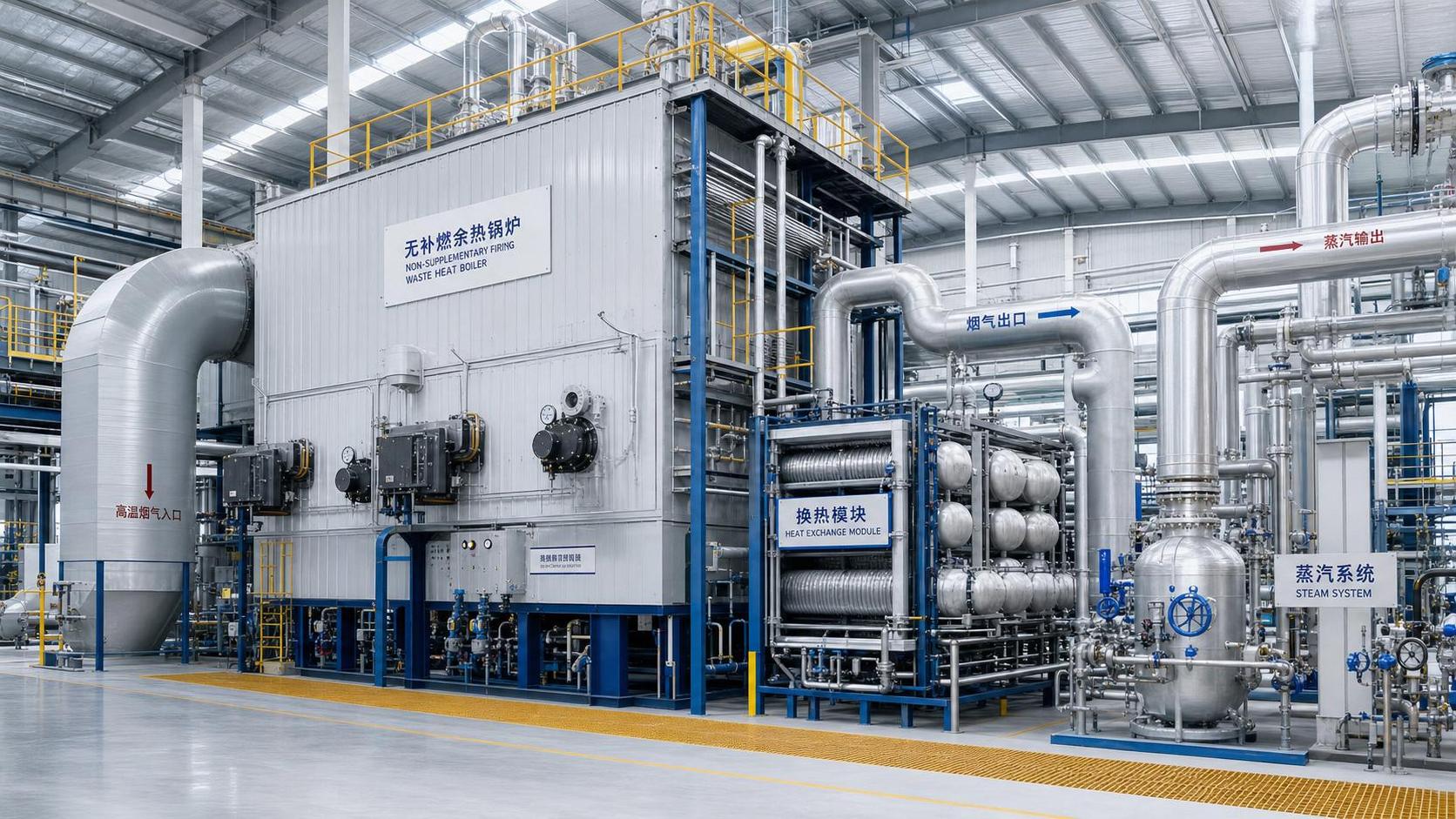
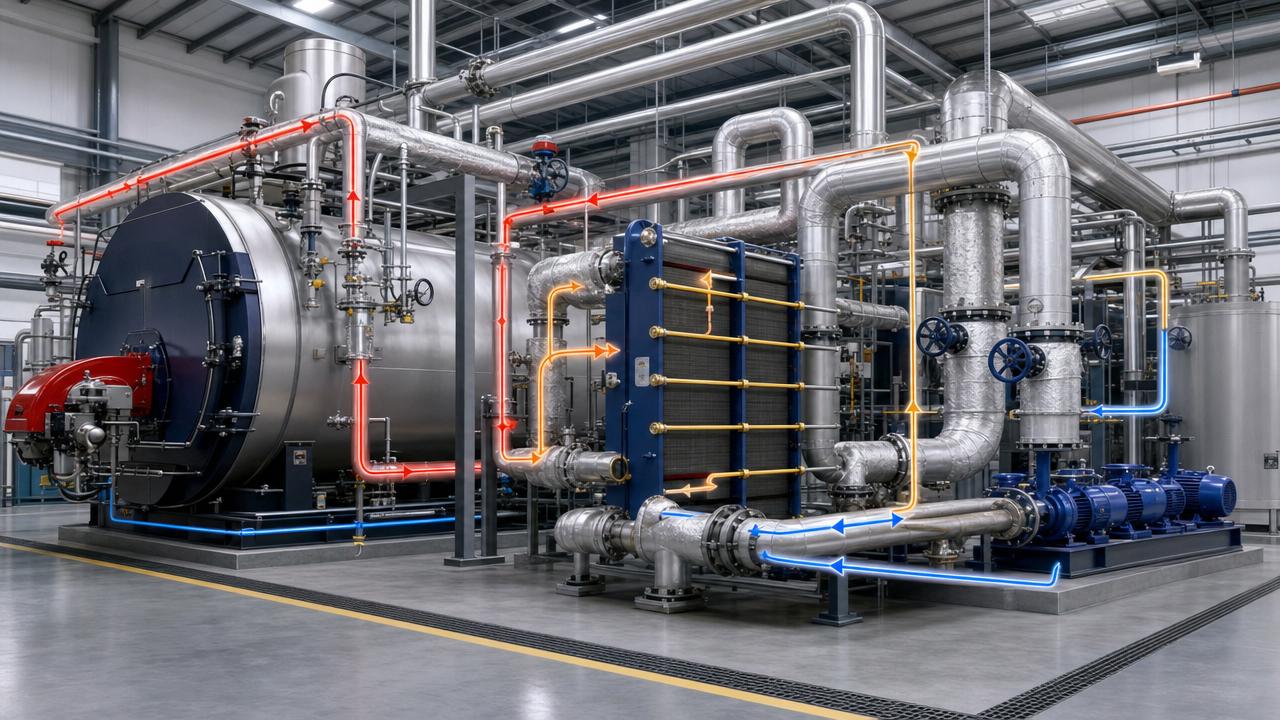
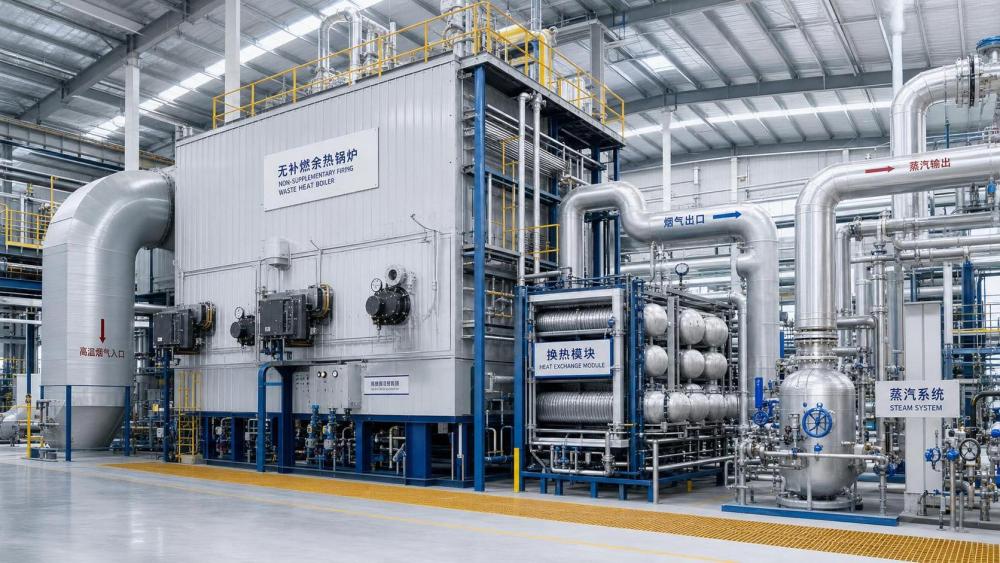
Instead of burning new fuel in the boiler, the unit captures waste heat from gas turbines, engines, incinerators, or process exhaust.
It then converts that thermal energy into usable steam.
The appeal is obvious, but the payback is never automatic.
In practice, heat recovery steam generators unfired perform best when exhaust energy is stable and steam demand is real.
If either side is weak, the economics can soften quickly.
This is also why market intelligence matters.
Platforms such as GTC-Matrix track energy pricing, low-NOx boiler evolution, compression power trends, and heat exchange performance.
That broader context helps separate technically attractive ideas from projects that truly create financial value.
So, when do these systems actually pay off?
The short answer is that they pay off when waste heat would otherwise be lost and steam would otherwise be purchased or fuel-fired.
The strongest business cases usually share four conditions.
- A steady exhaust stream with enough temperature and flow.
- A continuous or predictable steam load.
- High local fuel or electricity costs.
- Meaningful carbon reduction value, whether internal or regulated.
Many facilities focus first on annual energy savings.
That matters, but operating hours often decide the outcome more than nameplate efficiency.
A system running against a stable baseload usually beats a larger system tied to irregular production.
Seasonality also changes the math.
If steam demand drops for long periods, recovered heat may have nowhere useful to go.
That is where many optimistic models become fragile.
A practical screening table helps clarify whether heat recovery steam generators unfired are worth deeper engineering.
If most answers sit in the favorable column, the investment case is usually worth advancing.
Which operating profiles make the economics strongest?
Continuous industrial processes tend to be the best fit.
Chemical plants, food lines, refinery units, district energy systems, and combined heat and power installations often fall into this category.
What they share is not the industry label.
They share thermal rhythm.
Heat recovery steam generators unfired are most valuable when exhaust generation and steam consumption move together over long operating windows.
A peaking power asset with erratic runtime can still justify one, but only with disciplined assumptions.
Another strong case appears when an existing plant already vents substantial thermal energy.
Retrofitting heat recovery steam generators unfired into those sites may avoid part of the fuel demand without rebuilding the whole steam island.
That retrofit angle often matters more than headline efficiency.
In sectors tracked closely by GTC-Matrix, especially pharmaceuticals, semiconductors, and food processing, steam quality and uptime discipline matter just as much as fuel savings.
In those environments, a good project is one that fits production reliability, not just a spreadsheet.
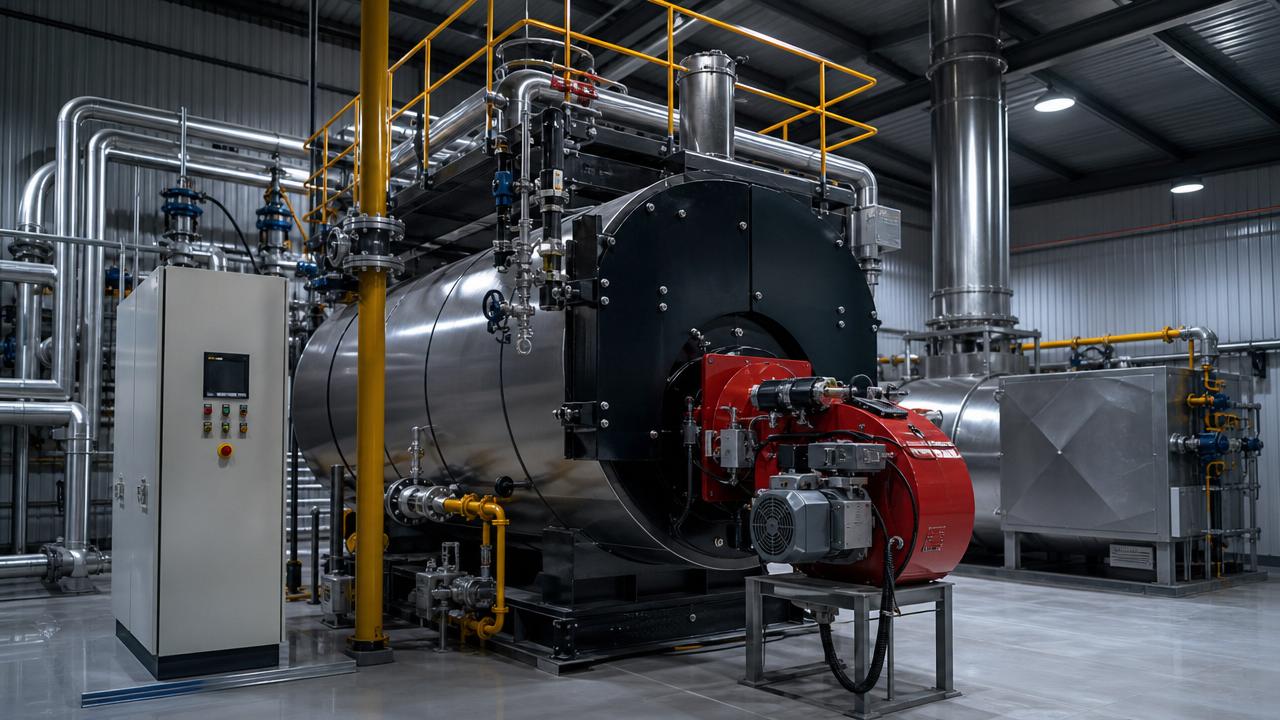
How do heat recovery steam generators unfired compare with fired options?
This question comes up early because the word “unfired” changes both economics and flexibility.
An unfired unit depends on available exhaust heat.
A fired system adds burners, raising steam output even when waste heat alone is not enough.
That sounds like a clear advantage for fired systems, but it also brings higher fuel use, emissions complexity, and permit considerations.
Unfired designs are usually cleaner to operate and easier to align with decarbonization targets.
They are especially attractive where the goal is to recover energy rather than create a new combustion source.
Still, there is a tradeoff.
If process steam demand regularly exceeds recoverable heat, the plant may still need supplementary firing or a separate boiler strategy.
The better comparison is not “which technology is better.”
It is “which steam architecture matches the operating envelope with the lowest lifecycle cost.”
What costs, risks, and payback traps should be checked early?
A common mistake is to treat the project as a simple boiler replacement.
It is not.
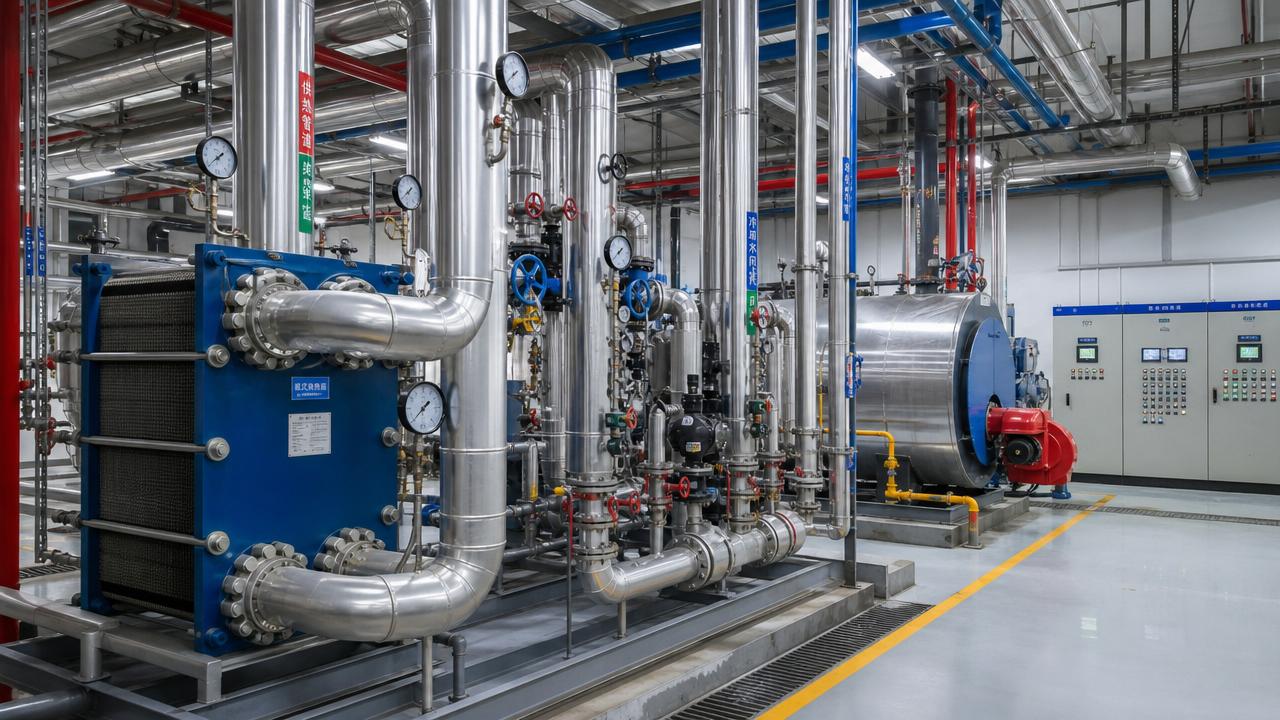
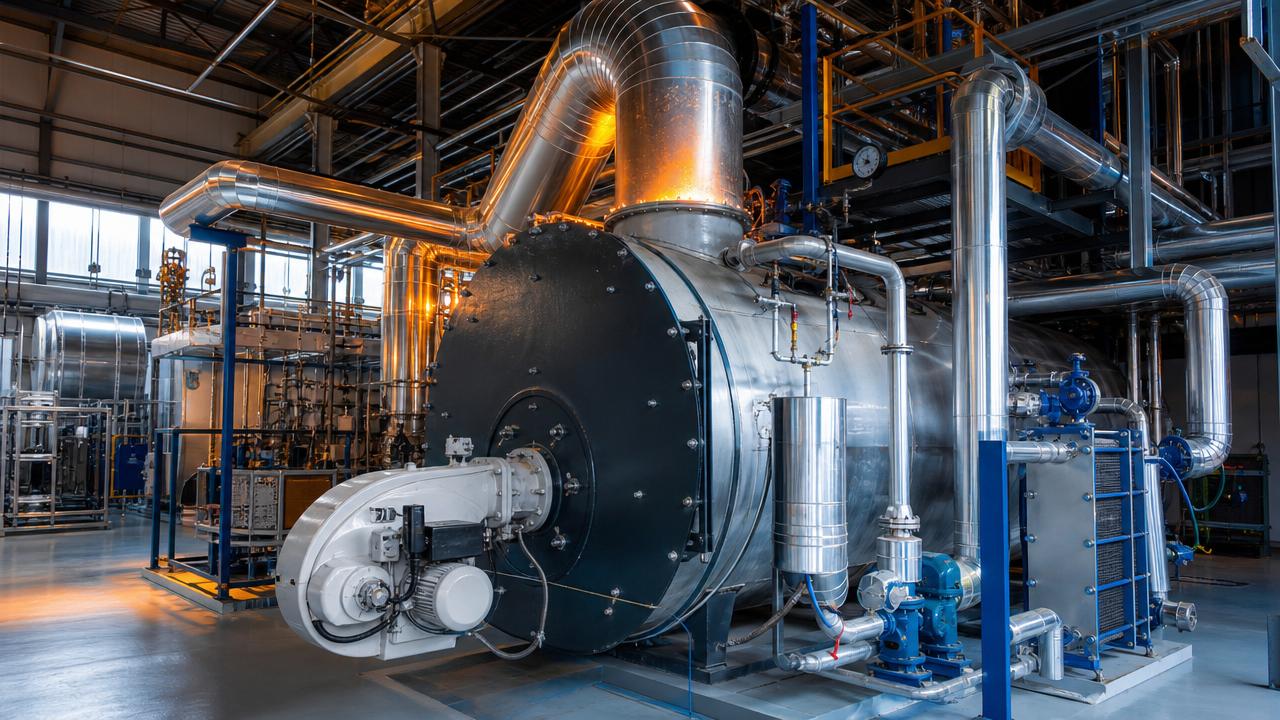
Heat recovery steam generators unfired sit inside a broader thermal and mechanical system.
So the real cost includes ducting, controls, stack modifications, water treatment, steam integration, outage planning, and maintenance access.
Backpressure effects also deserve attention.
If the HRSG creates too much pressure drop, the upstream prime mover can lose performance.
That hidden penalty can erode expected savings.
Fouling risk is another issue.
Dirty exhaust streams, variable fuel quality, and poor water chemistry can shorten cleaning intervals and raise downtime.
Before approving a project, it helps to pressure-test the model against these questions.
- Are annual operating hours based on real production history?
- Is steam demand measured or only estimated?
- Does the financial model include shutdown and tie-in costs?
- Has performance loss from pressure drop been included?
- Are maintenance intervals realistic for the exhaust quality?
When those answers are disciplined, the payback forecast becomes much more credible.
What is a sensible way to decide before procurement starts?
A useful decision process starts with measured data, not brochure values.
Gather exhaust temperature, flow, composition, operating hours, current steam consumption, and the cost of displaced energy.
Then test three scenarios.
One should reflect current conditions, one should use conservative runtime assumptions, and one should stress fuel price volatility.
This is where intelligence from GTC-Matrix becomes practical rather than promotional.
Tracking shifts in energy conversion efficiency, industrial heat exchange design, and sector-specific utility demand helps frame better assumptions.
A sensible shortlist for heat recovery steam generators unfired should also compare vendor capability in controls integration, service response, and thermal modeling depth.
The lowest purchase price is rarely the lowest ownership cost.
In the end, heat recovery steam generators unfired pay off when they recover dependable waste heat, displace expensive steam generation, and fit the plant’s operating pattern without adding unstable complexity.
If the next step is serious evaluation, begin with a site heat balance, a realistic steam profile, and a lifecycle model that includes integration risk.
That approach usually leads to better decisions than chasing efficiency claims in isolation.
Related News
- Low-NOx Boilers Cost Breakdown: Upfront Price, Fuel Savings, and PaybackAuthor :Thermal Energy Strategist

- Boiler Combustion Systems: Common Causes of Unstable Fuel PerformanceAuthor :Thermal Energy Strategist

- Hot Water Industrial Boilers: When Efficiency Gains Justify ReplacementAuthor :Thermal Energy Strategist

- What Boiler Efficiency Really Means in Daily Operation and Energy BillsAuthor :Thermal Energy Strategist

- Boiler Efficiency Testing Methods That Expose Heat Loss and Fuel WasteAuthor :Thermal Energy Strategist

- Industrial Burner Systems: Key Factors for Safe Heat OutputAuthor :Thermal Energy Strategist

- Gas-Fired Boiler Combustion Technology: Key Efficiency and Emissions Trade-OffsAuthor :Thermal Energy Strategist

- Unfired Heat Recovery Steam Generators: When Do They Pay Off?Author :Thermal Energy Strategist

- How to Evaluate Steam Generation Systems Electric for Process Heat ProjectsAuthor :Thermal Energy Strategist

- Thermal Power Systems for Industrial Heating: Common Sizing Mistakes to AvoidAuthor :Thermal Energy Strategist

- Low-NOx Condensing Boilers: How to Compare Efficiency and EmissionsAuthor :Thermal Energy Strategist
![]()
- Low Emissions Boilers for Food Processing: Key Compliance and Fuel Cost FactorsAuthor :Thermal Energy Strategist

- Steam System Efficiency Calculation: Key Inputs That Change the ResultAuthor :Thermal Energy Strategist

- How to Evaluate a Steam Boiler Components Exporter Before OrderingAuthor :Thermal Energy Strategist

- Burner Systems Troubleshooting: Common Efficiency Loss CausesAuthor :Thermal Energy Strategist

- EU PED Q2 Rules Require Digital Compliance TagsAuthor :Thermal Energy Strategist

- Thermal Power Systems: Key Efficiency Risks in Daily OperationAuthor :Thermal Energy Strategist

- Low-NOx Combustion Boilers: Key Efficiency and Compliance ChecksAuthor :Thermal Energy Strategist

- Low-NOx Combustion Boilers: Key Specs That Affect Emissions and Fuel UseAuthor :Thermal Energy Strategist

- Low-NOx Combustion Boilers: Key Compliance RisksAuthor :Thermal Energy Strategist

- Thermodynamics Analysis for Boiler Heat-Loss ReductionAuthor :Thermal Energy Strategist

- Industrial Thermal Systems: Common Operating RisksAuthor :Thermal Energy Strategist

- Low-NOx Combustion Boilers: Key Spec Checks Before PurchaseAuthor :Thermal Energy Strategist

- How Industrial Heat Recovery Cuts Boiler Fuel Costs in 2026Author :Thermal Energy Strategist

- Thermodynamics Analysis: 5 Heat Loss Clues in Steam BoilersAuthor :Thermal Energy Strategist

- Low-NOx Combustion Boilers: What Affects Real Emissions PerformanceAuthor :Thermal Energy Strategist

- Thermodynamics Analysis: Finding Heat Loss in Steam BoilersAuthor :Thermal Energy Strategist

- 2026 Steam Boiler Upgrades for Lower NOx and Fuel CostsAuthor :Thermal Energy Strategist

- EU to Expand CBAM to Steam Boilers; Exporters Must Prepare Carbon DataAuthor :Thermal Energy Strategist

- Industrial Heat Recovery: When Payback Beats New Boiler CapacityAuthor :Thermal Energy Strategist

- Carbon Neutrality Targets and the New Boiler Retrofit PaybackAuthor :Thermal Energy Strategist

- Low-NOx Combustion Boilers: Fuel Savings vs Emission LimitsAuthor :Thermal Energy Strategist

- Industrial Energy Efficiency Benchmarks for Steam Boiler Upgrades in 2026Author :Thermal Energy Strategist

- Low-NOx Combustion Boilers: Efficiency vs Emissions in 2026Author :Thermal Energy Strategist

- Industrial Heat Recovery Options for Steam Boiler SavingsAuthor :Thermal Energy Strategist

- Low-NOx Combustion Boilers and 2026 Compliance PressureAuthor :Thermal Energy Strategist