Low Emissions Boilers for Food Processing: Key Compliance and Fuel Cost Factors




Low Emissions Boilers for Food Processing: Key Compliance and Fuel Cost Factors
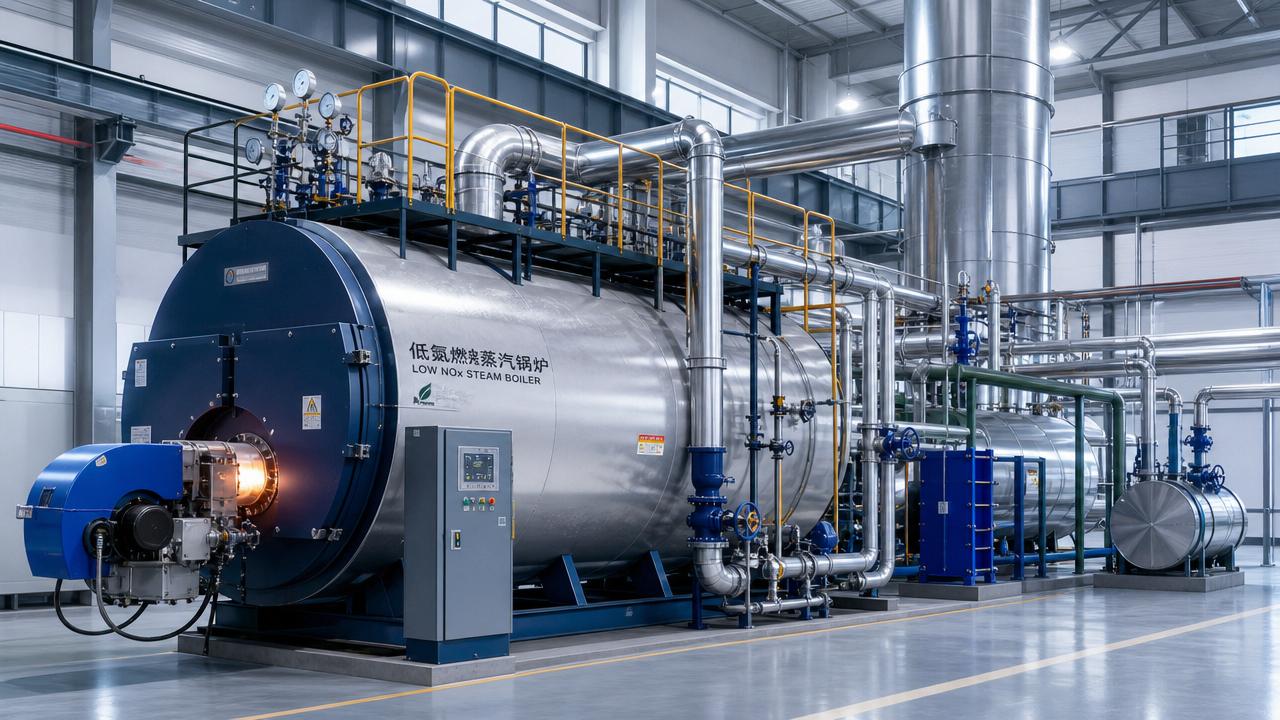
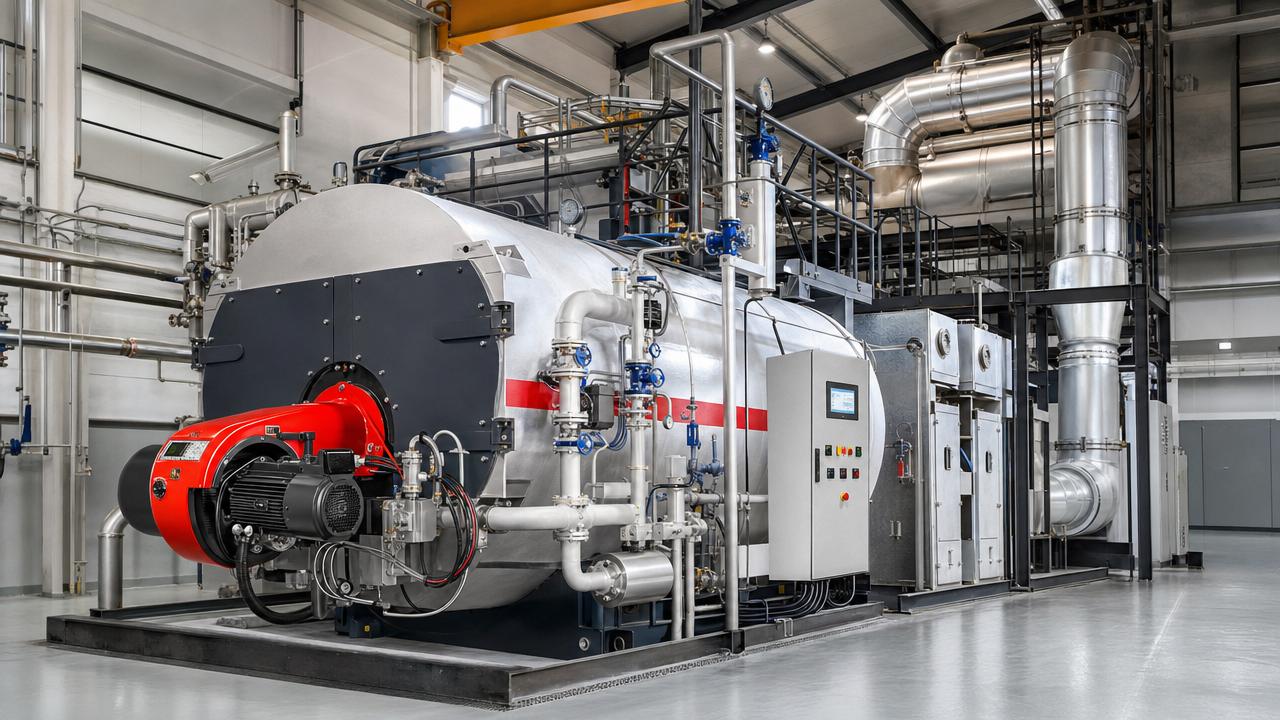
For procurement teams in the food industry, selecting low emissions boilers for food processing means balancing strict compliance requirements with long-term fuel cost control.
As rules tighten and fuel markets stay unstable, boiler decisions now affect operating cost, audit risk, and production continuity at the same time.
That is why low emissions boilers for food processing are no longer a narrow engineering purchase.
They have become a cross-functional investment tied to compliance, energy efficiency, maintenance planning, and plant expansion strategy.
Why Compliance Is Reshaping Boiler Buying Decisions
Food plants face tighter pressure on NOx, CO, particulate matter, and greenhouse gas performance.
In many regions, boiler permits now require clearer emissions reporting, stack testing, and proof of stable combustion under changing loads.
This matters because food processing rarely runs at a perfectly flat demand profile.
Steam demand often shifts with sanitation cycles, batch cooking, drying, sterilization, and seasonal output peaks.
A boiler that performs well only at full load may struggle to maintain low emissions during real operating conditions.
In practical terms, low emissions boilers for food processing should be evaluated on tested emissions across a wide modulation range, not just brochure claims.
Key compliance points to check before shortlisting
- Applicable local and national emissions limits for NOx, CO, and CO2 reporting.
- Burner certification and third-party test data at partial and full load.
- Requirements for continuous monitoring, data logging, or annual verification.
- Fuel-specific compliance differences between natural gas, LPG, biogas, and dual-fuel systems.
- Noise, water treatment, and condensate handling rules that may affect installation approval.
How Fuel Costs Change the True Value of Low Emissions Boilers for Food Processing
Purchase price gets attention first, but fuel cost usually determines the real lifetime economics.
For many facilities, fuel spending over ten years can exceed the initial boiler investment several times over.
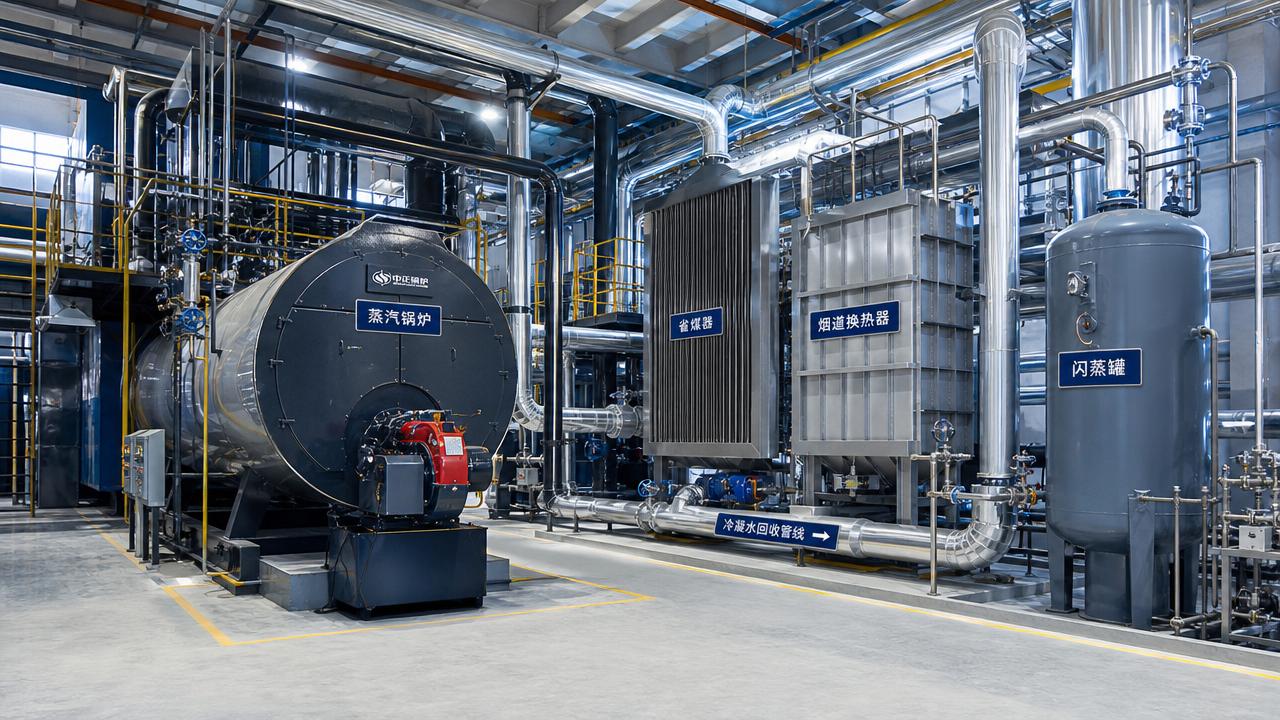
That makes combustion efficiency, excess air control, turndown ratio, and heat recovery central procurement questions.
From recent market shifts, the stronger signal is fuel volatility rather than temporary price spikes alone.
Plants with limited fuel flexibility are more exposed when gas contracts reset or regional supply conditions tighten.
As a result, low emissions boilers for food processing should be assessed by total energy cost per ton of steam, not by nameplate efficiency alone.
Cost drivers that deserve close attention
- Seasonal fuel pricing and contract structure.
- Expected annual operating hours and load profile.
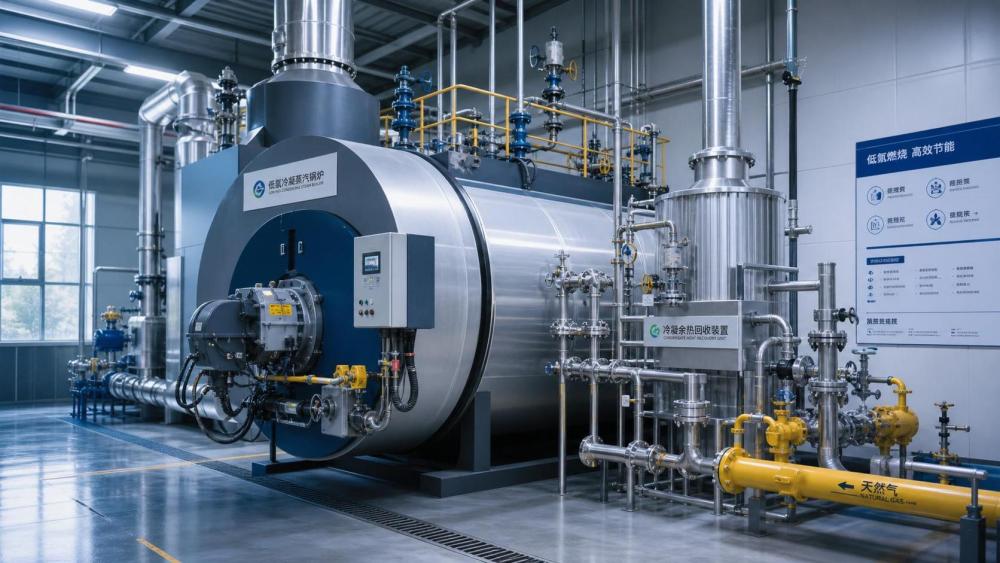
- Condensing versus non-condensing design suitability.
- Economizer payback under actual exhaust temperature conditions.
- Blowdown loss, feedwater temperature, and deaeration efficiency.
- Maintenance impact on combustion tuning and long-term efficiency retention.
What Boiler Efficiency Really Means in a Food Plant
Efficiency figures can look impressive in supplier literature, but the test basis matters.
Some values are based on lower heating value, while others use higher heating value.
Without normalizing that detail, side-by-side comparisons can be misleading.
Food operations also need usable efficiency, not lab efficiency.
Frequent startup, washdown scheduling, and variable steam draw can reduce real performance if the system is poorly matched.
This is where low emissions boilers for food processing with strong controls and broad turndown often deliver better results than larger, less flexible units.
Questions that help uncover realistic efficiency
- What is the guaranteed efficiency at 25%, 50%, 75%, and 100% load?
- How quickly can the boiler respond to batch demand changes?
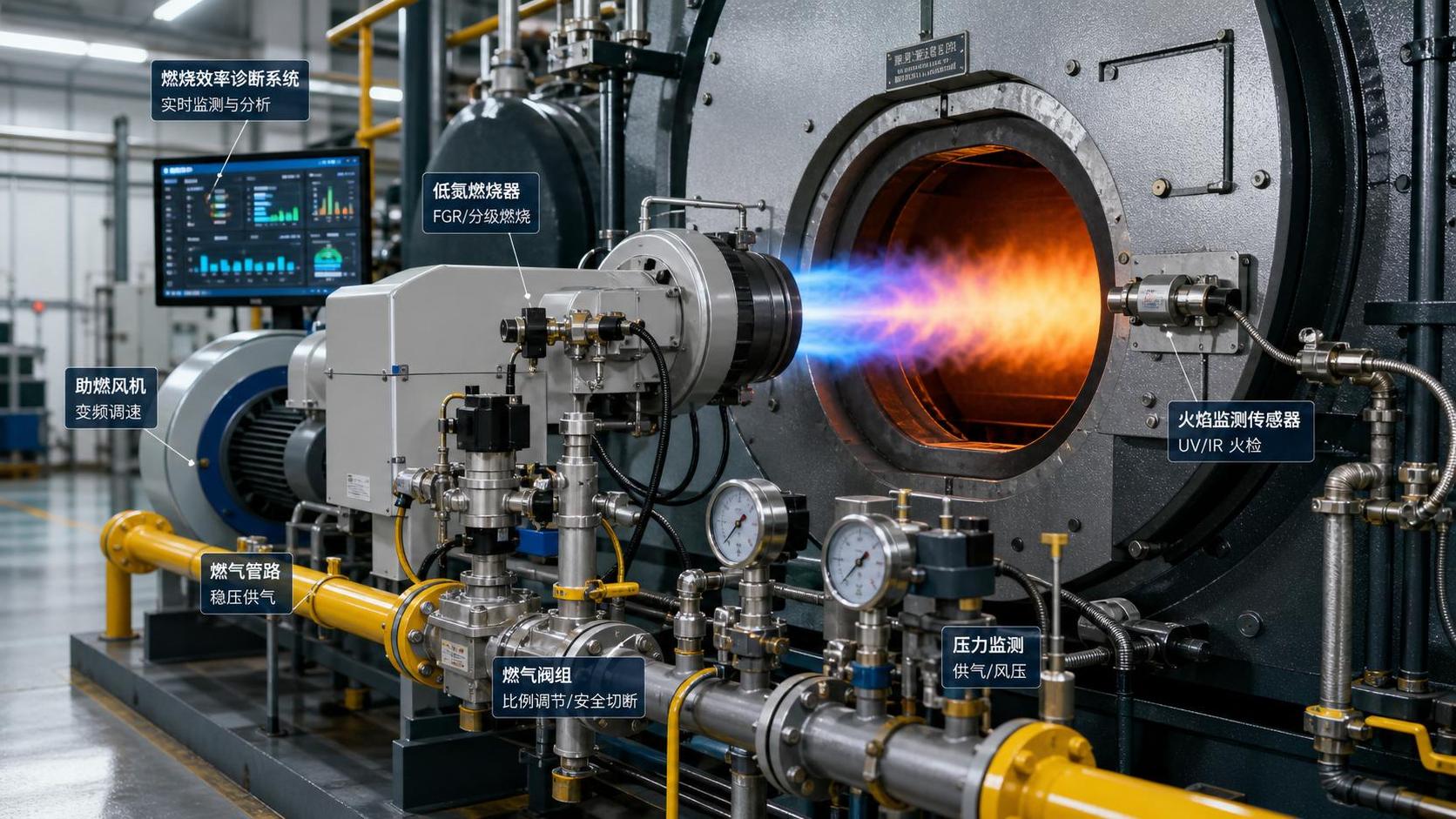
- What controls are included for oxygen trim and burner optimization?
- How much efficiency loss is expected between major service intervals?
- Can waste heat recovery be integrated without adding operating complexity?
Fuel Flexibility, Risk Control, and Supply Resilience
Fuel choice is increasingly a risk management decision.
Natural gas remains common, but many buyers now examine LPG backup, biogas blending, or future hydrogen-readiness claims.
The right level of flexibility depends on site infrastructure, local policy direction, and expected steam demand growth.
Still, not every flexible option creates value.
A dual-fuel configuration may reduce supply risk, yet increase maintenance needs and capital cost.
The better approach is to compare resilience benefits against realistic disruption scenarios, not theoretical worst cases.
A practical risk screen for low emissions boilers for food processing
Supplier Evaluation Beyond the Boiler Itself
A technically strong unit can still become a weak purchase if supplier support is thin.
Lead times, commissioning quality, spare parts availability, and burner tuning support all affect project outcomes.
In food processing, downtime can quickly cascade into missed production windows and product waste.
This also means service response commitments deserve contract-level attention.
When comparing low emissions boilers for food processing, buyers should treat after-sales capability as part of the core specification.
Supplier questions worth putting in the RFQ
- What emissions guarantees are contractually backed?
- Which wear parts are stocked locally?
- What is the expected commissioning timeline?
- Is remote monitoring available for combustion and fault trends?
- How are operator training and annual tune-ups handled?
A Smarter Procurement Framework for Low Emissions Boilers for Food Processing
A reliable buying decision starts with plant data, not vendor assumptions.
Gather twelve months of steam demand, fuel usage, maintenance events, and permit conditions before issuing the RFQ.
Then compare proposals against the same operating basis.
That sounds simple, but it removes much of the confusion around efficiency and cost claims.
In day-to-day business, the best-performing option is often the one with the clearest total cost picture.
For that reason, low emissions boilers for food processing should be scored on compliance fit, energy cost, serviceability, and resilience together.
- Define actual steam load patterns and future capacity needs.
- Map all current and likely emissions obligations.
- Model annual fuel cost under multiple price scenarios.
- Validate efficiency and emissions at partial load.
- Review service access, spare parts, and commissioning support.
- Negotiate guarantees that tie claims to measurable plant performance.
The market direction is clear.
Compliance pressure will keep rising, and fuel cost uncertainty is unlikely to disappear soon.
That makes disciplined evaluation more valuable than quick price comparison.
The strongest procurement outcome comes from choosing low emissions boilers for food processing that can hold emissions targets, control fuel spend, and stay dependable under real plant conditions.
Related News
- Low-NOx Boilers Cost Breakdown: Upfront Price, Fuel Savings, and PaybackAuthor :Thermal Energy Strategist

- Boiler Combustion Systems: Common Causes of Unstable Fuel PerformanceAuthor :Thermal Energy Strategist

- Hot Water Industrial Boilers: When Efficiency Gains Justify ReplacementAuthor :Thermal Energy Strategist

- What Boiler Efficiency Really Means in Daily Operation and Energy BillsAuthor :Thermal Energy Strategist

- Boiler Efficiency Testing Methods That Expose Heat Loss and Fuel WasteAuthor :Thermal Energy Strategist

- Industrial Burner Systems: Key Factors for Safe Heat OutputAuthor :Thermal Energy Strategist

- Gas-Fired Boiler Combustion Technology: Key Efficiency and Emissions Trade-OffsAuthor :Thermal Energy Strategist

- Unfired Heat Recovery Steam Generators: When Do They Pay Off?Author :Thermal Energy Strategist

- How to Evaluate Steam Generation Systems Electric for Process Heat ProjectsAuthor :Thermal Energy Strategist

- Thermal Power Systems for Industrial Heating: Common Sizing Mistakes to AvoidAuthor :Thermal Energy Strategist

- Low-NOx Condensing Boilers: How to Compare Efficiency and EmissionsAuthor :Thermal Energy Strategist
![]()
- Low Emissions Boilers for Food Processing: Key Compliance and Fuel Cost FactorsAuthor :Thermal Energy Strategist

- Steam System Efficiency Calculation: Key Inputs That Change the ResultAuthor :Thermal Energy Strategist

- How to Evaluate a Steam Boiler Components Exporter Before OrderingAuthor :Thermal Energy Strategist

- Burner Systems Troubleshooting: Common Efficiency Loss CausesAuthor :Thermal Energy Strategist

- EU PED Q2 Rules Require Digital Compliance TagsAuthor :Thermal Energy Strategist

- Thermal Power Systems: Key Efficiency Risks in Daily OperationAuthor :Thermal Energy Strategist

- Low-NOx Combustion Boilers: Key Efficiency and Compliance ChecksAuthor :Thermal Energy Strategist

- Low-NOx Combustion Boilers: Key Specs That Affect Emissions and Fuel UseAuthor :Thermal Energy Strategist

- Low-NOx Combustion Boilers: Key Compliance RisksAuthor :Thermal Energy Strategist

- Thermodynamics Analysis for Boiler Heat-Loss ReductionAuthor :Thermal Energy Strategist

- Industrial Thermal Systems: Common Operating RisksAuthor :Thermal Energy Strategist

- Low-NOx Combustion Boilers: Key Spec Checks Before PurchaseAuthor :Thermal Energy Strategist

- How Industrial Heat Recovery Cuts Boiler Fuel Costs in 2026Author :Thermal Energy Strategist

- Thermodynamics Analysis: 5 Heat Loss Clues in Steam BoilersAuthor :Thermal Energy Strategist

- Low-NOx Combustion Boilers: What Affects Real Emissions PerformanceAuthor :Thermal Energy Strategist

- Thermodynamics Analysis: Finding Heat Loss in Steam BoilersAuthor :Thermal Energy Strategist

- 2026 Steam Boiler Upgrades for Lower NOx and Fuel CostsAuthor :Thermal Energy Strategist

- EU to Expand CBAM to Steam Boilers; Exporters Must Prepare Carbon DataAuthor :Thermal Energy Strategist

- Industrial Heat Recovery: When Payback Beats New Boiler CapacityAuthor :Thermal Energy Strategist

- Carbon Neutrality Targets and the New Boiler Retrofit PaybackAuthor :Thermal Energy Strategist

- Low-NOx Combustion Boilers: Fuel Savings vs Emission LimitsAuthor :Thermal Energy Strategist

- Industrial Energy Efficiency Benchmarks for Steam Boiler Upgrades in 2026Author :Thermal Energy Strategist

- Low-NOx Combustion Boilers: Efficiency vs Emissions in 2026Author :Thermal Energy Strategist

- Industrial Heat Recovery Options for Steam Boiler SavingsAuthor :Thermal Energy Strategist

- Low-NOx Combustion Boilers and 2026 Compliance PressureAuthor :Thermal Energy Strategist