



EU PED Q2 Rules Require Digital Compliance Tags




From the second quarter of 2026, the revised EU Pressure Equipment Directive (PED) takes effect with new compliance requirements for pressure vessels, valves, and related equipment. The change centers on mandatory built-in unique electronic tags for lifecycle data records and added compliance checks for IoT sensors and smart control modules. For exporters, manufacturers, certification teams, and supply chain operators, this matters because it shifts PED compliance from paper-based documentation toward embedded digital traceability and may directly affect export delivery readiness, especially for PED-certified companies in China’s Yangtze River Delta.
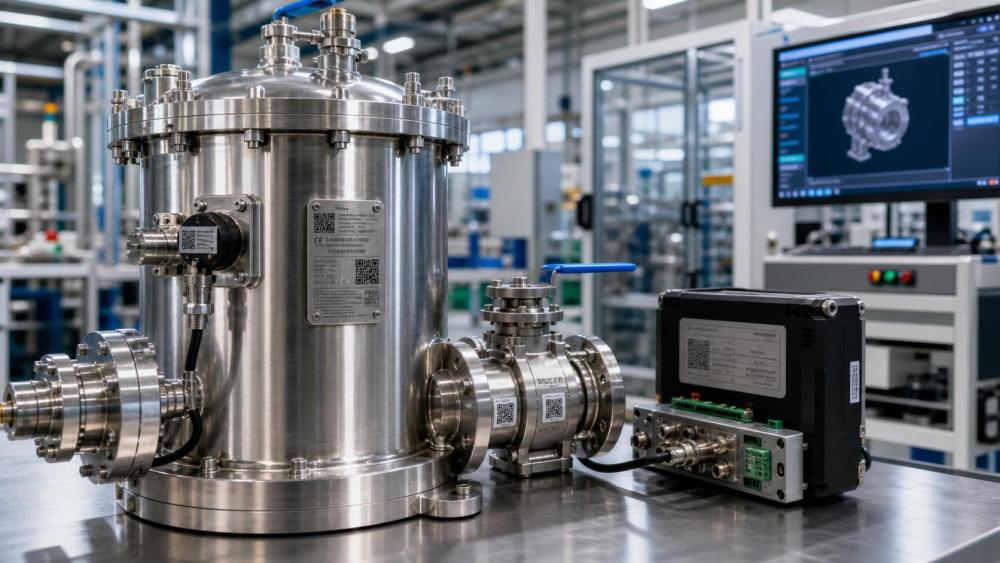
What the rule change confirms
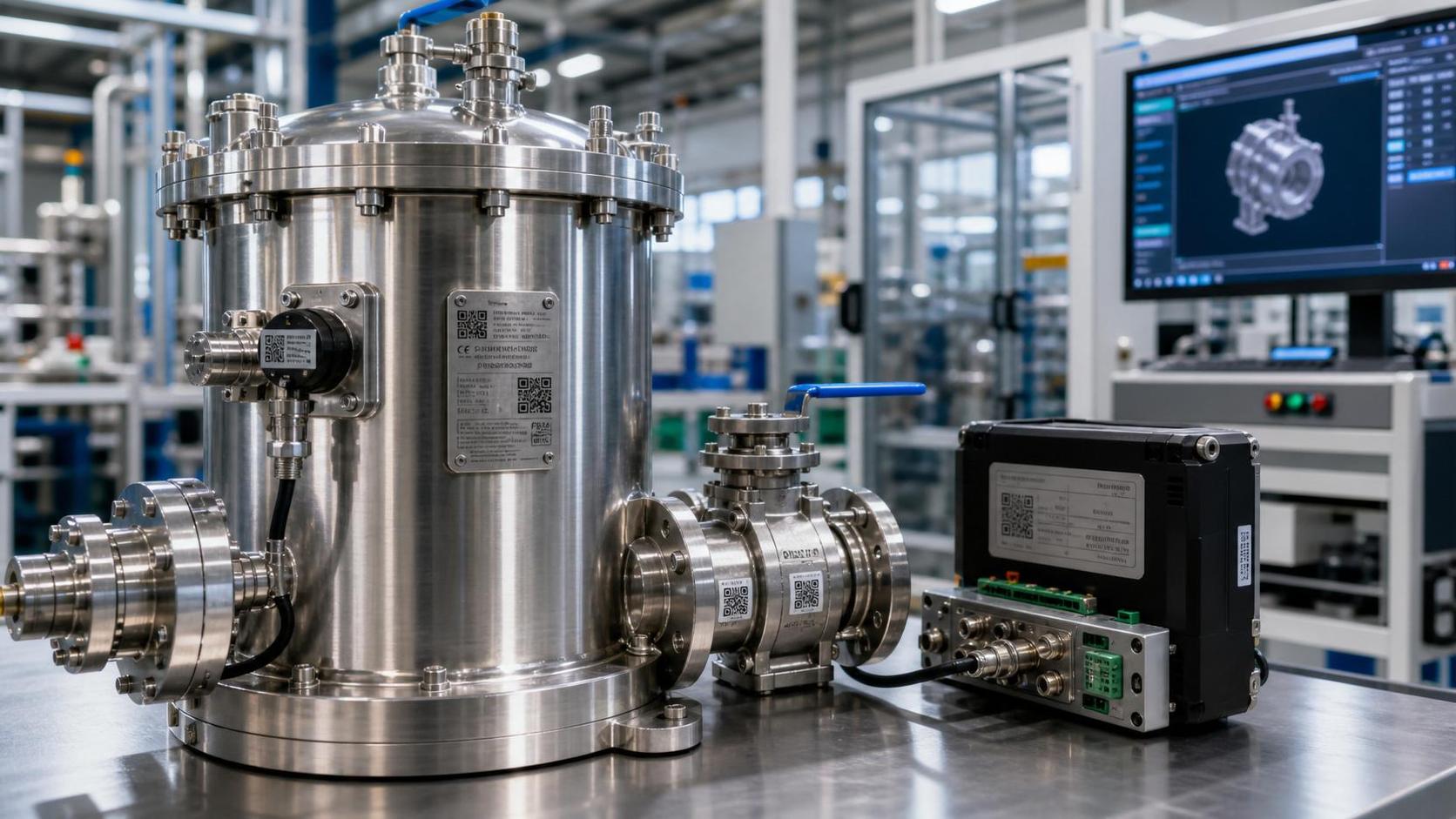
The confirmed information shows that, starting in Q2 2026, the updated EU PED is formally implemented. Under the new requirement, pressure equipment such as pressure vessels and valves must carry a unique electronic label built into the product. That label is required to record full lifecycle data and is intended to replace paper certificates.
The update also adds compliance verification for IoT sensors and smart control modules used in relevant pressure equipment. Based on the provided information, the change directly affects export delivery preparation for 68% of PED-certified companies in China’s Yangtze River Delta. Companies that have not completed digital upgrades may face a risk of failing localized compliance checks in the EU.
Where the pressure on the industry chain is likely to appear
Export delivery moves closer to digital readiness checks
From an industry perspective, direct trading companies may be affected first because delivery preparation now depends not only on existing PED certification status, but also on whether equipment carries the required electronic label and supporting lifecycle data. What deserves closer attention is whether export documentation, product identification, and customer-facing compliance materials remain aligned under the new format.
Manufacturing lines face product-level traceability demands
For processing and manufacturing enterprises, the likely impact is concentrated in product configuration, production records, and final shipment preparation. Analysis shows that the rule is not limited to a paperwork update: once the label must be embedded and linked to lifecycle information, manufacturers may need to pay closer attention to how compliance data is attached to each unit before export.
Sensor and control module verification becomes part of shipment risk
For suppliers and integrators involved in IoT sensors or smart control modules, the new verification requirement may change where compliance risks emerge. Observably, a pressure equipment shipment could be affected not only by the vessel or valve itself, but also by whether connected smart components can pass the added compliance review tied to the PED update.
Supply chain service providers may see tighter coordination requirements
For supply chain and delivery service providers, the main issue is coordination risk across certification, labeling, documentation, and customs-facing preparation. From an operational perspective, any mismatch between product status and compliance records may create delays at the handover stage, particularly where export schedules depend on prior PED-based delivery routines.
What companies should watch now
Separate confirmed rules from pending interpretation
The confirmed facts are clear on three points: Q2 2026 implementation, mandatory unique electronic labels, and added checks for IoT sensors and smart control modules. What deserves closer attention is whether later official wording further clarifies data scope, labeling format, or verification practice. Companies should avoid assuming that existing paper-based compliance workflows will remain sufficient.
Review which product categories are exposed first
Businesses handling pressure vessels, valves, and related pressure equipment should check which exported product lines fall directly under the updated requirement. Analysis shows that the practical issue is not only product eligibility, but also whether each category is already prepared for embedded digital identification rather than certificate-based proof alone.
Recheck supplier and module coordination
Where products include sensors or smart control modules, companies should pay closer attention to supplier coordination, technical records, and consistency of compliance materials. The policy signal and actual delivery execution may diverge if the main equipment is ready but connected modules are not aligned with the new verification requirement.
Prepare for customer and inspection-side communication
For export-facing teams, a key point is communication readiness. Observably, customers, import-side partners, and inspection-related counterparts may focus on whether digital labels, lifecycle records, and module compliance can be demonstrated clearly during delivery preparation. This makes pre-shipment document checks and communication planning more important than under a paper-certificate model.
Why this looks bigger than a paperwork update
Analysis shows that this development is better understood as a compliance architecture change rather than a narrow document replacement. The immediate trigger is regulatory implementation in Q2 2026, but the deeper signal is that PED-related market access is moving closer to product-embedded traceability and component-level verification.
At the same time, it is more appropriate to understand this as an active transition stage rather than a fully settled end state. The confirmed facts establish the direction and the immediate delivery risk, but the practical effects on workflows, audit expectations, and execution detail still require close observation as companies adapt.
How to read the signal at this stage
At this stage, the update should be read as both a short-term operational issue and a longer-term compliance signal. In the short term, it directly affects export preparation for PED-certified businesses that have not completed digital upgrades. In the longer term, it suggests that pressure equipment compliance in the EU market is placing greater weight on digital identity, lifecycle records, and the compliance status of smart components. A cautious reading is more appropriate than a sweeping conclusion, but the need for closer follow-up is already clear.
Basis of this article and what still needs checking
This article is based on the user-provided news title, event date, and event summary. For developments of this type, commonly relevant source categories include official notices, company disclosures, industry association updates, authoritative media reporting, and standards-related documents.
A specific official source link was not provided in the input, so further verification is still needed. Areas worth continued monitoring include any later official clarification on implementation wording, the handling of digital lifecycle records, and how compliance checks for IoT sensors and smart control modules are applied in practice.
Related News
- Low Emissions Boilers: What to Compare Before You ChooseAuthor :Thermal Energy Strategist

- Low-NOx Boilers Cost Breakdown: Upfront Price, Fuel Savings, and PaybackAuthor :Thermal Energy Strategist

- Boiler Combustion Systems: Common Causes of Unstable Fuel PerformanceAuthor :Thermal Energy Strategist

- Hot Water Industrial Boilers: When Efficiency Gains Justify ReplacementAuthor :Thermal Energy Strategist

- What Boiler Efficiency Really Means in Daily Operation and Energy BillsAuthor :Thermal Energy Strategist

- Boiler Efficiency Testing Methods That Expose Heat Loss and Fuel WasteAuthor :Thermal Energy Strategist

- Industrial Burner Systems: Key Factors for Safe Heat OutputAuthor :Thermal Energy Strategist

- Gas-Fired Boiler Combustion Technology: Key Efficiency and Emissions Trade-OffsAuthor :Thermal Energy Strategist

- Unfired Heat Recovery Steam Generators: When Do They Pay Off?Author :Thermal Energy Strategist

- How to Evaluate Steam Generation Systems Electric for Process Heat ProjectsAuthor :Thermal Energy Strategist

- Thermal Power Systems for Industrial Heating: Common Sizing Mistakes to AvoidAuthor :Thermal Energy Strategist

- Low-NOx Condensing Boilers: How to Compare Efficiency and EmissionsAuthor :Thermal Energy Strategist
![]()
- Low Emissions Boilers for Food Processing: Key Compliance and Fuel Cost FactorsAuthor :Thermal Energy Strategist

- Steam System Efficiency Calculation: Key Inputs That Change the ResultAuthor :Thermal Energy Strategist

- How to Evaluate a Steam Boiler Components Exporter Before OrderingAuthor :Thermal Energy Strategist

- Burner Systems Troubleshooting: Common Efficiency Loss CausesAuthor :Thermal Energy Strategist

- EU PED Q2 Rules Require Digital Compliance TagsAuthor :Thermal Energy Strategist

- Thermal Power Systems: Key Efficiency Risks in Daily OperationAuthor :Thermal Energy Strategist

- Low-NOx Combustion Boilers: Key Efficiency and Compliance ChecksAuthor :Thermal Energy Strategist

- Low-NOx Combustion Boilers: Key Specs That Affect Emissions and Fuel UseAuthor :Thermal Energy Strategist

- Low-NOx Combustion Boilers: Key Compliance RisksAuthor :Thermal Energy Strategist

- Thermodynamics Analysis for Boiler Heat-Loss ReductionAuthor :Thermal Energy Strategist

- Industrial Thermal Systems: Common Operating RisksAuthor :Thermal Energy Strategist

- Low-NOx Combustion Boilers: Key Spec Checks Before PurchaseAuthor :Thermal Energy Strategist

- How Industrial Heat Recovery Cuts Boiler Fuel Costs in 2026Author :Thermal Energy Strategist

- Thermodynamics Analysis: 5 Heat Loss Clues in Steam BoilersAuthor :Thermal Energy Strategist

- Low-NOx Combustion Boilers: What Affects Real Emissions PerformanceAuthor :Thermal Energy Strategist

- Thermodynamics Analysis: Finding Heat Loss in Steam BoilersAuthor :Thermal Energy Strategist

- 2026 Steam Boiler Upgrades for Lower NOx and Fuel CostsAuthor :Thermal Energy Strategist

- EU to Expand CBAM to Steam Boilers; Exporters Must Prepare Carbon DataAuthor :Thermal Energy Strategist

- Industrial Heat Recovery: When Payback Beats New Boiler CapacityAuthor :Thermal Energy Strategist

- Carbon Neutrality Targets and the New Boiler Retrofit PaybackAuthor :Thermal Energy Strategist

- Low-NOx Combustion Boilers: Fuel Savings vs Emission LimitsAuthor :Thermal Energy Strategist

- Industrial Energy Efficiency Benchmarks for Steam Boiler Upgrades in 2026Author :Thermal Energy Strategist

- Low-NOx Combustion Boilers: Efficiency vs Emissions in 2026Author :Thermal Energy Strategist

- Industrial Heat Recovery Options for Steam Boiler SavingsAuthor :Thermal Energy Strategist