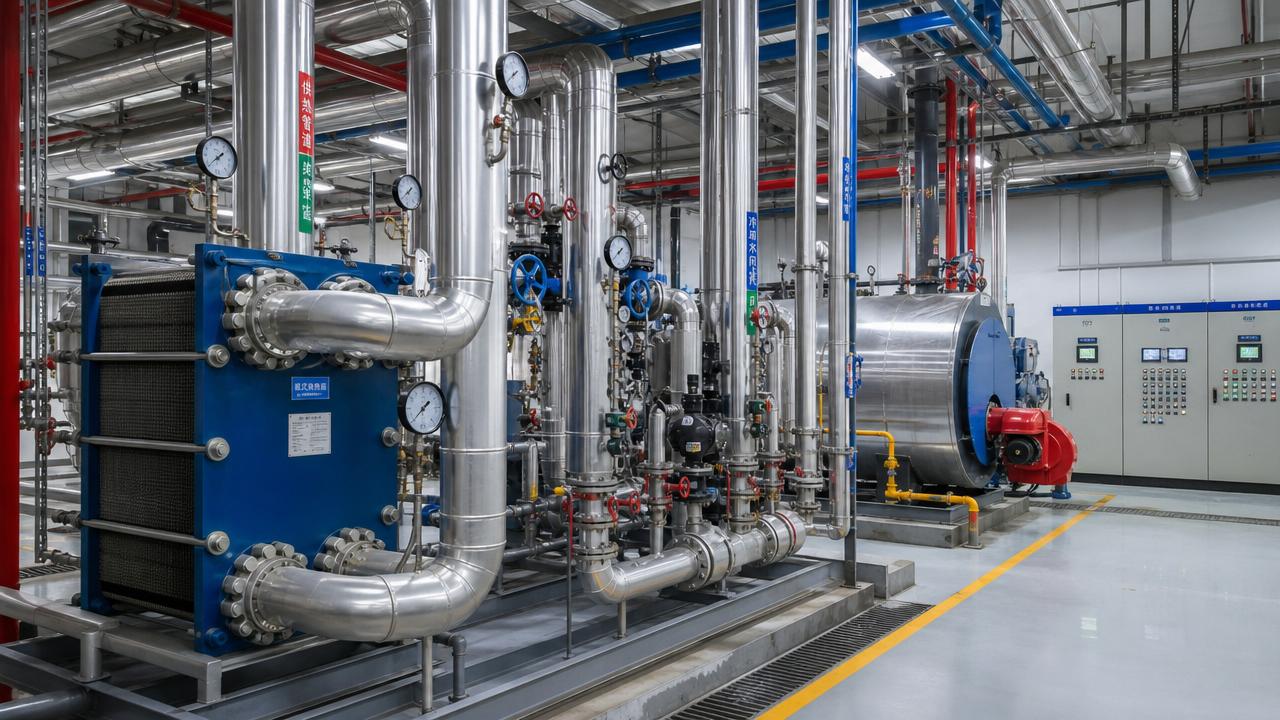
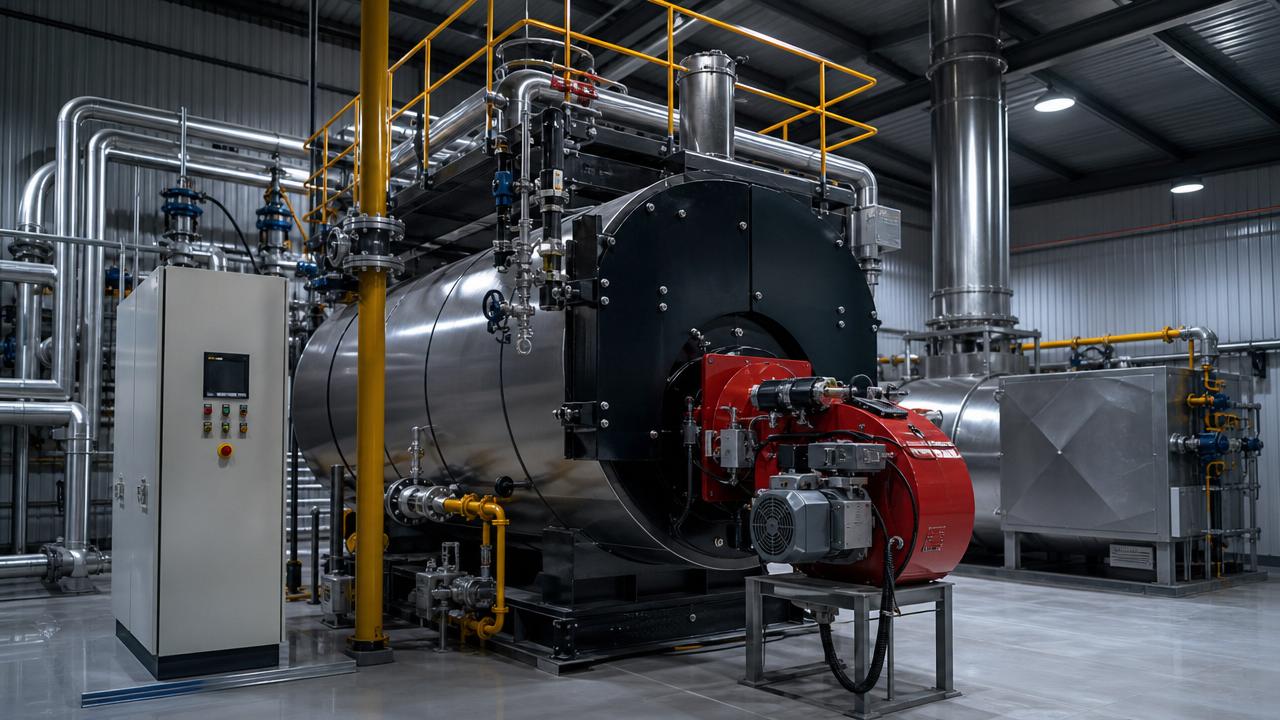
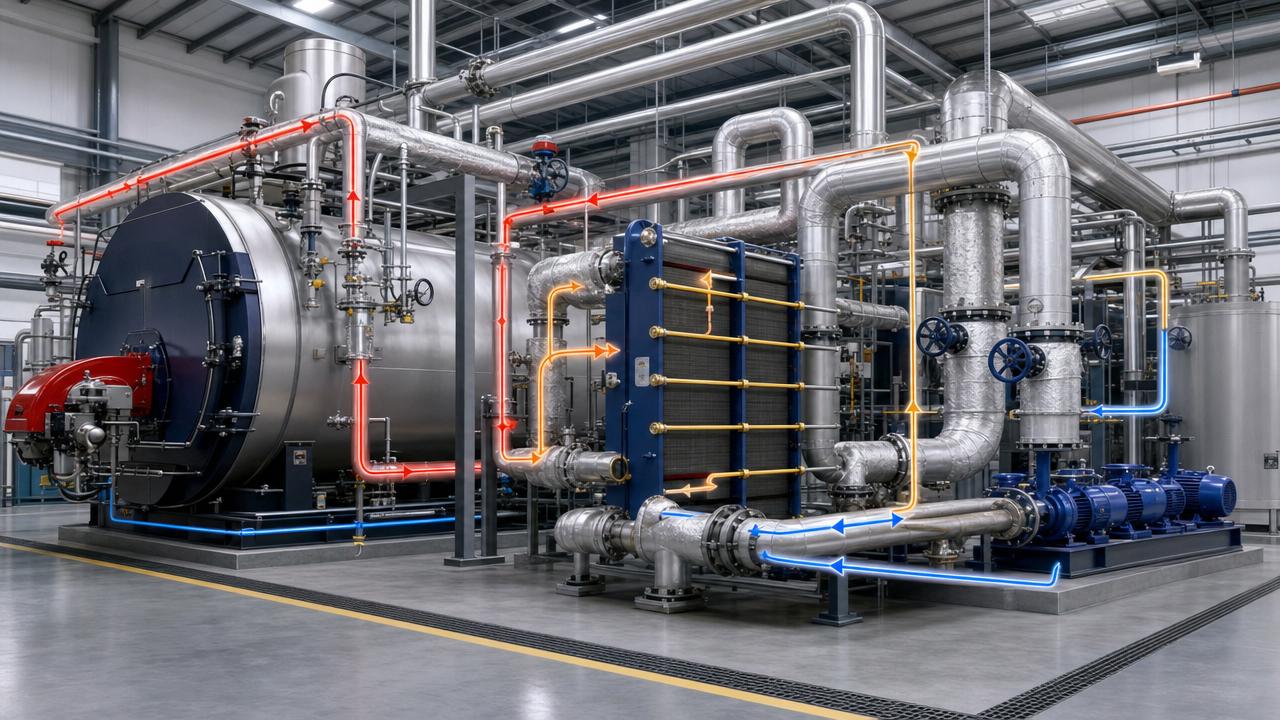
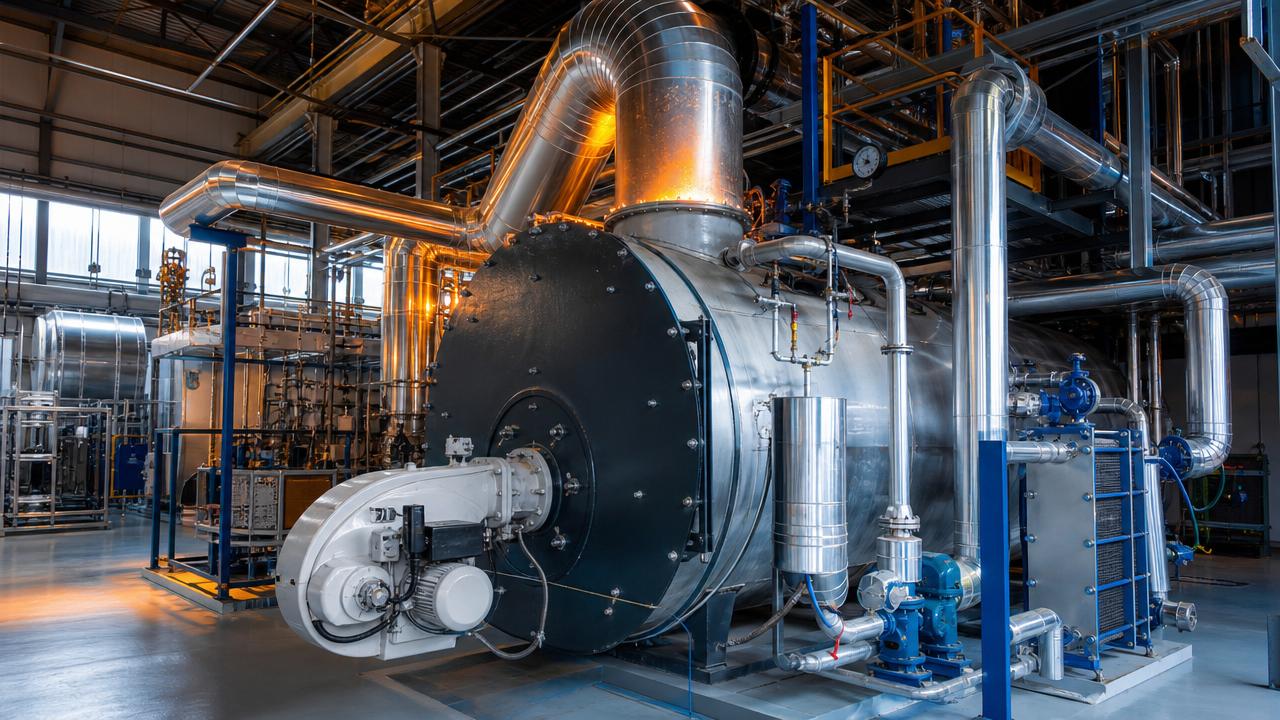
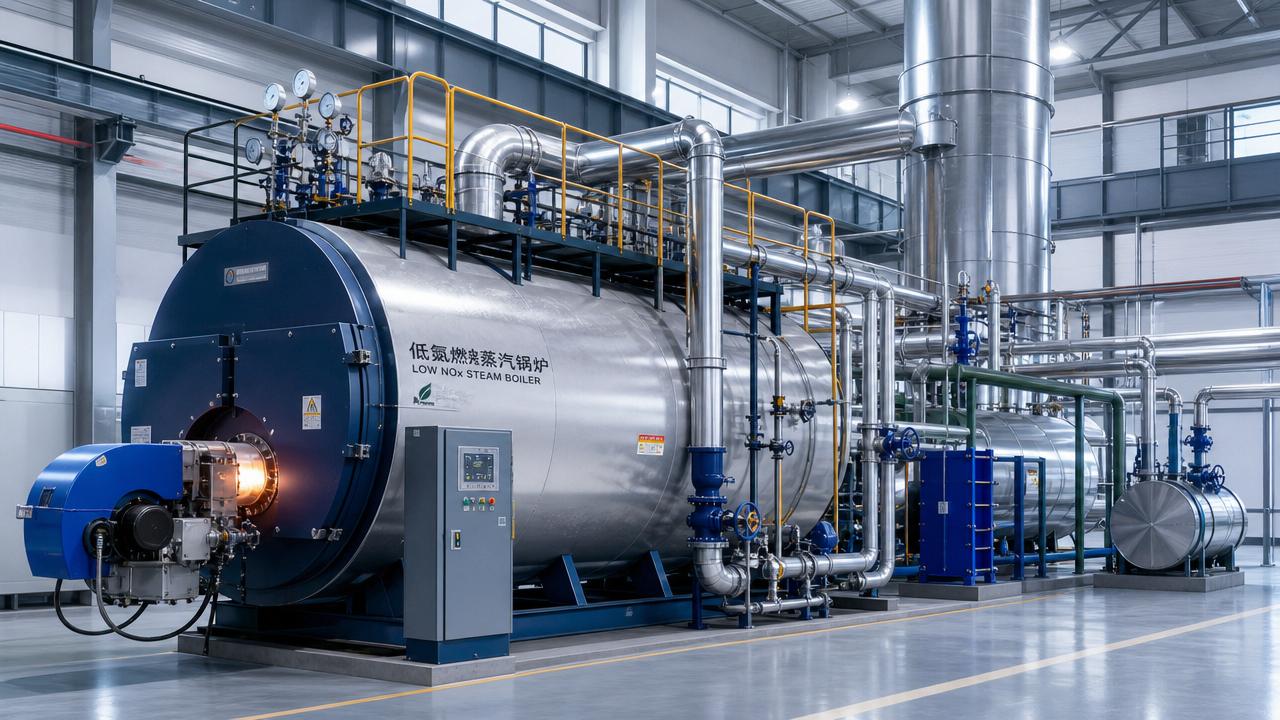
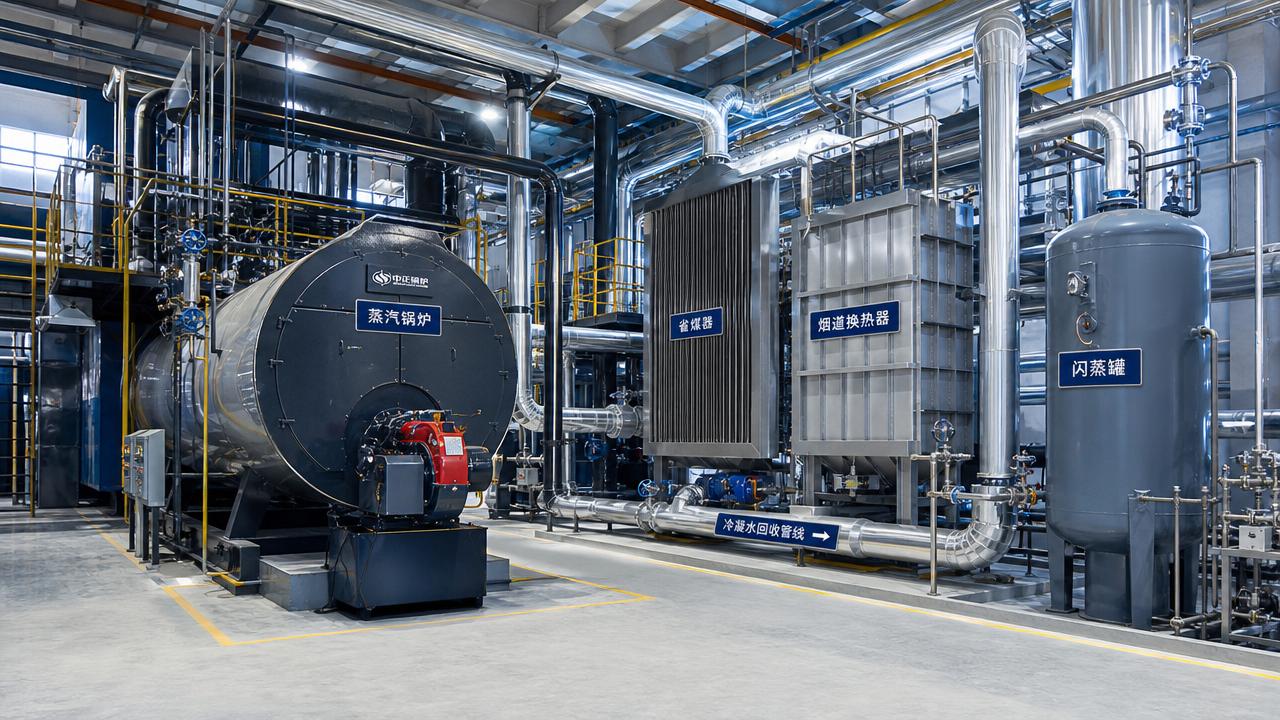
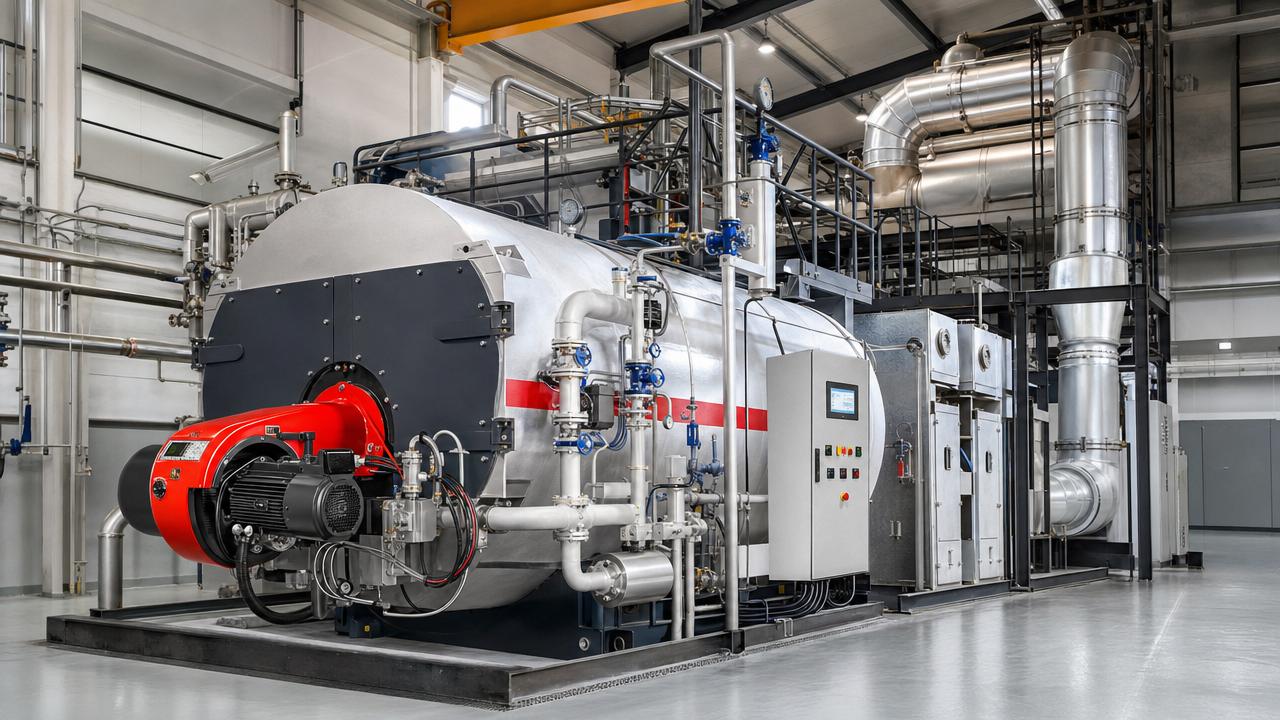
Low-NOx Combustion Boilers: Key Spec Checks Before Purchase




For procurement teams evaluating low-NOx combustion boilers, early spec verification is critical to balancing compliance, efficiency, and lifecycle cost. From emission thresholds and thermal efficiency to fuel flexibility, control systems, and integration requirements, the right checks can prevent costly mismatches. This guide outlines the key specification points buyers should confirm before purchase to support reliable, future-ready industrial operations.
What should buyers verify first when comparing low-NOx combustion boilers?
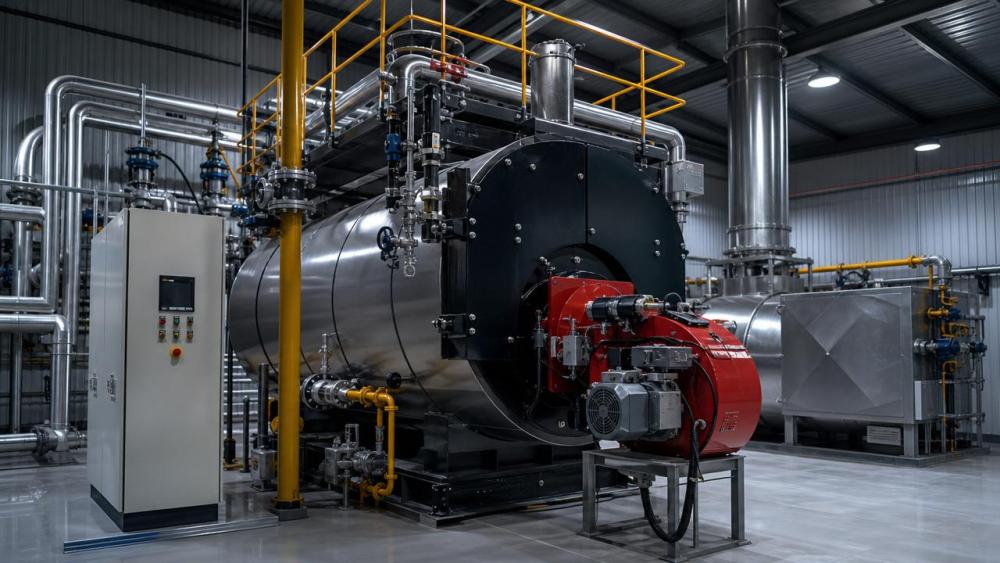
In most industrial procurement cycles, the fastest way to make a wrong decision is to compare only rated capacity and purchase price. Low-NOx combustion boilers must be checked as integrated thermal systems, not as isolated pieces of hardware.
For buyers in general industry, the real challenge is often cross-functional. Procurement must align environmental compliance, utility costs, production continuity, maintenance practicality, and project delivery timing within one specification package.
This is where disciplined pre-purchase verification matters. A boiler that meets the nominal NOx target may still underperform if turndown is too narrow, controls are incompatible, or site gas composition varies beyond burner design limits.
- Confirm the actual emission limit required by the site permit, local code, or corporate decarbonization roadmap rather than relying on a generic “low-NOx” label.
- Check whether quoted thermal efficiency is based on lower heating value or higher heating value, and whether the value applies at full load, part load, or condensing conditions.
- Review fuel flexibility, especially if the facility may use natural gas from different sources, LPG backup, biogas blends, or future hydrogen-enriched fuel streams.
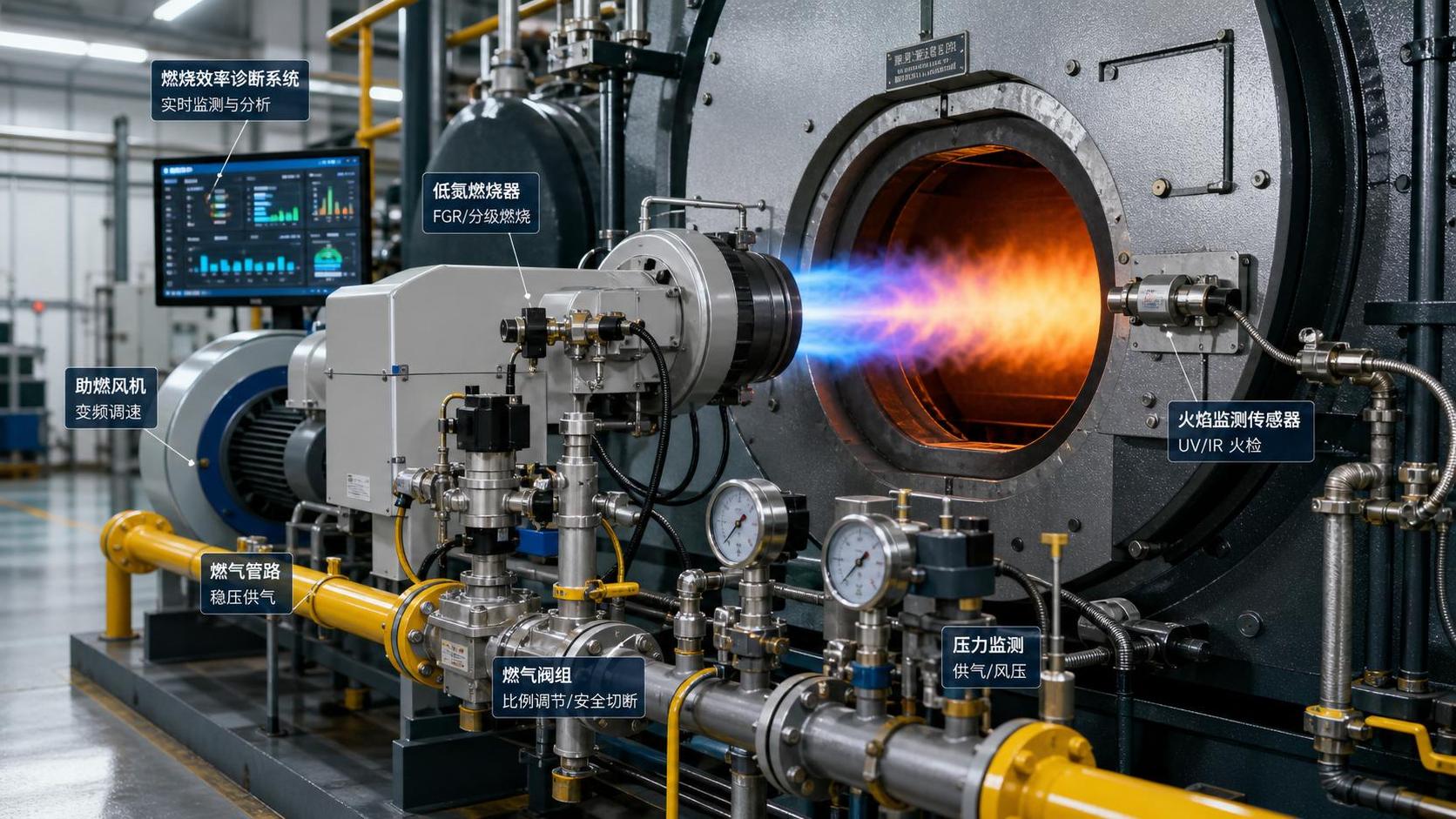
- Verify the control architecture, data communication protocol, alarm logic, and integration capability with plant BMS, DCS, or energy management systems.
- Assess installation constraints such as combustion air quality, venting, water treatment, footprint, access for service, and noise limits.
At GTC-Matrix, low-NOx combustion boilers are evaluated through the same industrial lens used across heat exchange and power conversion systems: not only component performance, but also system efficiency, compliance resilience, and long-term operational fit.
Which technical specifications matter most before purchase?
Buyers often receive datasheets full of attractive claims, but procurement decisions become safer when specifications are translated into operational questions. The table below highlights the most important checks for low-NOx combustion boilers before a request for quotation is finalized.
The key lesson is simple: a compliant low-NOx combustion boiler is not automatically the right boiler. Procurement should compare verified operating envelopes, not just peak performance figures from brochure summaries.
Why the emissions basis needs close attention
NOx figures can be presented under different oxygen reference conditions and reporting units. If one supplier quotes at 3% O2 and another at a different basis, the numbers may look comparable while actually describing different compliance positions.
Buyers should also ask whether the guarantee applies during startup, at part load, and under the site’s actual combustion air conditions. Industrial facilities rarely operate at one ideal design point.
Why part-load behavior often matters more than nameplate output
Many plants do not run boilers continuously at full load. Seasonal variation, shift changes, batch processing, and utility coordination all push systems into part-load operation. That makes modulation quality and turndown ratio highly relevant to fuel economy and burner life.
How do application scenarios change the right low-NOx combustion boiler choice?
The best specification set depends on the thermal duty. A boiler serving a stable base-load utility loop should not be specified the same way as a unit feeding a variable food line, a clean steam process, or a semiconductor support system.
Procurement teams benefit from mapping the boiler to the process profile first, then validating the equipment design. This reduces the chance of paying for features that deliver little value or overlooking features that protect uptime.
This scenario-based approach is increasingly important as industrial thermal systems become more interconnected. GTC-Matrix tracks how different sectors prioritize purity, thermal precision, service continuity, and energy efficiency, helping buyers align boiler specs with the actual production environment.
What procurement mistakes create the highest lifecycle cost?
Low purchase price can hide expensive downstream penalties. In low-NOx combustion boilers, lifecycle cost usually rises when the selected unit cannot match demand patterns, requires difficult maintenance access, or needs corrective upgrades after compliance review.
Common errors seen in industrial buying
- Choosing by nominal output only, without reviewing minimum stable load and daily operating profile.
- Assuming all low-NOx combustion boilers have similar burner control quality and emissions stability.
- Ignoring stack design, condensate handling, and combustion air cleanliness during site planning.
- Overlooking spare parts lead time, burner tuning support, and local service capability.
- Failing to define document requirements, such as datasheets, I/O lists, P&ID interfaces, and commissioning records, before award.
For procurement managers under delivery pressure, these issues are easy to underestimate. Yet they directly affect installation duration, startup success, environmental reporting, and maintenance budget over the life of the asset.
A practical lifecycle cost view
A disciplined evaluation should combine capital cost with fuel spend, maintenance intervals, tuning frequency, downtime exposure, compliance reporting needs, and upgrade potential. In many facilities, fuel efficiency and operating stability outweigh small differences in initial quotation value.
How should buyers compare compliance, controls, and integration requirements?
Low-NOx combustion boilers sit at the intersection of combustion technology, plant automation, and environmental management. That means the purchase decision should involve more than procurement and the vendor’s sales team.
Cross-functional checks before supplier shortlist
- Ask operations to provide the real load profile, not just design capacity. Include startup frequency, batch variability, and seasonal swings.
- Ask EHS or compliance teams to confirm reporting units, local NOx thresholds, and any expected tightening of permit limits.
- Ask automation engineers to specify required communication protocols, remote monitoring points, and alarm hierarchy.
- Ask maintenance teams to review burner accessibility, refractory or heat-exchanger inspection routines, and critical spare recommendations.
- Ask project teams to verify footprint, lifting route, venting path, utility tie-ins, and commissioning sequence.
This process reduces hidden scope creep. It also improves quotation comparability because suppliers respond to the same technical and operational baseline instead of interpreting broad requirements differently.
Standards and documentation buyers should request
Specific requirements vary by region and application, but buyers should generally request emissions data basis, efficiency test basis, burner control description, wiring and interface documentation, recommended water quality parameters, and startup or tuning requirements. Where applicable, ask suppliers to clarify alignment with common regional boiler, combustion safety, and pressure equipment regulations.
What does a solid procurement checklist for low-NOx combustion boilers look like?
A structured checklist helps procurement teams separate must-have requirements from negotiable options. It also speeds internal approval because technical reviewers can validate one consolidated document instead of multiple scattered emails and quotations.
Pre-award checklist
- Rated output matches maximum duty with a realistic operating margin, not excessive oversizing.
- Minimum stable firing rate aligns with low-load demand to avoid short cycling.
- Guaranteed NOx performance is clearly stated with test basis and operating conditions.
- Thermal efficiency is documented with standard, fuel basis, and expected return temperature conditions.
- Fuel pressure, composition tolerance, and any future fuel adaptation options are confirmed.
- Control panel interfaces, BMS/DCS integration points, and remote monitoring requirements are listed.
- Installation scope covers venting, condensate management, combustion air, electrical supply, and water treatment needs.
- Commissioning, tuning, operator training, spare parts list, and warranty boundaries are documented.
For buyers handling multiple utility assets, this checklist method is especially effective because it creates a repeatable framework across boilers, heat exchangers, compressed air systems, and related thermal equipment.
FAQ: questions procurement teams often ask about low-NOx combustion boilers
Are all low-NOx combustion boilers suitable for future stricter emissions rules?
Not necessarily. Some systems meet current thresholds only under narrow operating conditions. Buyers should ask about emissions stability across the modulation range, tuning requirements, and whether the design has headroom for future compliance tightening.
How important is turndown ratio in procurement decisions?
It is often critical. A strong turndown ratio supports efficient operation during partial demand, which is common in industrial plants. If the boiler cannot stay stable at low load, fuel waste and cycling stress increase.
Should buyers prioritize condensing efficiency claims?
Only if the system return temperatures and operating conditions actually allow condensing operation for meaningful periods. Otherwise, the practical efficiency benefit may be lower than expected. Match the claim to the site thermal profile.
What documents should be requested before final approval?
At minimum, request a detailed datasheet, performance curves, emissions basis, general arrangement drawing, utility requirements, controls interface list, recommended commissioning scope, and spare parts recommendations. These documents reduce ambiguity during technical review and installation planning.
Why work with GTC-Matrix when evaluating low-NOx combustion boilers?
Low-NOx combustion boilers do not exist in isolation. They influence and are influenced by plant-wide heat exchange, energy cost dynamics, thermal control strategy, and the broader decarbonization path of industrial operations.
GTC-Matrix supports procurement and technical teams with an intelligence-driven perspective shaped by thermodynamics analysts, pneumatic power engineers, and industrial economists. This approach helps buyers move beyond headline specifications toward better decisions on compatibility, efficiency, compliance exposure, and investment timing.
What you can consult us on
- Parameter confirmation for low-NOx combustion boilers, including emissions basis, efficiency assumptions, and turndown implications.
- Product selection guidance based on process load profile, fuel conditions, and plant integration requirements.
- Delivery planning support covering documentation expectations, commissioning scope, and risk points that commonly delay startup.
- Custom solution discussions where boiler selection must align with heat exchange systems, compressed air infrastructure, or broader utility optimization goals.
- Certification and compliance topic review, especially when procurement must compare supplier claims across different reporting standards or regions.
- Quotation communication support focused on technical comparability rather than price alone, helping teams avoid costly specification gaps.
If your team is screening low-NOx combustion boilers for a new facility, upgrade, or replacement project, GTC-Matrix can help structure the decision around the checks that matter most before purchase. That means clearer specifications, better supplier comparison, and a more reliable path from inquiry to operation.
Related News
- Low-NOx Boilers Cost Breakdown: Upfront Price, Fuel Savings, and PaybackAuthor :Thermal Energy Strategist

- Boiler Combustion Systems: Common Causes of Unstable Fuel PerformanceAuthor :Thermal Energy Strategist

- Hot Water Industrial Boilers: When Efficiency Gains Justify ReplacementAuthor :Thermal Energy Strategist

- What Boiler Efficiency Really Means in Daily Operation and Energy BillsAuthor :Thermal Energy Strategist

- Boiler Efficiency Testing Methods That Expose Heat Loss and Fuel WasteAuthor :Thermal Energy Strategist

- Industrial Burner Systems: Key Factors for Safe Heat OutputAuthor :Thermal Energy Strategist

- Gas-Fired Boiler Combustion Technology: Key Efficiency and Emissions Trade-OffsAuthor :Thermal Energy Strategist

- Unfired Heat Recovery Steam Generators: When Do They Pay Off?Author :Thermal Energy Strategist

- How to Evaluate Steam Generation Systems Electric for Process Heat ProjectsAuthor :Thermal Energy Strategist

- Thermal Power Systems for Industrial Heating: Common Sizing Mistakes to AvoidAuthor :Thermal Energy Strategist

- Low-NOx Condensing Boilers: How to Compare Efficiency and EmissionsAuthor :Thermal Energy Strategist
![]()
- Low Emissions Boilers for Food Processing: Key Compliance and Fuel Cost FactorsAuthor :Thermal Energy Strategist

- Steam System Efficiency Calculation: Key Inputs That Change the ResultAuthor :Thermal Energy Strategist

- How to Evaluate a Steam Boiler Components Exporter Before OrderingAuthor :Thermal Energy Strategist

- Burner Systems Troubleshooting: Common Efficiency Loss CausesAuthor :Thermal Energy Strategist

- EU PED Q2 Rules Require Digital Compliance TagsAuthor :Thermal Energy Strategist

- Thermal Power Systems: Key Efficiency Risks in Daily OperationAuthor :Thermal Energy Strategist

- Low-NOx Combustion Boilers: Key Efficiency and Compliance ChecksAuthor :Thermal Energy Strategist

- Low-NOx Combustion Boilers: Key Specs That Affect Emissions and Fuel UseAuthor :Thermal Energy Strategist

- Low-NOx Combustion Boilers: Key Compliance RisksAuthor :Thermal Energy Strategist

- Thermodynamics Analysis for Boiler Heat-Loss ReductionAuthor :Thermal Energy Strategist

- Industrial Thermal Systems: Common Operating RisksAuthor :Thermal Energy Strategist

- Low-NOx Combustion Boilers: Key Spec Checks Before PurchaseAuthor :Thermal Energy Strategist

- How Industrial Heat Recovery Cuts Boiler Fuel Costs in 2026Author :Thermal Energy Strategist

- Thermodynamics Analysis: 5 Heat Loss Clues in Steam BoilersAuthor :Thermal Energy Strategist

- Low-NOx Combustion Boilers: What Affects Real Emissions PerformanceAuthor :Thermal Energy Strategist

- Thermodynamics Analysis: Finding Heat Loss in Steam BoilersAuthor :Thermal Energy Strategist

- 2026 Steam Boiler Upgrades for Lower NOx and Fuel CostsAuthor :Thermal Energy Strategist

- EU to Expand CBAM to Steam Boilers; Exporters Must Prepare Carbon DataAuthor :Thermal Energy Strategist

- Industrial Heat Recovery: When Payback Beats New Boiler CapacityAuthor :Thermal Energy Strategist

- Carbon Neutrality Targets and the New Boiler Retrofit PaybackAuthor :Thermal Energy Strategist

- Low-NOx Combustion Boilers: Fuel Savings vs Emission LimitsAuthor :Thermal Energy Strategist

- Industrial Energy Efficiency Benchmarks for Steam Boiler Upgrades in 2026Author :Thermal Energy Strategist

- Low-NOx Combustion Boilers: Efficiency vs Emissions in 2026Author :Thermal Energy Strategist

- Industrial Heat Recovery Options for Steam Boiler SavingsAuthor :Thermal Energy Strategist

- Low-NOx Combustion Boilers and 2026 Compliance PressureAuthor :Thermal Energy Strategist