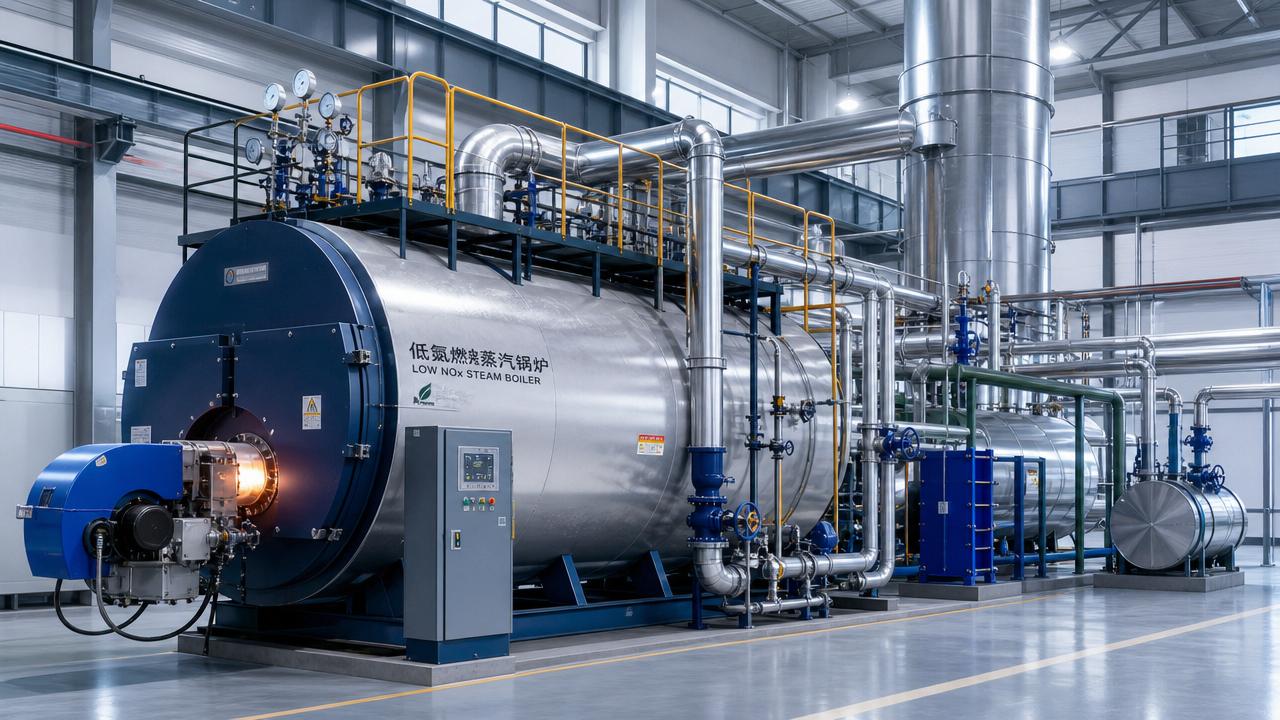
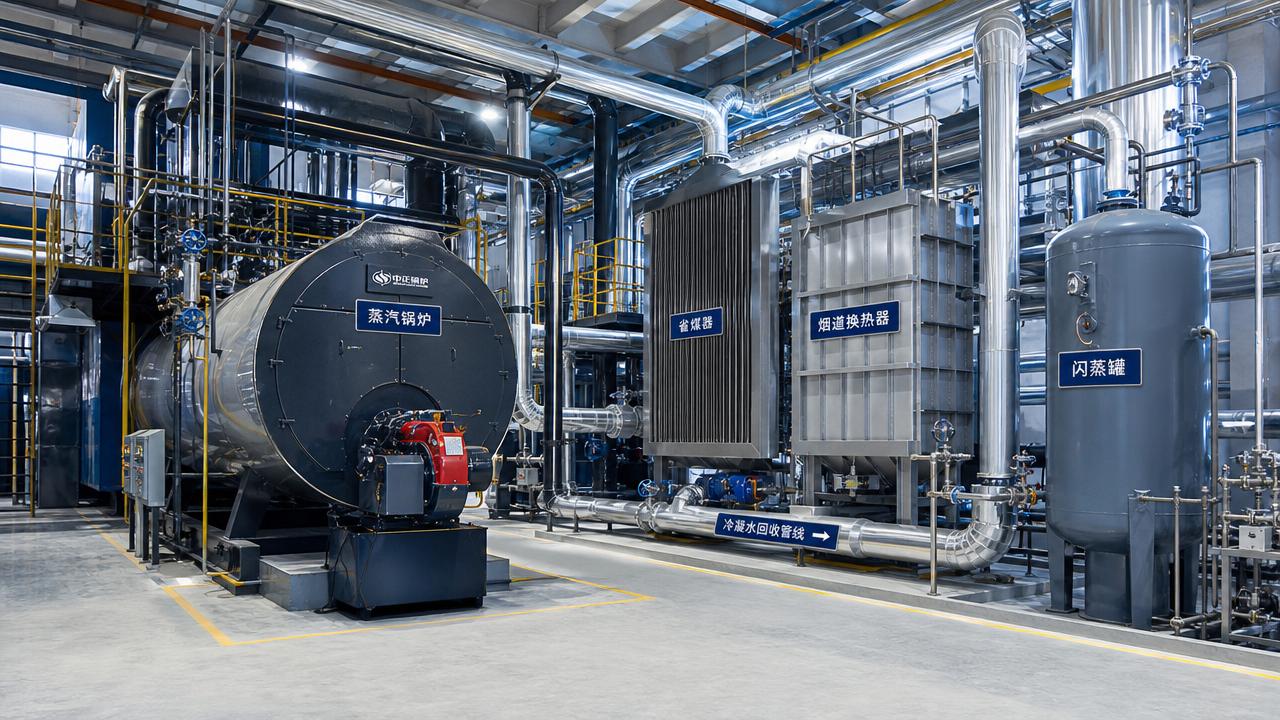
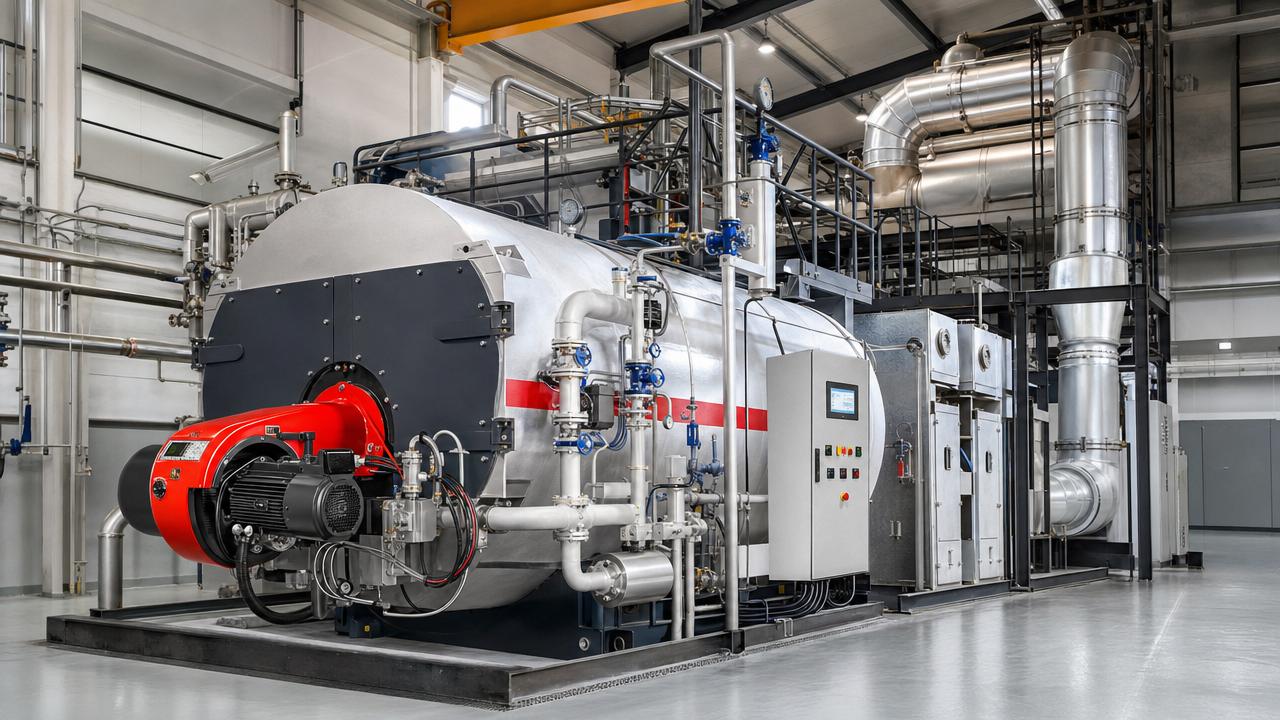
Low-NOx Combustion Boilers: Key Specs That Affect Emissions and Fuel Use




Low-NOx combustion boilers sit at the intersection of compliance, fuel cost, and thermal reliability. For many industrial heat users, the real decision is not whether low emissions matter, but how far emissions reduction can go without weakening efficiency, controllability, or uptime.
That balance is receiving closer attention as energy prices stay volatile and emissions limits tighten across manufacturing, process heating, district energy, and institutional facilities. In practical terms, burner architecture, excess air strategy, turndown, flue gas recirculation, and heat-transfer design often matter more than the headline NOx claim on a brochure.
Seen through the lens of GTC-Matrix, this is part of a wider thermal efficiency question. The same thermodynamic discipline used to evaluate compressors and heat exchangers also helps explain why two low-NOx combustion boilers with similar capacities can perform very differently in the field.
What low-NOx performance really means
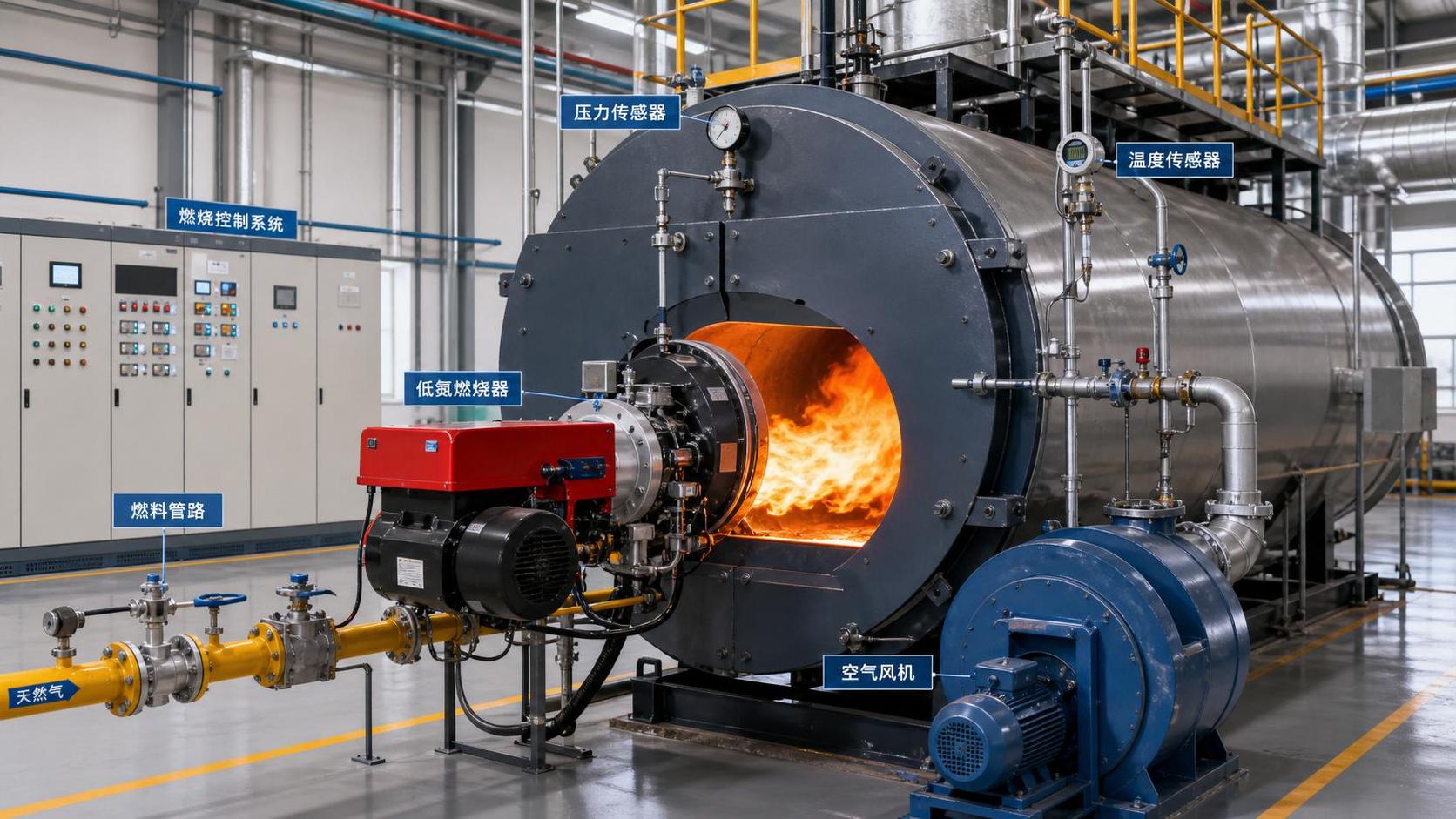
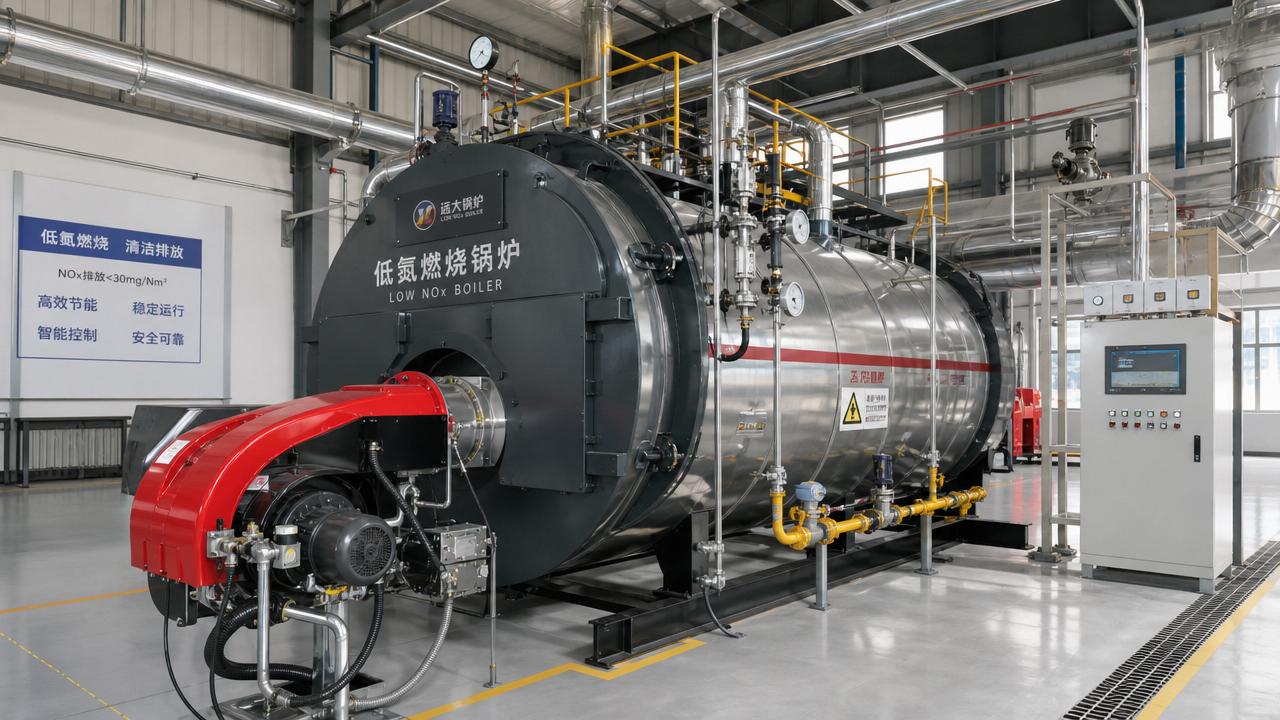
A low-NOx boiler is designed to limit nitrogen oxide formation during combustion. That usually means controlling flame temperature, oxygen availability, fuel-air mixing, and residence time inside the combustion zone.
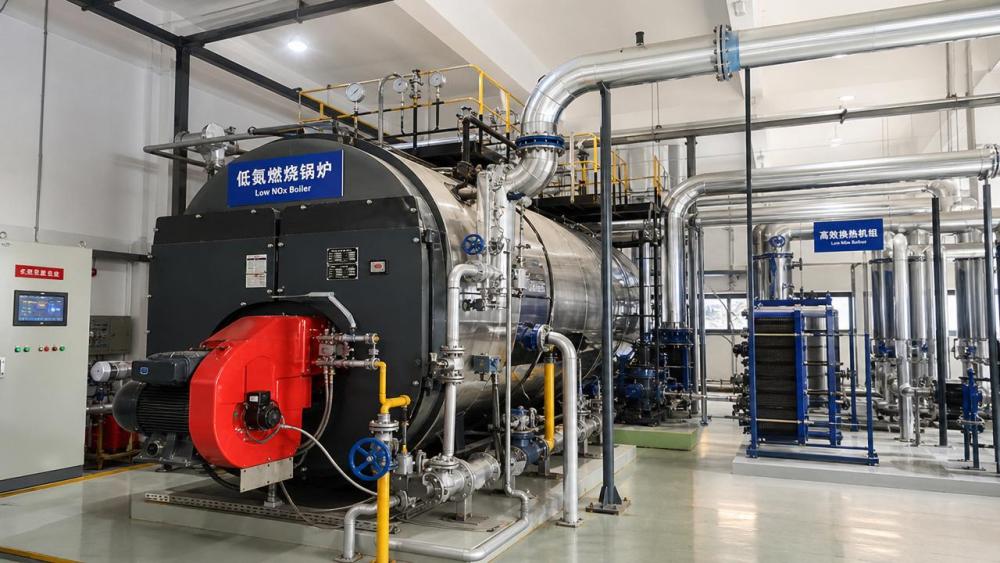
In specification reviews, the emissions number should never be read alone. It needs operating context, including fuel type, load range, excess oxygen, ambient conditions, and whether the value is corrected to a reference oxygen percentage.
This matters because ultra-low NOx often involves trade-offs. If the burner reduces peak flame temperature too aggressively, combustion stability can suffer at low load. If excess air rises to protect stability, stack losses can increase.
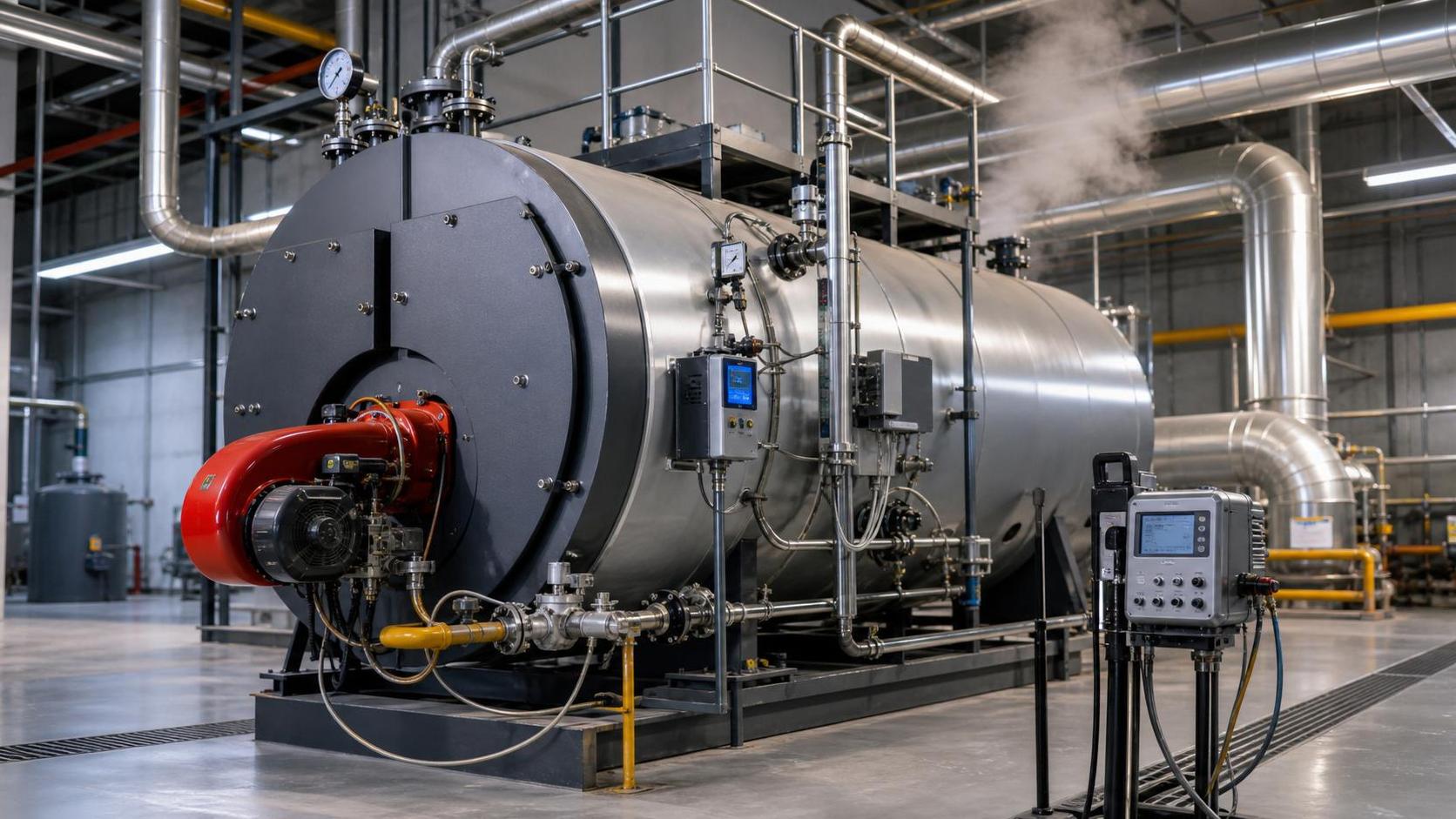
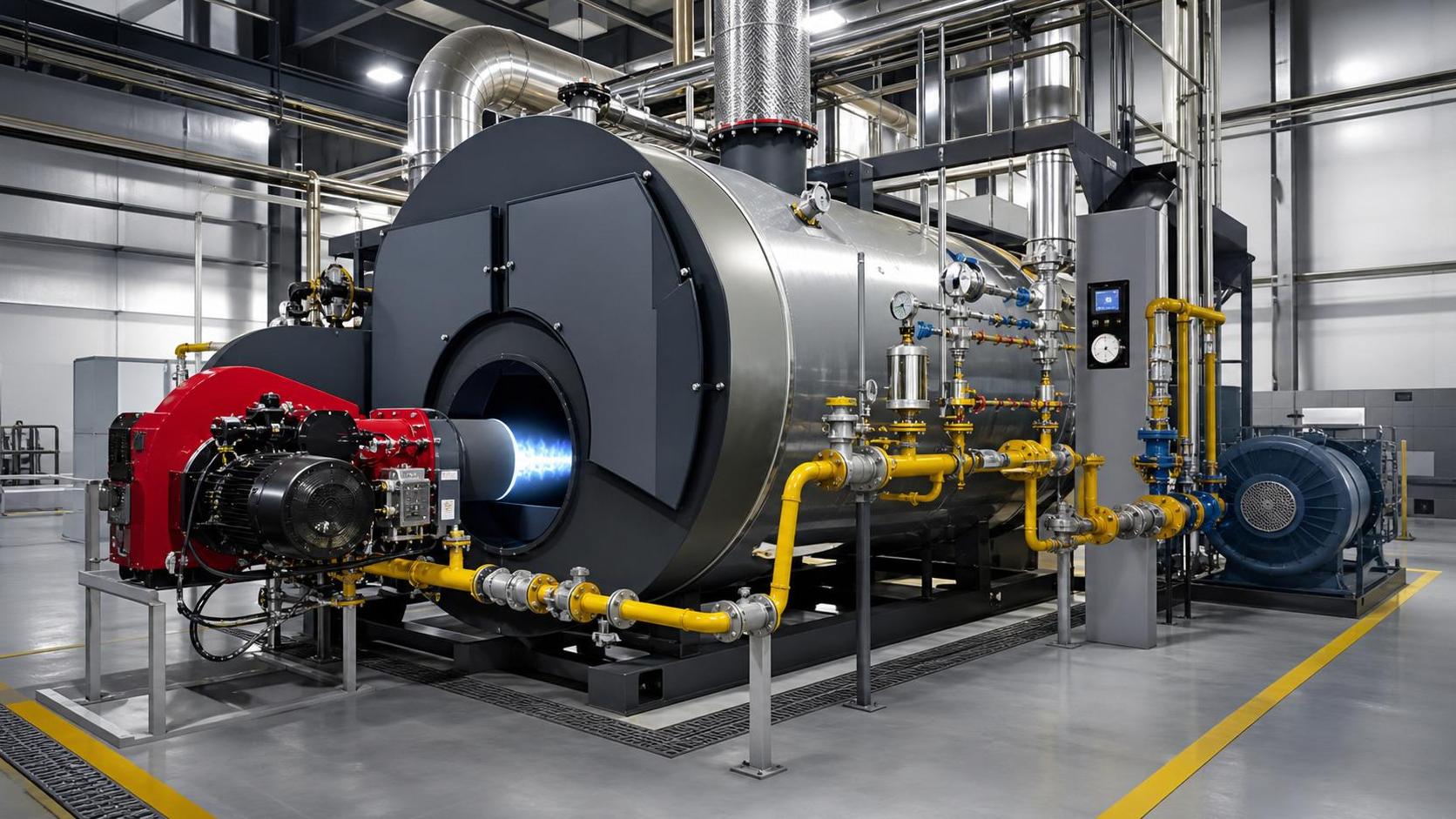
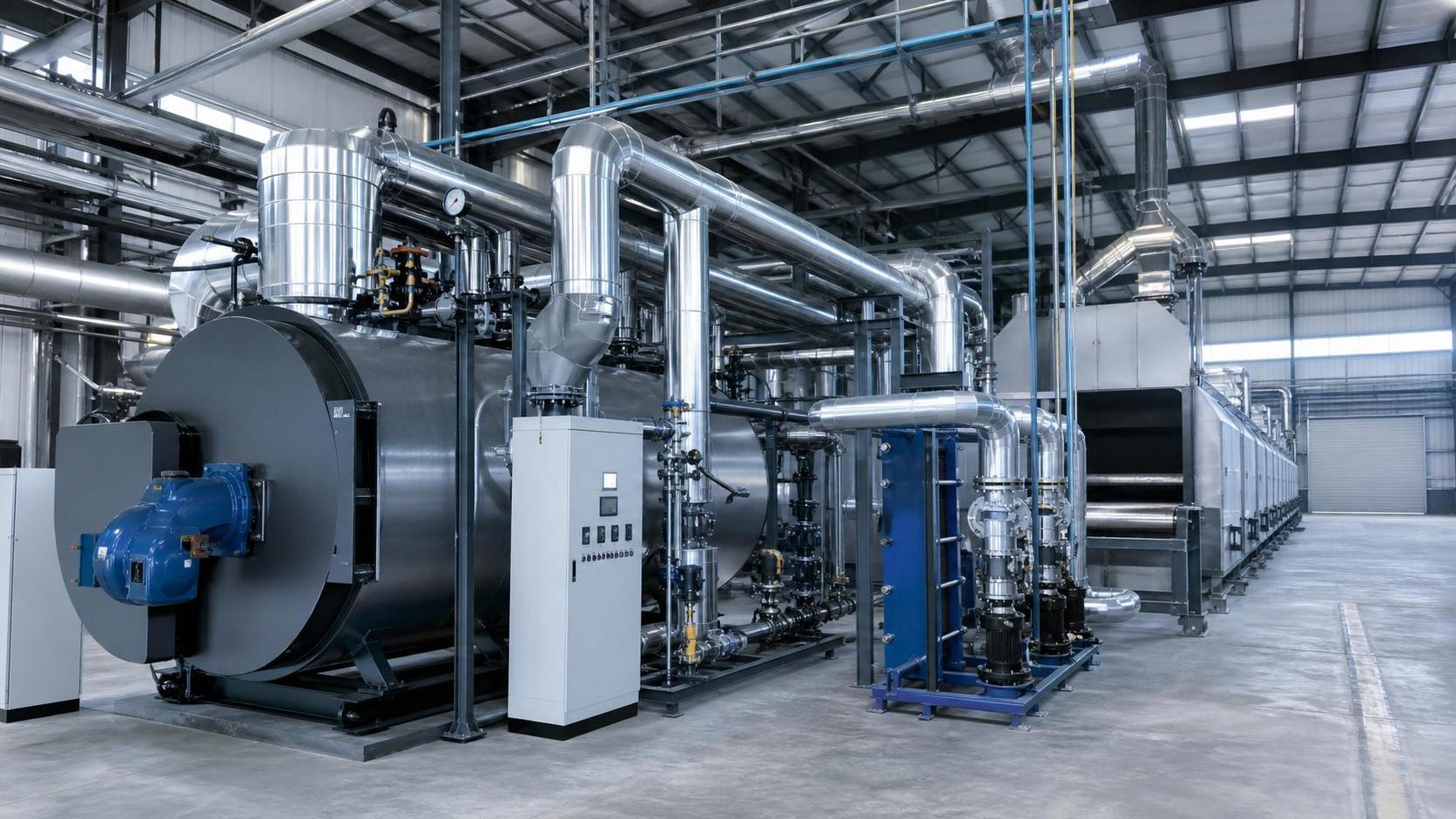
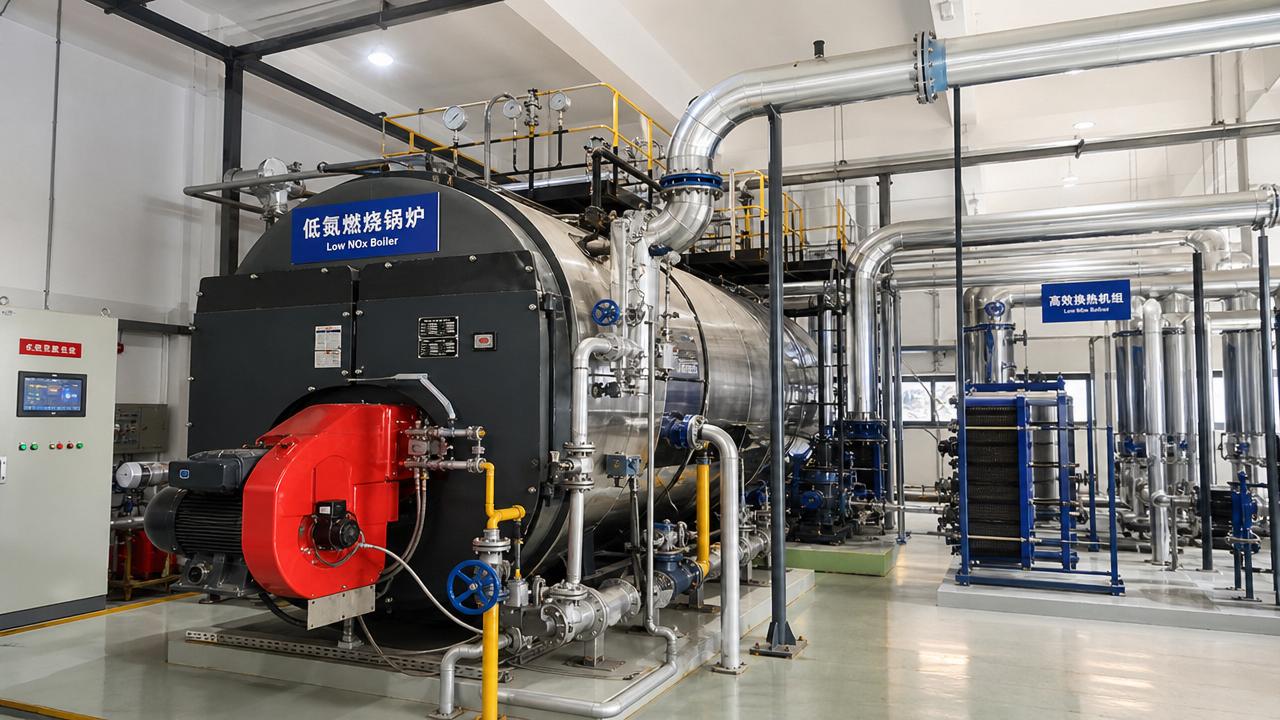
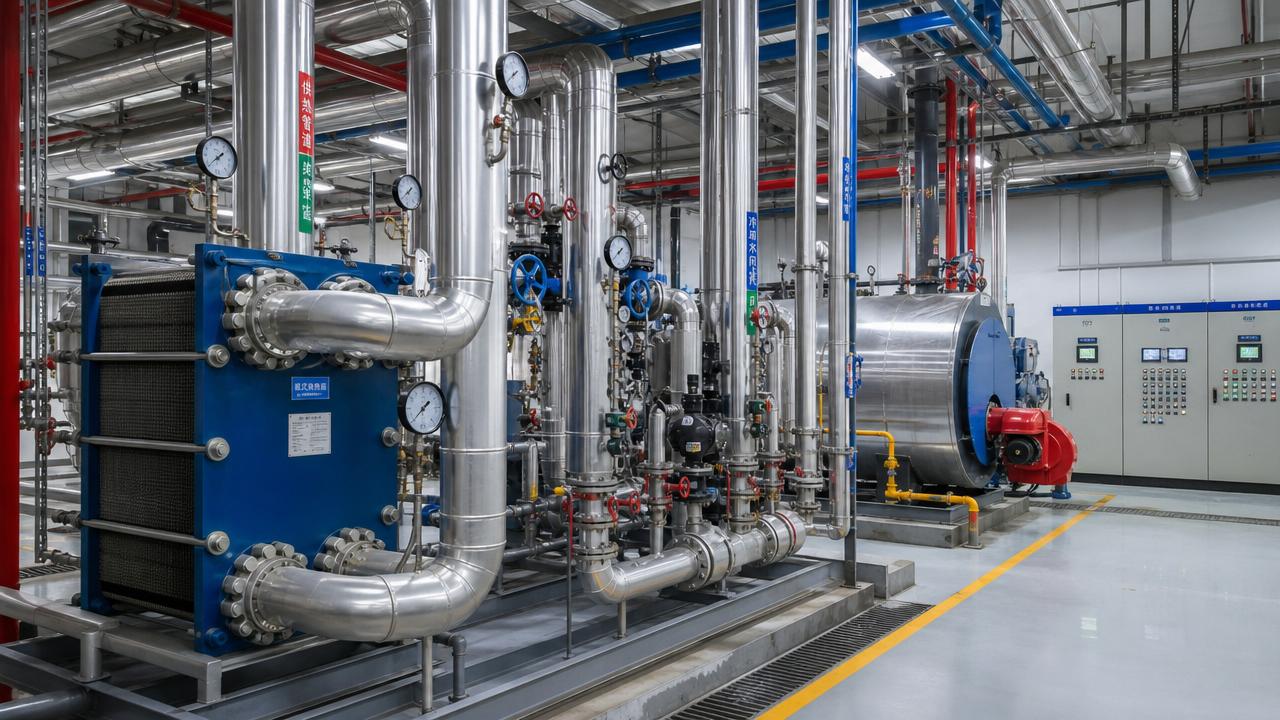
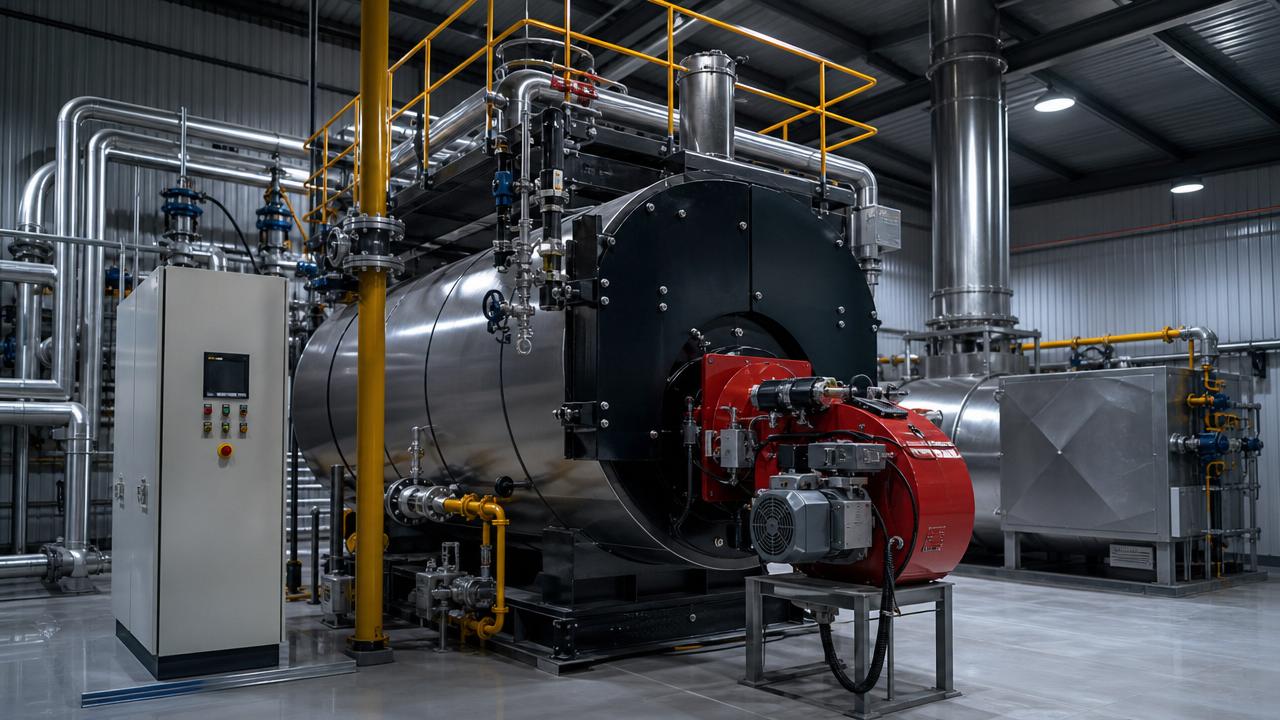
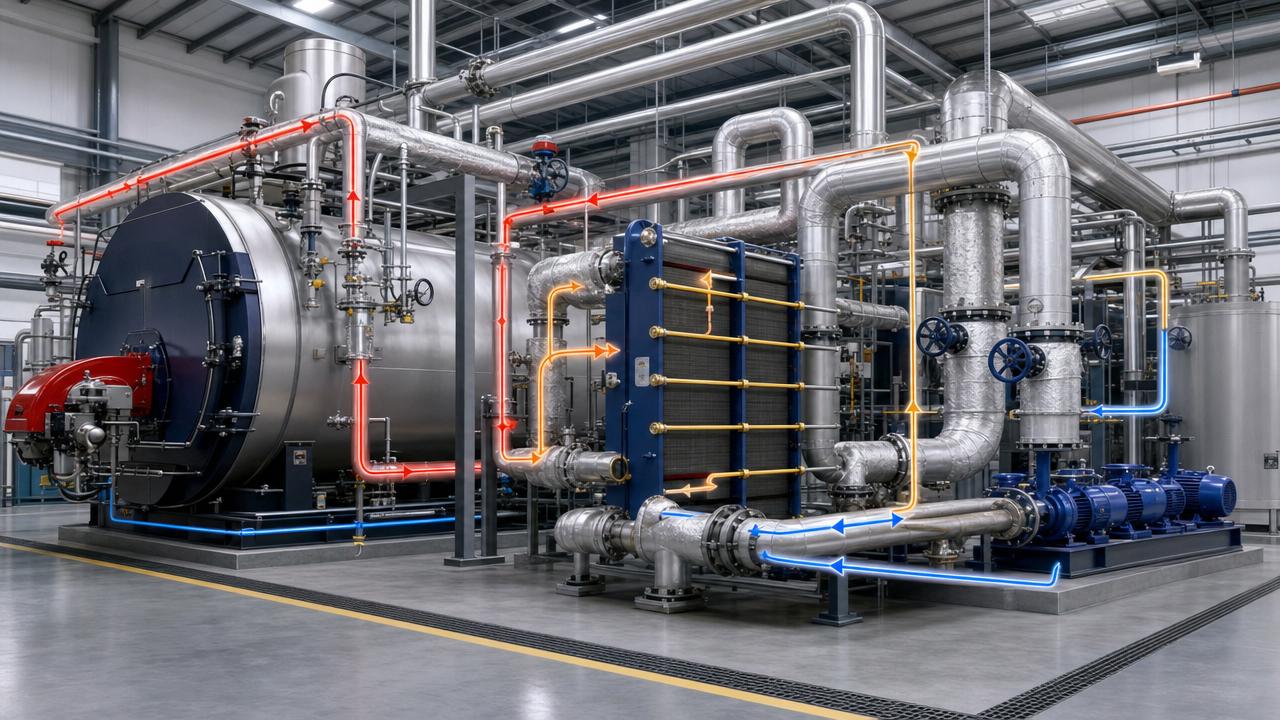
In other words, low-NOx combustion boilers should be assessed as complete thermal systems, not as isolated burners. The boiler body, control package, heat exchanger surfaces, and venting arrangement all affect the final result.
Why the market is paying closer attention
Three forces are pushing this topic higher on evaluation lists. The first is regulation. Regional air-quality rules increasingly focus on combustion sources that were once considered routine utility equipment.
The second is fuel economics. A boiler plant can meet emissions limits and still underperform financially if part-load efficiency drops, cycling increases, or combustion tuning drifts over time.
The third is process sensitivity. Sectors tracked closely by GTC-Matrix, including pharmaceutical, semiconductor, and advanced food processing, depend on stable thermal delivery as much as nominal efficiency.
That is why low-NOx combustion boilers are now evaluated not only for air permitting, but also for lifecycle energy use, control precision, maintenance burden, and compatibility with decarbonization roadmaps.
The specifications that change both emissions and fuel use
Several specifications carry disproportionate weight in real-world outcomes. Some are visible in datasheets. Others only become clear in detailed technical submittals or commissioning records.
Burner design and flame management
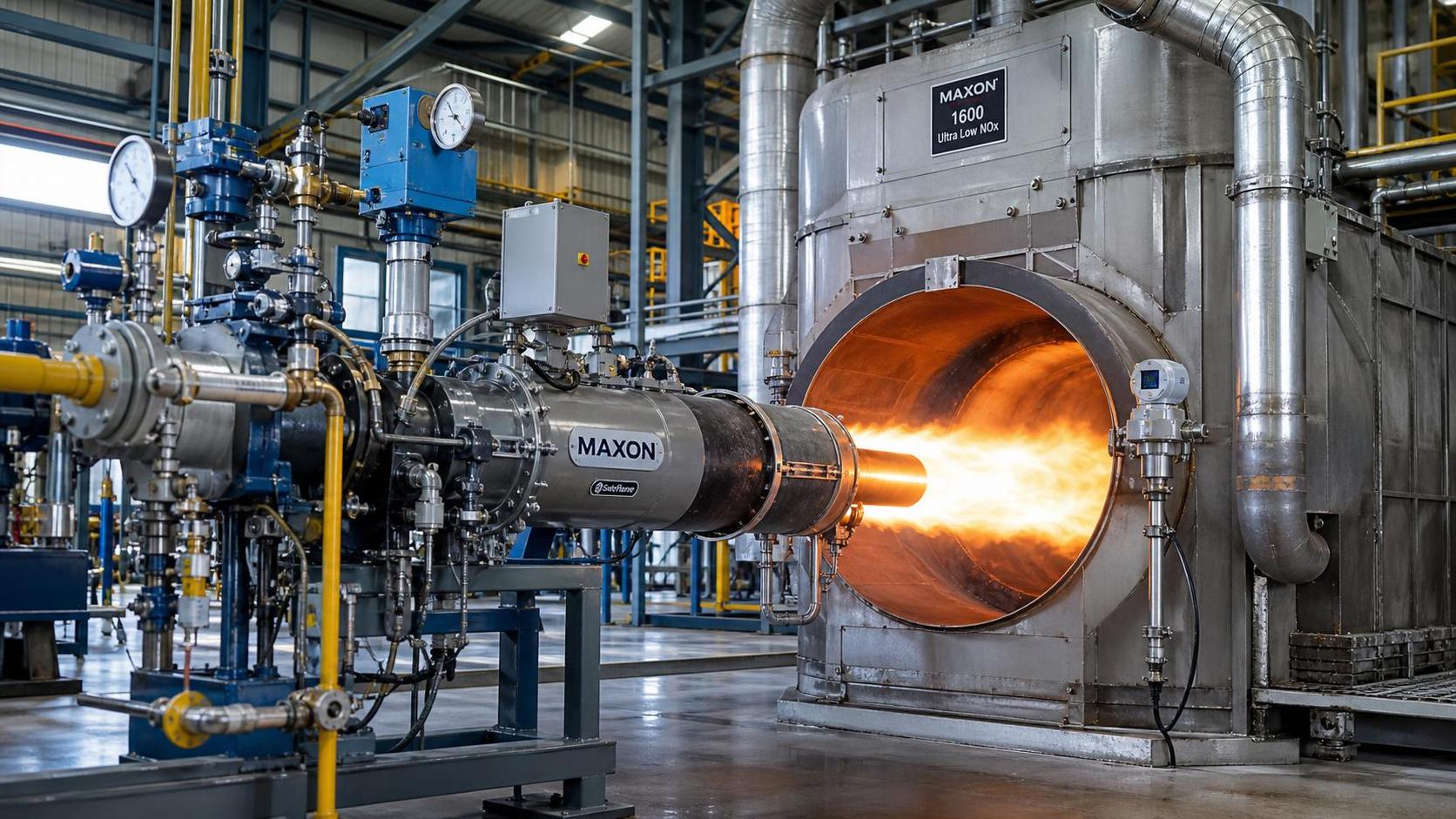
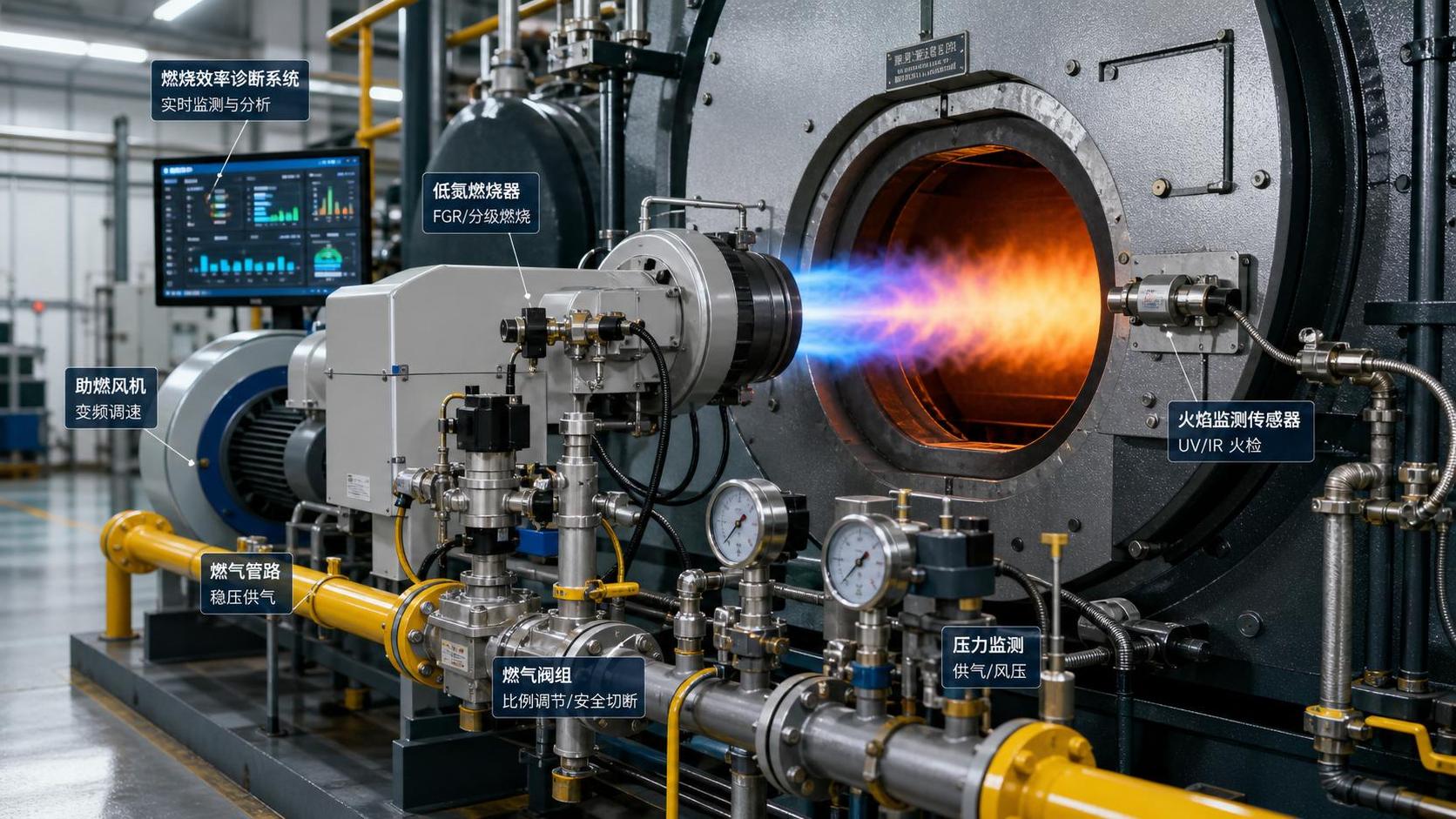
Premix, staged combustion, and surface-stabilized burner concepts can each reduce NOx, but they do so differently. The evaluation point is not the label. It is how the flame remains stable across load changes.
A burner that delivers excellent emissions at one test point may become less attractive if ignition reliability, flame signal strength, or low-load stability weakens in actual duty cycles.
Excess air and oxygen control
Excess air protects complete combustion, yet too much of it sends heat up the stack. Low-NOx combustion boilers often need tighter air-fuel control because the margin between low emissions and wasted fuel can be narrow.
Oxygen trim systems help, but their value depends on sensor accuracy, response speed, and integration with burner controls. A trim loop that drifts or reacts slowly can erode both efficiency and compliance.
Turndown ratio
Turndown determines how far the boiler can modulate before cycling. Higher turndown usually supports lower seasonal fuel use because it reduces start-stop losses and improves load matching.
It also affects emissions. A boiler that cycles frequently can create repeated transient conditions where combustion is less optimized than during steady operation.
Flue gas recirculation and internal recirculation effects
External flue gas recirculation lowers flame temperature and reduces thermal NOx. Internal recirculation through burner geometry can achieve a similar effect with less piping complexity.
The important question is how these methods influence fan power, maintenance, controllability, and sensitivity to fouling. A low-NOx number is valuable only if the system remains repeatable over time.
Heat transfer surface and stack temperature
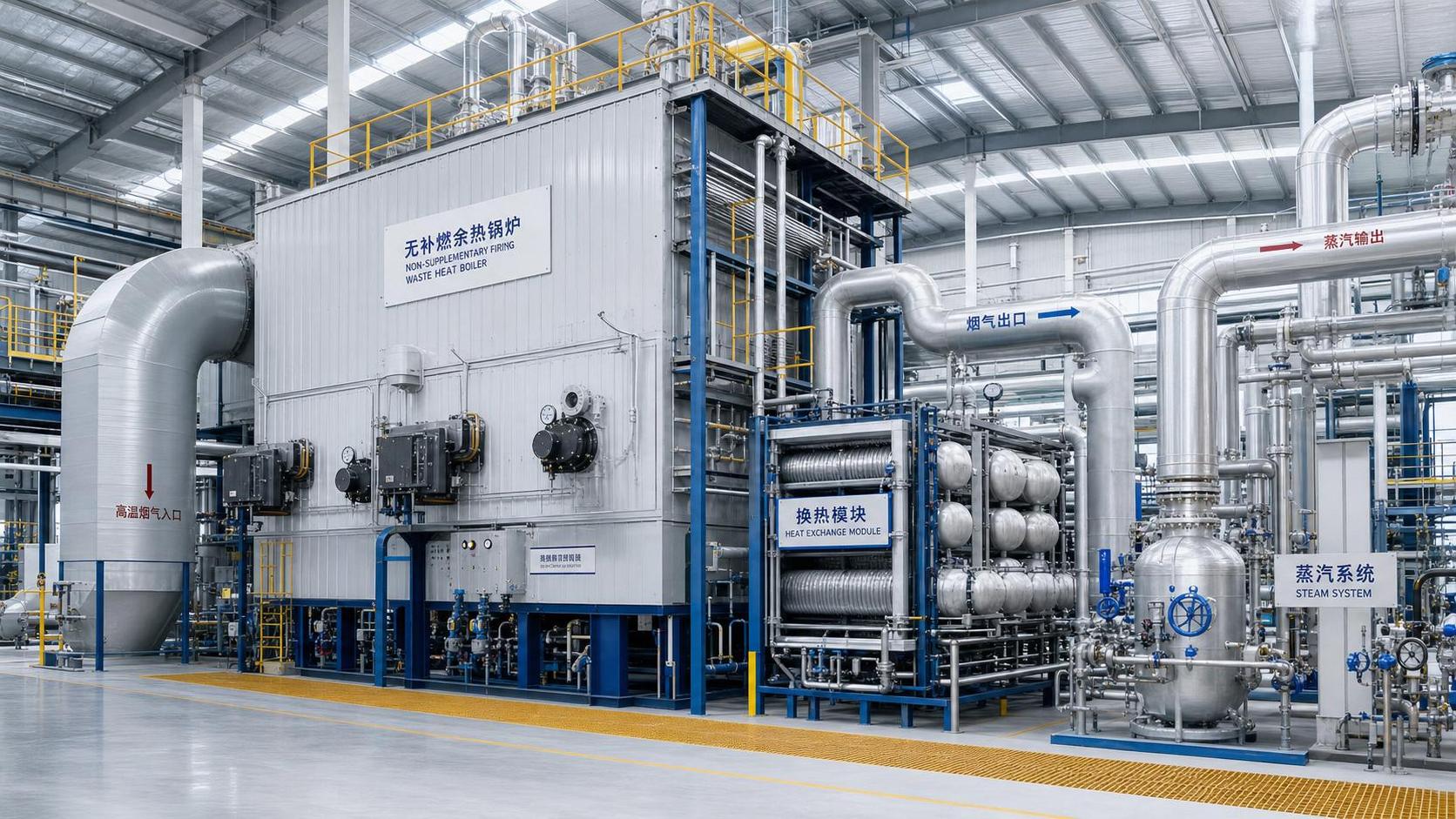
Efficient heat extraction reduces fuel consumption, but the heat exchanger design must remain compatible with the burner’s combustion pattern. Poor heat transfer can force higher firing rates or higher exhaust losses.
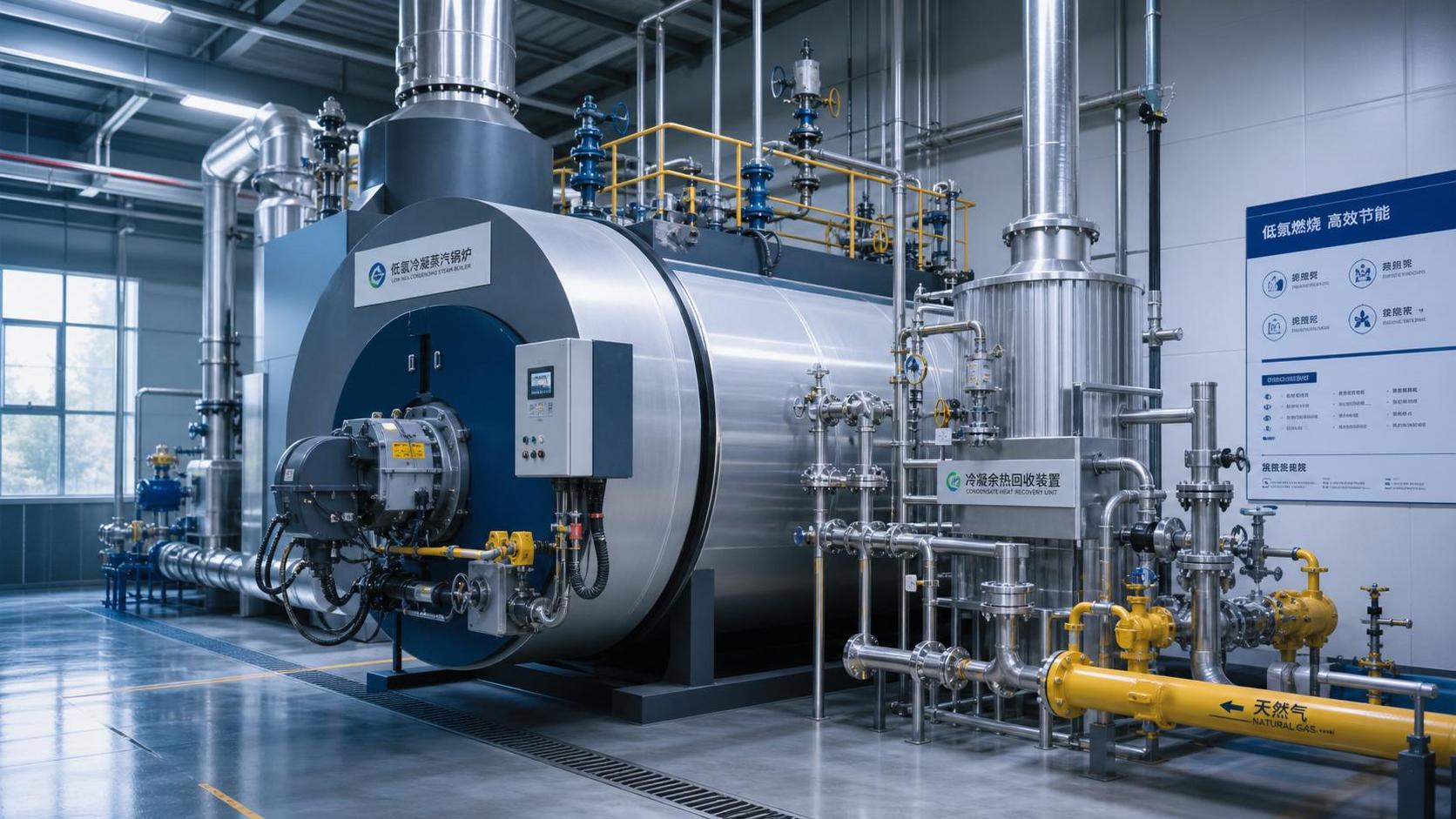
For condensing models, return-water temperature becomes especially important. If site conditions rarely allow condensing operation, the quoted efficiency may not reflect day-to-day performance.
Where low-NOx combustion boilers create the most value
The value case changes by duty profile. Facilities with wide load swings often gain more from strong turndown and controls than from chasing the absolute lowest advertised NOx rating.
Continuous-process sites usually care more about combustion stability, redundancy, and repeatable tuning. In these environments, a moderate but durable emissions performance can be preferable to a fragile optimum.
For clean manufacturing and temperature-sensitive production, boiler behavior also influences upstream and downstream systems. Steam quality, hot-water consistency, and response time can affect heat exchangers, dryers, sterilization units, and HVAC reheat loops.
That broader systems view matches the GTC-Matrix approach. Thermal assets should be judged by how they perform within the full energy chain, not only by isolated equipment ratings.
A practical way to compare options
A useful comparison framework starts with operating reality rather than catalog claims. That means mapping actual load shape, return temperatures, operating hours, fuel composition, and emissions obligations before ranking equipment.
When reviewing low-NOx combustion boilers, the following checks usually reveal more than a headline spec:
- Ask at which firing rates the stated NOx value is achieved.
- Check whether efficiency data reflect condensing or non-condensing operation.
- Review minimum stable load, not only maximum input.
- Confirm control response during rapid demand changes.
- Assess maintenance access for burners, sensors, and recirculation components.
- Request commissioning and re-tuning requirements over the equipment life.
It is also worth comparing how each supplier documents field performance. Test-stand data are useful, but long-run behavior under variable loads is what shapes annual fuel use and compliance risk.
What to watch in the next evaluation cycle
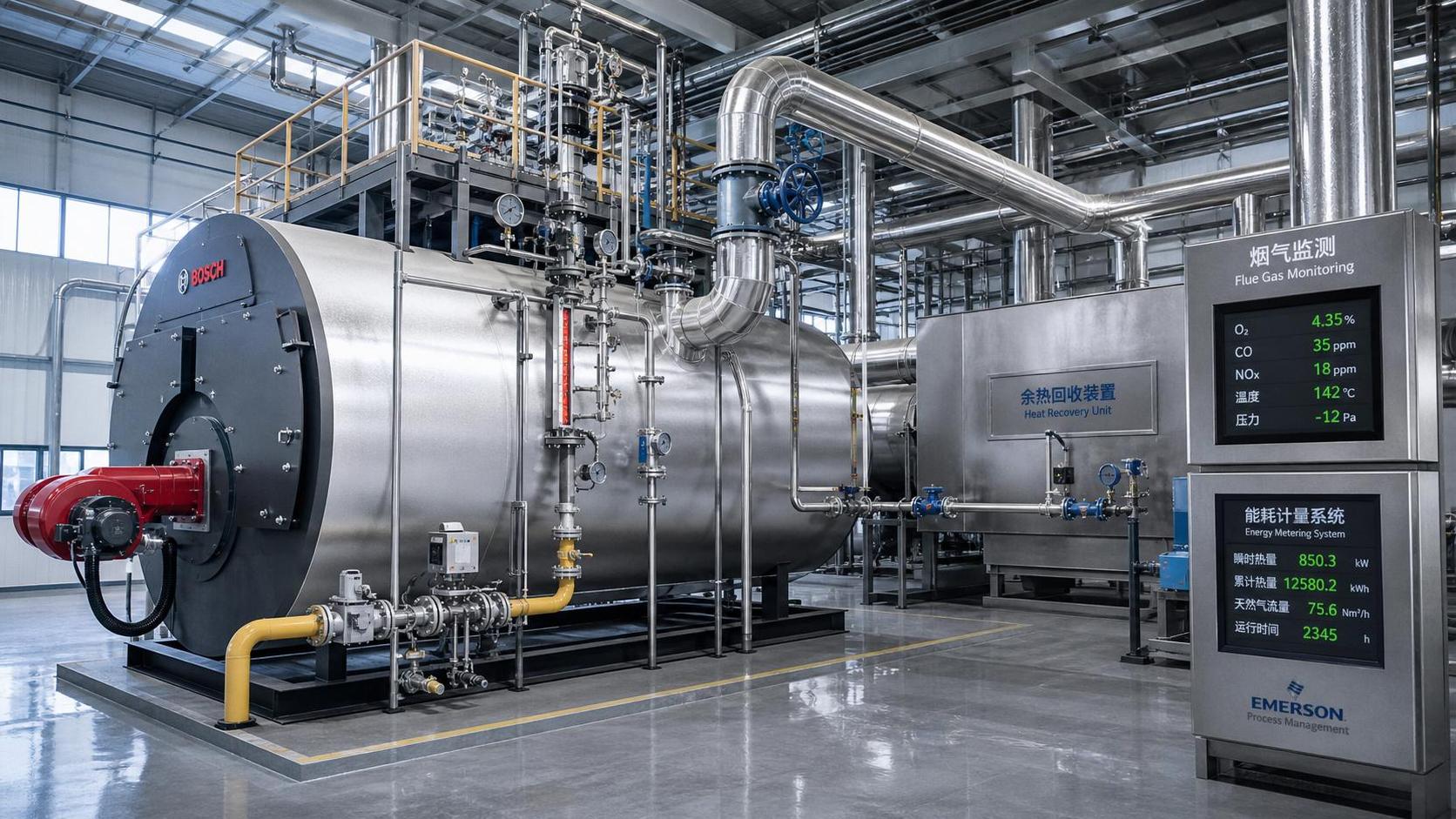
The next wave of differentiation will likely come from controls, monitoring, and system integration. Combustion analytics, remote diagnostics, and tighter coordination with plant energy management systems can help sustain low-NOx performance after startup.
Fuel flexibility will matter more as well. Some projects already need to consider hydrogen blending, biogas variability, or future fuel switching. Those paths can change flame behavior, materials selection, and NOx performance.
For that reason, the best evaluation is rarely the one with the lowest standalone number. It is the one that aligns emissions limits, load profile, thermal efficiency, serviceability, and future operating constraints.
A solid next step is to build a comparison matrix around site load data, expected oxygen control range, minimum stable firing, stack temperature, and maintenance intervals. That turns low-NOx combustion boilers from a compliance purchase into a disciplined energy decision.
Related News
- Low-NOx Boilers Cost Breakdown: Upfront Price, Fuel Savings, and PaybackAuthor :Thermal Energy Strategist

- Boiler Combustion Systems: Common Causes of Unstable Fuel PerformanceAuthor :Thermal Energy Strategist

- Hot Water Industrial Boilers: When Efficiency Gains Justify ReplacementAuthor :Thermal Energy Strategist

- What Boiler Efficiency Really Means in Daily Operation and Energy BillsAuthor :Thermal Energy Strategist

- Boiler Efficiency Testing Methods That Expose Heat Loss and Fuel WasteAuthor :Thermal Energy Strategist

- Industrial Burner Systems: Key Factors for Safe Heat OutputAuthor :Thermal Energy Strategist

- Gas-Fired Boiler Combustion Technology: Key Efficiency and Emissions Trade-OffsAuthor :Thermal Energy Strategist

- Unfired Heat Recovery Steam Generators: When Do They Pay Off?Author :Thermal Energy Strategist

- How to Evaluate Steam Generation Systems Electric for Process Heat ProjectsAuthor :Thermal Energy Strategist

- Thermal Power Systems for Industrial Heating: Common Sizing Mistakes to AvoidAuthor :Thermal Energy Strategist

- Low-NOx Condensing Boilers: How to Compare Efficiency and EmissionsAuthor :Thermal Energy Strategist
![]()
- Low Emissions Boilers for Food Processing: Key Compliance and Fuel Cost FactorsAuthor :Thermal Energy Strategist

- Steam System Efficiency Calculation: Key Inputs That Change the ResultAuthor :Thermal Energy Strategist

- How to Evaluate a Steam Boiler Components Exporter Before OrderingAuthor :Thermal Energy Strategist

- Burner Systems Troubleshooting: Common Efficiency Loss CausesAuthor :Thermal Energy Strategist

- EU PED Q2 Rules Require Digital Compliance TagsAuthor :Thermal Energy Strategist

- Thermal Power Systems: Key Efficiency Risks in Daily OperationAuthor :Thermal Energy Strategist

- Low-NOx Combustion Boilers: Key Efficiency and Compliance ChecksAuthor :Thermal Energy Strategist

- Low-NOx Combustion Boilers: Key Specs That Affect Emissions and Fuel UseAuthor :Thermal Energy Strategist

- Low-NOx Combustion Boilers: Key Compliance RisksAuthor :Thermal Energy Strategist

- Thermodynamics Analysis for Boiler Heat-Loss ReductionAuthor :Thermal Energy Strategist

- Industrial Thermal Systems: Common Operating RisksAuthor :Thermal Energy Strategist

- Low-NOx Combustion Boilers: Key Spec Checks Before PurchaseAuthor :Thermal Energy Strategist

- How Industrial Heat Recovery Cuts Boiler Fuel Costs in 2026Author :Thermal Energy Strategist

- Thermodynamics Analysis: 5 Heat Loss Clues in Steam BoilersAuthor :Thermal Energy Strategist

- Low-NOx Combustion Boilers: What Affects Real Emissions PerformanceAuthor :Thermal Energy Strategist

- Thermodynamics Analysis: Finding Heat Loss in Steam BoilersAuthor :Thermal Energy Strategist

- 2026 Steam Boiler Upgrades for Lower NOx and Fuel CostsAuthor :Thermal Energy Strategist

- EU to Expand CBAM to Steam Boilers; Exporters Must Prepare Carbon DataAuthor :Thermal Energy Strategist

- Industrial Heat Recovery: When Payback Beats New Boiler CapacityAuthor :Thermal Energy Strategist

- Carbon Neutrality Targets and the New Boiler Retrofit PaybackAuthor :Thermal Energy Strategist

- Low-NOx Combustion Boilers: Fuel Savings vs Emission LimitsAuthor :Thermal Energy Strategist

- Industrial Energy Efficiency Benchmarks for Steam Boiler Upgrades in 2026Author :Thermal Energy Strategist

- Low-NOx Combustion Boilers: Efficiency vs Emissions in 2026Author :Thermal Energy Strategist

- Industrial Heat Recovery Options for Steam Boiler SavingsAuthor :Thermal Energy Strategist

- Low-NOx Combustion Boilers and 2026 Compliance PressureAuthor :Thermal Energy Strategist