



Low-NOx Combustion Boilers: Key Efficiency and Compliance Checks




Low-NOx combustion boilers: what should be checked before anyone trusts the numbers?
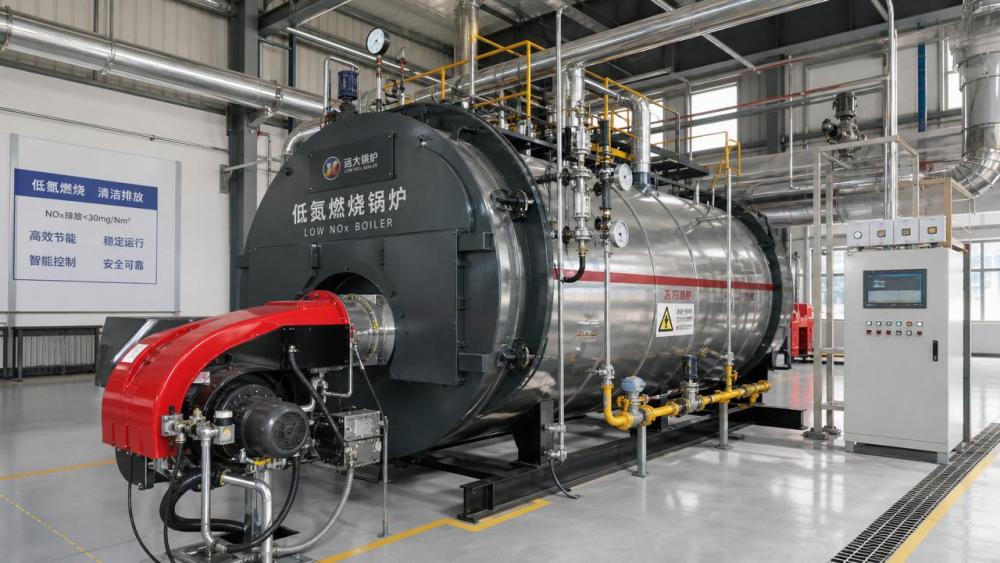
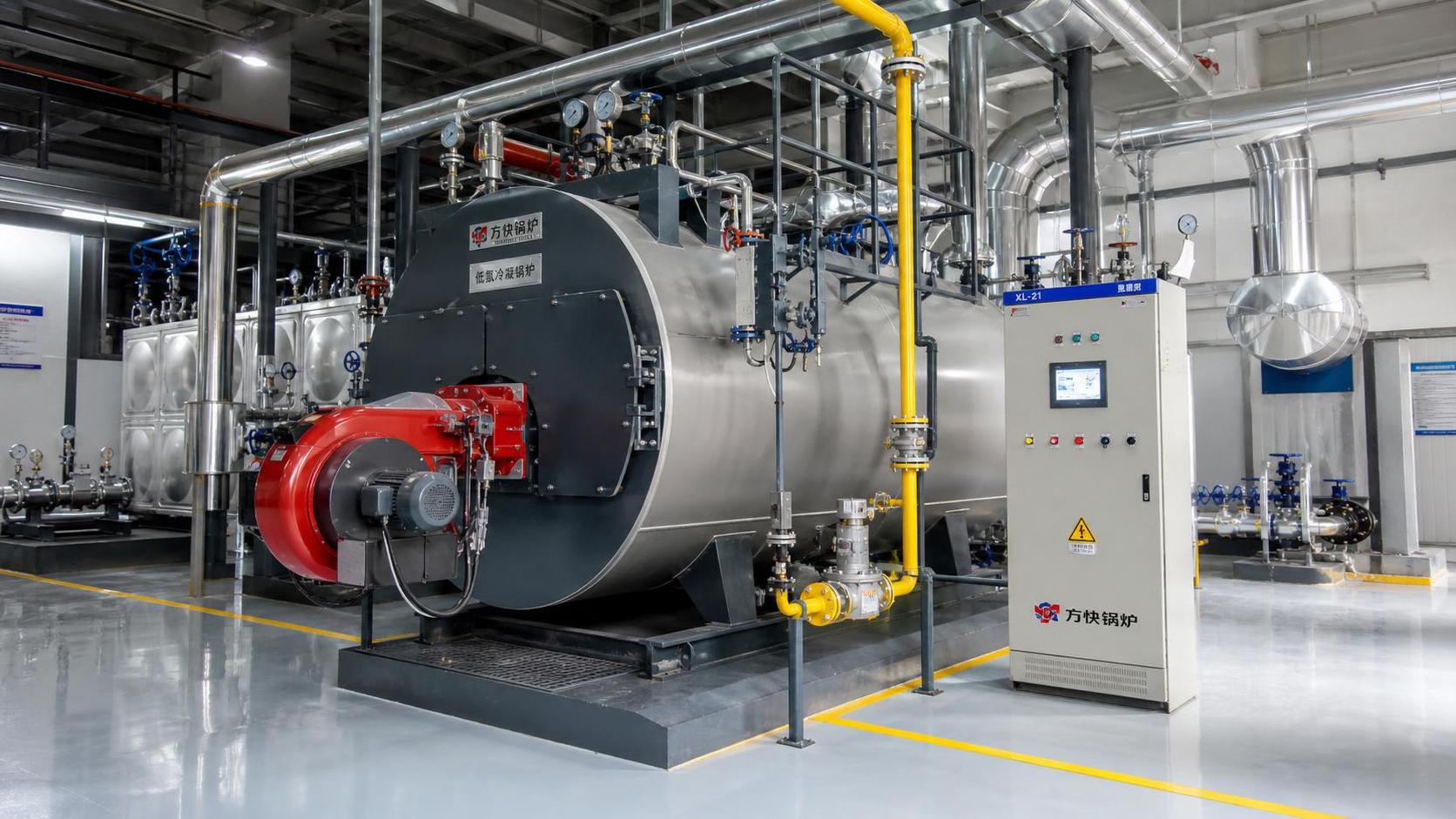
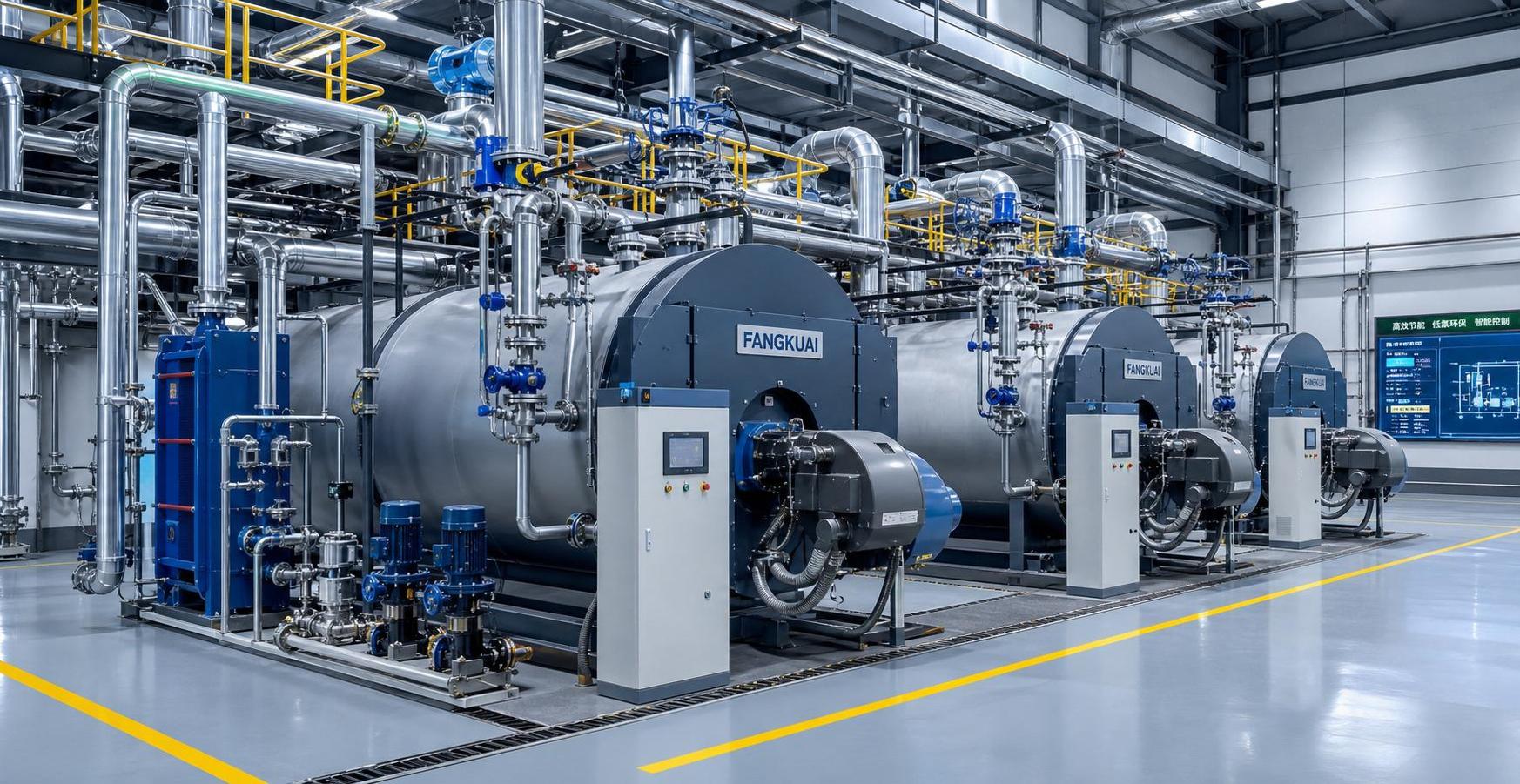
Low-NOx combustion boilers are often discussed as an emissions solution, but that view is too narrow.
In practice, the real question is whether the boiler can keep NOx low while holding combustion stable, efficient, and safe.
That is why inspection routines now focus on three linked outcomes: verified efficiency, repeatable operating behavior, and defensible compliance records.
This matters across food processing, semiconductors, pharmaceuticals, district utilities, and general manufacturing, where steam and hot water quality affect output and risk.
GTC-Matrix regularly tracks this intersection of thermodynamics, policy pressure, and equipment performance because emission claims alone rarely answer operating questions.
A low-NOx combustion boiler passes scrutiny only when burner tuning, heat transfer, controls, and documentation all support the same conclusion.
Is a low-NOx combustion boiler just a standard boiler with a cleaner burner?
Not exactly. The burner is central, but the boiler’s performance depends on the whole combustion system.
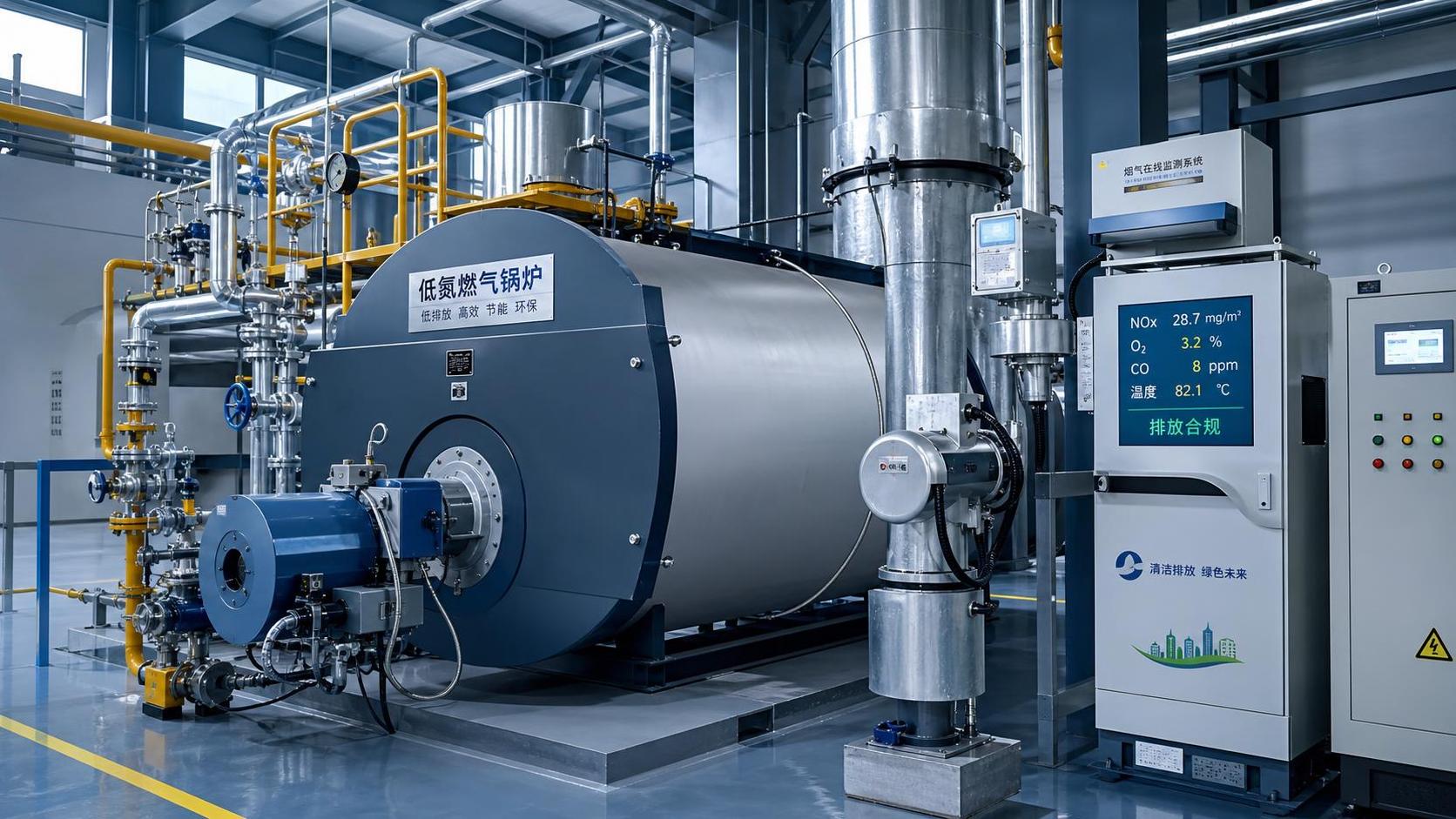
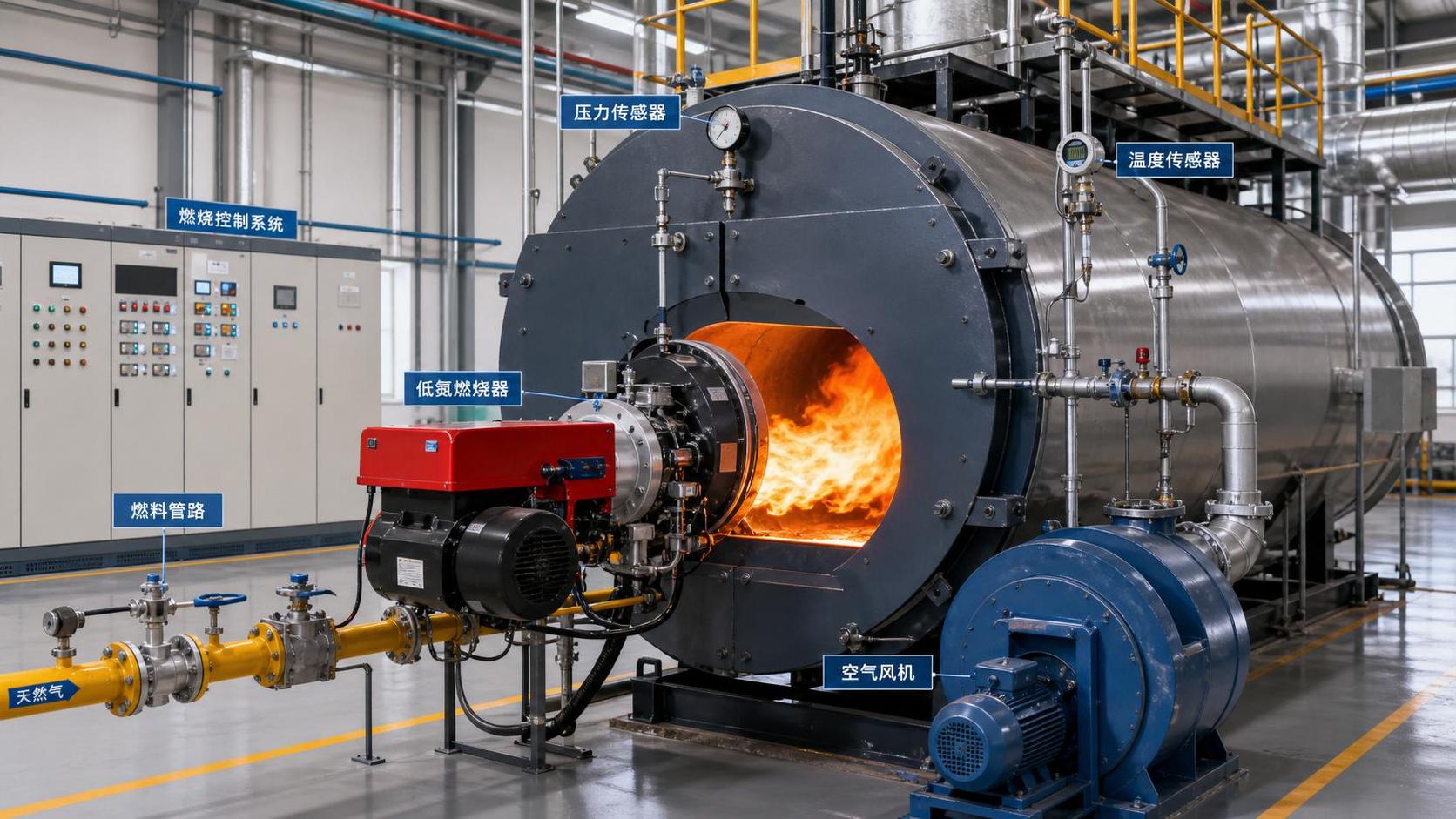
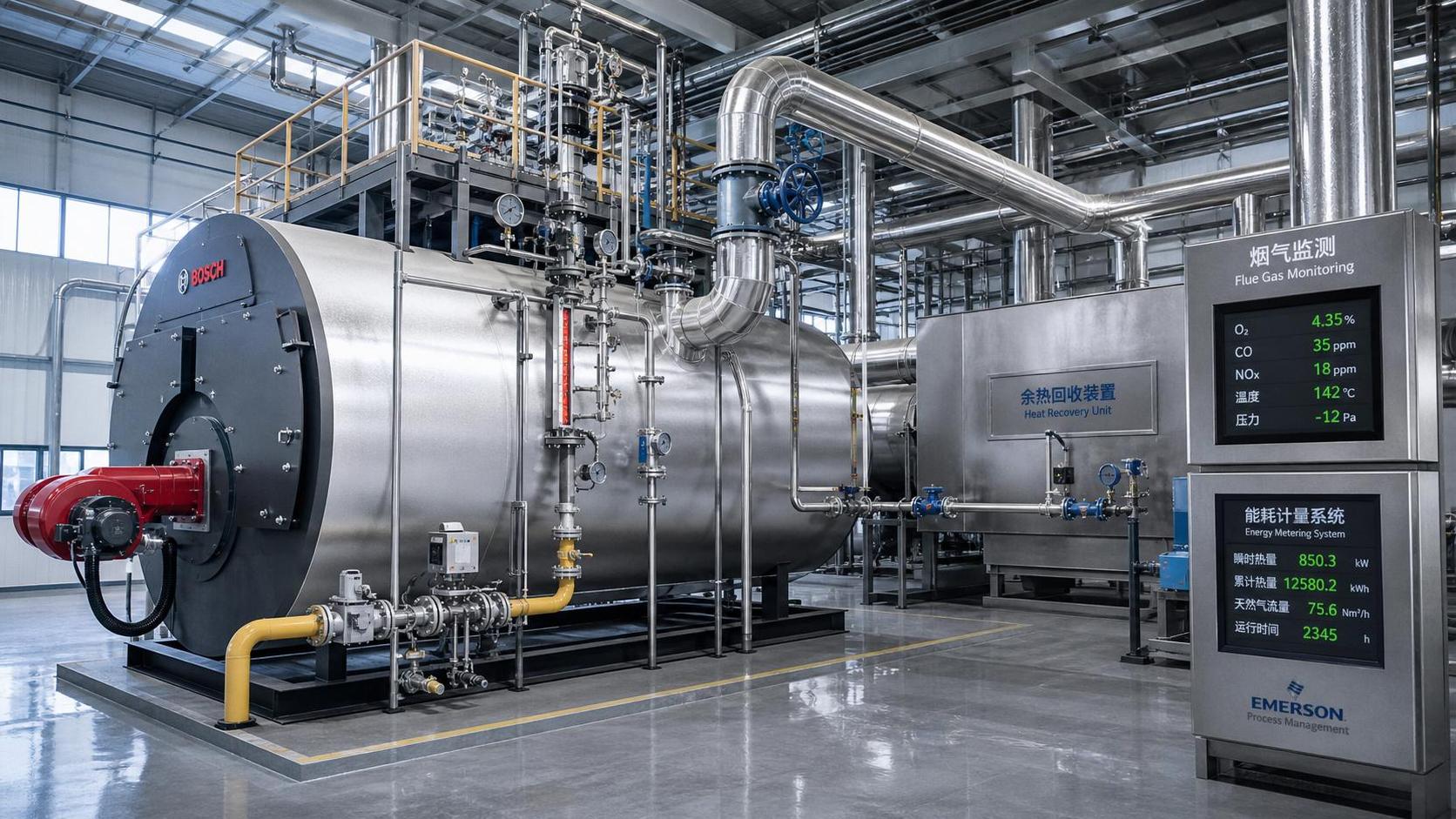
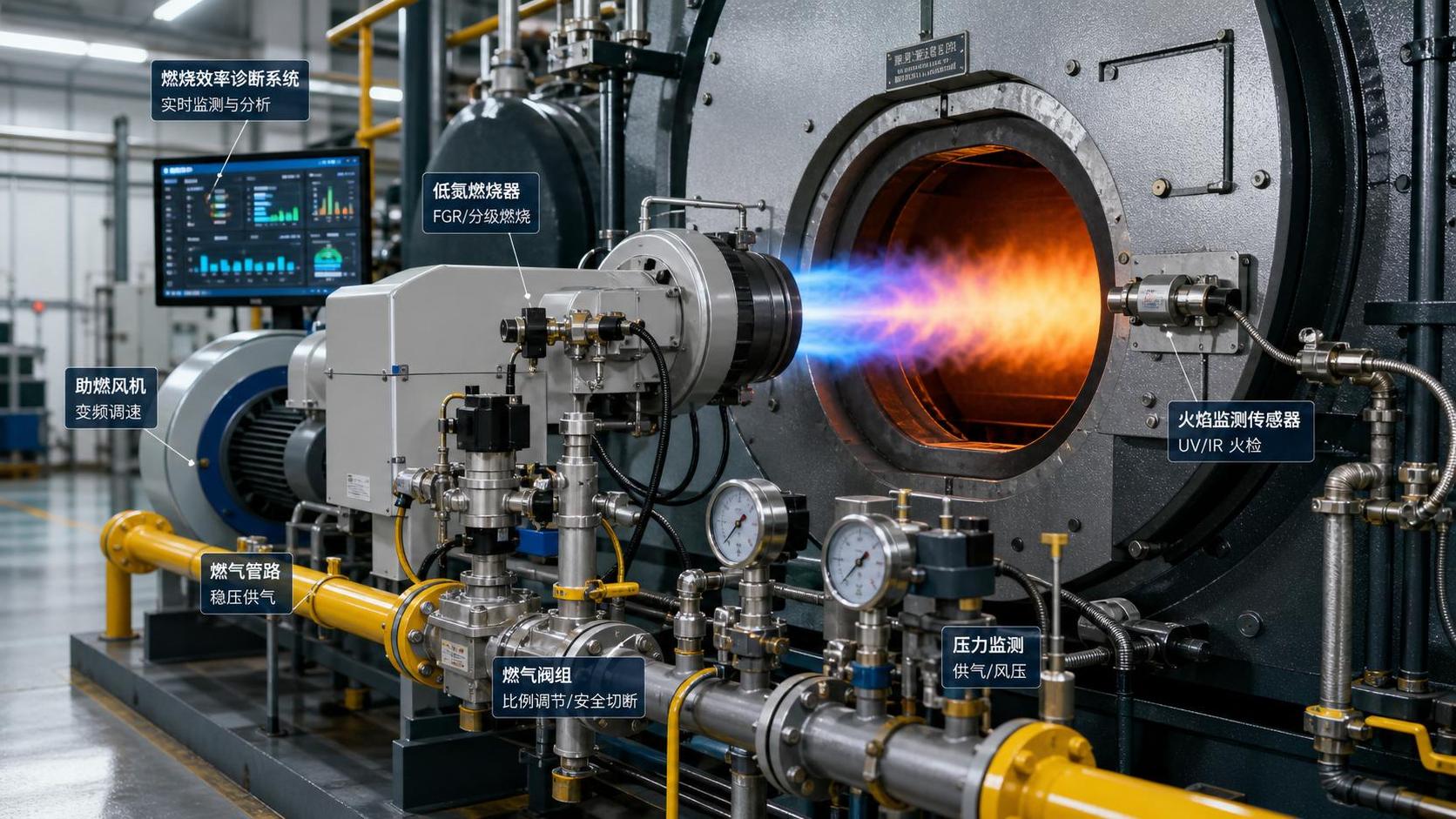
Low-NOx combustion boilers reduce nitrogen oxides by controlling flame temperature, air-fuel mixing, residence time, and sometimes flue gas recirculation.
If one of those elements drifts, emissions can rise even when the nameplate still says low-NOx.
A common misunderstanding is that low NOx automatically means high efficiency. Sometimes it does. Sometimes it does not.
More often, efficiency improves only when combustion air control, excess oxygen, stack temperature, and load response are optimized together.
That is why acceptance checks should look beyond a single emissions test and include steady-state and partial-load behavior.
What usually defines acceptable baseline performance?
The most useful baseline combines combustion data, heat balance, and operating repeatability over several load points.
- NOx level corrected to the required reference oxygen basis
- Oxygen and carbon monoxide stability during load changes
- Stack temperature compared with design expectation
- Fuel consumption versus steam or hot water output
- Flame signal strength, ignition reliability, and purge sequence consistency
When those values line up, the low-NOx combustion boiler is usually behaving as a system rather than as a collection of isolated components.
Which efficiency checks reveal real performance instead of brochure claims?
Start with measured combustion efficiency, but do not stop there.
Field performance often differs from catalog data because site fuel quality, return water temperature, excess air settings, and fouling all change outcomes.
A practical review should compare full-load efficiency with part-load efficiency, because many low-NOx combustion boilers spend most hours below peak demand.
If part-load efficiency drops sharply, emission compliance may still be met, but fuel cost and thermal stress can become hidden problems.
Another useful check is the relationship between oxygen trim and carbon monoxide. Very low oxygen is not automatically good.
If oxygen is pushed down without stable mixing, CO can rise before operators notice any visible warning.
A quick judgment table helps separate healthy readings from warning signs
This kind of table is more useful than a single pass-fail sheet because it supports trend-based decisions.
How do compliance checks differ from routine operating checks?
Routine checks protect daily operation. Compliance checks must also stand up to external review.
That means the low-NOx combustion boiler needs traceable testing methods, calibration records, and correct reference conditions for emissions reporting.
One frequent problem is relying on internal display values without confirming analyzer calibration and sampling integrity.
Another is using readings taken at only one operating point, even though permits or local rules may require a broader test window.
In actual plants, compliance also depends on how changes are managed. Burner replacement, control logic updates, and fuel switching can alter certified behavior.
For that reason, documentation should connect the tested configuration to the installed configuration without gaps.
What should be present in a defensible compliance file?
- Burner and boiler identification matched to site equipment
- Commissioning and tuning records with date and load conditions
- Analyzer calibration and maintenance history
- Emission test reports showing oxygen correction basis
- Control setpoints, alarm logic, and interlock verification results
- Records of major modifications and post-change revalidation
Where policies tighten quickly, platforms such as GTC-Matrix help interpret how technical reporting expectations are changing across regions and industries.
Where do safety and quality risks usually appear first?
They usually appear at the edges of normal operation, not at perfect design conditions.
Cold starts, low-load cycling, sudden demand swings, and deferred maintenance are common moments when low-NOx combustion boilers reveal weaknesses.
For example, aggressive low-NOx tuning can create a narrow stable zone. That may look efficient on paper but become fragile during real load fluctuation.
Flame instability, delayed ignition, rising CO, and condensation-related corrosion can follow if controls and maintenance do not keep pace.
Heat transfer surfaces also deserve attention. Soot, scale, and poor water treatment can erode efficiency while increasing thermal stress.
In other words, a clean emissions report does not cancel mechanical or process risk.
Useful warning questions during inspection
- Does ignition remain consistent after shutdowns and restarts?
- Do NOx and CO stay controlled at minimum firing rate?
- Has stack temperature drifted upward over recent months?
- Are alarms frequently acknowledged without root-cause action?
- Do maintenance logs show repeated tuning corrections?
If several answers are uncomfortable, the low-NOx combustion boiler may need deeper review than routine servicing provides.
When comparing options, what separates a robust system from a risky one?
A robust system is not simply the one with the lowest advertised NOx value.
The better question is whether the boiler can maintain compliant emissions without sacrificing fuel economy, uptime, and controllability in the actual duty cycle.
That comparison becomes especially important in sectors needing precise thermal control, such as pharmaceutical processing or semiconductor support systems.
A slightly higher capital cost may be justified if it reduces retuning frequency, avoids nuisance trips, and preserves part-load efficiency.
It also helps to examine serviceability. Sensor access, analyzer ports, control diagnostics, and spare-part availability influence compliance over the long term.
More mature evaluations now combine energy economics with technical resilience, which is a perspective strongly reflected in GTC-Matrix industry intelligence.
A practical selection checklist
- Verify guaranteed NOx values under stated load and fuel conditions
- Review part-load efficiency, not only peak efficiency
- Confirm control response during rapid load changes
- Check testing protocol, instruments, and reporting basis
- Assess maintenance burden for burners, sensors, and air systems
- Plan for revalidation after upgrades or fuel changes
What is the smartest next step if performance looks acceptable but confidence is low?
Do not wait for a permit issue or trip event.
A smart next step is to build a compact verification framework for the low-NOx combustion boiler using current operating data, last tuning records, and recent maintenance findings.
That framework should separate what is known, what is assumed, and what still needs measured confirmation.
In many sites, the gap is not a lack of data. It is a lack of connected interpretation.
Start by trending NOx, CO, oxygen, stack temperature, and fuel-to-output ratio over time rather than by isolated snapshots.
Then compare those trends with permit conditions, control settings, and recent process changes.
If the evidence is incomplete, schedule targeted testing at the loads that matter most operationally, especially low fire and transition points.
That approach turns low-NOx combustion boilers from a compliance concern into a manageable thermal asset with clearer risk boundaries.
Related News
- Low Emissions Boilers: What to Compare Before You ChooseAuthor :Thermal Energy Strategist

- Low-NOx Boilers Cost Breakdown: Upfront Price, Fuel Savings, and PaybackAuthor :Thermal Energy Strategist

- Boiler Combustion Systems: Common Causes of Unstable Fuel PerformanceAuthor :Thermal Energy Strategist

- Hot Water Industrial Boilers: When Efficiency Gains Justify ReplacementAuthor :Thermal Energy Strategist

- What Boiler Efficiency Really Means in Daily Operation and Energy BillsAuthor :Thermal Energy Strategist

- Boiler Efficiency Testing Methods That Expose Heat Loss and Fuel WasteAuthor :Thermal Energy Strategist

- Industrial Burner Systems: Key Factors for Safe Heat OutputAuthor :Thermal Energy Strategist

- Gas-Fired Boiler Combustion Technology: Key Efficiency and Emissions Trade-OffsAuthor :Thermal Energy Strategist

- Unfired Heat Recovery Steam Generators: When Do They Pay Off?Author :Thermal Energy Strategist

- How to Evaluate Steam Generation Systems Electric for Process Heat ProjectsAuthor :Thermal Energy Strategist

- Thermal Power Systems for Industrial Heating: Common Sizing Mistakes to AvoidAuthor :Thermal Energy Strategist

- Low-NOx Condensing Boilers: How to Compare Efficiency and EmissionsAuthor :Thermal Energy Strategist
![]()
- Low Emissions Boilers for Food Processing: Key Compliance and Fuel Cost FactorsAuthor :Thermal Energy Strategist

- Steam System Efficiency Calculation: Key Inputs That Change the ResultAuthor :Thermal Energy Strategist

- How to Evaluate a Steam Boiler Components Exporter Before OrderingAuthor :Thermal Energy Strategist

- Burner Systems Troubleshooting: Common Efficiency Loss CausesAuthor :Thermal Energy Strategist

- EU PED Q2 Rules Require Digital Compliance TagsAuthor :Thermal Energy Strategist

- Thermal Power Systems: Key Efficiency Risks in Daily OperationAuthor :Thermal Energy Strategist

- Low-NOx Combustion Boilers: Key Efficiency and Compliance ChecksAuthor :Thermal Energy Strategist

- Low-NOx Combustion Boilers: Key Specs That Affect Emissions and Fuel UseAuthor :Thermal Energy Strategist

- Low-NOx Combustion Boilers: Key Compliance RisksAuthor :Thermal Energy Strategist

- Thermodynamics Analysis for Boiler Heat-Loss ReductionAuthor :Thermal Energy Strategist

- Industrial Thermal Systems: Common Operating RisksAuthor :Thermal Energy Strategist

- Low-NOx Combustion Boilers: Key Spec Checks Before PurchaseAuthor :Thermal Energy Strategist

- How Industrial Heat Recovery Cuts Boiler Fuel Costs in 2026Author :Thermal Energy Strategist

- Thermodynamics Analysis: 5 Heat Loss Clues in Steam BoilersAuthor :Thermal Energy Strategist

- Low-NOx Combustion Boilers: What Affects Real Emissions PerformanceAuthor :Thermal Energy Strategist

- Thermodynamics Analysis: Finding Heat Loss in Steam BoilersAuthor :Thermal Energy Strategist

- 2026 Steam Boiler Upgrades for Lower NOx and Fuel CostsAuthor :Thermal Energy Strategist

- EU to Expand CBAM to Steam Boilers; Exporters Must Prepare Carbon DataAuthor :Thermal Energy Strategist

- Industrial Heat Recovery: When Payback Beats New Boiler CapacityAuthor :Thermal Energy Strategist

- Carbon Neutrality Targets and the New Boiler Retrofit PaybackAuthor :Thermal Energy Strategist

- Low-NOx Combustion Boilers: Fuel Savings vs Emission LimitsAuthor :Thermal Energy Strategist

- Industrial Energy Efficiency Benchmarks for Steam Boiler Upgrades in 2026Author :Thermal Energy Strategist

- Low-NOx Combustion Boilers: Efficiency vs Emissions in 2026Author :Thermal Energy Strategist

- Industrial Heat Recovery Options for Steam Boiler SavingsAuthor :Thermal Energy Strategist