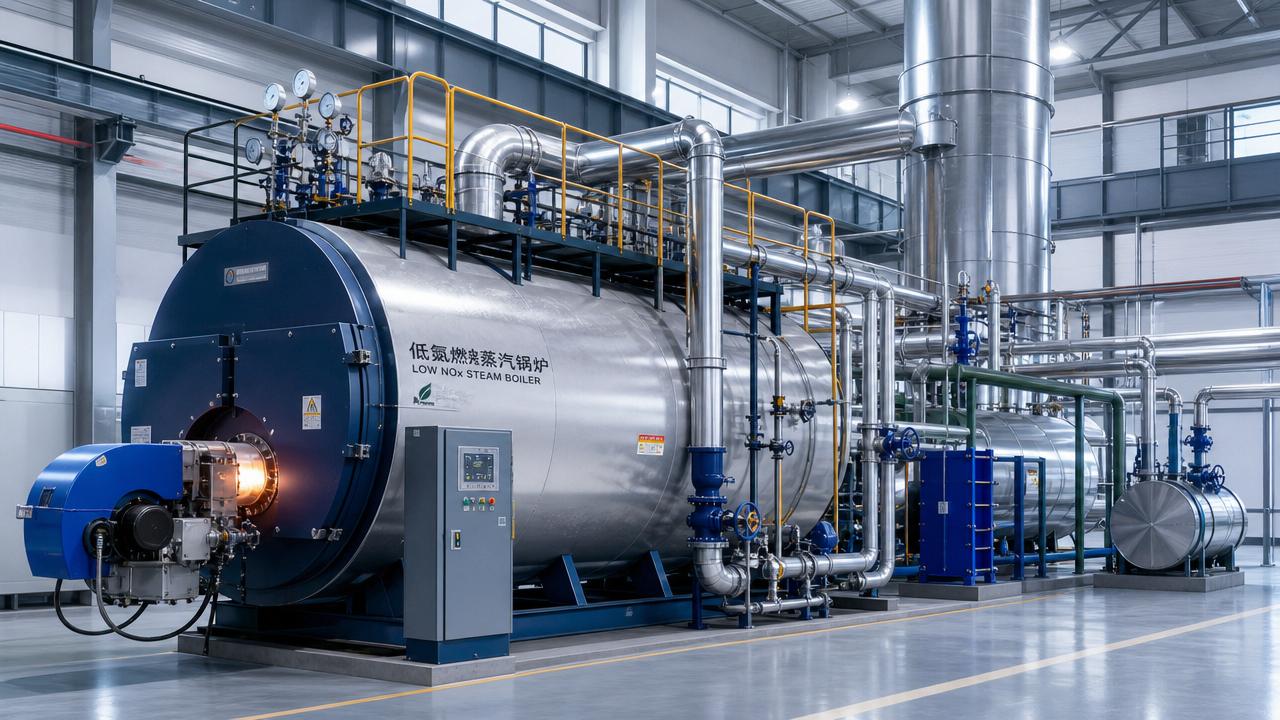
Low-NOx Combustion Boilers: Fuel Savings vs Emission Limits




As industries face tighter air-quality rules and rising fuel costs, low-NOx combustion boilers are moving from optional upgrades to strategic assets.
The main issue is no longer compliance alone. It is whether lower emissions can also deliver fuel savings, stable output, and lower long-term operating risk.
For sectors tracked by GTC-Matrix, this topic sits at the intersection of thermodynamics, policy pressure, and capital efficiency.
This article answers the most common questions about low-NOx combustion boilers, focusing on cost, performance, fit, and implementation decisions.
What are low-NOx combustion boilers, and why are they under closer review?
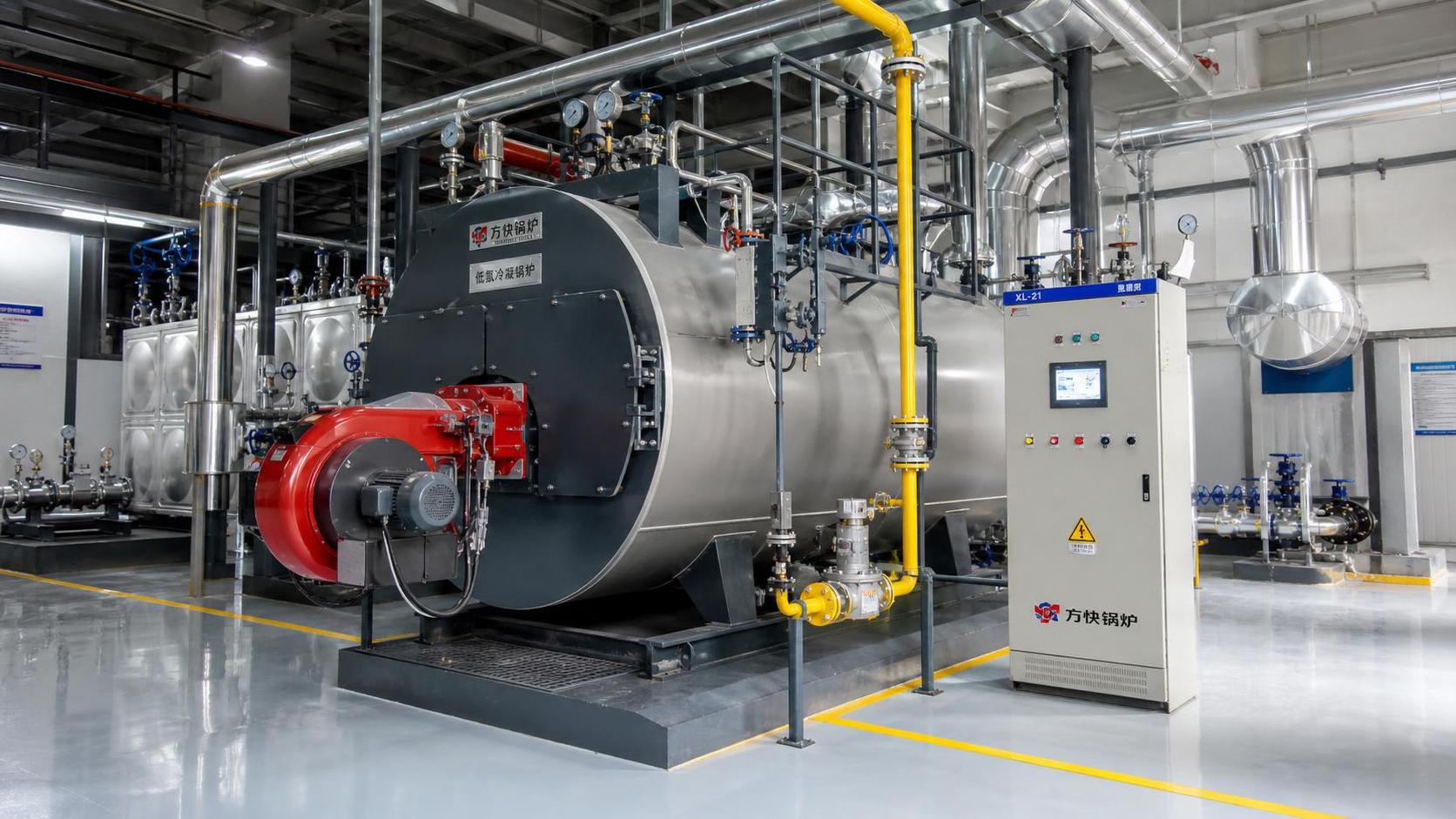
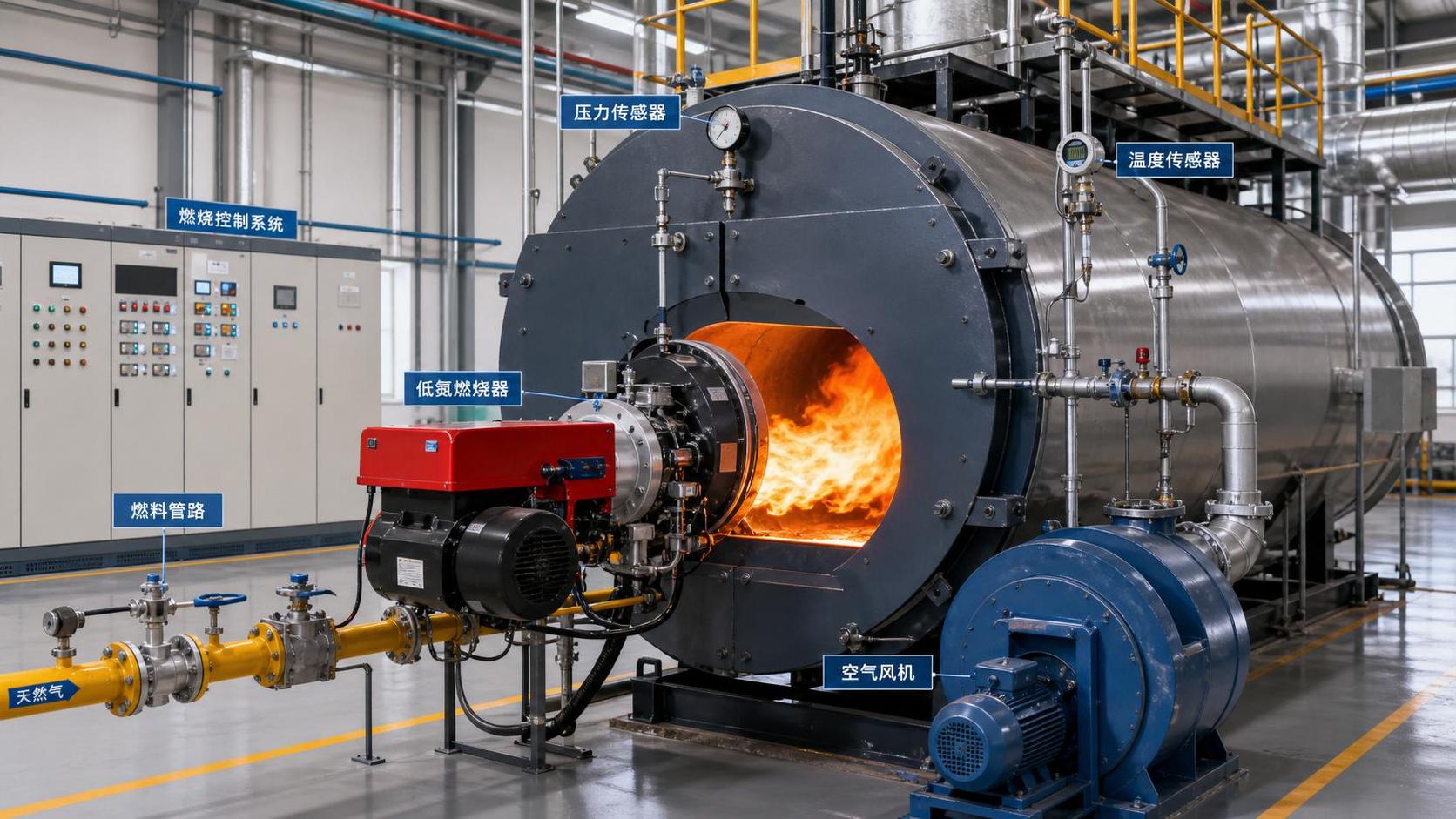
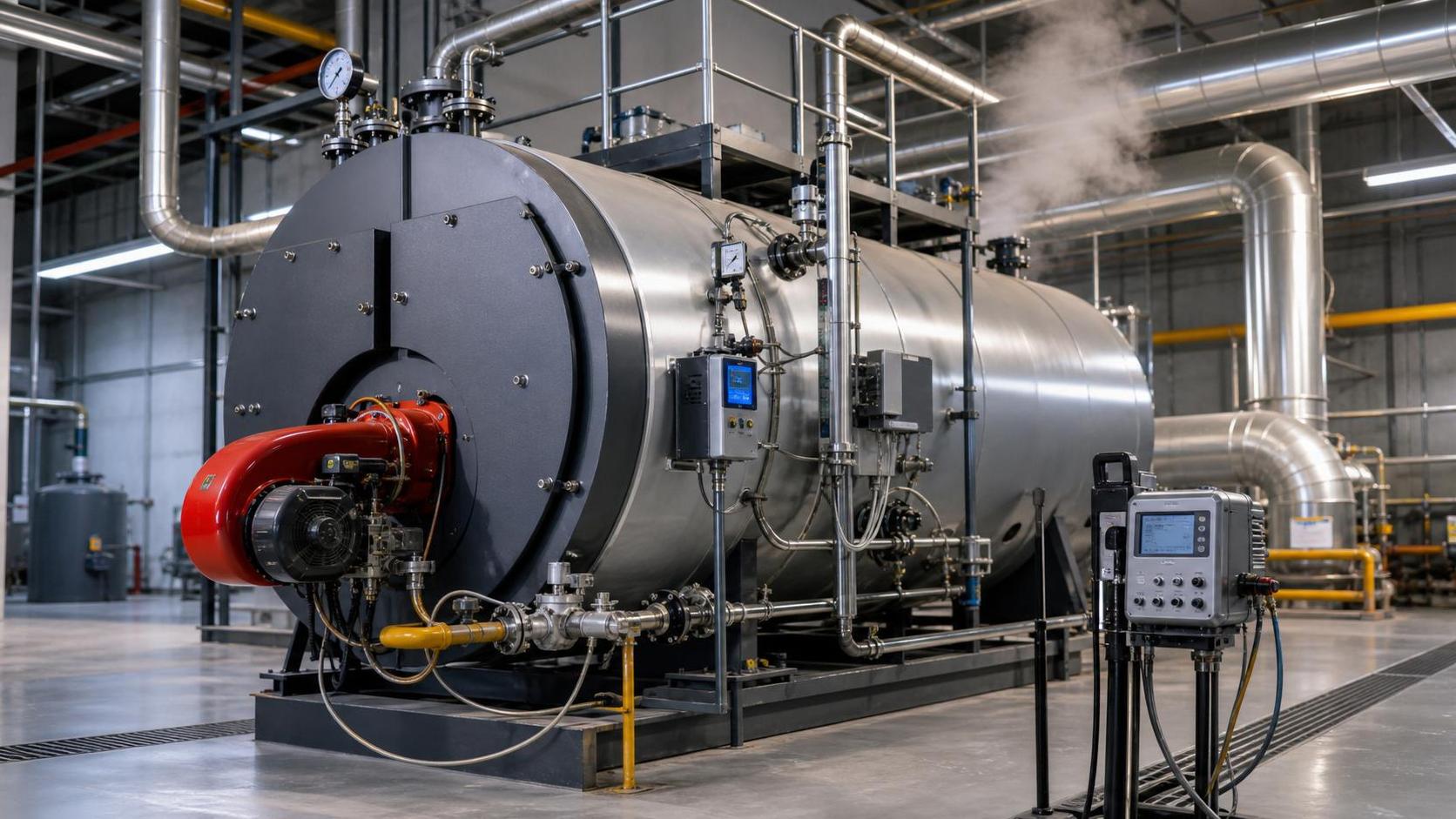
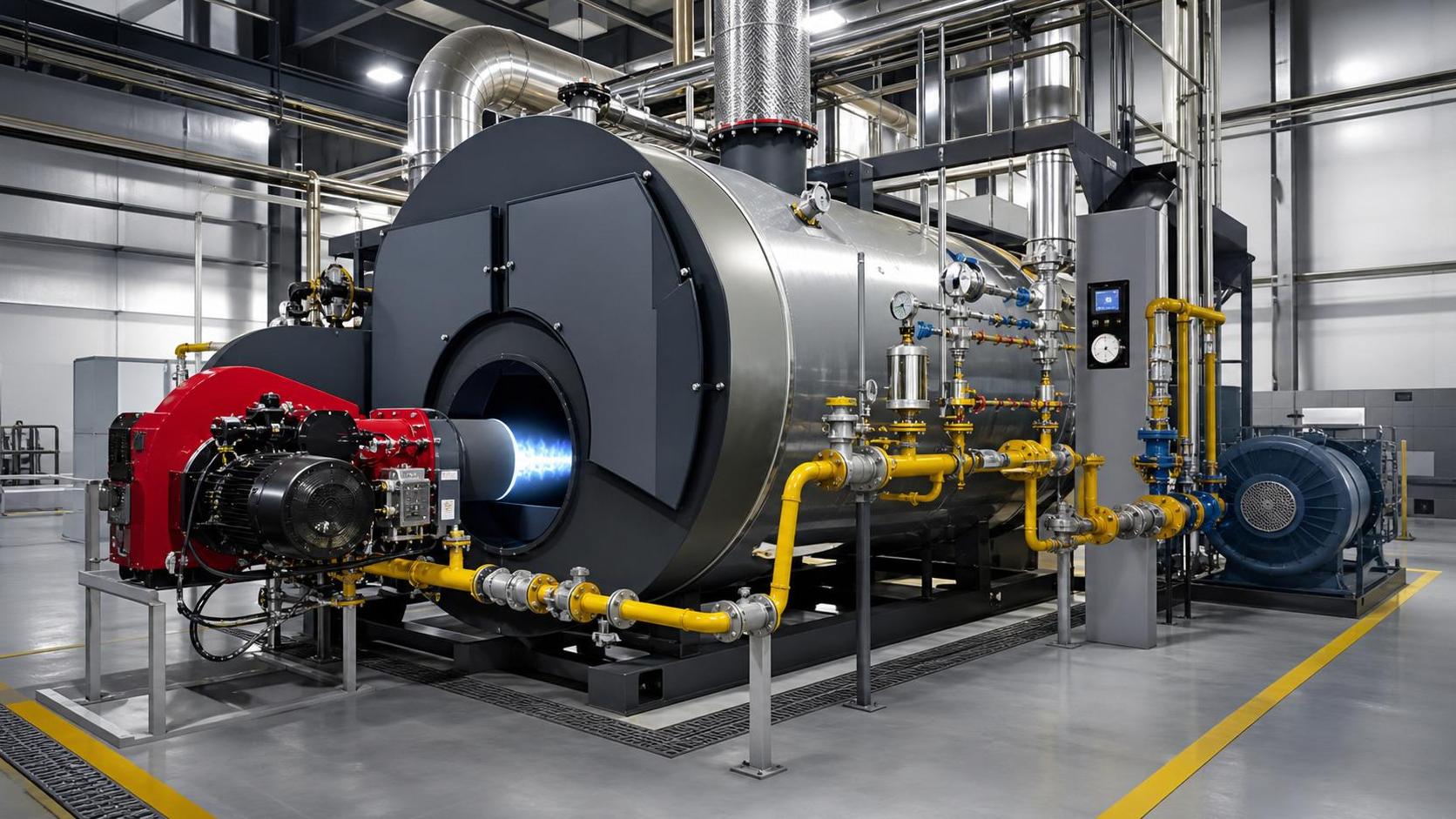
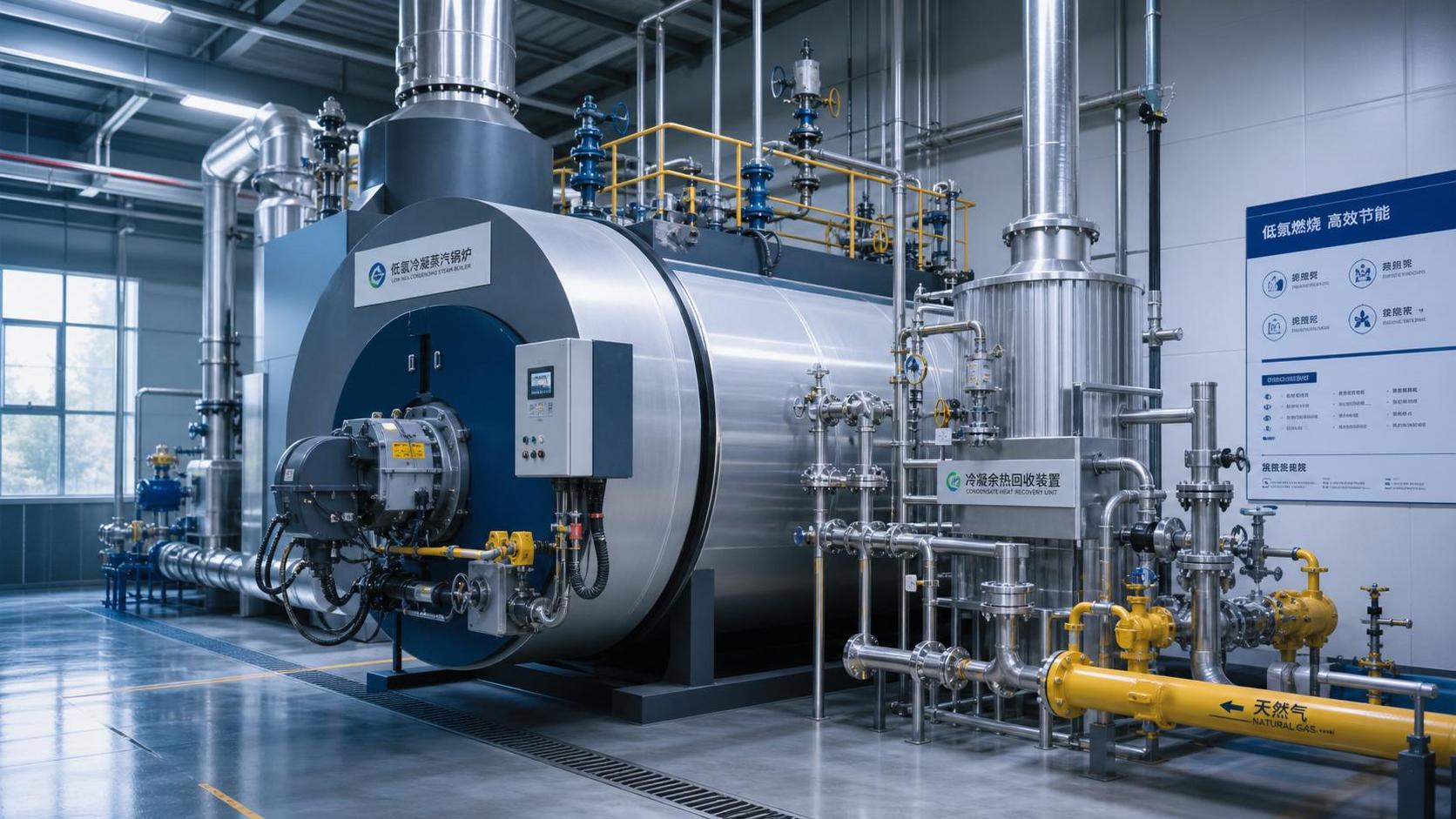
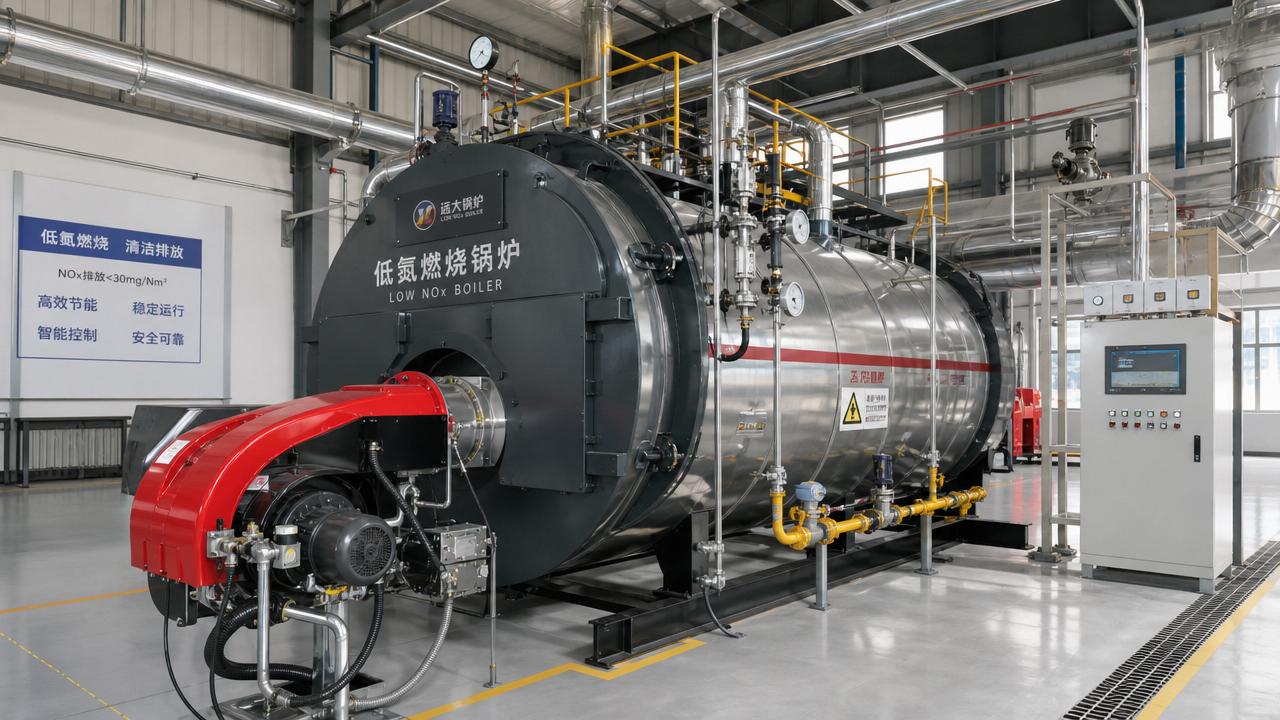
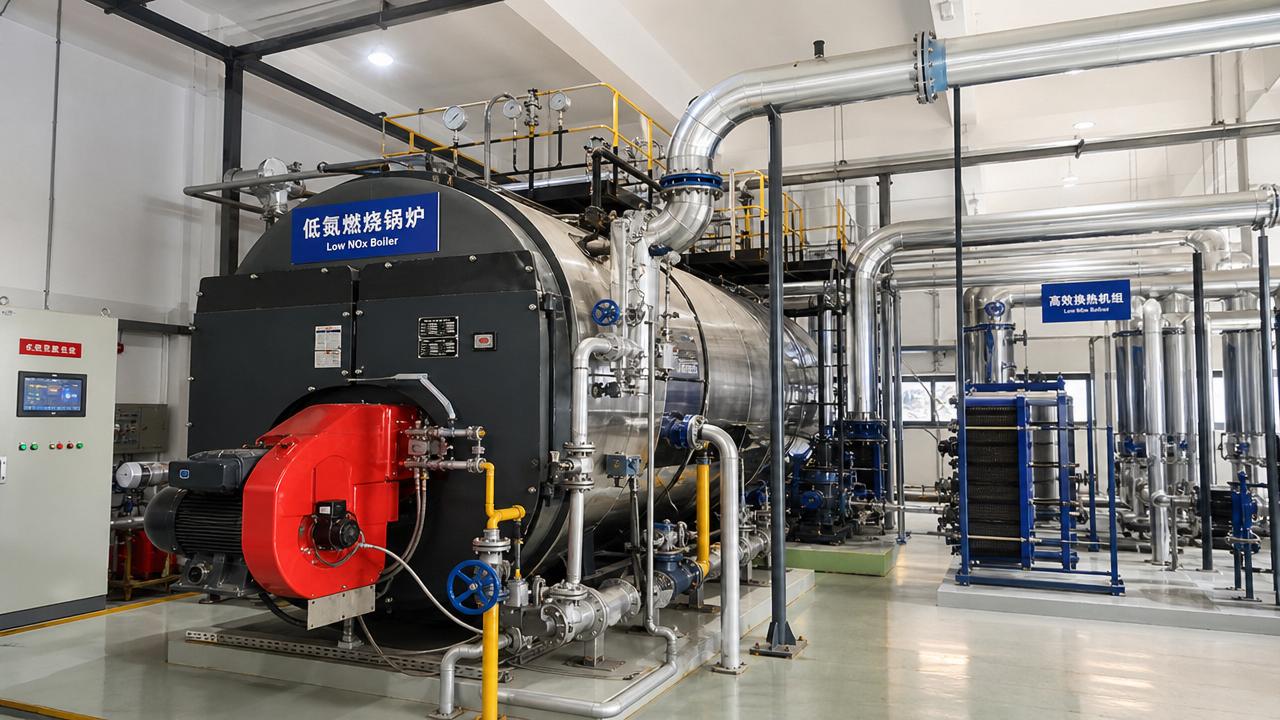
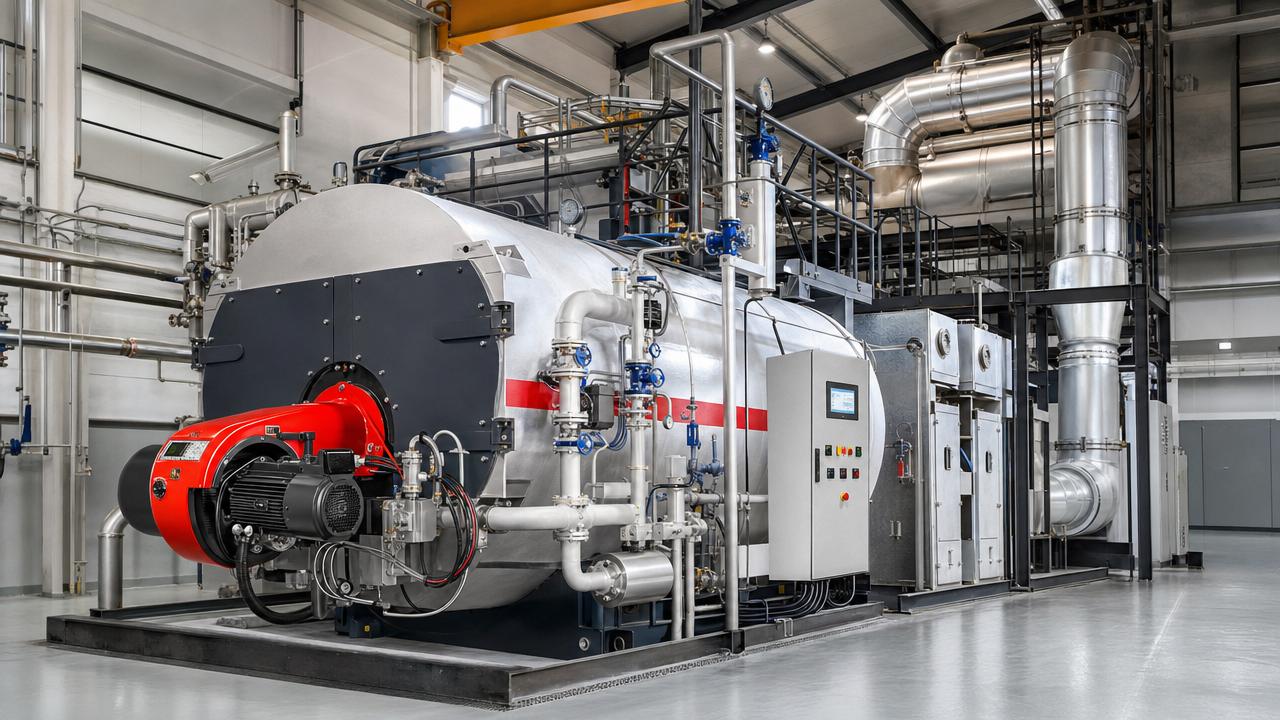
Low-NOx combustion boilers are boiler systems designed to reduce nitrogen oxide formation during fuel combustion.
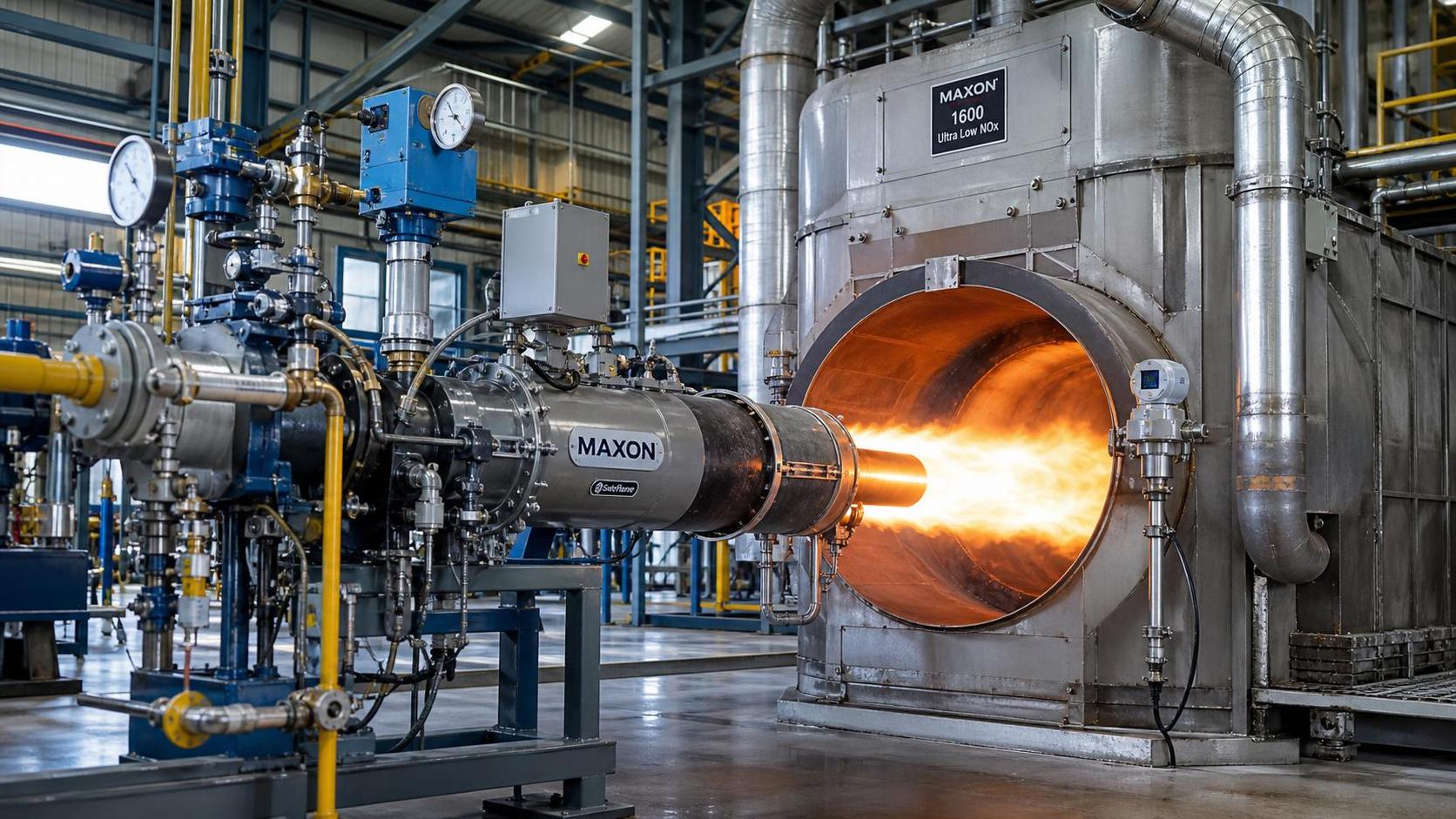
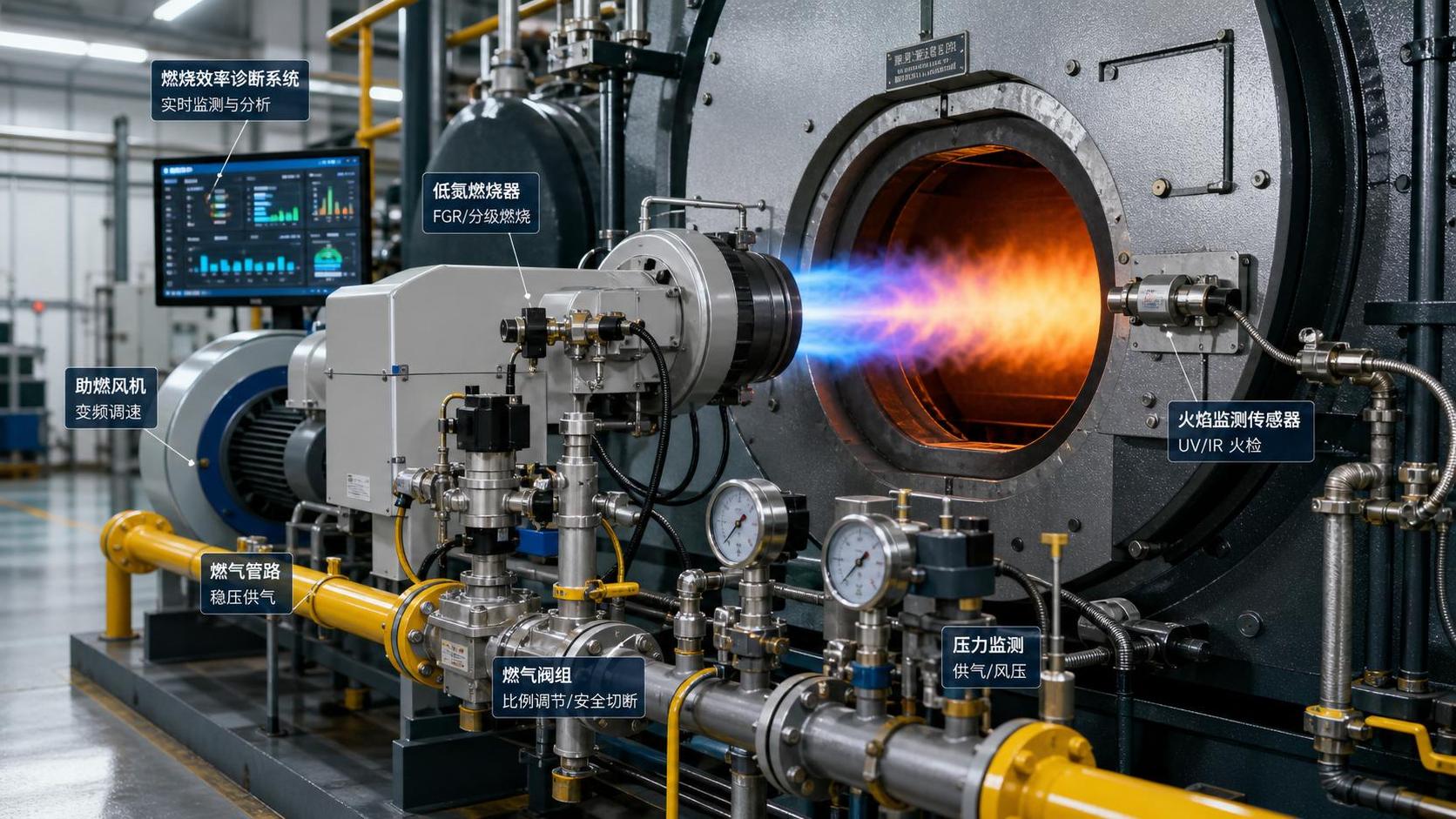
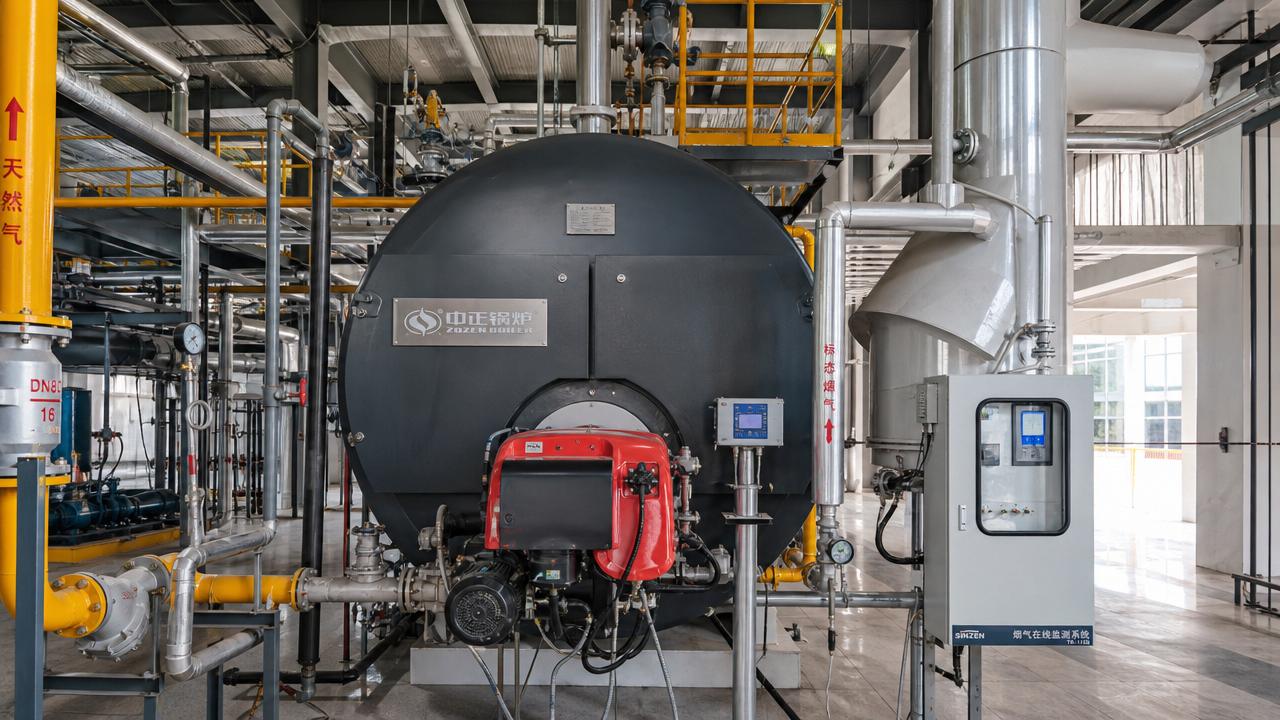
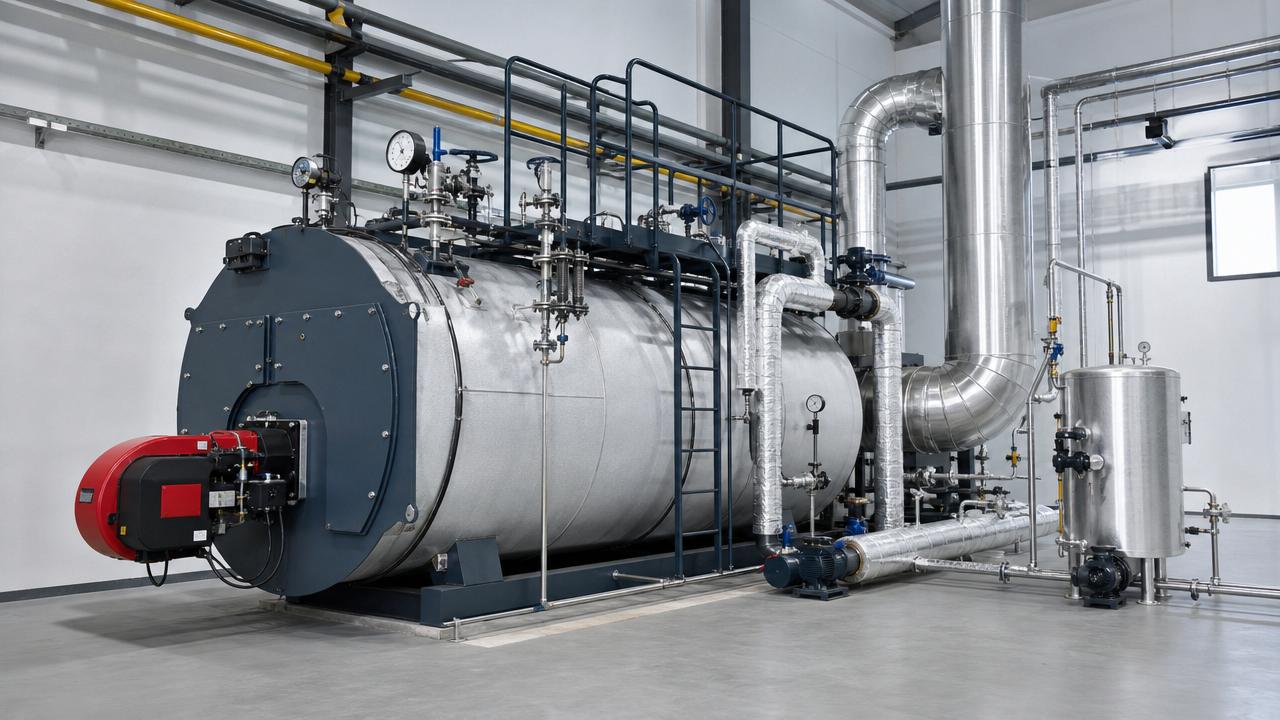
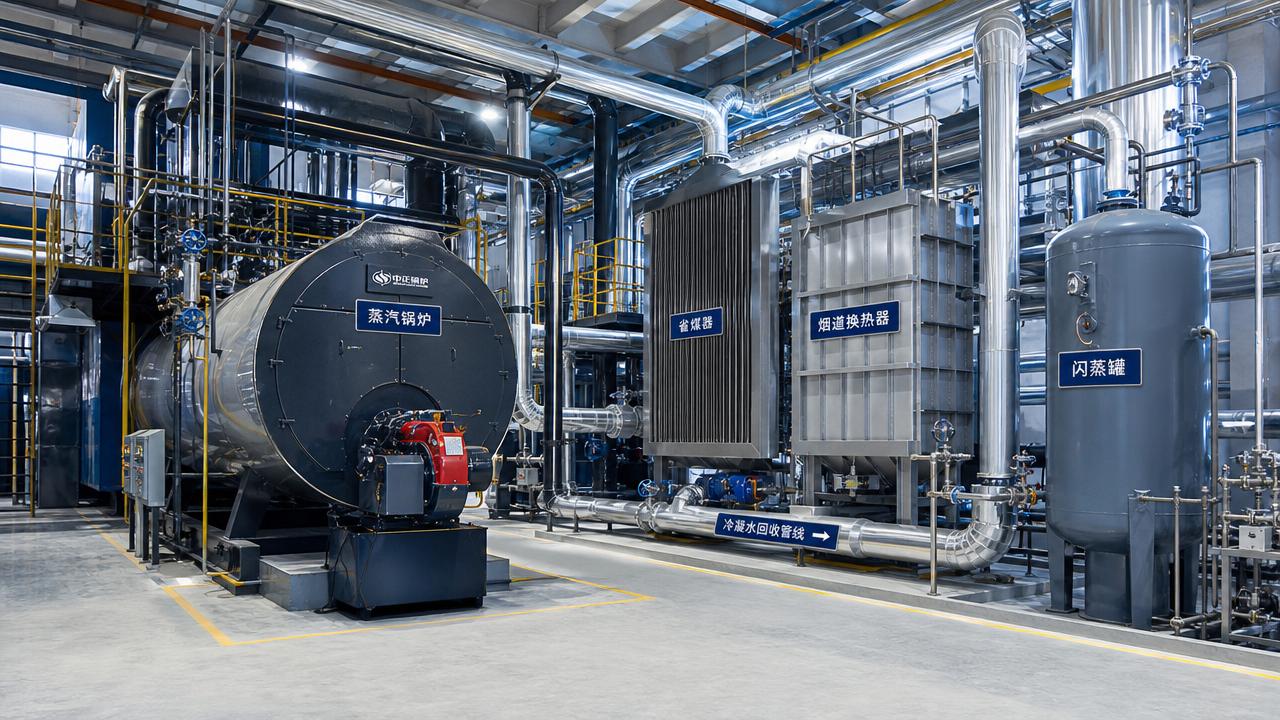
They usually combine burner design, staged combustion, flue gas recirculation, oxygen control, and advanced monitoring.
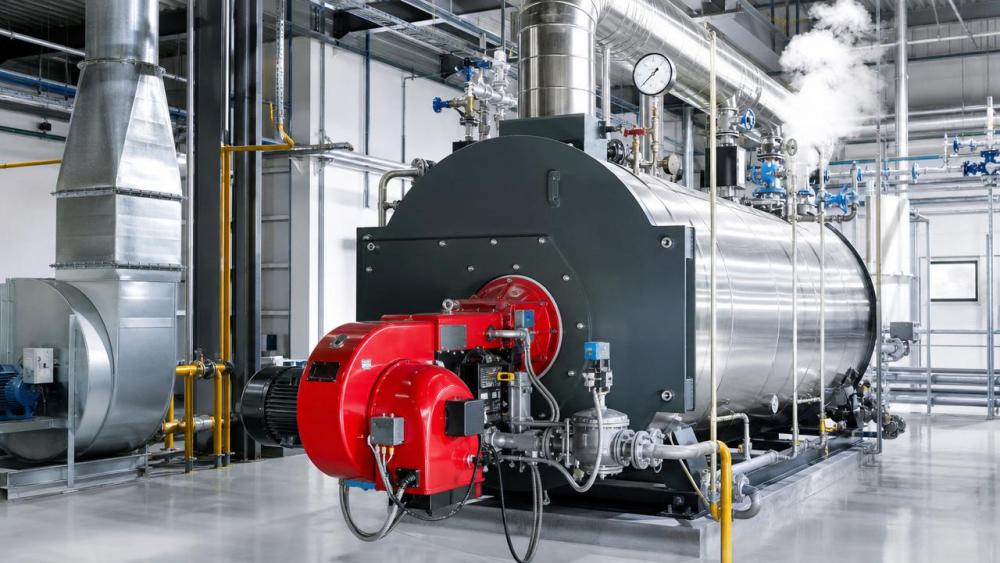
NOx matters because it contributes to smog, acid deposition, and stricter local permitting requirements.
As regional standards tighten, conventional boilers may face retrofits, operating limits, or shortened replacement cycles.
That is why low-NOx combustion boilers are now evaluated not only by environmental teams, but also by finance, operations, and energy strategy groups.
In practical terms, these systems aim to lower peak flame temperature and improve air-fuel mixing.
The challenge is that lower NOx must not create unstable flames, excess carbon monoxide, or avoidable efficiency losses.
That balance explains why the discussion often becomes fuel savings versus emission limits.
Do low-NOx combustion boilers really save fuel, or only reduce emissions?
They can save fuel, but the result depends on system design, controls, load profile, and baseline equipment condition.
A modern low-NOx combustion boiler often includes better burner management and tighter combustion control.
Those features can reduce excess air, limit heat loss, and keep combustion closer to optimal conditions.
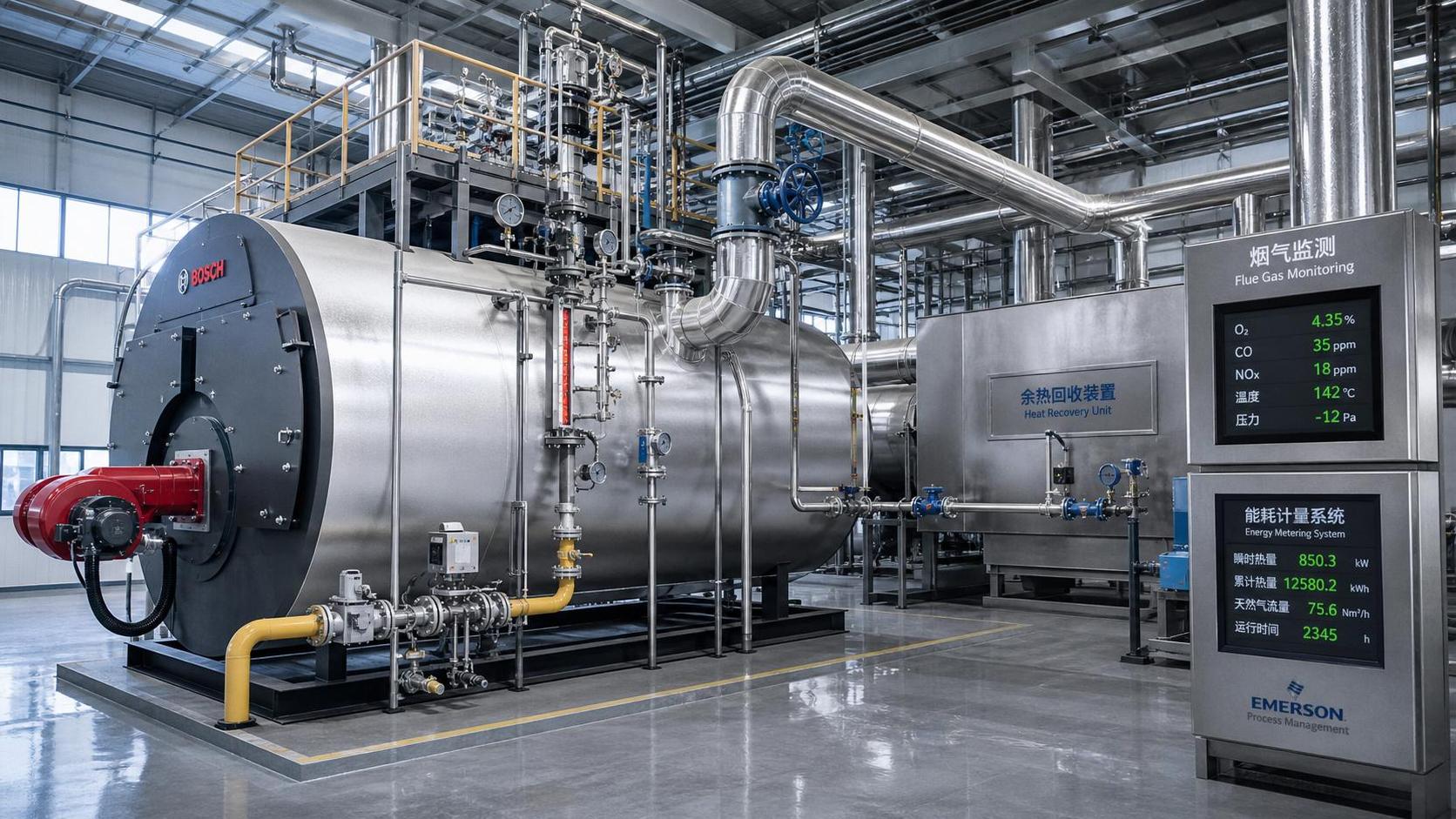
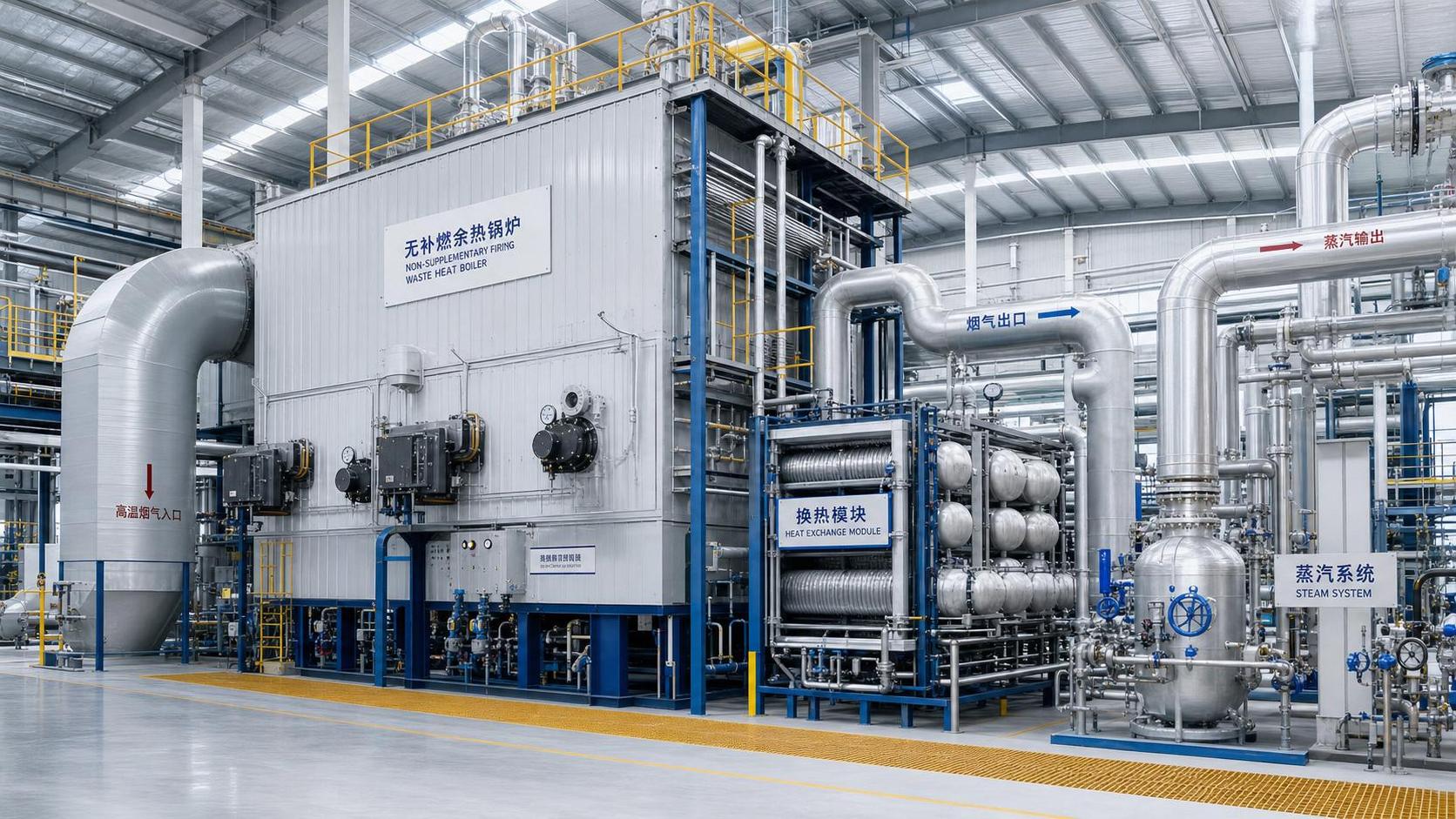
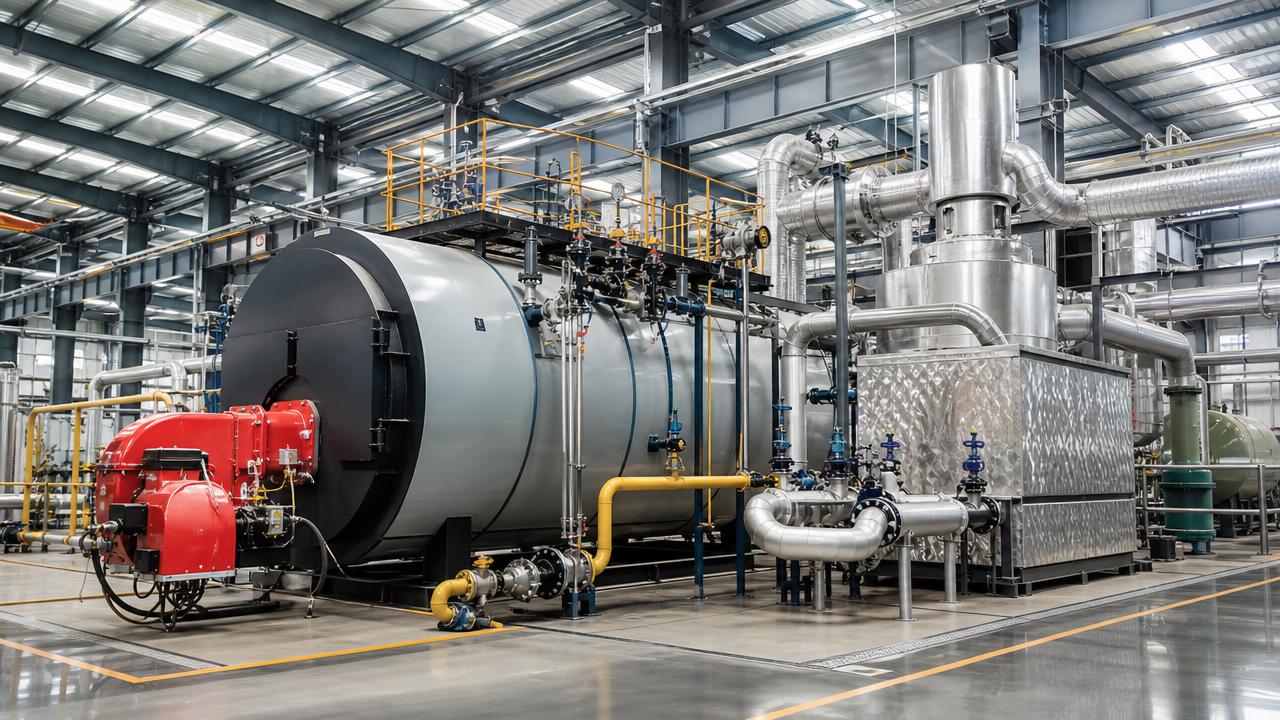
When paired with economizers, variable-speed fans, and digital oxygen trimming, fuel savings become more likely.
However, not every low-NOx upgrade improves efficiency by default.
Some deep-emission configurations may increase pressure drop, fan power, or tuning complexity.
If the system runs at low turndown or frequent cycling, expected savings may shrink.
Fuel economics are strongest in four situations:
- Older boilers operate with high excess air and poor burner control.
- Fuel prices are volatile or structurally high.
- The site has long annual operating hours.
- Heat recovery and system integration are included in the project scope.
So the right question is not whether low-NOx combustion boilers save fuel in theory.
It is whether the full combustion system is optimized around actual demand, fuel quality, and control stability.
Which applications benefit most from low-NOx combustion boilers?
The best candidates are sites where emissions, uptime, and thermal efficiency have equal operational importance.
This includes food processing, pharmaceuticals, semiconductors, district energy, commercial campuses, and general manufacturing.
Facilities near urban air-quality control zones often move faster because permit restrictions are more visible.
Process plants with continuous steam demand also benefit because efficiency gains accumulate over many annual operating hours.
Low-NOx combustion boilers are especially attractive where brand exposure and ESG reporting influence market positioning.
In those environments, avoiding compliance disruptions has direct financial value.
Yet they may be less compelling where loads are highly intermittent and existing boilers are relatively new.
A retrofit can still make sense, but the payback often depends more on regulation than fuel savings.
For mixed-use industrial estates, decision quality improves when thermal demand mapping is completed before technology selection.
How should low-NOx combustion boilers be compared with standard or ultra-low emission options?
Comparison should go beyond nameplate efficiency and emission claims.
Three dimensions matter most: compliance headroom, controllability, and lifecycle economics.
A standard boiler may have lower purchase cost, but weaker future compliance resilience.
An ultra-low emission system may exceed current needs, but carry higher capital and tuning demands.
Low-NOx combustion boilers often occupy the practical middle ground.
The comparison should also include burner turndown, maintenance intervals, sensor reliability, and operator training requirements.
Without those factors, a lower-priced option may appear better than it really is.
What costs, risks, and implementation issues are often underestimated?
The biggest mistake is focusing only on acquisition cost.
Low-NOx combustion boilers should be evaluated through total cost of ownership.
That includes engineering, controls integration, stack adjustments, fan energy, commissioning, and performance verification.
Downtime risk is another underestimated issue.
If installation disrupts a critical steam process, the indirect cost can exceed the equipment premium.
Fuel variability also matters.
A boiler tuned for one gas composition may drift from target performance when supply conditions change.
Common project risks include:
- Choosing emission targets without reviewing future local regulations.
- Assuming burner retrofit alone will solve poor system efficiency.
- Ignoring condensate return, insulation, and steam distribution losses.
- Underestimating the need for controls expertise after startup.
A sound implementation plan usually includes baseline testing, modeled savings assumptions, staged commissioning, and post-install verification.
How can an investment decision be made with better confidence?
A stronger decision starts with three baselines: emissions performance, fuel intensity, and operating profile.
Then compare low-NOx combustion boilers against alternative actions such as burner retrofit, heat recovery, or control modernization.
It helps to frame the choice around questions that connect compliance and economics.
This structured review reflects the GTC-Matrix approach to thermal intelligence.
It links combustion technology choices with energy conversion efficiency, policy movement, and industrial competitiveness.
In many cases, low-NOx combustion boilers are not a single-equipment decision.
They are part of a broader thermal optimization pathway.
FAQ summary: what should be remembered before selecting low-NOx combustion boilers?
The most important takeaway is that low-NOx combustion boilers should be judged by combined value, not isolated specification points.
They can support compliance, fuel savings, and operational resilience when the system is matched to site conditions.
They can disappoint when emission targets are pursued without attention to controls, integration, and real load behavior.
A practical next step is to gather current emissions data, annual fuel use, and runtime patterns.
Then compare replacement, retrofit, and optimization scenarios using lifecycle assumptions rather than headline efficiency alone.
For organizations following GTC-Matrix intelligence, the strongest strategy is clear.
Treat low-NOx combustion boilers as part of an integrated thermal performance plan that connects emissions compliance with durable energy productivity.
Related News
- Low-NOx Boilers Cost Breakdown: Upfront Price, Fuel Savings, and PaybackAuthor :Thermal Energy Strategist

- Boiler Combustion Systems: Common Causes of Unstable Fuel PerformanceAuthor :Thermal Energy Strategist

- Hot Water Industrial Boilers: When Efficiency Gains Justify ReplacementAuthor :Thermal Energy Strategist

- What Boiler Efficiency Really Means in Daily Operation and Energy BillsAuthor :Thermal Energy Strategist

- Boiler Efficiency Testing Methods That Expose Heat Loss and Fuel WasteAuthor :Thermal Energy Strategist

- Industrial Burner Systems: Key Factors for Safe Heat OutputAuthor :Thermal Energy Strategist

- Gas-Fired Boiler Combustion Technology: Key Efficiency and Emissions Trade-OffsAuthor :Thermal Energy Strategist

- Unfired Heat Recovery Steam Generators: When Do They Pay Off?Author :Thermal Energy Strategist

- How to Evaluate Steam Generation Systems Electric for Process Heat ProjectsAuthor :Thermal Energy Strategist

- Thermal Power Systems for Industrial Heating: Common Sizing Mistakes to AvoidAuthor :Thermal Energy Strategist

- Low-NOx Condensing Boilers: How to Compare Efficiency and EmissionsAuthor :Thermal Energy Strategist
![]()
- Low Emissions Boilers for Food Processing: Key Compliance and Fuel Cost FactorsAuthor :Thermal Energy Strategist

- Steam System Efficiency Calculation: Key Inputs That Change the ResultAuthor :Thermal Energy Strategist

- How to Evaluate a Steam Boiler Components Exporter Before OrderingAuthor :Thermal Energy Strategist

- Burner Systems Troubleshooting: Common Efficiency Loss CausesAuthor :Thermal Energy Strategist

- EU PED Q2 Rules Require Digital Compliance TagsAuthor :Thermal Energy Strategist

- Thermal Power Systems: Key Efficiency Risks in Daily OperationAuthor :Thermal Energy Strategist

- Low-NOx Combustion Boilers: Key Efficiency and Compliance ChecksAuthor :Thermal Energy Strategist

- Low-NOx Combustion Boilers: Key Specs That Affect Emissions and Fuel UseAuthor :Thermal Energy Strategist

- Low-NOx Combustion Boilers: Key Compliance RisksAuthor :Thermal Energy Strategist

- Thermodynamics Analysis for Boiler Heat-Loss ReductionAuthor :Thermal Energy Strategist

- Industrial Thermal Systems: Common Operating RisksAuthor :Thermal Energy Strategist

- Low-NOx Combustion Boilers: Key Spec Checks Before PurchaseAuthor :Thermal Energy Strategist

- How Industrial Heat Recovery Cuts Boiler Fuel Costs in 2026Author :Thermal Energy Strategist

- Thermodynamics Analysis: 5 Heat Loss Clues in Steam BoilersAuthor :Thermal Energy Strategist

- Low-NOx Combustion Boilers: What Affects Real Emissions PerformanceAuthor :Thermal Energy Strategist

- Thermodynamics Analysis: Finding Heat Loss in Steam BoilersAuthor :Thermal Energy Strategist

- 2026 Steam Boiler Upgrades for Lower NOx and Fuel CostsAuthor :Thermal Energy Strategist

- EU to Expand CBAM to Steam Boilers; Exporters Must Prepare Carbon DataAuthor :Thermal Energy Strategist

- Industrial Heat Recovery: When Payback Beats New Boiler CapacityAuthor :Thermal Energy Strategist

- Carbon Neutrality Targets and the New Boiler Retrofit PaybackAuthor :Thermal Energy Strategist

- Low-NOx Combustion Boilers: Fuel Savings vs Emission LimitsAuthor :Thermal Energy Strategist

- Industrial Energy Efficiency Benchmarks for Steam Boiler Upgrades in 2026Author :Thermal Energy Strategist

- Low-NOx Combustion Boilers: Efficiency vs Emissions in 2026Author :Thermal Energy Strategist

- Industrial Heat Recovery Options for Steam Boiler SavingsAuthor :Thermal Energy Strategist

- Low-NOx Combustion Boilers and 2026 Compliance PressureAuthor :Thermal Energy Strategist