



Industrial Thermal Systems: Common Operating Risks




Industrial thermal systems are critical to stable production, product quality, and workplace safety, yet their operating risks often hide inside routine conditions.
Temperature drift, pressure imbalance, fouling, leakage, and control failure can slowly undermine reliability before an obvious alarm appears.
For modern facilities, early recognition prevents downtime, compliance gaps, energy waste, and serious incidents across cooling, heating, compression, and heat exchange processes.
What operating risks are most common in industrial thermal systems?
The most common risks in industrial thermal systems usually begin with small deviations that become costly when ignored.
These risks include unstable temperature control, pressure excursions, heat transfer loss, mechanical degradation, and unsafe energy isolation.
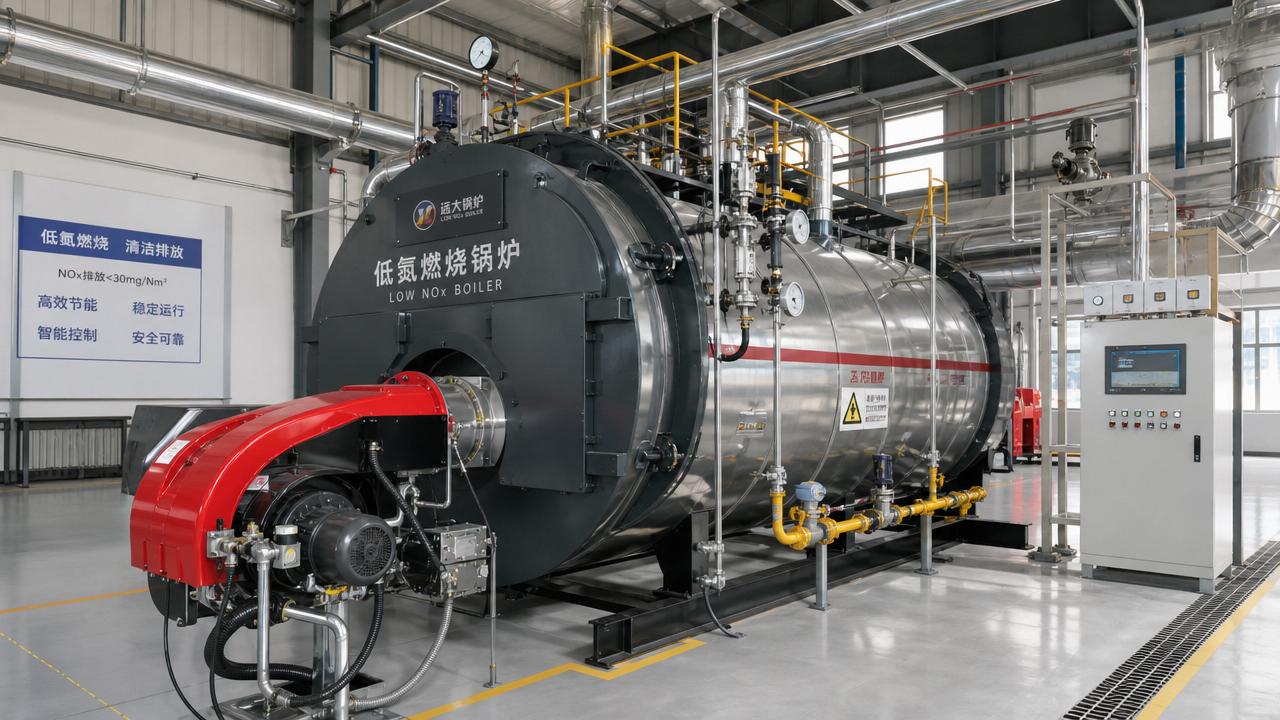
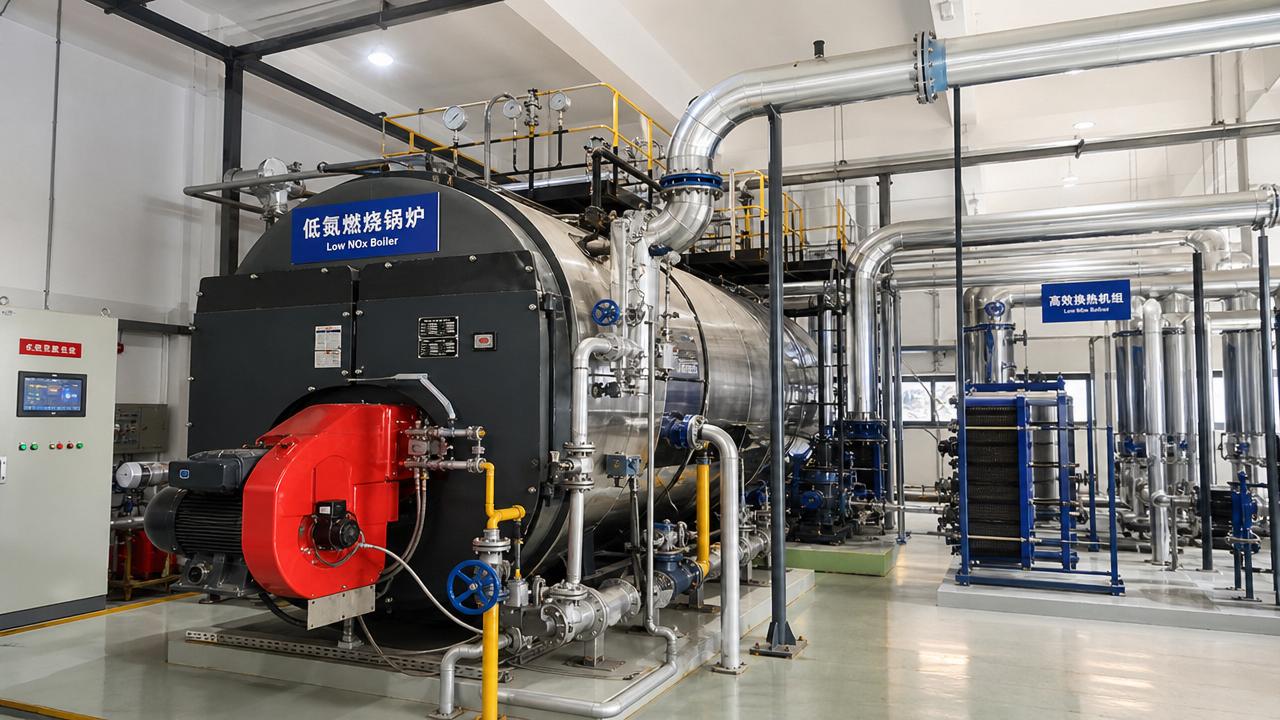
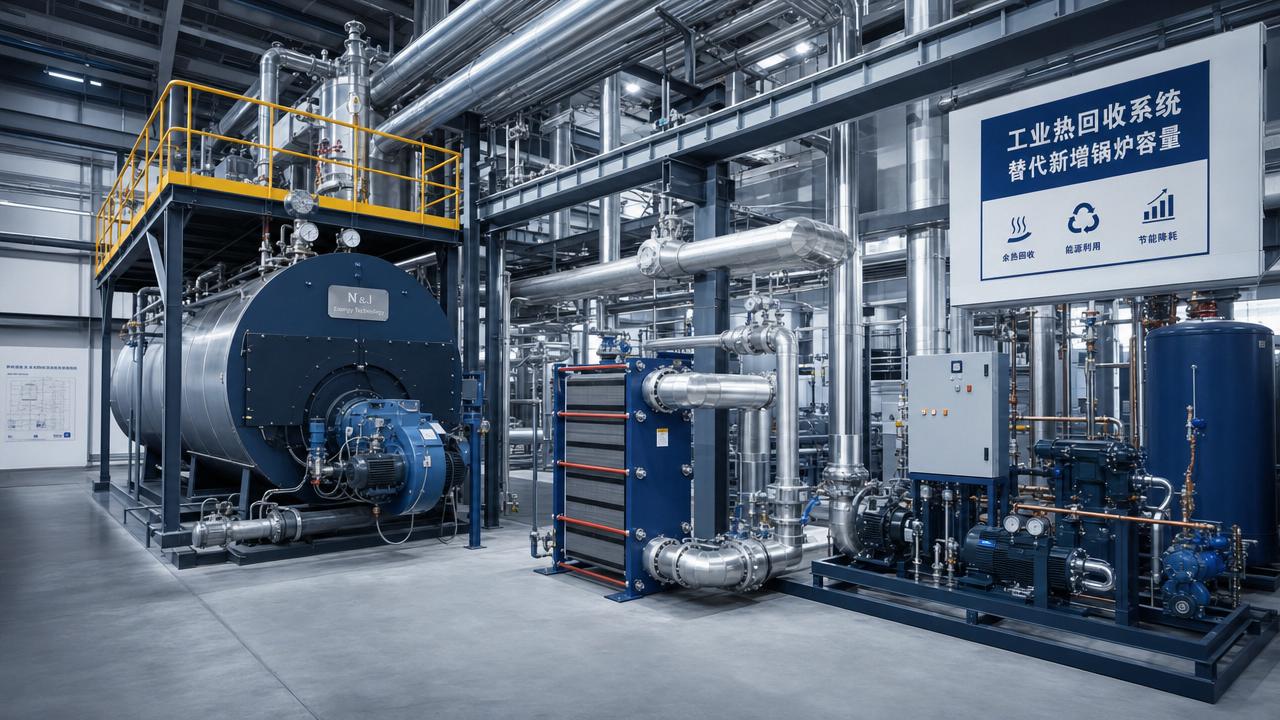
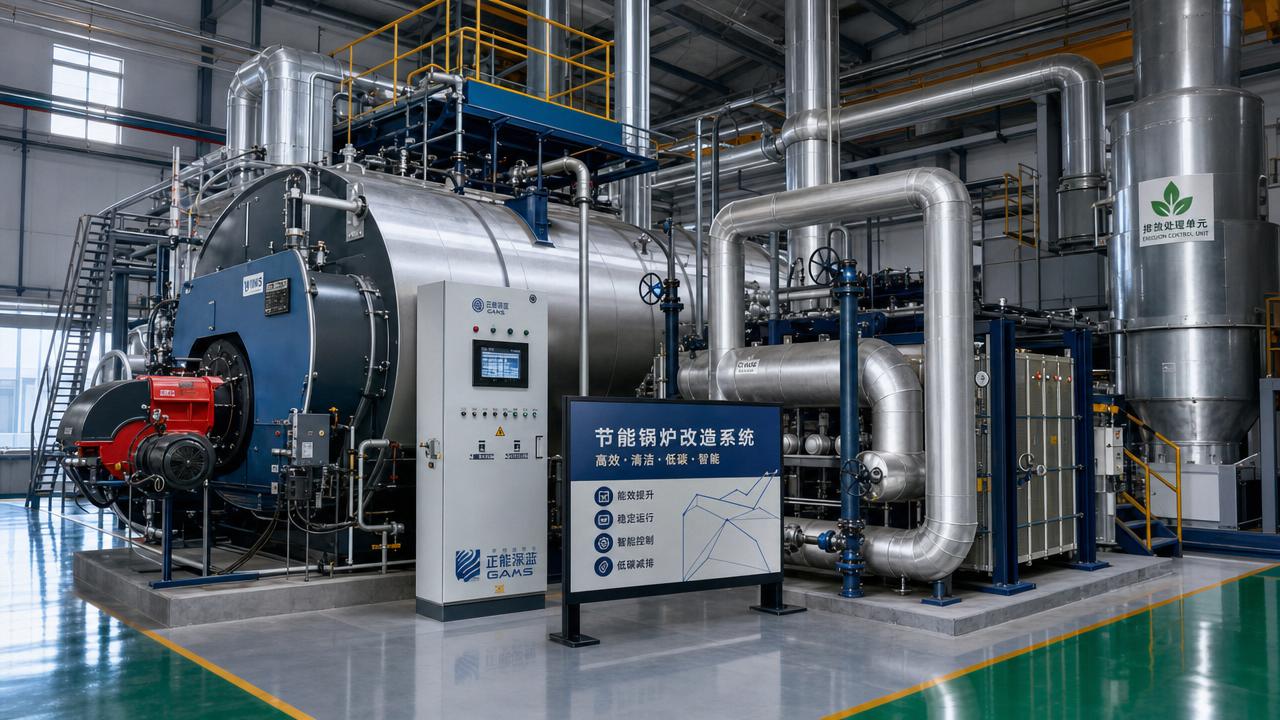
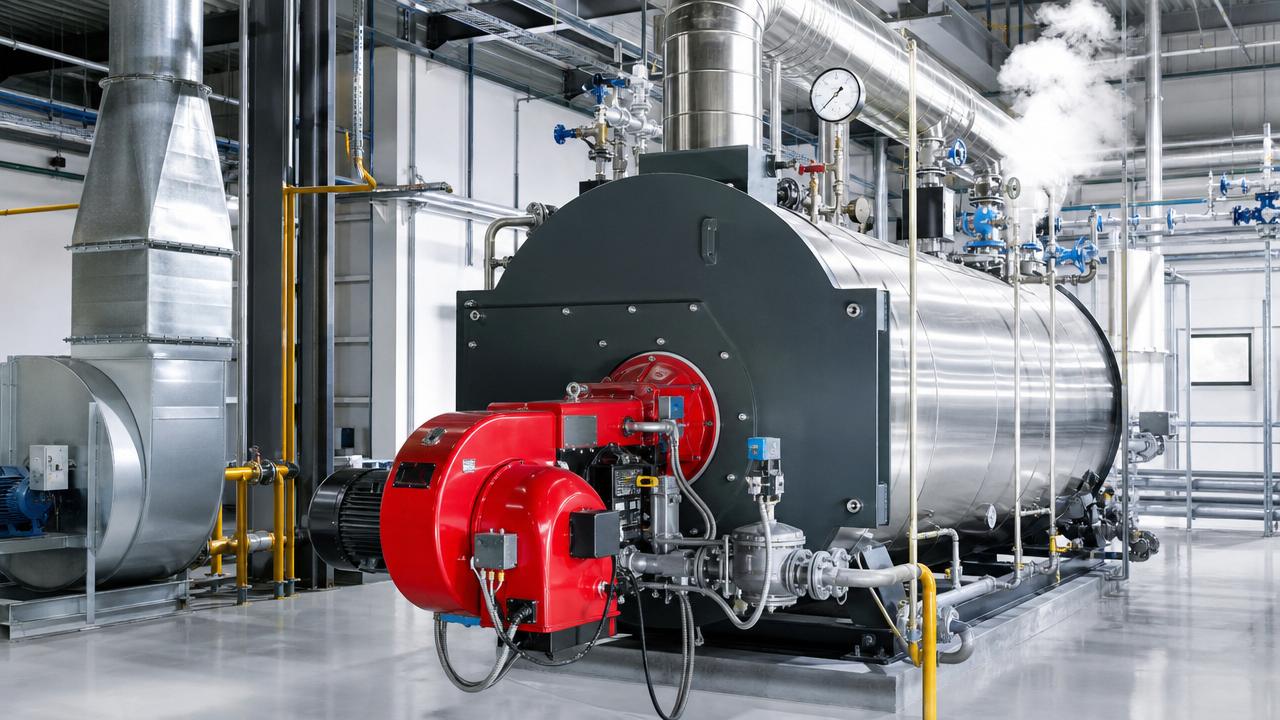
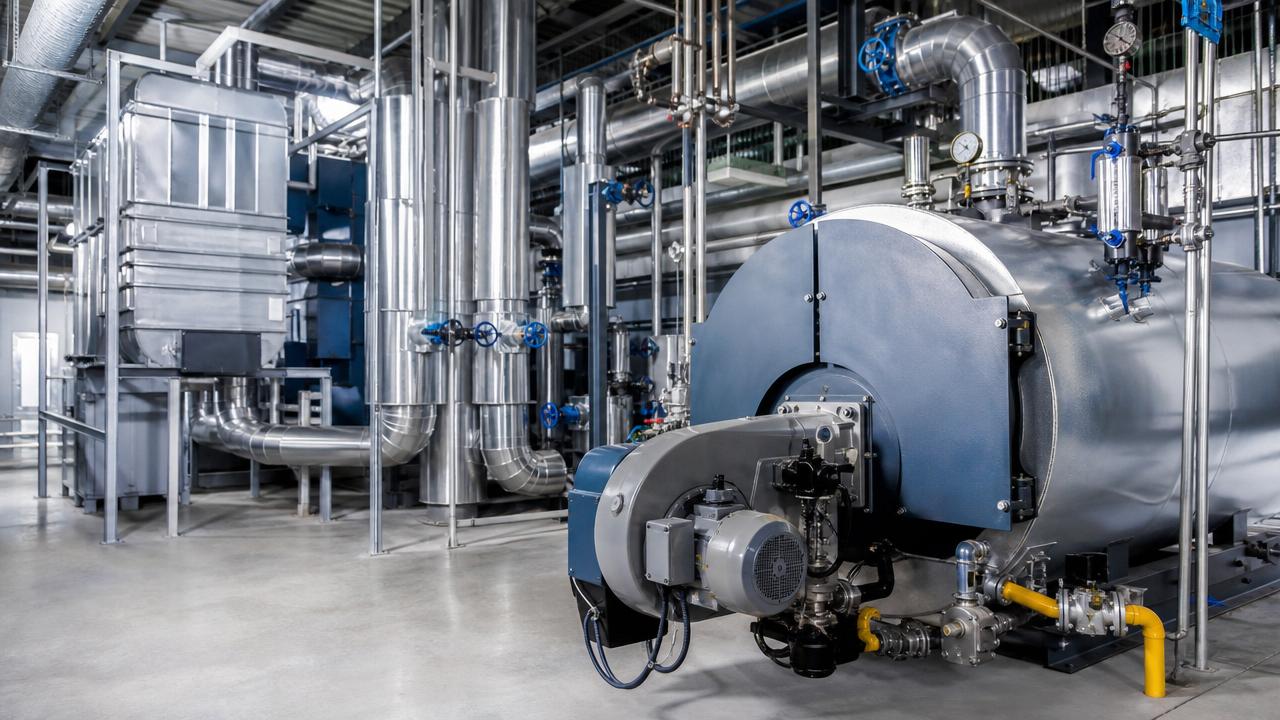
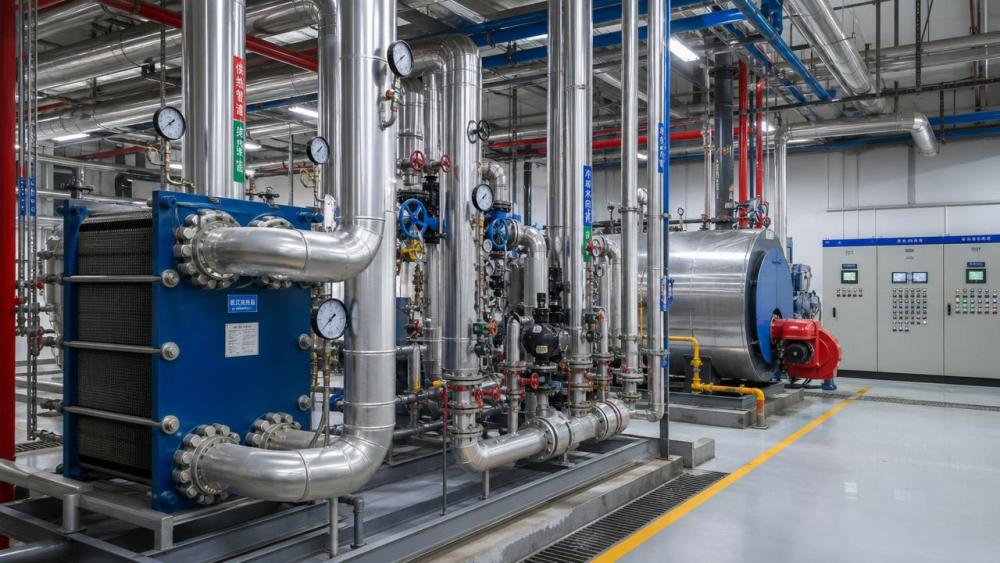
In many plants, industrial thermal systems connect boilers, chillers, compressors, heat exchangers, pumps, valves, sensors, and control platforms.
Because these assets interact continuously, one weak point can disturb the entire thermal and energy balance.
- Temperature drift can damage product consistency, curing quality, sterilization performance, or material stability.
- Pressure imbalance can overload vessels, piping, seals, compressors, and safety relief devices.
- Fouling reduces heat transfer efficiency and forces higher energy consumption.
- Leaks may release steam, refrigerant, thermal oil, compressed air, or process fluids.
- Control failure may create rapid swings that operators cannot correct manually.
The key point is that industrial thermal systems rarely fail without warning.
Most failures follow a pattern of rising alarms, unstable readings, abnormal vibration, or increasing energy intensity.
Why does temperature drift create quality and safety problems?
Temperature drift is one of the clearest warning signs in industrial thermal systems.
It occurs when actual operating temperature moves away from the required setpoint for longer than the process can tolerate.
In food production, drift may affect pasteurization, freezing, baking, drying, or cold storage stability.
In pharmaceuticals, semiconductor production, or chemicals, small deviations can alter yield, purity, reaction rate, or compliance records.
Temperature drift can come from poor sensor calibration, fouled heat exchangers, unstable cooling water, incorrect valve response, or degraded insulation.
It can also result from changing production loads that exceed original design assumptions.
How should drift be investigated?
Start by comparing setpoint, process temperature, utility temperature, and actuator position over the same time period.
If the controller demands full output but temperature still drifts, capacity or heat transfer may be restricted.
If actuator response is unstable, the issue may involve tuning, control logic, valve wear, or pneumatic supply quality.
For industrial thermal systems, trend data is more useful than single-point inspection.
How do pressure imbalance and flow instability increase risk?
Pressure and flow stability protect the mechanical integrity of industrial thermal systems.
When pressure rises beyond safe limits, vessels, tubes, gaskets, hoses, and relief systems face excessive stress.
When pressure is too low, pumps may cavitate, compressors may surge, and heat transfer loops may lose circulation.
Flow instability often appears as vibration, noisy piping, irregular pump current, unstable differential pressure, or repeated low-flow alarms.
These symptoms should not be dismissed as normal operating noise.
Where do pressure problems usually begin?
Common sources include blocked strainers, partially closed valves, undersized piping, failed regulators, water hammer, and incorrect bypass operation.
In compressed air networks, pressure drop may come from leaks, saturated filters, or poorly sequenced compressors.
In cooling systems, insufficient condenser flow can raise discharge pressure and reduce chiller efficiency.
For industrial thermal systems, pressure mapping across major components gives a practical diagnostic baseline.
- Track inlet and outlet pressure at heat exchangers.
- Record pump differential pressure during different production loads.
- Check relief valve settings against actual operating envelopes.
- Review pressure alarms for frequency, duration, and recovery time.
Why are fouling, scaling, and corrosion underestimated?
Fouling is a slow, quiet threat to industrial thermal systems.
Deposits form on heat transfer surfaces and reduce the ability to move energy efficiently.
Scaling is common in water-based systems where minerals precipitate under elevated temperature or poor chemical control.
Corrosion can thin tubes, weaken vessels, contaminate process fluids, and create unexpected leakage paths.
The economic impact is often larger than the repair bill.
Fouled industrial thermal systems require higher compressor power, higher fuel input, longer cycle times, or reduced production throughput.
What early indicators matter?
A rising approach temperature is one of the strongest signs of heat exchanger fouling.
Higher differential pressure may suggest blockage, scaling, biological growth, or debris accumulation.
Unexpected chemical consumption may indicate water treatment instability or contamination entering the loop.
Inspection should combine thermal performance data, fluid analysis, corrosion coupons, and maintenance history.
Cleaning intervals should be based on measured degradation, not only on calendar schedules.
How can leakage and energy loss become operational hazards?
Leakage in industrial thermal systems is not only an efficiency issue.
It can expose personnel to burns, frostbite, asphyxiation, slippery surfaces, or hazardous chemicals.
Steam leaks waste energy and can damage insulation, electrical cabinets, and nearby instruments.
Refrigerant leaks may trigger environmental reporting obligations and reduce cooling capacity.
Compressed air leaks increase compressor runtime and may hide poor demand management.
Thermal oil leaks are especially serious because some fluids can ignite under certain operating conditions.
Which leak checks are practical?
Use ultrasonic inspection for compressed air, vacuum, and steam distribution networks.
Apply infrared scanning to locate insulation failures, hot spots, and abnormal surface temperatures.
Review refrigerant charge trends and leak detector alarms for recurring patterns.
For industrial thermal systems, every leak should be classified by safety impact, energy impact, and production impact.
What role do controls, sensors, and alarms play in risk prevention?
Controls are the nervous system of industrial thermal systems.
When sensors drift, controllers react to false information and may push equipment into inefficient or unsafe conditions.
Poor alarm design can also create risk by overwhelming operators with repeated low-value alerts.
Critical alarms should identify real action points, not simply report every minor fluctuation.
Control loops require periodic testing, calibration, and tuning after major process changes.
This is especially important when industrial thermal systems serve variable production schedules or multiple utility loads.
How can data improve decisions?
Data-driven monitoring connects operating conditions with energy cost, reliability, and product quality.
Useful indicators include specific energy consumption, heat exchanger approach temperature, compressor load profile, and alarm recurrence.
Analytics can detect slow degradation before traditional maintenance inspections reveal visible damage.
Platforms such as GTC-Matrix emphasize this intelligence link between thermodynamic behavior and compression power efficiency.
FAQ table: how should common risks be judged and managed?
This table supports practical triage for industrial thermal systems during audits, shutdown planning, and reliability reviews.
The goal is to connect symptoms with measurable causes, not rely on guesswork.
How can preventive maintenance reduce operating risk?
Preventive maintenance must match the actual duty of industrial thermal systems.
A fixed checklist is helpful, but risk-based scheduling is more effective for critical assets.
Equipment serving high-temperature, high-pressure, sterile, or continuous production should receive deeper monitoring.
Maintenance plans should include calibration, lubrication, cleaning, vibration checks, insulation inspection, and safety device verification.
- Create a baseline for temperature, pressure, flow, and energy performance.
- Define alarm limits based on process tolerance and equipment safety.
- Inspect heat transfer surfaces before efficiency losses become severe.
- Test shutdown interlocks, relief devices, and emergency isolation steps.
- Review operating data after every production or utility change.
Industrial thermal systems also benefit from cross-functional reviews between operations, maintenance, energy, quality, and safety teams.
Different teams often notice different signals from the same asset.
Conclusion: what is the next practical step?
The safest industrial thermal systems are not necessarily the newest ones.
They are the systems monitored with discipline, maintained with evidence, and improved through reliable operating intelligence.
Temperature drift, pressure imbalance, fouling, leakage, and control failure should be treated as connected signals.
Each signal reveals how energy conversion, equipment health, and process stability are changing.
A practical next step is to build a risk register for critical industrial thermal systems.
Rank each asset by safety consequence, production dependence, energy intensity, and failure history.
Then connect that ranking to inspection frequency, data collection, spare parts planning, and operator response procedures.
With structured monitoring and informed decisions, industrial thermal systems can support safer production, lower energy cost, and stronger operational resilience.
Related News
- Low-NOx Boilers Cost Breakdown: Upfront Price, Fuel Savings, and PaybackAuthor :Thermal Energy Strategist

- Boiler Combustion Systems: Common Causes of Unstable Fuel PerformanceAuthor :Thermal Energy Strategist

- Hot Water Industrial Boilers: When Efficiency Gains Justify ReplacementAuthor :Thermal Energy Strategist

- What Boiler Efficiency Really Means in Daily Operation and Energy BillsAuthor :Thermal Energy Strategist

- Boiler Efficiency Testing Methods That Expose Heat Loss and Fuel WasteAuthor :Thermal Energy Strategist

- Industrial Burner Systems: Key Factors for Safe Heat OutputAuthor :Thermal Energy Strategist

- Gas-Fired Boiler Combustion Technology: Key Efficiency and Emissions Trade-OffsAuthor :Thermal Energy Strategist

- Unfired Heat Recovery Steam Generators: When Do They Pay Off?Author :Thermal Energy Strategist

- How to Evaluate Steam Generation Systems Electric for Process Heat ProjectsAuthor :Thermal Energy Strategist

- Thermal Power Systems for Industrial Heating: Common Sizing Mistakes to AvoidAuthor :Thermal Energy Strategist

- Low-NOx Condensing Boilers: How to Compare Efficiency and EmissionsAuthor :Thermal Energy Strategist
![]()
- Low Emissions Boilers for Food Processing: Key Compliance and Fuel Cost FactorsAuthor :Thermal Energy Strategist

- Steam System Efficiency Calculation: Key Inputs That Change the ResultAuthor :Thermal Energy Strategist

- How to Evaluate a Steam Boiler Components Exporter Before OrderingAuthor :Thermal Energy Strategist

- Burner Systems Troubleshooting: Common Efficiency Loss CausesAuthor :Thermal Energy Strategist

- EU PED Q2 Rules Require Digital Compliance TagsAuthor :Thermal Energy Strategist

- Thermal Power Systems: Key Efficiency Risks in Daily OperationAuthor :Thermal Energy Strategist

- Low-NOx Combustion Boilers: Key Efficiency and Compliance ChecksAuthor :Thermal Energy Strategist

- Low-NOx Combustion Boilers: Key Specs That Affect Emissions and Fuel UseAuthor :Thermal Energy Strategist

- Low-NOx Combustion Boilers: Key Compliance RisksAuthor :Thermal Energy Strategist

- Thermodynamics Analysis for Boiler Heat-Loss ReductionAuthor :Thermal Energy Strategist

- Industrial Thermal Systems: Common Operating RisksAuthor :Thermal Energy Strategist

- Low-NOx Combustion Boilers: Key Spec Checks Before PurchaseAuthor :Thermal Energy Strategist

- How Industrial Heat Recovery Cuts Boiler Fuel Costs in 2026Author :Thermal Energy Strategist

- Thermodynamics Analysis: 5 Heat Loss Clues in Steam BoilersAuthor :Thermal Energy Strategist

- Low-NOx Combustion Boilers: What Affects Real Emissions PerformanceAuthor :Thermal Energy Strategist

- Thermodynamics Analysis: Finding Heat Loss in Steam BoilersAuthor :Thermal Energy Strategist

- 2026 Steam Boiler Upgrades for Lower NOx and Fuel CostsAuthor :Thermal Energy Strategist

- EU to Expand CBAM to Steam Boilers; Exporters Must Prepare Carbon DataAuthor :Thermal Energy Strategist

- Industrial Heat Recovery: When Payback Beats New Boiler CapacityAuthor :Thermal Energy Strategist

- Carbon Neutrality Targets and the New Boiler Retrofit PaybackAuthor :Thermal Energy Strategist

- Low-NOx Combustion Boilers: Fuel Savings vs Emission LimitsAuthor :Thermal Energy Strategist

- Industrial Energy Efficiency Benchmarks for Steam Boiler Upgrades in 2026Author :Thermal Energy Strategist

- Low-NOx Combustion Boilers: Efficiency vs Emissions in 2026Author :Thermal Energy Strategist

- Industrial Heat Recovery Options for Steam Boiler SavingsAuthor :Thermal Energy Strategist

- Low-NOx Combustion Boilers and 2026 Compliance PressureAuthor :Thermal Energy Strategist