Gas-Fired Boiler Combustion Technology: Key Efficiency and Emissions Trade-Offs




Gas-fired boiler performance is no longer judged by heat output alone. In many industrial settings, boiler combustion technology gas fired systems must now deliver tight efficiency, stable flame behavior, low NOx, and auditable operating safety at the same time.
That balance matters because fuel cost volatility, emissions limits, and process reliability now move together. A boiler that looks efficient on paper can still create compliance risk, unstable steam quality, or hidden maintenance burden if combustion control is poorly managed.
Across sectors tracked by GTC-Matrix, from pharmaceutical utilities to food processing and semiconductor support systems, low-NOx combustion boilers are under closer scrutiny. The discussion has shifted from isolated burner selection to whole-system combustion judgment.
What Boiler Combustion Technology Really Covers
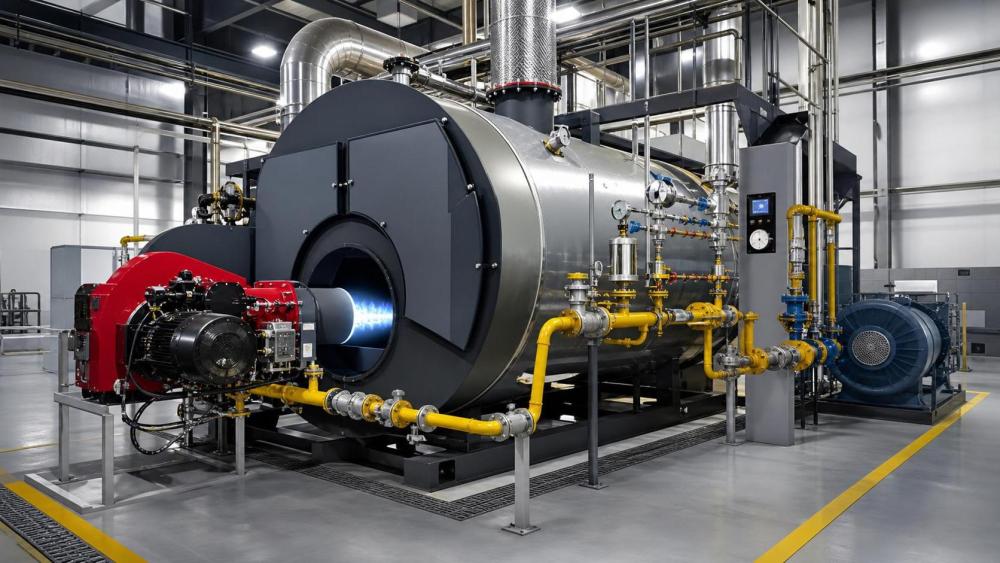
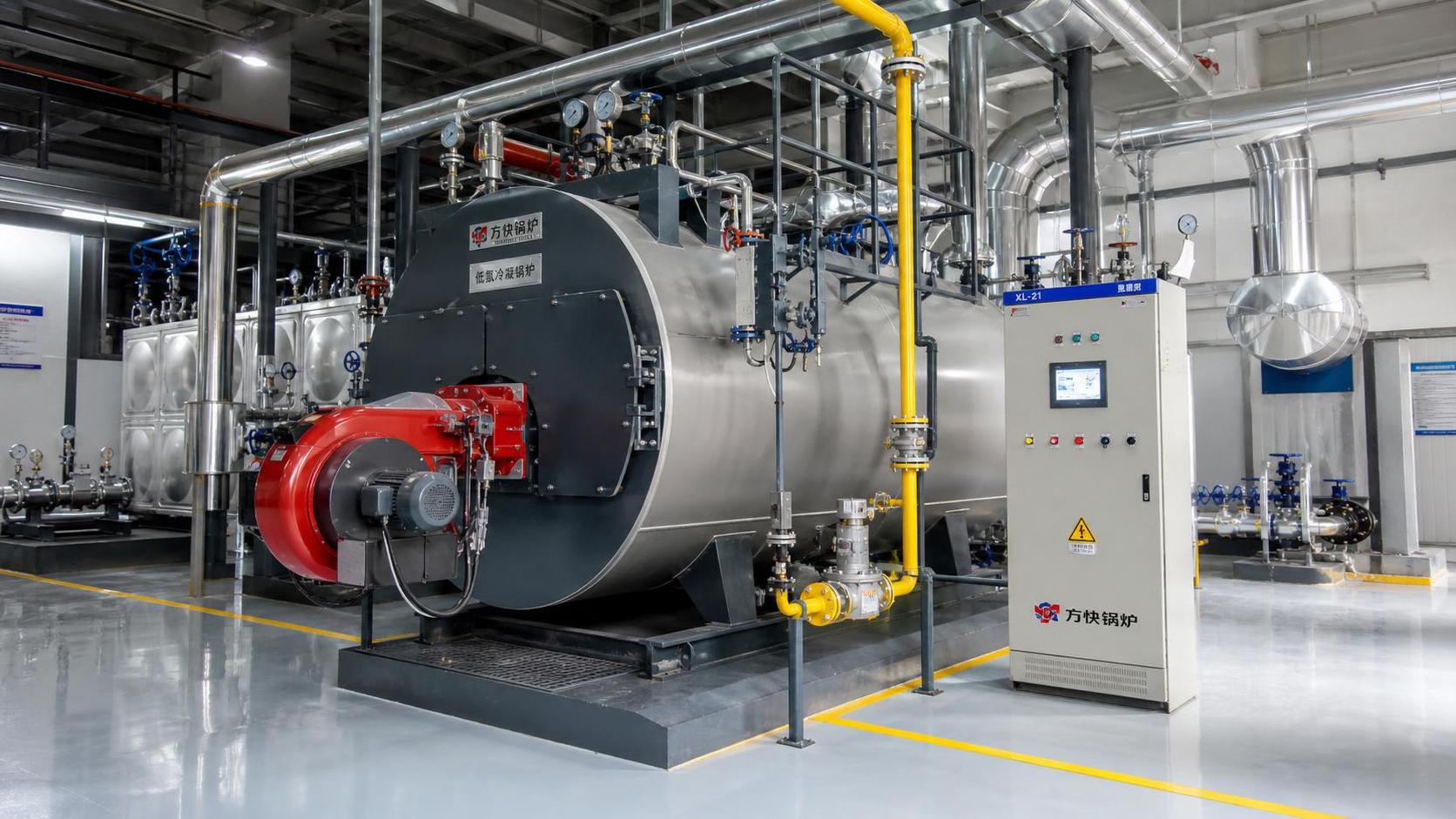
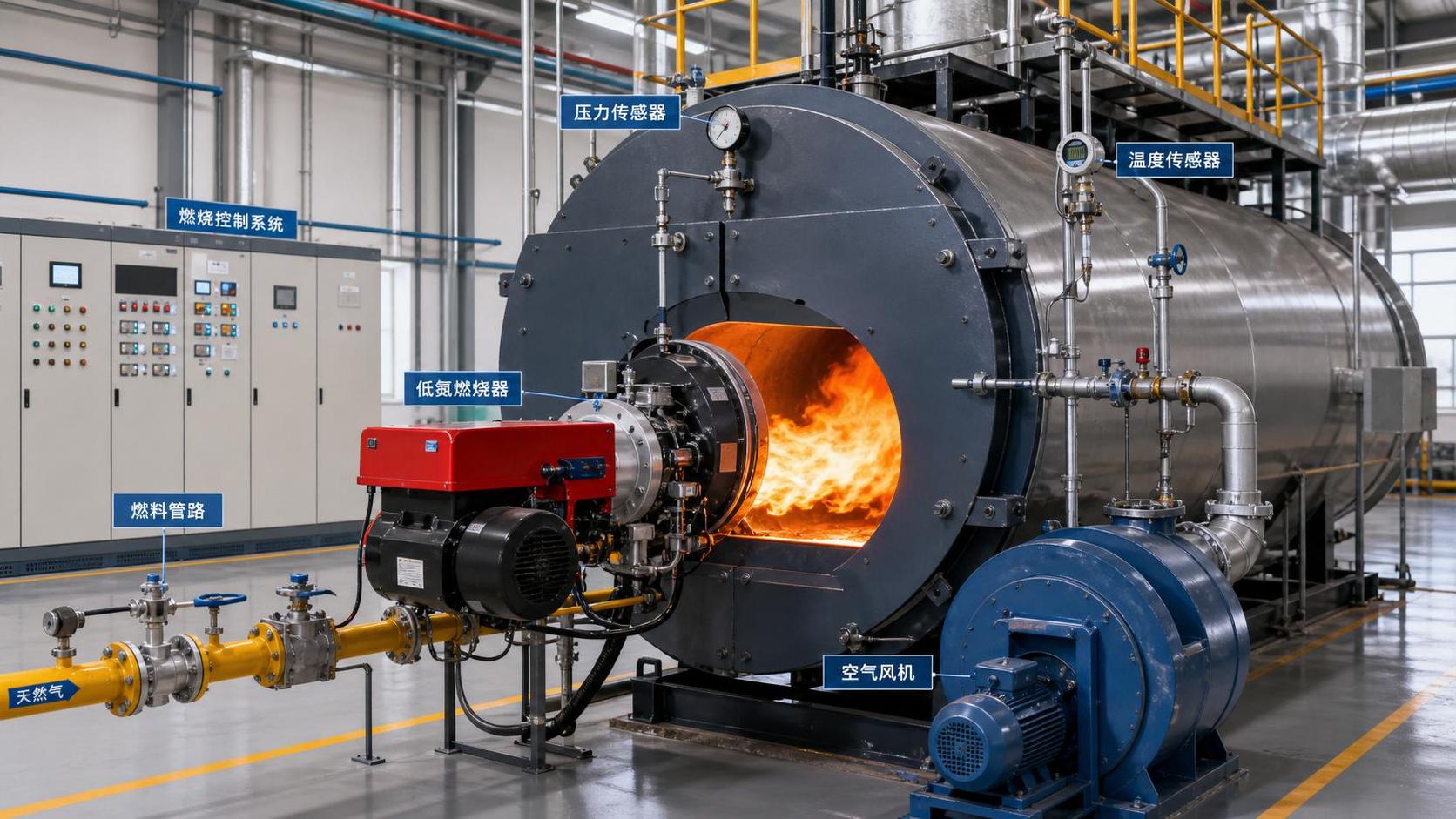
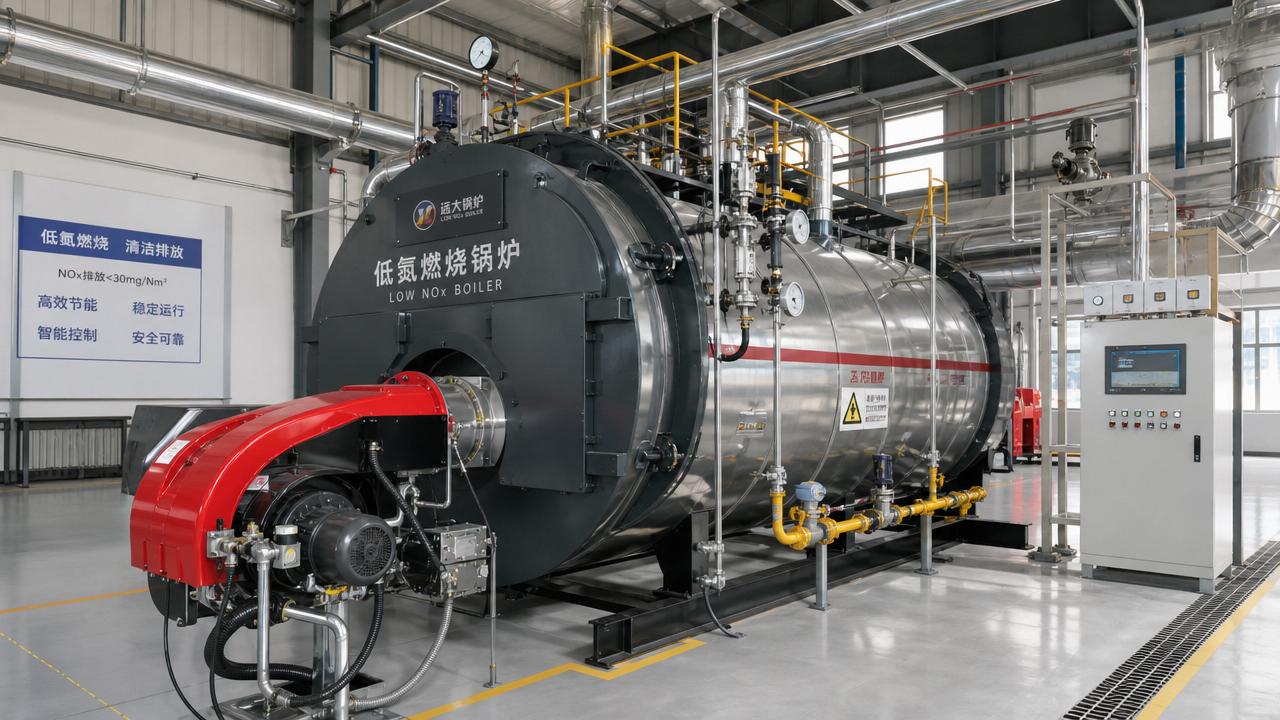
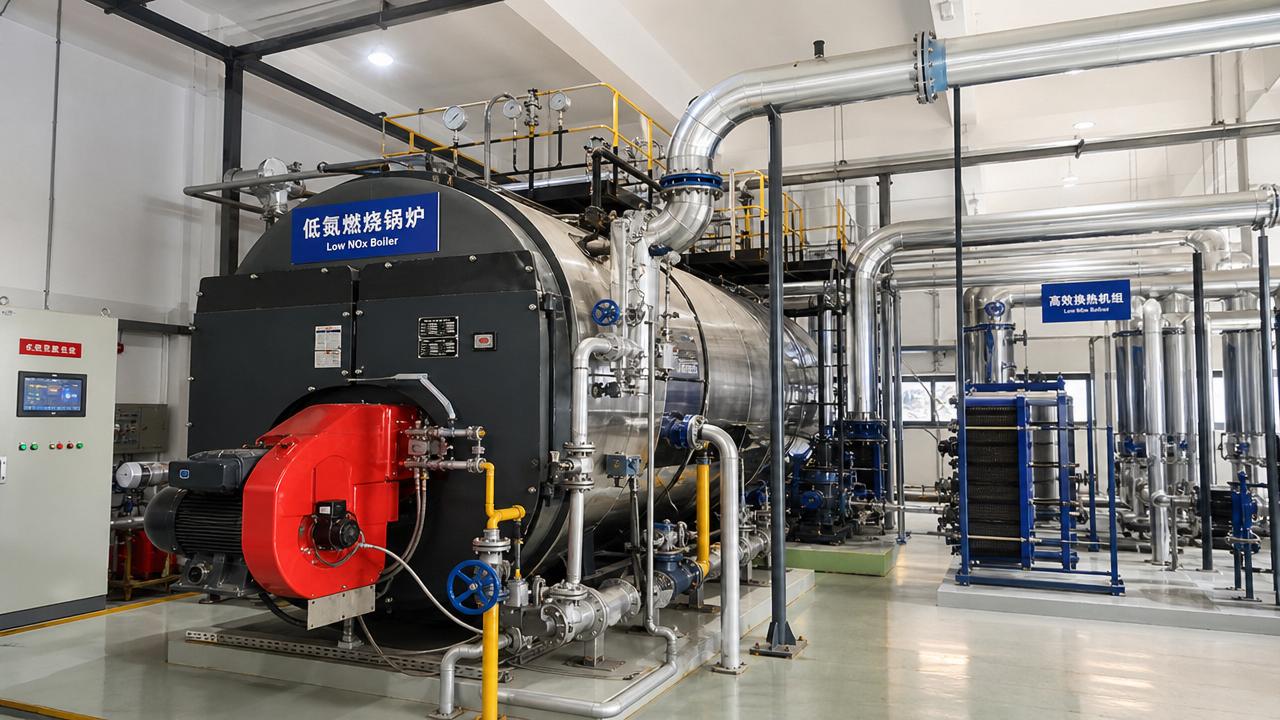
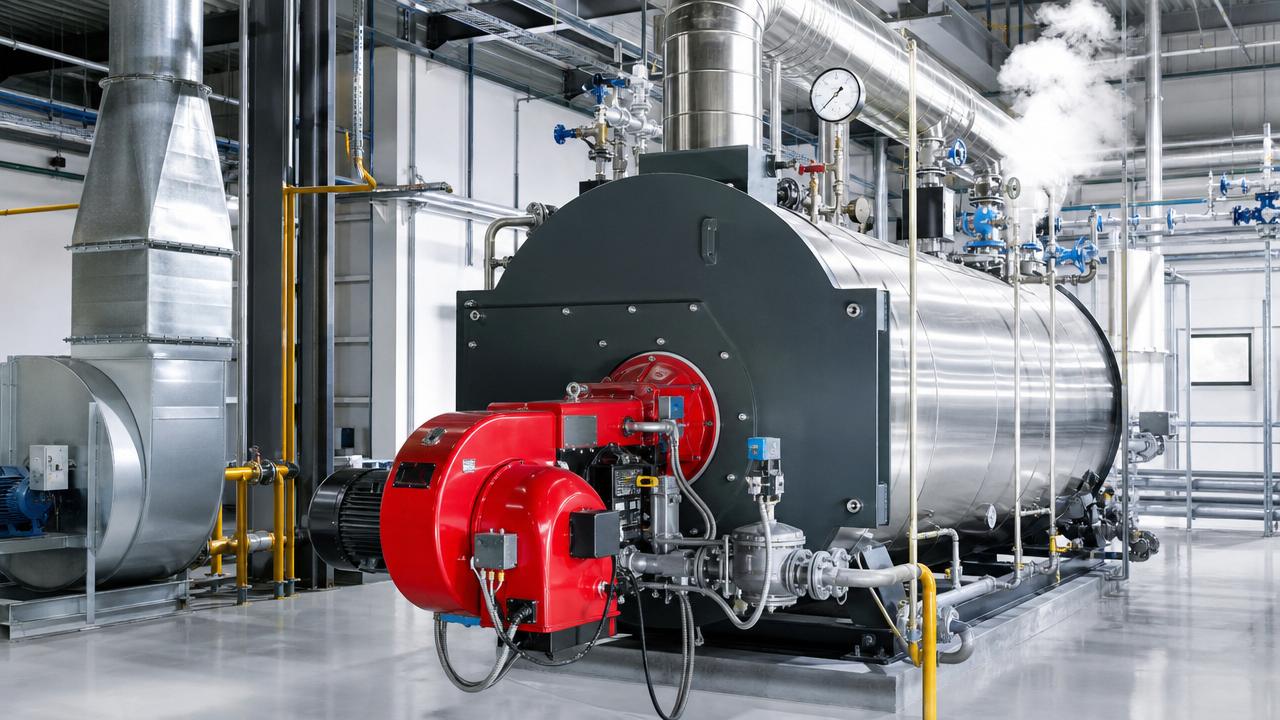
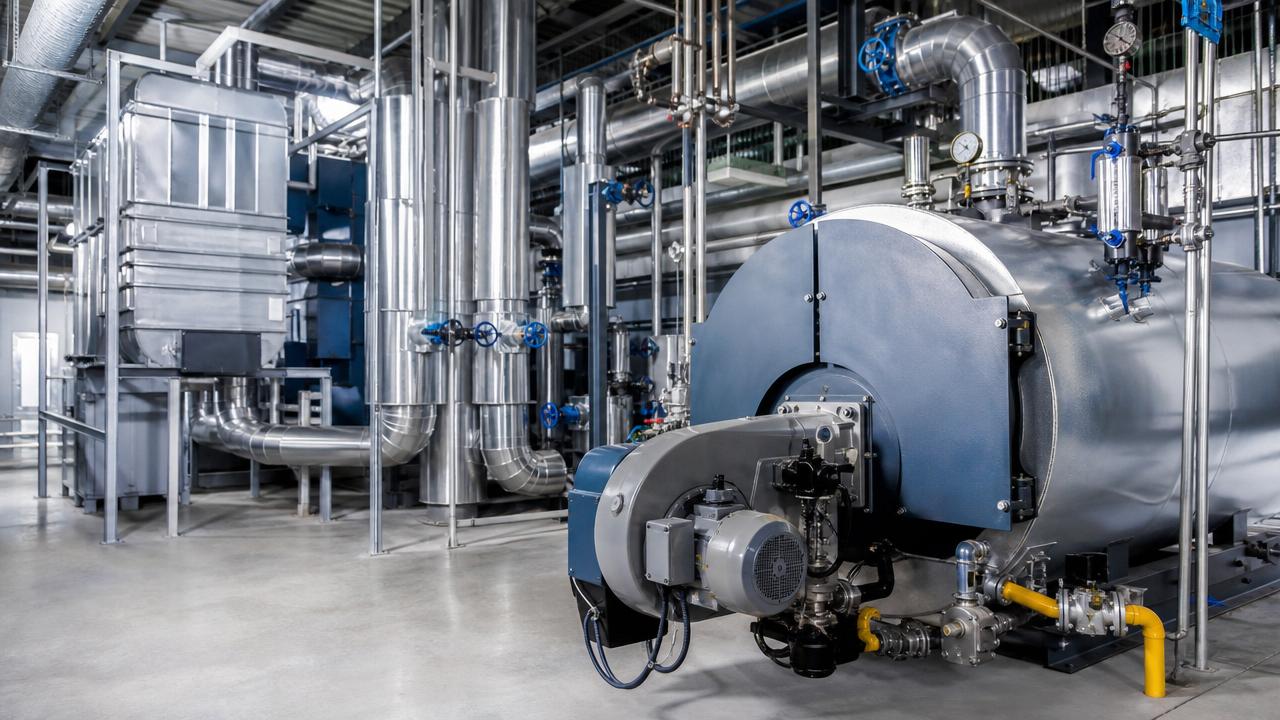
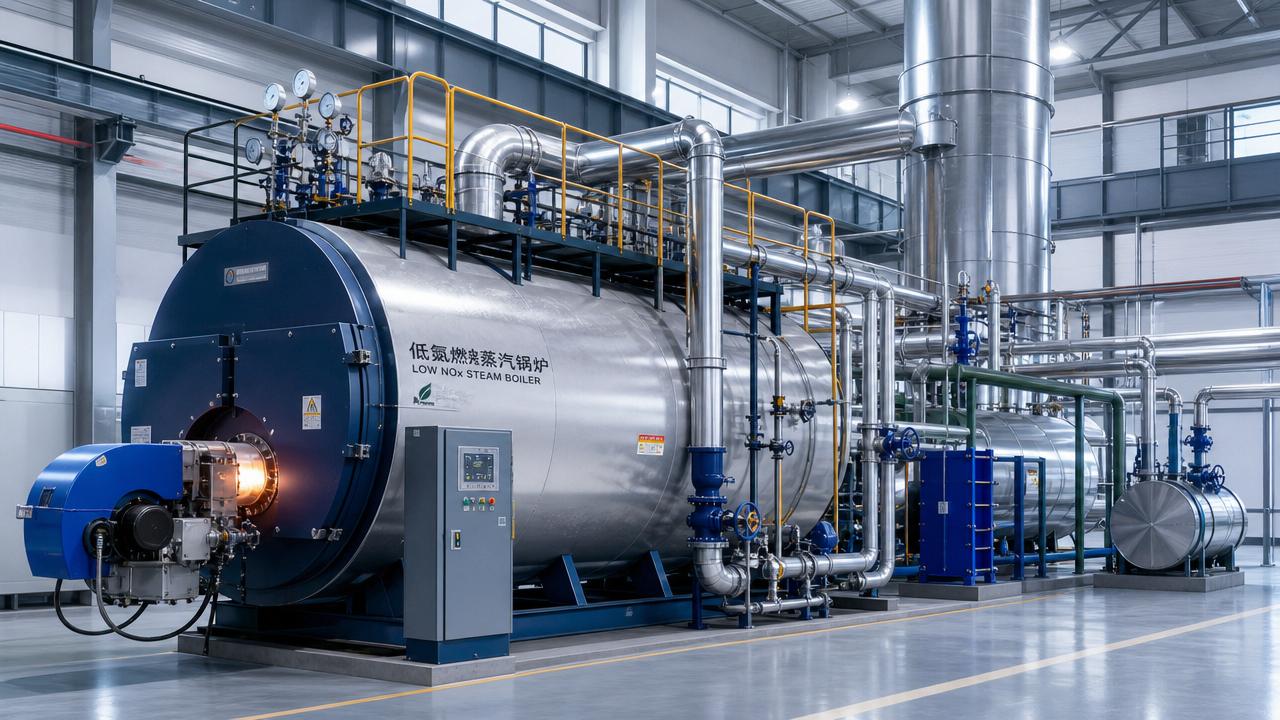
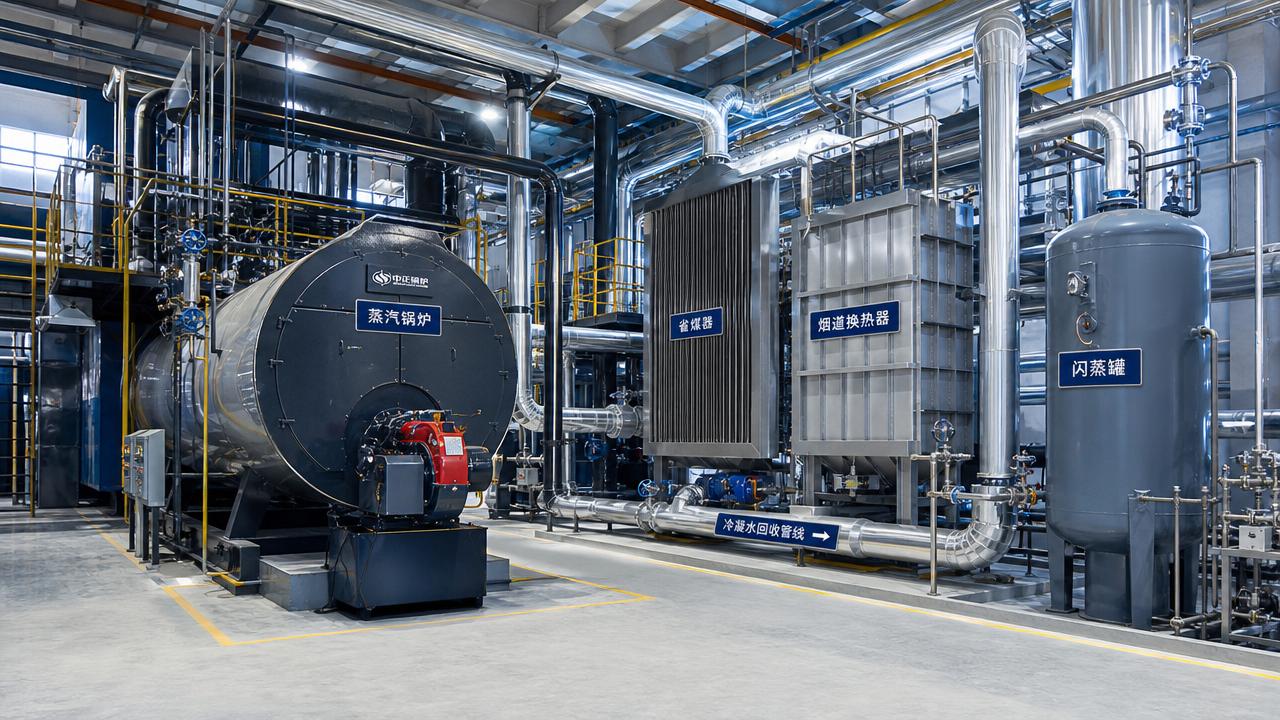
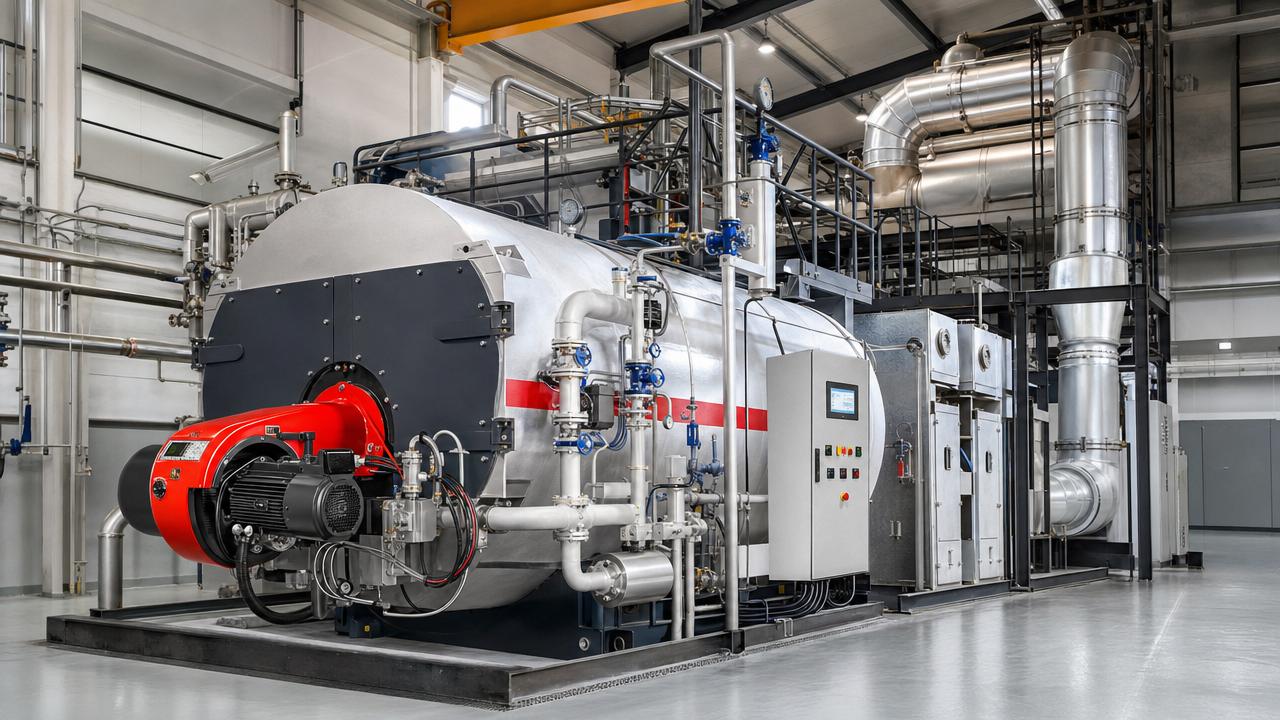
At a practical level, boiler combustion technology gas fired refers to how fuel and air are mixed, ignited, monitored, and adjusted to release heat safely and efficiently.
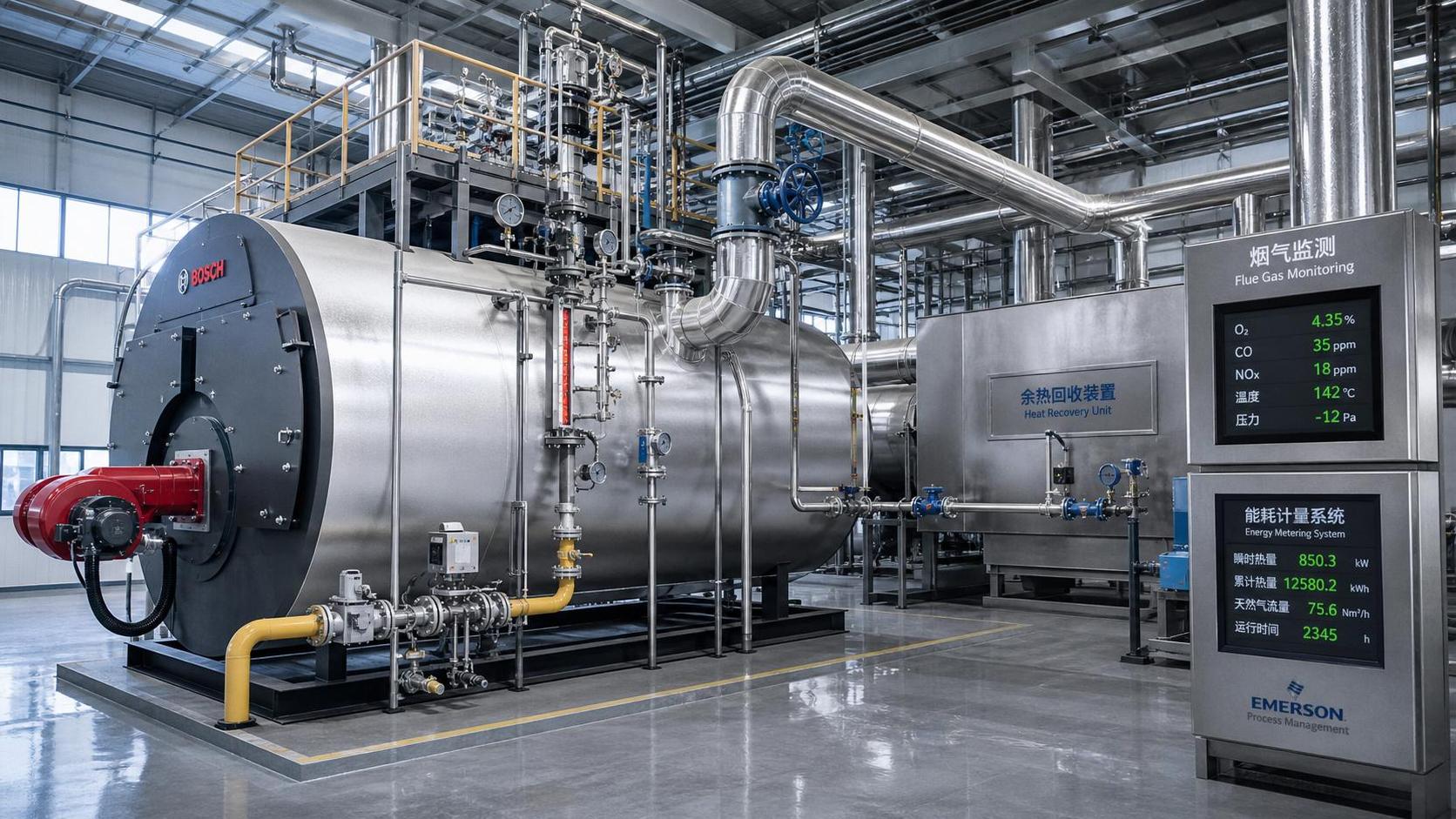
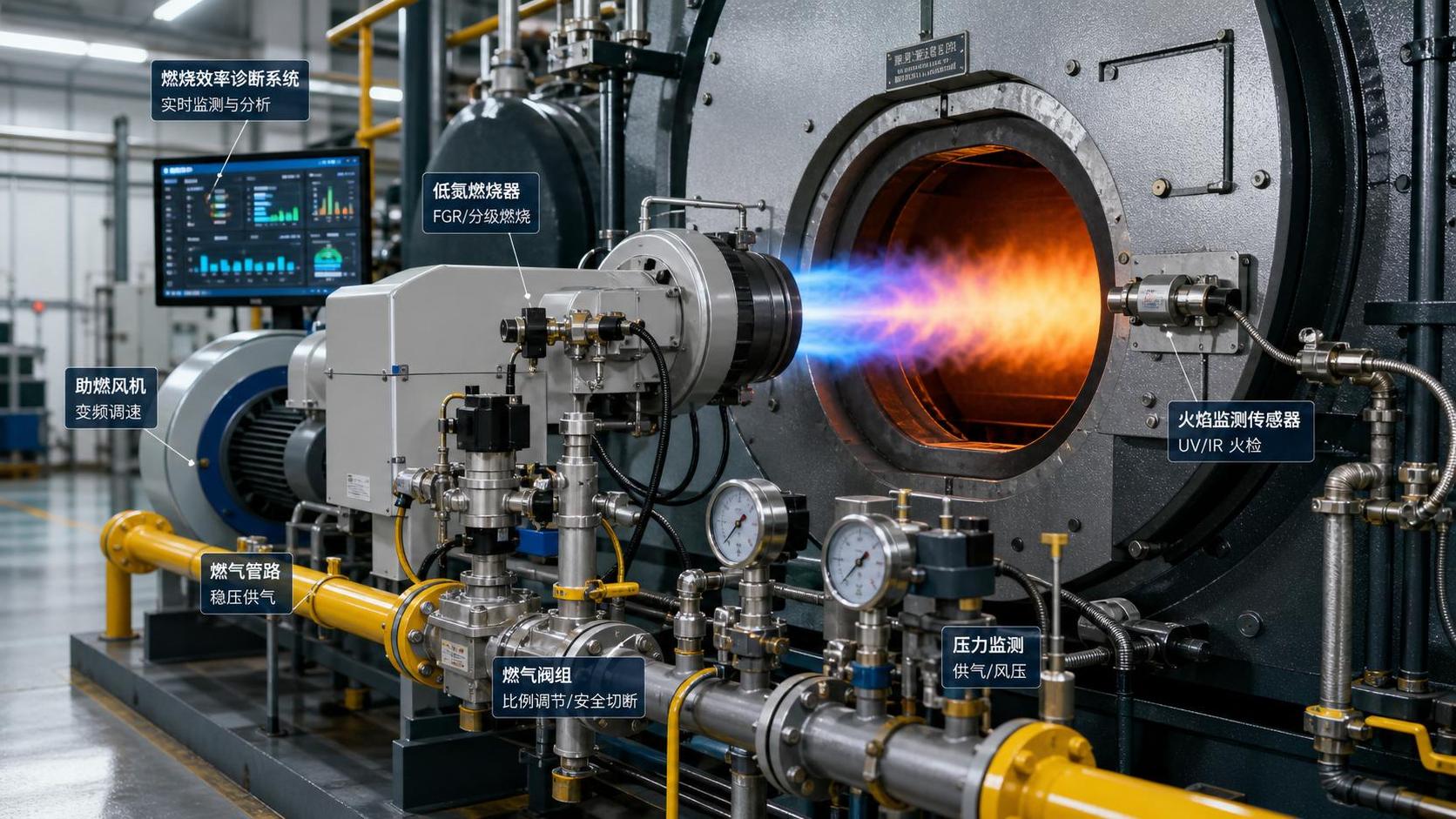
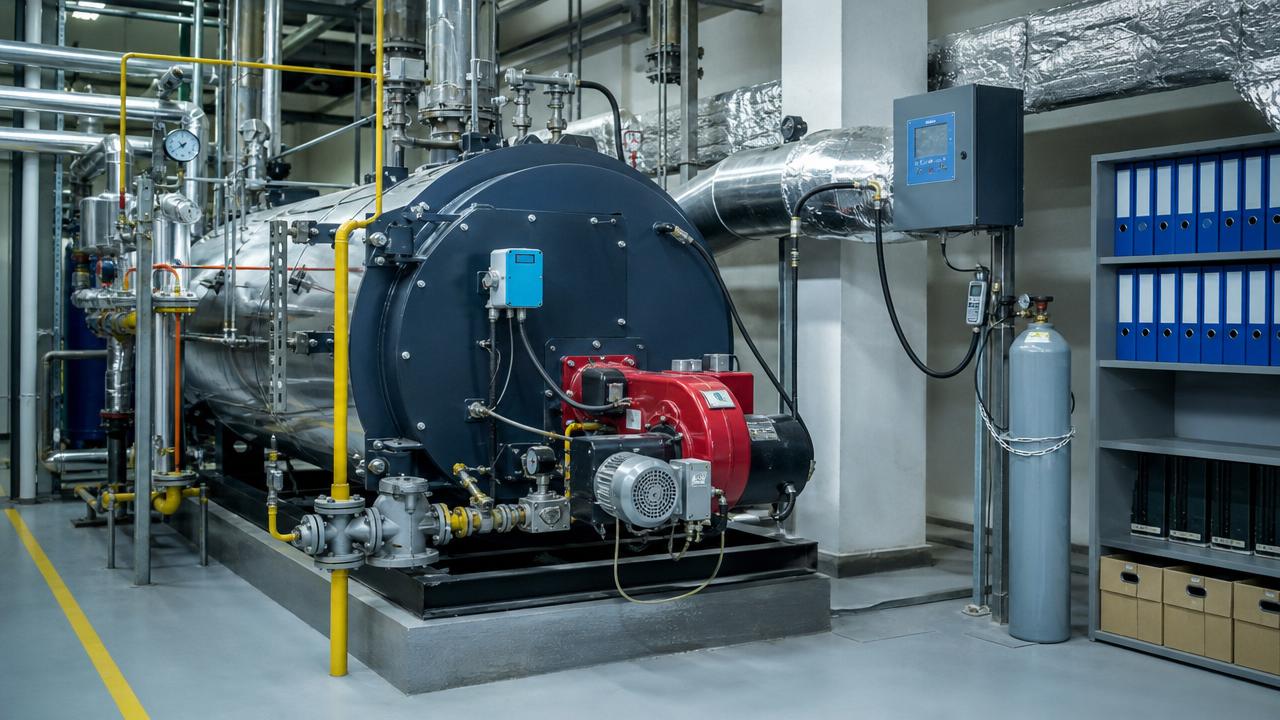
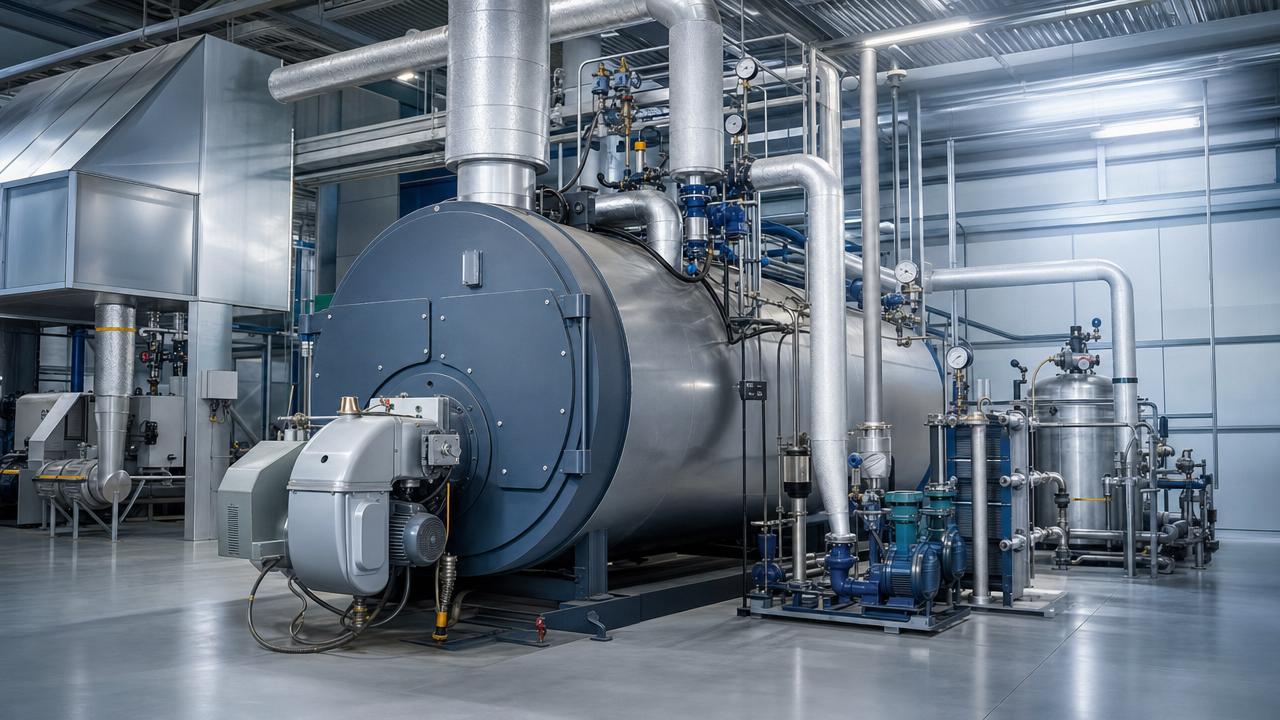
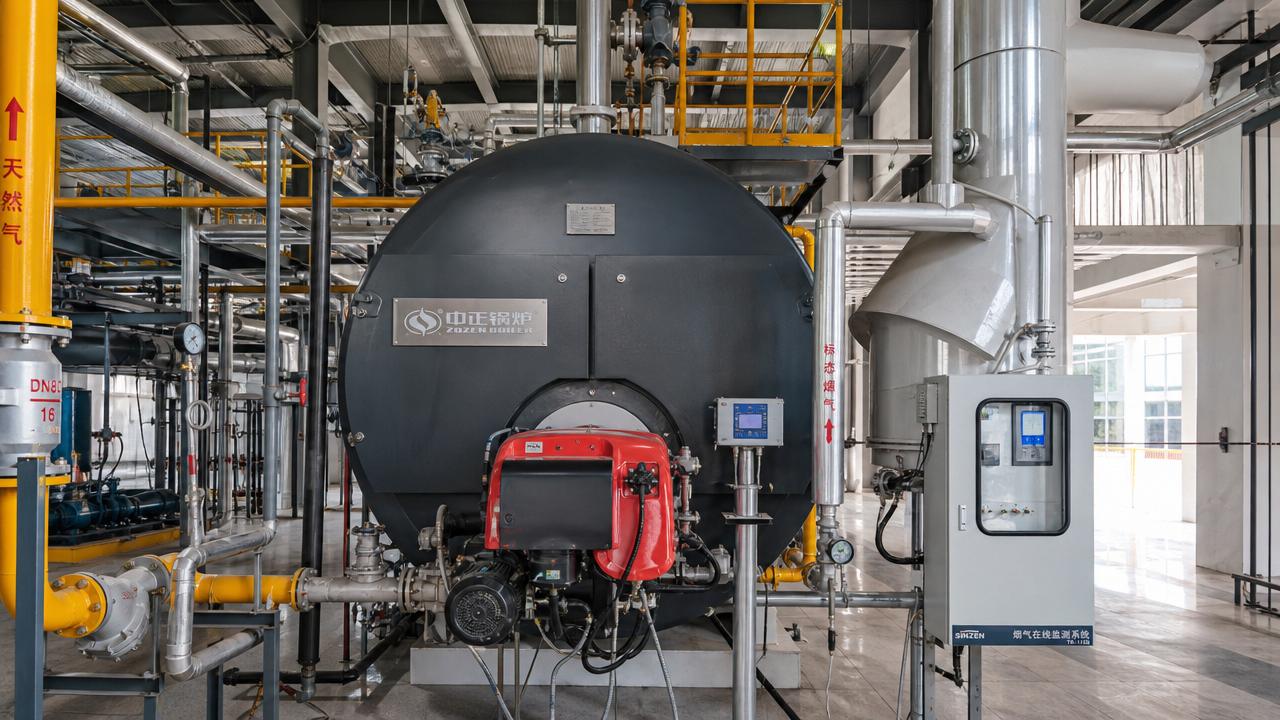
That includes burner design, excess air control, flame supervision, combustion air fan response, fuel train stability, furnace geometry, and stack-side measurement.
Simple descriptions often divide performance into efficiency and emissions. In reality, those outcomes are linked by dynamic trade-offs. A small tuning change can improve one result while pushing another toward risk.
This is why boiler combustion technology gas fired decisions should be read as operating decisions, not only equipment decisions. Hardware sets the range, but control discipline determines the real result.
Why The Trade-Offs Matter More Now
Industrial plants are being asked to reduce fuel intensity without creating new emissions excursions. That is harder than it sounds because cleaner combustion is not always the same as more efficient combustion.
Running with high excess air can protect against incomplete combustion, but it also sends more heat up the stack. Tightening excess air can improve thermal efficiency, yet too little air raises CO risk and flame instability.
Low-NOx strategies create another layer. Flue gas recirculation, staged combustion, and premix burner approaches can lower peak flame temperature, but they may also narrow the operating window.
For facilities with variable steam demand, that narrower window becomes important. Frequent load swings expose weaknesses in response time, actuator repeatability, and sensor calibration.
This is where intelligence-led evaluation becomes useful. GTC-Matrix often frames these systems through the wider thermodynamic context: fuel cost, load profile, emissions rules, heat recovery options, and maintenance capability must be assessed together.
The Core Efficiency Versus Emissions Tension
Most boiler teams face the same basic question: how close can combustion run to optimal efficiency before operational risk rises too far?
The answer usually depends on four interacting factors.
- Air-fuel ratio accuracy across the full load range.
- Burner turndown capability and flame stability at low fire.
- NOx reduction method and its effect on combustion temperature.
- Fouling, leakage, or drifting instruments that distort actual combustion conditions.
A gas-fired boiler with excellent nominal efficiency can still underperform if oxygen trim is unreliable or if linkages drift after seasonal maintenance. The measured stack value may look acceptable during inspection but degrade during routine cycling.
Likewise, an aggressive low-NOx setting can create delayed ignition, pulsation, or unstable flame signal margins. When that happens, the problem is not only emissions. It becomes a safety and uptime issue.
A practical comparison
Where Problems Usually Appear In Operation
Boiler combustion technology gas fired issues rarely begin as dramatic failures. More often, they emerge as small deviations that go unnoticed because steam supply still appears normal.
Common warning signs include rising oxygen at steady load, inconsistent NOx readings, unexplained CO spikes during low fire, repeated burner trips after shutdown, or increased fan energy for the same output.
Facilities with strict product quality requirements are especially exposed. If steam pressure or temperature response becomes erratic, the downstream process can lose consistency even when the boiler remains technically online.
In clean manufacturing environments, combustion instability may also complicate utility planning. Heat balance, condensate recovery, and related compression or cooling loads can all be affected by poor boiler behavior.
Typical sources of hidden drift
- Fuel pressure variation upstream of the burner train.
- Damper wear, linkage looseness, or actuator deadband.
- Oxygen analyzer contamination or calibration offset.
- Air infiltration through casing leaks or access doors.
- Seasonal changes in combustion air temperature.
How To Judge A Gas-Fired Combustion Setup More Clearly
Useful assessment starts with trend quality, not isolated readings. A single flue gas snapshot can be misleading if the boiler runs under fluctuating load or recently changed fuel conditions.
A better approach is to compare performance across low, mid, and high load. That reveals whether boiler combustion technology gas fired controls remain stable throughout the real operating envelope.
Several questions usually separate robust systems from fragile ones.
- Does the burner maintain repeatable light-off conditions after short and long shutdowns?
- Are O2, CO, and NOx trends consistent during demand changes?
- Is excess air setpoint based on measured risk tolerance or inherited default values?
- Are alarm thresholds linked to response procedures, not just displayed on screen?
- Does maintenance history explain current tuning drift?
These questions matter because combustion quality is rarely improved by tuning alone. Mechanical integrity, control logic, and inspection discipline all shape the result.
Maintenance Strategy Has A Direct Emissions Outcome
Maintenance is often treated as a reliability function, but in boiler combustion technology gas fired systems it is also an emissions control function.
Burner components age gradually. Flame scanners lose sensitivity. Valve response changes. Analyzer sampling lines foul. By the time a permit deviation appears, the root cause may have been developing for months.
The most effective programs link combustion testing to maintenance intervals. They do not wait for annual inspection alone.
In practice, that means documenting as-found and as-left settings, retaining load-based flue gas records, and checking whether every intervention changed the combustion map.
This style of record discipline aligns with the broader GTC-Matrix view of thermal systems. Efficient heat generation depends on verifiable operating intelligence, not just nameplate claims.
Sector-Specific Context Changes The Right Decision
Not every facility should pursue the same combustion target. The best setting for one plant may be the wrong setting for another.
A food processing site may prioritize stable steam and washdown resilience. A pharmaceutical site may value traceable utility performance and repeatable validation conditions. A semiconductor support plant may care more about load precision and contamination-sensitive utilities.
In each case, boiler combustion technology gas fired choices should reflect process consequence, not just boiler-room preference. That is why cross-functional review tends to produce better tuning decisions.
Useful framing by operating context
What To Review Next
A sound next step is to build a combustion review around three layers: current tuning condition, maintenance credibility, and operating context.
Start by confirming whether actual flue gas performance matches the intended combustion curve across the normal load profile. Then check whether instruments, actuators, and burner components can support that target consistently.
After that, compare the present setup against process consequence and local emissions risk. That creates a more realistic basis for deciding whether to retune, retrofit controls, review low-NOx strategy, or tighten inspection intervals.
For teams following broader thermal system intelligence, the same logic applies across boilers, heat exchangers, and supporting utility assets: better decisions come from linking thermodynamic performance with operational evidence. That is where boiler combustion technology gas fired analysis becomes genuinely useful.
Related News
- Low-NOx Boilers Cost Breakdown: Upfront Price, Fuel Savings, and PaybackAuthor :Thermal Energy Strategist

- Boiler Combustion Systems: Common Causes of Unstable Fuel PerformanceAuthor :Thermal Energy Strategist

- Hot Water Industrial Boilers: When Efficiency Gains Justify ReplacementAuthor :Thermal Energy Strategist

- What Boiler Efficiency Really Means in Daily Operation and Energy BillsAuthor :Thermal Energy Strategist

- Boiler Efficiency Testing Methods That Expose Heat Loss and Fuel WasteAuthor :Thermal Energy Strategist

- Industrial Burner Systems: Key Factors for Safe Heat OutputAuthor :Thermal Energy Strategist

- Gas-Fired Boiler Combustion Technology: Key Efficiency and Emissions Trade-OffsAuthor :Thermal Energy Strategist

- Unfired Heat Recovery Steam Generators: When Do They Pay Off?Author :Thermal Energy Strategist

- How to Evaluate Steam Generation Systems Electric for Process Heat ProjectsAuthor :Thermal Energy Strategist

- Thermal Power Systems for Industrial Heating: Common Sizing Mistakes to AvoidAuthor :Thermal Energy Strategist

- Low-NOx Condensing Boilers: How to Compare Efficiency and EmissionsAuthor :Thermal Energy Strategist
![]()
- Low Emissions Boilers for Food Processing: Key Compliance and Fuel Cost FactorsAuthor :Thermal Energy Strategist

- Steam System Efficiency Calculation: Key Inputs That Change the ResultAuthor :Thermal Energy Strategist

- How to Evaluate a Steam Boiler Components Exporter Before OrderingAuthor :Thermal Energy Strategist

- Burner Systems Troubleshooting: Common Efficiency Loss CausesAuthor :Thermal Energy Strategist

- EU PED Q2 Rules Require Digital Compliance TagsAuthor :Thermal Energy Strategist

- Thermal Power Systems: Key Efficiency Risks in Daily OperationAuthor :Thermal Energy Strategist

- Low-NOx Combustion Boilers: Key Efficiency and Compliance ChecksAuthor :Thermal Energy Strategist

- Low-NOx Combustion Boilers: Key Specs That Affect Emissions and Fuel UseAuthor :Thermal Energy Strategist

- Low-NOx Combustion Boilers: Key Compliance RisksAuthor :Thermal Energy Strategist

- Thermodynamics Analysis for Boiler Heat-Loss ReductionAuthor :Thermal Energy Strategist

- Industrial Thermal Systems: Common Operating RisksAuthor :Thermal Energy Strategist

- Low-NOx Combustion Boilers: Key Spec Checks Before PurchaseAuthor :Thermal Energy Strategist

- How Industrial Heat Recovery Cuts Boiler Fuel Costs in 2026Author :Thermal Energy Strategist

- Thermodynamics Analysis: 5 Heat Loss Clues in Steam BoilersAuthor :Thermal Energy Strategist

- Low-NOx Combustion Boilers: What Affects Real Emissions PerformanceAuthor :Thermal Energy Strategist

- Thermodynamics Analysis: Finding Heat Loss in Steam BoilersAuthor :Thermal Energy Strategist

- 2026 Steam Boiler Upgrades for Lower NOx and Fuel CostsAuthor :Thermal Energy Strategist

- EU to Expand CBAM to Steam Boilers; Exporters Must Prepare Carbon DataAuthor :Thermal Energy Strategist

- Industrial Heat Recovery: When Payback Beats New Boiler CapacityAuthor :Thermal Energy Strategist

- Carbon Neutrality Targets and the New Boiler Retrofit PaybackAuthor :Thermal Energy Strategist

- Low-NOx Combustion Boilers: Fuel Savings vs Emission LimitsAuthor :Thermal Energy Strategist

- Industrial Energy Efficiency Benchmarks for Steam Boiler Upgrades in 2026Author :Thermal Energy Strategist

- Low-NOx Combustion Boilers: Efficiency vs Emissions in 2026Author :Thermal Energy Strategist

- Industrial Heat Recovery Options for Steam Boiler SavingsAuthor :Thermal Energy Strategist

- Low-NOx Combustion Boilers and 2026 Compliance PressureAuthor :Thermal Energy Strategist