



How to Evaluate Steam Generation Systems Electric for Process Heat Projects




How to Evaluate Steam Generation Systems Electric for Process Heat Projects
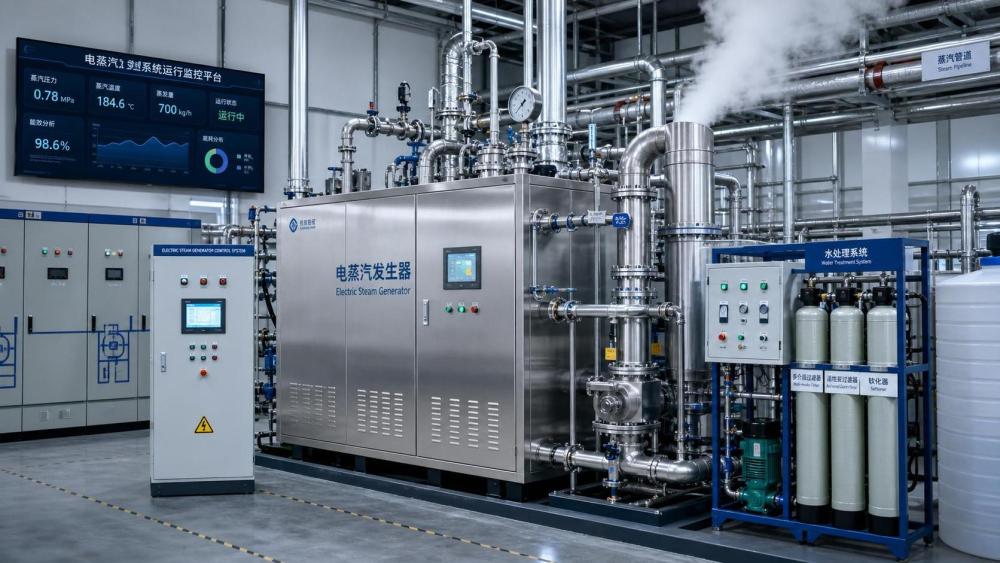
Evaluating steam generation systems electric for process heat projects requires more than a quick capacity check.
The right decision depends on process stability, utility costs, water treatment, controls, maintenance exposure, and long-term operating performance.
In many facilities, electric steam is gaining attention because decarbonization targets are tightening and local combustion restrictions are expanding.
That shift makes technical evaluation more important, not less.
A well-matched system can improve efficiency, simplify compliance, and reduce process risk.
A poorly matched one can create unstable pressure, high electrical demand charges, scaling problems, and avoidable downtime.
This guide breaks down how to assess steam generation systems electric in a way that supports practical project decisions.
Start With the Process Heat Profile
The first step is defining the actual steam duty.
That sounds obvious, but many process heat projects still begin with oversized nameplate assumptions.
Focus on how steam is used across the full operating cycle.
- Required pressure range at the point of use
- Peak load versus normal load
- Batch, intermittent, or continuous demand
- Warm-up time expectations
- Seasonal or shift-based load variation
- Steam quality sensitivity for the process
For food, pharma, electronics, and clean manufacturing, steam consistency often matters more than gross output.
If pressure swings affect yield or product quality, response speed becomes a primary selection factor.
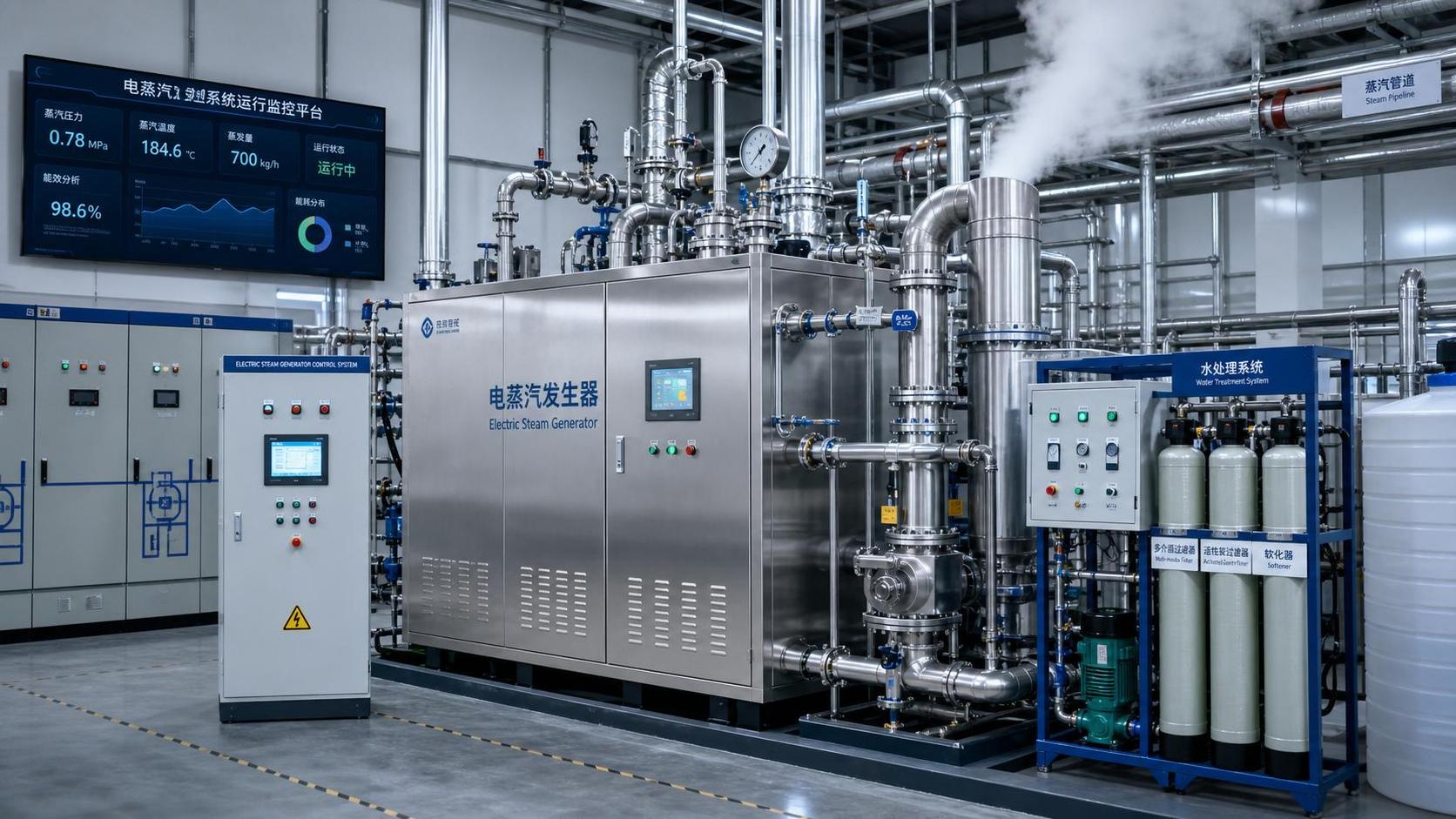
This is where steam generation systems electric can perform well, especially in applications with fast controllability requirements.
Compare Capacity With Turndown and Control Accuracy
Capacity alone does not tell you how usable a steam system will be.
A system sized for the highest peak may still operate poorly at partial load.
That matters because most process heat projects rarely stay at full load for long periods.
Review turndown ratio, staging logic, and control resolution.
Ask whether the boiler or electric steam generator can modulate smoothly without short cycling.
Also confirm how quickly the unit reaches stable pressure after a demand spike.
Better control performance usually supports three goals at once.
- Lower energy waste during partial-load operation
- Less thermal stress on heaters and ancillary components
- More stable steam delivery to sensitive process equipment
When evaluating steam generation systems electric, controllability is often the difference between acceptable and excellent performance.
Examine Electrical Infrastructure Early
This is one of the most common decision bottlenecks.
Steam generation systems electric may look attractive on process and emissions grounds, yet fail on site power availability.
Check the facility’s incoming service, transformer margin, panel capacity, and harmonic considerations before comparing vendors too deeply.
Utility tariff structure also matters.
In some regions, the energy rate looks manageable, but demand charges reshape the economics.
From recent market changes, this is becoming a clearer signal in project screening.
A practical evaluation should include:
- Voltage and phase compatibility
- Connected load and peak demand impact
- Required upgrades to switchgear or transformers
- Backup power strategy for critical steam loads
- Load management options through staging or storage
If the electrical upgrade cost is substantial, total project value can change quickly.
Assess Efficiency in Real Operating Conditions
Electric steam systems are often described as highly efficient, and at the unit level that is usually true.
Still, project evaluation should go beyond the heater efficiency statement.
Look at full system efficiency under actual site conditions.
That includes standby losses, blowdown strategy, condensate return rate, distribution losses, and control behavior during part-load operation.
A useful comparison table can keep the review grounded.
This also means the best steam generation systems electric are not always the highest-rated units on paper.
Review Water Quality, Scaling Risk, and Maintenance
Water quality is a decisive issue in electric steam generation.
Mineral content, silica, hardness, and dissolved solids directly affect heater life and steam quality.
In real operations, neglecting feedwater standards can erase the expected reliability advantage.
Ask suppliers for clear limits, not broad recommendations.
Then compare those limits with actual site water data and treatment capability.
Key review points include:
- Required pretreatment method
- Blowdown frequency and water loss
- Heater inspection interval
- Replacement time for core wear parts
- Availability of local service support
- Remote monitoring for fault diagnosis
Low maintenance claims should be tested against actual service tasks, spare part lead times, and access constraints in the plant.
Evaluate Safety, Compliance, and Integration
Safety evaluation should be practical and site-specific.
Electric systems remove combustion-related risks, but they introduce their own electrical and control considerations.
Confirm pressure vessel compliance, overpressure protection, low-water cutoffs, grounding design, and emergency shutdown logic.
Integration with existing plant systems also deserves close attention.
The more obvious signal today is that decision quality improves when controls are reviewed early, not after procurement.
Check whether the selected steam generation systems electric can connect smoothly with:
- BMS or SCADA platforms
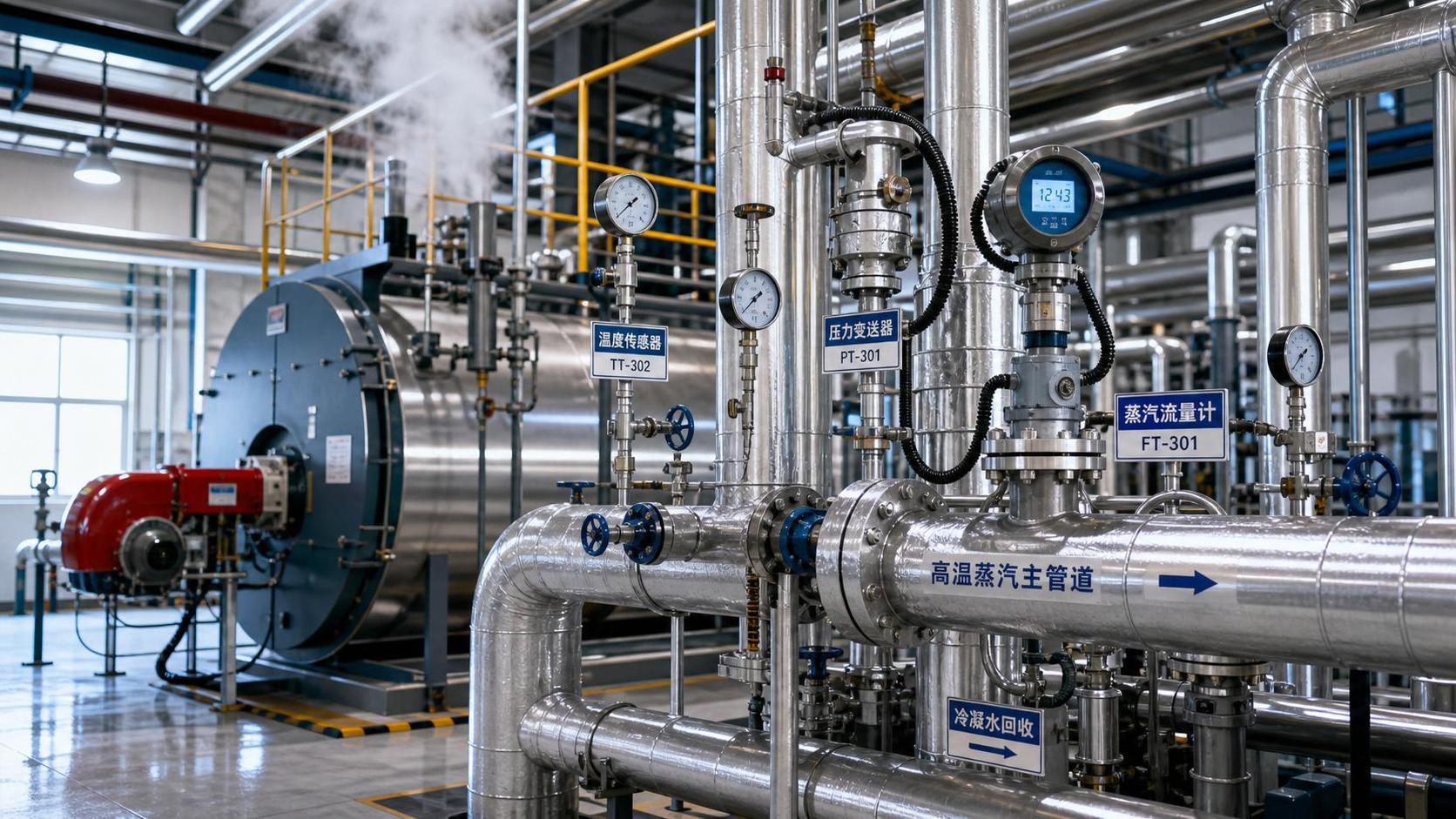
- Steam pressure and flow instrumentation
- Water treatment alarms
- Energy management dashboards
- Predictive maintenance workflows
Strong integration shortens troubleshooting time and supports cleaner operating data for future optimization.
Build the Lifecycle Cost Model Before Final Selection
Upfront equipment price is only one piece of the decision.
For process heat projects, lifecycle cost usually separates attractive proposals from durable ones.
A balanced model should include capital cost, electrical upgrades, installation, water treatment, routine maintenance, downtime risk, and expected service life.
It should also include utility price scenarios.
That matters because steam generation systems electric can become more or less favorable depending on local grid pricing and carbon policy direction.
A useful decision model often compares three cases:
- Base case using current utility prices
- High electricity cost scenario
- Decarbonization scenario with emissions penalties or incentives
This approach improves decision resilience when market conditions shift after commissioning.
Use a Practical Vendor Evaluation Checklist
At the final stage, convert technical findings into a structured comparison.
This keeps selection discipline high and reduces bias toward price-only decisions.
- Does the proposed unit match actual steam demand, not nominal demand?
- Can it maintain stable pressure across the expected load range?
- Are electrical infrastructure impacts fully quantified?
- Are feedwater requirements realistic for the site?
- Is service support available within acceptable response time?
- Are controls, alarms, and data interfaces clearly defined?
- Has lifecycle cost been modeled under multiple utility scenarios?
- Are compliance documents and test data complete?
The strongest steam generation systems electric proposals usually stand out through data quality, not sales language.
Final Decision Direction
The best way to evaluate steam generation systems electric is to connect process needs with real operating constraints.
That means looking beyond output rating and beyond simple payback.
A strong selection decision accounts for load behavior, electrical readiness, water quality, controls, safety, and lifecycle economics together.
In practice, projects move faster when these criteria are reviewed in a single matrix before vendor shortlisting.
That creates a clearer basis for comparing electric steam solutions and reduces late-stage redesign risk.
For any process heat project under active review, the next step is simple: build the evaluation matrix, test supplier claims against plant data, and rank options by operational fit.
Related News
- Low-NOx Boilers Cost Breakdown: Upfront Price, Fuel Savings, and PaybackAuthor :Thermal Energy Strategist

- Boiler Combustion Systems: Common Causes of Unstable Fuel PerformanceAuthor :Thermal Energy Strategist

- Hot Water Industrial Boilers: When Efficiency Gains Justify ReplacementAuthor :Thermal Energy Strategist

- What Boiler Efficiency Really Means in Daily Operation and Energy BillsAuthor :Thermal Energy Strategist

- Boiler Efficiency Testing Methods That Expose Heat Loss and Fuel WasteAuthor :Thermal Energy Strategist

- Industrial Burner Systems: Key Factors for Safe Heat OutputAuthor :Thermal Energy Strategist

- Gas-Fired Boiler Combustion Technology: Key Efficiency and Emissions Trade-OffsAuthor :Thermal Energy Strategist

- Unfired Heat Recovery Steam Generators: When Do They Pay Off?Author :Thermal Energy Strategist

- How to Evaluate Steam Generation Systems Electric for Process Heat ProjectsAuthor :Thermal Energy Strategist

- Thermal Power Systems for Industrial Heating: Common Sizing Mistakes to AvoidAuthor :Thermal Energy Strategist

- Low-NOx Condensing Boilers: How to Compare Efficiency and EmissionsAuthor :Thermal Energy Strategist
![]()
- Low Emissions Boilers for Food Processing: Key Compliance and Fuel Cost FactorsAuthor :Thermal Energy Strategist

- Steam System Efficiency Calculation: Key Inputs That Change the ResultAuthor :Thermal Energy Strategist

- How to Evaluate a Steam Boiler Components Exporter Before OrderingAuthor :Thermal Energy Strategist

- Burner Systems Troubleshooting: Common Efficiency Loss CausesAuthor :Thermal Energy Strategist

- EU PED Q2 Rules Require Digital Compliance TagsAuthor :Thermal Energy Strategist

- Thermal Power Systems: Key Efficiency Risks in Daily OperationAuthor :Thermal Energy Strategist

- Low-NOx Combustion Boilers: Key Efficiency and Compliance ChecksAuthor :Thermal Energy Strategist

- Low-NOx Combustion Boilers: Key Specs That Affect Emissions and Fuel UseAuthor :Thermal Energy Strategist

- Low-NOx Combustion Boilers: Key Compliance RisksAuthor :Thermal Energy Strategist

- Thermodynamics Analysis for Boiler Heat-Loss ReductionAuthor :Thermal Energy Strategist

- Industrial Thermal Systems: Common Operating RisksAuthor :Thermal Energy Strategist

- Low-NOx Combustion Boilers: Key Spec Checks Before PurchaseAuthor :Thermal Energy Strategist

- How Industrial Heat Recovery Cuts Boiler Fuel Costs in 2026Author :Thermal Energy Strategist

- Thermodynamics Analysis: 5 Heat Loss Clues in Steam BoilersAuthor :Thermal Energy Strategist

- Low-NOx Combustion Boilers: What Affects Real Emissions PerformanceAuthor :Thermal Energy Strategist

- Thermodynamics Analysis: Finding Heat Loss in Steam BoilersAuthor :Thermal Energy Strategist

- 2026 Steam Boiler Upgrades for Lower NOx and Fuel CostsAuthor :Thermal Energy Strategist

- EU to Expand CBAM to Steam Boilers; Exporters Must Prepare Carbon DataAuthor :Thermal Energy Strategist

- Industrial Heat Recovery: When Payback Beats New Boiler CapacityAuthor :Thermal Energy Strategist

- Carbon Neutrality Targets and the New Boiler Retrofit PaybackAuthor :Thermal Energy Strategist

- Low-NOx Combustion Boilers: Fuel Savings vs Emission LimitsAuthor :Thermal Energy Strategist

- Industrial Energy Efficiency Benchmarks for Steam Boiler Upgrades in 2026Author :Thermal Energy Strategist

- Low-NOx Combustion Boilers: Efficiency vs Emissions in 2026Author :Thermal Energy Strategist

- Industrial Heat Recovery Options for Steam Boiler SavingsAuthor :Thermal Energy Strategist

- Low-NOx Combustion Boilers and 2026 Compliance PressureAuthor :Thermal Energy Strategist