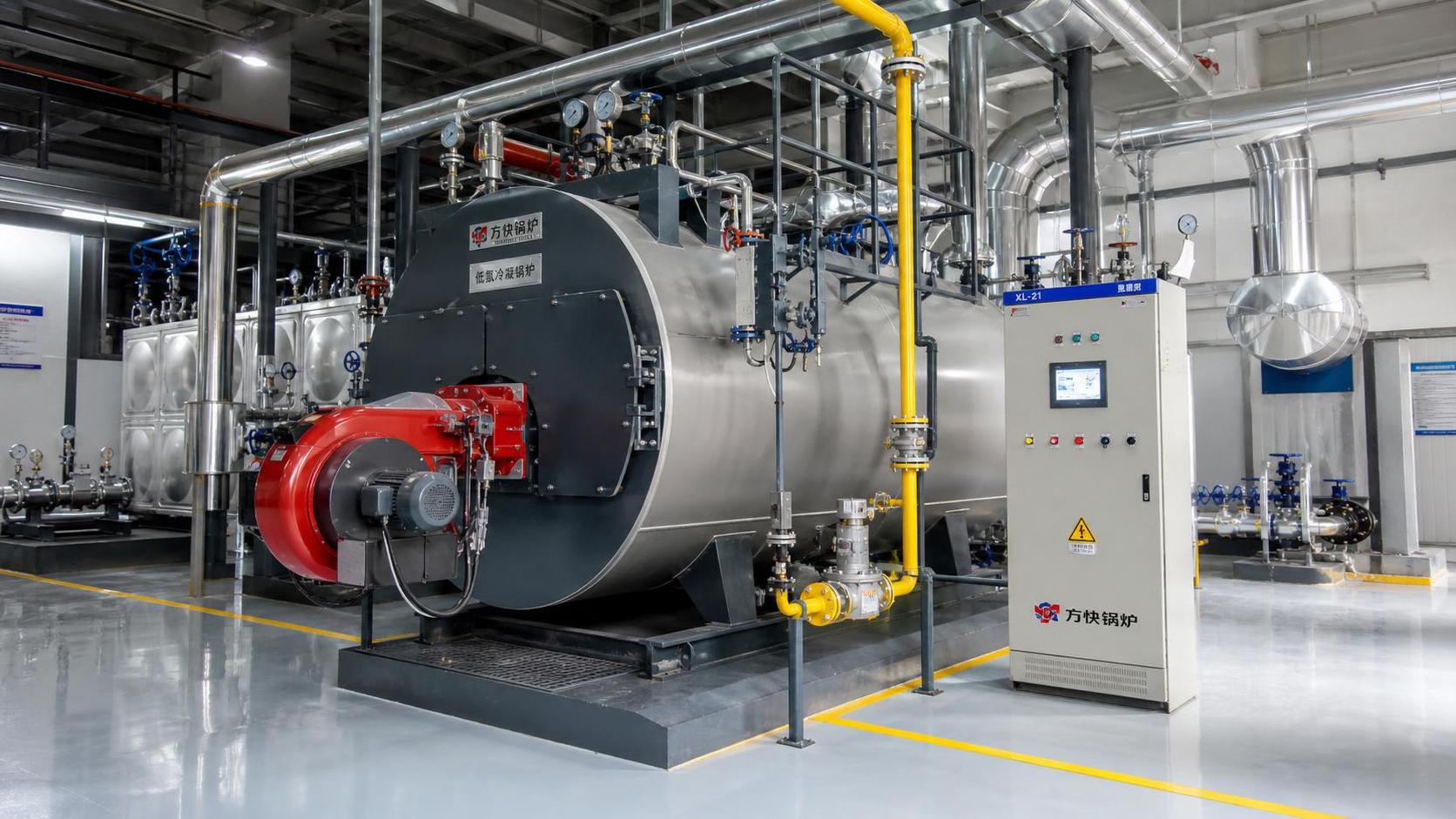
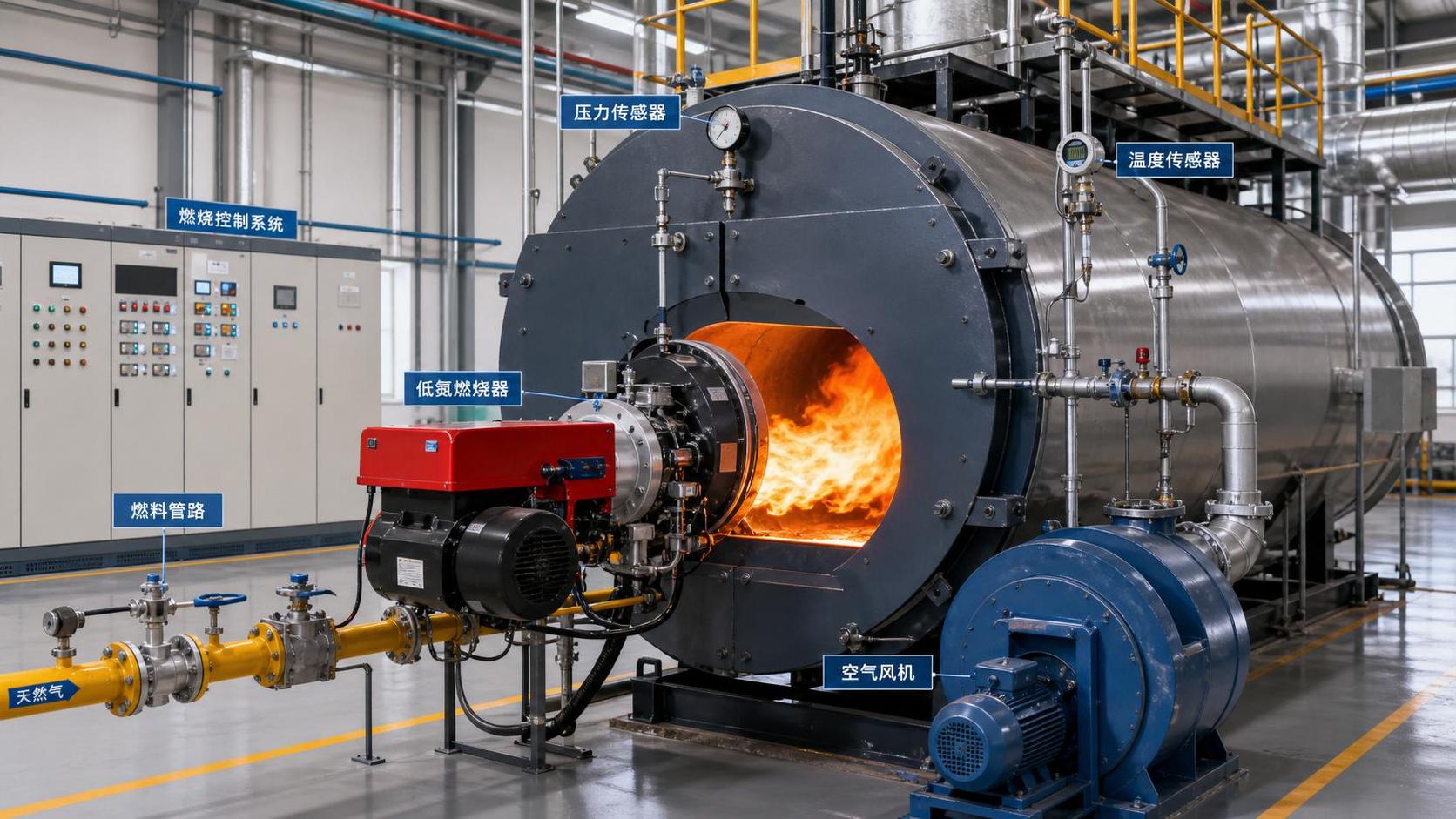
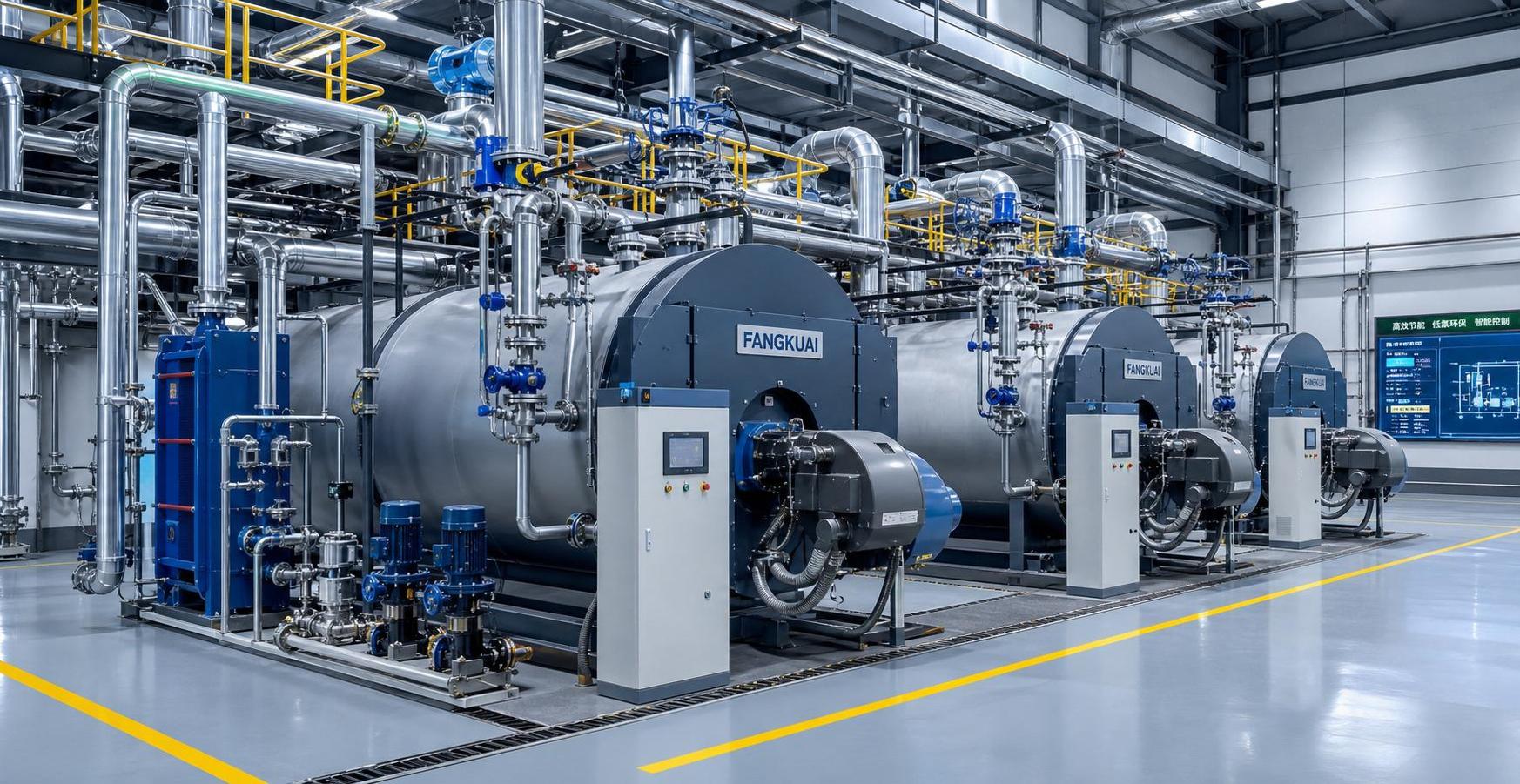
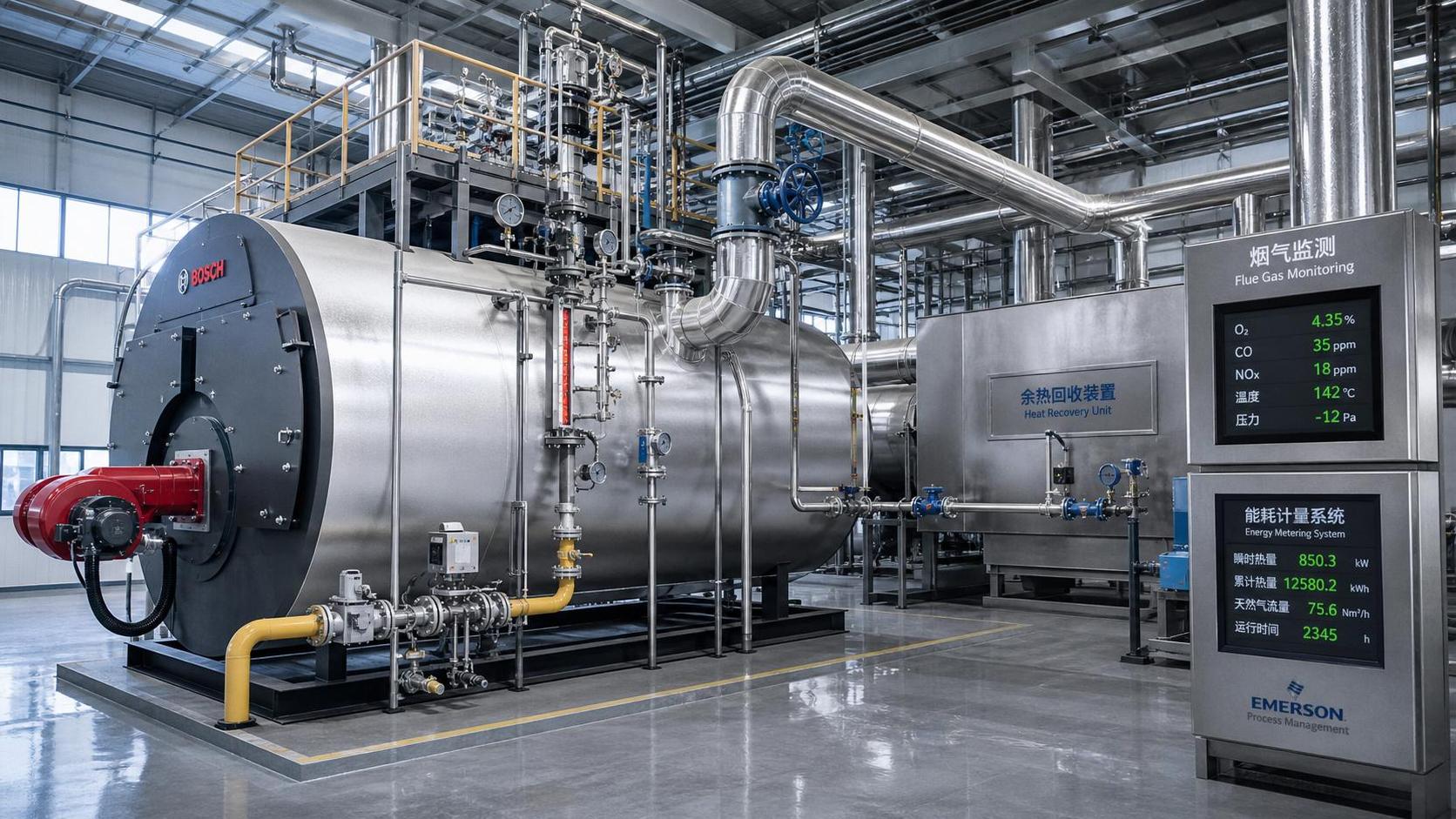
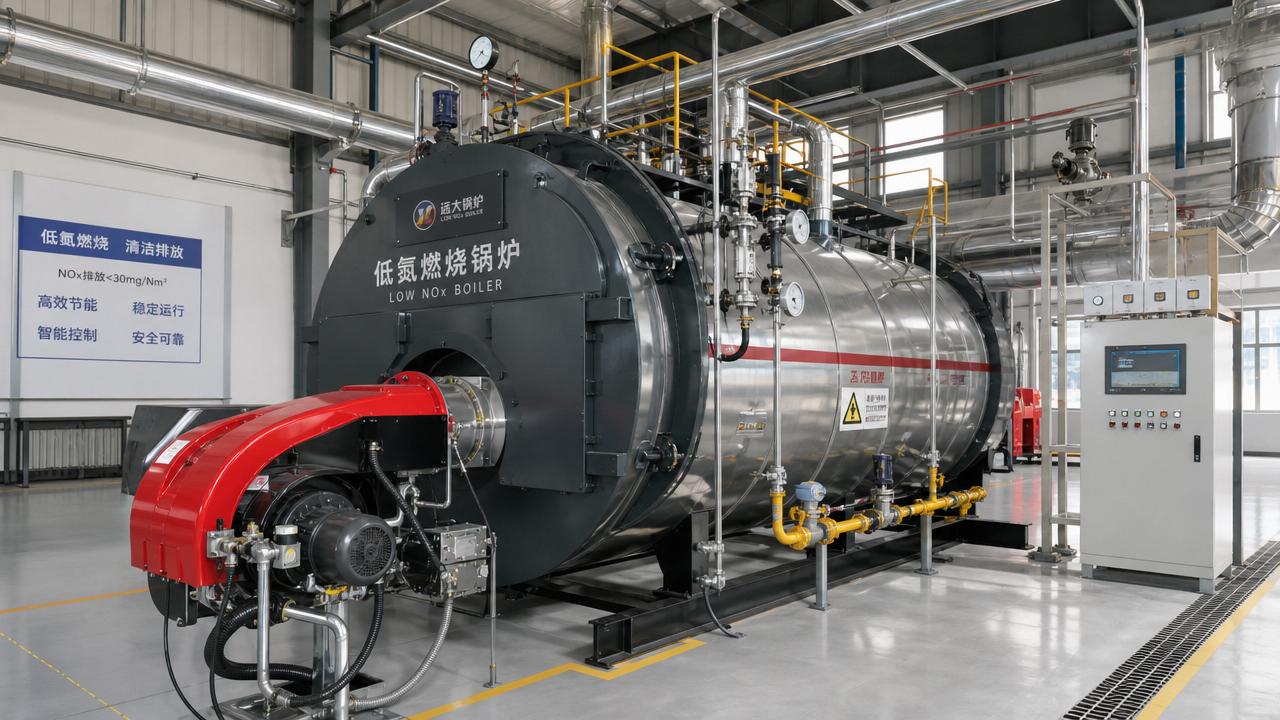
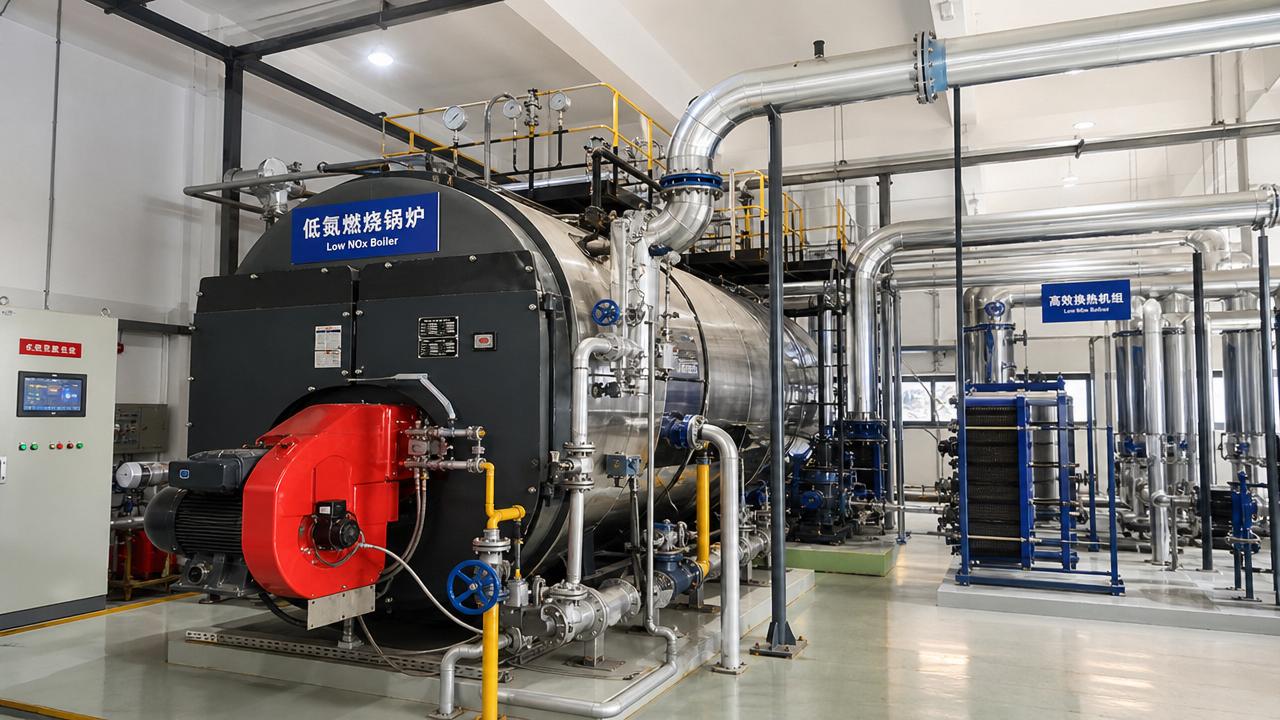
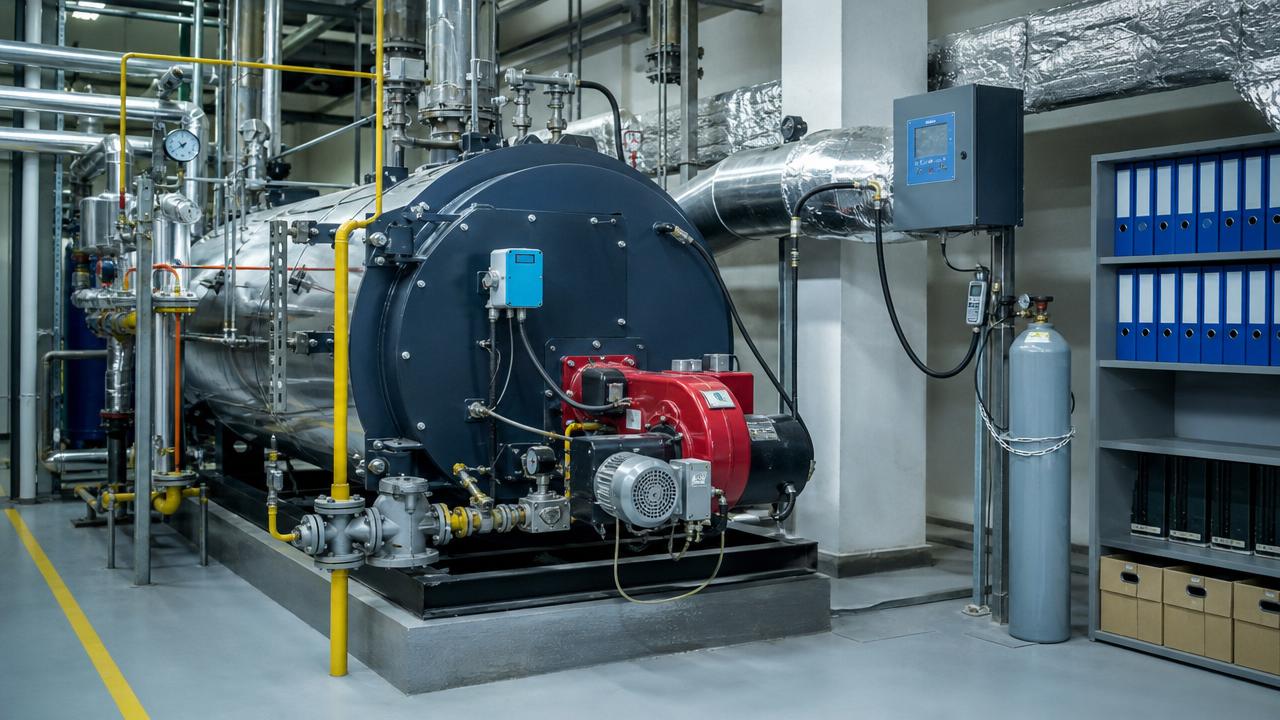
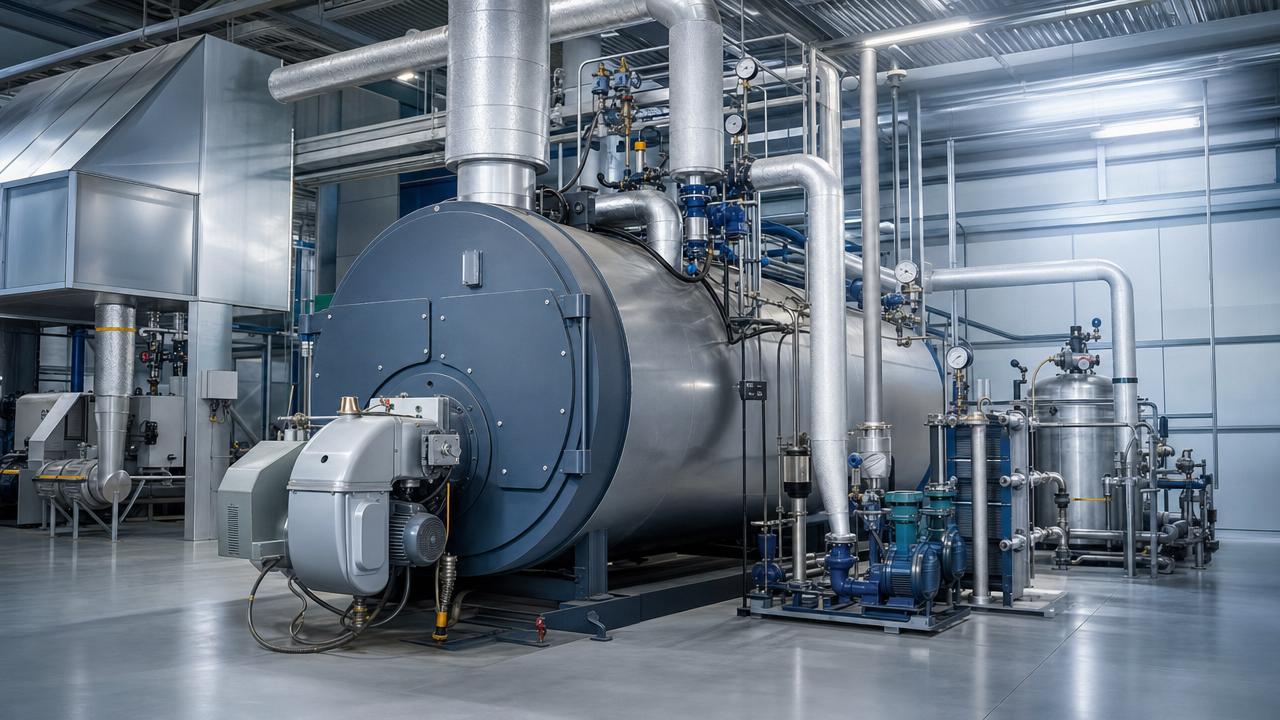
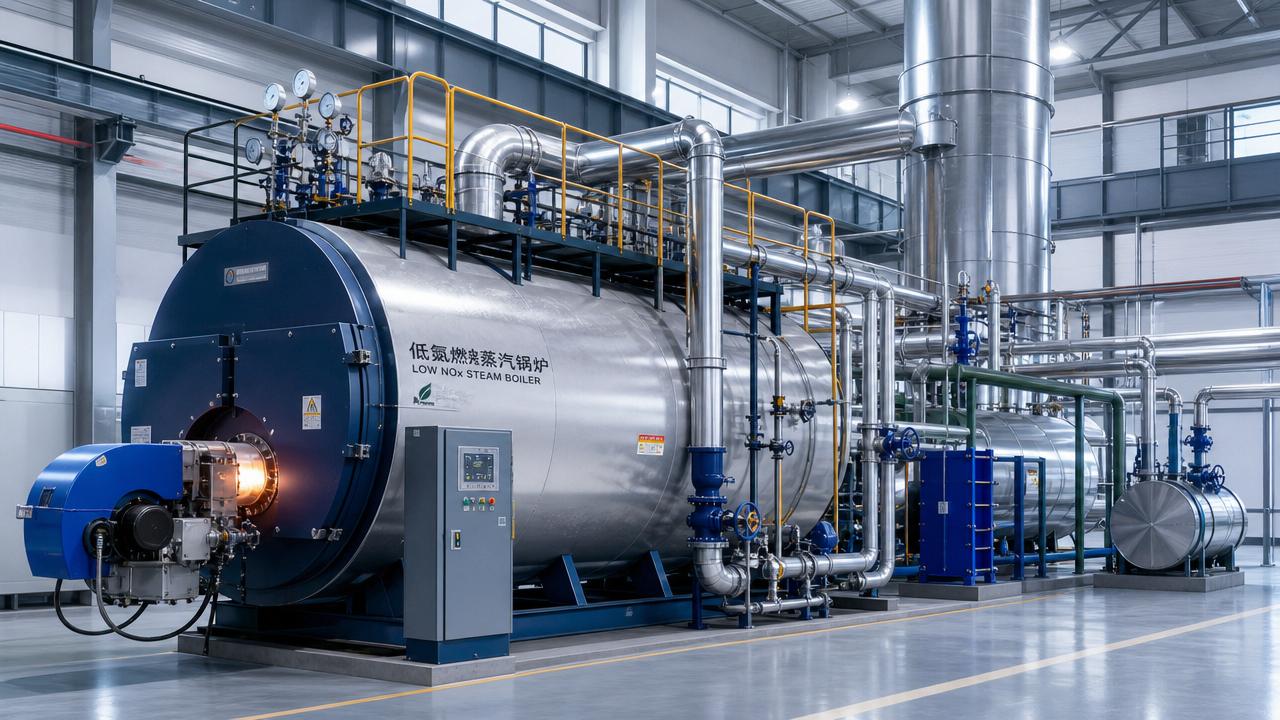
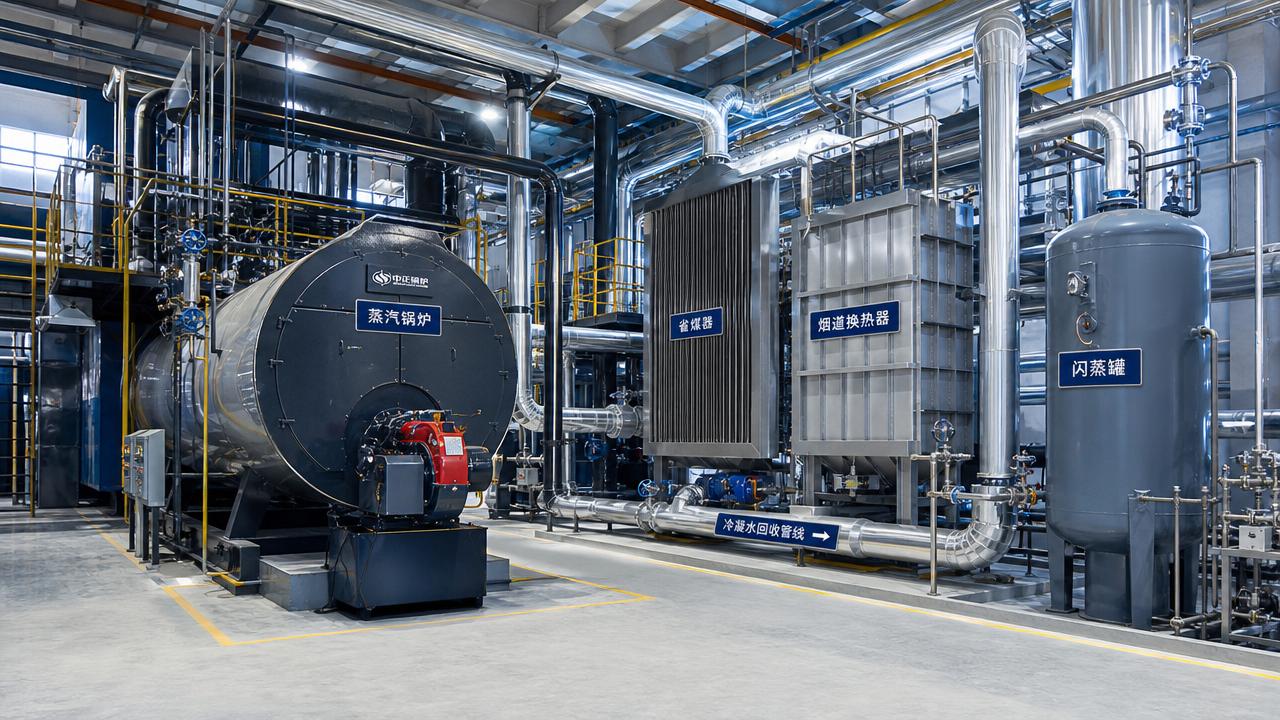
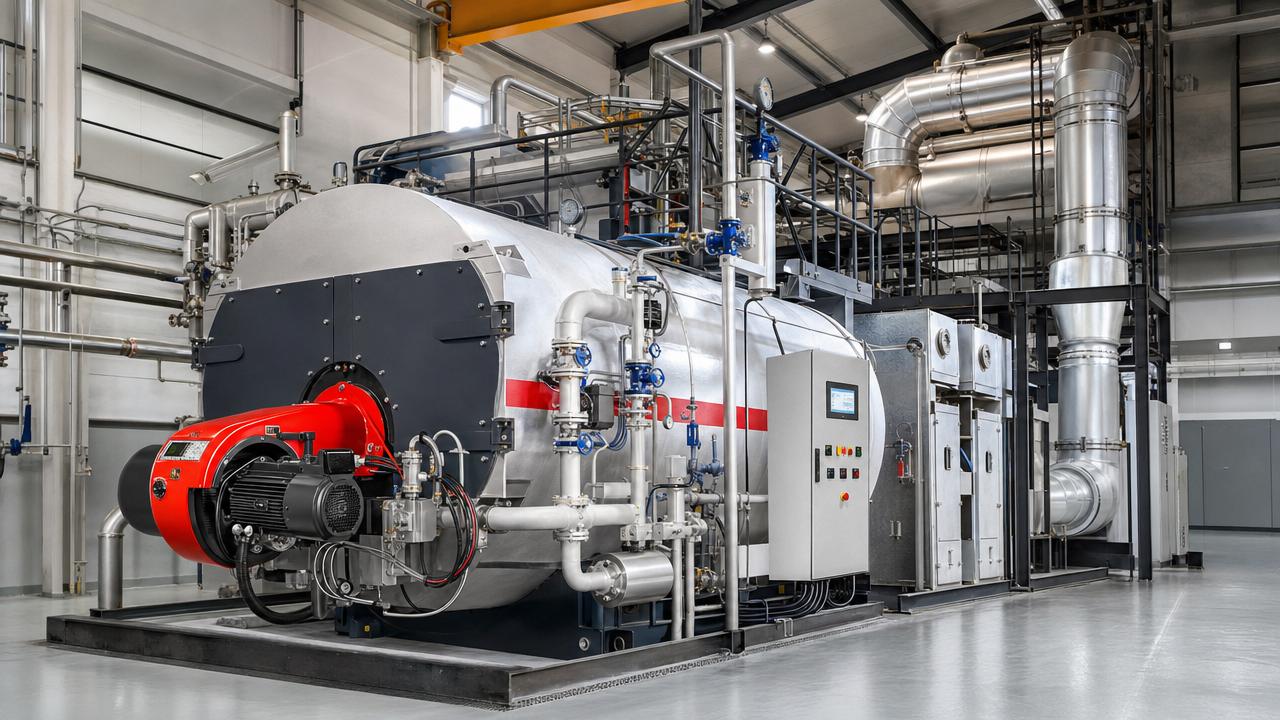
For quality control and safety managers, low-NOx combustion boilers are no longer just an emissions upgrade—they are a compliance-critical asset tied to operational permits, workplace safety, fuel efficiency, and audit readiness.
As environmental regulations tighten and industrial facilities face closer scrutiny, even small gaps in burner tuning, monitoring, documentation, or maintenance can trigger costly violations.
This article outlines the key compliance risks surrounding low-NOx combustion boilers and explains what teams should prioritize to reduce exposure while maintaining reliable thermal performance.
The Real Compliance Question: Can Your Boiler Prove It Is Performing as Approved?
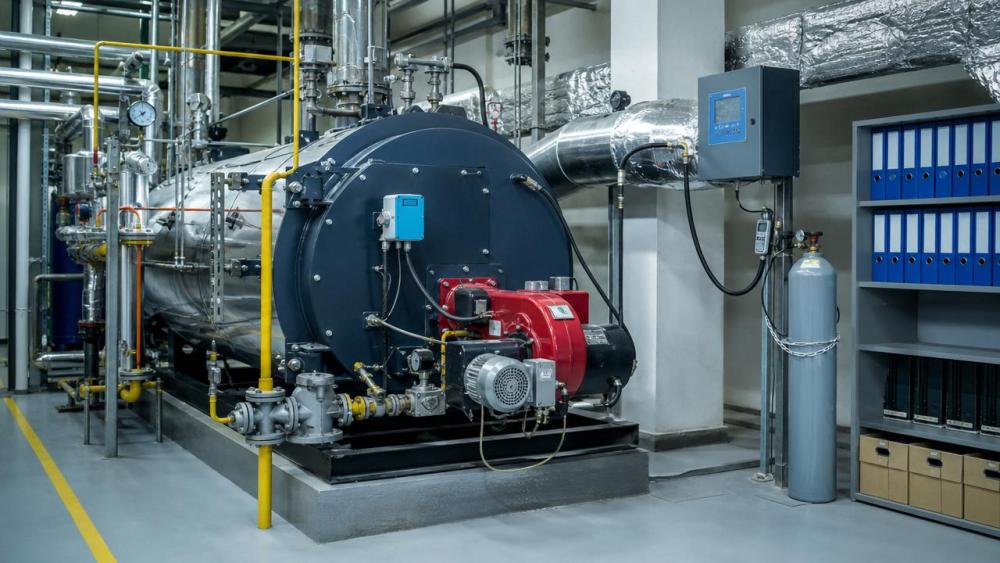
The central risk is not simply whether a boiler was designed as low-NOx. Inspectors care whether actual operation matches permit conditions, test results, and documented procedures.
Many facilities assume a certified burner or modern control system is enough. In practice, compliance depends on fuel quality, load profile, maintenance discipline, and operator response.
For quality and safety teams, the most important shift is from equipment acceptance to performance evidence. A compliant boiler must be measurable, repeatable, and defensible.
This means teams need more than emissions values. They need calibration records, tuning logs, alarm histories, fuel change records, maintenance reports, and clear accountability.
If those records are missing or inconsistent, even a technically capable system may become a compliance liability during inspections, incident reviews, or permit renewals.
Risk One: Burner Tuning Drift and Unstable NOx Performance
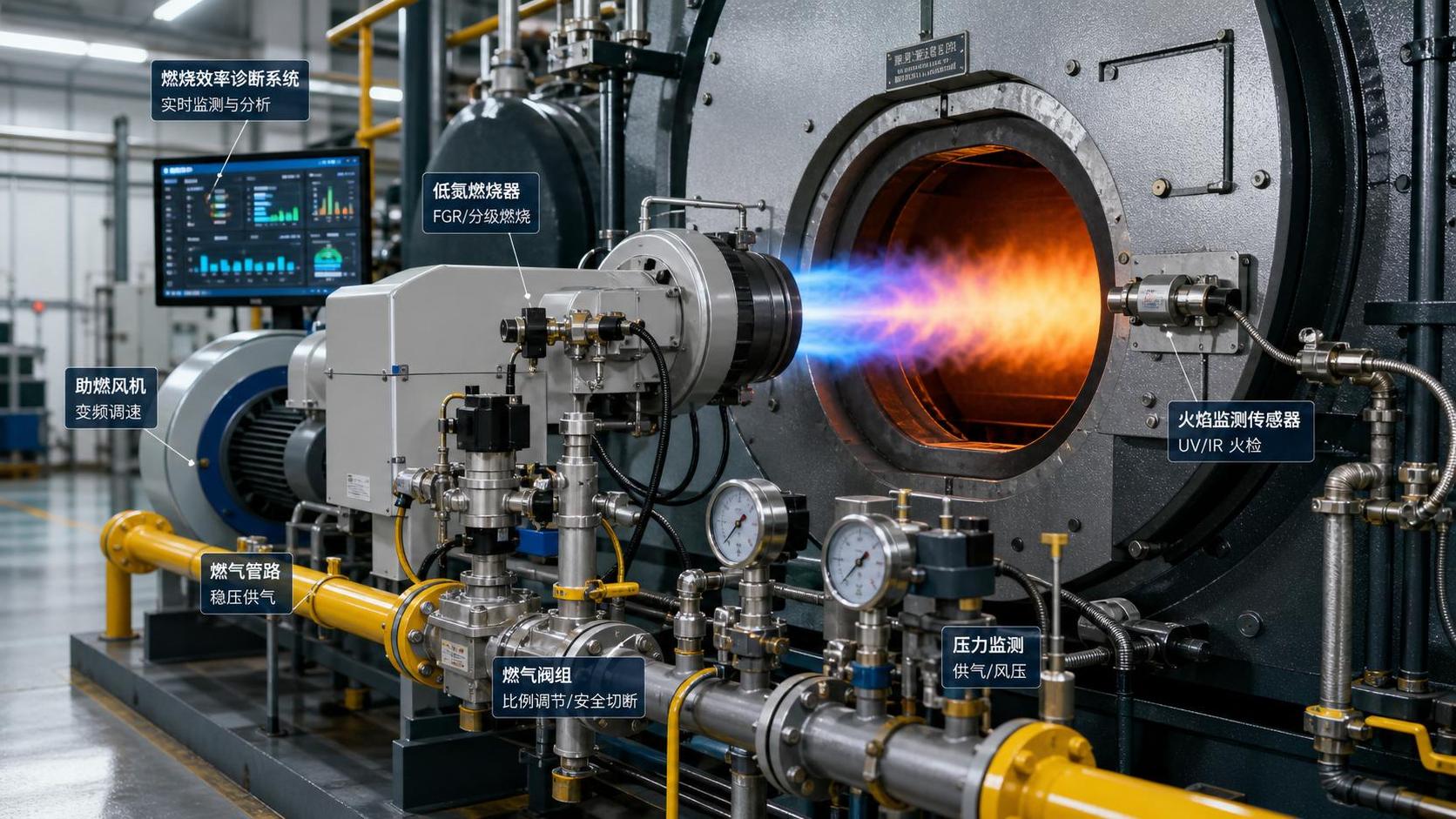
Low-NOx combustion boilers rely on carefully controlled air-fuel mixing, flame temperature, excess oxygen, and staged combustion behavior. Small changes can affect emissions significantly.
Burner tuning drift often develops gradually. Actuators loosen, dampers lose precision, sensors age, and operators adjust settings to solve short-term steam pressure problems.
The compliance issue appears when a boiler passes a stack test under ideal conditions but later operates outside the tested combustion envelope during normal production.
Quality managers should verify whether tuning records show load points, oxygen levels, flame observations, fuel pressure, and final setpoints after maintenance or seasonal adjustments.
Safety managers should also watch for instability signs, including flame rollout, repeated ignition failures, delayed light-off, vibration, abnormal noise, or frequent burner management trips.
A practical control is to define approved operating windows. These should include oxygen range, flue gas temperature, load limits, and alarm thresholds for each major fuel.
Risk Two: Incomplete Monitoring and Weak Data Integrity
Monitoring expectations vary by jurisdiction and permit type, but the trend is clear. Regulators increasingly expect facilities to demonstrate continuous or periodic compliance evidence.
Some boilers require continuous emissions monitoring systems, while others rely on periodic stack testing and parametric monitoring. Both approaches create documentation obligations.
The risk is not only sensor failure. It is data gaps, undocumented calibration, manual transcription errors, poor historian access, and unclear ownership of emissions records.
When NOx, oxygen, carbon monoxide, or stack temperature data are incomplete, teams may struggle to prove that deviations were limited, understood, and corrected promptly.
Facilities should define which data points are compliance-critical and protect them from casual deletion, uncontrolled spreadsheet editing, or undocumented control system changes.
Good practice includes routine analyzer checks, calibration certificates, data backup, exception review, and a clear escalation path when readings appear abnormal or unavailable.
Risk Three: CO and Safety Trade-Offs During NOx Reduction
Reducing NOx often involves lowering peak flame temperature or changing air distribution. If poorly controlled, those changes can increase carbon monoxide or unburned hydrocarbons.
This creates a direct safety and quality concern. A boiler may show improved NOx numbers while combustion completeness deteriorates under certain loads or transient conditions.
Carbon monoxide excursions can indicate insufficient mixing, poor atomization, damaged burner components, or excessive flue gas recirculation. These conditions need immediate investigation.
Safety teams should resist any tuning strategy that treats NOx as the only success metric. Stable ignition, complete combustion, and flame supervision remain fundamental requirements.
Quality teams should connect emissions checks with product and process requirements. Steam reliability, temperature consistency, and contamination risks can all suffer from unstable combustion.
A balanced compliance program tracks NOx and CO together. It also considers oxygen trim response, flame scanner behavior, trip history, and actual load cycling patterns.
Risk Four: Permit Conditions That Do Not Match Actual Operations
Many compliance failures begin when production changes faster than environmental documentation. A boiler may be approved for one duty profile but used differently later.
Examples include higher annual operating hours, new peak-load demands, fuel switching, standby boilers becoming primary units, or expanded production requiring longer firing periods.
Permit limits may specify fuel type, heat input, annual emissions, stack testing frequency, control technology, startup procedures, or reporting obligations after deviations.
If operations exceed these assumptions, the facility may violate permit conditions even when the boiler appears mechanically healthy and emissions technology still functions.
Quality and safety managers should be involved in management of change reviews. Boiler changes are not only engineering decisions; they affect regulatory exposure.
A useful audit question is simple: does today’s operating pattern still match the basis used in the last permit, test report, or compliance demonstration?
Risk Five: Fuel Variability and Uncontrolled Fuel Switching
Low-NOx combustion performance is sensitive to fuel composition, pressure, heating value, sulfur content, moisture, and contaminant levels. Fuel changes can shift combustion chemistry.
Natural gas quality may vary by supplier or season. Facilities using biogas, refinery gas, hydrogen blends, or liquid fuels face even greater variability.
Fuel switching can also affect flame speed, burner turndown, ignition reliability, NOx formation, and the balance between emissions performance and stable operation.
Compliance risk rises when alternative fuels are introduced for cost or availability reasons without emissions review, burner validation, or updated operating procedures.
Teams should confirm whether approved fuels are listed in permits and operating manuals. Any trial fuel should be treated as a controlled change.
Where fuel variability is unavoidable, the facility may need tighter monitoring, revised tuning maps, supplier specifications, and more frequent verification of combustion performance.
Risk Six: Maintenance Gaps That Undermine Certified Performance
Low-NOx systems are often more sensitive than conventional burners. Wear, fouling, misalignment, or damaged components can quickly compromise emissions and safety performance.
Common weak points include burner tiles, registers, linkages, gas valves, pressure regulators, oxygen sensors, flame scanners, recirculation ducts, and control actuators.
A maintenance record stating “checked burner” is usually not enough for audit confidence. Inspectors and internal reviewers need evidence of what was checked.
Maintenance work should reference acceptance criteria. For example, teams should record valve leak checks, actuator stroke confirmation, sensor calibration, and post-maintenance combustion readings.
Safety managers should ensure lockout, purge, ignition, and burner management system tests remain current. These safeguards are central to safe combustion operation.
The strongest programs connect preventive maintenance tasks with compliance risks. Each critical component should have a reason, frequency, method, owner, and evidence trail.
Risk Seven: Startup, Shutdown, and Low-Load Operation
Compliance attention often focuses on steady-state stack test conditions, but many real problems occur during startup, shutdown, warm standby, or low-load operation.
During these periods, flame temperature, air-fuel ratio, and burner staging may be less stable. Emissions and carbon monoxide can fluctuate rapidly.
Low-load operation is especially important for facilities with variable production schedules. A boiler sized for peak demand may spend many hours below optimal firing range.
Operators may override settings, disable alarms, or accept unstable cycling to maintain steam availability. These actions can create both safety and reporting risks.
Procedures should define acceptable startup duration, minimum stable load, purge requirements, observation points, and what conditions require shutdown or supervisor review.
If startup and shutdown emissions are regulated locally, teams must understand reporting rules. Even exempt periods should be documented carefully and consistently.
Risk Eight: Documentation That Fails Under Audit Pressure
Compliance is partly technical and partly evidentiary. If records cannot explain what happened, when, why, and who responded, risk increases sharply.
Audit failures often involve missing calibration certificates, outdated permits, incomplete operator logs, undocumented alarm bypasses, inconsistent stack test files, or unavailable maintenance details.
Quality control teams are well positioned to improve record discipline because they already understand traceability, version control, corrective action, and evidence standards.
A strong file should contain permits, manufacturer manuals, commissioning data, burner tuning reports, emissions tests, maintenance records, training evidence, and deviation responses.
Records should also show closure. If an excursion occurred, auditors expect investigation, corrective action, verification, and prevention measures, not only a brief note.
The best documentation systems make compliance easy to reconstruct. They link operating data, work orders, alarms, and approvals without relying on individual memory.
How Quality and Safety Teams Should Prioritize Controls
The highest priority is to identify compliance-critical parameters. These usually include NOx, CO, oxygen, fuel pressure, stack temperature, load, and burner status.
Next, teams should map each parameter to a monitoring method, acceptable range, responsible role, response action, and required record. Ambiguity causes delays.
Third, review the boiler against current permits and actual operations. This confirms whether production changes, fuel changes, or duty-cycle changes require action.
Fourth, strengthen management of change. Burner adjustments, control logic changes, analyzer replacements, and fuel trials should not happen without compliance review.
Fifth, practice deviation response. Operators should know when to notify supervisors, when to reduce load, when to shut down, and what evidence to preserve.
This approach gives managers a practical compliance framework. It also helps avoid treating low-NOx combustion boilers as isolated engineering assets.
What to Ask Before Buying, Upgrading, or Retuning a Low-NOx Boiler
Before purchasing or upgrading, teams should ask whether guaranteed NOx performance applies across the facility’s real operating range, not only one test point.
They should also ask how the system performs at minimum load, during rapid load swings, and under expected fuel variability or seasonal conditions.
Vendors should provide emissions guarantees, commissioning plans, tuning documentation, control narratives, maintenance requirements, and training materials suitable for audit use.
For retrofits, confirm whether the existing furnace geometry, draft system, controls, and fuel train can support the proposed low-NOx strategy safely.
Managers should avoid evaluating options only by headline NOx reduction. Reliability, turndown, serviceability, data access, and lifecycle compliance cost matter equally.
A good project outcome is not just lower emissions. It is a boiler system that operators can run consistently and auditors can verify confidently.
Conclusion: Compliance Depends on Control, Evidence, and Operating Discipline
Low-NOx combustion boilers can support cleaner operations, stronger permits, and better environmental performance. However, they also introduce tighter control expectations.
For quality control and safety managers, the main risks are tuning drift, weak monitoring, incomplete records, fuel variability, permit mismatch, and unsafe trade-offs.
The practical answer is to manage the boiler as a compliance system, not merely as combustion equipment. Performance must be controlled and documented.
Facilities that align operating windows, maintenance routines, monitoring data, and audit records will reduce violation risk while preserving stable thermal performance.
In a stricter regulatory environment, the safest position is not assuming compliance. It is being able to prove compliance every day.