2026 Steam Boiler Upgrades for Lower NOx and Fuel Costs




As 2026 approaches, industrial leaders are rethinking steam systems to cut emissions without sacrificing cost efficiency. Upgrading steam boilers with advanced controls, heat recovery, and low-NOx combustion boilers can reduce fuel consumption, support compliance, and improve long-term operational resilience. For decision-makers, the real opportunity lies in aligning boiler modernization with energy strategy, carbon goals, and competitive manufacturing performance.
Steam boiler upgrades are shifting from maintenance projects to strategic energy decisions
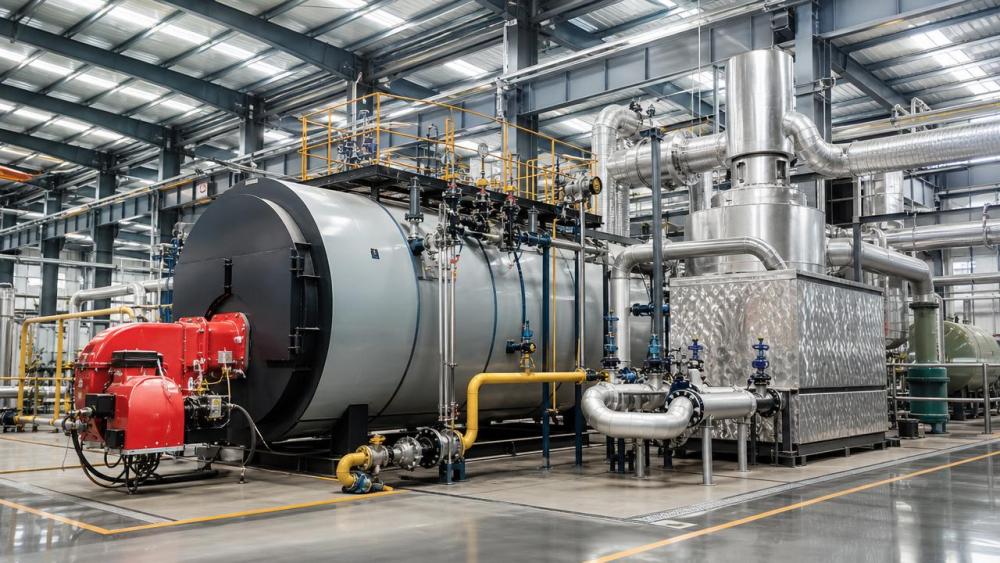
Steam systems remain central across food processing, chemicals, healthcare, textiles, district heating, and general manufacturing. In 2026, boiler upgrades are no longer only about replacing aging assets.
They now connect directly to energy price volatility, emissions accountability, production stability, and digital efficiency targets. This is where low-NOx combustion boilers gain stronger attention.
The market signal is clear. Facilities want lower fuel use, tighter combustion control, and practical decarbonization steps without disrupting steam reliability.
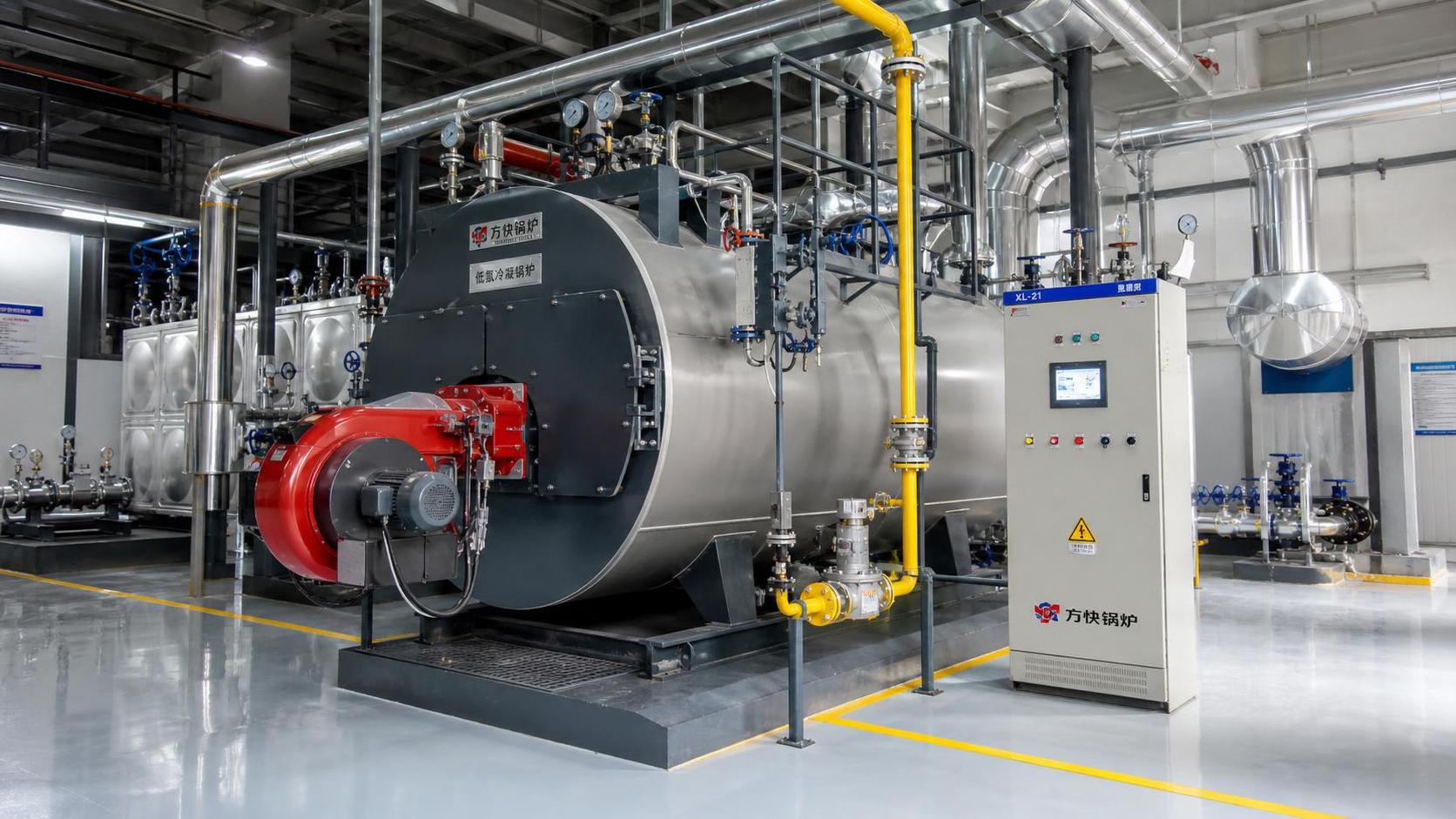
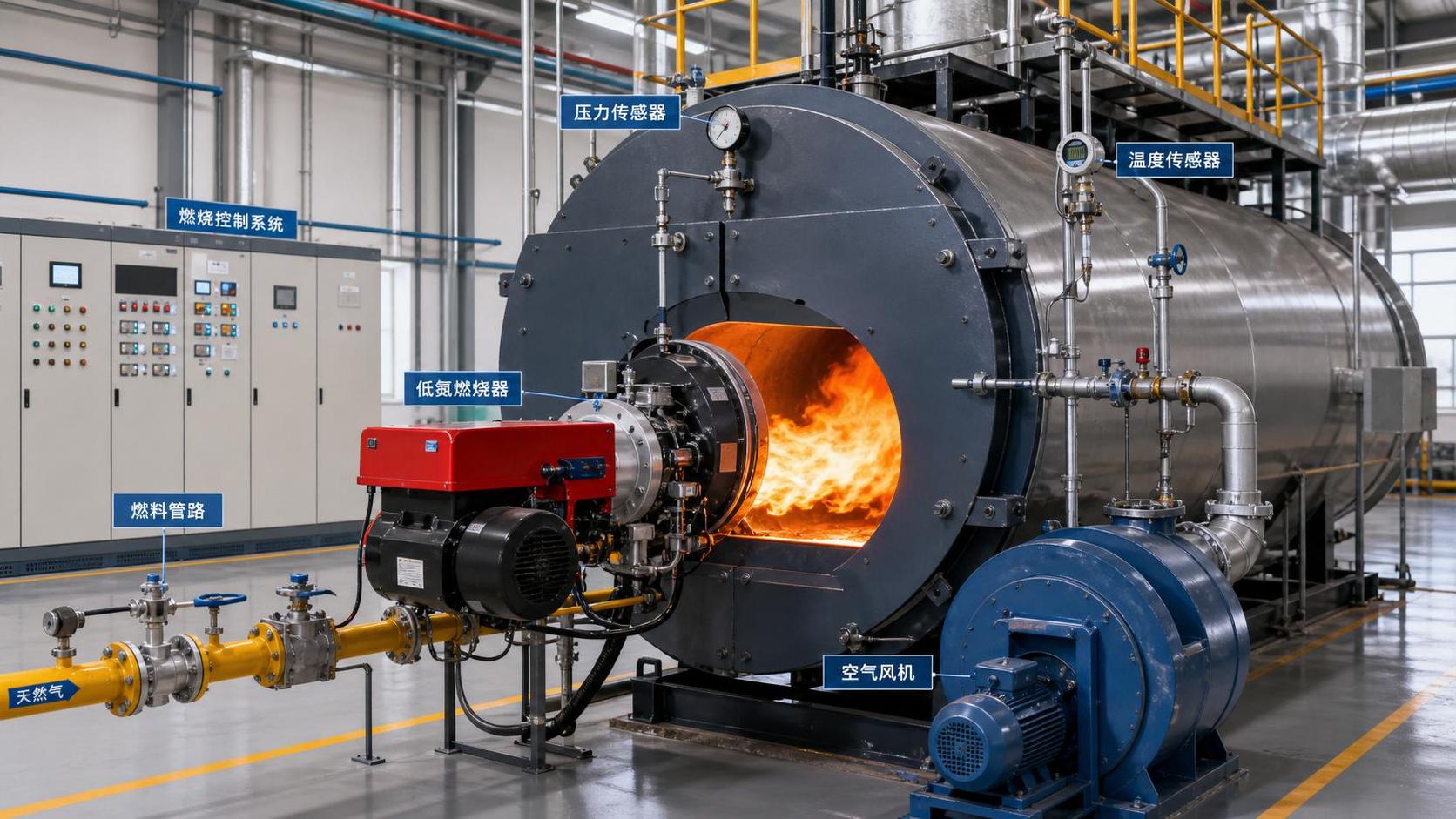
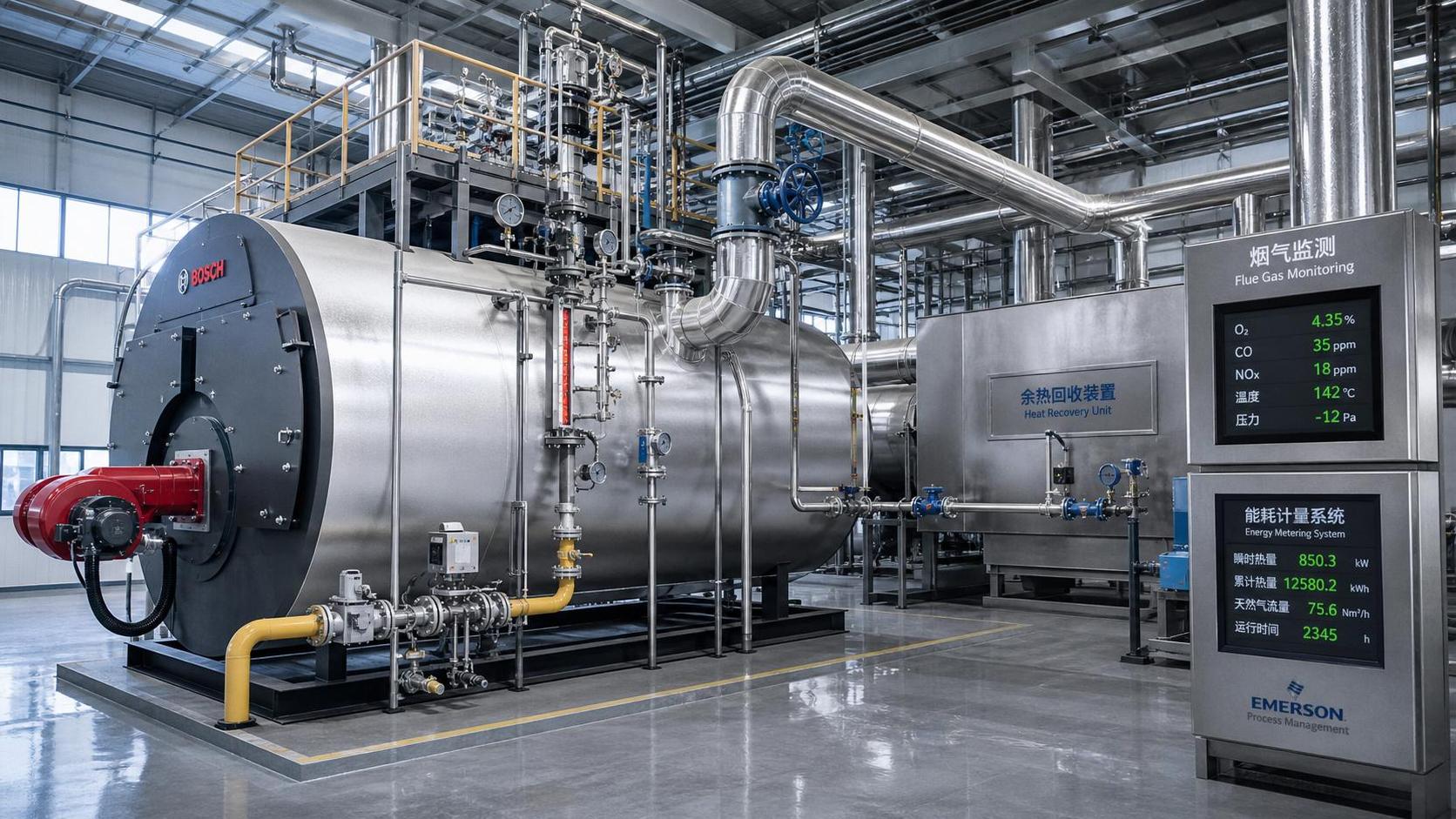
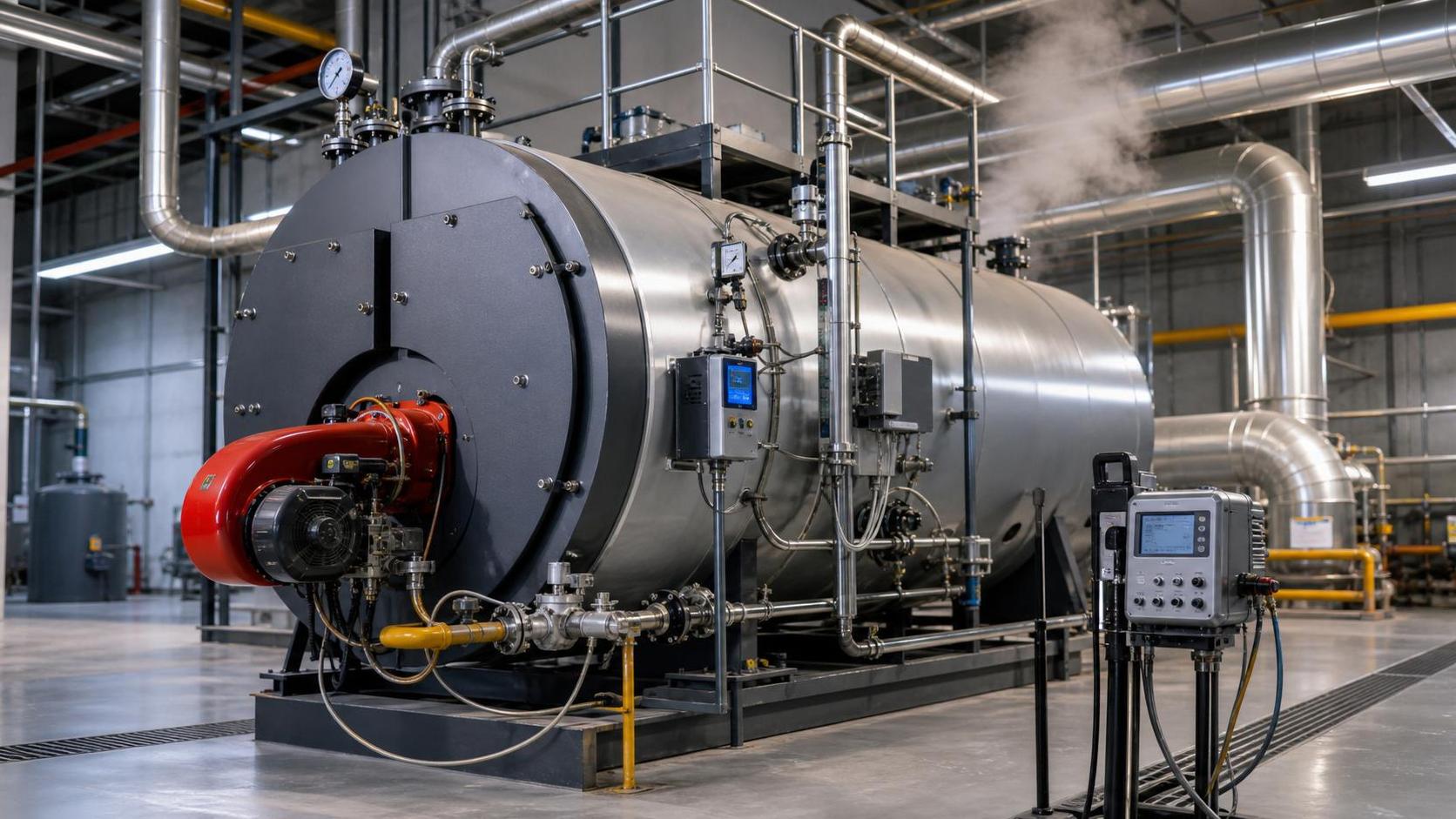
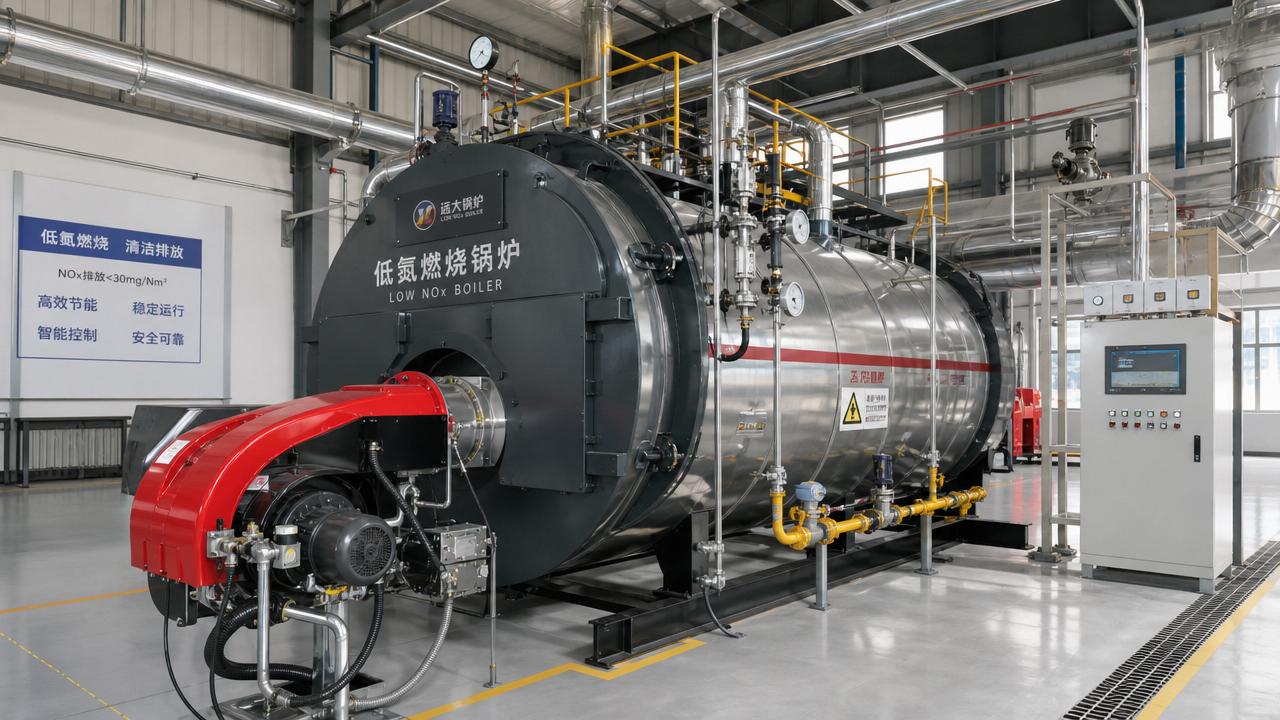
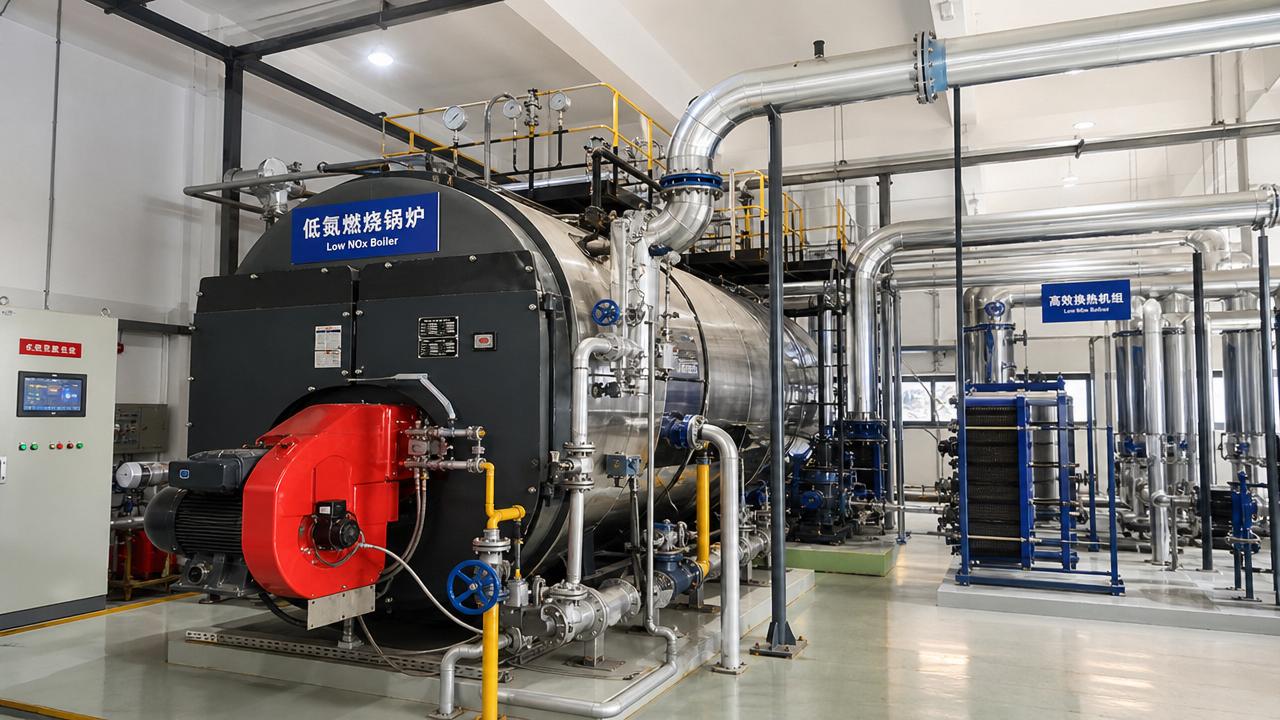
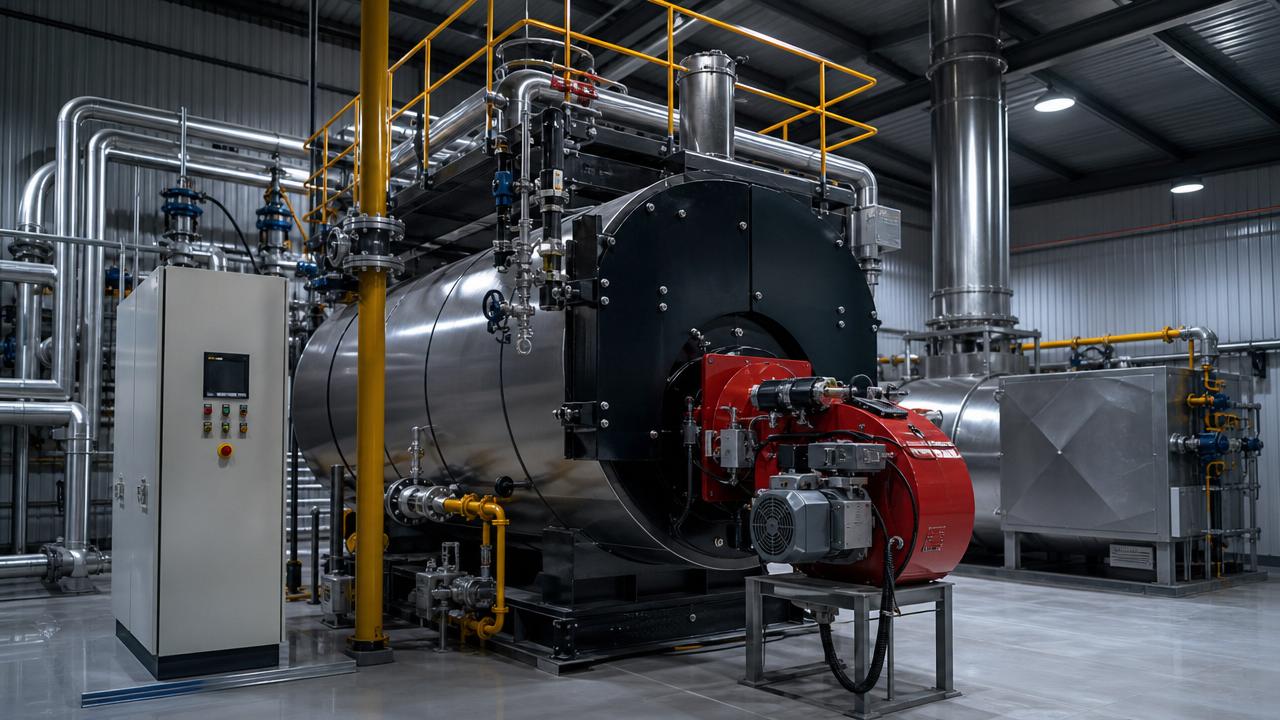
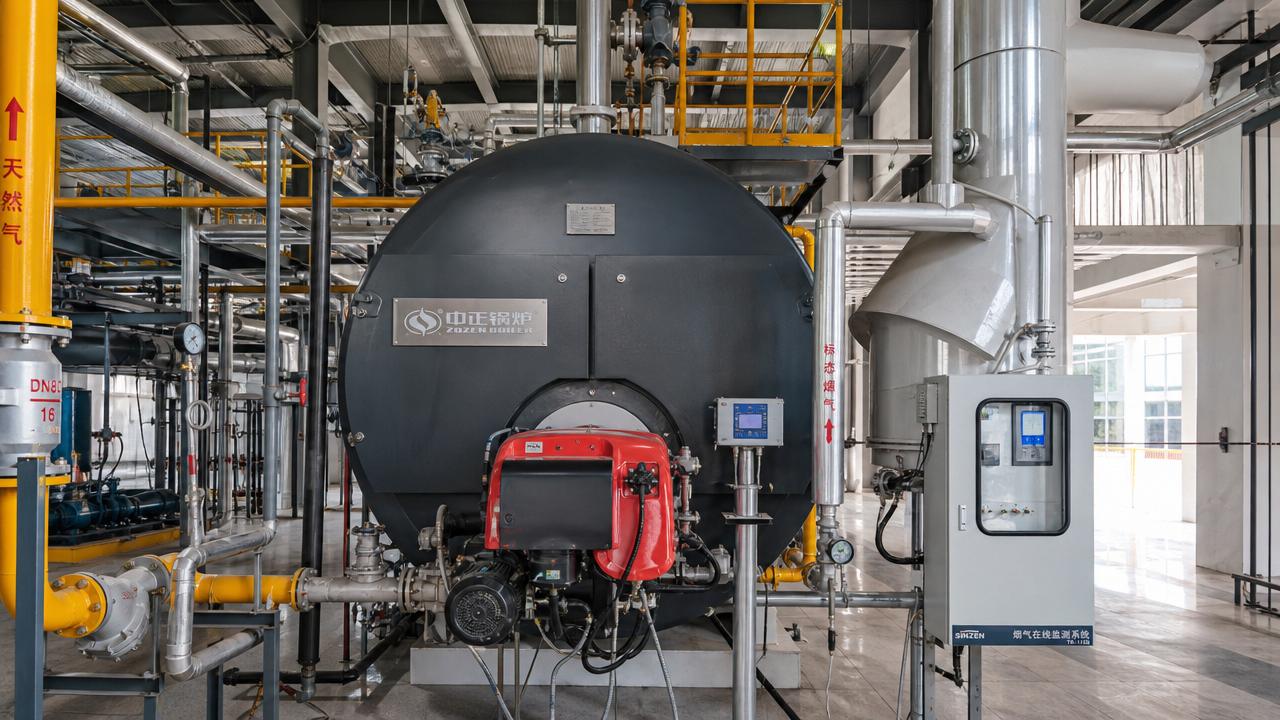
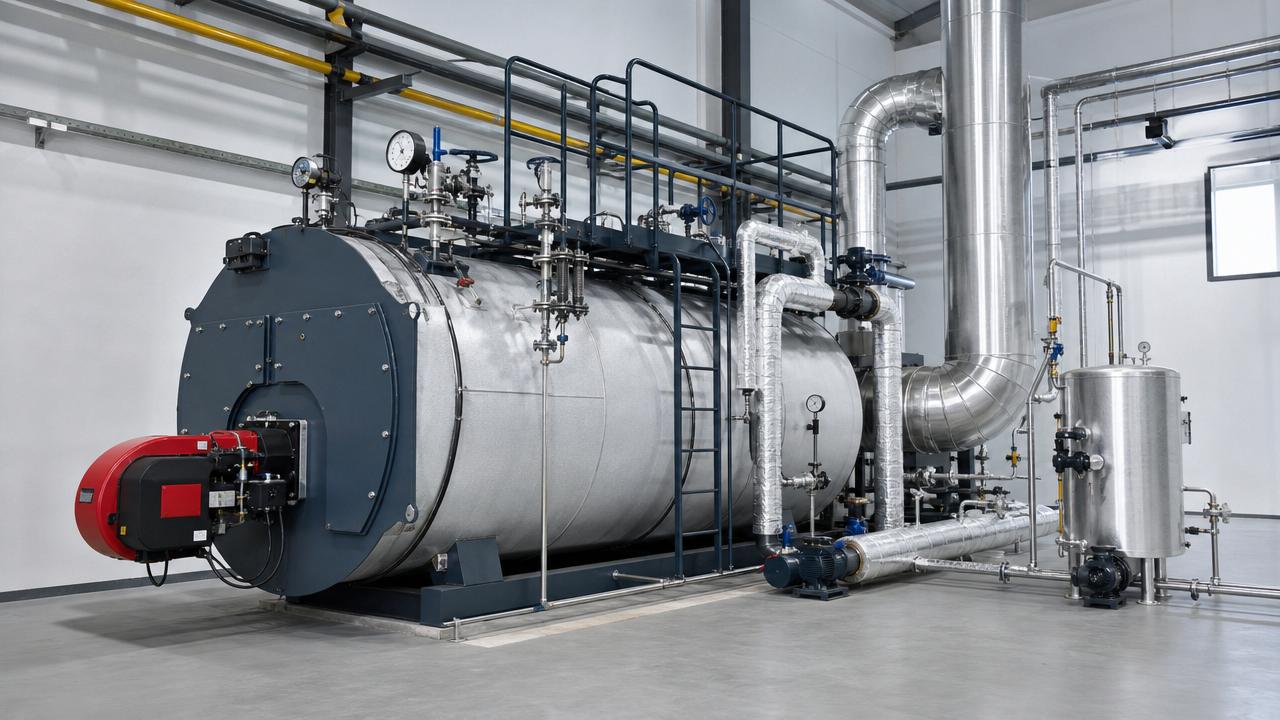
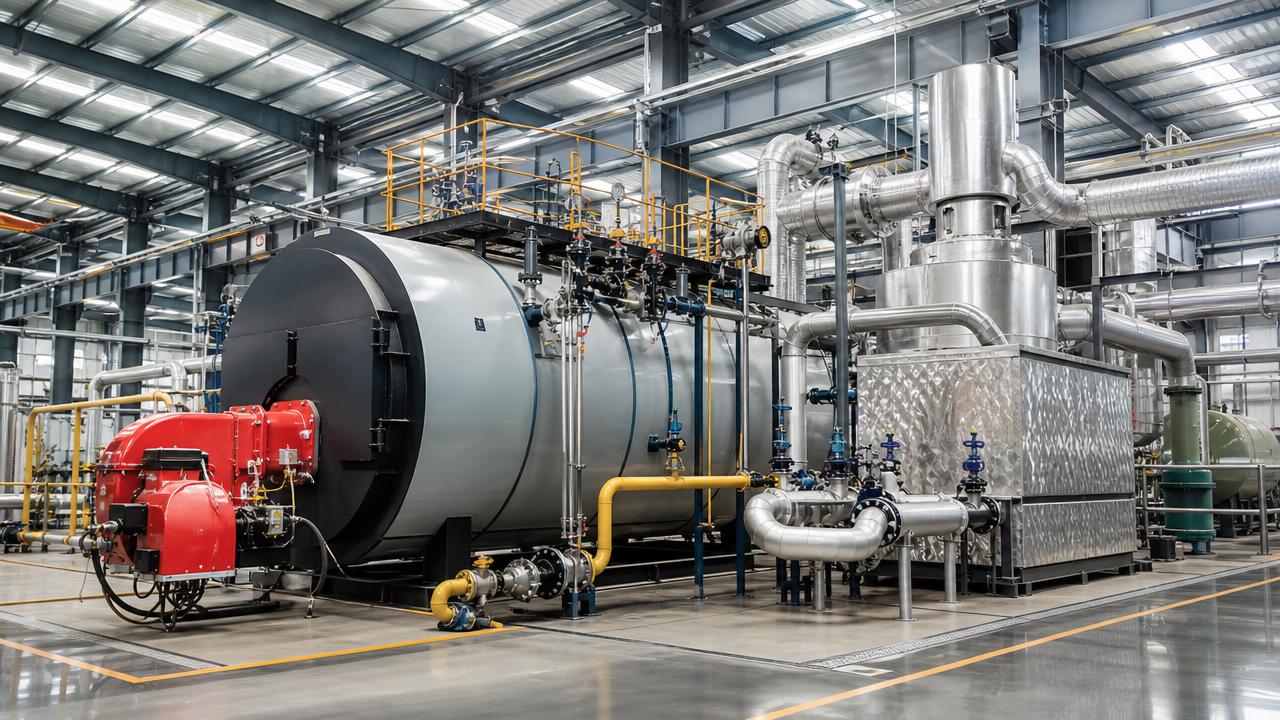
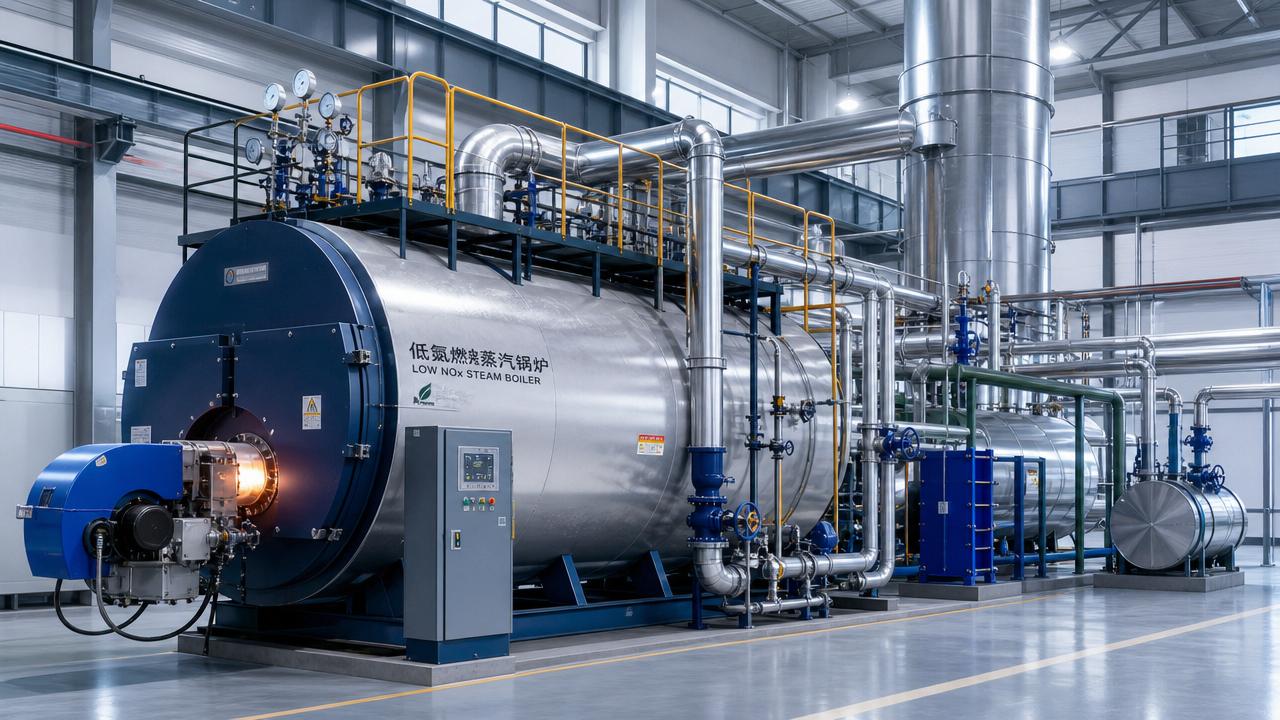
Within this shift, low-NOx combustion boilers are moving from compliance equipment to performance assets. Their value improves when paired with economizers, oxygen trim, variable-speed drives, and monitoring platforms.
Several 2026 signals are accelerating demand for low-NOx combustion boilers
The transition is not driven by one factor alone. It is the result of cost pressure, policy tightening, operational digitization, and rising expectations for sustainable industrial heat.
Across many sectors, steam users are reviewing entire boiler rooms. Burners, controls, water treatment, heat recovery, and stack losses are being evaluated together.
Key drivers behind upgrade decisions
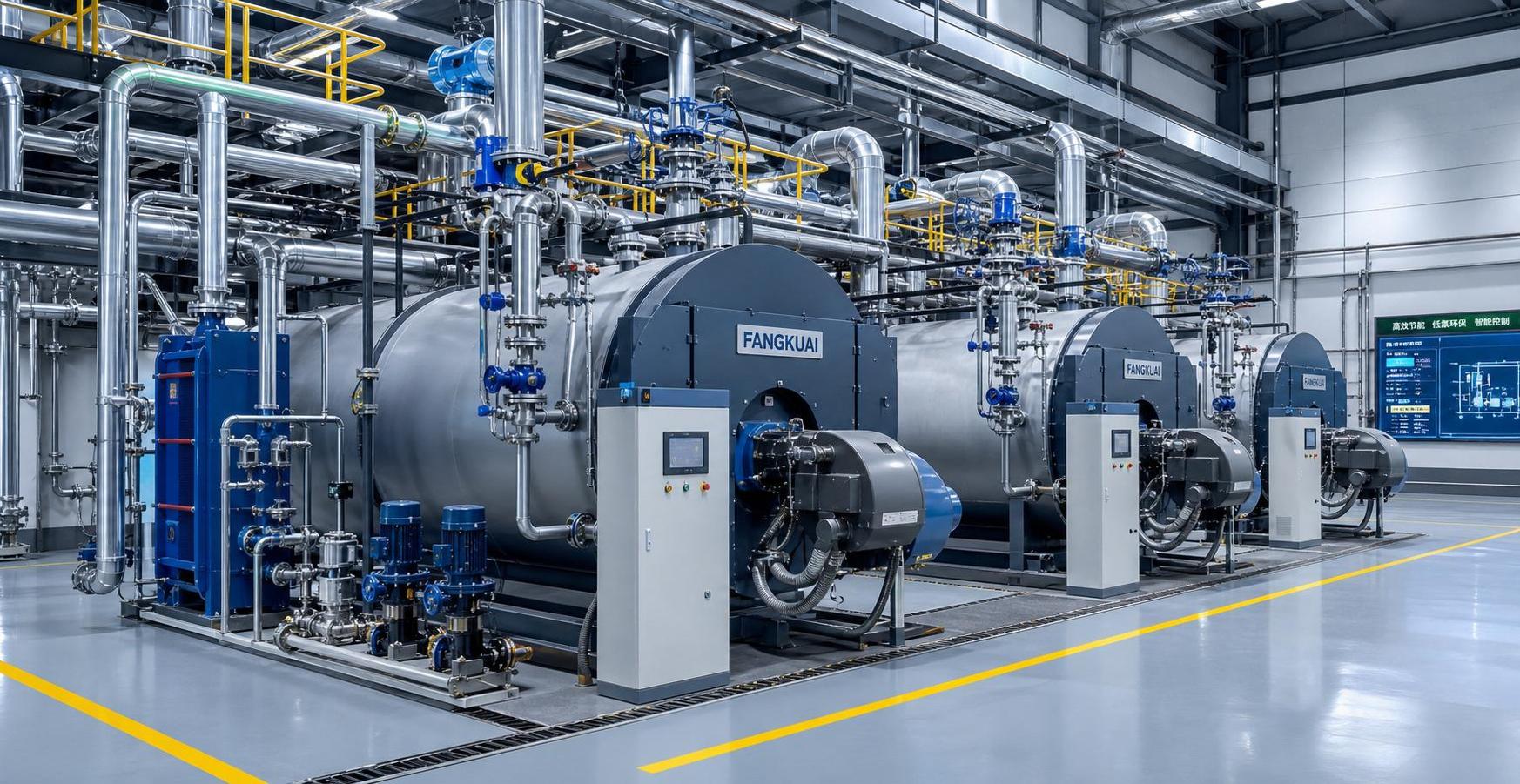
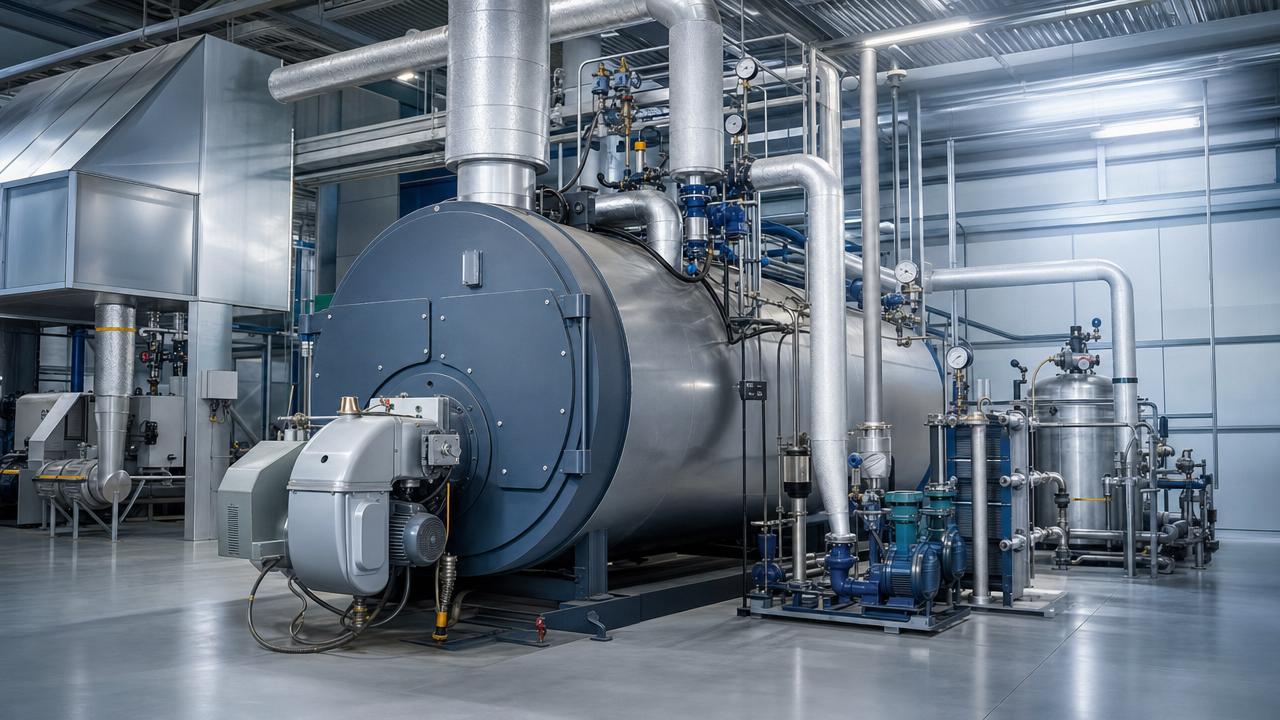
This environment favors integrated retrofits. Instead of replacing boilers alone, many sites pursue staged upgrades that improve combustion, heat transfer, and steam distribution together.
Why low-NOx combustion boilers matter more when fuel savings are under pressure
Older views often treated low-NOx combustion boilers as necessary compromises. Lower emissions were accepted, but operators expected added complexity or reduced efficiency.
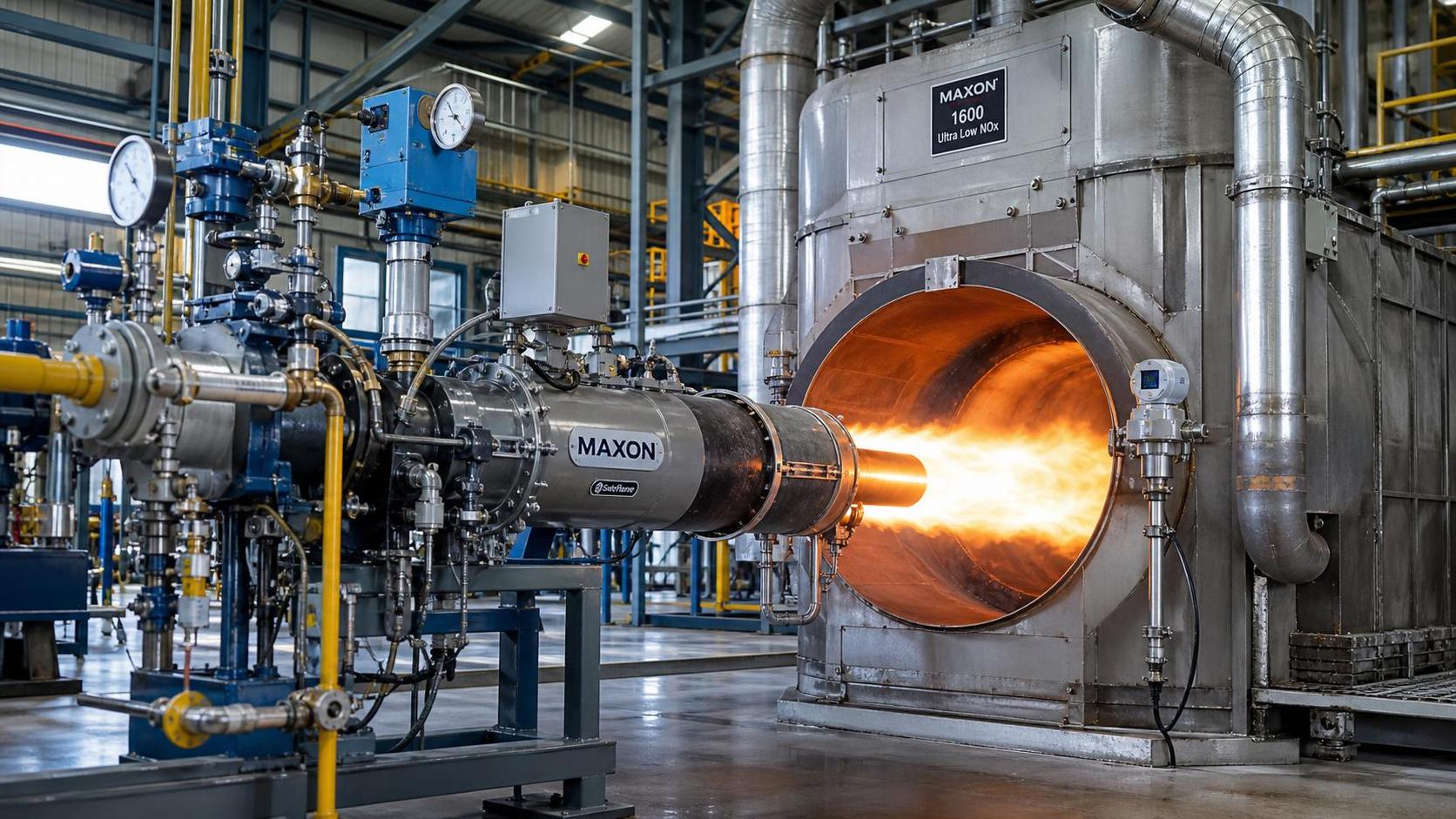
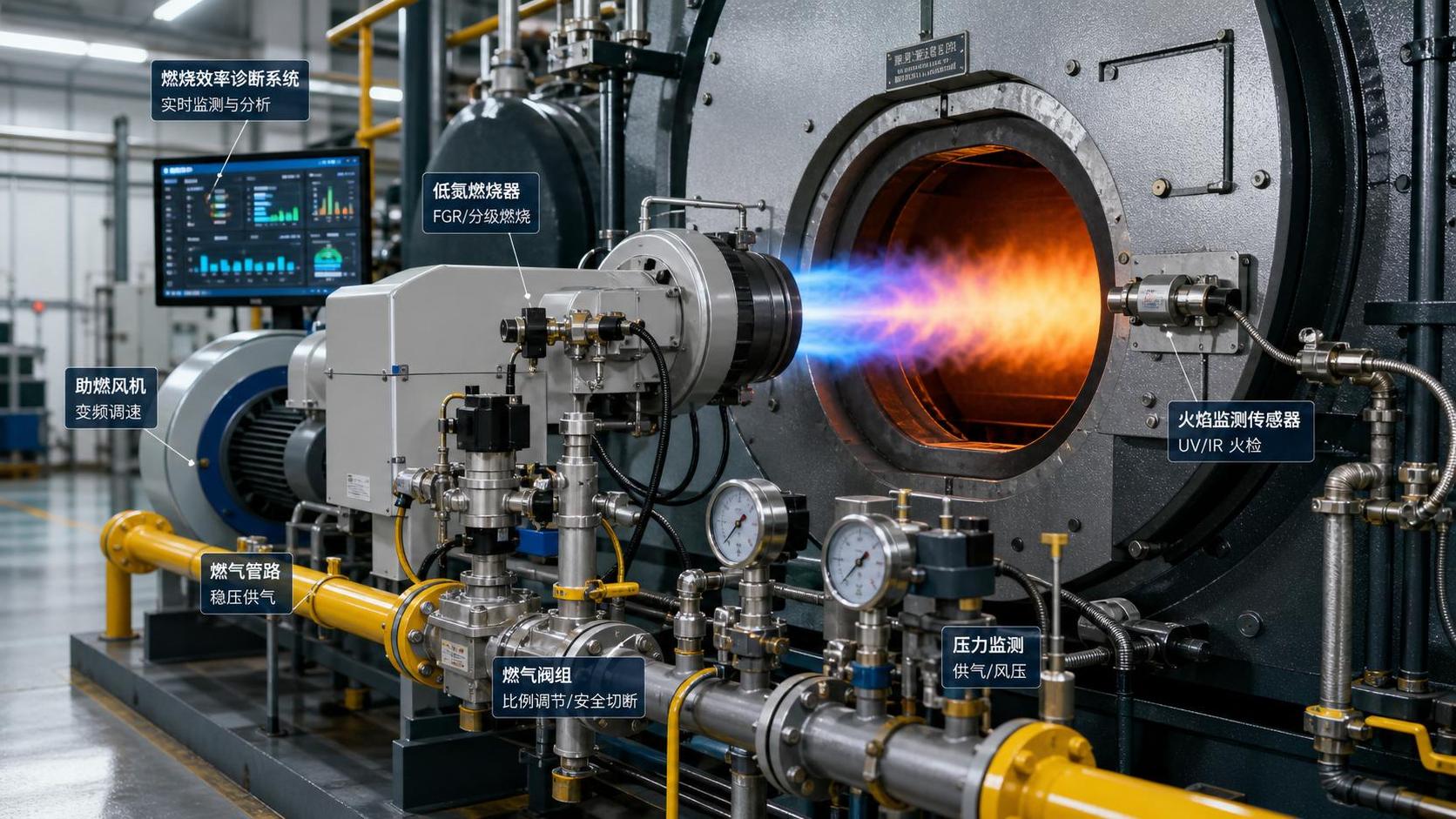
That assumption is weakening. New burner designs, flue gas recirculation strategies, and digital combustion management improve flame stability and air-fuel balance.
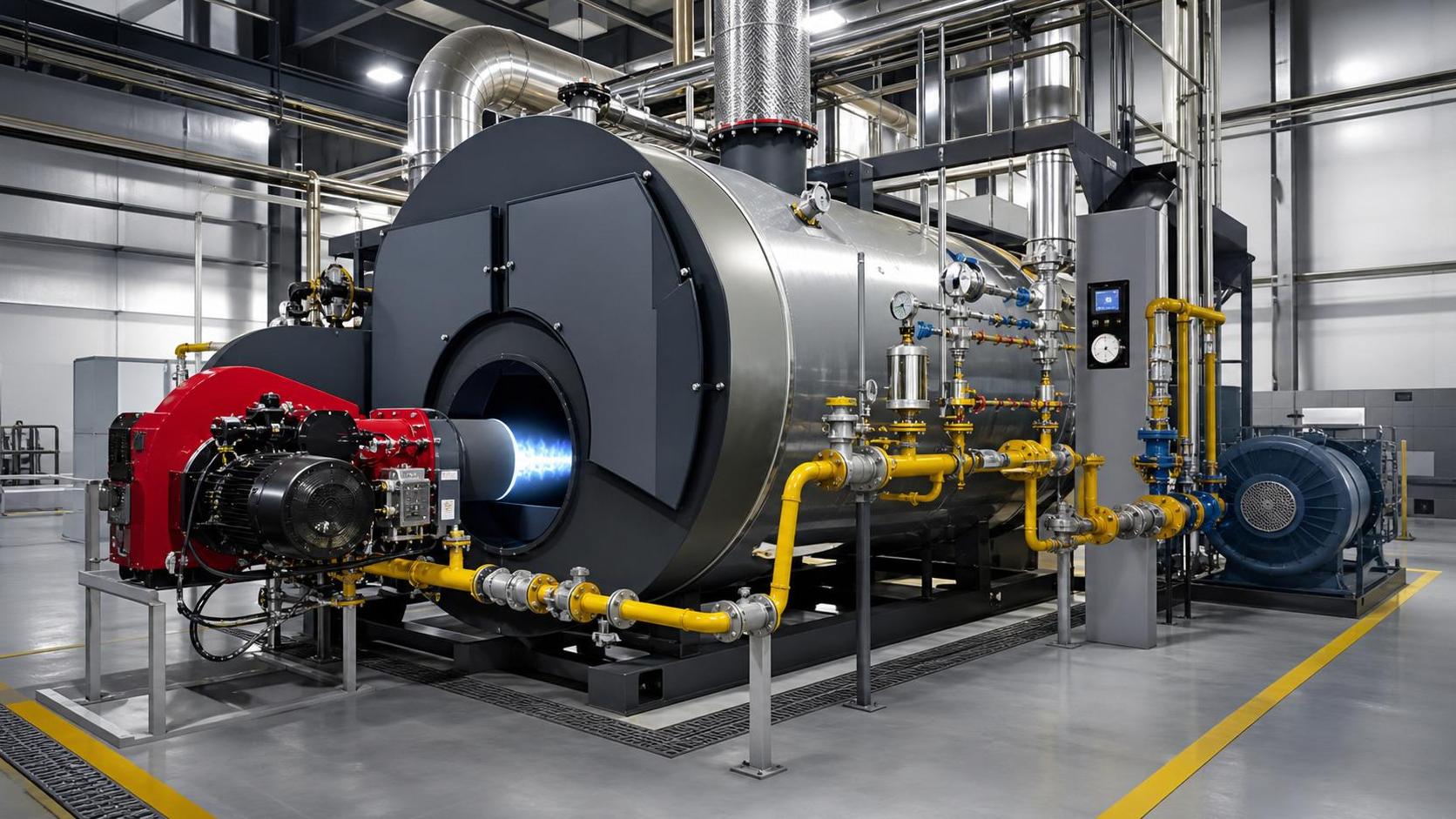
As a result, low-NOx combustion boilers can support both environmental and financial goals. The strongest results appear when they are tuned to actual load profiles.
Upgrade elements that often produce the best combined outcome
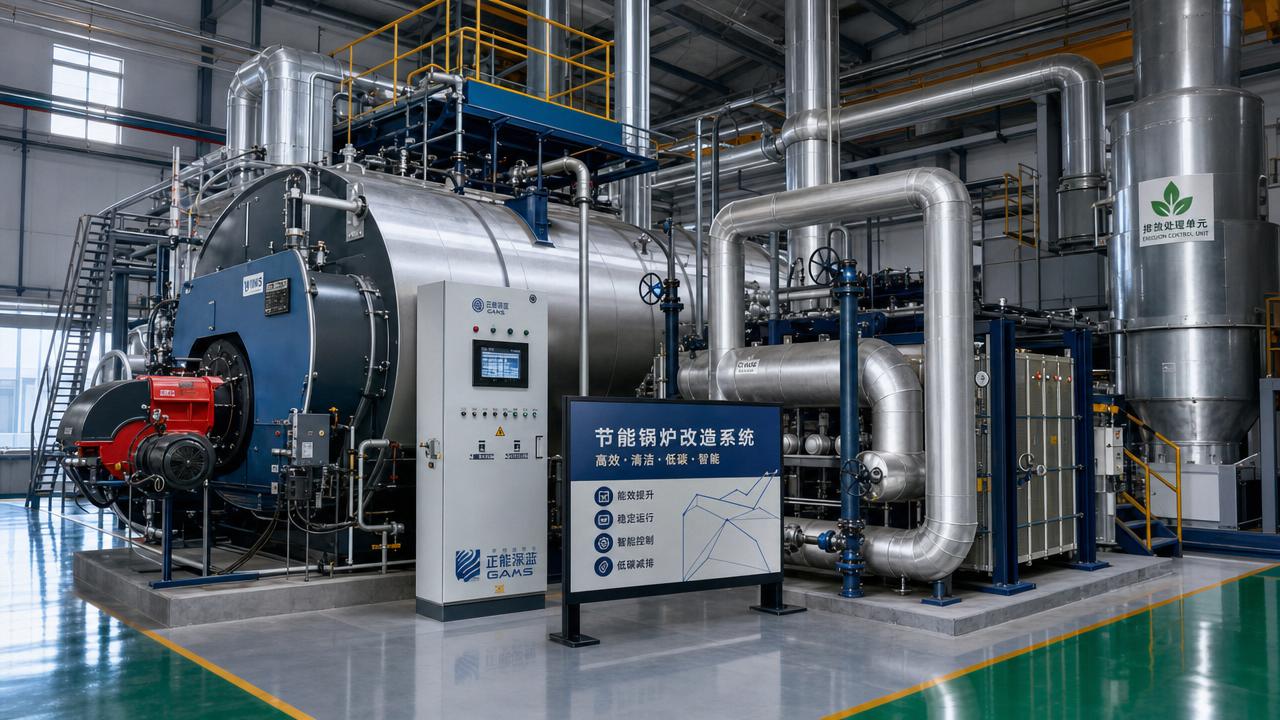
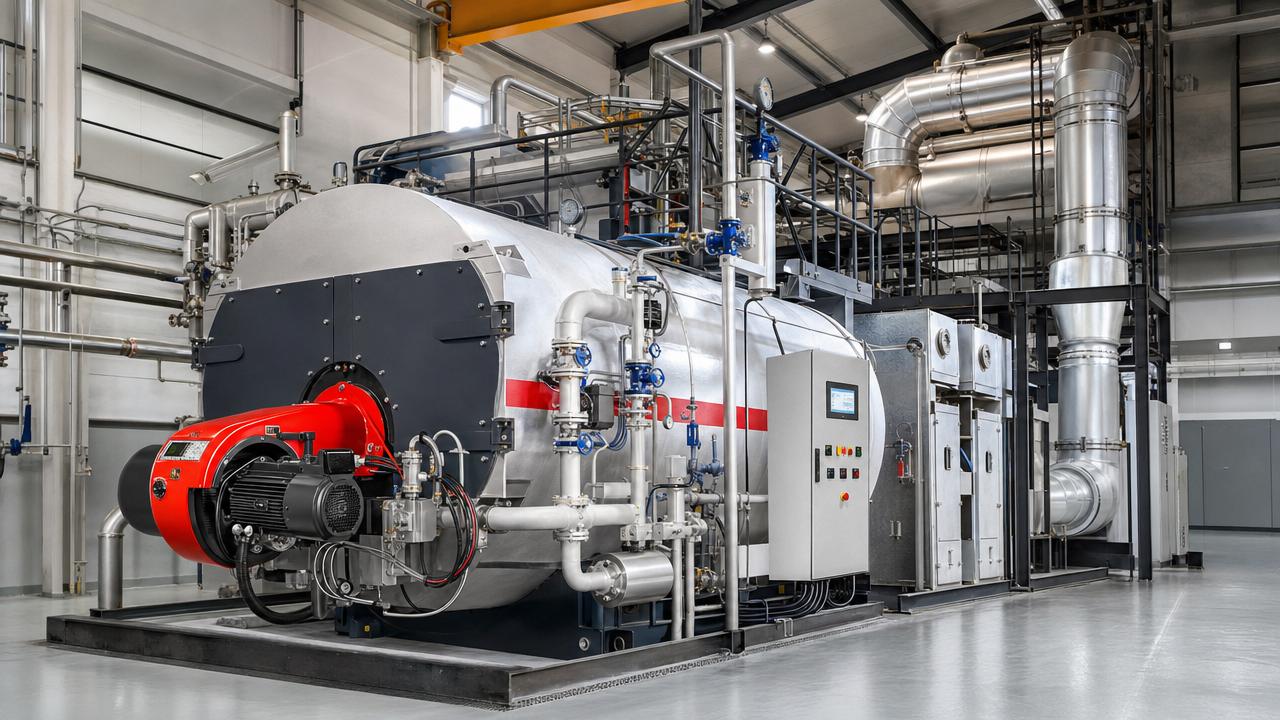
- Low-NOx burner retrofits with improved turndown capability
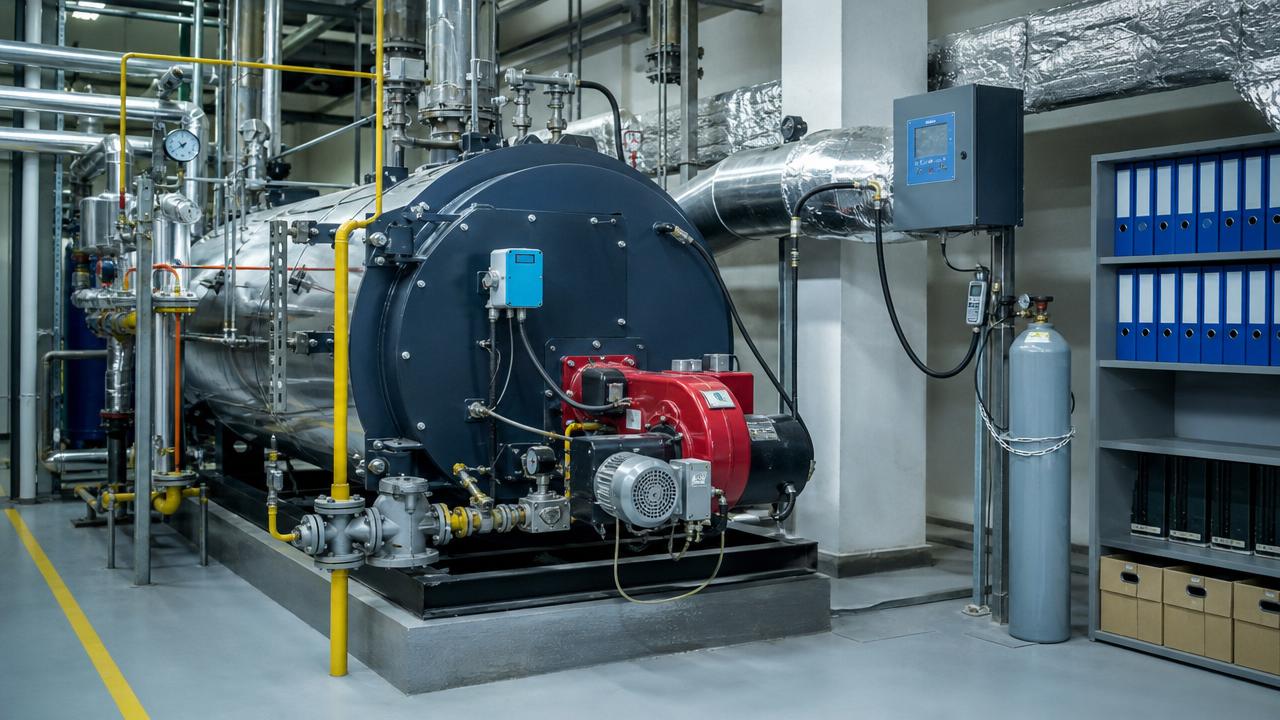
- Oxygen trim systems for real-time combustion adjustment
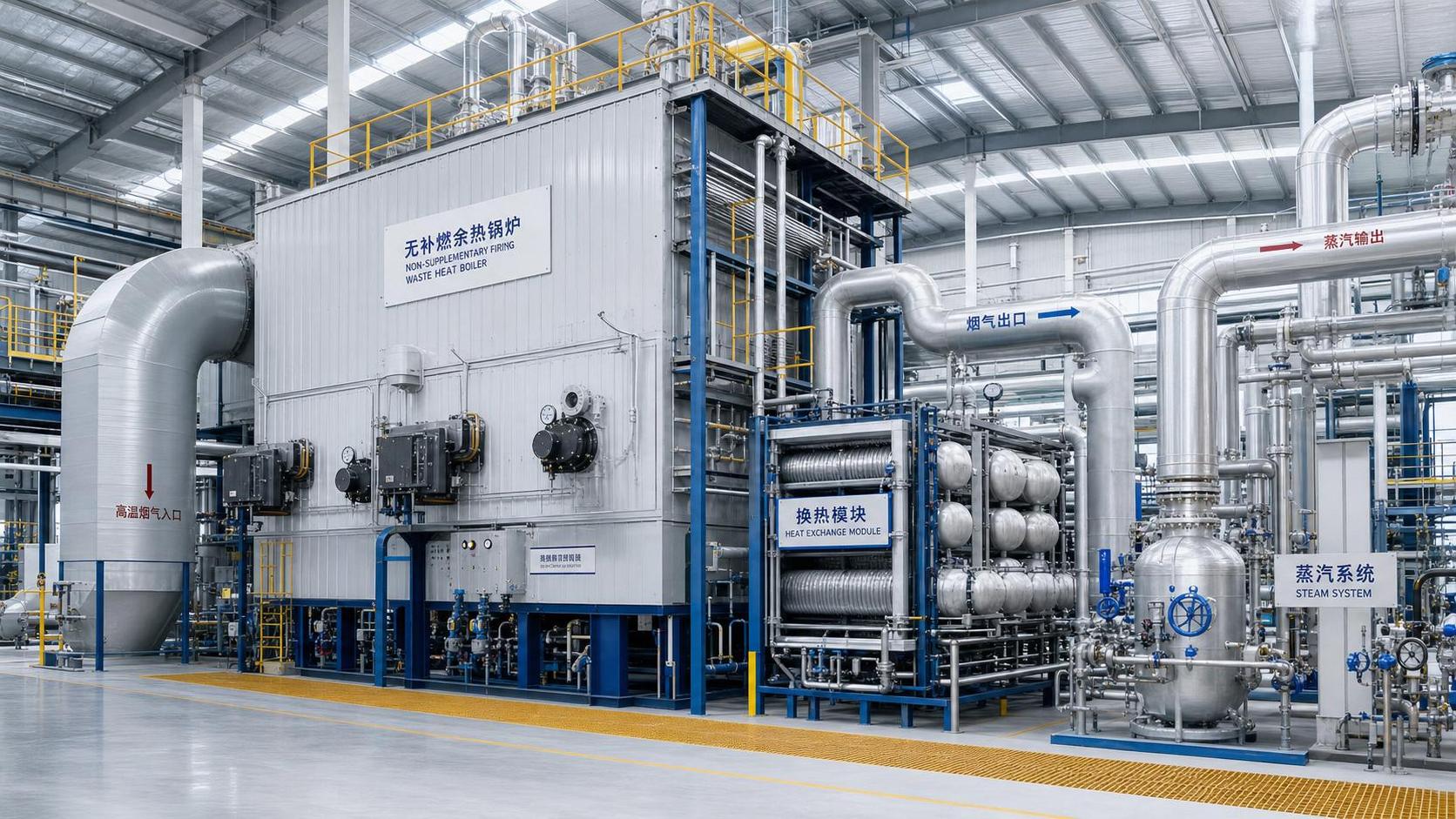
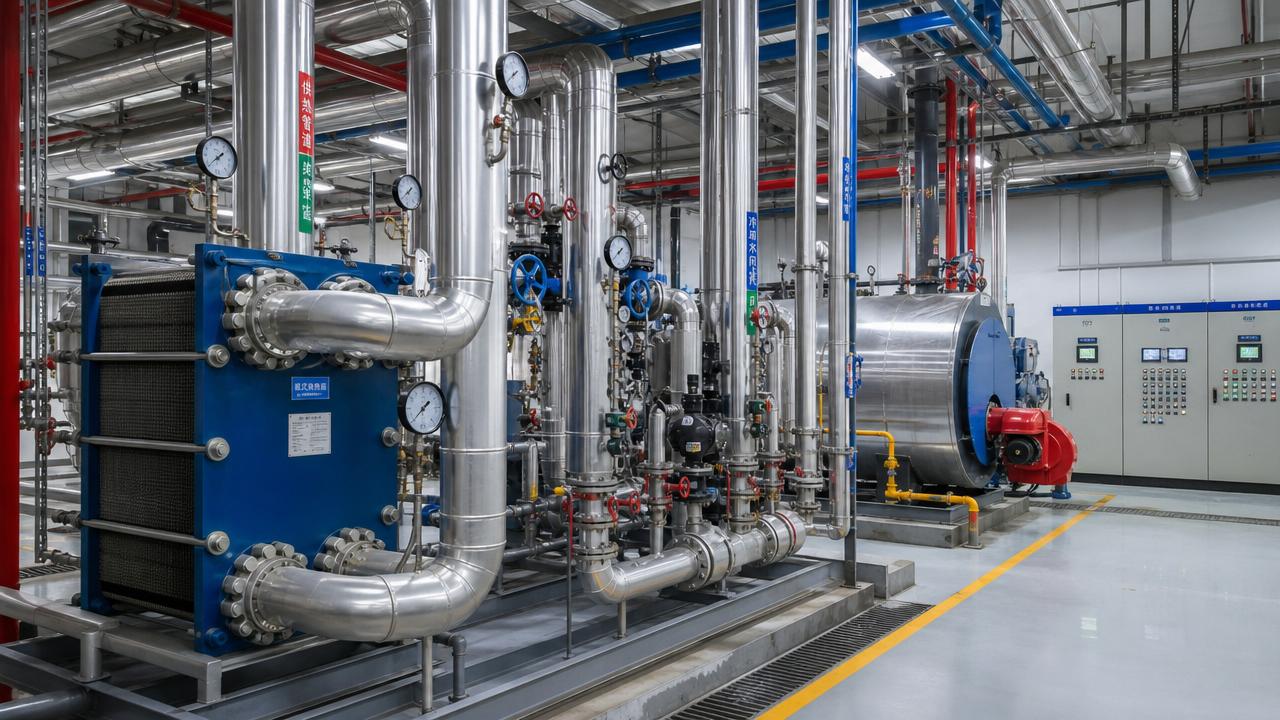
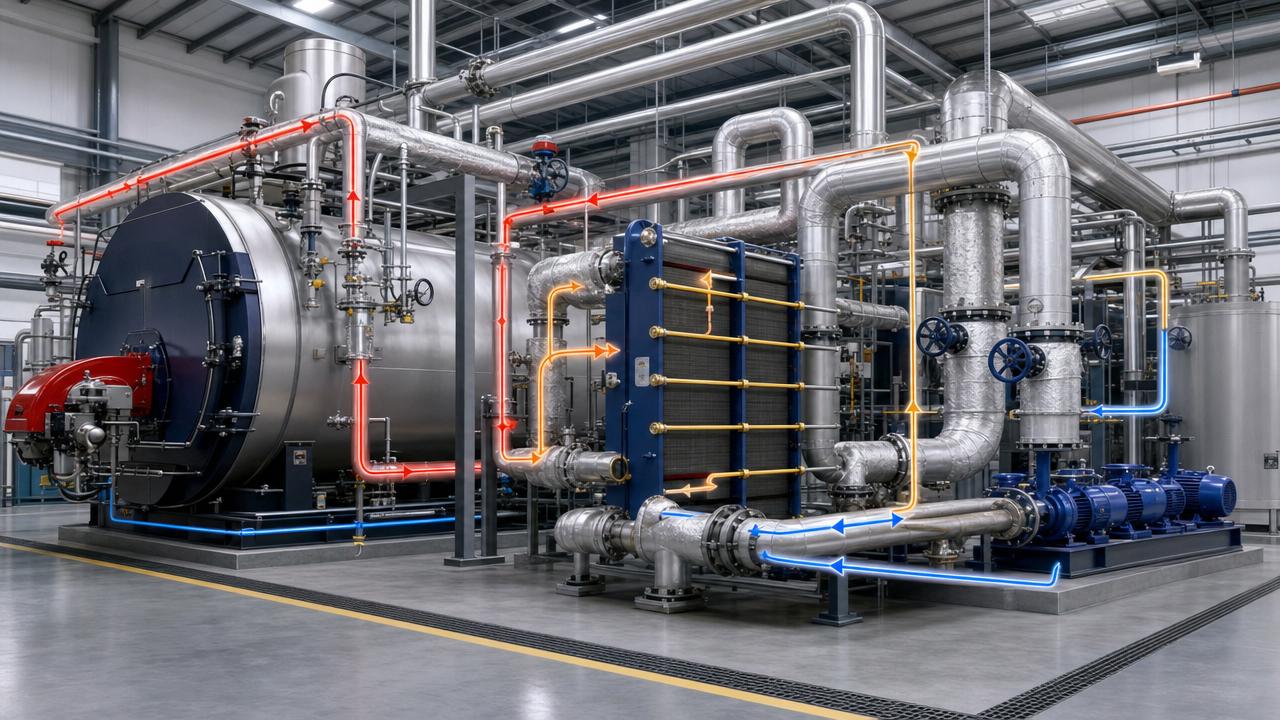
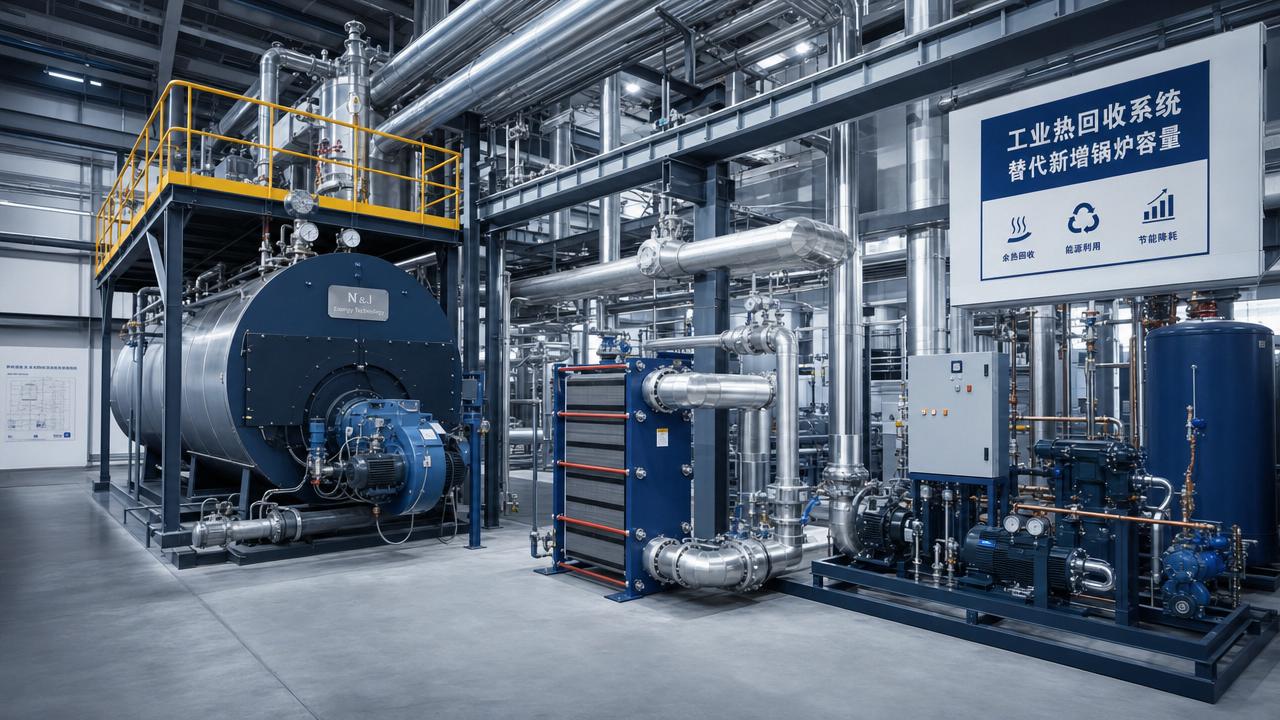
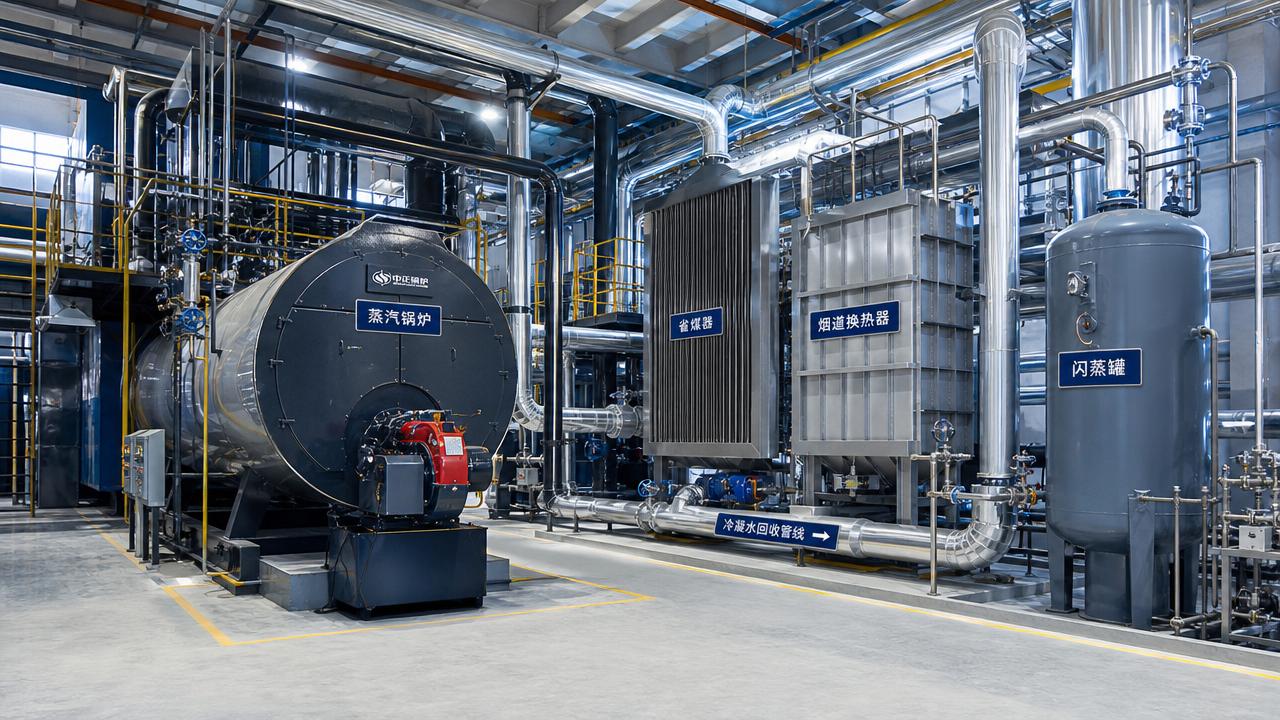
- Economizers that capture stack heat for feedwater preheating
- Blowdown heat recovery to reduce thermal waste
- Variable-frequency drives on fans and pumps
- Advanced sequencing for multi-boiler plants
These measures help reduce excess air, lower stack temperature losses, and maintain better efficiency at partial load. That matters because many steam plants rarely operate at one stable demand point.
The biggest gains often come from system thinking, not single equipment replacement
A modern boiler can still underperform inside a poorly managed steam network. Leaks, bad condensate return, oversized units, and weak controls can erase expected savings.
That is why 2026 steam projects increasingly begin with thermal mapping. Facilities want to know where fuel is consumed, where heat is lost, and where steam quality affects production.
In this broader view, low-NOx combustion boilers are one node inside a larger thermal efficiency strategy. GTC-Matrix continues to observe stronger interest in data-linked boiler room optimization.
Common hidden issues that reduce upgrade returns
- Boilers oversized for current production loads
- Poor burner tuning after seasonal demand changes
- Condensate losses increasing make-up water and energy use
- Inadequate insulation on valves, tanks, and distribution lines
- Limited visibility into boiler cycling and standby losses
Addressing these issues can improve the business case for low-NOx combustion boilers. The investment becomes more credible when system waste is identified early.
Different business functions will feel the impact of boiler modernization in different ways
Boiler upgrades influence more than utilities spending. They affect production consistency, environmental reporting quality, maintenance planning, and capital allocation discipline.
Because steam touches many processes, the impact is both operational and strategic. Low-NOx combustion boilers fit this wider pattern of cross-functional value creation.
The most important questions now focus on fit, measurement, and timing
Not every site needs a full boiler replacement in 2026. Some need burner upgrades, controls modernization, heat recovery, or better steam balancing first.
What matters is matching the upgrade path to emissions exposure, load variability, plant age, and expected fuel cost sensitivity. Low-NOx combustion boilers should be evaluated inside that context.
Priority checkpoints for a sound upgrade decision
- Measure current boiler efficiency across real operating loads
- Review NOx limits, reporting obligations, and permit timelines
- Quantify stack losses, blowdown losses, and condensate recovery rates
- Assess whether low-NOx combustion boilers can integrate with existing controls
- Model fuel savings using realistic duty cycles, not nameplate assumptions
- Plan shutdown windows to limit production disruption
These checkpoints reduce the risk of overbuying technology or missing lower-cost opportunities. They also improve confidence in return-on-investment discussions.
A phased response is often the smartest way to capture 2026 boiler opportunities
The best response is usually phased, measurable, and linked to broader thermal strategy. Quick wins can support larger capital upgrades later.
This structured path helps turn boiler upgrades into resilient energy decisions. It also supports the wider industrial shift toward cleaner, smarter, and more accountable thermal systems.
For organizations tracking industrial heat trends through GTC-Matrix, the message is straightforward. Low-NOx combustion boilers deserve attention not only for emissions control, but for fuel strategy, system resilience, and competitive efficiency in 2026.
The next practical step is to compare current boiler-room data against future fuel, compliance, and production scenarios. That analysis reveals whether tuning, retrofitting, or full low-NOx combustion boilers modernization will create the strongest long-term advantage.
Related News
- Low-NOx Boilers Cost Breakdown: Upfront Price, Fuel Savings, and PaybackAuthor :Thermal Energy Strategist

- Boiler Combustion Systems: Common Causes of Unstable Fuel PerformanceAuthor :Thermal Energy Strategist

- Hot Water Industrial Boilers: When Efficiency Gains Justify ReplacementAuthor :Thermal Energy Strategist

- What Boiler Efficiency Really Means in Daily Operation and Energy BillsAuthor :Thermal Energy Strategist

- Boiler Efficiency Testing Methods That Expose Heat Loss and Fuel WasteAuthor :Thermal Energy Strategist

- Industrial Burner Systems: Key Factors for Safe Heat OutputAuthor :Thermal Energy Strategist

- Gas-Fired Boiler Combustion Technology: Key Efficiency and Emissions Trade-OffsAuthor :Thermal Energy Strategist

- Unfired Heat Recovery Steam Generators: When Do They Pay Off?Author :Thermal Energy Strategist

- How to Evaluate Steam Generation Systems Electric for Process Heat ProjectsAuthor :Thermal Energy Strategist

- Thermal Power Systems for Industrial Heating: Common Sizing Mistakes to AvoidAuthor :Thermal Energy Strategist

- Low-NOx Condensing Boilers: How to Compare Efficiency and EmissionsAuthor :Thermal Energy Strategist
![]()
- Low Emissions Boilers for Food Processing: Key Compliance and Fuel Cost FactorsAuthor :Thermal Energy Strategist

- Steam System Efficiency Calculation: Key Inputs That Change the ResultAuthor :Thermal Energy Strategist

- How to Evaluate a Steam Boiler Components Exporter Before OrderingAuthor :Thermal Energy Strategist

- Burner Systems Troubleshooting: Common Efficiency Loss CausesAuthor :Thermal Energy Strategist

- EU PED Q2 Rules Require Digital Compliance TagsAuthor :Thermal Energy Strategist

- Thermal Power Systems: Key Efficiency Risks in Daily OperationAuthor :Thermal Energy Strategist

- Low-NOx Combustion Boilers: Key Efficiency and Compliance ChecksAuthor :Thermal Energy Strategist

- Low-NOx Combustion Boilers: Key Specs That Affect Emissions and Fuel UseAuthor :Thermal Energy Strategist

- Low-NOx Combustion Boilers: Key Compliance RisksAuthor :Thermal Energy Strategist

- Thermodynamics Analysis for Boiler Heat-Loss ReductionAuthor :Thermal Energy Strategist

- Industrial Thermal Systems: Common Operating RisksAuthor :Thermal Energy Strategist

- Low-NOx Combustion Boilers: Key Spec Checks Before PurchaseAuthor :Thermal Energy Strategist

- How Industrial Heat Recovery Cuts Boiler Fuel Costs in 2026Author :Thermal Energy Strategist

- Thermodynamics Analysis: 5 Heat Loss Clues in Steam BoilersAuthor :Thermal Energy Strategist

- Low-NOx Combustion Boilers: What Affects Real Emissions PerformanceAuthor :Thermal Energy Strategist

- Thermodynamics Analysis: Finding Heat Loss in Steam BoilersAuthor :Thermal Energy Strategist

- 2026 Steam Boiler Upgrades for Lower NOx and Fuel CostsAuthor :Thermal Energy Strategist

- EU to Expand CBAM to Steam Boilers; Exporters Must Prepare Carbon DataAuthor :Thermal Energy Strategist

- Industrial Heat Recovery: When Payback Beats New Boiler CapacityAuthor :Thermal Energy Strategist

- Carbon Neutrality Targets and the New Boiler Retrofit PaybackAuthor :Thermal Energy Strategist

- Low-NOx Combustion Boilers: Fuel Savings vs Emission LimitsAuthor :Thermal Energy Strategist

- Industrial Energy Efficiency Benchmarks for Steam Boiler Upgrades in 2026Author :Thermal Energy Strategist

- Low-NOx Combustion Boilers: Efficiency vs Emissions in 2026Author :Thermal Energy Strategist

- Industrial Heat Recovery Options for Steam Boiler SavingsAuthor :Thermal Energy Strategist

- Low-NOx Combustion Boilers and 2026 Compliance PressureAuthor :Thermal Energy Strategist