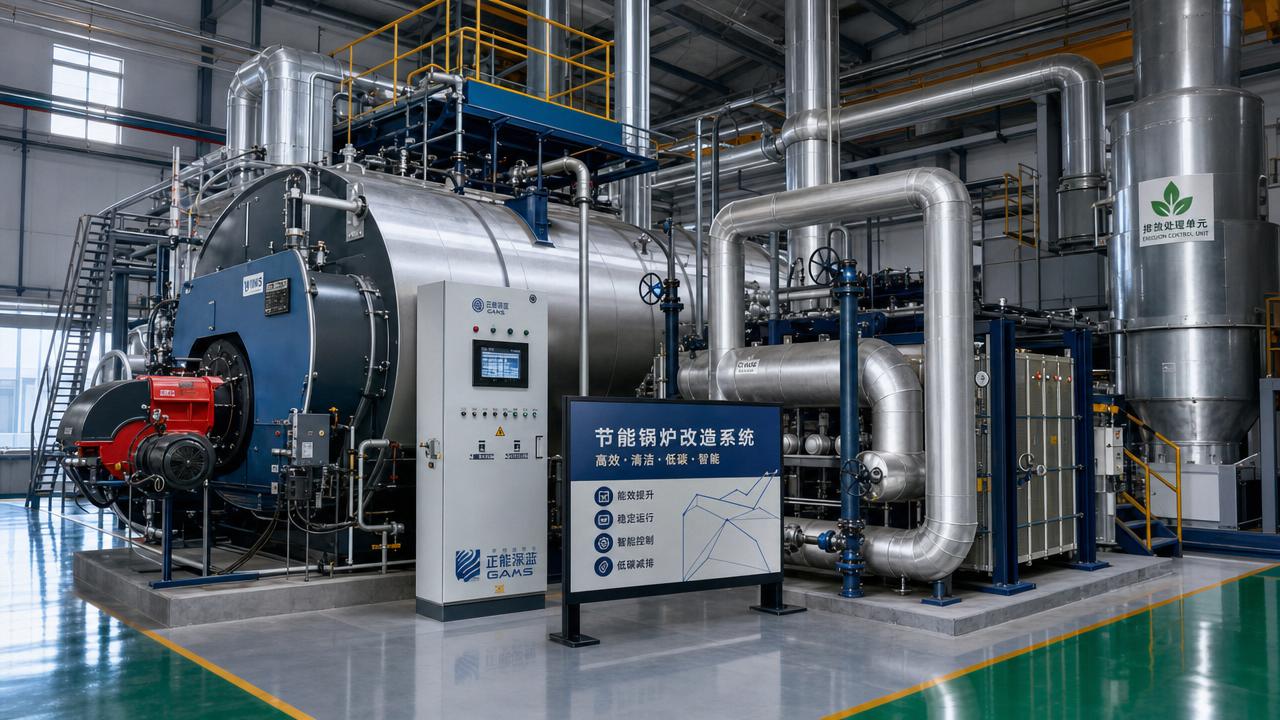
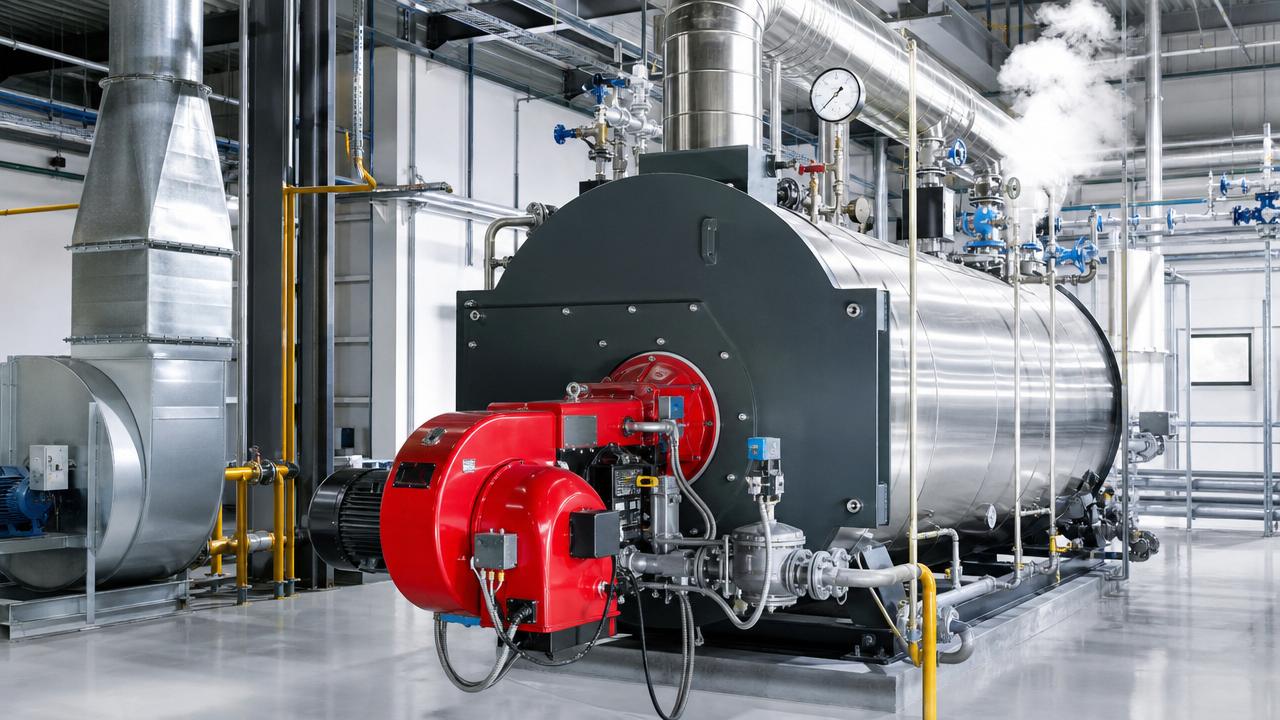
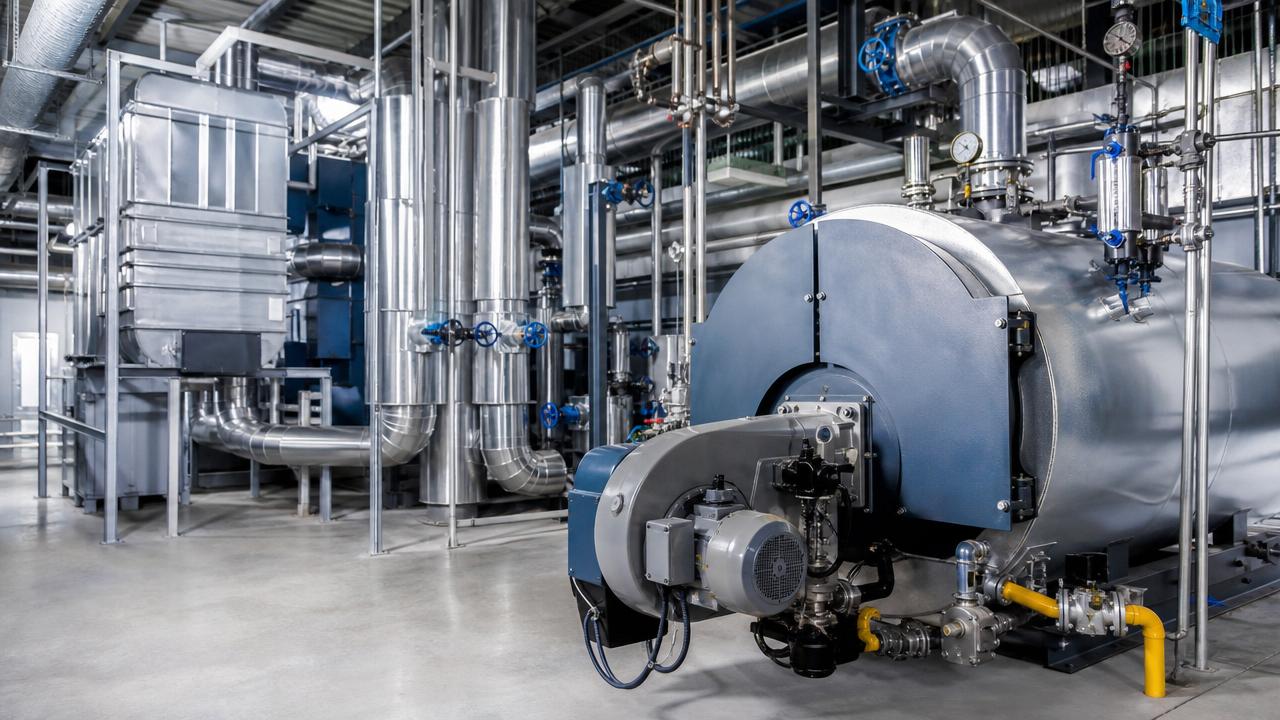
Low-NOx Combustion Boilers and 2026 Compliance Pressure




As 2026 deadlines approach, low-NOx combustion boilers are shifting from optional upgrades to operational necessities across industrial facilities.
Compliance now intersects with uptime, thermal stability, maintenance planning, documentation quality, and site-level environmental risk control.
For sectors dependent on process heat, low-NOx combustion boilers influence not only emissions performance, but also fuel flexibility, burner tuning, and long-term asset resilience.
This transition matters across the broader industrial landscape tracked by GTC-Matrix, where thermal efficiency and regulatory intelligence increasingly shape equipment strategy.
Low-NOx Combustion Boilers: Definition and Core Technical Logic
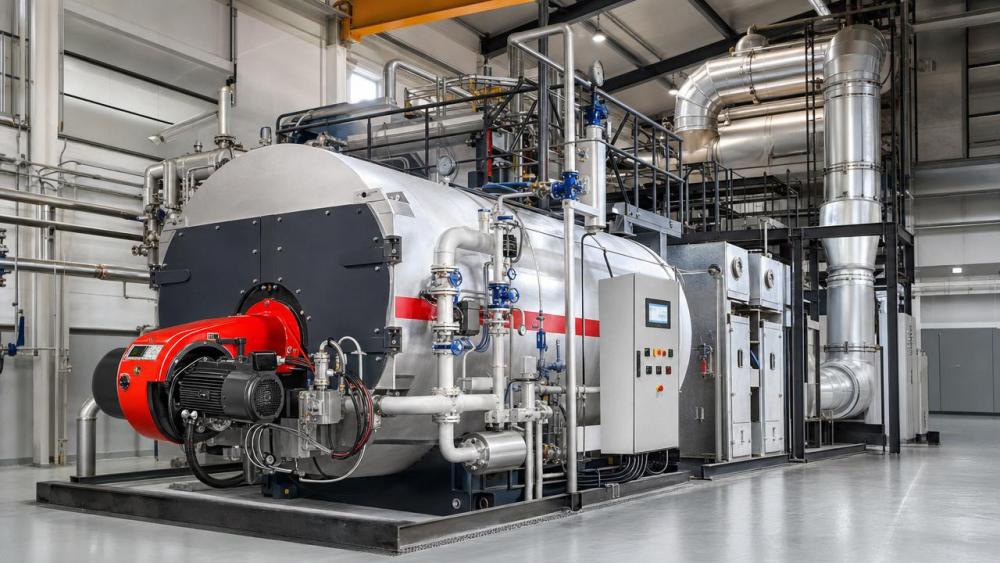
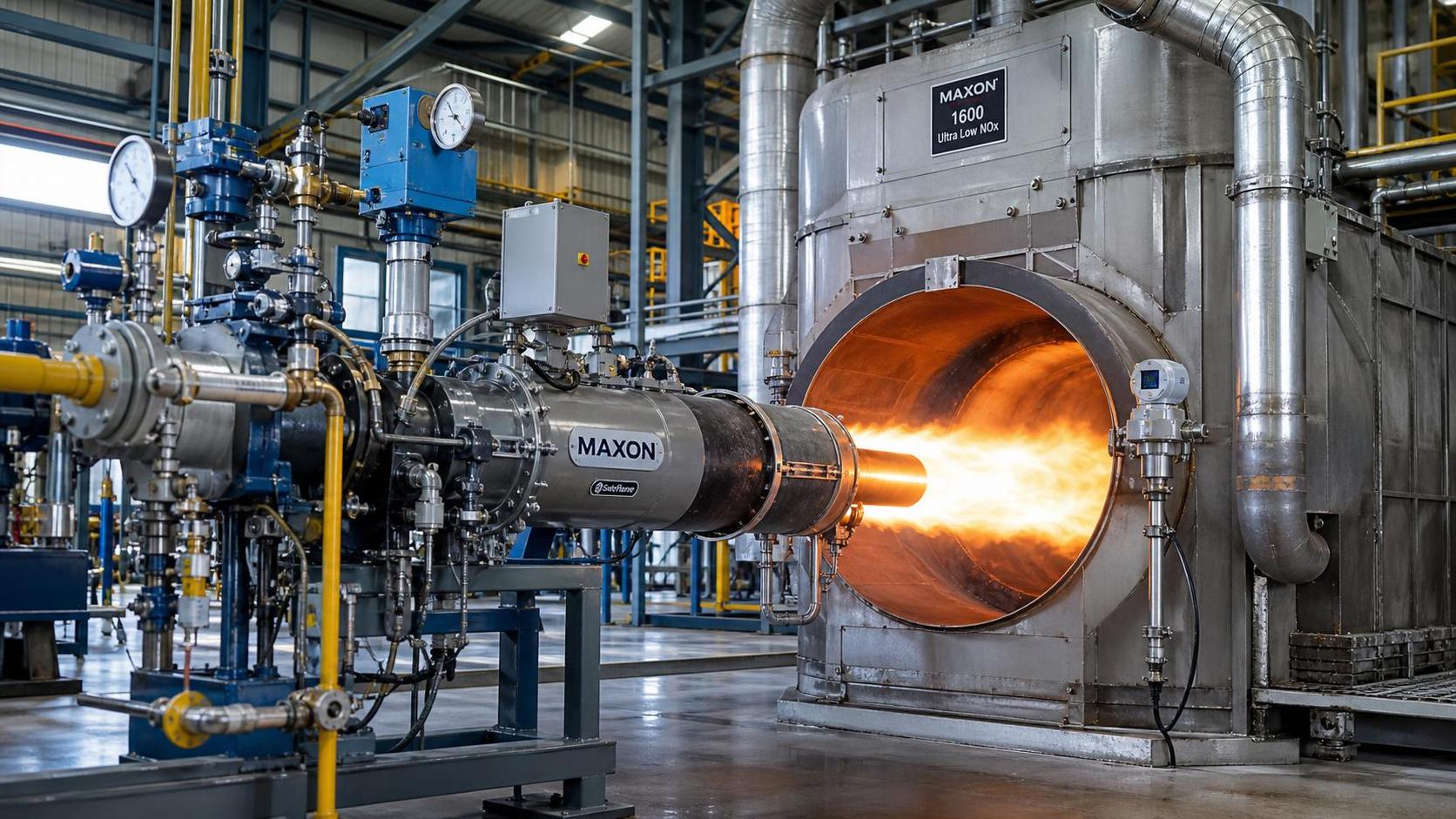
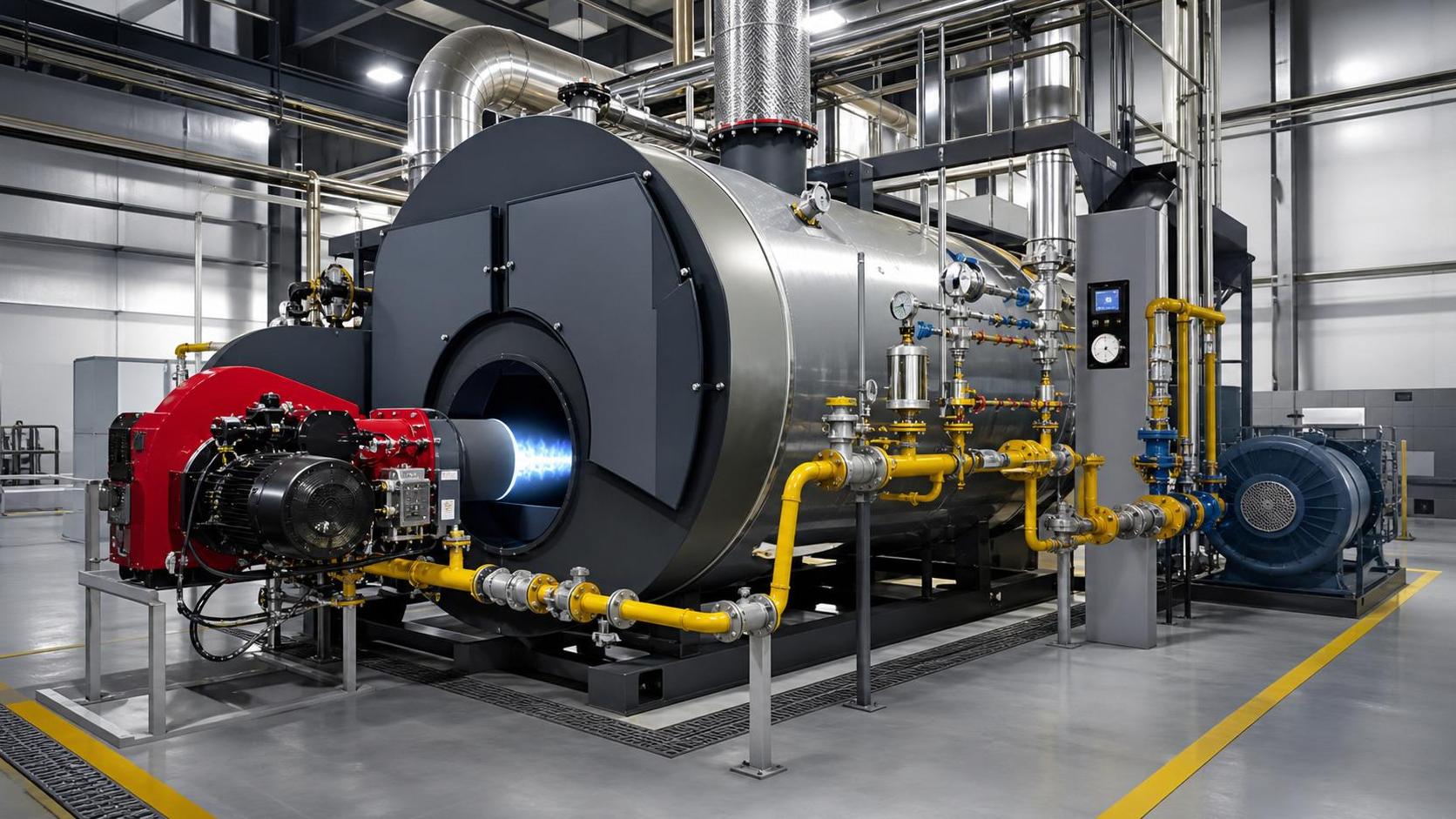
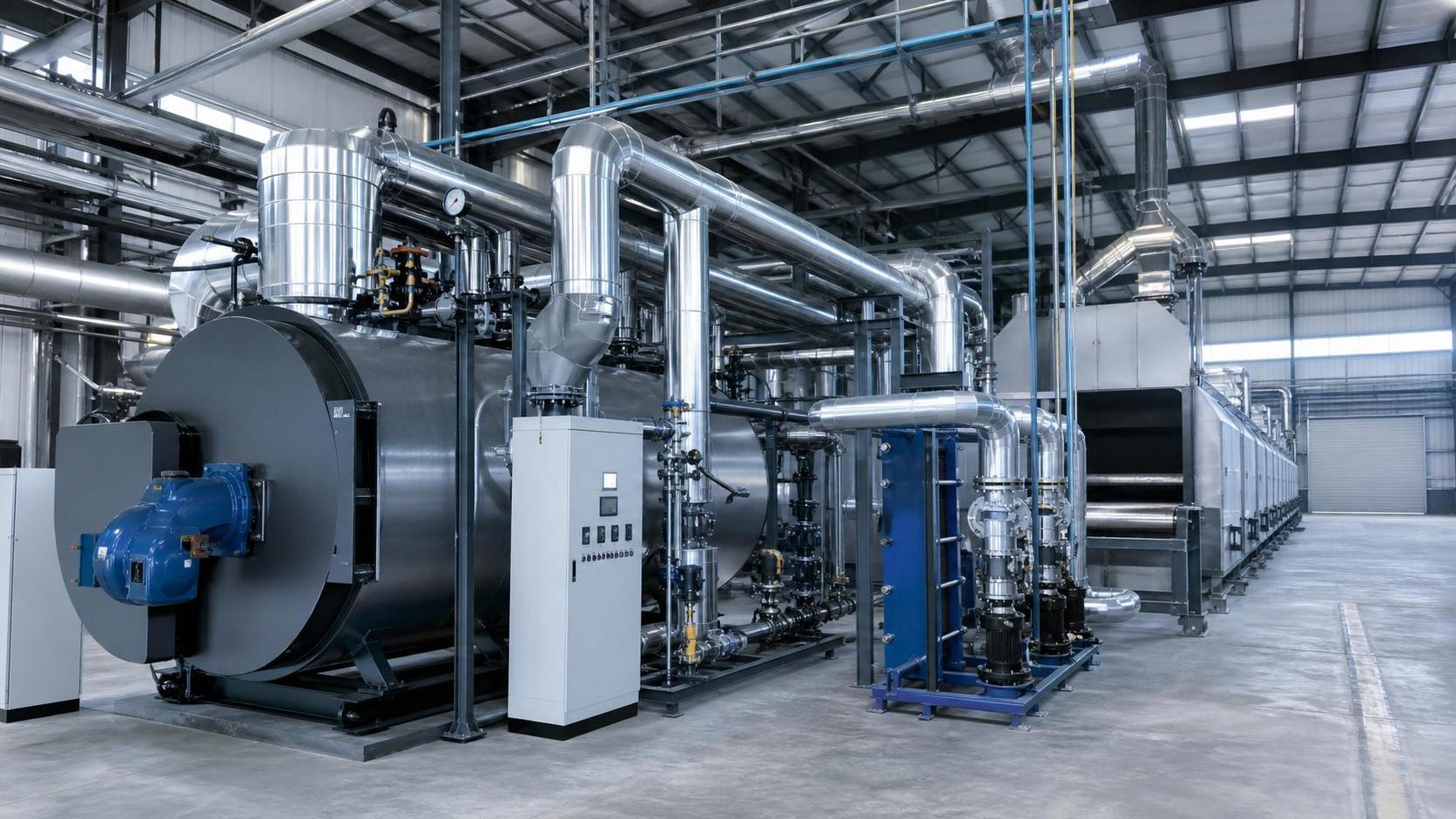
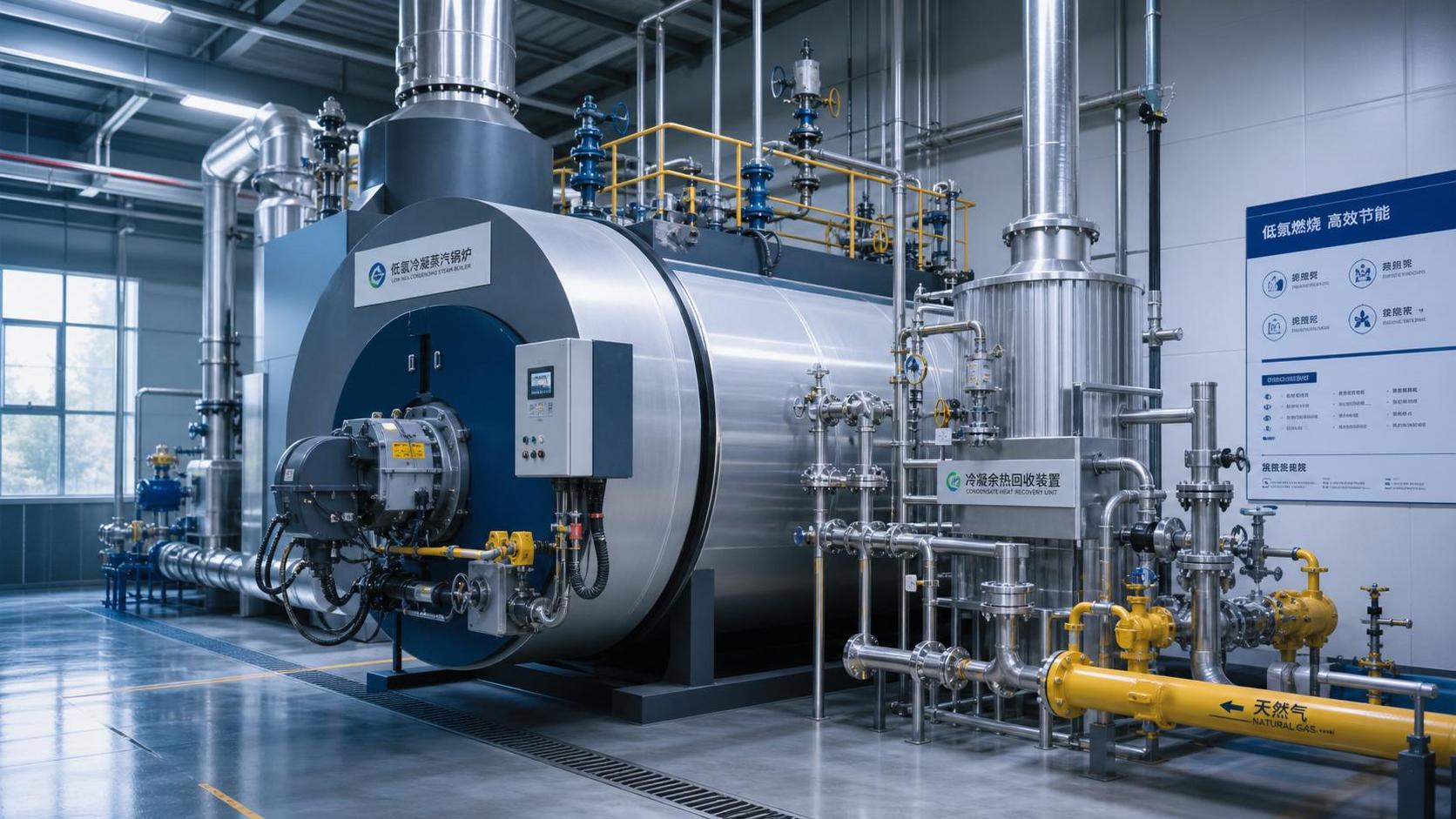
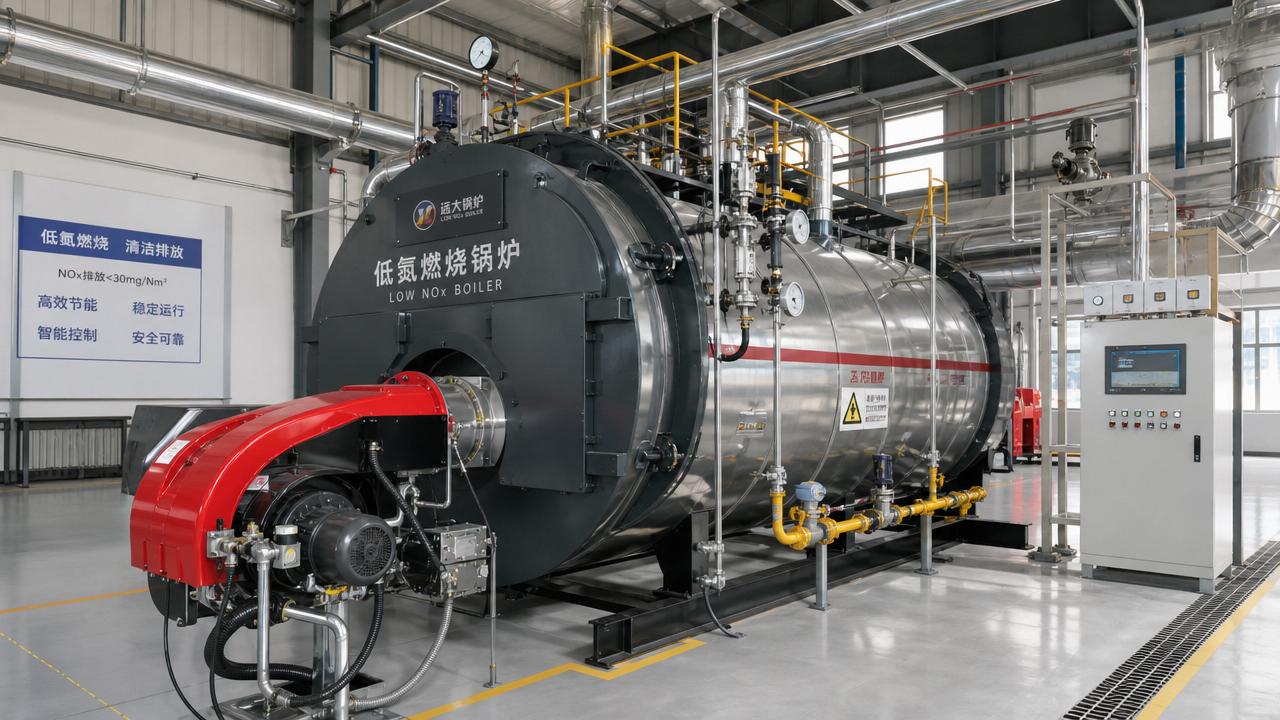
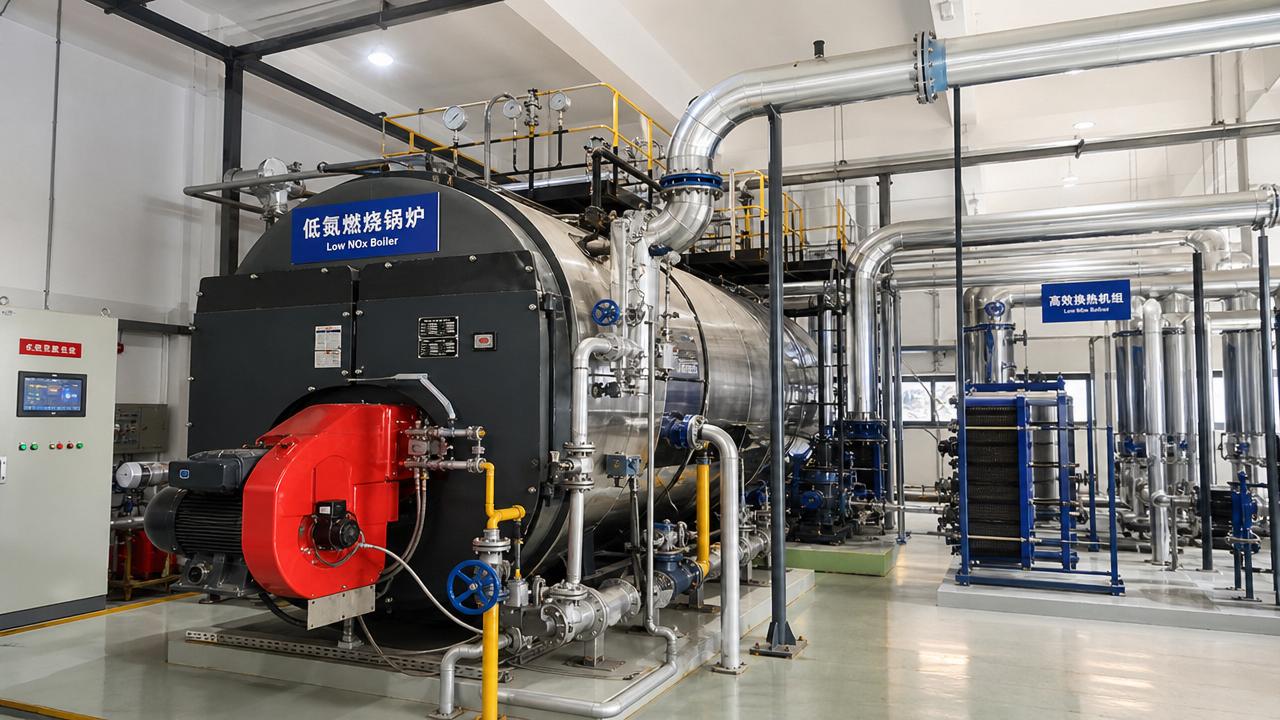
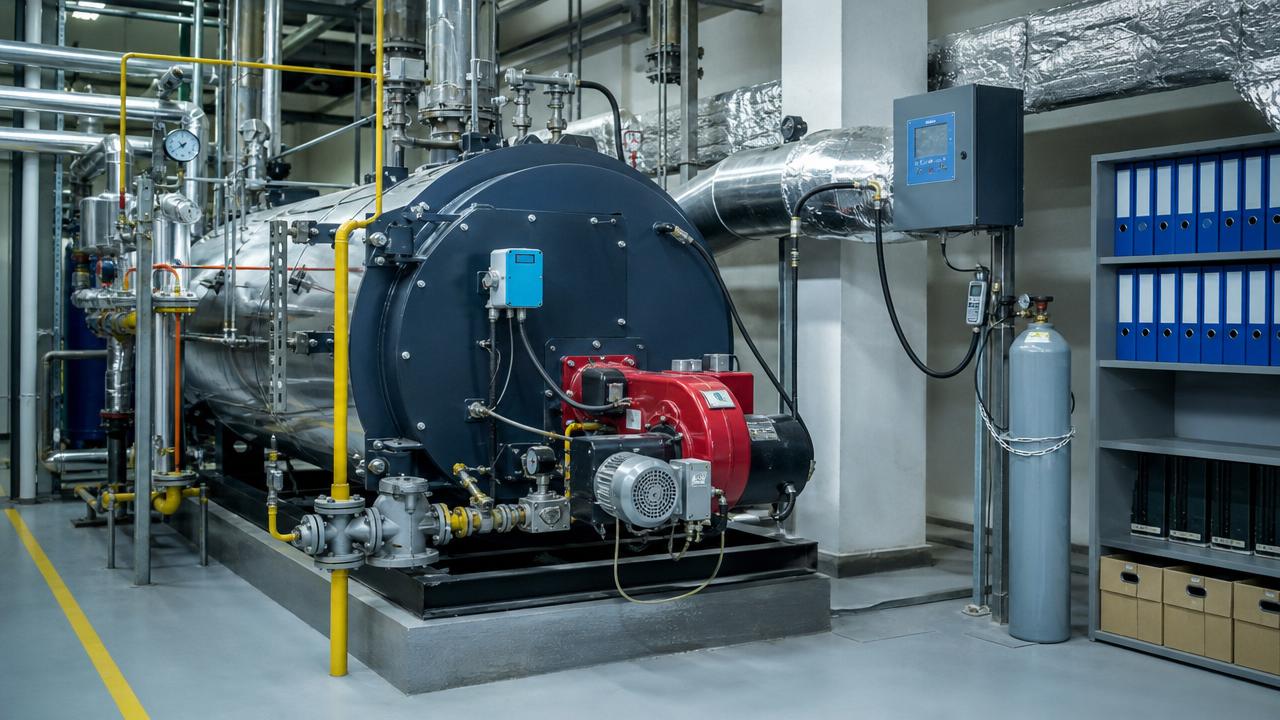
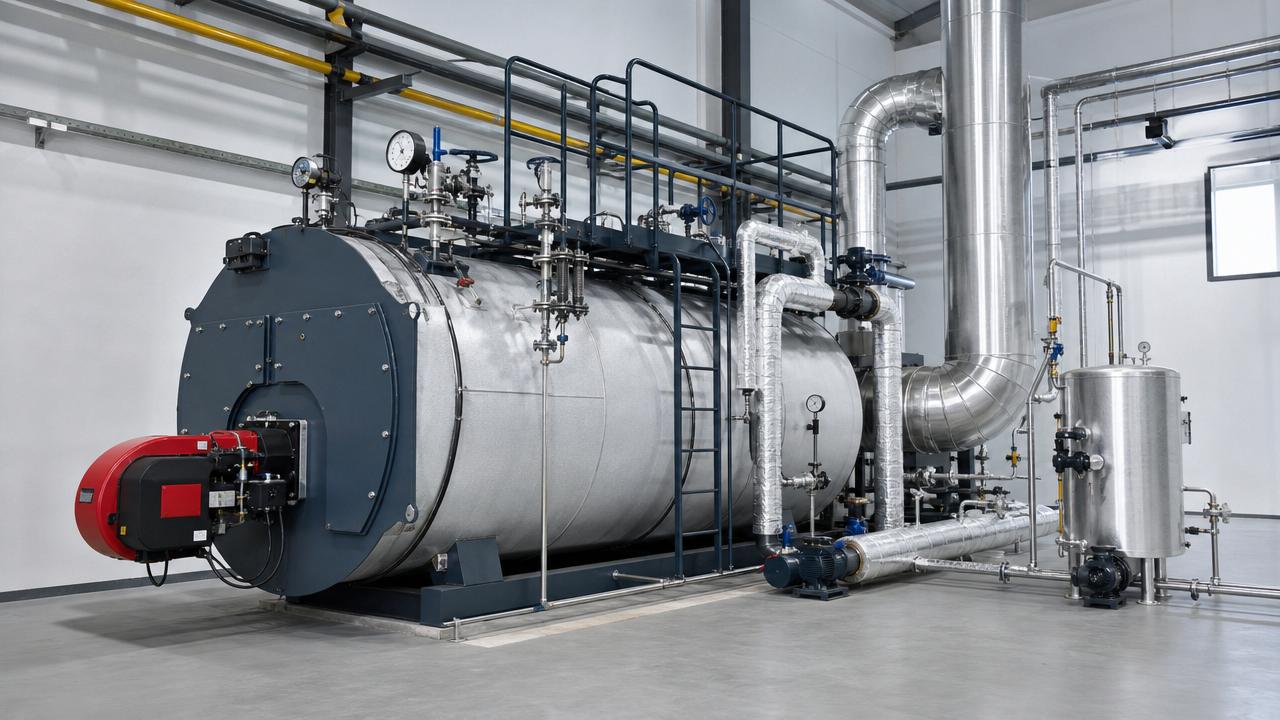
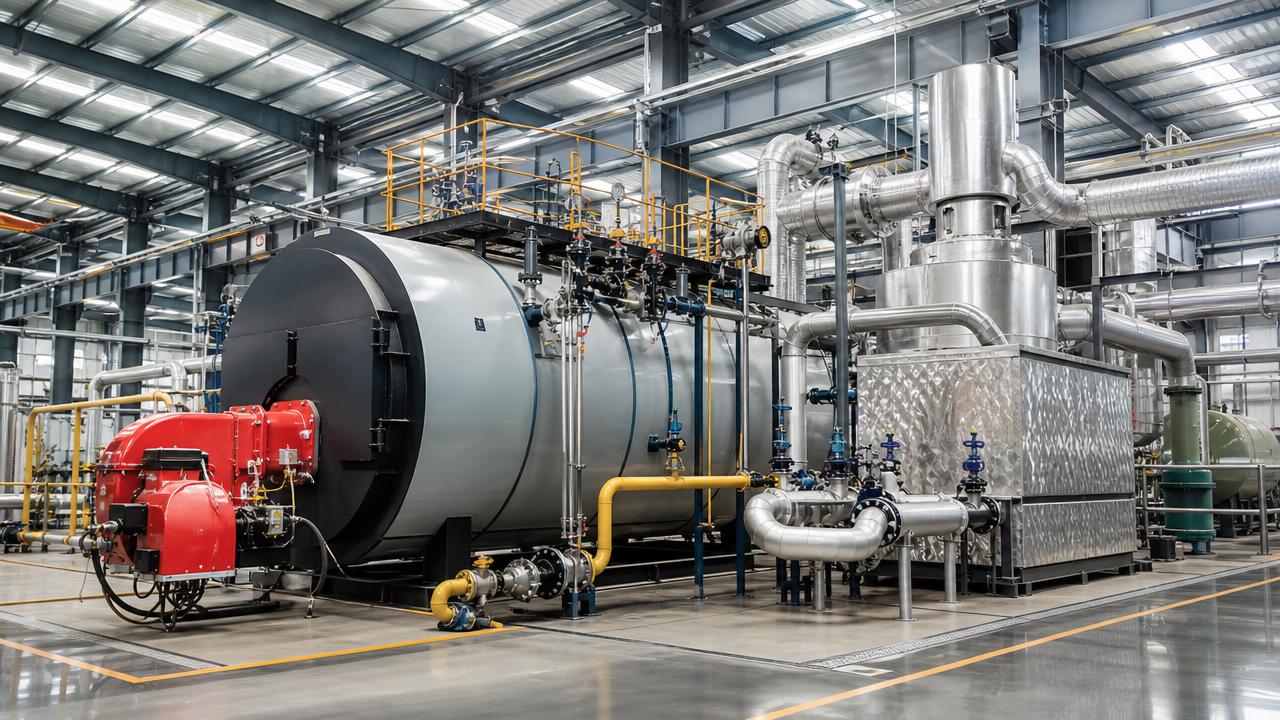
Low-NOx combustion boilers are boiler systems designed to reduce nitrogen oxide formation during fuel combustion.
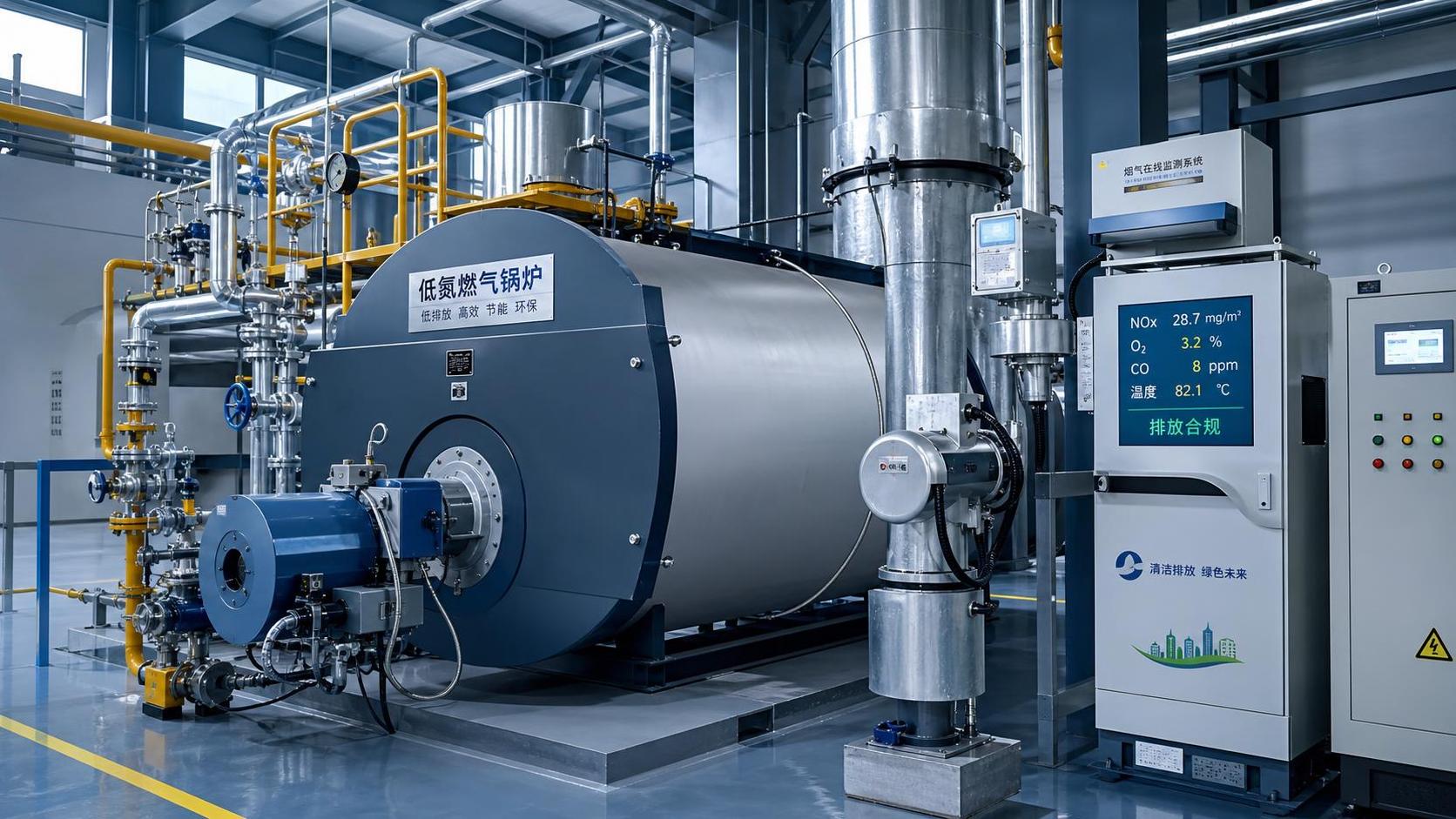
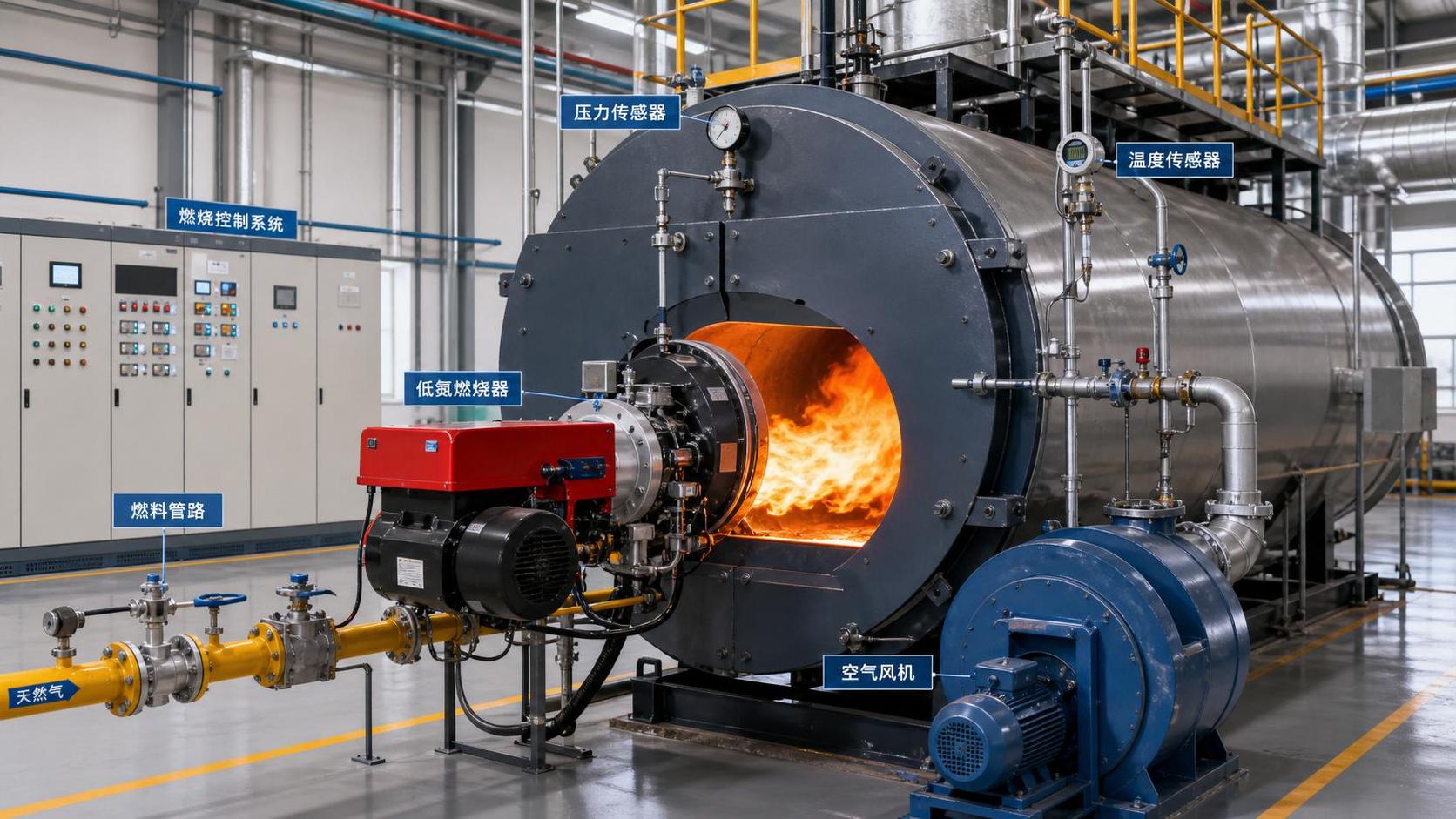
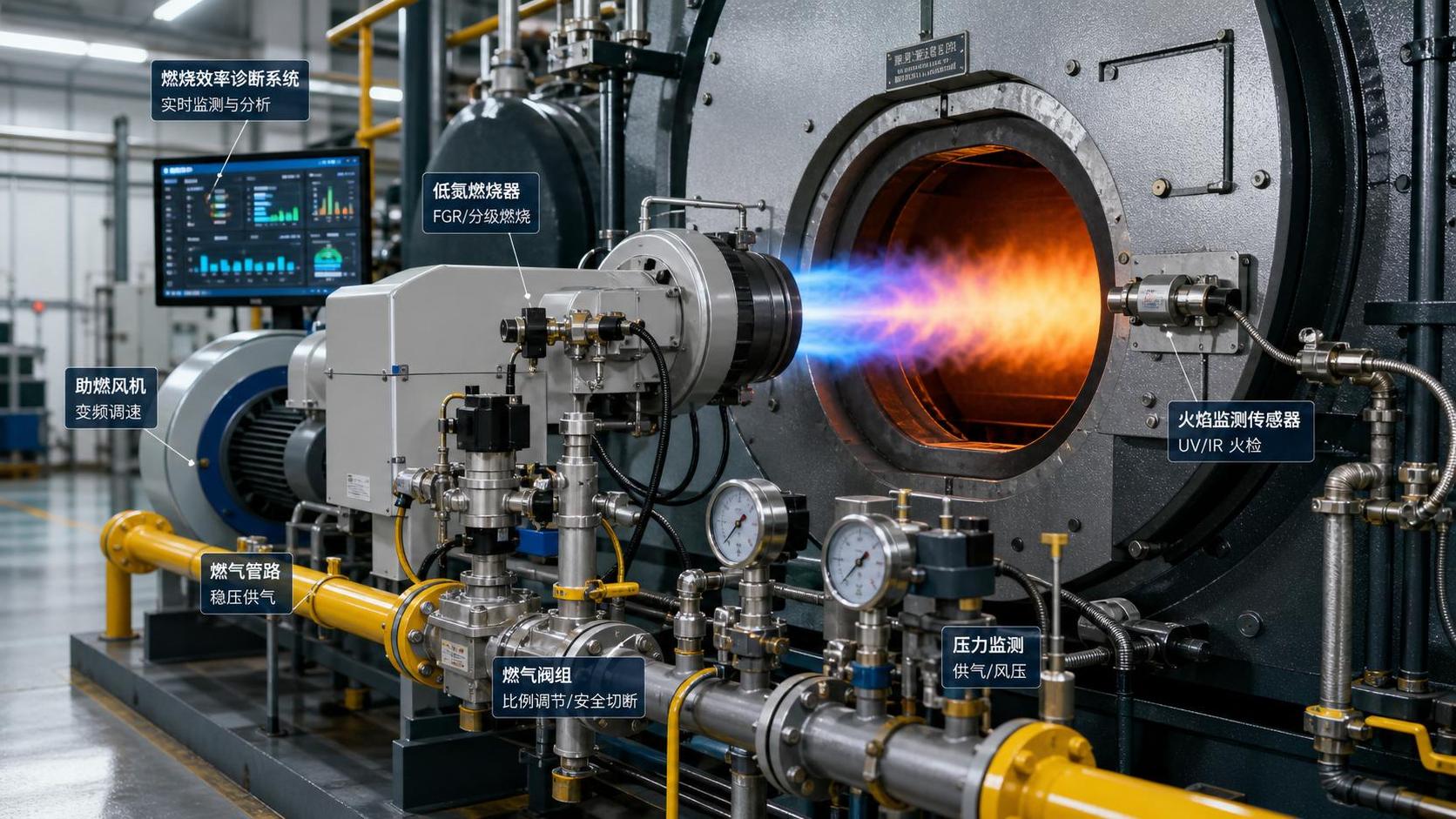
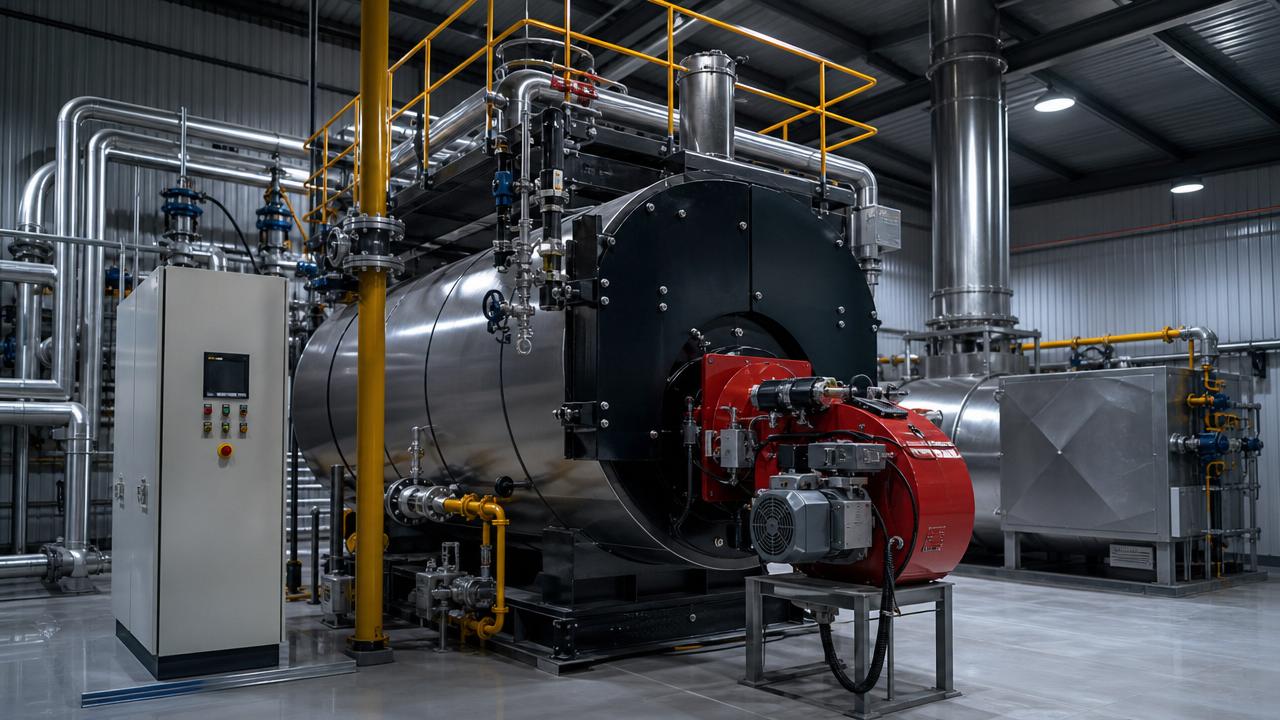
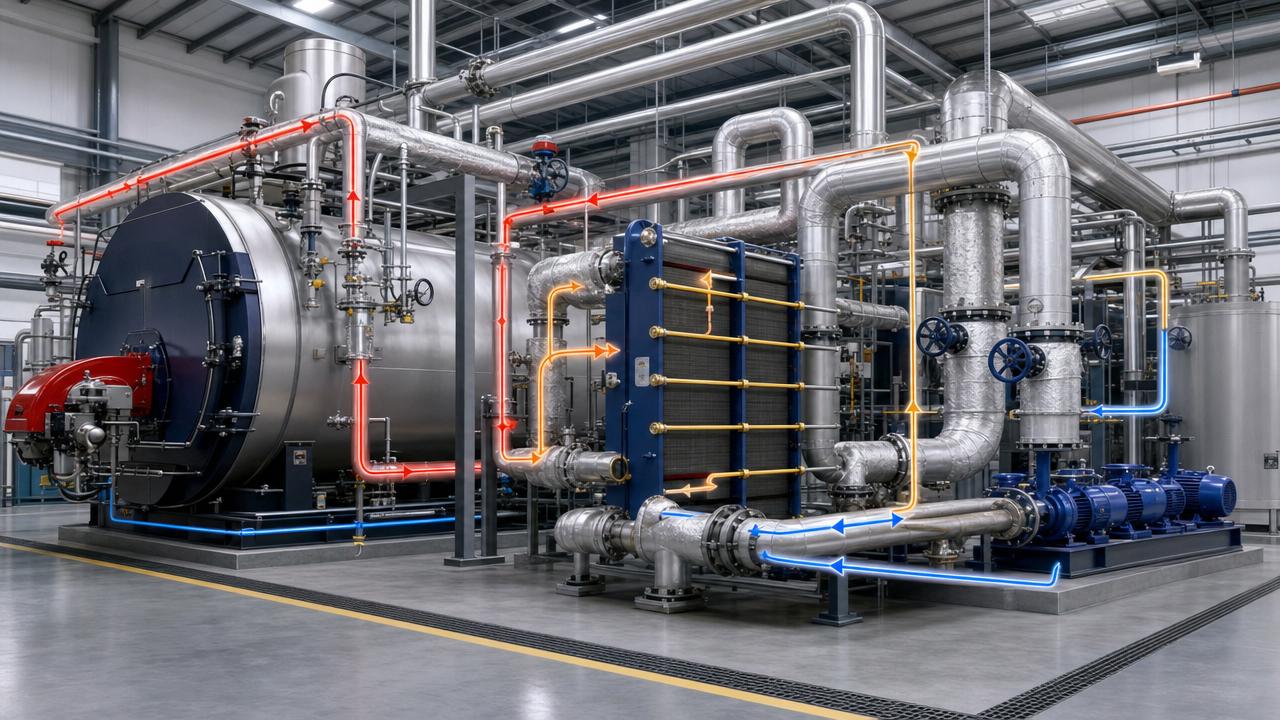
They typically use burner geometry, staged combustion, flue gas recirculation, precise air-fuel control, and advanced monitoring to limit peak flame temperature.
NOx forms mainly when combustion temperatures rise and oxygen reacts with nitrogen under high-heat conditions.
That means emissions control cannot be separated from combustion stability, excess air management, and heat transfer efficiency.
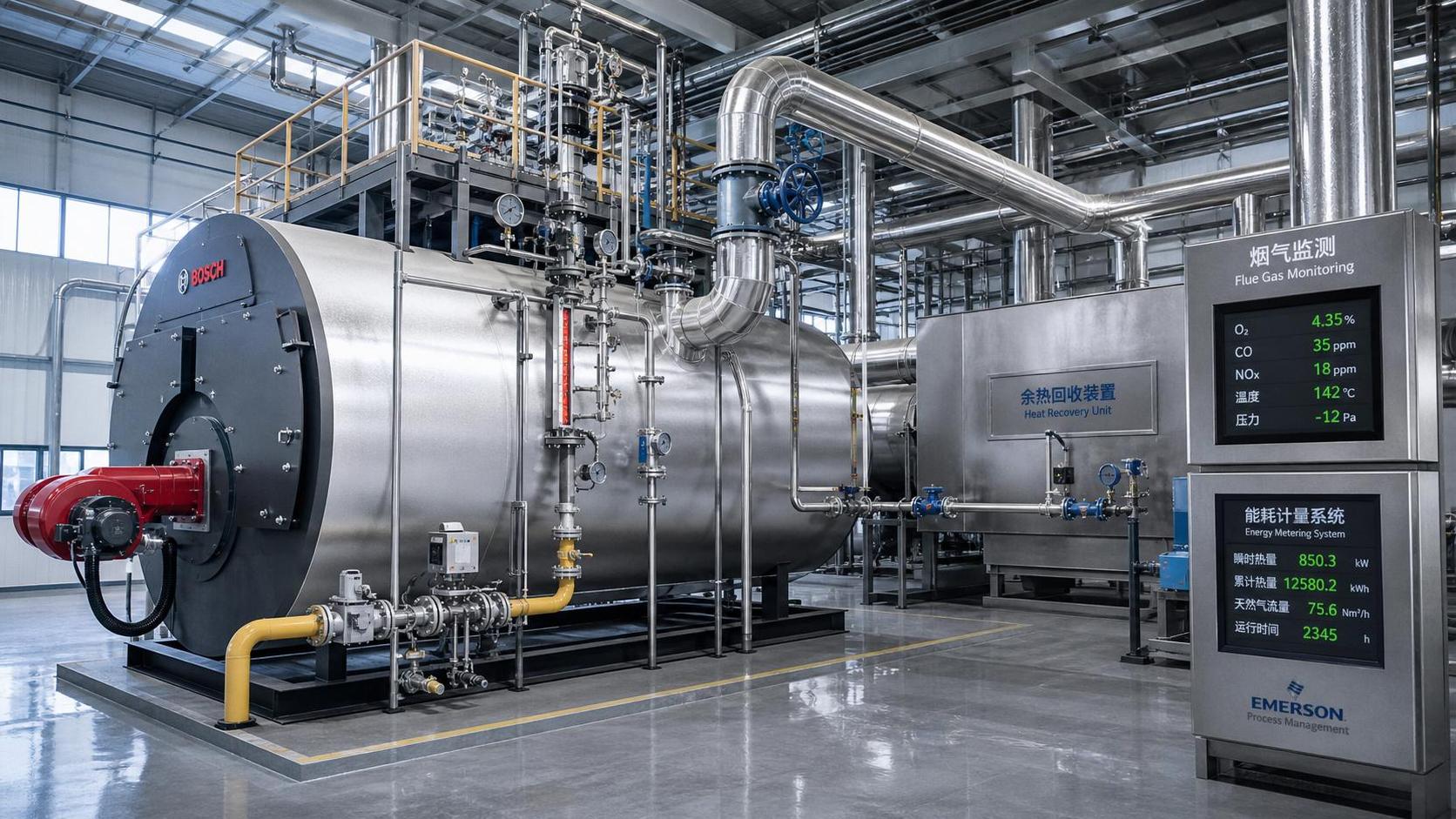
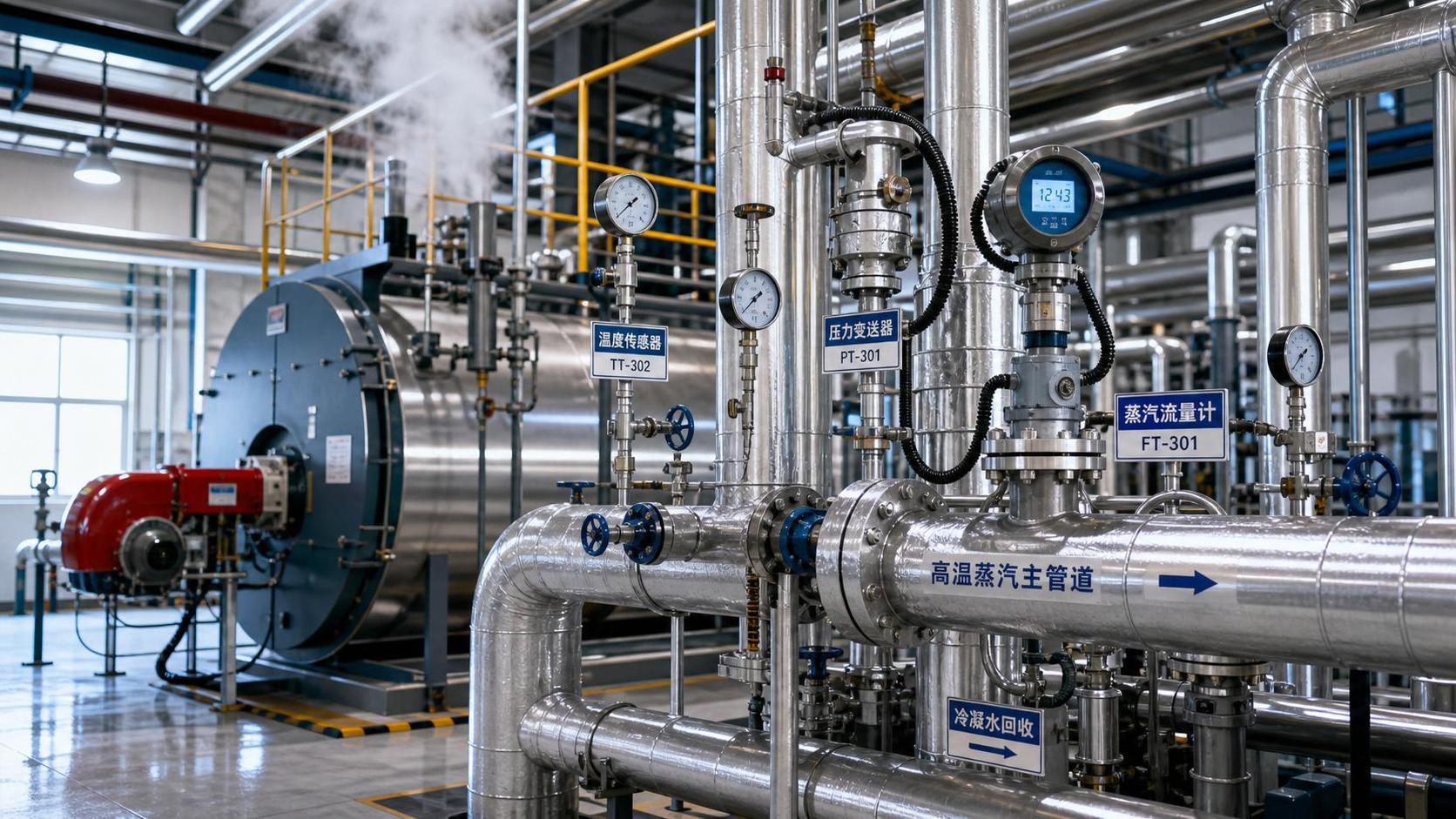
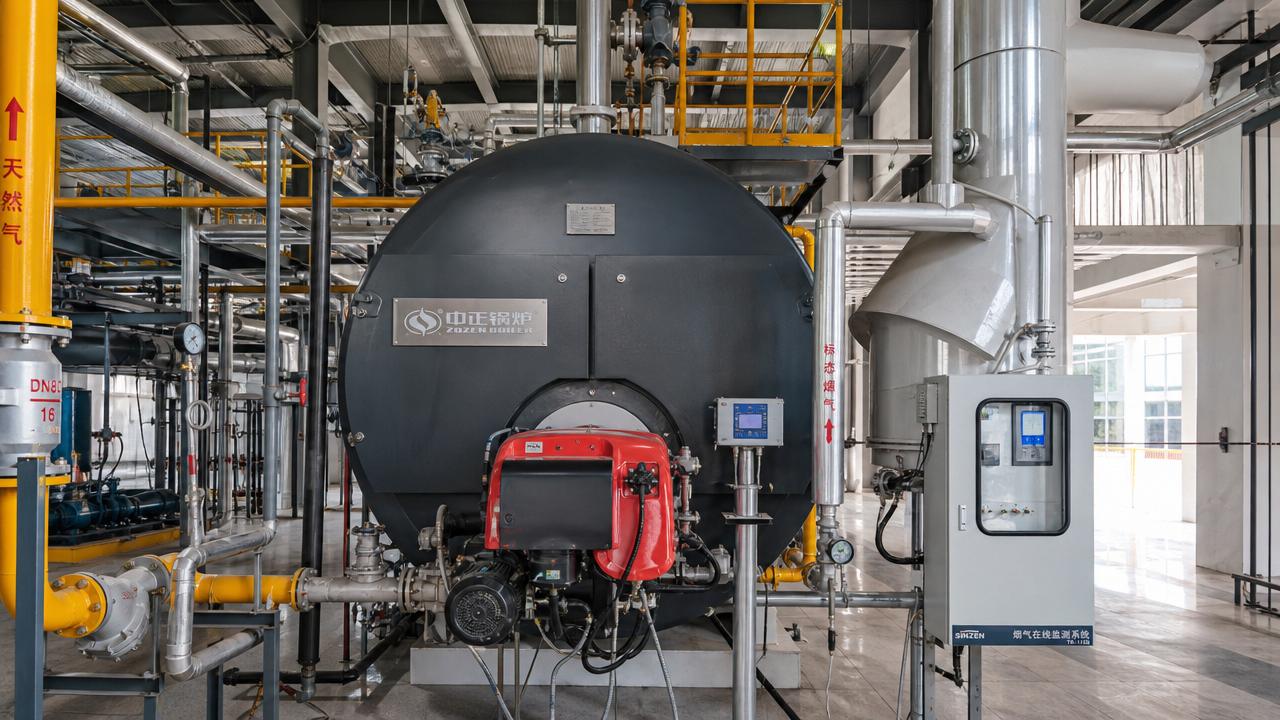
Modern low-NOx combustion boilers often integrate digital controls, oxygen trim systems, variable-speed fans, and combustion diagnostics.
These features help maintain lower emissions under changing loads, startup cycles, and seasonal fuel quality variations.
In practical terms, the technology is not only about passing an emissions threshold.
It is about holding a controlled thermal profile without sacrificing reliability, steam quality, or hot water consistency.
2026 Compliance Pressure and Key Industry Signals
The pressure around low-NOx combustion boilers comes from a convergence of policy tightening, public emissions scrutiny, and rising energy cost sensitivity.
In many markets, 2026 is becoming a milestone year for permit renewal, retrofit planning, and equipment replacement decisions.
Even where national limits differ, the direction is similar: lower allowable NOx, stronger reporting expectations, and less tolerance for poorly documented performance.
This environment changes project timing.
Waiting for a failed inspection can compress budgets, shorten engineering review, and increase shutdown risk.
As a result, low-NOx combustion boilers are becoming part of enterprise-wide resilience planning, not just emissions management.
Operational Value Beyond Compliance
The strongest case for low-NOx combustion boilers is often operational rather than regulatory.
Well-designed systems can support steadier combustion, improved energy utilization, and better visibility into heat system performance.
Why the upgrade matters in daily plant operation
- Lower emissions reduce permit-related exposure and inspection uncertainty.
- Improved burner controls can reduce excess fuel use at partial load.
- Better diagnostics shorten troubleshooting time during unstable combustion events.
- More stable flame conditions support safer thermal output under variable demand.
- Documented performance simplifies internal reviews and external reporting.
For integrated industrial sites, boiler emissions also affect the credibility of broader energy transition programs.
A low-NOx combustion boiler project can therefore strengthen both environmental reporting and operational continuity.
This is especially relevant where compressed air, process cooling, vacuum systems, and thermal systems interact within one production infrastructure.
Typical Application Scenarios and Selection Priorities
Not all sites evaluate low-NOx combustion boilers in the same way.
Selection criteria should reflect thermal duty, operating profile, emissions limits, and maintenance capability.
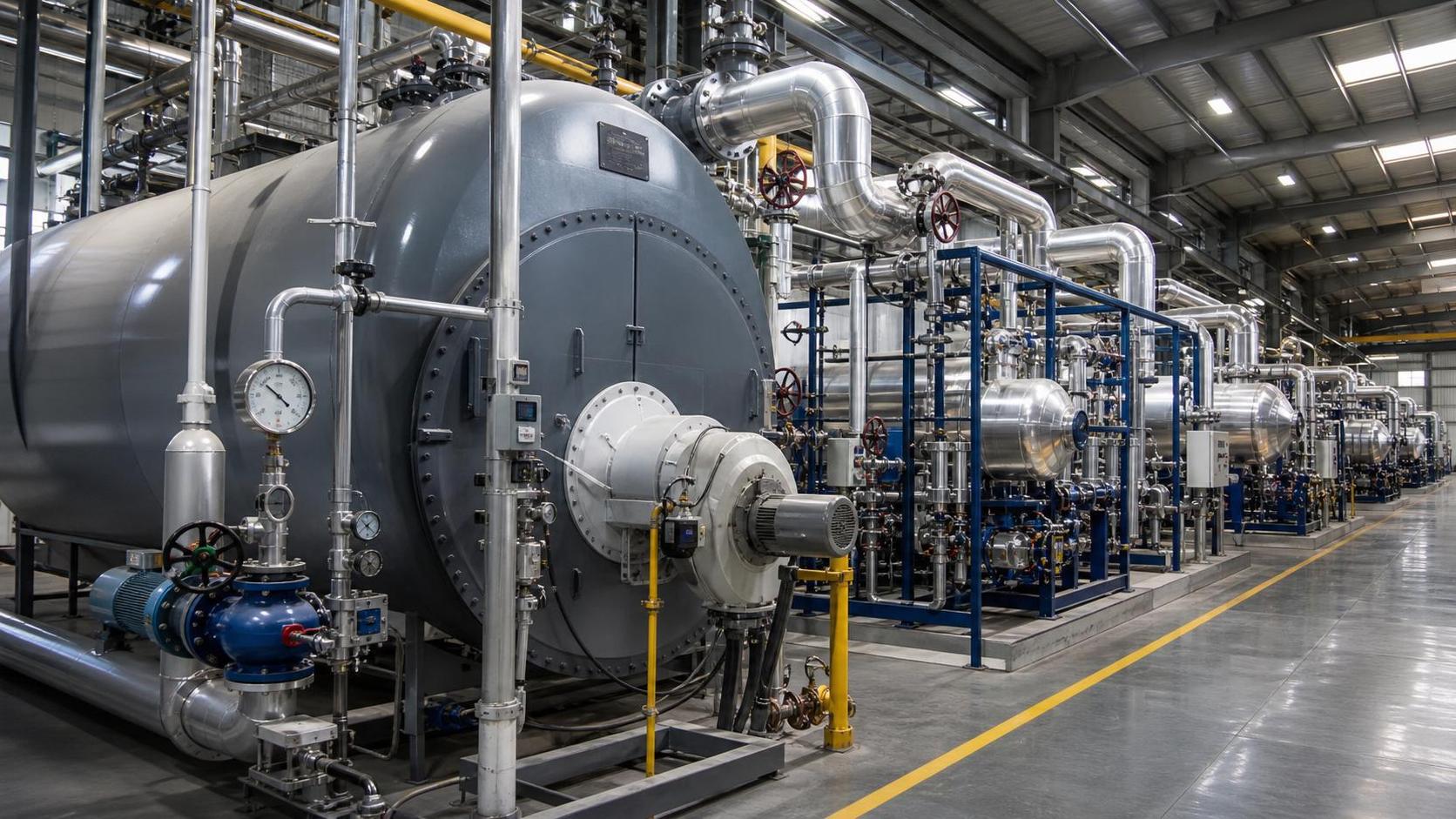
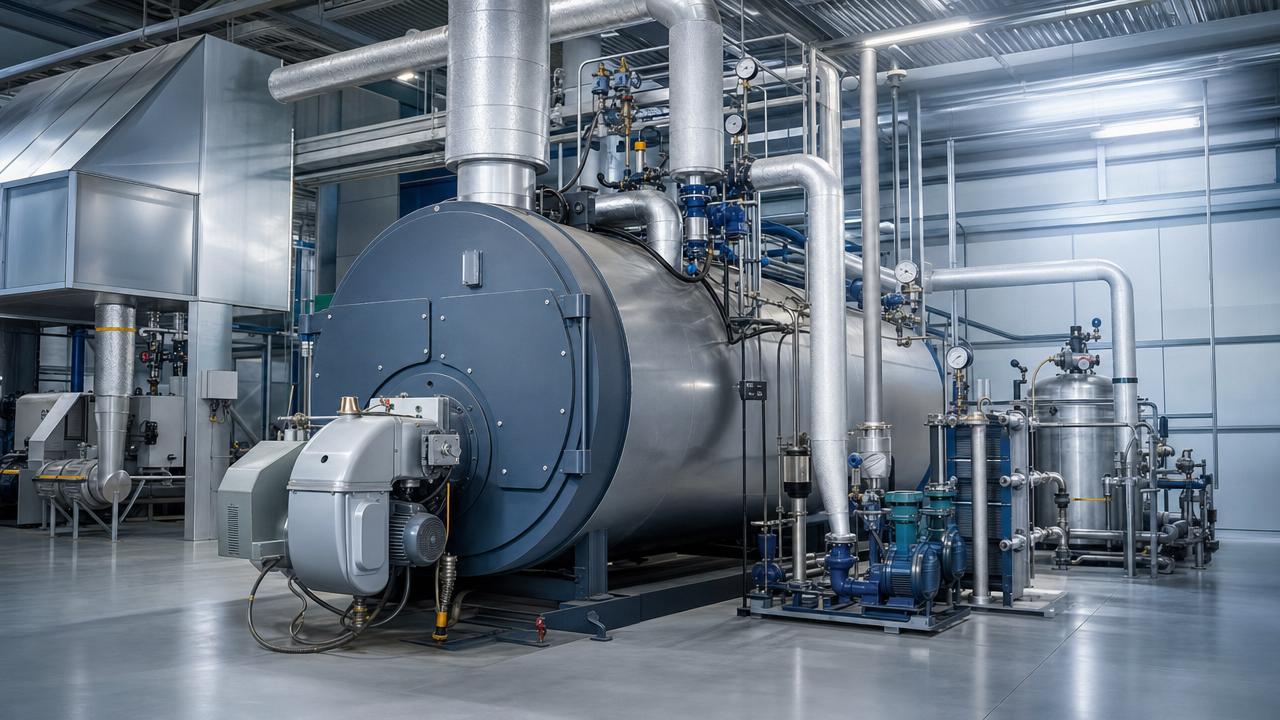
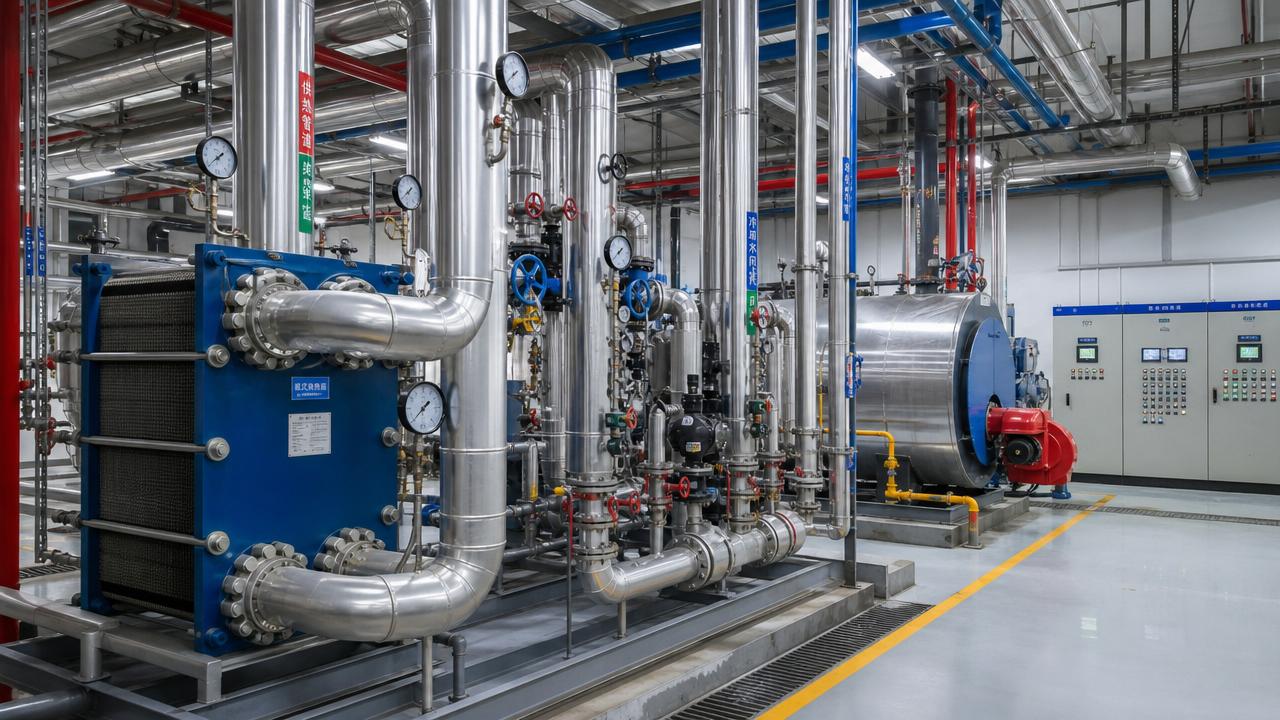
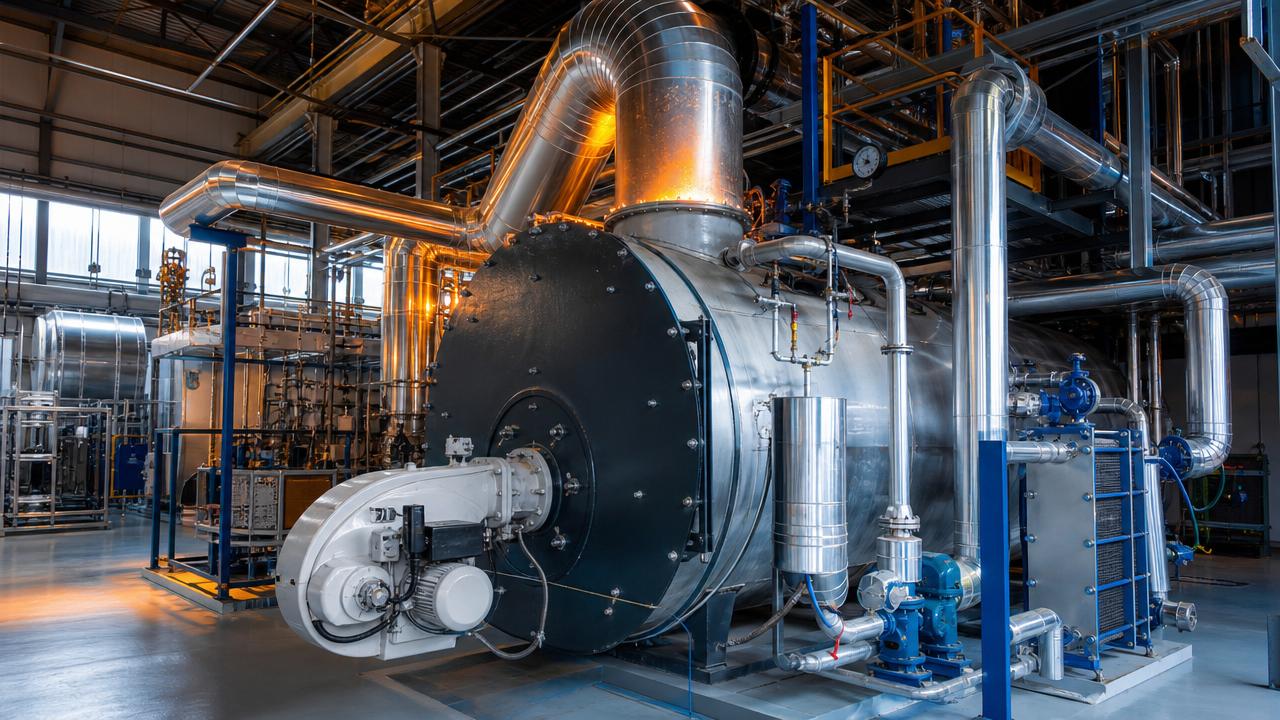
In each case, the low-NOx combustion boiler should be assessed as part of a system, not as an isolated burner package.
Fan performance, stack design, controls integration, feedwater conditions, and operator interface all influence final results.
Maintenance, Verification, and Risk Control Considerations
A low-NOx combustion boiler can lose performance if maintenance practices remain unchanged after installation.
Emission compliance depends on sustained calibration, combustion tuning, sensor health, and disciplined recordkeeping.
Critical areas to monitor
- Oxygen trim accuracy and analyzer calibration status.
- Burner wear, ignition reliability, and flame signal integrity.
- Flue gas recirculation pathway cleanliness and damper response.
- Stack test records versus actual operating load conditions.
- Control logic changes after software updates or equipment replacement.
Verification should also reflect real operating patterns.
A boiler that passes under one test point may drift outside target during rapid load swings or extended low-fire operation.
That is why audit readiness requires both emissions data and operating context.
For many facilities, the hidden risk is not a failed component.
It is an undocumented deviation between designed low-NOx performance and real field conditions.
Practical Steps for 2026 Preparation
Preparation for 2026 should begin with a structured review of current combustion assets and compliance evidence.
- Map every boiler by age, burner type, fuel, load profile, and permit condition.
- Compare current measured emissions against likely future thresholds and safety margins.
- Review whether existing low-NOx combustion boilers still meet specifications after years of service.
- Identify retrofit candidates versus full replacement candidates based on lifecycle economics.
- Strengthen documentation, calibration routines, and operator response procedures.
- Coordinate emissions planning with broader efficiency and decarbonization targets.
This approach reduces rushed spending and creates a clearer business case for low-NOx combustion boilers.
It also helps align engineering, compliance, and energy management around measurable plant outcomes.
A Measured Next Step for Thermal System Resilience
Low-NOx combustion boilers now sit at the intersection of compliance pressure, energy efficiency, and operational discipline.
The 2026 timeline makes delayed evaluation increasingly risky, especially where thermal assets are aging or reporting expectations are rising.
A practical next step is to perform a site-wide boiler review covering emissions performance, thermal demand, controls condition, and documentation quality.
Within the broader intelligence framework of GTC-Matrix, such reviews support stronger decisions across industrial heating, compression, cooling, and energy conversion systems.
When low-NOx combustion boilers are evaluated as strategic thermal assets, compliance becomes more manageable and plant resilience becomes more durable.
Related News
- How to Compare Boiler Systems in Latin America by Fuel Cost and ComplianceAuthor :Thermal Energy Strategist

- How to Size Low-Pressure Industrial Steam Systems for Stable Heat DemandAuthor :Thermal Energy Strategist

- Low Emissions Boilers: What to Compare Before You ChooseAuthor :Thermal Energy Strategist

- Low-NOx Boilers Cost Breakdown: Upfront Price, Fuel Savings, and PaybackAuthor :Thermal Energy Strategist

- Boiler Combustion Systems: Common Causes of Unstable Fuel PerformanceAuthor :Thermal Energy Strategist

- Hot Water Industrial Boilers: When Efficiency Gains Justify ReplacementAuthor :Thermal Energy Strategist

- What Boiler Efficiency Really Means in Daily Operation and Energy BillsAuthor :Thermal Energy Strategist

- Boiler Efficiency Testing Methods That Expose Heat Loss and Fuel WasteAuthor :Thermal Energy Strategist

- Industrial Burner Systems: Key Factors for Safe Heat OutputAuthor :Thermal Energy Strategist

- Gas-Fired Boiler Combustion Technology: Key Efficiency and Emissions Trade-OffsAuthor :Thermal Energy Strategist

- Unfired Heat Recovery Steam Generators: When Do They Pay Off?Author :Thermal Energy Strategist

- How to Evaluate Steam Generation Systems Electric for Process Heat ProjectsAuthor :Thermal Energy Strategist

- Thermal Power Systems for Industrial Heating: Common Sizing Mistakes to AvoidAuthor :Thermal Energy Strategist

- Low-NOx Condensing Boilers: How to Compare Efficiency and EmissionsAuthor :Thermal Energy Strategist
![]()
- Low Emissions Boilers for Food Processing: Key Compliance and Fuel Cost FactorsAuthor :Thermal Energy Strategist

- Steam System Efficiency Calculation: Key Inputs That Change the ResultAuthor :Thermal Energy Strategist

- How to Evaluate a Steam Boiler Components Exporter Before OrderingAuthor :Thermal Energy Strategist

- Burner Systems Troubleshooting: Common Efficiency Loss CausesAuthor :Thermal Energy Strategist

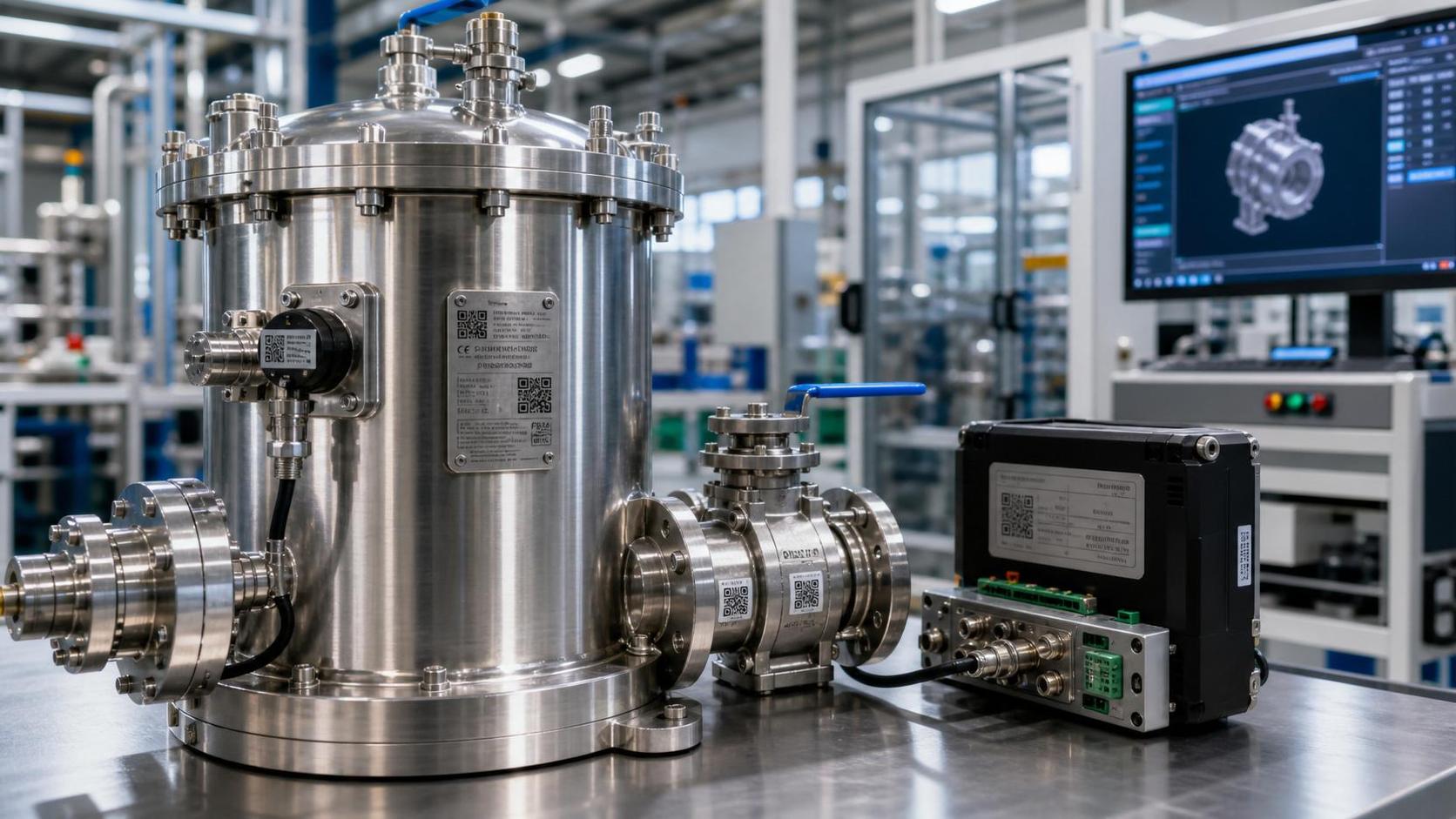
- EU PED Q2 Rules Require Digital Compliance TagsAuthor :Thermal Energy Strategist

- Thermal Power Systems: Key Efficiency Risks in Daily OperationAuthor :Thermal Energy Strategist

- Low-NOx Combustion Boilers: Key Efficiency and Compliance ChecksAuthor :Thermal Energy Strategist

- Low-NOx Combustion Boilers: Key Specs That Affect Emissions and Fuel UseAuthor :Thermal Energy Strategist

- Low-NOx Combustion Boilers: Key Compliance RisksAuthor :Thermal Energy Strategist

- Thermodynamics Analysis for Boiler Heat-Loss ReductionAuthor :Thermal Energy Strategist

- Industrial Thermal Systems: Common Operating RisksAuthor :Thermal Energy Strategist

- Low-NOx Combustion Boilers: Key Spec Checks Before PurchaseAuthor :Thermal Energy Strategist

- How Industrial Heat Recovery Cuts Boiler Fuel Costs in 2026Author :Thermal Energy Strategist

- Thermodynamics Analysis: 5 Heat Loss Clues in Steam BoilersAuthor :Thermal Energy Strategist

- Low-NOx Combustion Boilers: What Affects Real Emissions PerformanceAuthor :Thermal Energy Strategist

- Thermodynamics Analysis: Finding Heat Loss in Steam BoilersAuthor :Thermal Energy Strategist

- 2026 Steam Boiler Upgrades for Lower NOx and Fuel CostsAuthor :Thermal Energy Strategist

- EU to Expand CBAM to Steam Boilers; Exporters Must Prepare Carbon DataAuthor :Thermal Energy Strategist

- Industrial Heat Recovery: When Payback Beats New Boiler CapacityAuthor :Thermal Energy Strategist

- Carbon Neutrality Targets and the New Boiler Retrofit PaybackAuthor :Thermal Energy Strategist

- Low-NOx Combustion Boilers: Fuel Savings vs Emission LimitsAuthor :Thermal Energy Strategist

- Industrial Energy Efficiency Benchmarks for Steam Boiler Upgrades in 2026Author :Thermal Energy Strategist